Quartz
Subscribe
Quartz
Subscribe
Edition
Business News
A.I.
Technology
Money & Markets
Leadership
Lifestyle
Latest

Get Quartz in your inbox

Free daily briefing on global business news.

Business News
AirlinesAutomobilesFoodPharmaceuticalsPolitics & GovernmentRetail & EcommerceSpace & AerospaceEarnings
Technology
A.I.ComputingConsumer TechSpace & AerospaceEarnings
Money & Markets
Economic IndicatorsMarketsPersonal FinanceEarnings
Lifestyle
Cars & BikesCollectingEntertainmentFood & Fine DiningHealth and FitnessReal EstateTravel
Quartz

Global business news for a smarter world

Topics

  • Business News
  • Money & Markets
  • Tech & Innovation
  • Generation A.I.
  • Lifestyle
  • Leadership

Products

  • Daily Brief
  • Weekly Digest
  • Member Benefits
  • Quartz Pro

Legal

  • Sitemap
  • About
  • Accessibility
  • Privacy
  • Terms of Service
  • Advertising

© 2026 Quartz Media, Inc. All rights reserved.

News

Plug-in hybrids aren't quite working as a transition to electric cars

Consumers aren't too happy with their plug-in hybrids, despite the fact they're billed as a bridge between gas-powered cars and electric vehicles

By Andy Kalmowitz / Jalopnik·3 min read·Published October 17, 2024
Add QZ to Google

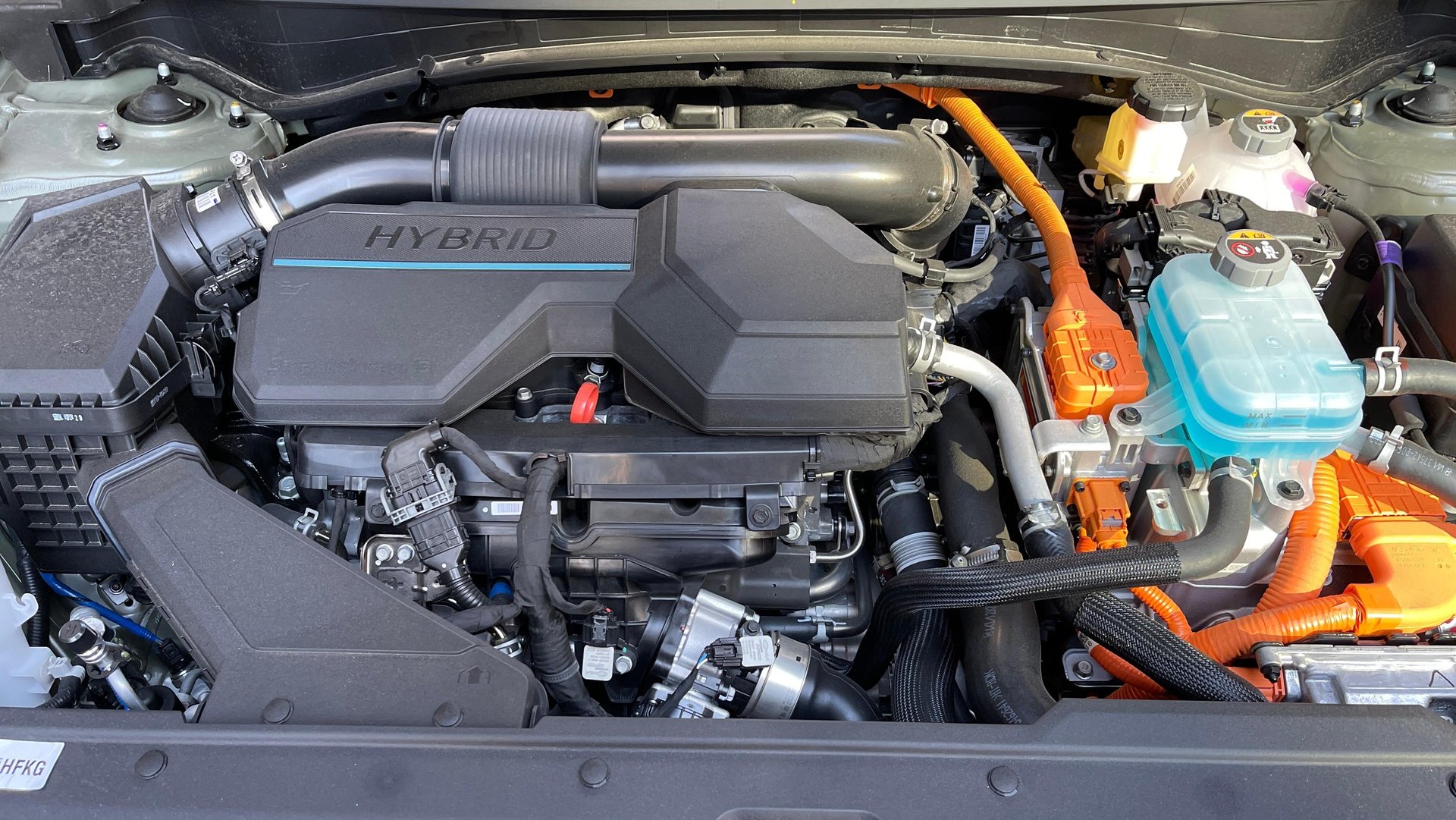
Plug-in hybrids are proving to not be the transitional bridge between gas-powered cars and electric vehicles many folks were hoping for. That’s a shame because when used properly, PHEVs are absolutely fantastic. A study from JD Power is shedding new light on how and why customers are unsatisfied with their plug-in hybrids.

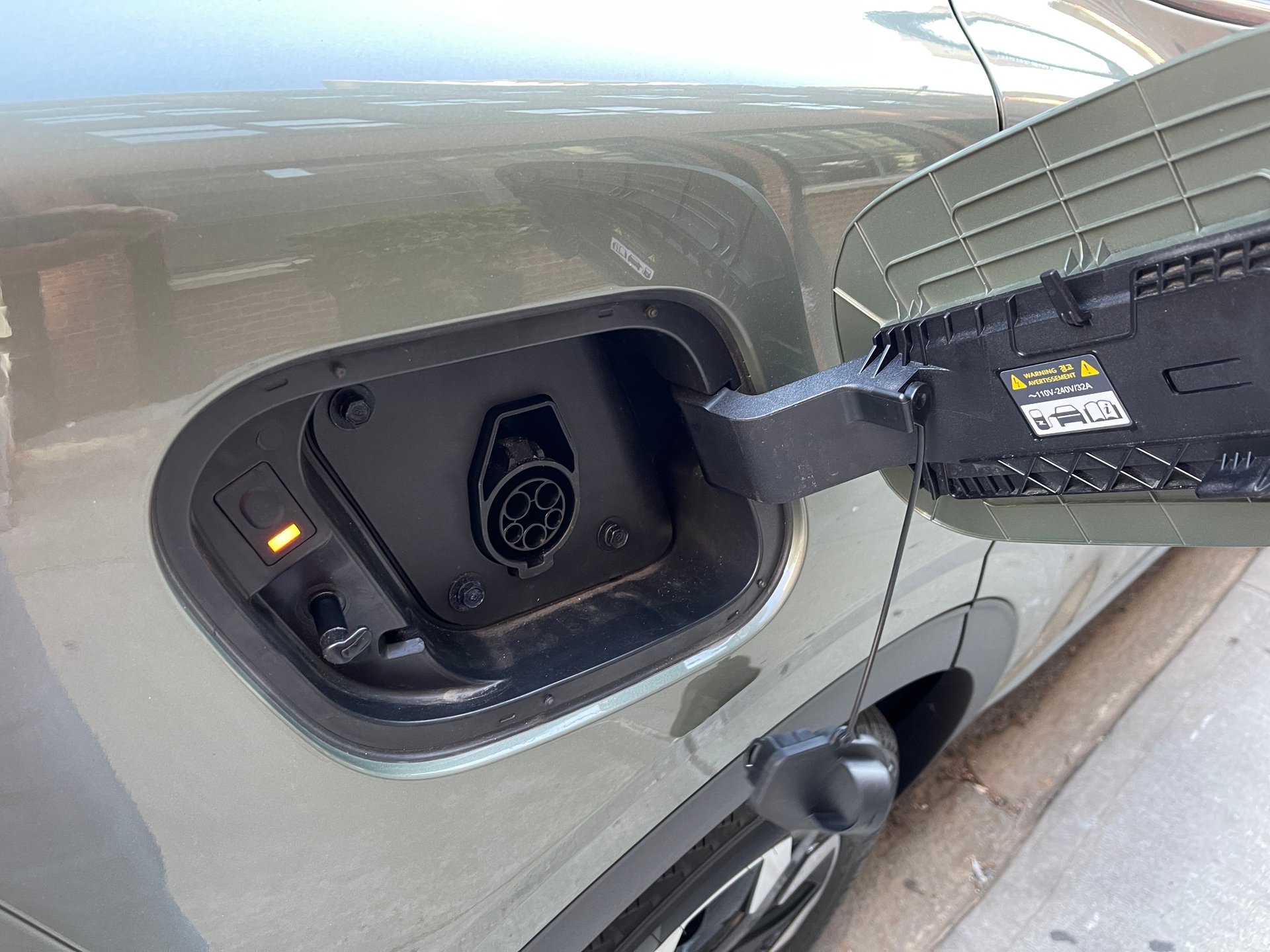
Right now, there are 41 PHEVs for sale in the U.S. – that’s 12 more than there were just two years ago. For the most part, the cars can go between 25 and 40 miles on a full charge and can be juiced up at home or at a public Level 2 charger before the gas motor kicks in. Some automakers are positioning PHEVs as a bridge between gas-powered cars and electric vehicles to get folks to dip their toes in the world of electric cars, but it’s doesn’t seem to be working, as Automotive News explains:

“There’s been a lot of focus on creating intermediary steps for consumers who may not be ready to fully adopt a battery-electric vehicle yet,” Brent Gruber, executive director of the EV practice at J.D. Power, told Automotive News. But the experience of plug-in hybrid owners “really isn’t favorable in comparison to battery-electric vehicles.”
[...]
Overall satisfaction on a 1,000-point scale with PHEVs is 669 while mass-market satisfaction with BEVs is 716, according to J.D. Power consumer satisfaction data. Satisfaction with premium EVs is 738 on a 1,000-point scale.
“Plug-in hybrids have their merits for certain people, but when you look at that ownership experience, it’s certainly not as positive as battery-electric vehicle ownership experiences,” Gruber said.

PHEV sales are actually declining right now. Through August, plug-in hybrid vehicles represented just 1.9 percent of total vehicle sales. That works out to a slight decrease from July, JD Power tells AutoNews. For reference, fully electric vehicles made up 9.4 percent of the market and conventional hybrids at right at 10.7 percent. There’s a big gulf there between those types of vehicles and PHEVs. It’s not like the other two categories have a ton more offerings either. In the U.S., there are currently 39 conventional hybrids on sale and 60 electric vehicles.

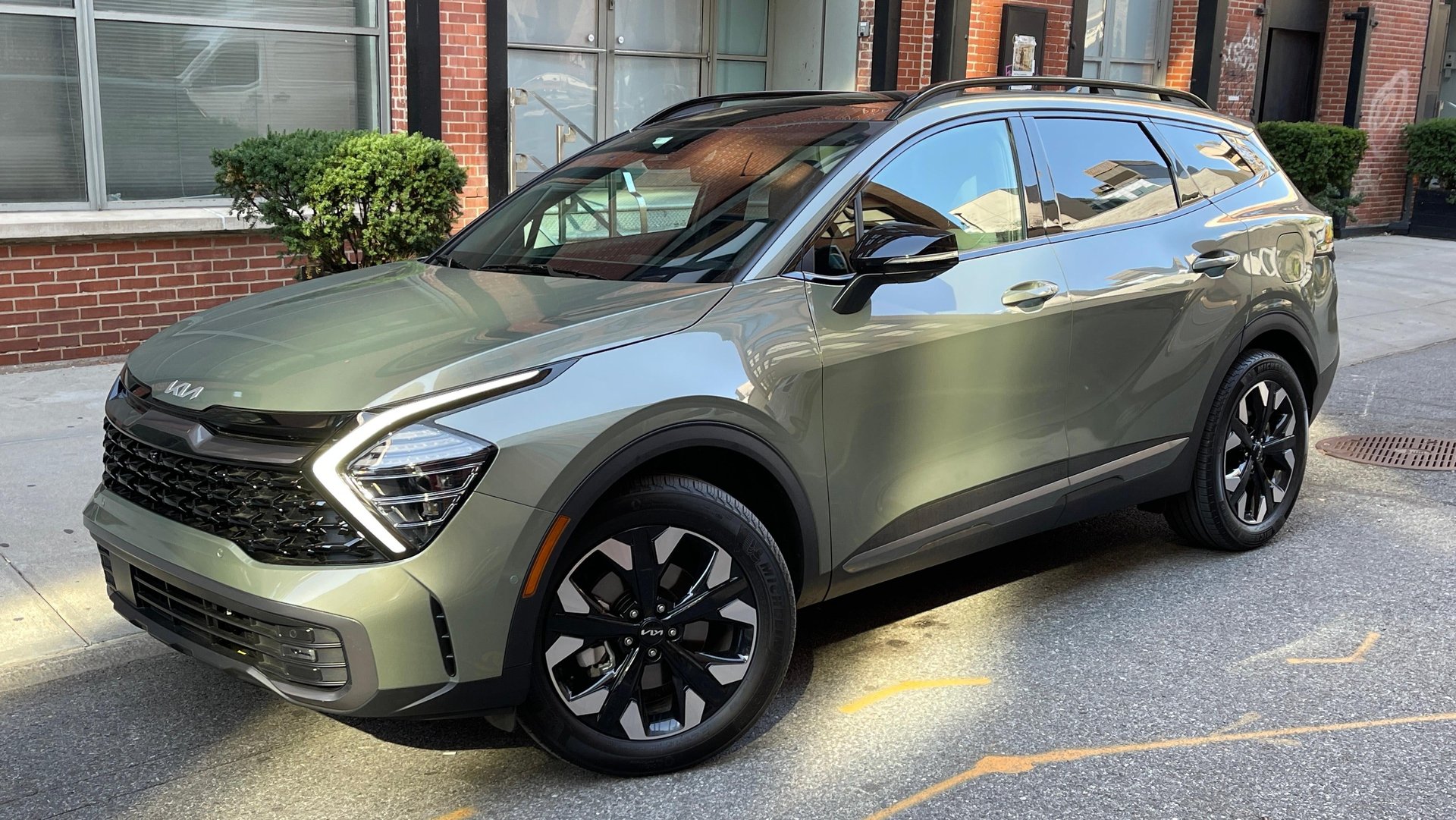
Here’s why this lack of sales may be happening and what OEMs should be doing, according to Automotive News:


PHEVs are costly to purchase and maintain because they have two powertrains. The ownership experience doesn’t always align with the premium price point, especially as less-expensive BEVs enter the market.
The average transaction price for a PHEV in the compact SUV category is $48,700, while compact hybrid crossovers are $37,700 and compact battery-electric SUVs are $36,900, according to J.D. Power.
“These findings should really frame the discussion and decisions around how OEMs plan through this transition — going from ICE to battery-electric vehicles,” Gruber said. The transition isn’t always smooth, but PHEV owners tend to have a worse experience than EV owners, he added.
[...]
Better access to reliable information — such as how a PHEV’s electric range could fit a customer’s needs — can help address issues surrounding consumer adoption, Gruber said.

Basically, what he’s saying is that dealers need to do a better job of educating consumers because once they realize charging isn’t that big of a hassle (and they don’t need that much range) people are generally happy with the EVs and PHEVs they’ve purchased.

I’ve long said the plug-in hybrid is an excellent car for today’s automotive world. I know it’s not a long-term solution, but if you use your PHEV the correct way (charging it up often), then it’s a really good piece of technology.

A version of this article originally appeared on Jalopnik.

Daily Brief

The essential business news, delivered fresh every morning.

Join 500,000+ readers who start their day with Quartz.

By subscribing, you agree to our Terms of Service and Privacy Policy.

Related

AirlinesAlaska Air swung to a loss on surging fuel costs but expects a summer rebound
MarketsGoldman Sachs is building a platform to give wealthy clients direct stakes in private companies
MarketsKalshi is launching a midterm election hub to rival political polling
A.I.OpenAI is adding two banking CEOs to its board as it readies for an IPO
Business NewsTrump is giving generic drug makers two years before hitting imports with 100% tariffs