A little after noon on Dec. 6, Rahul Raghuvanshi was about halfway through writing his maths exam paper in St Joseph’s School in the town of Ganj Basoda in Madhya Pradesh’s Vidisha district.

A little after noon on Dec. 6, Rahul Raghuvanshi was about halfway through writing his maths exam paper in St Joseph’s School in the town of Ganj Basoda in Madhya Pradesh’s Vidisha district.

From 1999 to 2004, Deepak Pawar faced a string of rejections from the arranged marriage market. He was a tall, lean man in his early twenties, with high cheekbones and deep-set eyes. In the suburban Mumbai slum where he lived, most men his age had already tied the knot.

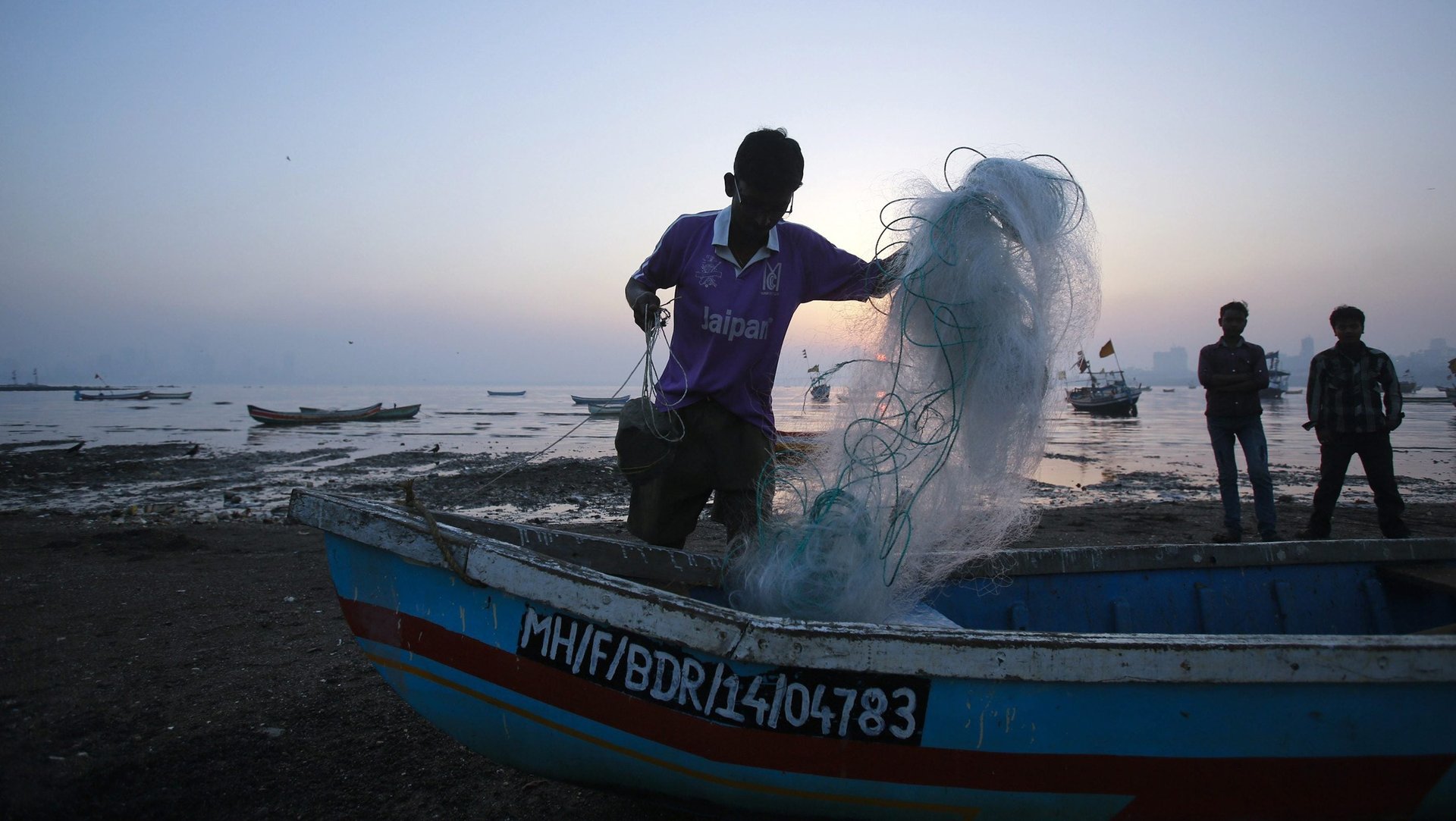
On May 18, the morning after Cyclone Tauktae thundered through Mumbai, Janardhan Koli and other fishermen from Madh Koliwada trooped towards the shore to assess the damage to their boats. The cyclone was fiercer than any storm he had seen before, and Koli had braced himself for the worst.

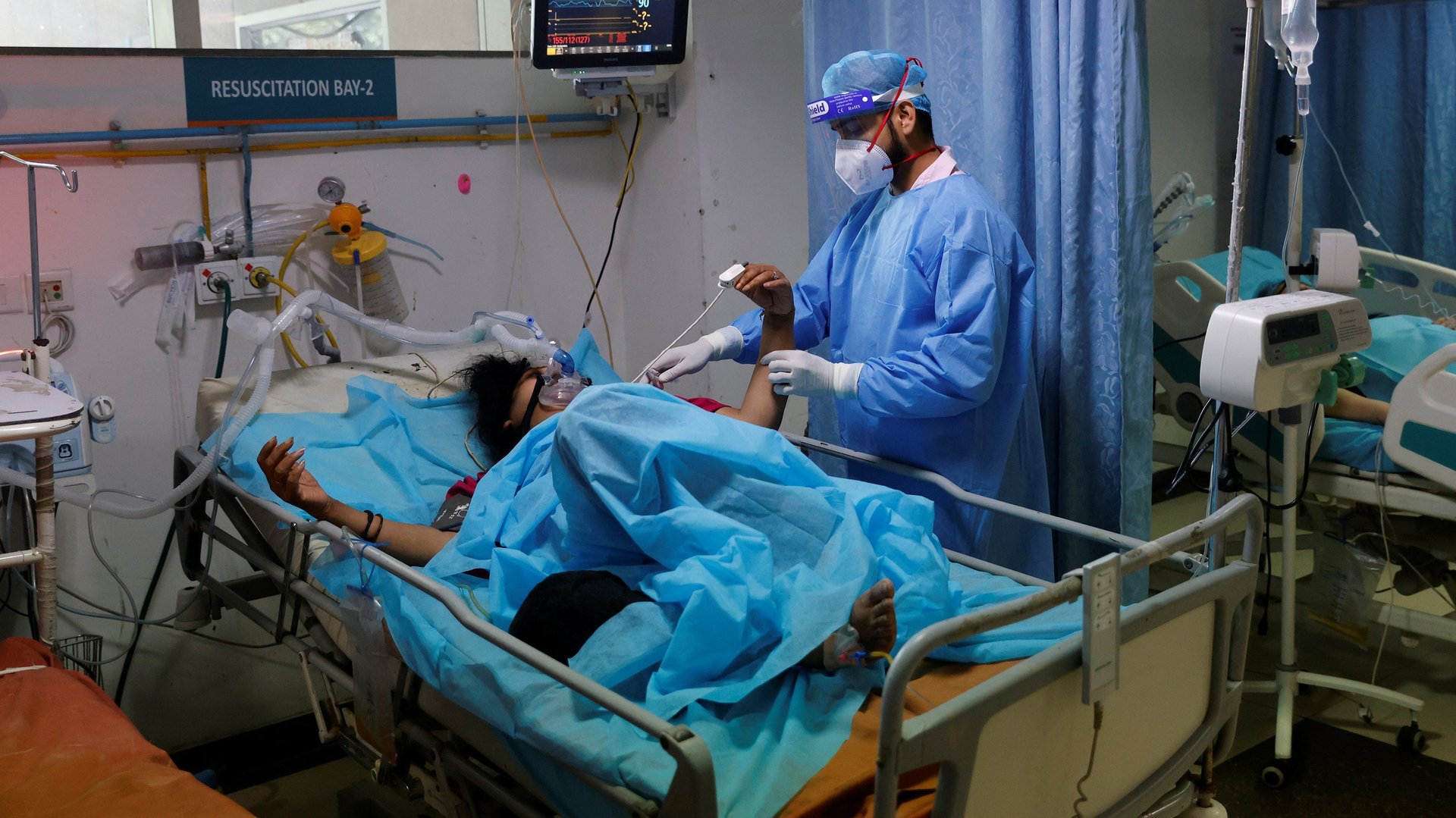
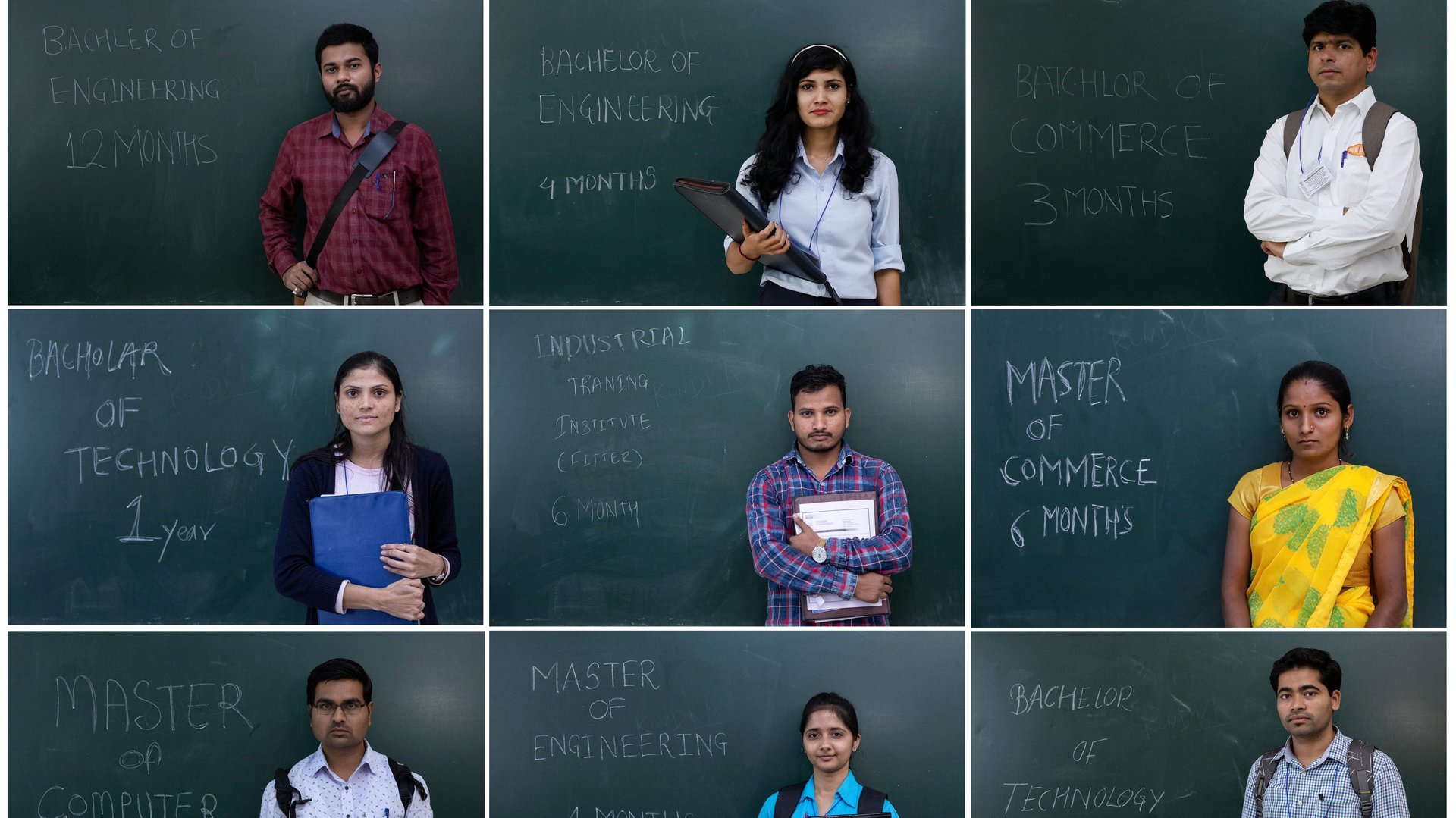
Sharad Kendre graduated from a nursing college in Maharashtra’s Latur district eight years ago. But he is still waiting for an opportunity to use his skills, even as the coronavirus pandemic strains the state’s public health systems and forces health workers employed in hospitals to work long hours without a break.

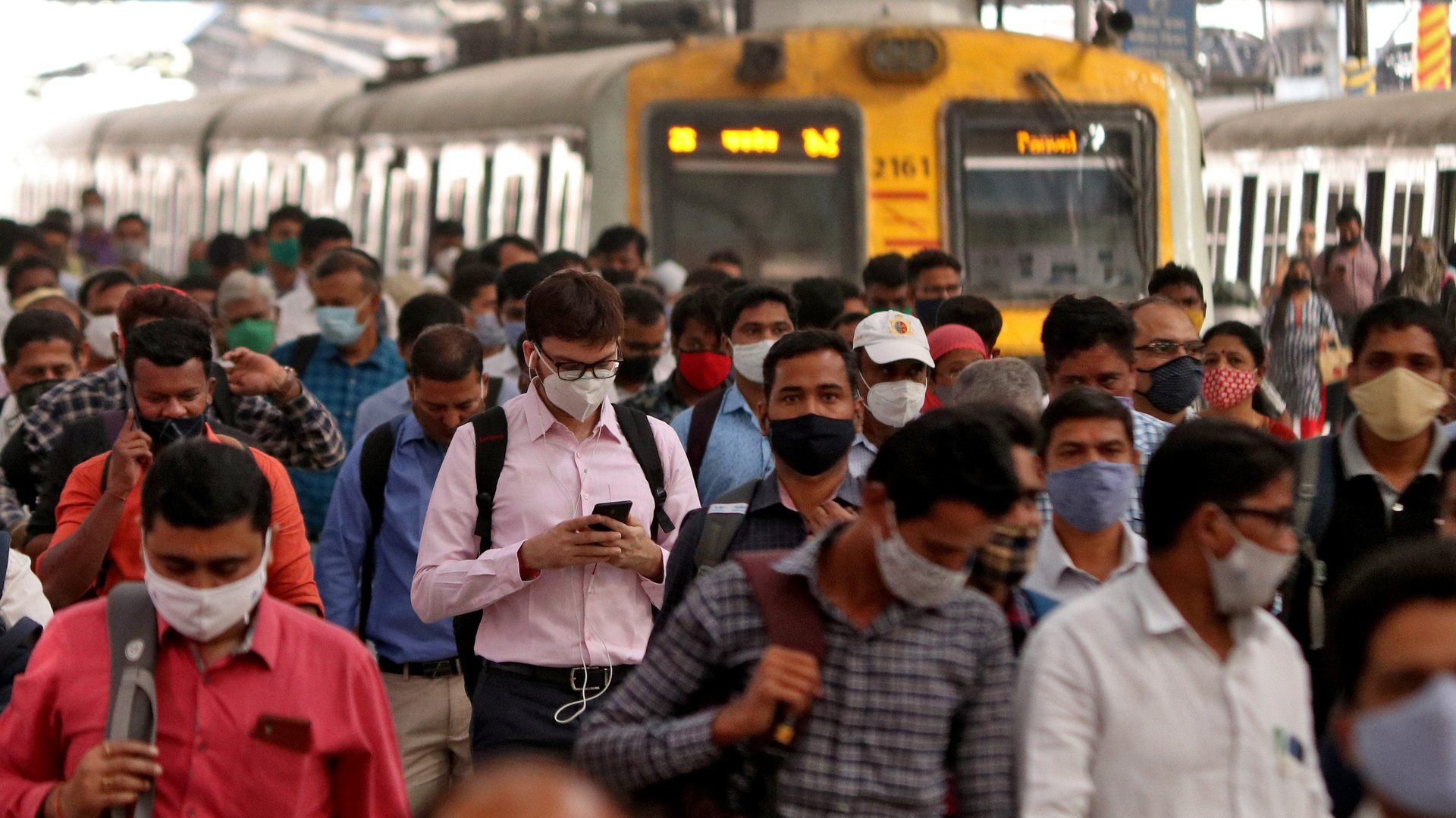
The second wave of Covid-19 in India has thrown up alarming statistics over the past week, with over 145,000 new infections and 794 deaths reported on Saturday (April 10) alone. While states like Maharashtra, Chhattisgarh, and Gujarat have been recording high infection numbers for a few weeks, Delhi and Uttar Pradesh reported their biggest single-day jumps in cases over the past few days. In many places, hospitals have run out of beds and states have run out of vaccines.

Up till September 2020, when Covid-19 cases were at their peak in Maharashtra, Prakash Khambe was particular about staying indoors and following all safety precautions to protect himself from the virus when he stepped out. As the numbers shrunk over the next few months, Khambe began to relax.

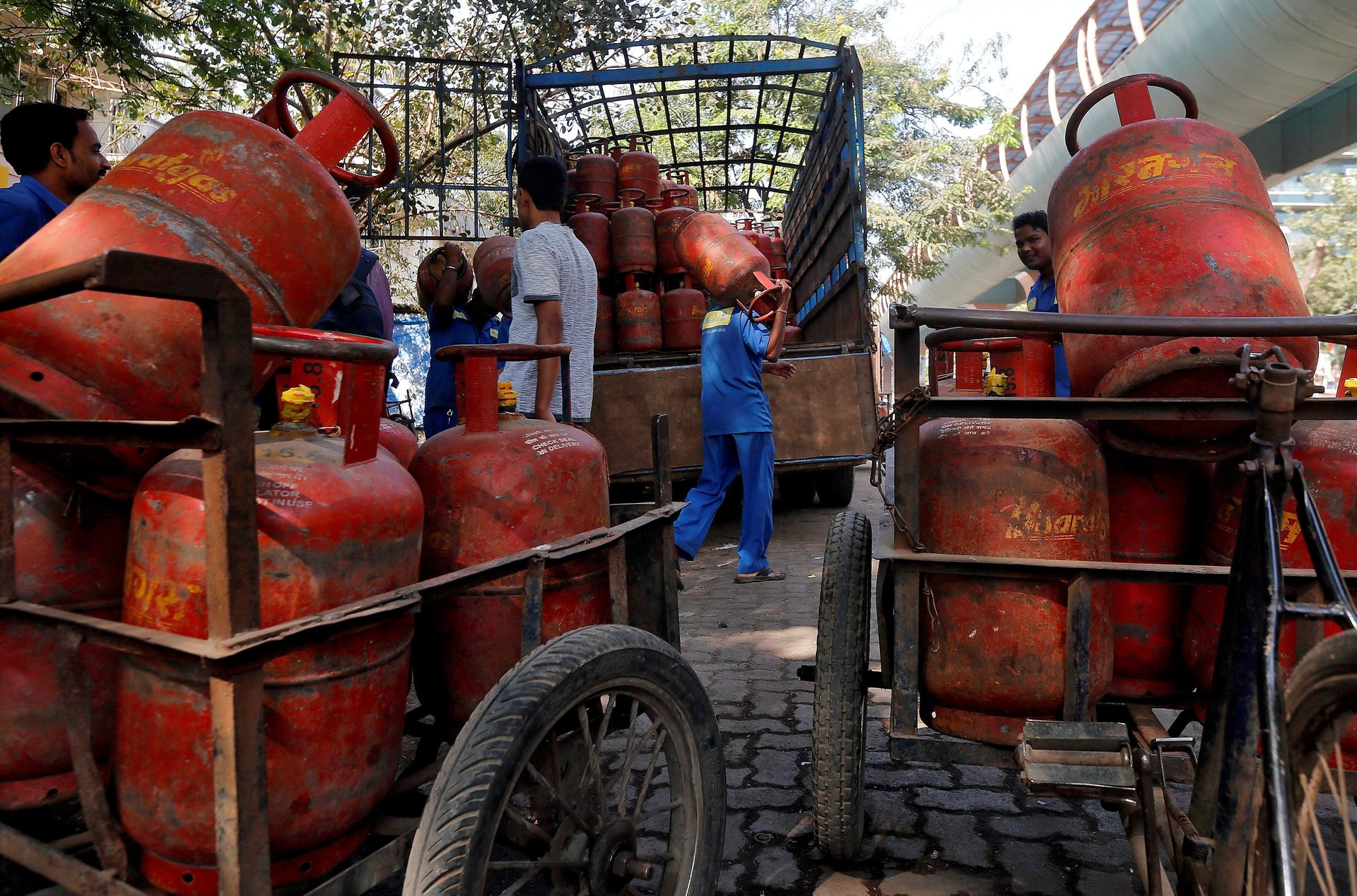
At the start of every monsoon, Doli Kumari’s family refills their LPG cooking gas cylinder and uses it for three or four months. As the rains recede in their village of Tarauna Bhojpur in Bihar’s Araria district, the family switches back to burning wood for daily cooking.

For nearly two months, the central government and its agencies have claimed that India’s economy is on the path to a clear “V-shaped recovery”—improving sharply after the collapse caused by the Covid-19 lockdown in March 2020. On the eve of Republic Day, president Ram Nath Kovind also commended the economy for recovering quickly after lockdown restrictions were lifted in phases.

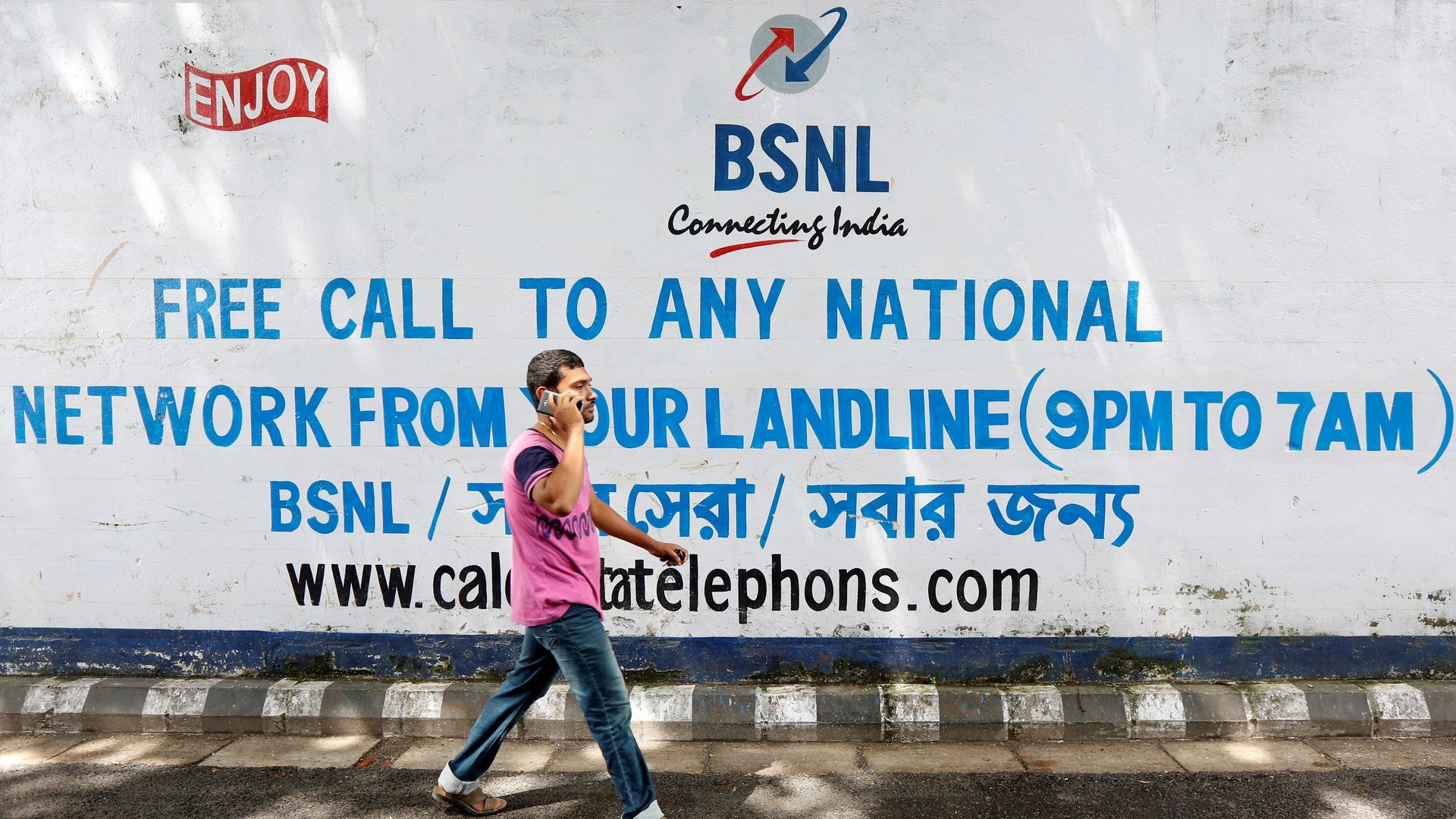
Almost a year ago, the landline phone that Amish Gupta (name changed) had installed at home in 2005 stopped working. It was a recurring problem, and Gupta chose to ignore it—he used his cell phone to make calls anyway.

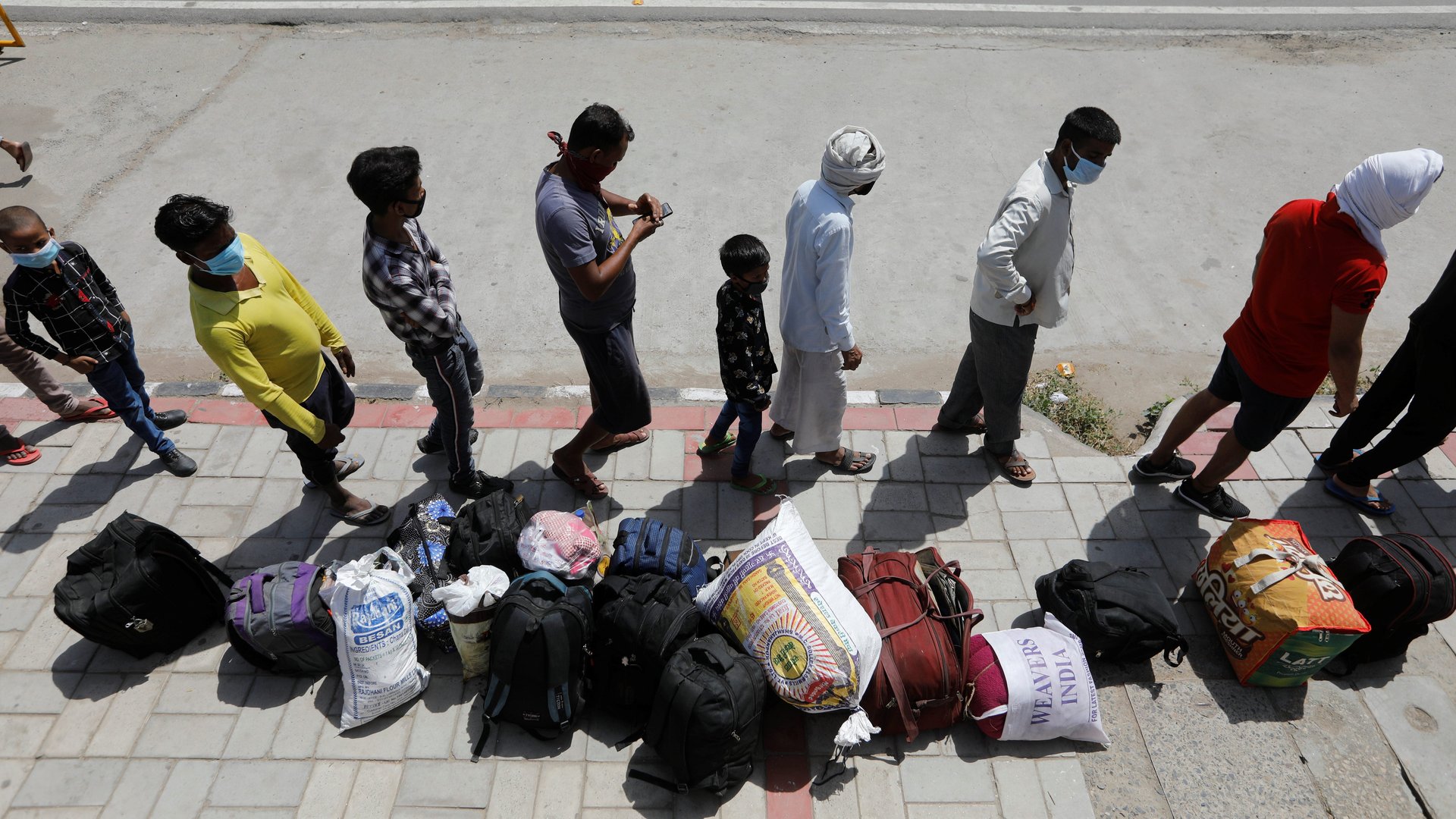
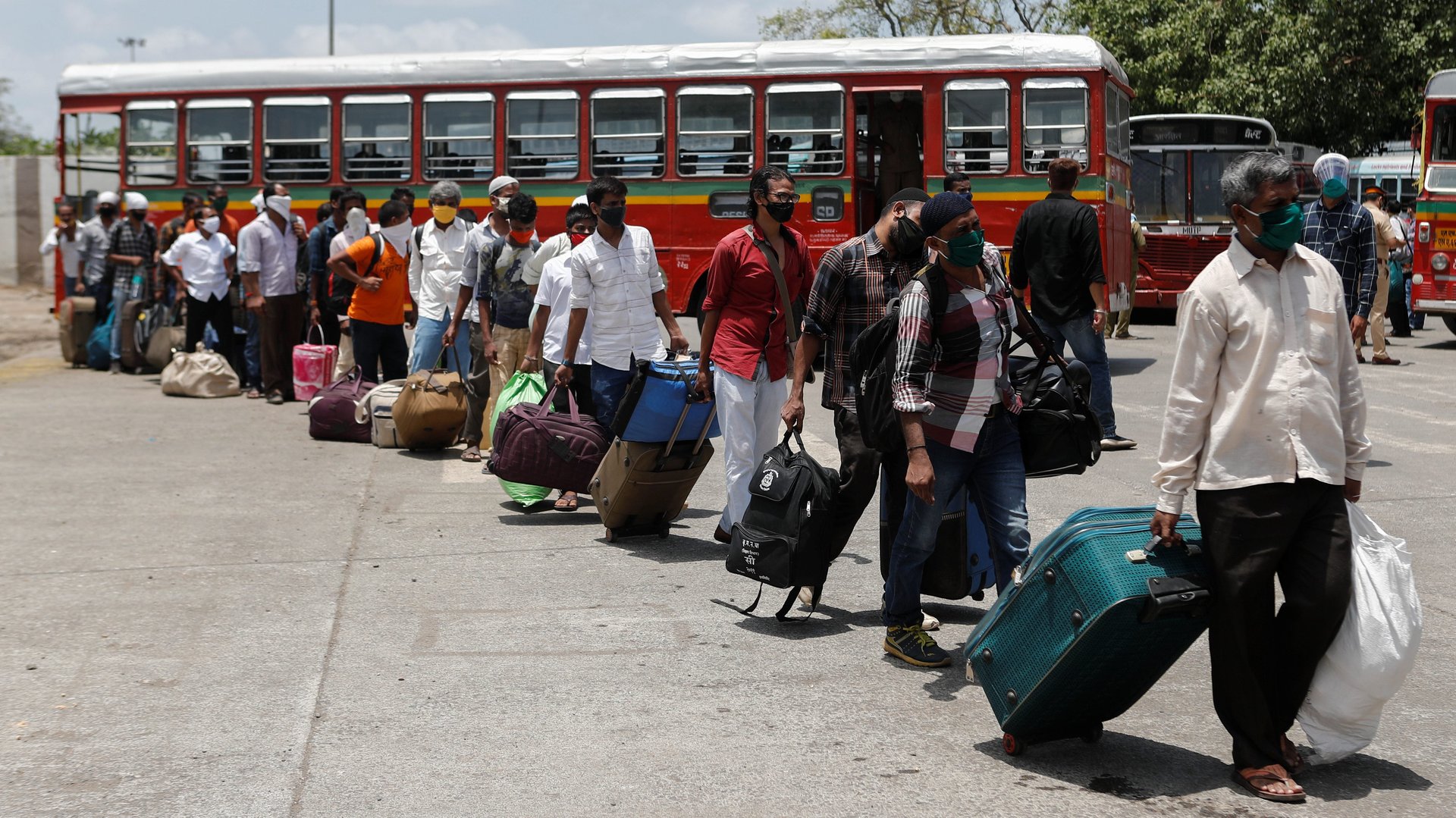
When Shantaram Prajapati’s brother took a Shramik Special train from Mumbai to Gorakhpur last month, it was a practical decision for the family. One brother would go home to their ageing parents, and the other would stay back to run their retail vegetable shop in an upper-middle-class area in Andheri.

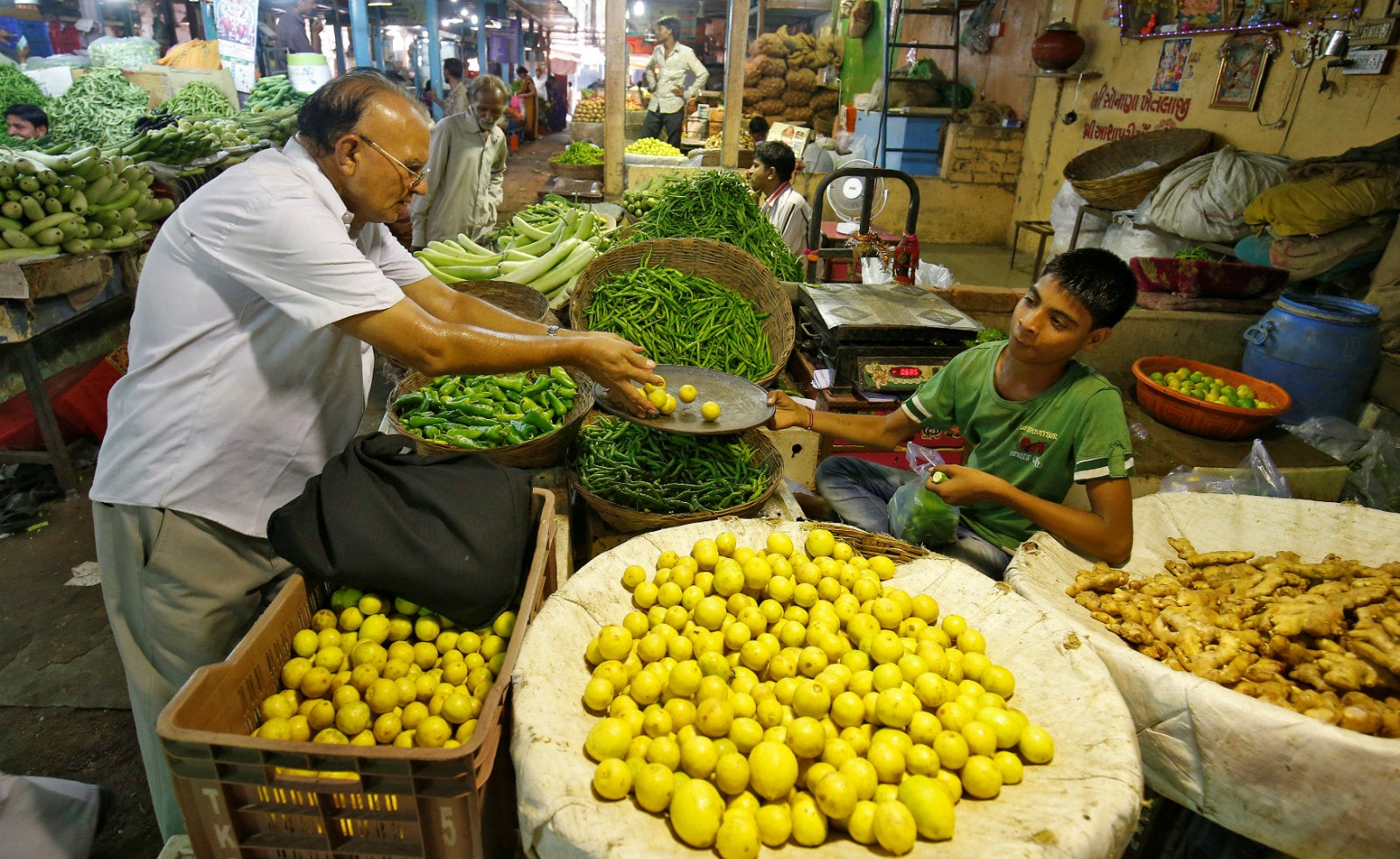
For the past five months, Trupti Kamle has been torn between two difficult choices: either saving money for her son’s education or ensuring that he is fed well. The reason for her dilemma is something that has been plaguing households across India in recent months—unprecedented food inflation.

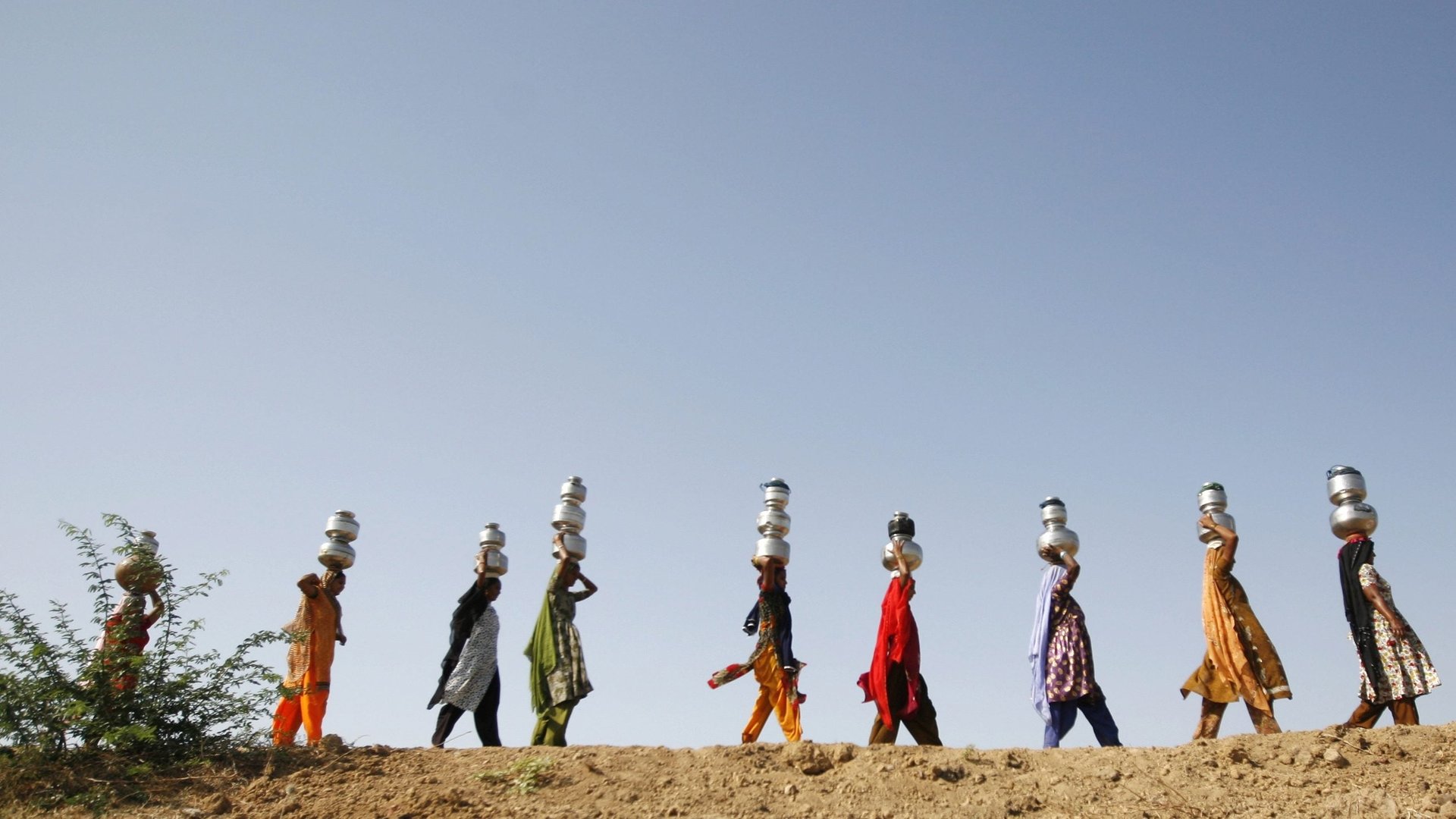
At the height of the June summer in Madhya Pradesh, Mannubai Chamariya heaved boulders from the banks of a dry stream to a site where other workers arranged them in a tiled wall, filling the gaps with cement.

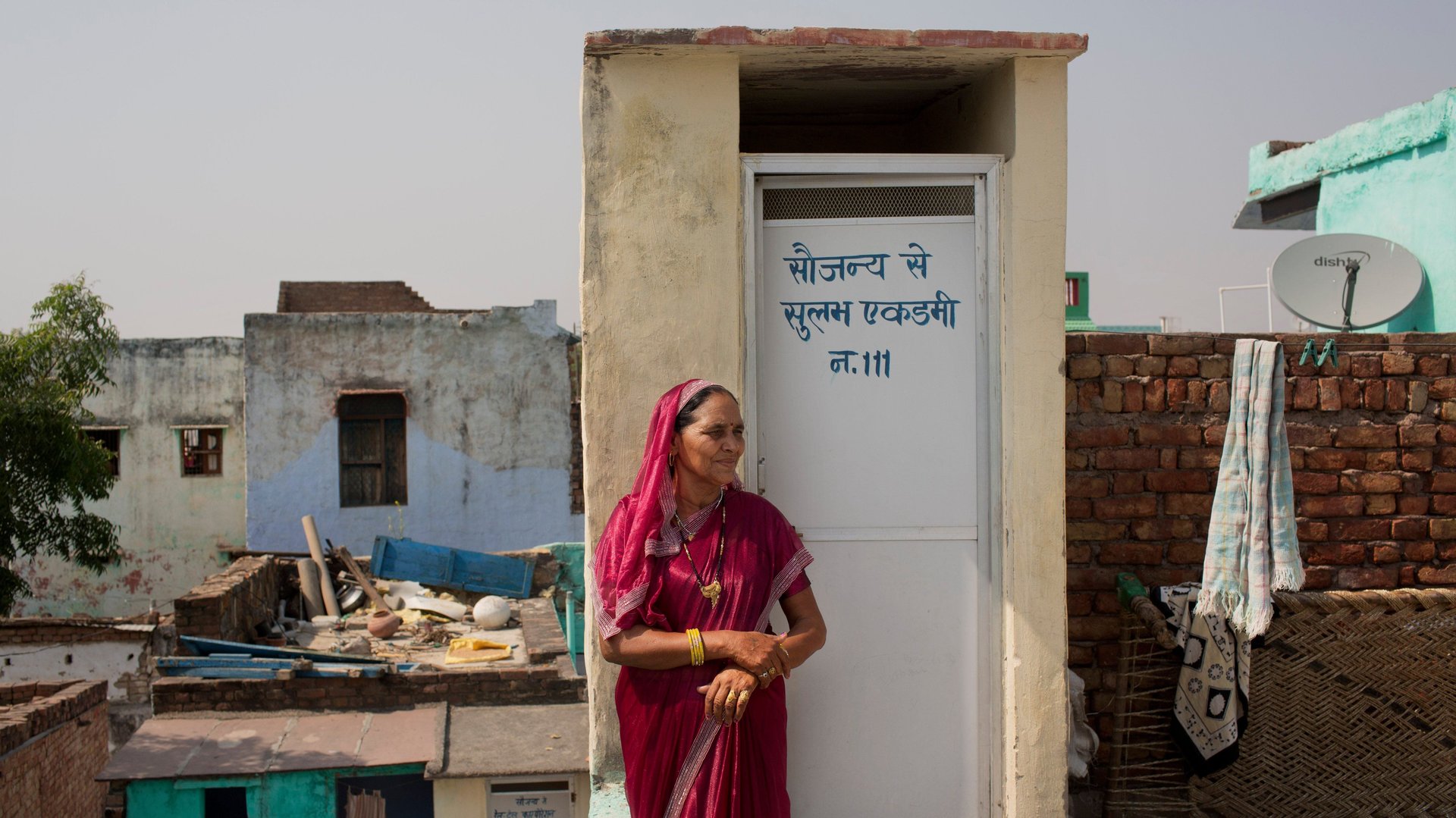
Prime minister Narendra Modi launched Swachh Bharat Mission on Oct. 02, 2014, by wielding a broom on the streets of Delhi. The programme, which has Mahatma Gandhi’s iconic spectacles as its logo, is one of the most hyped schemes of the Modi government. Its primary goal is to make India open defecation-free by Oct. 02, 2019, through the construction of at least 12 crore toilets across rural and urban households.

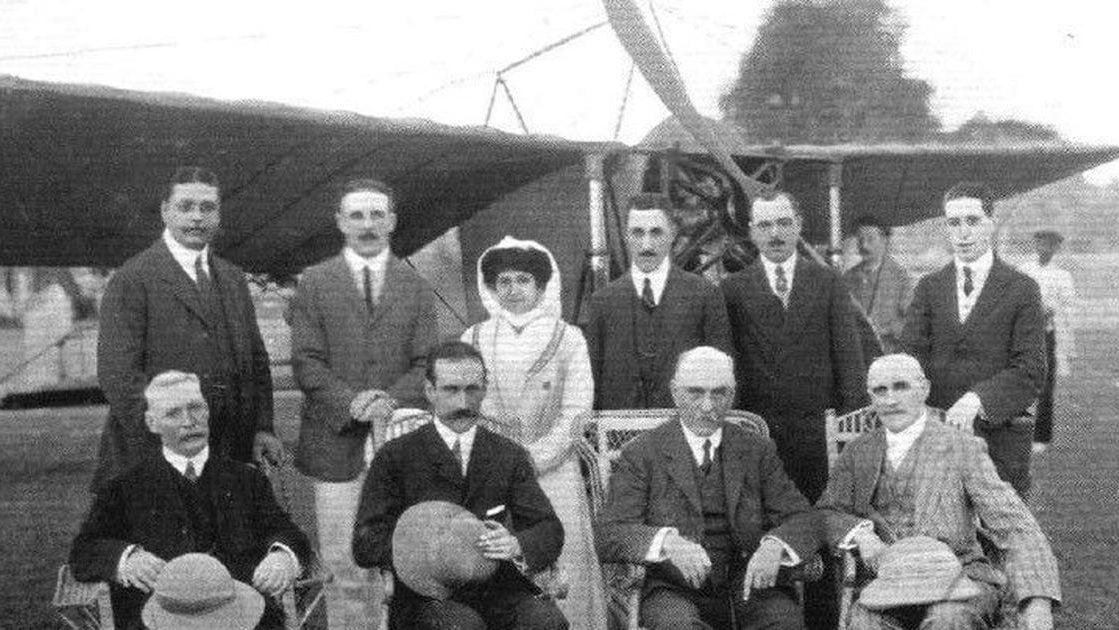
India was introduced to aviation in the year 1910—this much is known.

Some people called them “glorified ayahs,” while they were patronisingly referred to in Hindi as hawayi sundaris. Yet, in the ’70s and ’80s, Indian air hostesses were also envied as glamorous, elite women who looked like film stars, jet-setted across the world, and enjoyed exotic holidays that few others could afford.

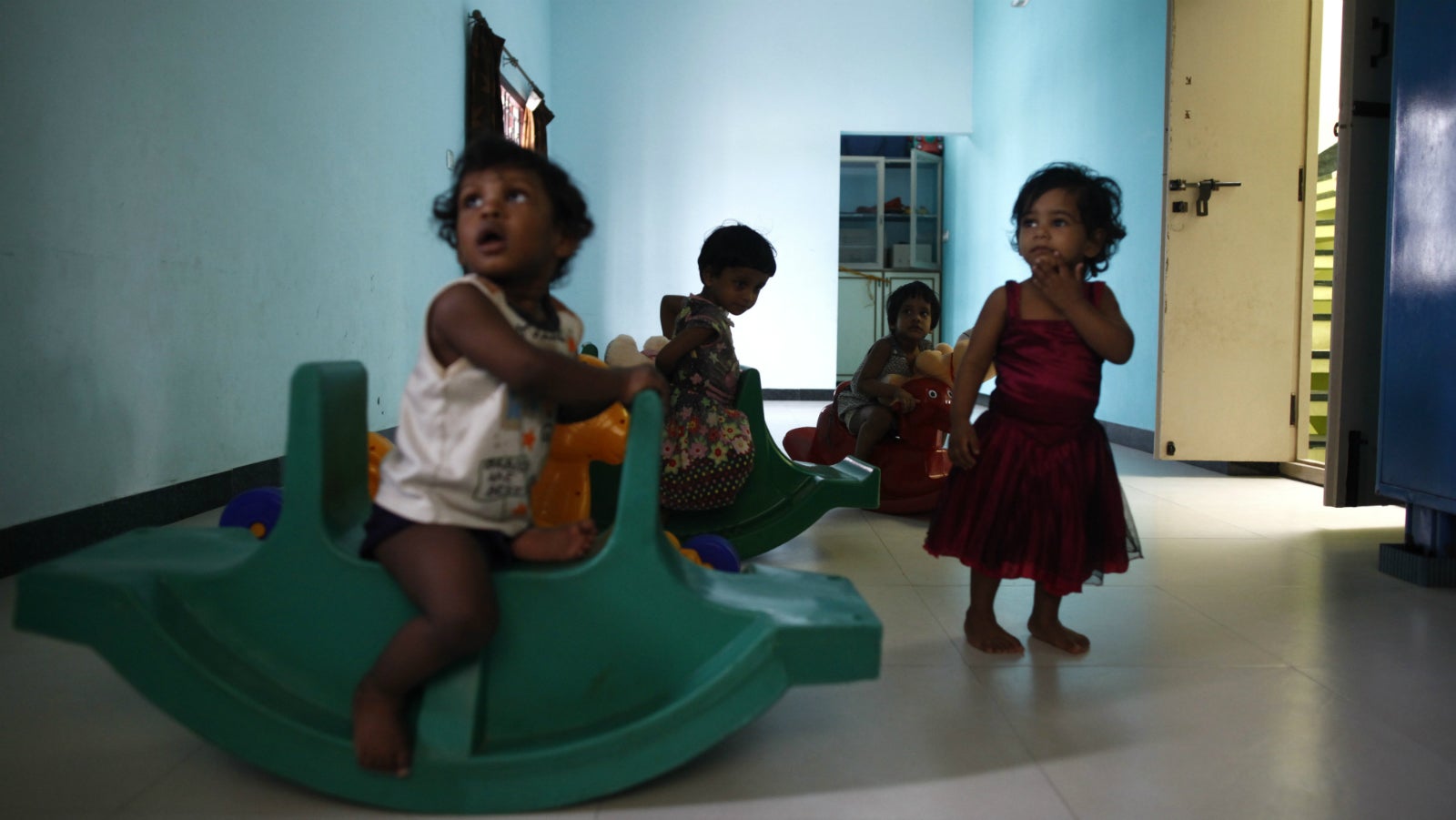
Sex selection during pregnancy may be illegal in India but when parents sign up to adopt a child, the registration form allows them to list a preference for either a boy or a girl.

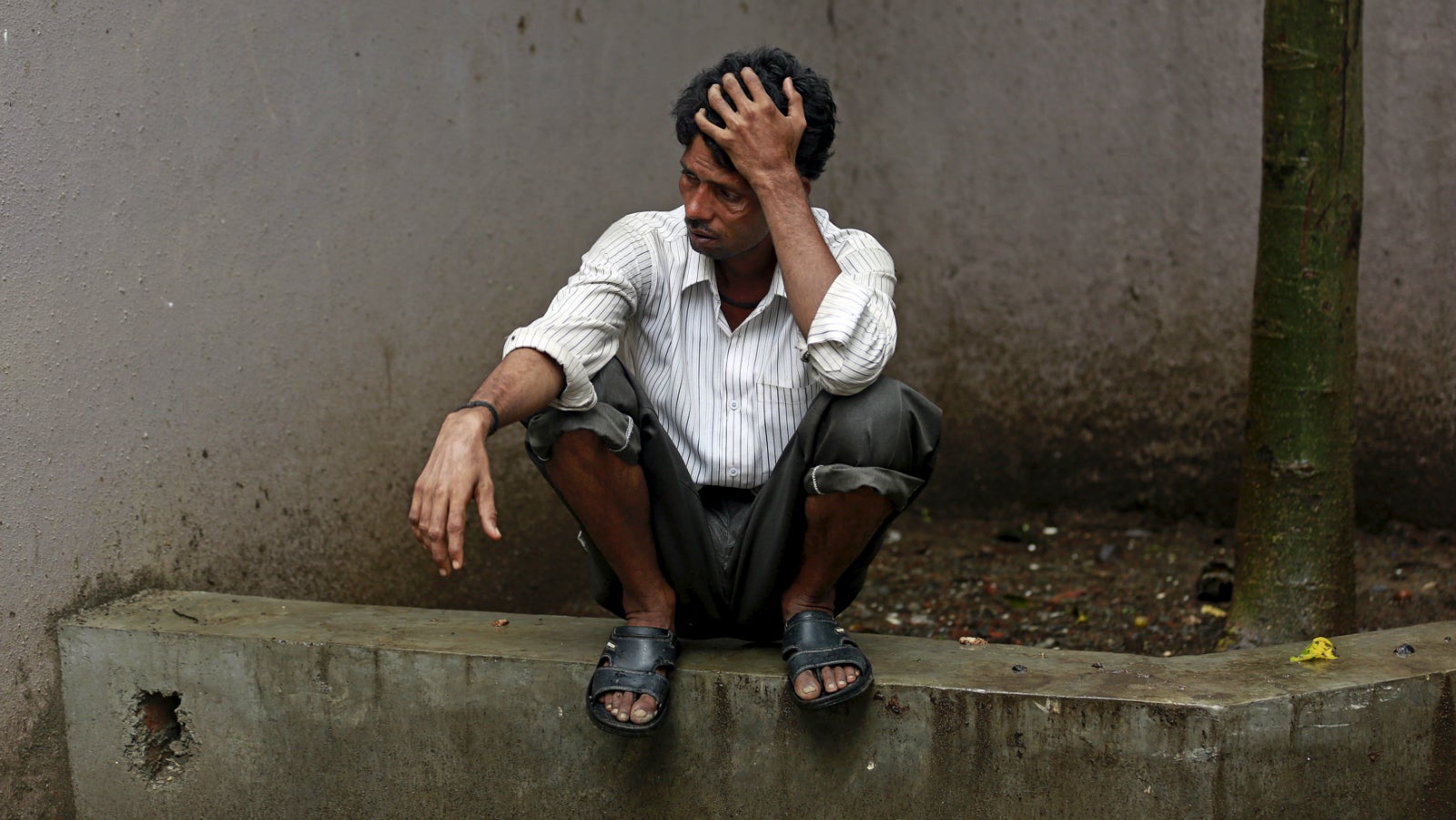
At least 97 slum-dwellers in Mumbai died between June 18 and June 21 after drinking illicitly brewed liquor—with 46 people still undergoing treatment at various city hospitals.

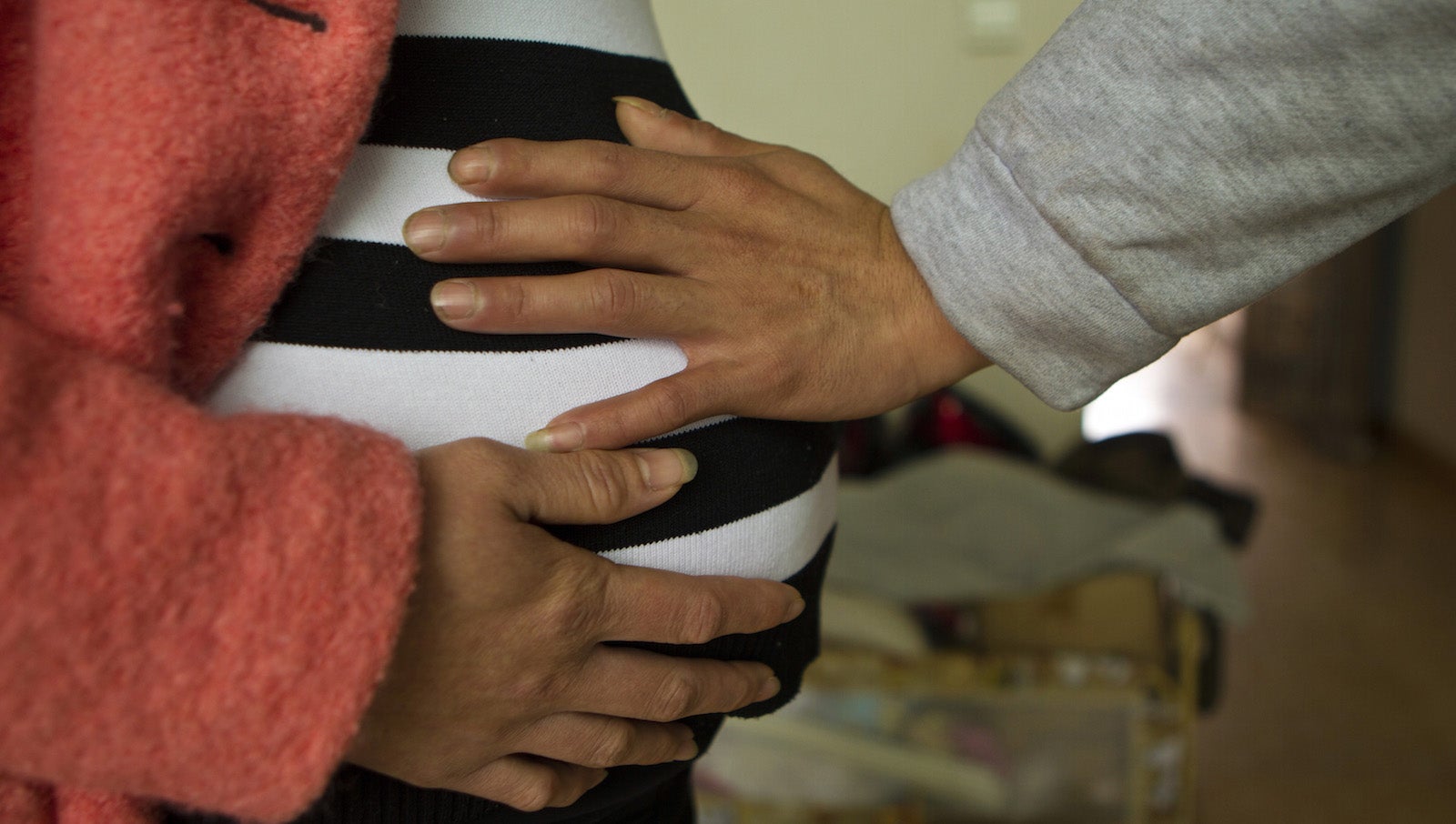
A section of corporate India is consciously choosing gender-sensitive policies such as flexible hours and crèche services for working mothers. But, there are also companies where women still have to face discrimination and harassment when they announce that they are pregnant.

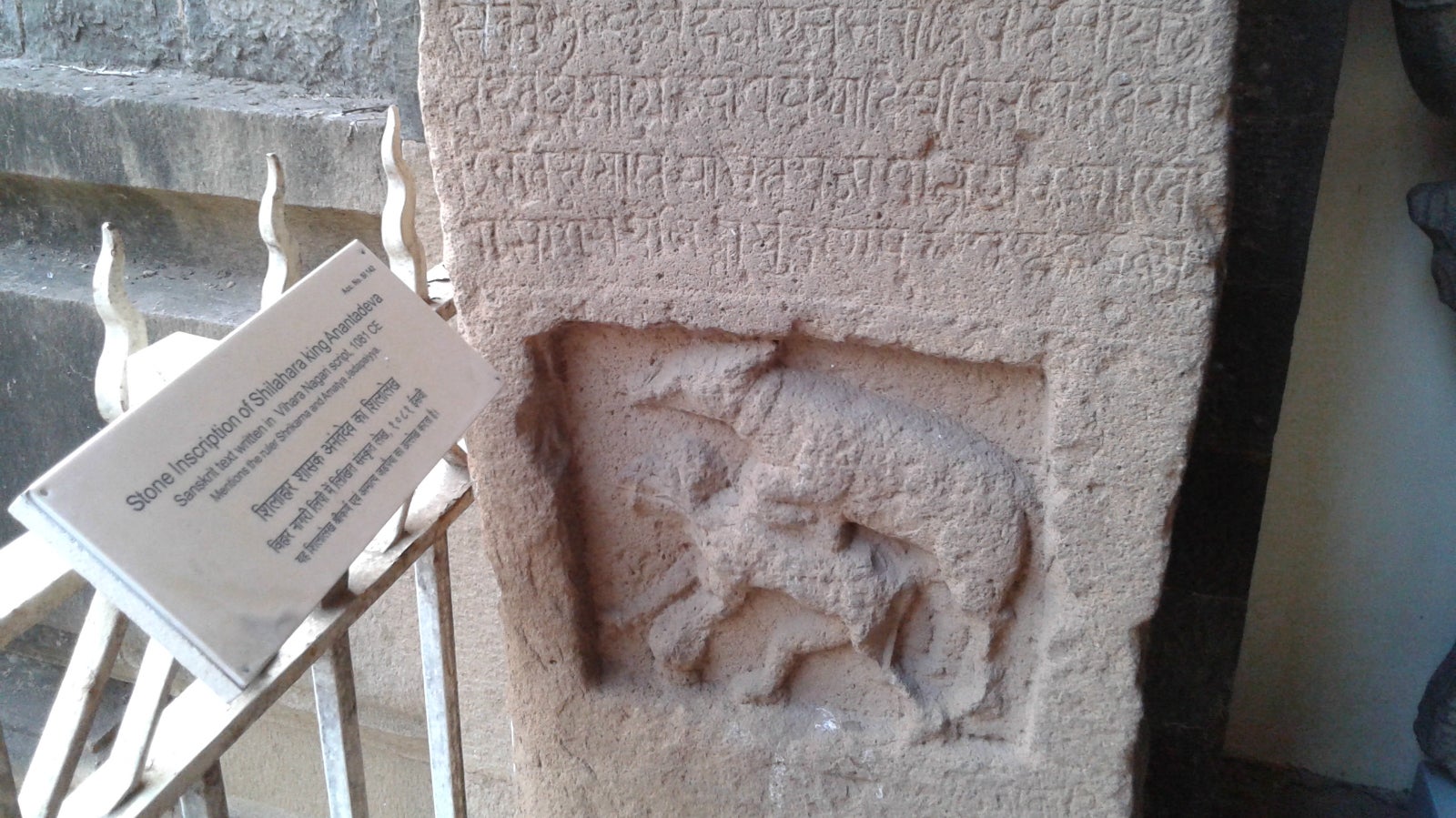
They sit innocuously in an airy gallery in Mumbai’s Chhatrapati Shivaji museum—drawing barely a glance. But a closer look at the two engraved stone slabs from the 11th century reveals a rather explicit scene: A donkey with an erect phallus poised over a woman, about to have sex with her.

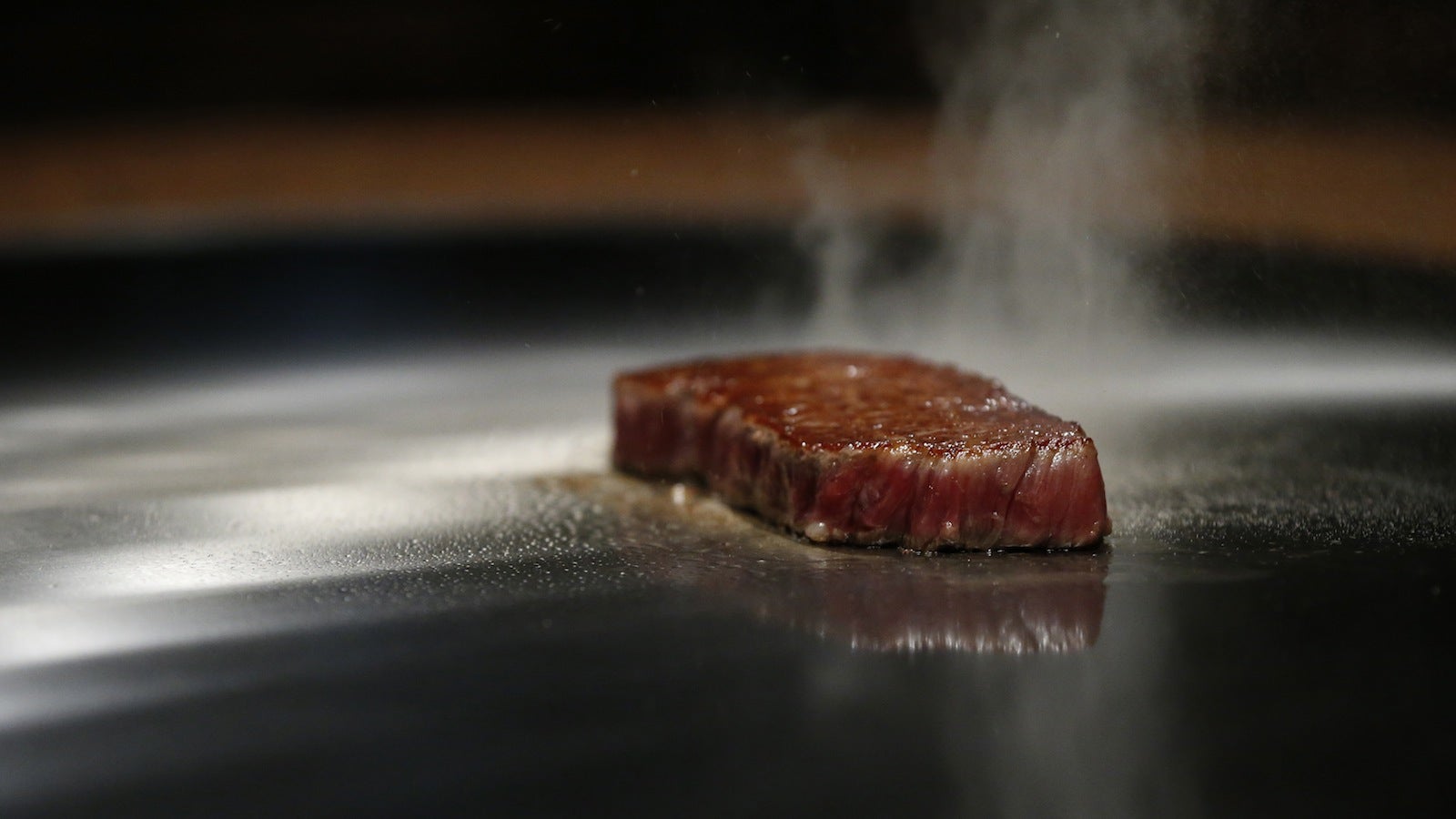
Meat-eaters in Maharashtra have harshly criticised the state government for imposing a ban on beef. But a bigger, more organised opposition is in the wings as beef traders and retailers across the state prepared to rally against the move.

Delhi University’s decision last week to introduce the “third gender“ category in its post-graduate degree application forms has been hailed as a progressive move towards inclusion. But transgender students fear that the university is rushing through with a measure whose implications it may not be prepared to handle.

Minimum governance has been a favoured mantra of Prime Minister Narendra Modi for some years. Another dictum is to push for economic growth by boosting private enterprise through greater foreign direct investment and divesting government-owned companies.

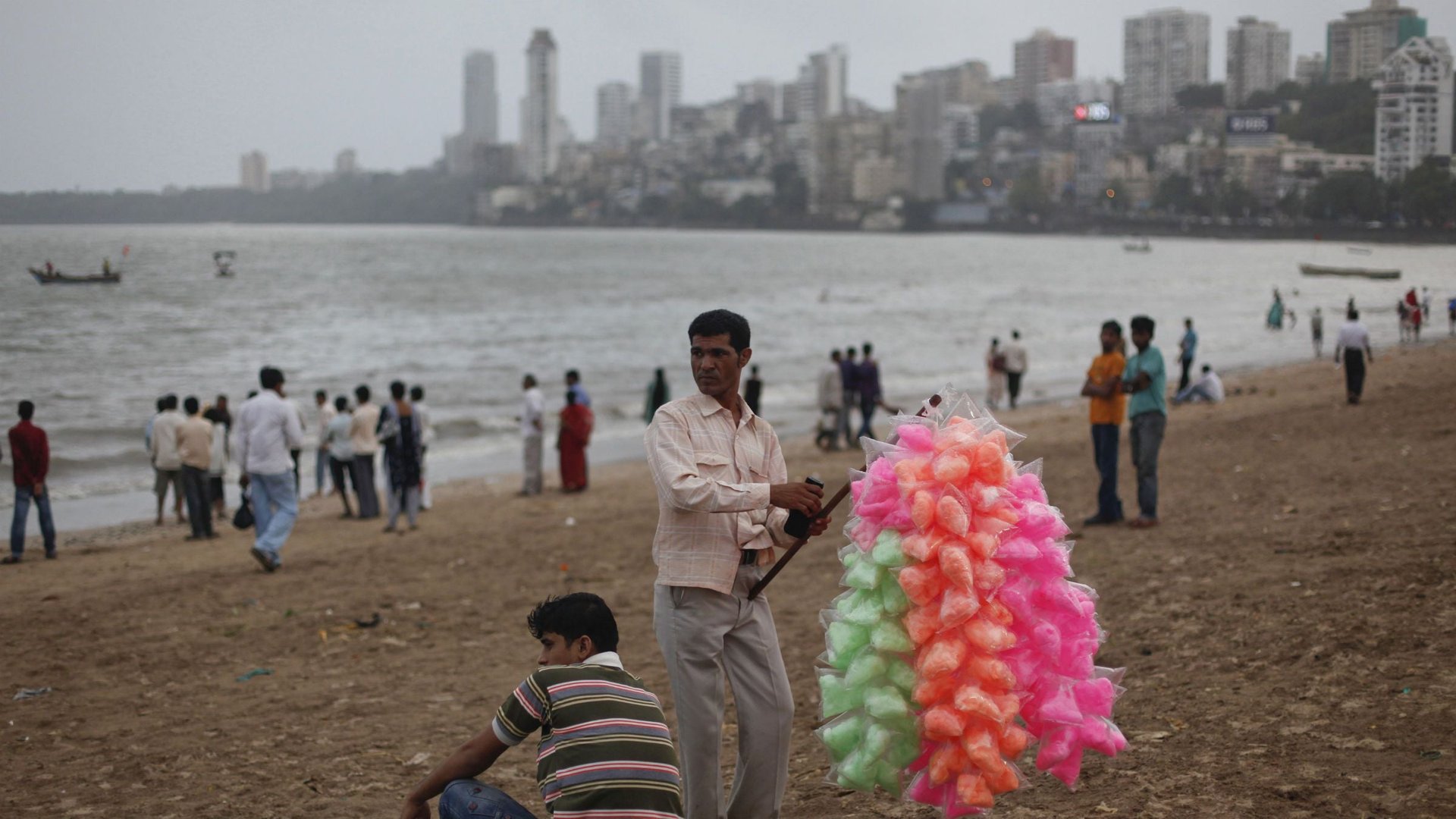
Mumbaikars have plenty to complain about—and they do. Frequently. In the trains and in their drawing rooms, the residents of India’s commercial capital are always griping about their congested streets, overcrowded public transport, corrupt politicians and polluted air. Yet, when they had the opportunity to register their protest against their representatives in the Lok Sabha, just over half of them turned out to vote.

Yesterday, India was officially declared polio-free by the World Health Organisation (WHO), along with the rest of WHO’s south-east Asia region. On Jan. 13, India completed three whole years without a fresh case of polio, qualifying it for this certification.