This post has been updated with a response from the National Fisheries Institute trade group and with a chart detailing Consumer Reports’ findings.

This post has been updated with a response from the National Fisheries Institute trade group and with a chart detailing Consumer Reports’ findings.

A team of scientists in China dropped a bombshell earlier this month, and almost nobody noticed.

A waitress has taken prime minister John Key to task for repeatedly pulling on her ponytail when he visited the suburban Auckland cafe where she works, prompting Key to apologize.

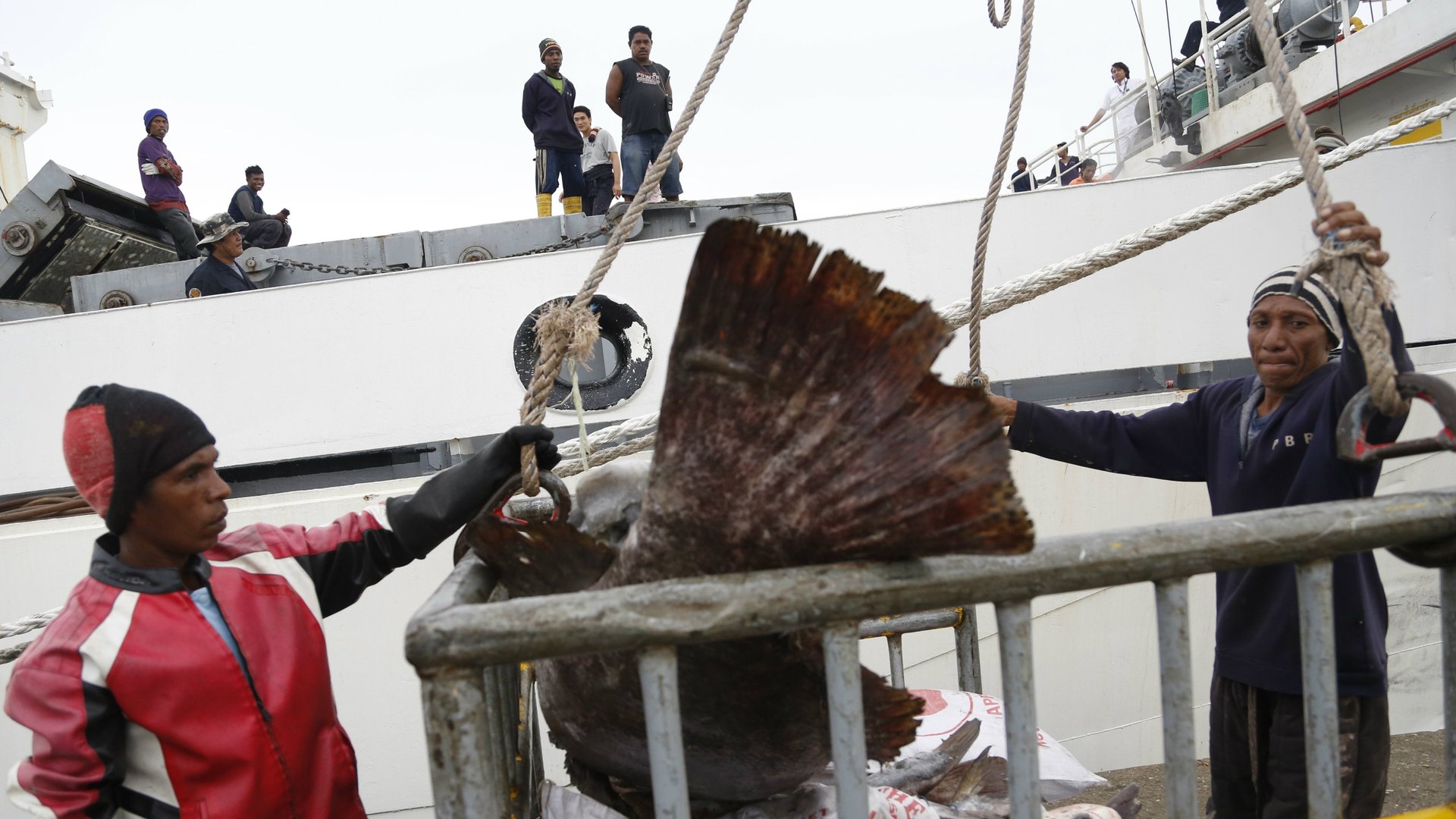
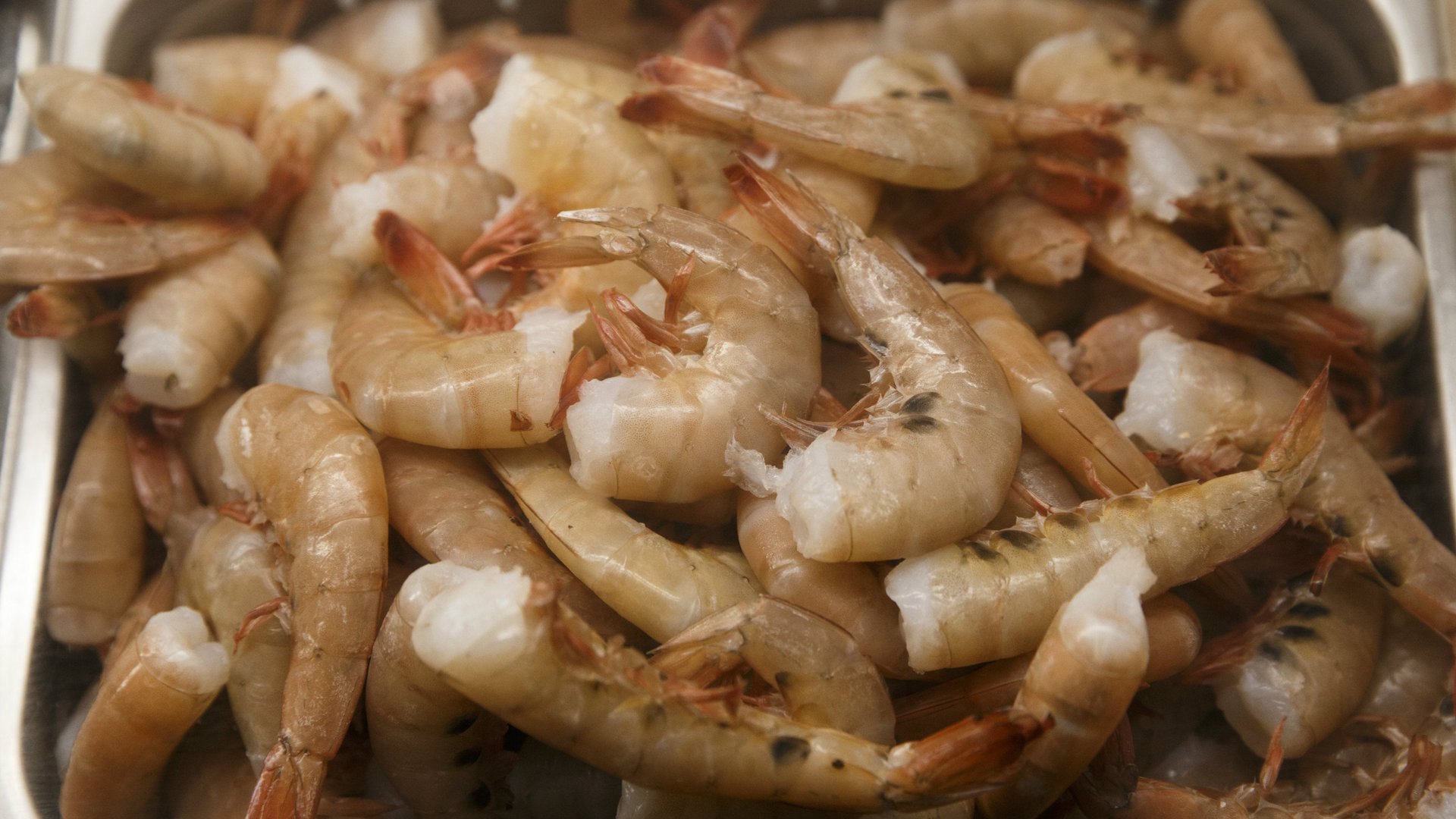
The European Union is giving Thailand, the world’s third-largest seafood exporter, six months to clean up illegal and unregulated fishing or face a ban that would block nearly half a billion euros ($534 million) in annual exports, according to the Associated Press and the BBC Thai Service (link in Thai).

Four years after an earthquake and tsunami destroyed Japan’s Fukushima nuclear plant, Tokyo Electric Power Co. is still at work trying to clean up the scene. This month TEPCO sent two specially-designed shape-shifting robots into the Fukushima No. 1 nuclear reactor to assess the damage.

The sinking of a smuggler’s boat carrying some 700 people from Libya to Sicily this weekend may result in the worst-ever death toll from an attempted migrant crossing, and is raising the pressure on European governments to stop the carnage.

Segway, the New Hampshire-based maker of two-wheeled personal transporters that were once hyped as an invention more important than the internet, has been sold to the Chinese start-up Ninebot for an undisclosed sum. The deal comes less than a year after Segway sued Ninebot and a handful of other competitors for patent infringement.

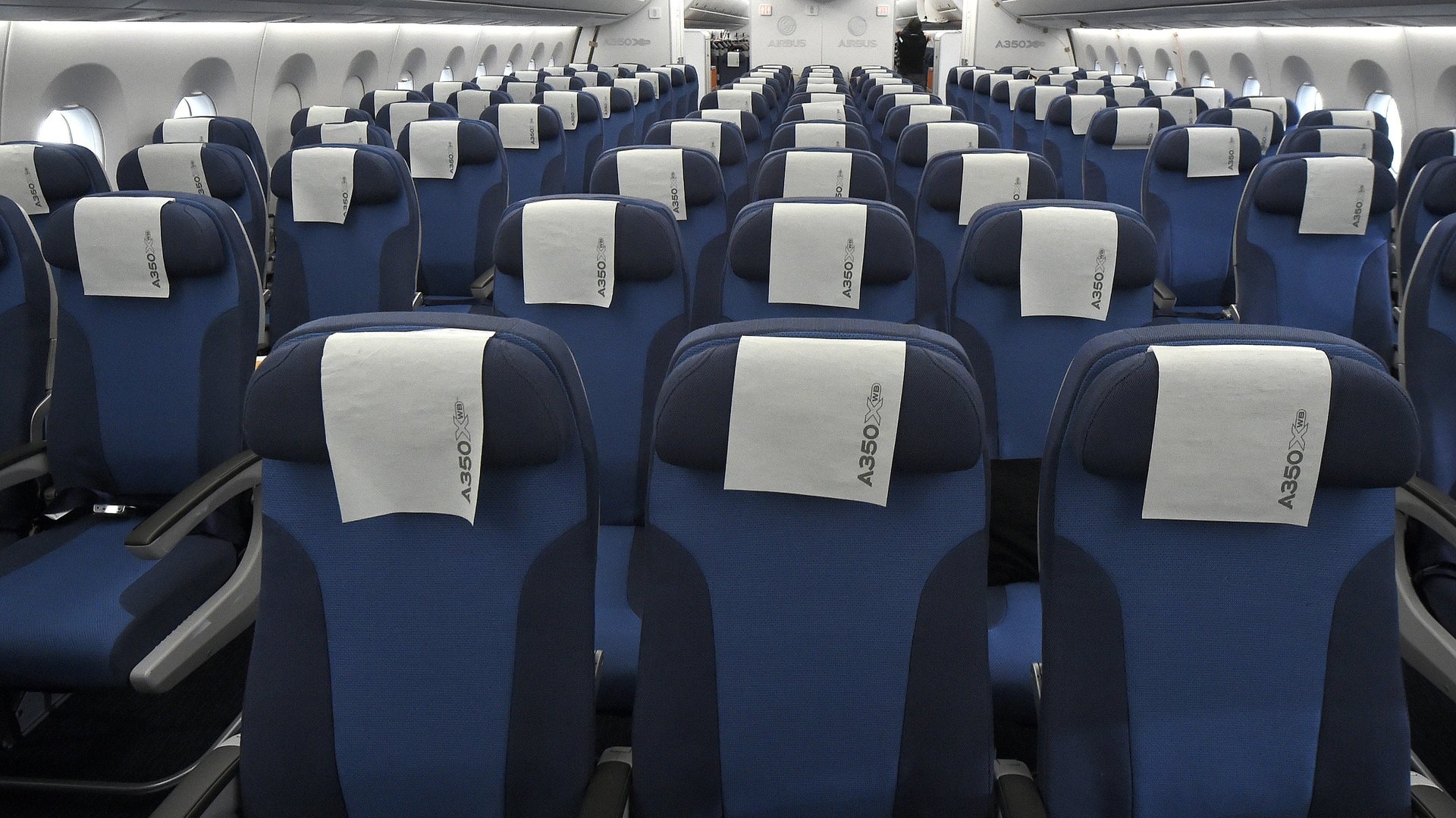
Aircraft manufacturer Airbus is planning to roll out planes with even more tightly packed seats, in what it’s billing as a “budget economy” section.

This post has been corrected.

What to watch for today

Microsoft’s aging, little-loved Internet Explorer browser is finally on its way to the digital scrapheap—and few in China will miss it when it goes. That’s because Internet Explorer has already stopped functioning with Microsoft’s similarly ancient Windows XP operating system, which is still widely used in China.

The on-again, off-again relationship between Apple and Comcast has hit a rough patch. The Wall Street Journal reports that Apple’s streaming TV service is finally close to becoming a reality, with a $30 to $40 monthly subscription service launching this fall that would give users access to 25 channels including ABC, CBS and Fox.

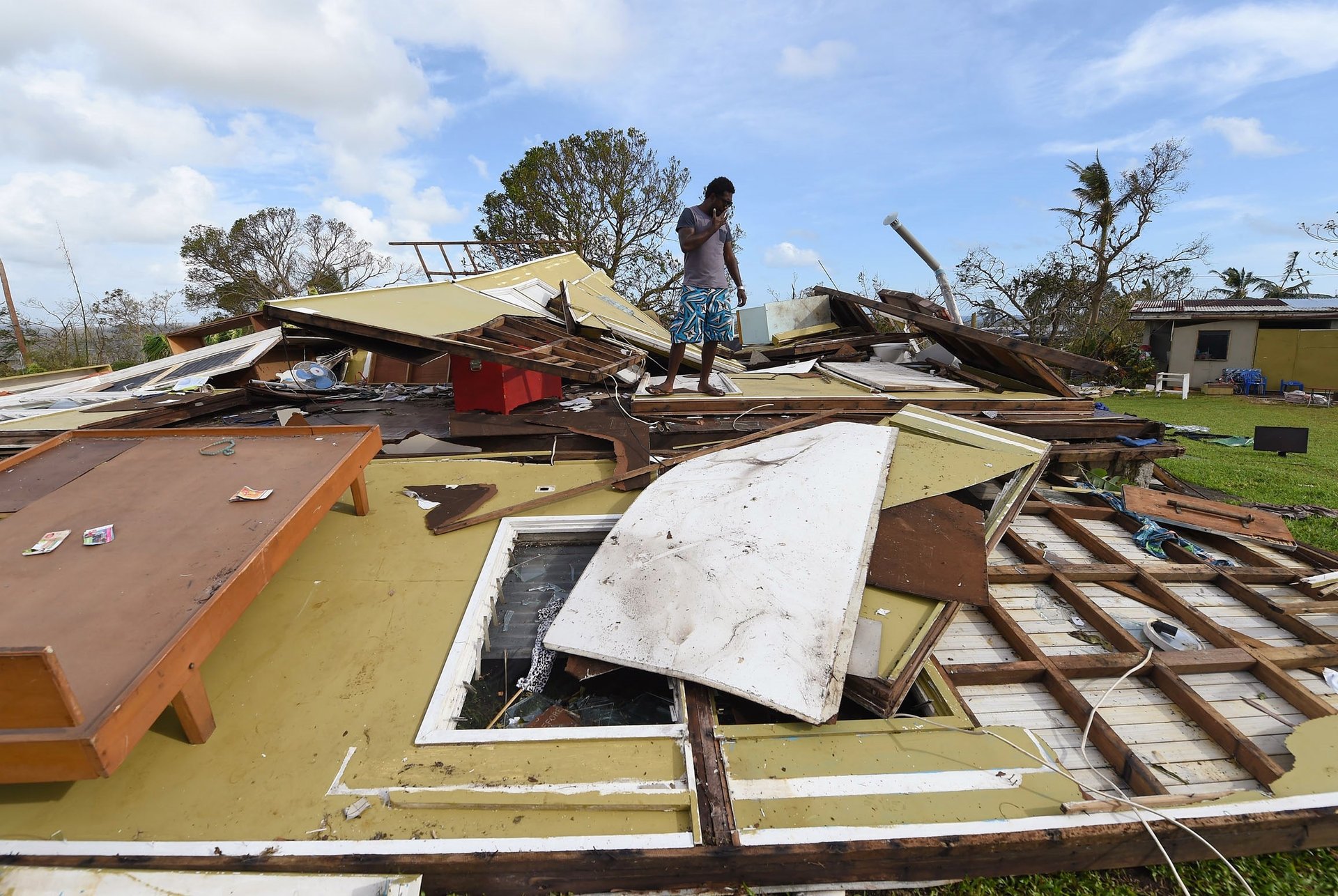
As the category five cyclone Pam devastated the tiny and poor South Pacific island nation of Vanuatu this weekend, its president was thousands of miles away in Japan, speaking at a conference on disaster risk reduction. Even before Pam struck, the looming risks to countries like Vanuatu—including rising seas that make its low-lying islands vulnerable to powerful storms—were painfully apparent.

A Los Angeles jury ruled today that the hit 2013 song “Blurred Lines” infringed on the copyright for Marvin Gaye’s 1977 party jam, “Got to Give It Up,” and ordered “Blurred Lines” composers Robin Thicke and Pharrell Williams to pay more than $7.3 million to Gaye’s family.

New Zealand is the world’s biggest user of a pesticide called 1080, which is used to kill invasive mammals, with the backing of many environmentalists who want to protect the country’s unique native fauna.

Actor Harrison Ford suffered serious but non-life-threatening injuries today when he crash-landed a vintage World War II-era plane on a Los Angeles golf course.

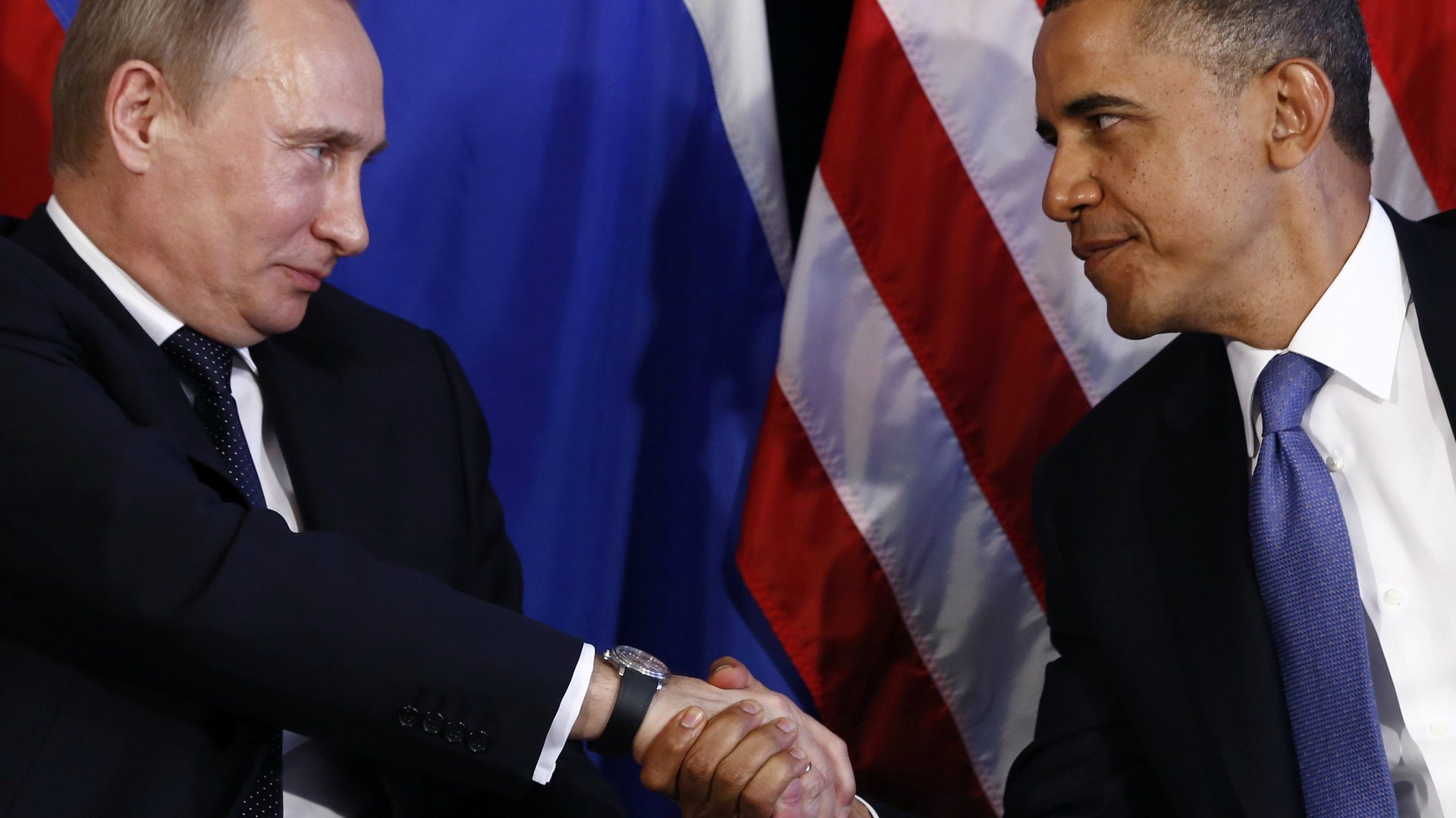
The handshake—a universal greeting in many cultures—may also exchange chemical signals between the shakers, according to a new study. Researchers at the Weizmann Institute of Science in Rehovot, Israel found that subjects who shook hands with a stranger were twice as likely to smell their own fingers afterward, compared to those who merely said “hello.”

Software designer Craig Hockenberry noticed something very strange was happening to his small corporate website The Iconfactory one morning last month: traffic had suddenly spiked to extremely high levels—equivalent to more than double the amount of data transmitted when Kim Kardashian’s naked photos were published last year.

Updated with Cisco comment.

Switzerland’s fabled watchmakers are in a bit of a tizzy about the Apple Watch, which threatens to undercut the country’s dominance of the mid- and high-priced wristwatch markets. But a even hugely successful Apple Watch might not be the industry’s worst-case scenario.

This post has been corrected*.

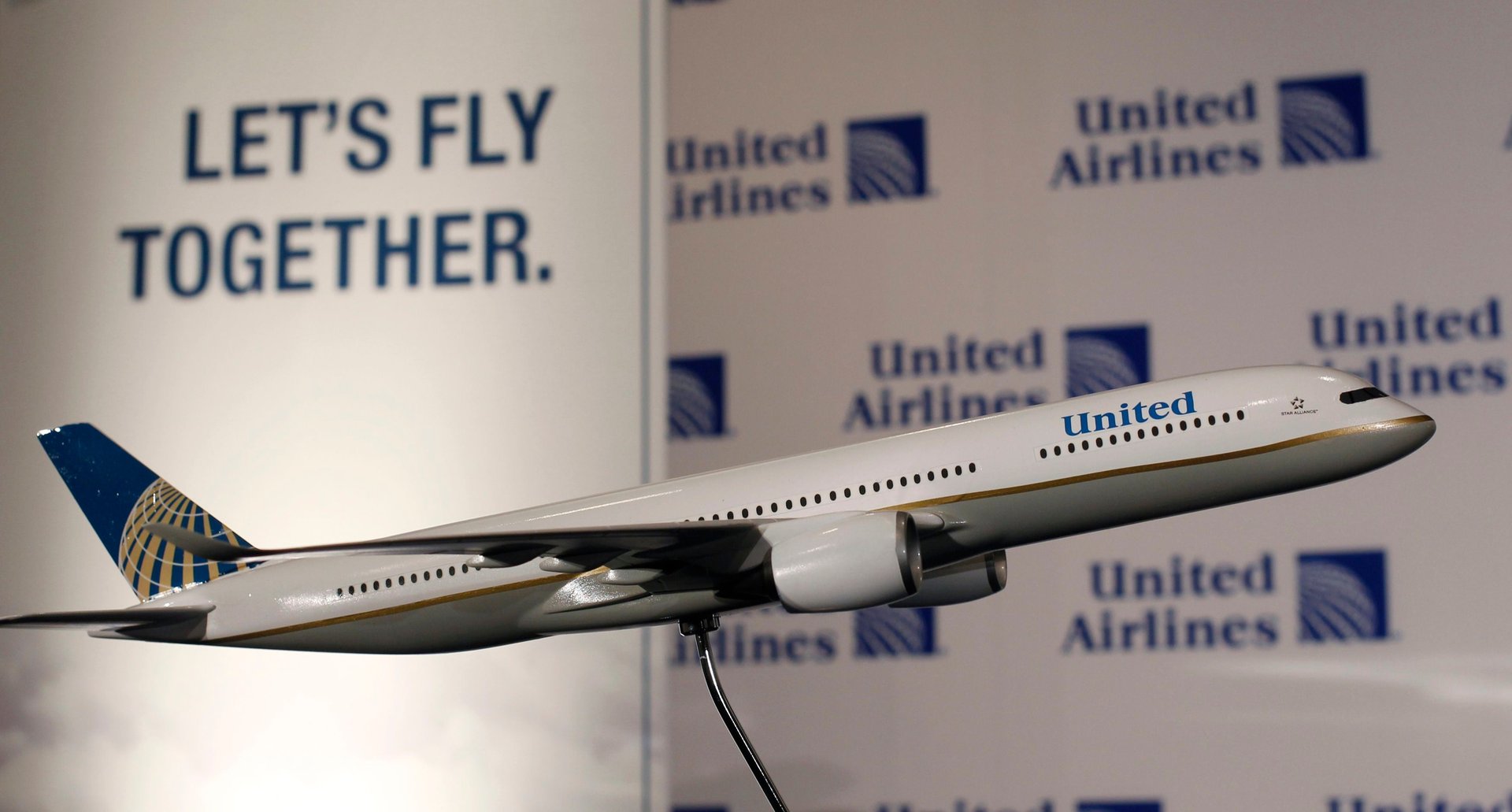
A ticketing snafu on United Airlines allowed several thousand people to buy absurdly inexpensive first-class tickets from London to the United States yesterday—until the airline unceremoniously cancelled the fares.

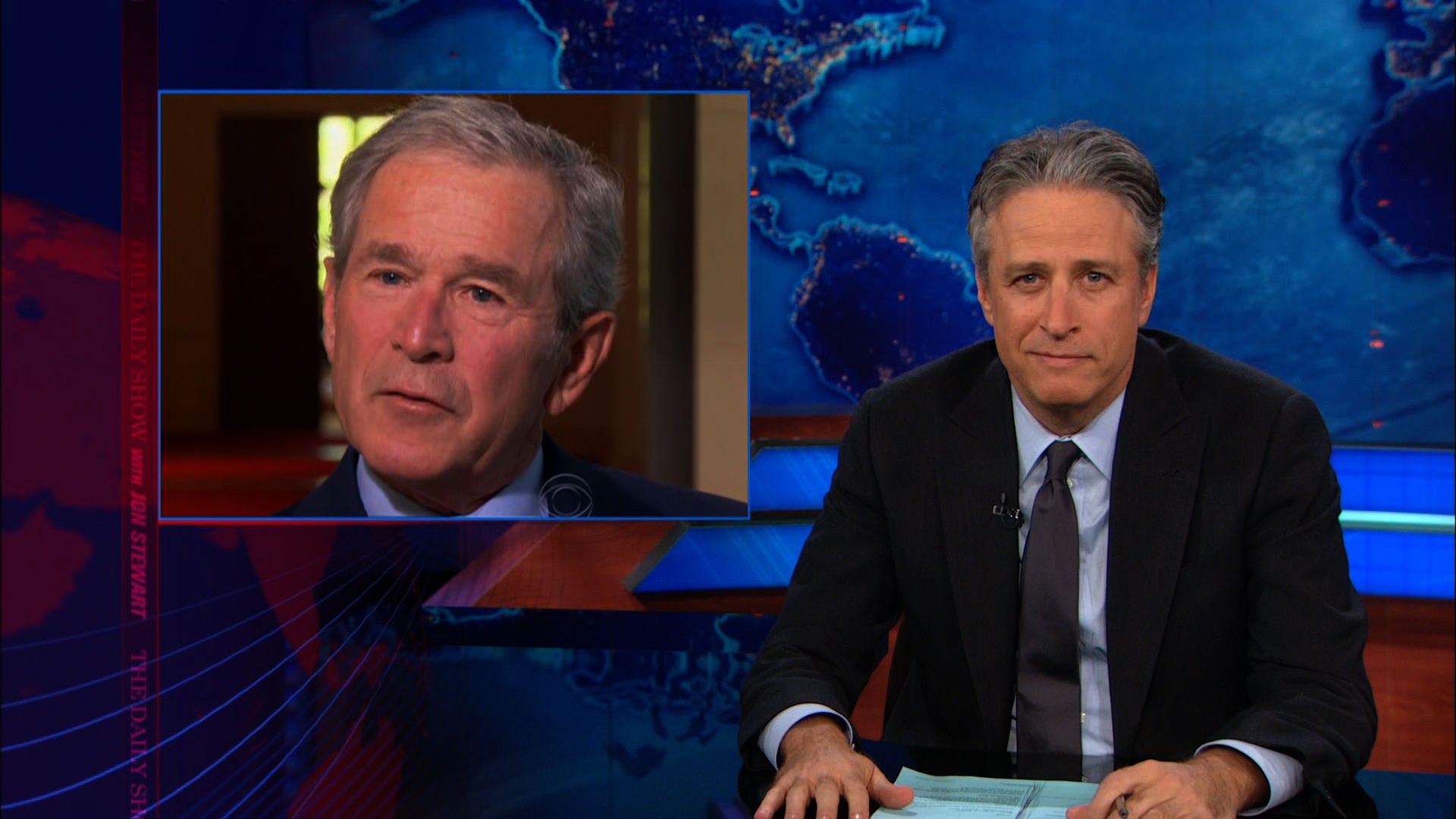
Jon Stewart is stepping down as host of The Daily Show, after nearly 17 years of incisive political and media satire.

The news broke after the show was taped on Tuesday afternoon, but here is the man himself: