These days, making music hardly makes artists any money. That’s why even those who achieve household-name status have to fiercely defend their work against copycats: Every creative rip-off can amount to a sizable loss in income.

These days, making music hardly makes artists any money. That’s why even those who achieve household-name status have to fiercely defend their work against copycats: Every creative rip-off can amount to a sizable loss in income.

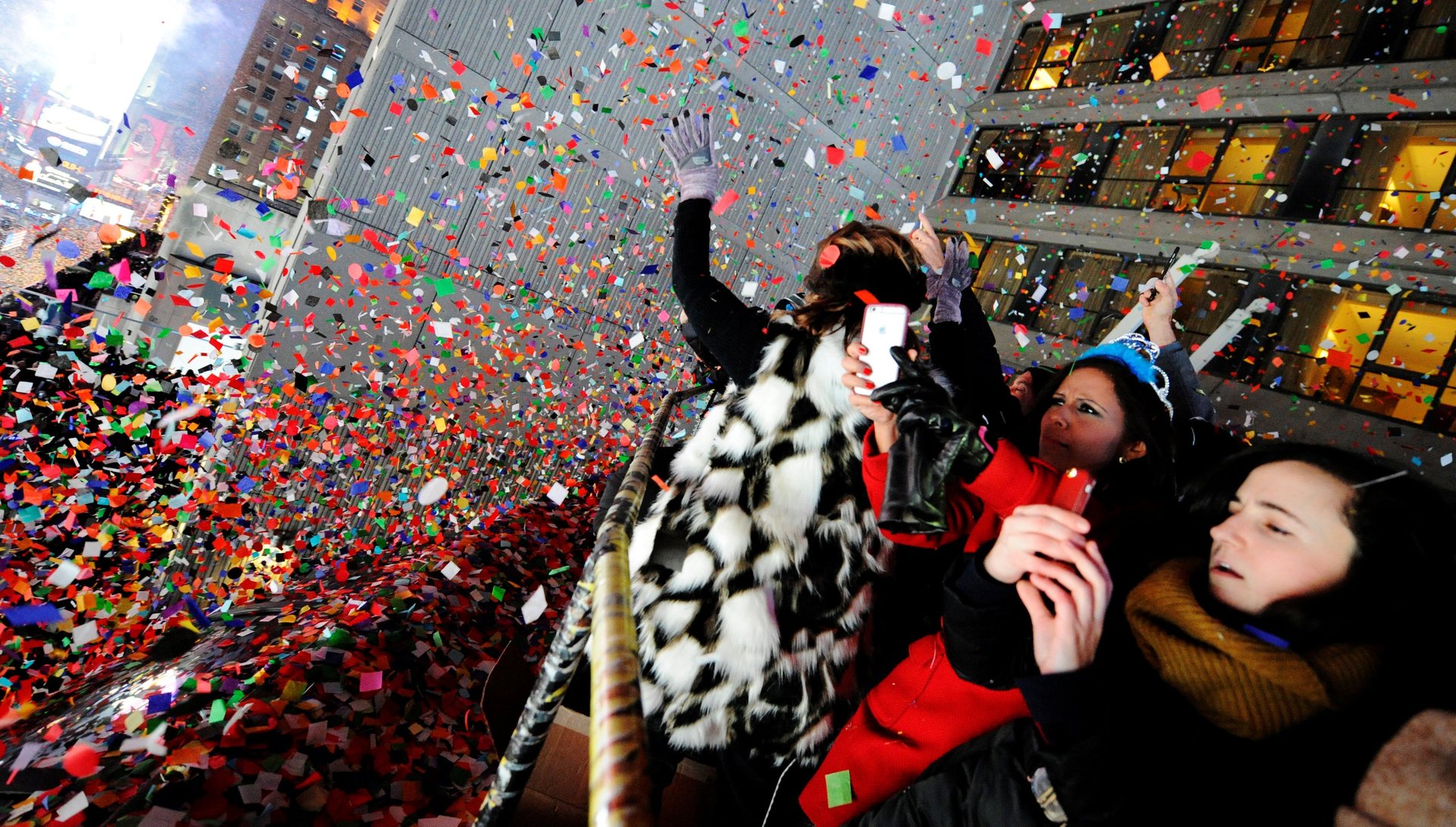
Social media, upon which the world broadcasts its every thought and feeling, has spawned its share of godawful memes—with the caveat that some of them do turn out to be delightfully wholesome, literary, or purposeful. One surprisingly good meme that’s emerged in the last few weeks is an auditory guide to ringing in the new year: Hundreds of people, from celebrities to television PR teams to your average everyday Twitter-using perfectionist, have posted instructions to time certain songs and videos—quite precisely—so that a particular riff, line, or scene will play when the clock strikes midnight and 2018 begins.

One night out of the year, Santa Claus delivers presents. Yet as every modern-day worker knows, having interests outside of one’s official job is imperative to healthy living.

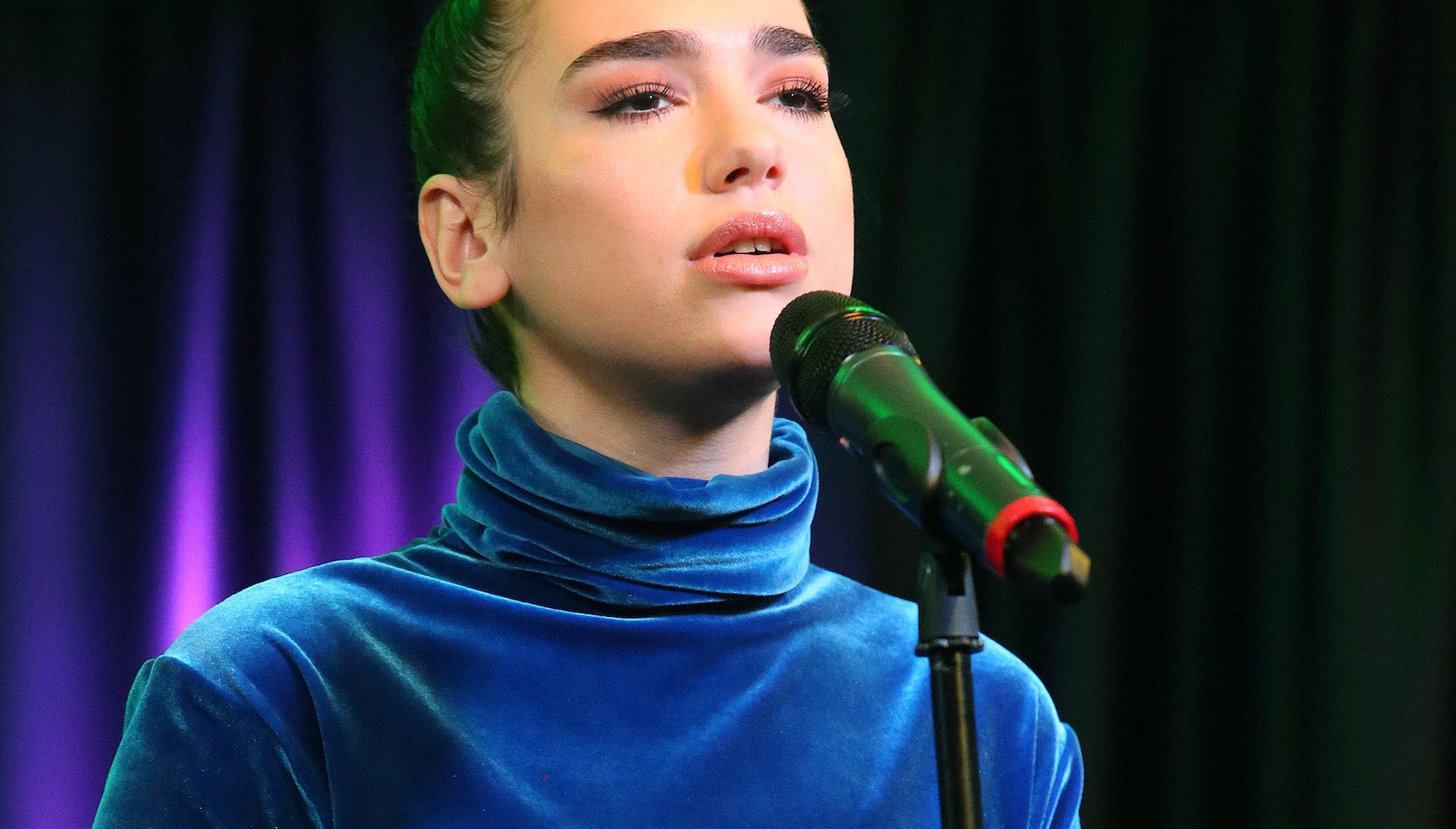
“I’ve got new rules,” English pop star Dua Lipa sings, with a smirk in her voice, on the chorus of the aptly-titled “New Rules,” one of the most chart-soaring tracks of the year.

It’s finally time to put the old stereotype about male doctors and female nurses away for good. According to new data this week from the Association of American Medical Colleges, female students outnumber male students in this year’s entering class at US medical schools, for the first time in history—and enrollment trends overall suggest there may well be more women in the medical field than men in the near future.

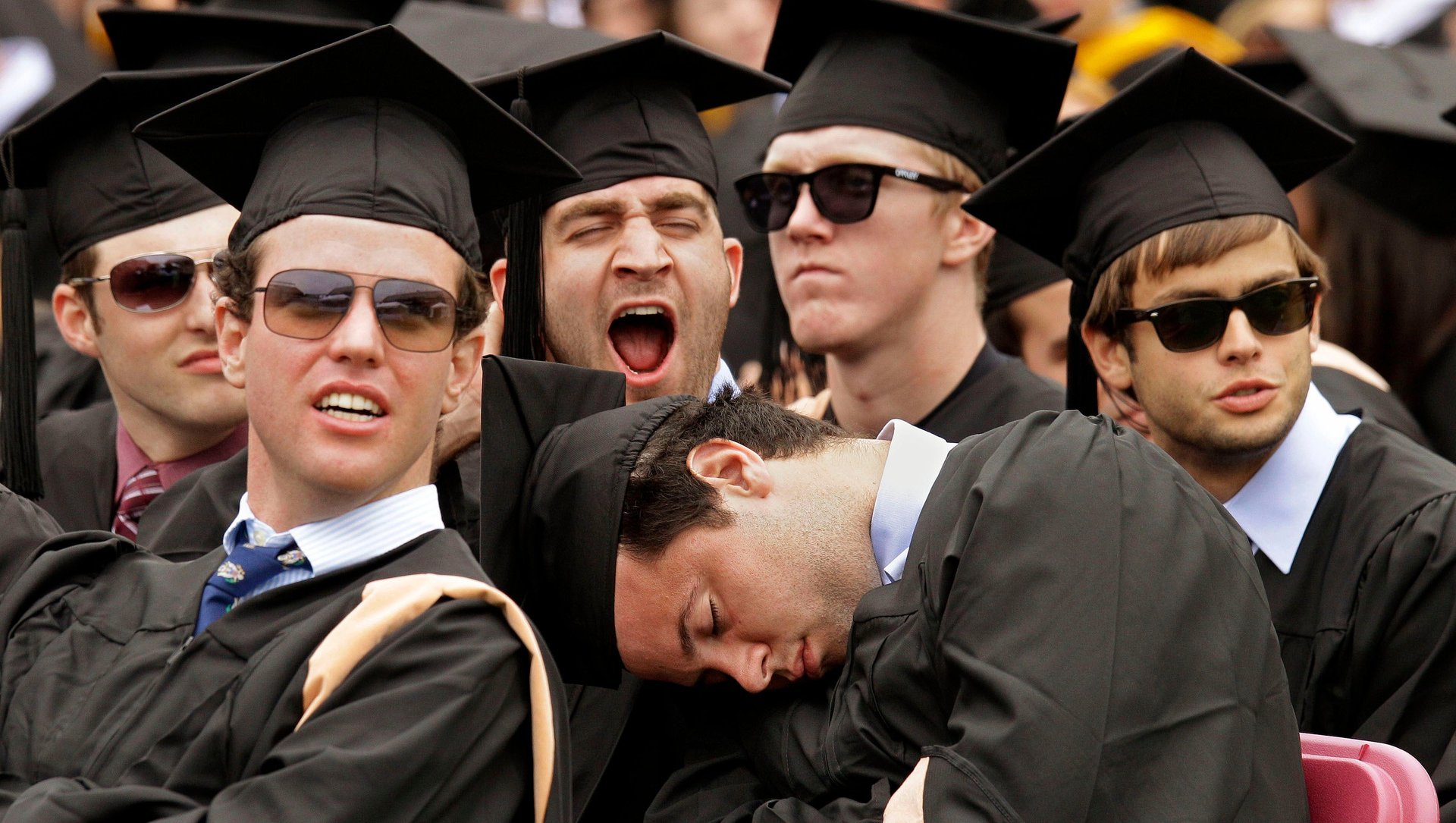
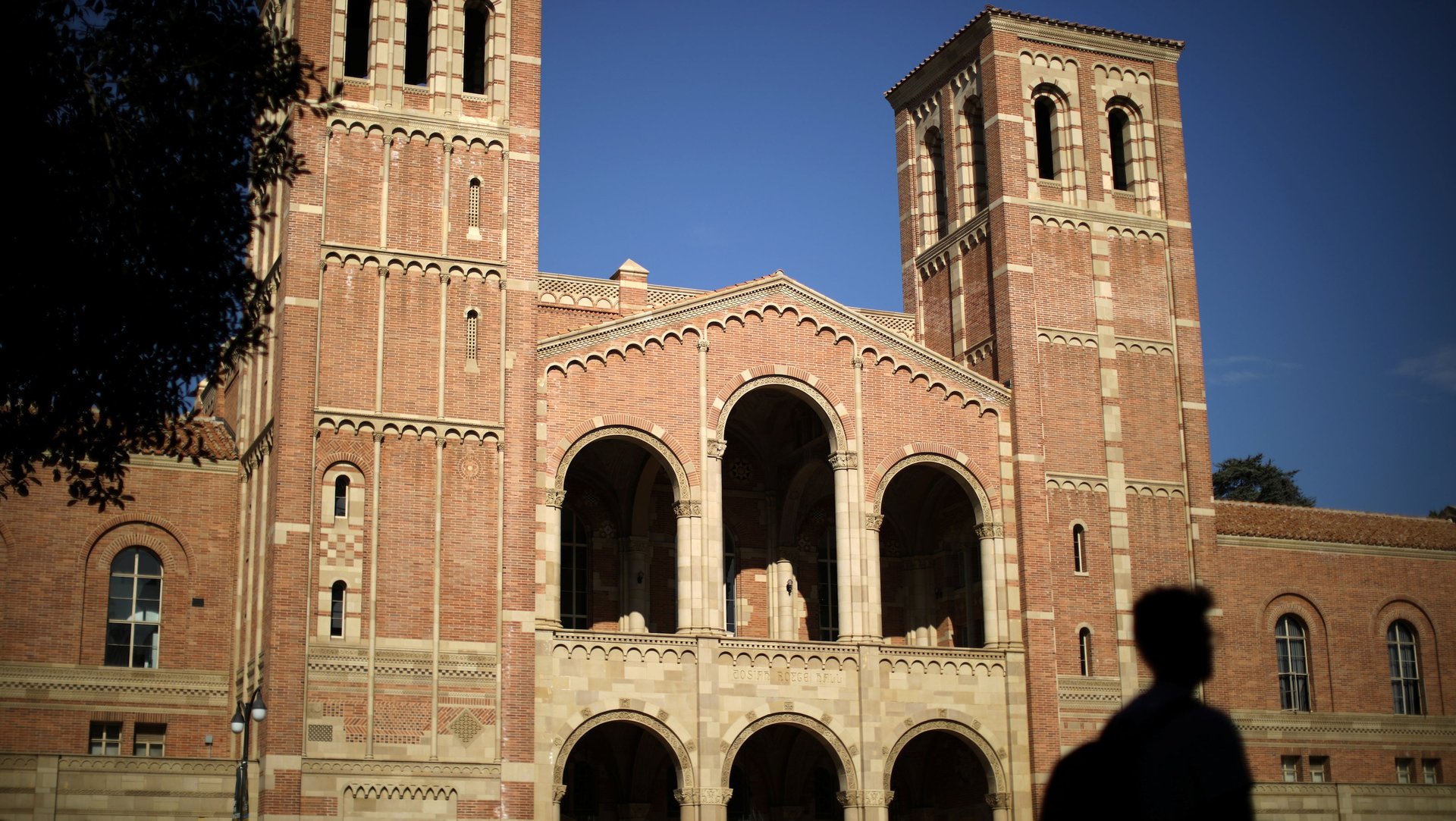
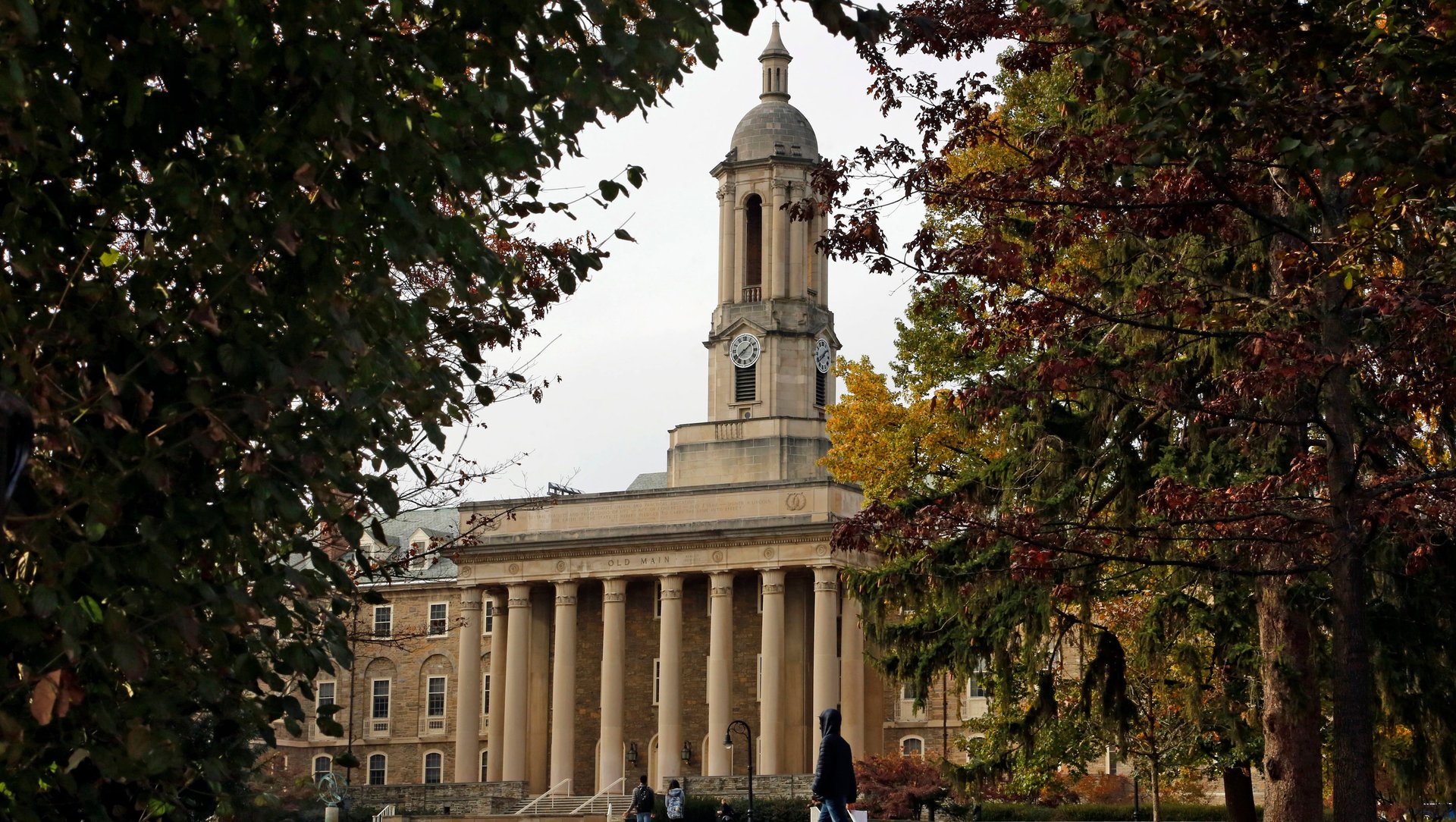
There are many accusations lobbed at US colleges, often with justification: Their methods are often inefficient, their curriculums too distant from the real world, their tuition rates maddeningly high.

College tuition is sky high. Not entirely coincidentally, so are college presidents’ salaries.

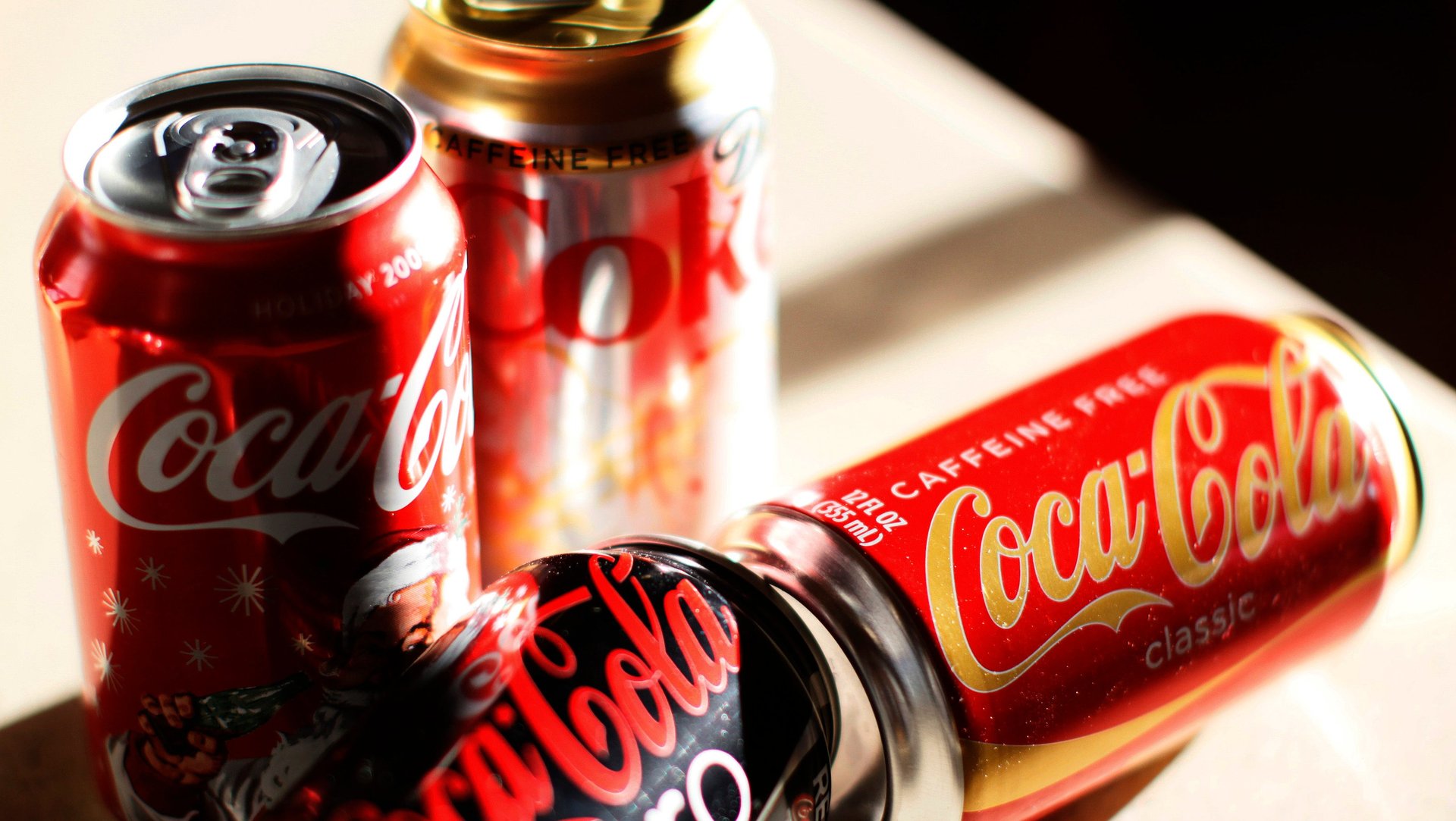
This weekend, when the New York Times ran a profile (paywall) about the daily life of Donald Trump, we learned that the US president drinks not one or two, but 12—or more!—cans of Diet Coke a day.

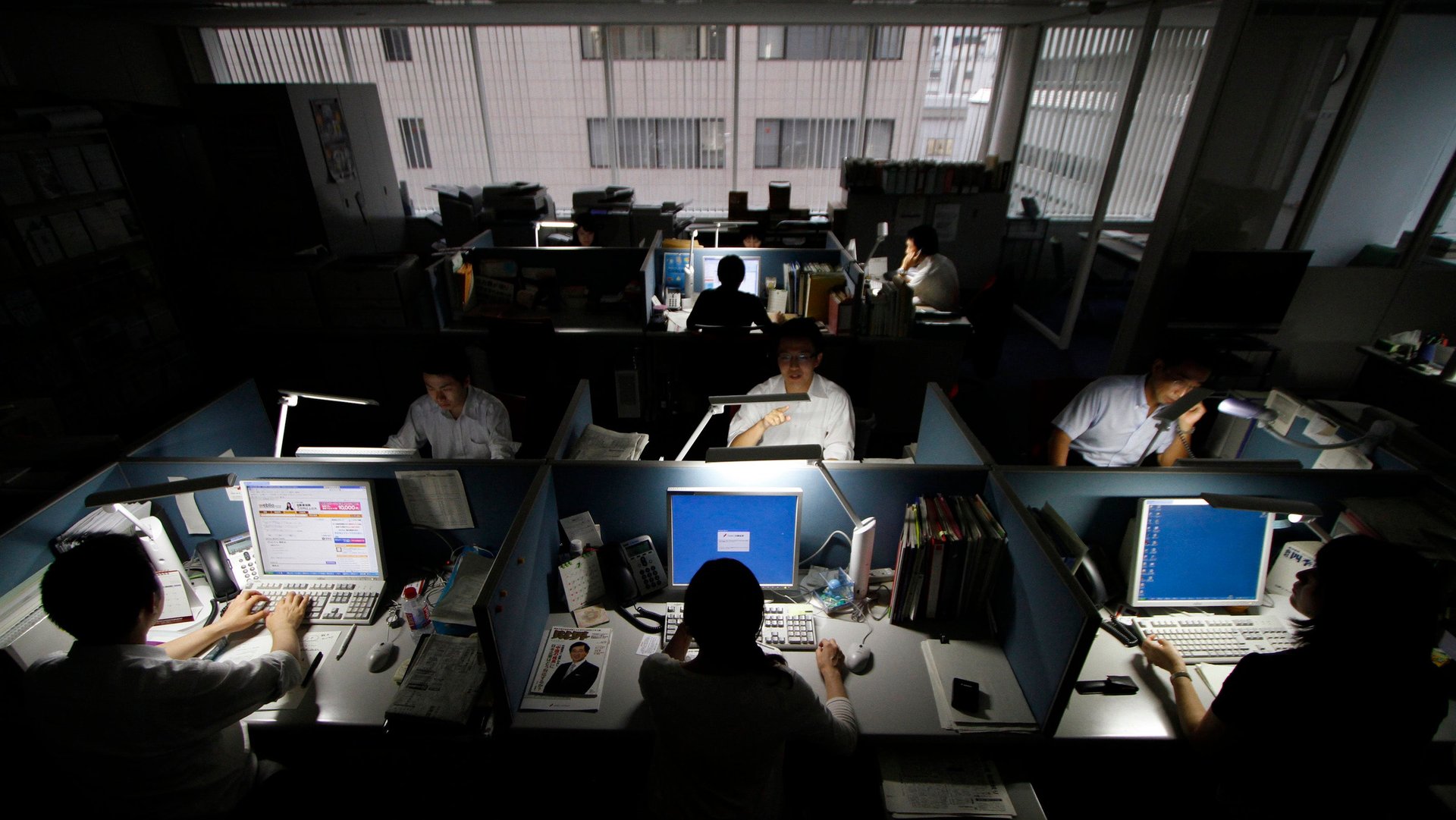
A quarter of Japanese companies have workers clocking more than 80 hours of overtime a month, a statistic that contributes to the increasing alarm around “karoshi,” or “death by overwork,” in the country. Overwork-related compensation claims from dead workers’ families have hit a record high, and a woman’s death after 159 hours of overtime a month made global news in October.

Amid America’s colossal student debt problem, an Ivy League school is providing an example of how institutions can help.

YouTube doesn’t call itself a music-streaming service, but it’s the biggest one in the world.

When picking a profession, the traditional mother’s mantra—doctor, lawyer, engineer—no longer entirely applies.

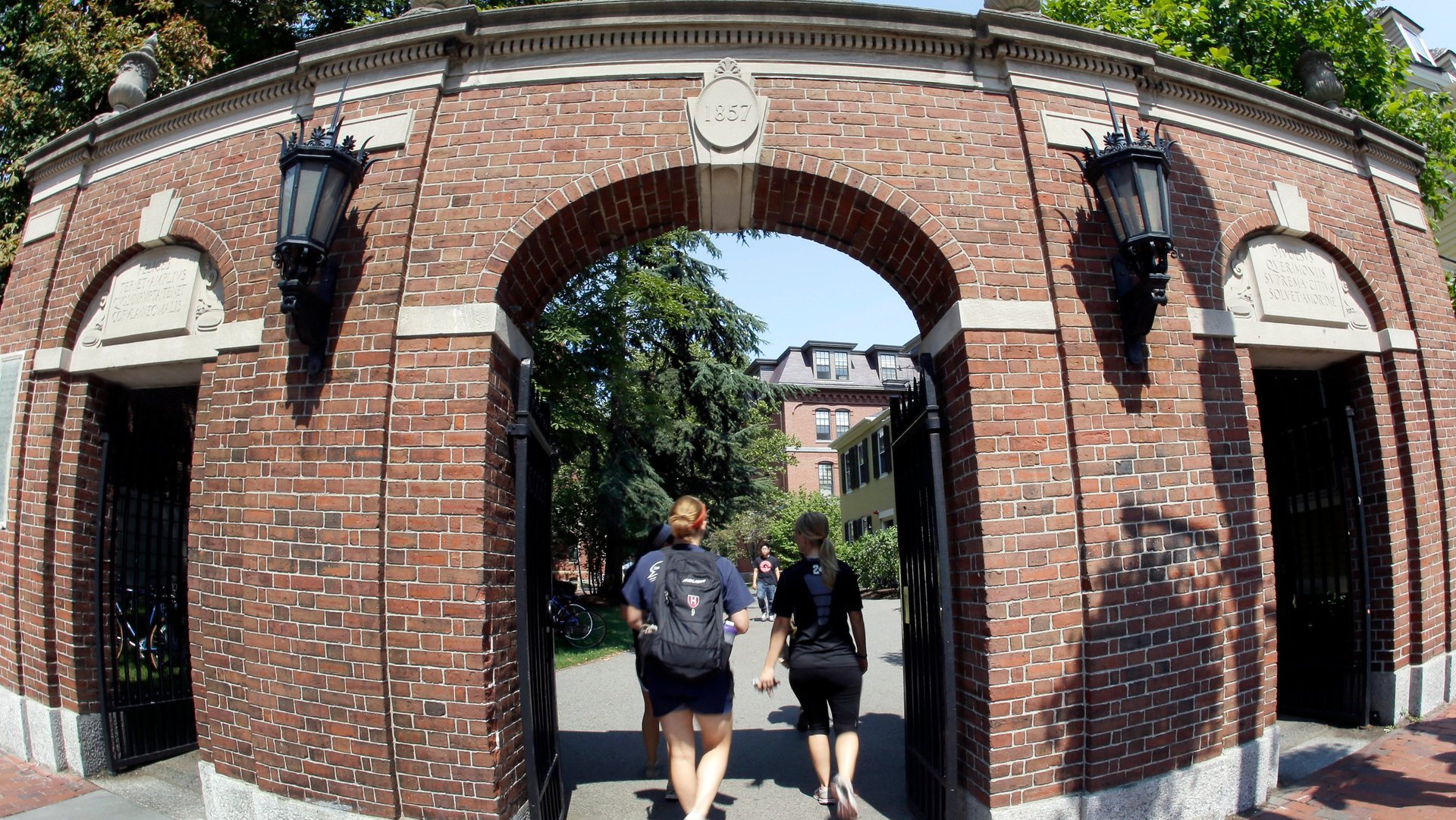
“The university must act,” Harvard president Drew Faust declared in an email to the school’s community on Tuesday (Dec. 6). Her missive was effectively a death sentence for fraternities, sororities, and final clubs, the last of which have been known for centuries—and popularized in culture through works like 2010’s The Social Network—as some of the most elite institutions in higher education.

By 2030, as many as 375 million workers—or 14% of the global workforce—could be useless in their jobs, thanks to automation.

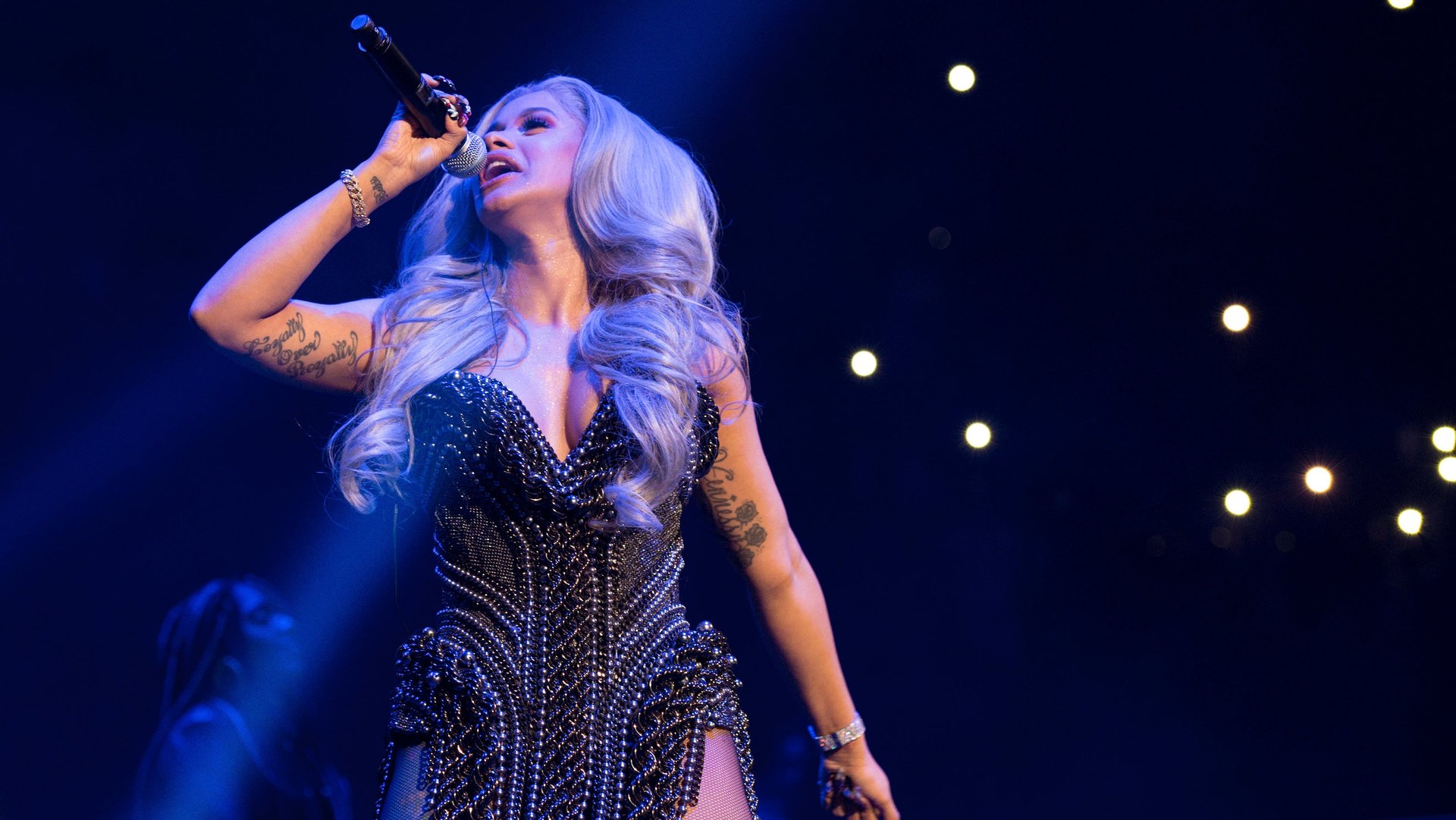
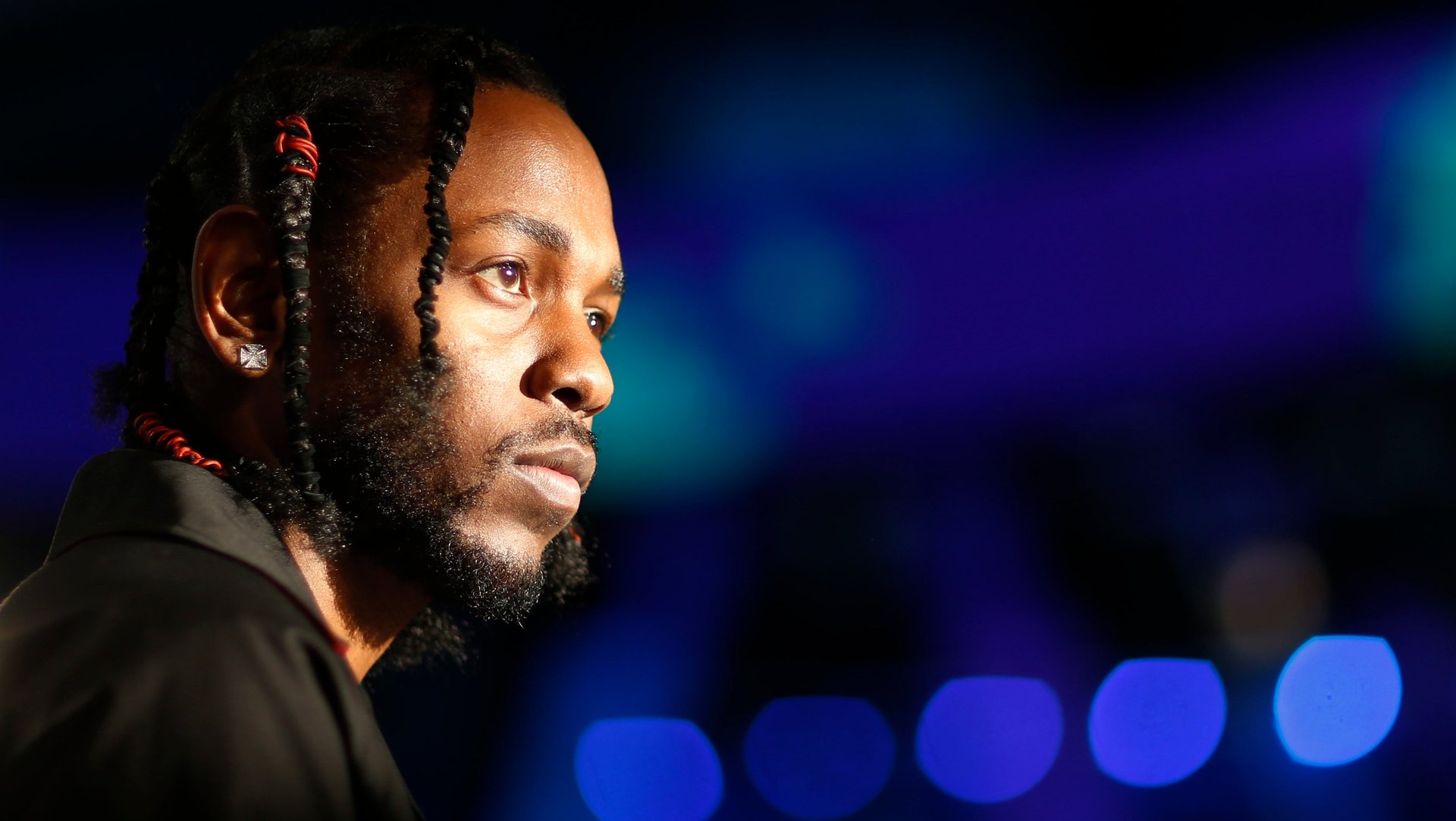
Nominations for the 60th Grammy Awards are out, and they’re striking. Many of this year’s names—across even the most prestigious categories—belong to non-white musicians.

Get in a car, turn off the radio, and drive yourself—in complete silence—to the nearest AutoZone, Costco, GameStop, or WinCo Foods. Only there will you be safe.

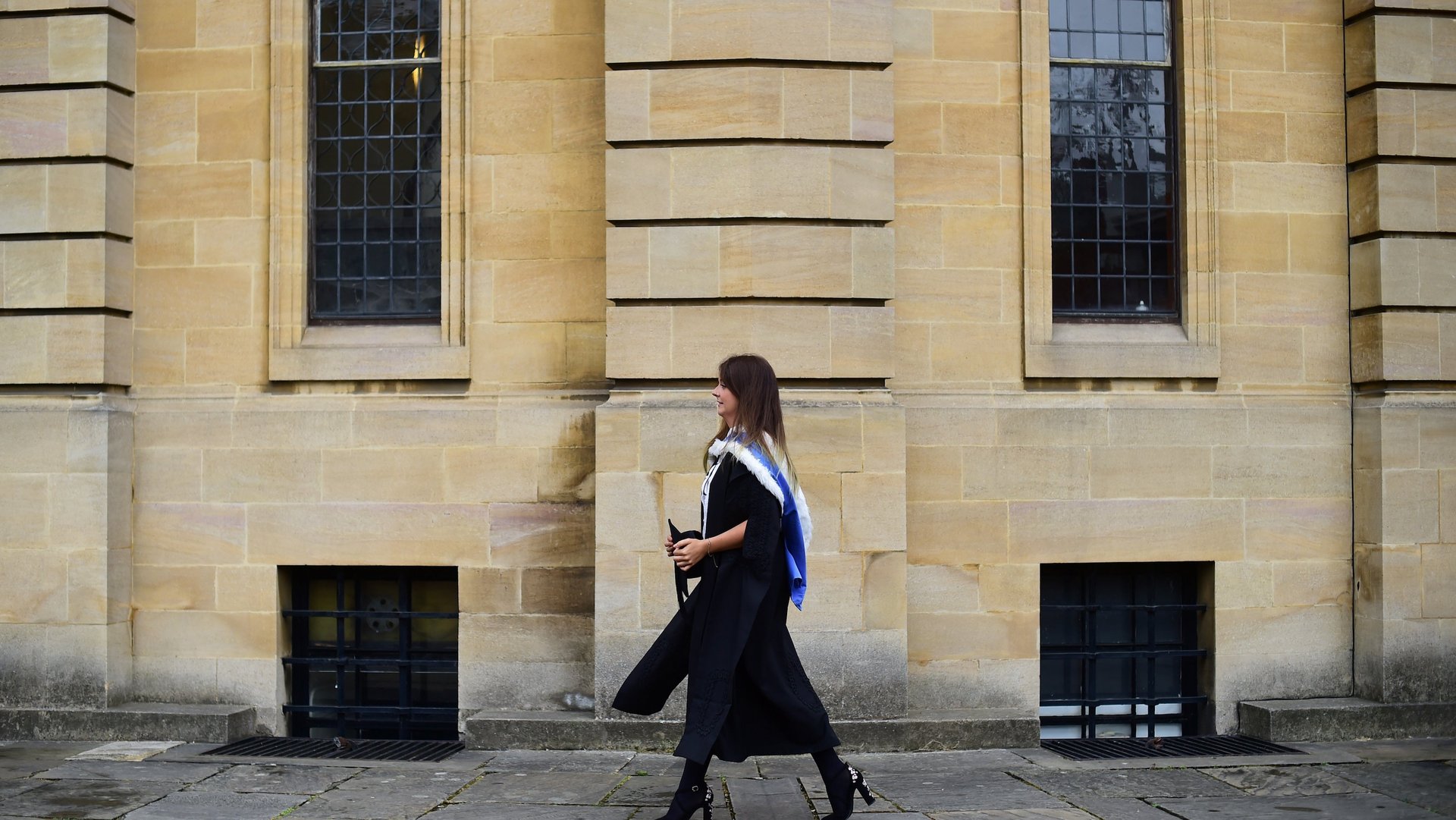
Universities are not benevolent institutions that exist only to nurture and enlighten young minds. They’re also cash-hungry corporations eager to eke money out of the students they graduate—a mission made clearer by recent revelations about Oxford and Cambridge.

In national security, social network analysis is used to identify potential terrorists. In marketing, it can uncover the Instagram influencers who are best positioned to sell a company’s product.

Given the astronomical price tag on a college degree today, you’d better hope getting one actually pays off.

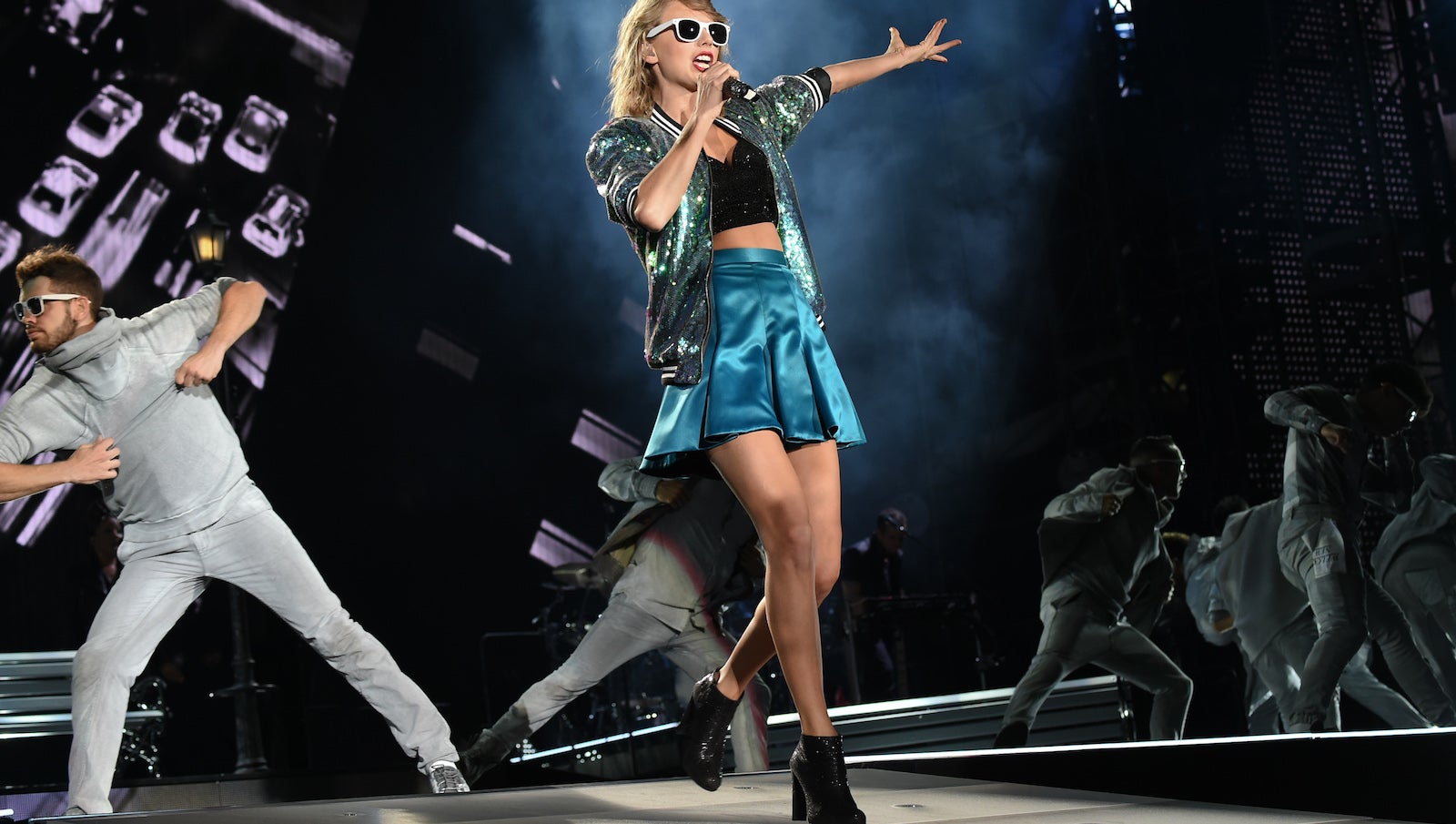
Fresh-faced pop stars like Harry Styles and Taylor Swift have no shortage of gushing fans to trip over themselves for concert tickets and autographs. But it is metal—yes, metal, meaning decades-old groups like Black Sabbath, Iron Maiden, and Kiss—that actually has the most loyal fans, it turns out.

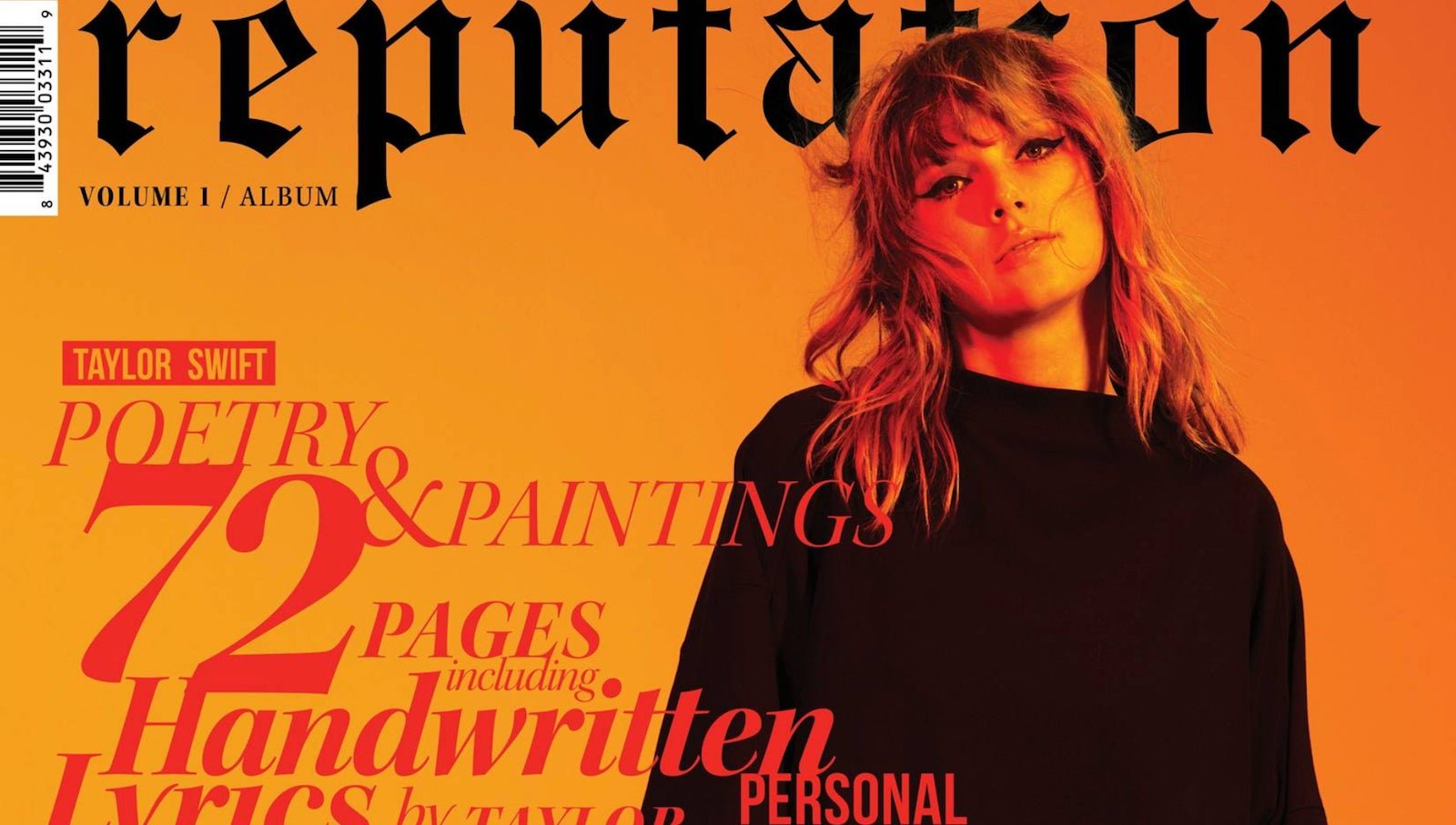
Reputation, by technical measures, is not very good. Pitchfork describes Taylor Swift’s new album as an “aggressive, lascivious display” that is ultimately “sadly conventional.” Most music critics agree that whatever it brings in melodrama, Reputation lacks in actual quality.

When neighborhood block parties in the Bronx birthed rap and hip-hop in the early 1970s, hardly anyone expected the music style—barely a genre on its own, resonant as it was within some specific communities—to get very big. These days, rappers are the new rock stars and the genre’s influence has exploded beyond music itself.

You’d imagine $100,000 hotel rooms to only be found in exotic resorts in the most far-flung realms of the world—but there are some sitting on a college campus in central Texas.

Increasingly unloved and abandoned in the age of instant music streaming, the compact disc has been dying a miserable death. Taylor Swift, of all people, is here to bring it back.