
Tech & Innovation
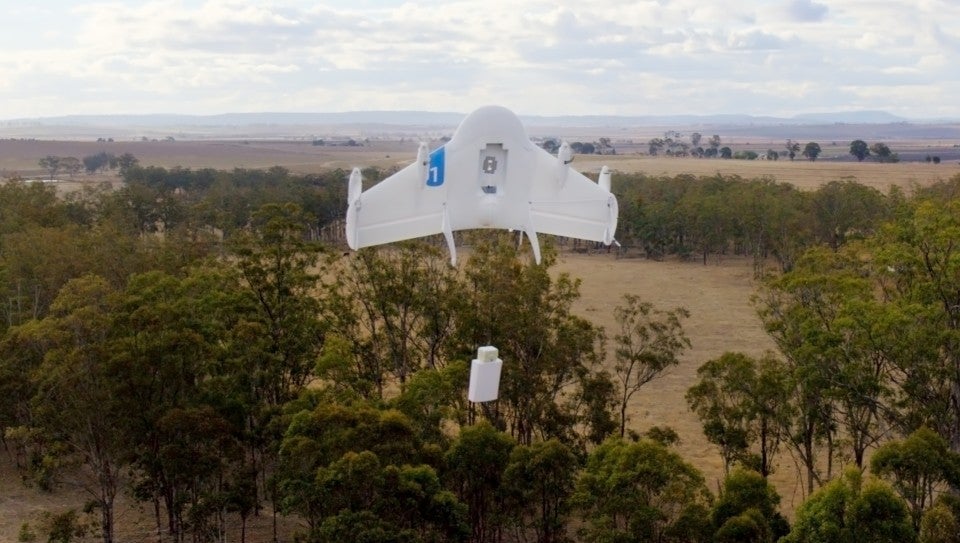
The inside story of Google’s secret quest to deliver products with dronesA zipping comes across the sky.
Updated July 21, 202231 min read
A zipping comes across the sky.
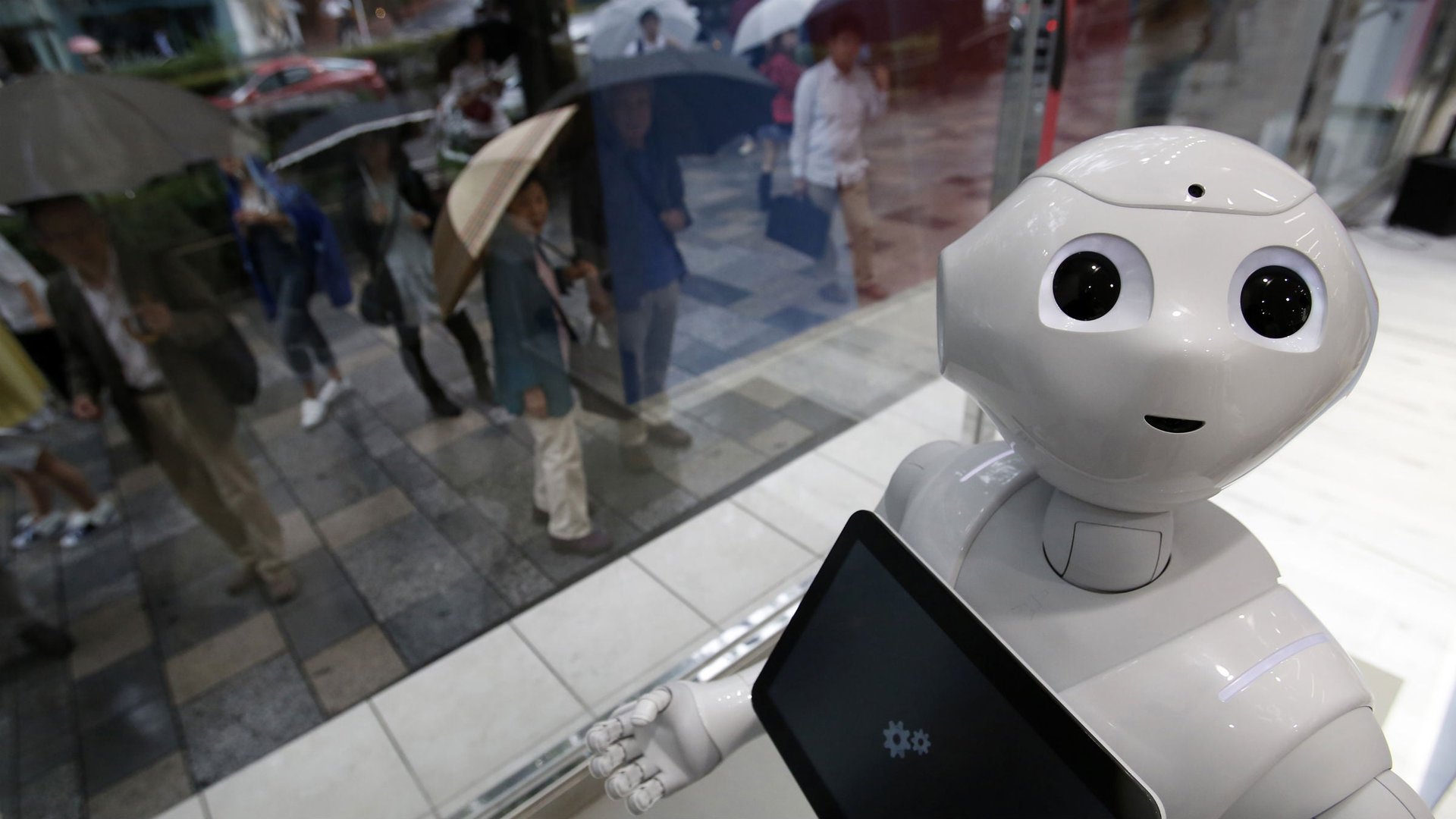
On first contact with the idea that robots should be extended legal personhood, it sounds crazy.

I have seen the future of iced coffee.
This week, Harvard historian Jill Lepore published a scathing critique of one of Silicon Valley’s sacred texts, Clayton Christensen’s theory of disruptive innovation.

The World Cup is upon us. There are so many games during the group play portion of the global tournament that it’s hard to keep up with them all.
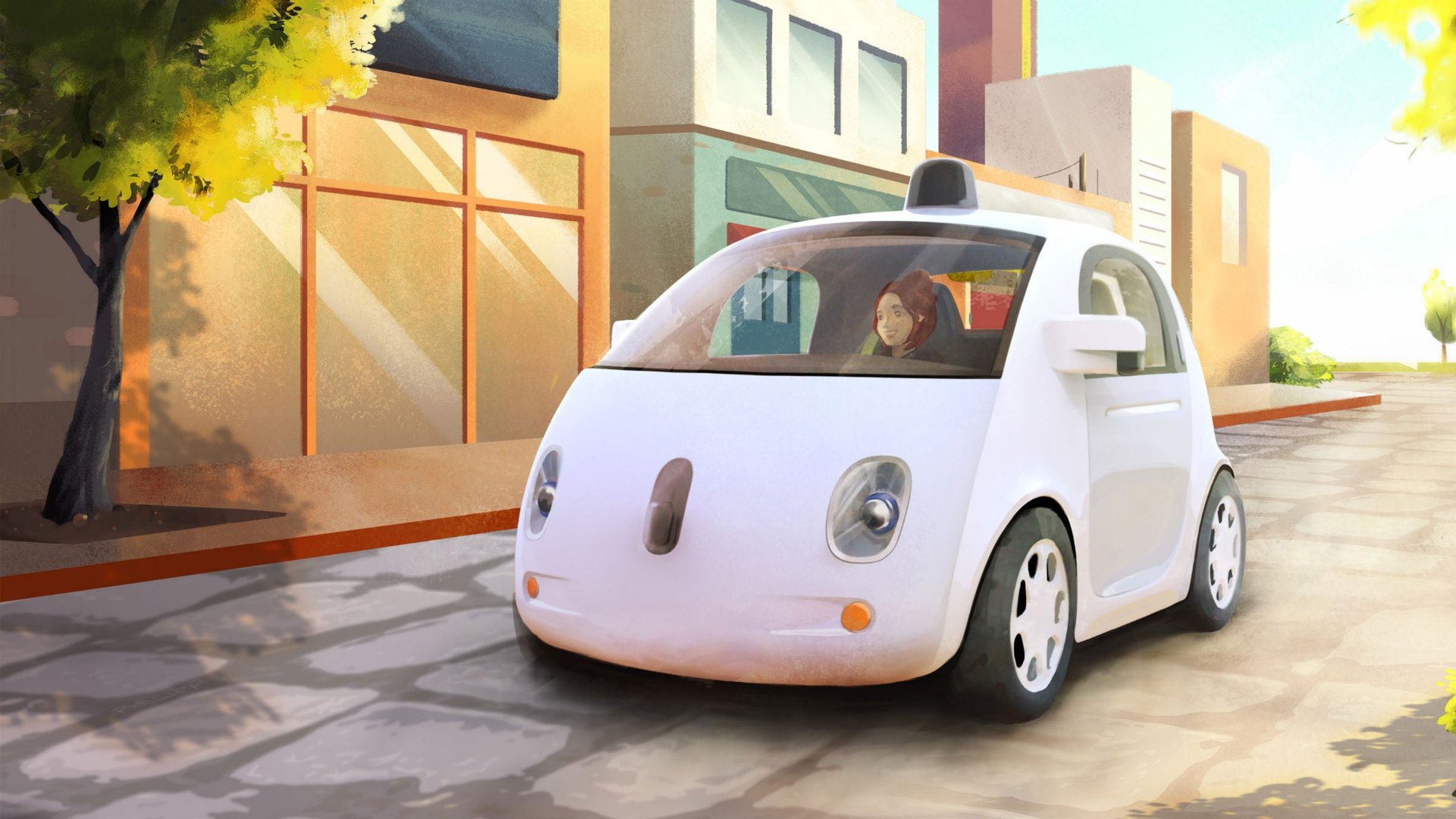
Google has shown off a new driverless vehicle prototype, a cute little thing with no wheel or other control mechanisms. Previously, the company had installed its software and hardware on stock Lexus SUVs and Toyota Priuses.

This story began with a simple question: if a facial recognition system processes a lot of pictures of a child, will it recognize that person when he or she grows up?
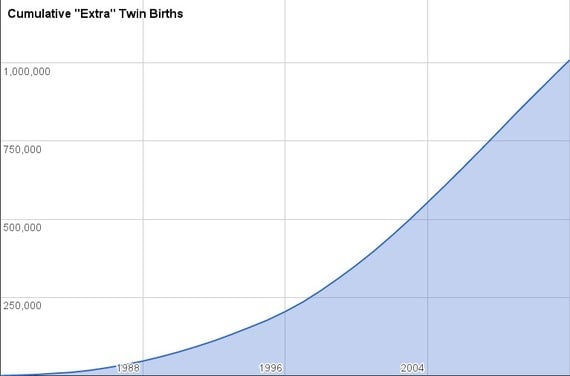
From about 1915, when the statistical record begins, until 1980, about one in every 50 babies born was a twin, a rate of 2 percent.

All musical notation is a kind of compression, which is to say a compromise between ease of transmission and depth of reception.

Here’s the crazy thing about the plan to build an almost mile long, 90-foot deep, subterranean ice wall around the Fukushima nuclear plant: It’s not really very crazy at all. Building cryogenic barriers sounds like the specialty of an obscure supervillain, but it’s a well-established technique in civil engineering, used regularly for tunnel boring and mining. Ground freezing was even tested as a way of containing radioactive waste in the 1990s at Oak Ridge National Laboratory and performed admirably.

“People love Facebook. They really love it,” Biz Stone wrote earlier this month. “My mother-in-law looks hypnotized when she decides to put in some Facebook time.”

Samsung breaks ground on a new $300 million North American headquarters building in San Jose today. The building will house more than 2,000 employees in R&D and sales. As you’d expect, it’s a green (LEED Gold) building that’s designed to foster fickle innovation by making it easy for people to bump into each other in courtyards and facilities. The heart of the development is a ten-story tower that the company’s architect, NBBJ, says “will create a powerful brand image for Samsung.”
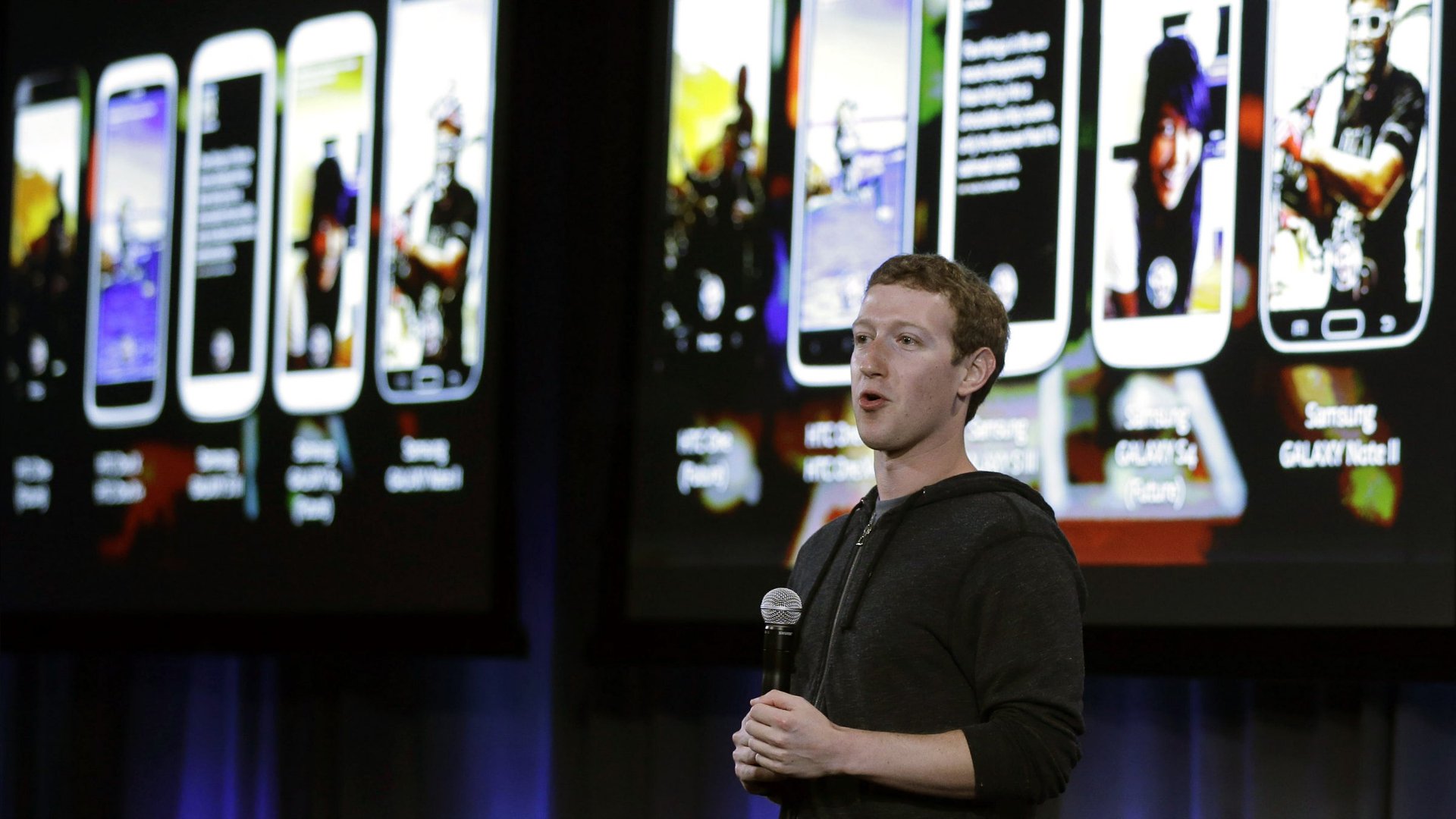
Facebook’s future depends on succeeding on mobile phones, as questions about Facebook Home at the company’s shareholder meeting once again made clear. Whatever Facebook says about the product now, they sold Home hard, and it has not lived up to its billing.

Hey, if a billionaire couple wants to spend $10 million on their wedding, it’s neither all that surprising nor interesting, as far as I’m concerned. So, when news and statistics started to trickle out about Sean Parker’s wedding here in California—namely that it’d cost millions of dollars to create Kardashian-level over-the-topness—I was ready to chalk it up to the standard excesses of crazy rich people.
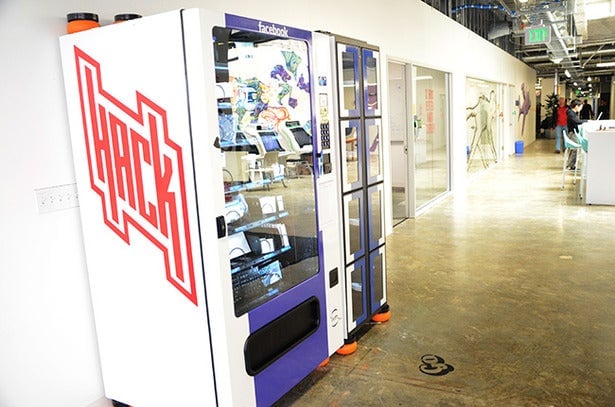
I’d heard tell that Facebook’s IT department had scattered vending machines filled with headphones, power cords, and sundry other electronics across the campus. But it was not until I was walking through the company’s headquarters last week and saw one in the wild that I came to understand what I really like about the concept.
There’s a simple answer: people.
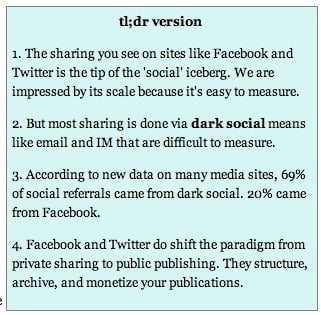
Here’s a pocket history of the web, according to many people. In the early days, the web was just pages of information linked to each other. Then along came web crawlers that helped you find what you wanted among all that information. Some time around 2003 or maybe 2004, the social web really kicked into gear, and thereafter the web’s users began to connect with each other more and more often. Hence Web 2.0, Wikipedia, MySpace, Facebook, Twitter, etc. I’m not strawmanning here. This is the dominant history of the web as seen, for example, in this Wikipedia entry on the ‘Social Web.’But it’s never felt quite right to me. For one, I spent most of the 90s as a teenager in rural Washington and my web was highly, highly social. We had instant messenger and chat rooms and ICQ and USENET forums and email. My whole Internet life involved sharing links with local and Internet friends. How was I supposed to believe that somehow Friendster and Facebook created a social web out of what was previously a lonely journey in cyberspace when I knew that this has not been my experience? True, my web social life used tools that ran parallel to, not on, the web, but it existed nonetheless.To be honest, this was a very difficult thing to measure. One dirty secret of web analytics is that the information we get is limited. If you want to see how someone came to your site, it’s usually pretty easy. When you follow a link from Facebook to The Atlantic, a little piece of metadata hitches a ride that tells our servers, “Yo, I’m here from Facebook.com.” We can then aggregate those numbers and say, “Whoa, a million people came here from Facebook last month,” or whatever.
It’s impossible to create a perfect map, but that hasn’t stopped Nokia from trying. Here, we go inside the company’s neverending drive to create a digital copy of the world.
The big opportunity of robocars isn’t the cars themselves; it’s how they could create a far more efficient transportation system.