
Money & Markets
It took Amazon 14 years to make as much in net profit as it did last quarterAmazon, so long light on profits, reported a whopping $1.86 billion in net income in the fourth quarter of 2017.
Updated July 20, 20221 min read
Amazon, so long light on profits, reported a whopping $1.86 billion in net income in the fourth quarter of 2017.
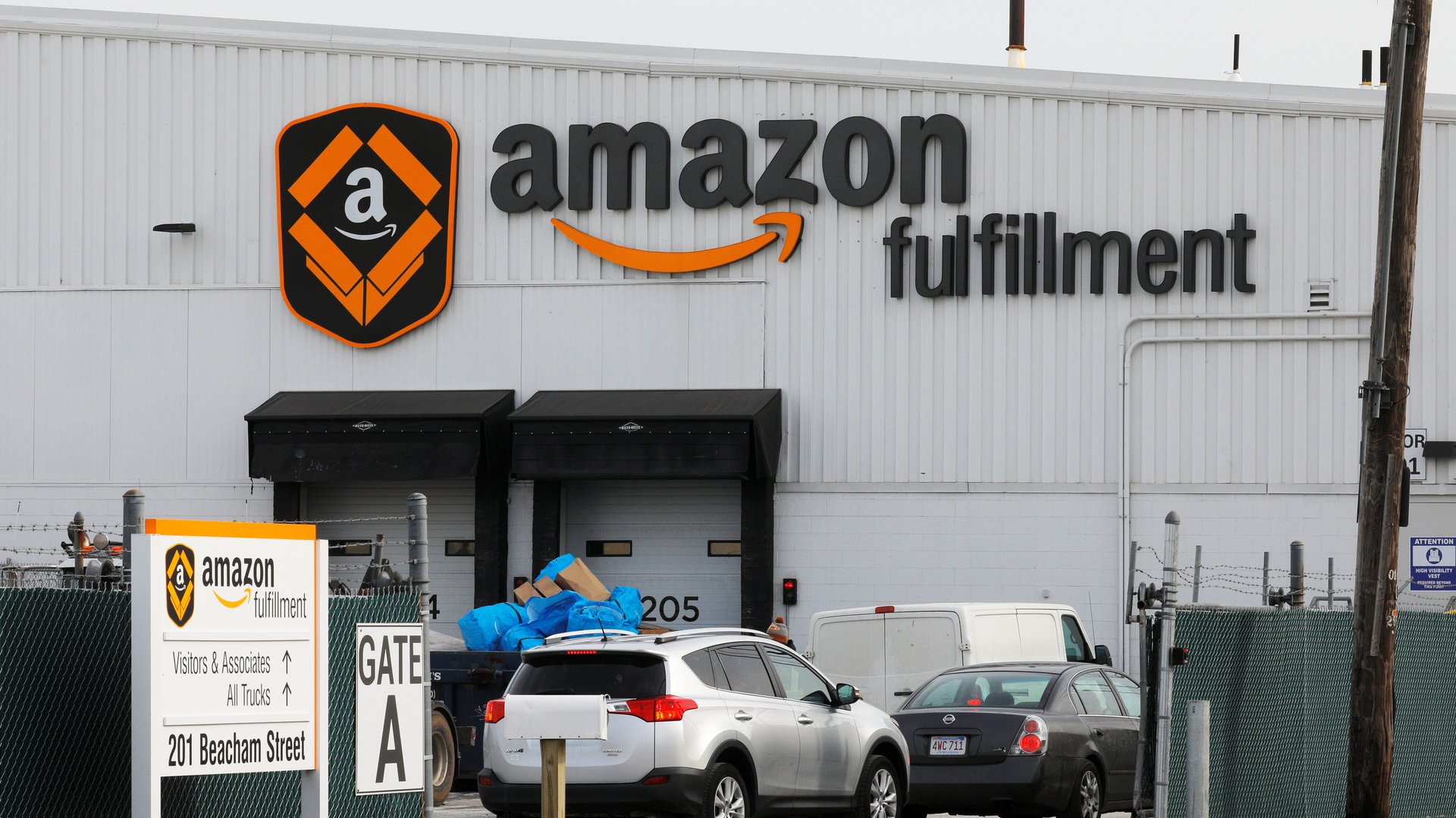
Amazon Prime is the foundation of Amazon’s success.
Amazon’s cloud-computing business is one of the company’s most important money makers, but lately it’s also given analysts reason to worry.
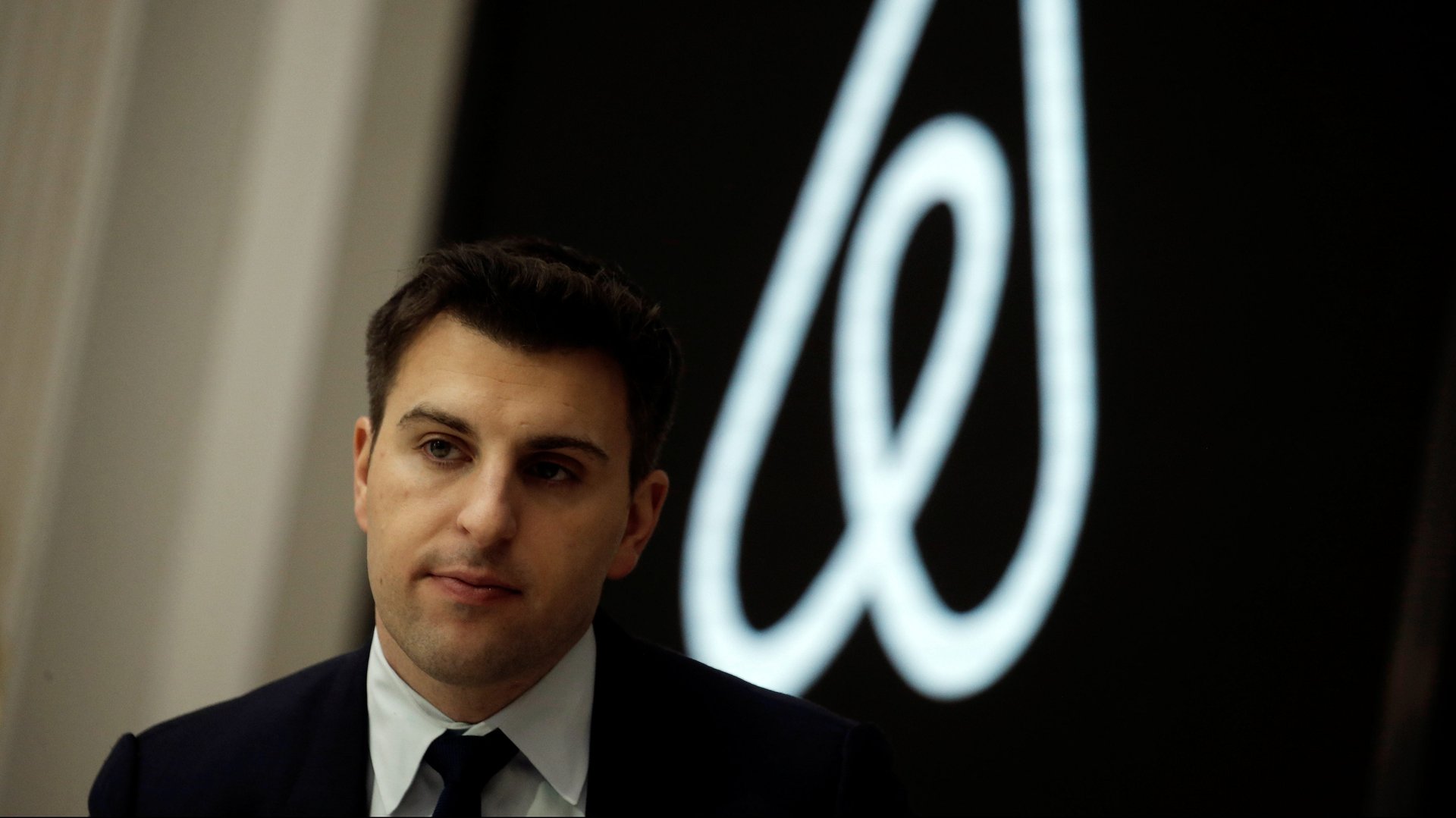
Wall Street veteran Laurence Tosi is leaving his role as chief financial officer at Airbnb, casting doubt on the company’s timeline for an initial public offering.
Elite economists have a message for cities bidding for Amazon’s next headquarters: Enough is enough.

Tinder Plus is a premium service introduced by online-dating app Tinder in March 2015. It grants users unlimited swipes and lets them do things like change their location, undo their most recent swipe, and “Super Like” multiple potential matches a day. In the US, Tinder priced Tinder Plus at $9.99 a month for users younger than 30, and $19.99 a month for those 30 and up. The stated rationale was that older users could afford to pay more. Left unstated: They might also be a little more desperate.
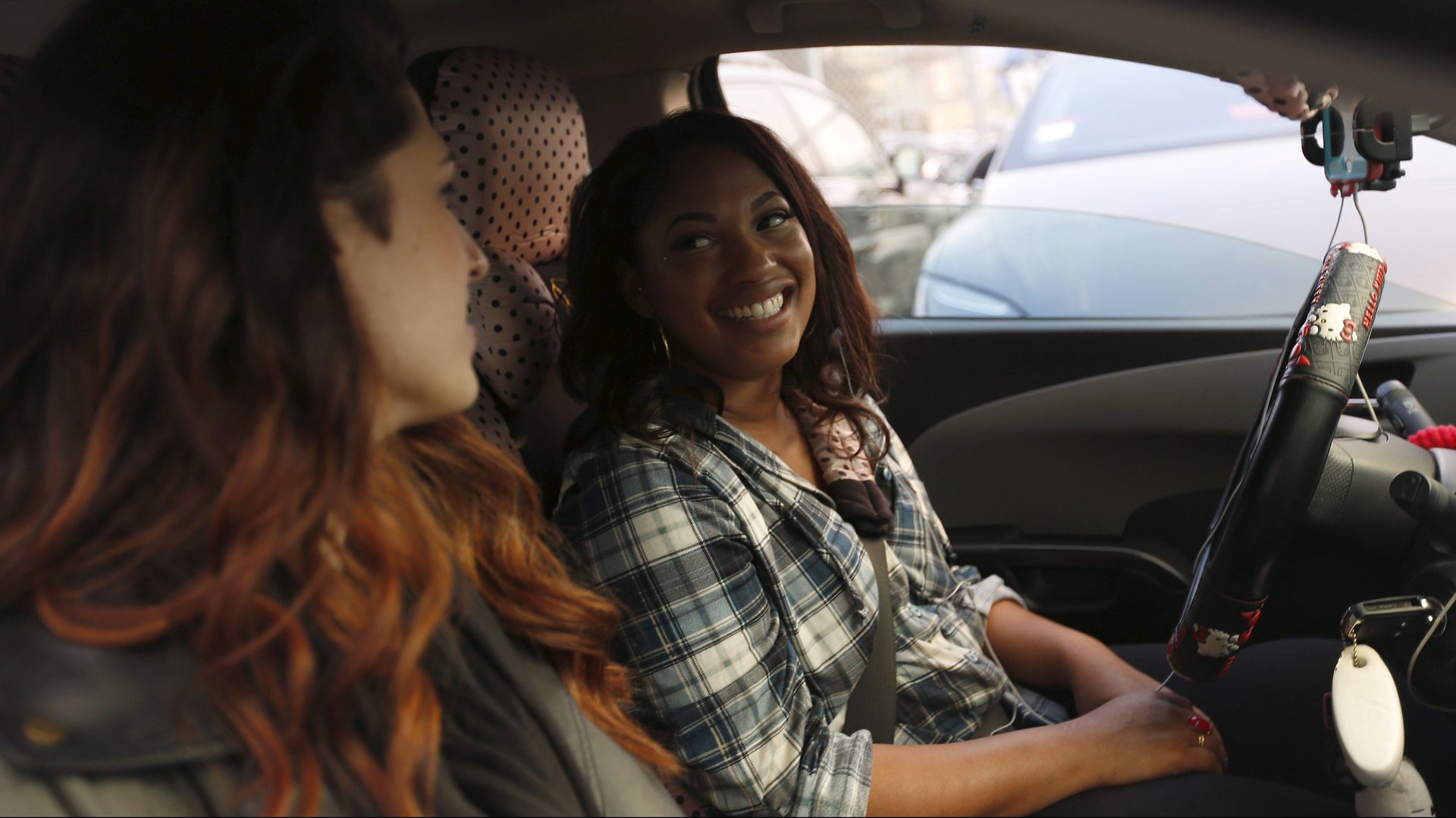
Ever wanted to chat with your Uber driver, but hesitated because, well, talking to you isn’t his job? Or felt the car was too warm, but been unsure how to ask the driver to lower the heat? For all that ride-hailing has become a new norm, the rules of riding aren’t those of a traditional taxi ride, where standards can be set by city ordinances. Your driver is less likely to be a full-time cabbie who you’ll never see again than someone from the neighborhood, driving his or her own car to make some extra money.
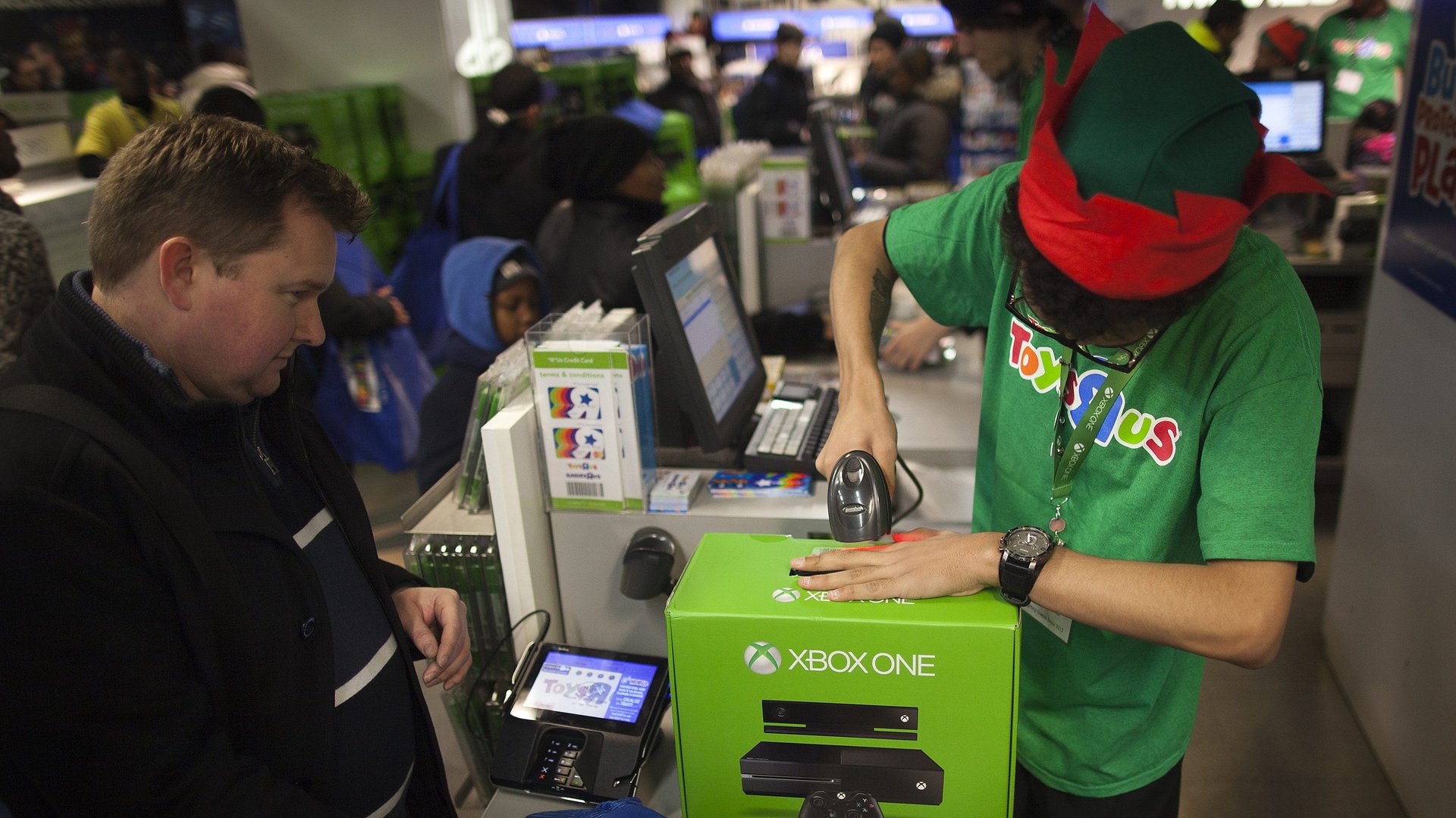
A lot of people will lose their jobs if Toys R Us follows through on its plan to close around 180 stores, or about 20% of its US locations. The company admits as much in court documents filed Jan. 23, noting that planned store closures “will result in a substantial number of employees being terminated.” The closures are scheduled to begin in early February and continue through April.
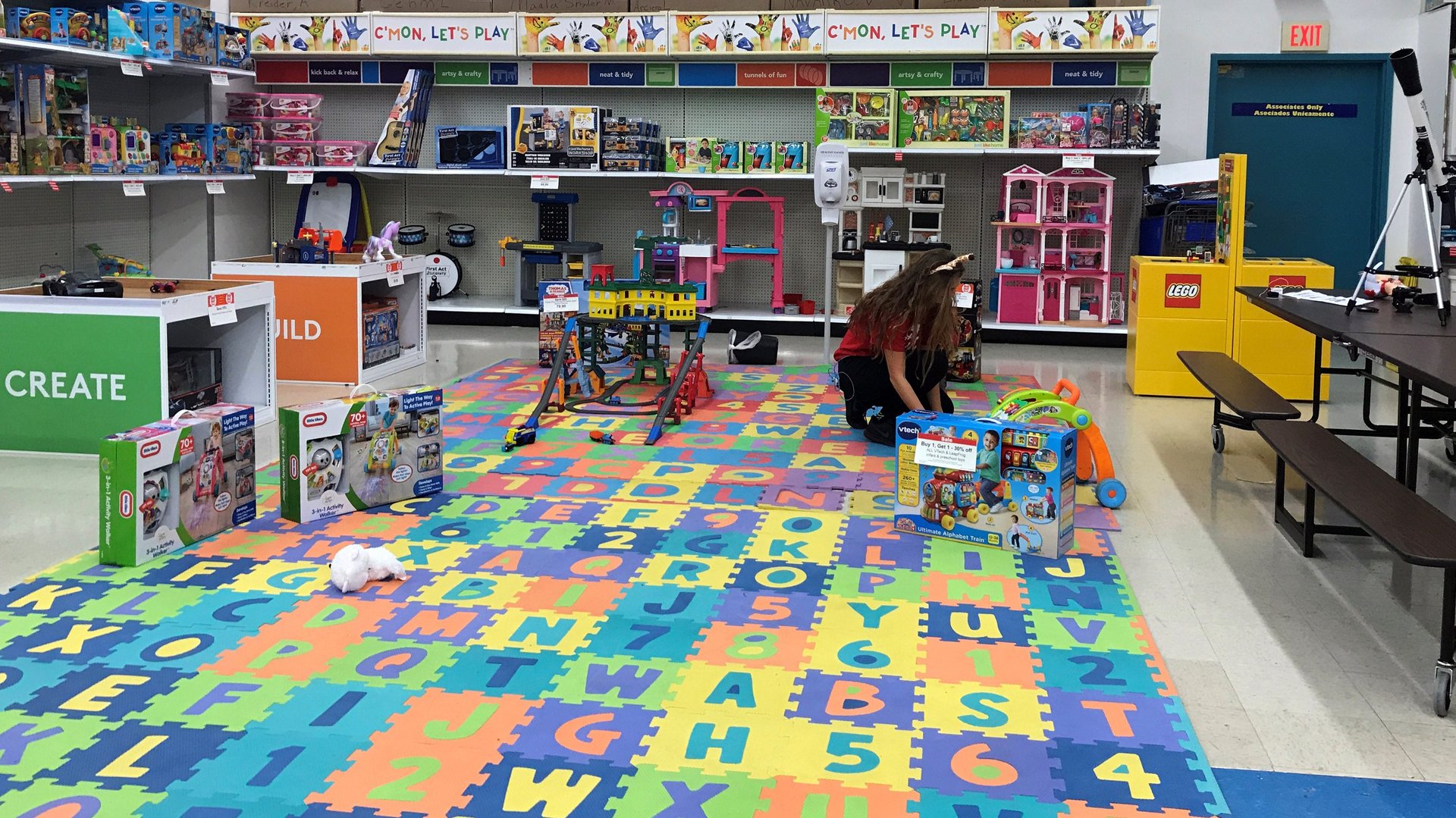
After filing for bankruptcy last fall, Toys R Us plans to close a fifth of its US stores to make the business viable again. To guide the store closure process, the company has hired two teams of consultants, Hilco Global-Gordon Brothers and Tiger Capital Group-Great American Group. Their tasks include clearing out store merchandise, overseeing store-level employees and managers, and coming up with ways to transition customers to remaining stores and online shopping, so that Toys R Us doesn’t lose them.
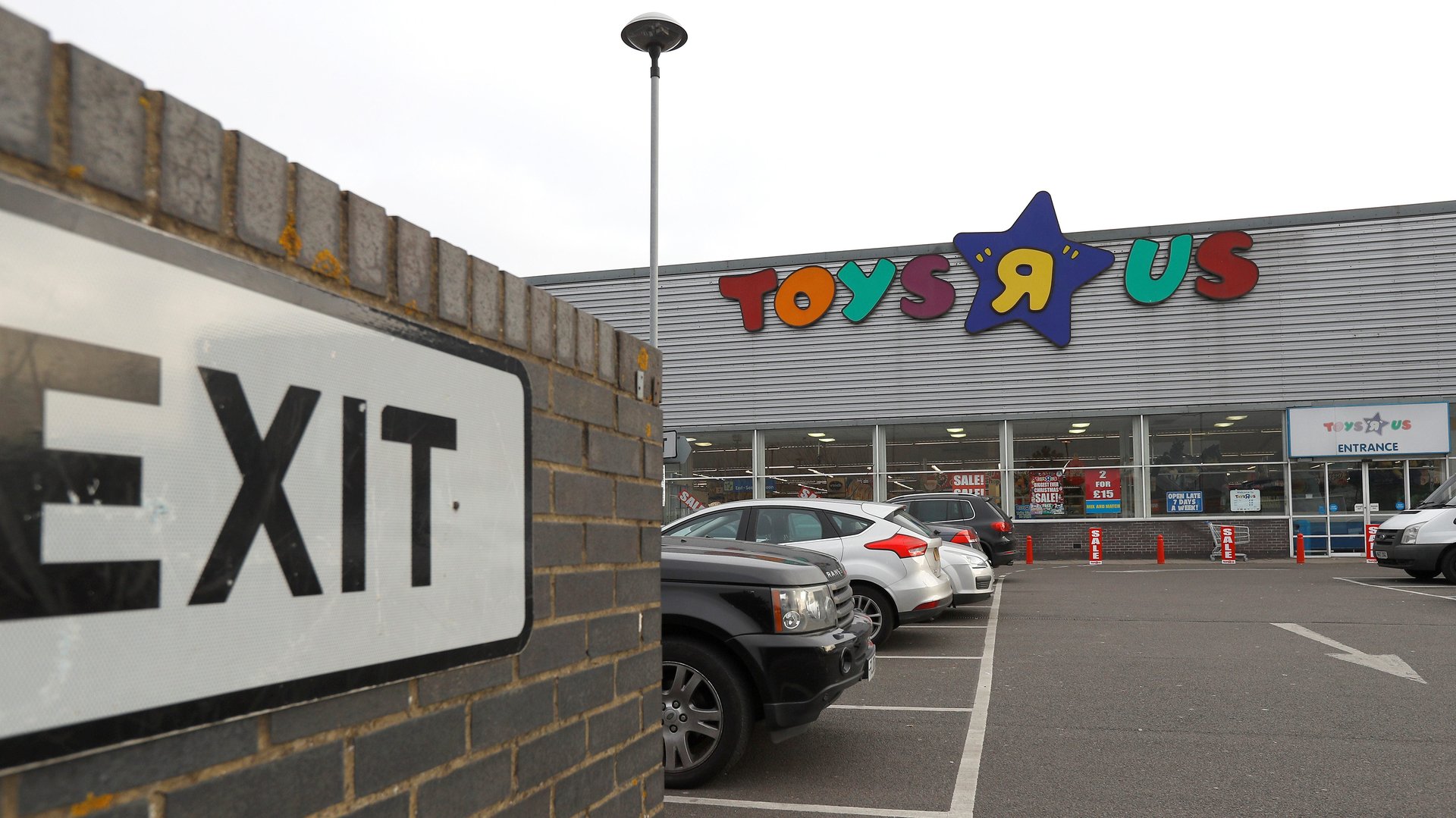
Toys R Us declared bankruptcy in September. Now, court filings show the beleaguered toymaker plans to close about 180 stores, or 20% of its US locations, beginning in early February.
Uber closed its deal with SoftBank last week, confirming in a statement on Jan. 18 that it was “proud to have SoftBank, Dragoneer, and the entire consortium in the Uber family.” The deal gave the investor group a 17.5% stake in Uber, with SoftBank retaining 15% to become the company’s largest shareholder. SoftBank invested $1.25 billion in Uber at its previous valuation of $68 billion, and also bought up existing shares at a 30% discount, or a $48 billion valuation.
Since late December, South Korea has been battling price-gouging hospitality providers.
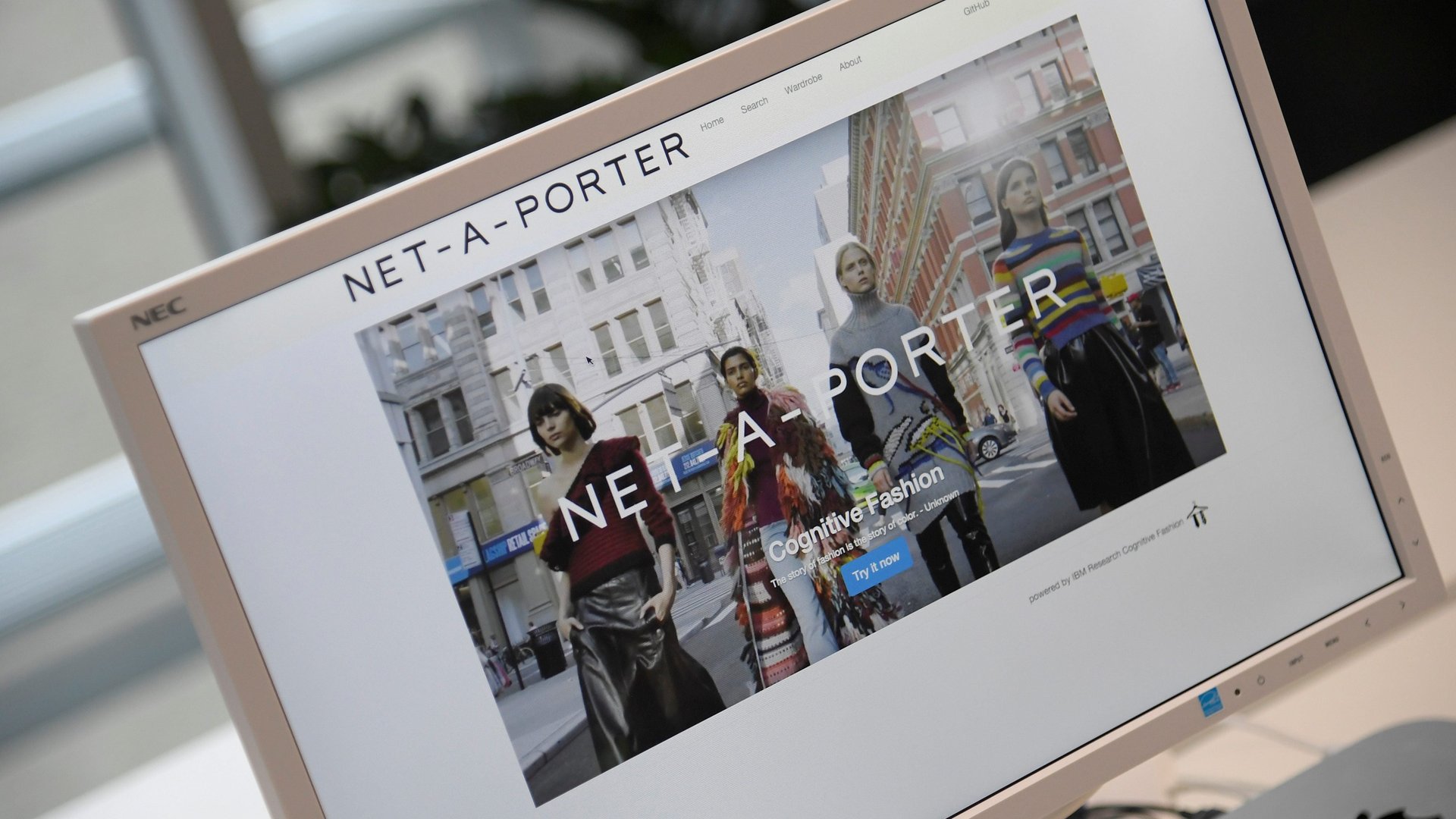
A few businesses are still immune to Amazon: dollar stores, auto parts, home improvement, and home furnishings. Luxury is another—and Swiss luxury giant Richemont SA is doubling down.
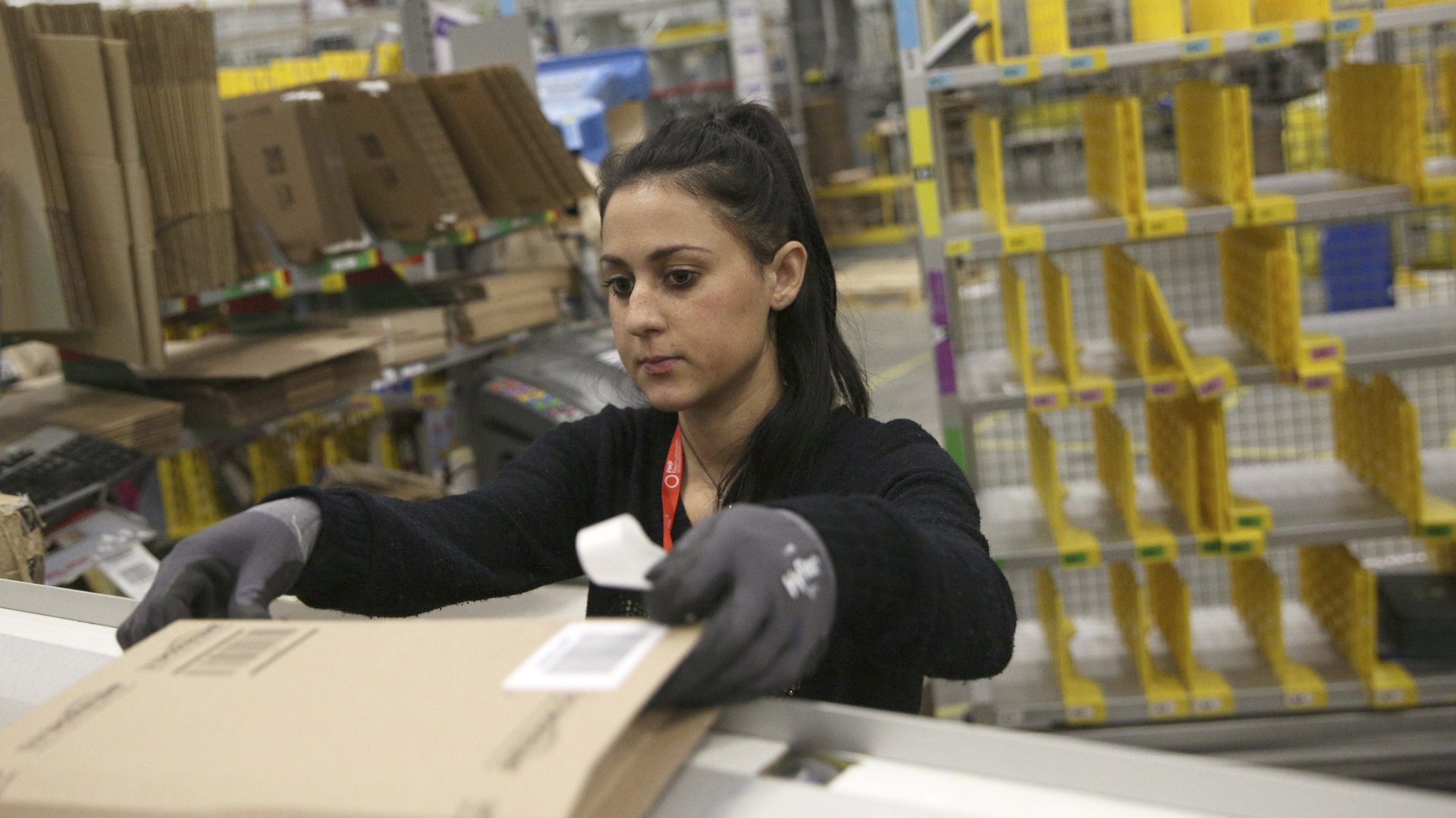
Amazon hasn’t touched the price of an annual Prime membership in the US since raising it to $99 from $79 in March 2014. That $99 fee has stayed steady even as Prime’s offerings have expanded to include one-hour delivery with Prime Now, photo storage on Prime photos, and plenty more streaming content on Prime music and Prime video.
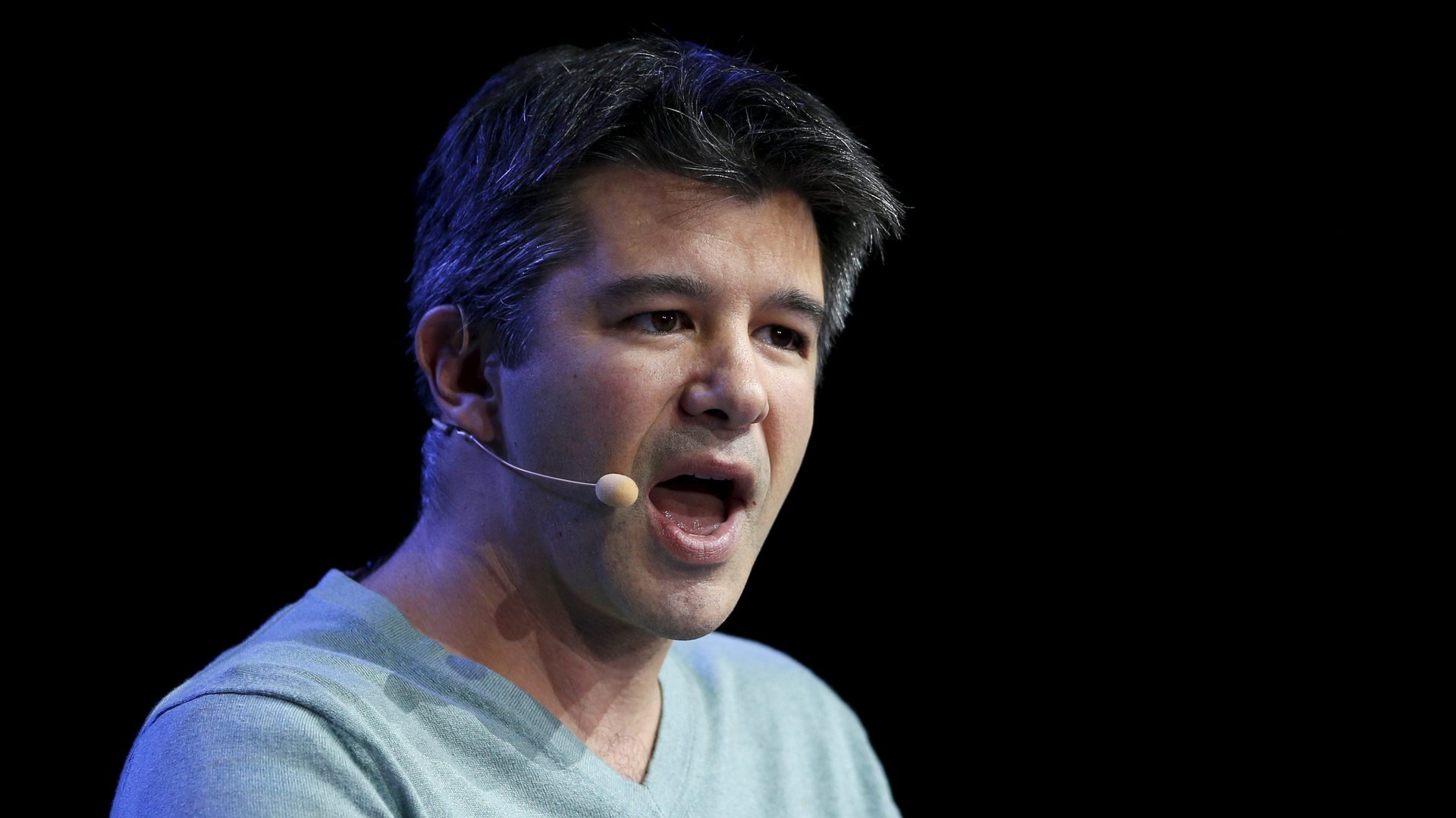
It’s not every day that journalism literally brings a disgraced executive to his knees, but that’s reportedly what Bloomberg did to Uber’s Travis Kalanick last year.
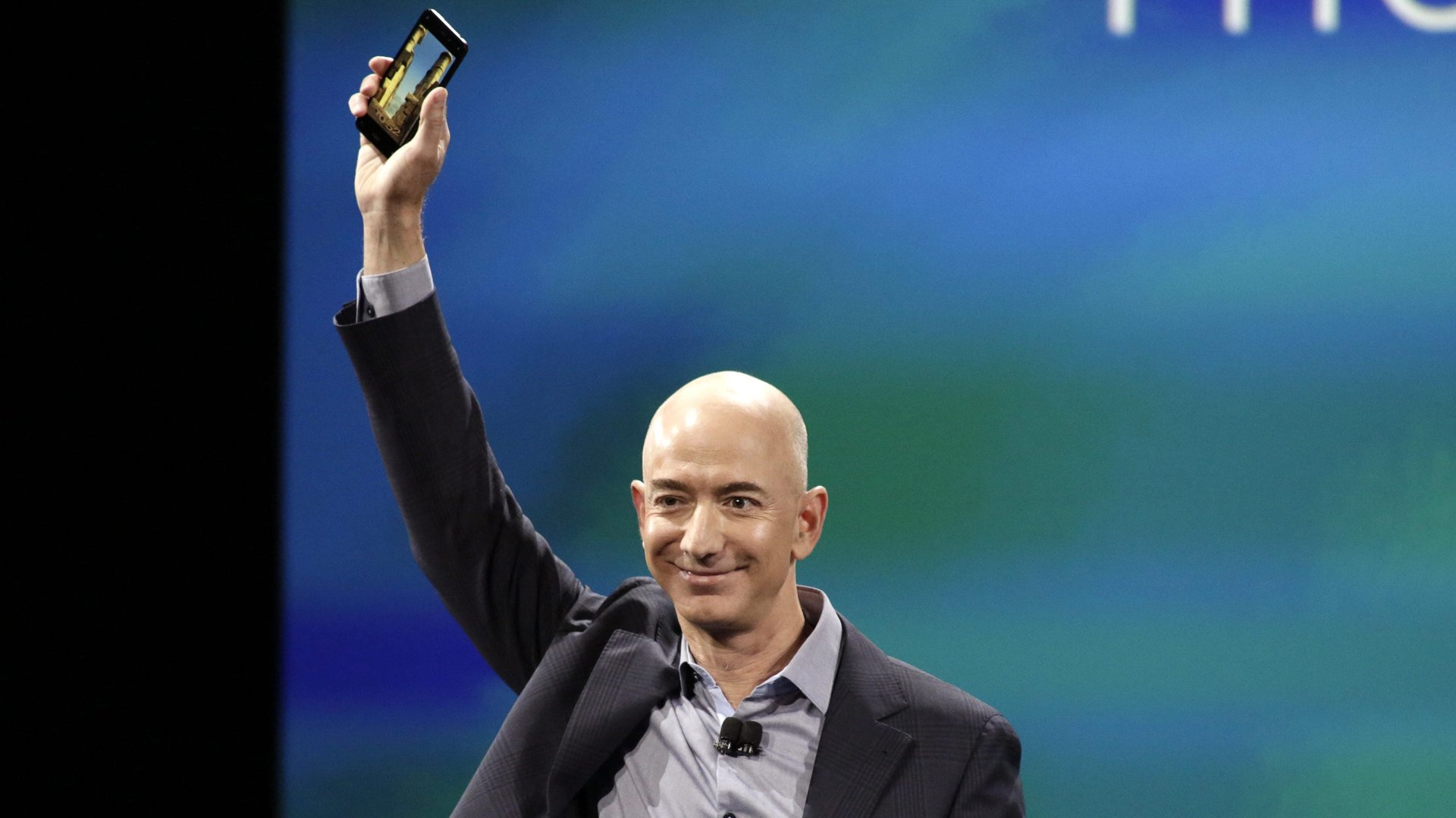
Four and a half months after Amazon announced its search for a second North American headquarters, the e-commerce giant has issued its shortlist.
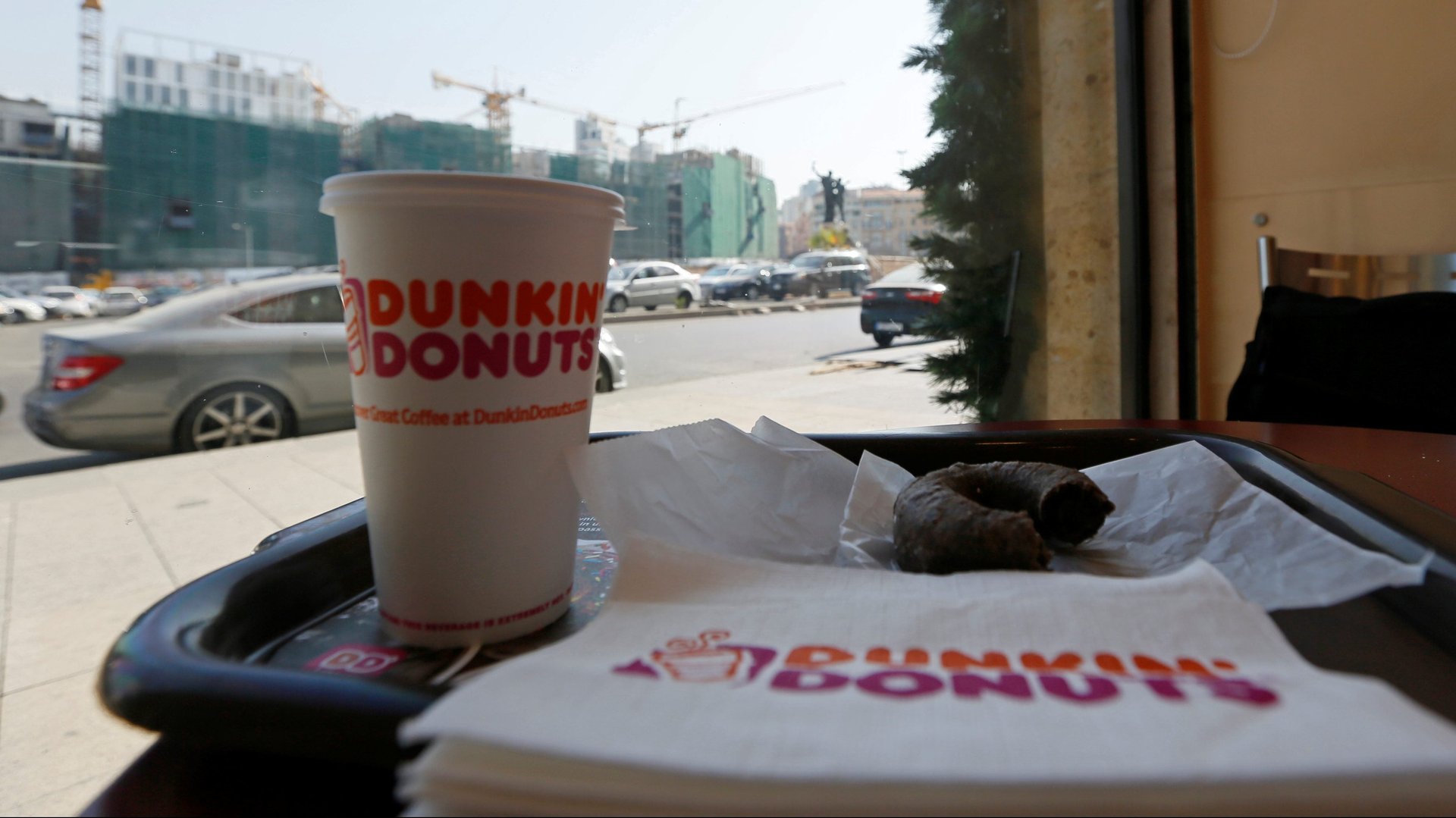
Earlier this week, Dunkin’ Donuts unveiled a glimpse of its future less than a mile from the original location in Quincy, Massachusetts. The first “next generation” concept store is a brighter, airier, hipper reboot of Dunkin. “Donuts” has been dropped from the name, only the third store to do so. Servers pour drinks from beer-tap-like dispensers, and donuts sit in glass cases. There’s a designated mobile pick-up area in the store, and a dedicated mobile-order drive-through lane outside.
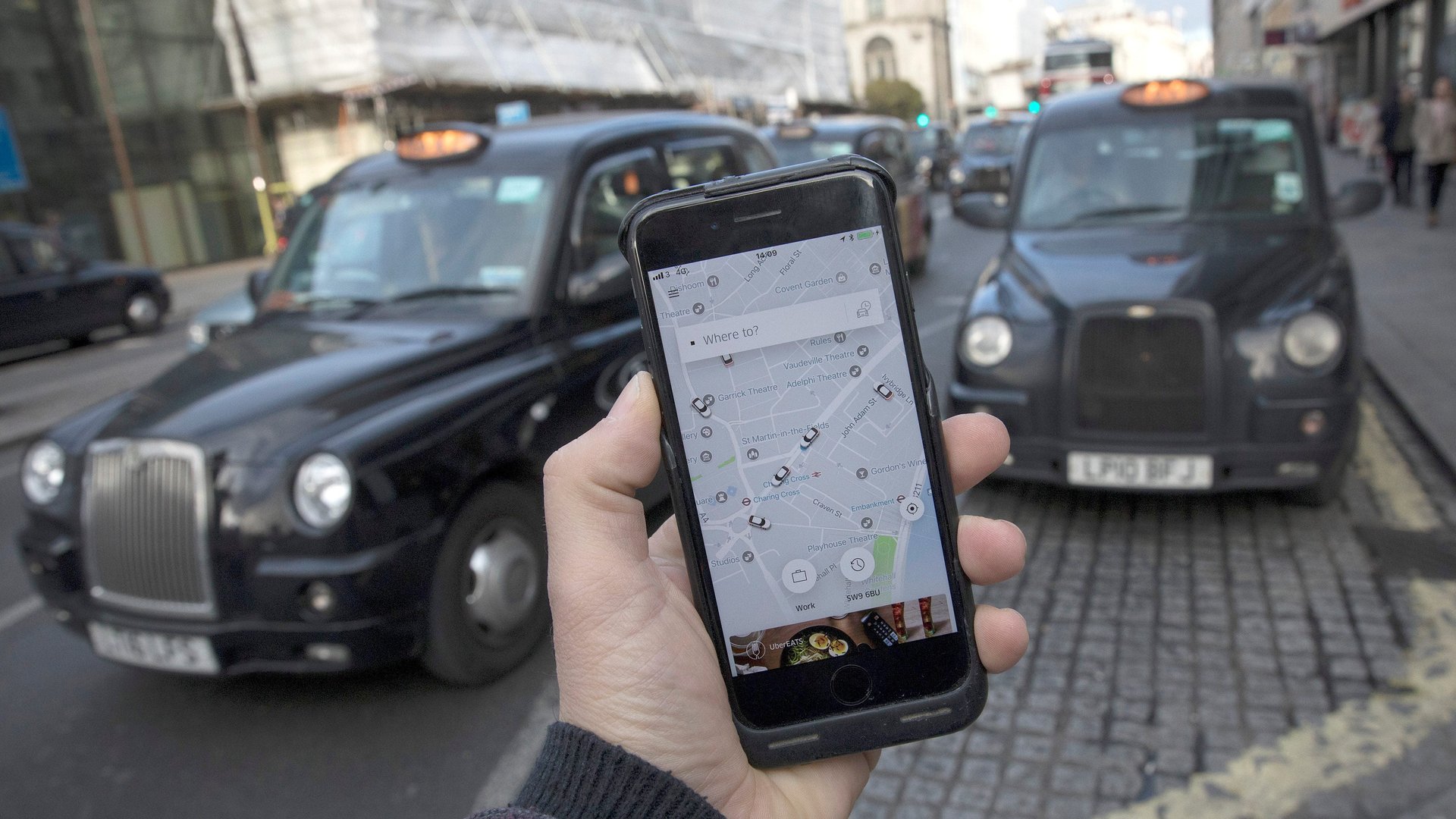
Uber is imposing new limits on its UK drivers, requiring that they take a six-hour break after 10 hours of accepting and making trips with passengers. To be sure drivers follow the rule, the company will keep them from logging into the Uber app during their rest periods.
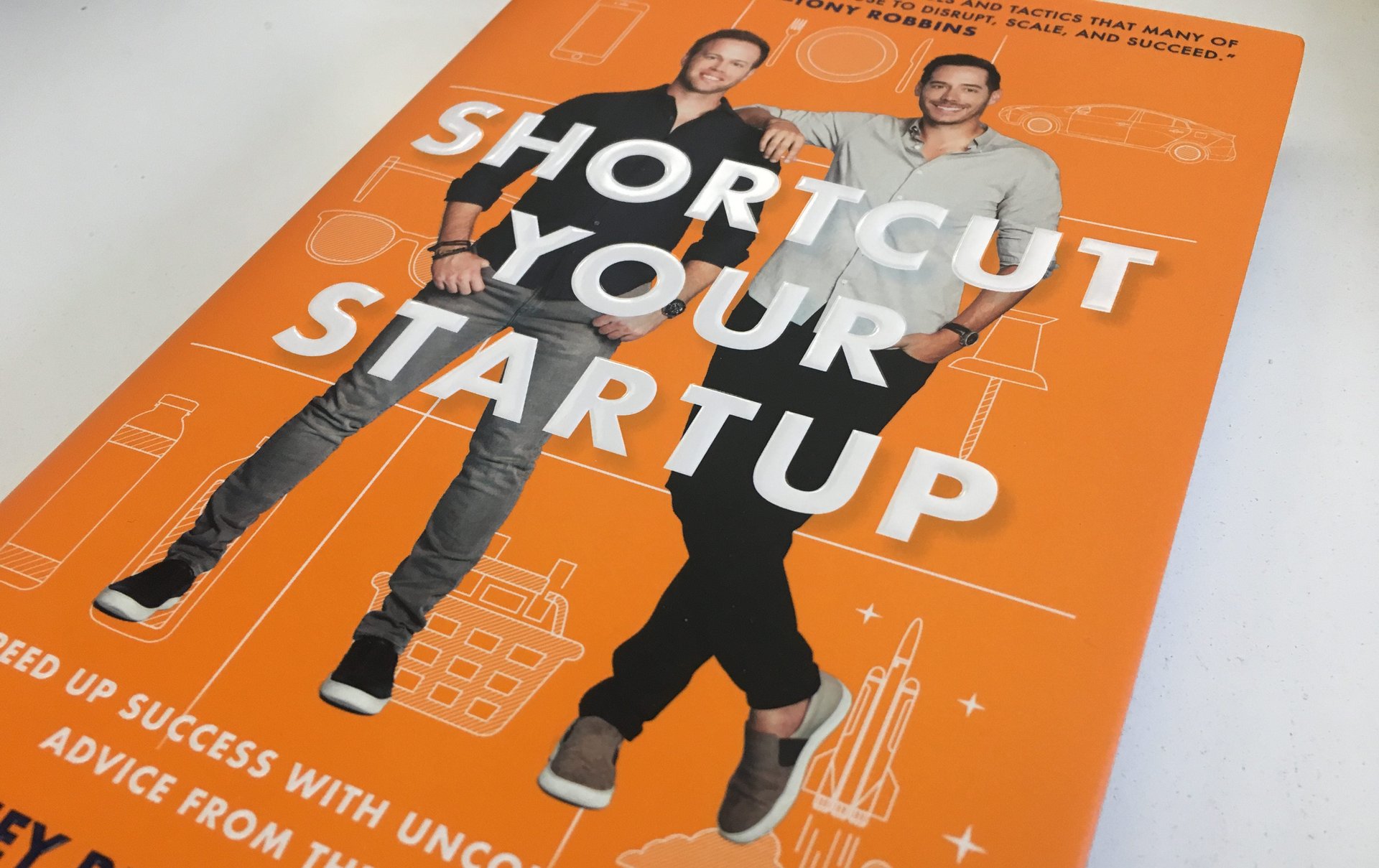
Startups often get in trouble for trying to cut corners on their way to success. Look at Uber, Hubble, Zenefits, and Theranos, to name a few. That success justifies unconventional tactics and demands breakneck growth is an idea that’s pervasive in Silicon Valley, and is increasingly cemented in business books, like one that arrived on my desk: Shortcut Your Startup: Speed Up Success with Unconventional Advice from the Trenches.
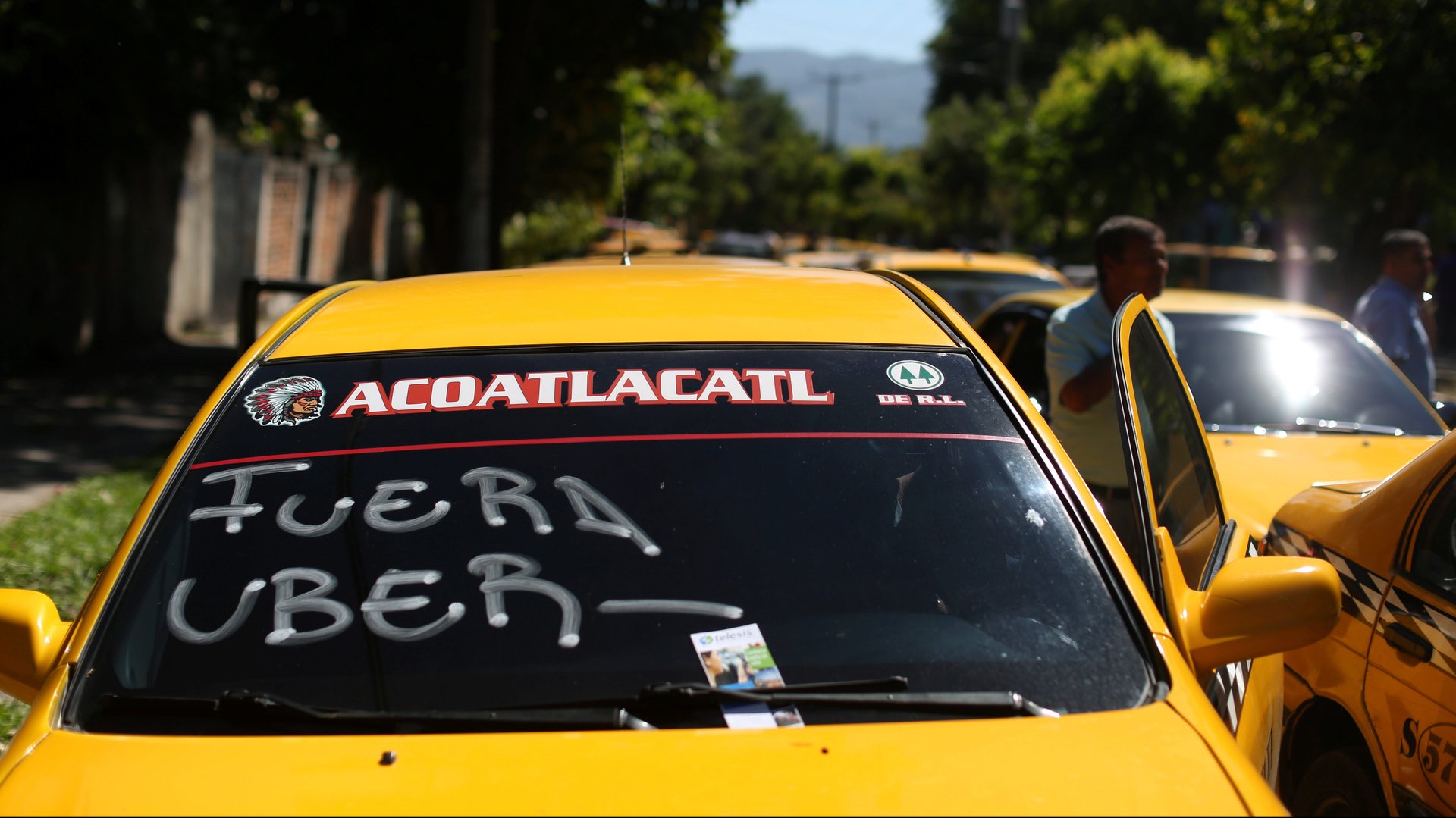
Uber the company may have cratered in 2017, but Uber the service remained as good as ever.
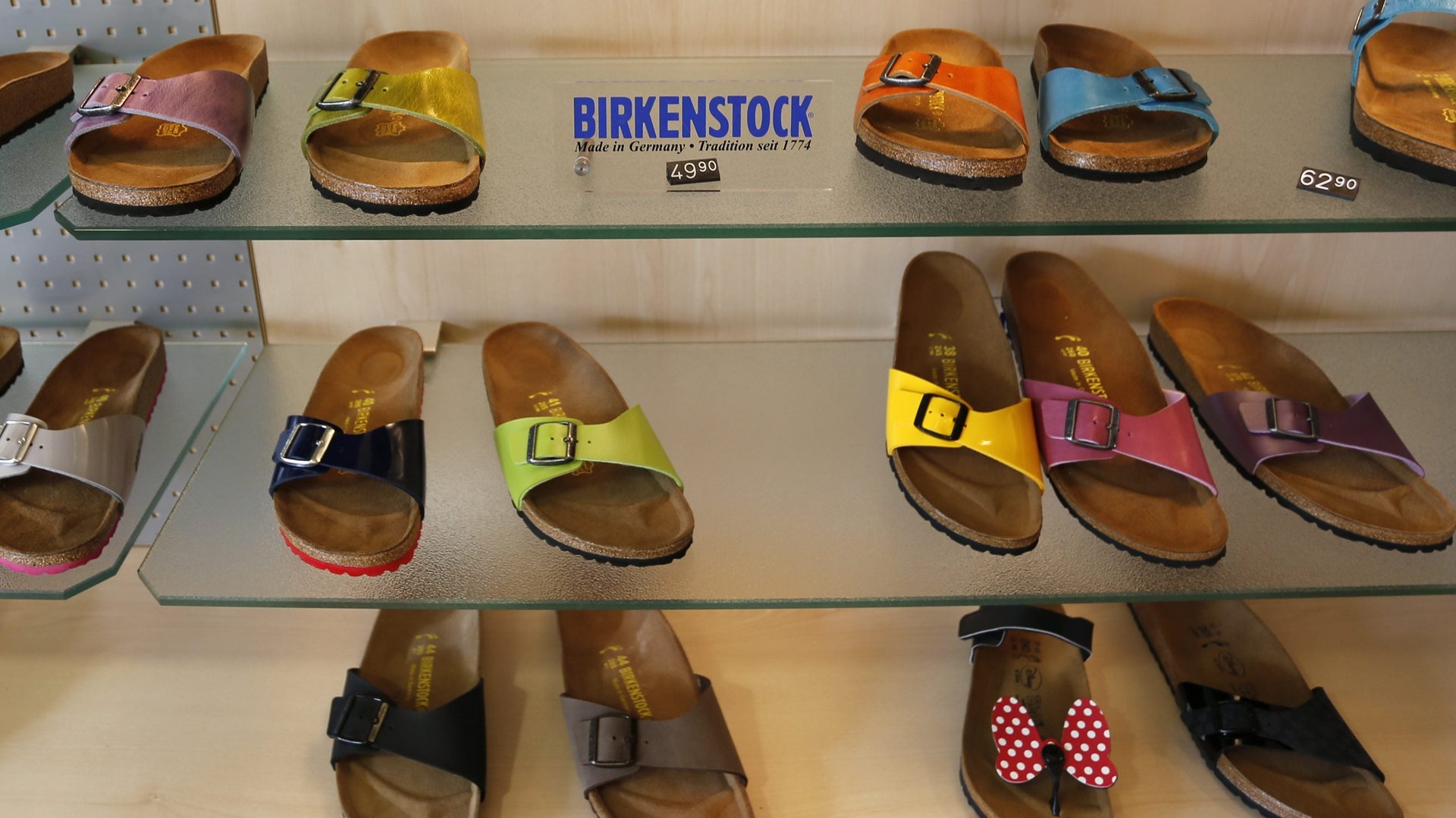
Germany is saving consumers from their own poor spelling.
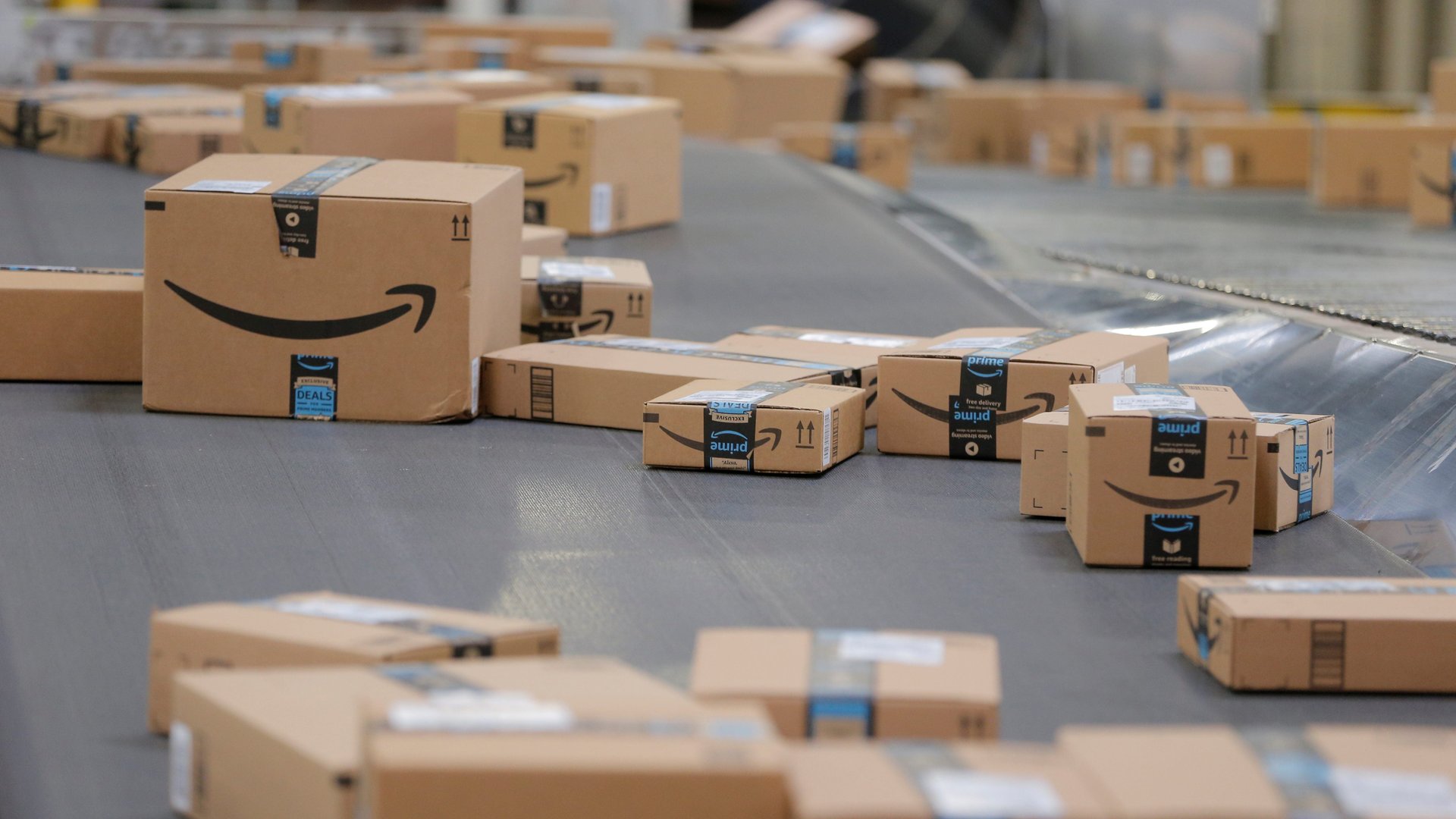
Donald Trump is back to bashing Amazon, tweeting that the US Postal Service should “be charging MUCH MORE!” to the e-commerce company for its delivery and fulfillment services. (USPS couldn’t immediately be reached for comment.)
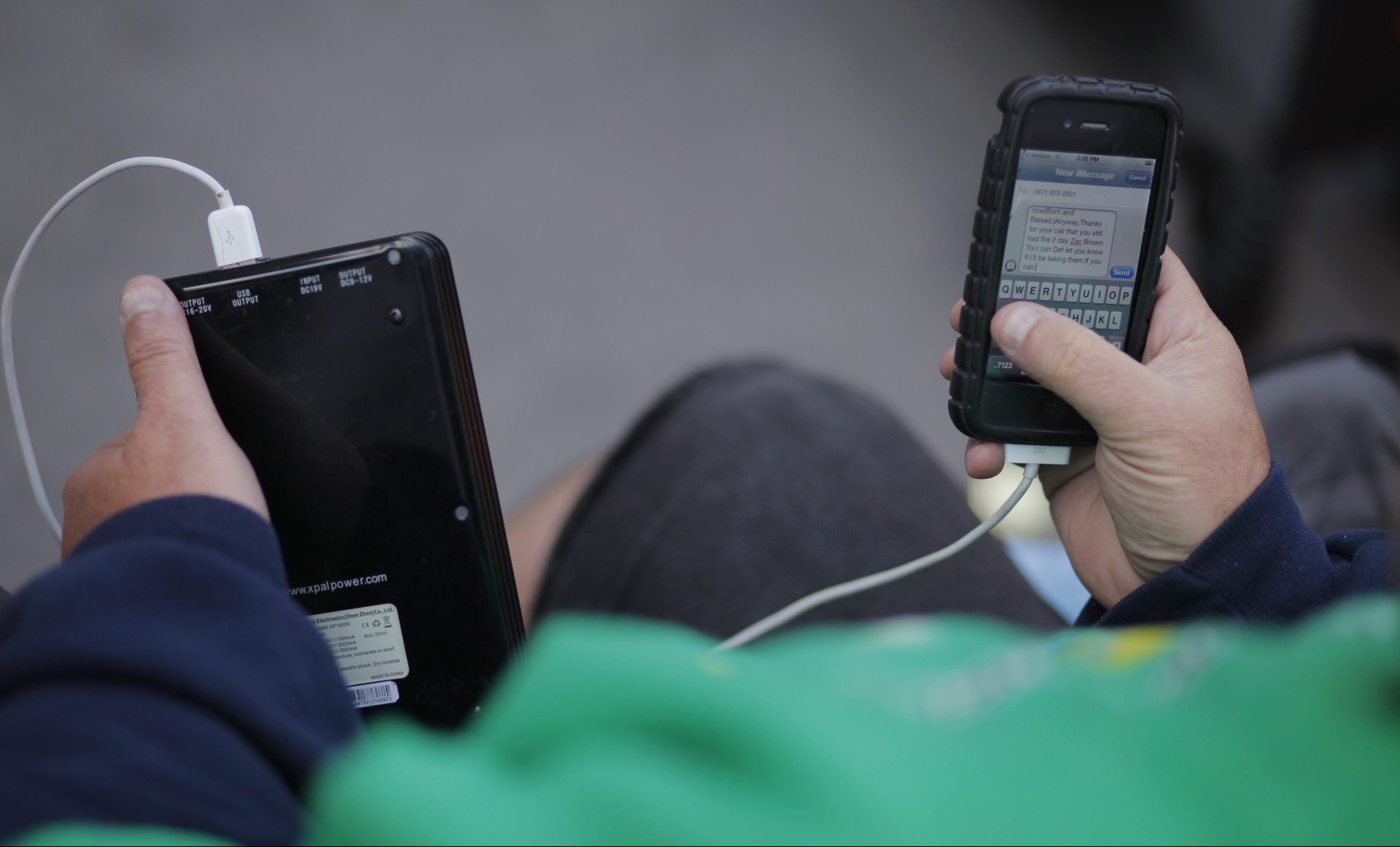
Sick of all those charging cords? The wireless future might not be that far off.

Japanese tech giant SoftBank is poised to buy a sizable stake in Uber at a significant discount, after investors and employees put shares equal to about 20% of the company up for sale, the Wall Street Journal reported this afternoon.