
Money & Markets
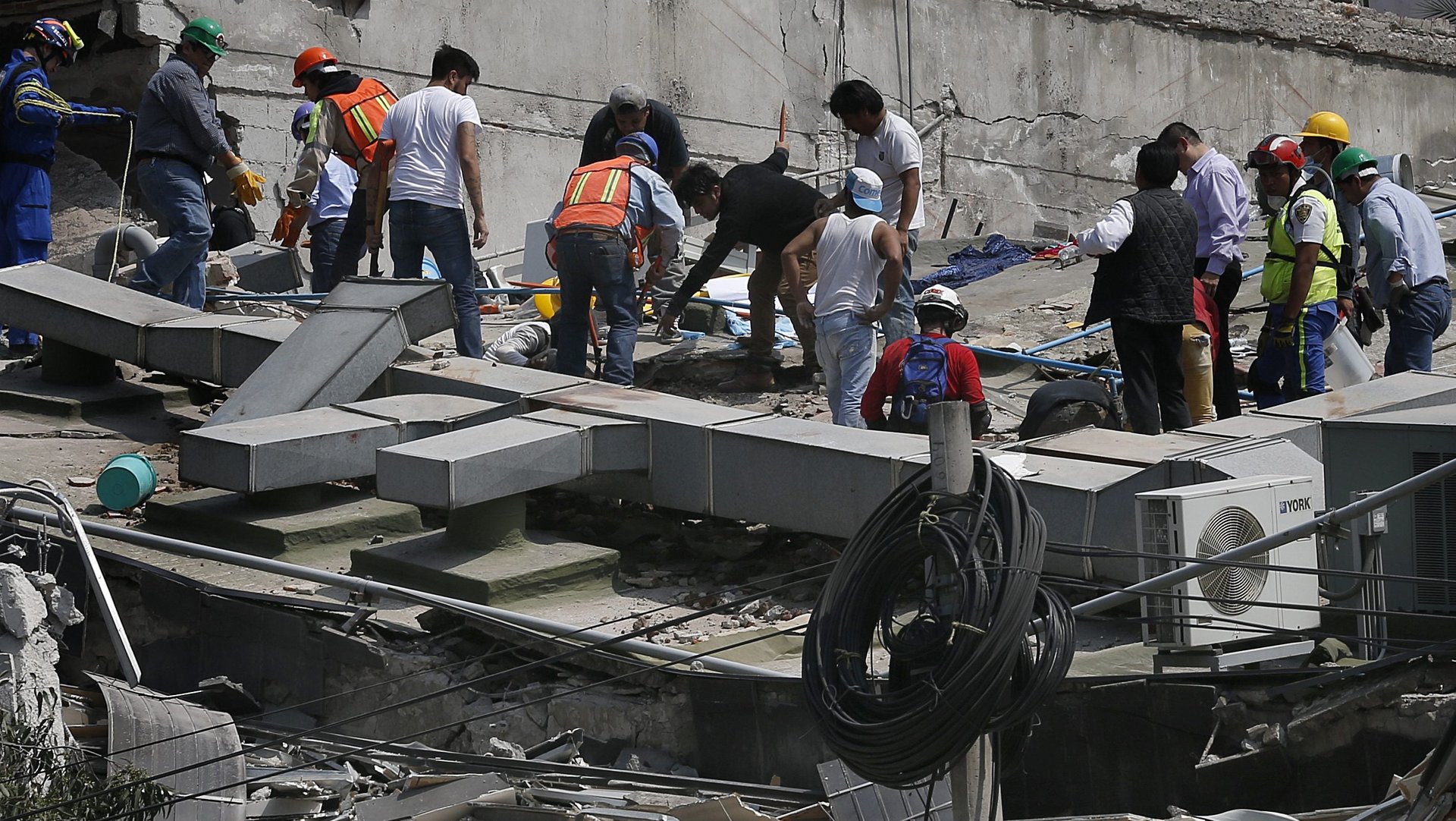
A 7.1-magnitude quake shook Mexico City on the anniversary of the deadliest tremor in its historyThis is a developing story.
Updated July 20, 20222 min read
This is a developing story.
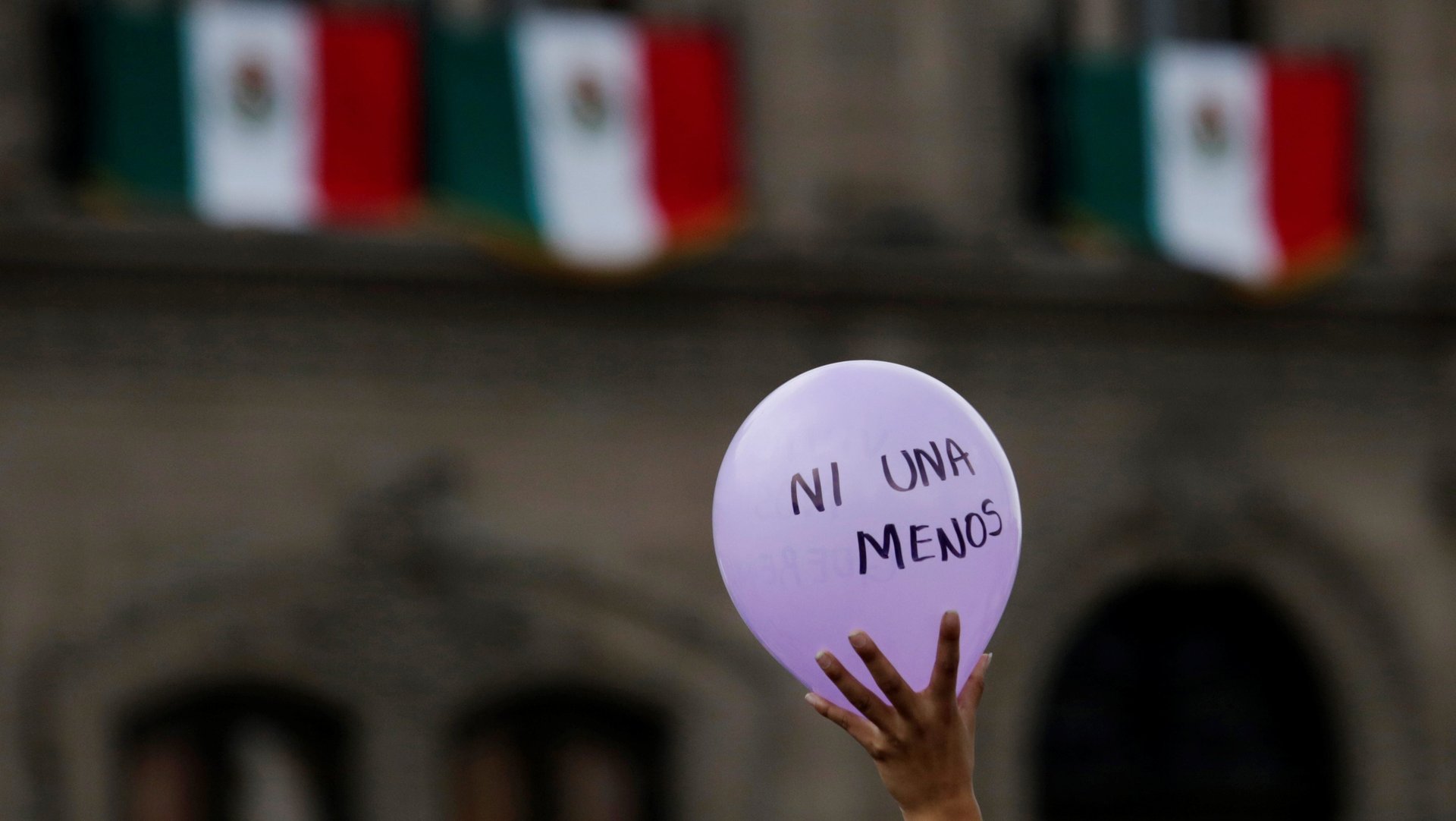
The horrific case of a teenager allegedly murdered by a ride-sharing app driver in Mexico is yet another reminder of the failing justice system in a country where many criminals are correct in thinking they won’t be punished.

Google users searching the web Tuesday (Sept. 19) will come across a festive doodle honoring Mexican choreographer Amalia Hernández.
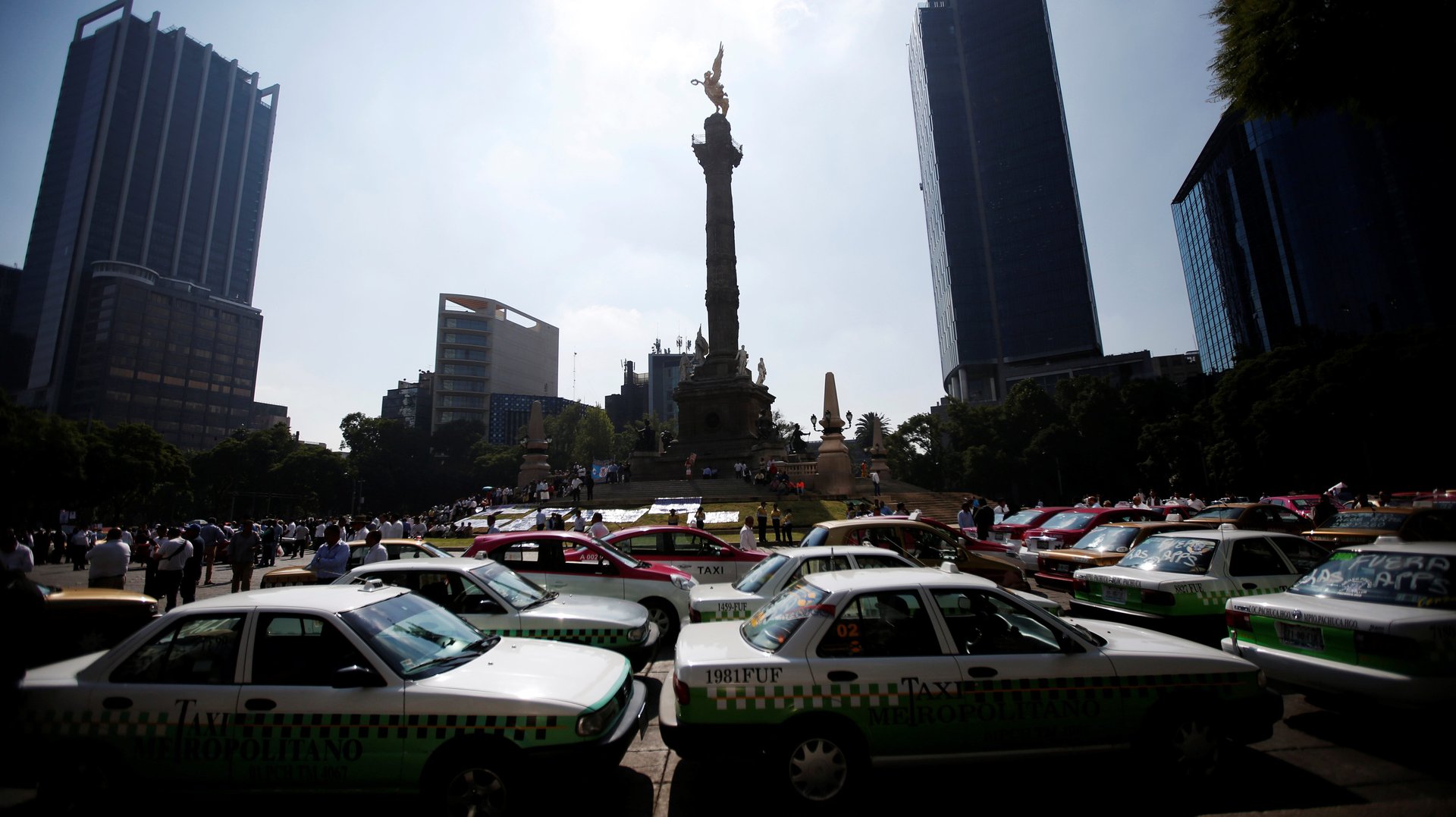
Last week, a Mexican college student disappeared after she got in a car from Cabify, a ride-sharing app similar to Uber, in the city of Puebla. On Friday, Sept. 15, she was found dead in a neighboring state.
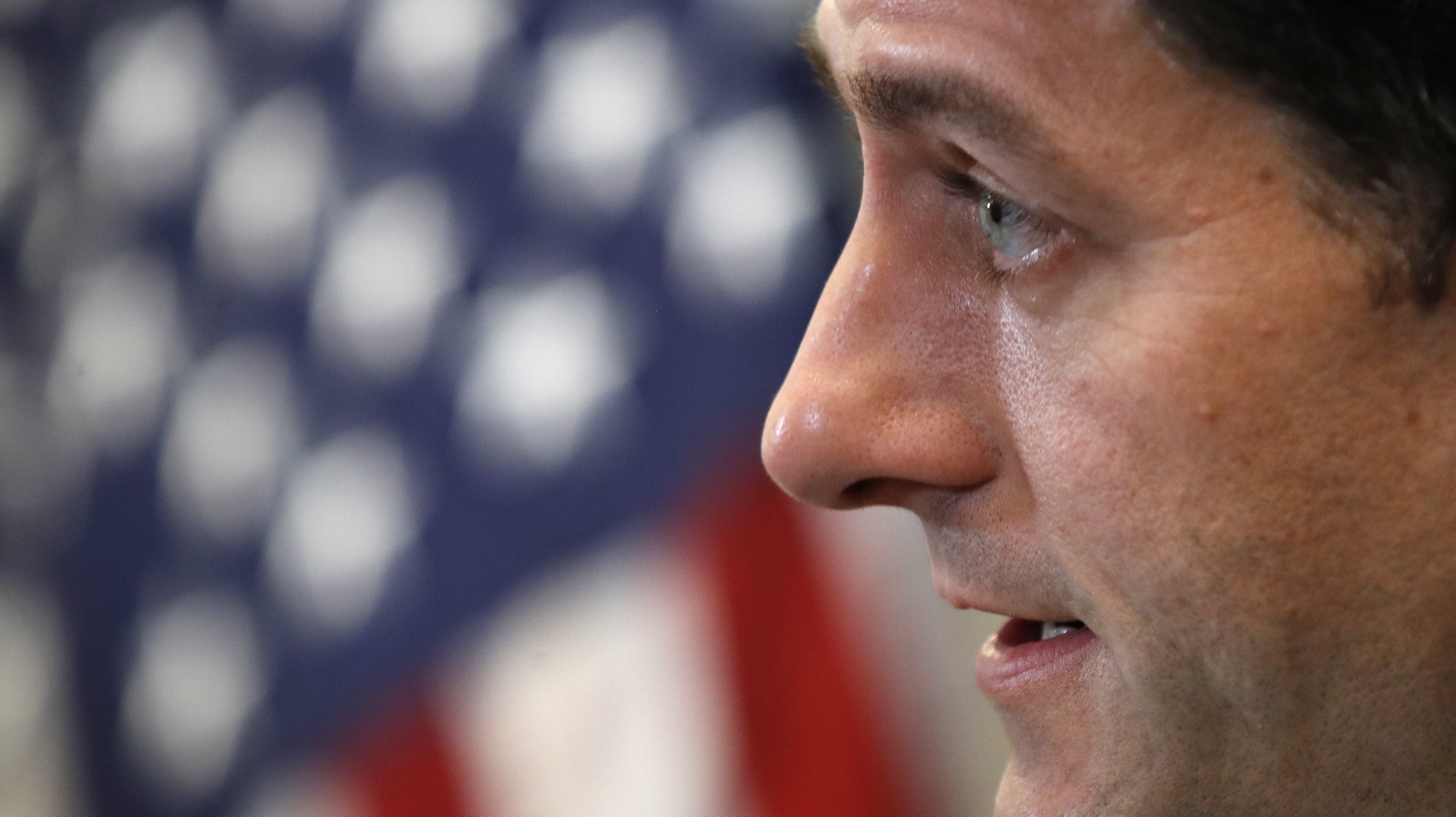
After killing it last week, US president Donald Trump now seems to be reviving a policy that allowed some 800,000 immigrants who were brought to the country illegally as children—known as “Dreamers”—to stay and work in the US.
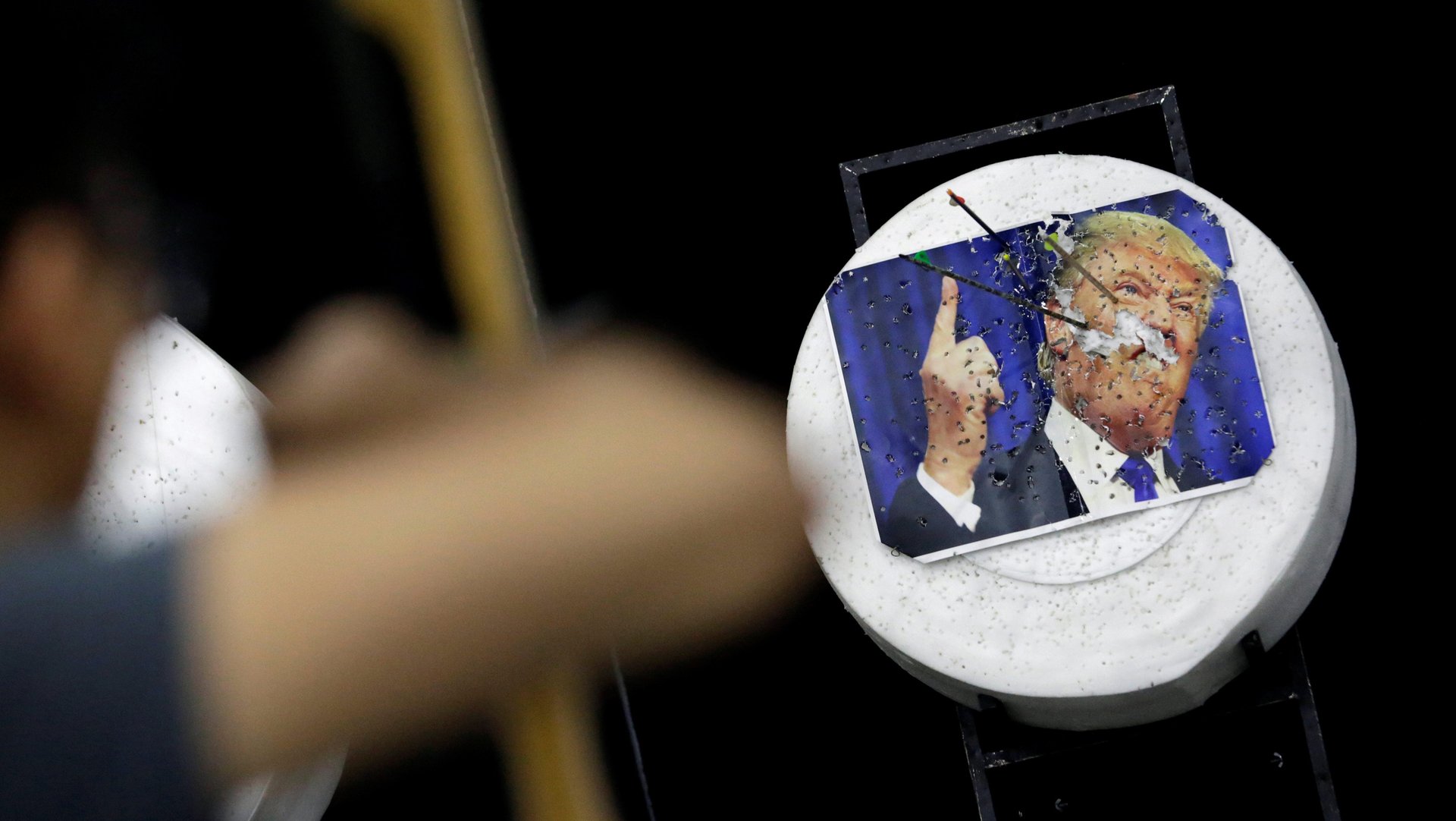
For a look at the effect of the Trump presidency on the US’s international standing, look no farther than Mexico. Mexicans’ opinions of their northern neighbor are at their lowest point in years, according to a Pew Research Center report released Thursday (Sept. 14.)
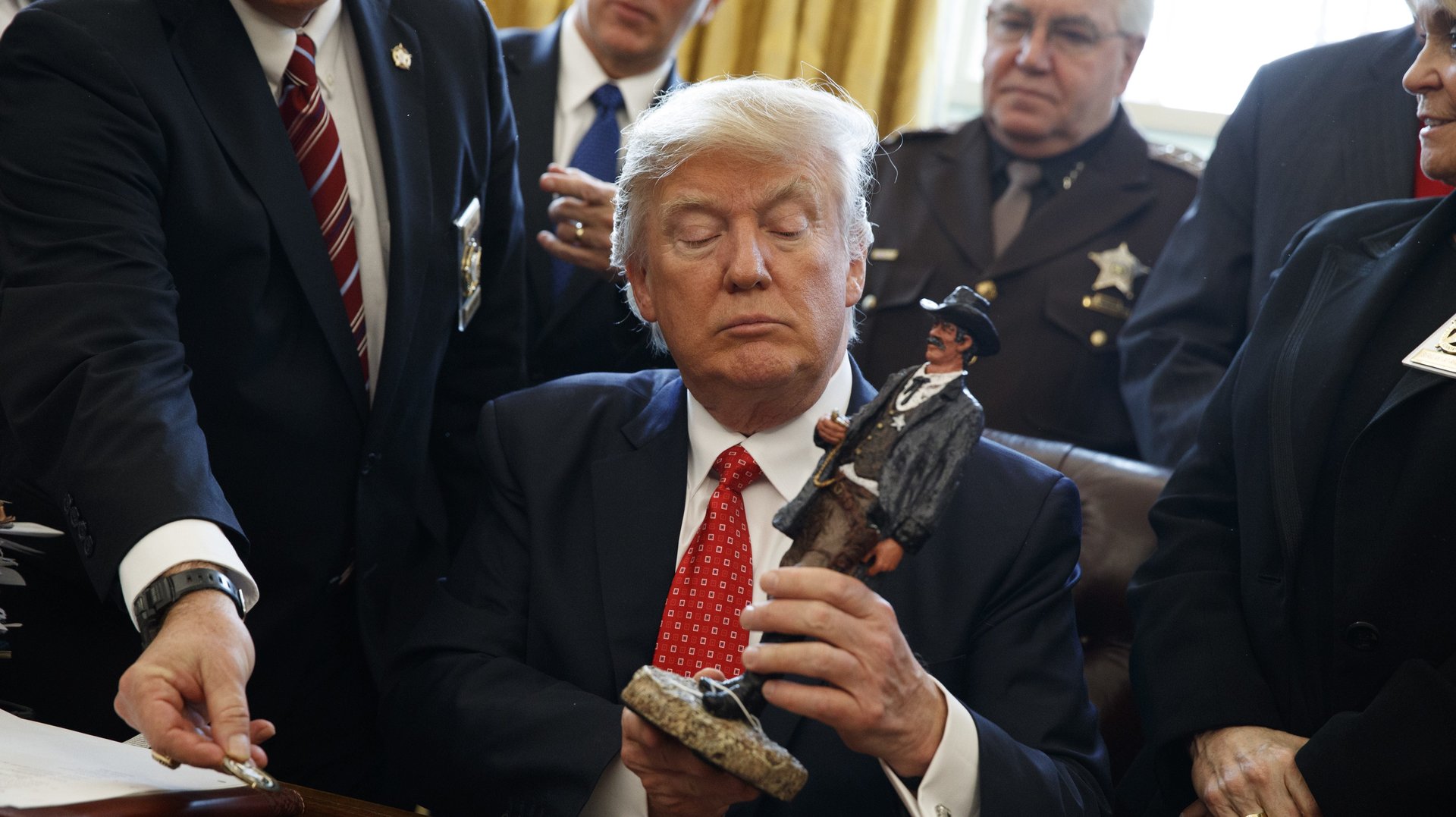
For a president who vowed to keep the nation informed about the threats posed by illegal immigration, Donald Trump has been uncharacteristically tight-lipped about what he’s portrayed as a key strategy against it.
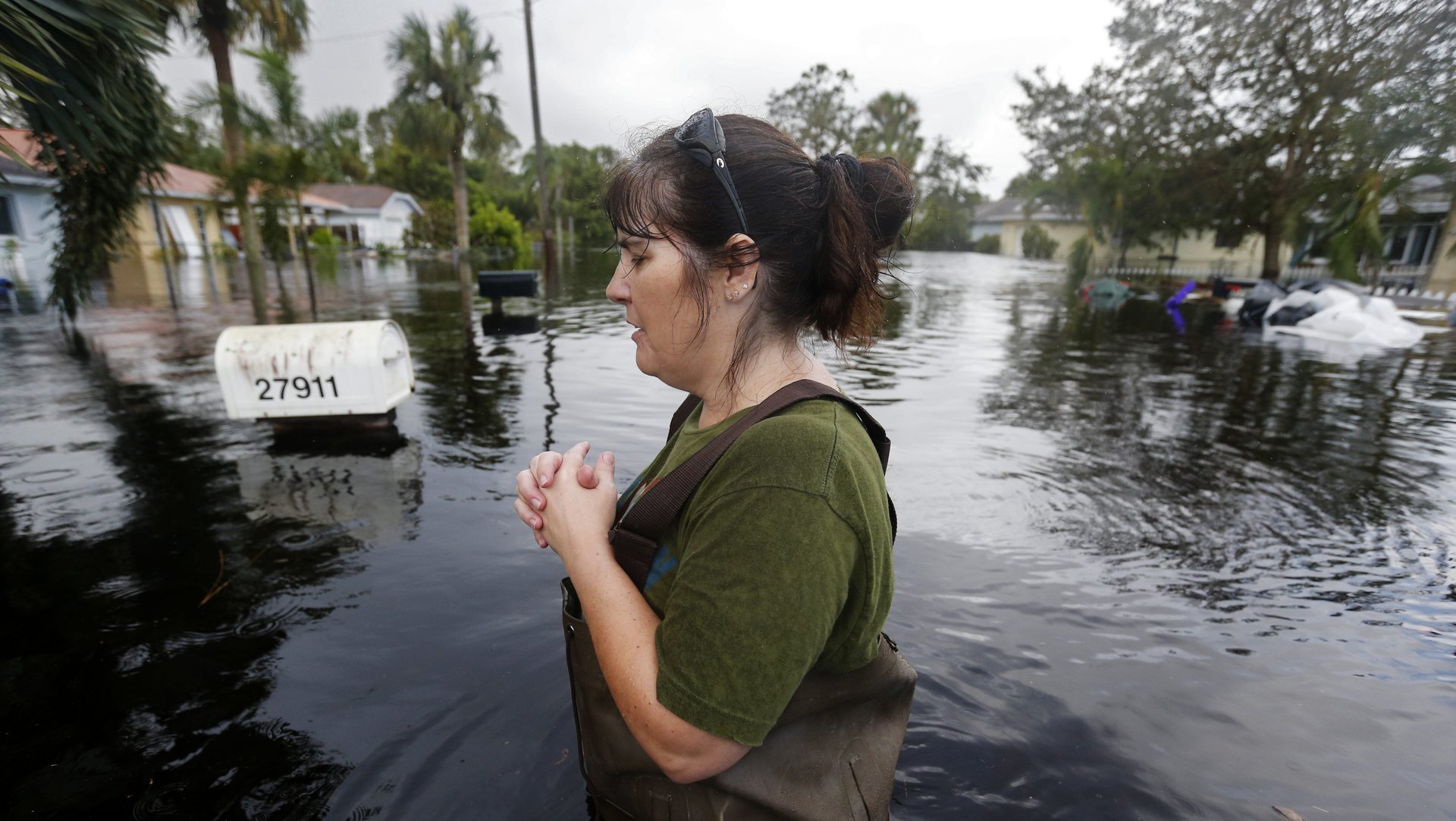
As Irma continued its destructive path across the southeastern US on Monday (Sept. 11.), it seemed increasingly likely that damages will reach into the many billions of dollars.
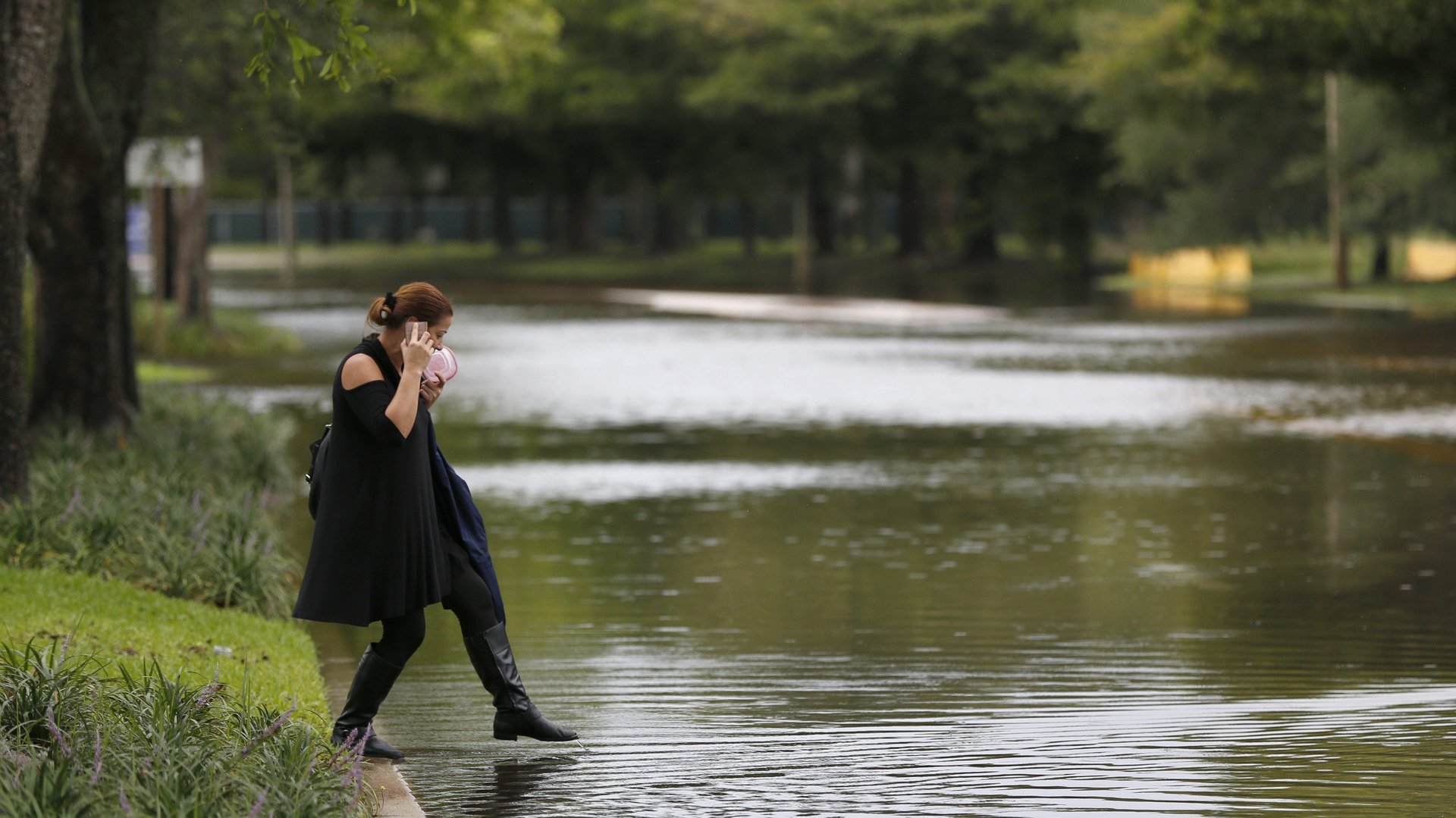
South Floridians are bracing for Hurricane Irma’s potentially catastrophic damage. Weather advisories are warning of massive flooding, which will likely render roads impassable and homes uninhabitable.
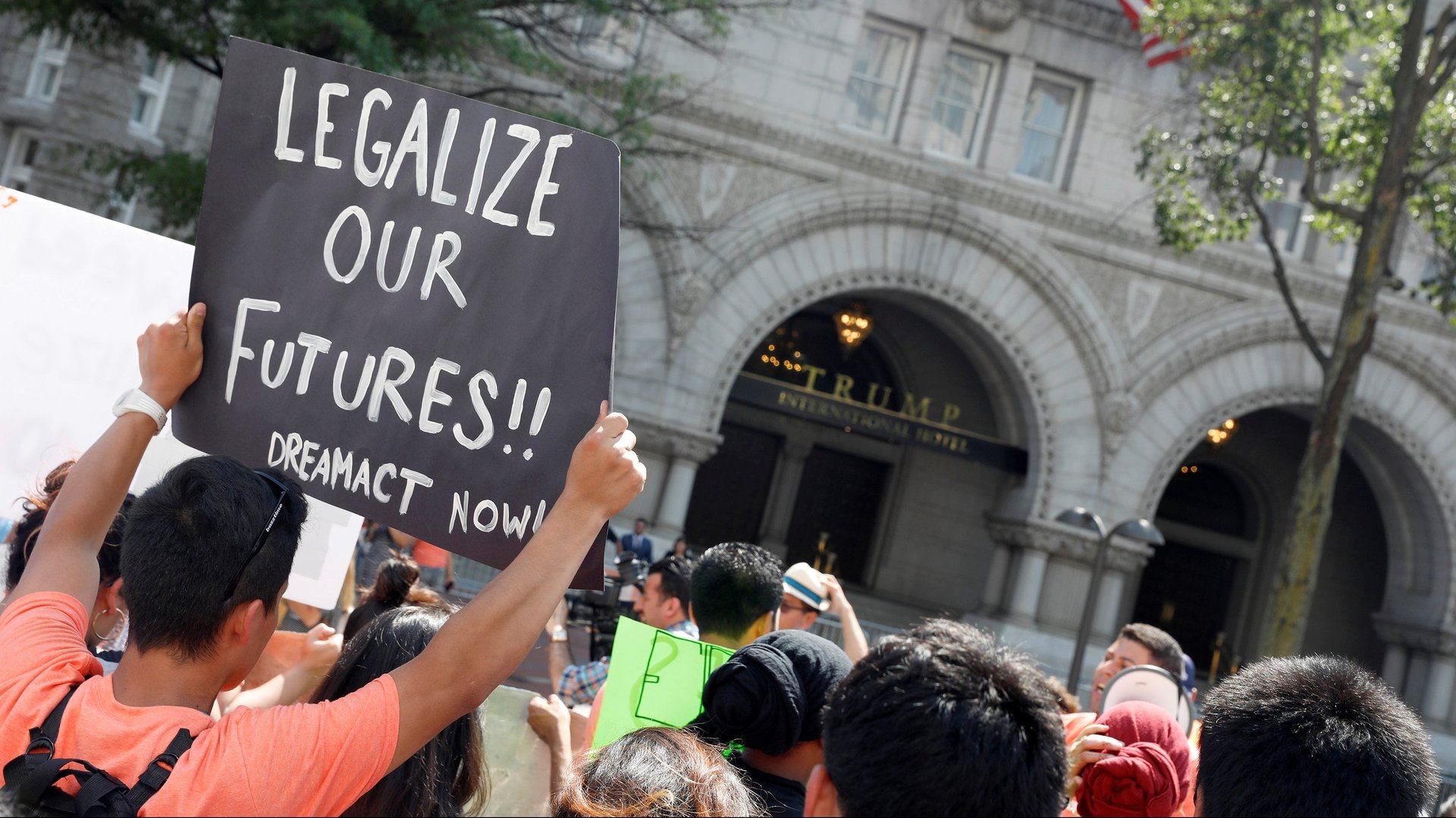
Republicans in the US Congress have for years procrastinated on determining the fate of some 800,000 immigrants who were brought to the US illegally as children.
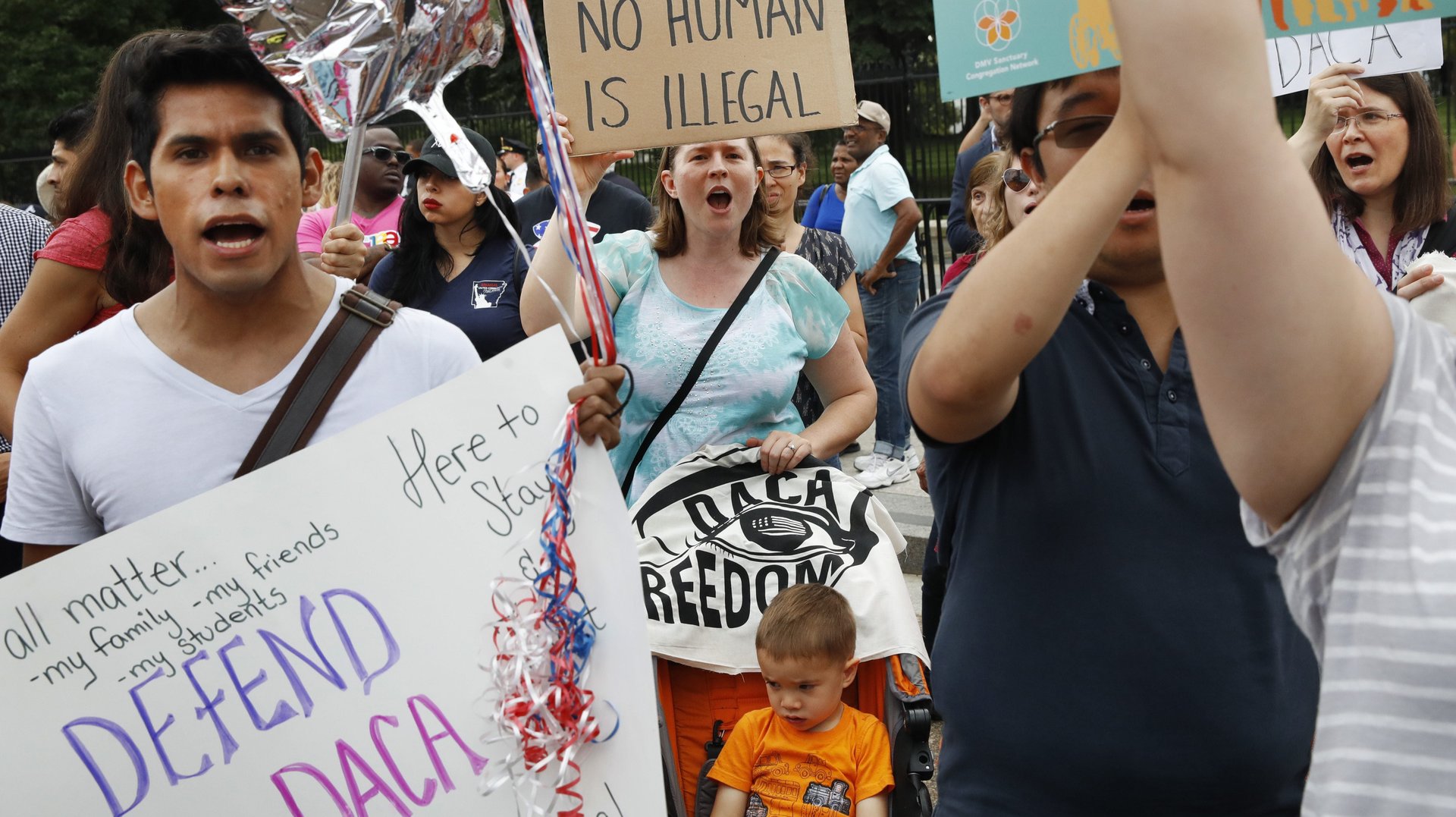
US attorney general Jeff Sessions announced this morning (Sept. 5) that the government is rescinding the Deferred Action for Childhood Arrivals (DACA) program, further spreading outrage and protests across the country.
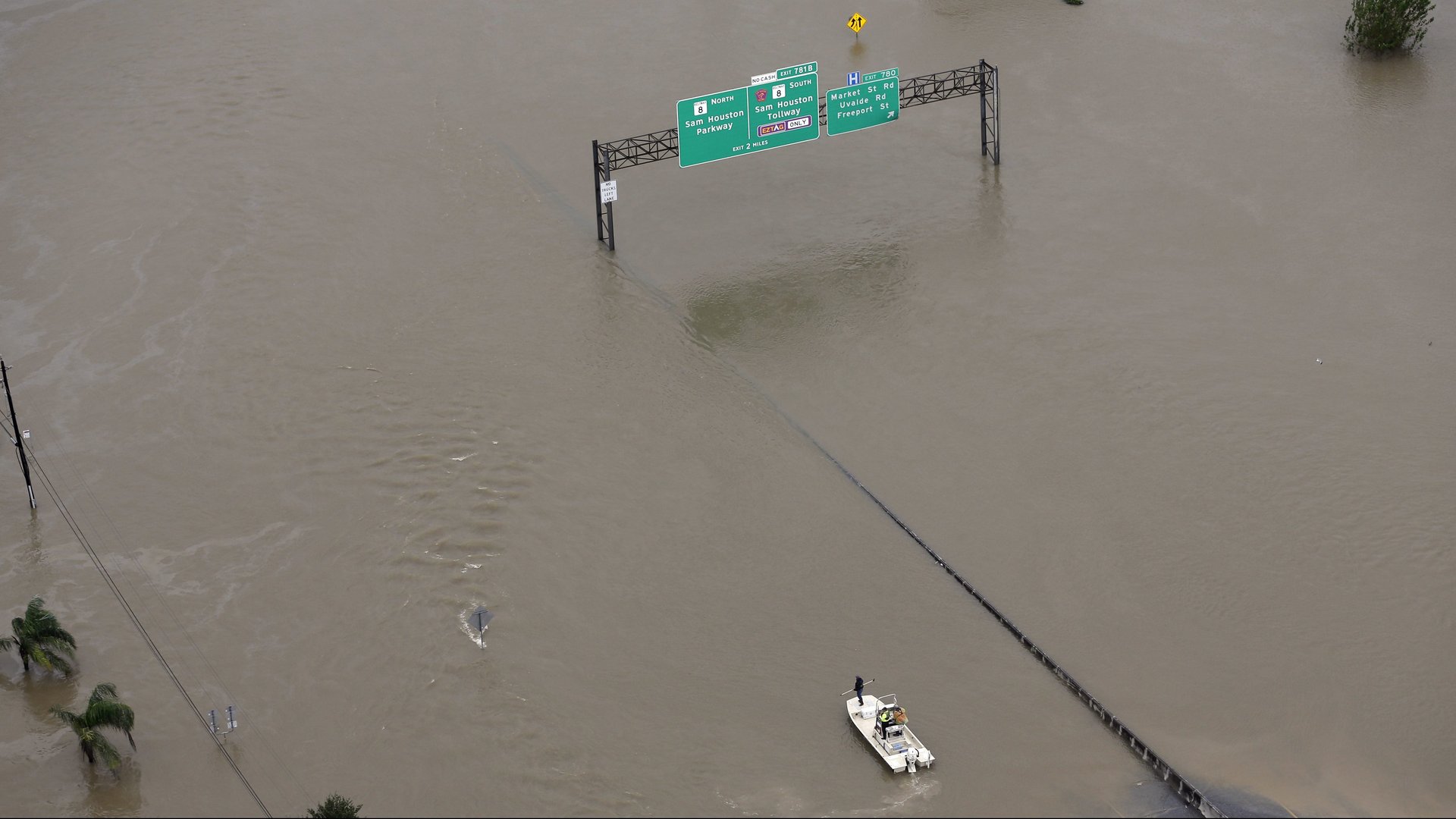
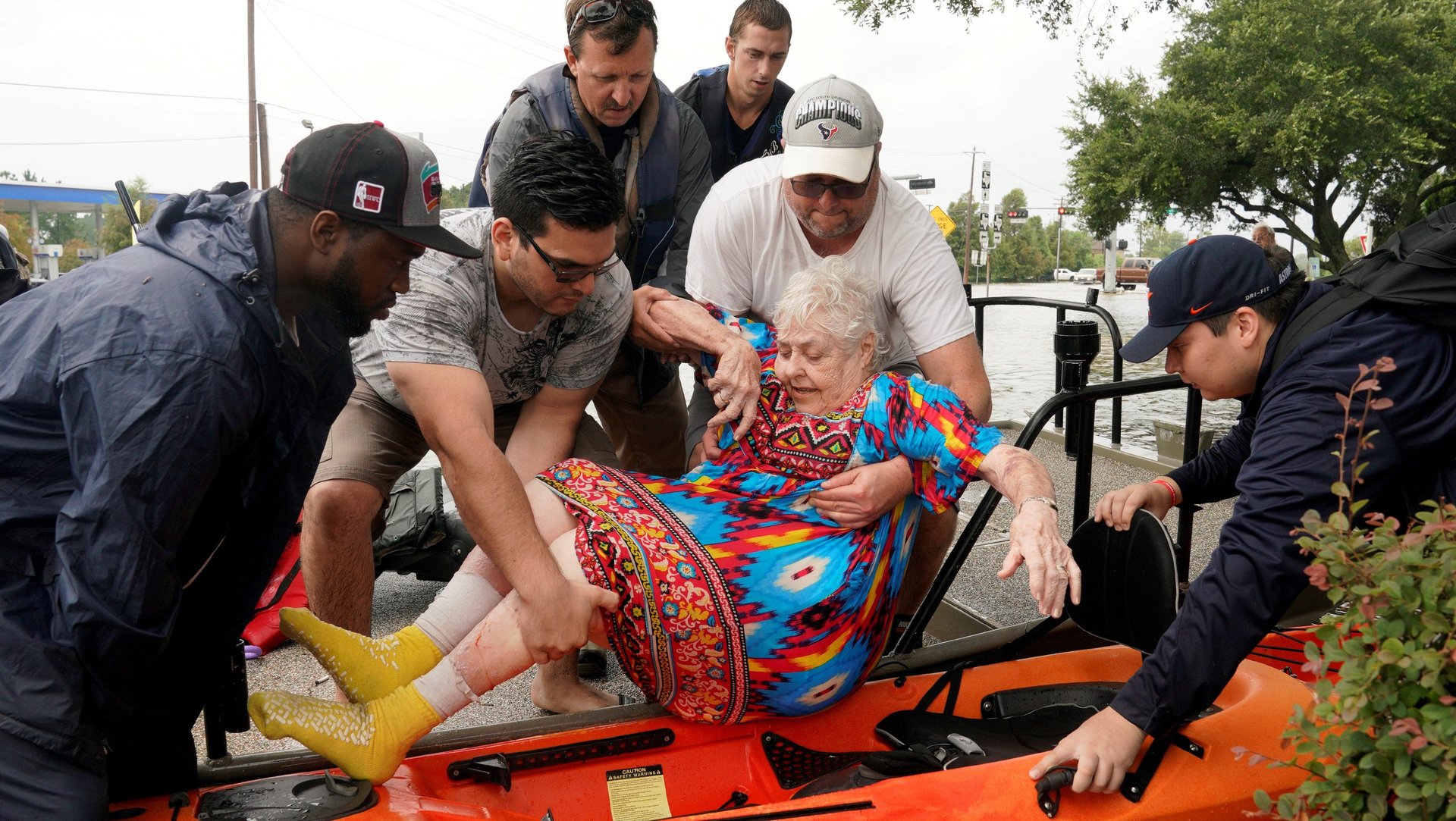
Hurricane Harvey transformed Houston’s sprawling, paved environment into a network of lakes and gushing rivers, making the case that the city—and the state—should have been more diligent about preserving green spaces that could have absorbed all that water.
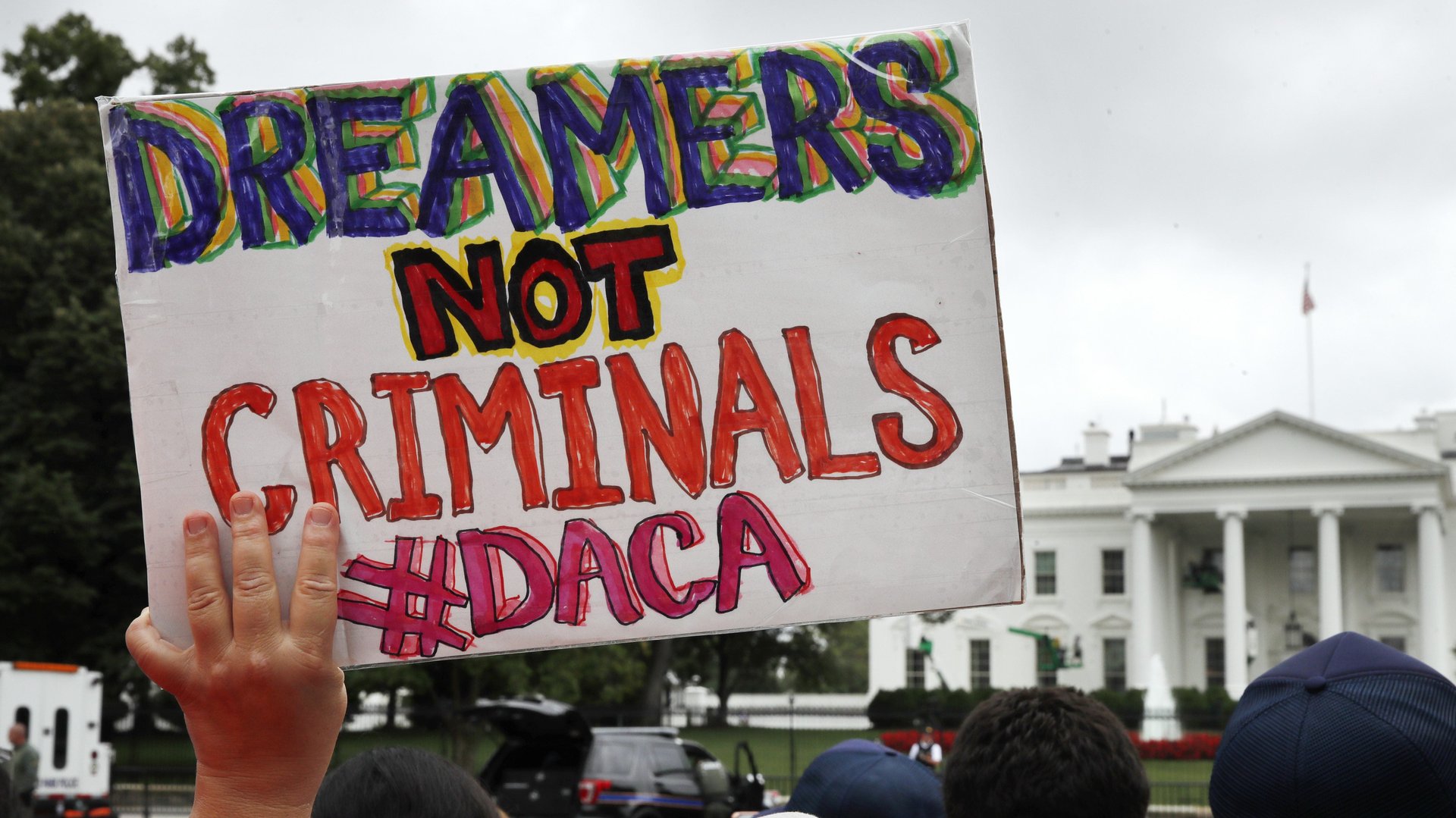
According to several reports, Donald Trump is all but set to announce his termination of the Deferred Action for Childhood Arrivals, commonly referred to as DACA. But what exactly does that mean, and whom does it affect?
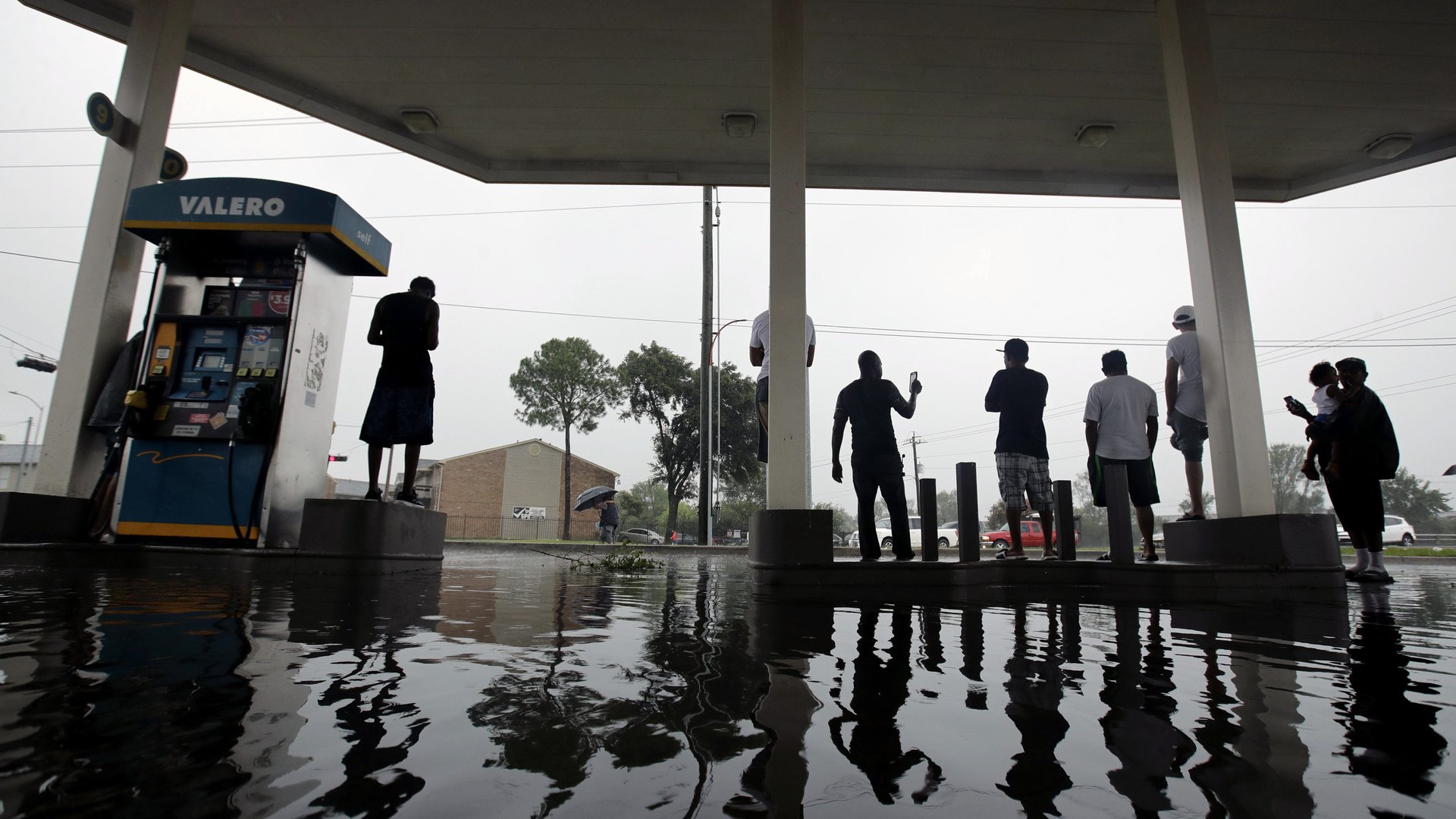
The effects of Hurricane Harvey are already showing up in US gas prices. The record-setting storm barreled through the production chain that makes it possible for drivers all over the country to fuel up, from offshore oil platforms to gasoline pipelines.
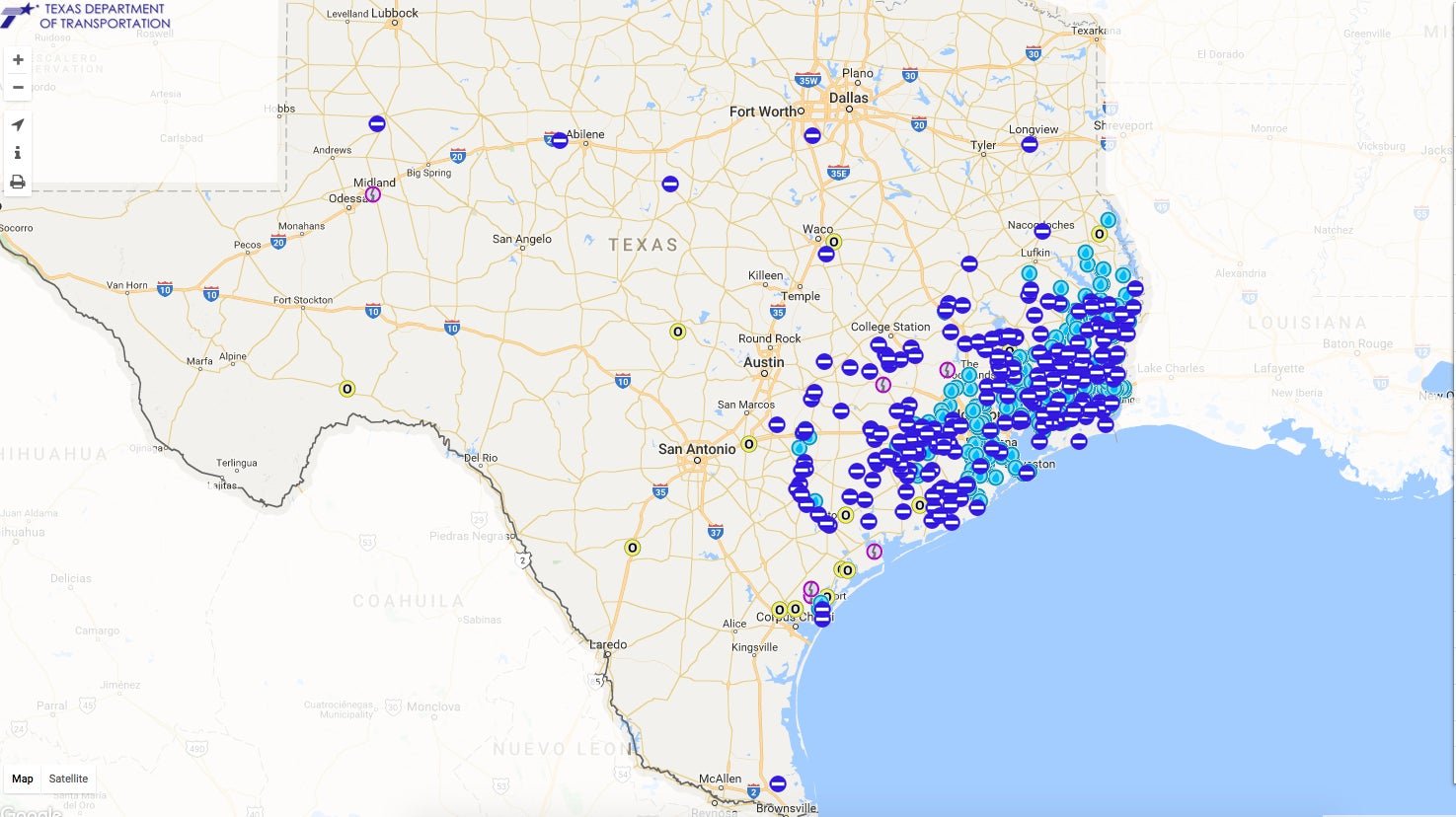
In the days after tropical storm Harvey pounded Houston, officials in Dallas readied 5,000 beds at its convention center to shelter evacuees.
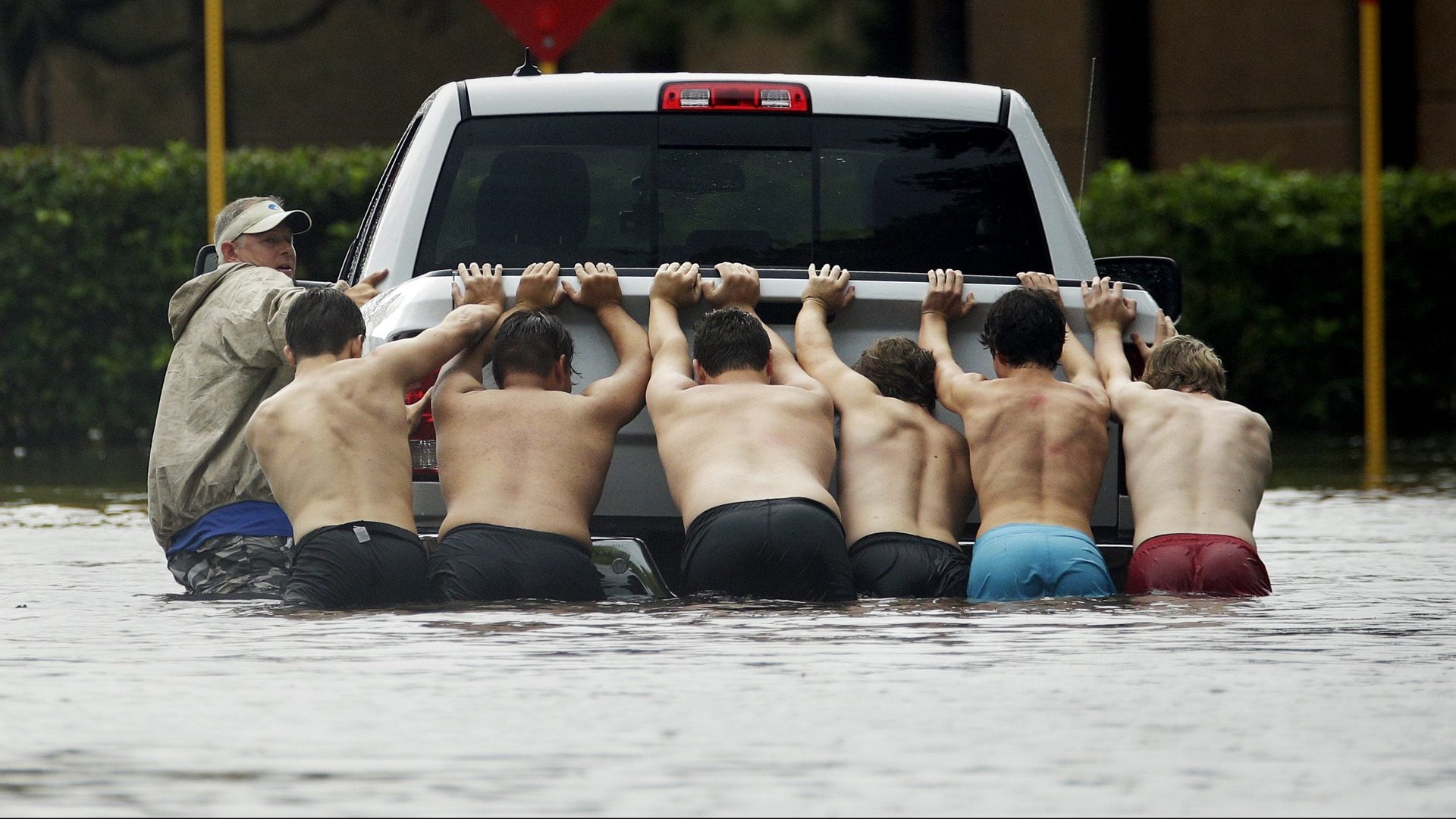
On the night of Sunday, Aug. 28, Matthew Marchetti was one of thousands of Houstonians feeling powerless as their city drowned in tropical storm Harvey’s deluge.
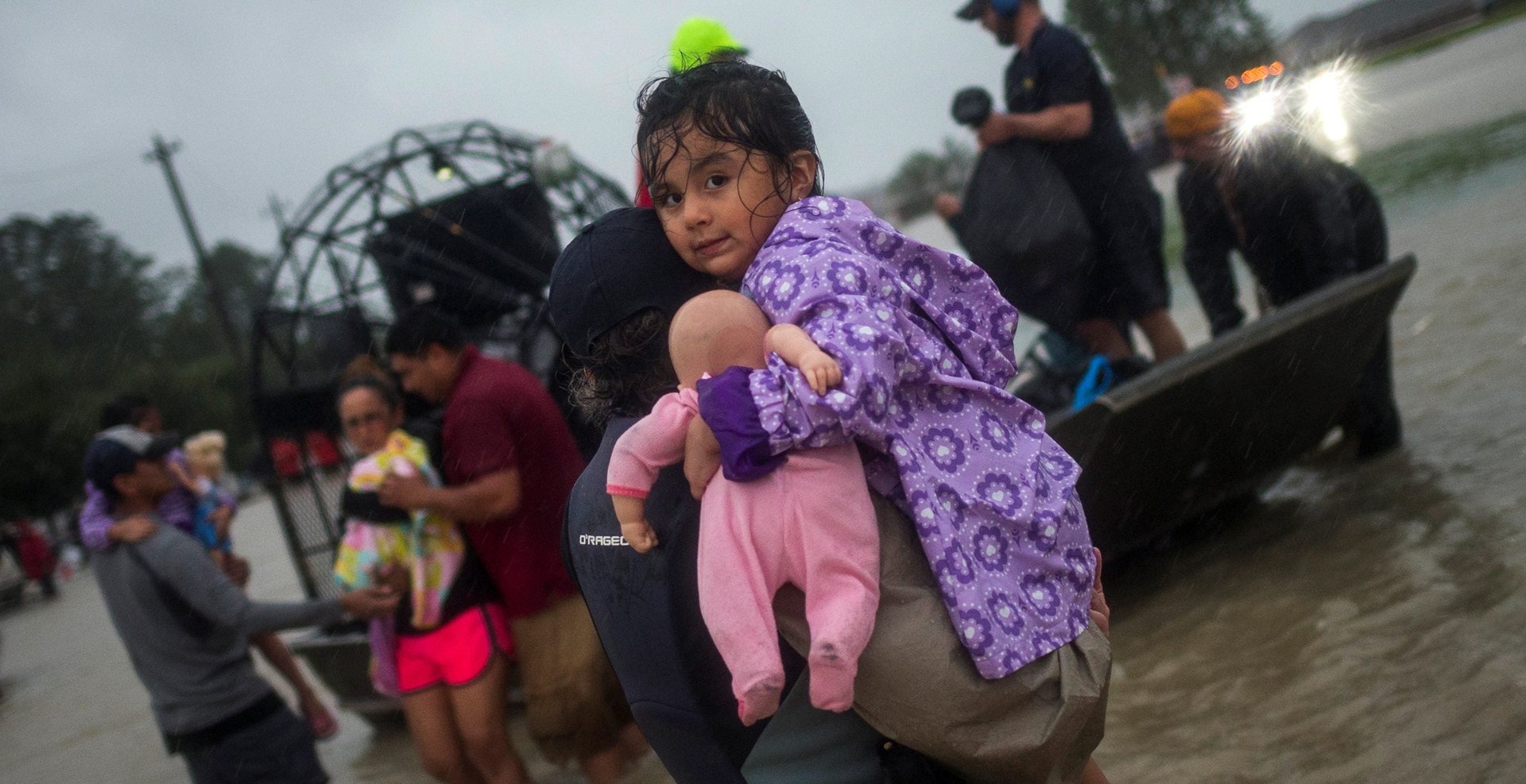
Reporters around the country, including at Quartz, have rushed to cover the aftermath of Hurricane (now tropical storm) Harvey from every possible angle. Many stories have chronicled the tragedy as it unfolds, detailing the devastation and human suffering wrought by the storm, while others have focused on Houstonians’ resilience. Some, like this Quartz piece that ran Aug. 29, have started looking into the causes of the disaster and its potential lessons.
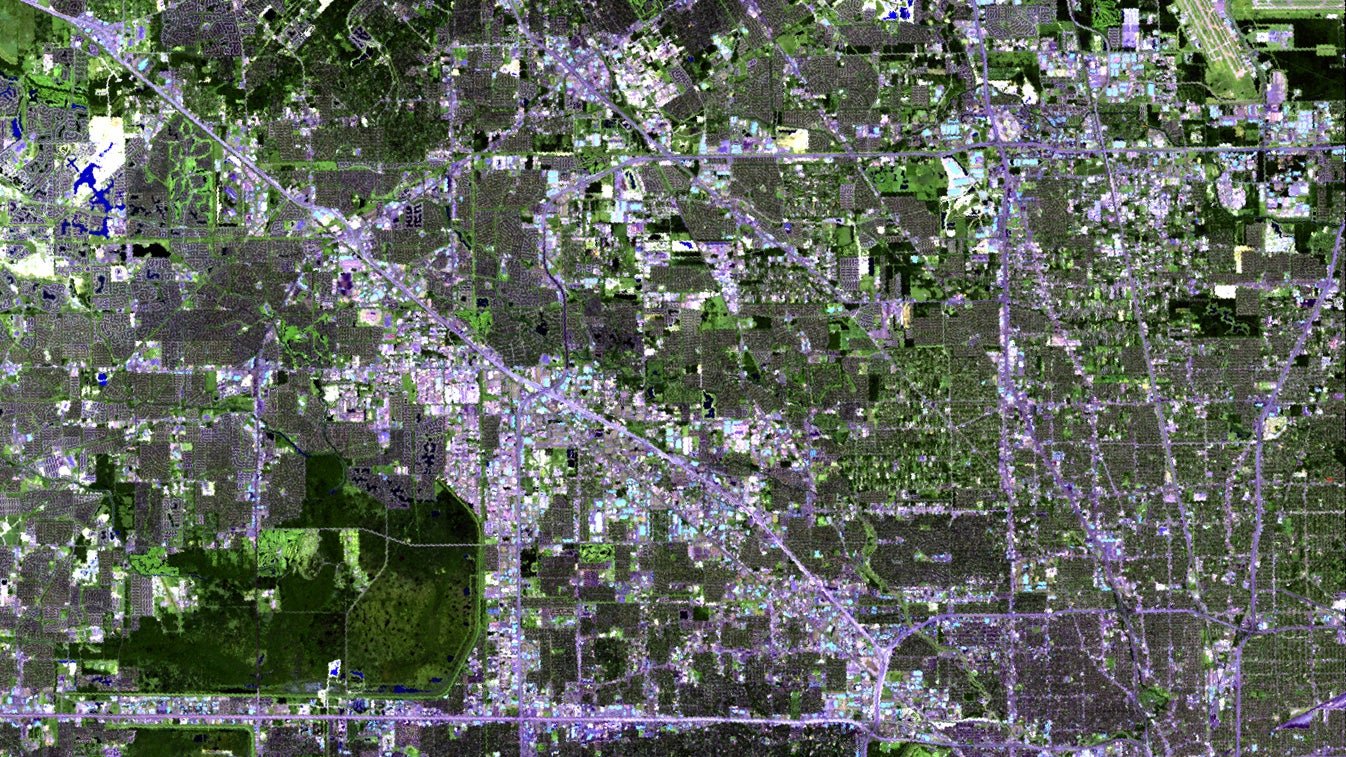
Since Houston, Texas was founded nearly two centuries ago, Houstonians have been treating its wetlands as stinky, mosquito-infested blots in need of drainage.
This item has been updated.
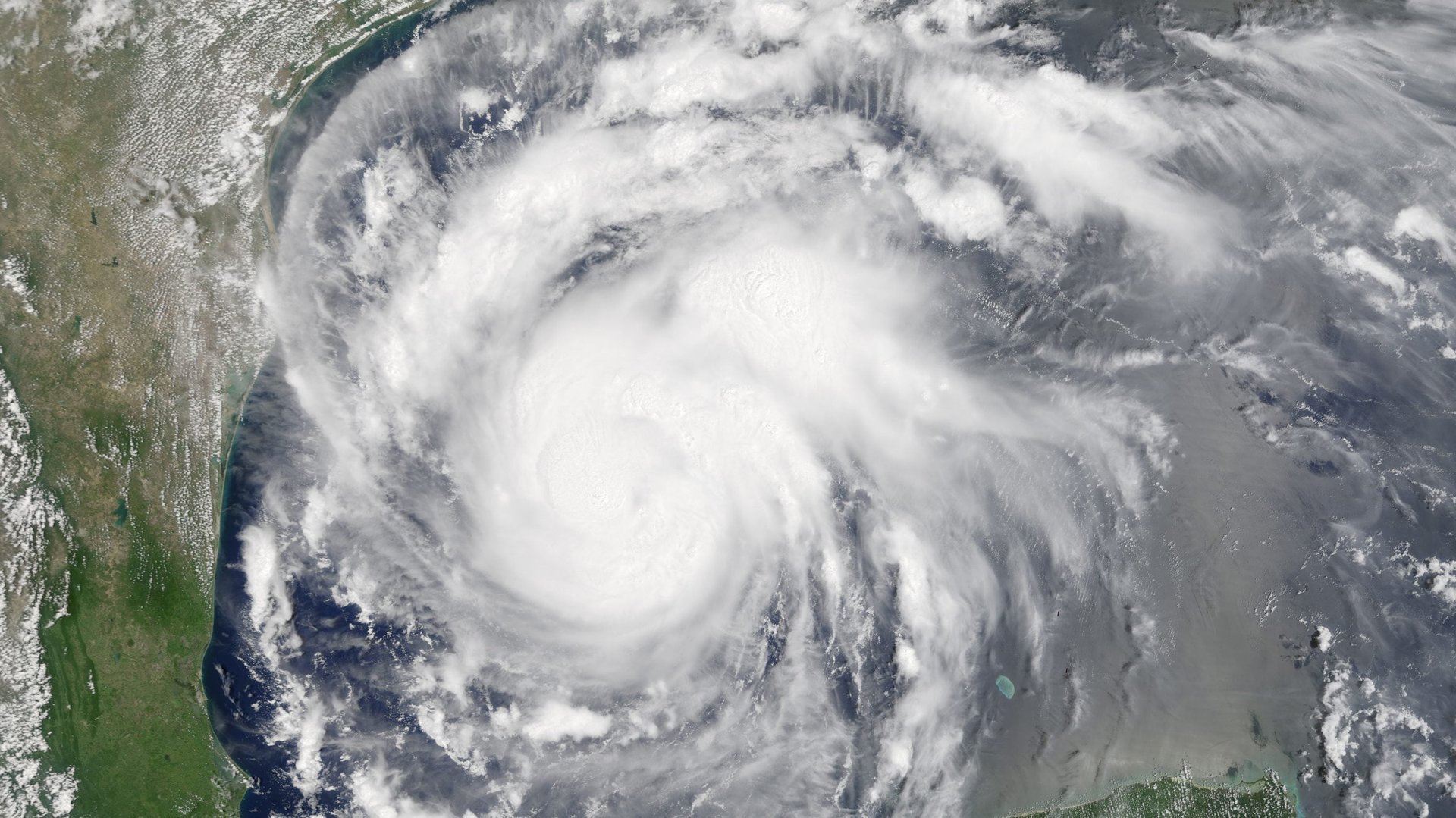
Hurricane Harvey is gaining steam, and is set for landfall on the coast of Texas late tonight (Aug. 25). By then it is expected to have gained the power of a category 3 hurricane, which would destroy poorly constructed houses, severely damage apartment buildings and shopping centers, and leave large areas without water and electricity for days or even weeks.
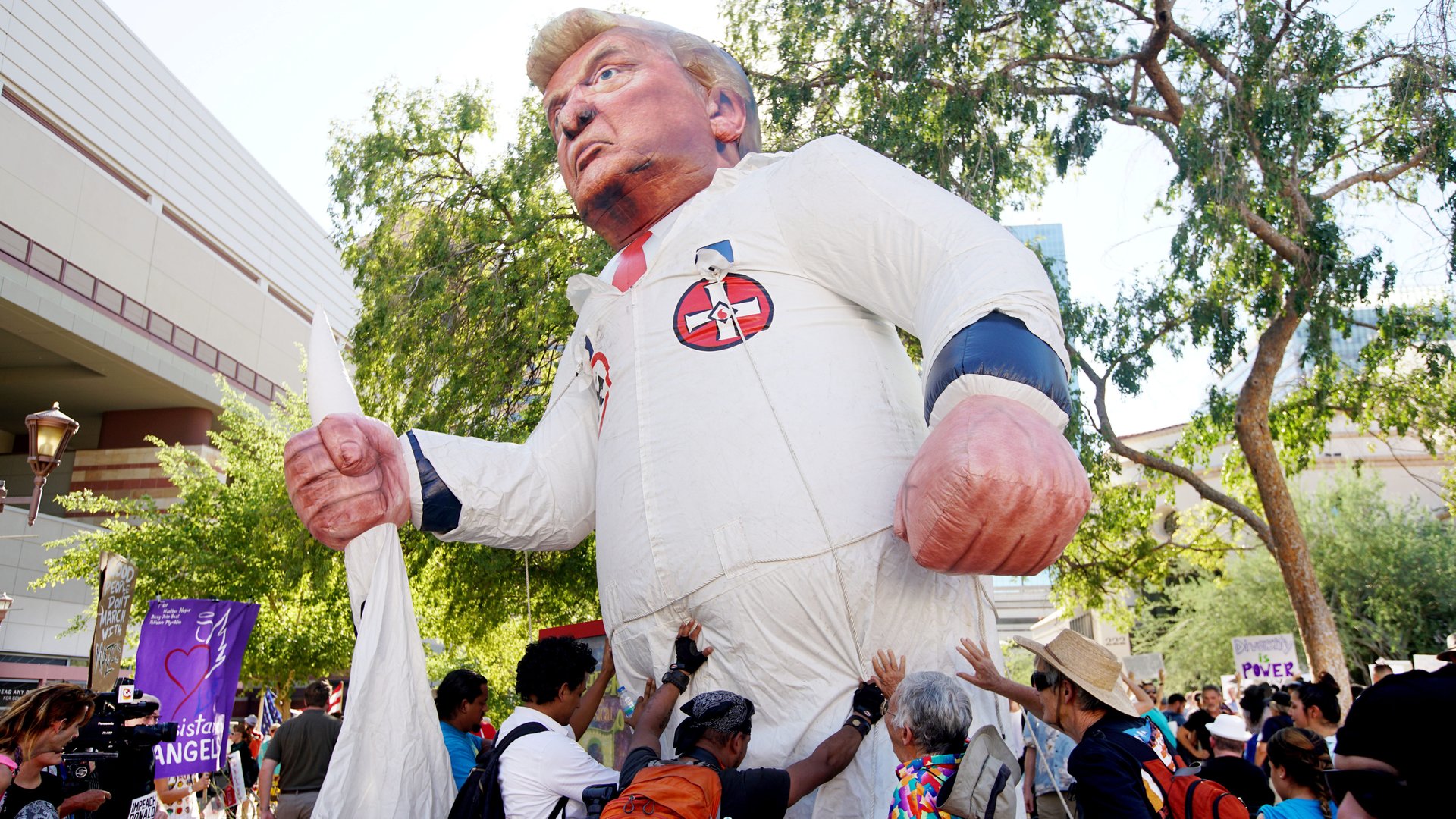
The Trump administration’s legislative agenda is in shambles. The White House is losing people faster than a series of The Apprentice. Obamacare has not been repealed; the wall is not being built; jobs are still moving to Mexico; and Donald Trump has the lowest approval rating of any president so early in the first term.
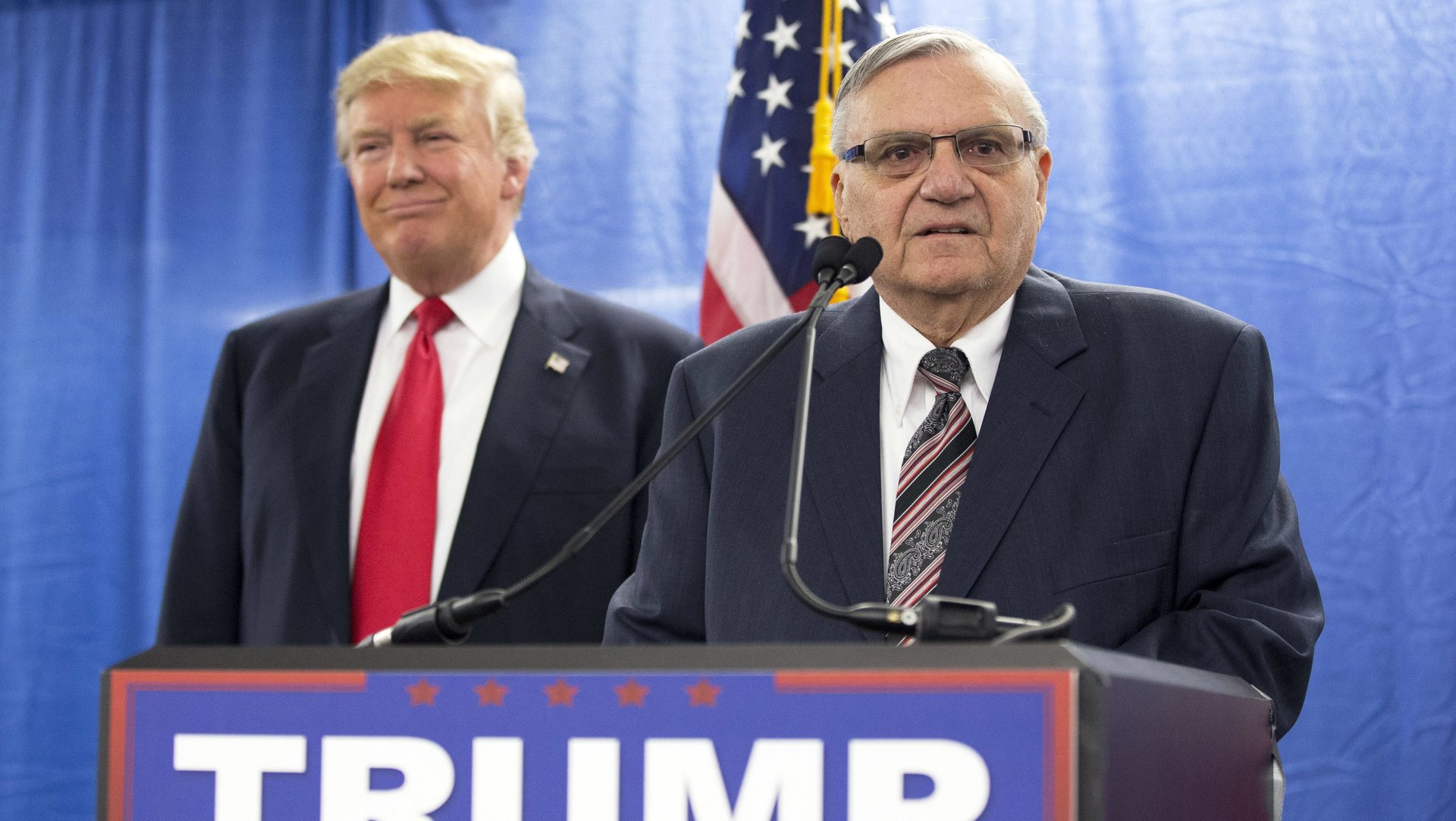
The ability that US president Donald Trump has to blurt out shocking positions without losing the support of his base might seem like an innovation in the American political scene.
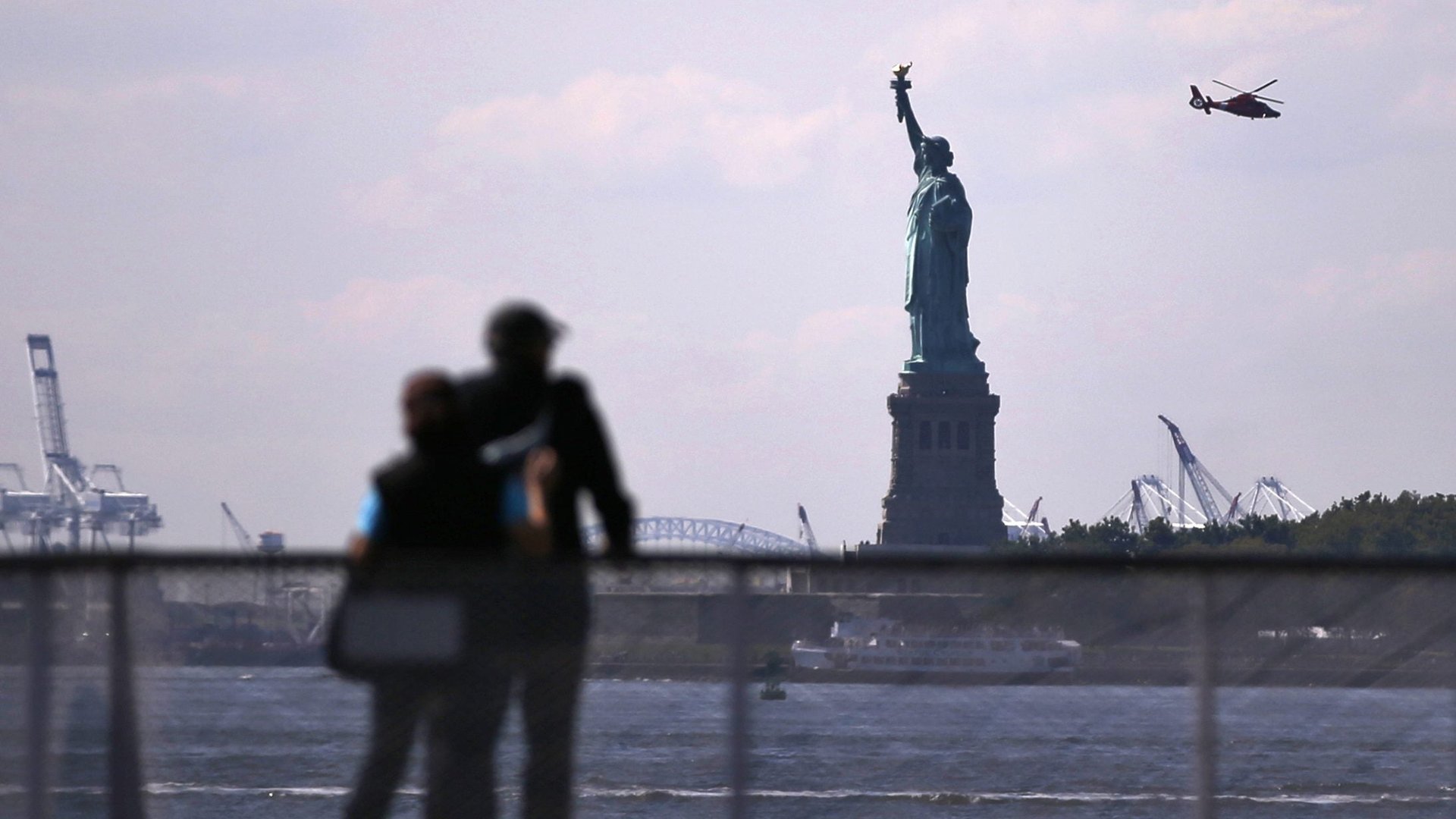
US president Donald Trump’s harsh rhetoric against Mexicans appears to be keeping undocumented immigrants away—and dollar-toting tourists with visas as well.
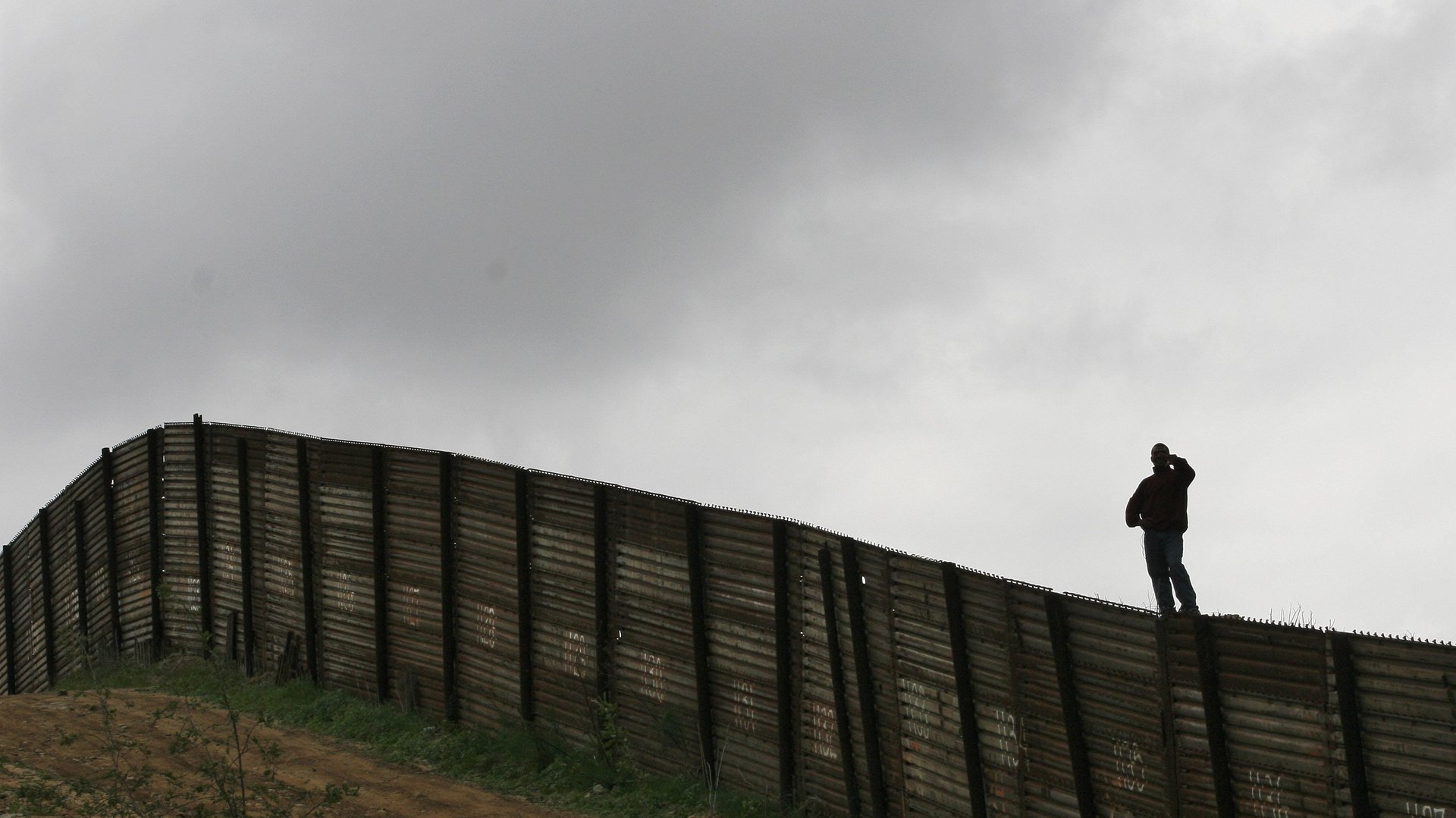
US president Donald Trump is still struggling to find someone willing to pay for the southern border wall he wants to keep immigrants and drugs out of the US. In the meantime, smugglers have already developed methods to overcome it.