
Tech & Innovation
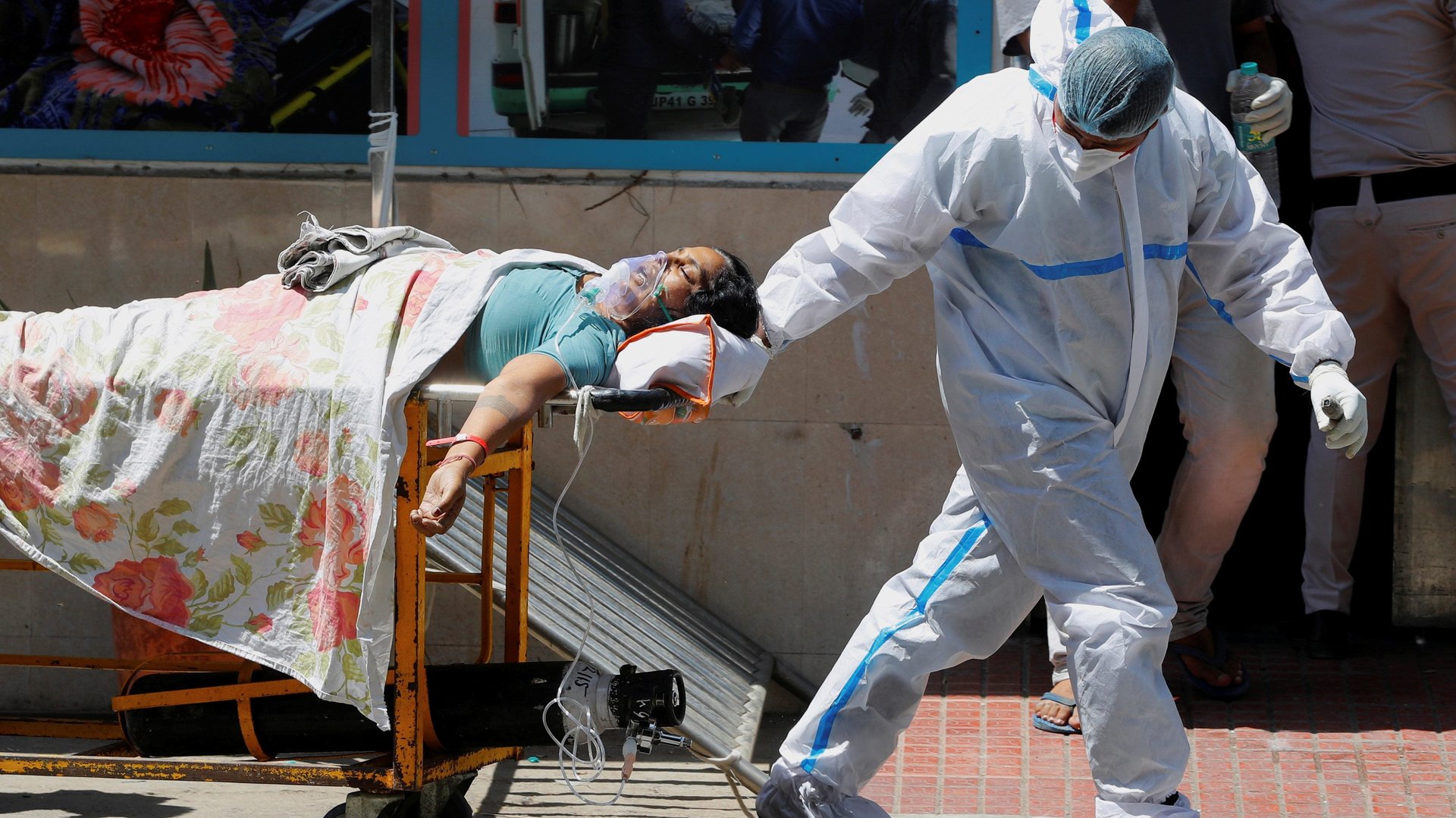
India’s incomplete Covid-19 data doesn’t begin to capture the crisis in DelhiIn India’s capital city hospital beds are a prized commodity right now.
Updated July 20, 20223 min read
In India’s capital city hospital beds are a prized commodity right now.
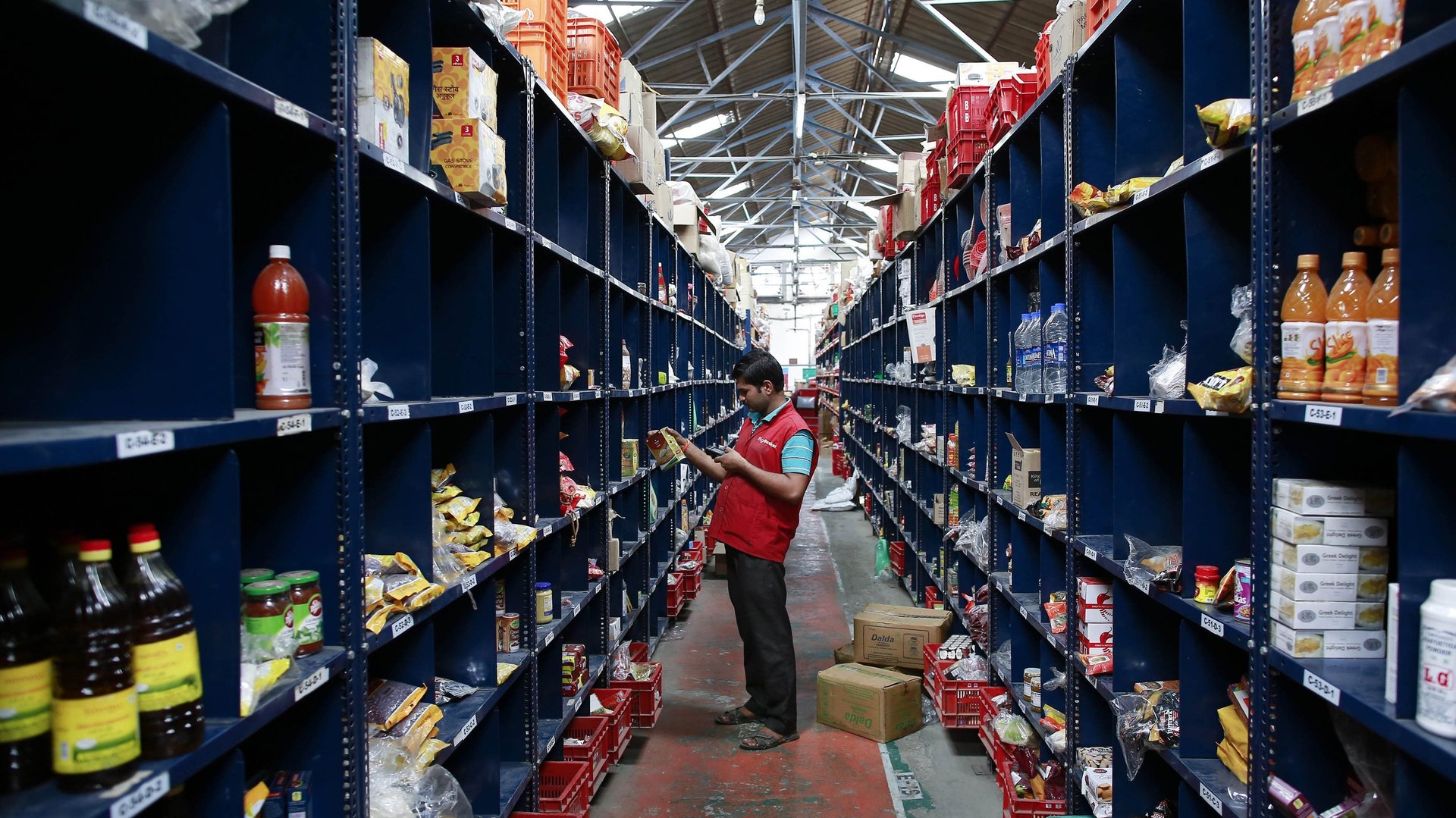
After suffering and recovering last year, India’s online grocers have once again been debilitated by Covid-19’s relentless resurgence.

A video of a professor calling her students “bloody bastards” has sparked outrage around how minorities are treated at India’s elite institutes.
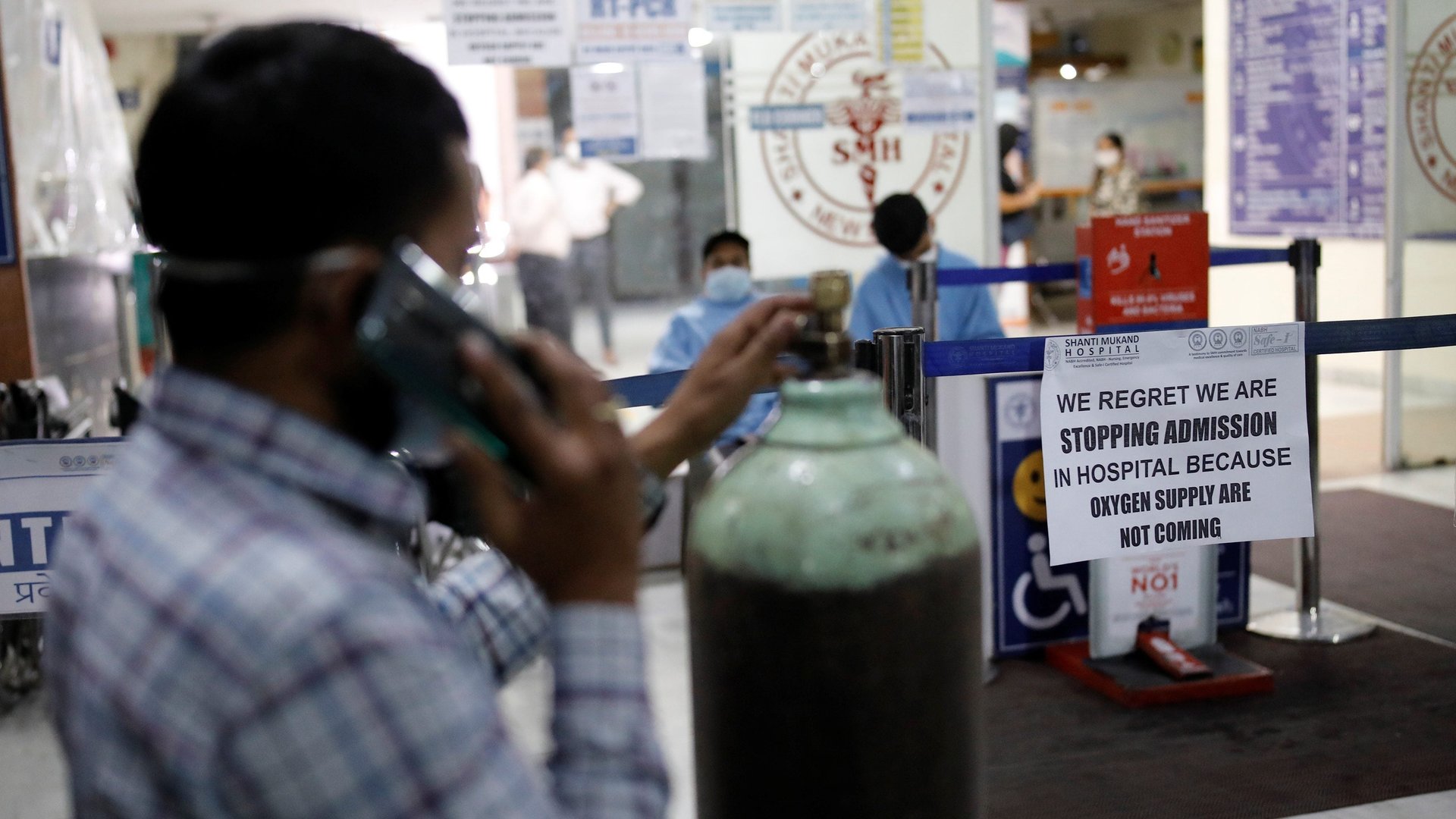
India’s healthcare system is crumbling and Twitter is becoming the nerve centre for the crisis.

As if scenes from overcrowded hospitals and SOS cries from people struggling to access oxygen and medicines were not enough, now images from New Delhi’s cremation grounds and graveyards are reflecting how bad things on the ground really are.
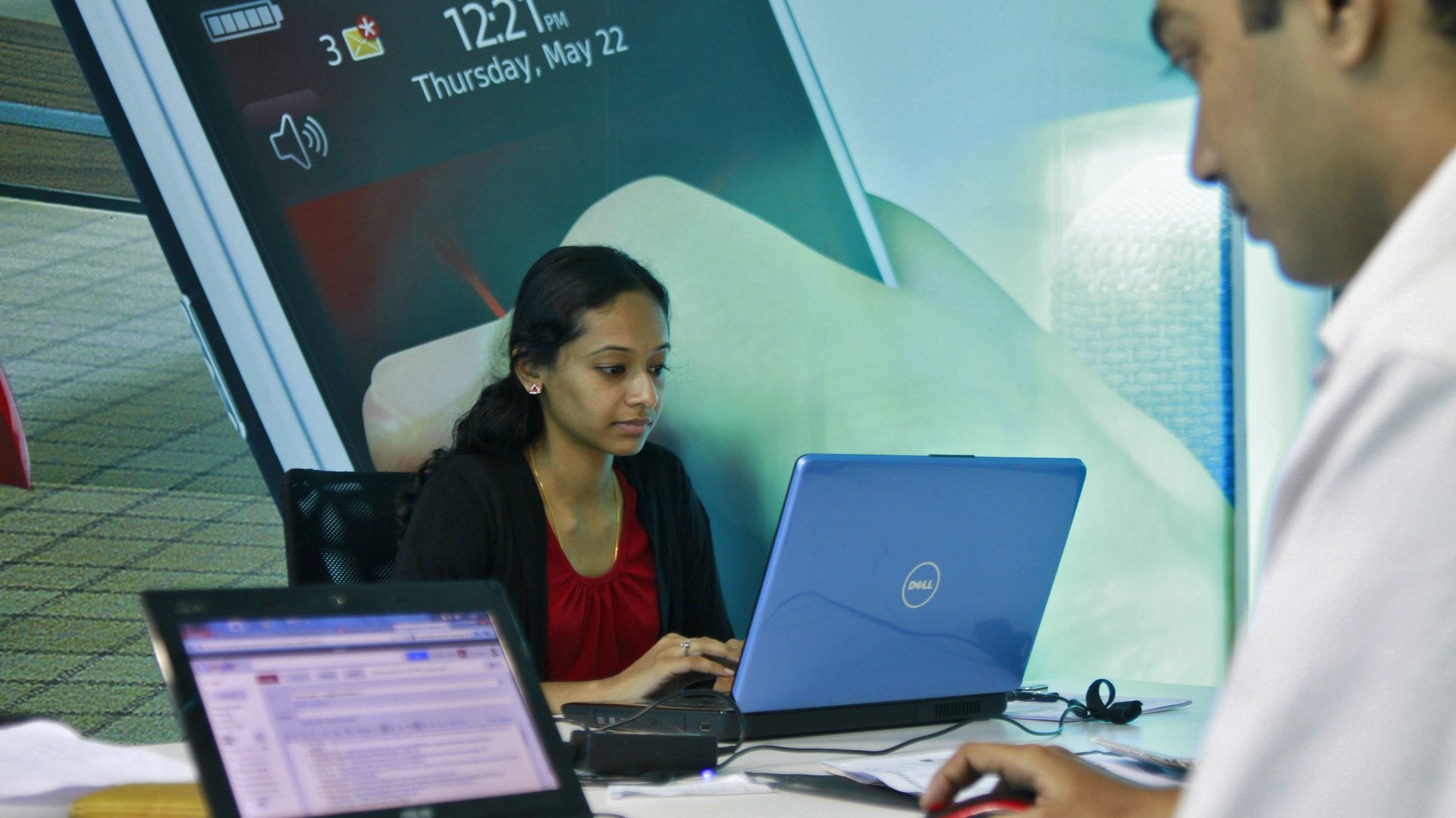
India’s startup community is dragging its feet back to work from home amid the second wave of the Covid-19 pandemic.
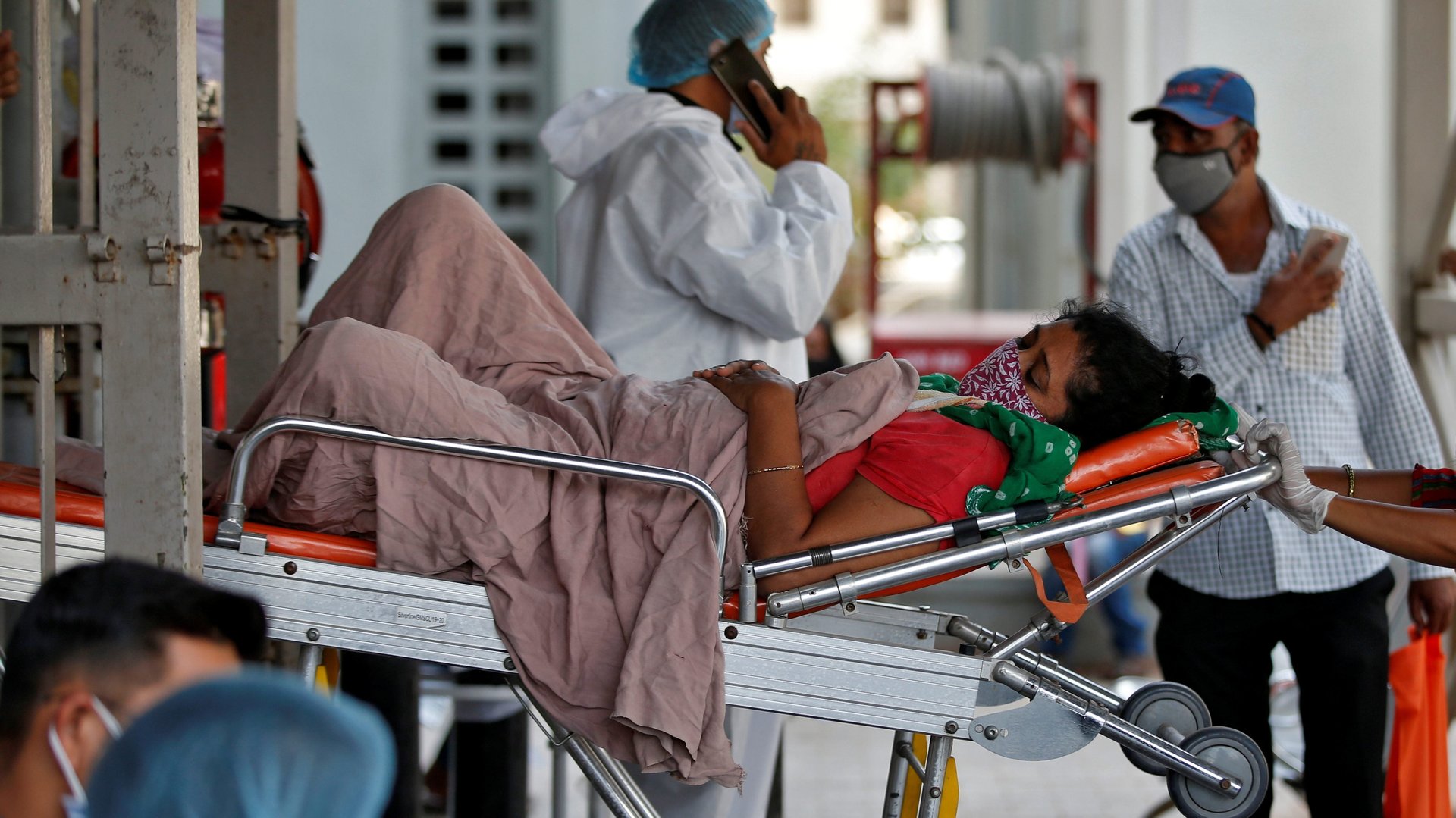
As India’s Covid crisis worsens, getting a hospital bed is becoming a stroke of luck for many.
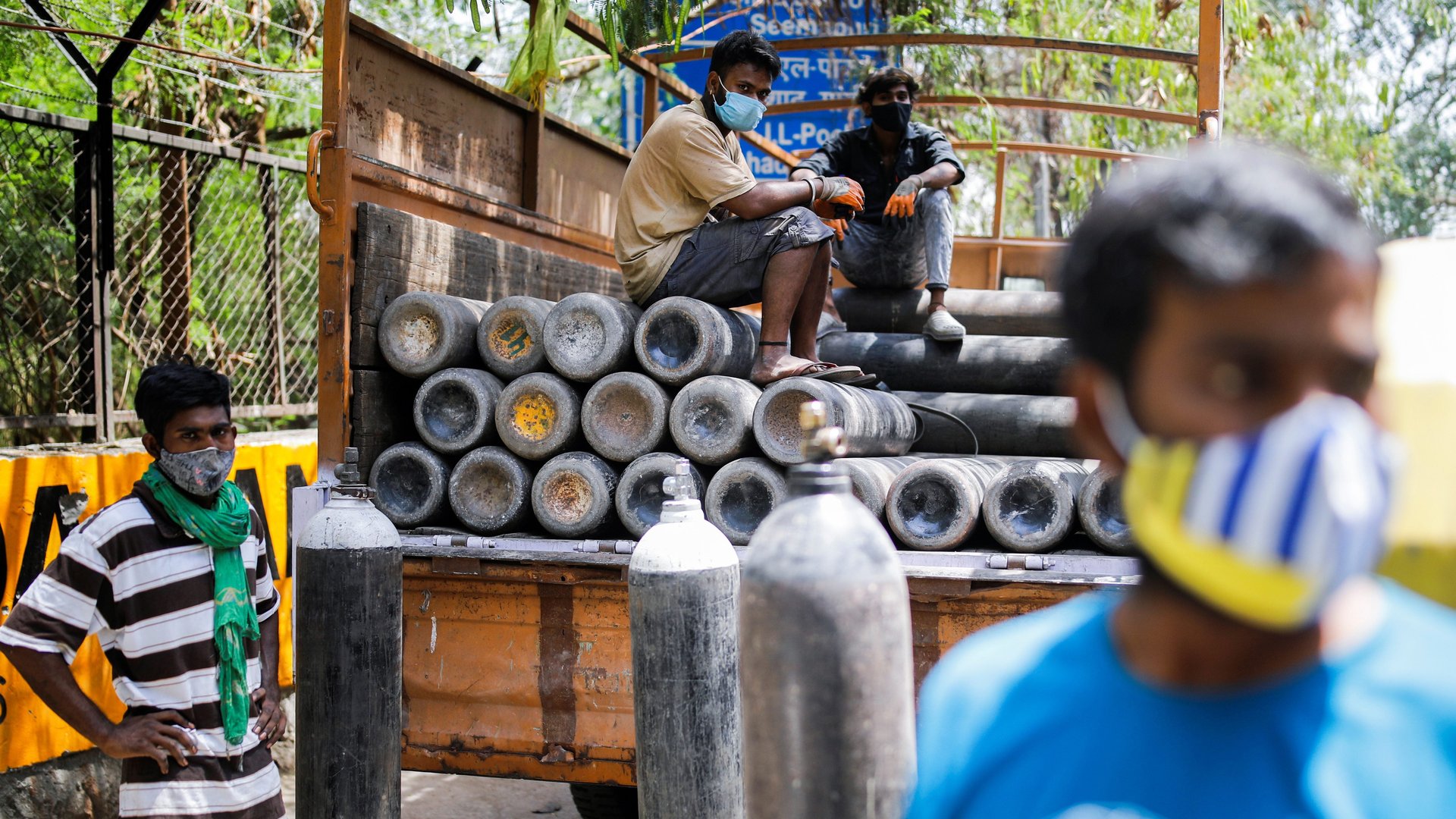
As India battles its second—and more fatal—wave of Covid-19, social media in the country has become a megaphone for those in distress.
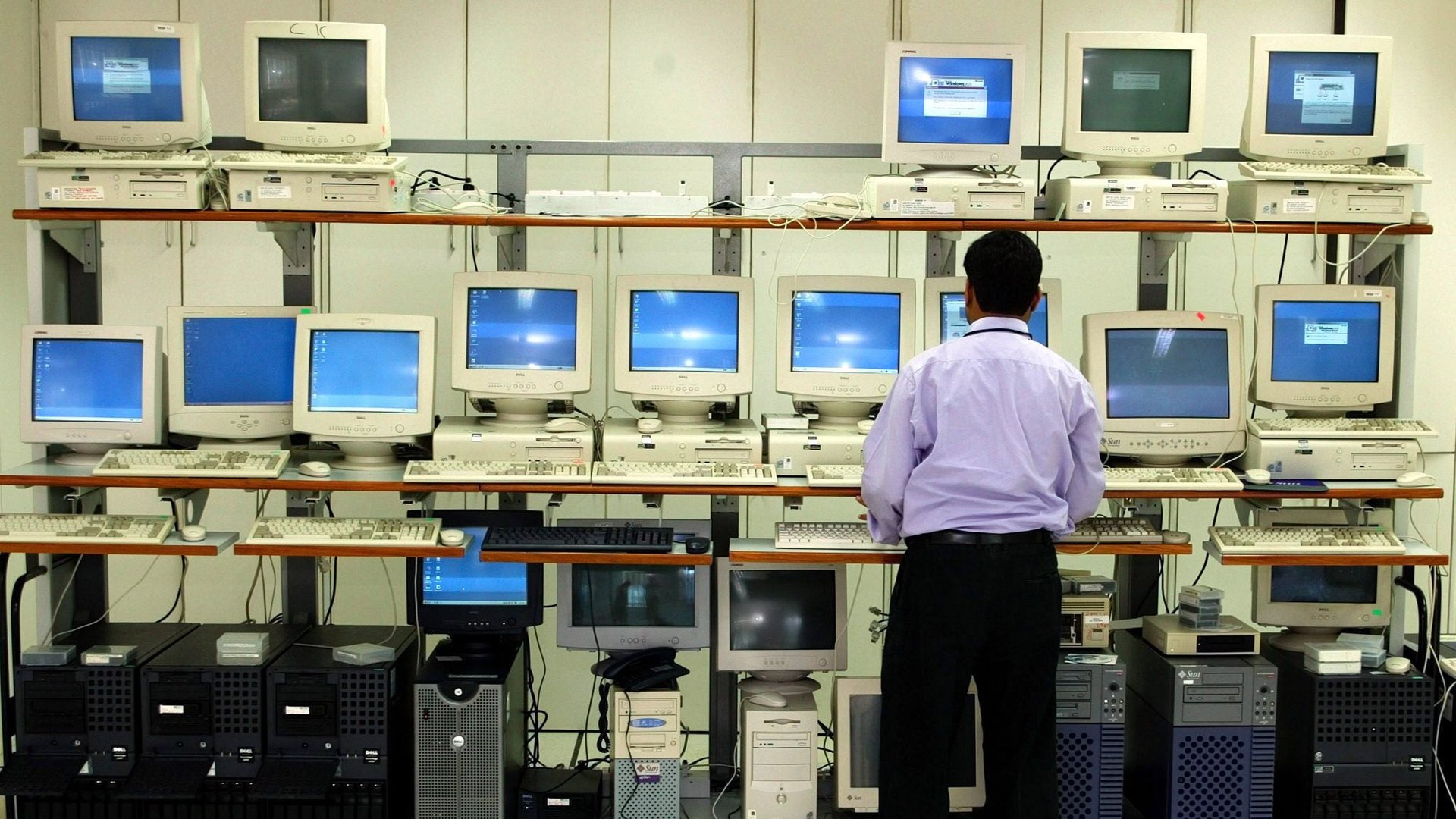
American businesses have a far higher reliance on India than on China.

Just days after Vaisakhi—the harvest festival that marks the start of the Sikh New Year—America’s Sikh community was left petrified by a bloody massacre.
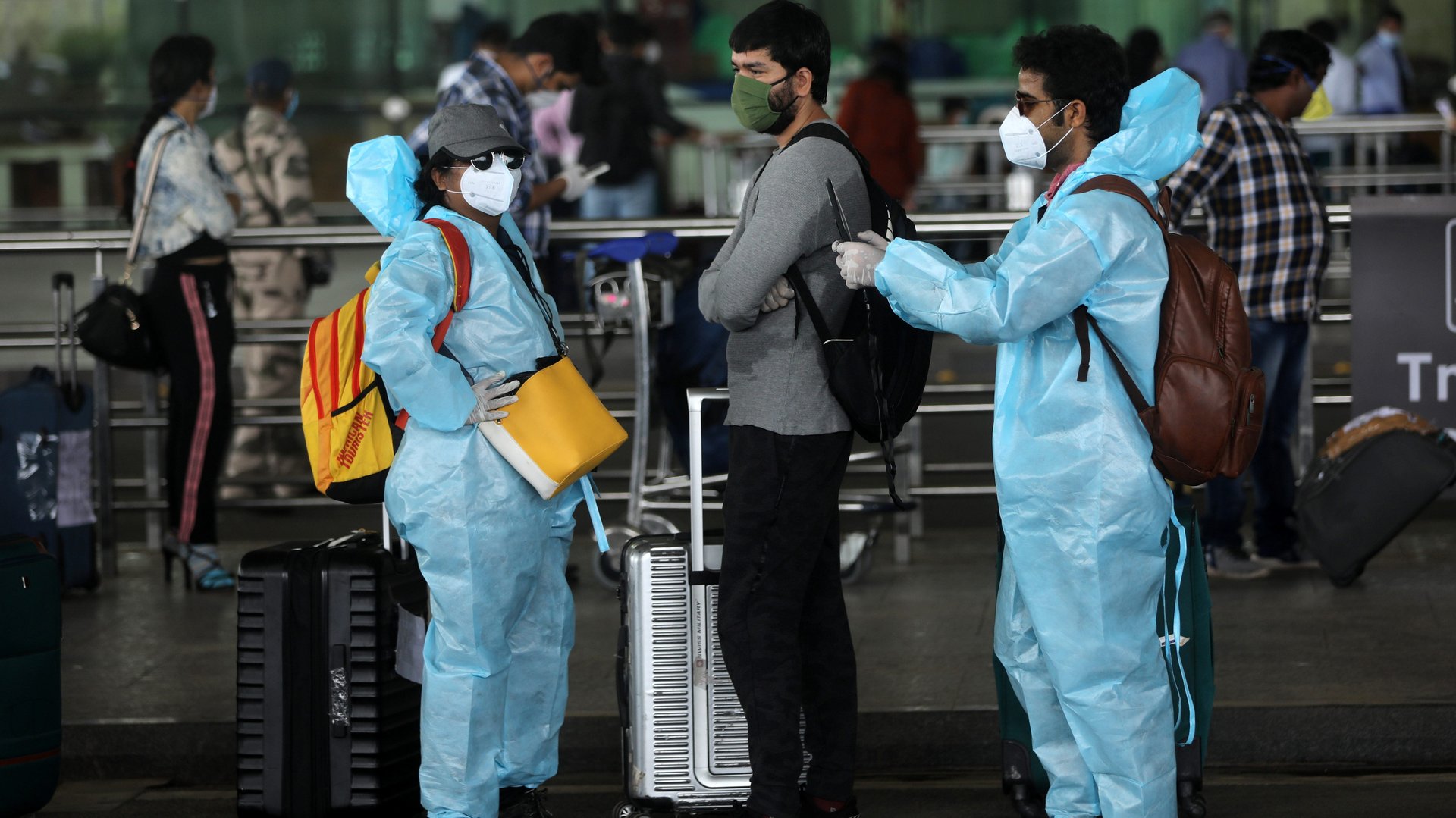
A 14-year-old online travel company in India has fallen victim to the Covid-19-triggered economic slump—and it might be the first of several.

India’s two largest fashion e-commerce firms took a hit and made a solid recovery in 2020.
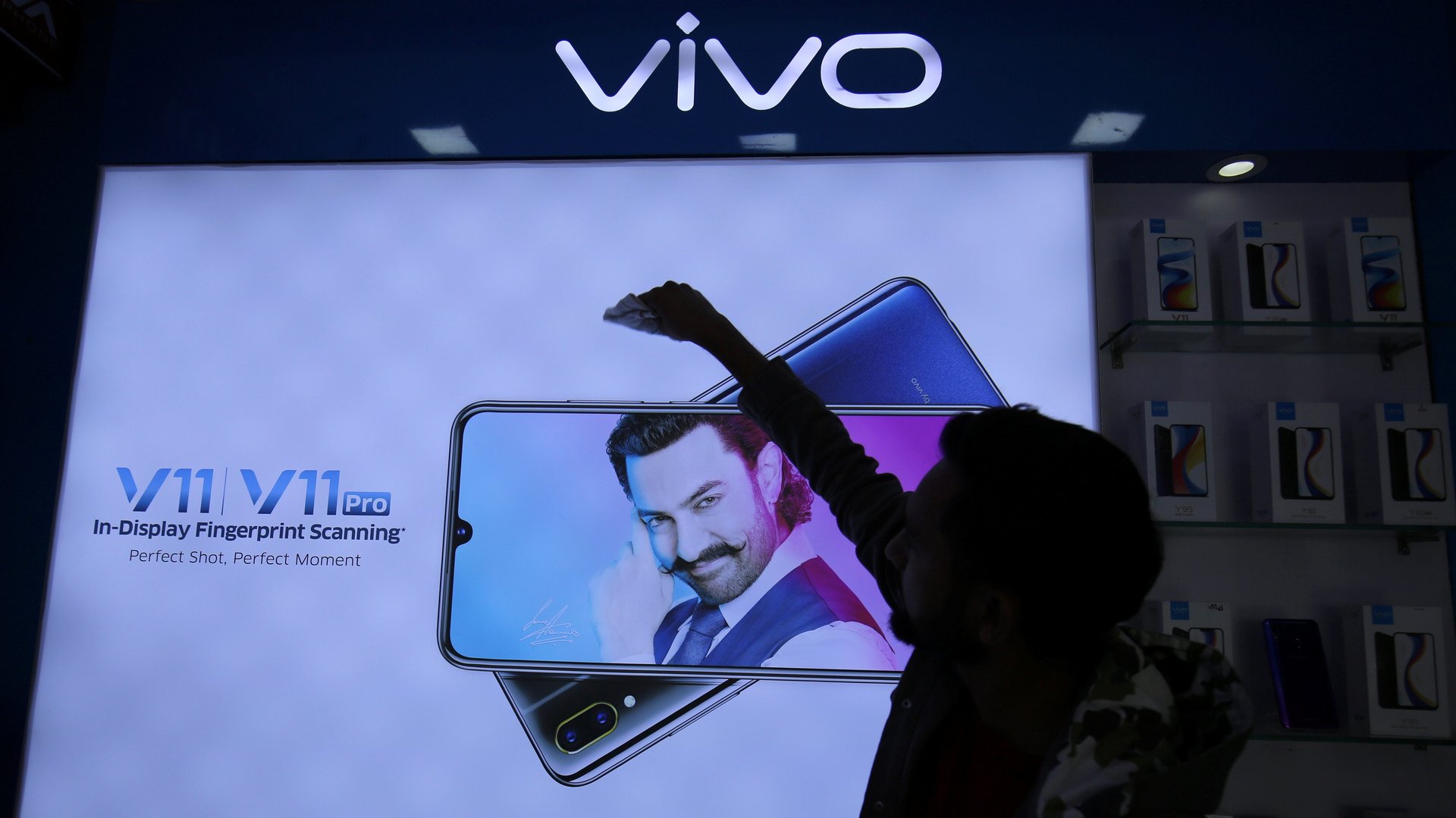
At a time when the Indian government was busy identifying and banning Chinese apps amid border tension between the two countries, Indians, it seems, were busy lapping up cheap smartphones from brands like Xiaomi and Oppo.
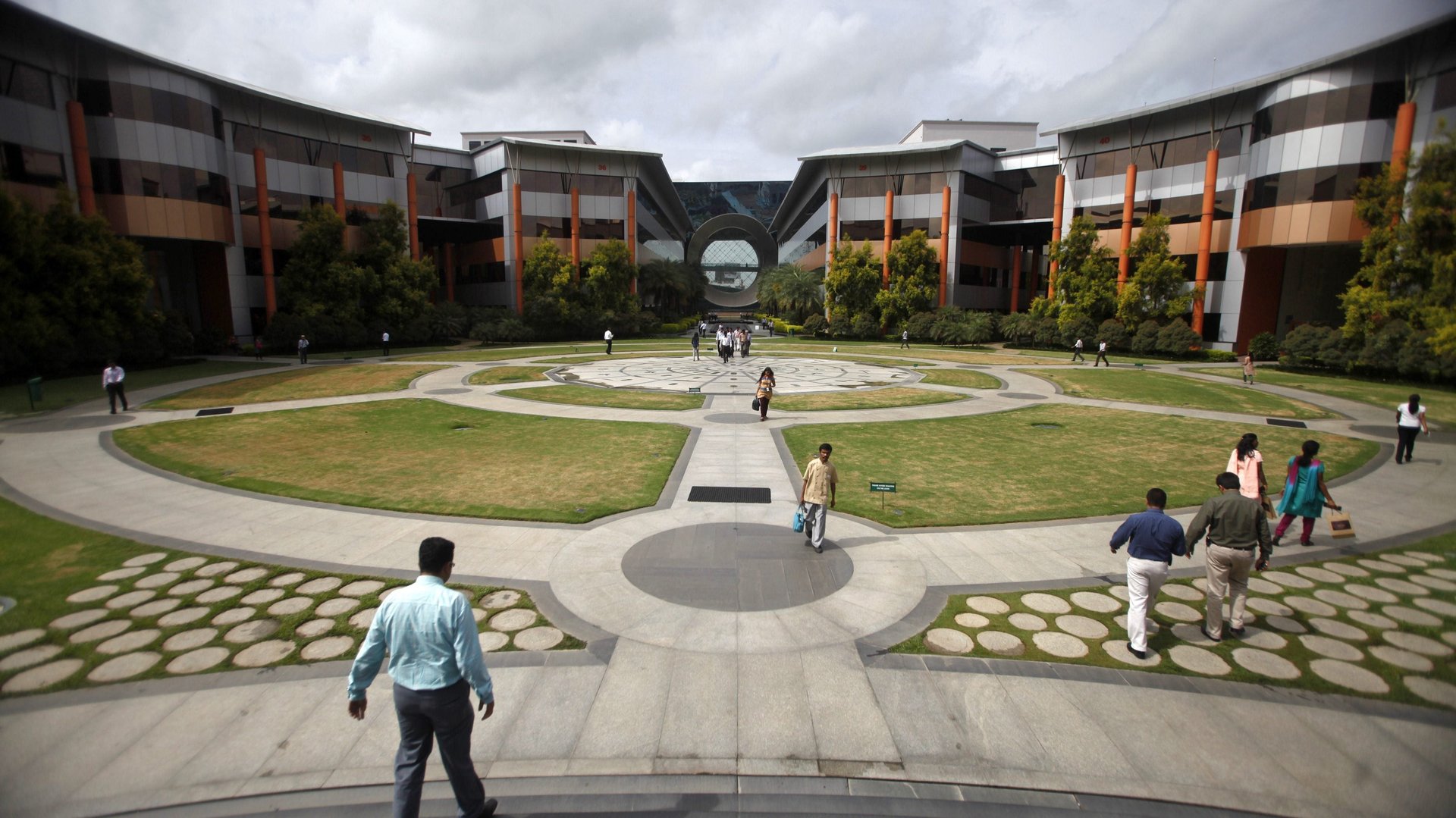
Home to almost 30,000 employees, Infosys’ headquarters on the outskirts of Bengaluru is a mini-city of sorts. Spread out across 81 acres, the distributed low-rise campus has 4.2 million square feet of built-up space across several buildings. The compound houses a helipad, grounds for cricket, football, and hockey, a 487-room hostel, a 1,350-seater auditorium, an experience theatre, seven food courts, several gyms, a large swimming pool, a bookstore, a convenience store, a laundromat, bank branches and ATMs, along with a multi-level parking lot.
India is considered to be the fastest-growing tech hub in the world. But the country may struggle to hold that title with its dismal digital hygiene standards.
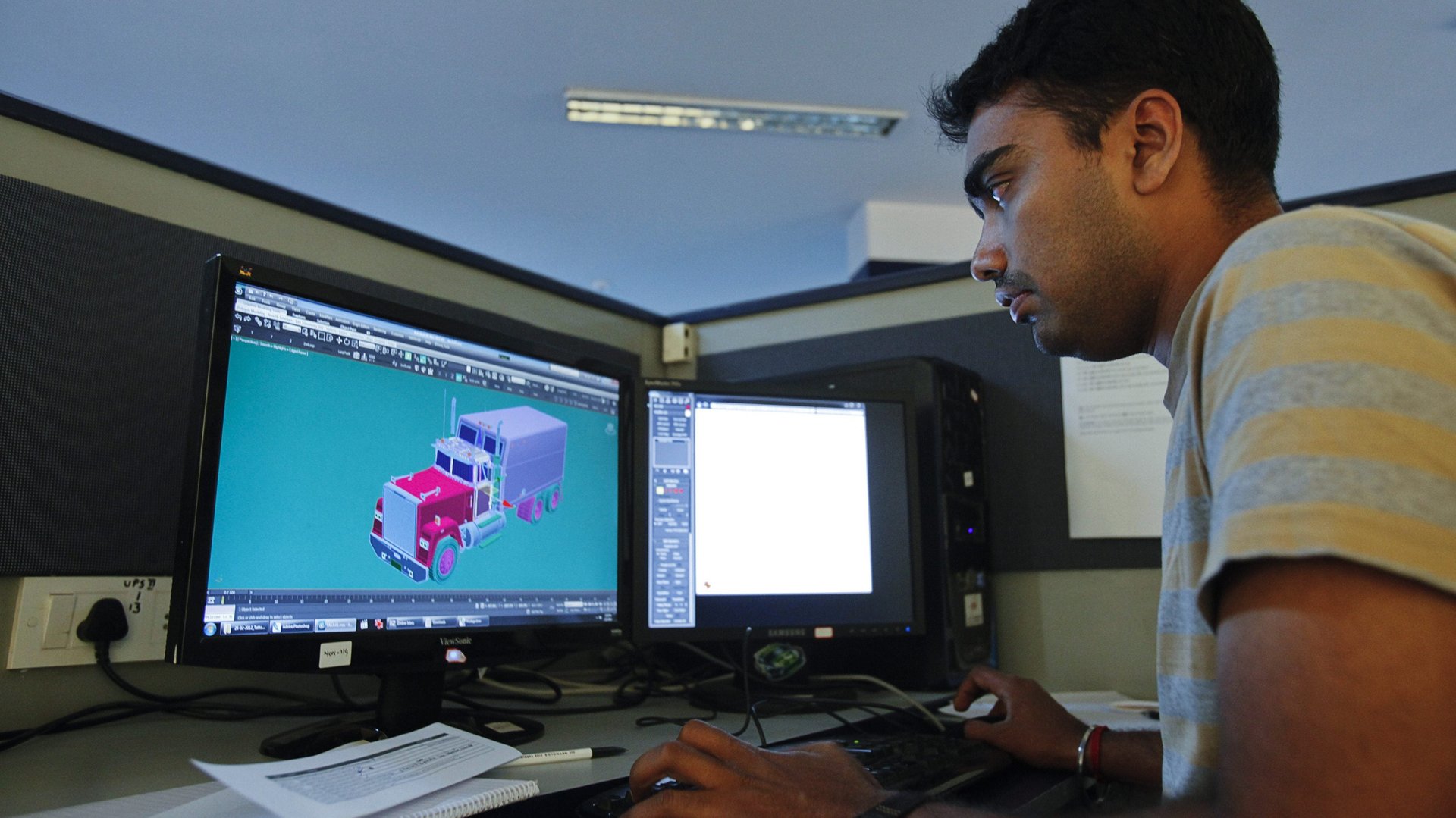
A year after it set up operations in India, San Francisco-based open-source coding behemoth GitHub is all set to take its relationship with the country’s software developer community to the next level.

One of India’s largest food-delivery players is gearing up to deliver an IPO after its business got a boost due to the Covid-19 pandemic.
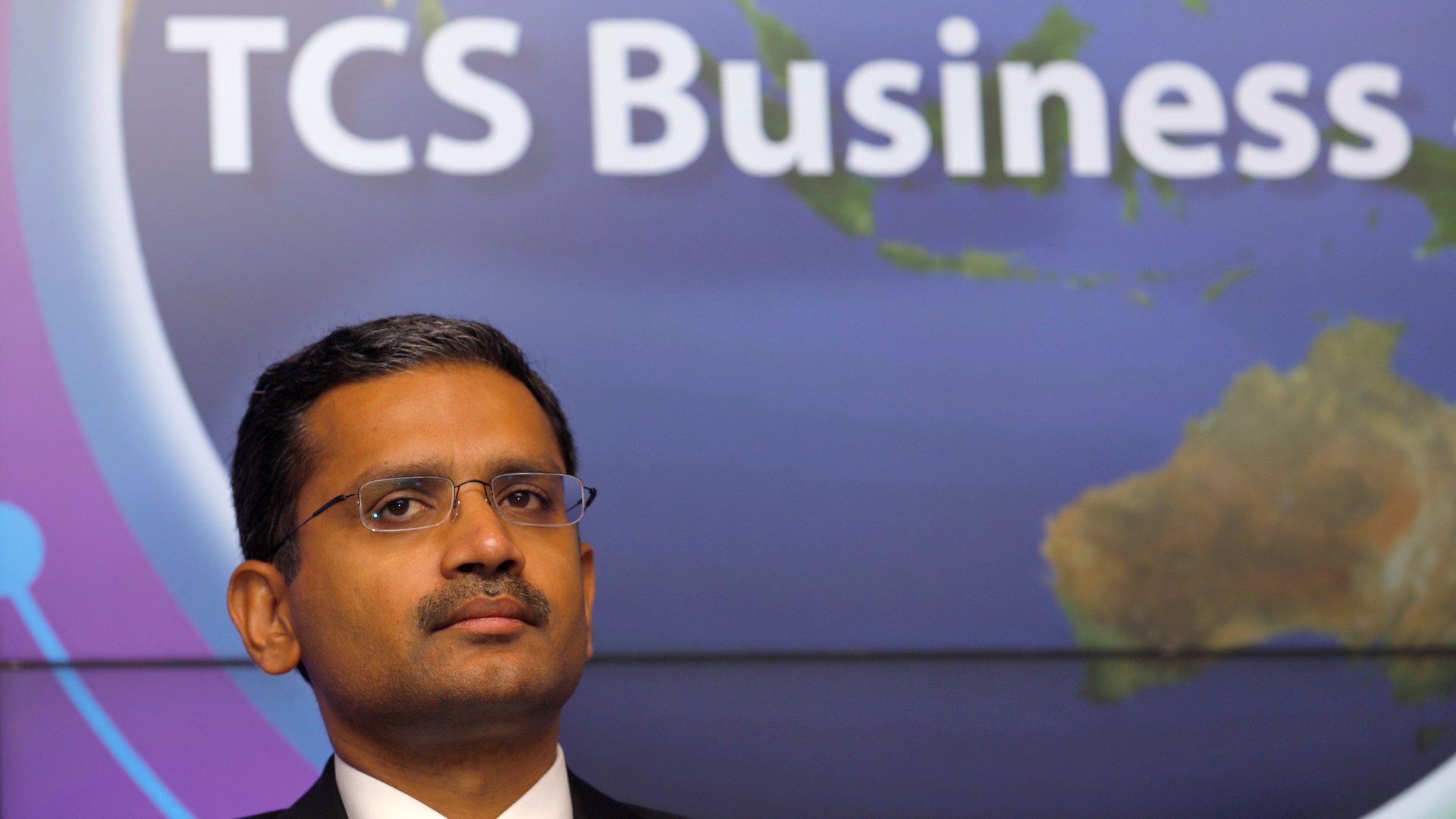
Despite the once-in-a-century pandemic, Indian IT is doing so well that the largest firm in the sector has announced not one, but two, salary hikes within six months.

Apple’s decision to fine-tune its global product lineup could go a long way in helping it achieve its long-standing desire to crack India.
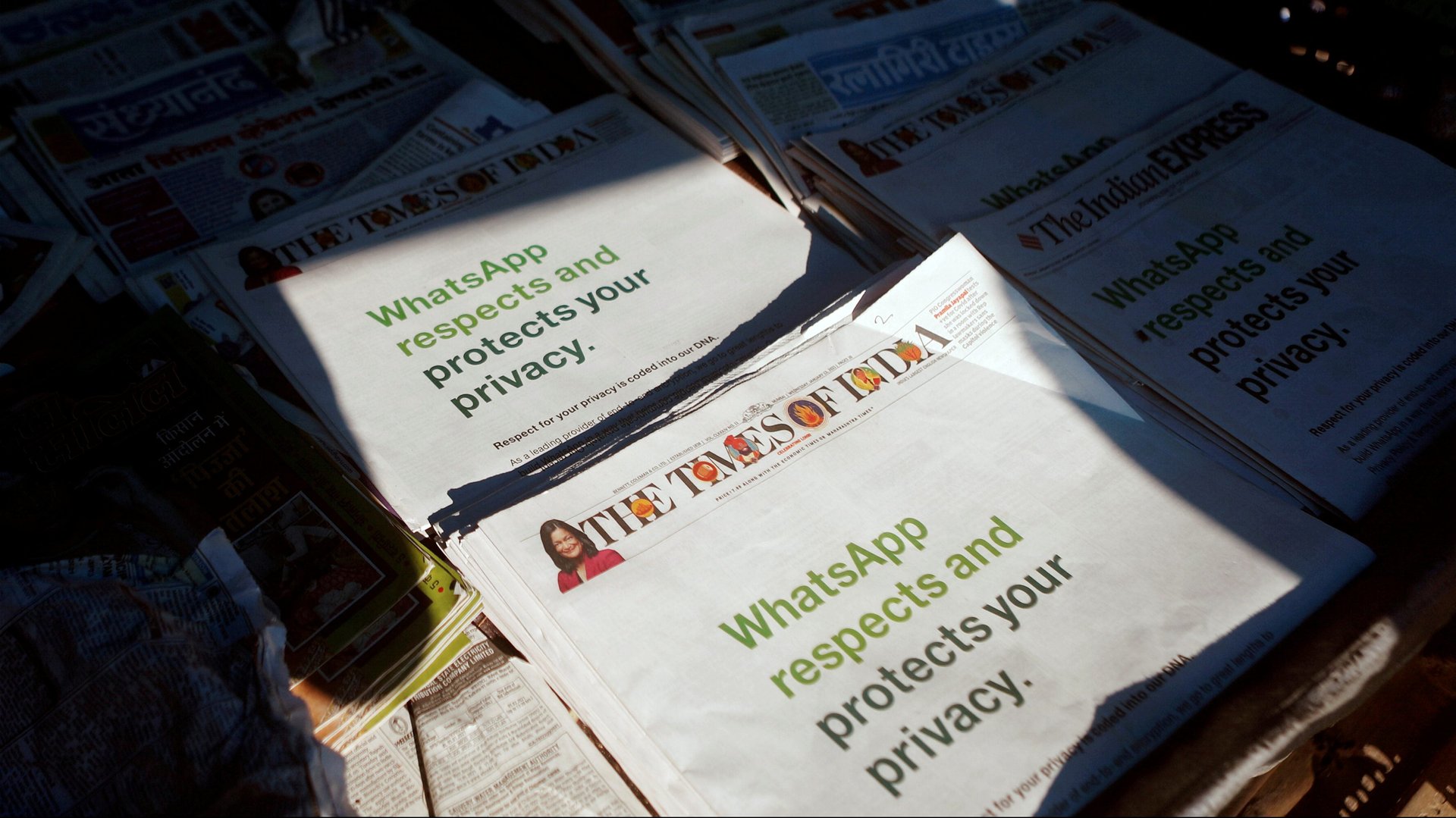
Even as public sentiment turns against WhatsApp in India, it won’t retract its controversial privacy policy.
On Feb. 25, the Indian government released new social media guidelines that allow it to exercise more control over platforms like WhatsApp, including by requiring those platforms to take swift action on government takedown requests, appoint compliance and grievance officers, and identify the originator of problematic messages. The new rules, ostensibly geared at “protecting users’ privacy” in India, are also the latest salvo in government attempts to wrest control over speech online. Caught in the middle are WhatsApp’s 530 million local users.
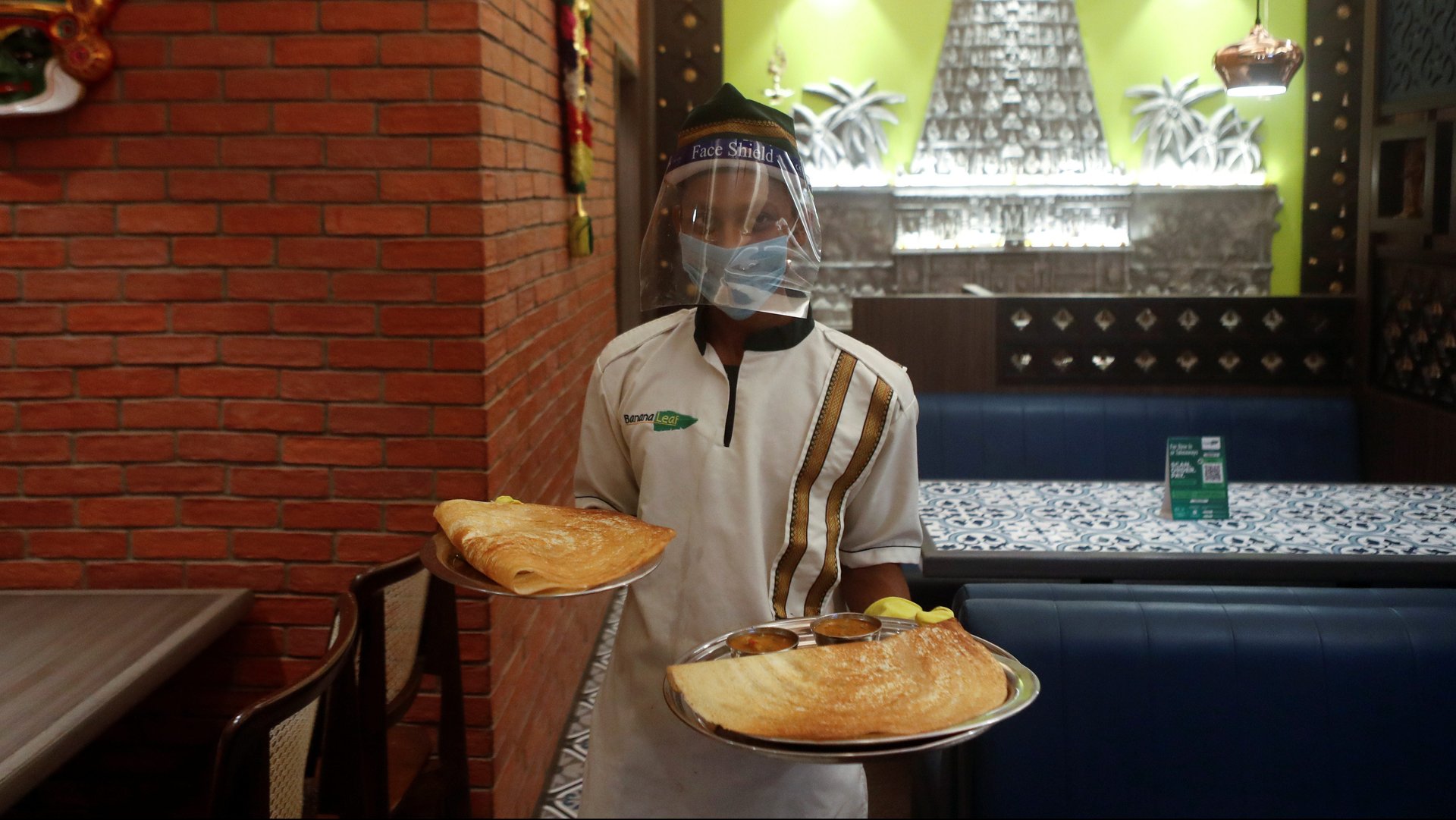
Are Indian food delivery companies lying about their recovery?
As Donald Trump exited the White House on Jan. 20 and his successor Joe Biden took over, a host of industries in the US breathed a sigh of relief. Among other things, Trump’s exit ended the four-years of the relentless crackdown of the H-1B visa programme, which enables companies to hire immigrants and fill up critical positions in the US.