
Tech & Innovation
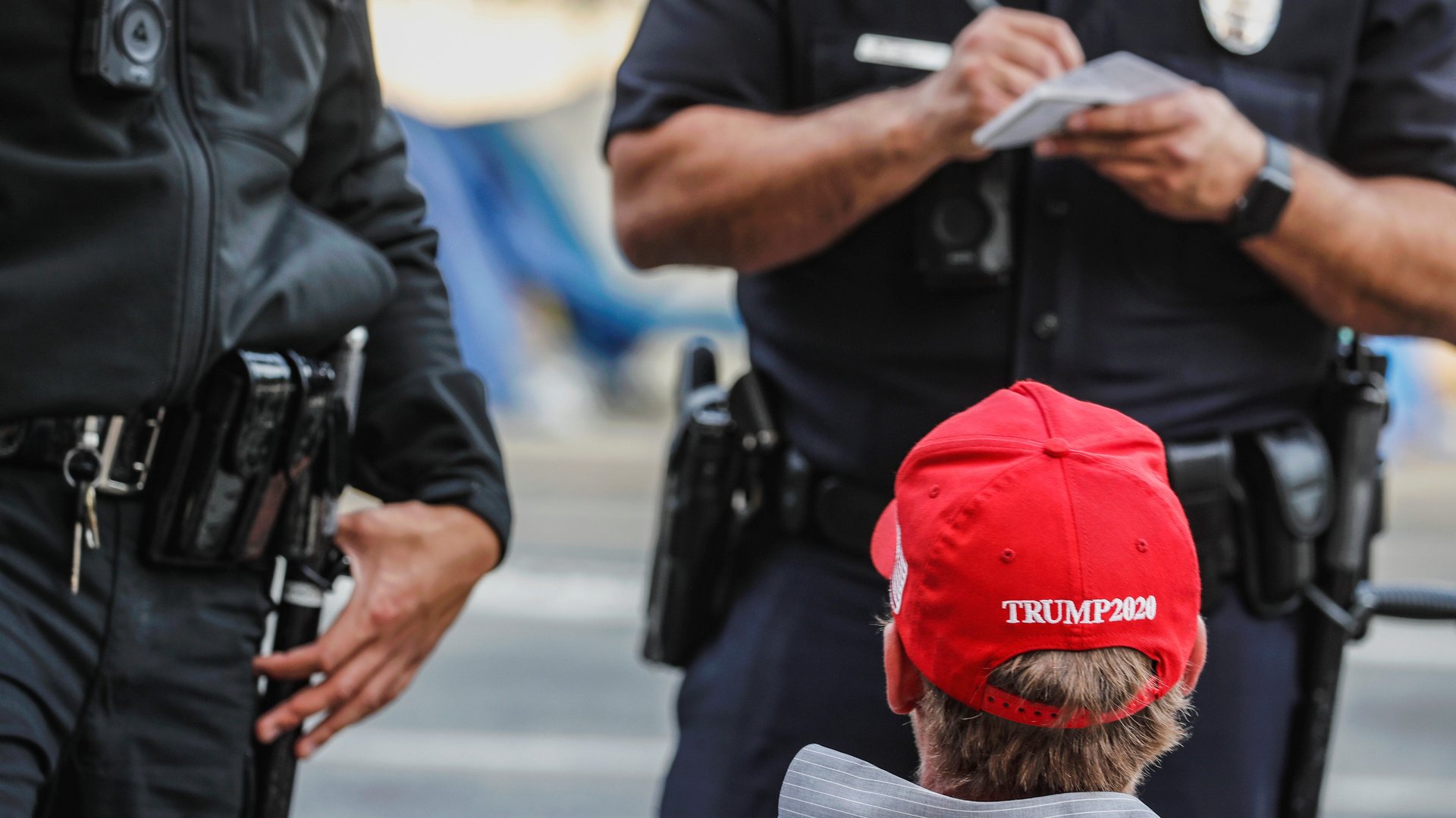
Twitter and Facebook are taking baby steps toward banning TrumpThe world’s biggest social media sites have locked Donald Trump out—and it could become permanent.
Updated July 20, 20224 min read
The world’s biggest social media sites have locked Donald Trump out—and it could become permanent.
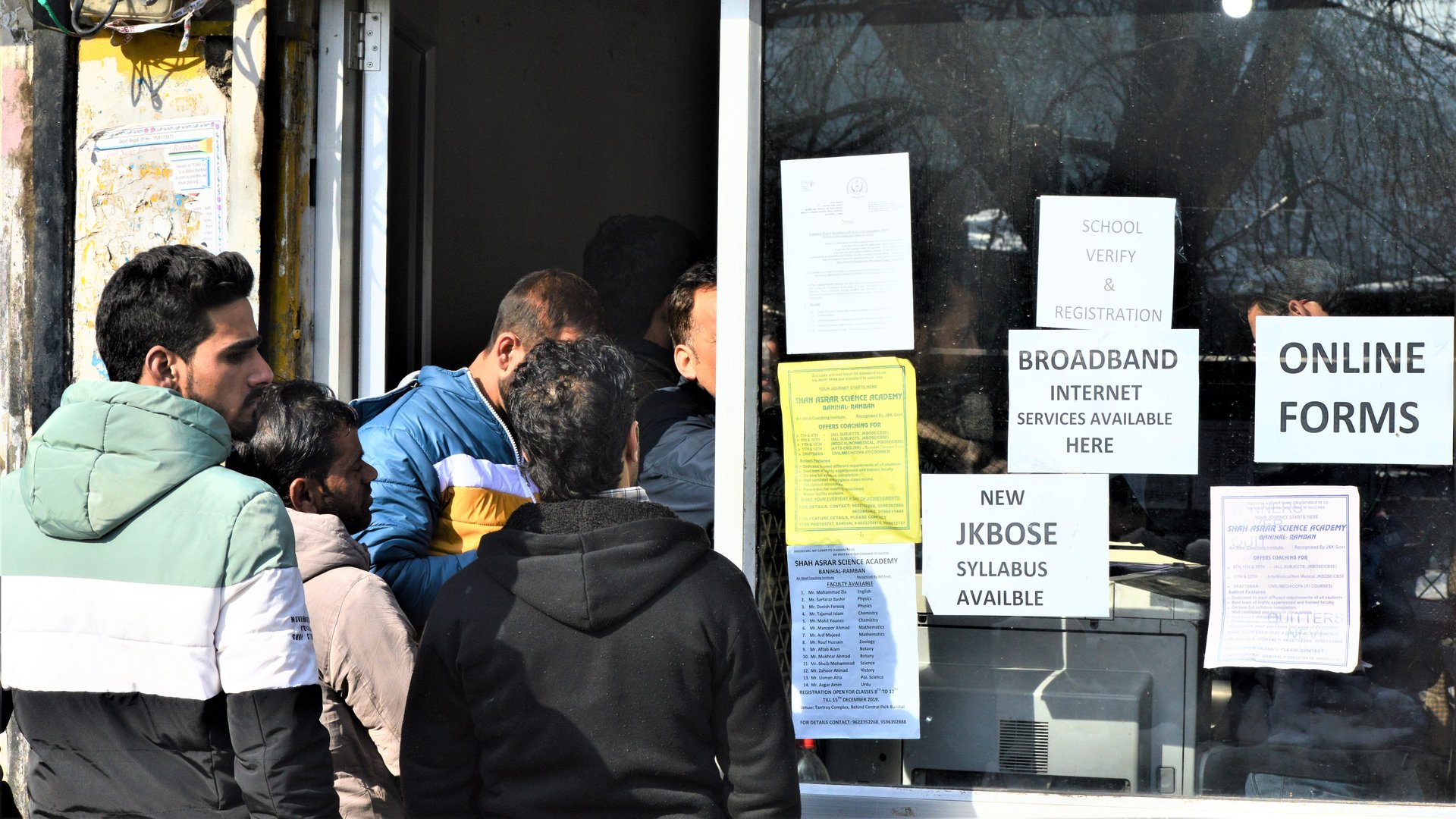
India’s constant internet blackouts have taken a huge toll on its economy. National shutdowns left Indian businesses without hundreds of hours of vital internet access, costing billions in lost revenue.

H-1B aspirants have a to-do list for president-elect Joe Biden when he takes office in January, and it can be summed up in four words: Undo Donald Trump’s damage.

For most people, this pandemic is (hopefully!) a once-in-a-lifetime event.
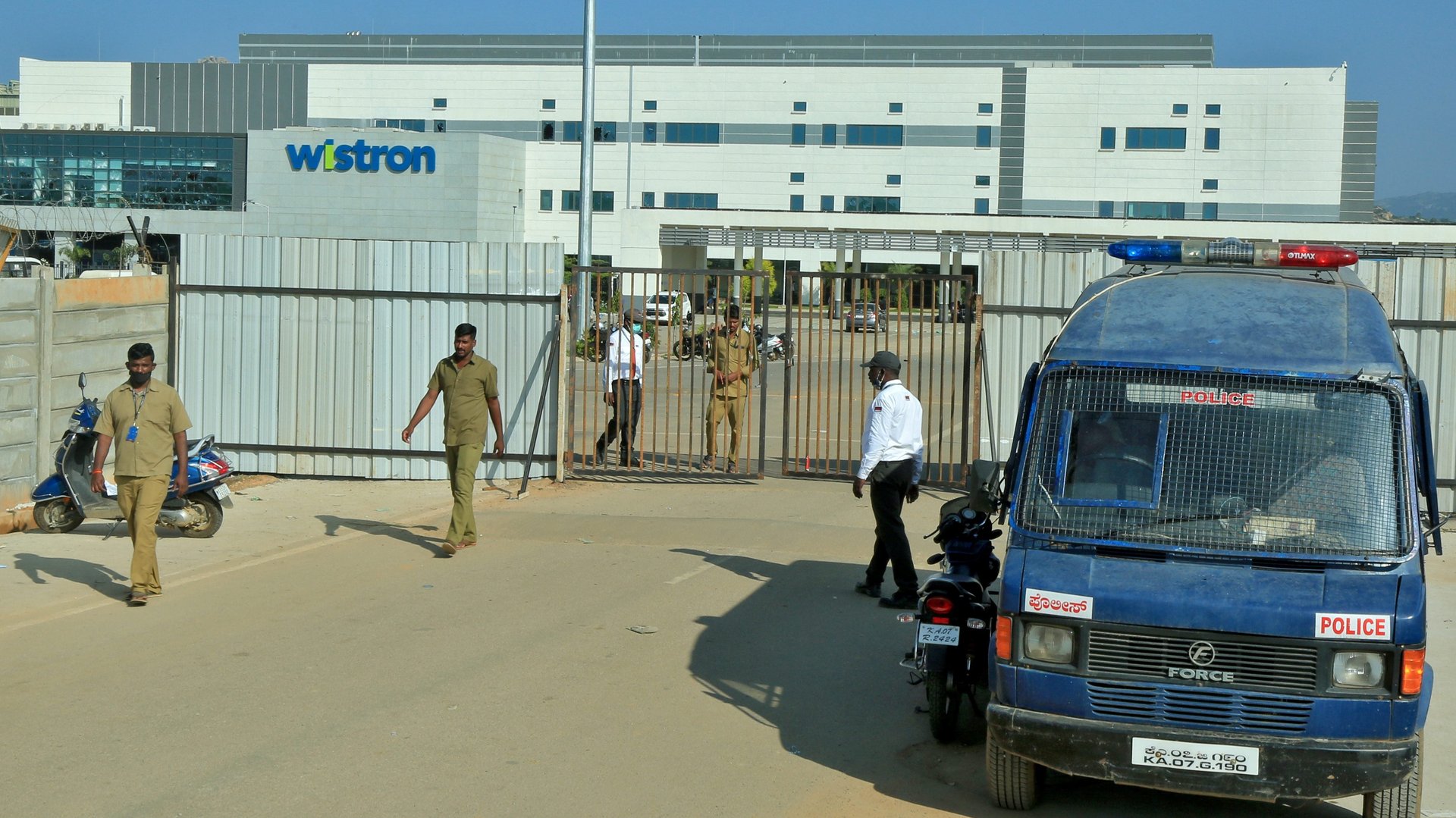
Over the last six years, Indian prime minister Narendra Modi has put in much effort to woo global manufacturers to set shop in the country. From giving tax incentives to promising lower red tape and even freeing up industrial land “twice the size of Luxembourg,” the Modi government has made the “Make in India” initiative a cornerstone of its policymaking. In 2020, the initiative gained even more momentum as India tried to position itself as an alternative to China amid a growing global scepticism against the country due to the coronavirus pandemic.
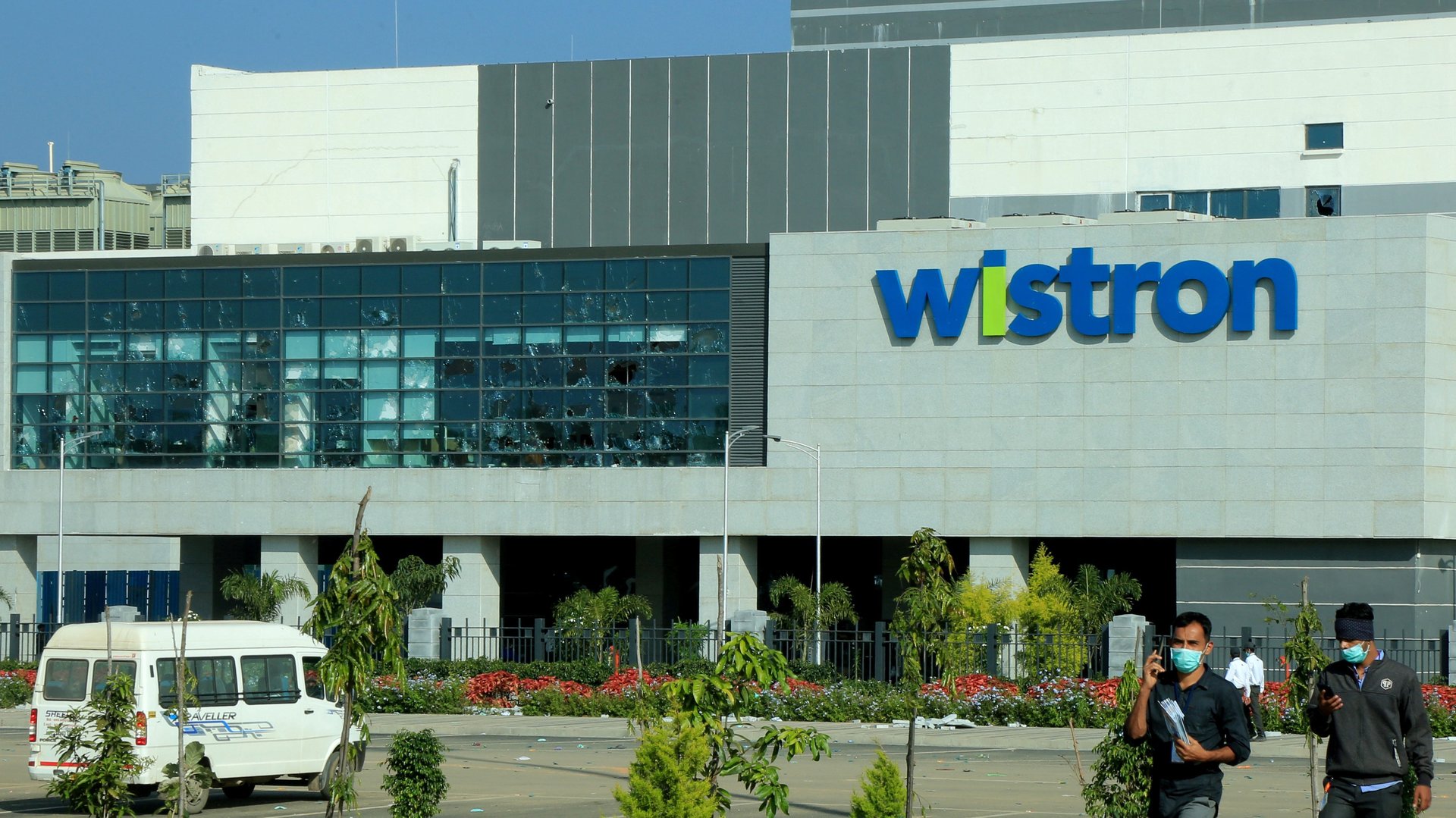
On the night of Dec. 12, as 2,000 workers from the night shift at Wistron facility on the outskirts of India’s IT hub Bengaluru were leaving the building, violence broke out. They ransacked offices of senior executives and looted thousands of iPhones and laptops, resulting in $7 million worth of damage and several arrests.
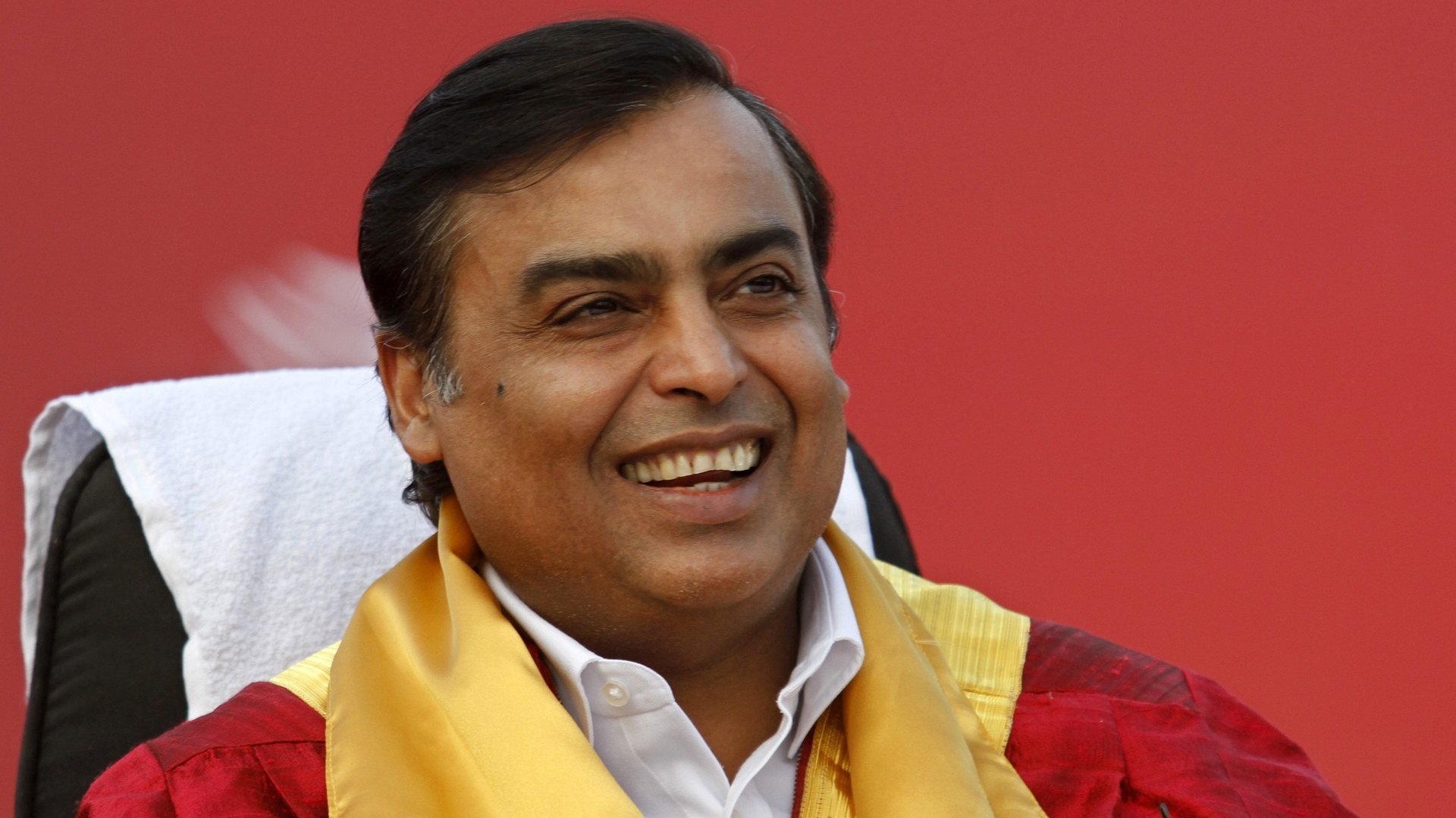
Finding opportunity amid the coronavirus outbreak has been easier said than done for most—but for Indian juggernaut Reliance Industries (RIL), it really has been the case.
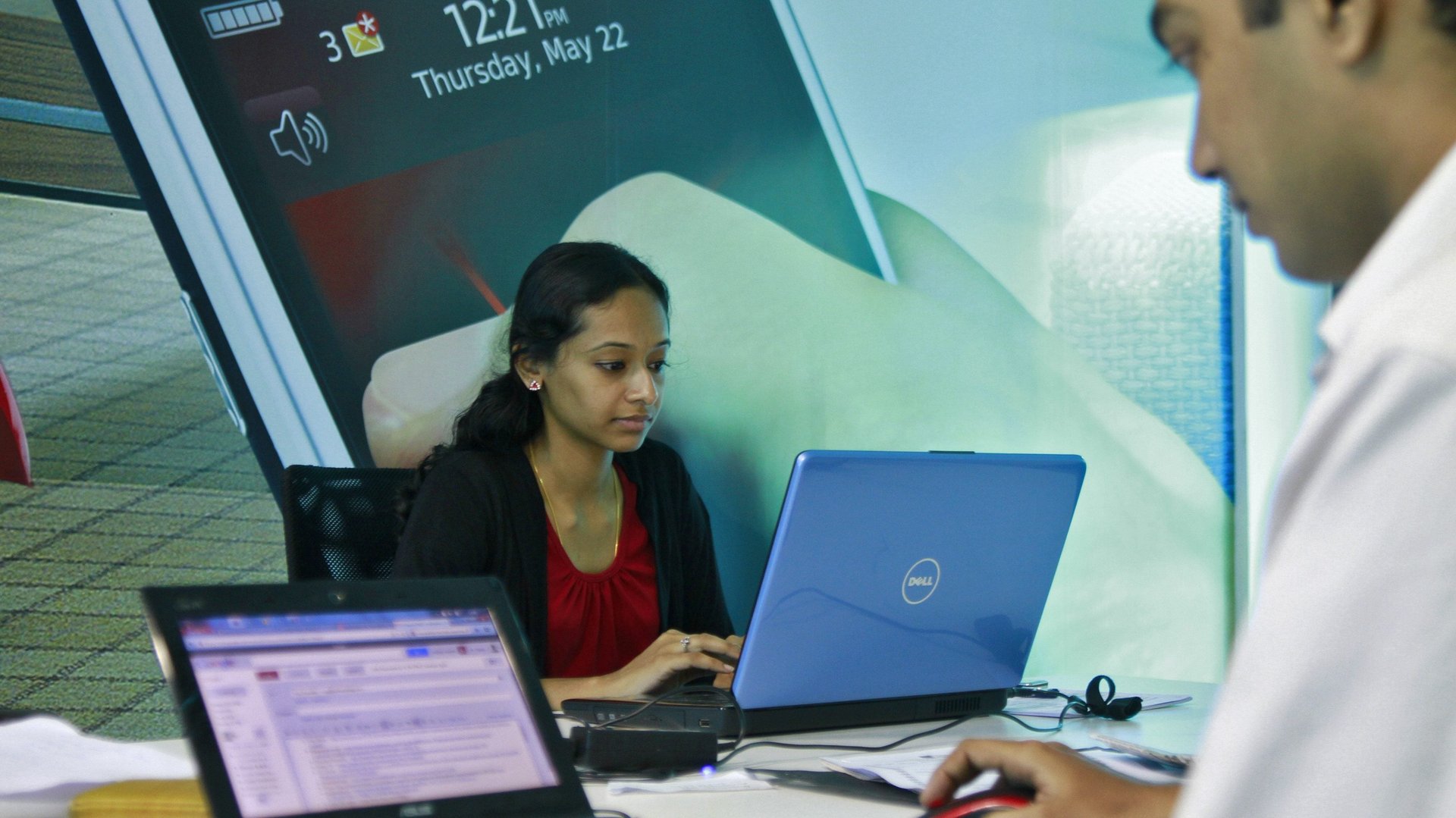
The leadership at India’s elite startups is mostly a boys’ club.

The first two weeks of India’s Covid-19 lockdown in March came as a welcome break for Khushi Kaushal Shah. Until that point, the 17-year-old professional speed skater had been training non-stop.
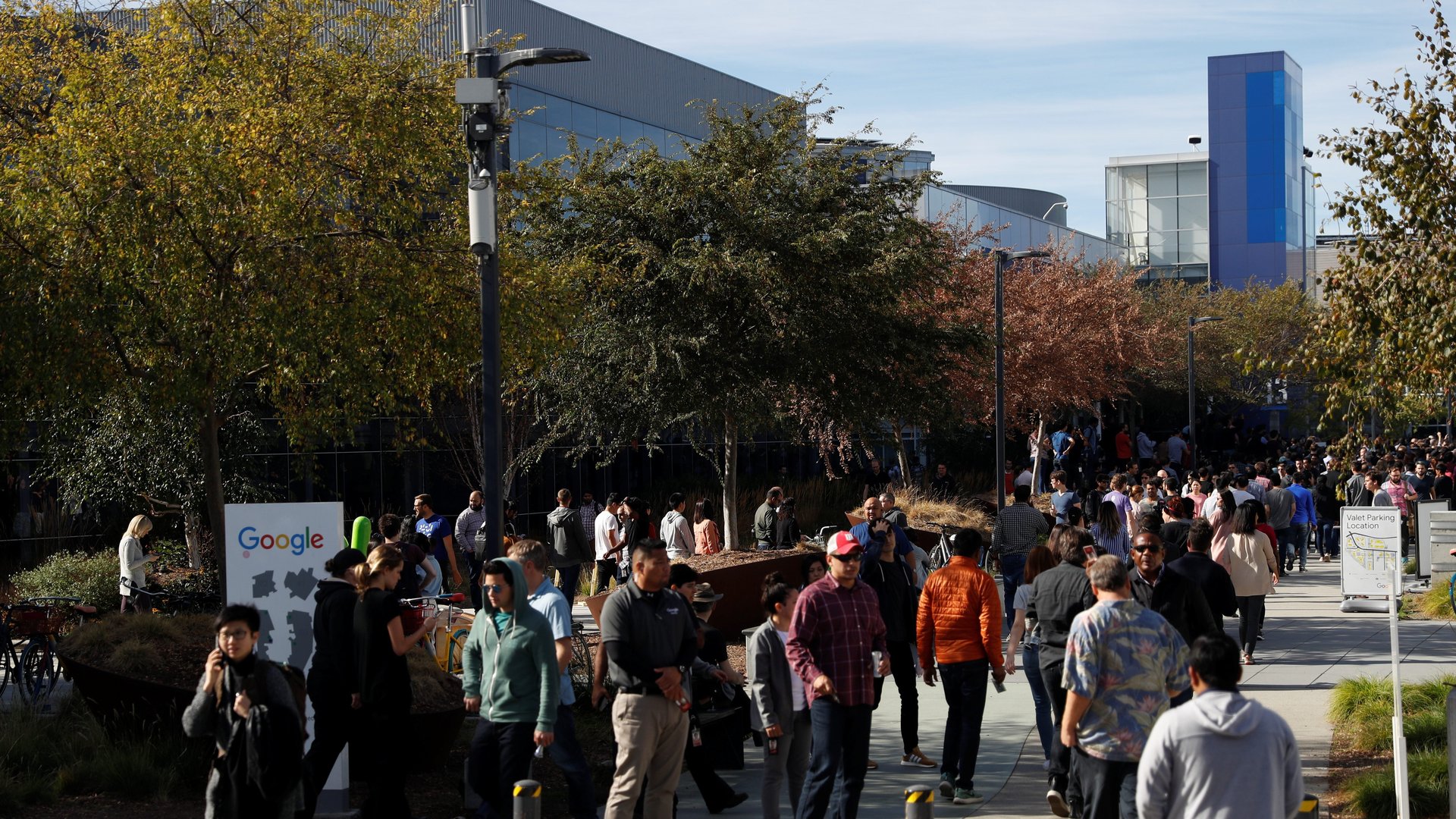
If Donald Trump’s loss in elections was not enough, H-1B visa holders have a direct reason to rejoice now.

A two-year-old Indian ed-tech startup that has lately become controversy’s favourite child, has a backstory that could put many a venture to shame.
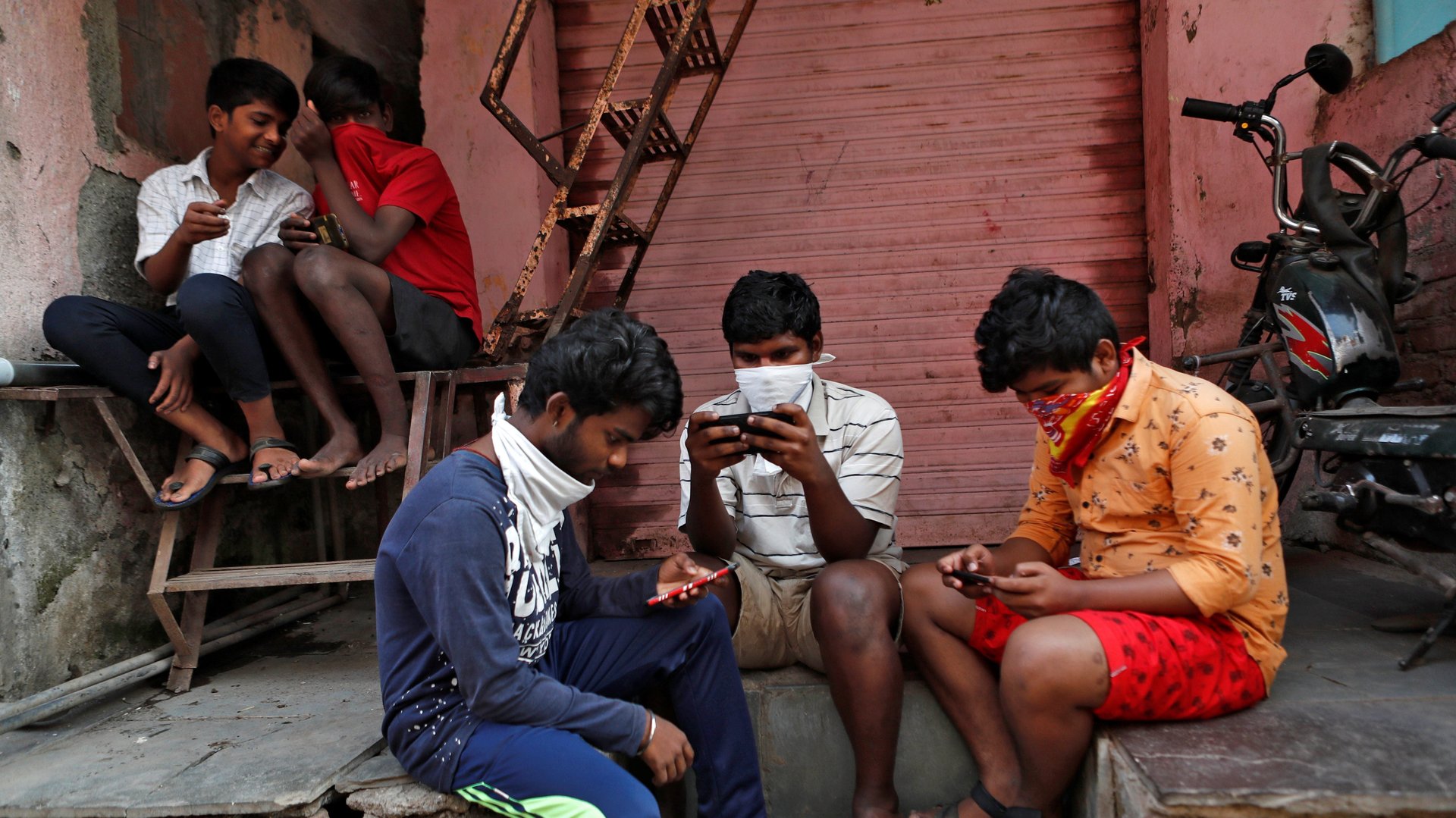
Stuck at home due to the Covid-19 pandemic, Indians are flocking to online gaming in a massive way.
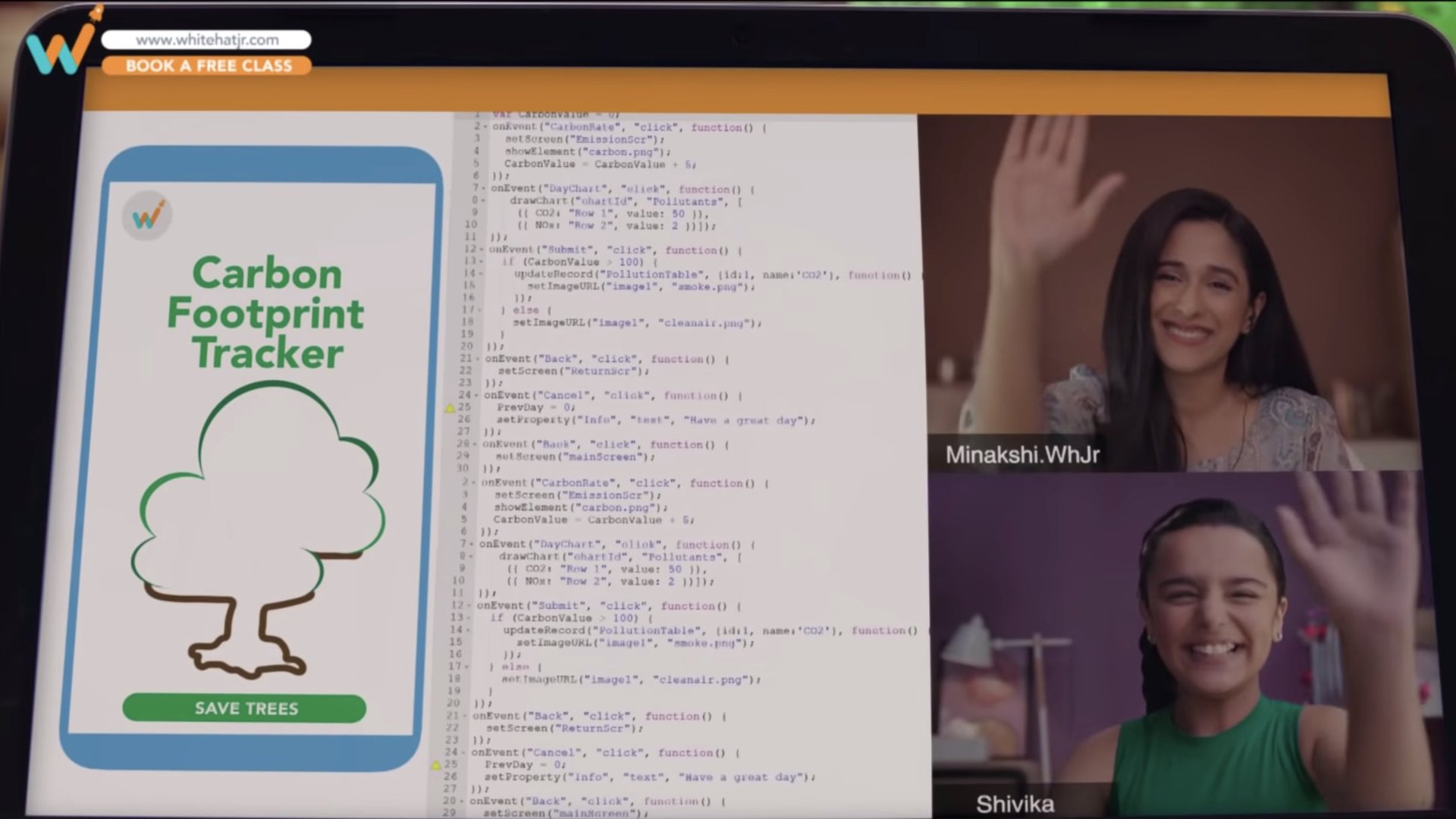
Earlier this year, when most Indian businesses were struggling to cope with the slowdown caused by the Covid-19 pandemic, India’s largest ed-tech startup impressed many by spending a small fortune on an acquisition that would add a new vertical to its already robust business. But just three months later, the prized buyout is quickly becoming a pain point that could have lasting damage on its new parent.
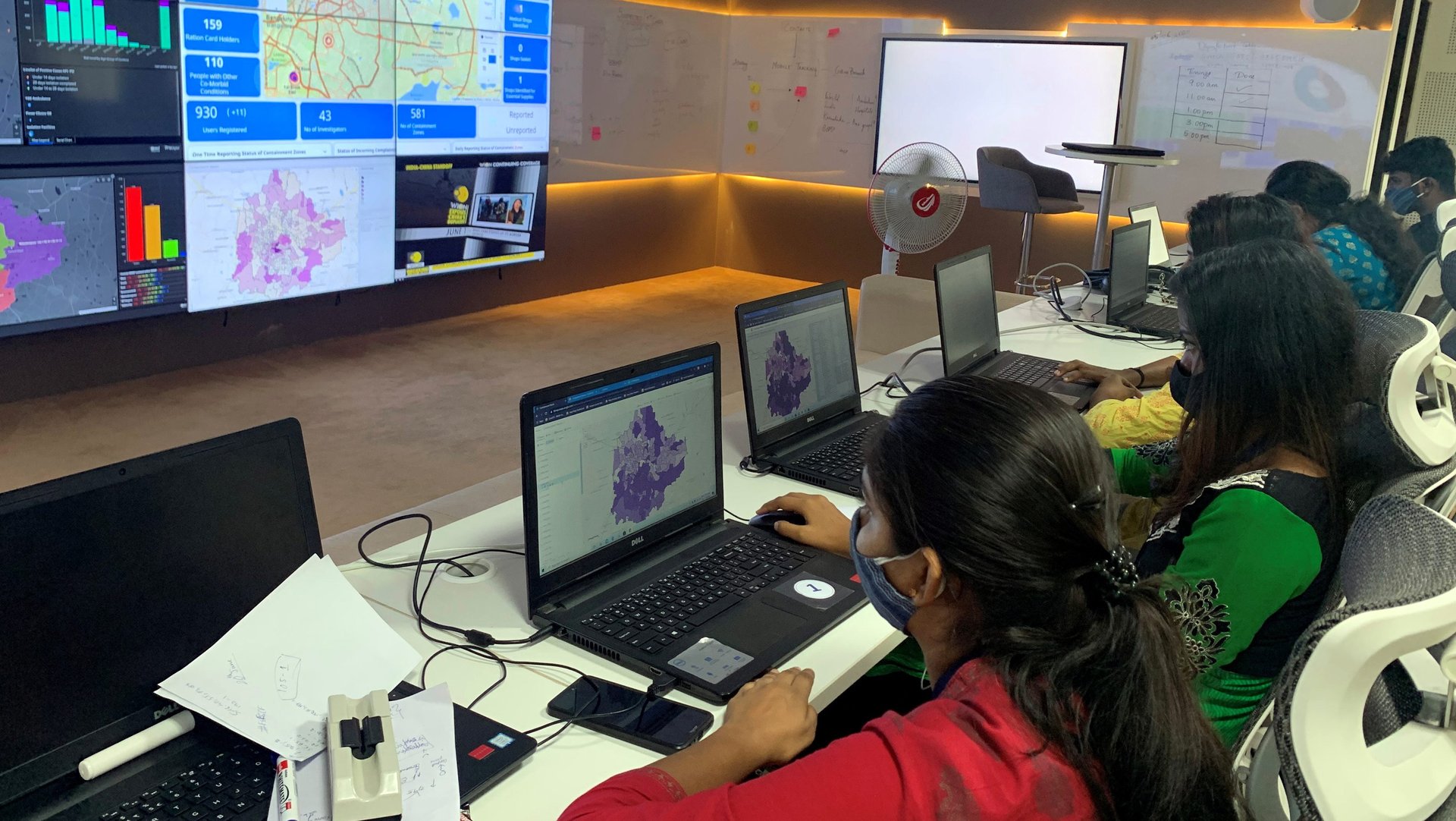
The Covid-19 pandemic has been a blessing in disguise for the Indian IT industry.
A high profile exit at Facebook last month has created an opening for what might be the trickiest job role in India right now.
India’s largest IT services firm is making an acquisition at a price that isn’t enough to even buy a Starbucks coffee.
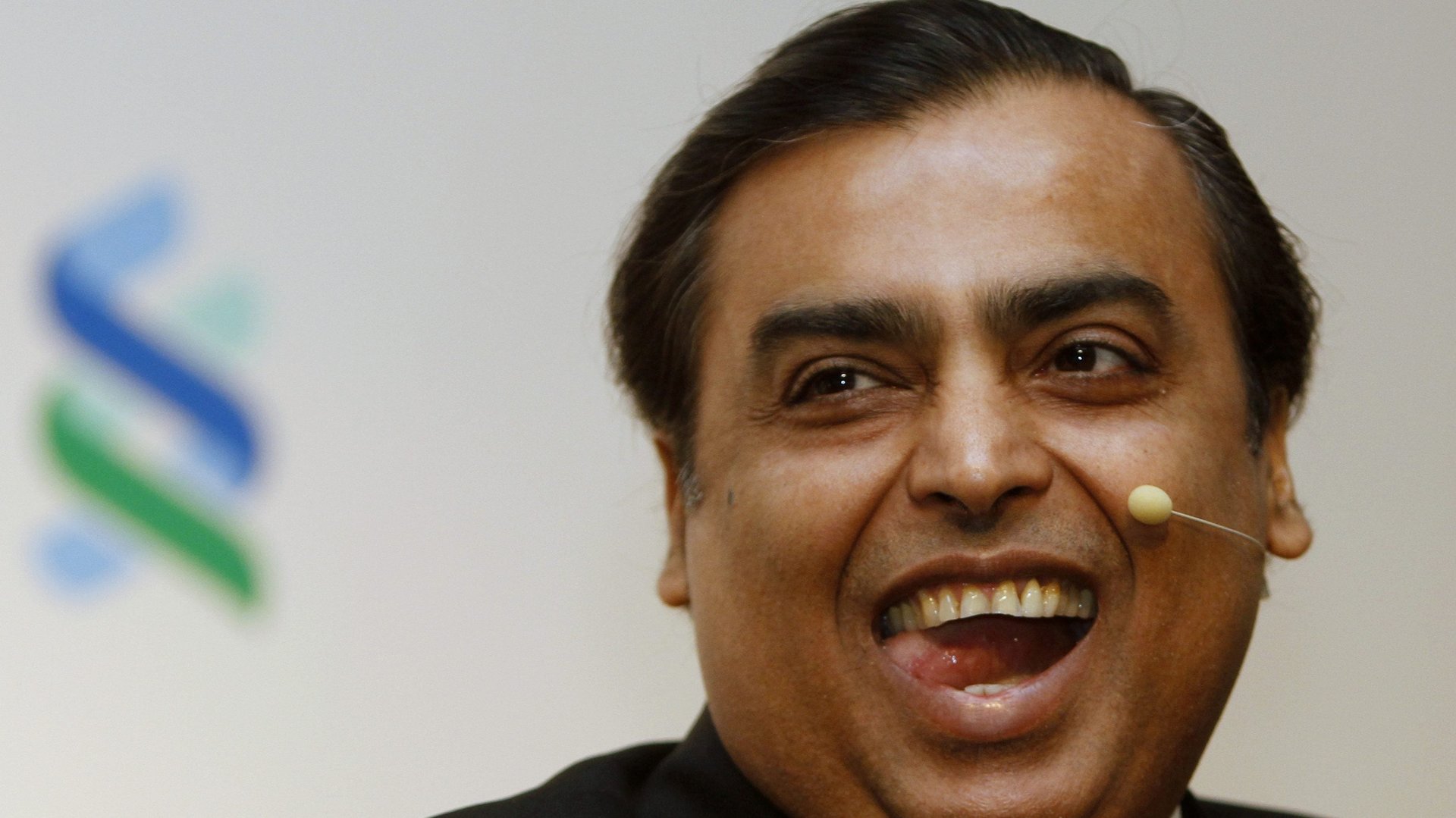
The $100 billion Softbank Vision Fund (SVF) chose to opt-out of investing in Mukesh Ambani’s new tech arm Jio Platforms and retail business Reliance Retail because it didn’t believe the two firms would meet its expectations, SVF’s CEO Rajeev Misra has told Business Today.
India has managed to navigate the risk of a potential monopoly by restricting WhatsApp’s newly launched digital payments feature. And this may become a hurdle for the Facebook-owned company across the world.
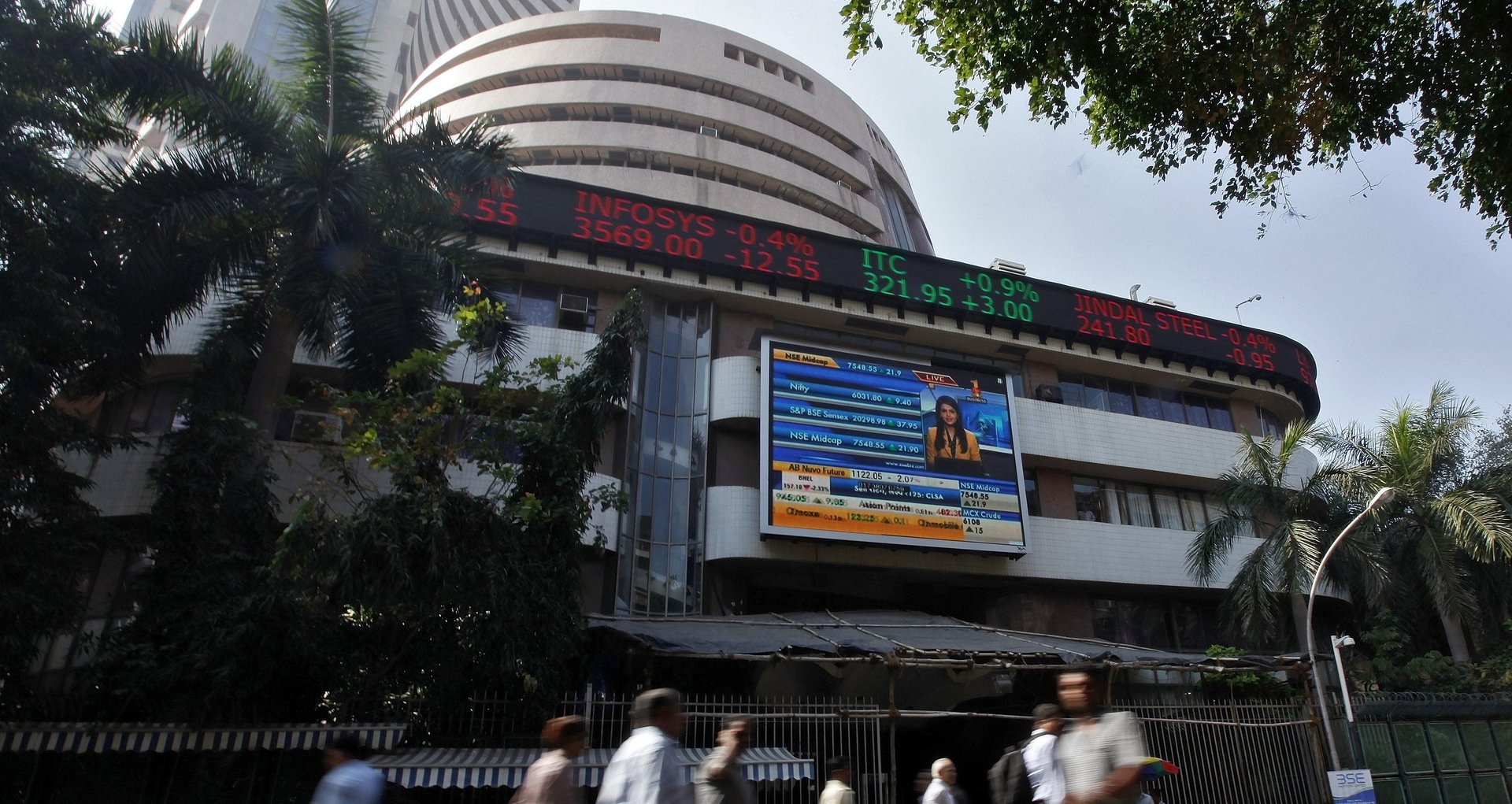
Indian IT companies have a reason to celebrate—and their investors are not holding back.

Even as the world awaits the results of the US presidential elections, Indian-Americans have some reason to celebrate.
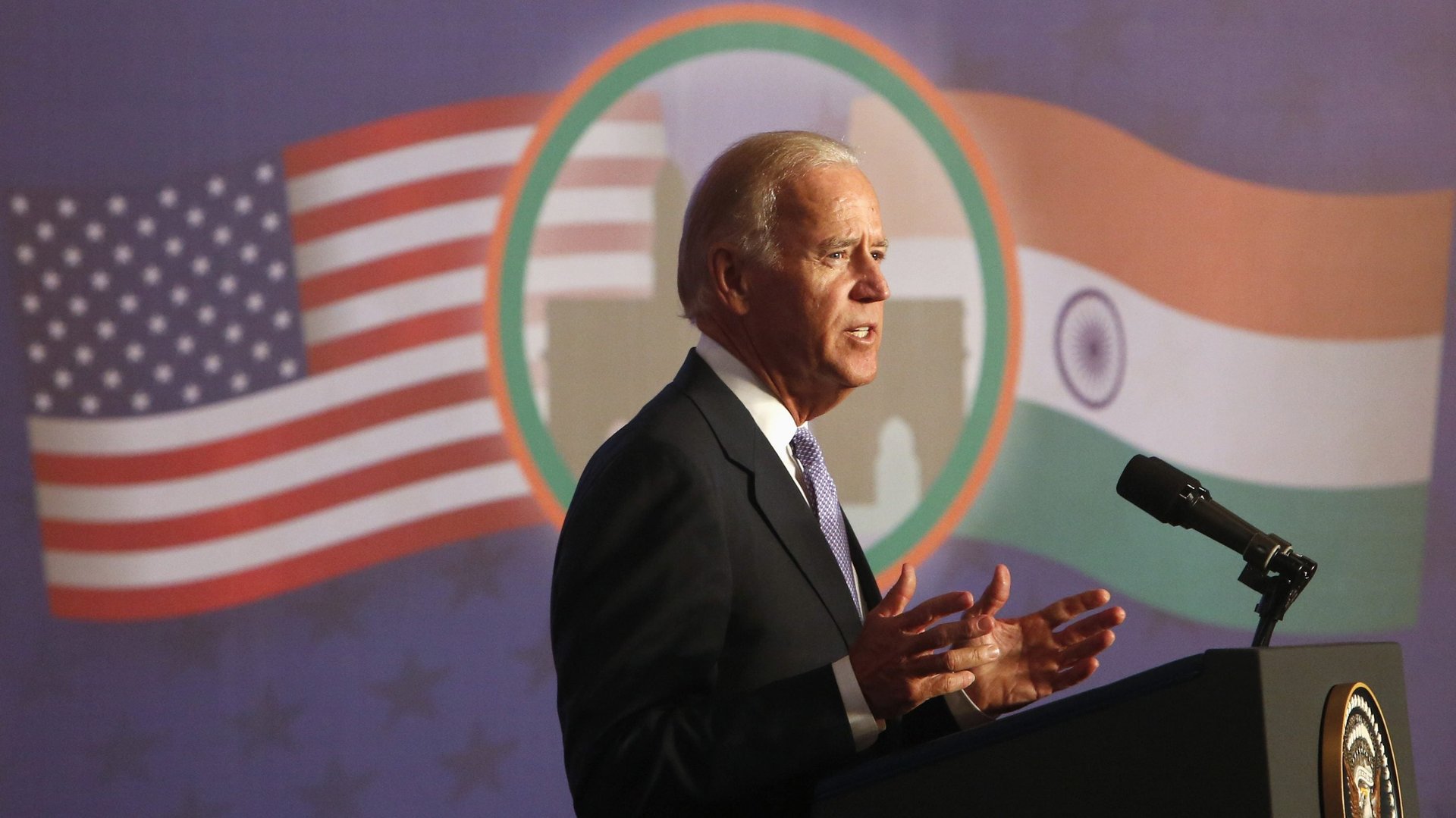
US president-elect Joe Biden is on track to become the first presidential candidate to raise $1 billion (Rs7,460 crore) from donors in a single election cycle and a bunch of Indian-Americans may have played an important role in helping him get here.
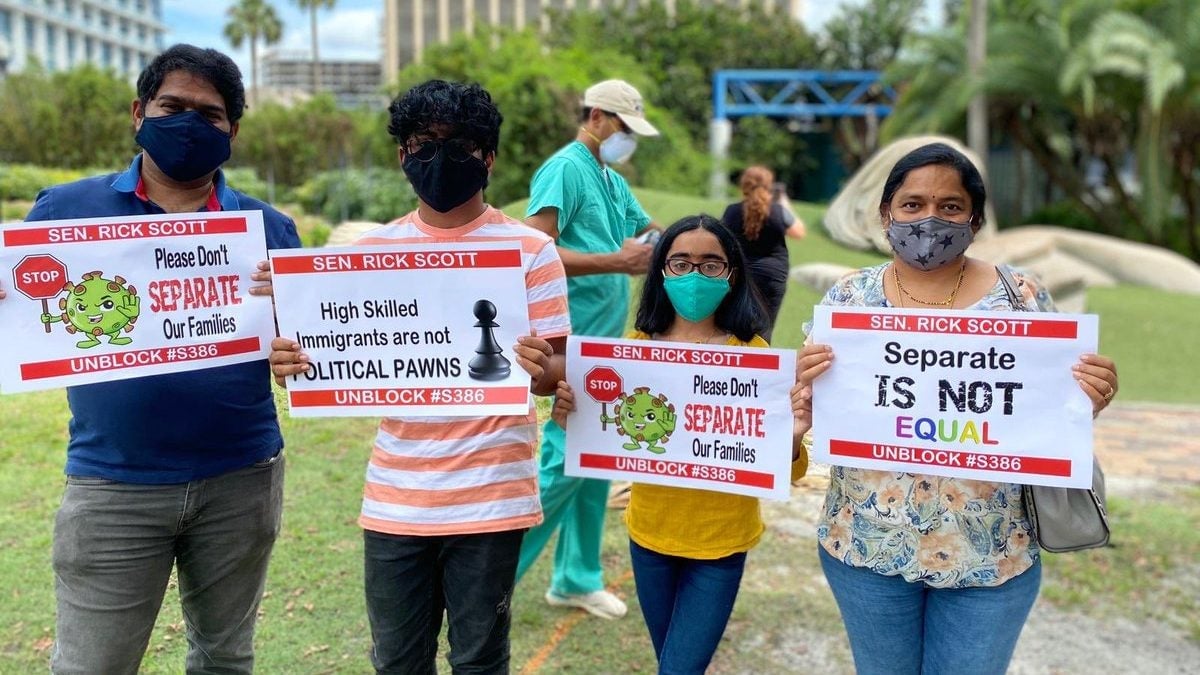
In 2013, Kadambari Nathu and her husband bought a two-bedroom home in Seattle, where they planned to settle down for good. Her husband was a software engineer on an H-1B visa and she was a mental health practitioner on a dependent visa.

The Trump administration’s four-year campaign against the H-1B visa, designed for workers with special skills, has undermined foreign nationals’ sense of security and hurt the US economy. But America’s loss could be India’s gain.

Devotees believe a visit to a 500-year-old temple in India could be their ticket to America.