
Tech & Innovation
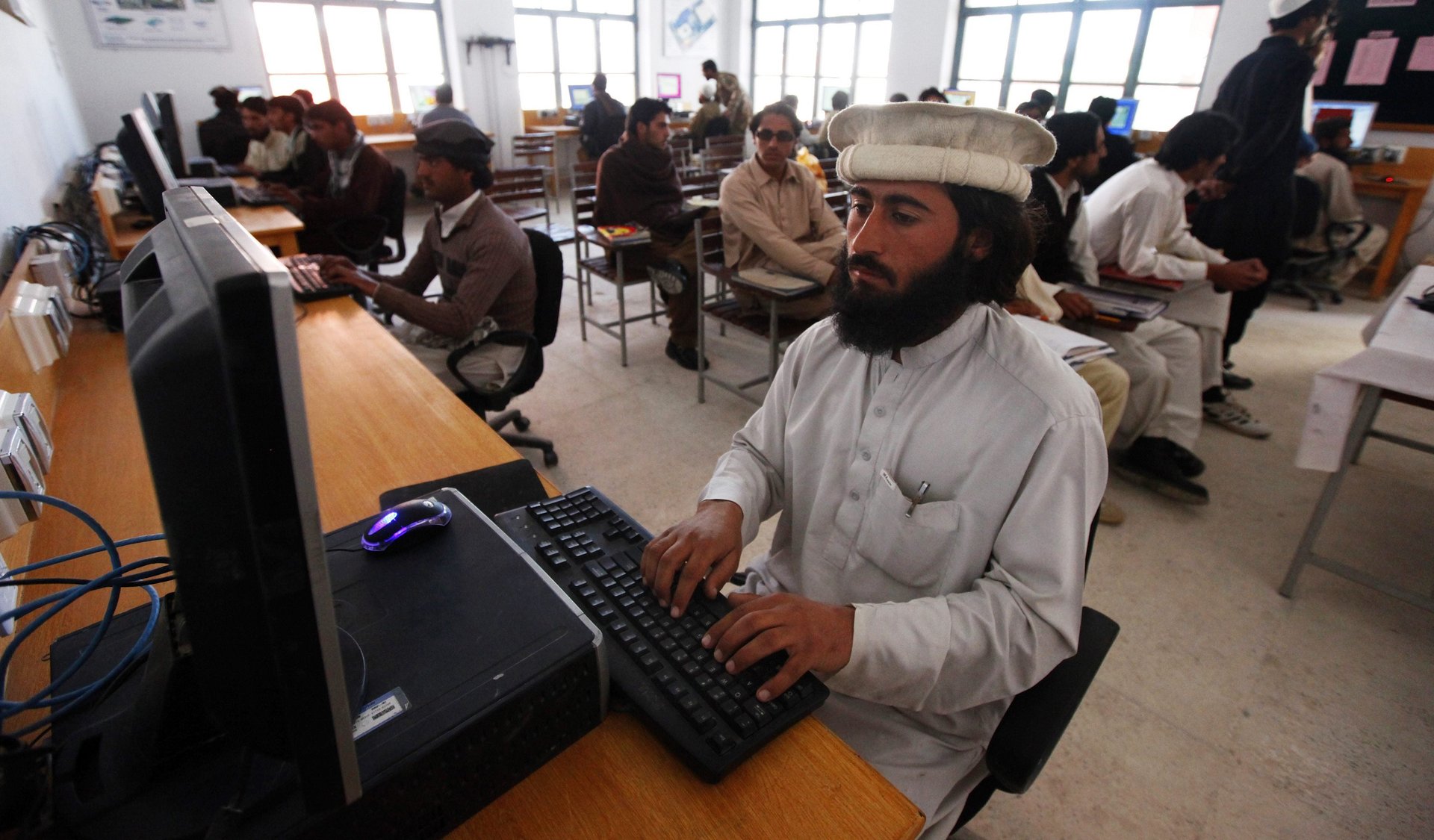
In a restive corner of Pakistan, a Kenyan startup will teach thousands of young people to codeAn African startup is out to help thousands of young people in Pakistan’s northwest learn how to code.
Updated July 20, 20223 min read
An African startup is out to help thousands of young people in Pakistan’s northwest learn how to code.

India, known for its abysmal internet connectivity, is looking for a data upgrade.

Bollywood has been notorious for its mistreatment of woman characters—and now data proves it.
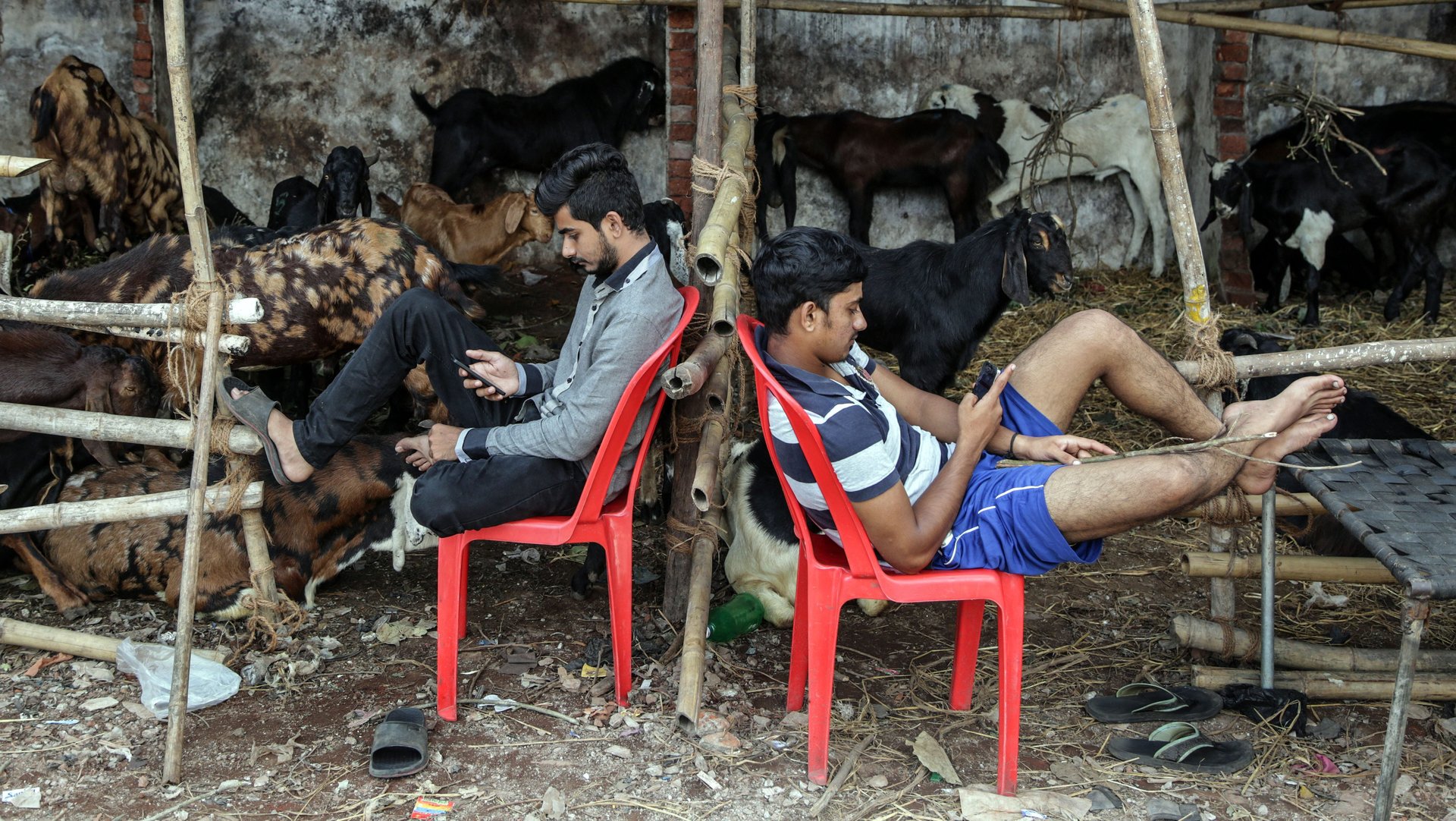
Sahil Qureshi operates out of a hole-in-the-wall shop amid bakeries and pharmacies in Santacruz, a western suburb of Mumbai. The 20-something is a self-taught expert in solving software-related glitches in Android phones. “Every day, I get between seven and eight calls for repairs,” Qureshi said, referring to the customers who reach him either through a Google search or by word-of-mouth recommendations.
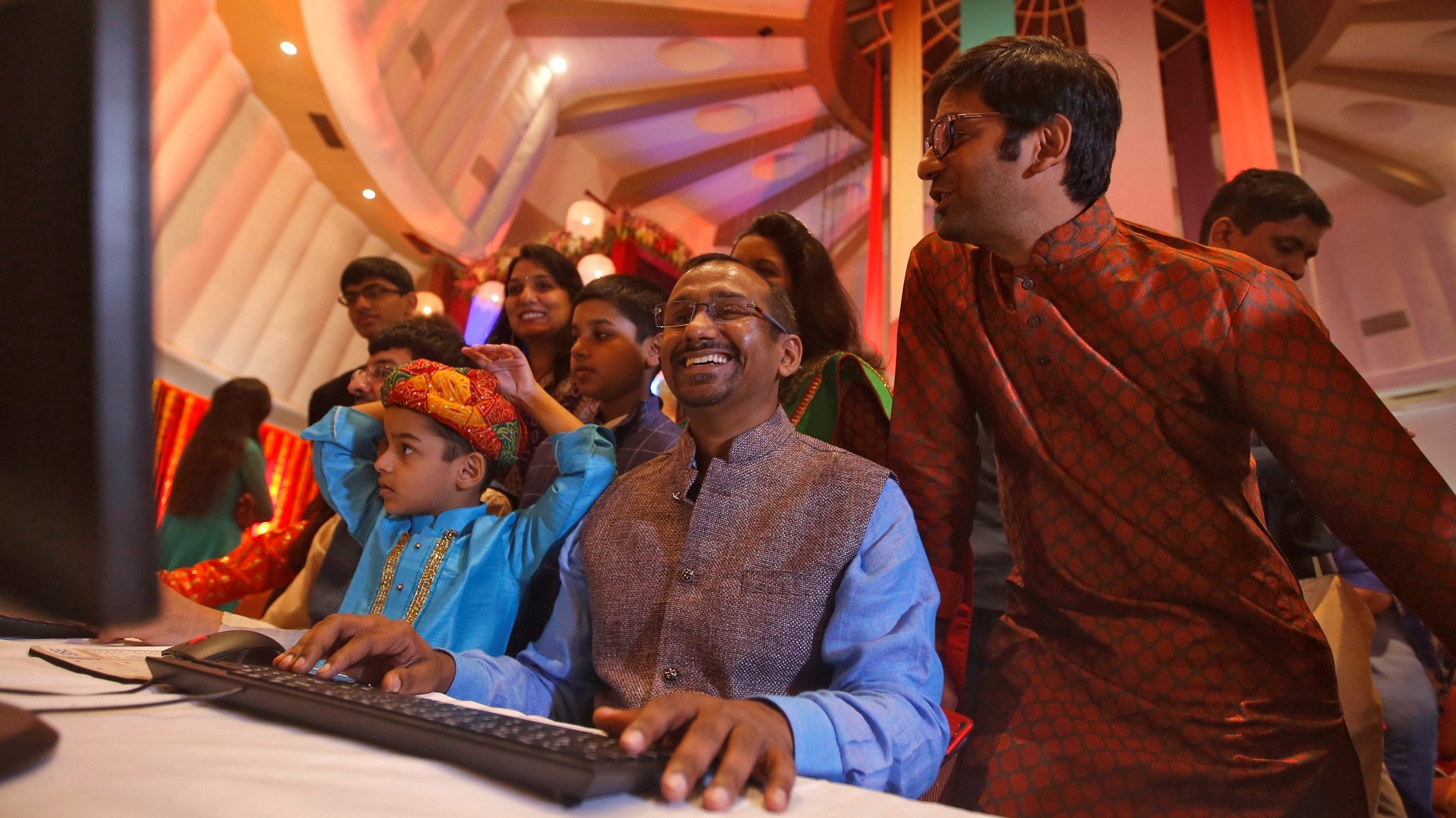
Along with pujas (religious ceremonies) and patakas (firecrackers), there’s one more thing that Diwali revelers dig big time: gambling.

In just the last one month, Amazon has made several seemingly small moves in India that could go a long way in helping the Seattle-headquartered company sink its teeth deeper into the country.

After a funds-parched 2016, India’s new-age tech companies seem to have hit the gas again this year.

Ola has just landed some serious firepower to take on Uber in one of Asia’s most closely fought ride-hailing markets.
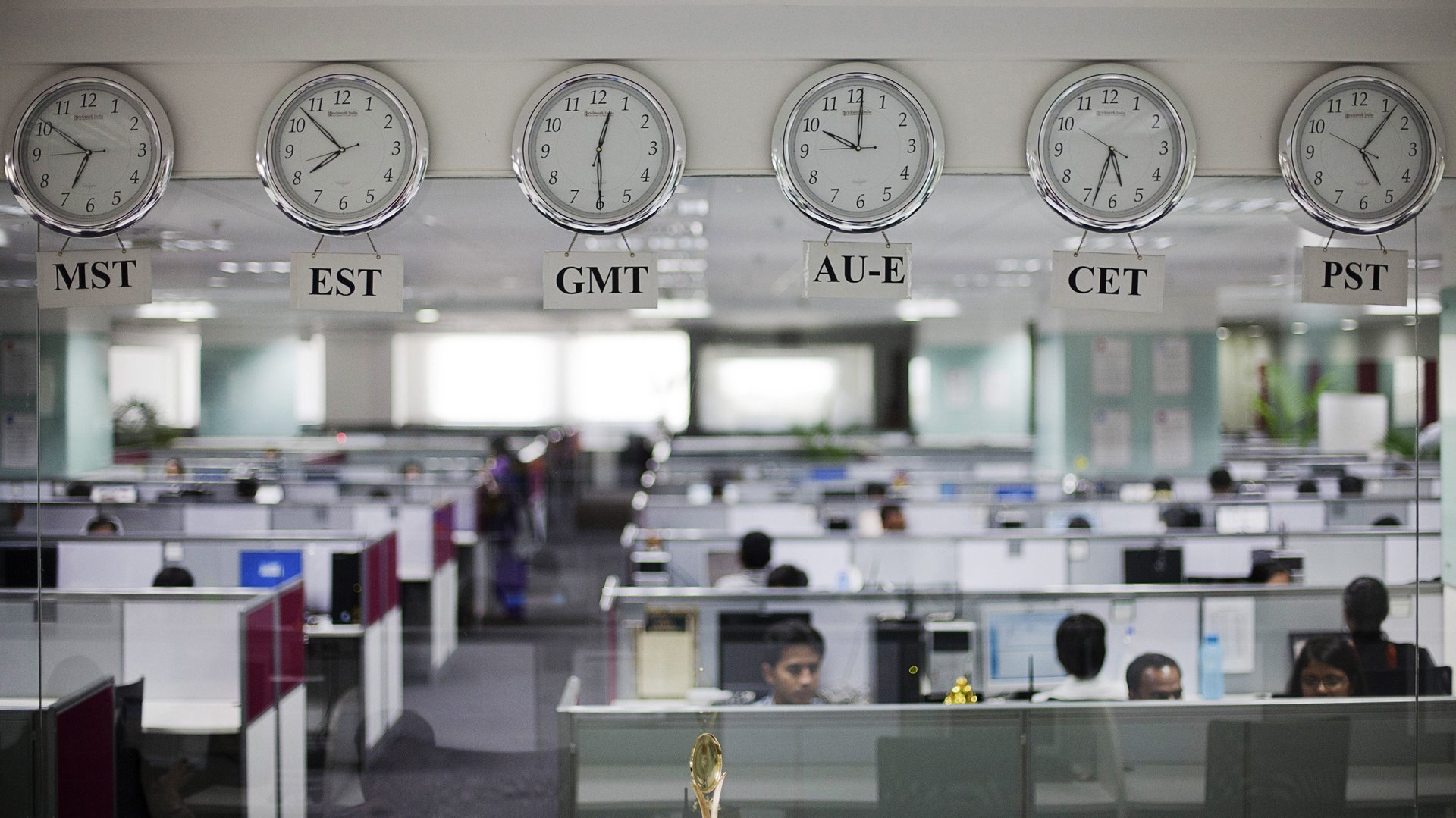
Once a powerhouse of job creation, India’s IT sector has slammed the brakes on hiring in recent months, even as newer industries like e-commerce and food technology increase recruitment.
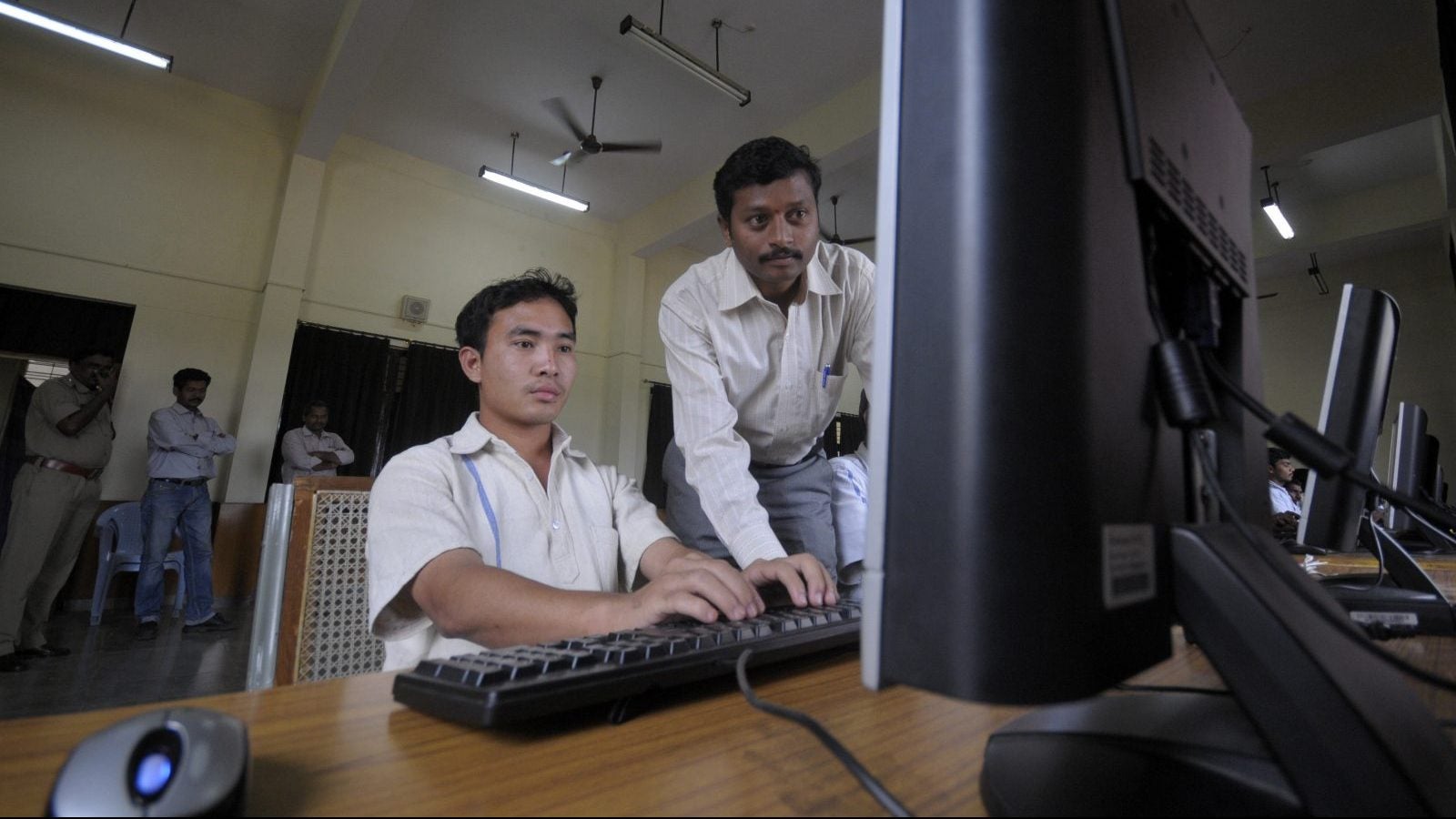
A new, parallel skilling ecosystem is evolving in India to feed the starving $150 billion IT sector.

There has been a boom in India’s e-wallets industry lately, but most such apps—and thereby, their users—have been siloed. Due to a lack of interoperability, users of one wallet app can transact only with those who use the same app. So they are left in a fix as they need to maintain separate wallets for separate services.

Asian countries are surging ahead in innovation and India’s struggling to keep pace.

Outdated technology is hamstringing Indian companies.

One of the recent global fads now has a new avatar.
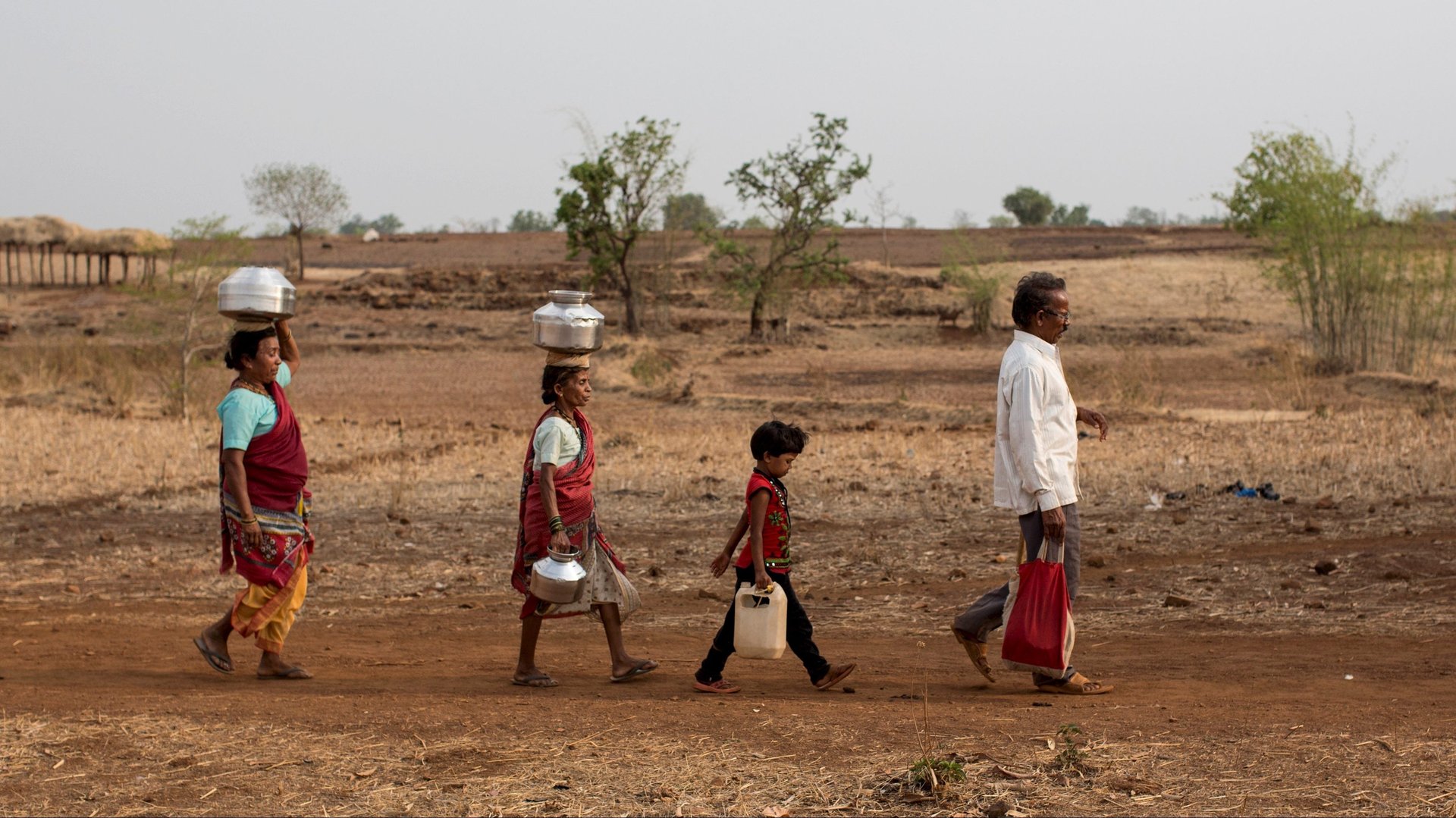
A leadership crunch is crippling India’s non-government (NGO) sector.

Indian companies are gradually moving towards younger leaders.

Indian hotel brand OYO is tapping the short-term home-rental model of US-based Airbnb—but with a twist that could either make the experiment a big success or a massive failure.

After his father suffered a heart attack last year, 16-year old Ayan Saha had to quickly look for a job to support his family. Living below the poverty line in the state of West Bengal, he didn’t have the three-to-four years required to pursue a college degree. As he had some knowledge of Java from his government-school education, he sought opportunities in the field of technology.

India’s lively startup scene may be teeming with “soonicorns”—soon to be unicorns (private billion-dollar startups)—but the non-profit sector has almost completely missed the boom.

India is way ahead of many other countries in implementing artificial intelligence (AI).
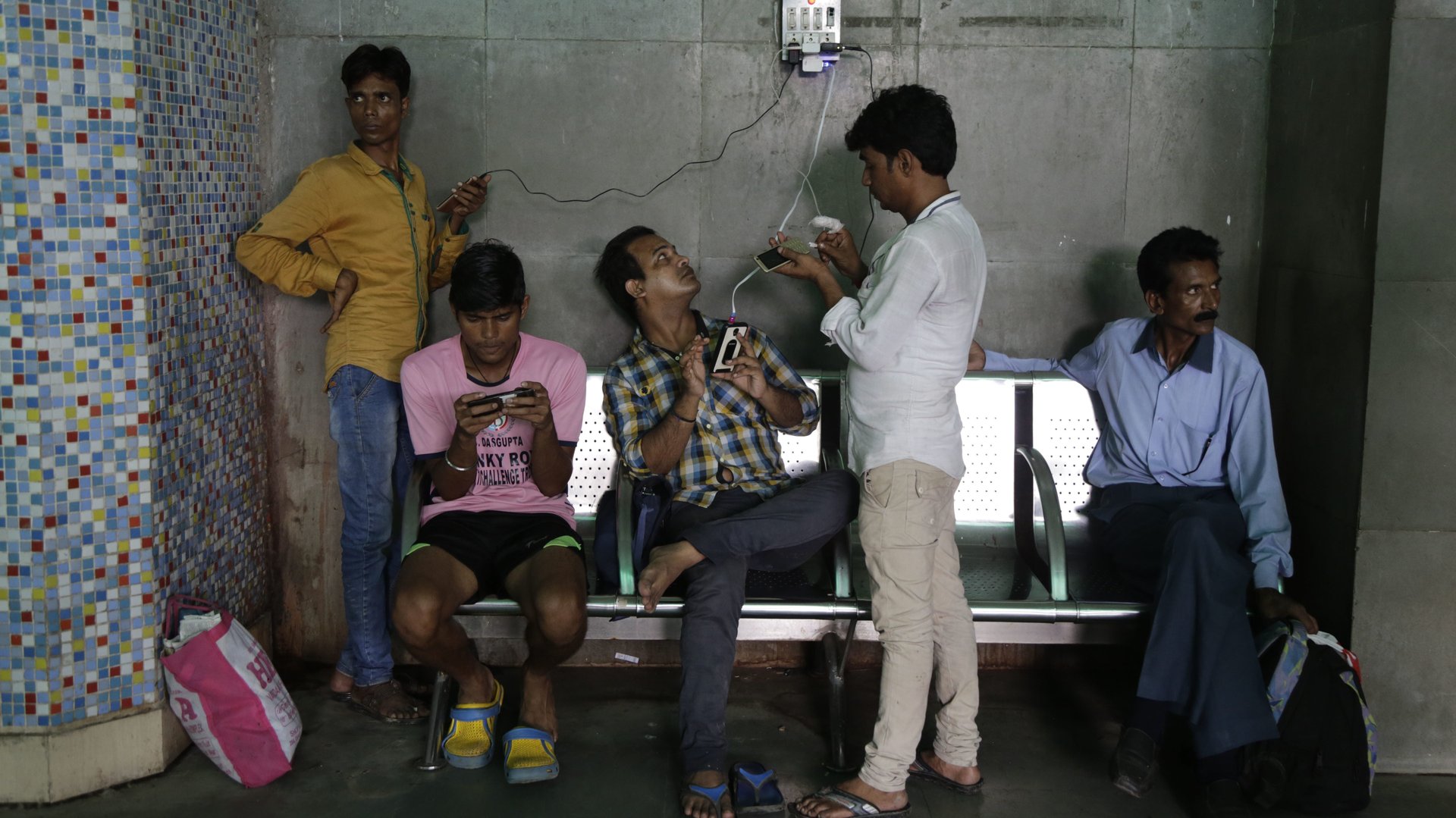
It is exhaustively slow or exceptionally expensive, but Indians love their internet.

The casualties of automation are on the rise, but it’s not bad news for everyone.

In Pakistan, qualified woman doctors are plenty but you won’t find them in clinics and hospitals.

Aarti is the quintessential Hindu religious ritual. Automation, for some time now, has given many Indians sleepless nights. So a coming together of these two says a lot about the world we live in.