
Money & Markets
Meet the women powering India’s #MeToo movementOver the past week, #MeToo has outed some powerful men in the Indian media and entertainment industry over alleged sexual assault and harassment.
Updated July 20, 20224 min read
Over the past week, #MeToo has outed some powerful men in the Indian media and entertainment industry over alleged sexual assault and harassment.
Editor’s note: This article was redacted on Oct. 17 pursuant to an order from the high court of Delhi.
India’s online political battles are increasingly being fought in its many native languages—not English.
Indian social media has become a ticking time bomb.
Update: Facebook has revealed that its engineering team has discovered a vulnerability in the site that attackers exploited to steal users’ access tokens and take control of almost 50 million accounts. Facebook detected the breach on Sept. 25, and subsequently reset the access tokens of the affected accounts. It also did the same for another 40 million accounts, making it a total of 90 million—or 4% of Facebook’s total 2.23 billion monthly active users.
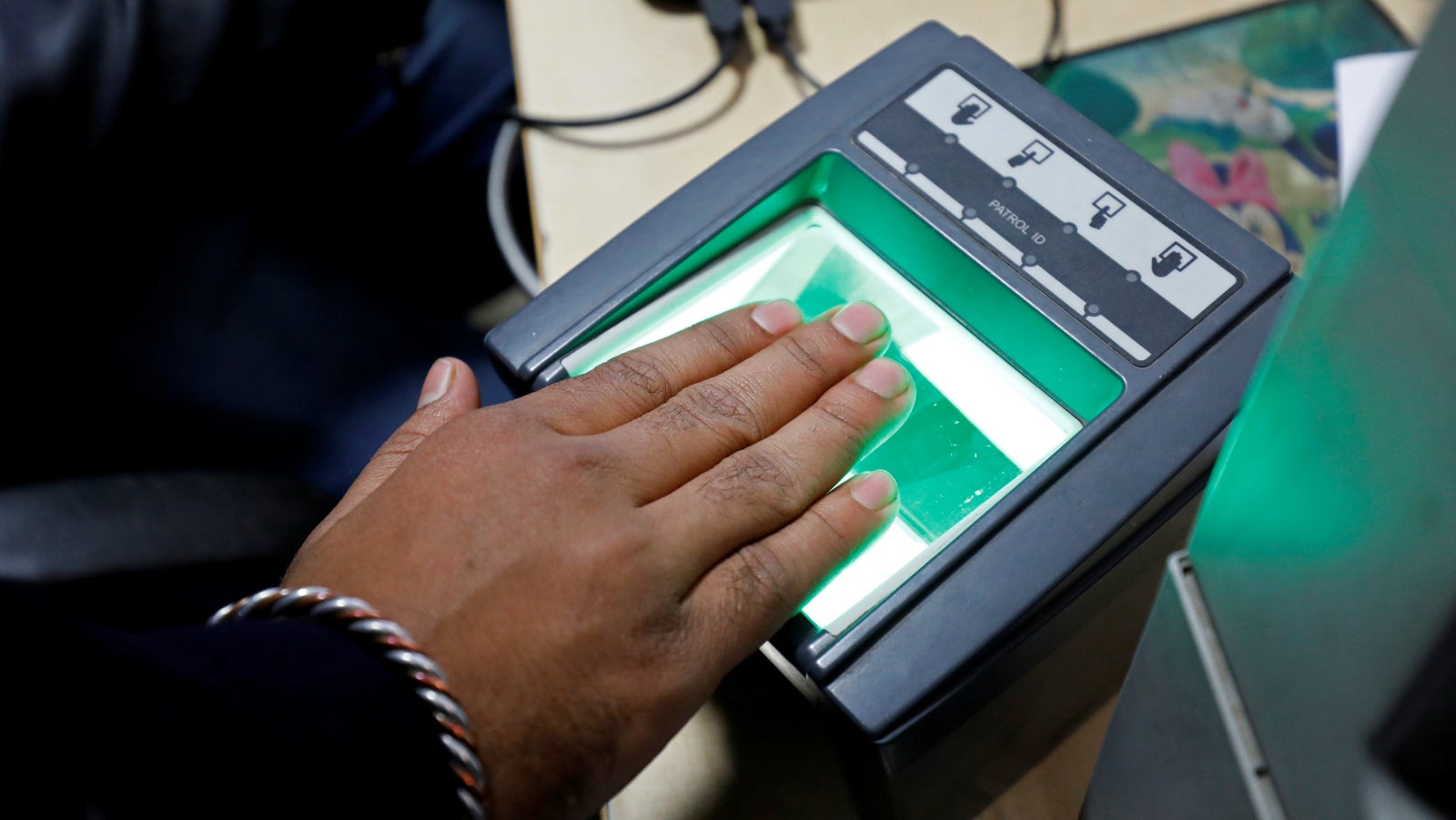
Many Indians who have an Aadhaar number are eager to break up with it, or at least minimise its presence in their digital lives. But that’s easier said than done.
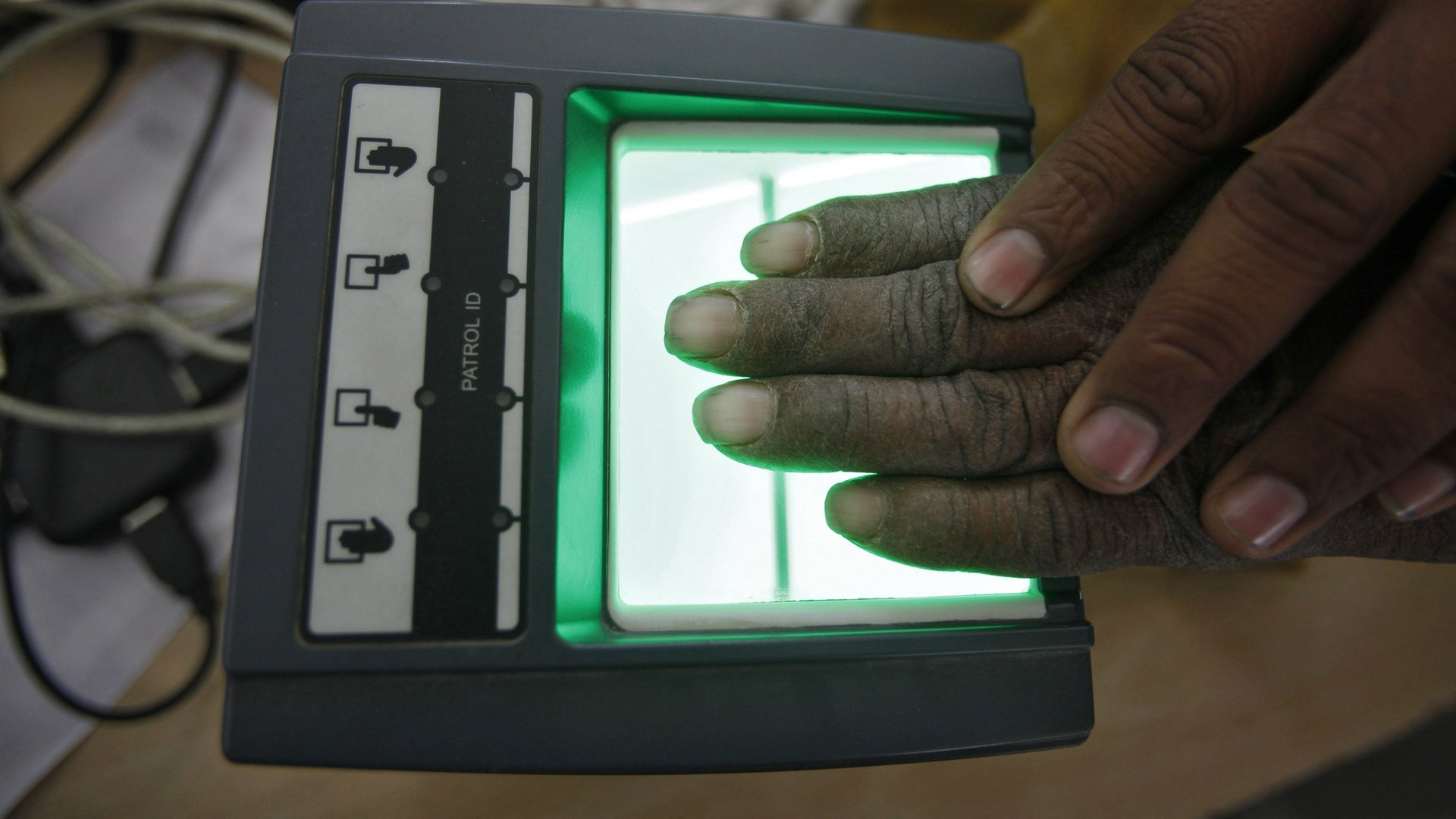
Aadhaar, the world’s largest biometric identity programme, is constitutionally valid, the supreme court of India ruled today (Sept. 26).
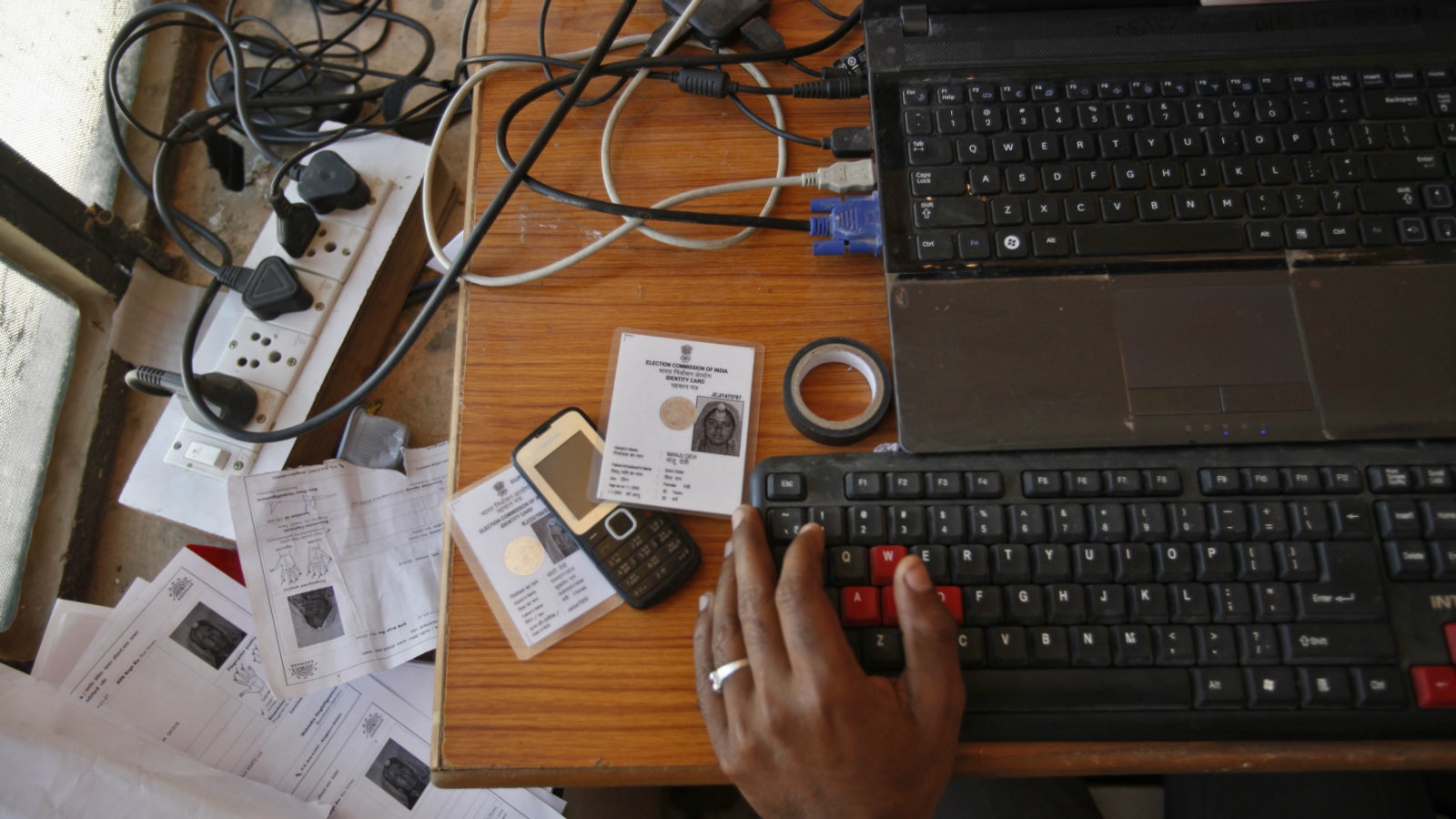
As the Indian supreme court releases its judgment on the world’s largest biometric identity programme tomorrow (Sept. 26), one widespread practice involving Aadhaar may specifically be addressed: its use as a photo identification card.
At long last, Facebook has landed its man in India.
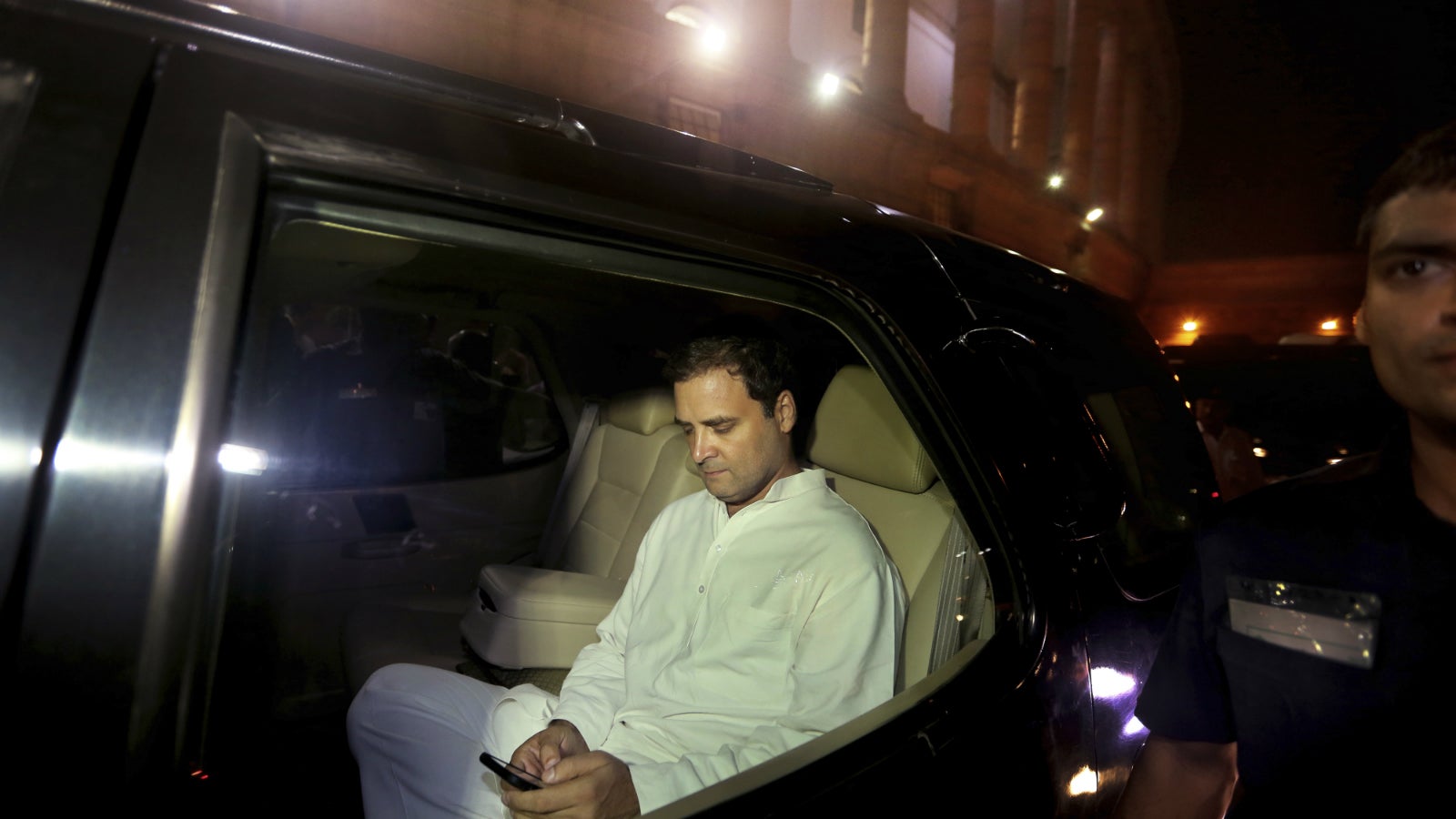
Rahul Gandhi is killing it on Twitter.
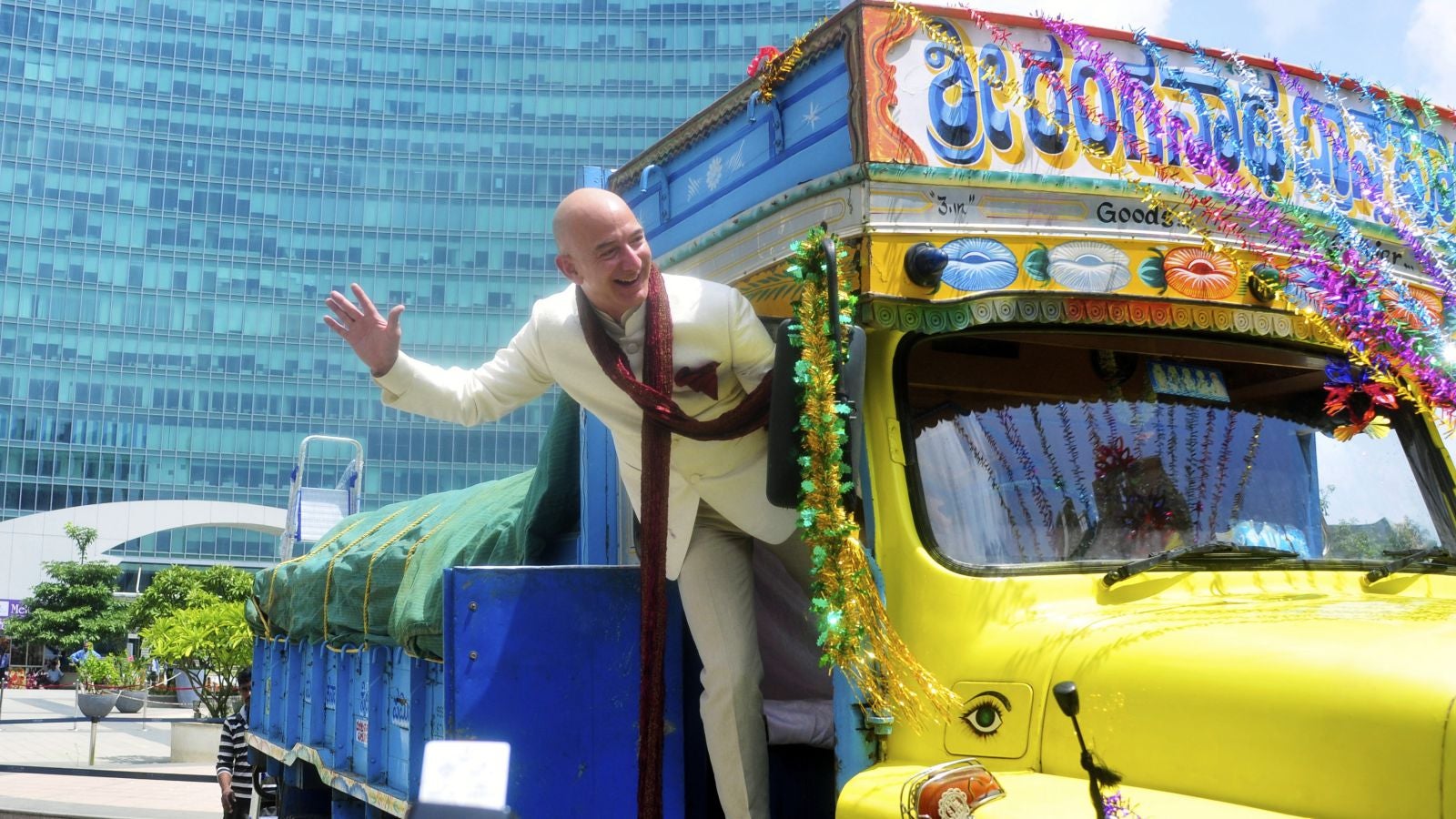
If clothes and mobile phones weren’t enough, there’s a new battleground in India’s e-commerce war: insurance.