

Tech & Innovation
Pokémon Go is coming to Japan, the ancestral homeland of PokémonGet ready for the Pokémon Go craze to go to the next level.
Updated July 21, 20221 min read
Get ready for the Pokémon Go craze to go to the next level.

When Yahoo CEO Marissa Mayer bought Tumblr for a cool $1 billion in 2013, she pledged ”not to screw it up.” Two years later, it’s become apparent that Yahoo has failed on that promise.

Today is supposed to be the final day of bidding for Yahoo’s core business. It also happens to be the day the beleaguered tech giant will report its earnings for the second quarter.

Facebook unveiled new stats on the diversity of its workforce this week (July 14), and they show change is painfully slow.
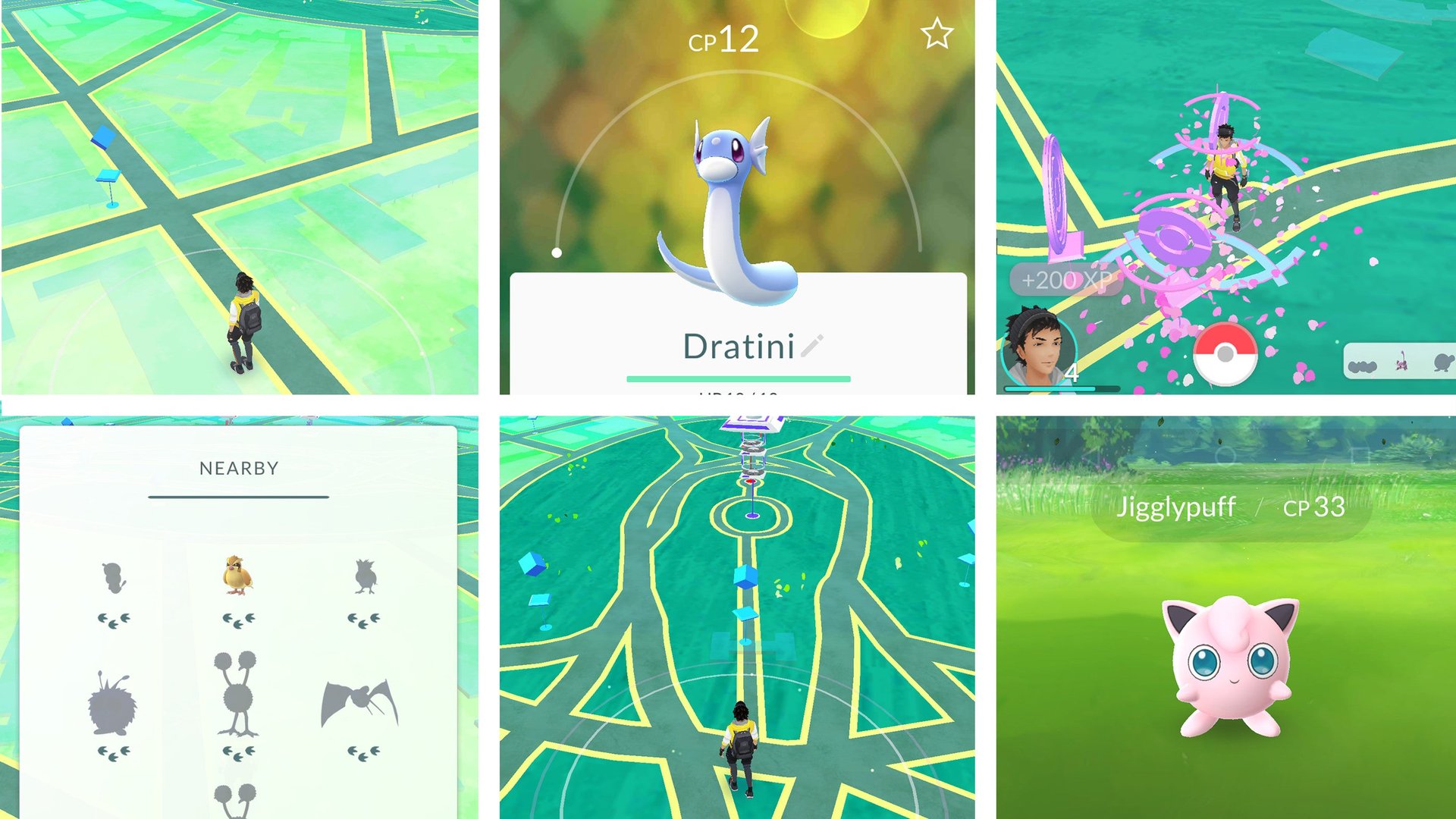
Pokémon are taking over the world.

A Bay Area firm is slowly chipping away at technology’s most exclusive boys’ club: the boardroom.

Nest is coming out with an outdoor surveillance camera, featuring a clever design it hopes will outsmart would-be burglars.

Since the release of Pokémon Go a week ago, it appears a generation of dormant Pokémon fans who grew up with the franchise have roused up like a Snorlax, reawakened with a quest to catch ’em all.
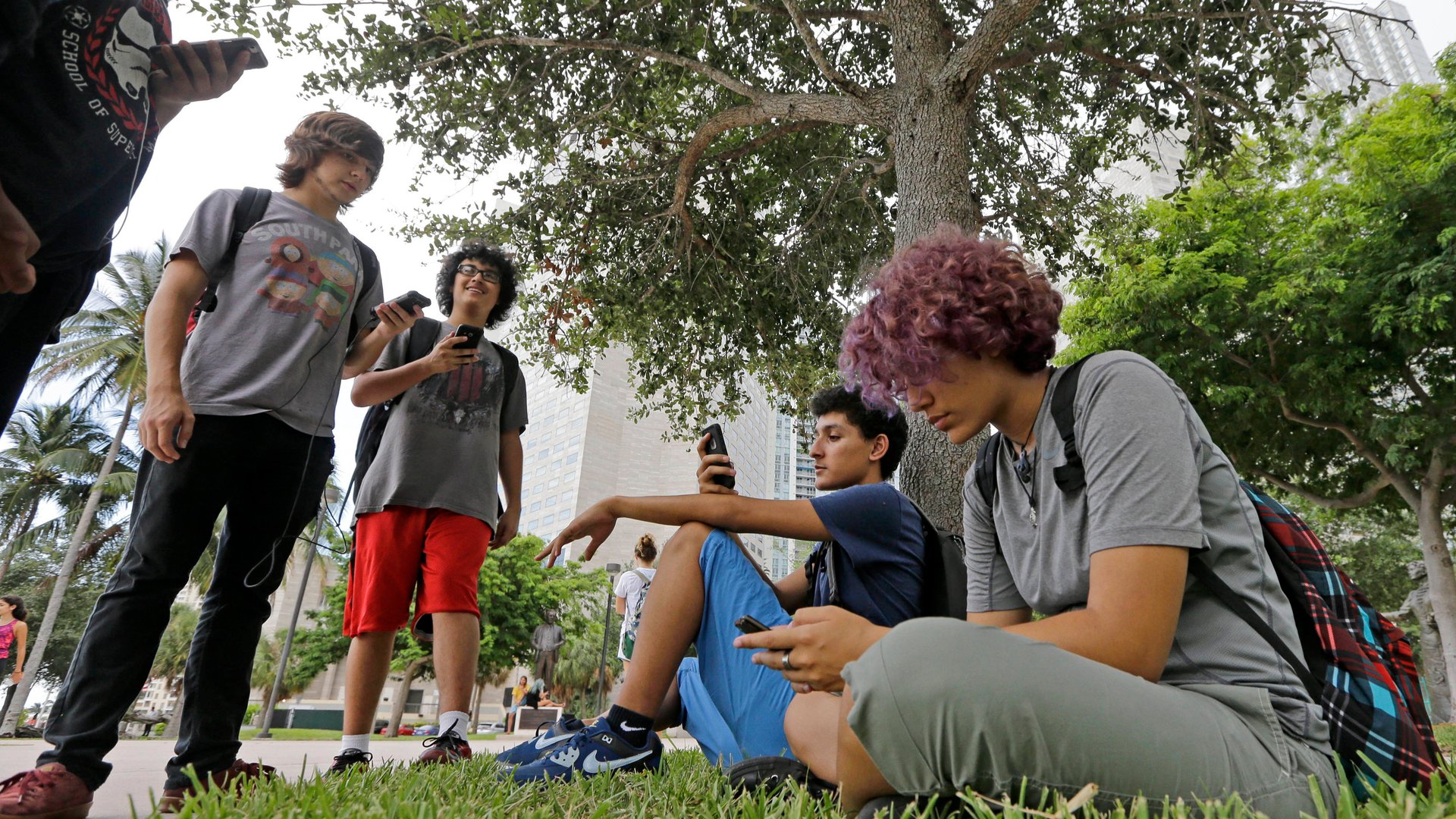
Here’s more proof people are completely addicted to Pokémon Go: They’re spending more time playing the game than they are using Facebook.
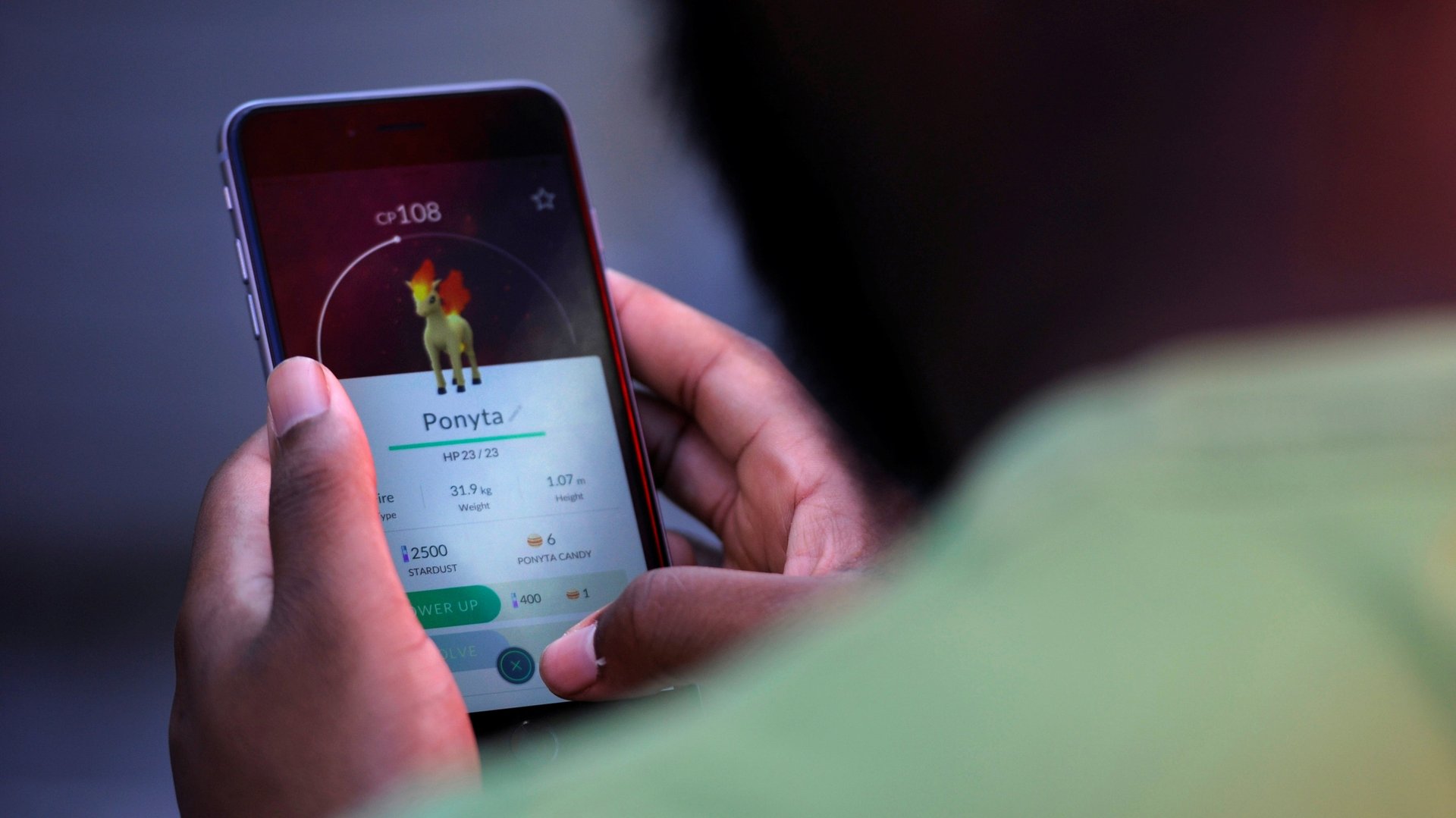
You can have loads of fun playing Pokémon Go without buying any items, but many players eager to get a leg up in the game are paying for Pokéballs, lucky eggs, and other virtual goods.

Niantic, the mobile game developer that brought the world the smash hit Pokémon Go, says the privacy concerns raised by the app can be chalked up to an honest mistake.
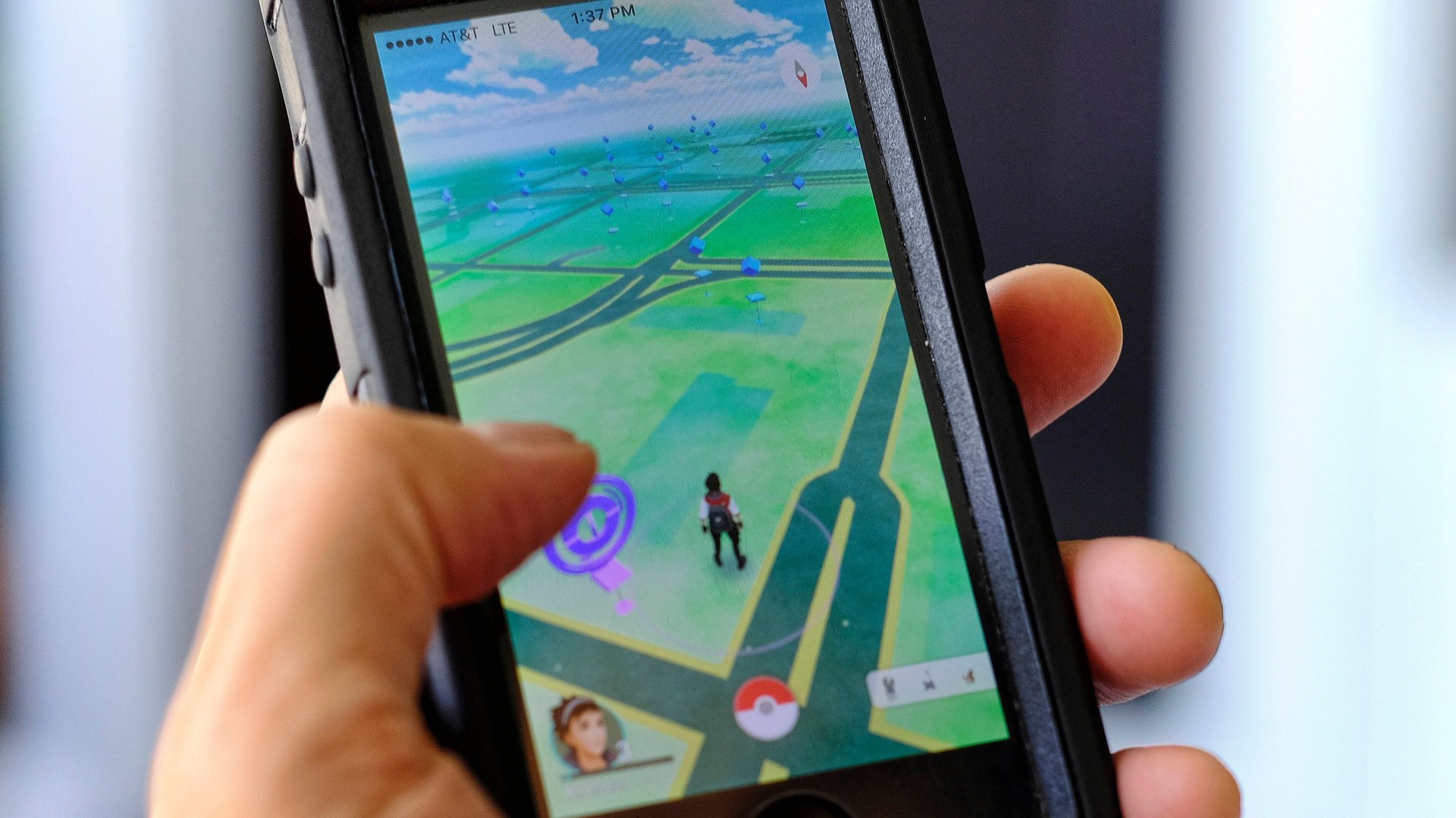
Update: Pokémon Go developer Niantic said it mistakenly asked iOS users for more permissions than intended and collected only basic user information from their Google accounts. Read the full story here.
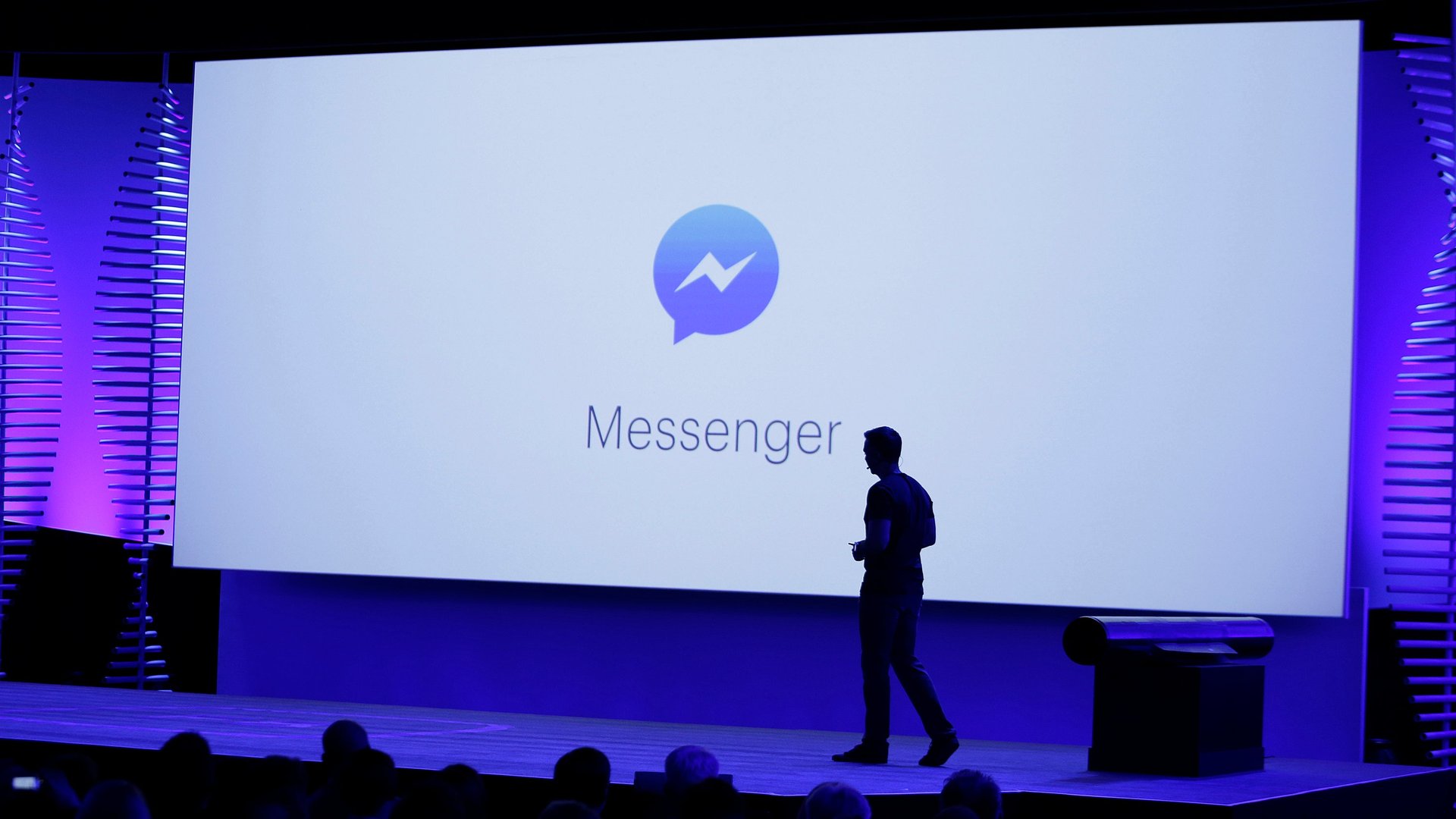
Facebook, a social network where oversharing is highly encouraged, wants the 900 million users of its Messenger chat app to know it’s serious about privacy, too.

Gotta catch ’em all? Good luck catching even one in the new Pokémon mobile game.

Though Marissa Mayer was elected to Yahoo’s board of directors at the company’s shareholder meeting last week (June 30), investors made sure their qualms about the CEO were heard.

The upsell has proven to be an incredibly popular business model for mobile developers, who entice new users with apps that are free to download, like the highly addictive game Candy Crush Saga, and then sell them extra lives and other virtual goodies for an additional cost. Of course, developers don’t call this practice upselling. They refer to it as in-app purchases.
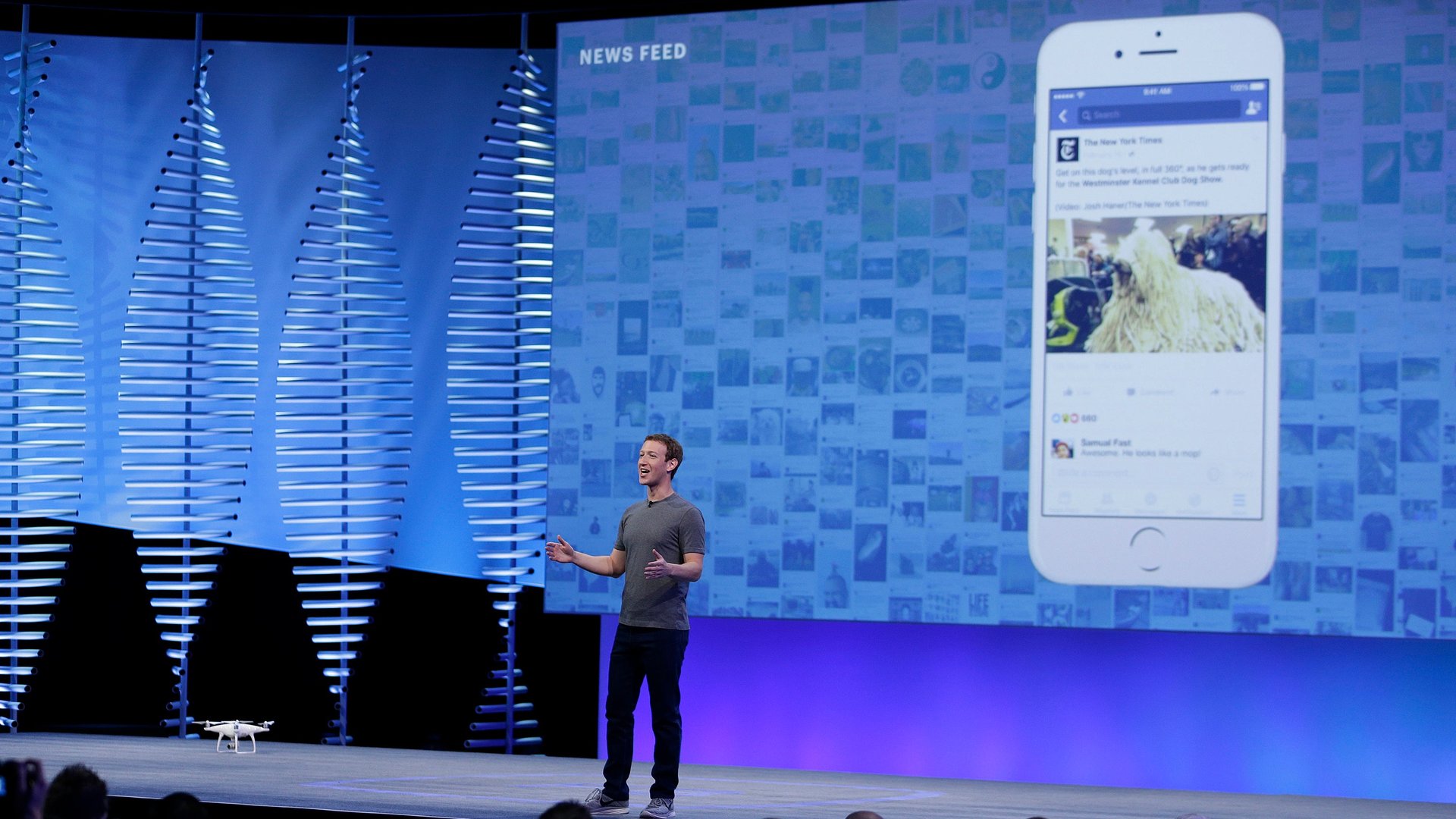
Facebook is teaching media organizations a valuable lesson in not putting all their eggs in one basket.
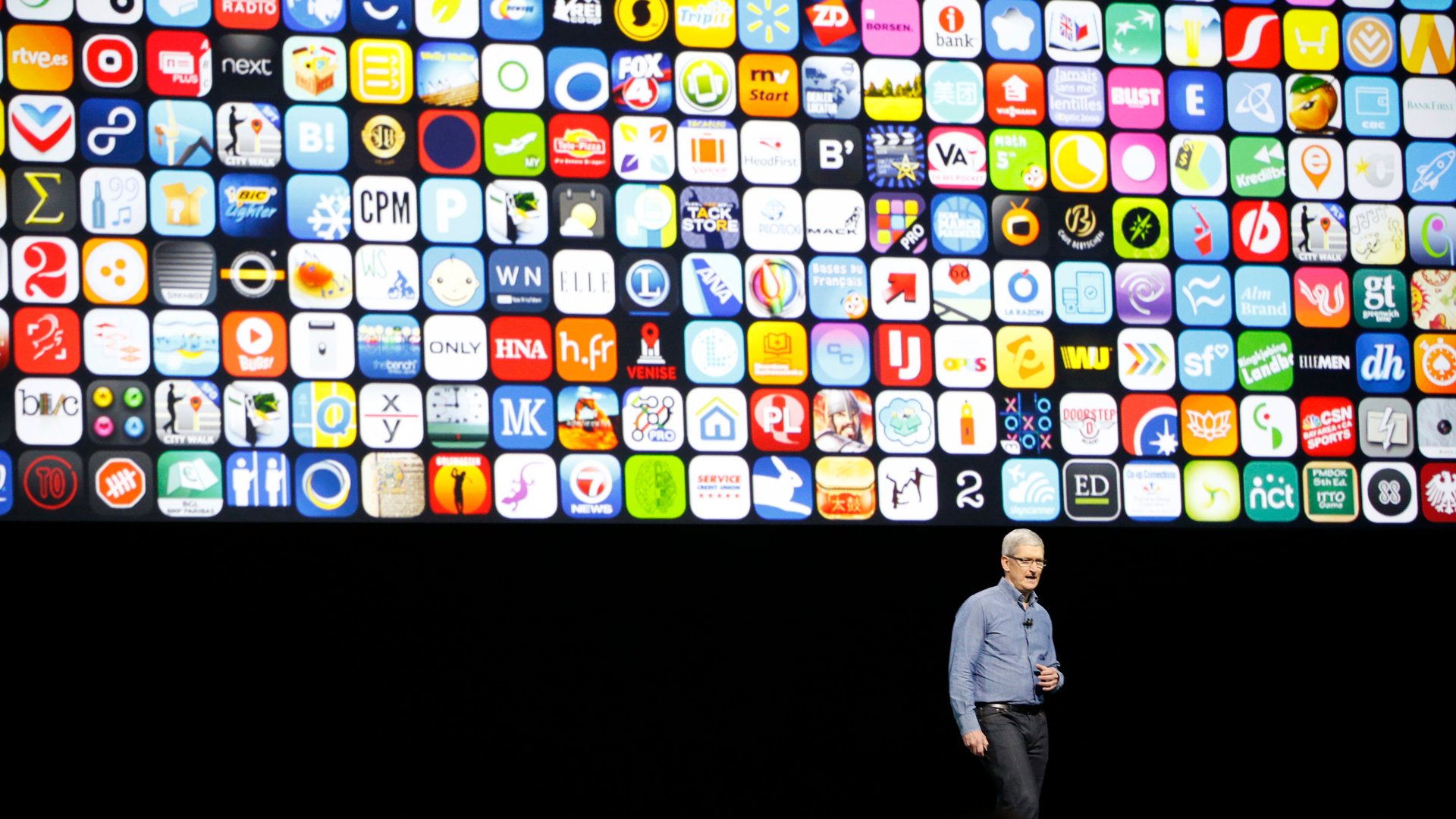
Earlier this month, 425,000 apps curiously vanished from the App Store in Thailand.
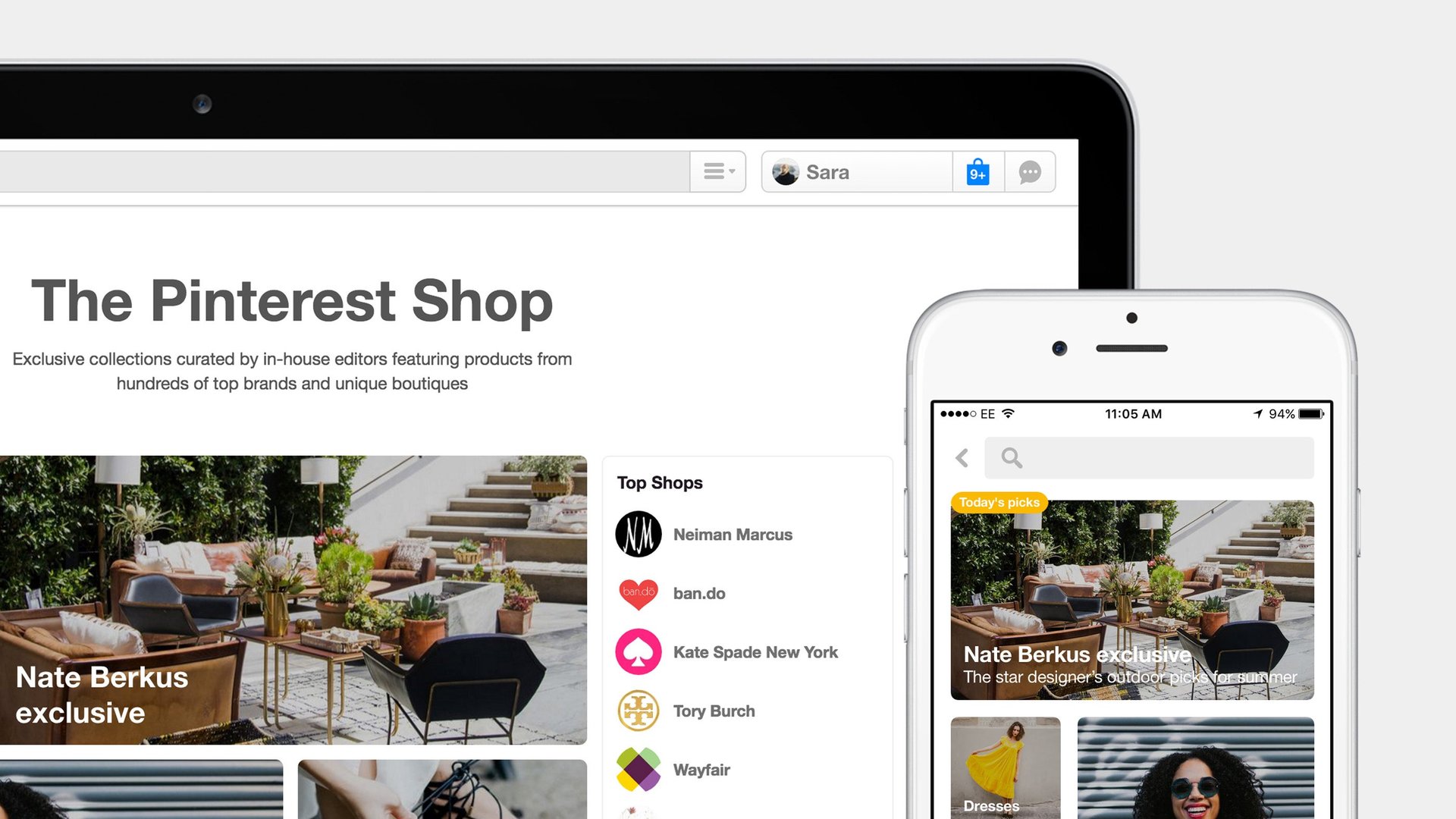
Most retailers would kill for Pinterest’s vantage point into the consumer brain, with its 100 million-plus users “pinning” pictures of their dream wedding, vacation, or home-design project. Now, the image sharing platform is capitalizing on user’s strong intent to purchase, by making shopping an even greater part of the experience.

Airbnb is fighting back.

The US government is weighing a proposal to ask foreign visitors to disclose their social media accounts when entering or leaving the country.
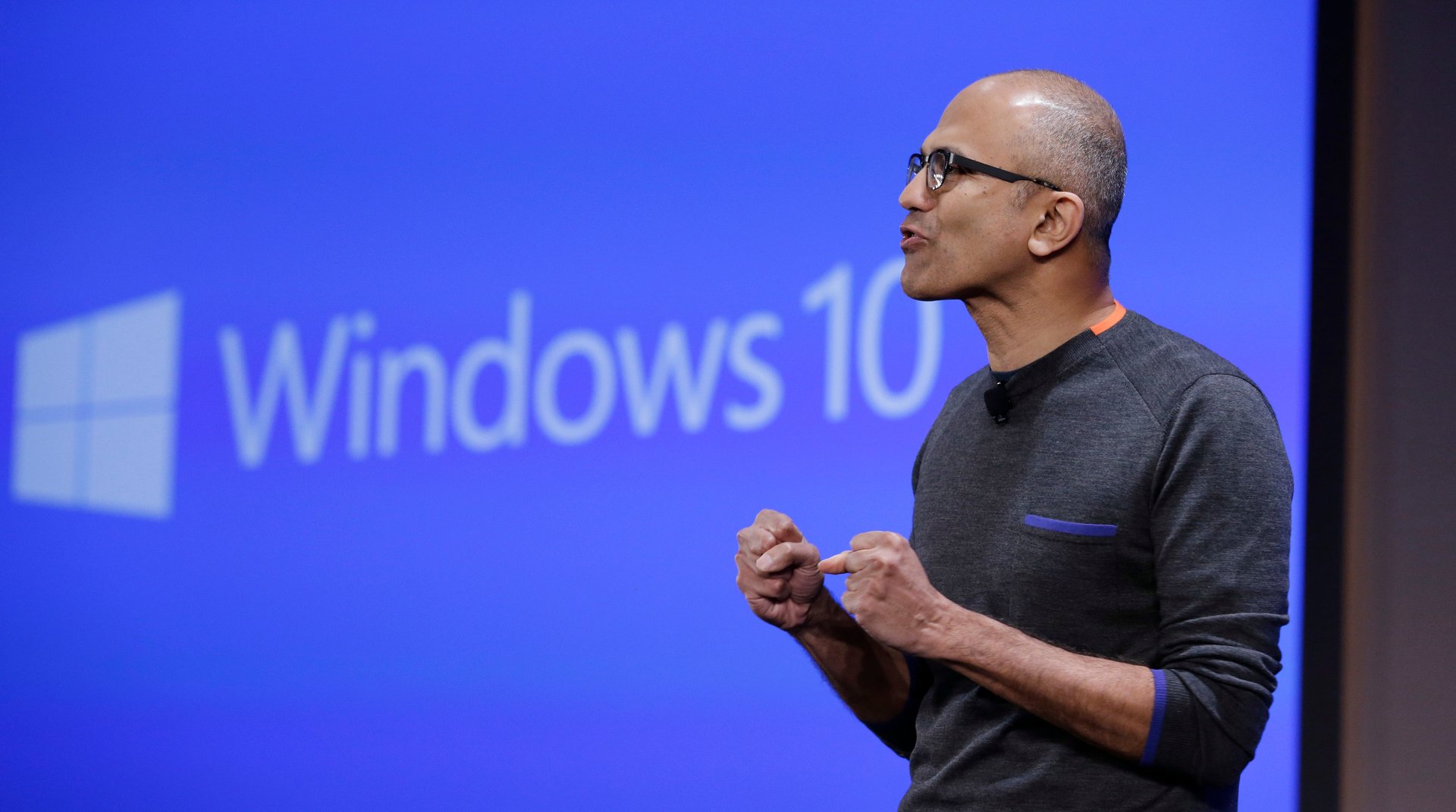
Microsoft has discovered that not all its customers want the latest and greatest.

It appears people in the UK lost some shut-eye after casting their ballots for the EU referendum.
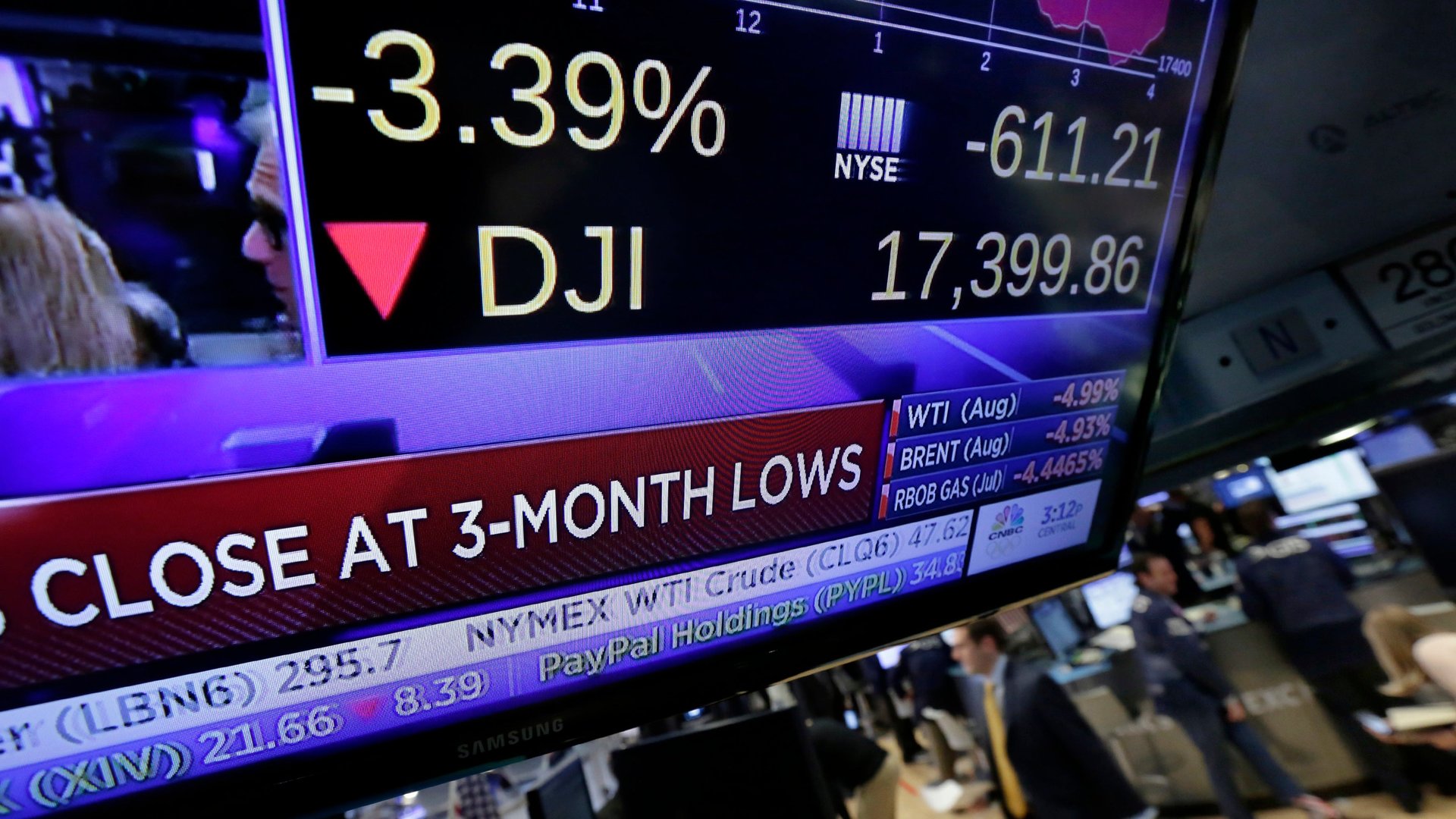
The global market turmoil following the UK’s vote to leave the European Union has left investors scrambling to their brokerage accounts.