
Money & Markets
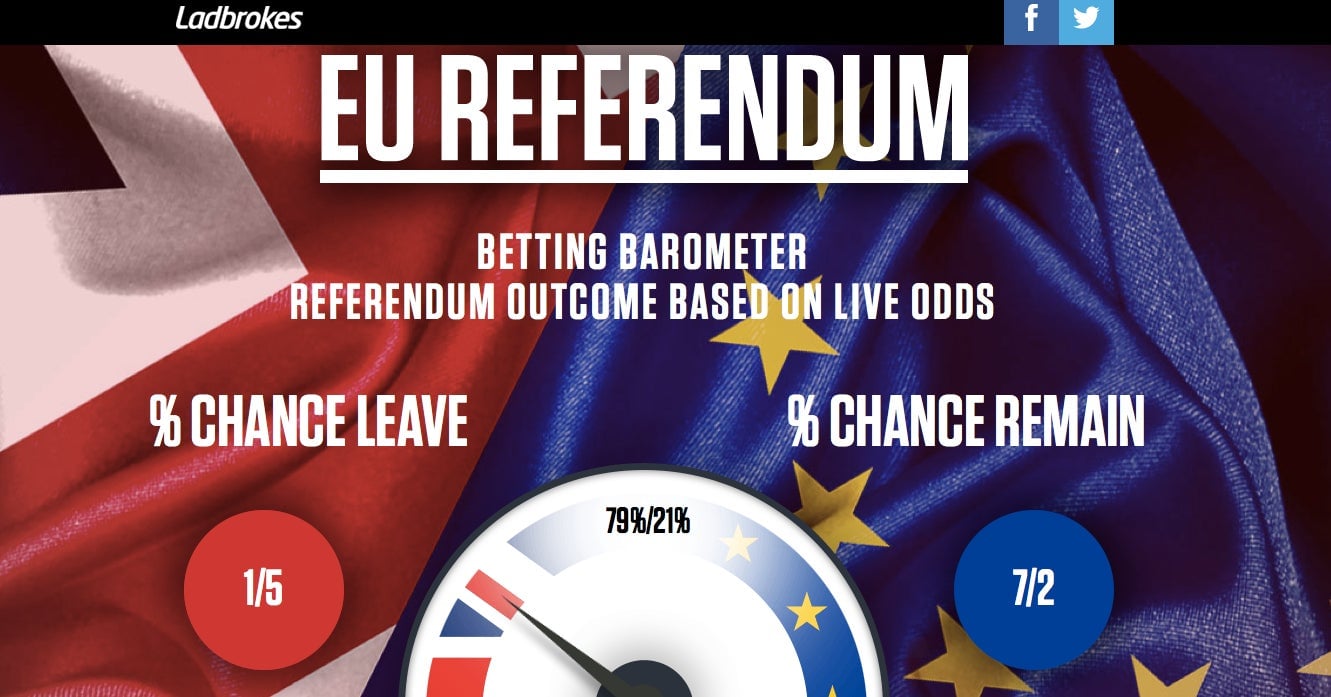
There is a 79% chance the UK will vote to leave the European Union, betting site Ladbrokes saysThe odds have shifted.
Updated July 21, 20221 min read
The odds have shifted.

So far, this year has been excruciatingly slow for initial public offerings from the technology sector. But today (June 23) proved to be a bright spot with the market debut of Twilio, a San Francisco-based company that sends text messages on behalf of services like Uber and Whatsapp.
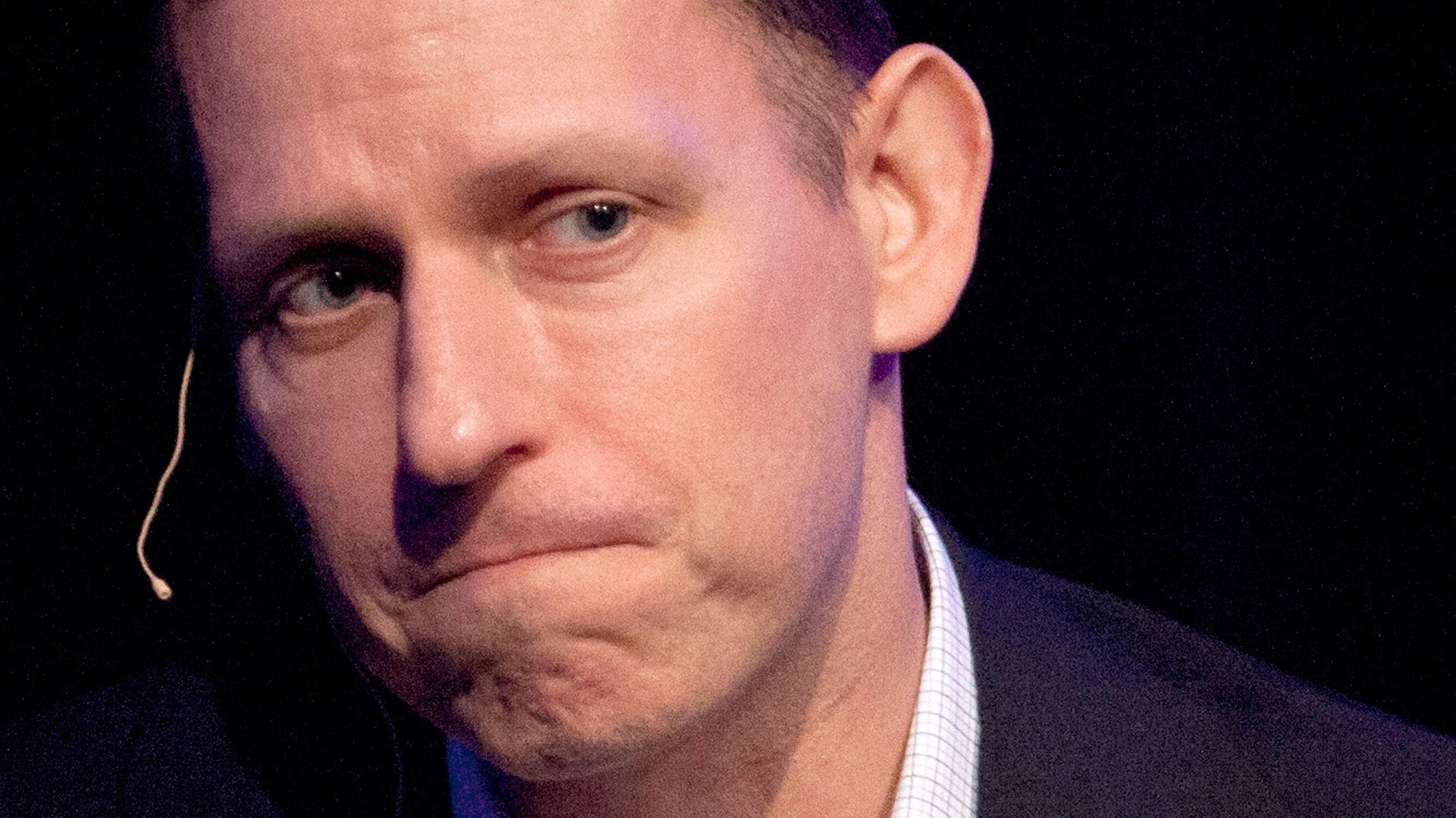
It’s no surprise Peter Thiel has been re-elected to Facebook’s board of directors. After all, there were eight nominees for eight open seats.
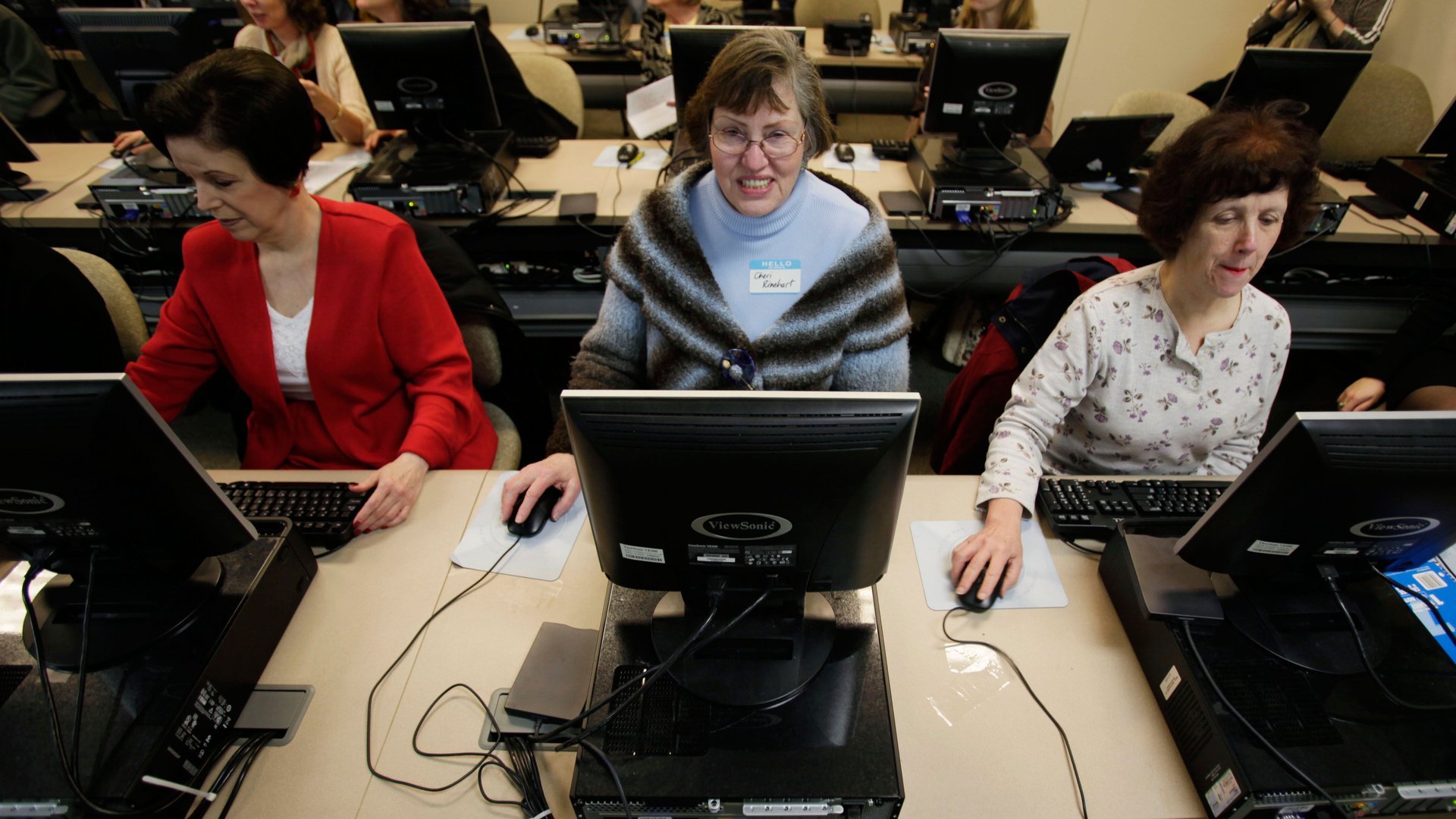
A few years ago, the idea of coding bootcamps—unaccredited programs that teach adults eager to break into the tech industry how to write software—was foreign even in Silicon Valley.
Depending who you ask, Slack is either an indispensable business tool or an attention-draining time suck. And for better or worse, the chat app has added a feature designed to keep people even more glued to the service.
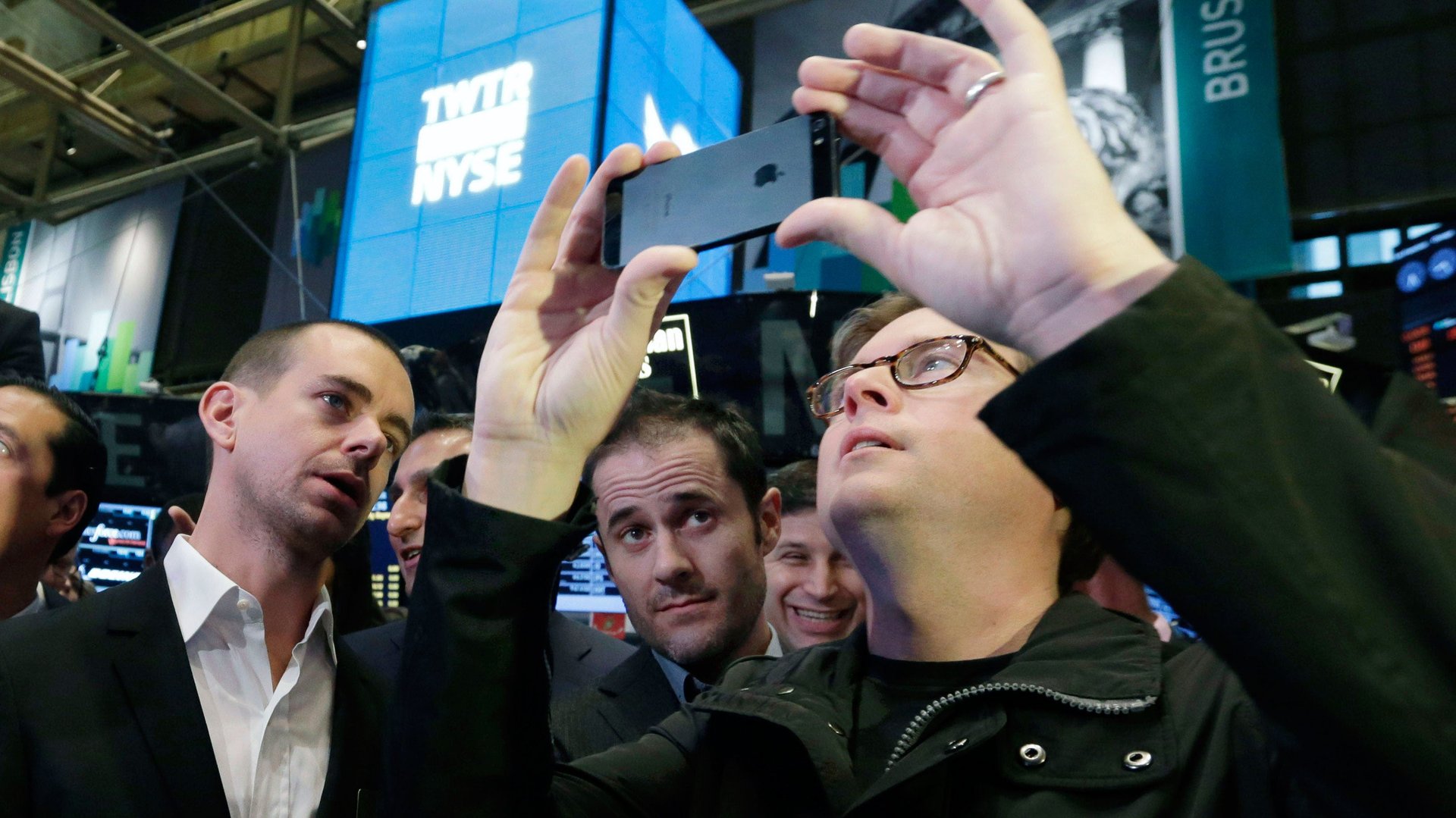
Since Jack Dorsey’s triumphant return as chief executive of Twitter nearly a year ago, he has said countless times that a turnaround depends on the social network gaining mainstream traction.
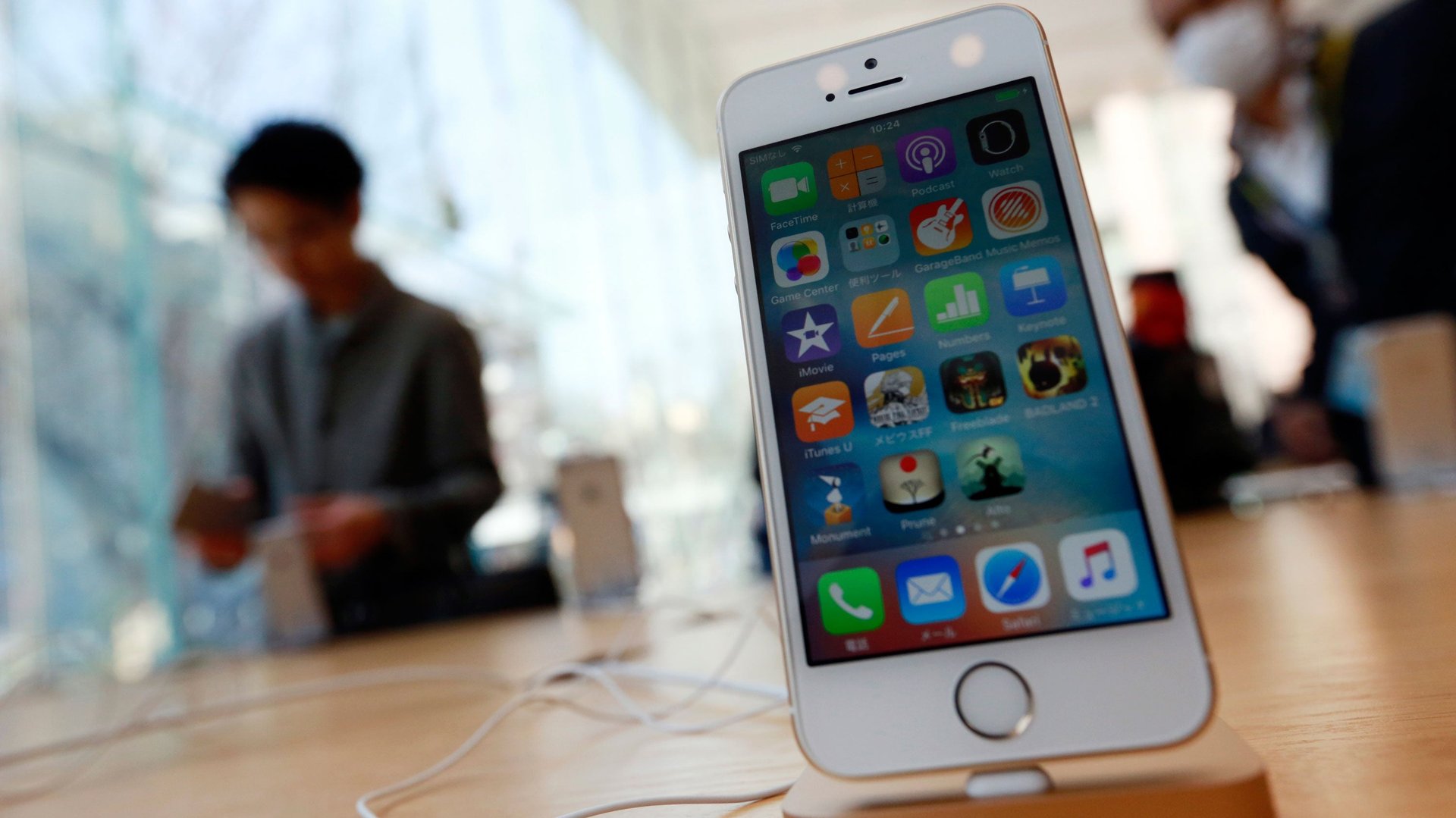
When Apple took the wraps off the iPhone SE in March, fanboys (and girls) everywhere wondered, is that it?

The US Senate has approved a $602 billion defense budget that includes a provision requiring women to register for the Selective Service, otherwise known as the draft.

When Yahoo CEO Marissa Mayer bought Tumblr for a cool billion dollars in 2013, the move was both flashy and symbolic: Yahoo, a relic of the early internet age, showed it could be hip with the times by embracing a social platform loved by millennials.

Home surveillance cameras are supposed to ease people’s fears when they’re away from home, but they bring their own security and privacy risks because they can be extremely easy to hack.
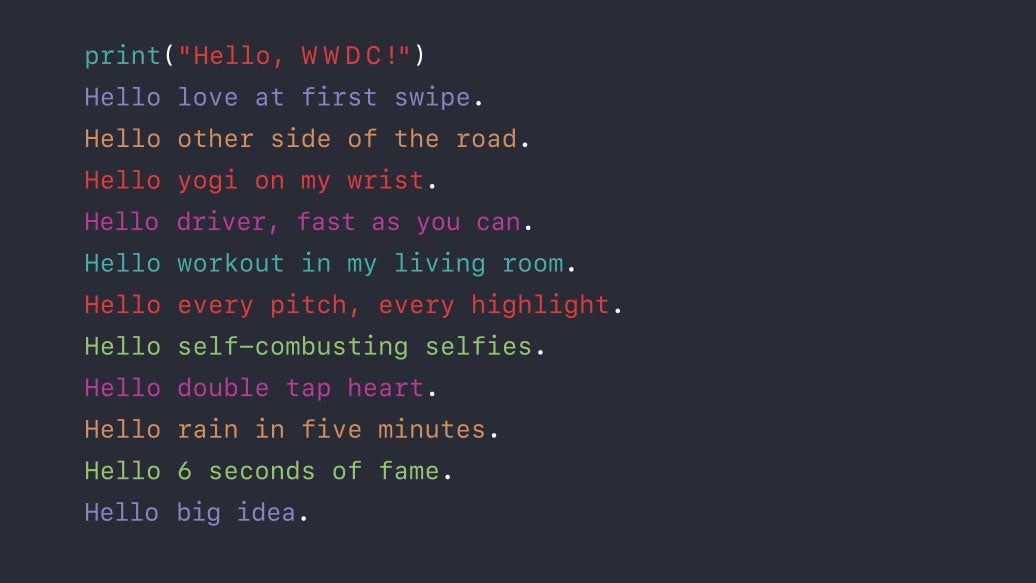
Apple’s keynote at its Worldwide Developer Conference didn’t have any hardware news, but it was jam-packed with new features for its four operating systems: watchOS, tvOS, macOS (yes, that’s a new name), and iOS. Free upgrades will be available to the public this fall.

The Amazon Echo is a magical device. Since users command the smart speaker by voice, it’s easy to get simple tasks done—like setting a kitchen timer, adding items to the shopping list, or controlling internet-connected lights—without having to touch a smartphone.
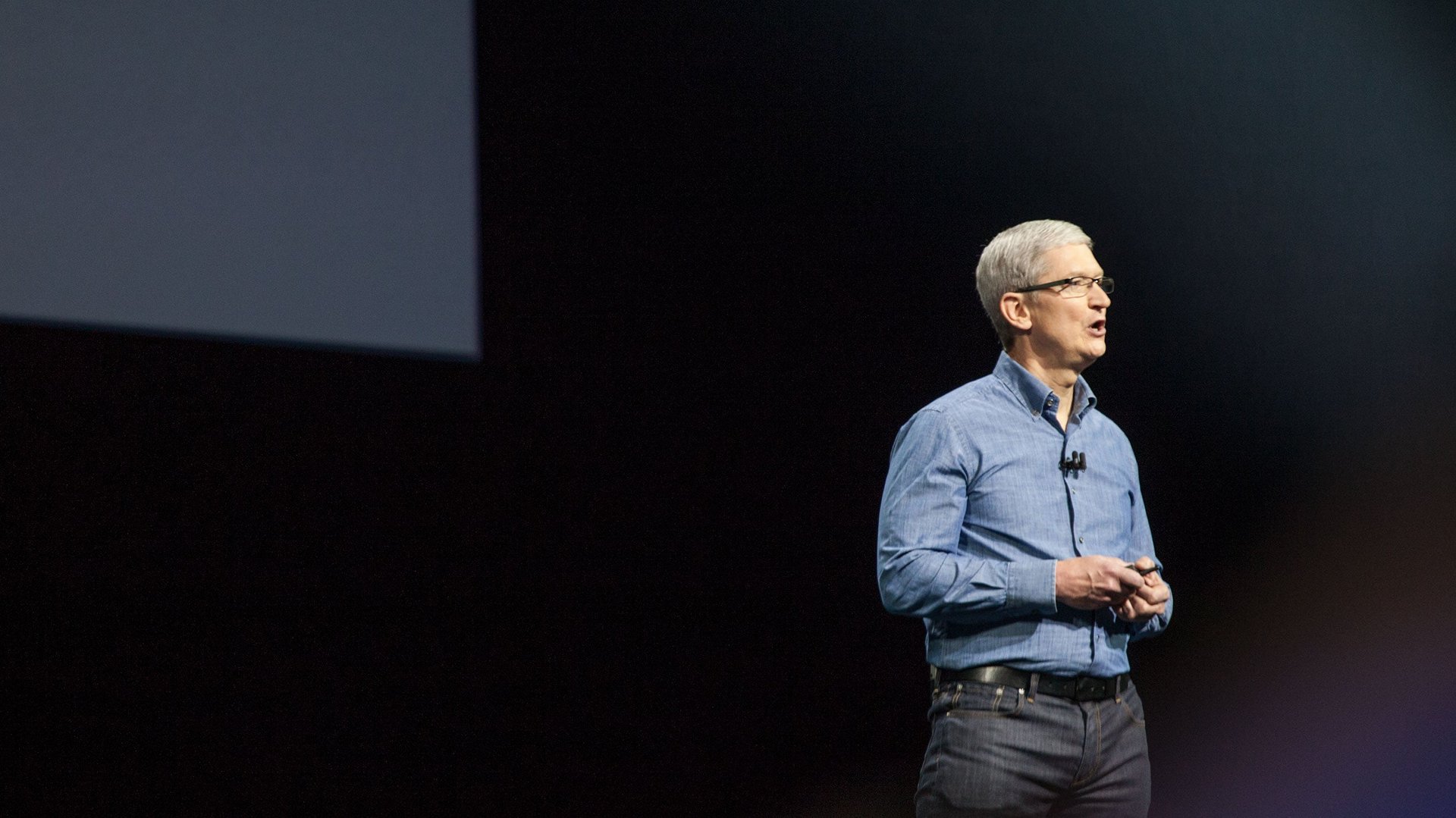
Gone are the days of an Apple shrouded in secrecy. It’s Tim Cook’s Apple now, and his Apple is an open book—comparatively, anyway.

Tom Perkins, who cofounded the famed venture capital firm Kleiner Perkins Caufield & Byers, died Tuesday night (June 7) at the age of 84. According to the New York Times and Recode, his longtime assistant Kathy Daly said he died of natural causes after a prolonged illness.

Alexa will put up with just about anything. She has a remarkable tolerance for annoying behavior, and she certainly doesn’t care if you forget your please and thank yous.
For developers whose apps show up at the top of search results, staying on top is easy. But there are countless others struggling to get their apps noticed.

In San Francisco, we just open up a window when it’s too hot or cold inside. The rest of the country engages in so-called thermostat wars: Employees fight to control the temperature for their own personal comfort.
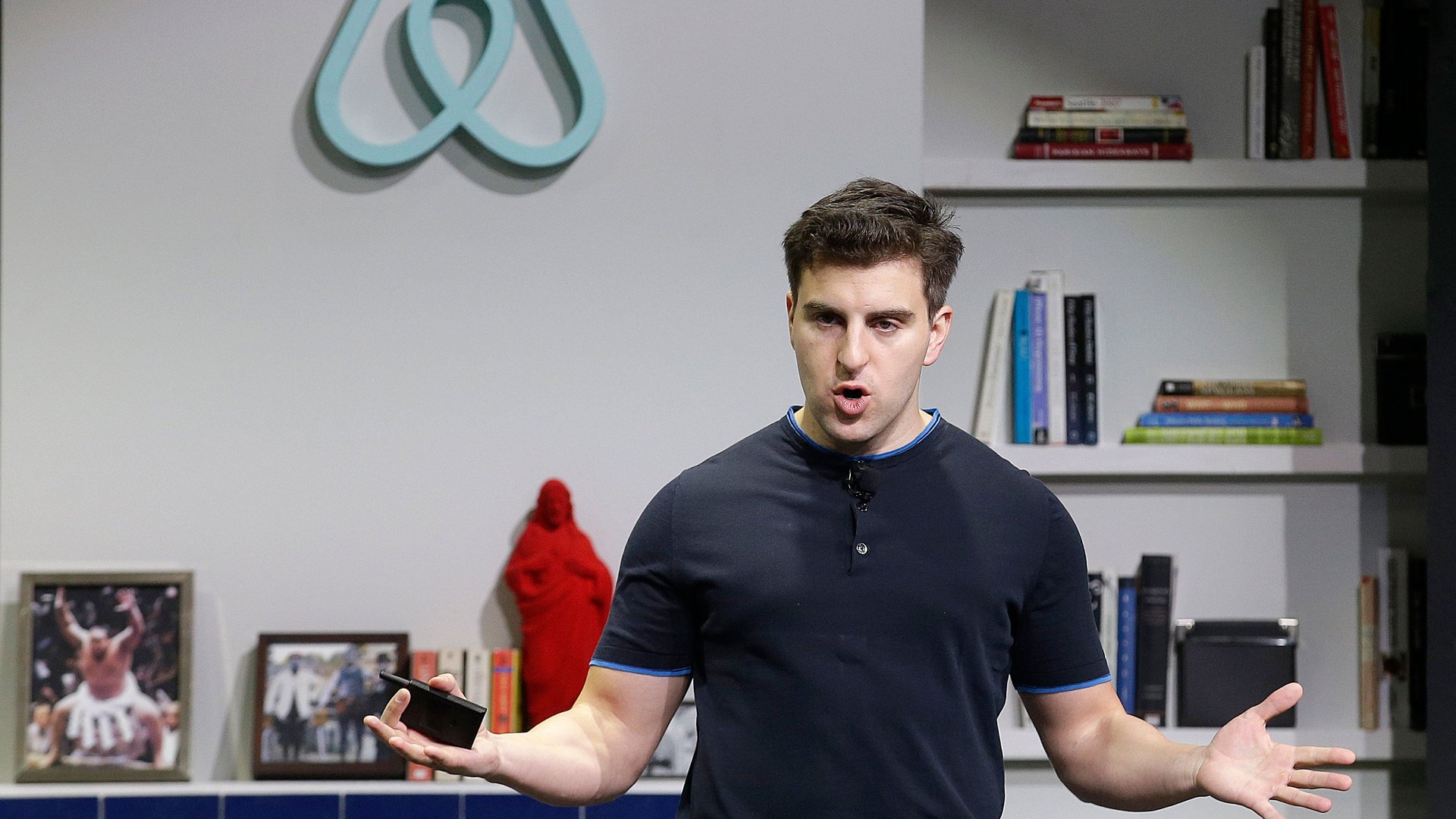
San Francisco’s board of supervisors overwhelmingly voted in favor of more stringent rules restricting Airbnb’s operations in the city.
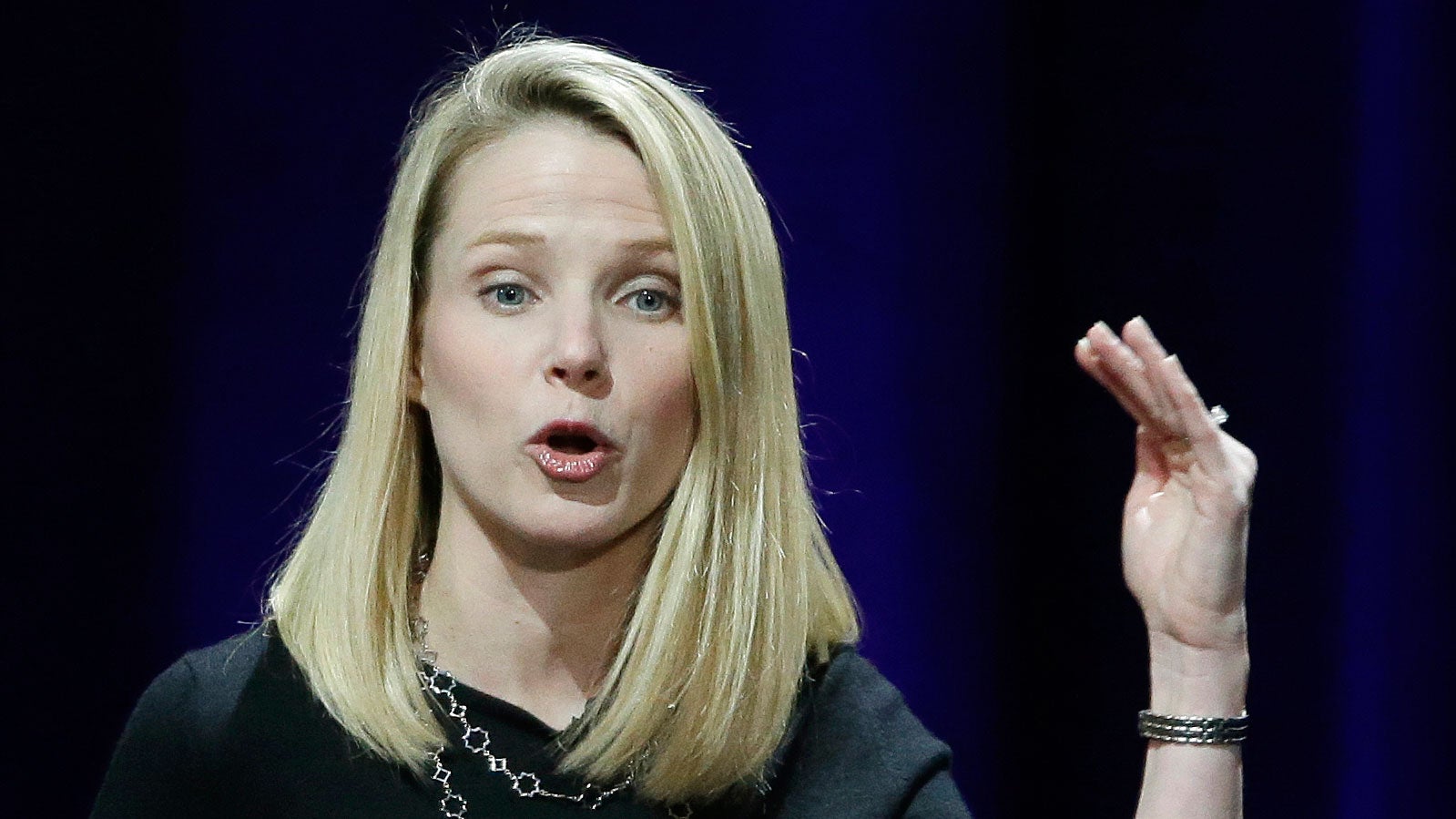
It’s round two for Yahoo.
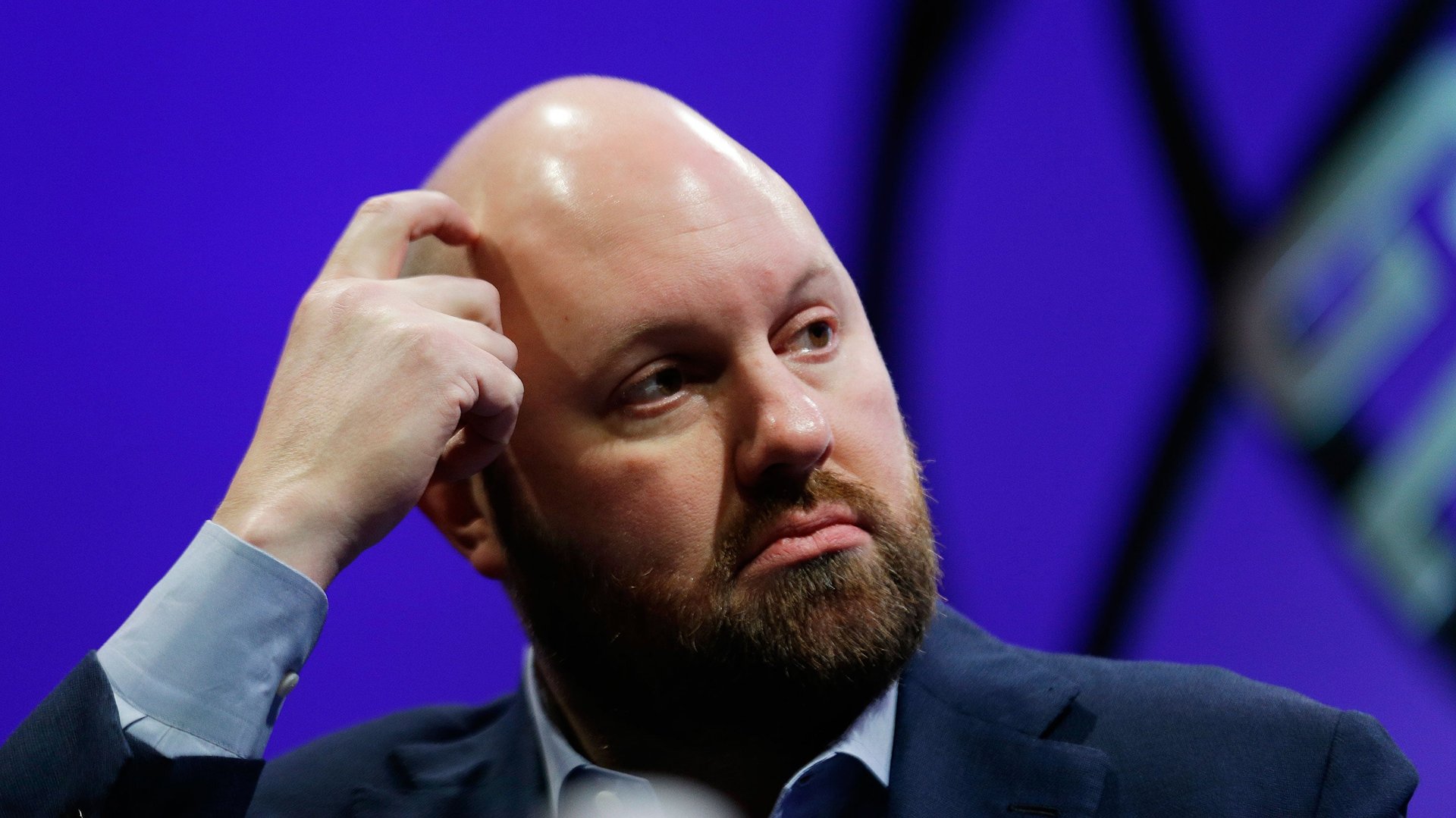
It’s a well-known fact that Marc Andreeseen grew up in a small town where access to information was limited. The Netscape founder famously learned to program from a library book, and he’s still quite the prolific reader of books, if his Twitter feed is any indication.
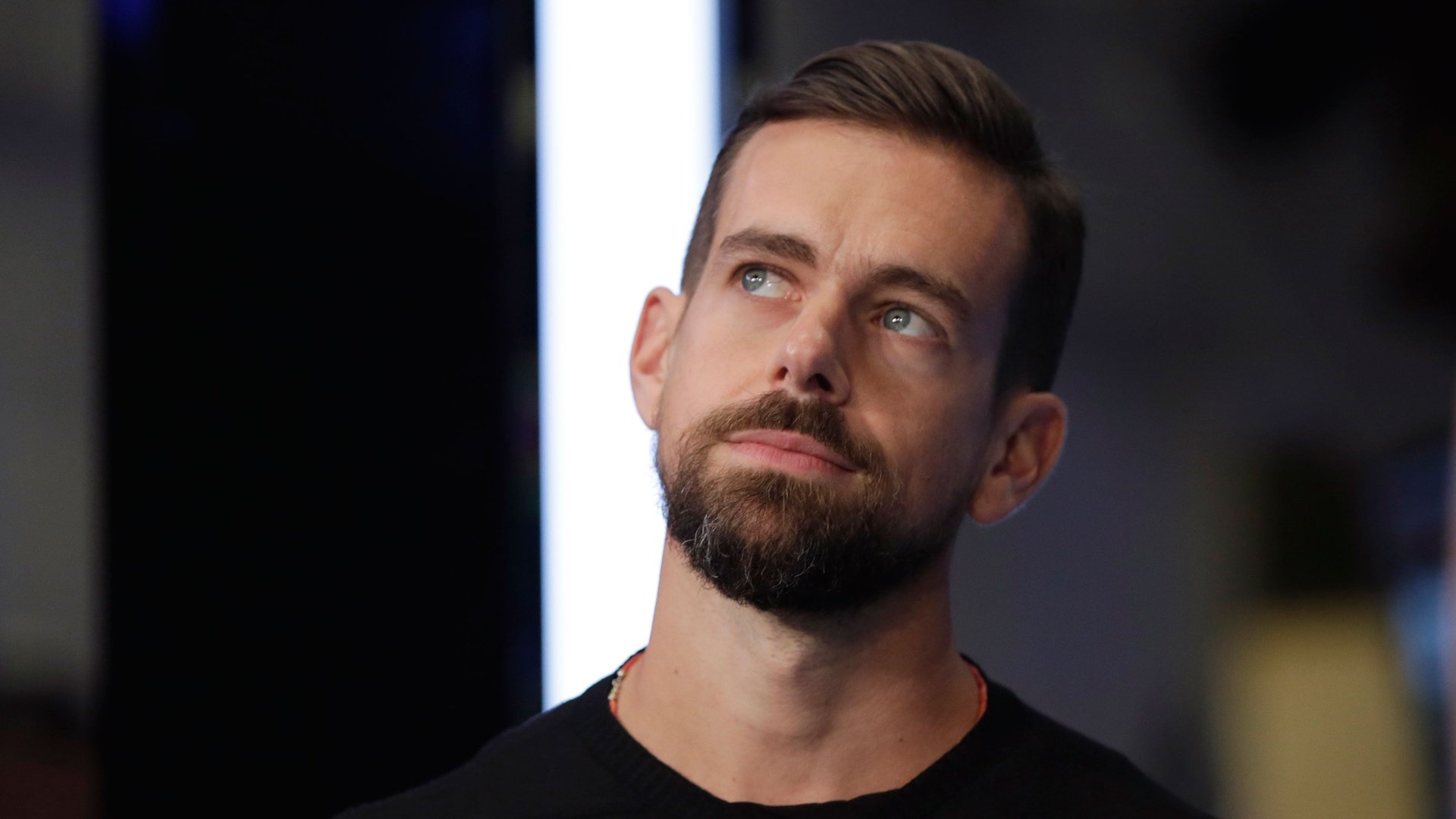
It’s been almost a year since Dick Costolo announced he was stepping down as Twitter’s CEO, putting Jack Dorsey, the social network’s cofounder, in the top spot again—first on an interim basis, and then permanently.
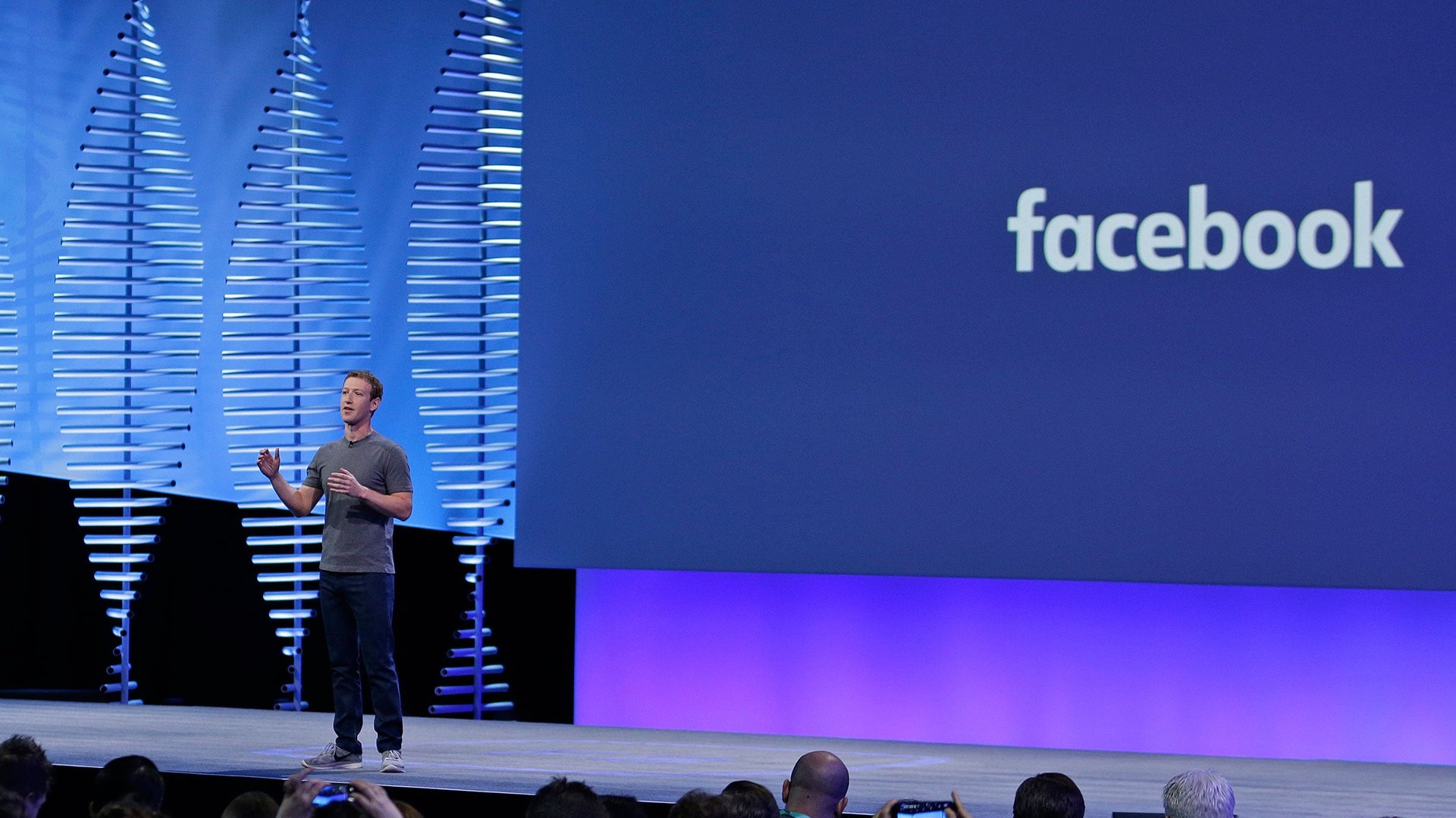
Facebook wants to show ads to everyone on the internet, whether or not they’re users of the social network.
What a buzz kill.
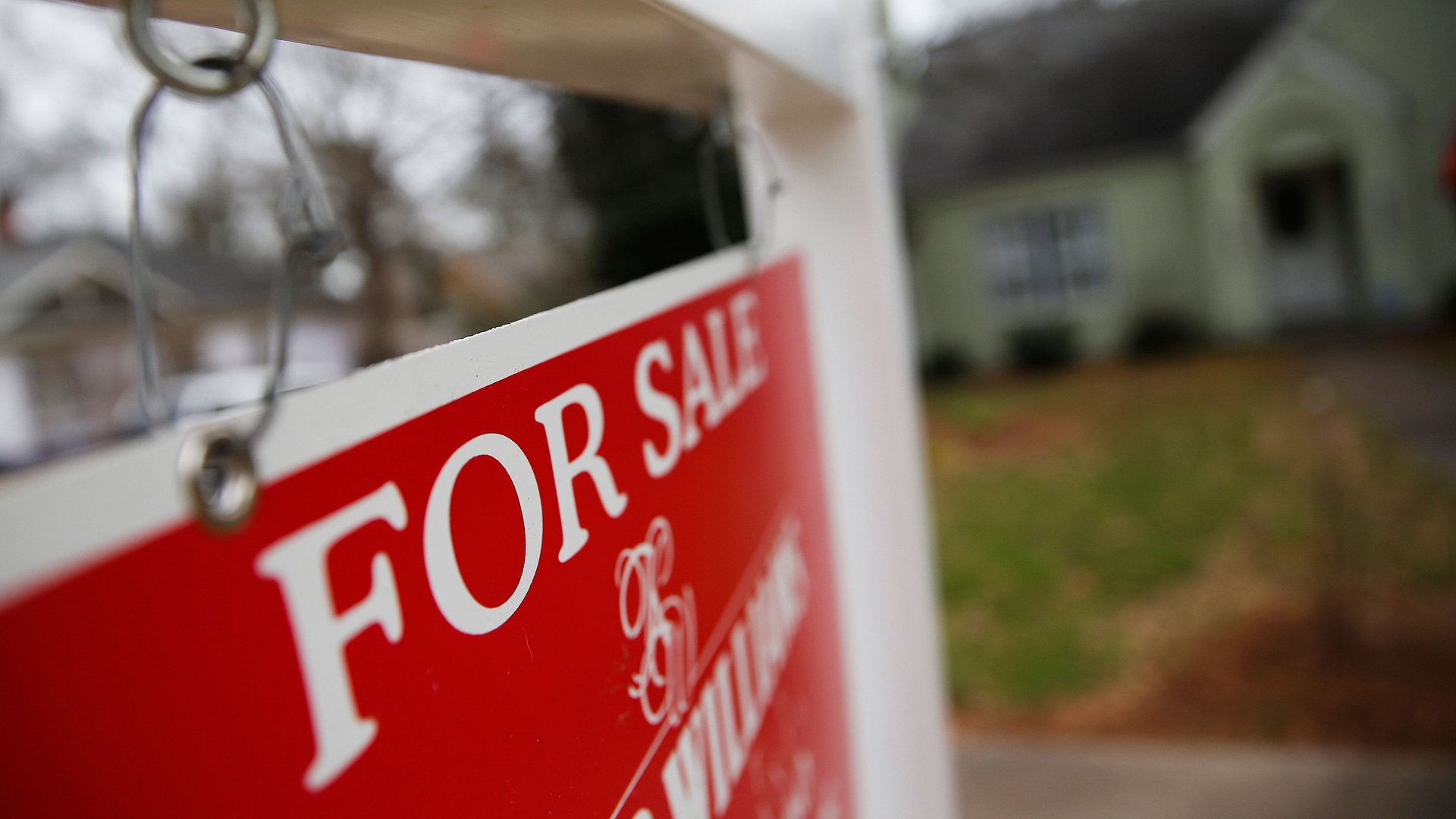
Over the past four years, the number of million-dollar homes in the US has doubled. In 19 American towns, 100% of residences are now worth at least seven figures.