

Money & Markets
Covid-19 could change how Americans eat meat for decadesThe novel coronavirus that causes Covid-19 has brought United States meat production to its knees.
Updated July 21, 20228 min read
The novel coronavirus that causes Covid-19 has brought United States meat production to its knees.
In San Francisco, a group of renderings hangs on a wall near the product development kitchen at JUST, one of about a dozen main companies working to market cell-cultured meat. The drawings show a large facility that’s accessible to the public, a place where people can walk up and peer through large windows at shiny vats filled with growing animal cells—created without ever having to kill an animal. It looks like a giant brewery.
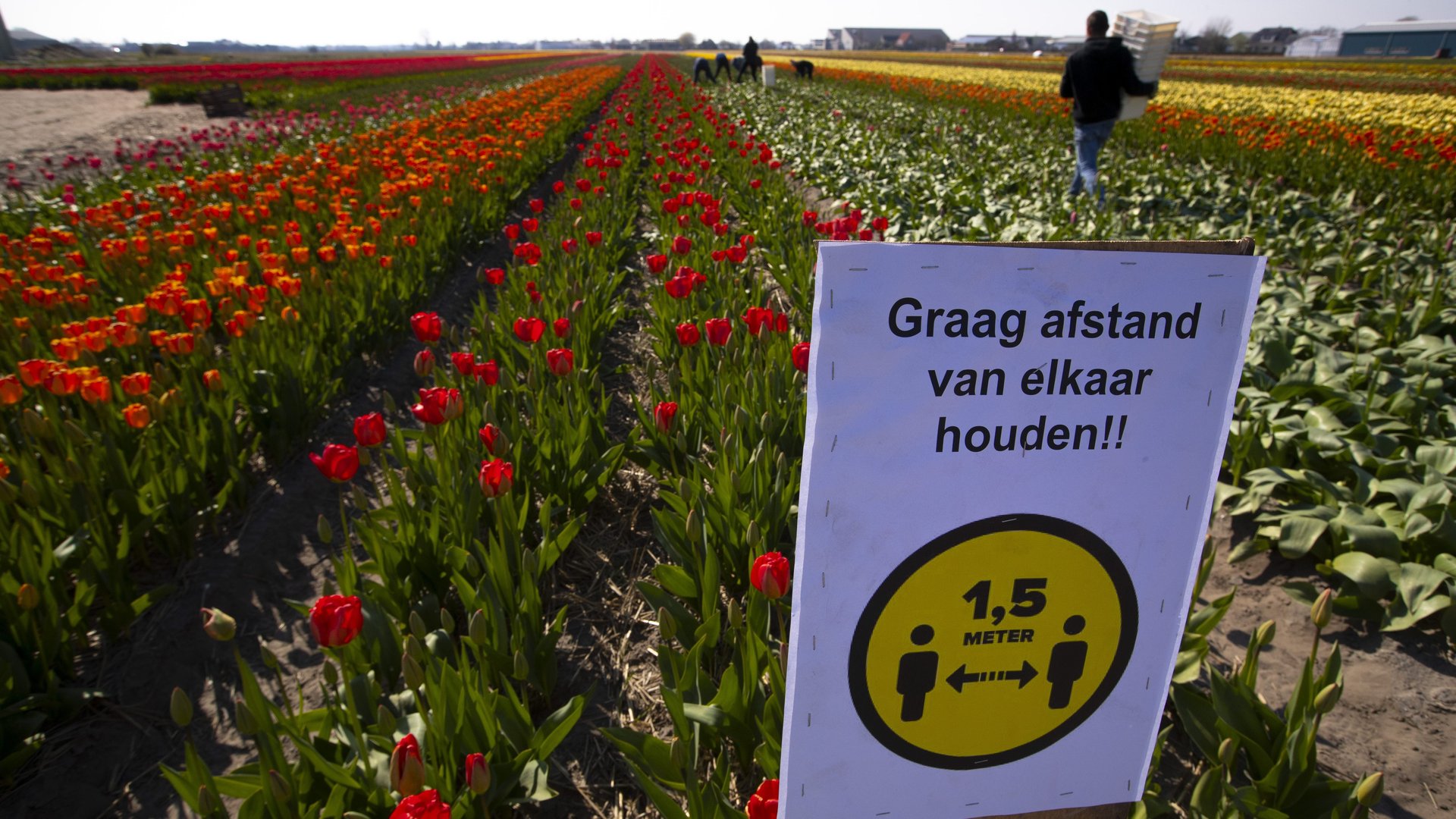
In most countries around the world, Mother’s Day is celebrated on the second Sunday in May. With time running out to organize the logistics of gifting during a year in which Covid-19 has reshaped public life, the task may require some extra creativity.
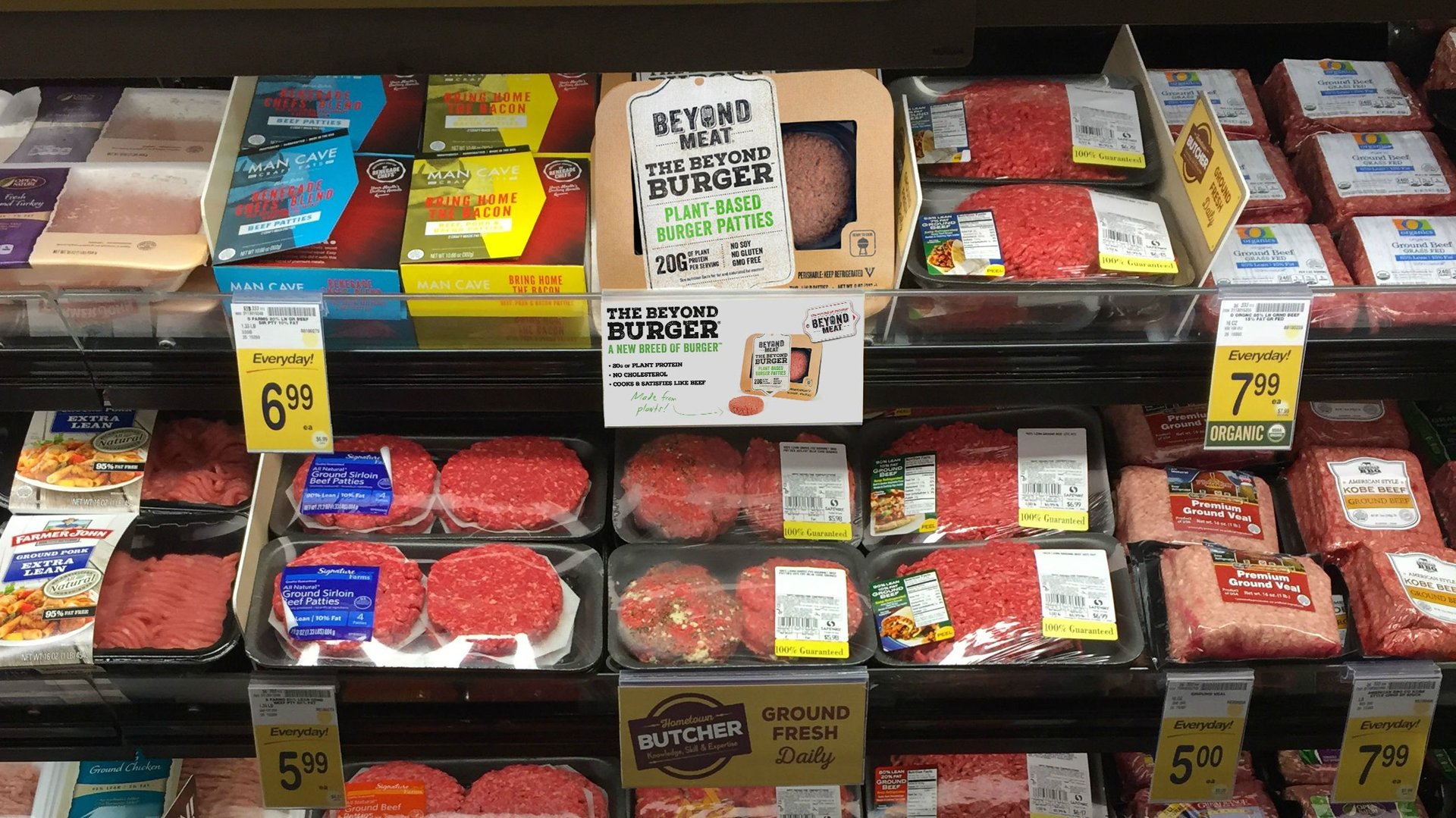
In the last several years, plant-based meat companies including Beyond Meat and Impossible Foods have experienced a meteoric rise as fast-food chains, high-end restaurants, and grocery stores have started selling their products.
Scanning year-to-date commodity price changes in the US can give a pretty bleak impression of Covid-19’s impact on American farmers. But not all producers have been hit equally.
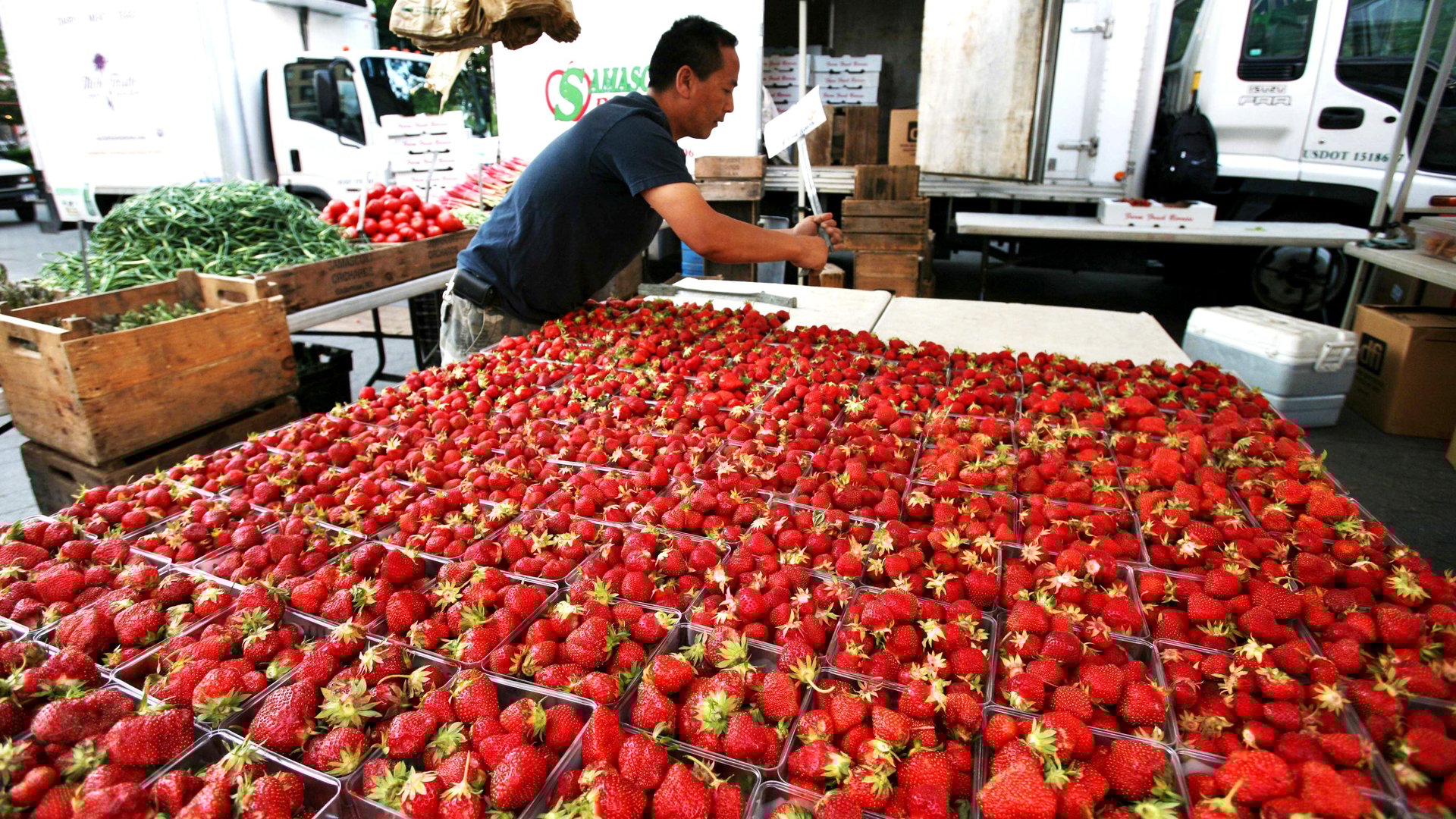
The monolithic global food system is a feat of humanity. The world has built for itself an interconnected system that can supply dragonfruit from South America to cities as rural and far-flung as Lander, Wyoming and Chamonix, France.
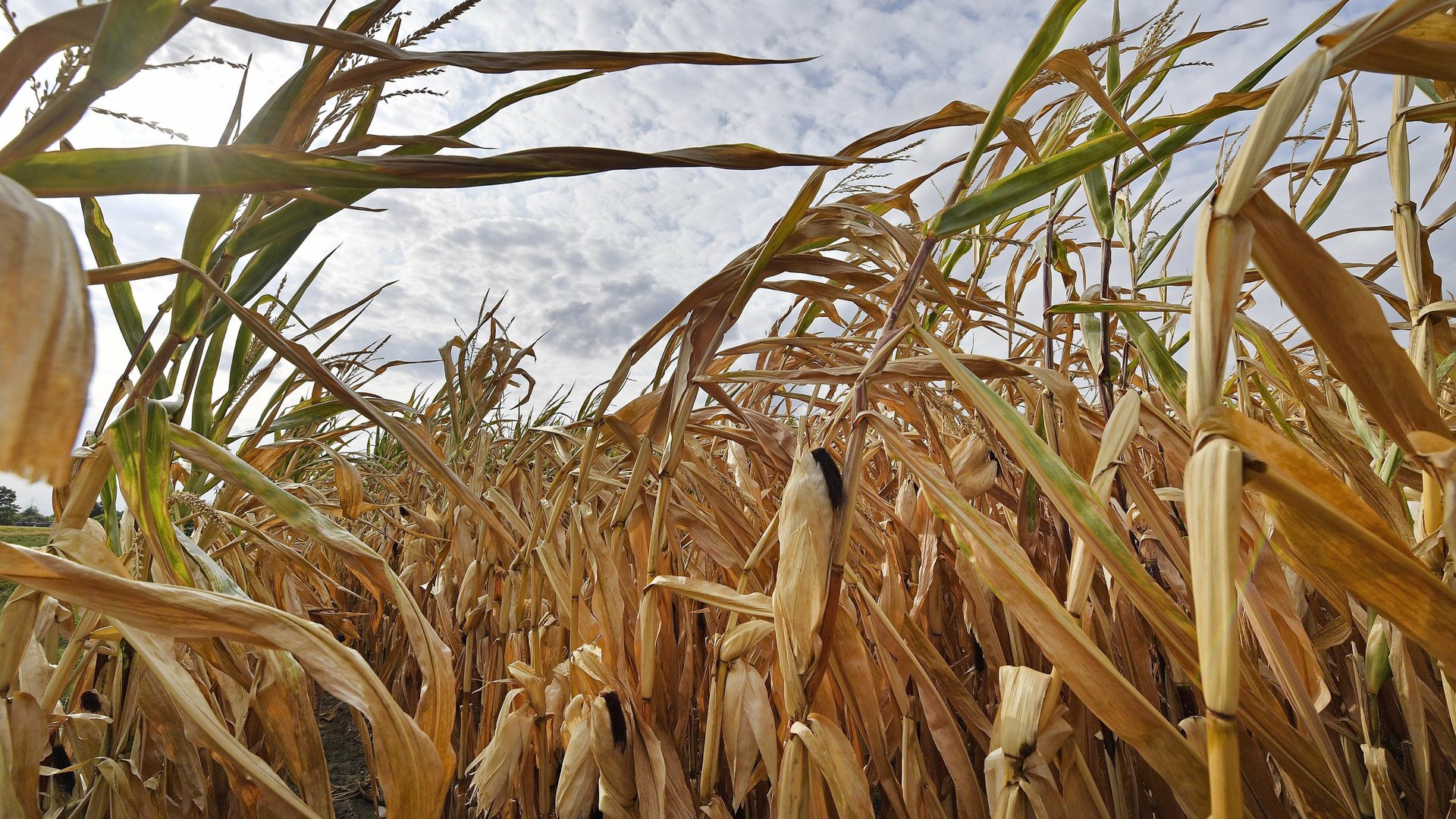
Want an idea of what chaos feels like? Consider the US farmer.
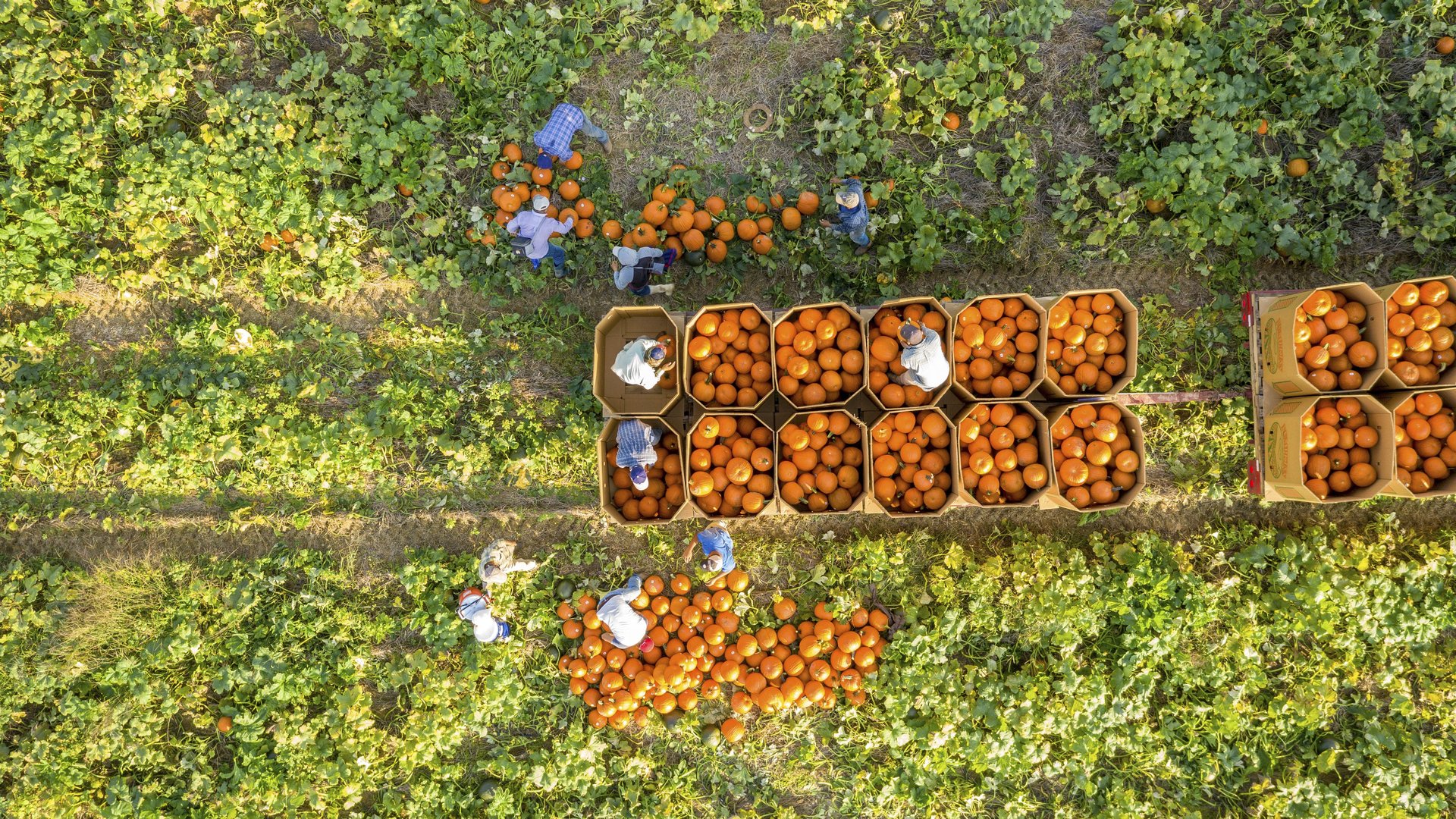
Like it has in China, Covid-19 is now posing herculean problems for swaths of the US food system. Workers have fallen ill, several important meatpacking plants have shut down, and almost all restaurants are closed.
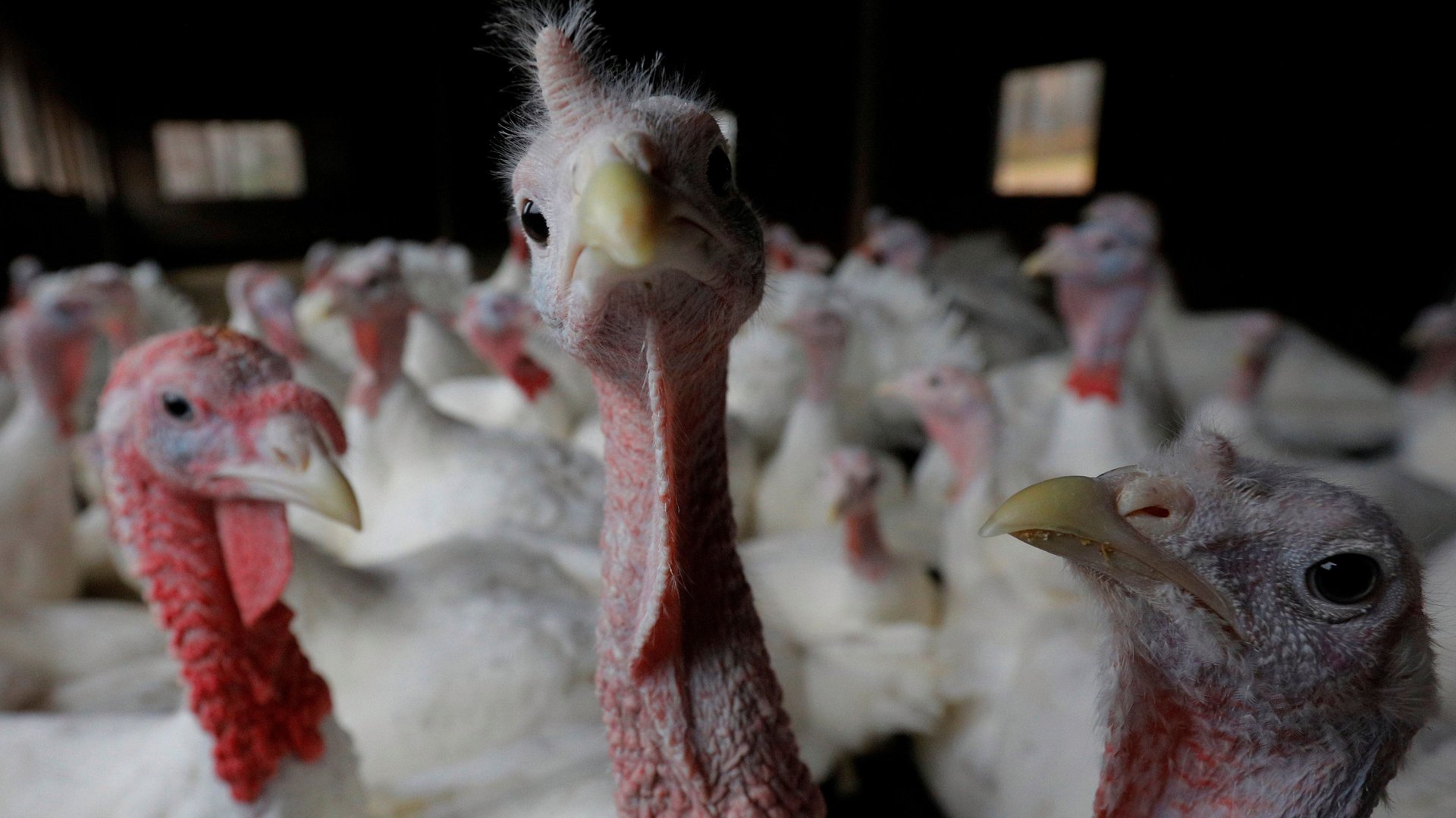
As humans around the world scramble to best a pandemic caused by a new coronavirus, a separate virus has emerged that could wreak havoc on another population of creatures.

It took 10 days, more than 40 scientists, and the motor of a snowblower. The result may wind up being an inexpensive way to—in a pinch—save the lives of people suffering from Covid-19.
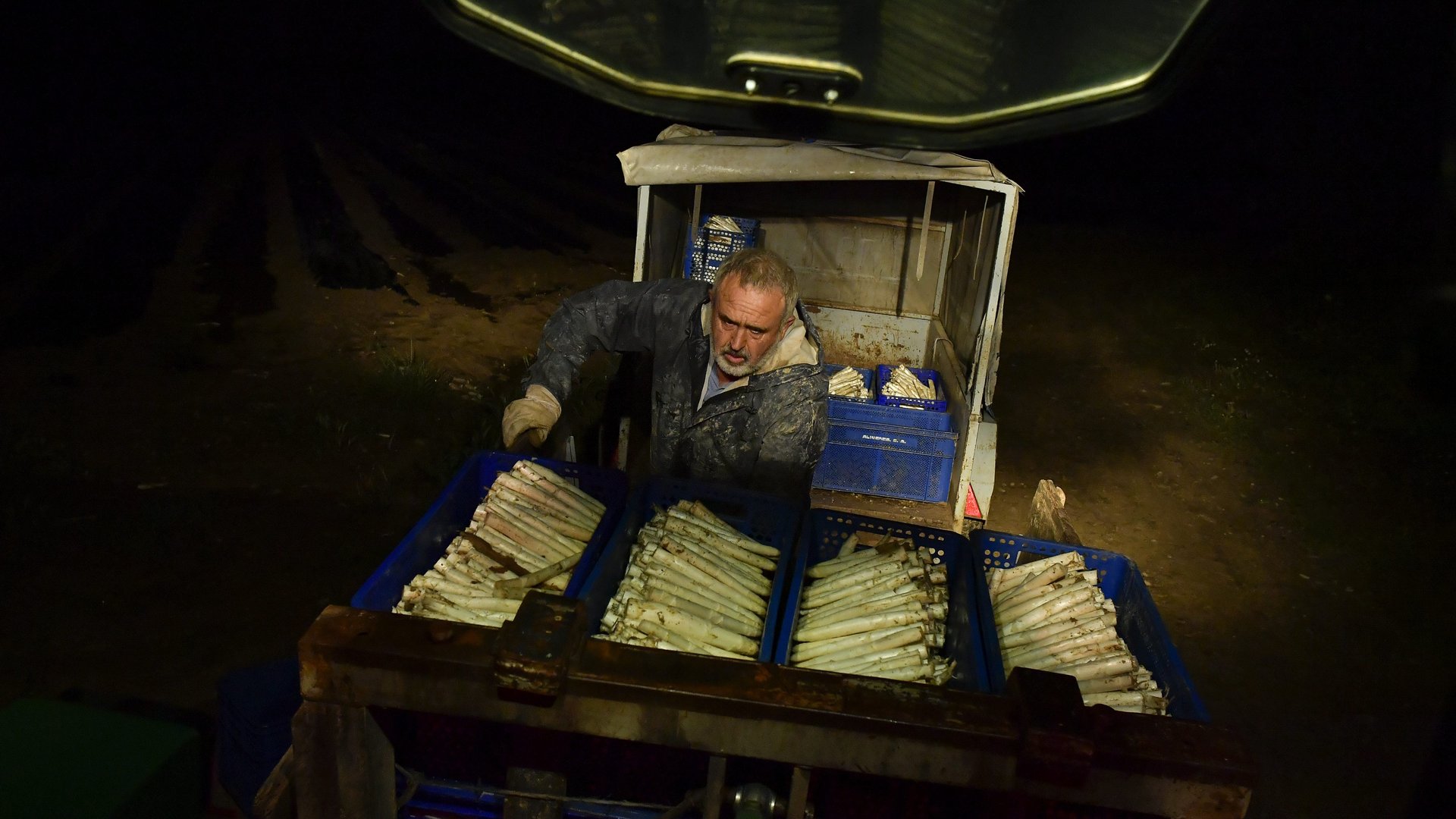
Even if you don’t like asparagus, what’s happening to the vegetable right now is reflective of how Covid-19 is threatening stability within the global food system.

In the middle of the coronavirus pandemic, government leaders would love a crystal ball to help them manage the future of their homes’ economic health. Magic can’t help—but maybe a doughnut can.
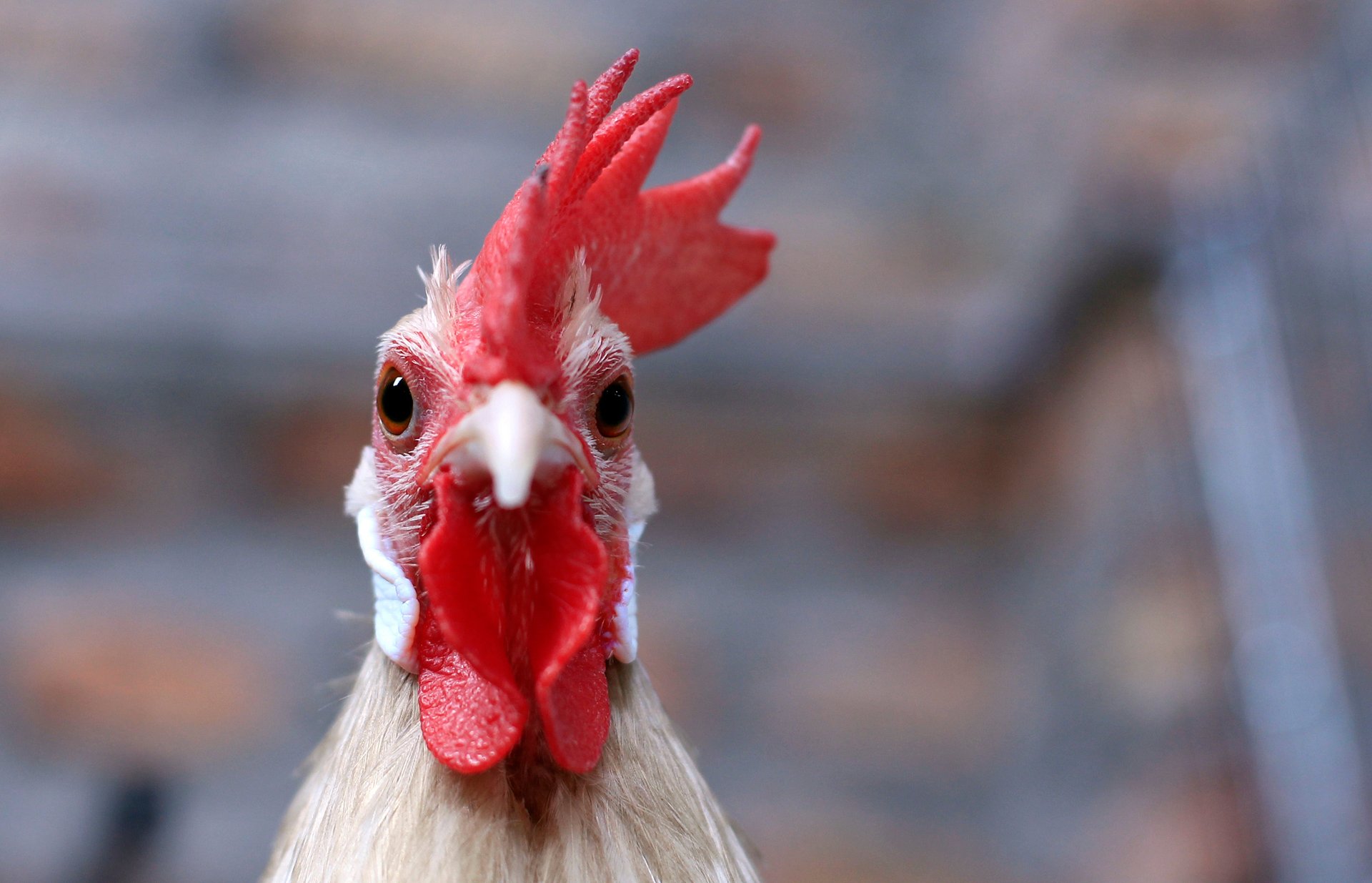
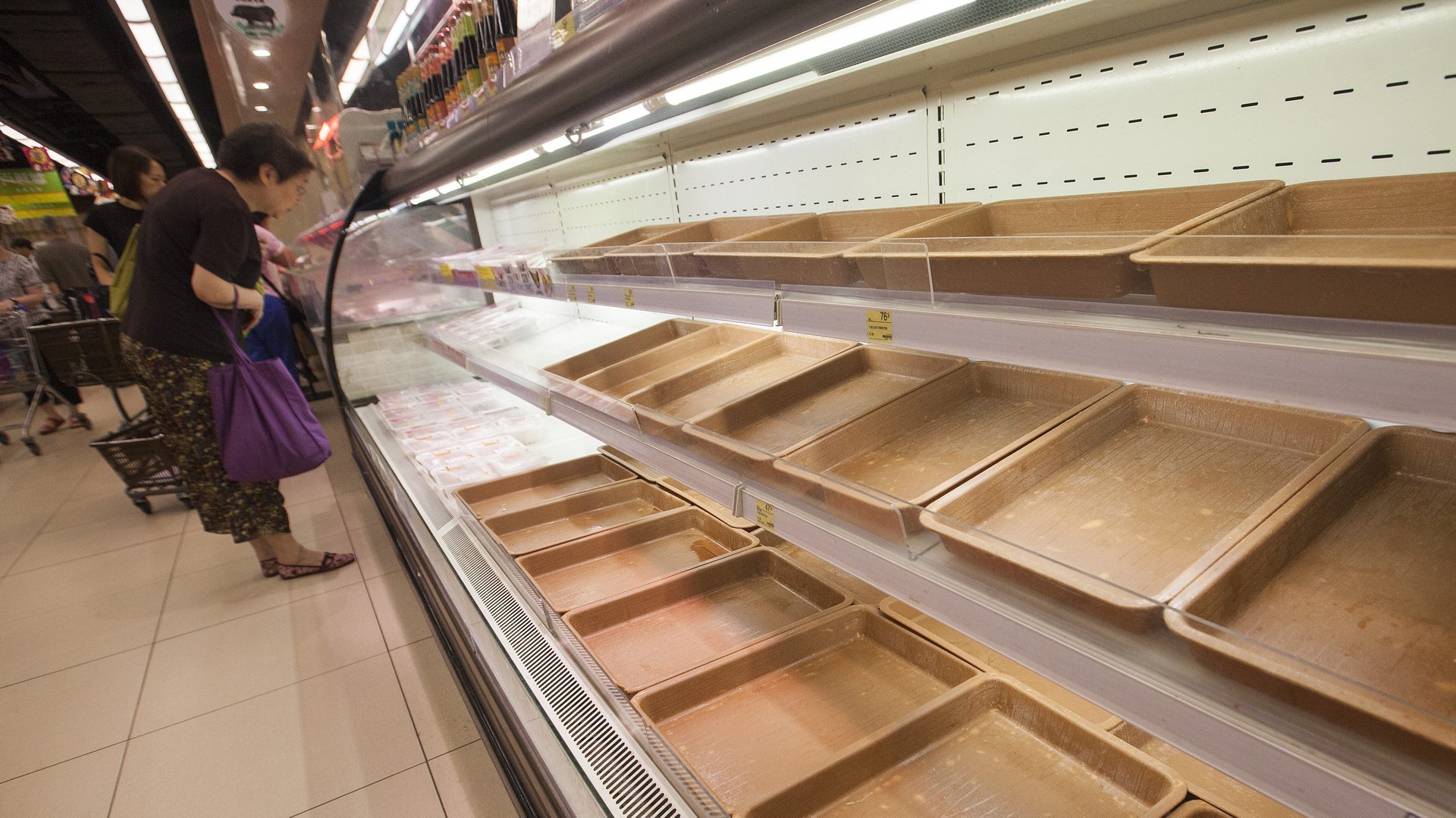
A Tyson-owned meat processing plant that churns out 2% of the US pork supply ground to a halt this week as workers became infected with Covid-19.
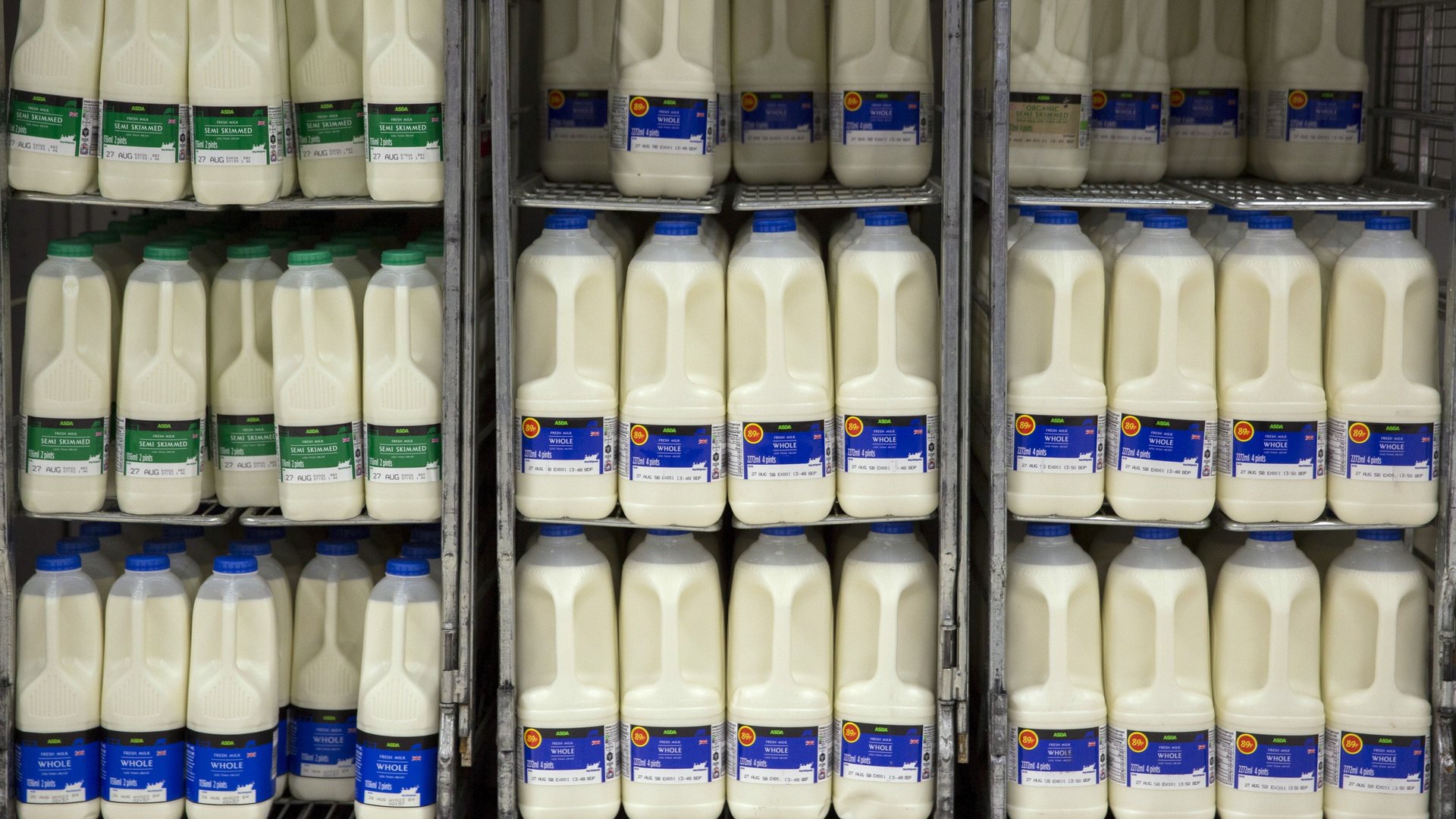
For dairy farmers in the United States, the timing of the Covid-19 pandemic could hardly be worse.

For much of February and March, cruise ships floated through headlines as clusters of Covid-19 infections broke out onboard.
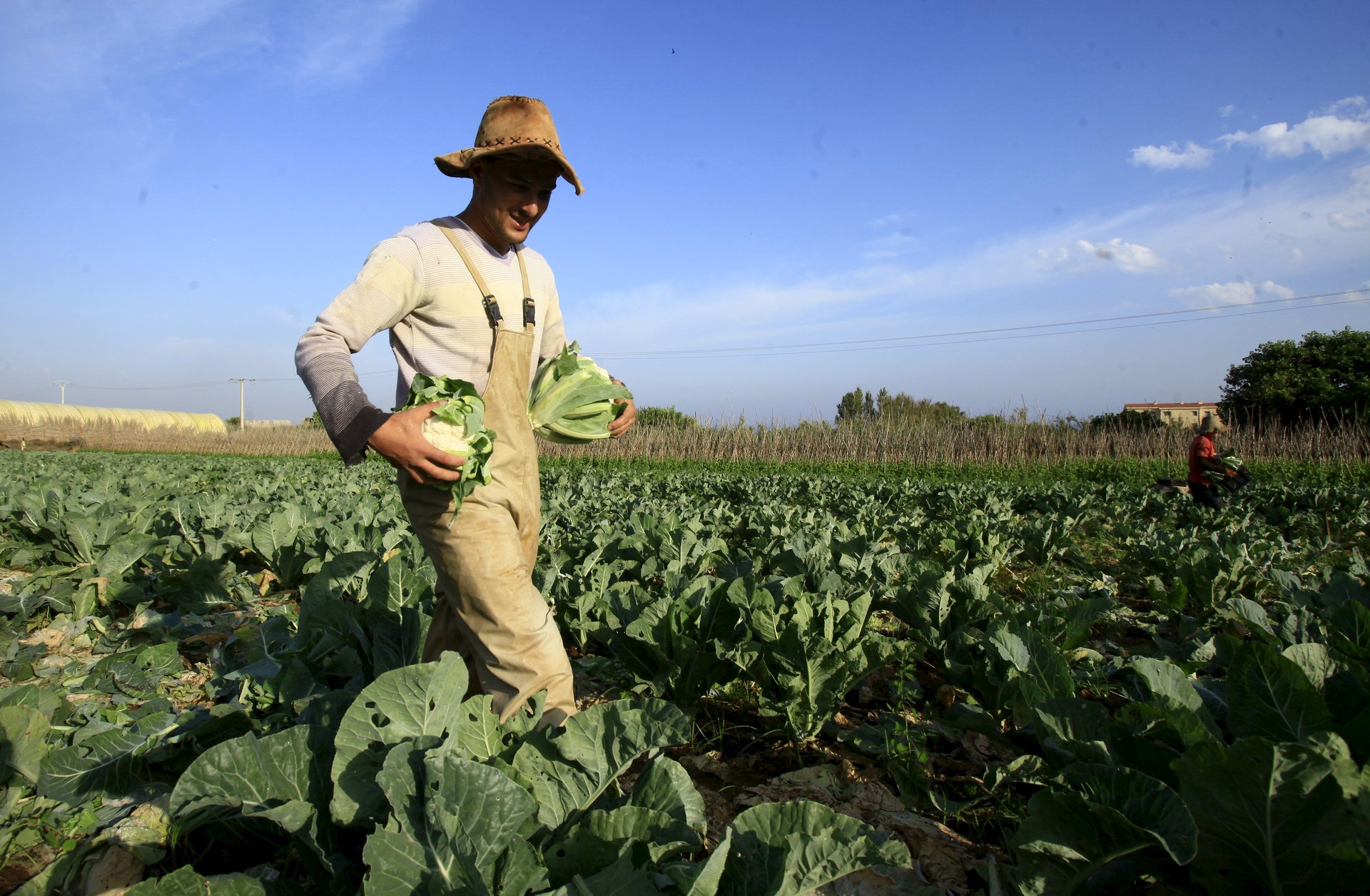
One of the largest farmworker unions in the US says early polling of farm laborers suggests operators of some of the nation’s largest fresh produce farms aren’t taking steps to protect fieldworkers from the spread of Covid-19. That’s worrying news for a food supply chain that experts, so far, have described as robust and resilient in the face of the disease caused by the coronavirus SARS-CoV-2.
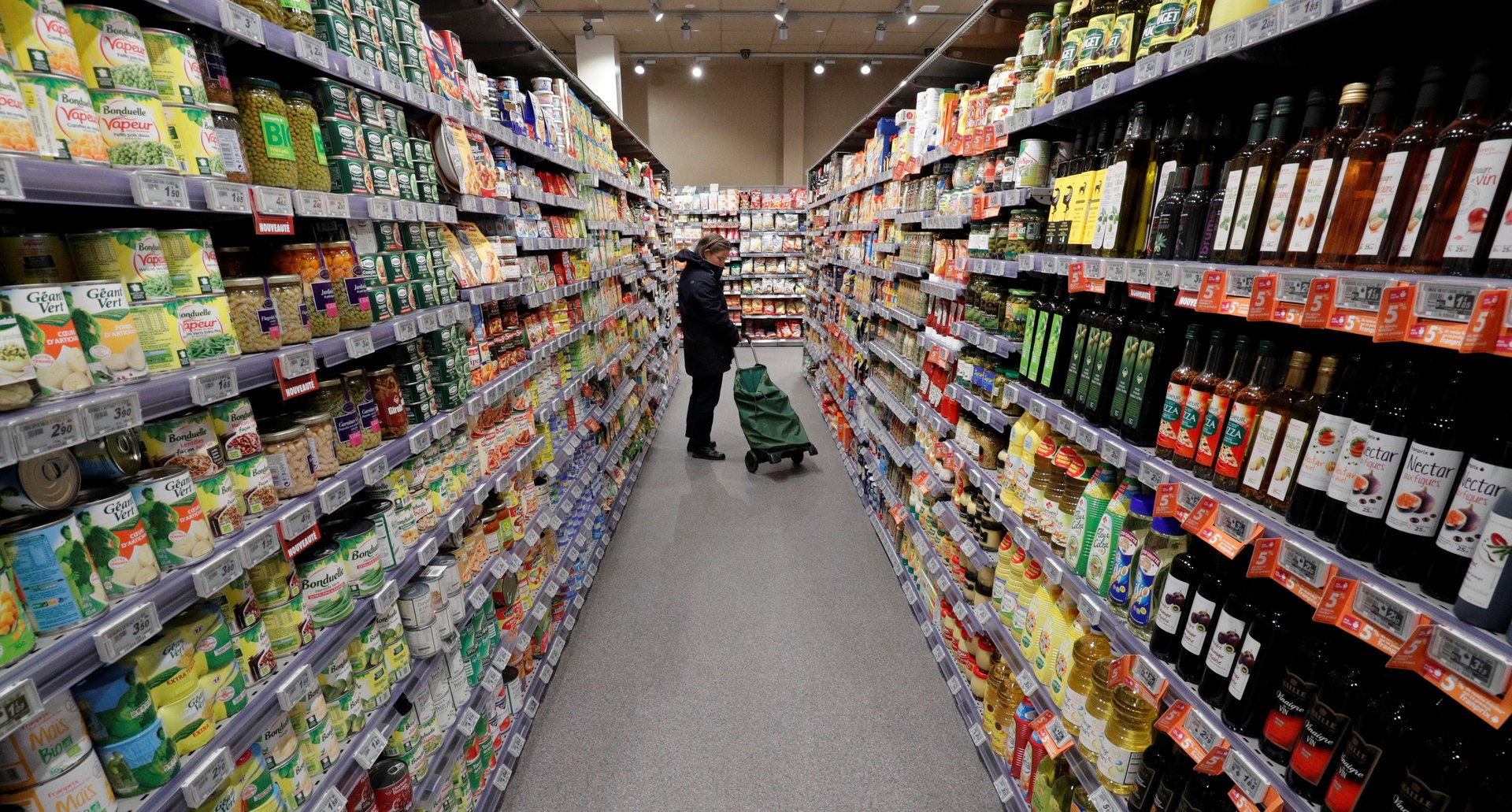
While many sectors of the global economy have stumbled or stalled in the wake of Covid-19, a few are thriving. As people prepare to and continue living in self-imposed isolation, grocery stores and food delivery companies are ramping up their work.
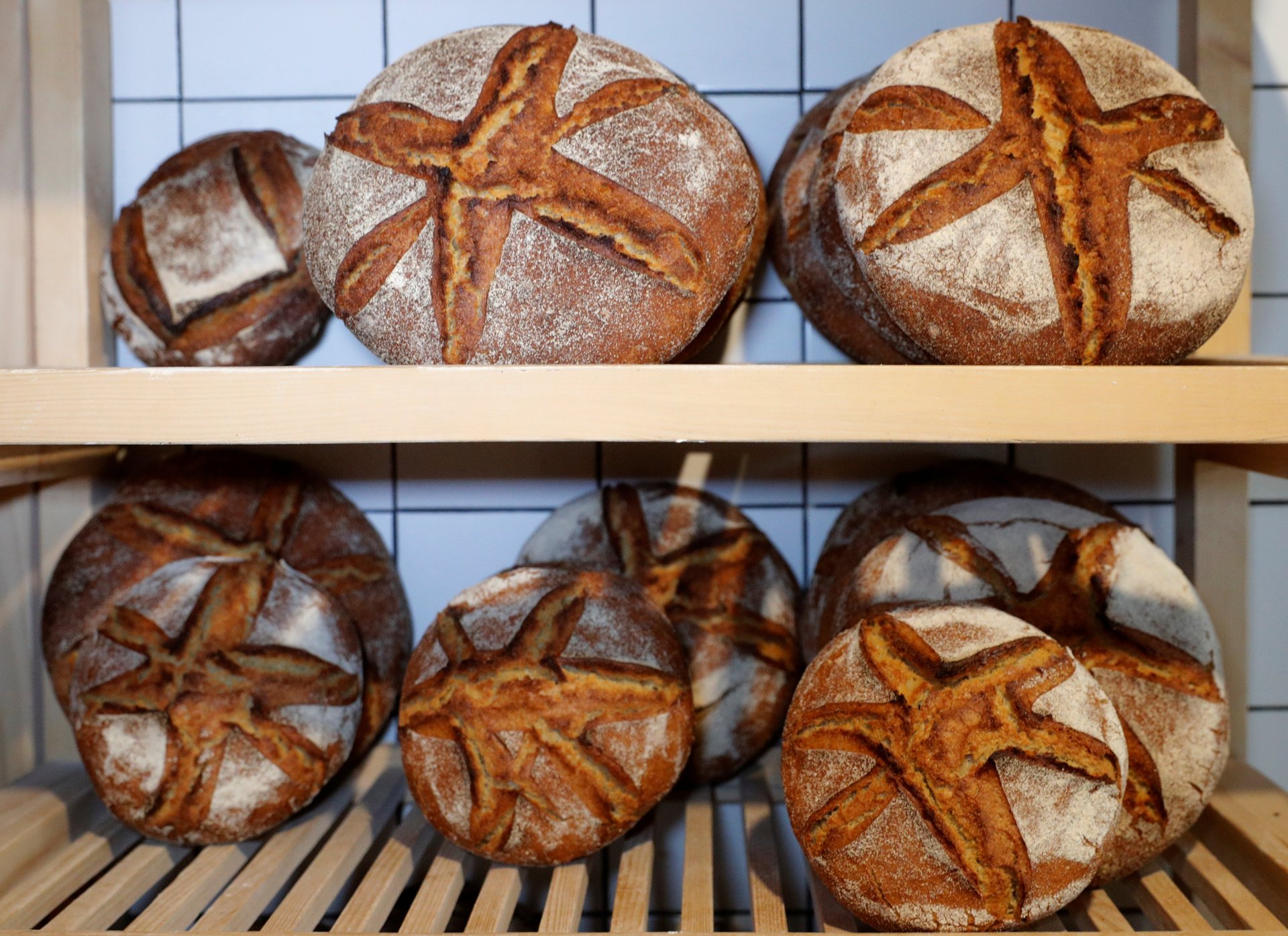
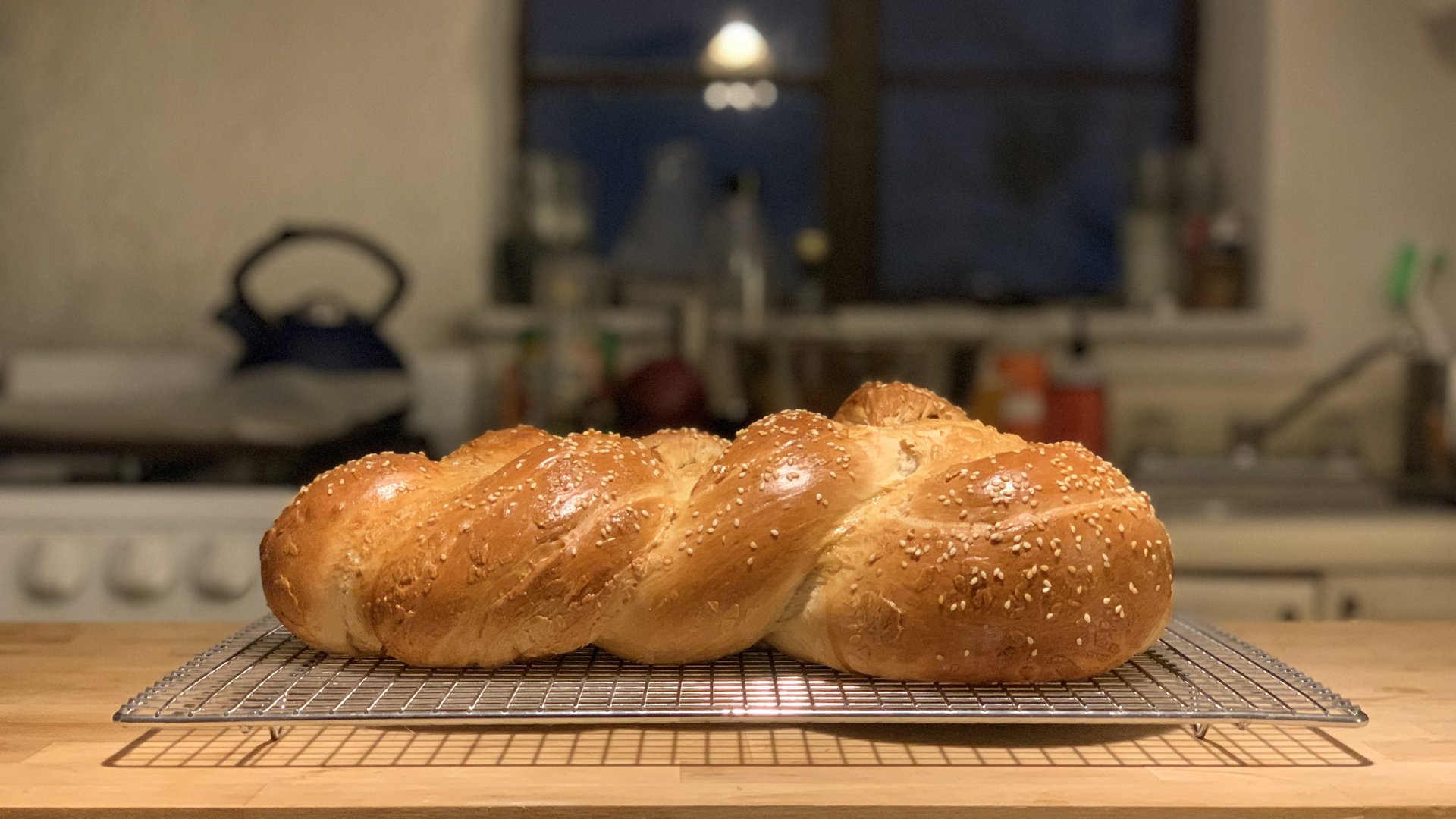
As people around the world settle into their homes to wait out the viral spread of Covid-19, a practical new pastime is gaining popularity. Long-time kneaders or crash-course hobbyists, there are many bread bakers among us.
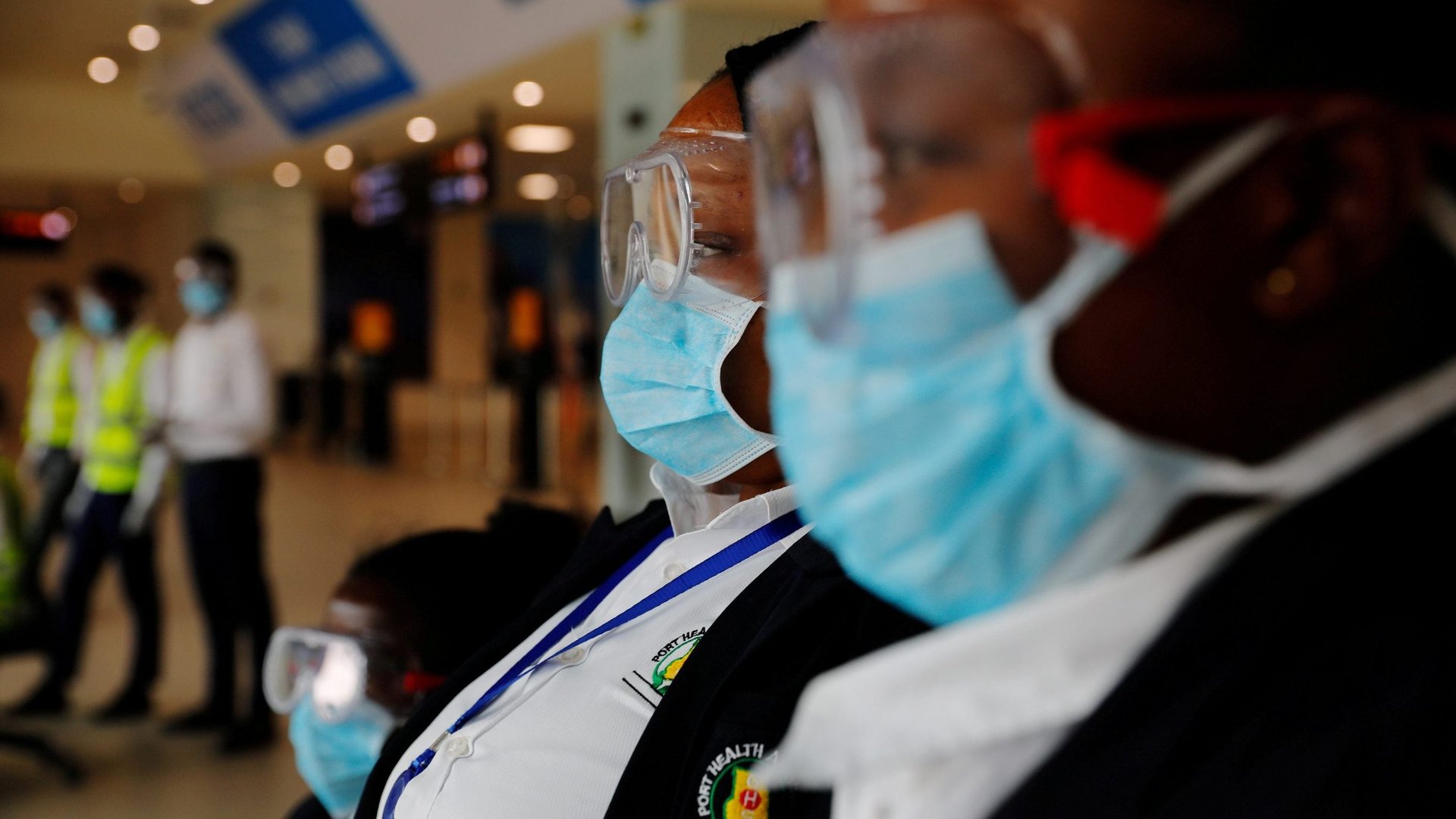
People around the world are reporting the temporary loss of their senses of taste and smell as doctors fight against the spread of Covid-19.
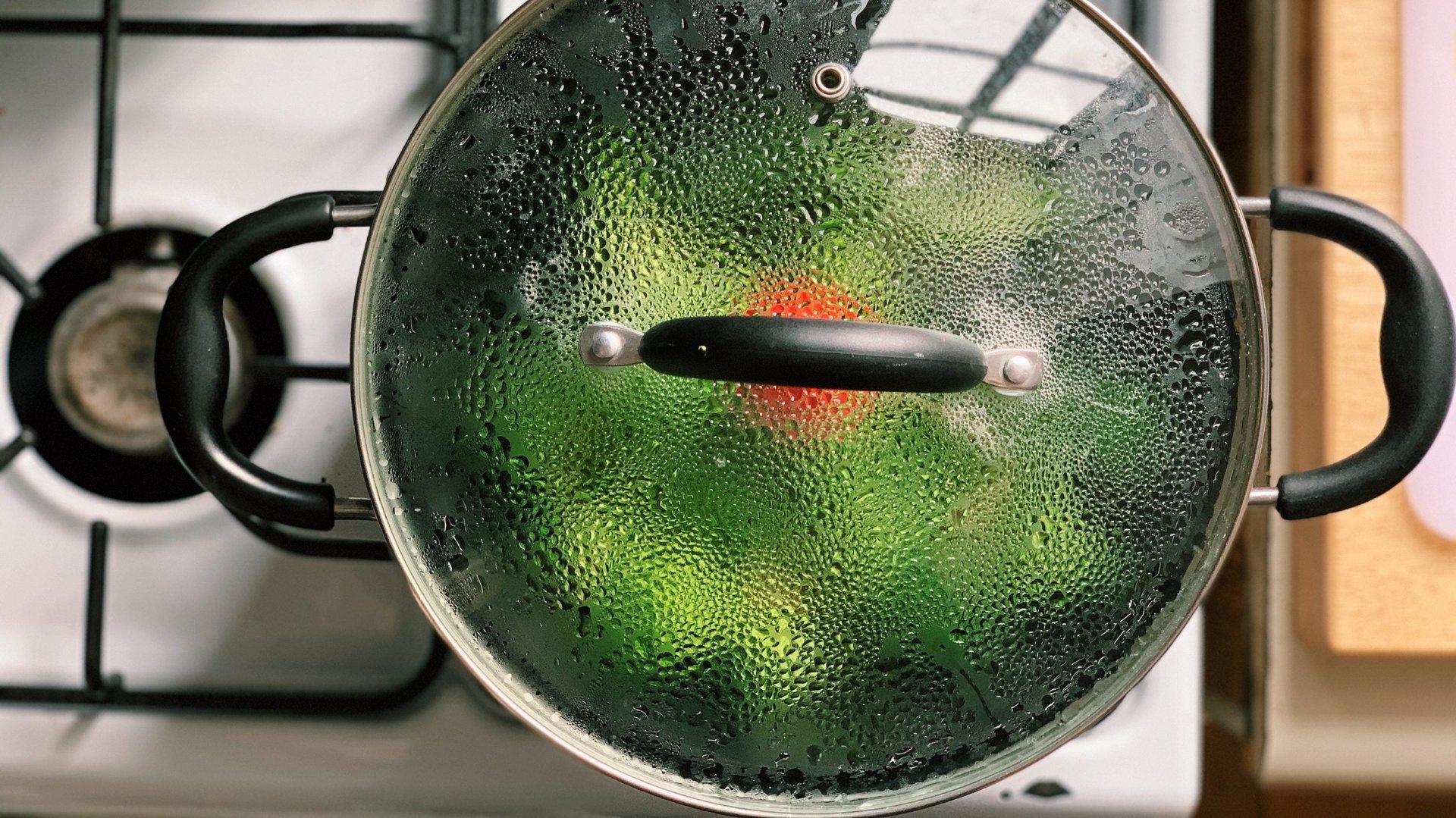
So you’ve stocked up on food for self-isolation—the beans, the canned soup, the rice, the oats. All staples that’ll keep for a long time. You’ve also no doubt meandered through the grocery store produce section, a good choice for packing all sorts of nutrients into your home-cooked meals.
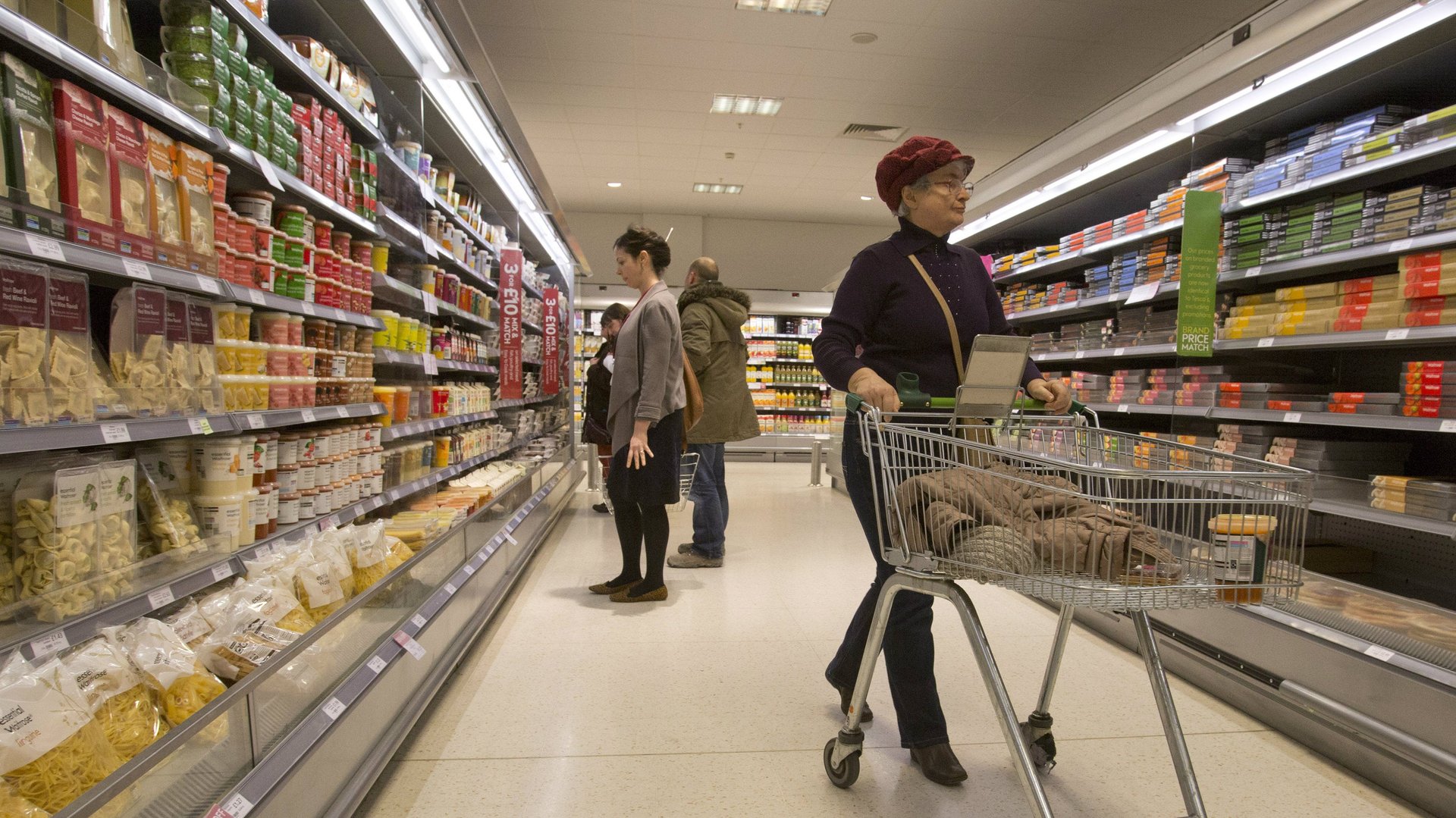
The rapid spread of Covid-19 is forcing people into their homes, the effect of global governments asking citizens everywhere to self-isolate and practice social distancing.
It started with a persistent sore throat, hacking cough, and slight fever.
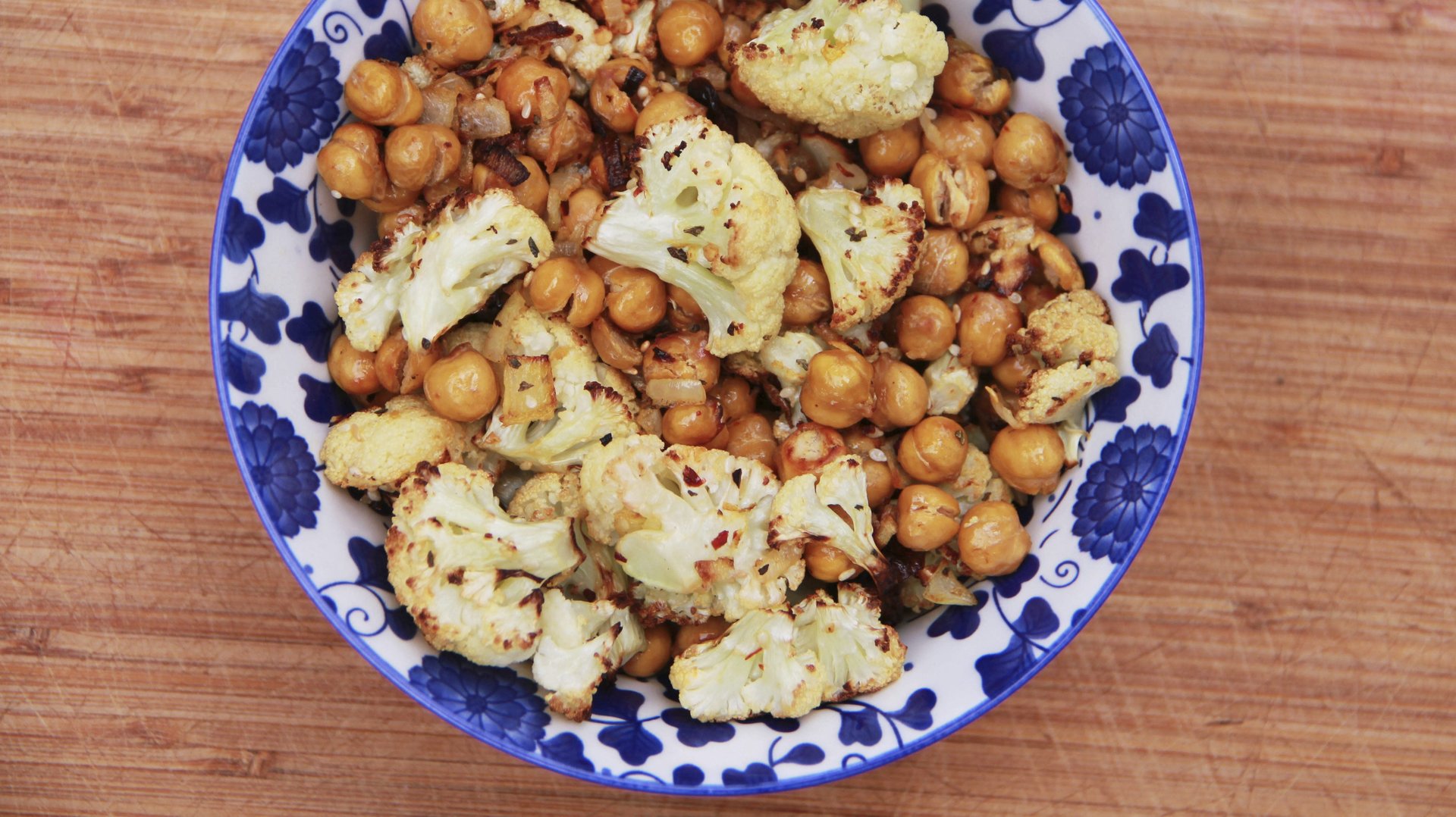
Behold! The era of the bean is here.
This week, a critical debate over responding to Covid-19 boiled over in the grocery aisle. It happened at Trader Joe’s, the California-headquartered bargain grocery chain popular with younger shoppers.