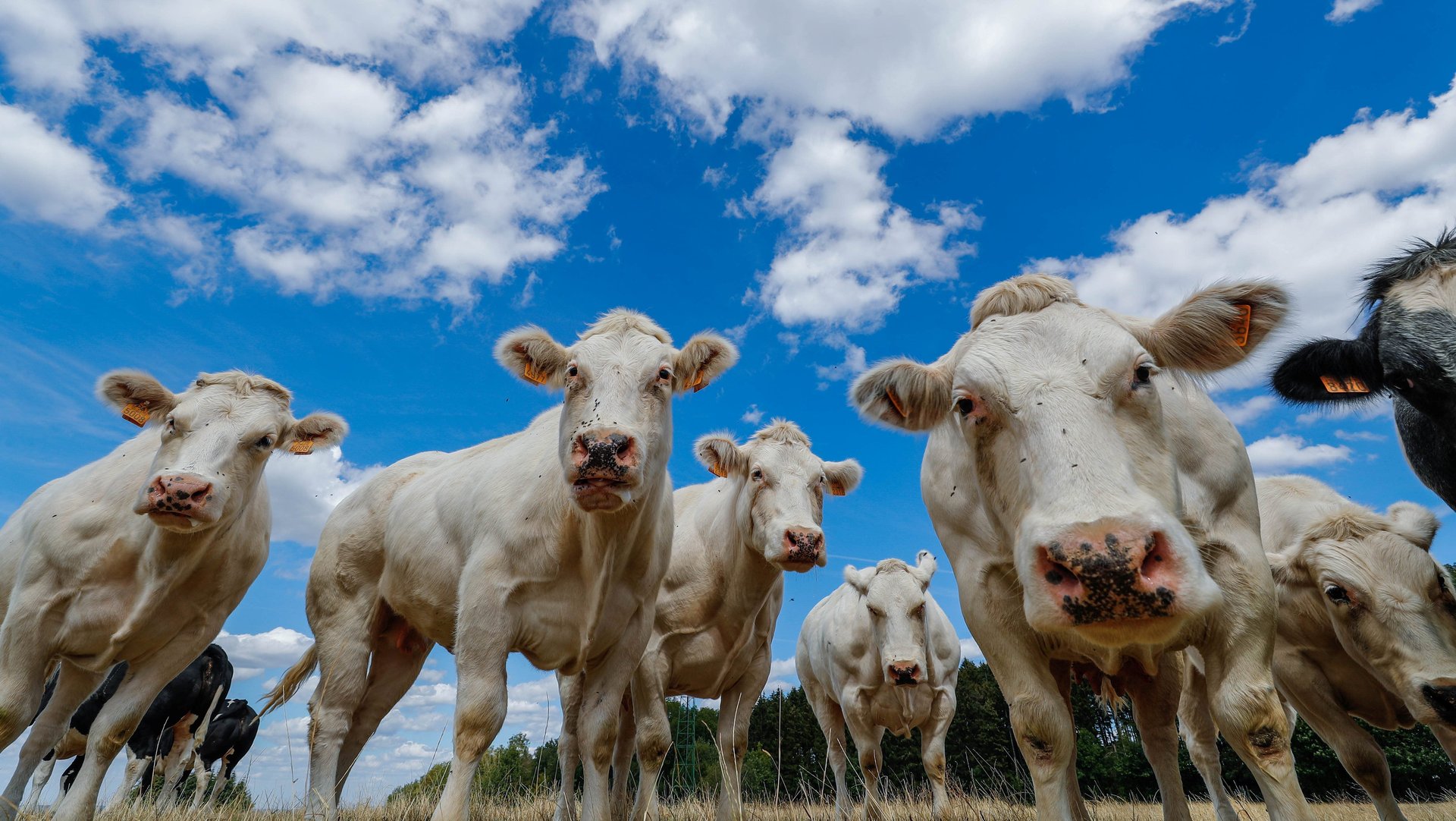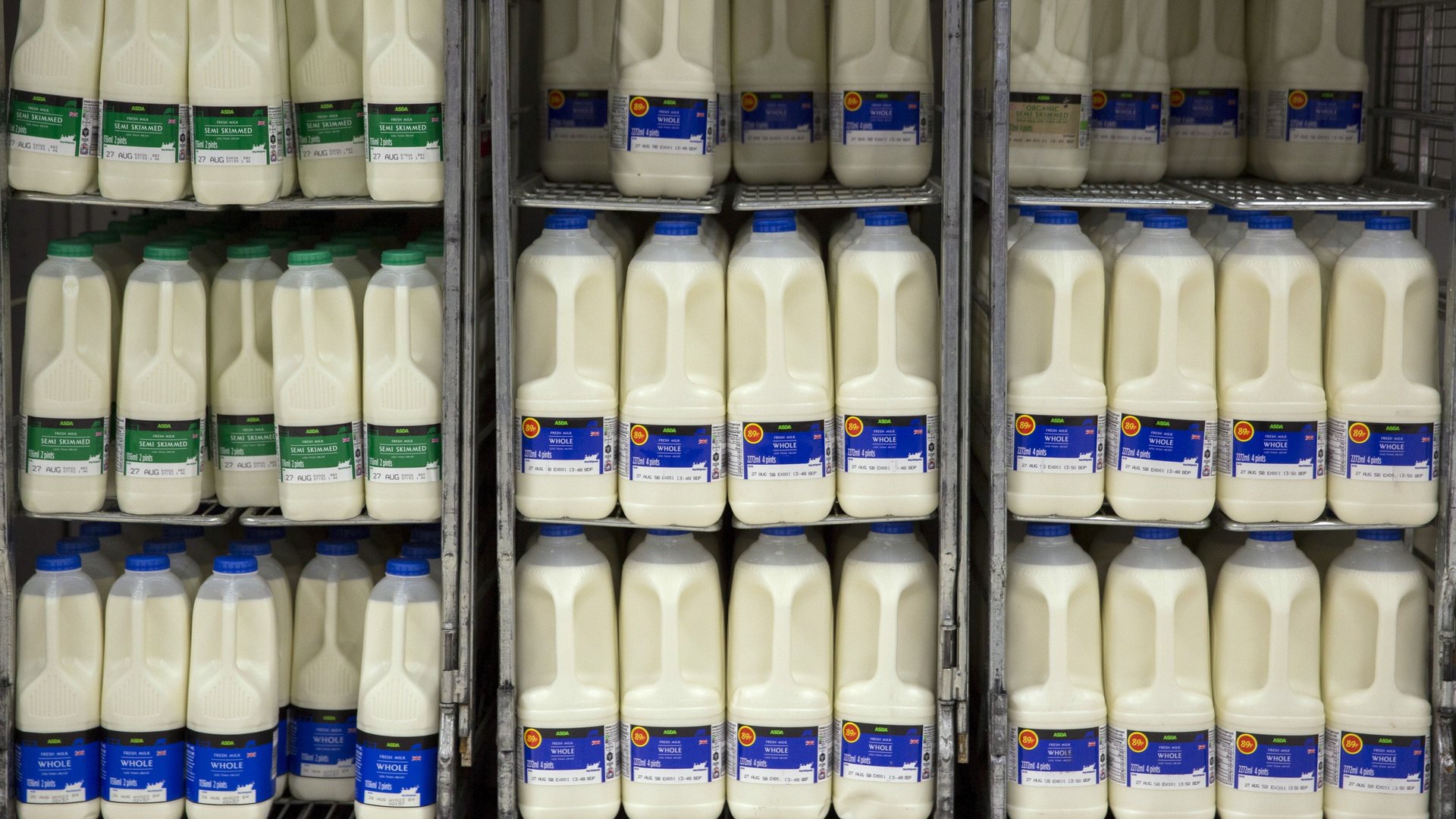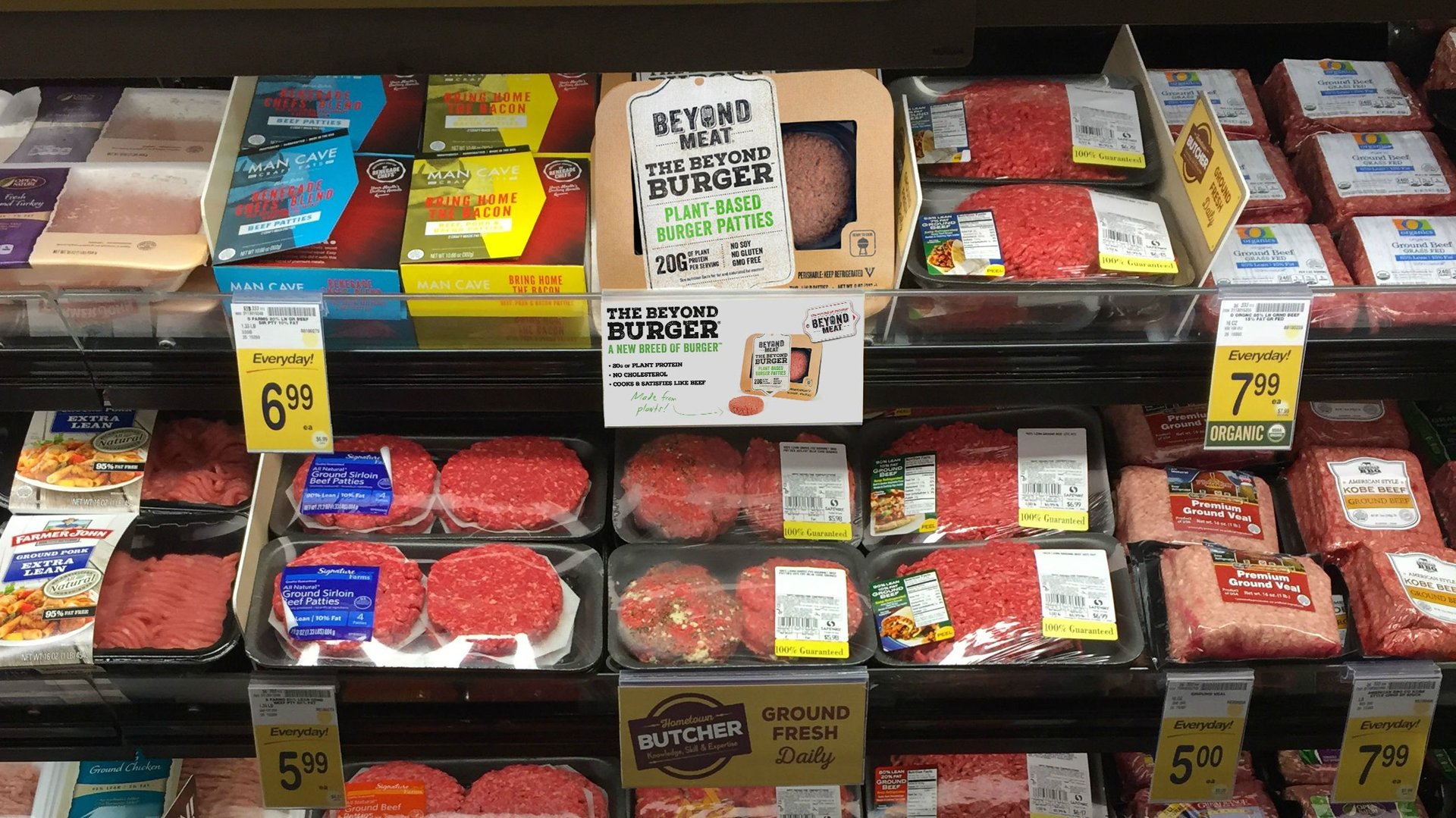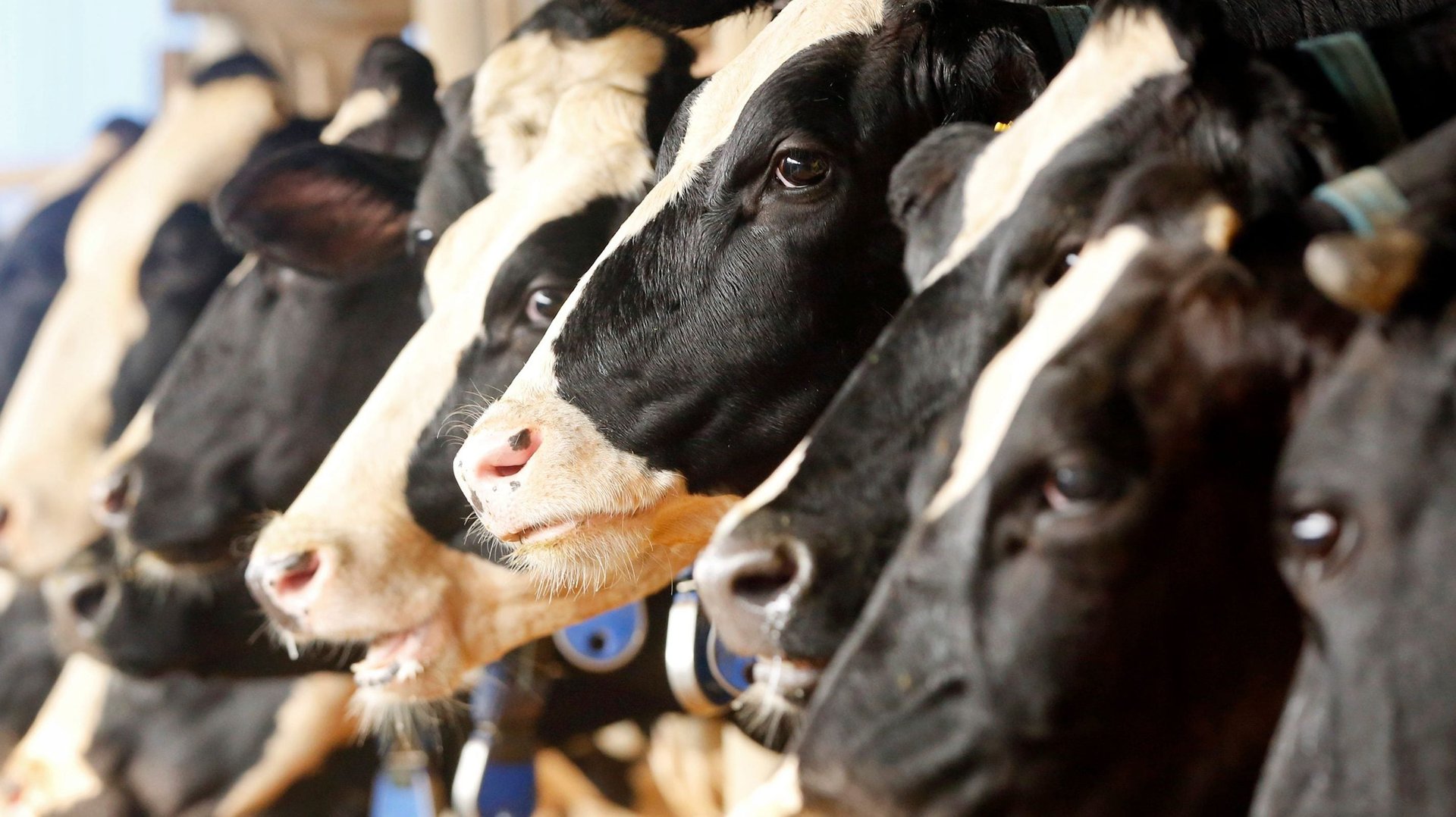
The world’s largest organic dairy company wants to tackle its contribution to the growing climate crisis. But to find success, it will have to look well beyond its dairy cow pastures.

The world’s largest organic dairy company wants to tackle its contribution to the growing climate crisis. But to find success, it will have to look well beyond its dairy cow pastures.

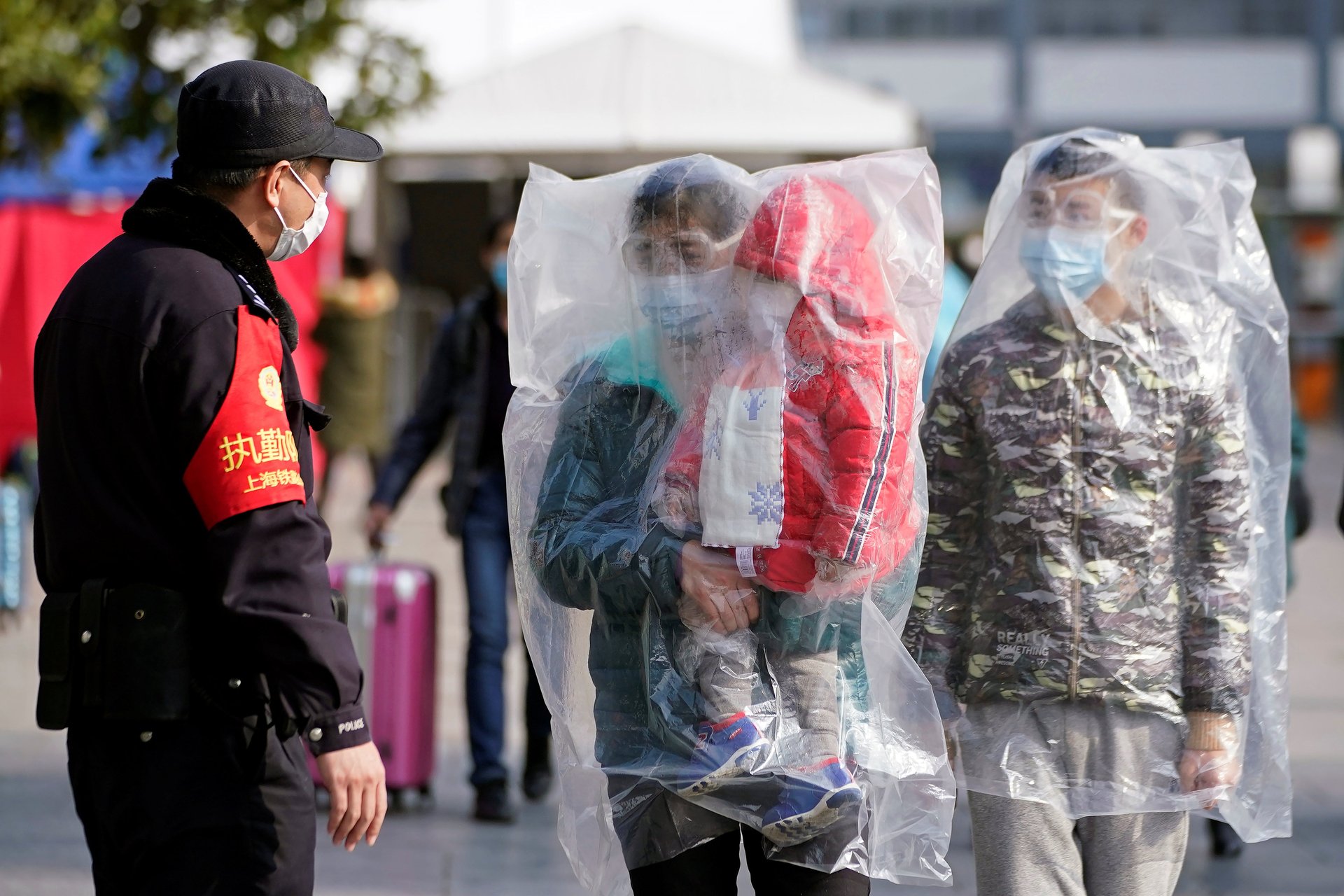
As Covid-19 moves beyond the borders of China and across the world, the disease caused by a novel coronavirus is threatening to slow economic activity everywhere it turns up. News of its spread is raising hairs in corporate boardrooms and has encouraged some businesses to advise employees to work from home.

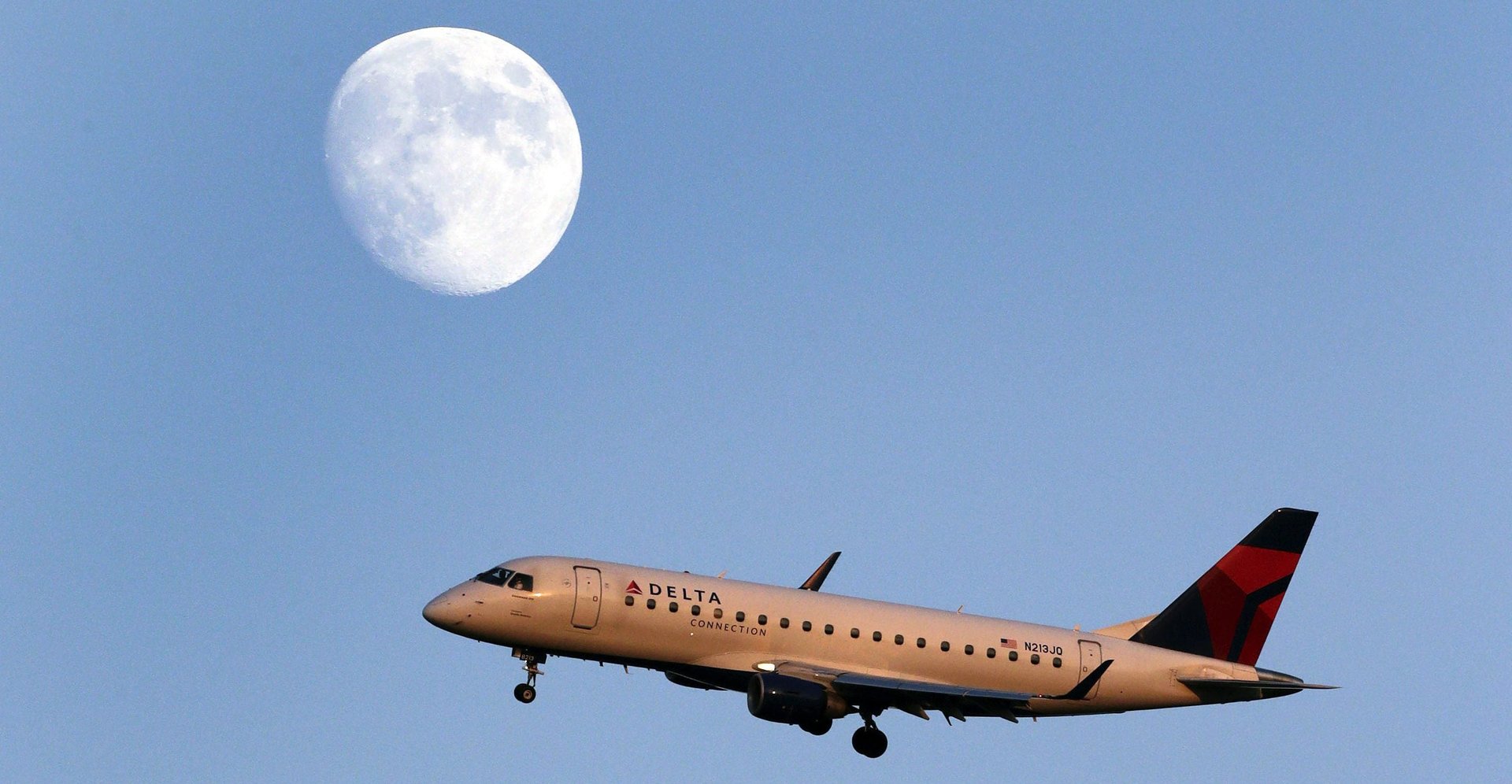
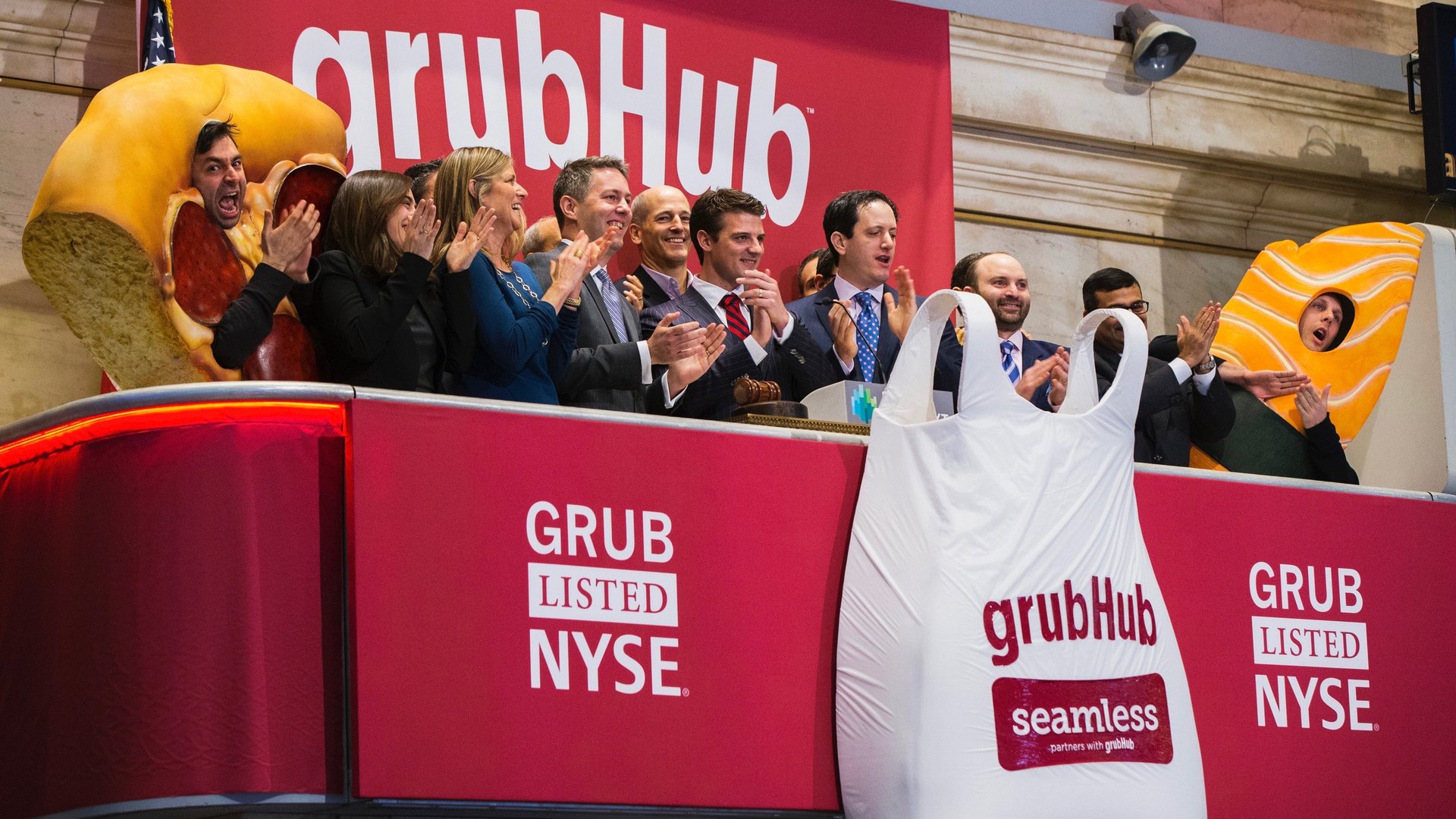
Matt Maloney says he wipes down his airplane seat with disinfectant every time he flies these days.

In March 2015, Berkeley, California became the first city in the United States to enact a soda tax: a one-cent surcharge on every ounce of sugar-sweetened drinks sold. In the five years since, several other cities—including San Francisco, Oakland, Boulder, Colorado, Seattle, and Philadelphia—have passed their own beverage ballot initiatives.

Hormel this week became the second major US meat processor to phase out a controversial drug that, for years, has been fed to its pigs to make them grow bigger and leaner faster. It’s part of an ongoing rejection of growth-promoting drugs: The announcement by the sixth-largest global meat company followed similar ones by Tyson Foods and Brazil-based JBS in October 2019.

As the Chinese government continues its effort to slow the spread of the deadly coronavirus, the country’s central bank at a press conference today (Feb. 15) told media it was going to begin literally cleaning its currency.

The world’s second-largest airline says it plans to be carbon neutral, and that it will spend $1 billion over the next decade to reduce its environmental footprint.

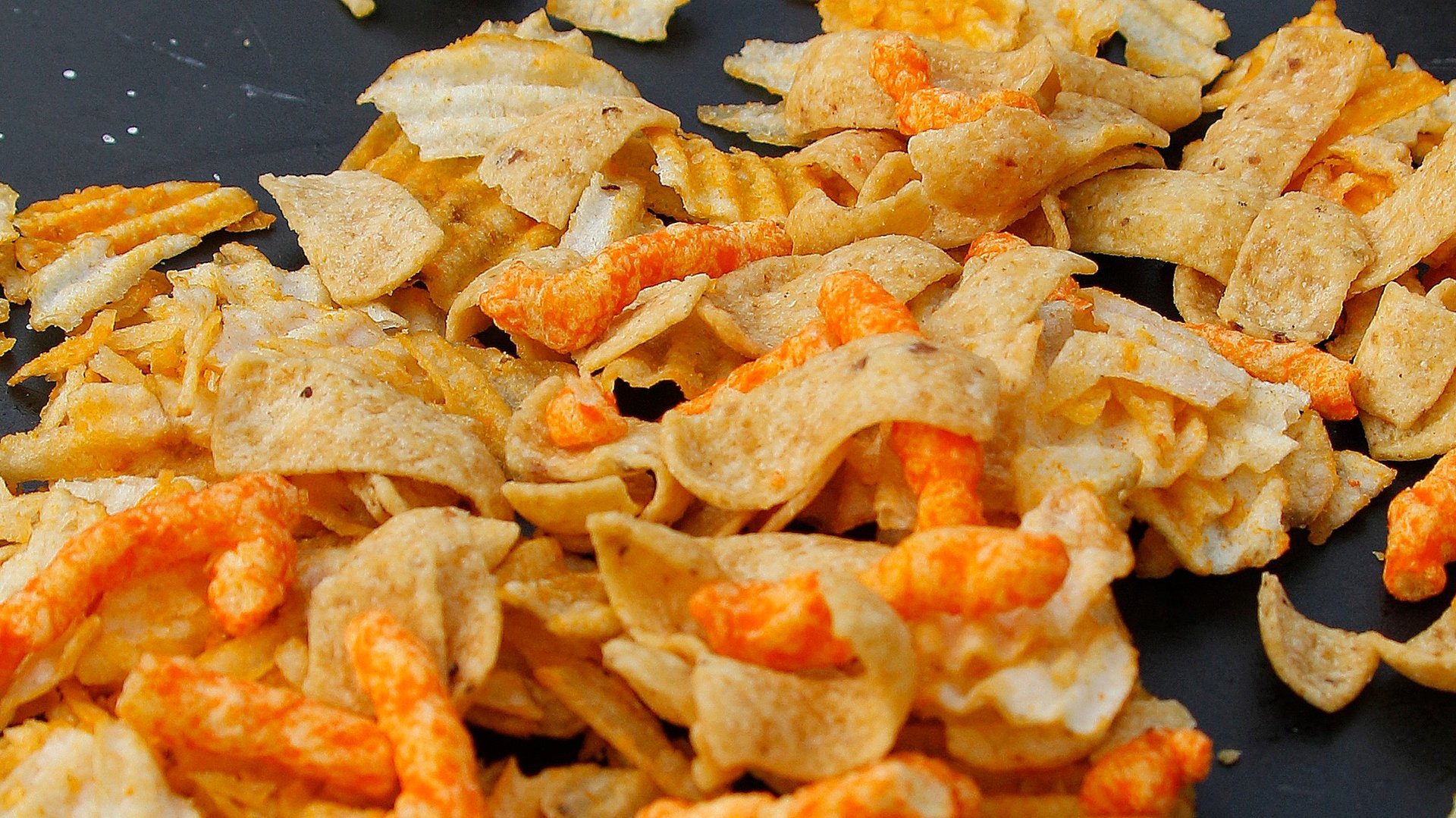
Crunch. Squish. Snap. Slurp.

A Dutch animal welfare organization is speaking out against (link in Dutch) long-running European Union subsidy programs that support the animal agriculture industry. The Wakker Dier Foundation claims that propping up the beef, pork, and chicken businesses ostensibly puts the EU in a position of contributing to the global climate crisis.

The package arrives in a brown paper bag, receipt stapled snugly to its top. The delivery person hands it over into anxious, impatient hands, followed by a rush to the kitchen table, where the bag is gleefully ripped open.

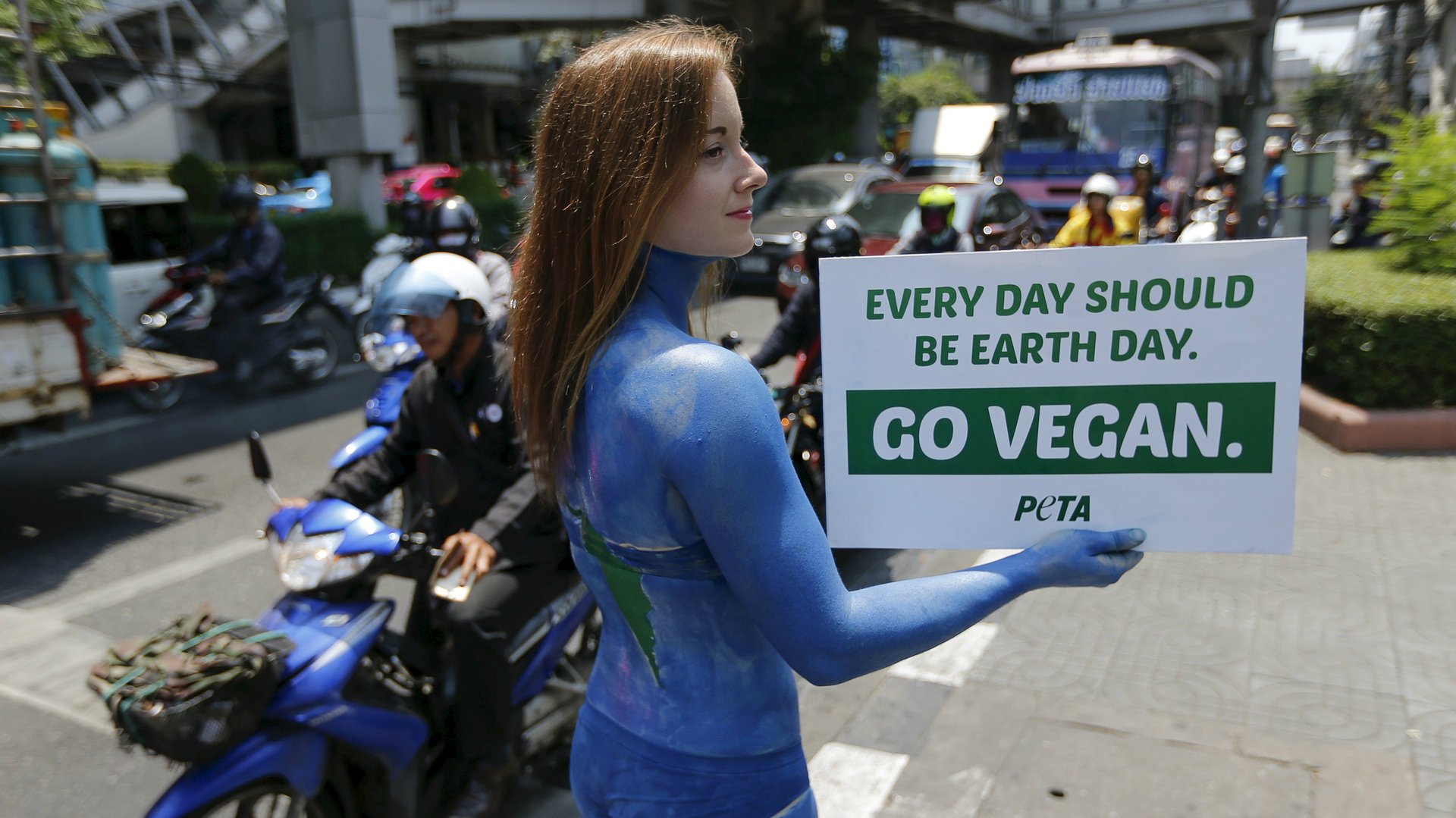
For champions of animal rights, the last five years have been good ones.

Christie Lagally spent much of her childhood peering into the dark through the lens of a telescope. But she never found the answers she sought in the chilly vastness of outer space.

It’s a one-two punch that’s taken the wind out of the US arugula industry. First came the unusual storms, then came the fungal infections. And grocery shoppers are starting to take note: Local news stations in New York and in San Francisco noted consumers aren’t able to find the peppery green, both in the cities and throughout the country.

In the last decade, the number of recalls the US government made for unsafe meat increased. And not just by a little.

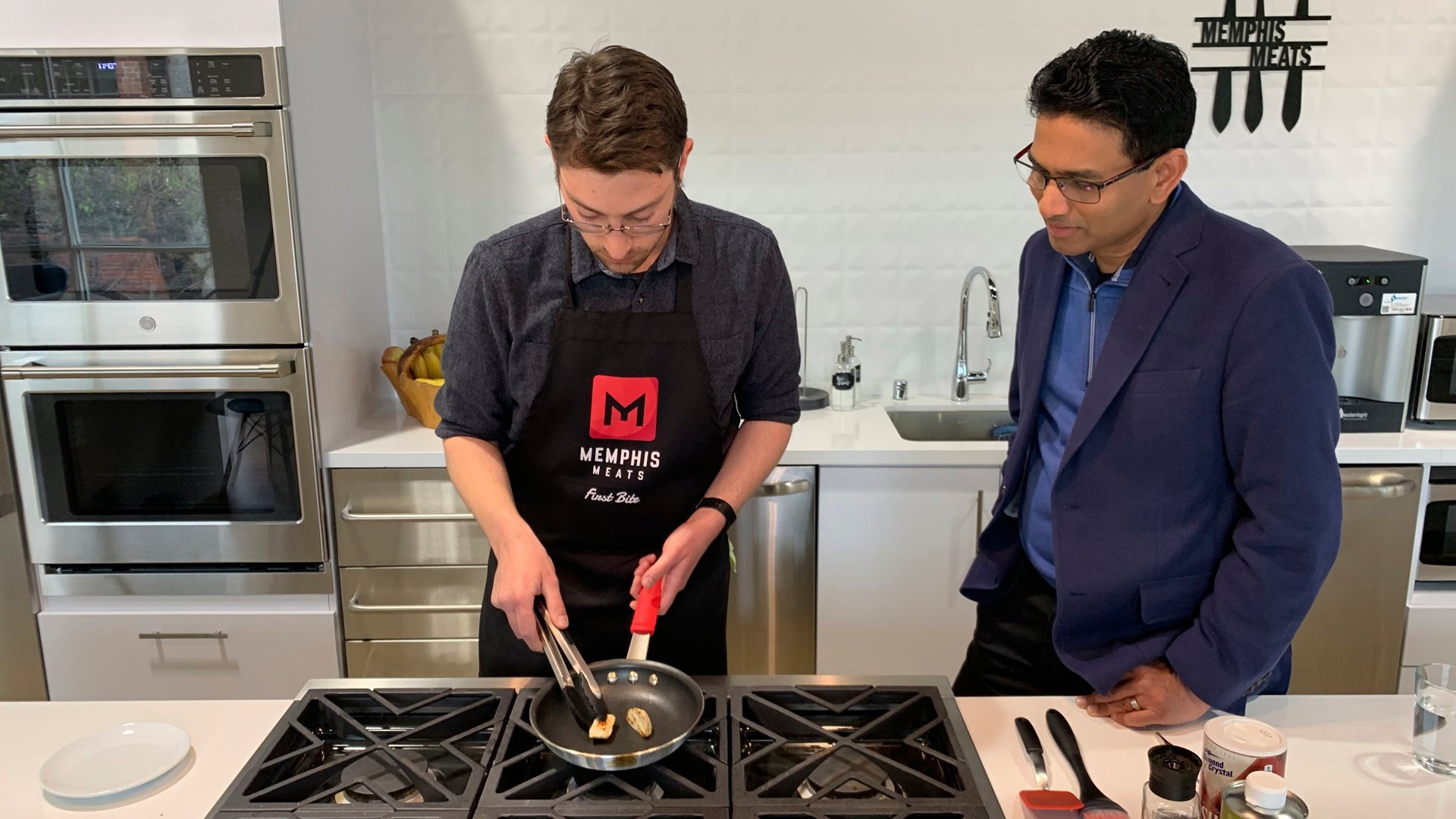
One of the leading Silicon Valley startups making high-tech, cell-cultured meat says it’s about to build its first pilot production plant in the United States.

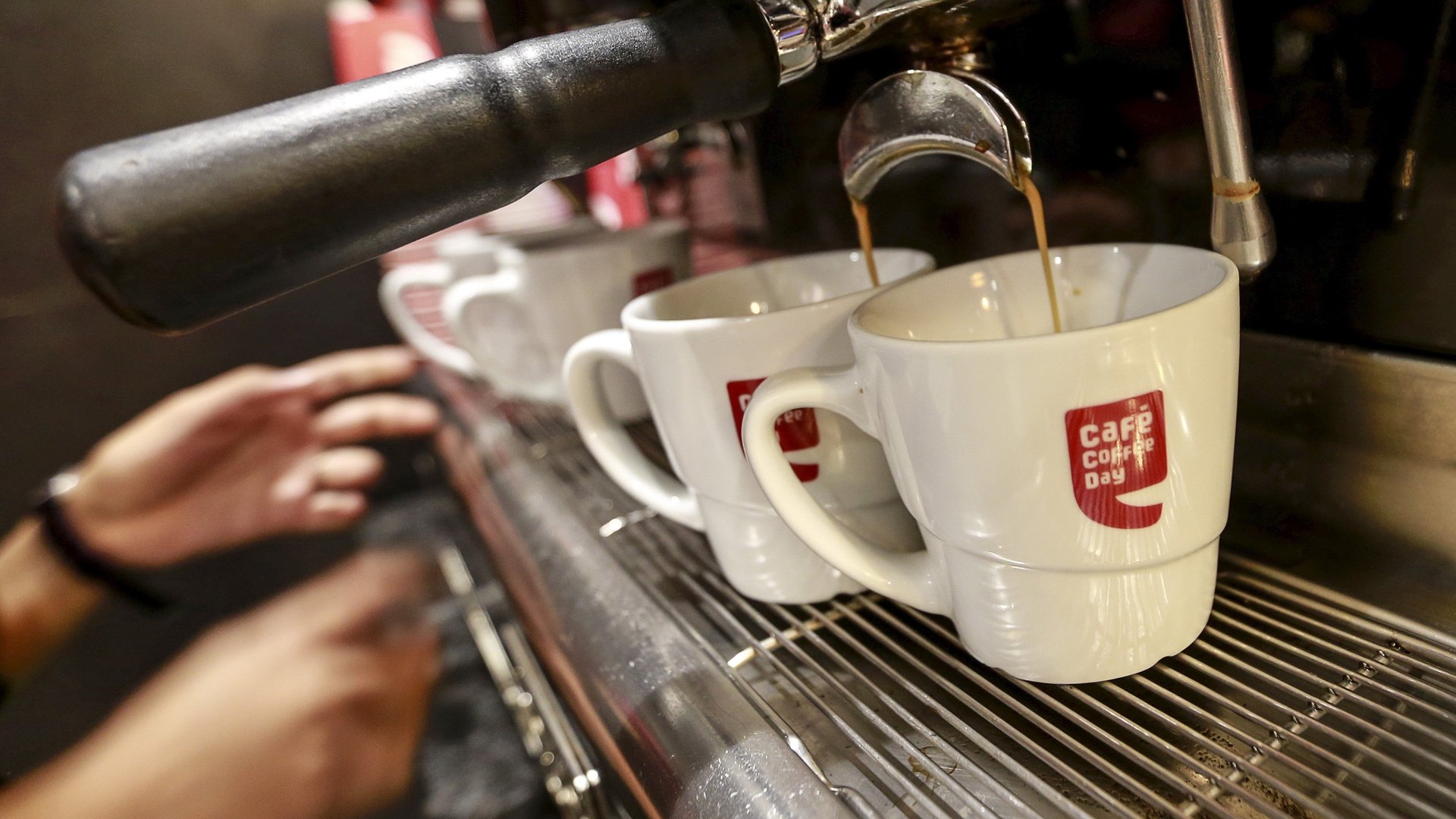
The footprint of robot baristas is about to expand.

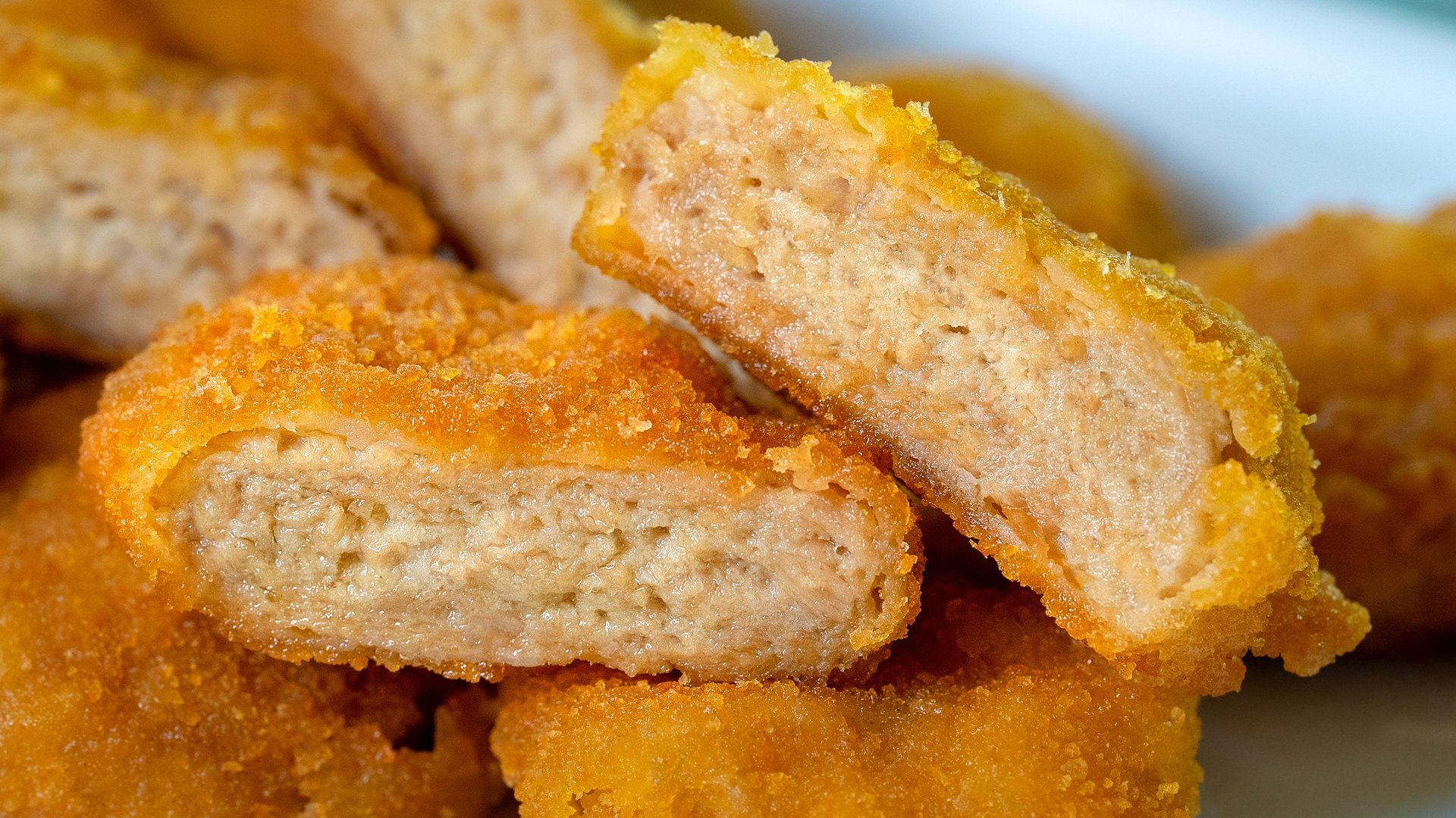
The ascent of plant-based meat alternatives has reshaped menus in restaurants and fast-food chains across the US, led by a parade of high-tech burgers, nuggets, and sausages that look (and sometimes taste) like the real thing. That’s all fine and good for American consumers who gravitate toward fried foods and processed meats. But what about the 1.3 billion people living in the world’s second-biggest economy?

Impossible Foods is expanding the vegan footprint on Burger King menu boards. The California-based startup today announced it would supply plant-based pork sausages for new sandwiches geared at the breakfast crowd.

The world’s most iconic fast food chicken chain this week (Jan. 6) announced the release of a new vegan chicken sandwich across the some 900 locations it operates in the United Kingdom. It’s calling the menu item the ‘Zero Chicken’ sandwich.

Strategically, United States president Donald Trump’s trade war with the European Union could be a boon for California vintners, which make about 80% of US wine. With Southern Australia’s wine country on fire and a hefty 100% tariff being considered for European wines, there’s a good chance Americans will opt for a cheaper bottle of domestic vino over a foreign variety.

Three judges on a US federal appeals court this week (Dec. 30) handed down a ruling clearing the maker of Diet Dr Pepper of accusations it tricks consumers into thinking its ‘diet’ drinks are associated with weight loss or weight management.

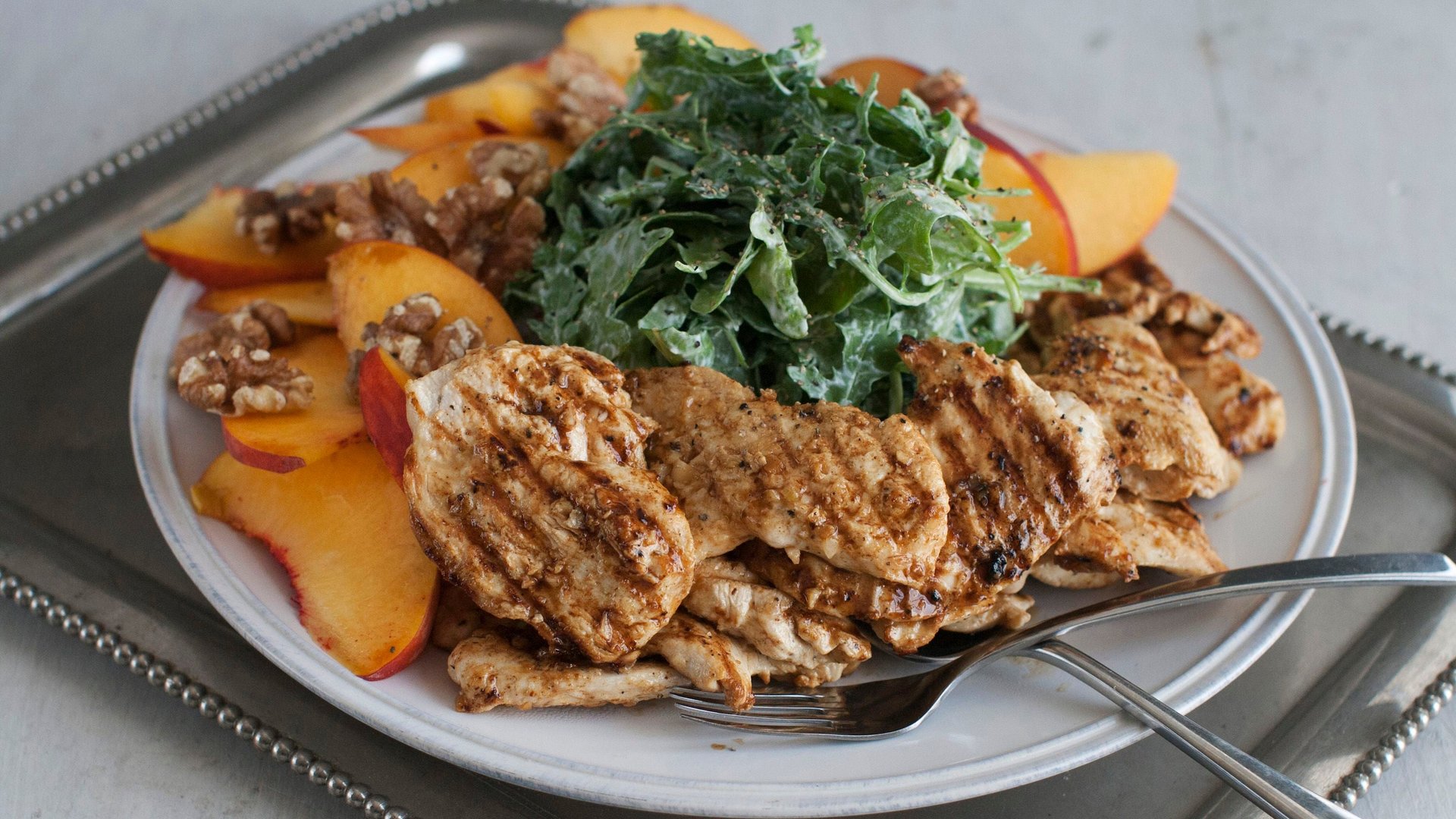
It’s no easy task getting food from farm to plate. Consider the path of animal protein: It requires not just fattening and slaughtering, but the front-end growing, watering, and transporting of animal feed, and the back-end shipping of steaks, bacon, and chicken breasts to grocery stores.

Dino Giacomazzi’s family has been in dairy for more than 125 years. In 1893, his great-grandfather immigrated to the US from northern Italy, a region that is part of modern-day Switzerland. He bought property between San Francisco and Los Angeles from the Southern Pacific Railroad, and turned the plot into a dairy farm—the state’s oldest.

The effort to get high-tech plant-based meats into the market has been going strong for nearly four years now, with Impossible Foods and Beyond Meat as two of the most popular producers jousting for consumer attention.