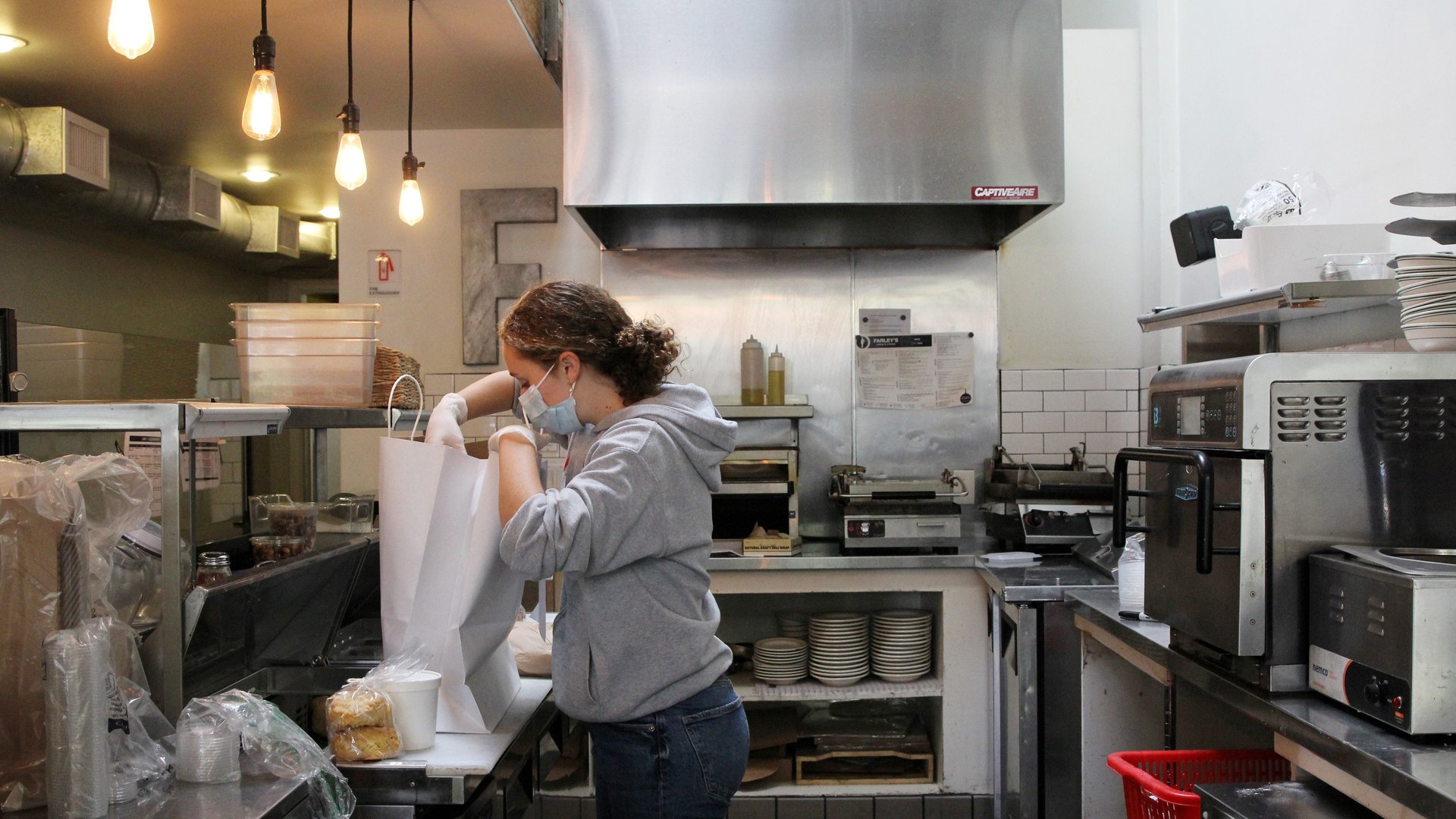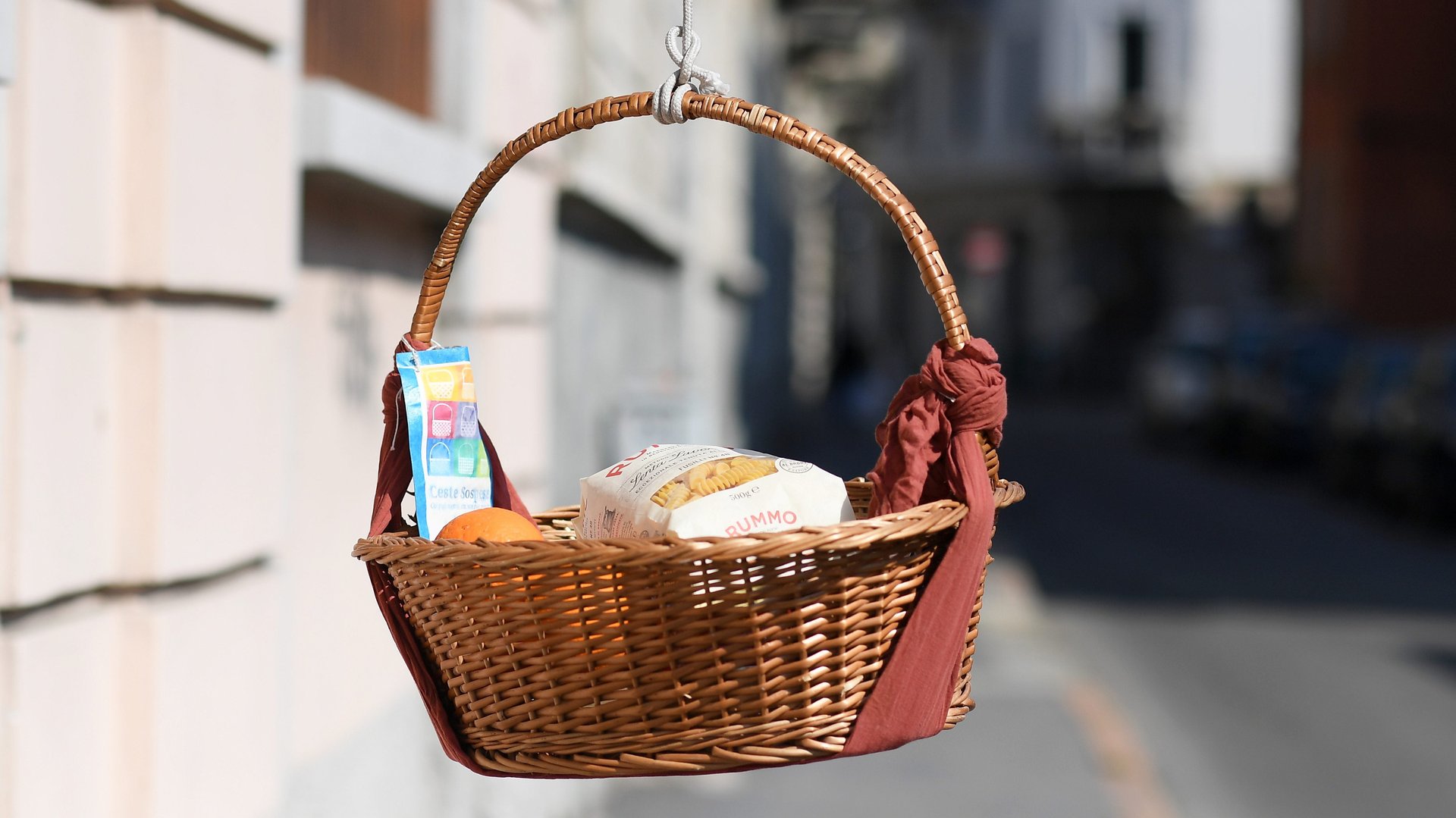
Some products become a lot more valuable when you are forced to sit at home all day due to a pandemic. A serendipitous study of consumers in the UK tells us exactly which ones.

Some products become a lot more valuable when you are forced to sit at home all day due to a pandemic. A serendipitous study of consumers in the UK tells us exactly which ones.

The US’s emergency program to keep small businesses afloat during the pandemic was far from perfect, and the data produced about the half a trillion dollars in loans is a total mess. But the former head of the Small Business Administration argues that those criticisms, while valid, miss the bigger point.

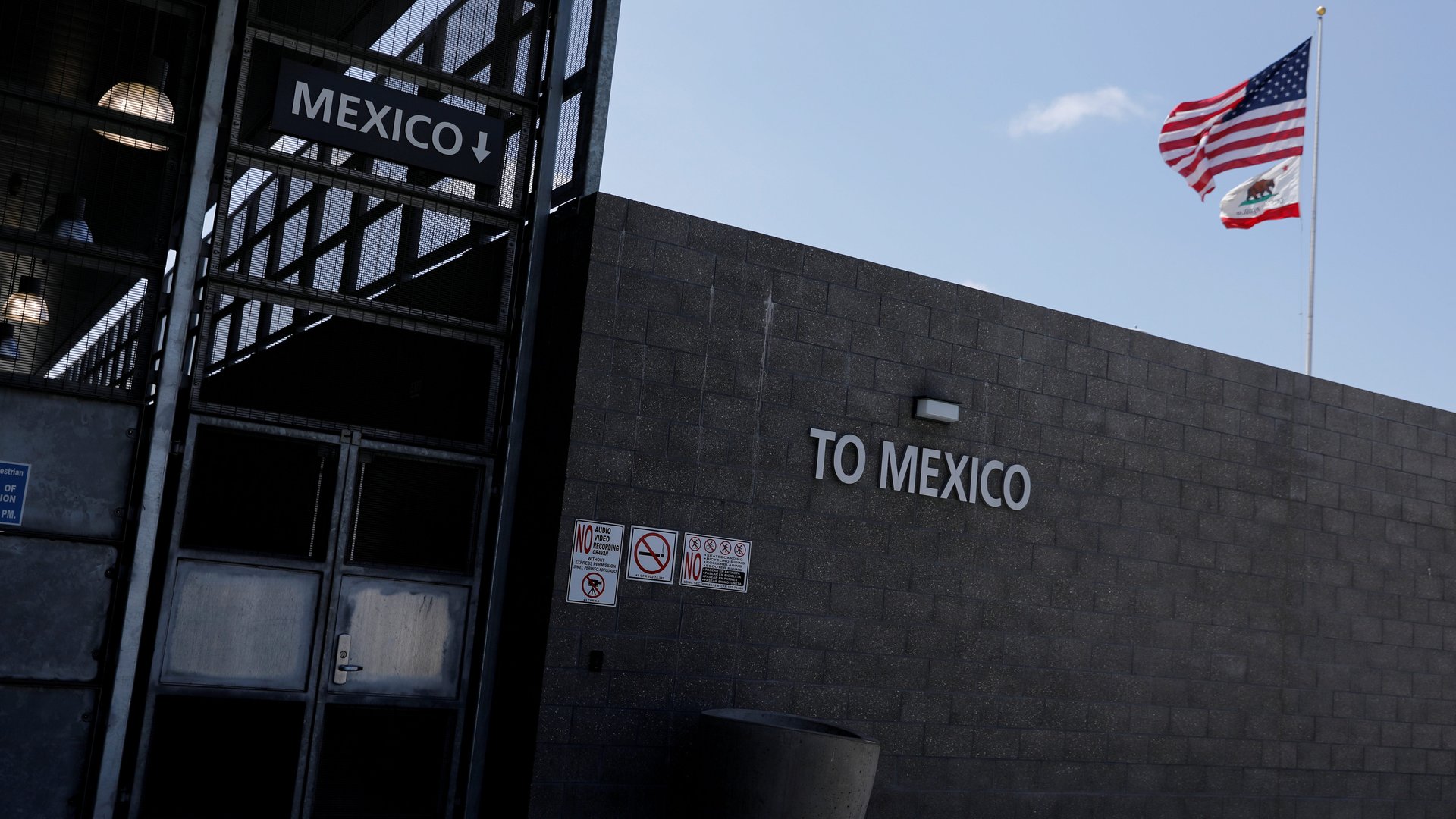
Just 6.2% of the people in households surveyed for the US’s monthly employment survey responded they were not US citizens in June 2020. This is the lowest share of non-citizens since 2000, and down from 6.8% in February.

Bill Spriggs hopes this is a teachable moment for economics.

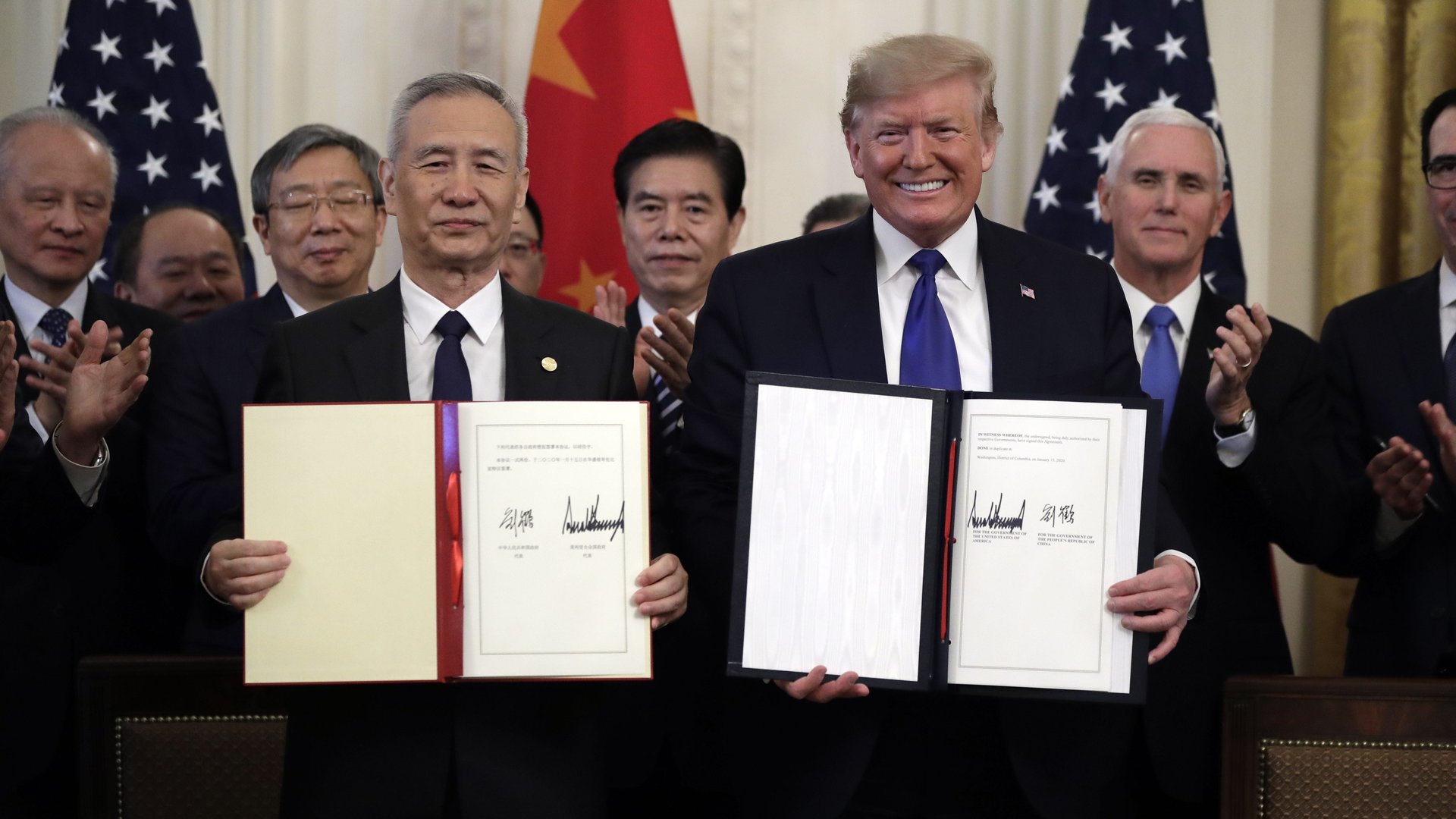
US imports are at a five-year low, according to data released today by the US Department of Commerce. But while trade with the vast majority of countries has plunged since March, US imports from China are surging.

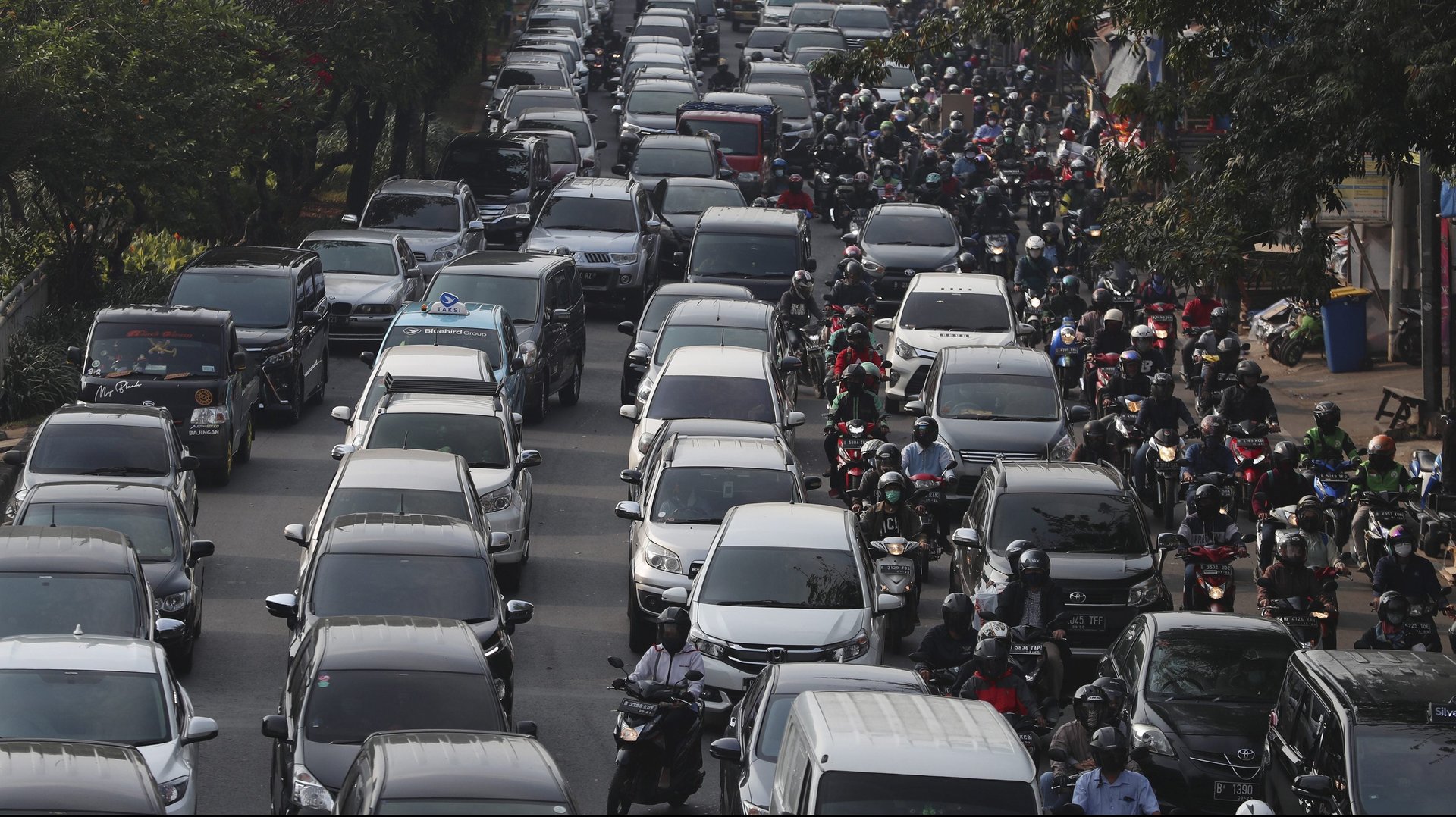
In the world’s biggest cities, the demand to drive far outstrips the supply of roads. As a result, commuters in major metropolitan areas face massive congestion.

Bahrain is an expensive place to drink. According to the World Bank’s recently released purchasing power parity data, alcohol in Bahrain costs 345% more than the global average.

According to the US government’s official figures, inflation was -0.7% in April. Normally, that number would indicate that the average price of goods and services purchased by Americans dropped by about 0.7% from March to April. Due to Covid-19, that number is way off, says Harvard Business School economist Alberto Cavallo, one of the world’s leading researchers on inflation.

In 2017, Egypt’s average income per person was about $2,200. In Japan, it was about $31,200, almost 14 times more. So can the average Japanese person actually buy 14 times more stuff than the average Egyptian? Not even close, according to the World Bank’s recently released cost of goods and services statistics.

Over 3.4 million people in the US quit their jobs in February. They might be regretting it.

Nationwide protests over the death of George Floyd, a black man killed by a white police officer, have brought increased attention to the continuing gaps in economic status between white and black Americans. Data show that blacks in the US have ten times less wealth, are 20% more likely to be unemployed, and make 78% as much in weekly wages as whites.

Nationwide protests over the death of George Floyd, an unarmed black man killed by a white police officer, are renewing attention to the ways that African Americans have been failed by everything from policing to job creation and public health. Many black Americans have also been unable to improve their quality of life through stock market investing—an important wealth generator.

China’s trade focus is pivoting. Due to its trade war with the US and the fast growing economies of its southern neighbors, China now trades more with Southeast Asia than with the US.

Covid-19 has destroyed the US job market. In April, the US unemployment rate reached nearly 15%, up from 3.5% in February. Job losses have been concentrated among low-wage and female workers.

The US is losing bank branches fast.

The world’s biggest economy is projected to crater this quarter, in what is likely to be the largest contraction since at least the Great Depression. US stocks, meanwhile, have soared. They’ve recouped trillions of dollars of market value in recent weeks, erasing a swoon in March as commerce was forced to shut down around the world.

Here’s how it works, kidWhen you’re young, you just play,But things will start changing,You’ll start working one day

The value of a dollar is going up. At least that’s what the consumer price index (CPI), the US government’s headline inflation metric, indicates.

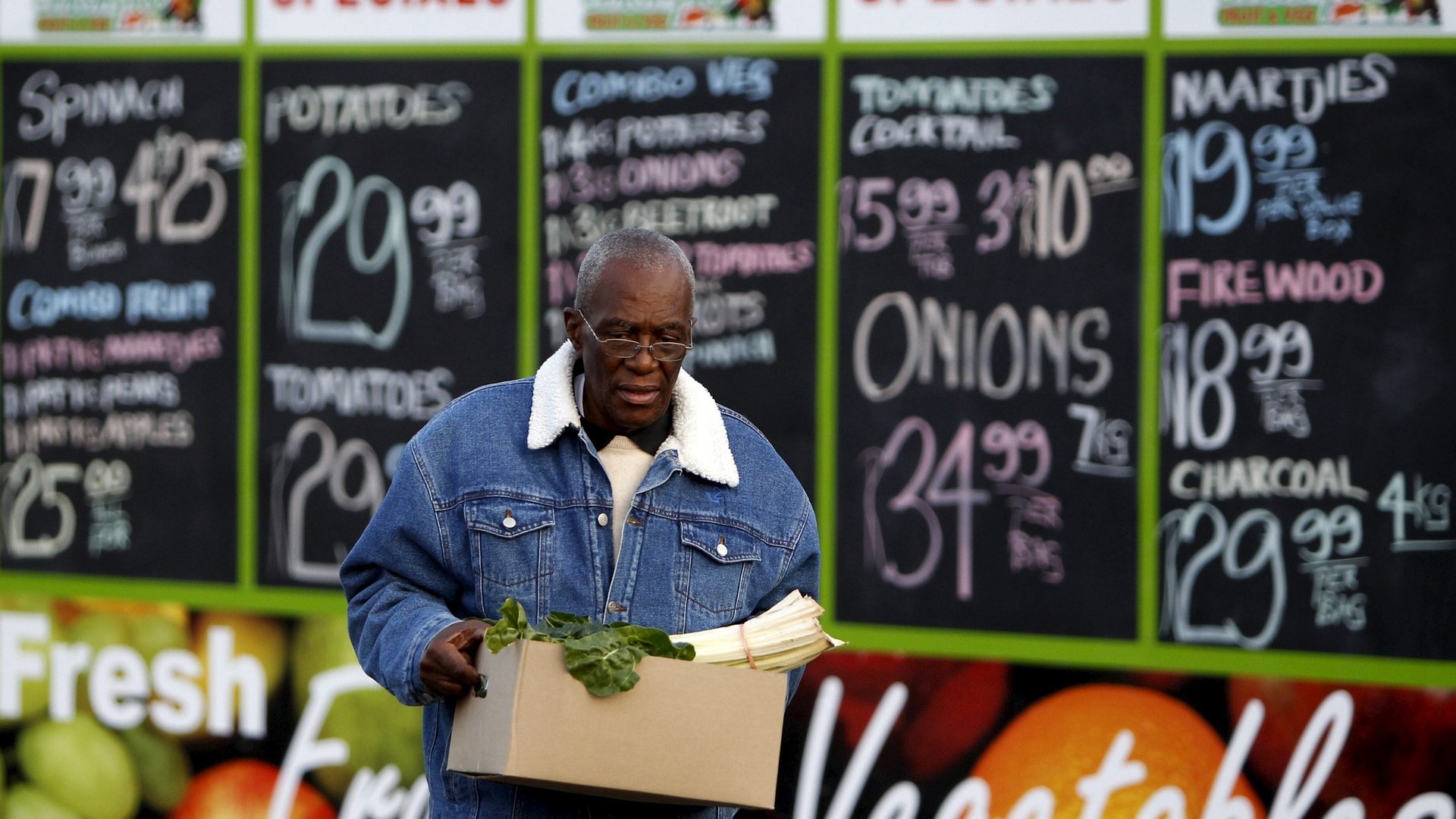
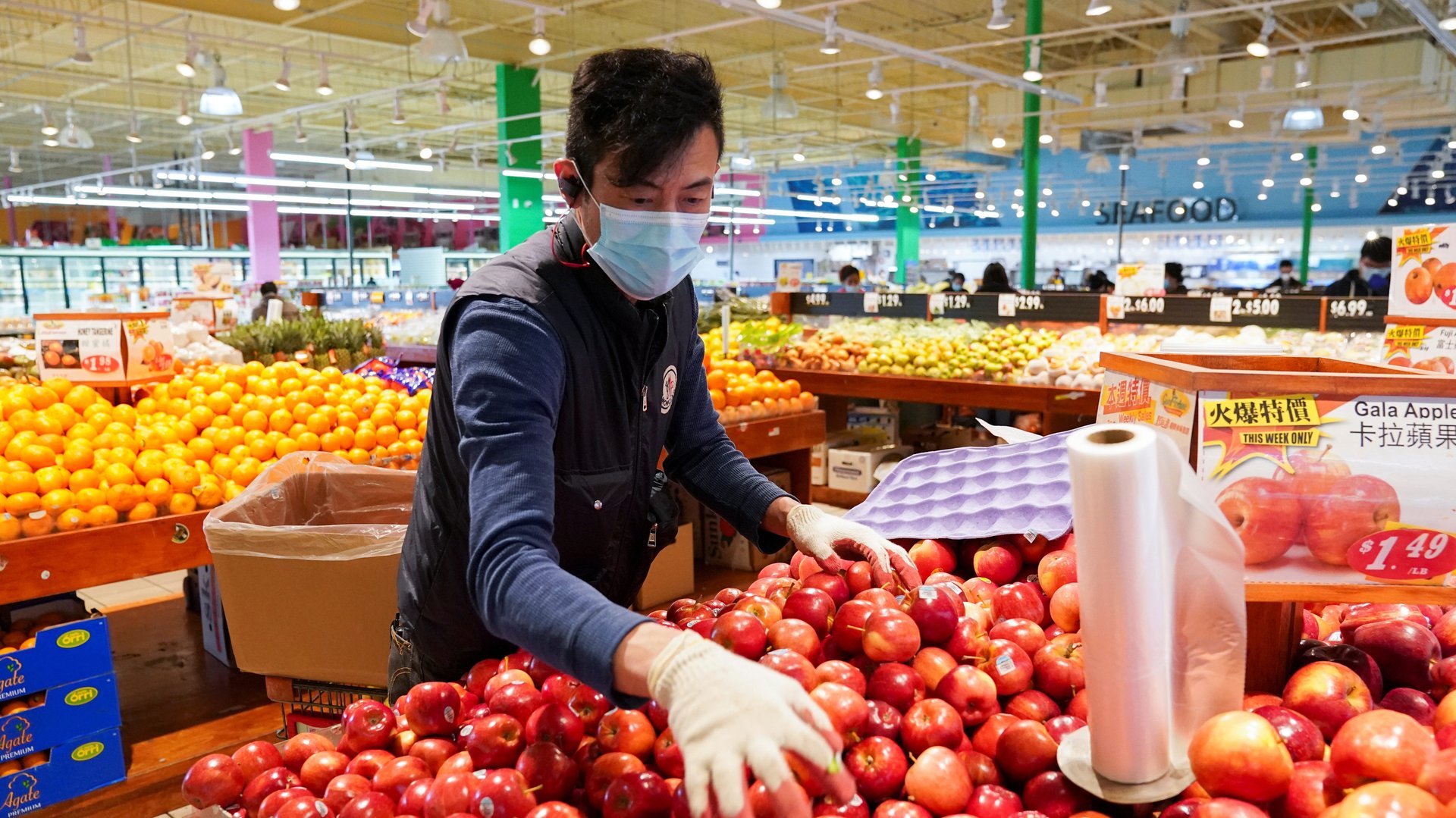
Covid-19 has Americans shopping at grocery stores like it was the 1990s. In March 2020, almost 63% of food and drink bought by US consumers was purchased at stores. This was the highest share since January 1996, according to data from the US Census.

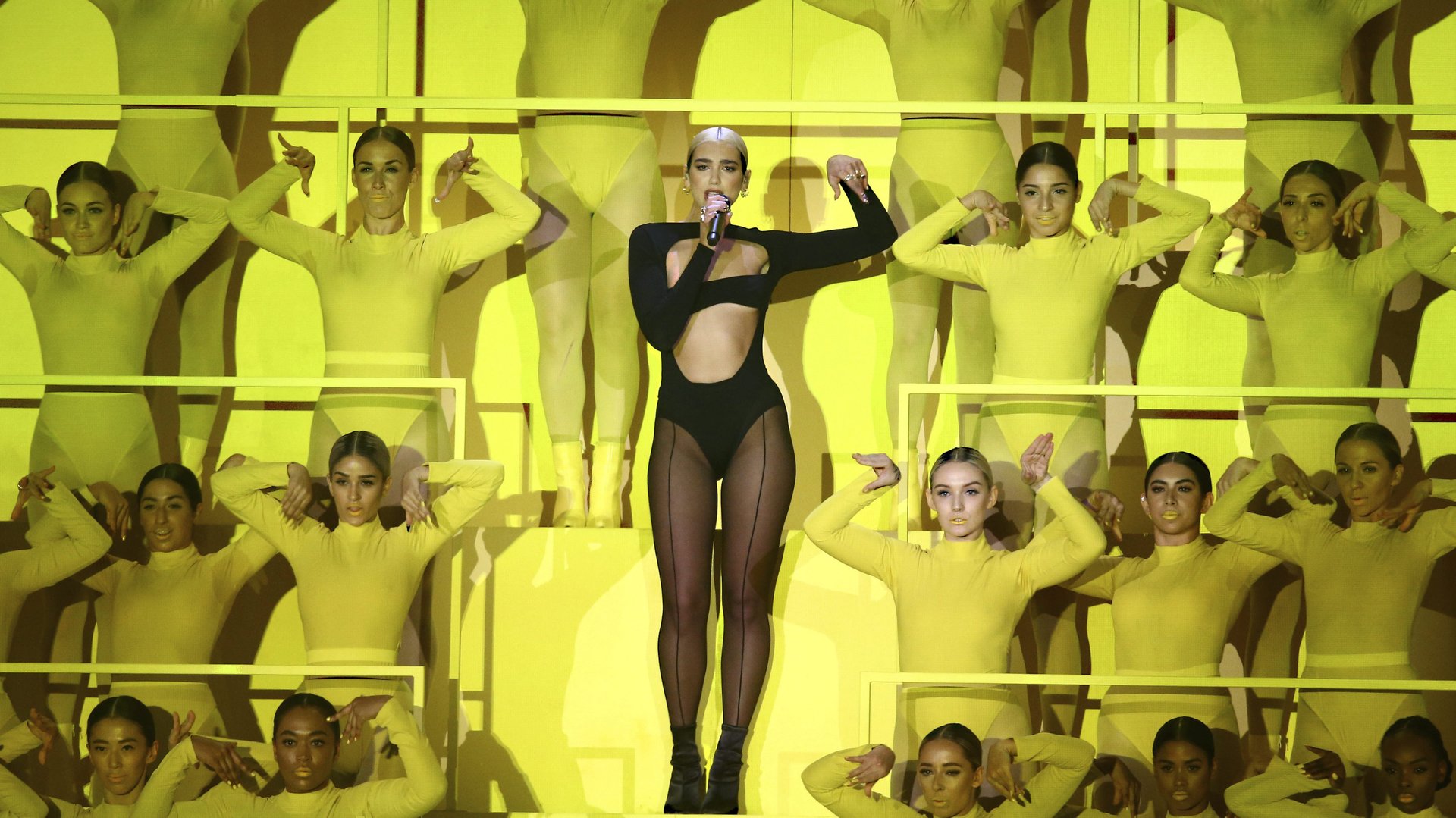
On the week ending April 2, 2020, the pop singer and songwriter Dua Lipa had three songs among the US’s top 40 most streamed on Spotify. They were Tracks 2 (“Don’t Start Now”), 4 (“Physical”), and 9 (“Break My Heart”) from her recently released album Future Nostalgia. Track 1 of her album couldn’t even crack the top 100. But Dua Lipa is an anomaly.

Coronavirus has caused a data deluge. Everywhere we look, statistics abound, among them counts of confirmed cases, number of jobs lost, the declining price of oil, and the vast sums governments are spending to preserve their economies.

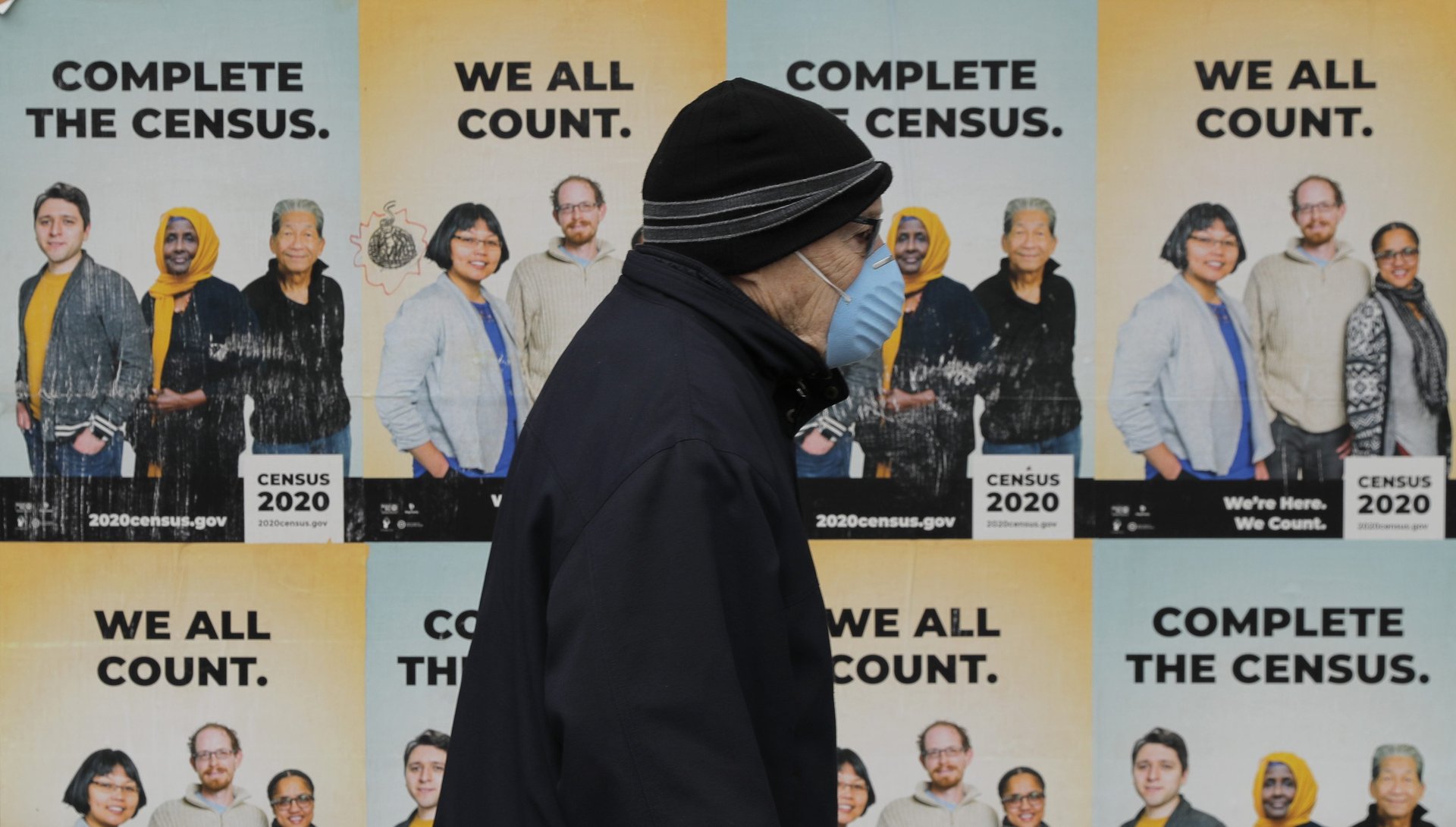
The 2020 US census was always going to be a tough task, even before the country fell victim to a global pandemic. As coronavirus outbreaks hit minority populations especially hard, experts and advocates worry that these traditionally undercounted populations will fare even worse.

In January 2020, the US unemployment rate was at 3.6%. From January to April, about 20 million Americans lost their jobs, according to a new study on the employment impact of the coronavirus pandemic. This suggests that about 8% of all people employed in January are now jobless.

Covid-19 is disrupting the world of music streaming. Mostly for the worse. In the US, the number of total on-demand streams were recently down 18.3 billion to 16.6 billion, a drop of about 10%, according to data from BuzzAngle. The data include streams of all major streaming providers, including Spotify, Apple Music, and Pandora. Quartz’s analysis of Spotify data suggests streaming is also falling in other coronavirus-affected countries.