How much is too much time to take off work during the holidays? That can be hard to glean by asking co-workers one by one. Luckily, there’s US government data that can offer insight into how people like you take time off work.

How much is too much time to take off work during the holidays? That can be hard to glean by asking co-workers one by one. Luckily, there’s US government data that can offer insight into how people like you take time off work.

December is a unique month. For people in the US, it can be a period of high stress. Seeing family, attending holiday parties, and worrying about gifts sends many people into a tizzy.

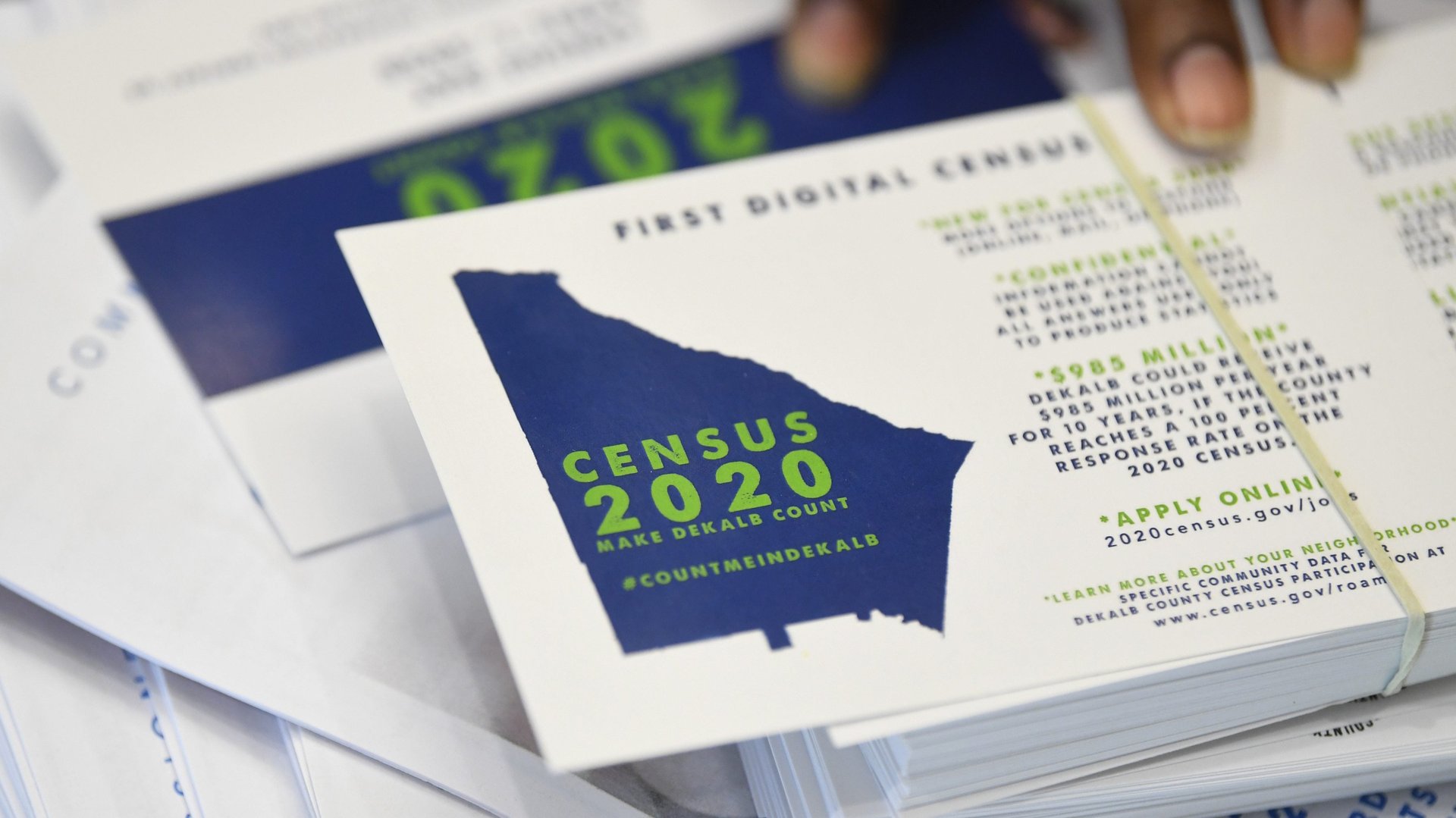
Americans looking for a short-term job or a side gig are in luck. The US government is about to hire about 500,000 workers for the decennial Census.

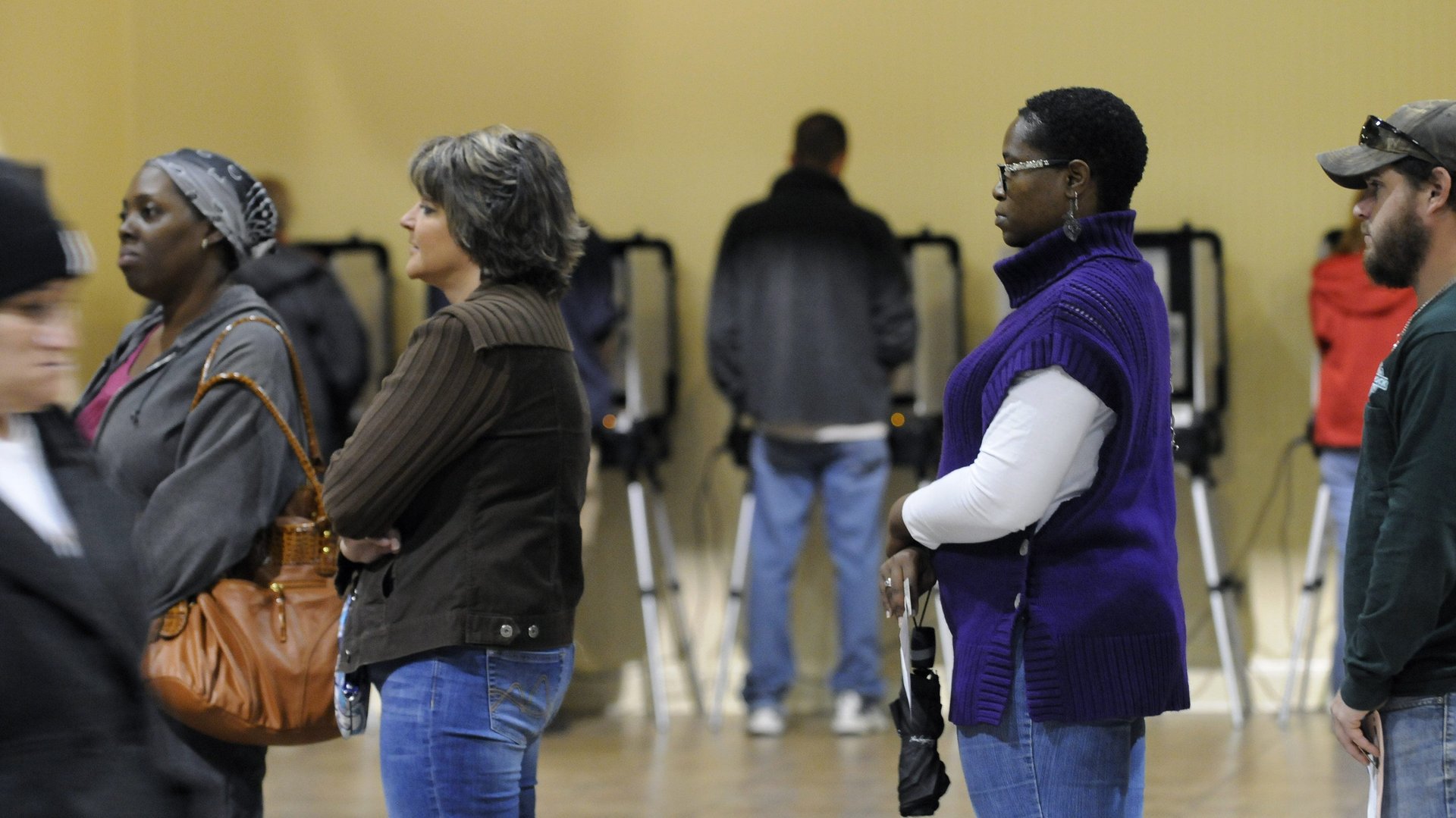
During the 2016 US presidential election, the average voter spent 19 minutes at their polling station. According to to recently released study, black Americans tended to wait quite a bit longer. The study’s authors find that neighborhoods that are almost entirely made up of black citizens have wait times that are, on average, five minutes greater than entirely white ones. There is also more than a 70% increase in the chance that people in these black neighborhoods would have to wait more than 30 minutes to vote.

Am I in the right relationship? Is it too late to switch careers? I’m never as assertive with my friends and co-workers as I want, but how can I change?

US regulators are investigating whether Apple’s credit card, launched in August, is biased against women. Software engineer David Heinemeier Hansson reported on social media that Apple had offered him a spending limit 20 times higher than his wife, Jamie Heinemeier Hansson. When Jamie spoke to customer service at Goldman Sachs, the bank behind the Apple card, she was told her credit limit was determined by an algorithm, and bank reps couldn’t explain why it came to the conclusion it did.

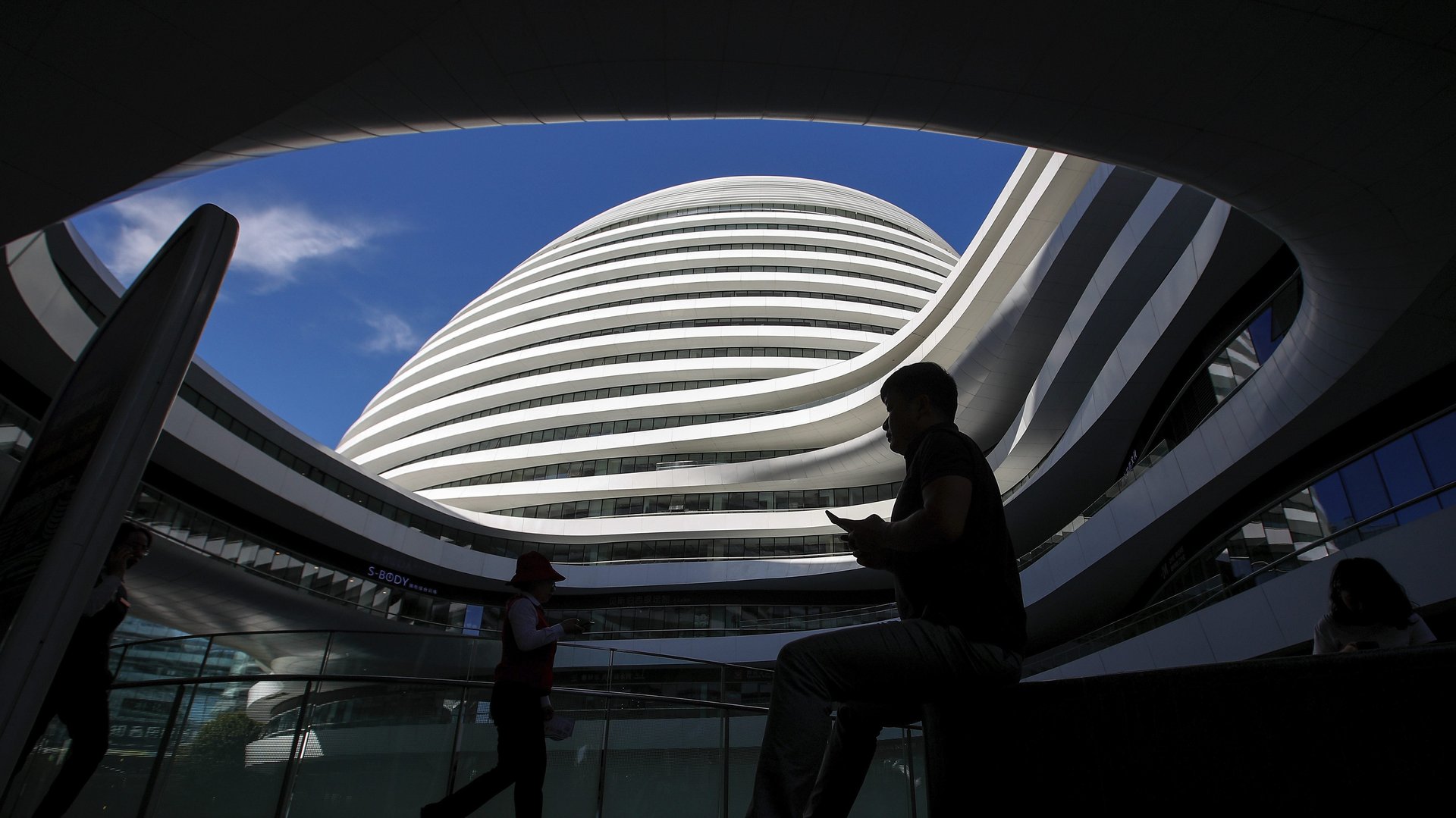
The main reason you can’t trust China’s national GDP statistics is that you can’t trust regional Chinese statistics. The leaders of China’s 32 regions are under heavy pressure to meet growth targets set by the national government, and local statistical agencies fudge the numbers to hit those targets. The central government acknowledges this: In 2017, the Chinese government publicly accused the states of Jilin and Inner Mongolia of submitting fake economic data (paywall).

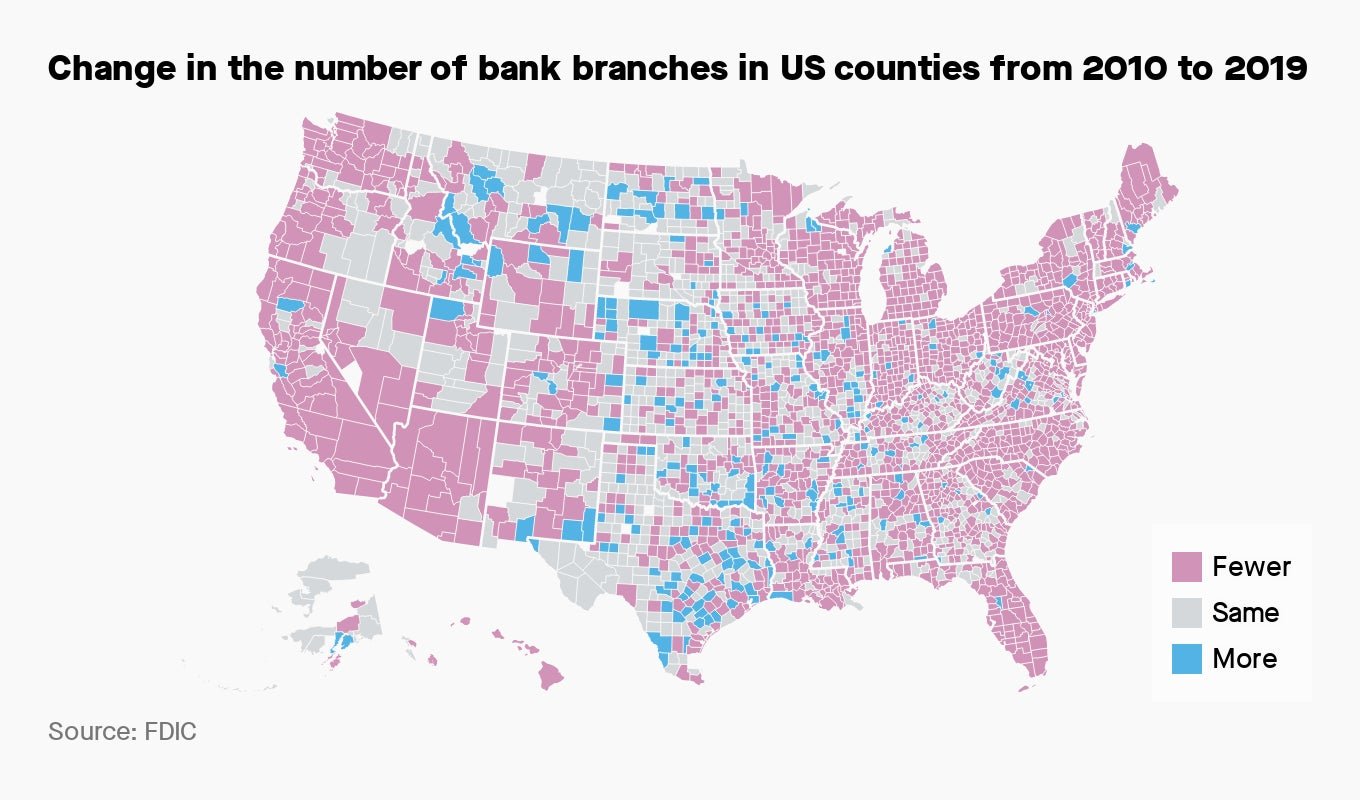
The US is losing bank branches fast. Between 2010 and 2019, the number of full-service bank branches fell from almost 95,000 to just over 83,000, according to a Quartz analysis of data from the Federal Deposit Insurance Corp. (FDIC). That is a loss of 12% of bank branches across the country.

There is a saying about kids passed down from one generation of parents to another: “When they are little, your arms hurt. When they are older, your heart hurts.” This is not just folk wisdom: According to data tracking how parents spend time with children at different ages, it checks out statistically.

Americans are worse at The Price Is Right than they used to be. On the game show, which has been running since 1972, four contestants are asked to guess the price of consumer products, like washing machines, microwaves, or jumbo packs of paper towels. The person who gets closest to the actual price, without going over, gets to keep playing and the chance to win prizes like a new car. In the 1970s, the typical guess was about 8% below the actual price. People underestimate the price by more than 20% in the 2010s.

Amazon’s leadership thinks politicians have a “misguided understanding of retail” due to their personal experience, according to a recent New Yorker article on the movement to regulate the e-commerce behemoth. Since politicians, their aides, and political journalists are more likely to buy things online, they think Amazon is more hegemonic than it really is, the New Yorker reports. Research on who spends money online suggests they may have a point.

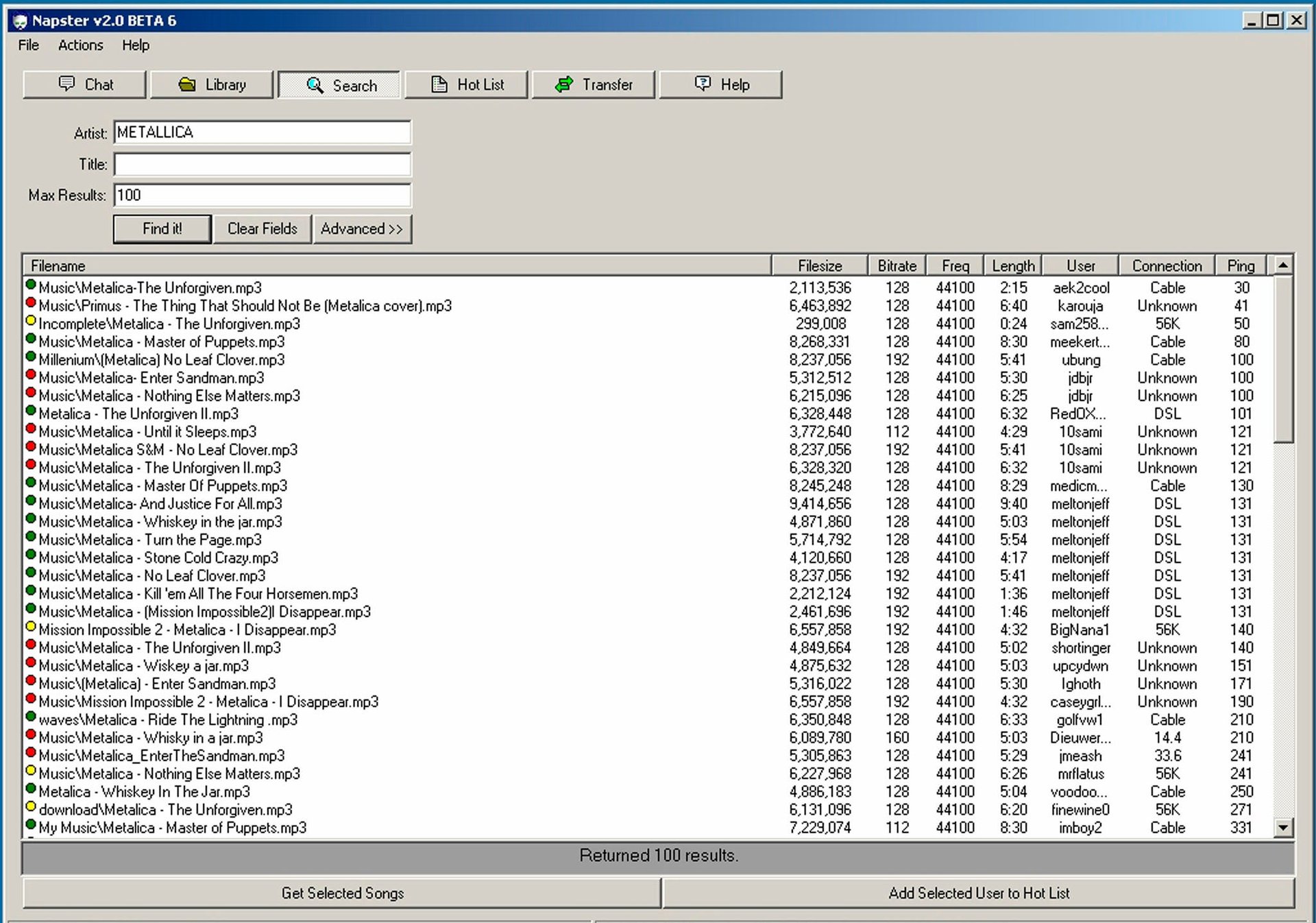
I, like many American 16-year-olds in the year 2000, had a torrid affair with Napster. I wasn’t particularly tech-savvy, but I quickly figured out the basics. First, I had to download the software to my family’s desktop. Then, I could tell Napster that I wanted to make a digital copy of a certain song. The free service would find another person’s computer that had that song, and my computer would begin downloading a copy. After the file finished downloading, I could listen on Winamp—the music software I used at the time—and the quality was generally quite good. (Its simplicity was part of the sell; other, similar software existed but felt more complicated.)

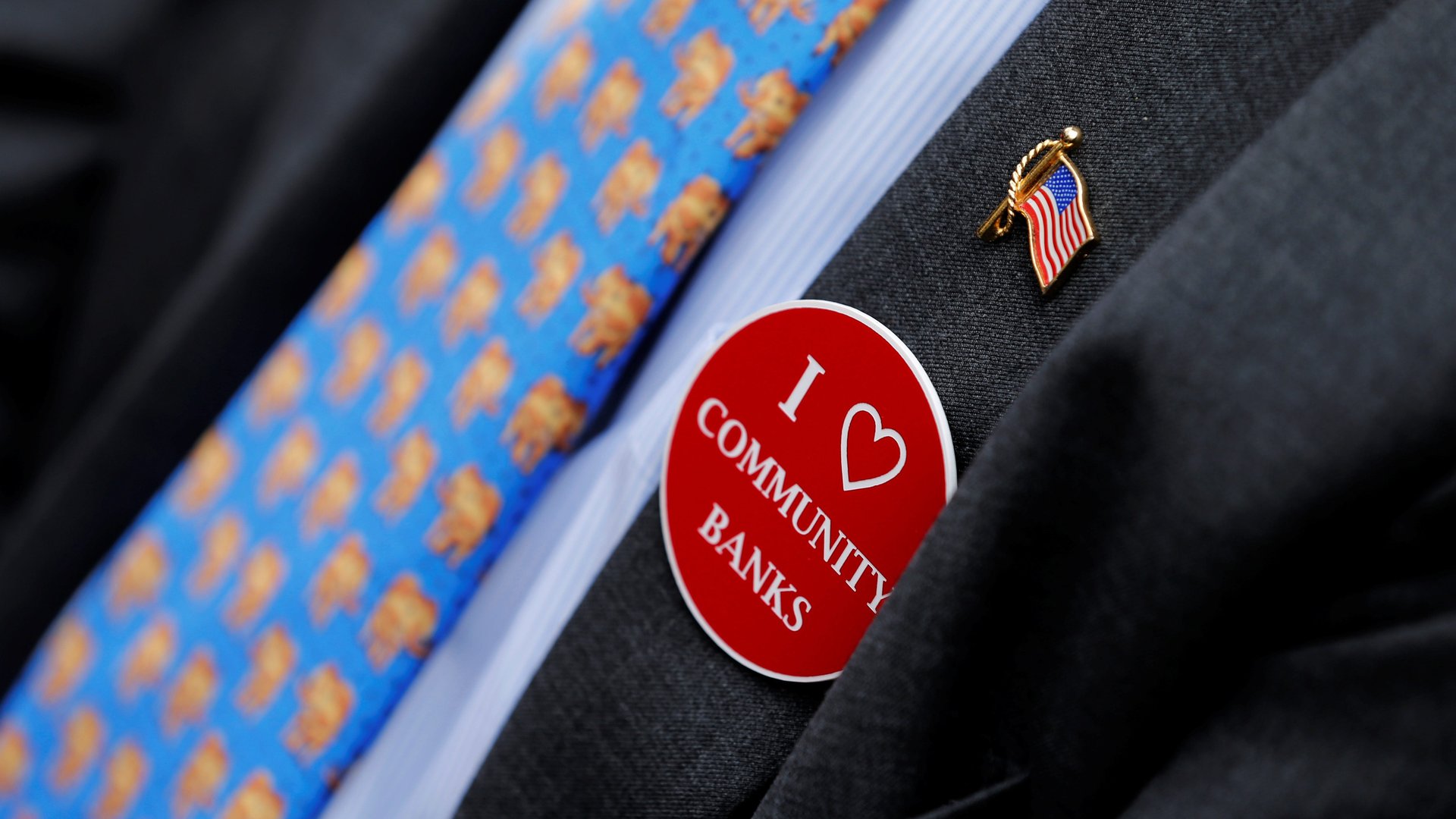
The number of bank branches in the US is on the decline. Thanks to community banks, however, places with relatively small populations have been able to buck the trend and hold onto their local bank.

Although many US cities are trying to encourage car-free commuting, it does not appear to have made much a difference. From 2010 to 2018, the share of people who commuted by car stayed at almost exactly 90%, according to recently released data from the US Census. Over that same period of time, the share of those who were in a carpool fell from just over 11% of car commuters to about 10.5%.

In some ways, it can feel like the the US is getting more racialized. White nationalism is on the rise, and many Americans are concerned that politicians are playing to racial identity as a way to get elected. Yet, in one important way, race in the US is quickly becoming a more complex idea.

Linguistic diversity in the US continues to expand. The share of people who speak English at home fell from 78.4% in 2016 to 78.1% in 2018, according to recently released data from the US Census.

E-cigarettes in the US are in the crosshairs. The Trump administration is preparing to ban flavored e-cigarettes. Juul, the largest e-cigarette retailer in the US, announced last week that it would no longer advertise directly to consumers in the US, and Walmart recently declared that it will stop selling e-cigarettes. To help get through the firestorm, Juul just brought in a new CEO.

Foreign tourists in the US used to spend a lot more money than American tourists did abroad. That is quickly changing.

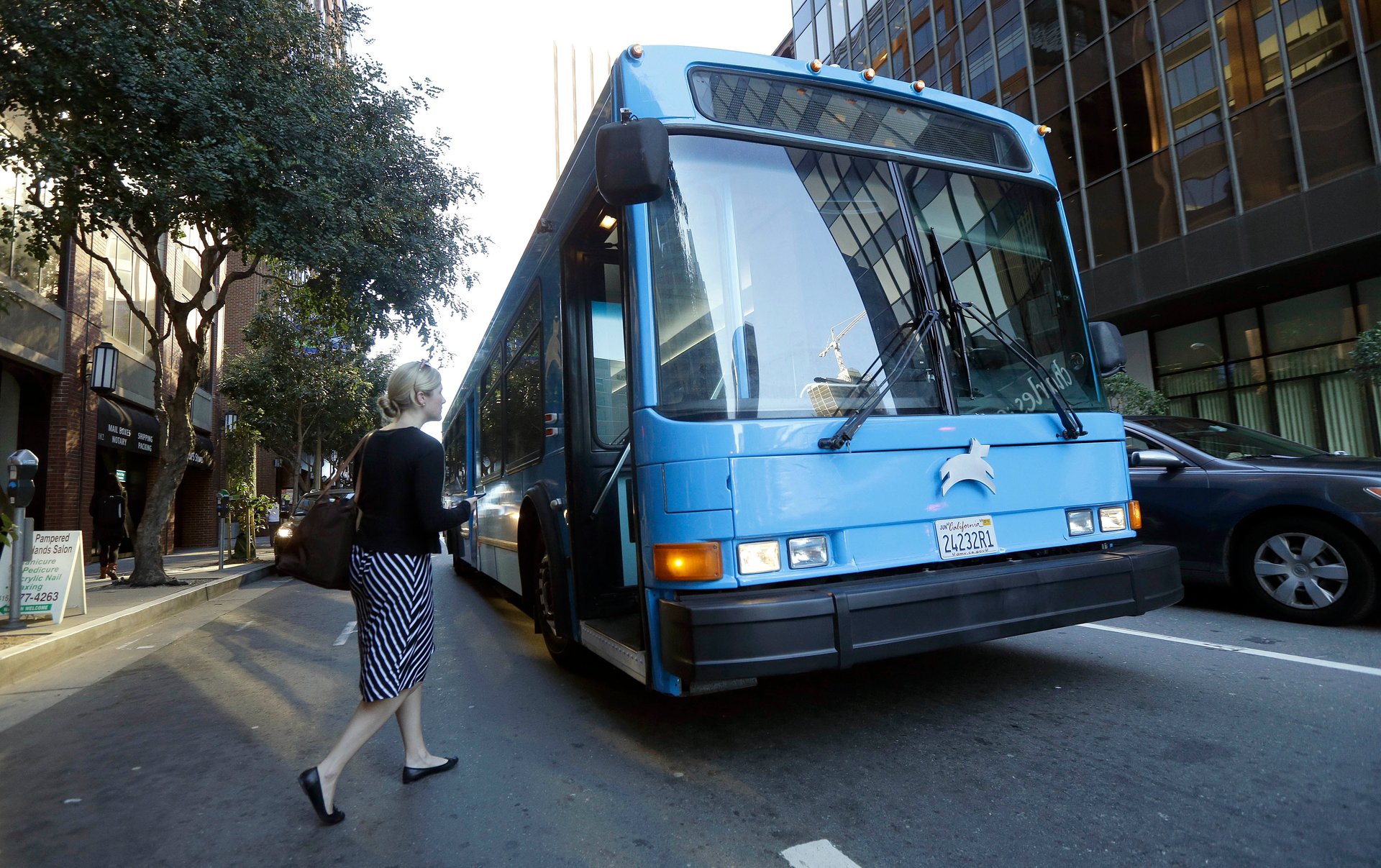
You can trace Uber’s rise in America in the data.

Ever since women have been in the work force, they’ve been paid less than men. But now, data suggests the pay gap may finally be closing. According to newly-released data from the US Census, the difference in income between full-time working men and women fell to an all-time low in 2018.

The US Census reported today that 11.8% of Americans were living in poverty in 2018. This is down from 12.3% in 2017. These widely reported numbers, based on an antiquated set of thresholds, deserve a healthy dose of skepticism. Even the Census recognizes that.

American kids these days—they’re just so well behaved. They do less drugs and they have less sex. Unless you count Instagram and Snapchat, vaping is the only vice clearly on the rise among US teens.

In most of the rich world, employers must give their workers a certain amount of paid leave. In the UK, for example, employees automatically receive 28 days of annual paid leave. France, Spain, Japan and Chile also all require double-digit days of leave.

In 2018, Chinese tourists made nearly 150 million trips around the world, spending a colossal $277 billion. More than $36 billion, or about 13% of that sum, was spent in the US, with Chinese visitors spending it up in Hawaii, Hollywood, and other big-ticket US destinations.