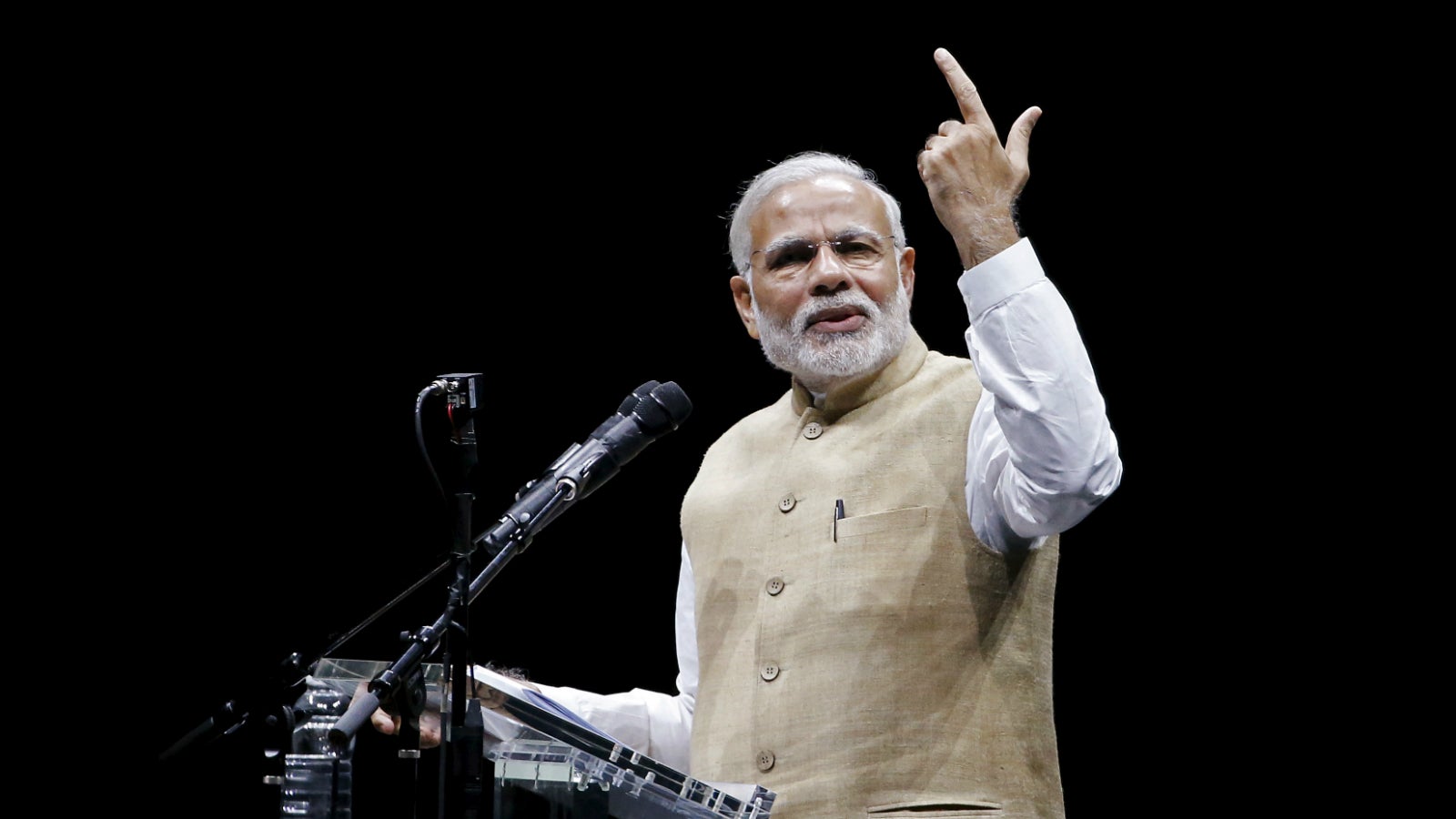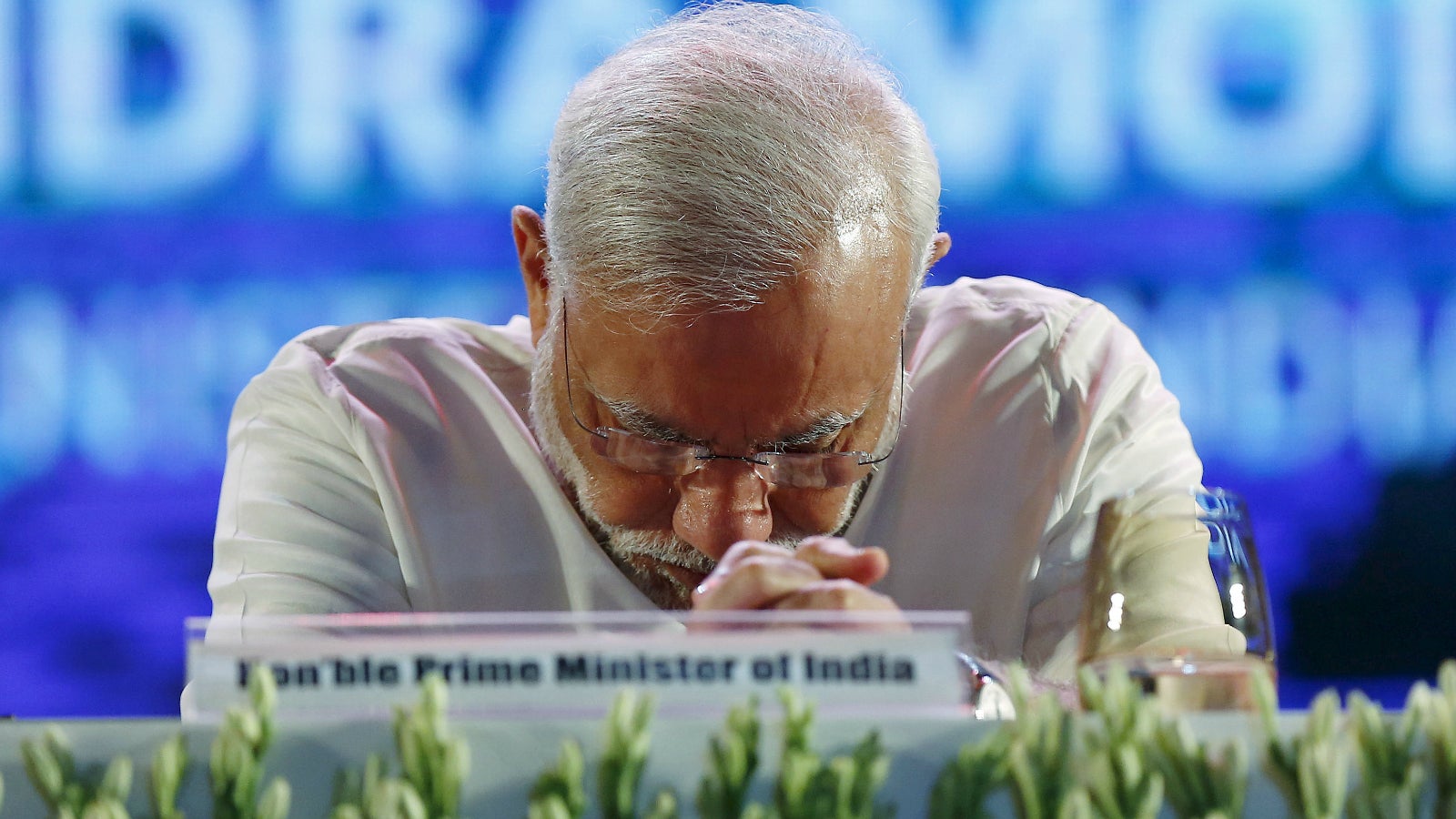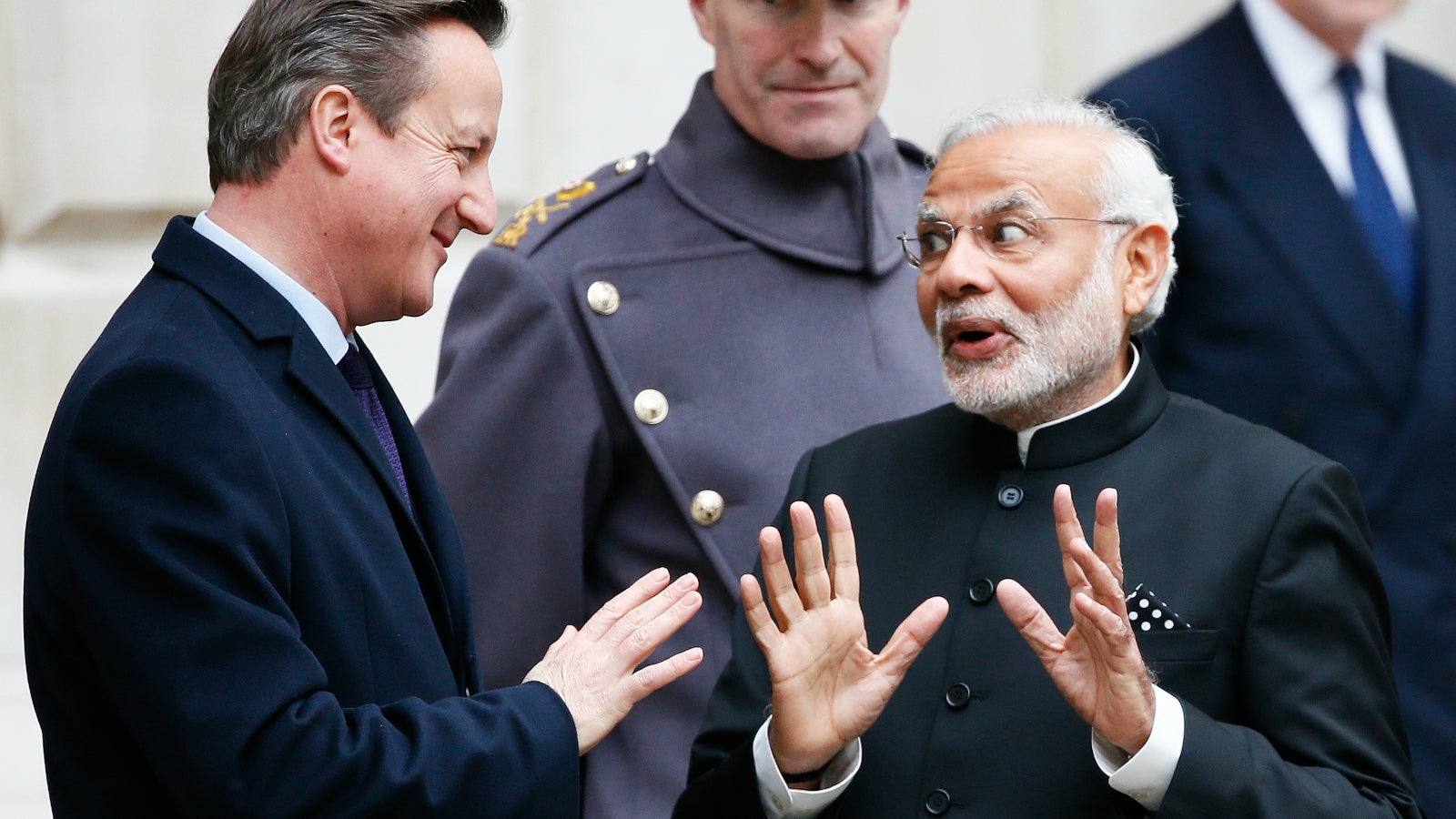
The feisty British media has just subjected Narendra Modi to what was perhaps his toughest press conference since becoming India’s prime minister in May last year.

The feisty British media has just subjected Narendra Modi to what was perhaps his toughest press conference since becoming India’s prime minister in May last year.

A little past noon on Nov. 08, Narendra Modi conceded what is, so far, the biggest political setback in his prime ministerial career. “Had a telephone conversation with Shri @nitishkumar & congratulated him on the victory,” Modi tweeted.

Narendra Modi is hardly a man of a few words. So when the Indian prime minister remains silent on a wave of sectarian discord sweeping the country, people notice.

In the beginning, there were only doubts. Doubts over how India’s secular fabric would hold up under a government led by Narendra Modi.

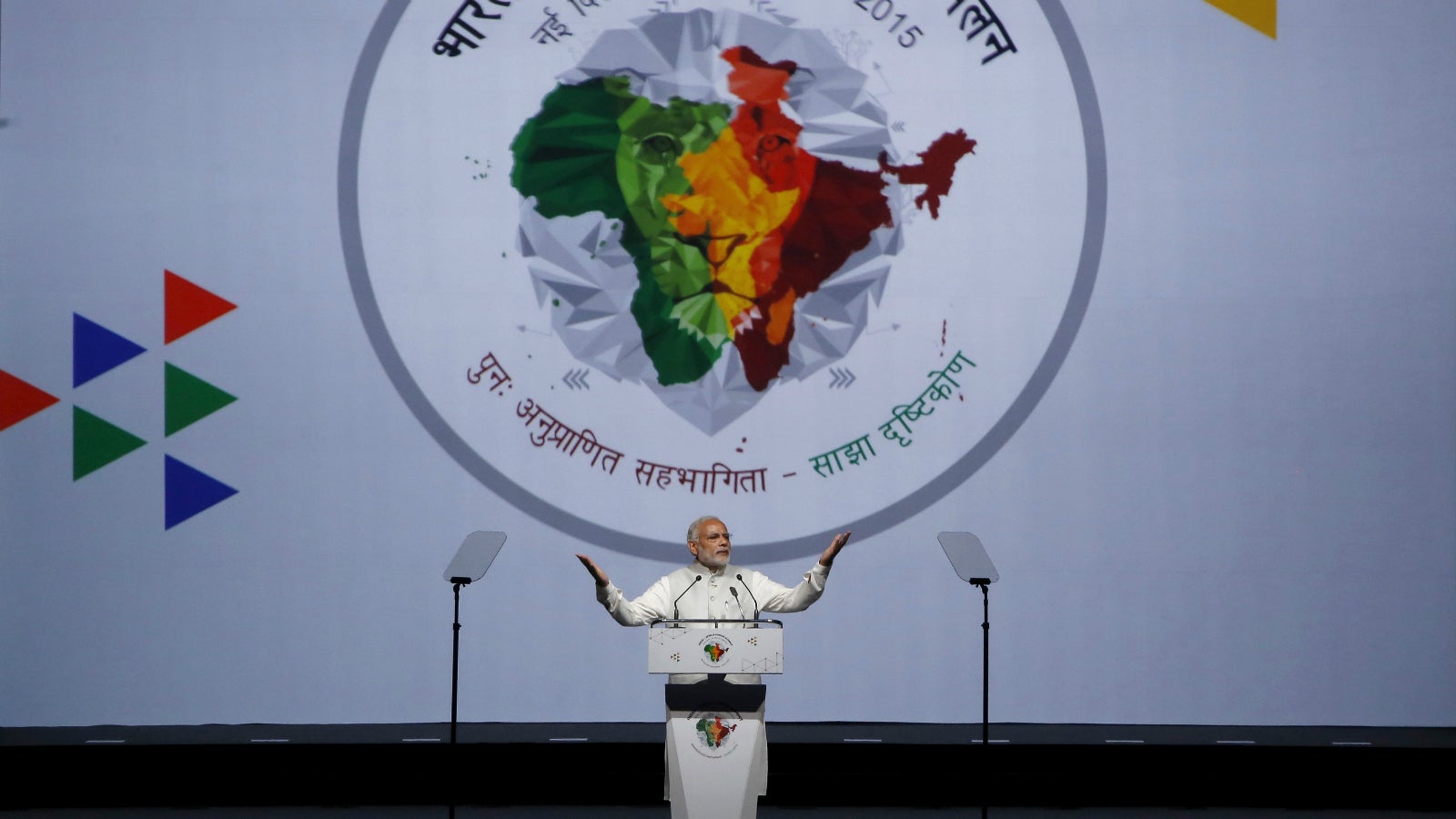
There were his usual rhetorical flourishes, copious quoting and thankfully no abbreviations, but the thrust of Indian prime minister Narendra Modi’s speech to African leaders was clear: In the face of China’s chequebook diplomacy, India will play a different game to further its ground in one of the world’s fastest growing regions.

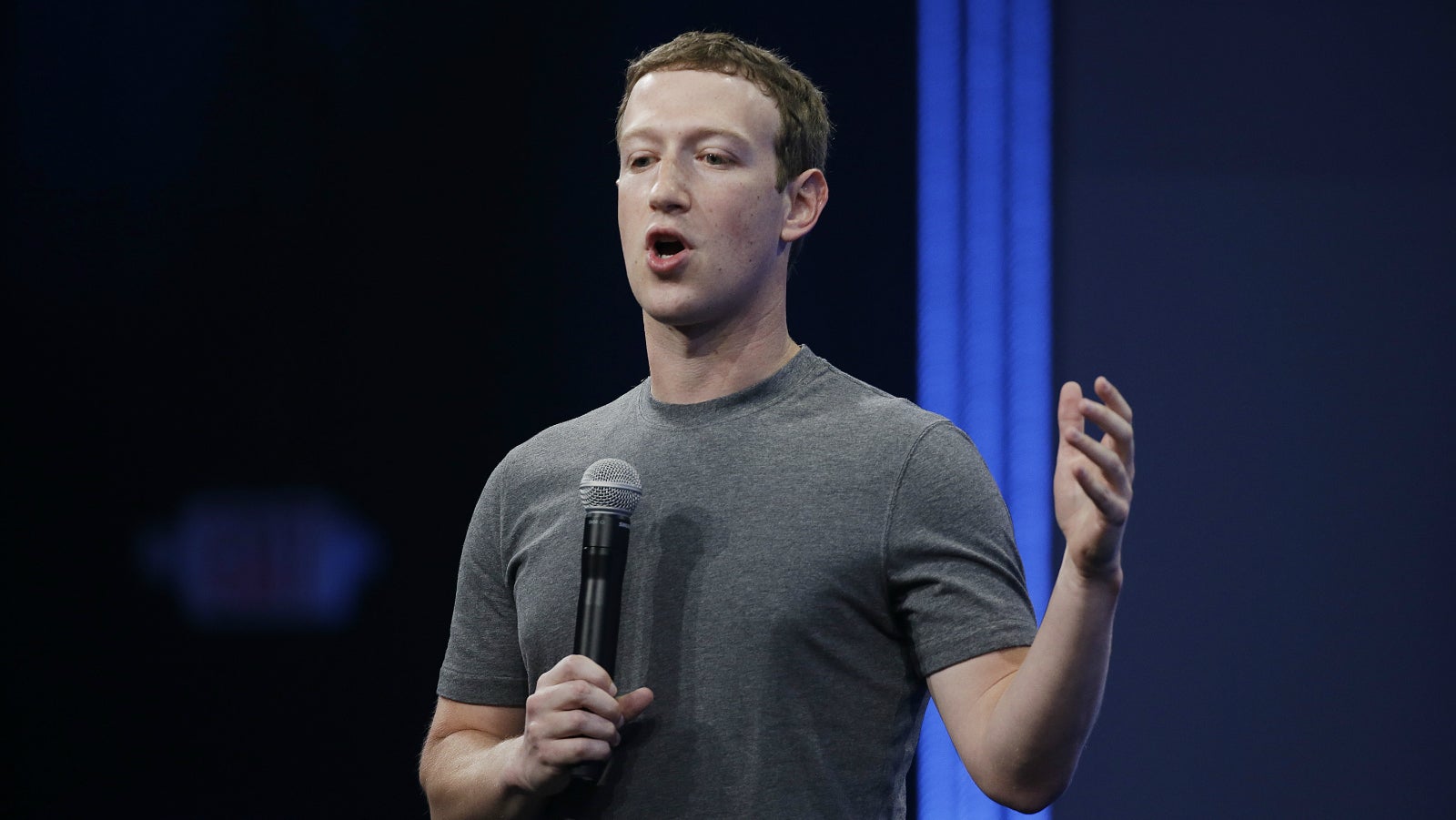
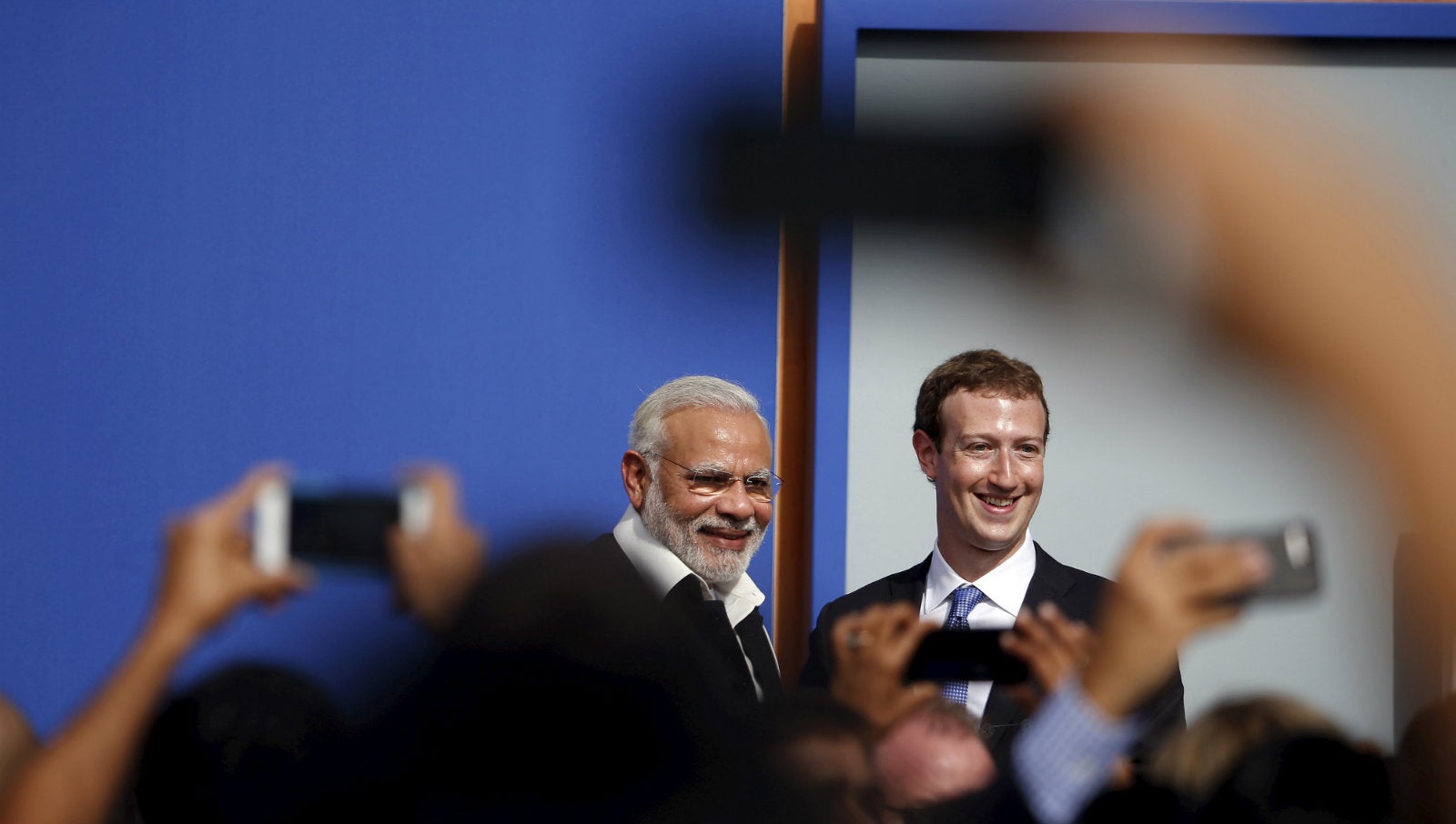
At 12.12 pm on Oct. 28, Facebook founder and CEO Mark Zuckerberg walked on to a stage at the Indian Institute of Technology (IIT) Delhi to a resounding applause.

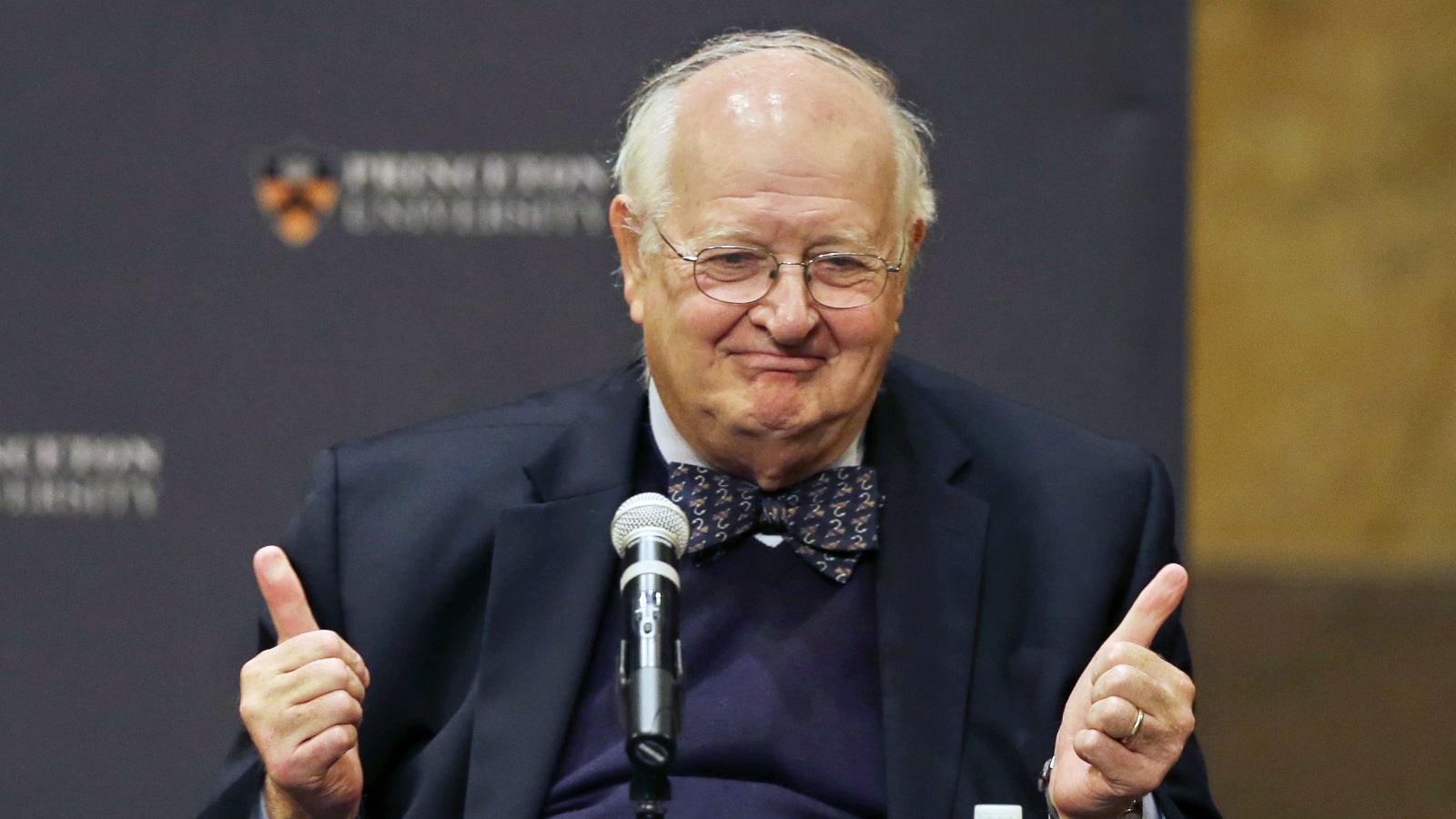
Among the many kind words used to congratulate Angus Deaton, there is Harvard professor Amitabh Chandra’s description of the Nobel prize winner: “Angus Deaton is the Obi-Wan Kenobi of Economics.”

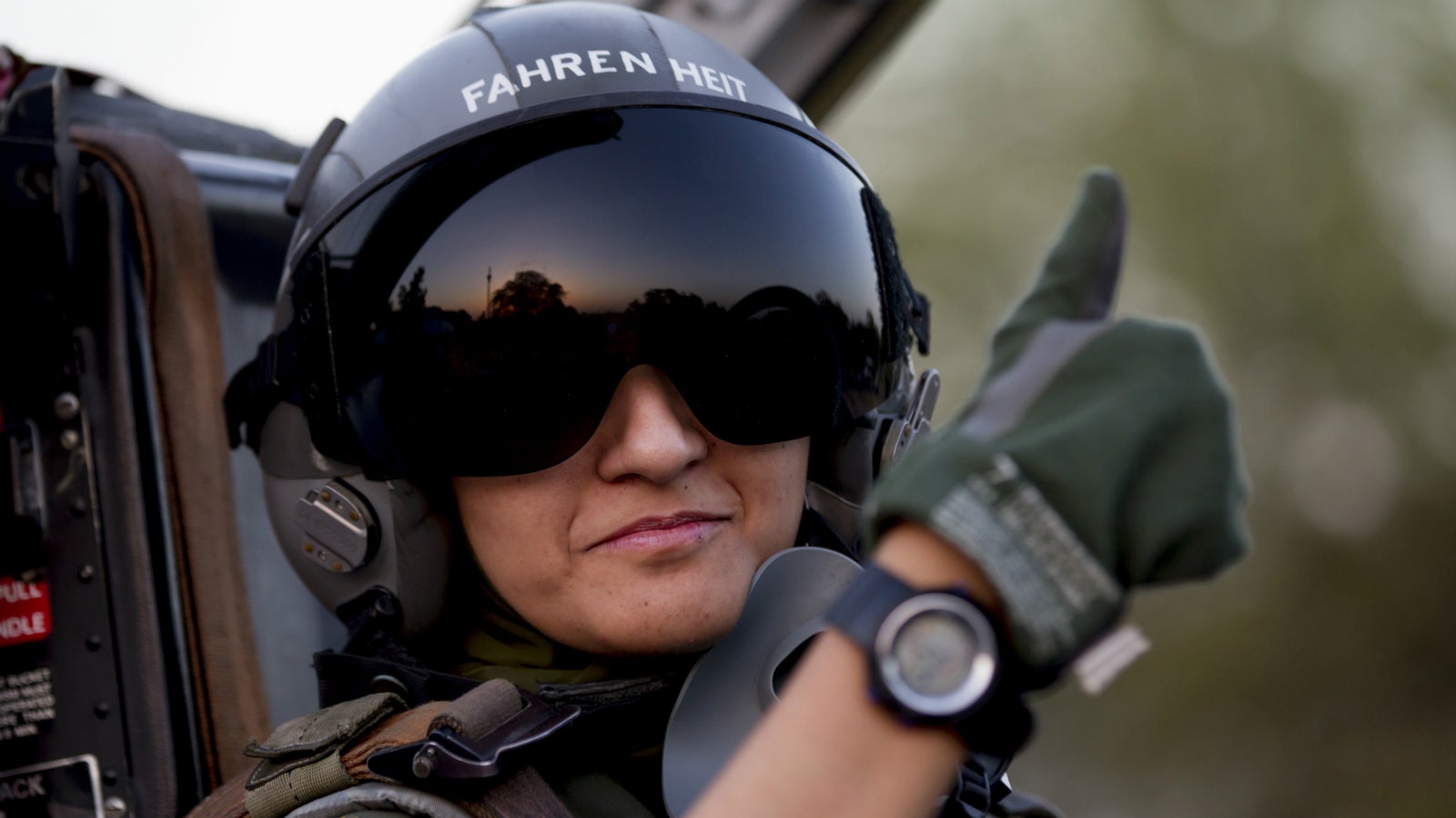
On its 83rd anniversary, the Indian Air Force has made a surprise announcement: Women pilots will soon fly its fighter aircraft.

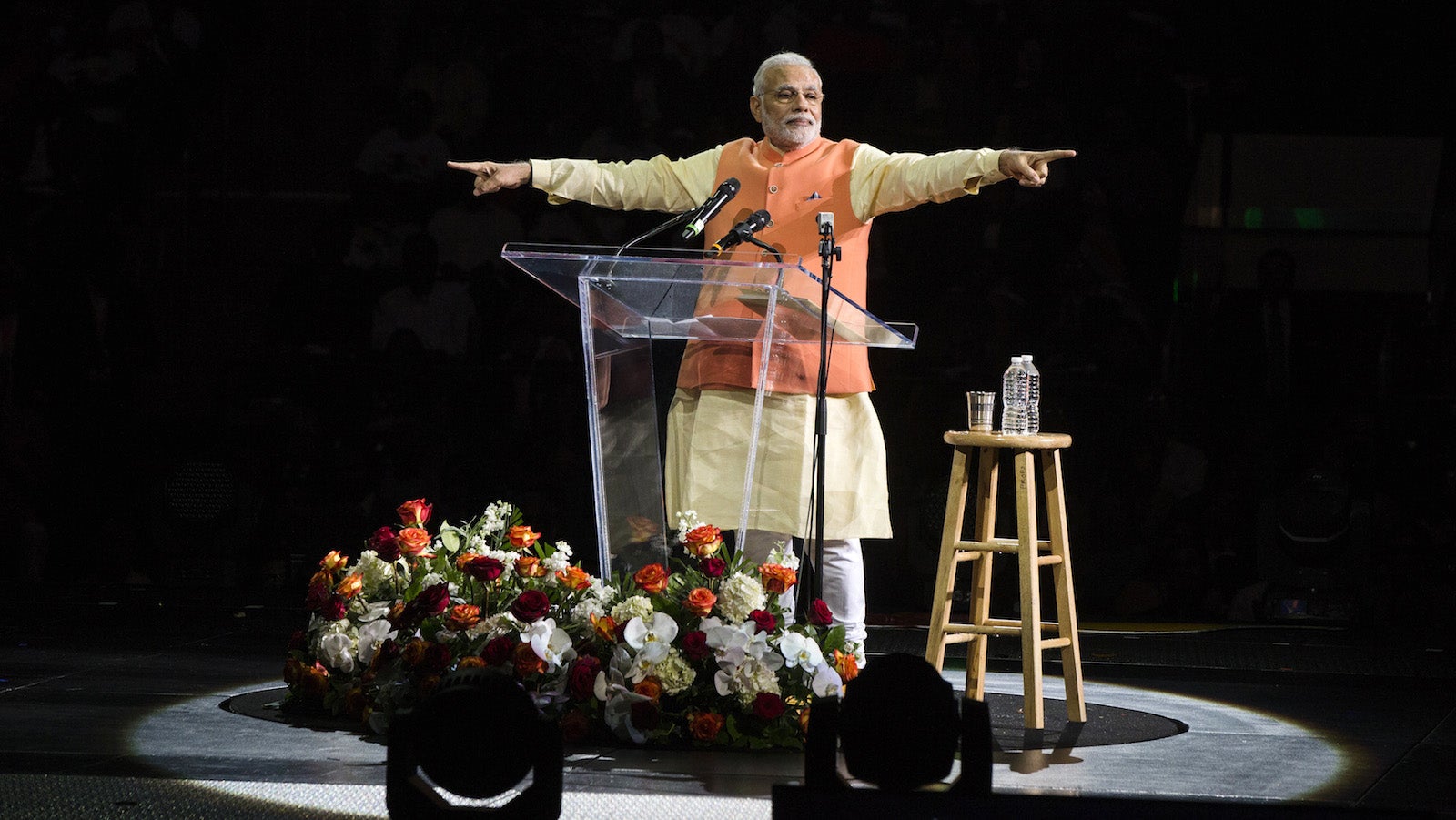
No, it wasn’t quite Madison Square Garden all over again.

The leader of the world’s largest democracy and the founder of one of the world’s most influential technology companies sat down for a public chat—and it turned out to be a spectacular letdown.

Narendra Modi won’t be taking a direct flight to New York this week.

Despite Narendra Modi’s relentless globetrotting since he became India’s prime minister last year, his popularity in the Asia-Pacific region is somewhat underwhelming.

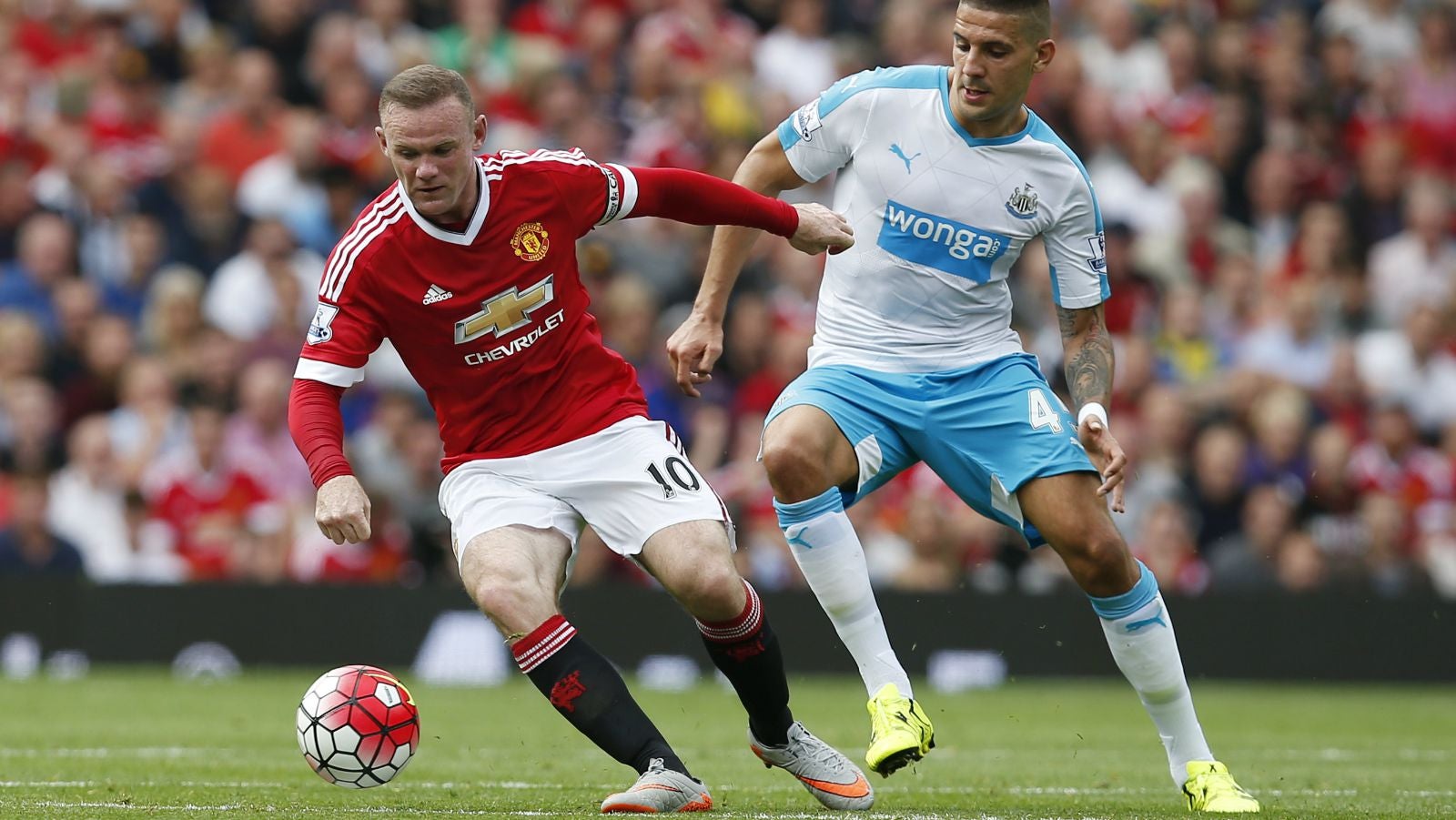
Old Trafford, the hallowed home ground of Manchester United, can fit in a raucous 75,635 fans on any given match day. But even one of the largest football stadiums in the UK isn’t quite enough for the English club.

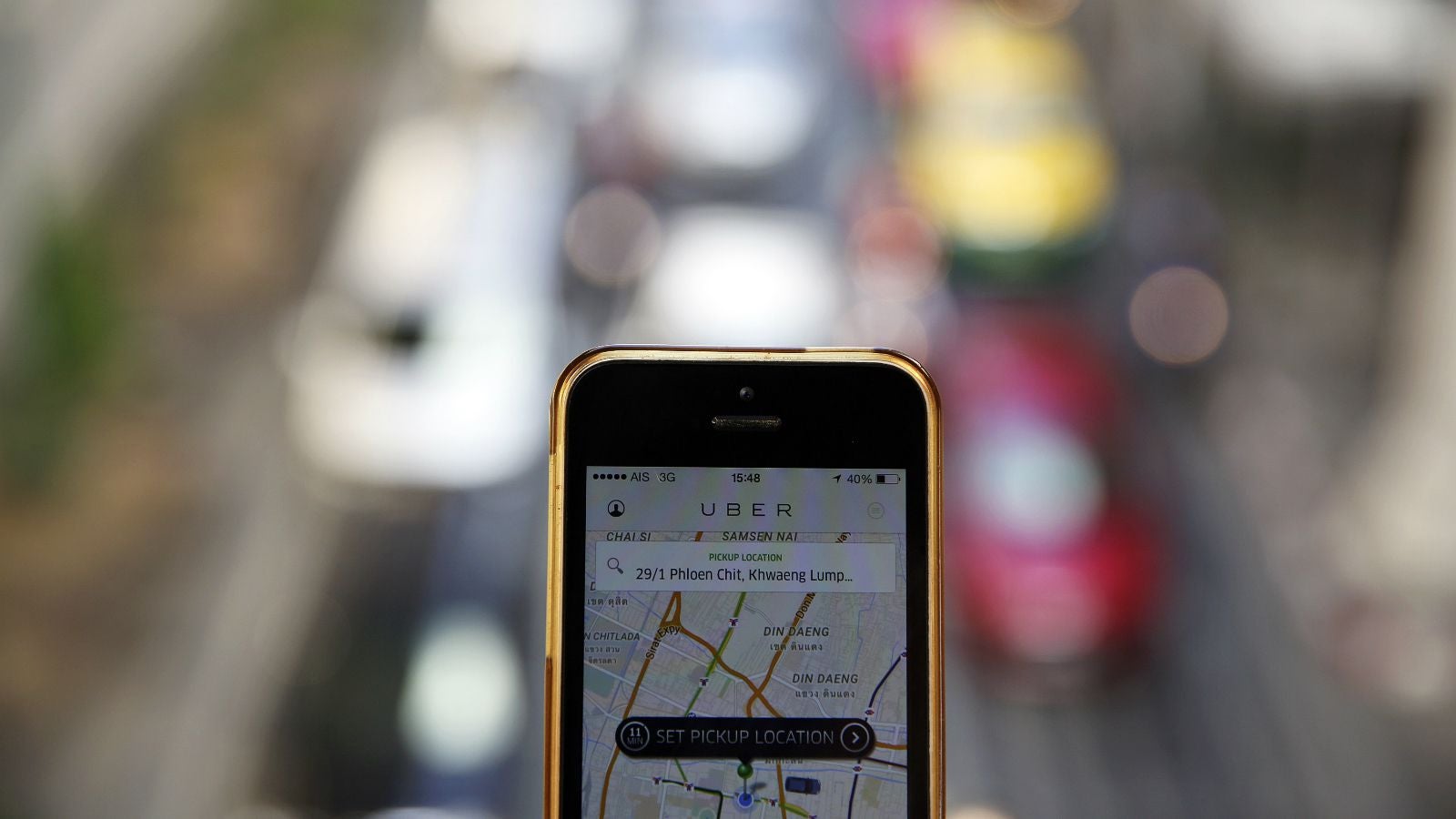
In India, Uber has realised, cash is king.

This post has been updated with a new statement from MSF.

India’s already-heaving metropolises are among the fastest growing cities in the world.

A little over half a decade ago, the Bhutanese were so reluctant to embrace democracy that their beloved king had to gently goad the tiny Himalayan nation into voting to form their first elected parliament.

Such was his wizardry that, in the heat and dust of the 2014 general election campaign, Narendra Modi could appear at dozens of rallies at the same time, luring voters with his promise of acche din (good days). The Congress party, struggling to connect with a young electorate, was no match for his tweets and Facebook posts—and occasional selfies. Elsewhere, on television screens and newspaper front pages, the Bharatiya Janata Party (BJP) strongman broadcast his vision with consummate ease.

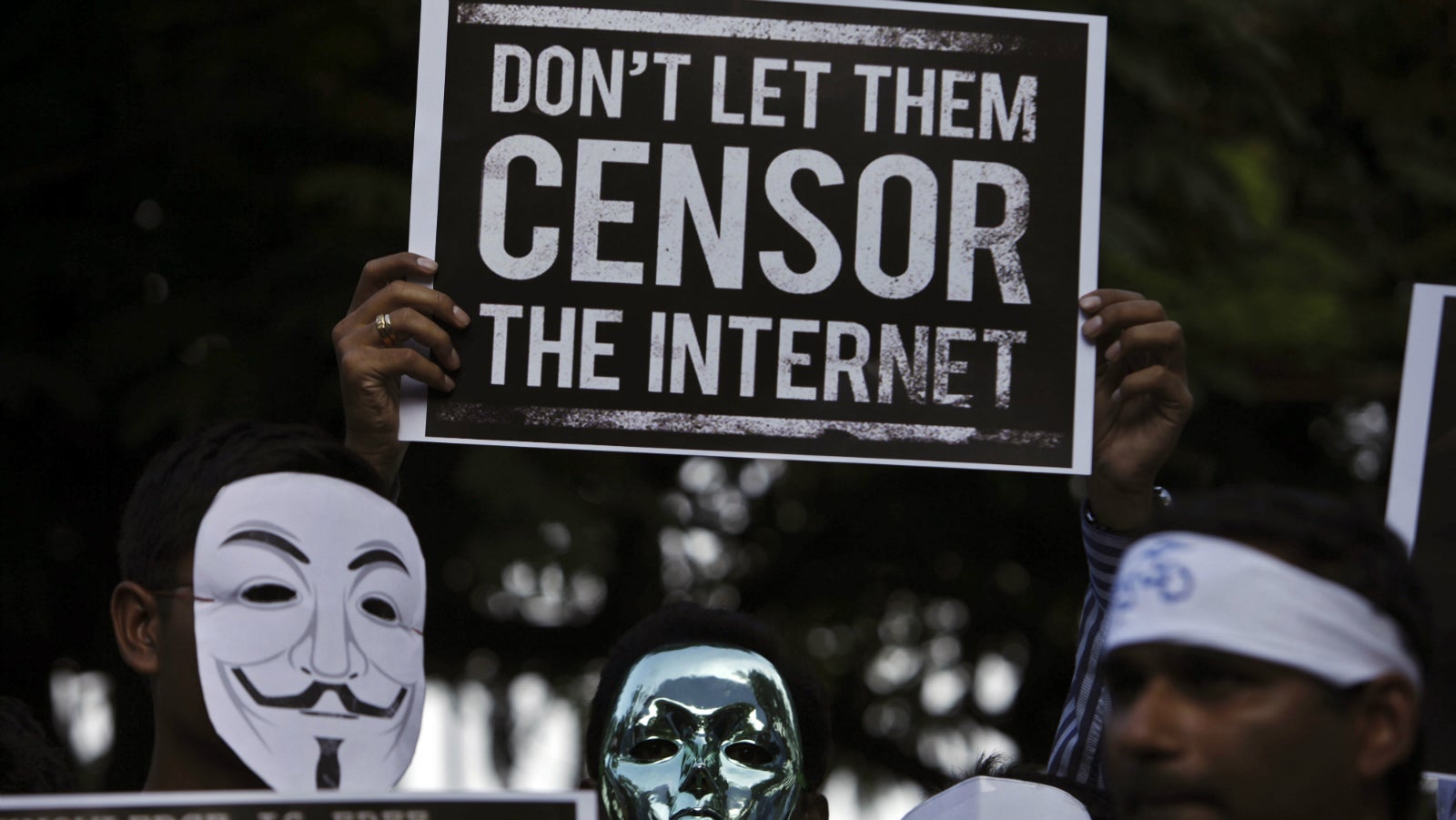
They are separated by over two decades, two entirely different political establishments and one heavily armed international border, but Ghazi Muhammad Abdullah and Kamlesh Vaswani have fought for the same thing: banning online pornography in their respective countries.

Monday morning blues in the world’s largest democracy this week included a ban on online pornography.

Four Indians have been allegedly kidnapped by members of the Islamic State (IS)—also known as ISIS—in Libya, where they had been working at a university.

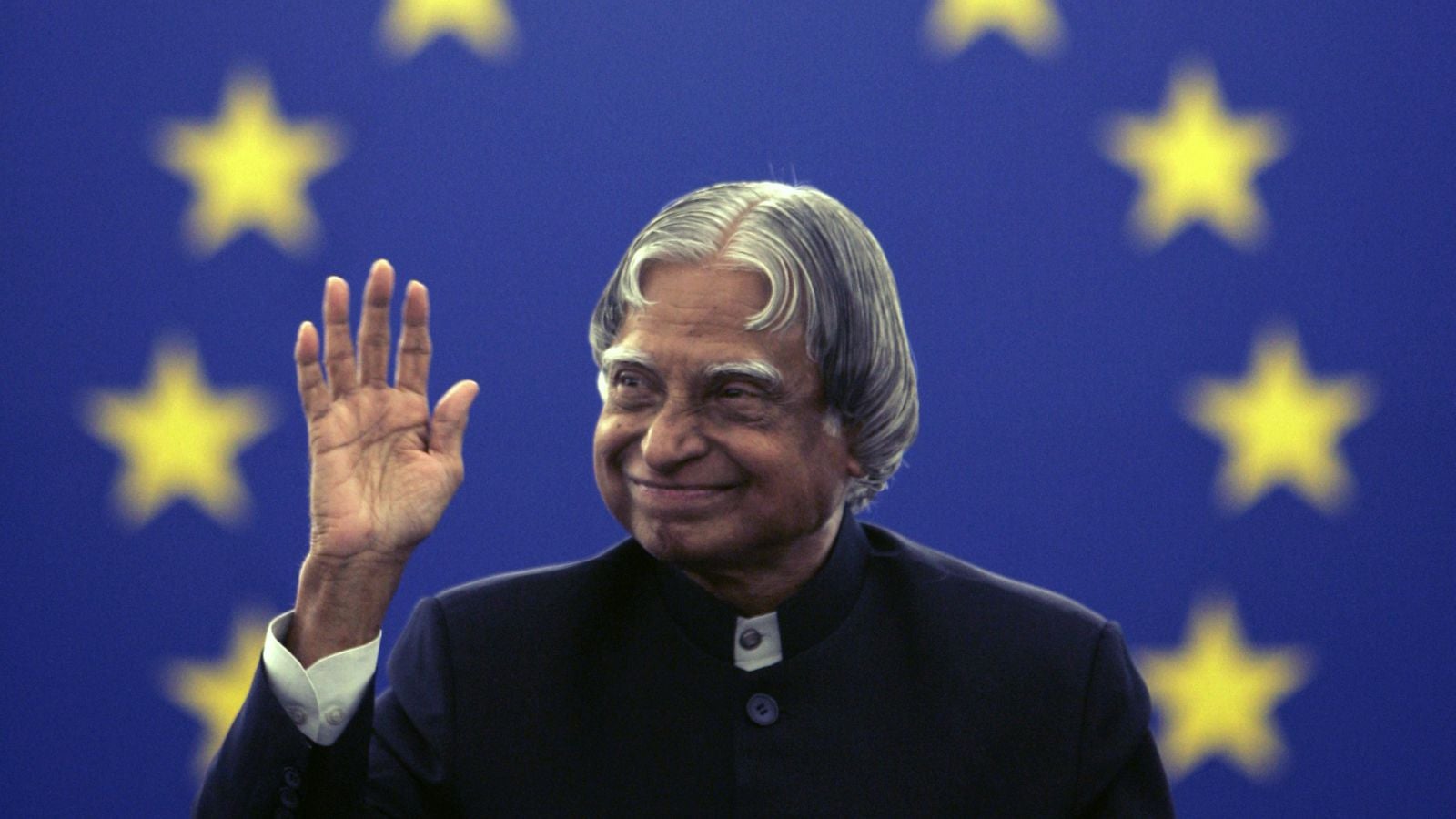
Avul Pakir Jainulabdeen Abdul Kalam—India’s 11th president and its most famous rocket scientist—has died. Kalam, who was 83 years old, reportedly suffered a cardiac arrest and collapsed during a lecture at the Indian Institute of Management, Shillong on July 27. He is survived by a 99-year-old brother.

By the time the motley group of teenagers—sons of farmers, daily labourers and shopkeepers—woke up on June 18, the tripods, microphones and television cameras had already started arriving for their annual ritual at Anand Kumar’s house.

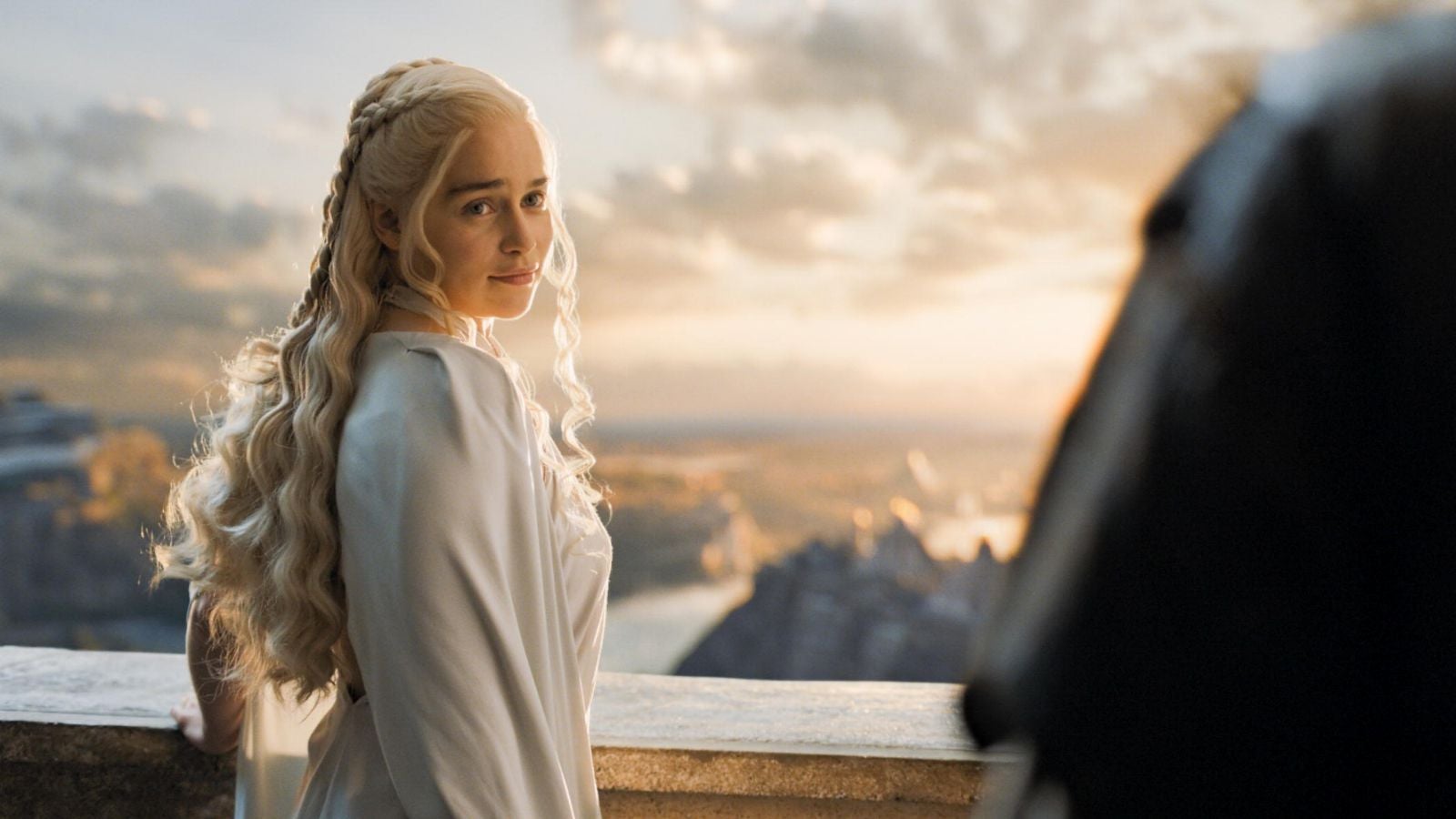
First, a word of caution—and a suggestion: Spoiler alert for Khaleesi fans who haven’t seen the latest episode, and perhaps it’ll help to get your Bollywood lyrics up to scratch.