
Tech & Innovation
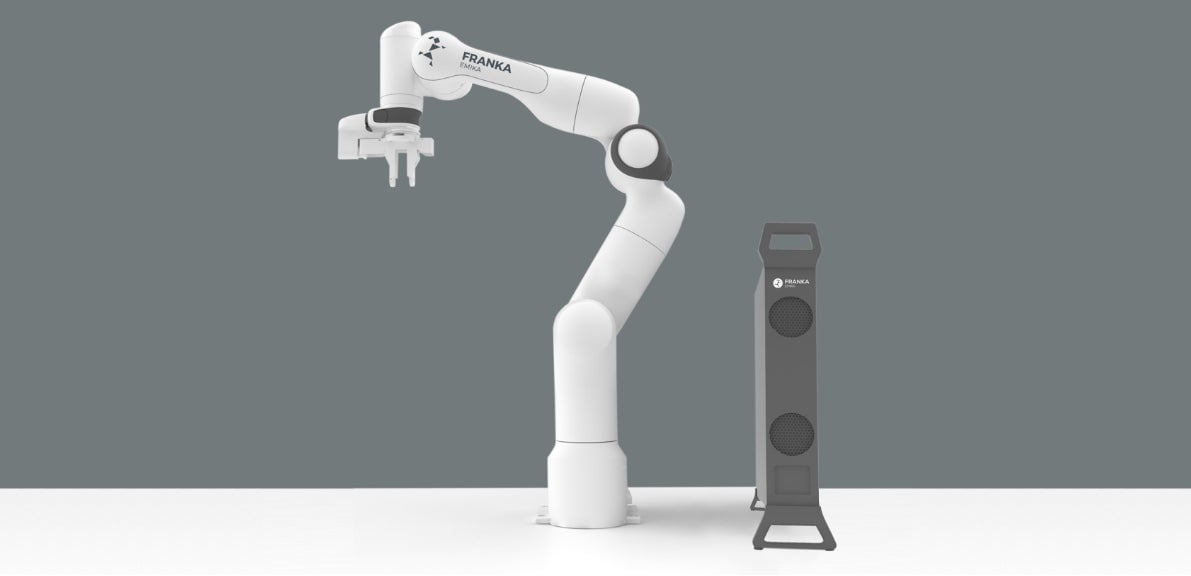
The $10,500 robot arm that can build its coworkersIndustrial robot arms are expensive, and come with a long list of caveats including concerns over whether they can work safely alongside humans.
Updated July 21, 20221 min read
Industrial robot arms are expensive, and come with a long list of caveats including concerns over whether they can work safely alongside humans.
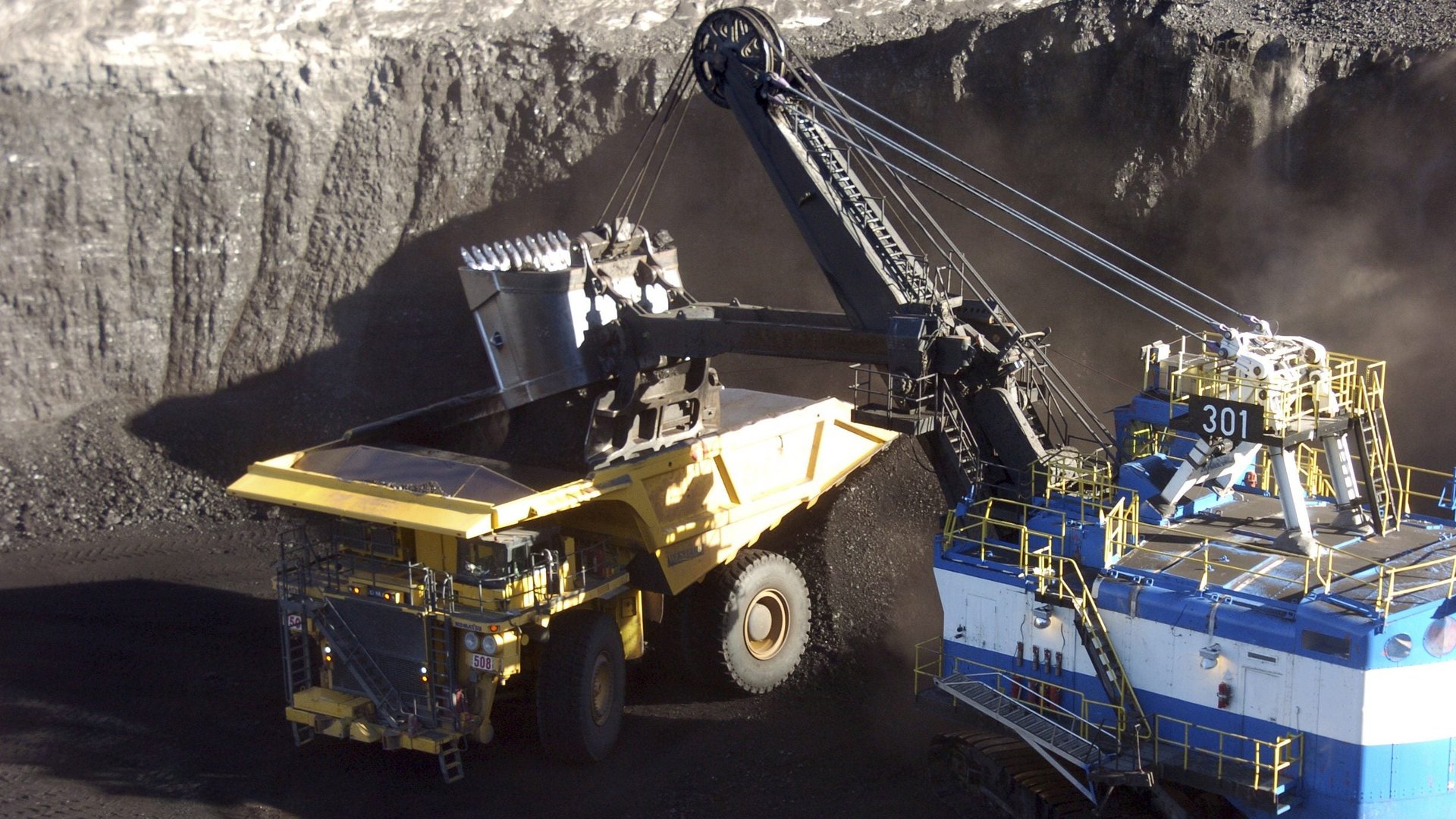
Self-driving trucks have begun to hit the roads in the United States, but they’re already hard at work in Australia.
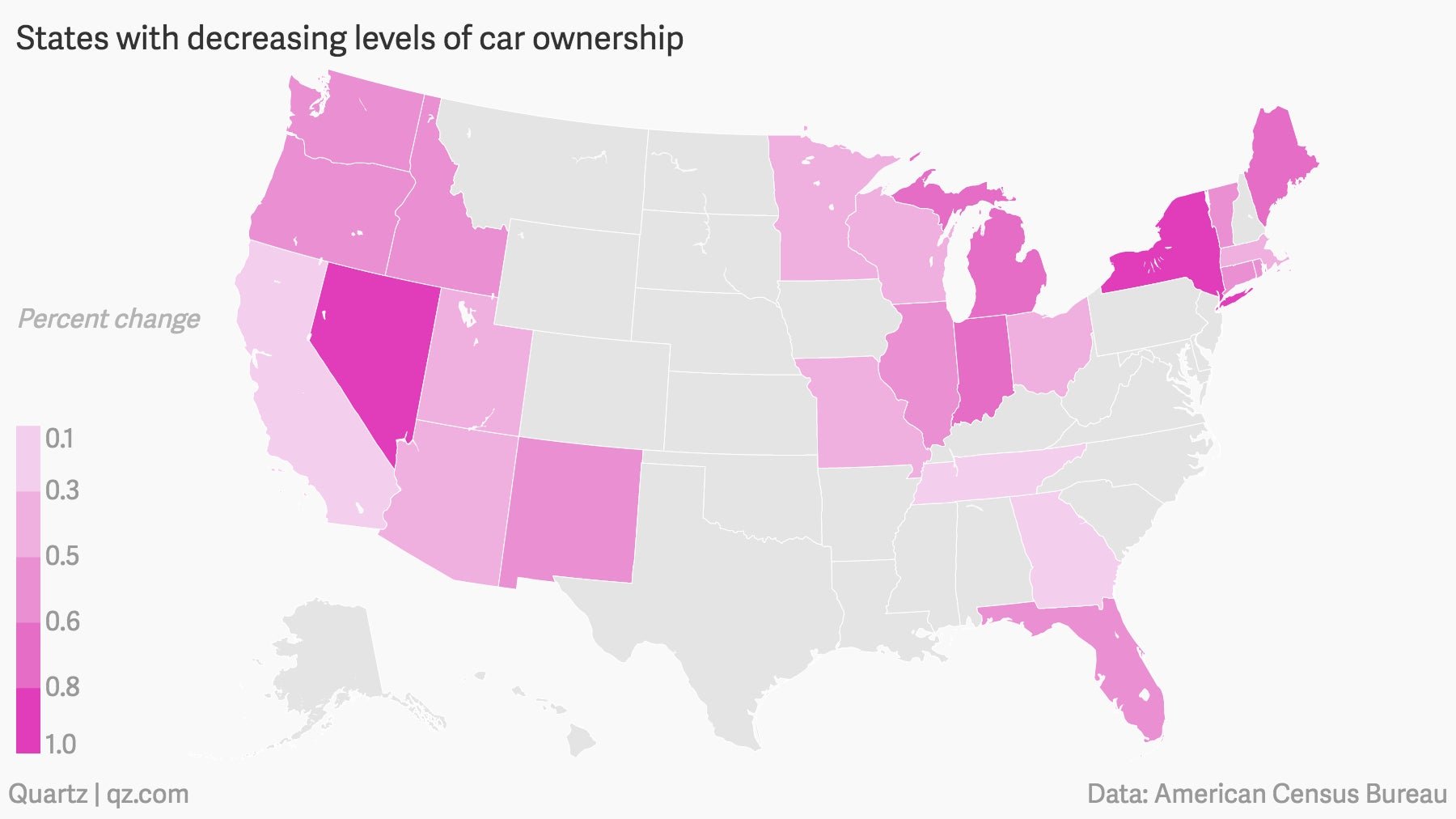
Across the United States, households with no car have become more common than five years ago, according to data recently released by the American Census Bureau. The increase is slight: 9.1% of American households didn’t have a car in 2015, compared to 8.9% in 2010, a 0.2% change that represents about 500,000 households.
A few days before Christmas and Hanukkah festivities began, Apple gave a little something to the artificial intelligence research community: its first research paper.

Even if it looks the same, the software on your computer now is different than when you first booted up the machine. Developers constantly update their software with new features, performance optimizations, and power-saving boosts. Over time, your machine is bound to slow down from all that new code, some of which is built for newer hardware, along with programs you’ve installed and forgotten about, and the thousands of pictures you’ve been meaning to sort.
At one Chinese KFC, the cashier will tell you what you’re eating. Well, the cashier robot.
In Amazon’s vision of the future, the groceries we pick out are lovingly tallied by machines, allowing customers to just walk out the door when they have everything they want to buy.
As Google, Facebook, Microsoft, and Baidu take turns leapfrogging each other in artificial intelligence innovation, one company stands to profit from any outcome: Nvidia.
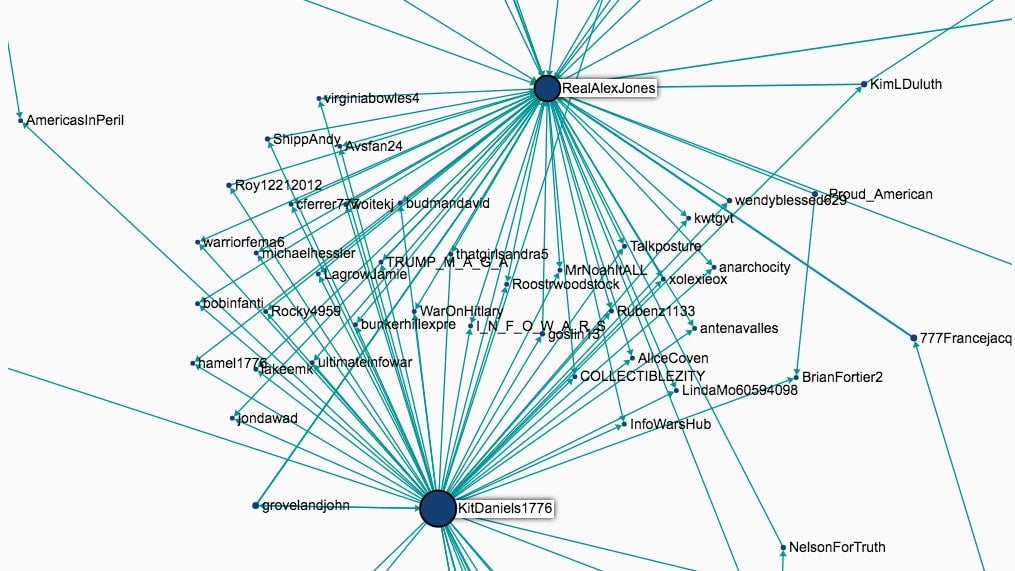
While Facebook works with third-parties to warn users about fake news on the site, others are still trying to figure out where it comes from, and who’s giving it such massive visibility on social media.
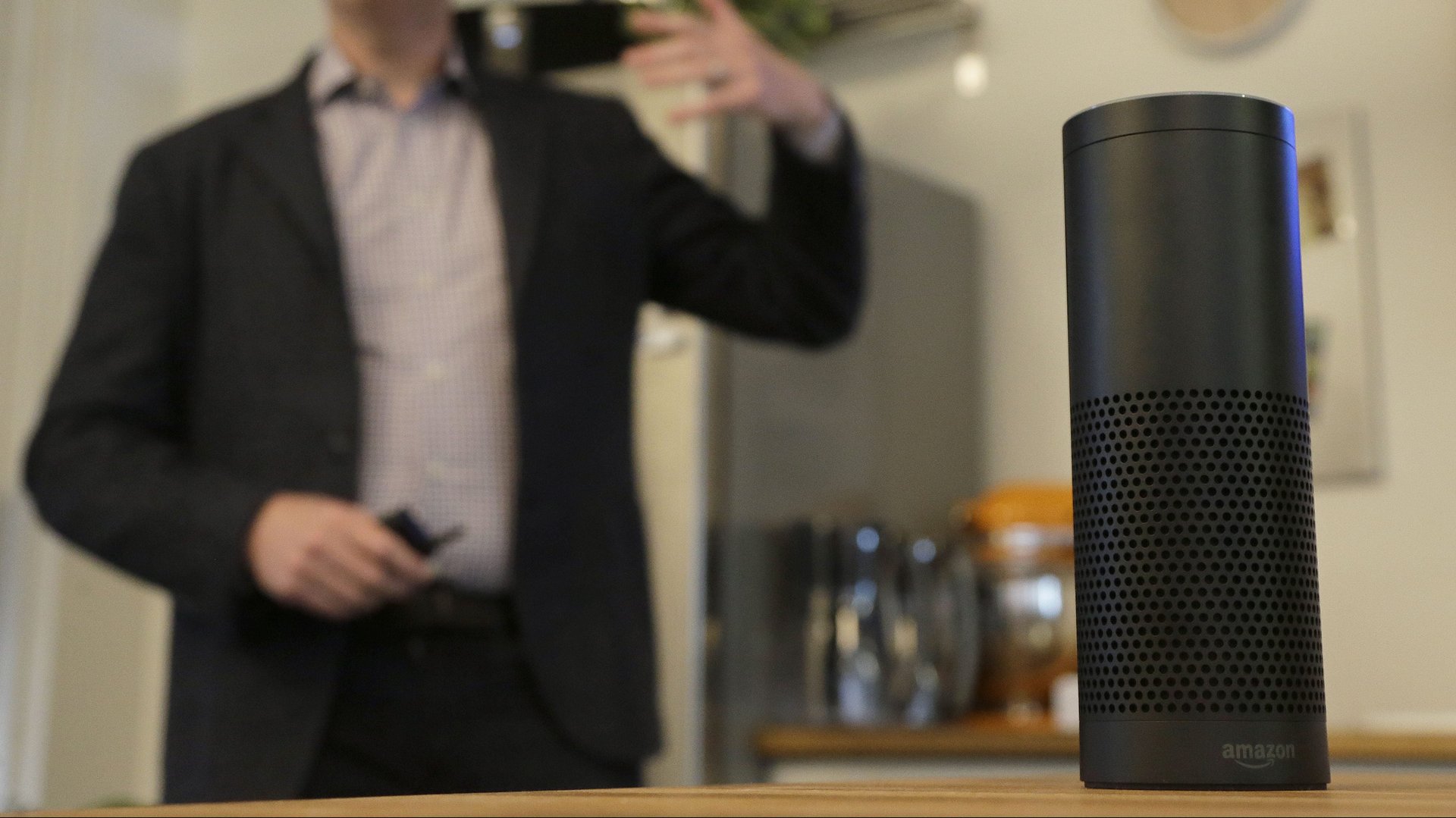
If you’re looking to get your hands on Amazon’s hottest gadget, the Echo, before Christmas, you need to drive to a store. That’s right—no free two-day delivery, no brown cardboard box, no drone flights. Brick and mortar, baby.

Like everyone else, the White House isn’t entirely sure how automation driven by advancements in artificial intelligence will affect the US economy. But the president’s office does feel confident about one thing: the outlook isn’t good for people who make their living as drivers.

Self-awareness, or the ability to understand and explain oneself, is one of the largest divides between artificial and human intelligence. While we may not fully understand ourselves, we can offer up a rationale for our decisions in most cases. On the other hand, AI algorithms are usually only programmed to provide an answer based on the data they’ve learned. That is, we can see their conclusions, but most of the time we don’t know how they arrived at them. That limits our ability to improve AI when something goes wrong, as well as learn from them when they make a decision that wouldn’t occur to us. Now, a growing field of research is looking to change that.
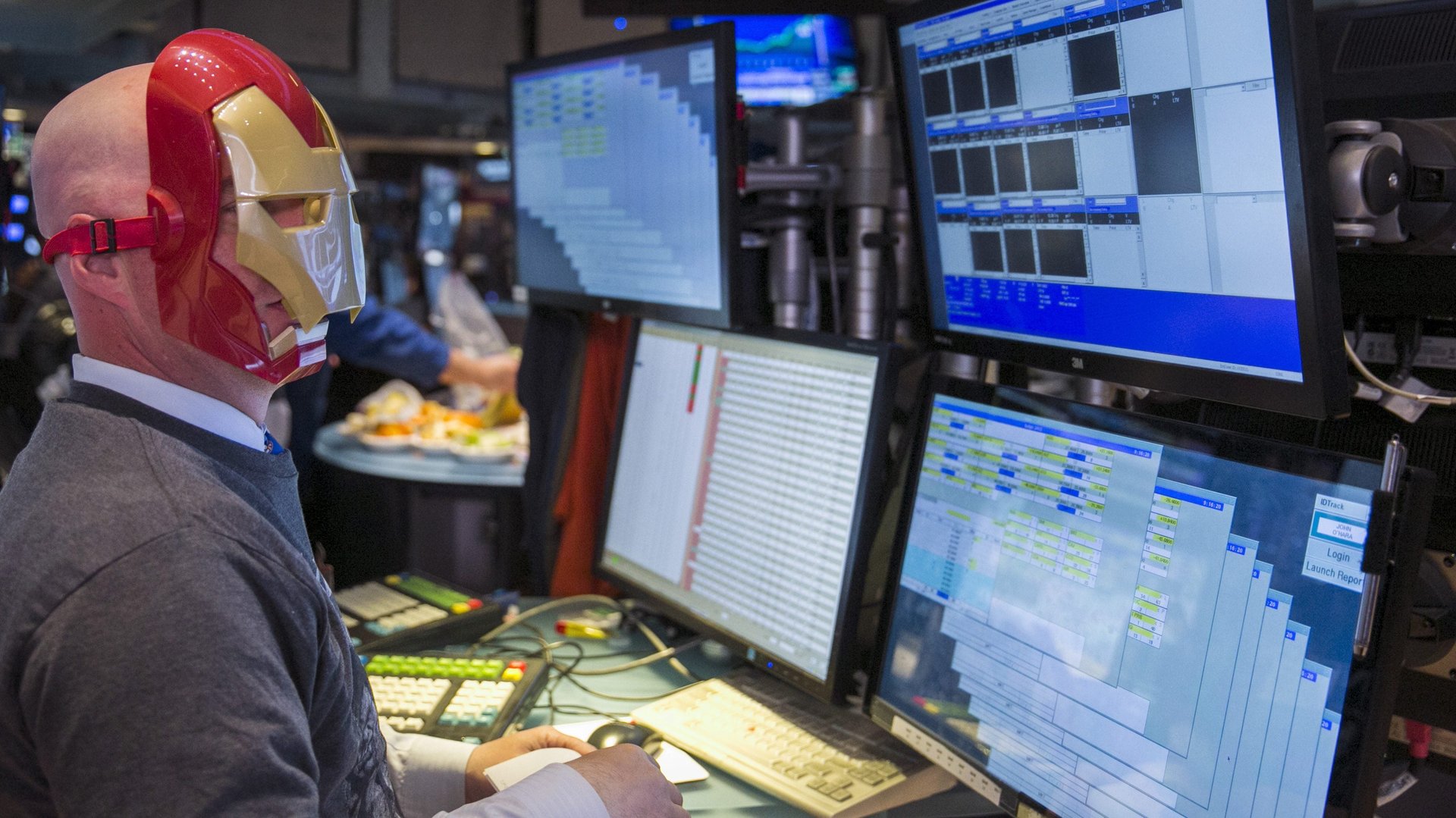
As Mark Zuckerberg rings in 2017, he can ask his personal assistant Jarvis to summon Auld Lang Syne through his living room speaker, or allow guests into his party, using facial recognition and a smart lock. His project to make himself a virtual personal assistant—so much like Tony Stark’s in Iron Man that it carries the same name—was one of the Facebook founder’s yearly goals for self-fulfillment. It also happens to be a great way to show off Facebook Messenger.
While Blackberry’s QNX division has been working on automotive software for 20 years, it’s better known for its short-lived stint as king of the business smartphone.

More than 1 billion Yahoo accounts were compromised in August 2013 by hackers, Yahoo announced today (Dec. 14).
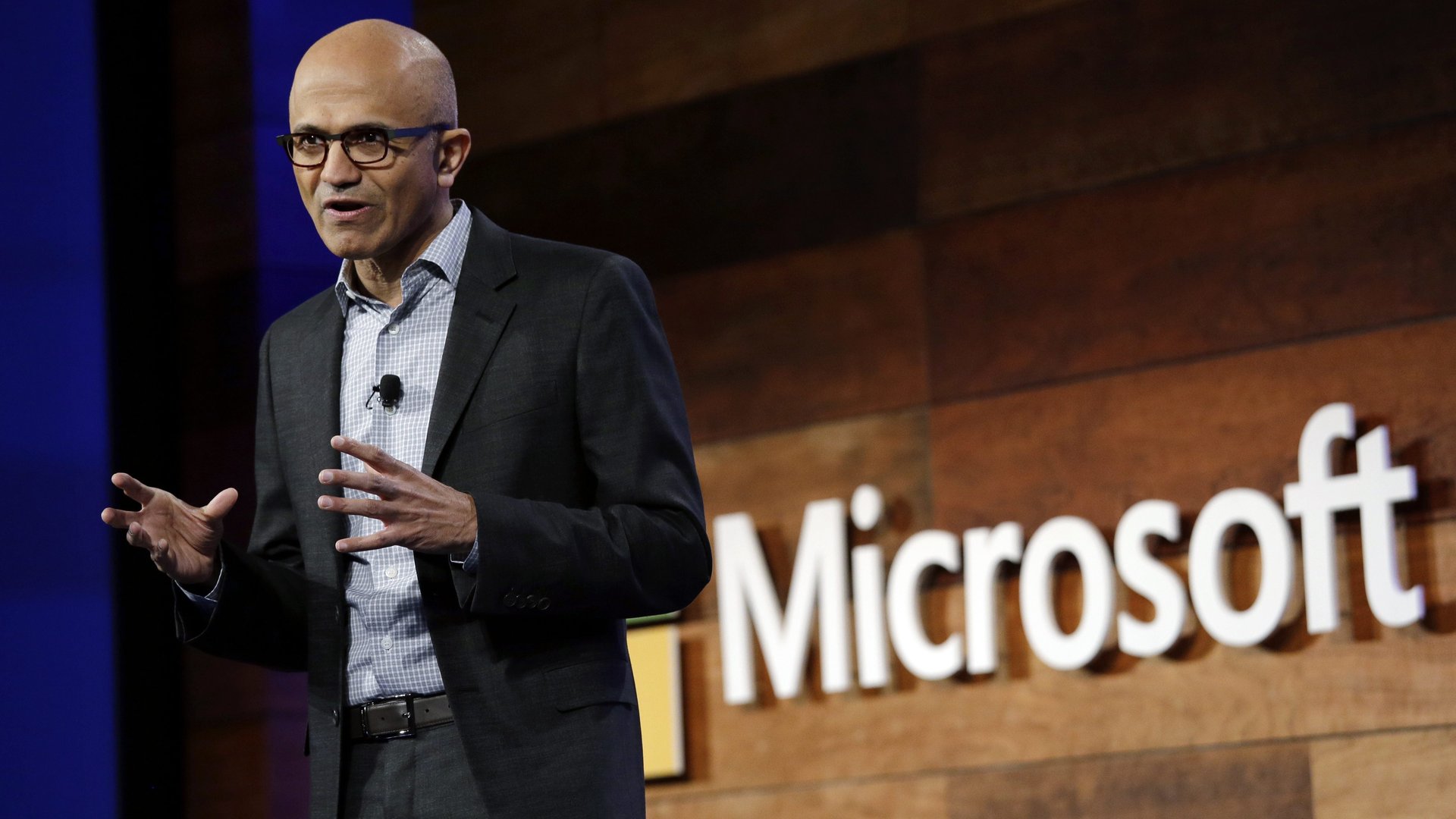
“We want to bring intelligence to everything, to everywhere, and for everyone,” Microsoft CEO Satya Nadella told developers earlier this year.
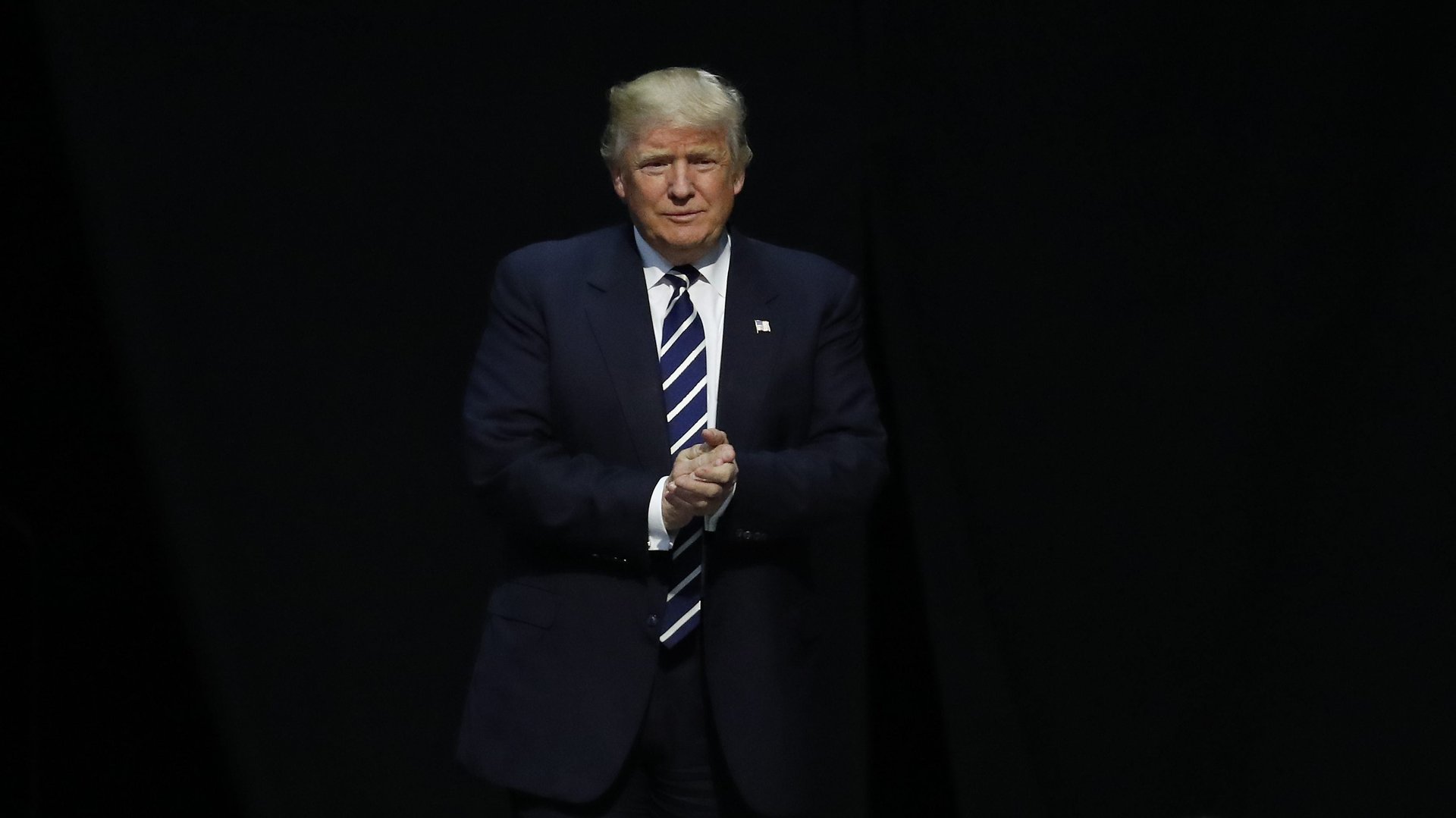
Most presidents-to-be spend their precious few months before taking office by taking in top-secret intelligence briefings and learning as much as they can from the people tasked with keeping the US safe. Not Donald Trump, whose cabinet pageantry and victory tour has left little time for briefings.
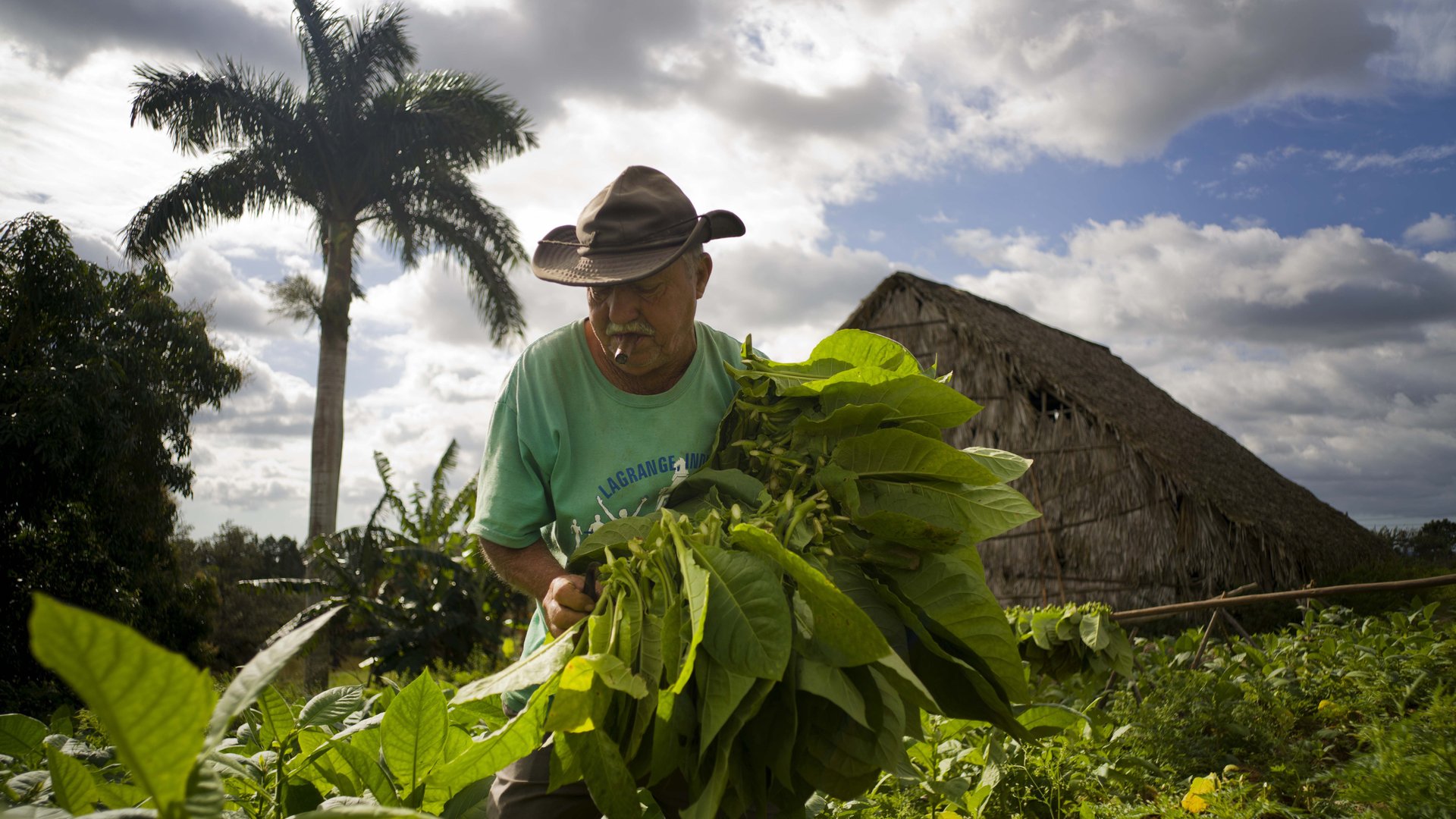
On the surface, rising tourism rates in Cuba might look like an injection of cash into the struggling island economy. Instead, tourists are just eating all the food.
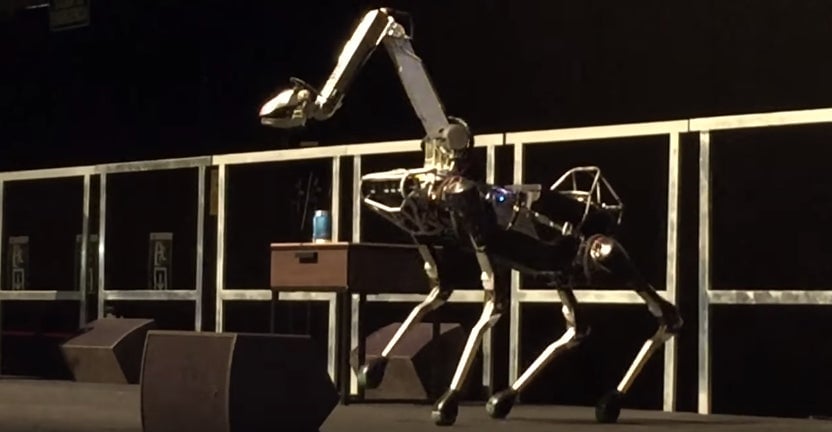
Google has spent the better part of 2016 teaching its robot dogs a few new tricks, but it seems the company is still unsure what the bots will actually be good for in the real world.
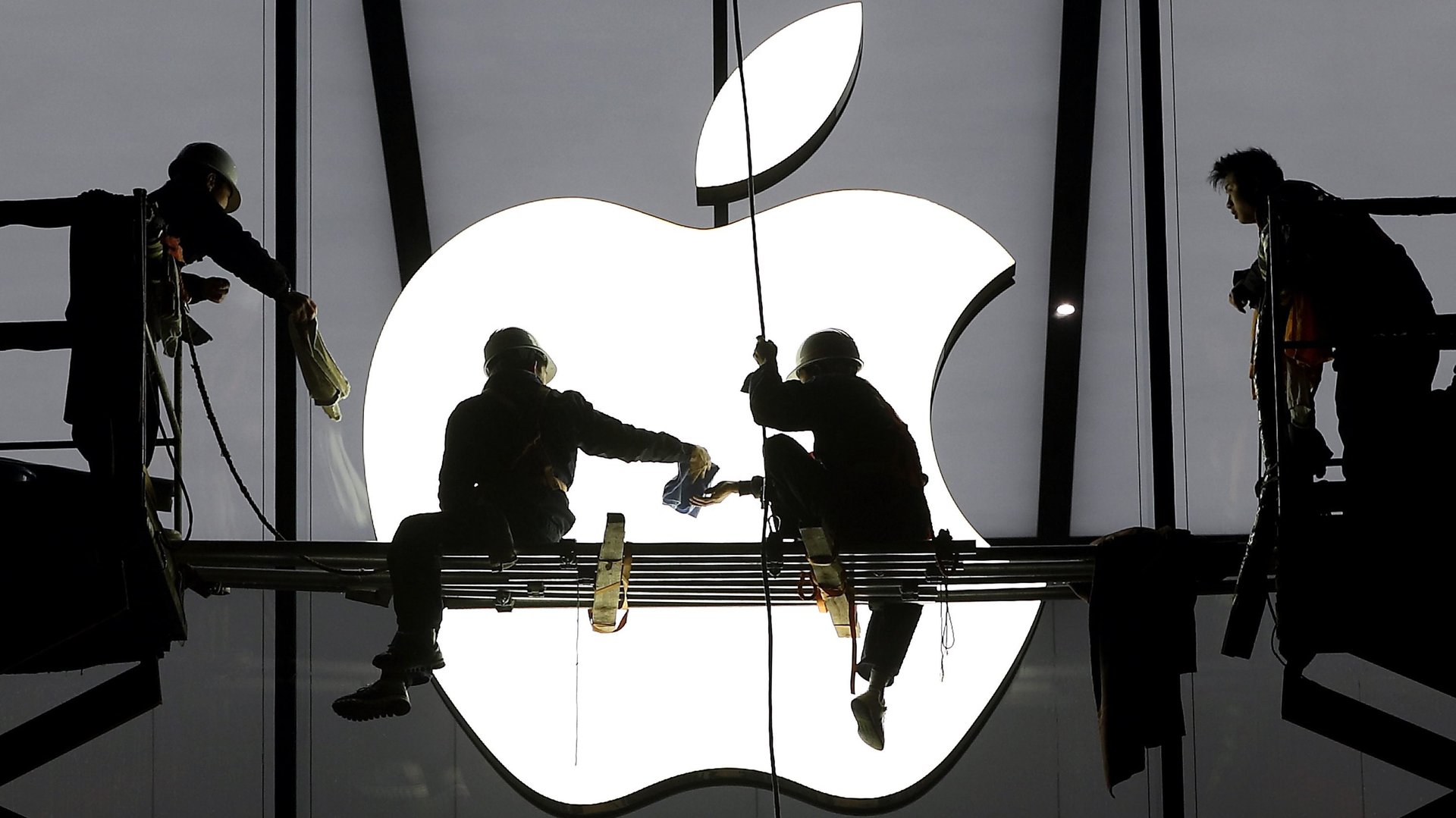
Apple has long been secretive about the research done within its Cupertino, California, labs. It’s easy to understand why. Conjecture can spin out of even the most benign of research papers or submissions to medical journals, especially when they’re tied to the most valuable company on the planet.
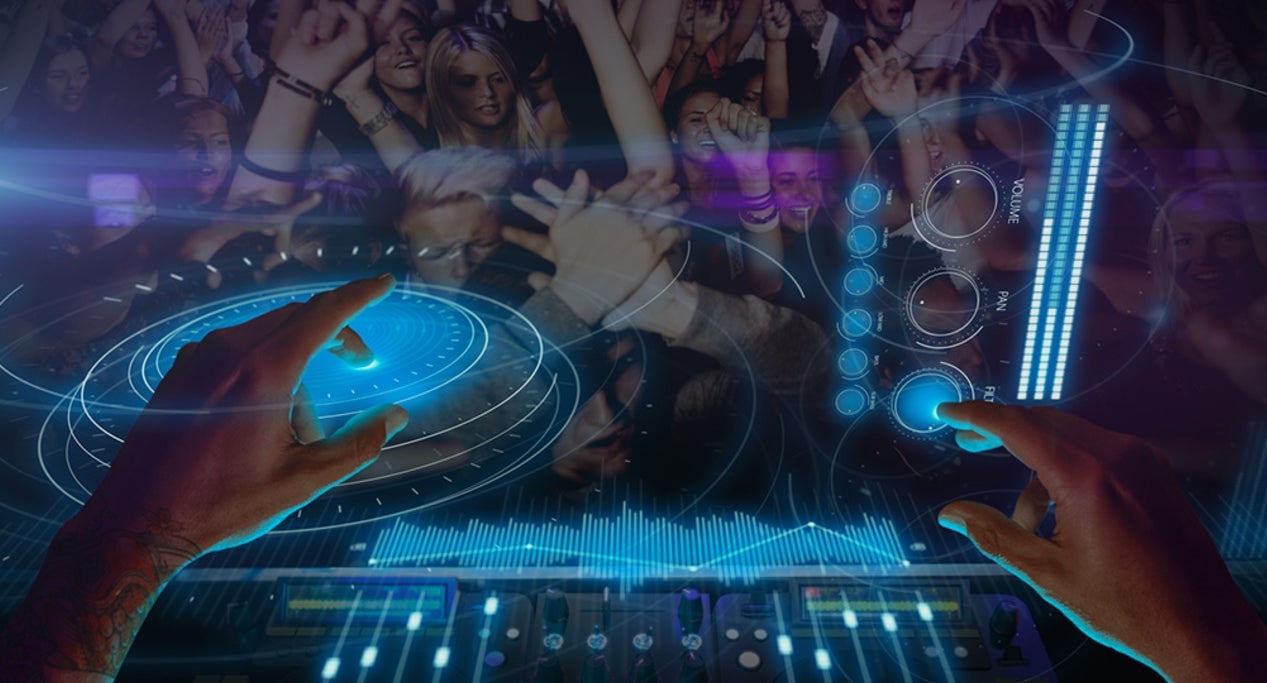
Magic Leap, the ultra-secretive mixed reality startup worth $4.5 billion, is gearing up to test a product outside the lab, according to a job posting on GlassDoor.

For whatever reason, some people like to type in landscape mode on their iPhones. But in the latest iOS software, Apple changed the tried-and-true method of changing the keyboard to landscape (tilting the phone horizontally) to instead initialize a handwritten message.
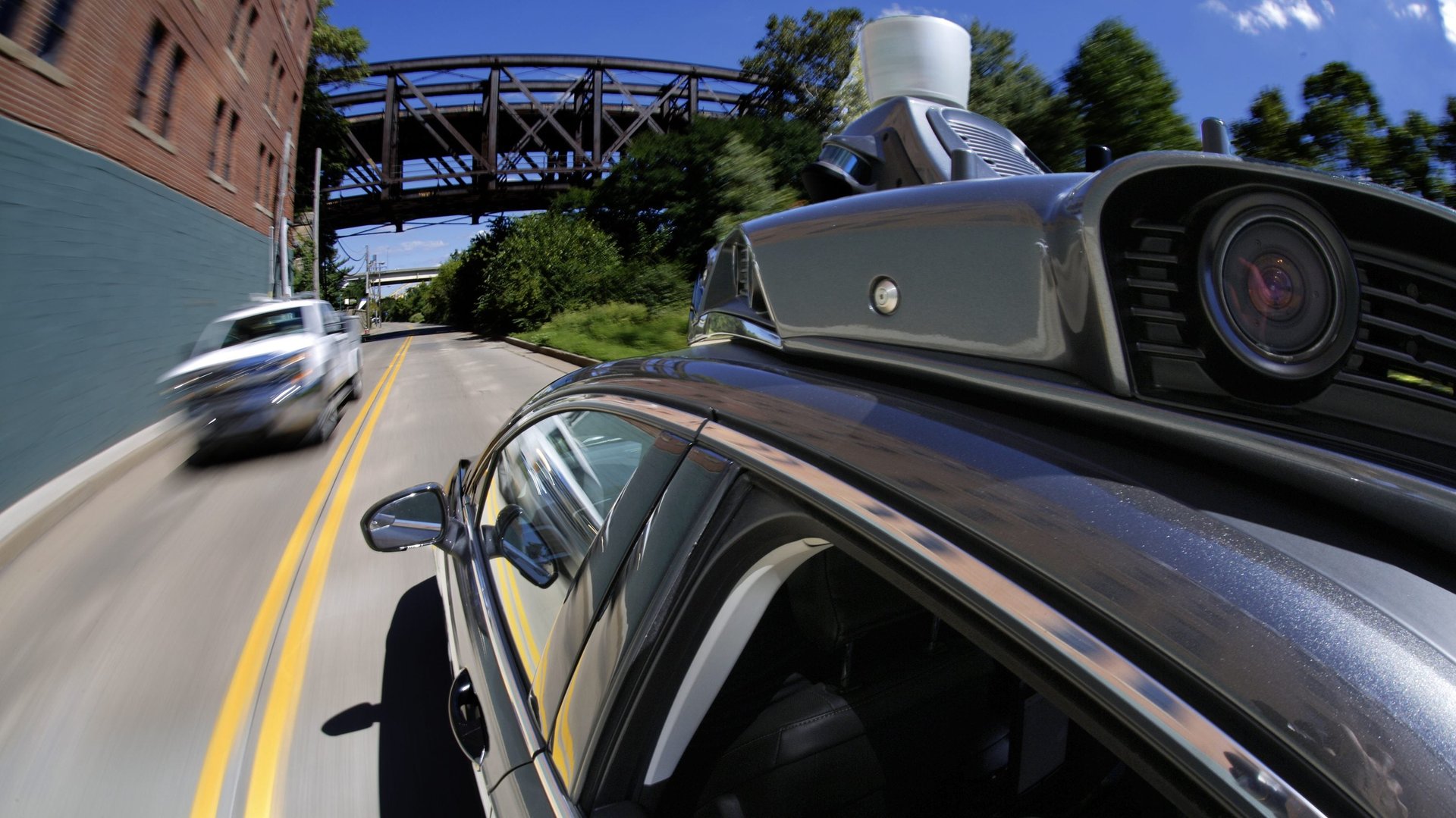
At this very moment, dozens of Uber’s self-driving cars are touring San Francisco, Phoenix, and Pittsburgh, gathering millions of data points about how to drive in complex environments. Data has become the currency of artificial intelligence—conventional wisdom says the more information your machines can learn from the better they’ll be. But what if Uber could do less with more?