As the Rust Belt stagnated, coastal metropolises thrived. As Appalachia sputtered, shale country boomed. As Southern manufacturing centers shut their doors, neighboring research hubs opened theirs.

As the Rust Belt stagnated, coastal metropolises thrived. As Appalachia sputtered, shale country boomed. As Southern manufacturing centers shut their doors, neighboring research hubs opened theirs.

It is readily apparent to any New Yorker that the 21st century will belong to Brooklyn. Now we have the labor market data to prove it.

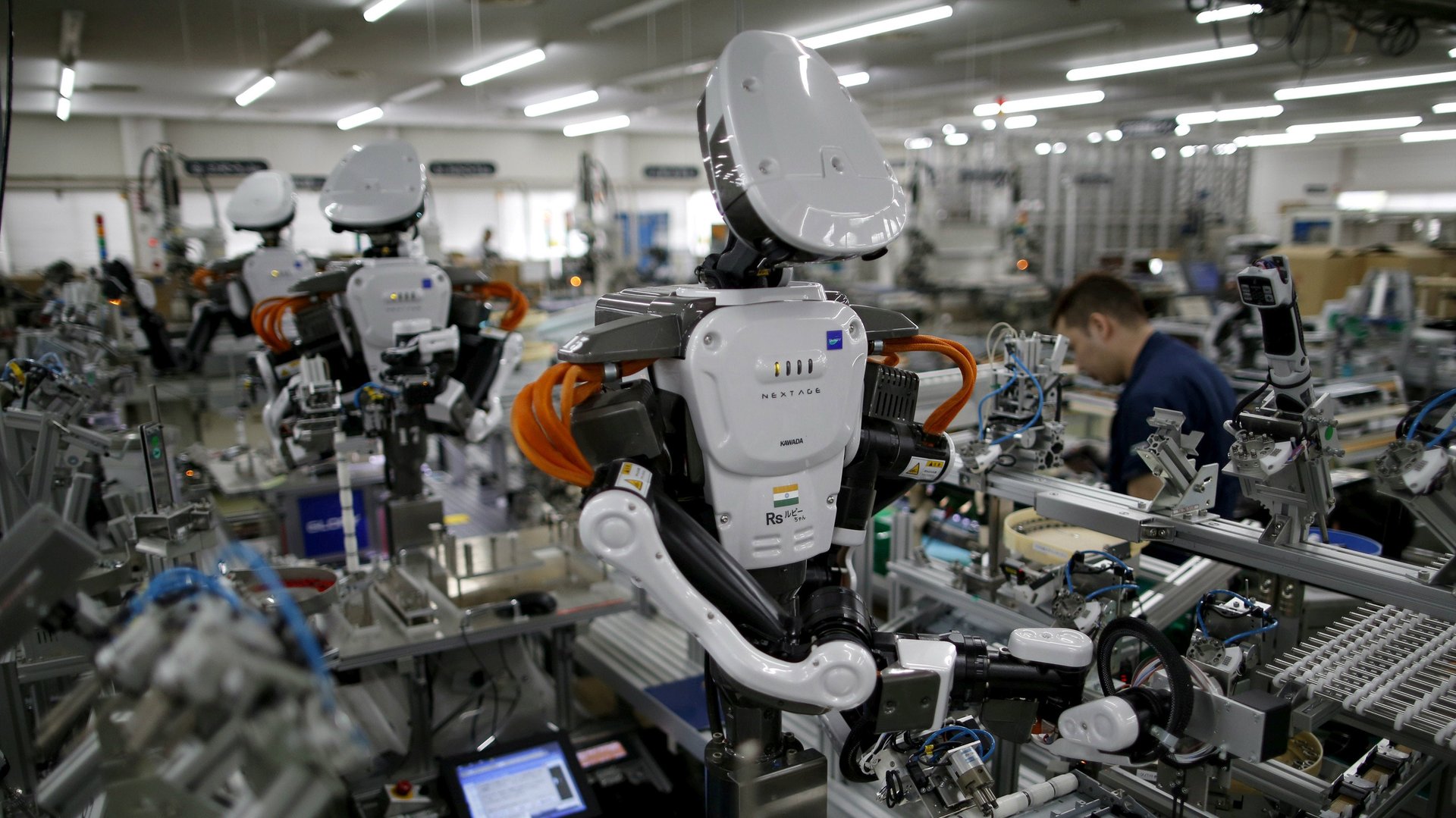
In his final speech as US president, Barack Obama warned of the “relentless pace of automation that makes a lot of good, middle-class jobs obsolete.” Bill Gates, co-founder of Microsoft, has said that governments will need to tax robots to replace forgone revenue when human workers lose their jobs.

Hedge fund investors are supposed to be the smart guys—too rich and sophisticated to need the protections that Wall Street’s regulators try to offer the average investor. But that worldliness doesn’t necessarily keep them from being suckers for a shiny name.

A striking fact about the tide of nationalism sweeping through the West is that it is strongest in places with the least diversity. Supporters of Donald Trump, and his “America first” policies, generally come from areas of the US least touched by immigration. The parts of the UK that opted to “take back control” by voting for Brexit also clustered in areas with fewer foreign-born residents.

Borrowers buying homes with bigger and bigger mortgages. Specialist lenders taking business from banks by offering more aggressive loan terms. Analysts claiming there is nothing to worry about.

Economic inequality is rising in emerging economies across the world, with one very big exception.

Cass Sunstein wants you to get out of your bubble. In fact, the Harvard Law School professor says that democracy depends on it.

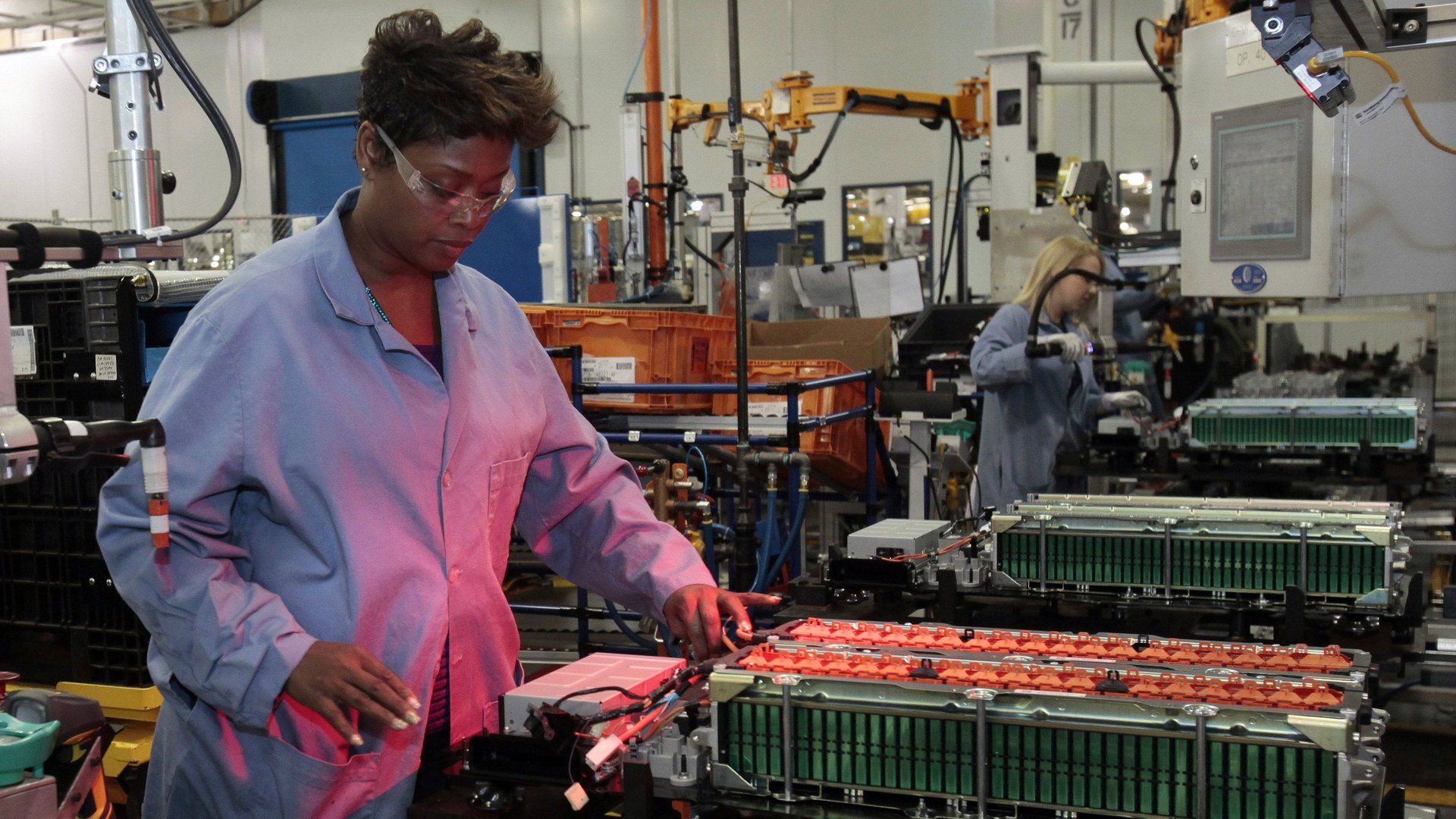
Donald Trump famously claimed in a campaign speech that “I am going to be the greatest jobs president that God ever created.” Six weeks into his presidency, we can begin to track his performance in earnest.

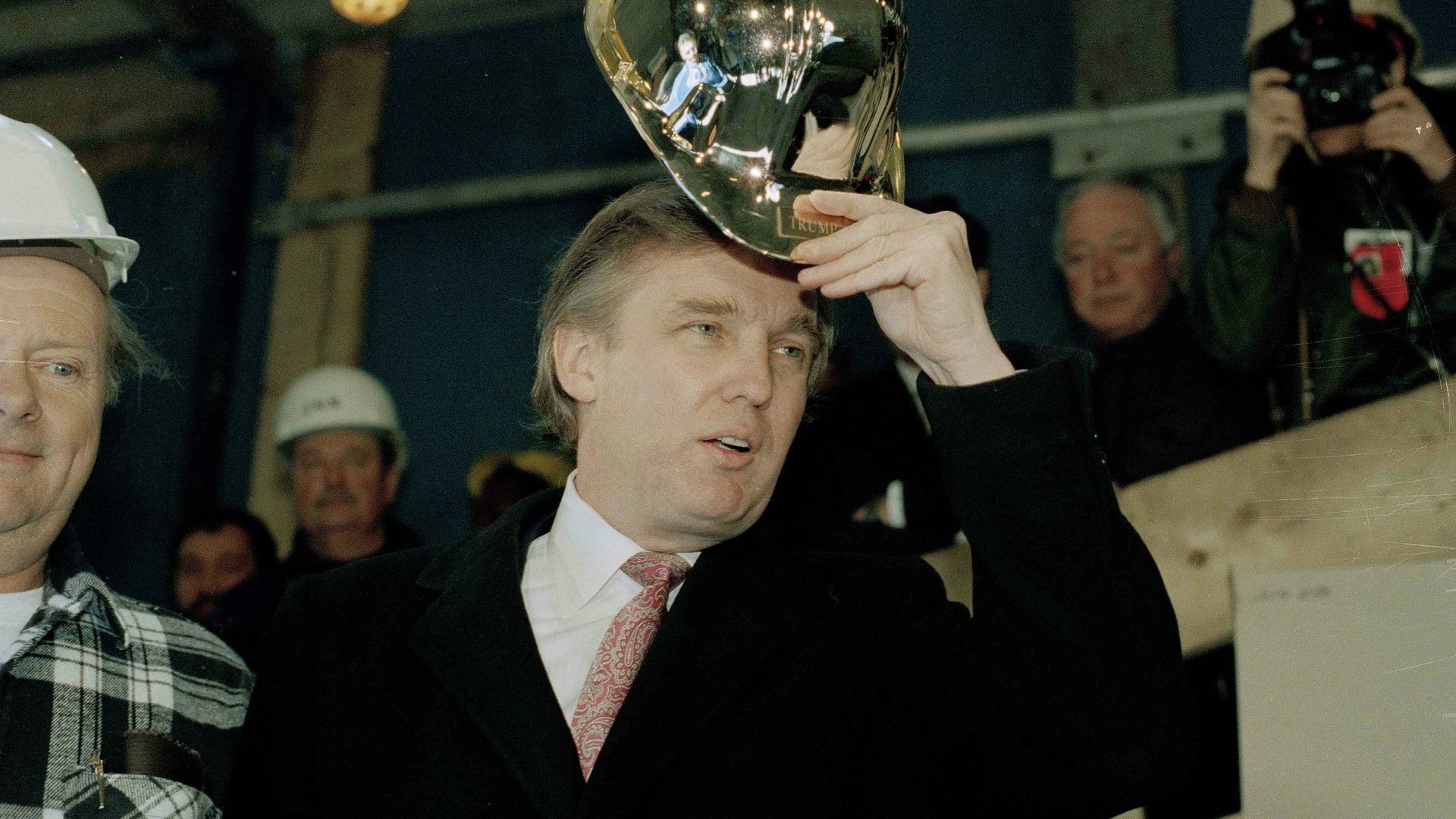
Since the late 1960s, when Donald Trump got his start in real estate, construction output per worker has fallen in the US. Now that he has the power to reshape the country’s economy as president, it matters that his worldview is informed by one of America’s least dynamic industries.

I am a professional writer, but I often hate my writing. I wish it was more concise and powerful. And it certainly doesn’t read as smoothly as the work of my literary heroes. Recently, I began to wonder: Could a software program make me better at my job?

Researchers at the OECD are perplexed. As far as they can tell, nothing much has changed about expectations for global economic growth in recent months. Still, stock markets are soaring.

Australians can breathe a sight of relief. Their record streak of consecutive quarters without a recession is still alive. After a 0.5% contraction in the third quarter of 2016, the country’s economy grew by 1.1% in the fourth quarter. It has been more than 25 years since Australia’s last recession, the longest streak for any Organisation for Economic Co-operation and Development (OECD) country since 1970.

The last thing many people want to do is sit at their desk all day. It can be boring and lonely and just bad for your health. But for those with particularly grueling jobs, the opportunity to take a seat would be most welcome.

Donald Trump, like populists around the world, says that free trade destroys local jobs and harms economic growth. These claims are disputable, but they miss the point.

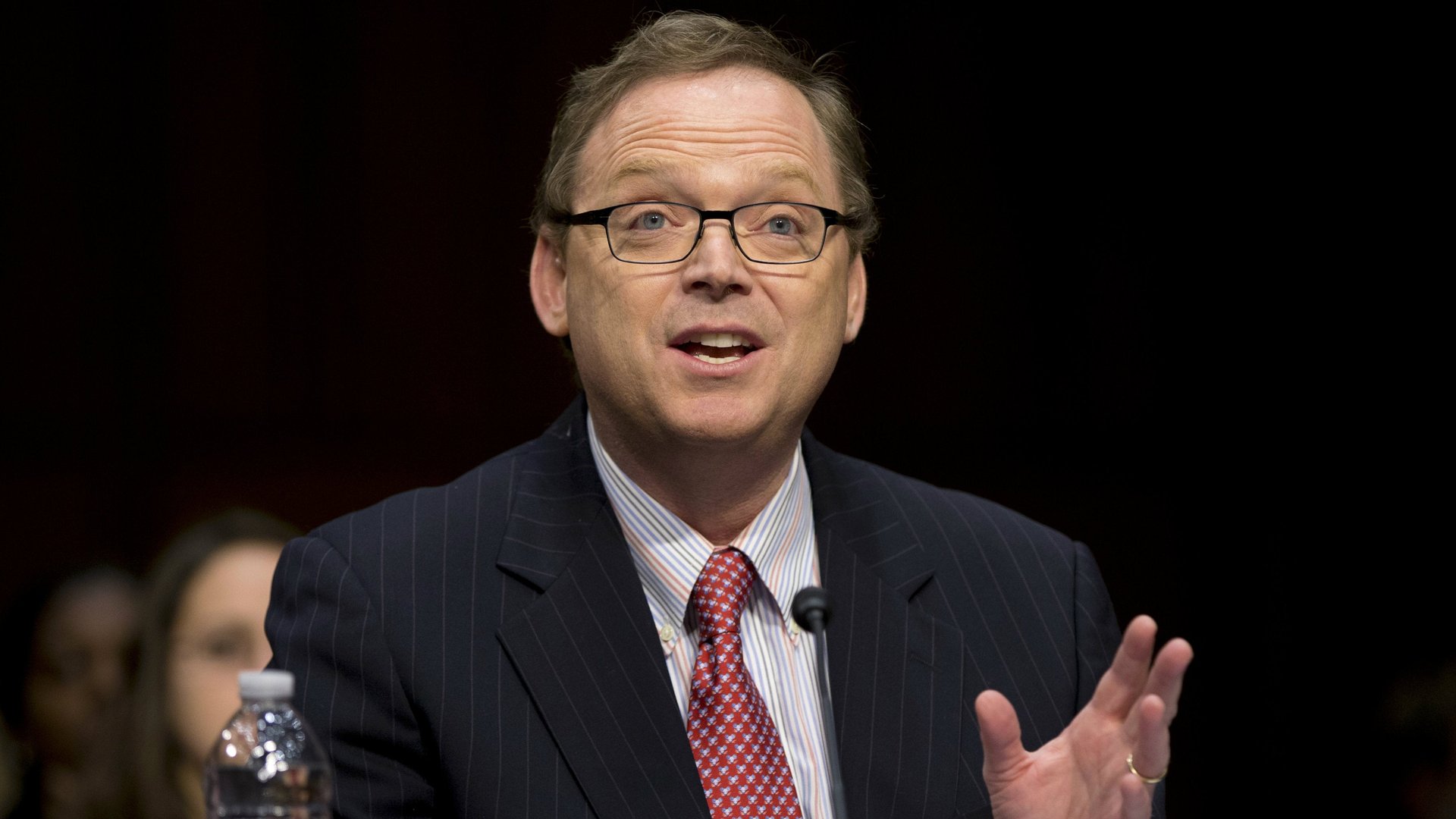
According to multiple reports, the economist Kevin Hassett will be appointed as US President Donald Trump’s chair of the White House Council of Economic Advisors. Hassett has been a professor at New York’s Columbia University, an advisor to former US President George W. Bush and Republican presidential candidate Mitt Romney, and is currently a senior researcher at the conservative think tank the American Enterprise Institute (AEI).

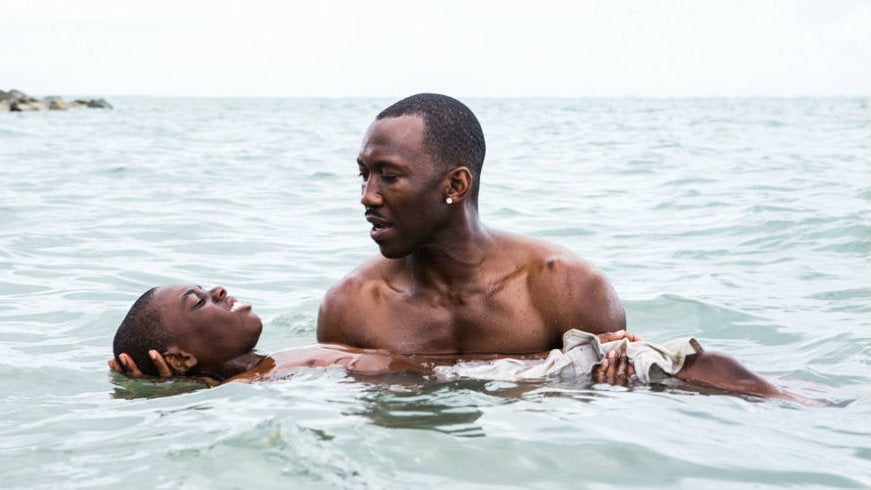
According to critics, the 2017 Academy Award best picture nominees Moonlight, Manchester by the Sea, and La La Land are historically great movies. In fact, these three films were so well received, they might be the best crop of films to have graced the Academy Awards’ Best Picture category in decades.

India is a 1.3 billion person anomaly. As a whole, the country is doing exceptionally well. It is the fastest growing major economy in the world, and is catching up with wealthier nations with impressive speed. Yet over the last several decades, defying economic theory, the Indian states with the strongest development are those that were already best off.

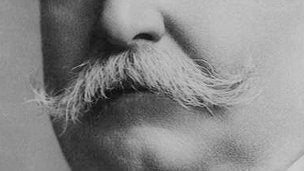
US president Donald Trump doesn’t appear to have ever had facial hair. Trump is so into the clean-shaven look that he reportedly decided not to nominate lawyer and diplomat John Bolton for secretary of state because he didn’t like the look of his mustache (the American Mustache Institute registered its objections). The only facial hair sported by Trump’s very male cabinet is Ben Carson’s goatee. Some observers don’t think Trump could grow a beard even if he wanted to.

There is something peculiar about US President Donald Trump’s economic team.

In the US or Europe, any argument about immigration—and there have been many—has to start with one basic fact: The share of foreign-born workers in these places has risen tremendously over the last 60-plus years.

US President Donald Trump’s threats to overhaul the H1-B program, the largest visa program for allowing high-skilled immigrants to work in the US, has Silicon Valley shaking in its boots. But American computer scientists might want to root Trump on.

On April 10, 2015, a baseball game between the Boston Red Sox and New York Yankees lasted six hours and 49 minutes. The 19-inning game finished well after 2 am, with few spectators left in the stadium and a bunch of worn-out players who had to play the next day. The Red Sox won, but hardly anyone left the game happy.

Research from around the world shows that parents are often overoptimistic about how their children perform at school. They think they miss less class, complete more assignments, and score better on exams than they do in reality.