
Tech & Innovation
Sales of electric vehicles in China are finally slowingChina’s electric-car market is taking a breather after two years of rapid growth.
Updated July 21, 20222 min read
China’s electric-car market is taking a breather after two years of rapid growth.
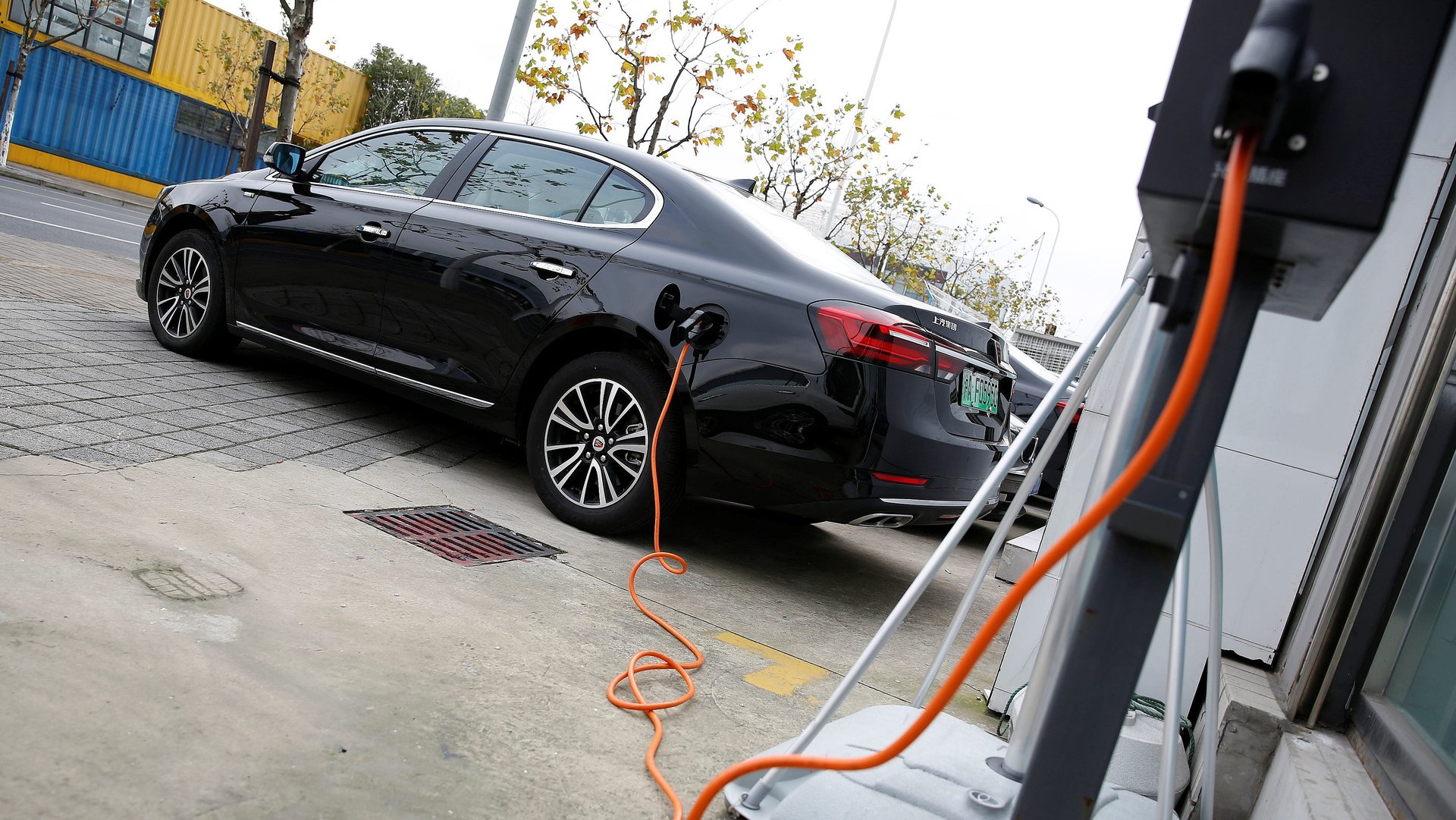
China’s latest electric-car subsidy policy is intended to strengthen the industry by “eliminating the inferior.” But when it comes to “selecting the superior,” things aren’t exactly going to plan.
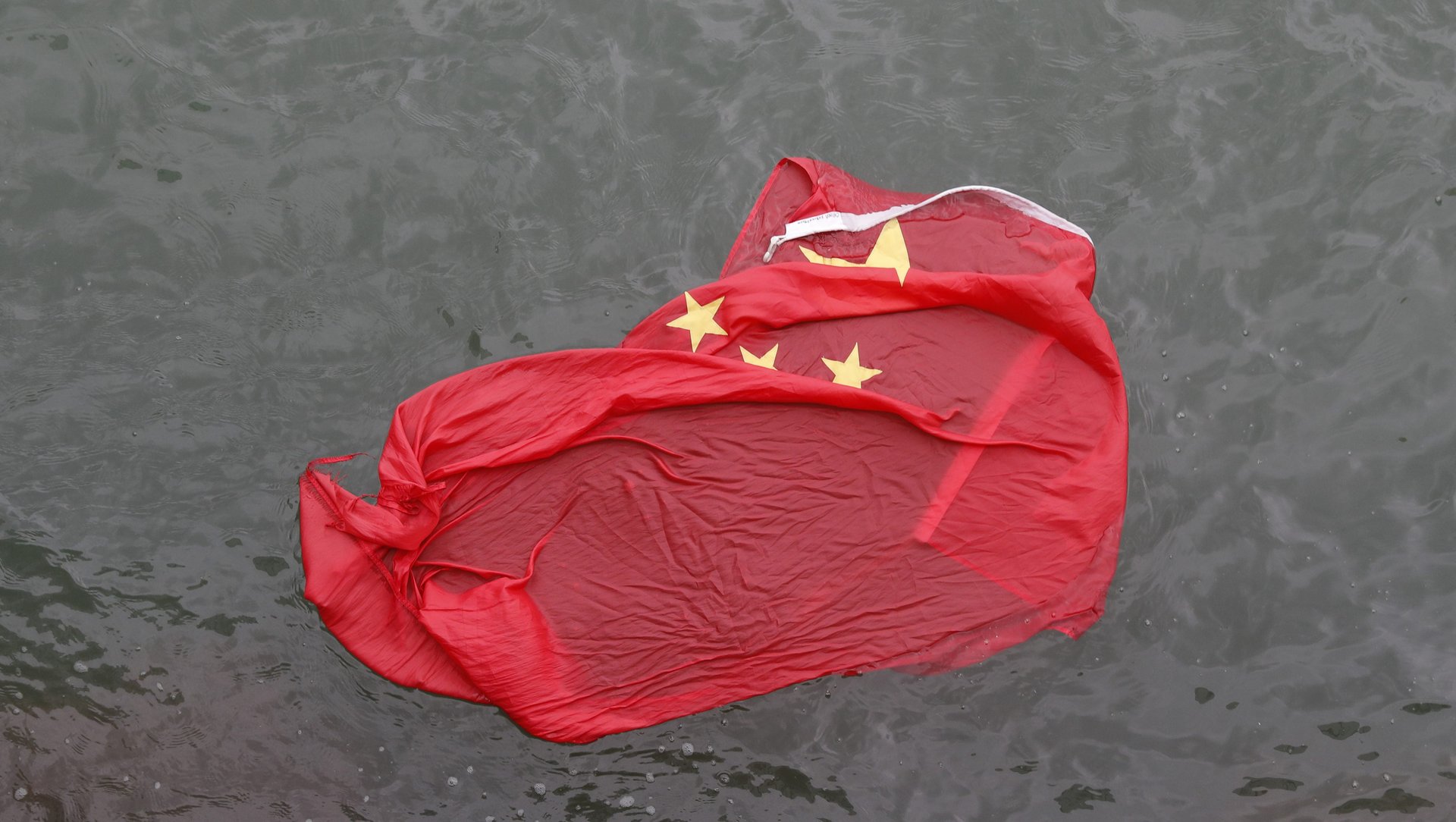
As the protests in Hong Kong have raged over the past nine weeks, China’s propaganda machine has been in turbo drive, portraying those taking part as traitorous rioters trying to destabilize the country and challenge national sovereignty.
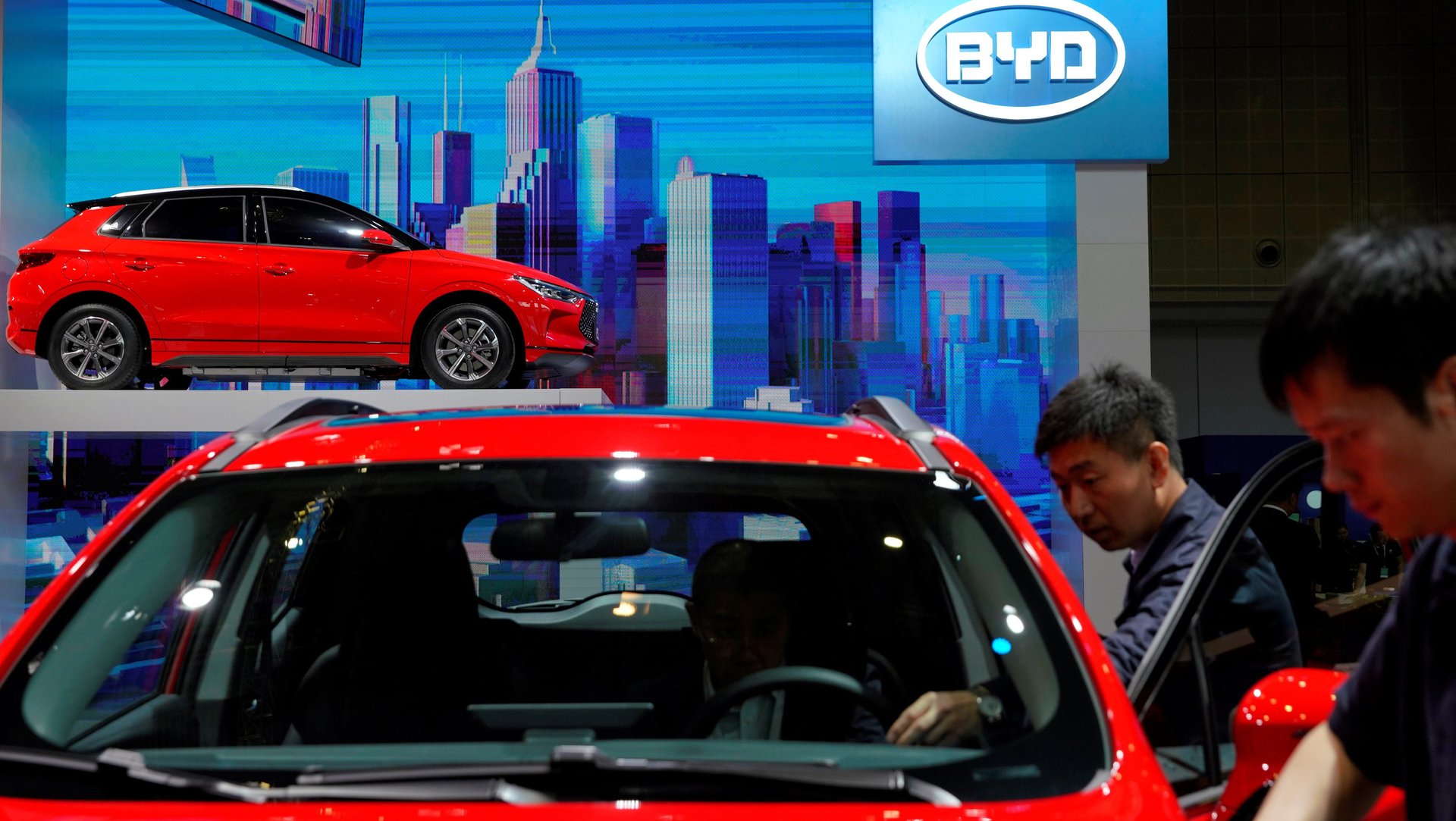
One of Beijing’s best-known electric carmakers is selling its signature product as it struggles to make money.

Chinese TV viewers beware: for the next few months, there’s going to be major changes to your regular programming.
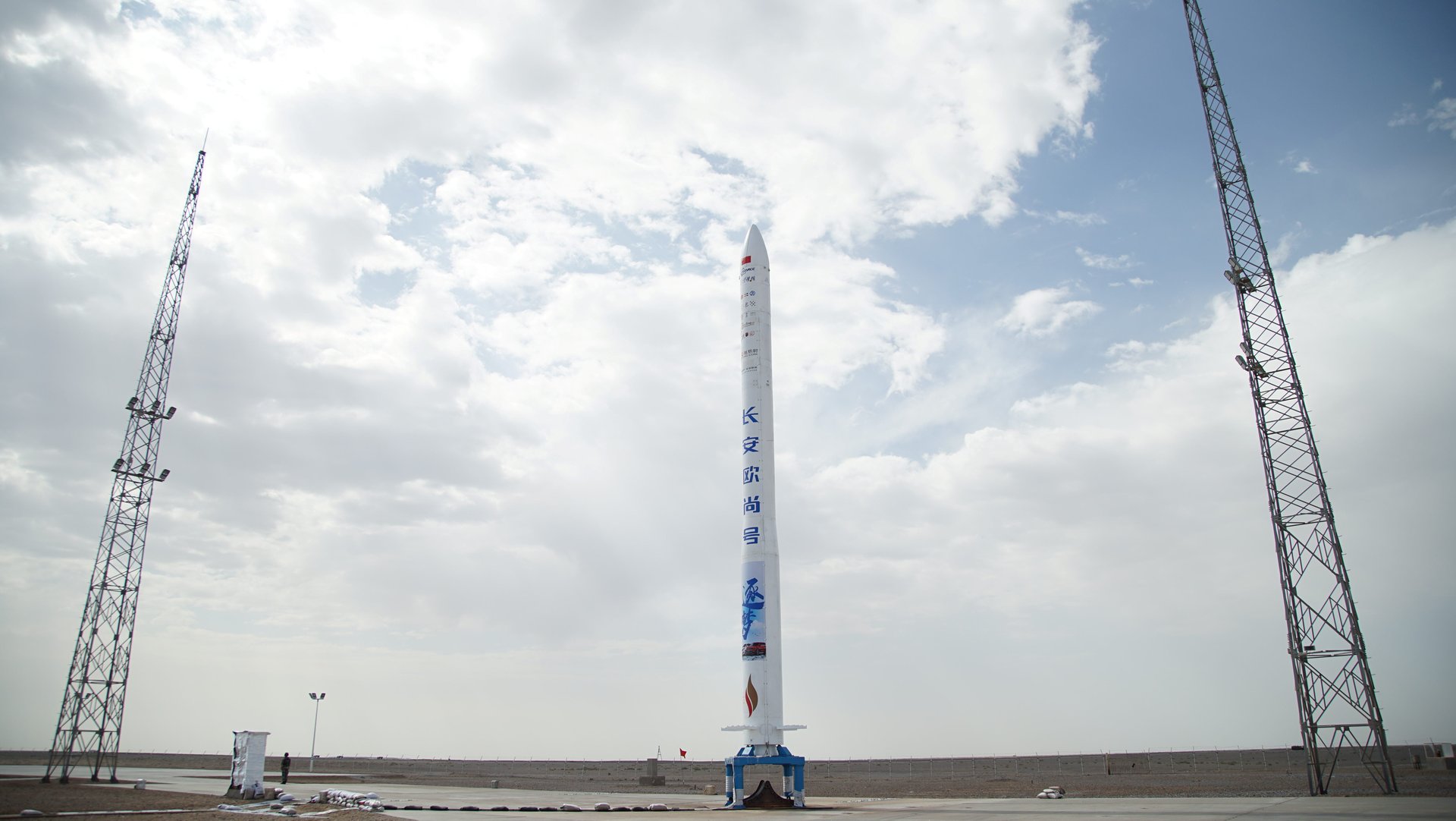
A carmaker sponsored China’s first successful rocket launch by a private rocket maker. In return, a model of one of its cars got to tour the earth 15 times in orbit.
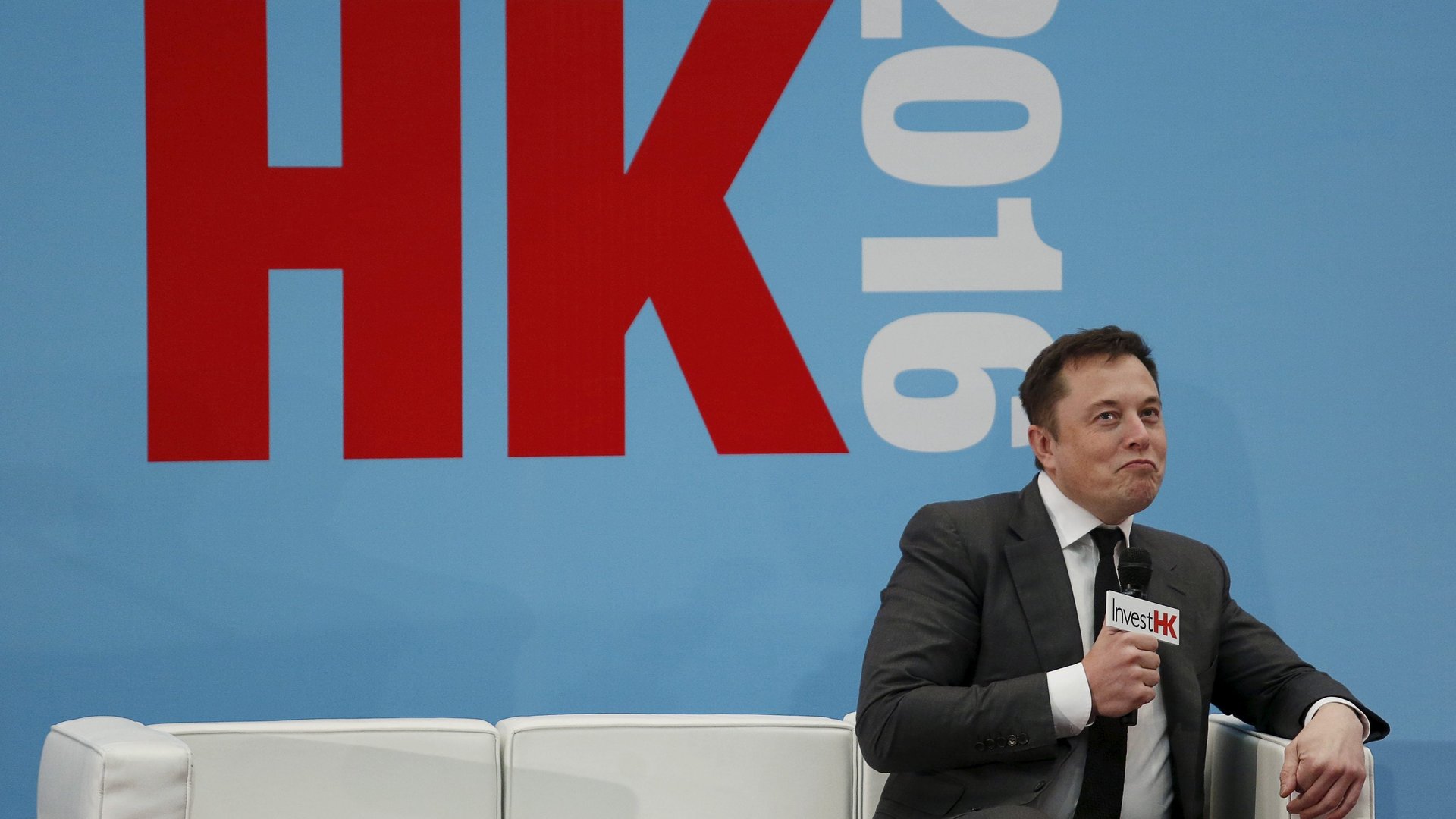
For a long period, Tesla was the electric car in Hong Kong. Other brands’ annual sales couldn’t compete with Tesla’s in a single month—until the local government took away a generous tax incentive.
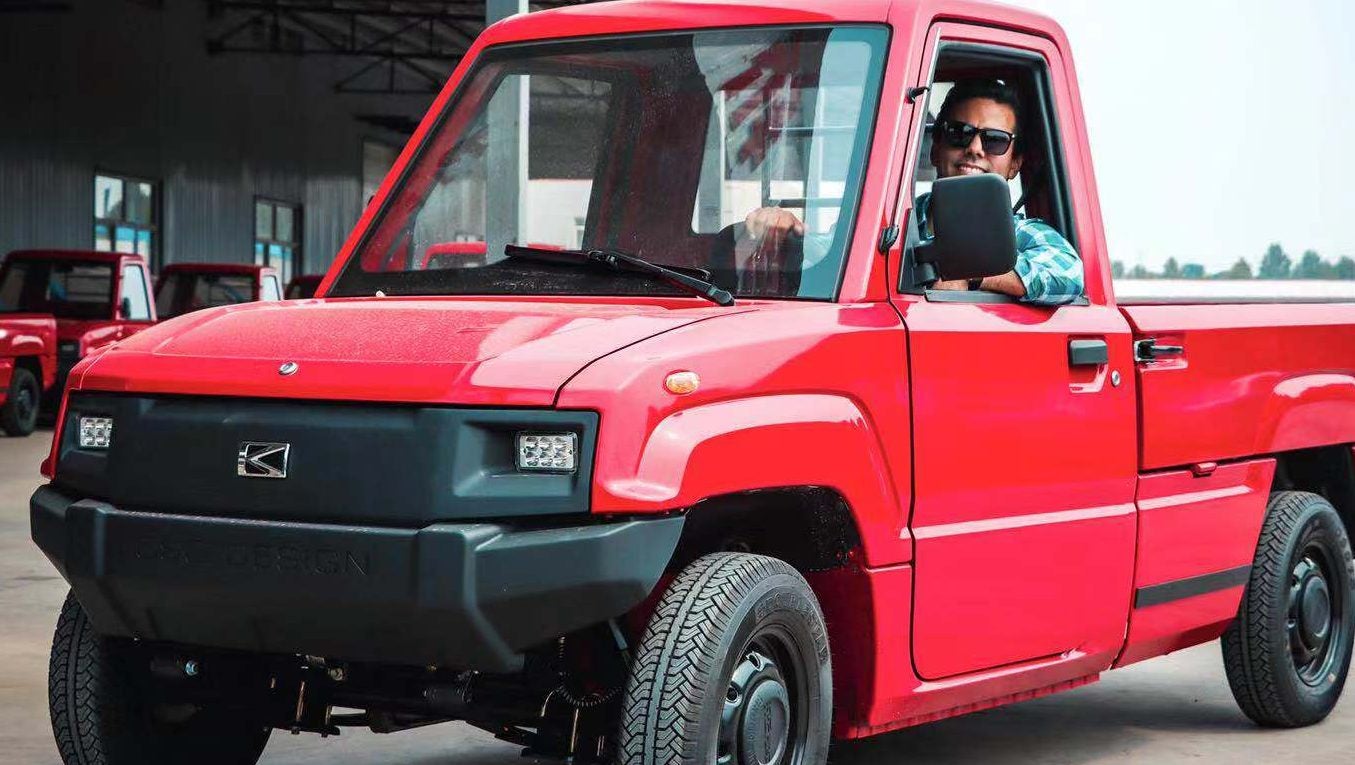
A little-known Chinese electric vehicle maker is breaking into some of the world’s hardest-to-crack markets. Its strategy? Tiny cars.
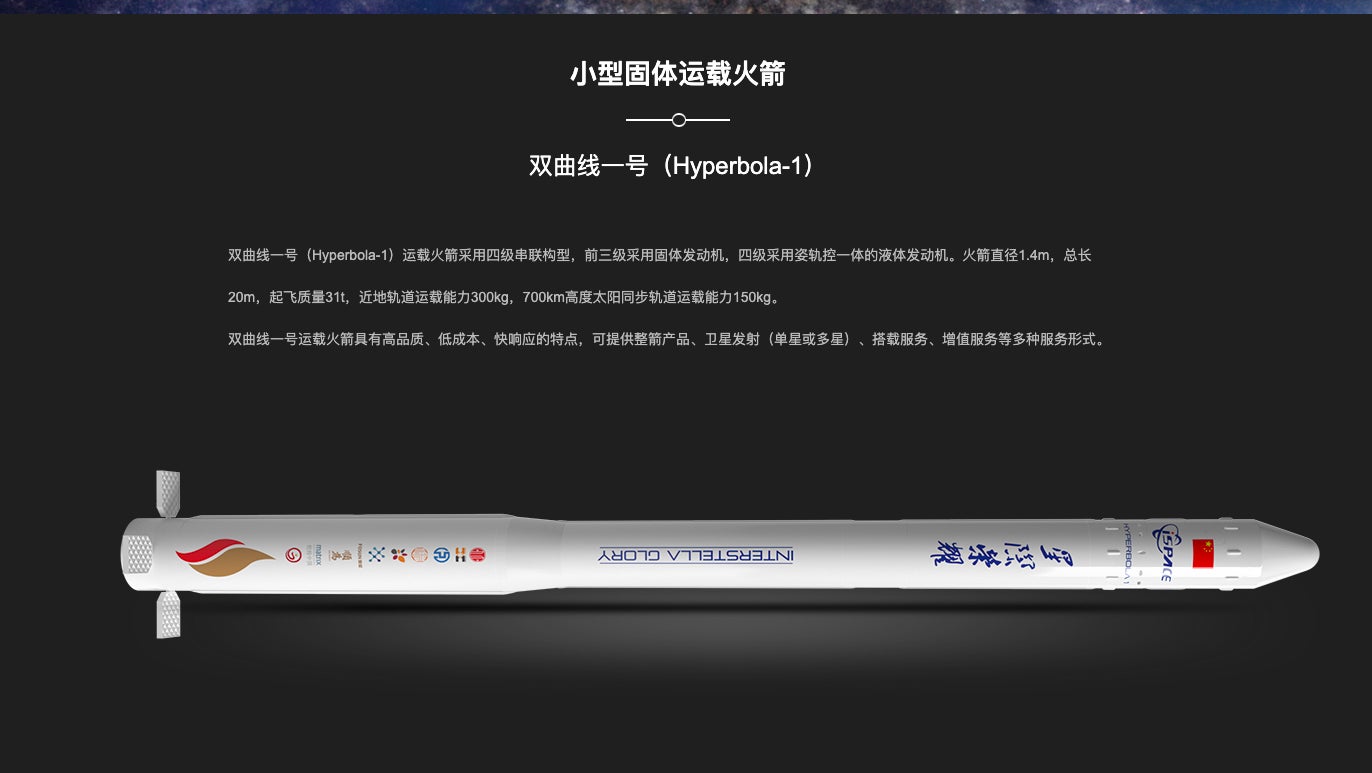
After two Chinese private companies failed to launch a rocket into orbit, the third attempt has been successful.
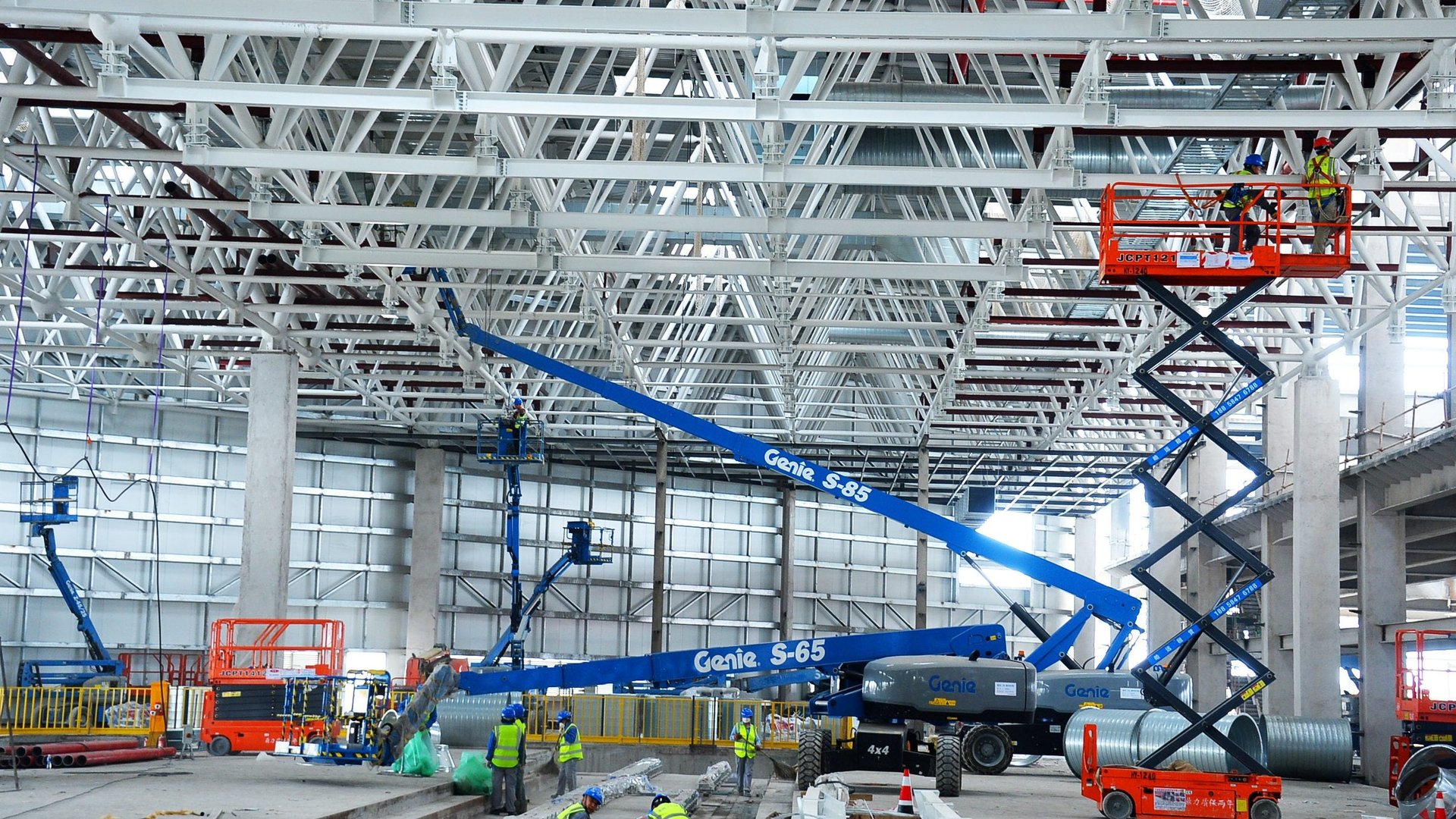
Elon Musk has never been good at managing expectations. But Tesla’s Gigafactory in Shanghai could be an exception.
China’s authorities appear concerned with the ideas of the country’s most famous modern writer, Lu Xun. So they leaped over the Great Firewall to silence a bot tweeting passages from Lu’s works.
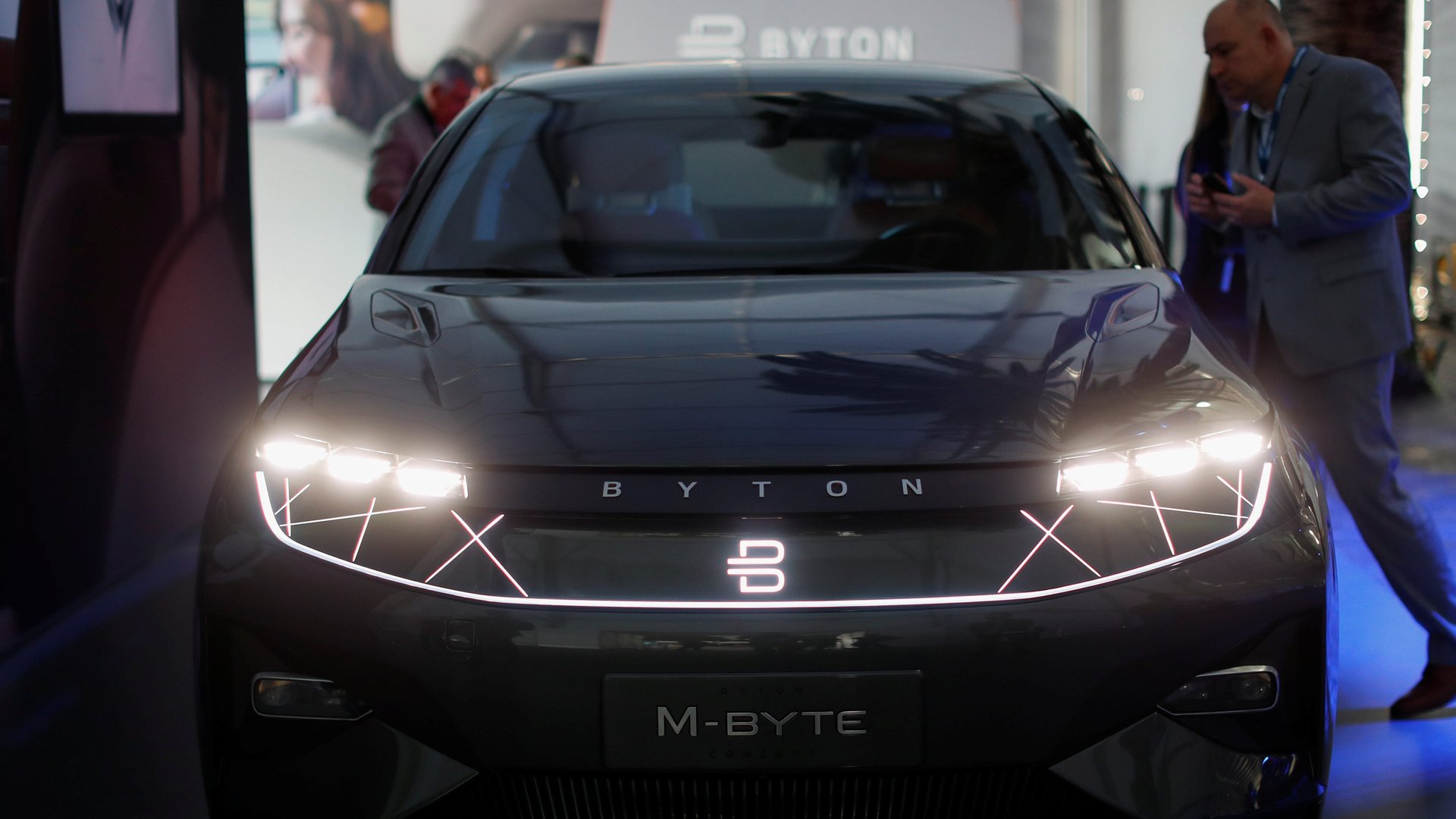
At least six Chinese electric car makers say they’re determined to begin sales in Europe and the US this year or the next, but some of them barely have a presence at home, making those plans appear far-fetched.
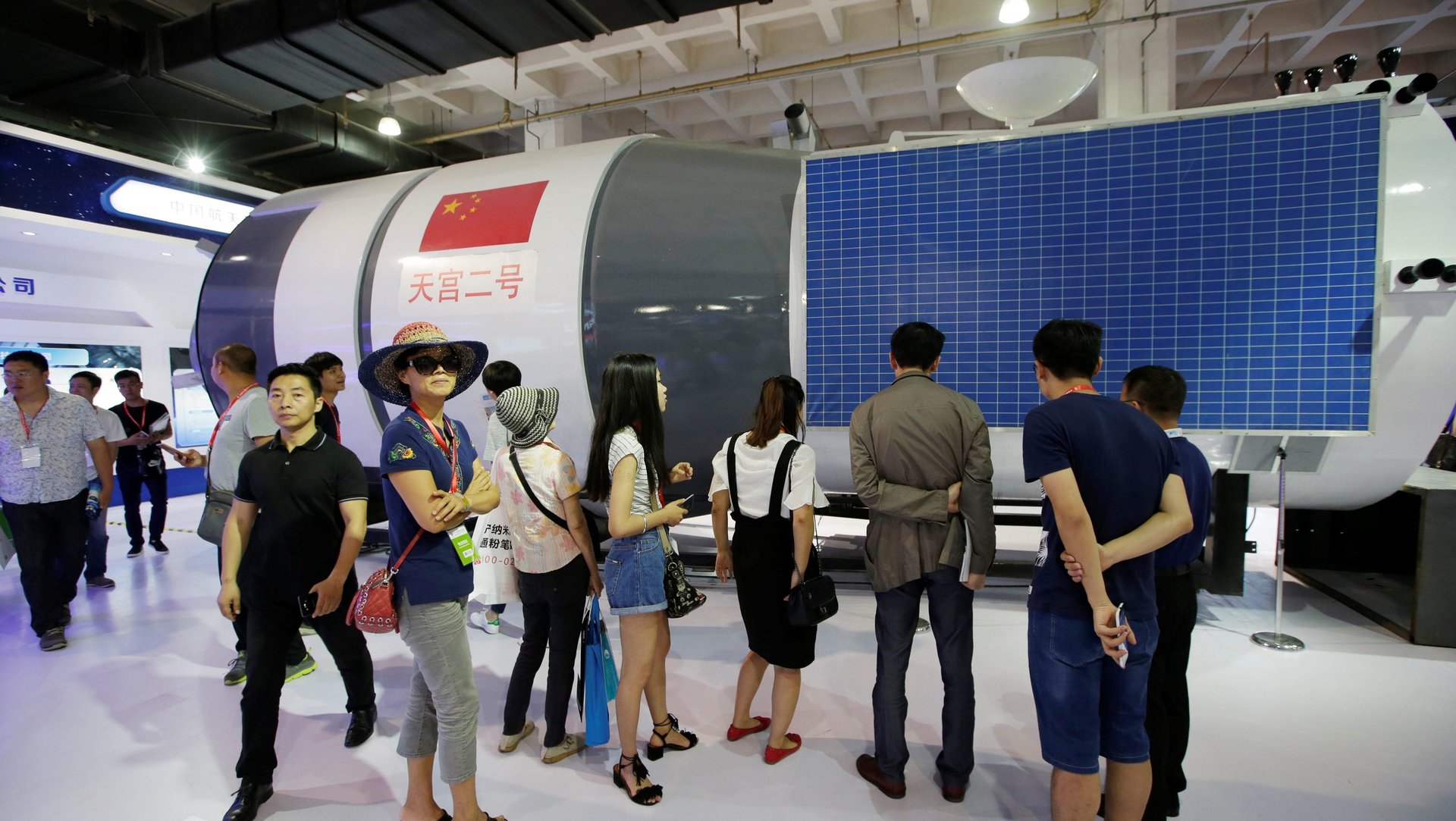
China’s space lab Tiangong-2, is coming back to Earth on July 19, if all goes as planned (link in Chinese).
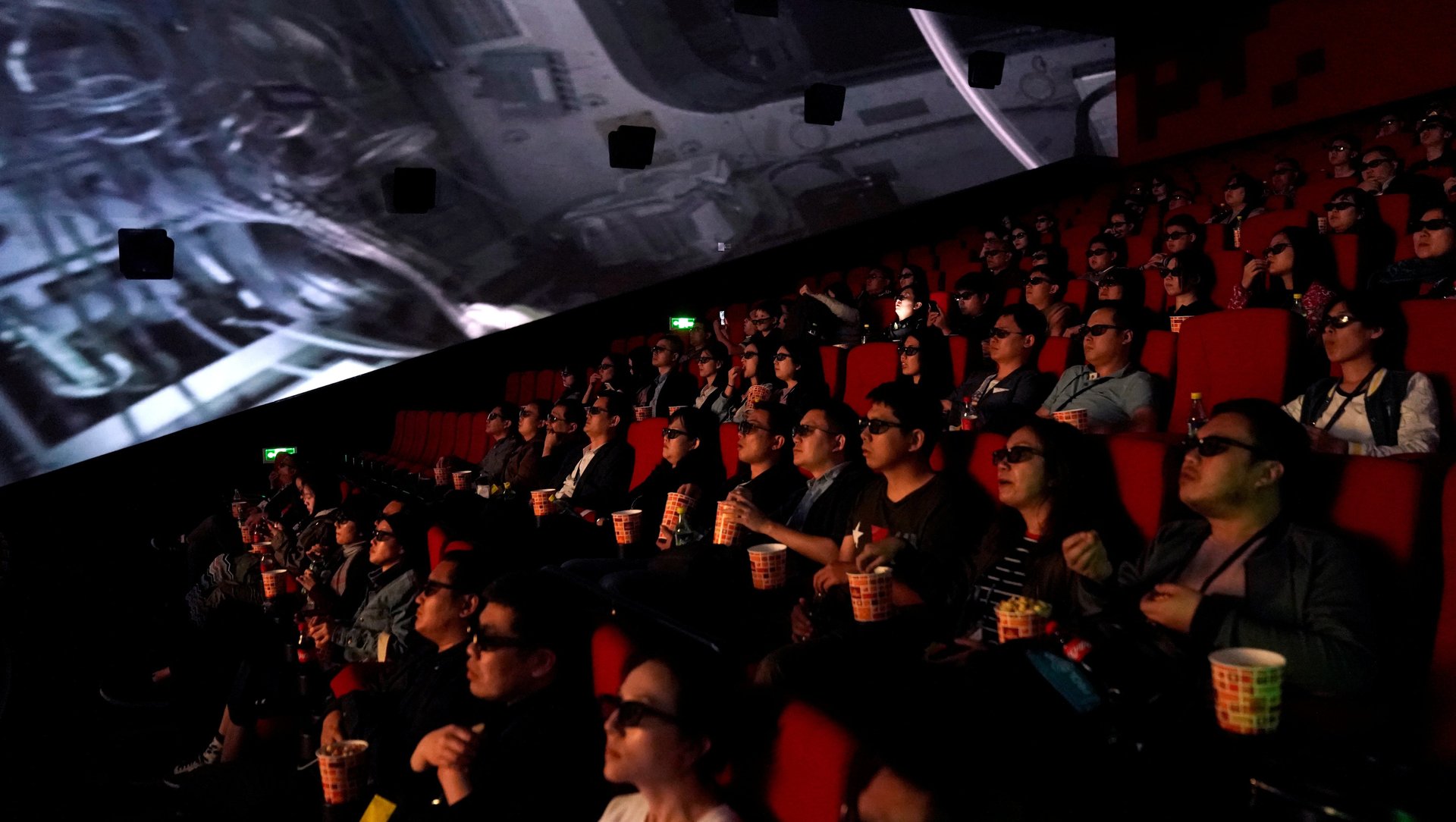
China’s box-office take for the first half of the year declined for the first time in a decade—and China’s own censorship could be one of the culprits.
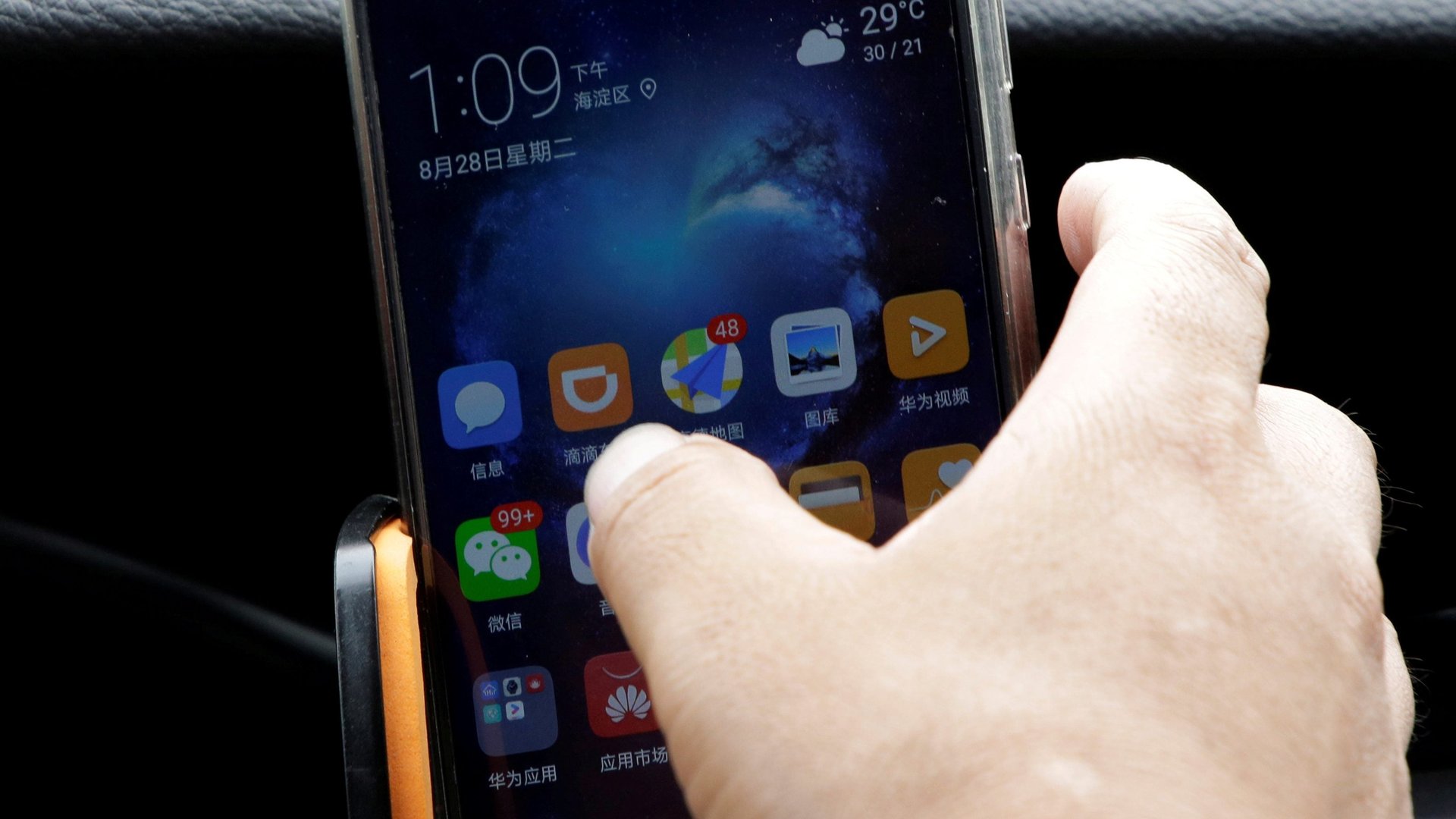
Ride-hailing giant Didi Chuxing is welcoming three major Chinese car manufacturers to its platform, a move that could help develop its own future rivals.
China’s state media, just like everyone else in the country, is feeling the heavy hand of censors.
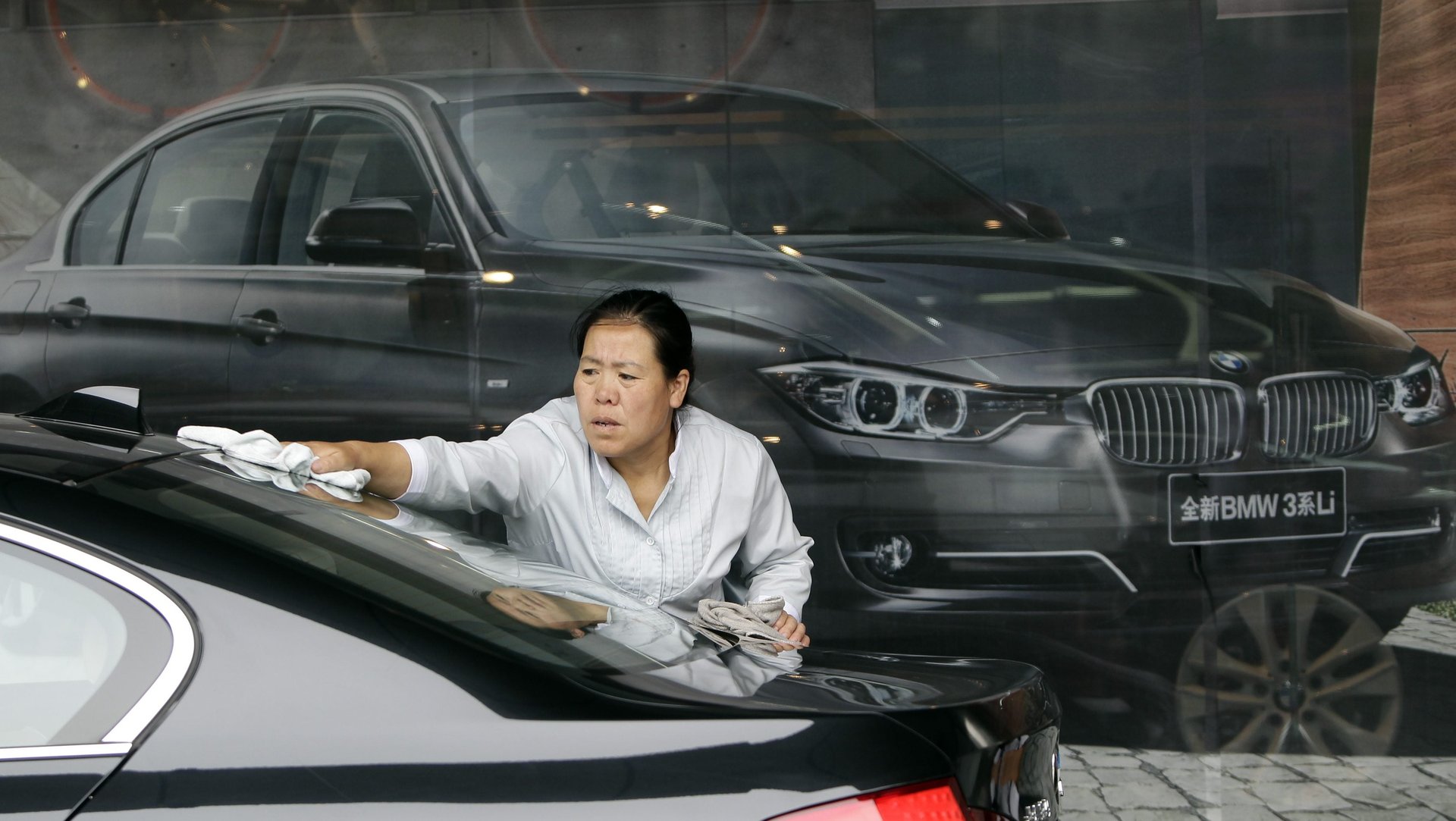
Visit any of China’s online car forums and you’re likely to come across people enthusiastically discussing “broken shoes,” “big bulls,” and “fat dragons.” What do they have to do with cars?
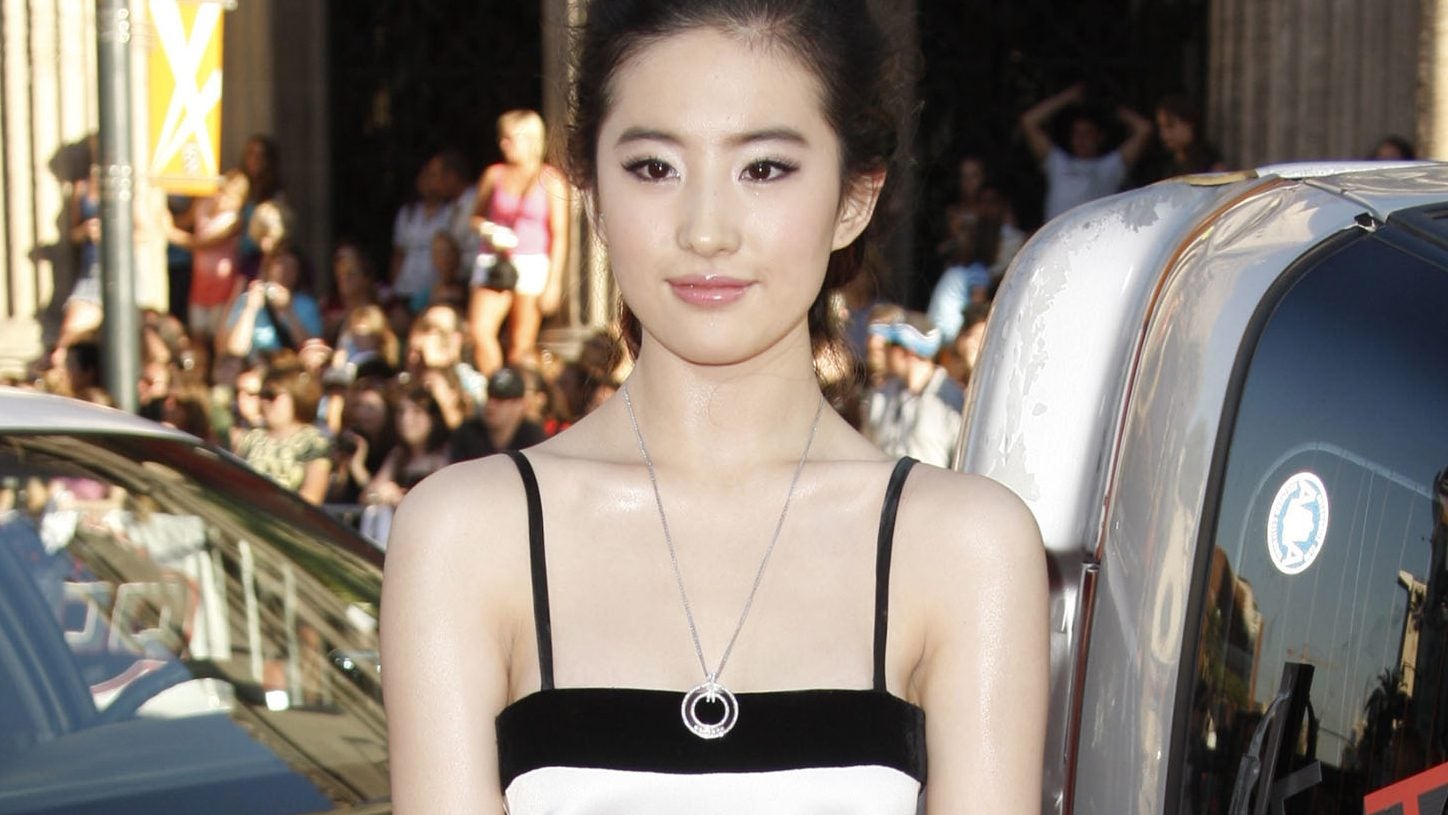
“I will bring honor to us all.” That’s the powerful pledge made by Mulan to her family after being told she must enter an arranged marriage, in a teaser trailer released this week for Disney’s remake of its 1998 animated movie of the same title.
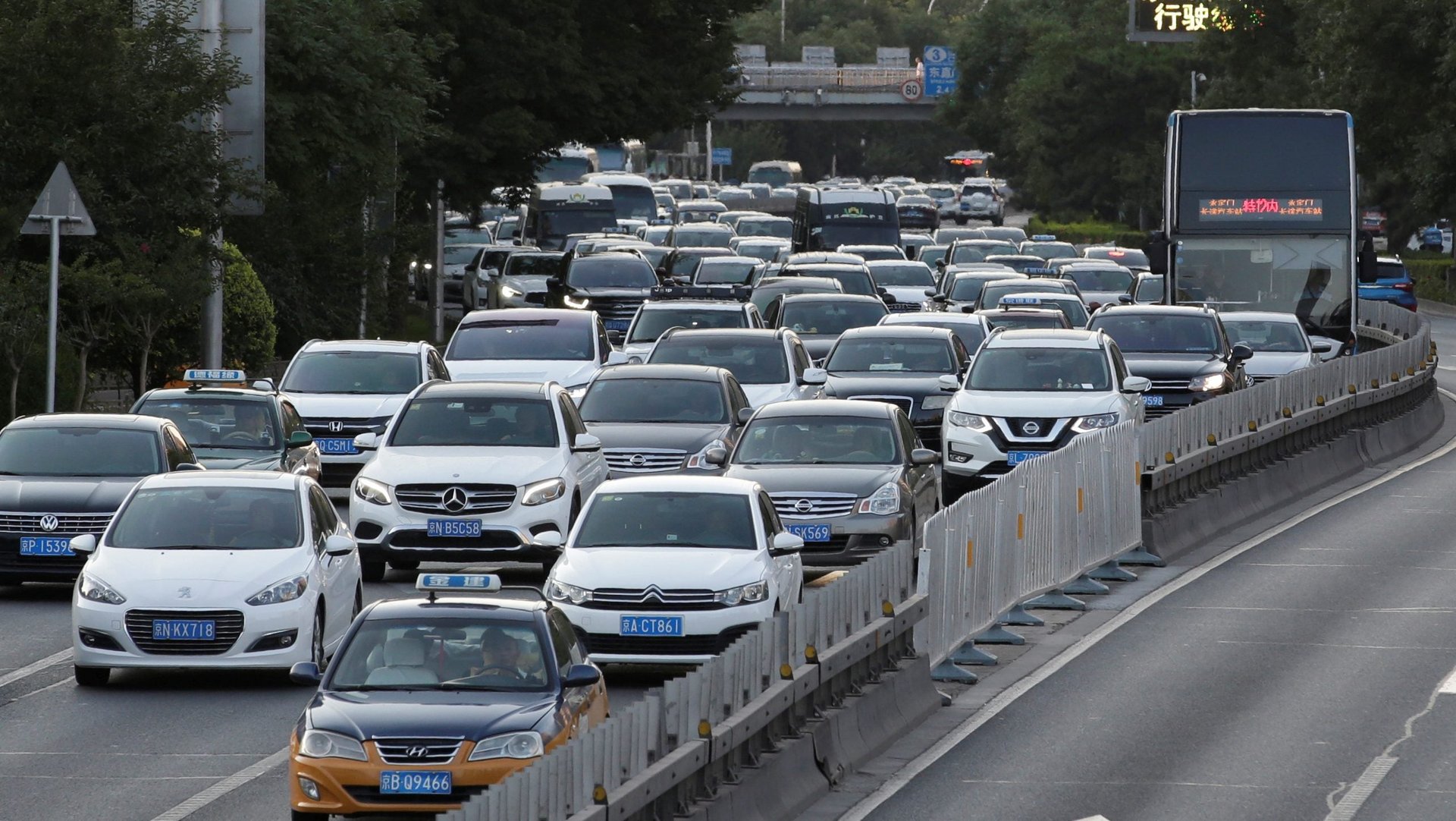
China car sales continue to plunge in June even though back-to-back policy changes helped monthly passenger car sales grow for the first time in a year.
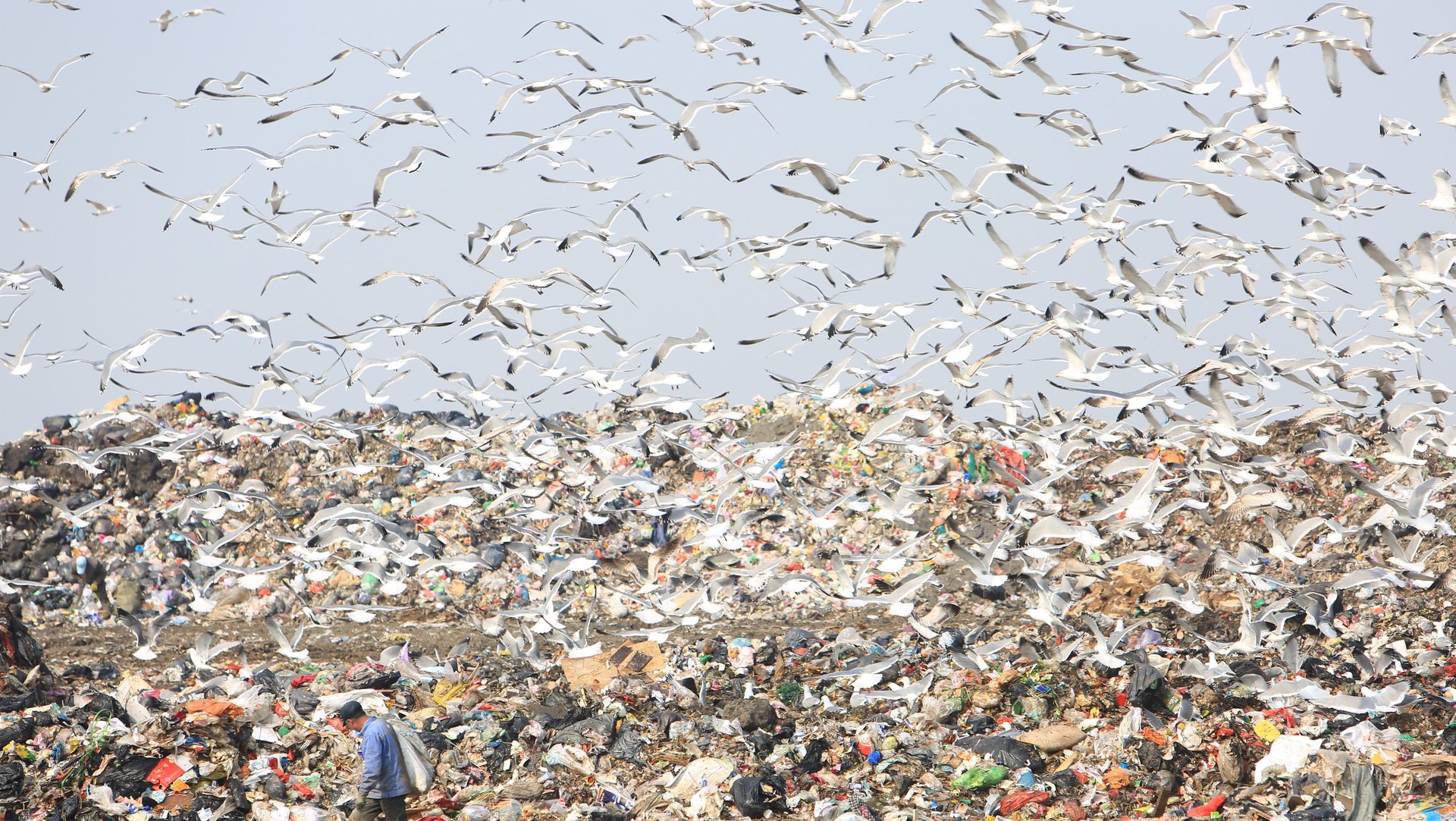
Shanghai’s residents are reeling from the mandatory trash-sorting rules their city just adopted as China works toward beefing up its recycling rates.
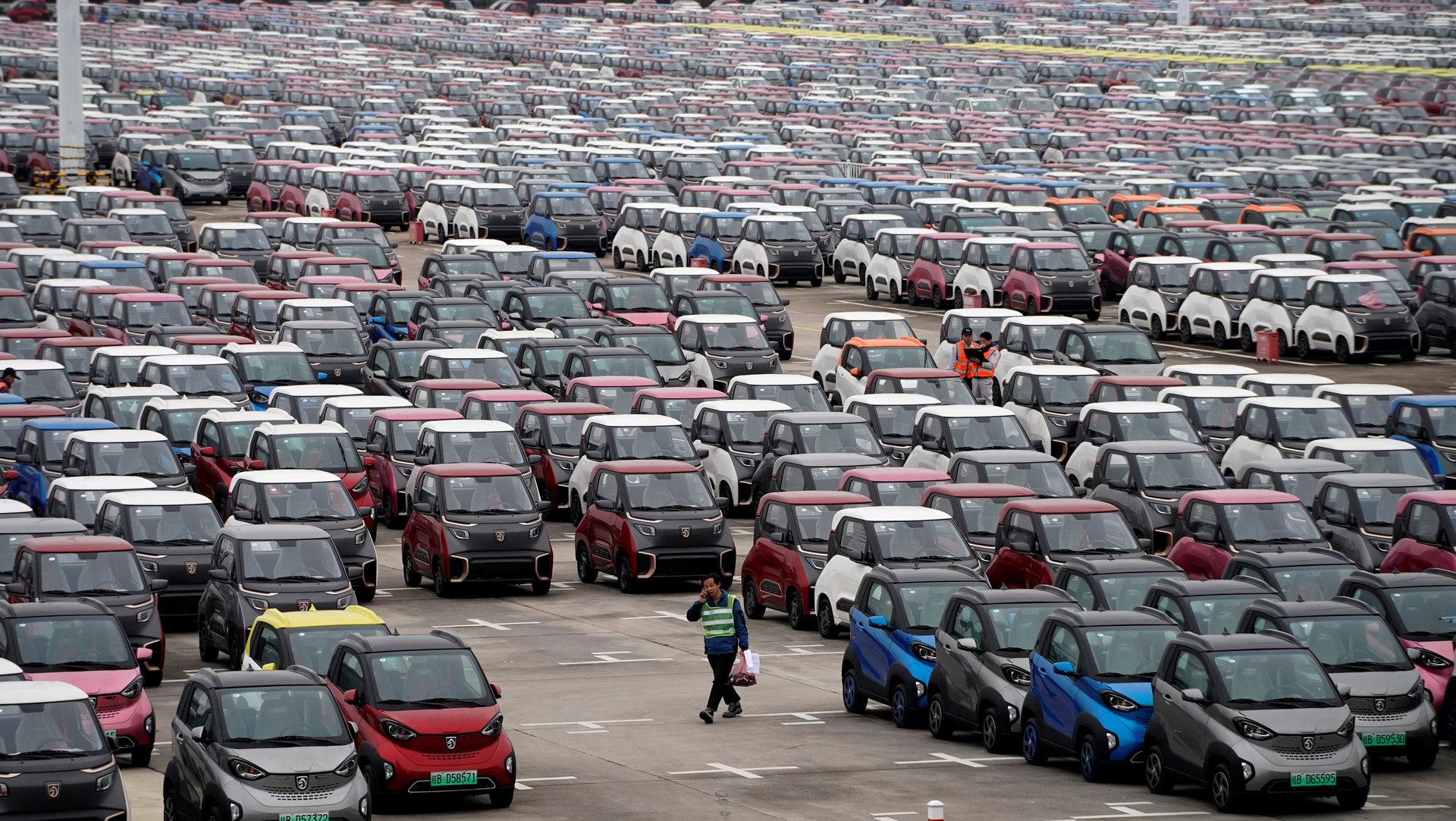
China’s latest attempt to clean up car pollution is throwing the auto industry into a tailspin, at a time when sales are slowing in the world’s largest auto market.
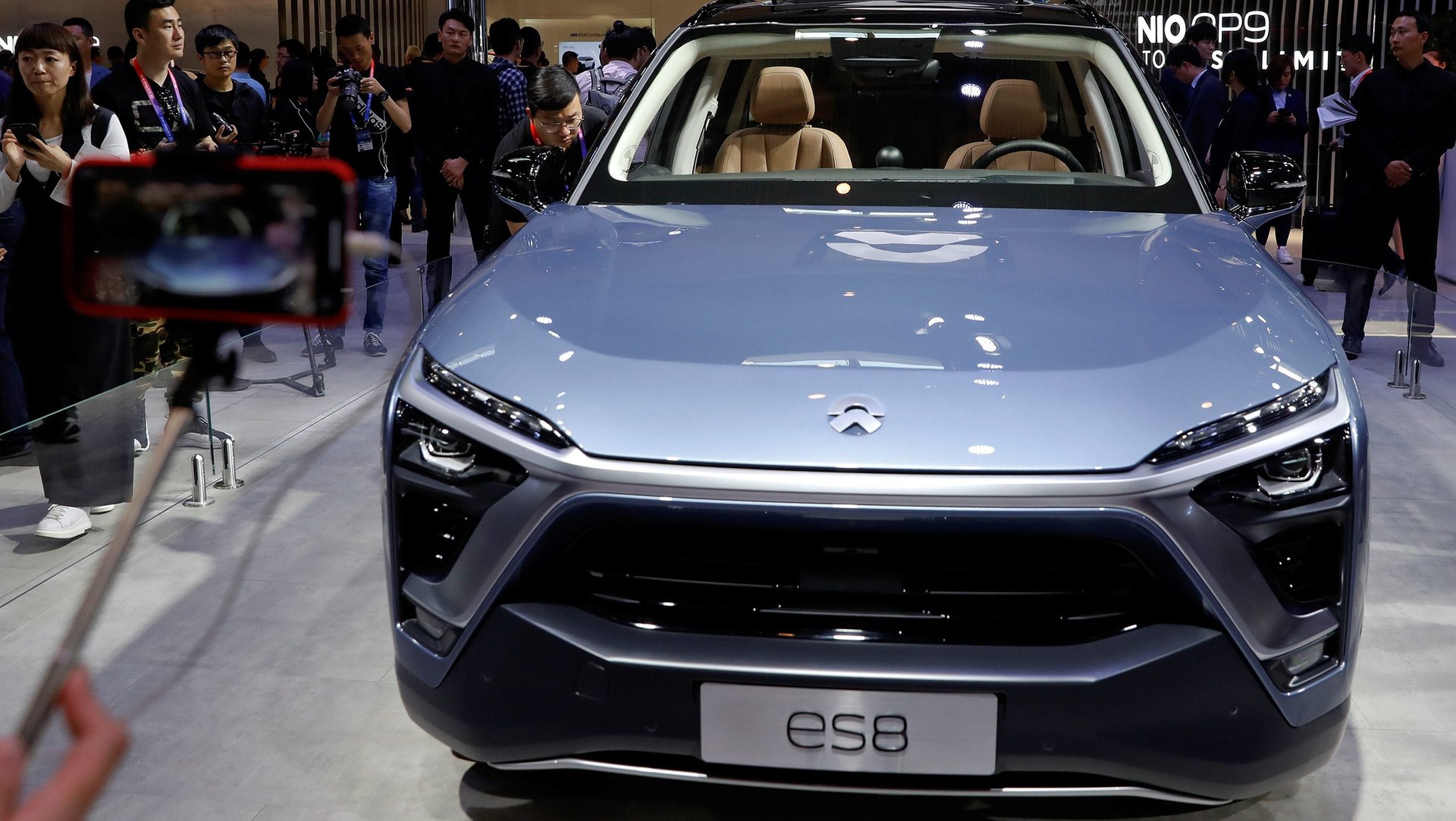
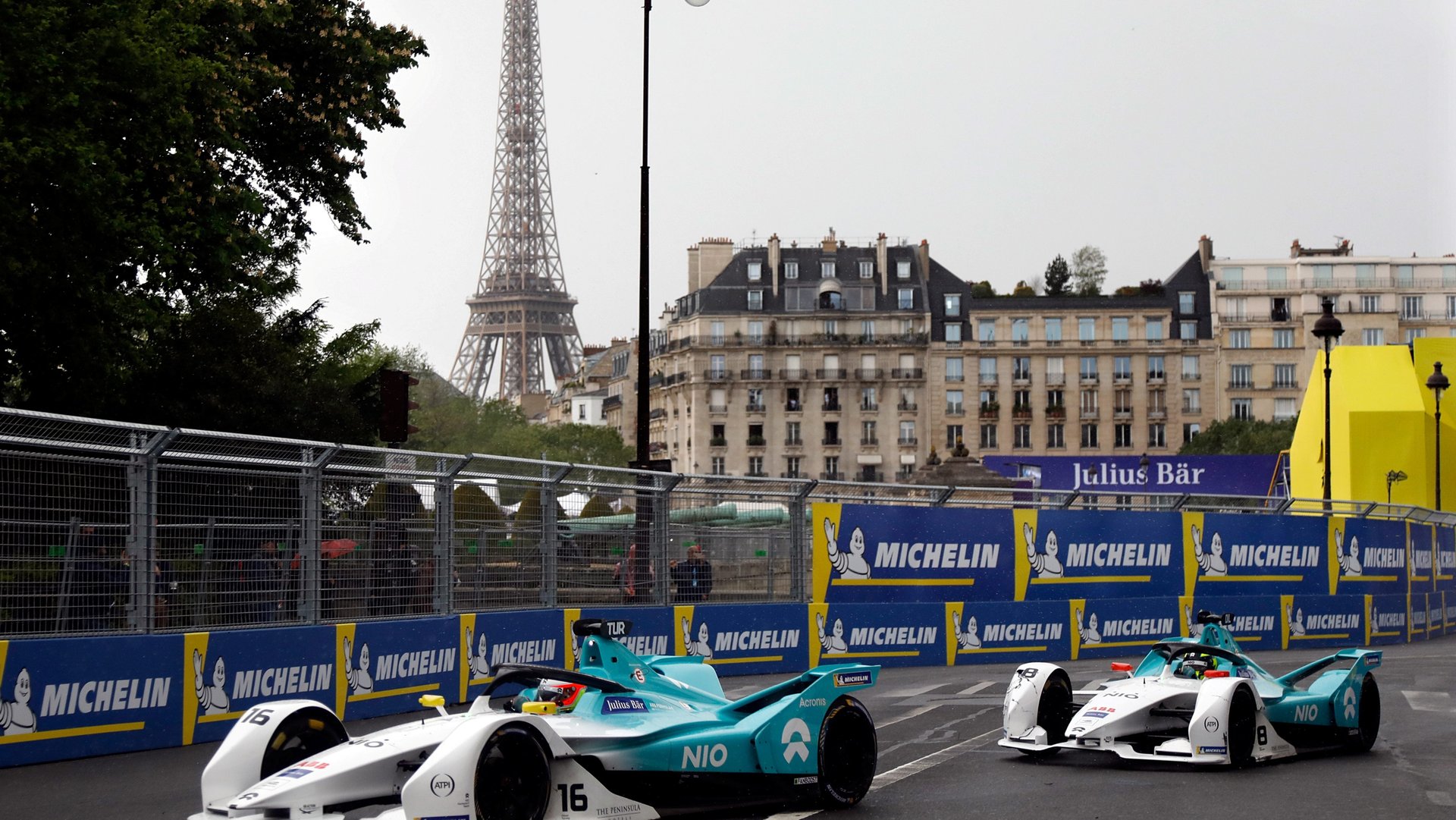
Chinese electric-car manufacturer NIO, which went public in New York last year, is recalling around 4,800 units of its flagship electric SUV after the model caught fire or sputtered smoke in multiple incidents in recent months.
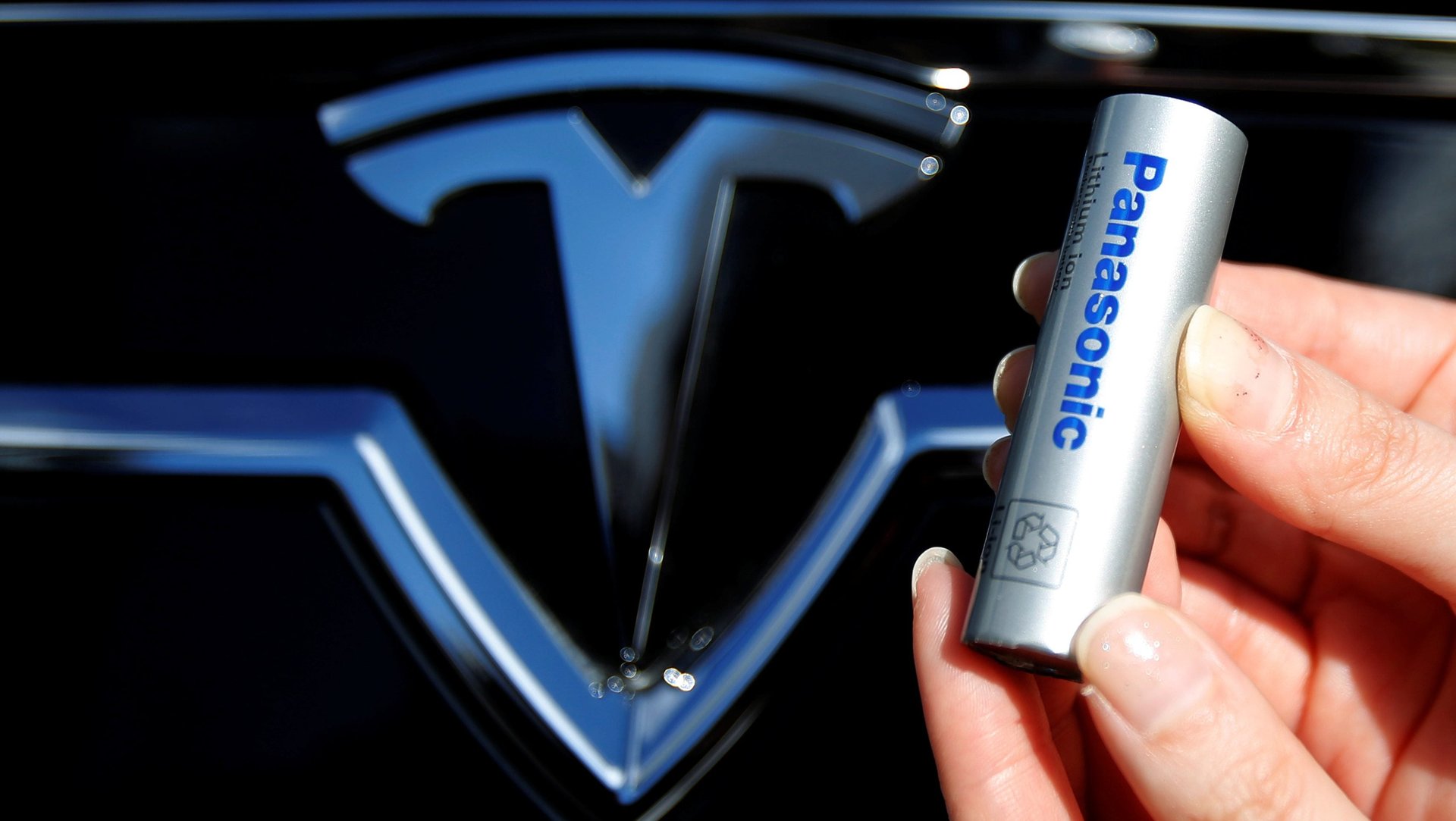
It’s getting obvious Tesla wants to move deeply into the battery business.
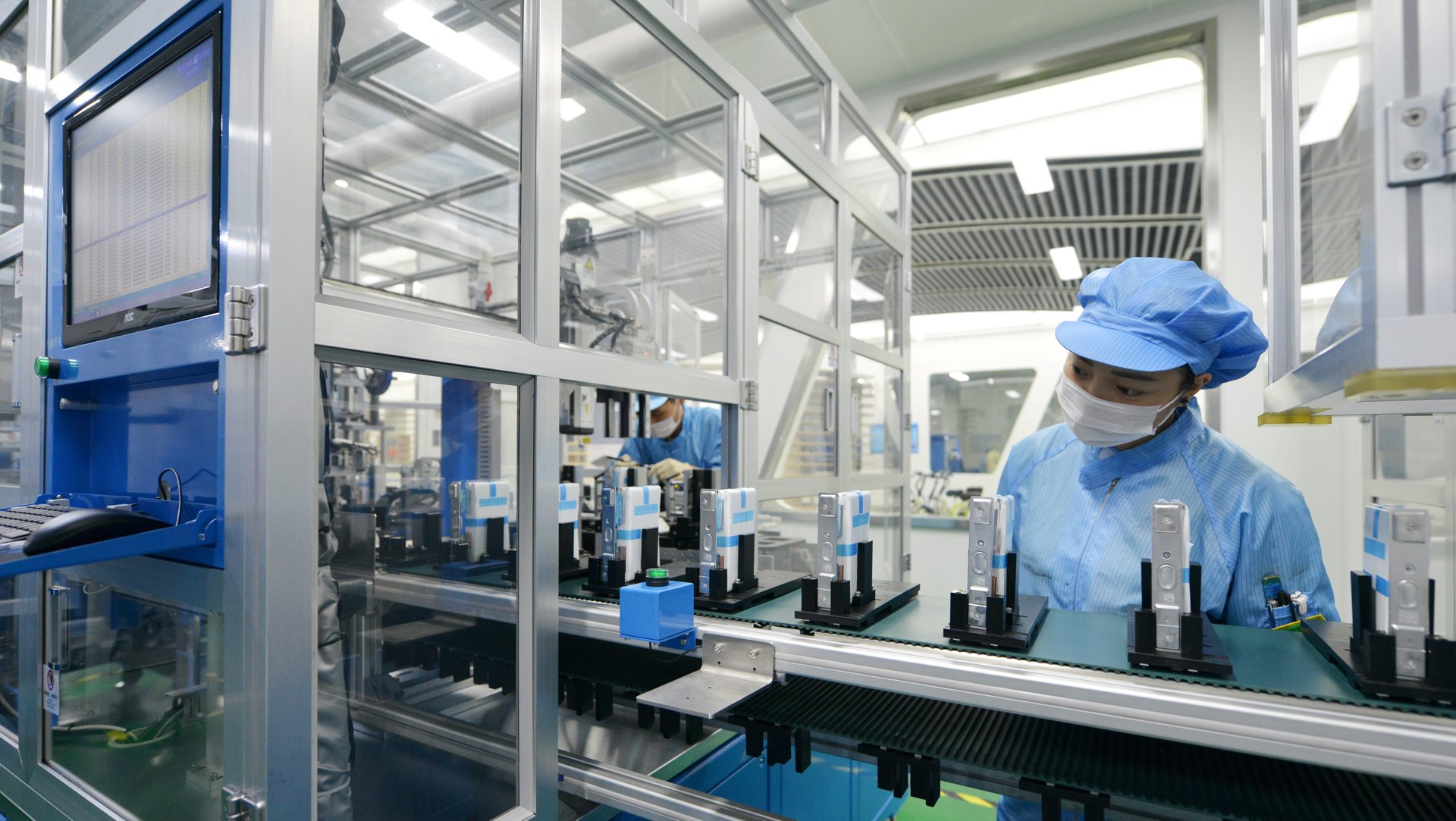
As China phases out subsidies for electric vehicles next year, it’s also ending a related policy that effectively shut out foreign battery makers, creating the domestic monopoly we see today.