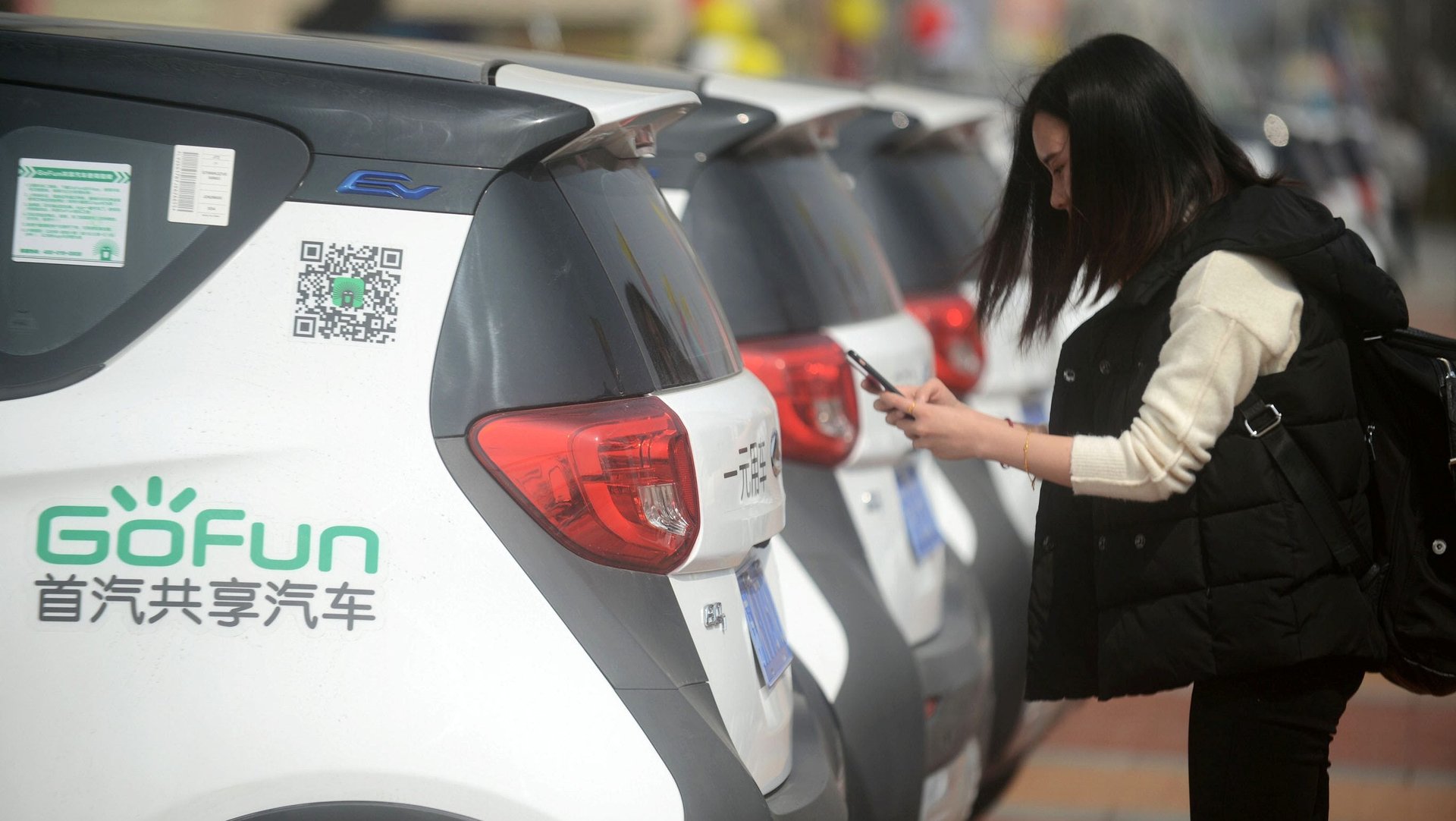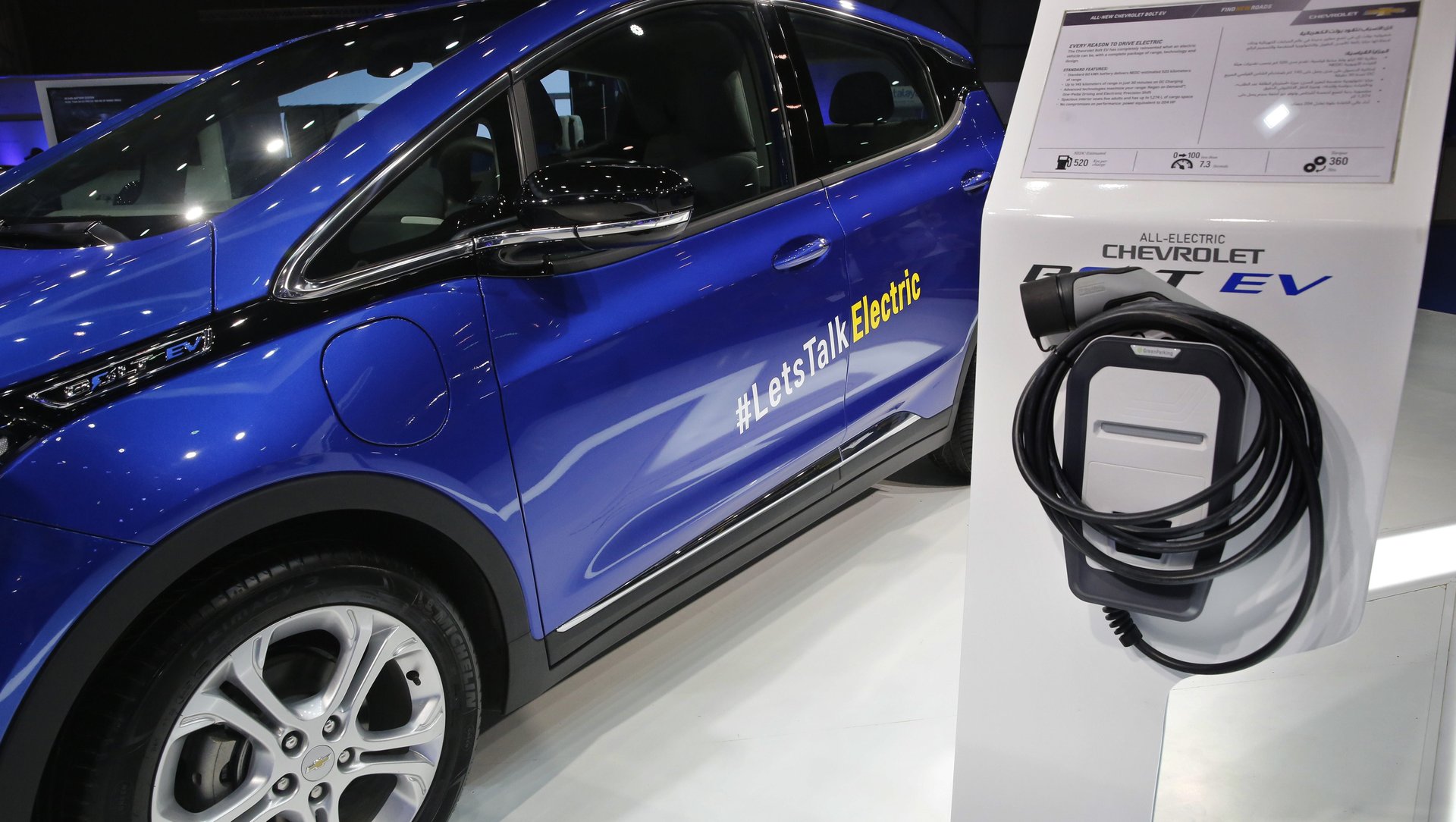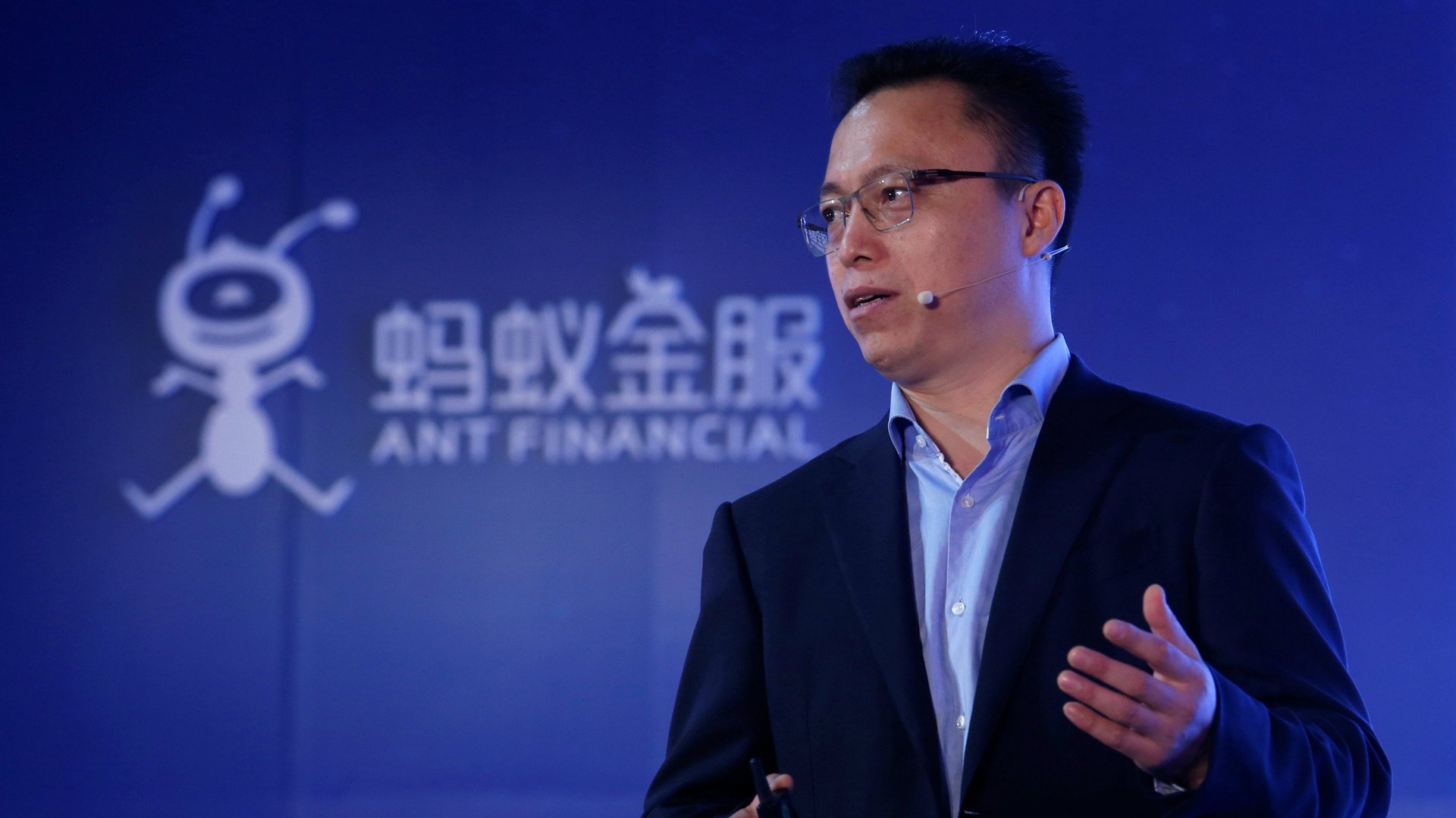
China’s growing electric vehicle market can’t have enough charging stations—and China’s biggest ride-hailing giant Didi Chuxing could end up competing with its backer, Ant Financial, to get users to them.

China’s growing electric vehicle market can’t have enough charging stations—and China’s biggest ride-hailing giant Didi Chuxing could end up competing with its backer, Ant Financial, to get users to them.

In China, names like “Florence Town,” “Vienna Hotel,” “Beverly Villa,” or “Manhattan Square” have long signaled how upscale a hotel or gated community is. But amid trade tensions, city governments are admonishing these properties for looking up to the West.

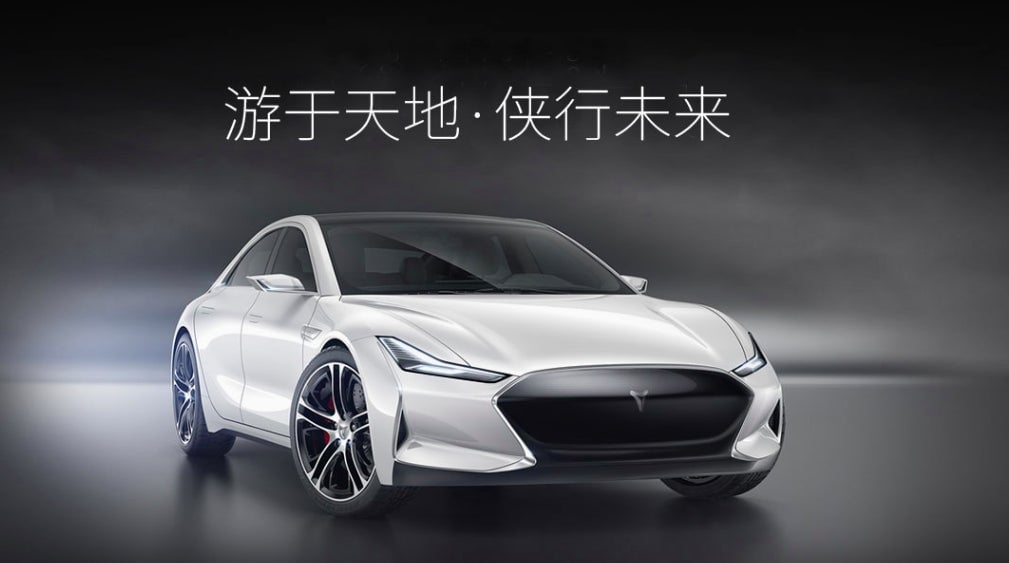
Youxia Motors, one of the earliest companies to arise out of China’s 2014 electric vehicles startup boom, racked up some of the biggest venture-capital deals in the sector. Now it’s curiously out of sight.

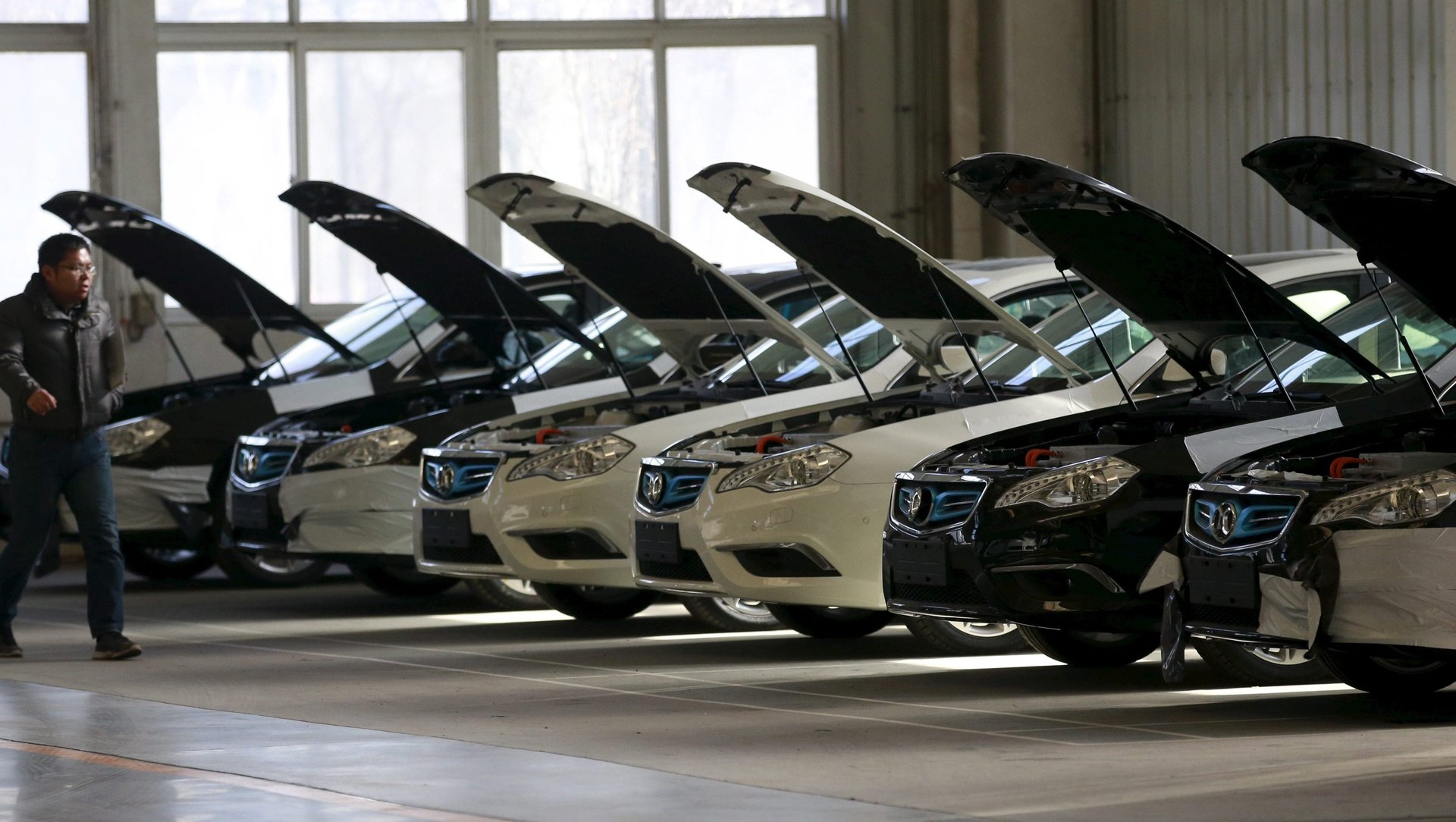
Venture capitalists aren’t in love with China’s electric car industry anymore.

Nearly every Chinese tech giant invested in electric car startups when the industry was thriving. Now the head of a Chinese food delivery giant is making a big bet on one just as a shakeout is coming.

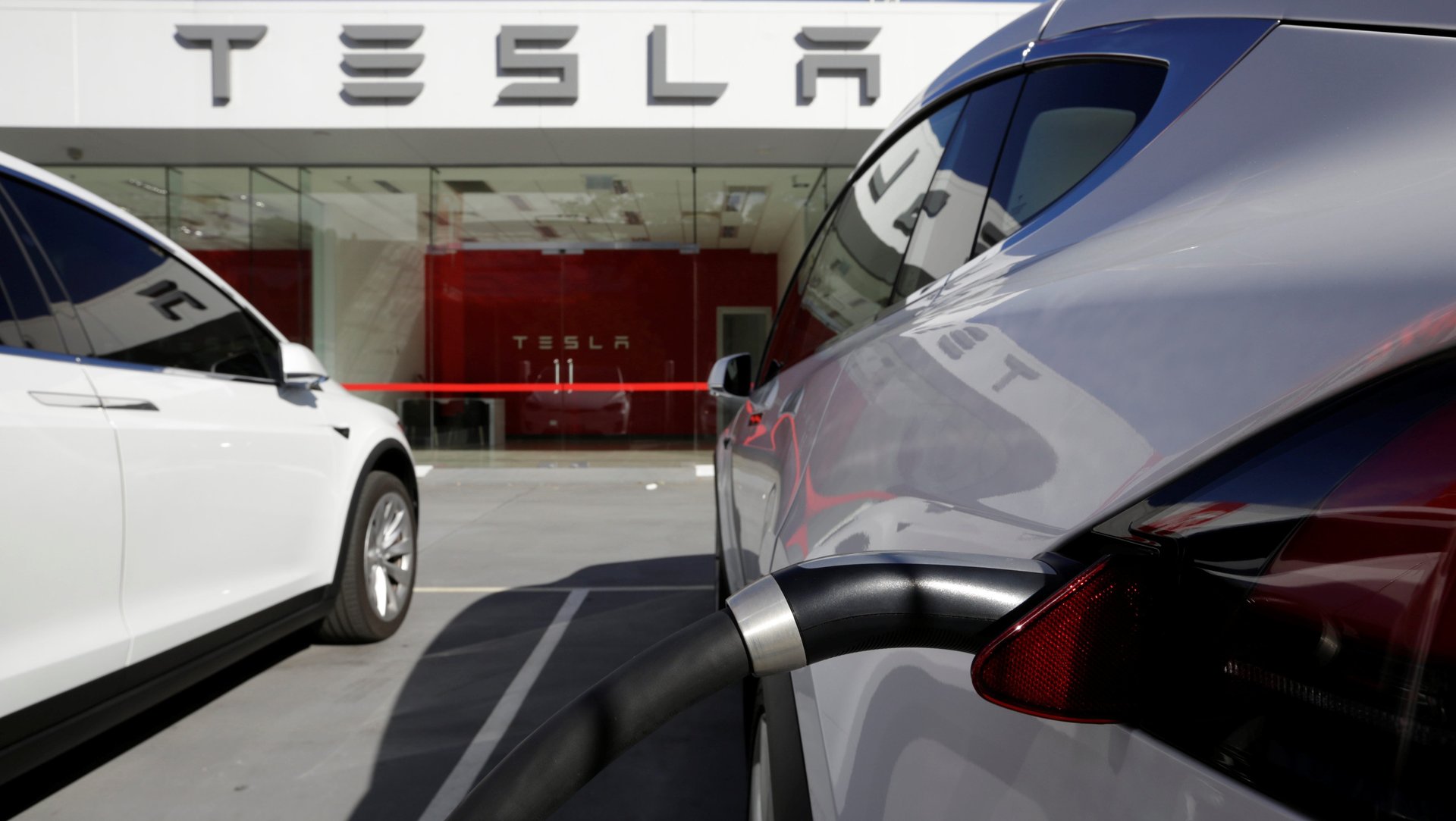
A recent series of fires in China affecting prominent electric vehicle makers like Tesla and NIO has made authorities nervous—the last thing they want to see is people losing confidence in electric cars in an already slowing auto market.

Even though electric vehicles are less likely to catch fire than gasoline-powered cars, cases of EVs bursting into flames are nonetheless unsettling—especially when they happen to prominent companies like California carmaker Tesla and New York-listed Chinese car brand NIO.

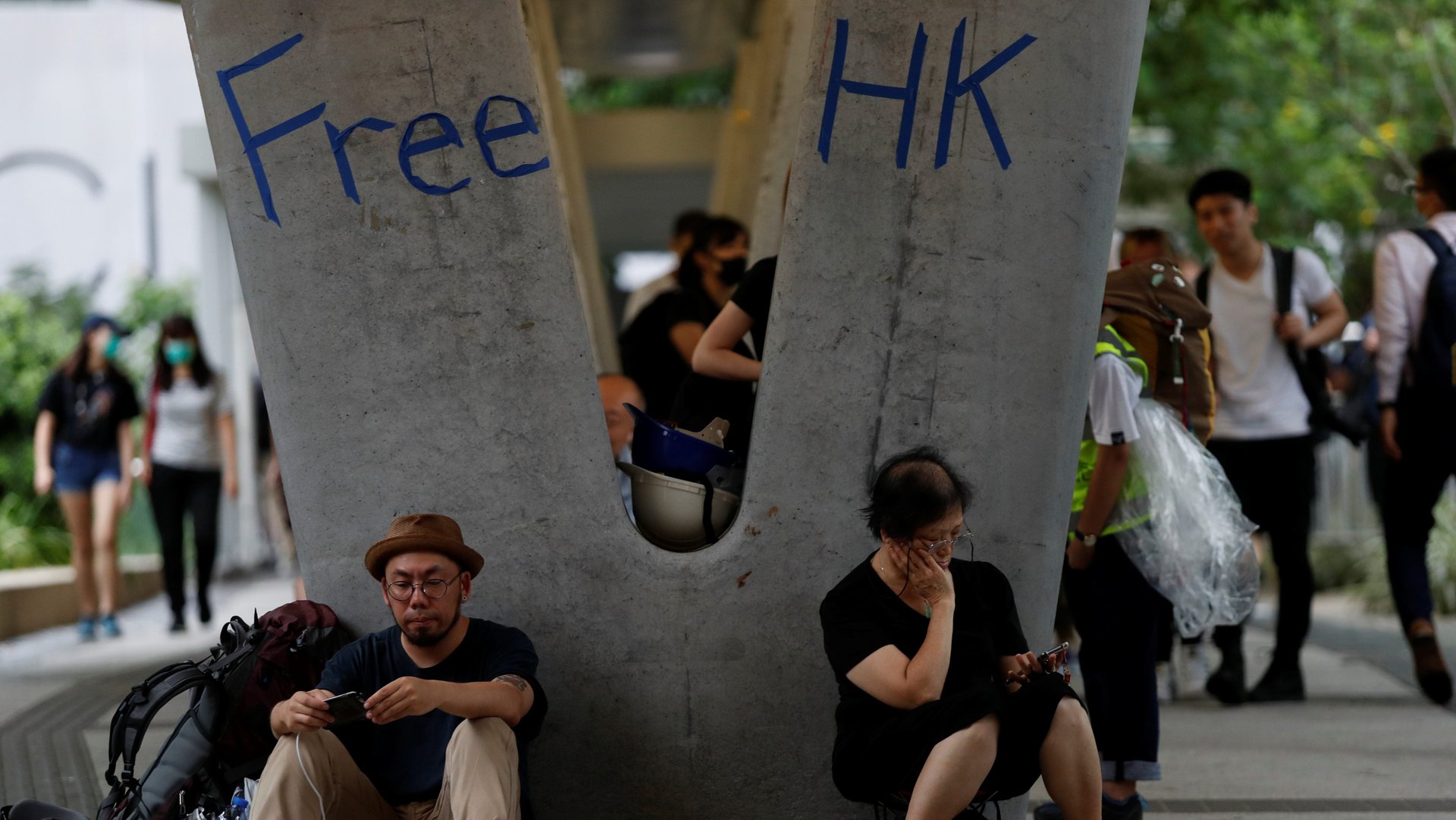
Even as tens of thousands of Hong Kongers this week took to the streets to protest against a controversial overhaul of the city’s extradition law, people in mainland China were largely left in the dark about what was happening across the border thanks to severe censorship.

“There’s a saying in Huawei, the company spends the first decade of the century on base stations, the second decade on mobile phones, and the third decade on car technology,” Dai Hui, a former Huawei employee, wrote on a Chinese auto news blog (link in Chinese) June 13.

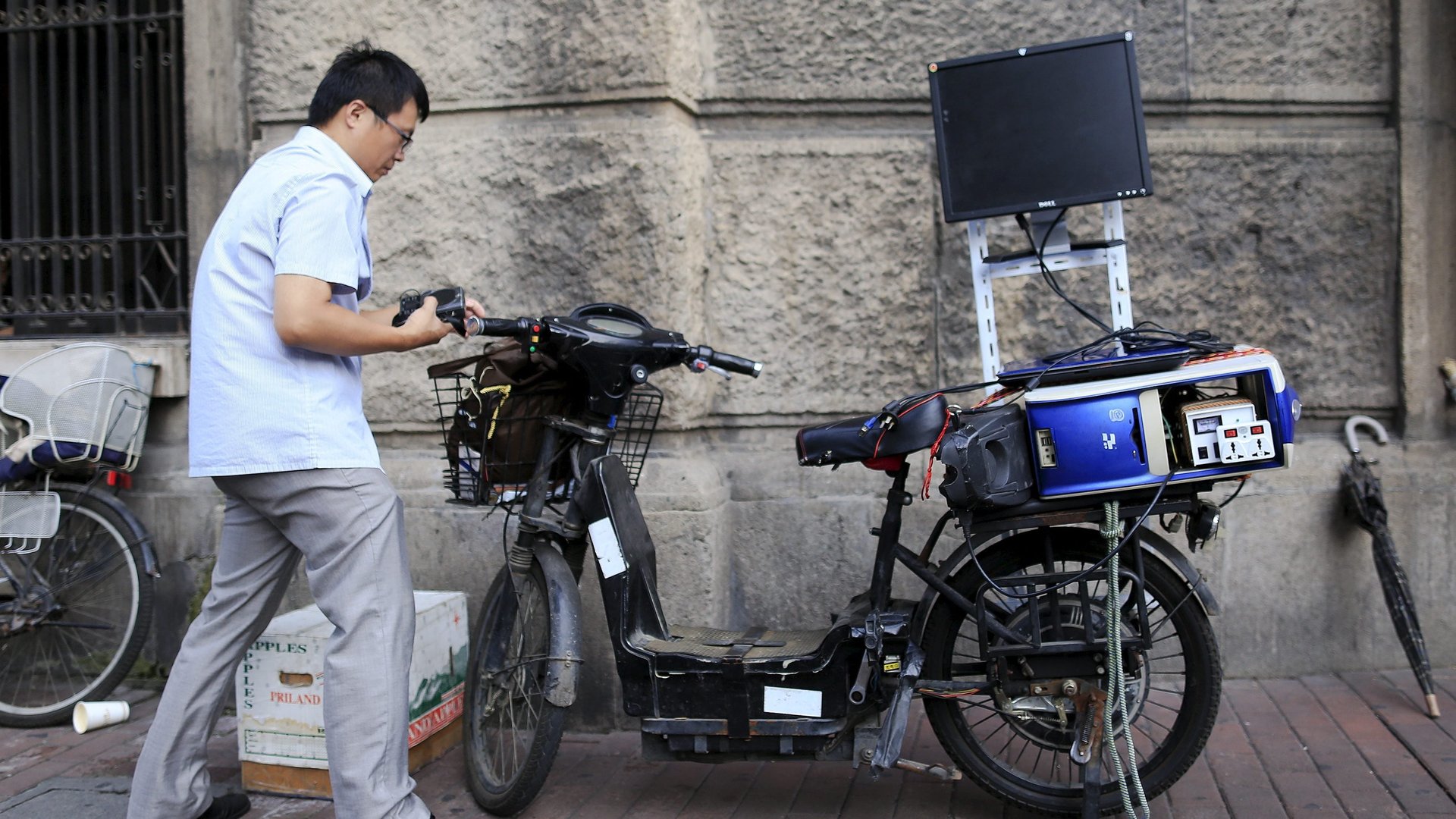
Walk for a short while on the streets of any of China’s big cities and there’s zero chance you won’t run into electric two-wheelers whose riders, in their yellow or blue helmets, usually work for China’s largest delivery services Ele.me and Meituan Dianping, or deliver online shopping packages.

The only bright spot in China’s auto market has hit the brakes.

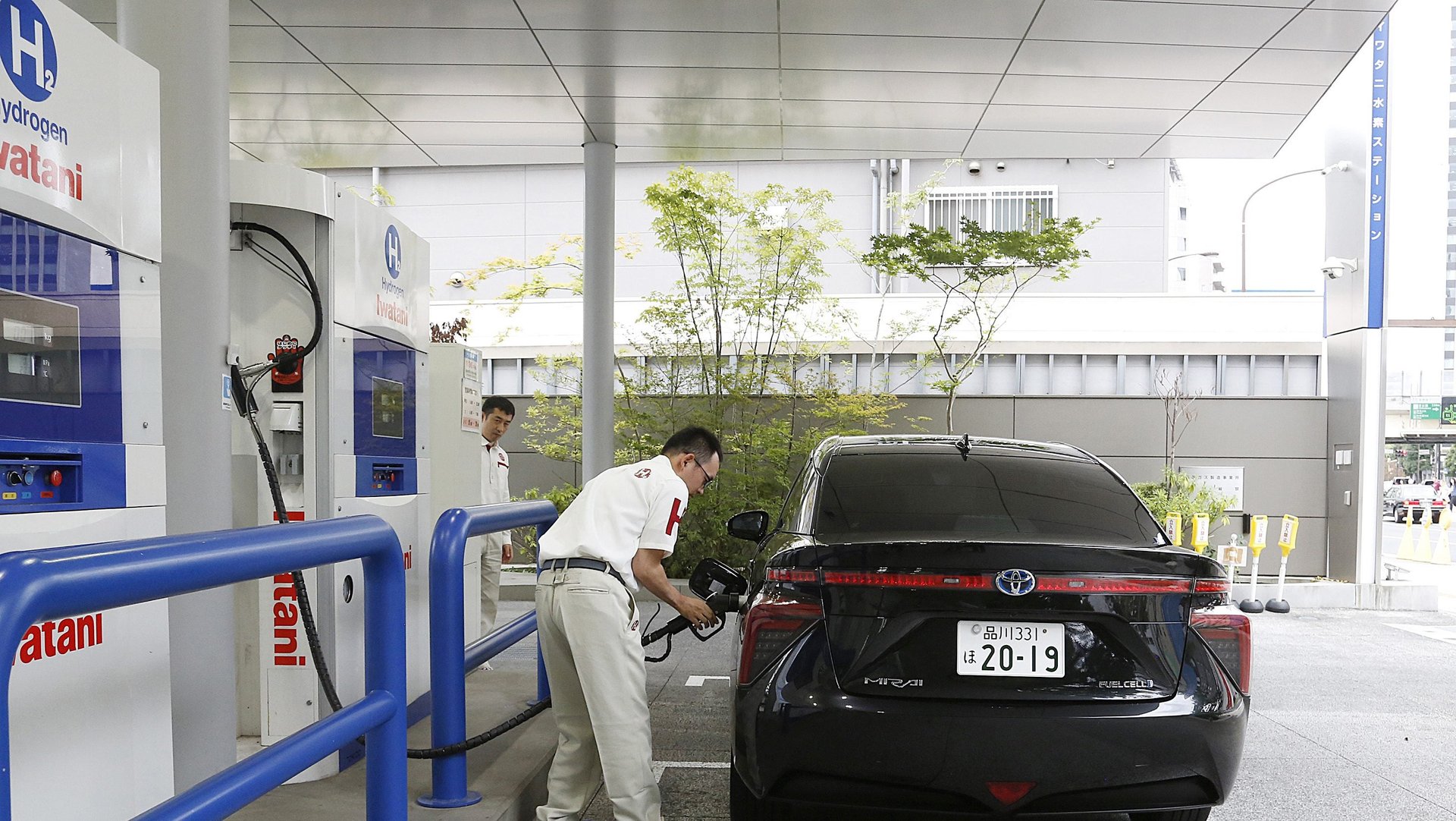
Update, June 15: The article has been updated from a statement from Nel Hydrogen.

Things continue to look dire in the world’s largest auto market, which has seen 10 consecutive months of declining sales. To reverse that trend, China’s turning to one of the most effective tools it has traditionally used to curb car sales: quotas.

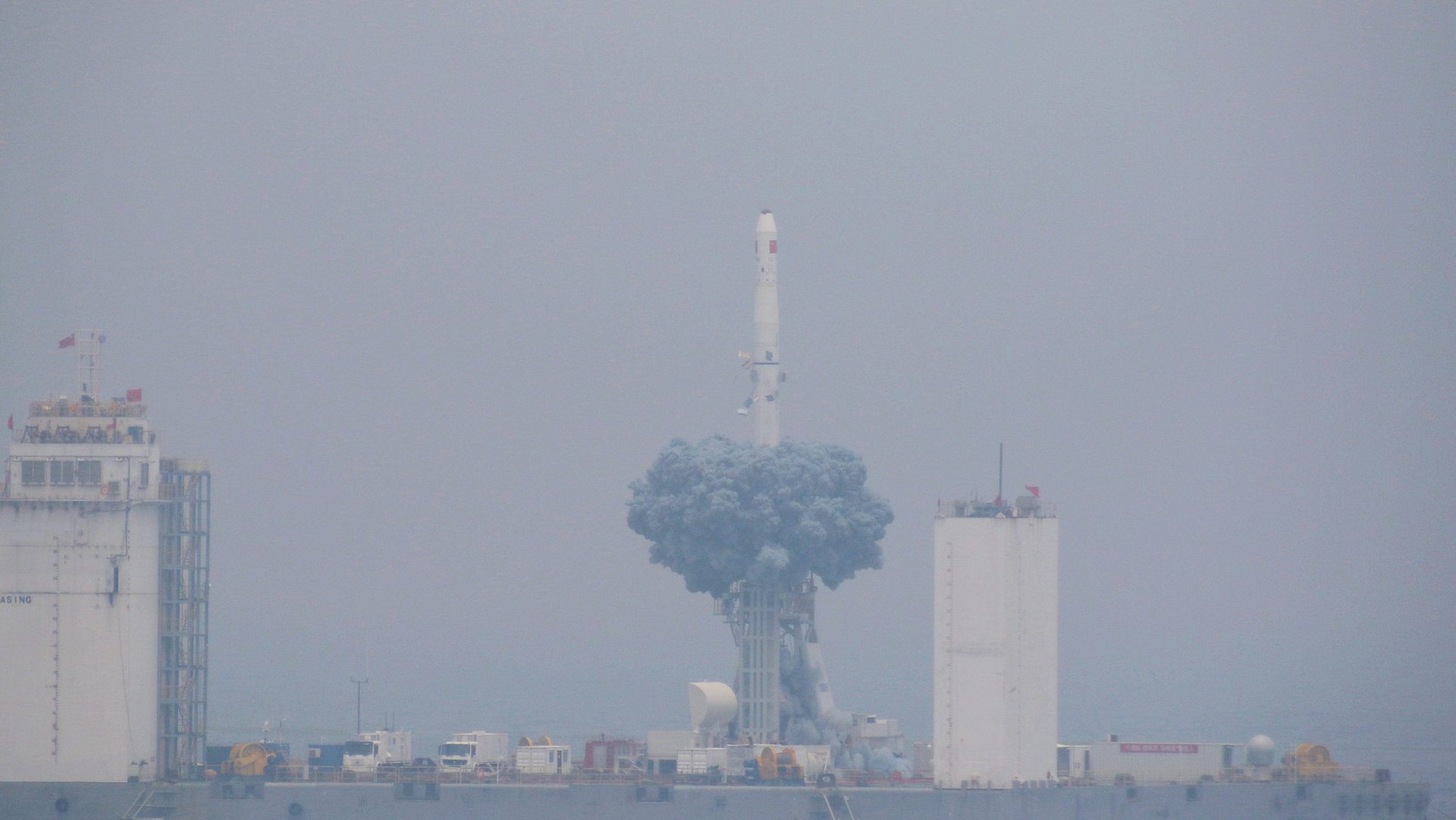
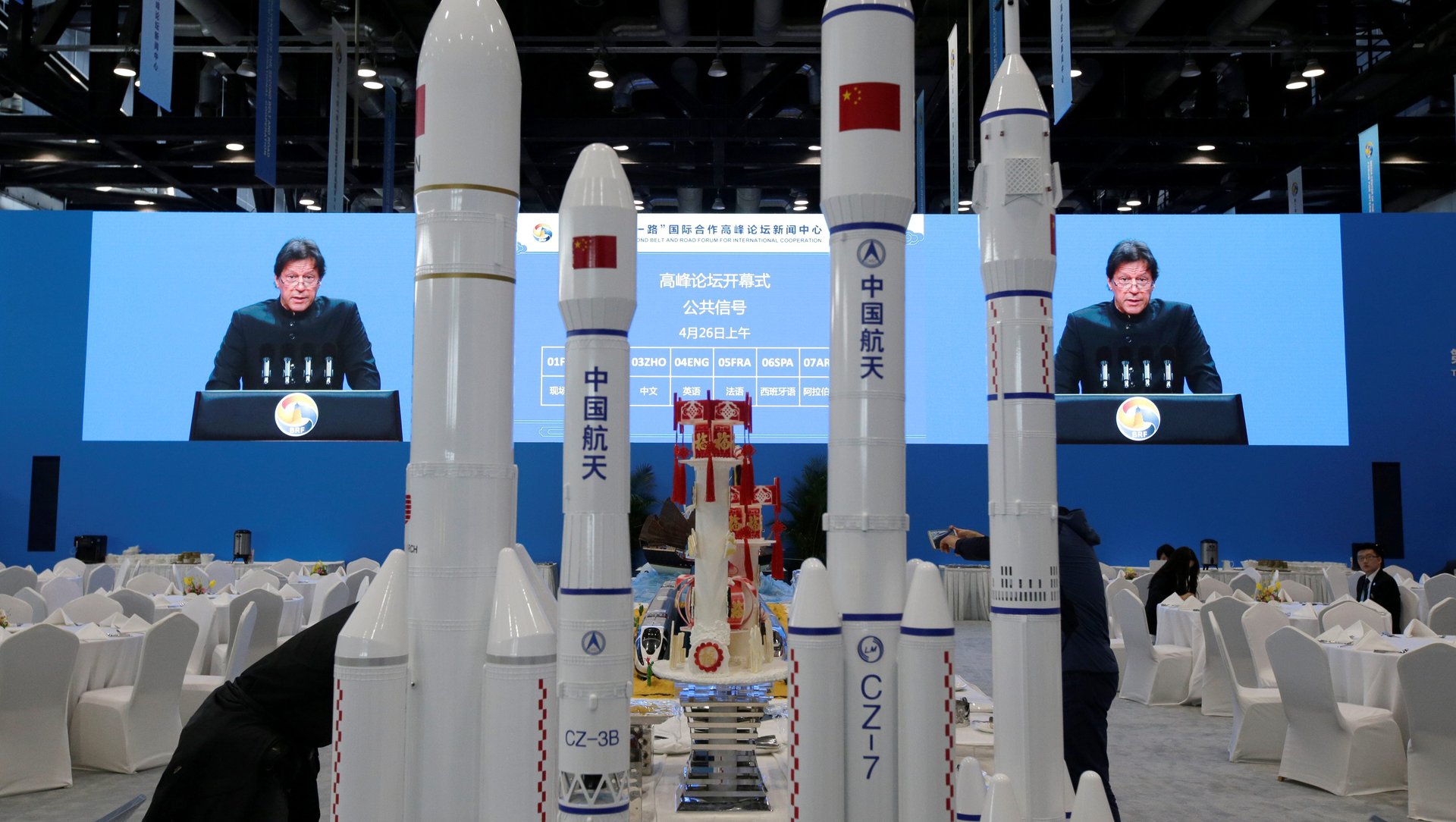
At least two Chinese carmakers are sponsoring rocket launches this year, claiming the partnerships will pave the way for technological advances for their automobiles—though it’s unclear exactly what kind of liftoff the companies hope to achieve.

China’s automakers have long wanted to expand beyond their home market. While they’ve made a little progress in Southeast Asia and Africa, they’ve had scant success in developed markets like the US and Europe.

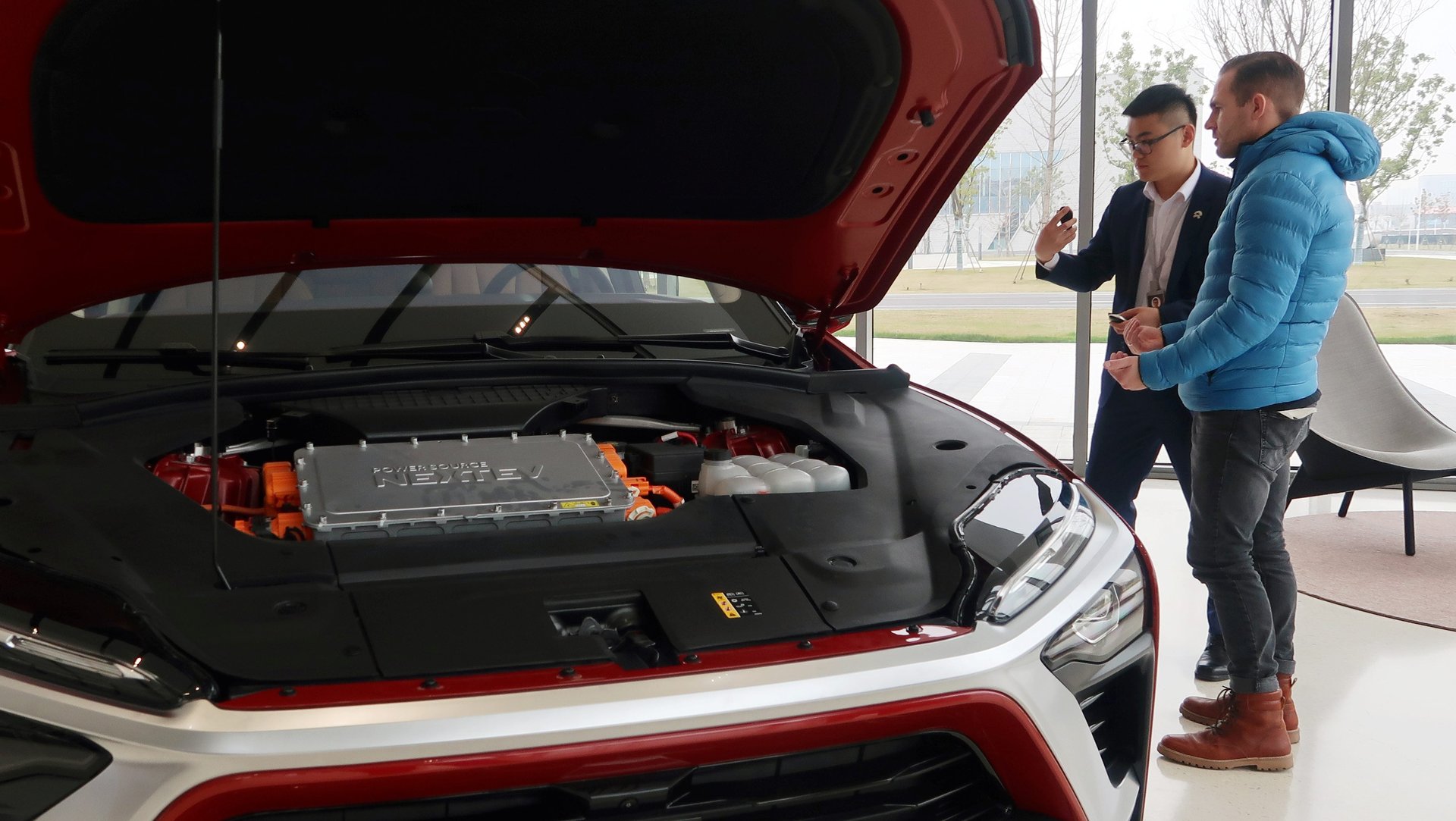
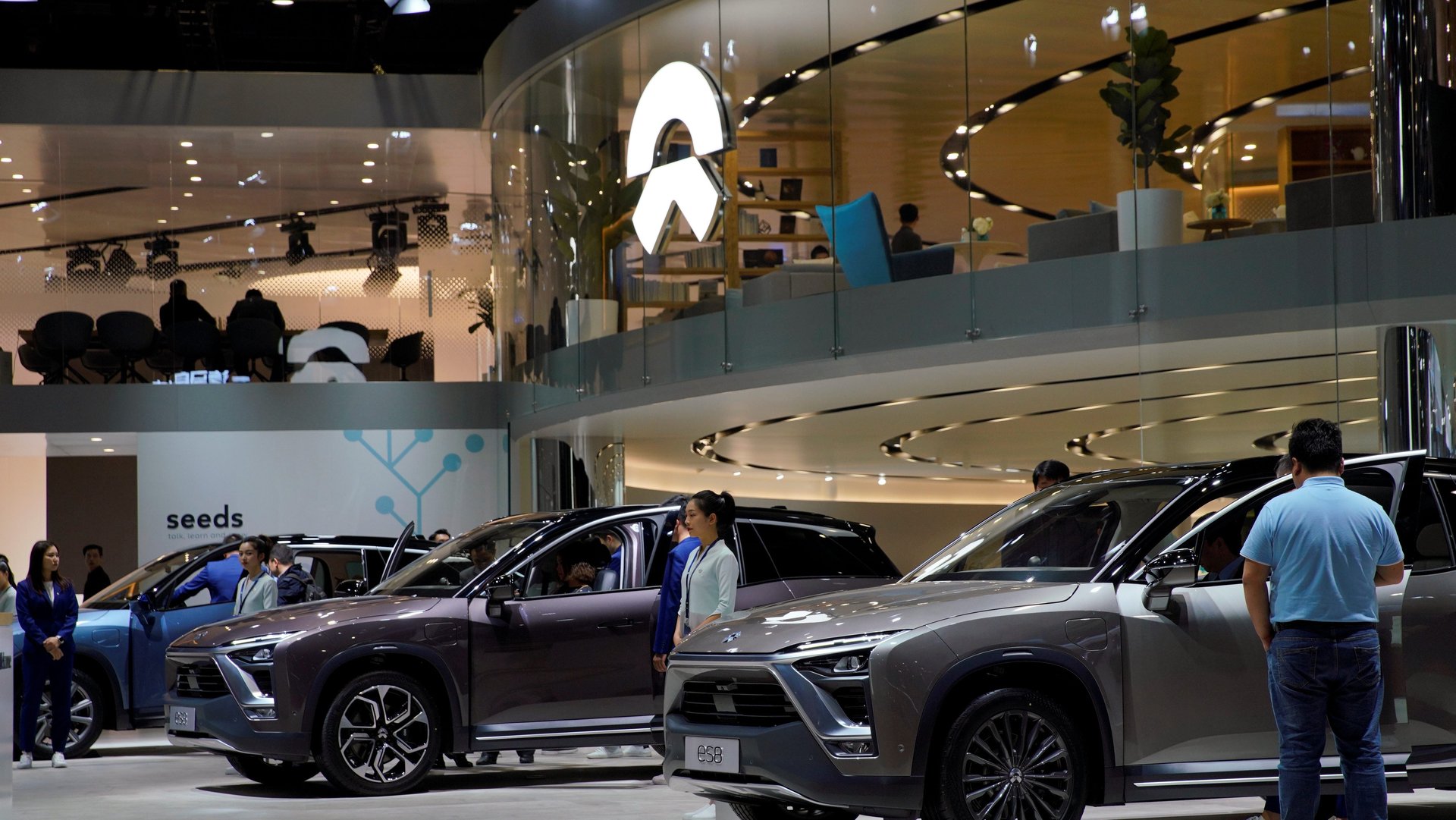
Beijing is picking winners and losers in China’s electric vehicle industry. And it appears the Chinese government has chosen to bestow its favor on NIO, a Shanghai-based company listed on the New York Stock Exchange.

China’s decades-long effort to catch up with the rest of the world on producing fossil-fuel cars has never been much of a success. Drivers, enthusiasts and industry watchers still look to Japanese, Germany, and American brands as the gold standard. When it comes to electric vehicles though, China hopes to leapfrog the West by introducing new ways to make and market EVs.

This week, China’s space program suffered a failed launch for the first time in nearly two years when an attempt to send a satellite into orbit went awry.

Car makers are busy electrifying their vehicles, but they’ll still have to wait as much as two decades before consumers buy more electric cars than conventional fossil-fuel ones.

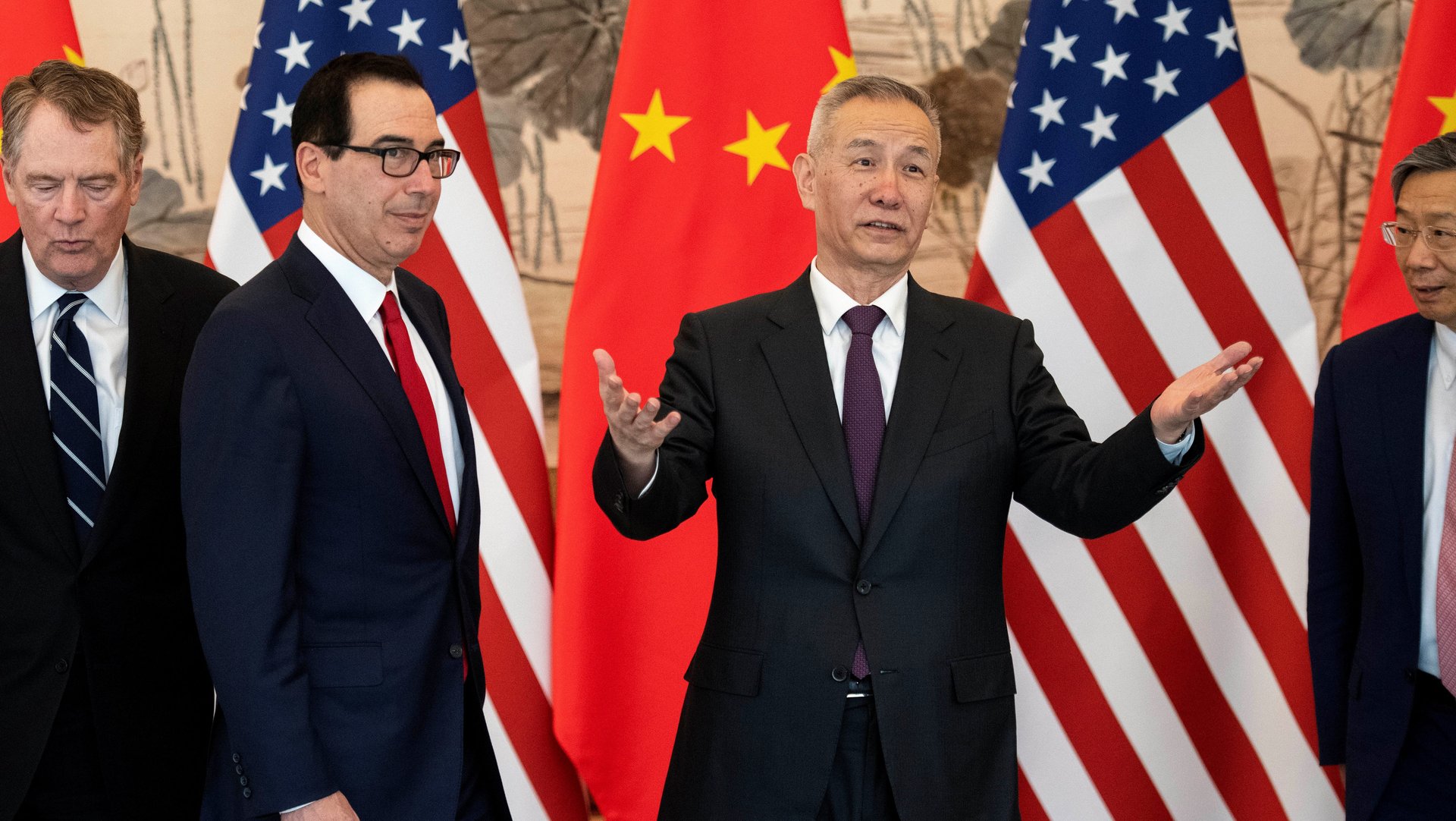
In a little over a week, China has gone from near silence on Donald Trump’s latest trade-war threats to going full-blown nationalistic. And campaigns of nationalism in China rarely come without a lesson in five millennia of the country’s history.

Less than a month after a parked Tesla exploded in Shanghai, another Model S has caught fire, this time in a Hong Kong car park.

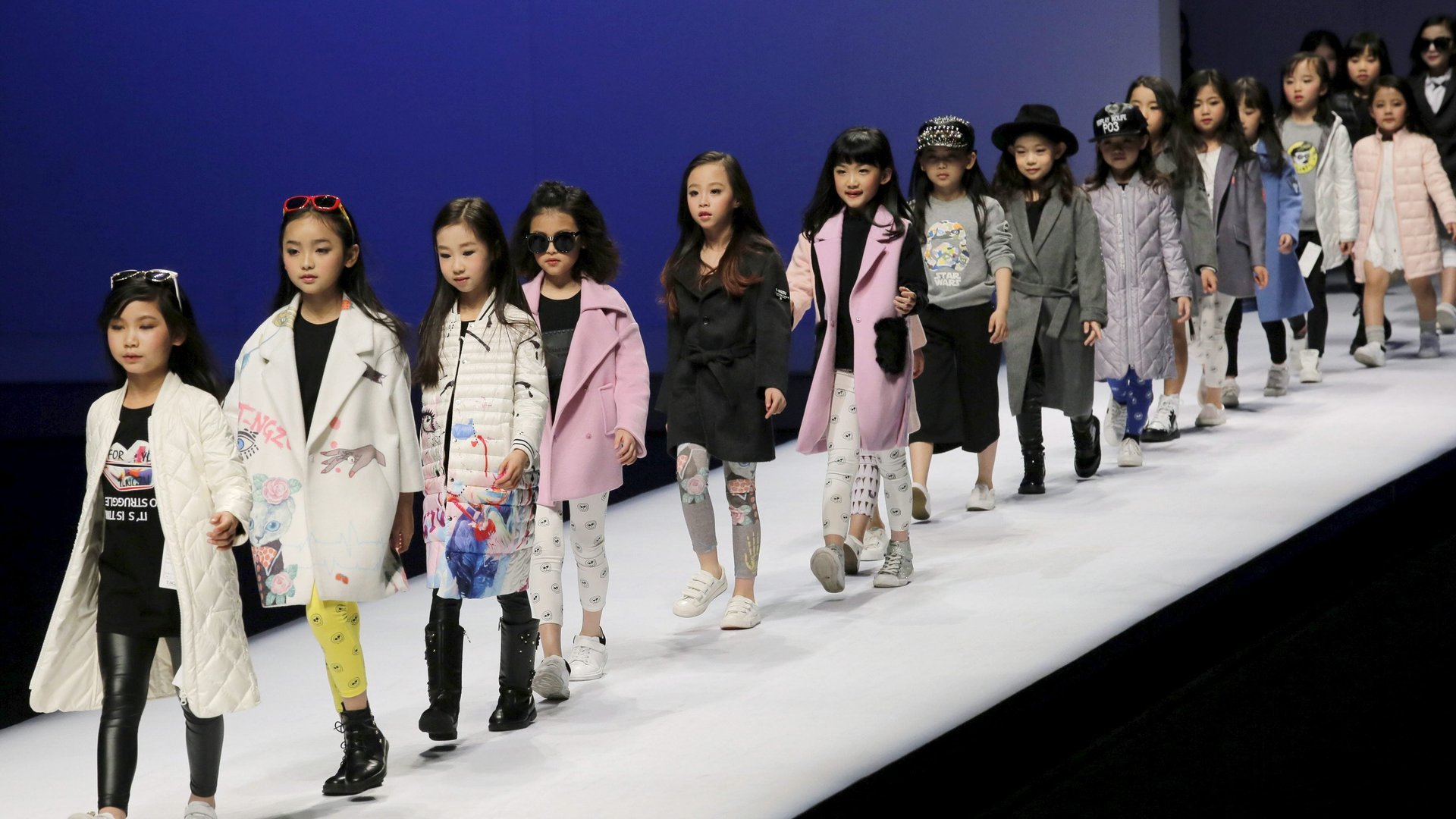
After a video circulated in April of a mother physically punishing her three-year-old child-model daughter, authorities in China are clamping down on the industry.

Ant Financial is a big story with the potential to get even bigger. But keeping up with the Hangzhou-based fintech giant isn’t always easy. As a private company, it doesn’t provide quarterly public filings. The firm’s executives are regulars on the conference circuit, but they tend to stay on message. To get useful information, you have to dig a little deeper.

China’s social media app WeChat is in the spotlight ahead of Australia’s national election for allegedly spreading misleading information about candidates.