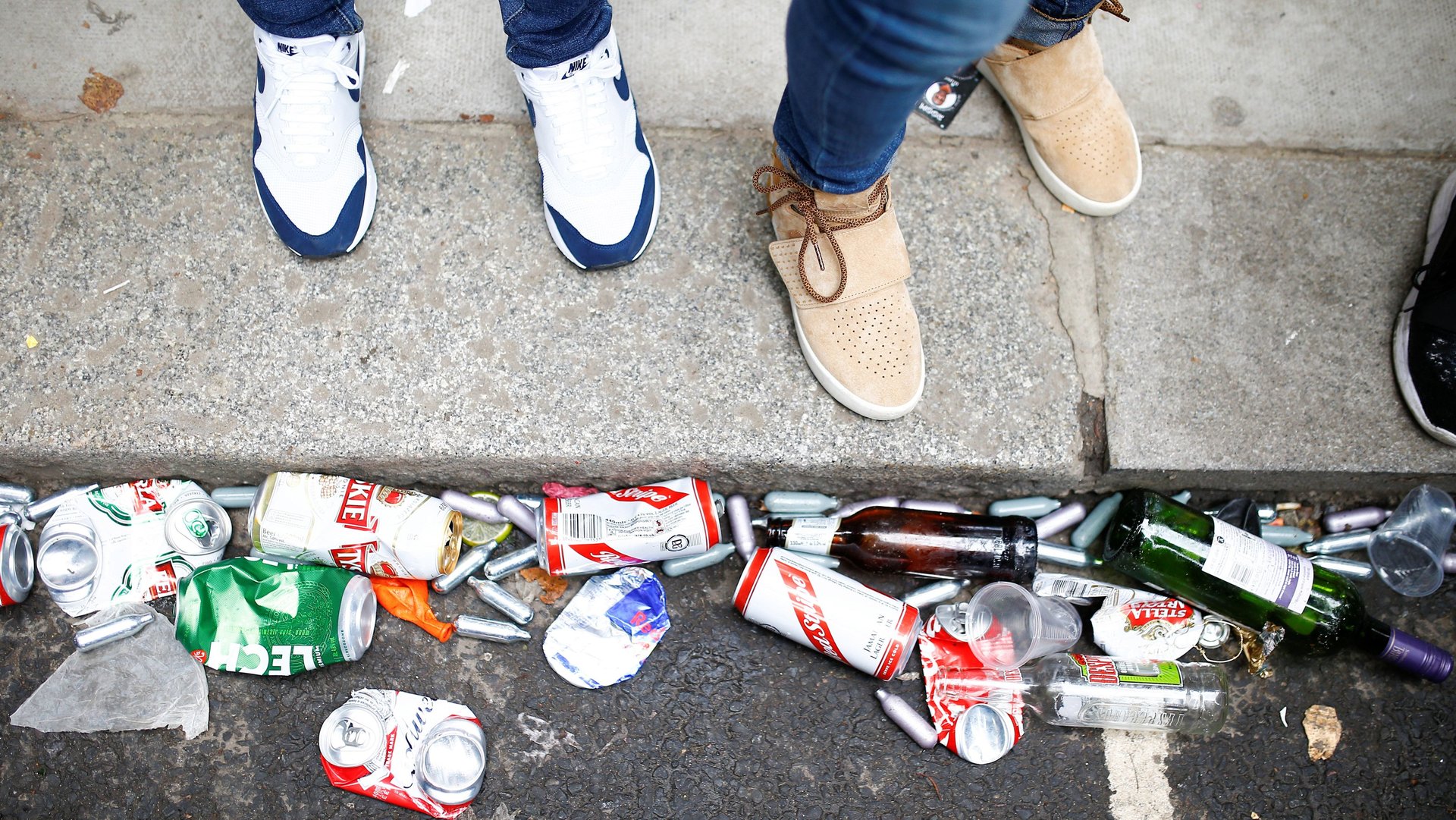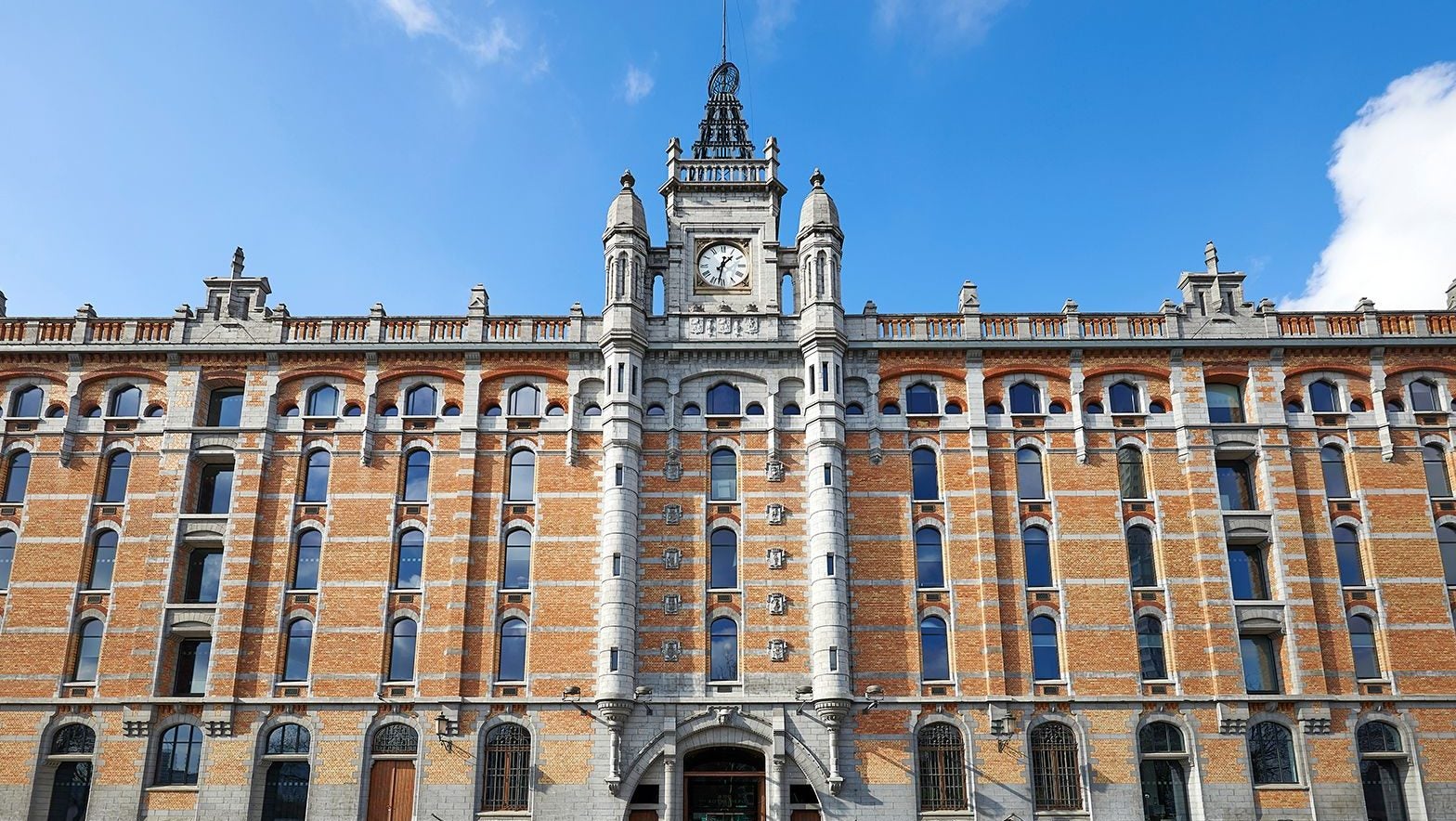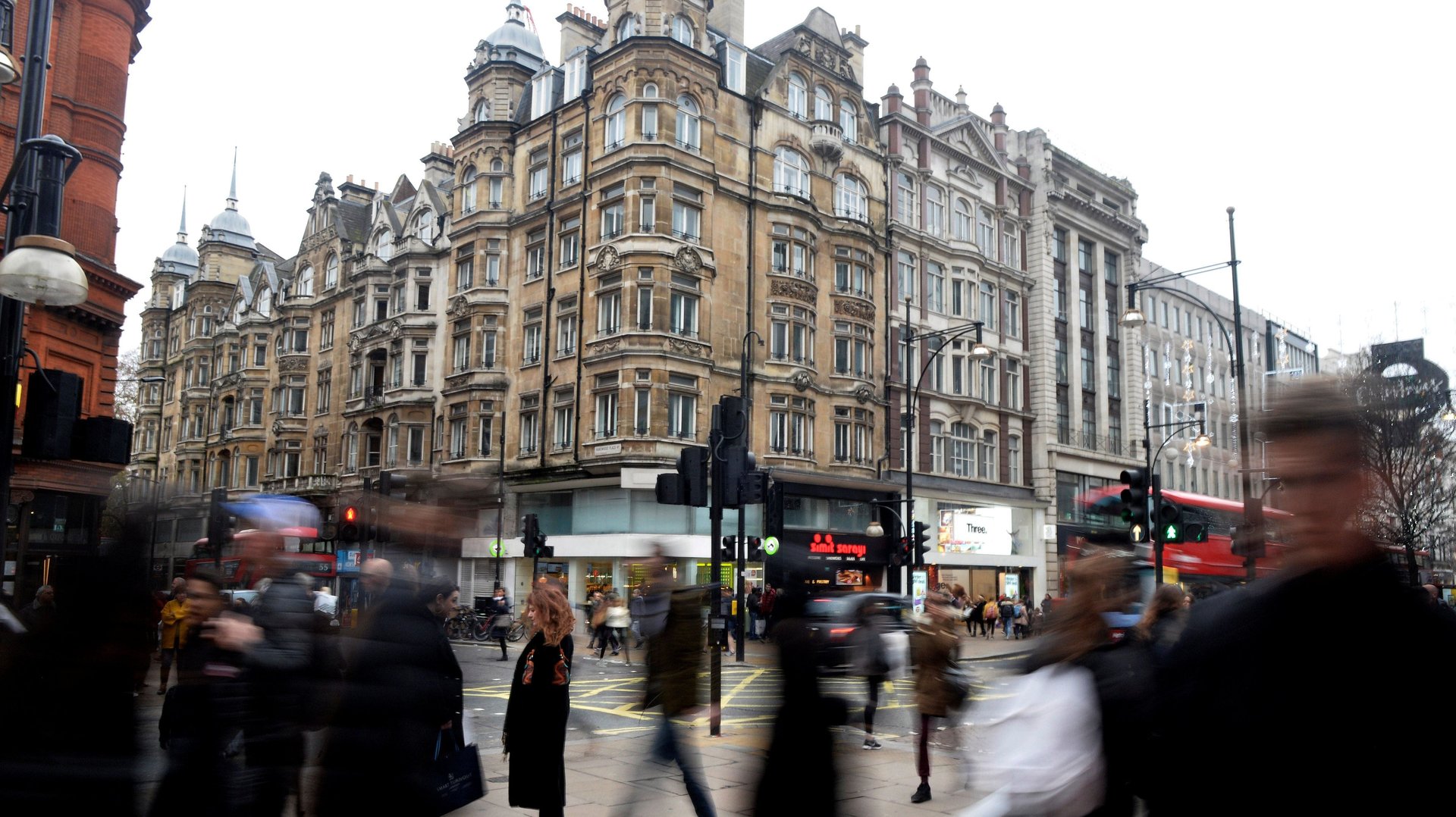
Few things are more emblematic of the entropy, chaos, and discomfort of our times than the incident that took place at Oxford Circus, a busy London junction at the intersection of two of Europe’s busiest shopping streets, last November.

Few things are more emblematic of the entropy, chaos, and discomfort of our times than the incident that took place at Oxford Circus, a busy London junction at the intersection of two of Europe’s busiest shopping streets, last November.

Ask a British person about the origins of “lad culture” and you’ll likely hear them posit something hazy about Britpop, the alternative rock movement most commonly associated with 90s English band Oasis.

European Union citizens care a hell of a lot about daylight saving time. In the largest survey ever conducted by the European Commission, 80% of around 4.6 million respondents said they favor abolishing the finicky practice of changing the clocks in summer and winter. (Before you ask: Yes, it’s daylight saving time—not savings time.)

Most of the time, employers value creativity. But sometimes imaginative thinking is not just unwelcome but also illegal. Then we call it fraud.

Sitting through roll call in school is already bad enough if you have a last name like Weiner, Butts, Cummings, Medick, Dickman, or Suconcock. But if that sounds rough, just try getting past the first stage of an online registration process.

More than 30 years after they formed, U2 can still make some noise. Earlier this year, the Irish rockers said that they wouldn’t play a single song from the iconic Joshua Tree album on their 2018 tour. Instead, the European leg of the tour—which kicks off on Friday (Aug. 31) in Berlin—will feature a heavy dose of that most rockin’ of geopolitical constructs: the European Union.

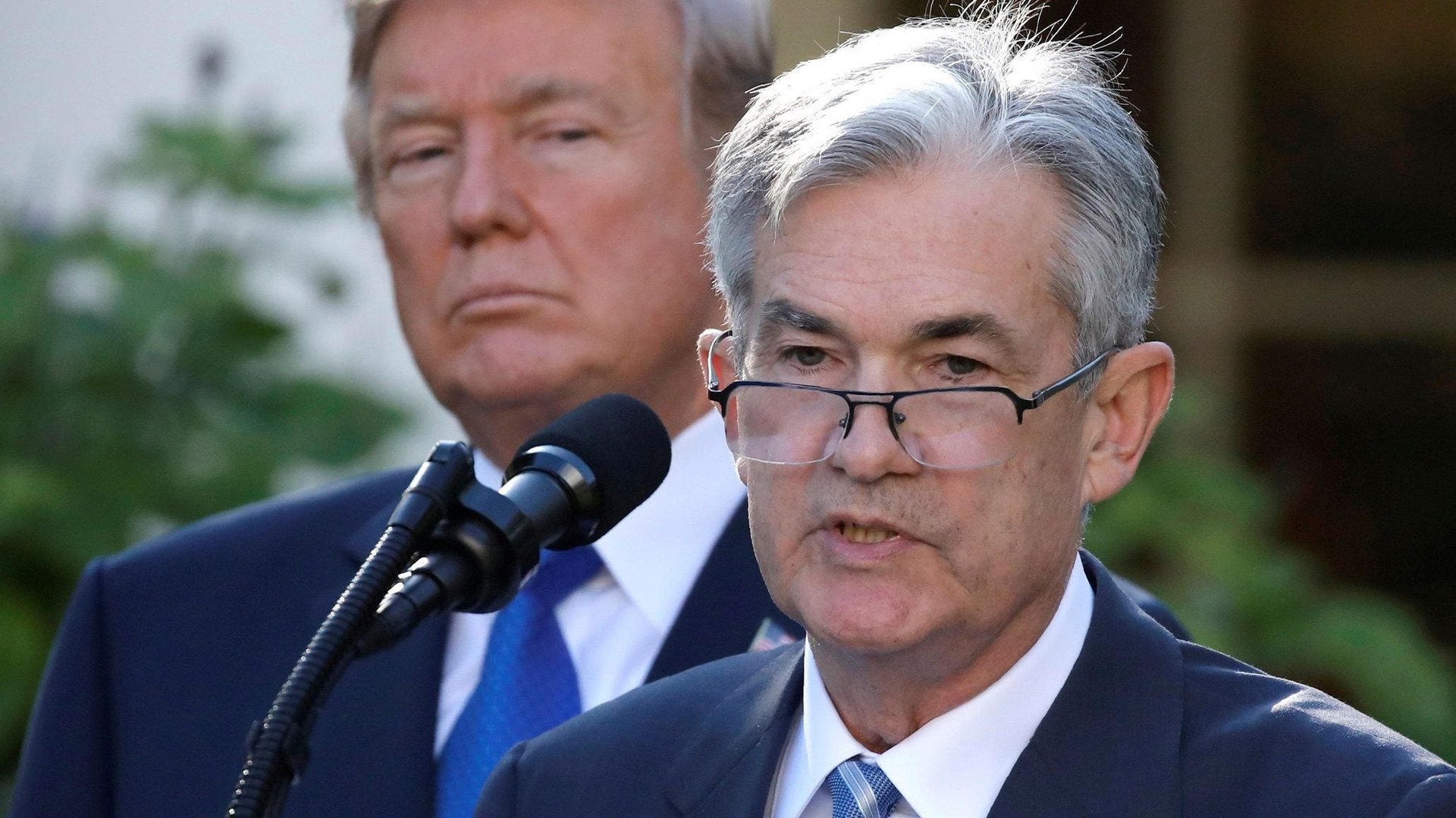
Political meddling with monetary policy rarely ends well. Just ask Richard Nixon.

If you could name a street in your hometown, what would you choose? Belgian citizens had the opportunity to mull just that question as part of an initiative to name 28 streets, squares, and walkways in the Belgian capital’s Tour & Taxis district.

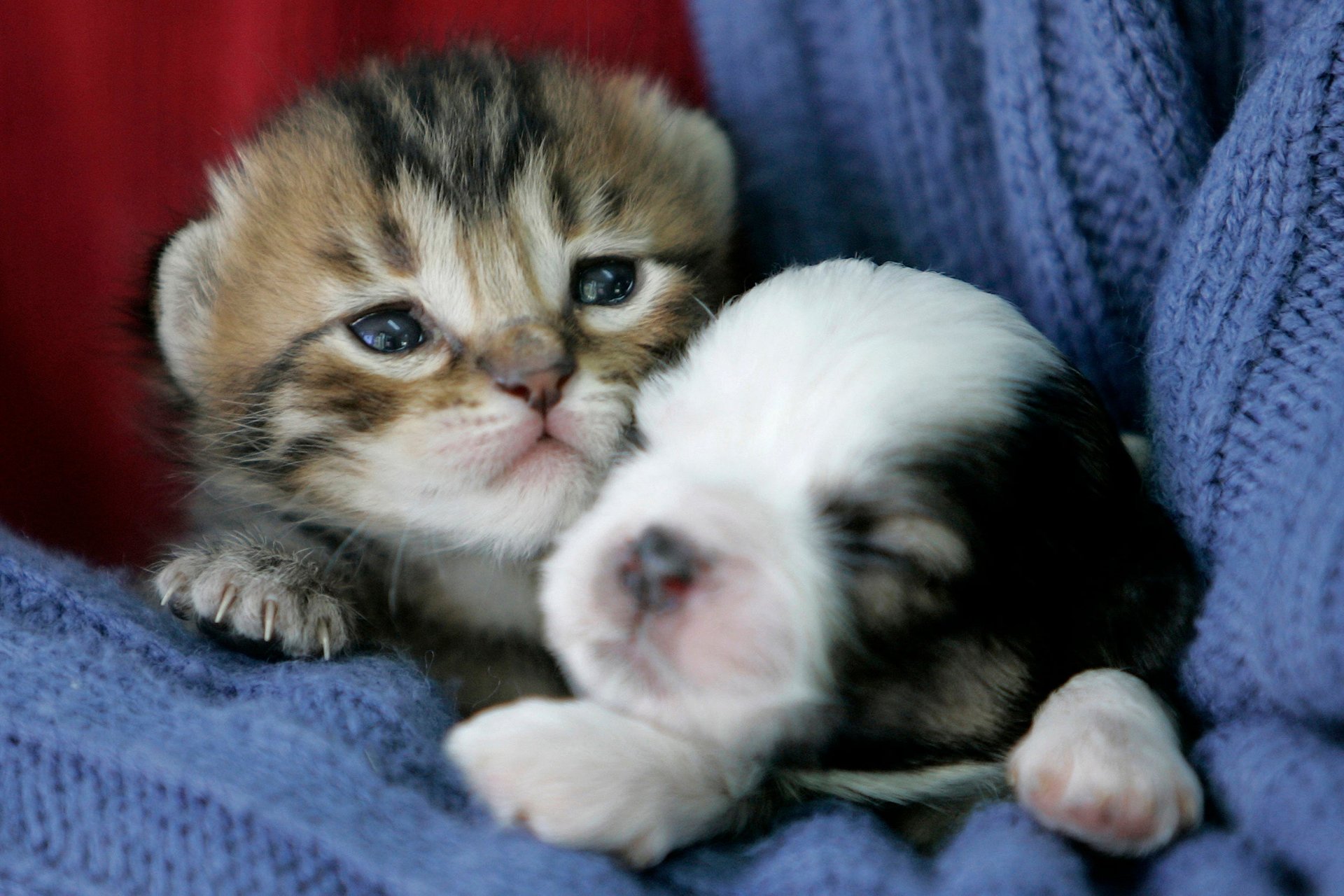
The sight of puppies and kittens frolicking in a pet-shop window is undeniably adorable. But young animals sold by pet shops are often kept in poor conditions, leading to suffering as well as lasting health problems down the line.

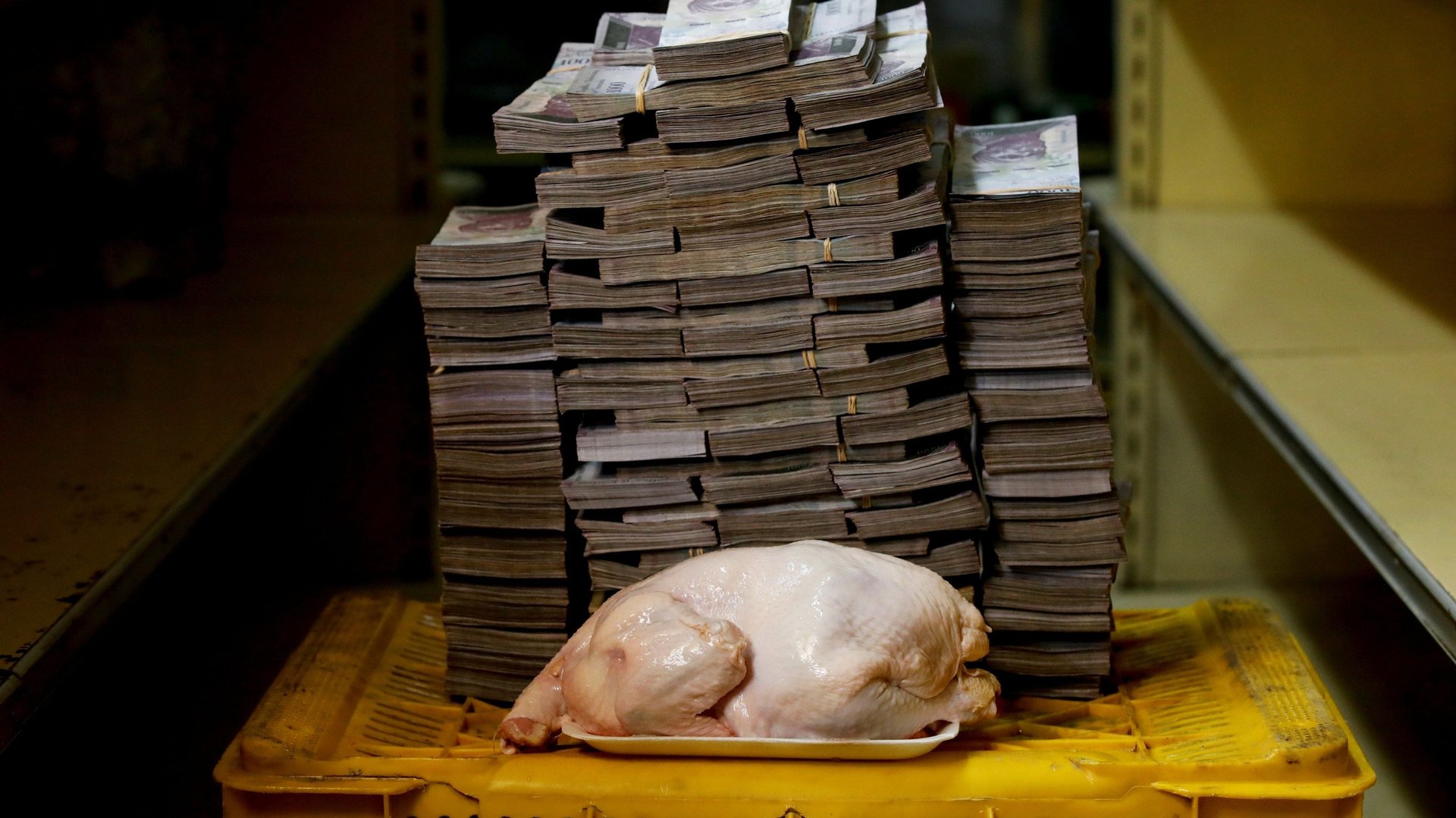
In a desperate bid to curb its runaway inflation rate, Venezuela has lopped five zeros from its currency. The move yesterday, which came along with a 95% devaluation of the currency—known as the “strong bolívar”—was also accompanied by a hike in gas prices and a 3,000% increase in the minimum wage.

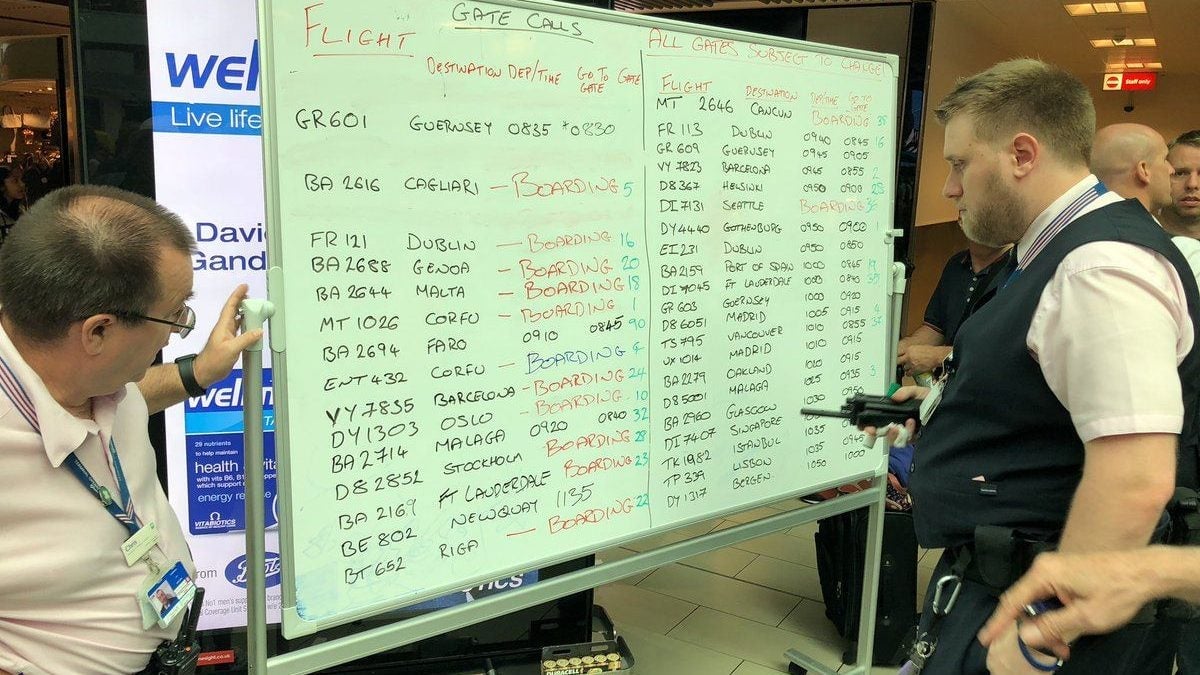
A smattering of whiteboards has been doing the job of updating travelers at the UK’s second-busiest airport for more than five hours after flight information screens stopped working at London Gatwick airport this morning (Aug. 20).

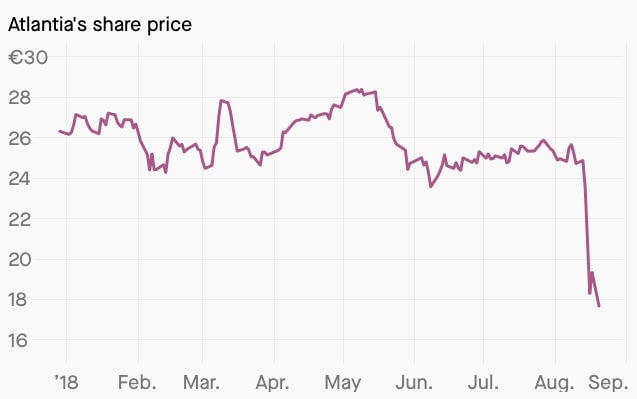
Shares in Atlantia—the parent company of the operator of the bridge that collapsed in Genoa on Aug. 14—plunged by more than 9% Monday morning, after Italy’s interior minister said Sunday night that the government plans to revoke the operator’s license to run some 3,408 km (2,120 miles) of the country’s motorways.

When it comes to dealing with currency crises, most policymakers reach for the same tool first: an interest rate hike. Indeed, Argentina just increased its benchmark interest rate to an all-time-record 45% amid a slump in its peso.

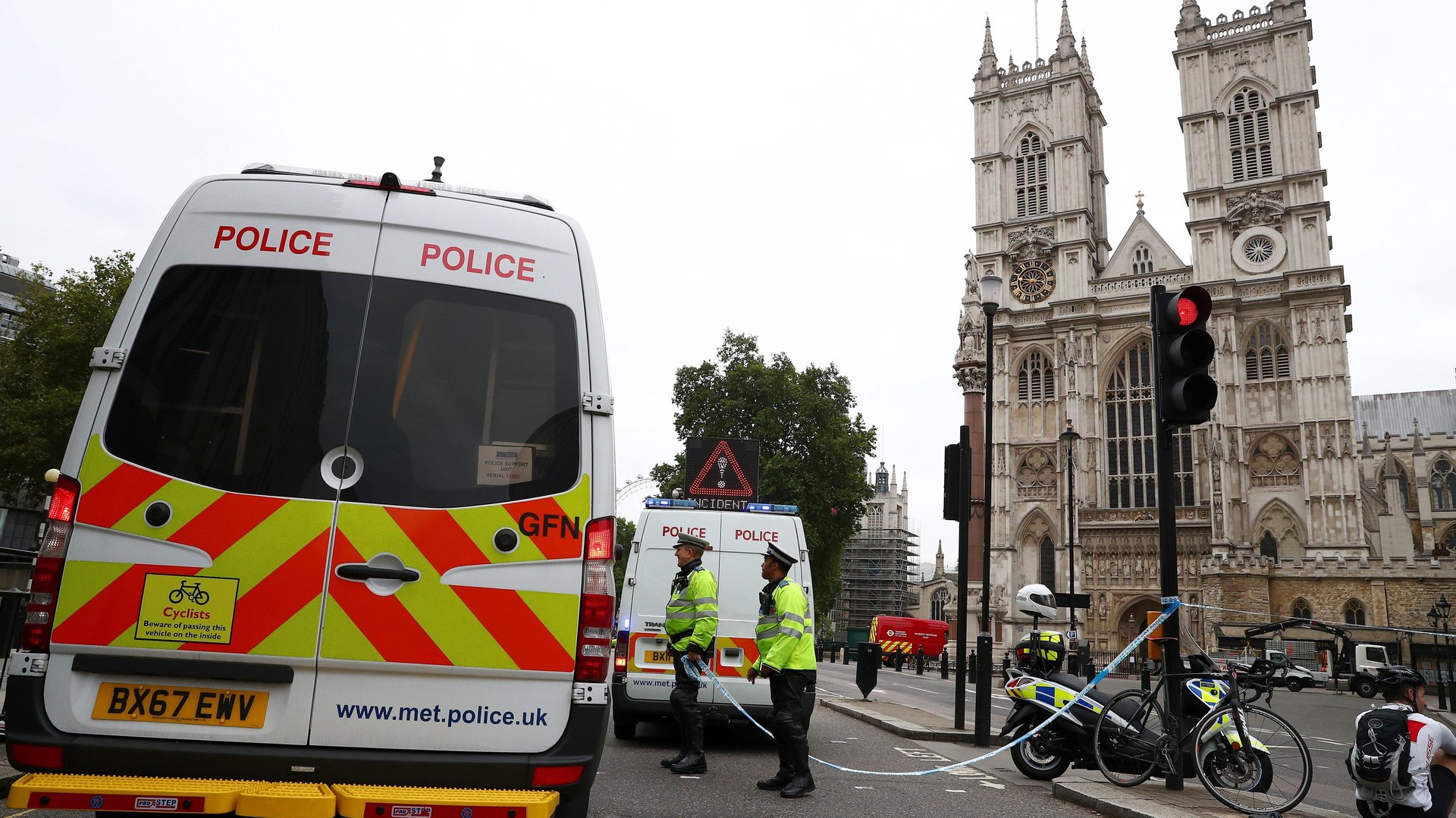
Police in London have arrested a man in his late 20s on suspicion of terrorist offenses after the car he was driving collided with cyclists and pedestrians close to the Houses of Parliament this morning.

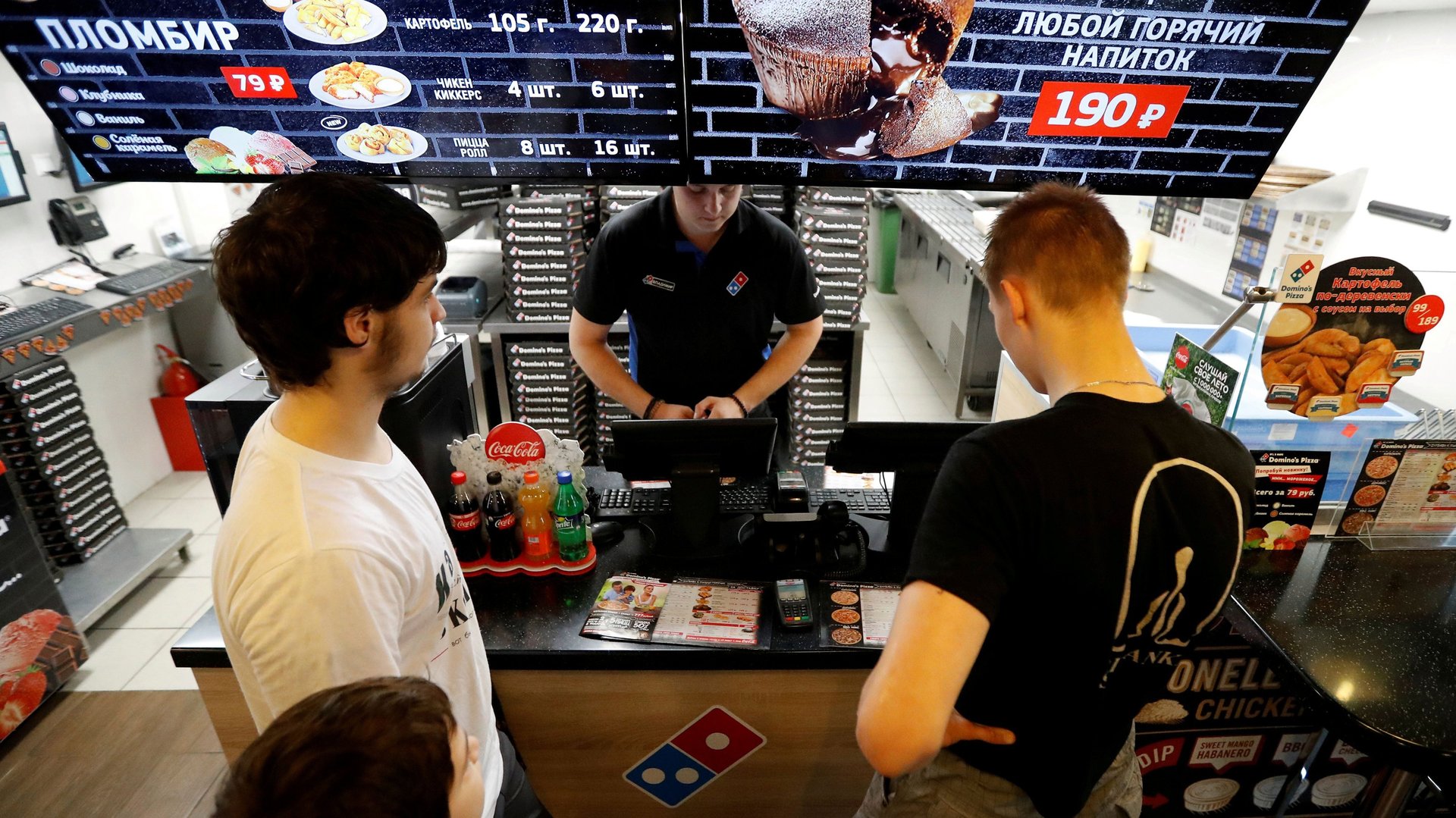
The US stepped up economic sanctions against Turkey and Russia last week, putting a big dent in the value of both the Russian ruble and the Turkish lira. That’s bad enough if your business has operations in either country—but wildly unfortunate if both countries comprise your biggest markets.

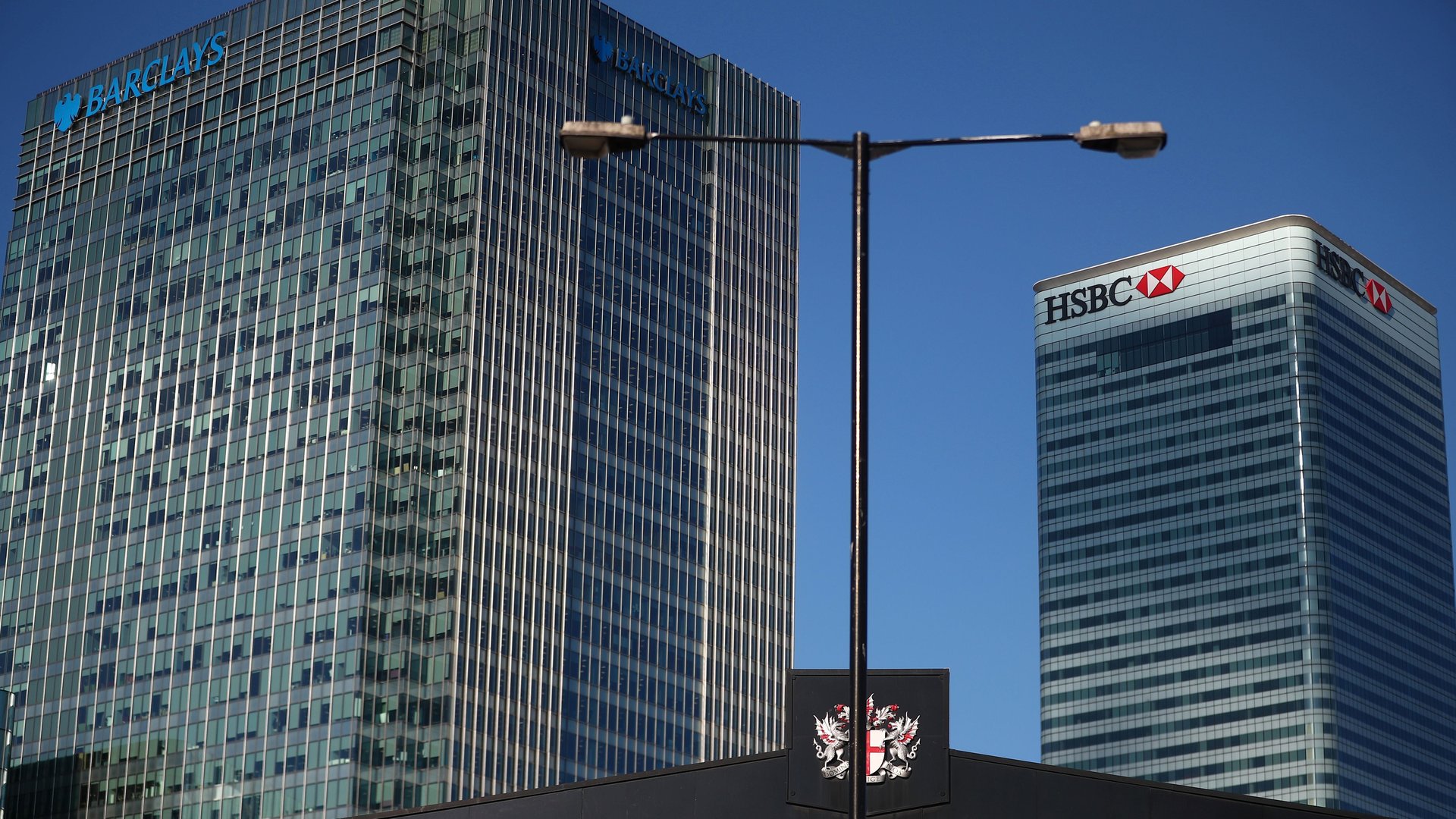
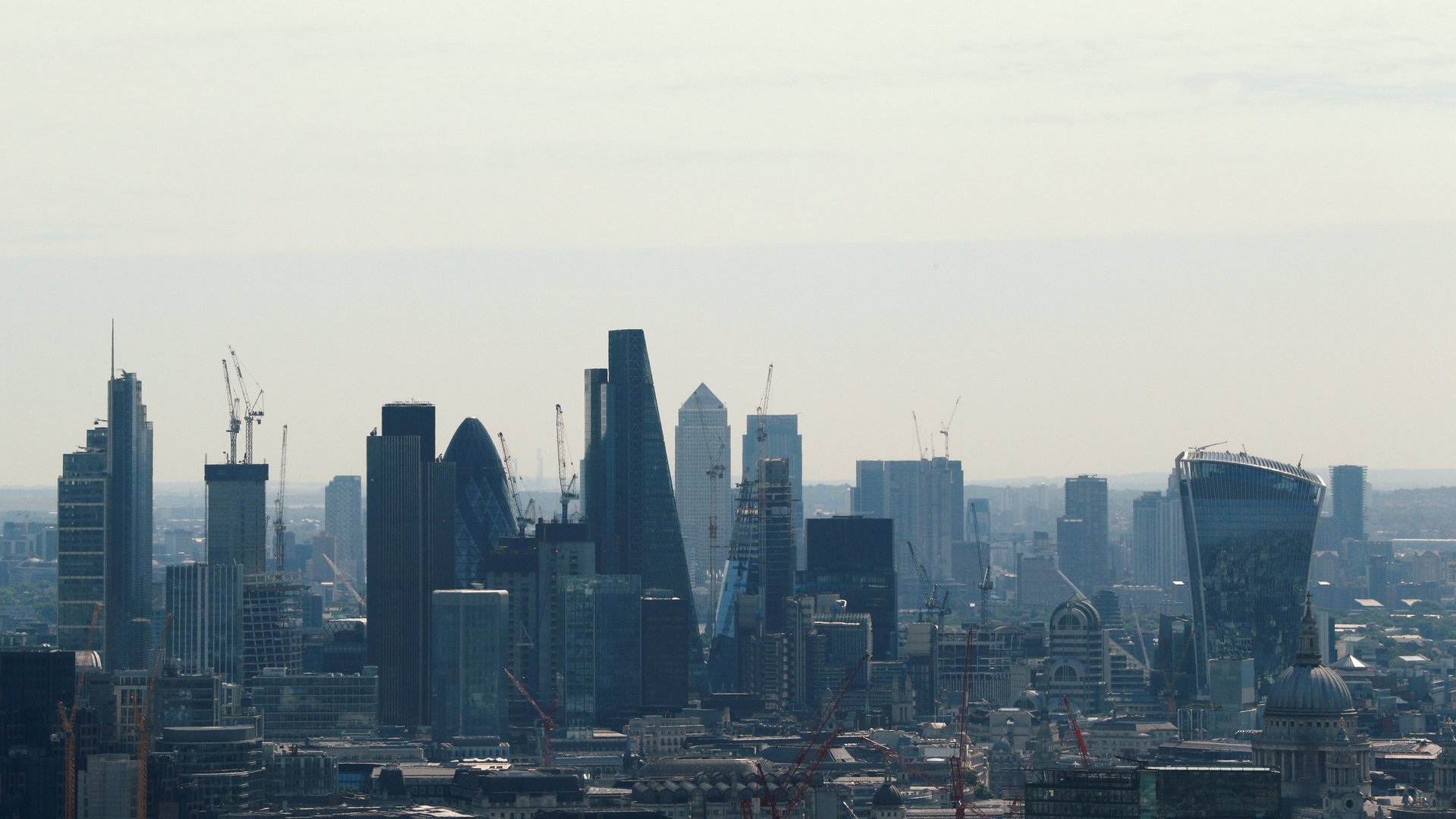
Ahead of Britain’s exit from the EU in March of next year, Barclays—the country’s second-largest bank by assets—is moving the ownership of its European subsidiaries from a UK entity to its Irish bank. That will make Barclays Ireland’s biggest bank.

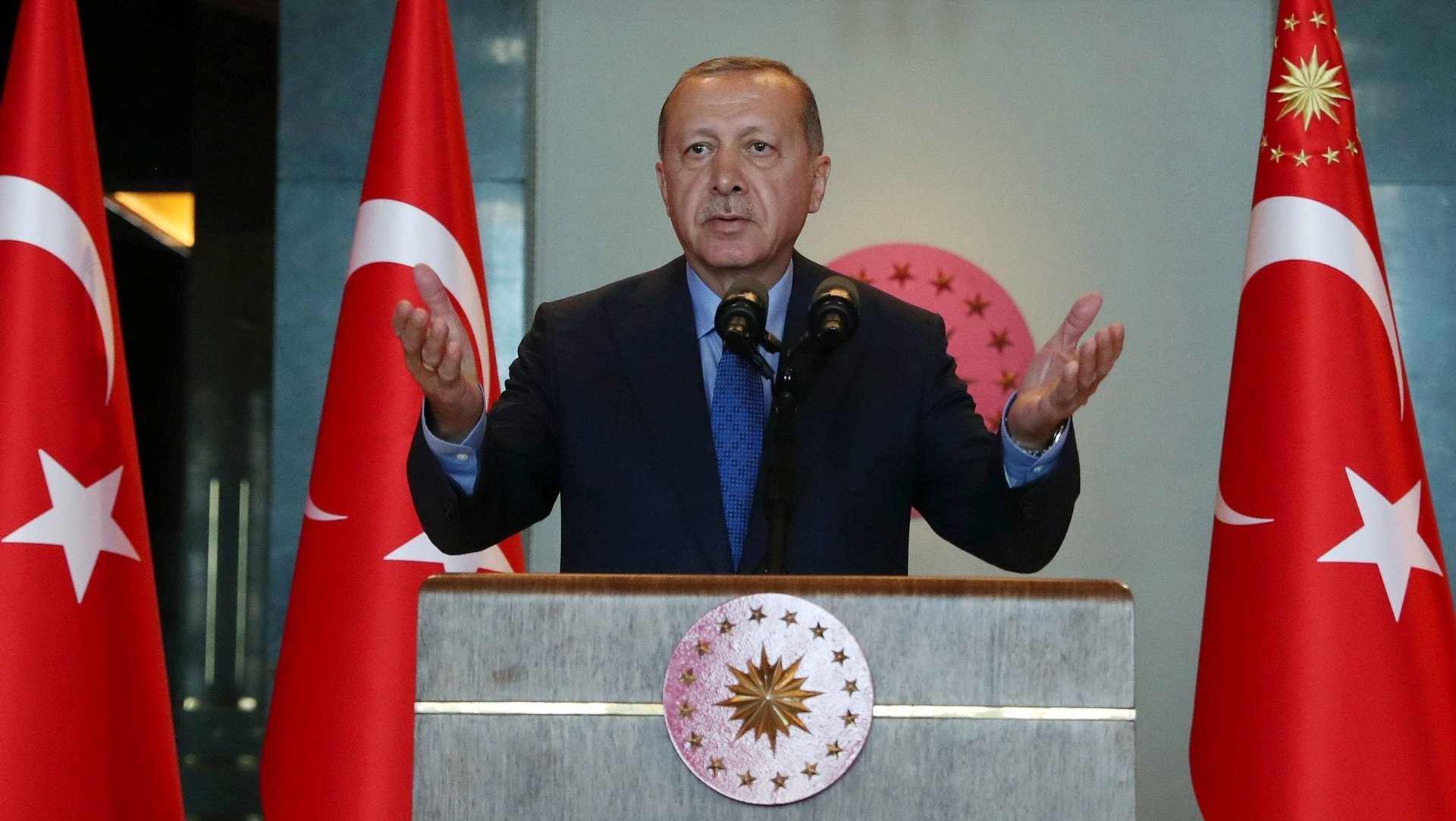
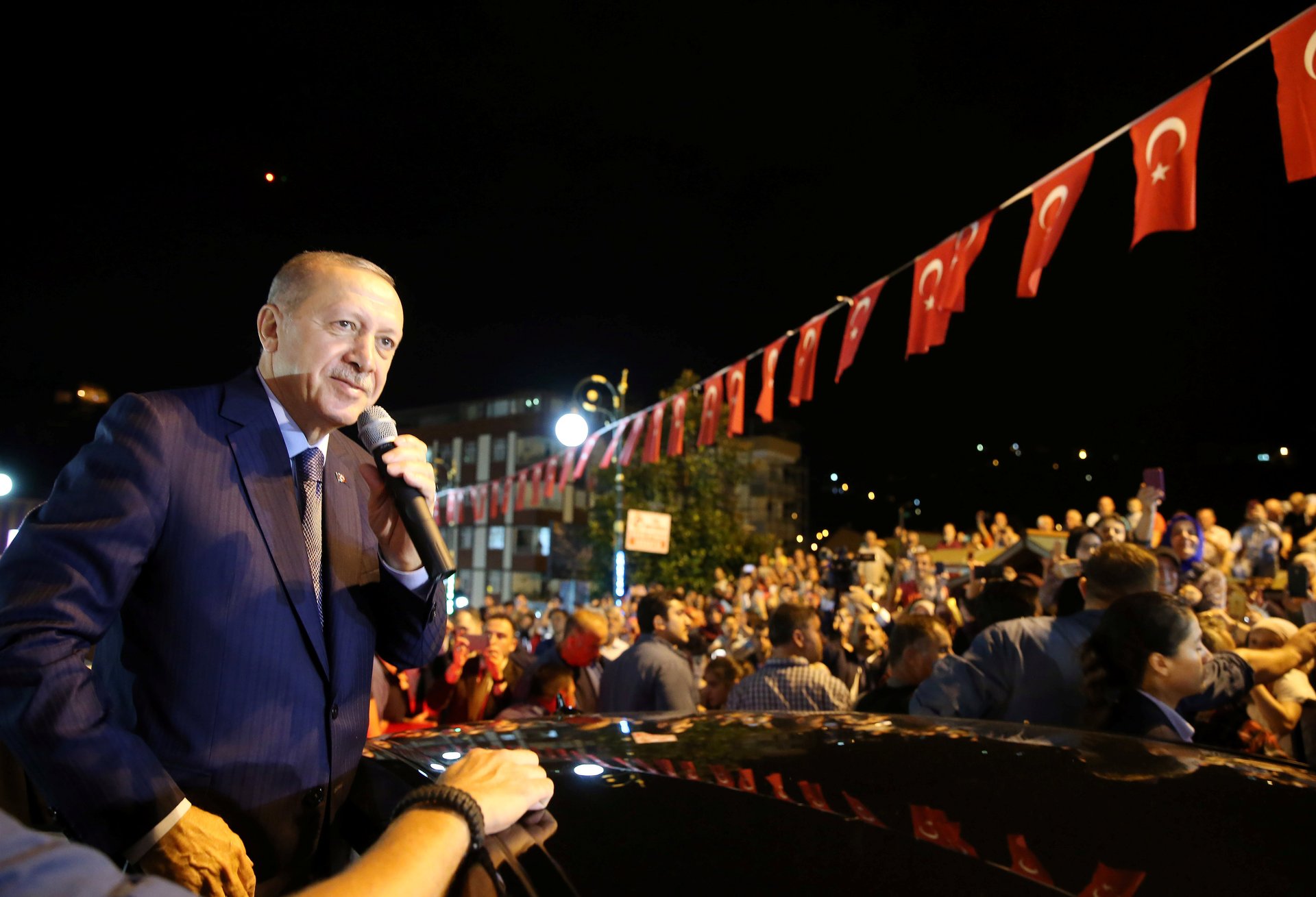
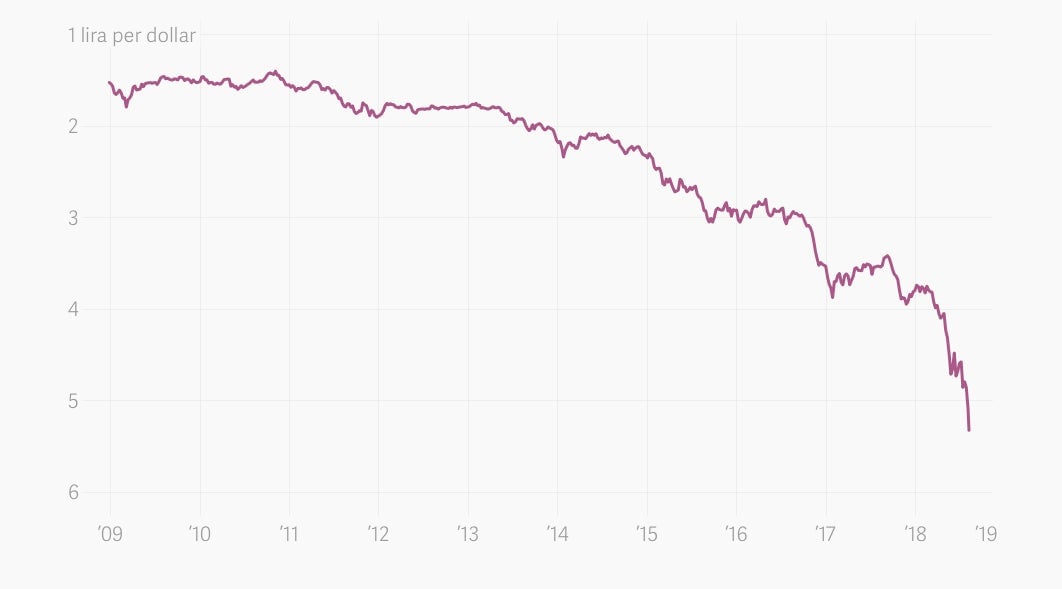
In recent months, markets looked on as the Turkish lira repeatedly set new all-time lows with mild—or perhaps morbid—curiosity. But a fresh round of US sanctions against Turkey today turned the lira’s decline into a full-blown rout that is rattling global markets.

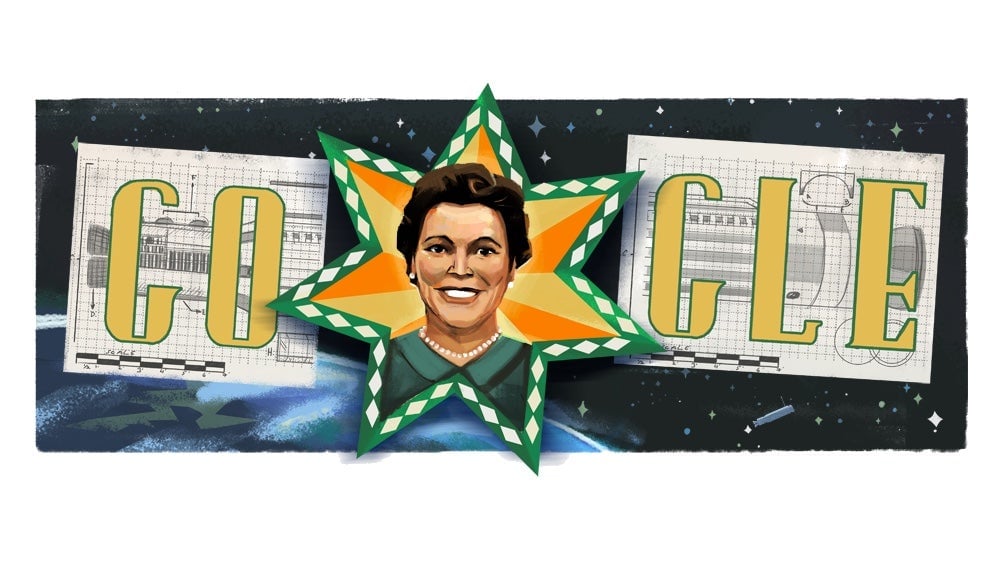
Mary G. Ross didn’t let any kind of orthodoxy imprison her. The first female engineer and the first Native American engineer to work at Lockheed Martin, she was also among the first with a hankering to work on interplanetary space travel.

Last month, it seemed like everyone was doubling down on preparations for the Brexit nightmare scenario: Britain crashing out of the European Union in March with no trade deal in place. This is known, plainly, as a “no-deal Brexit.”

Buying the Turkish lira, according to one analyst, is like “catching a falling knife.” Writing imaginative headlines about the currency’s unceasing ability to hit new lows, however, is even harder.

Derivatives rules created by financial regulators in the aftermath of the global financial crisis are doing a great job—according to financial regulators.

And then there were 24.

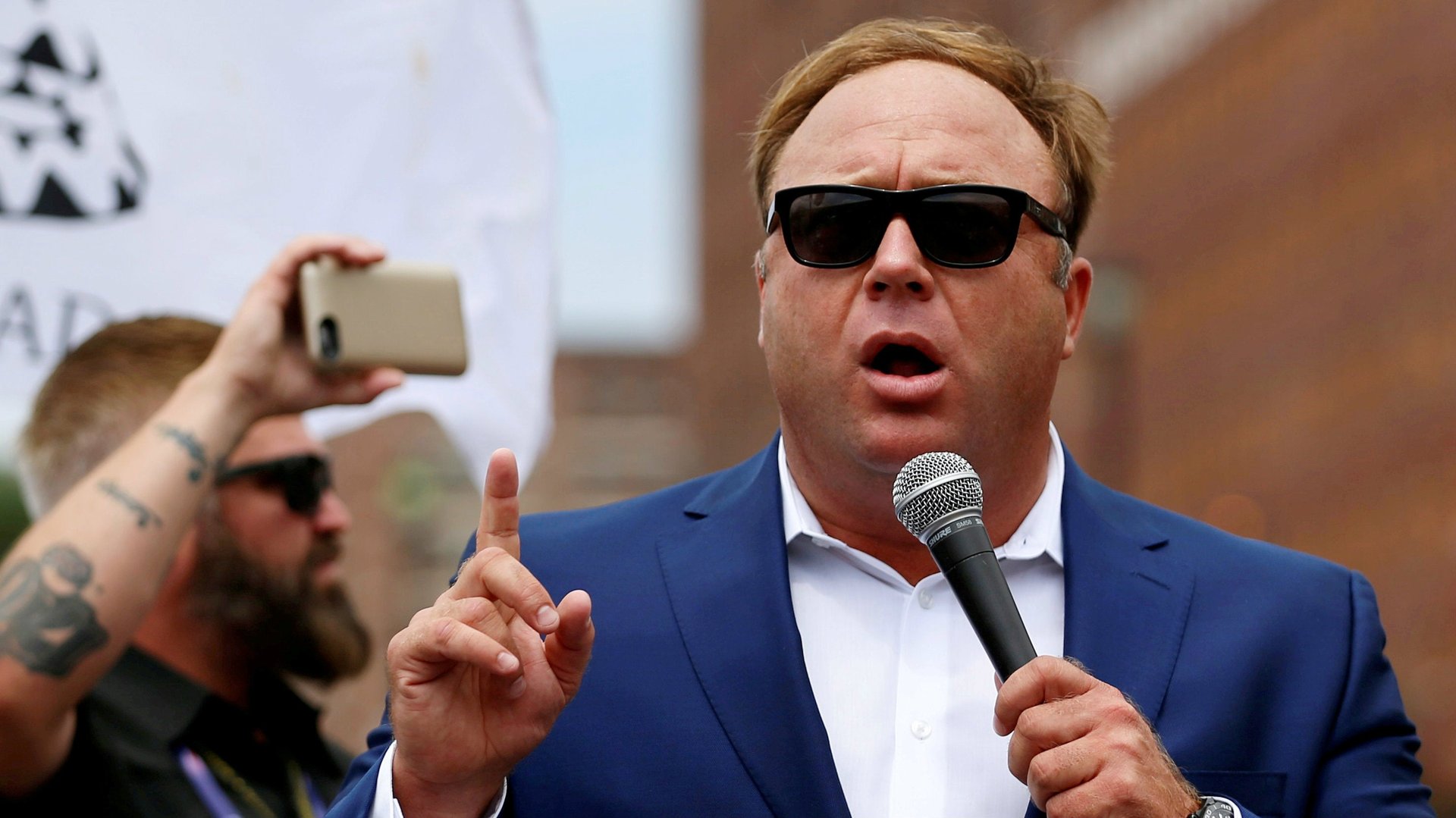
The race among the world’s biggest tech platforms to erase content by controversial conspiracy theorist Alex Jones has reached a new phase, following a series of sweeping, but apparently uncoordinated, actions against the founder of Infowars by YouTube, Apple, and others in the past 24 hours. Among other things, Jones’s site has argued that the 2012 Sandy Hook Elementary School shooting was a hoax and that the FBI engineered the Boston Marathon bombing.

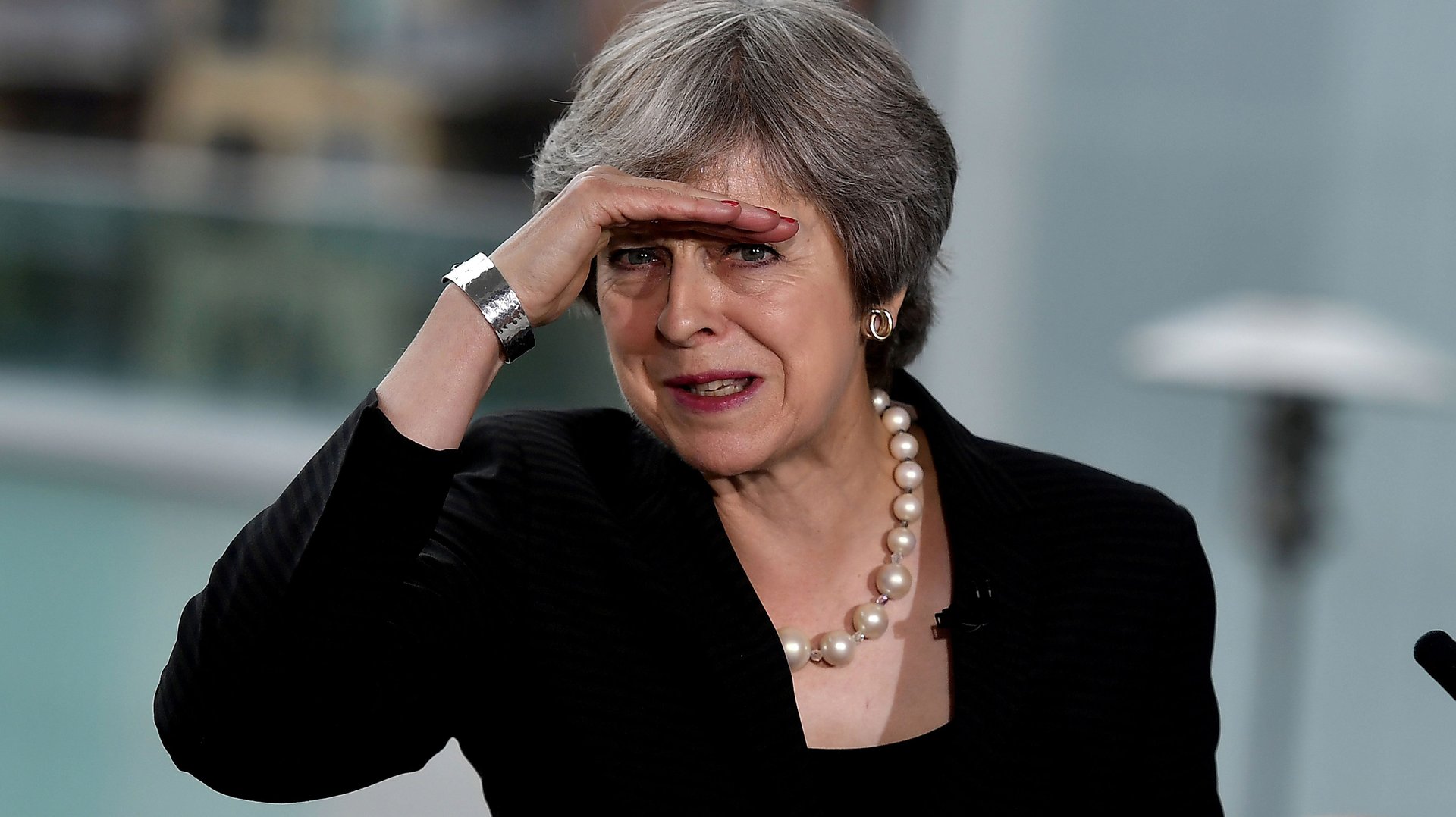
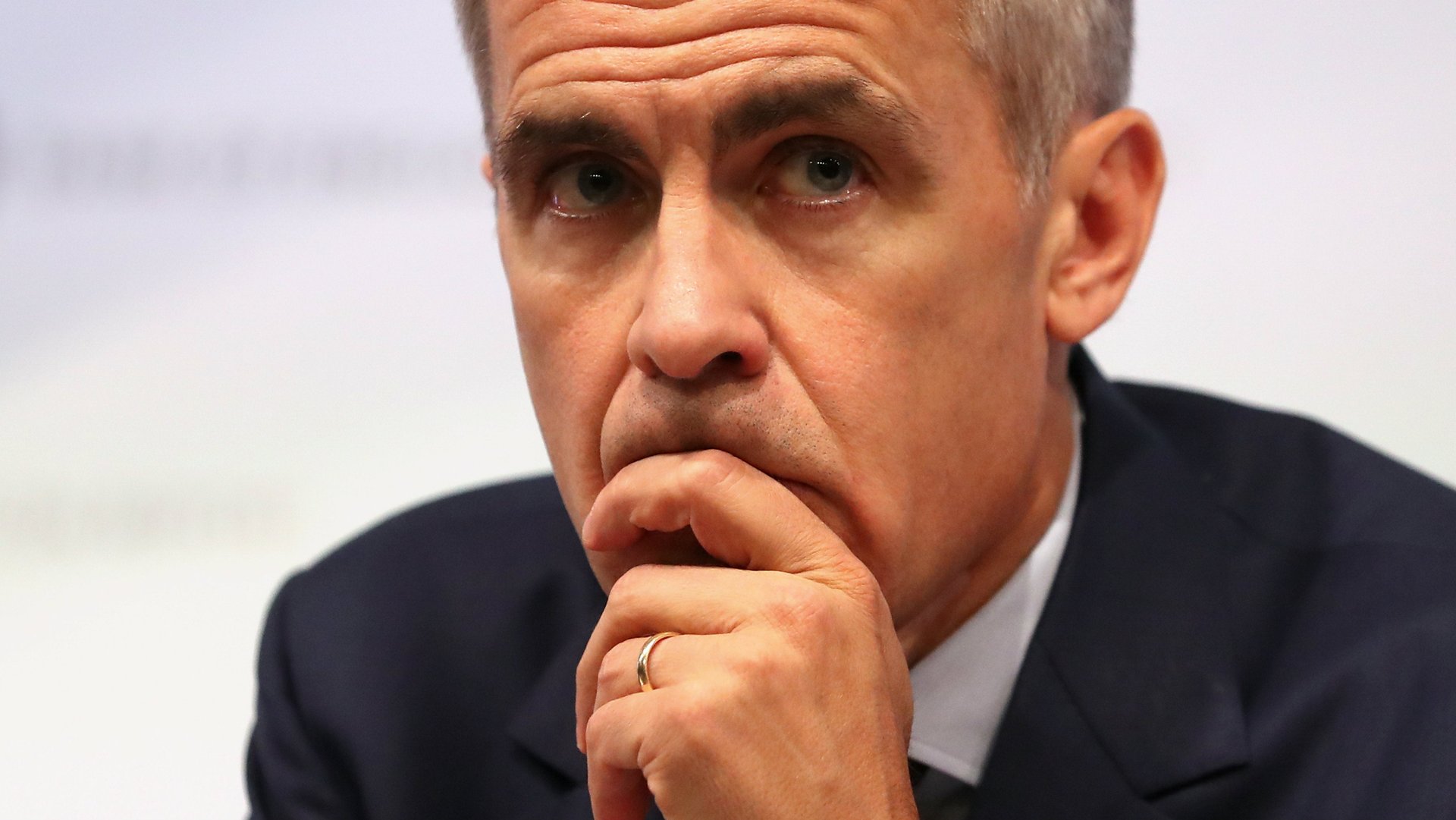
Bank of England governor Mark Carney could work on his timing. Yesterday, he hiked the central bank’s benchmark interest rate to 0.75%—the highest level in nearly a decade. Today, he said the prospects of Britain crashing out of the EU—something that could require the bank to reverse course immediately—are “uncomfortably high.”