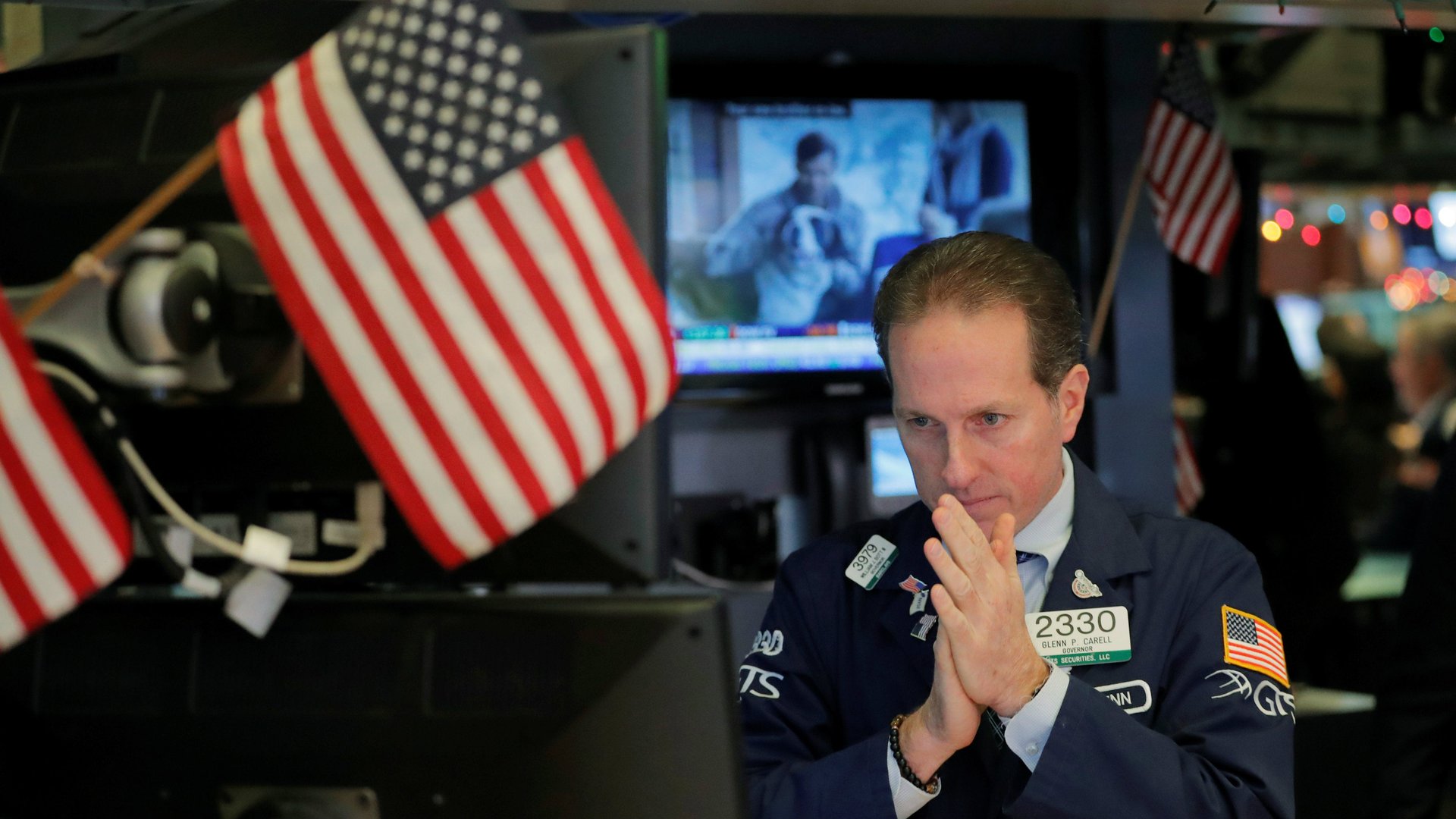
On Friday, US stock markets went into a bit of a panic. The Dow dropped 666 points, its worst day since the Brexit vote in June 2016. The S&P 500 had its worst week of losses in two years. Now, the selloff is spreading around the world.

On Friday, US stock markets went into a bit of a panic. The Dow dropped 666 points, its worst day since the Brexit vote in June 2016. The S&P 500 had its worst week of losses in two years. Now, the selloff is spreading around the world.

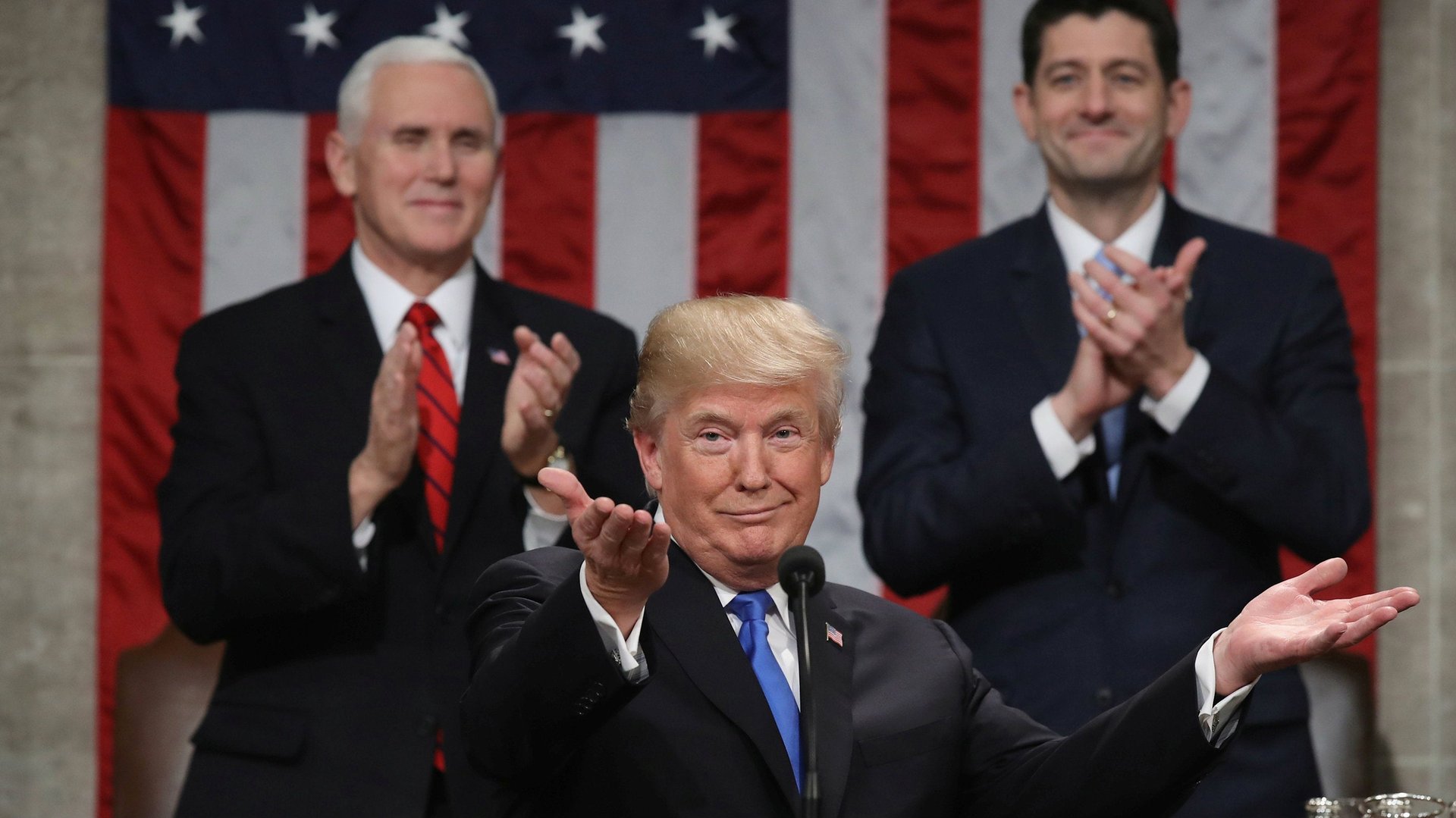
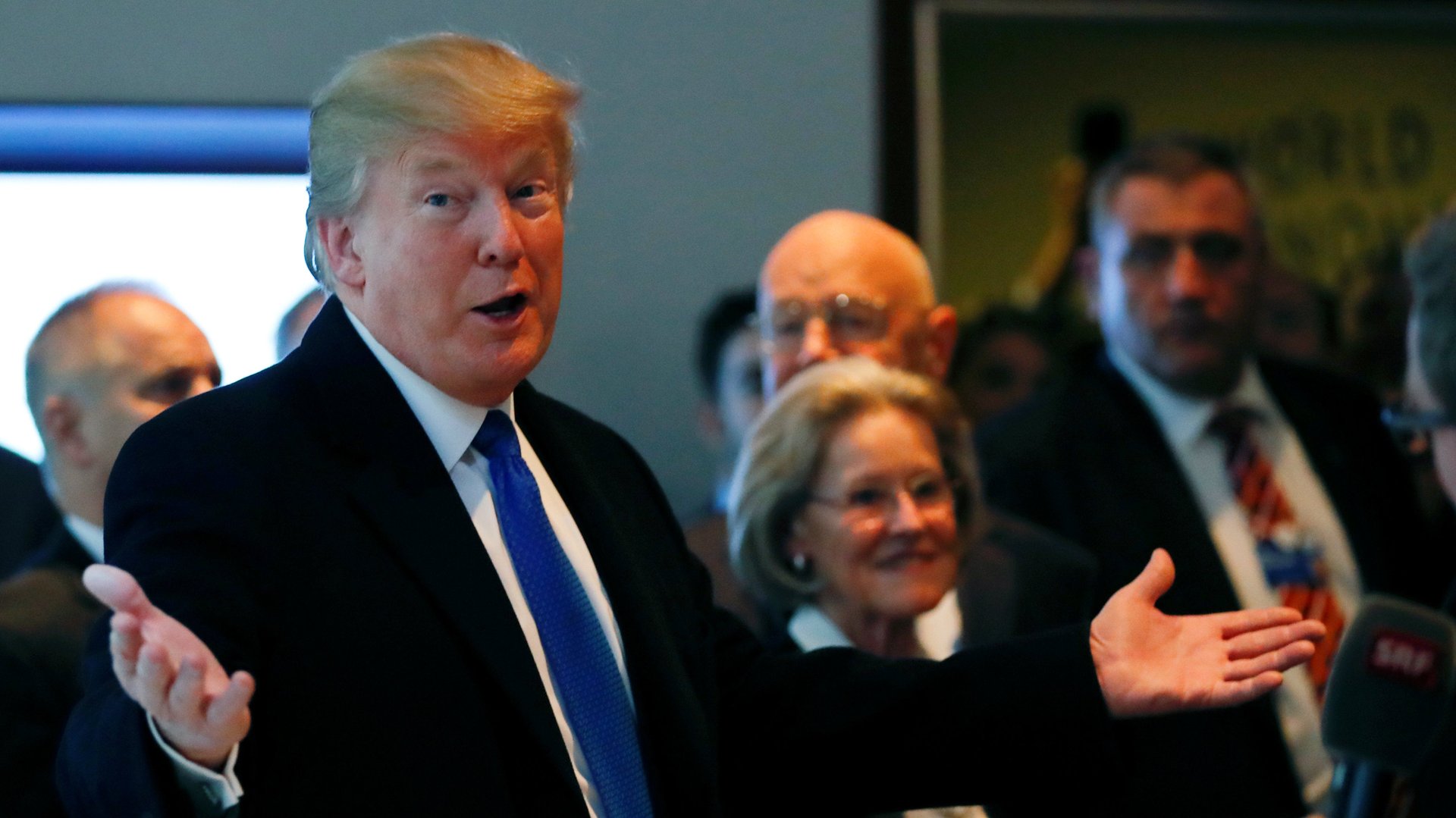
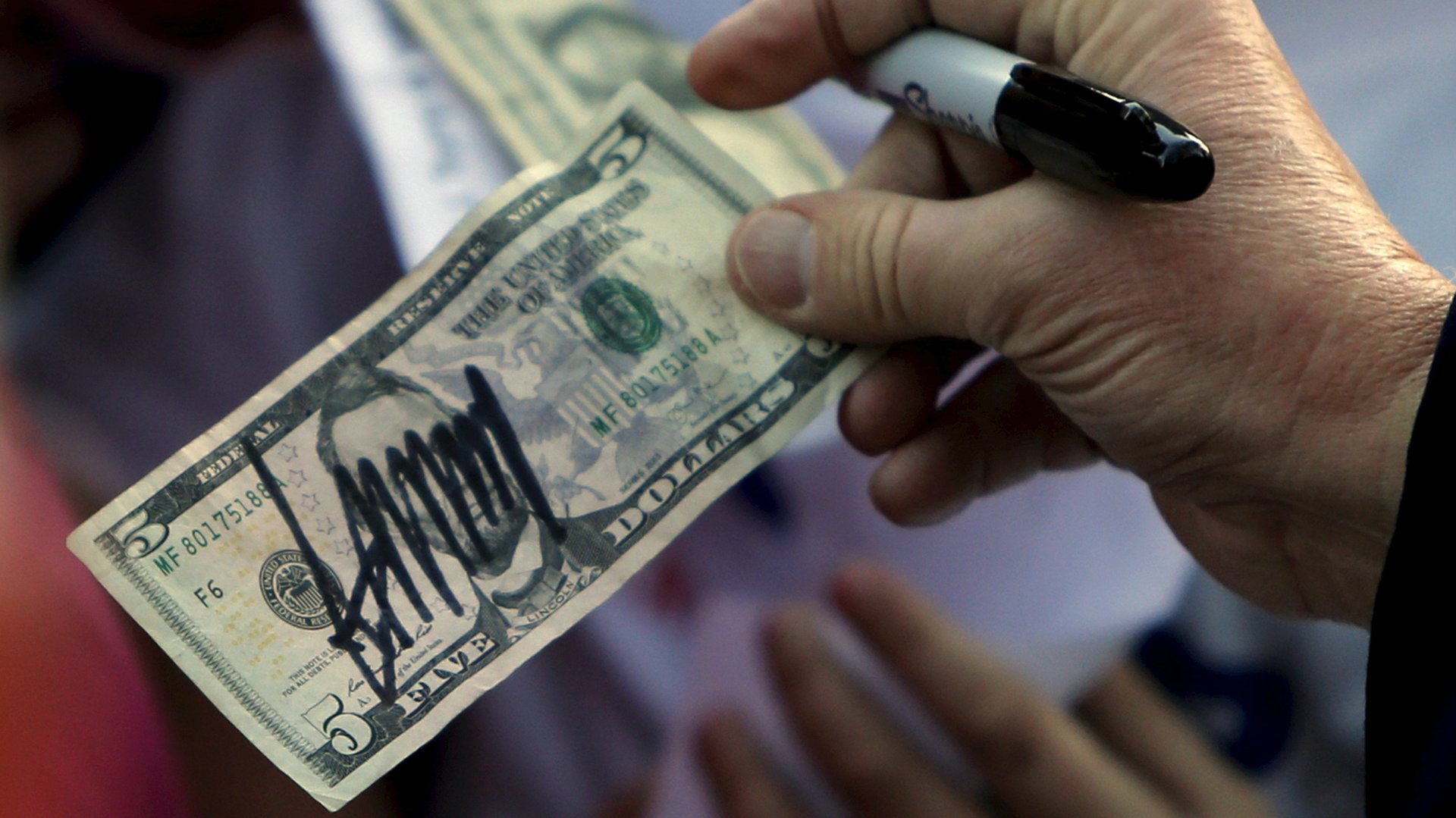
For weeks, Donald Trump has been touting a specific statistic. In tweets, the State of the Union, and at the World Economic Forum gathering in Davos, he bragged that the black unemployment rate in the US is the “lowest ever recorded.”

Bitcoin giveth, and bitcoin taketh away.

The best way to show you’re in the know in economic circles is by throwing around the word “synchronous.” That word is being used with increasing regularity to describe the current state of the global economy, which is experiencing a synchronized growth upswing that hasn’t been this widespread in a long time.

Is gross domestic product a sufficient measure of an economy’s health? Many argue that GDP, which counts the sum of the goods and services produced by a nation, fails to reflect a population’s wellbeing, because it accounts for neither distribution of income nor extractive effects such as pollution.

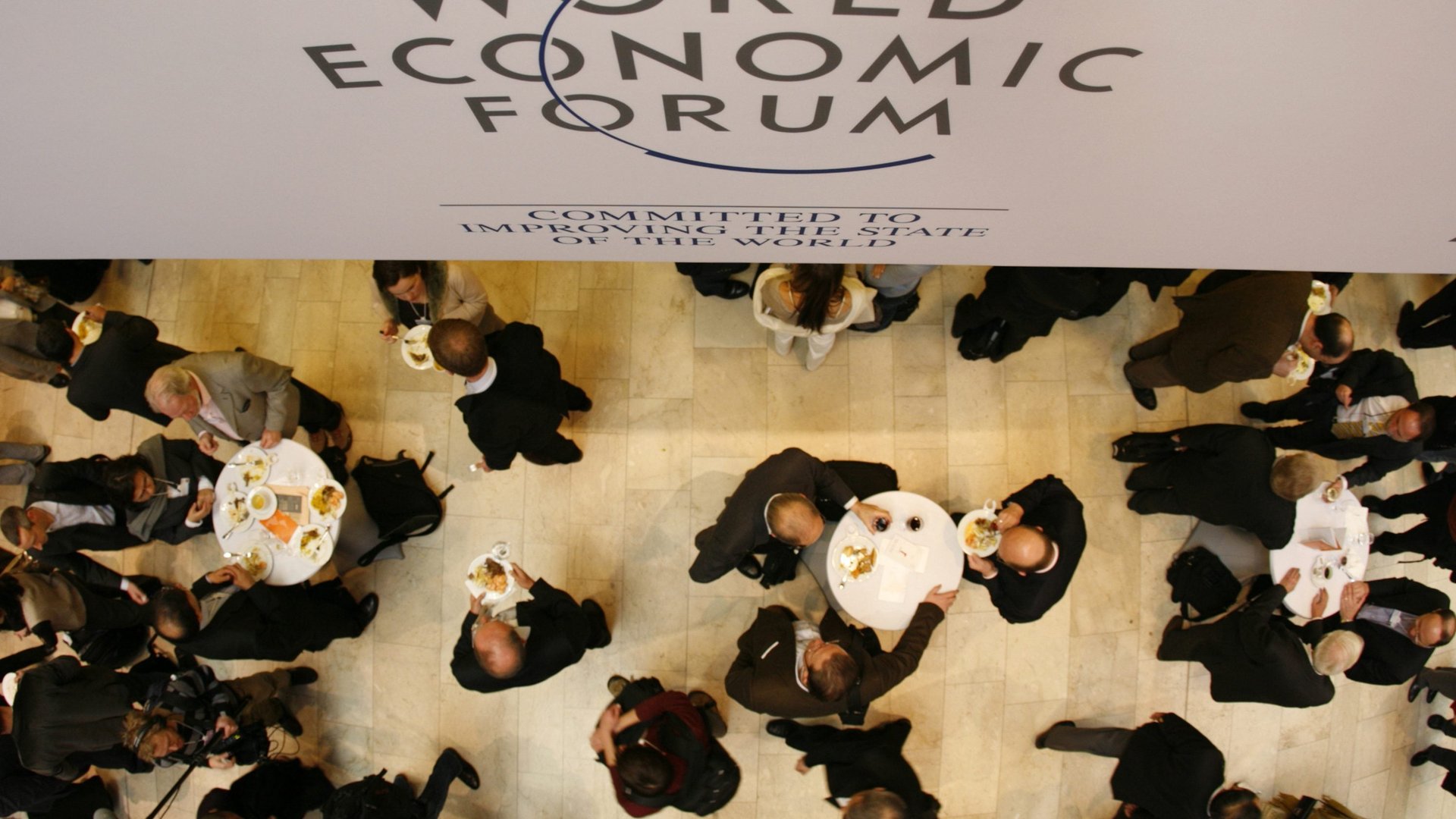
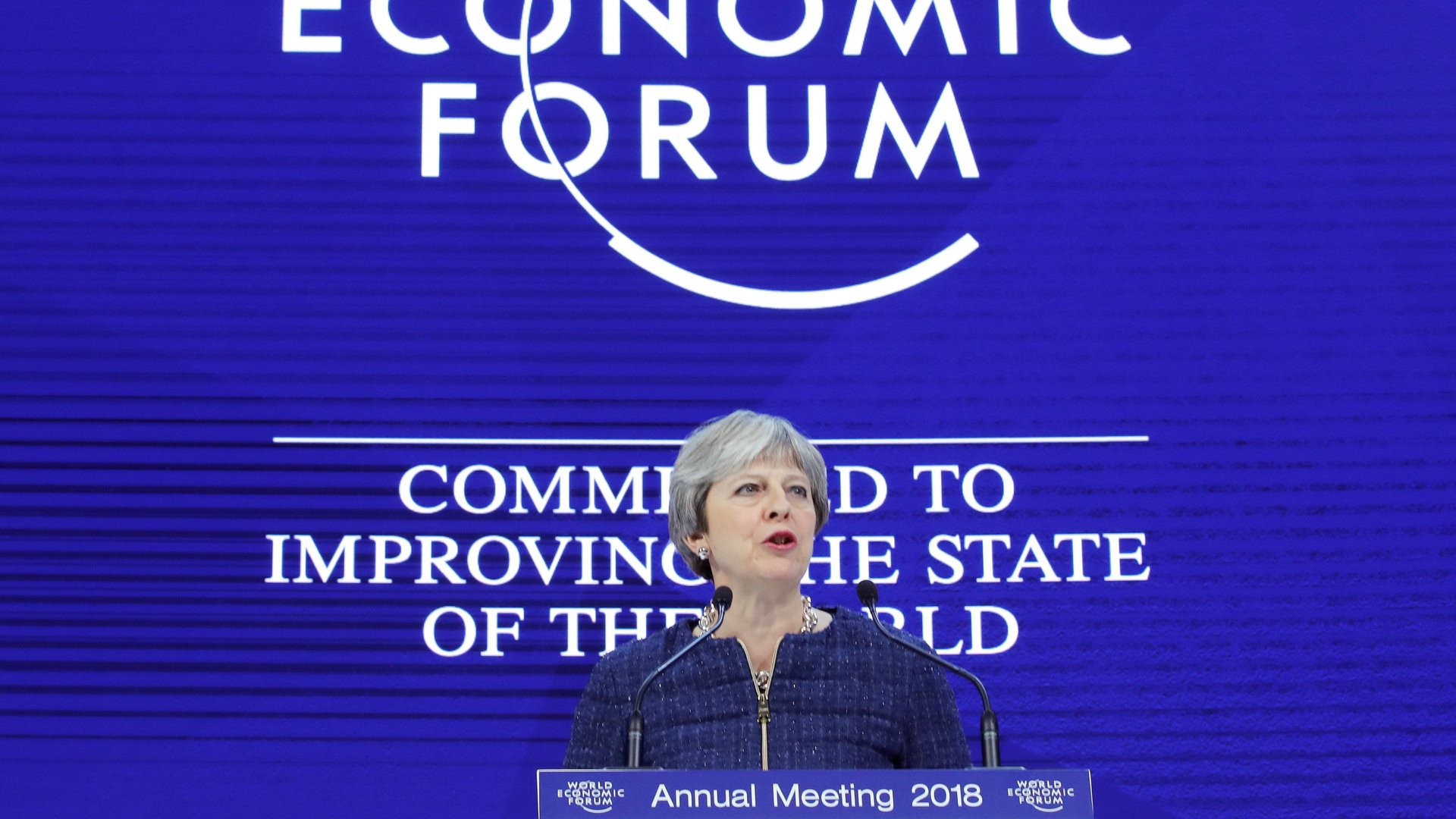
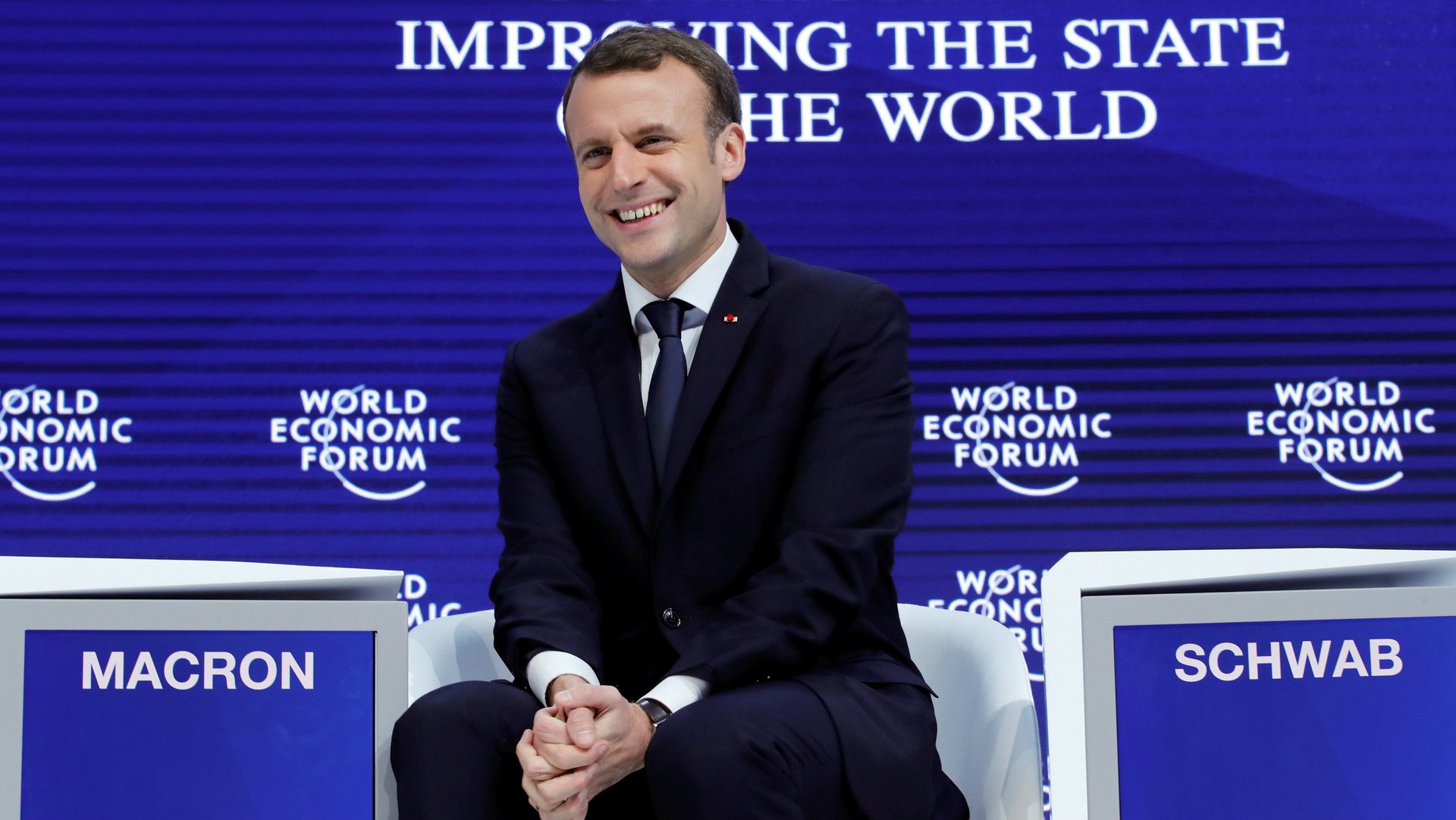
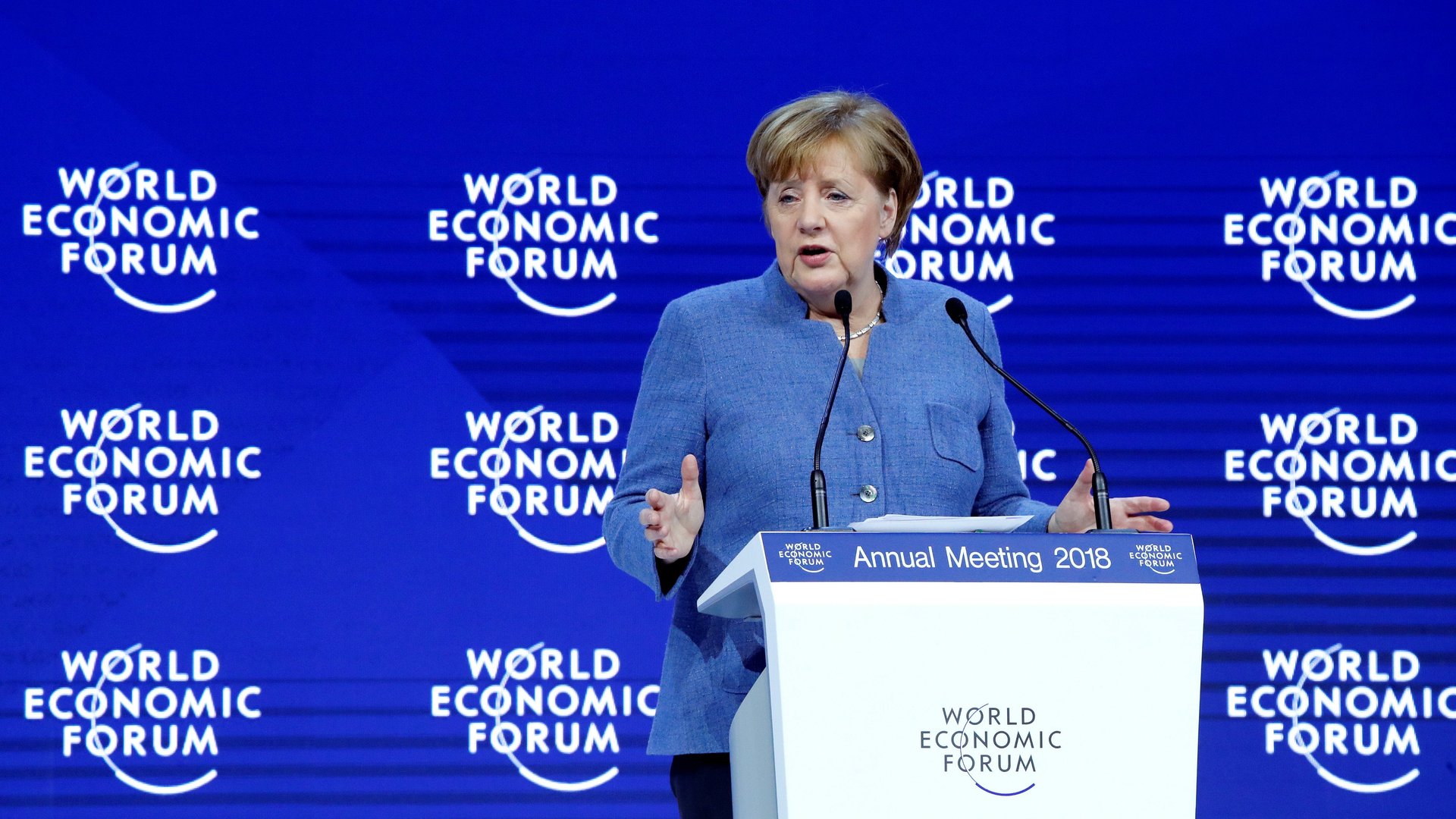
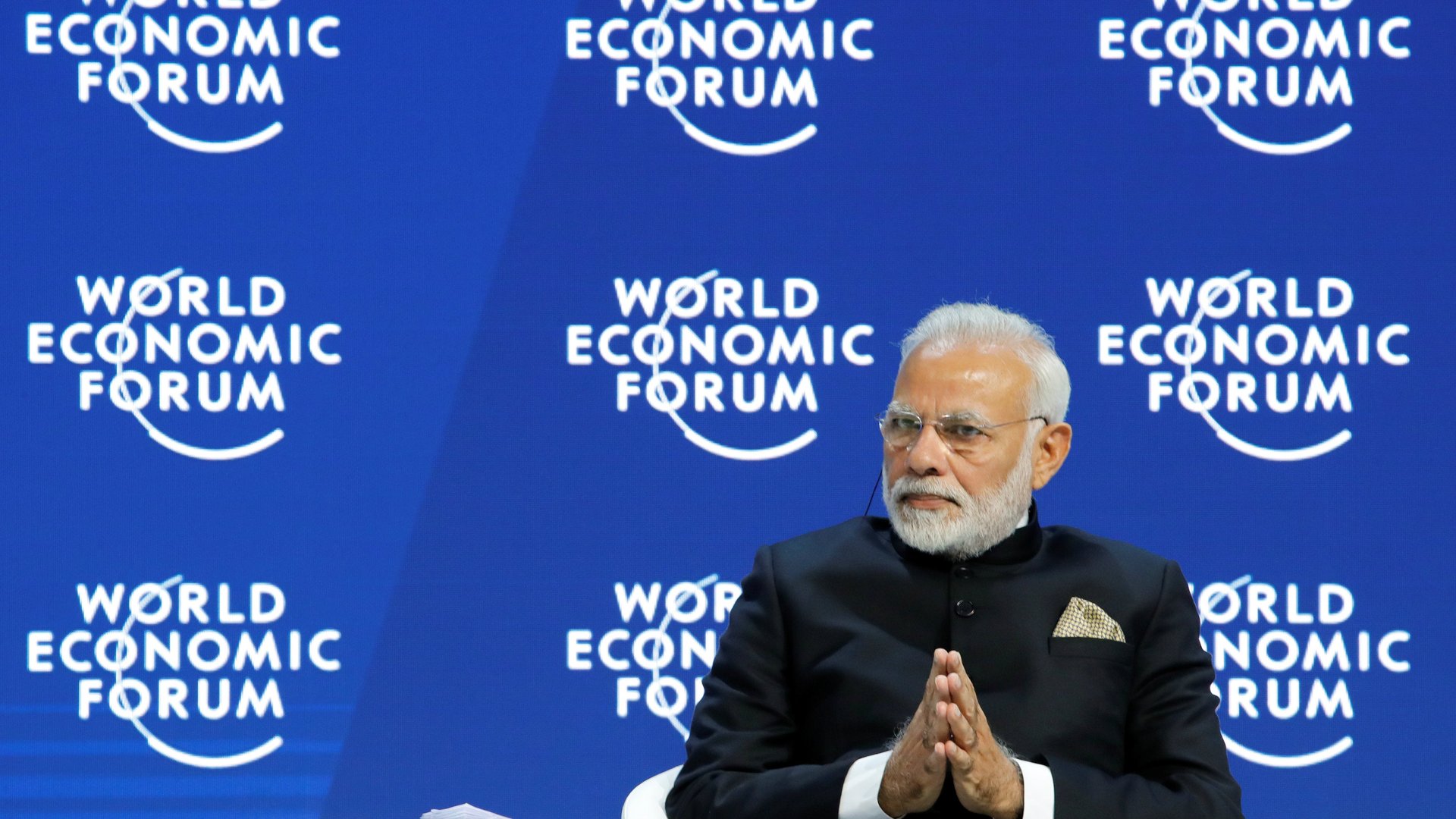
In Davos this week, 3,000 world leaders and business bosses attended hundreds of talks, workshops, dinners, and other get-togethers. The takeaway: Artificial intelligence and climate change are going to ruin us, but blockchain and women are going to save us.

Davos, Switzerland

Davos, Switzerland

Davos, Switzerland

Davos, Switzerland

Davos, Switzerland

Davos, Switzerland

By traditional standards, the global economy is experiencing something of a renaissance. For the first time since the 2008 financial crisis, every major region in the world is growing at the same time. But there remains a growing unease that measuring the health of an economy by GDP alone disguises the truly burning issues—namely, inequality.

We increasingly live in our own echo chambers, surrounded by like-minded peers convinced that the rest of the world has got it all wrong. Around this time each year, one of the biggest bubbles envelopes the Swiss resort of Davos, where the global elite gather for the World Economic Forum to cheer on free trade, free markets, and the liberal world order.

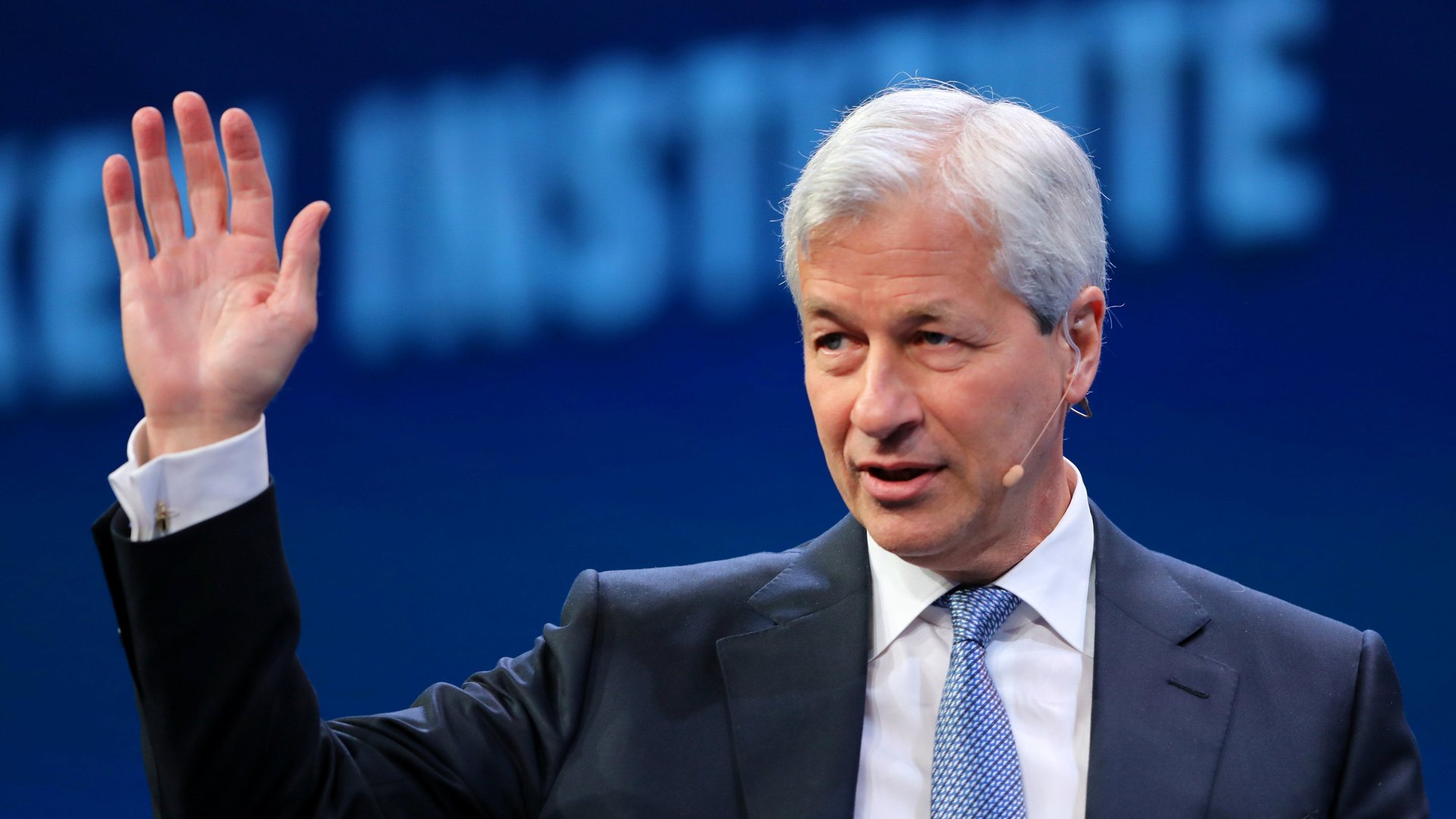
Jamie Dimon didn’t need to jump on the 1,000% bitcoin rally last year to make a decent buck. JPMorgan compensated its CEO $29.5 million in 2017, a 5% increase on the previous year. It’s the most since 2007 when Dimon received a staggering $50 million.

For the second year running, business and political leaders think the world’s biggest threat is extreme weather, according to the latest Global Risks Report by the World Economic Forum (WEF) published today.

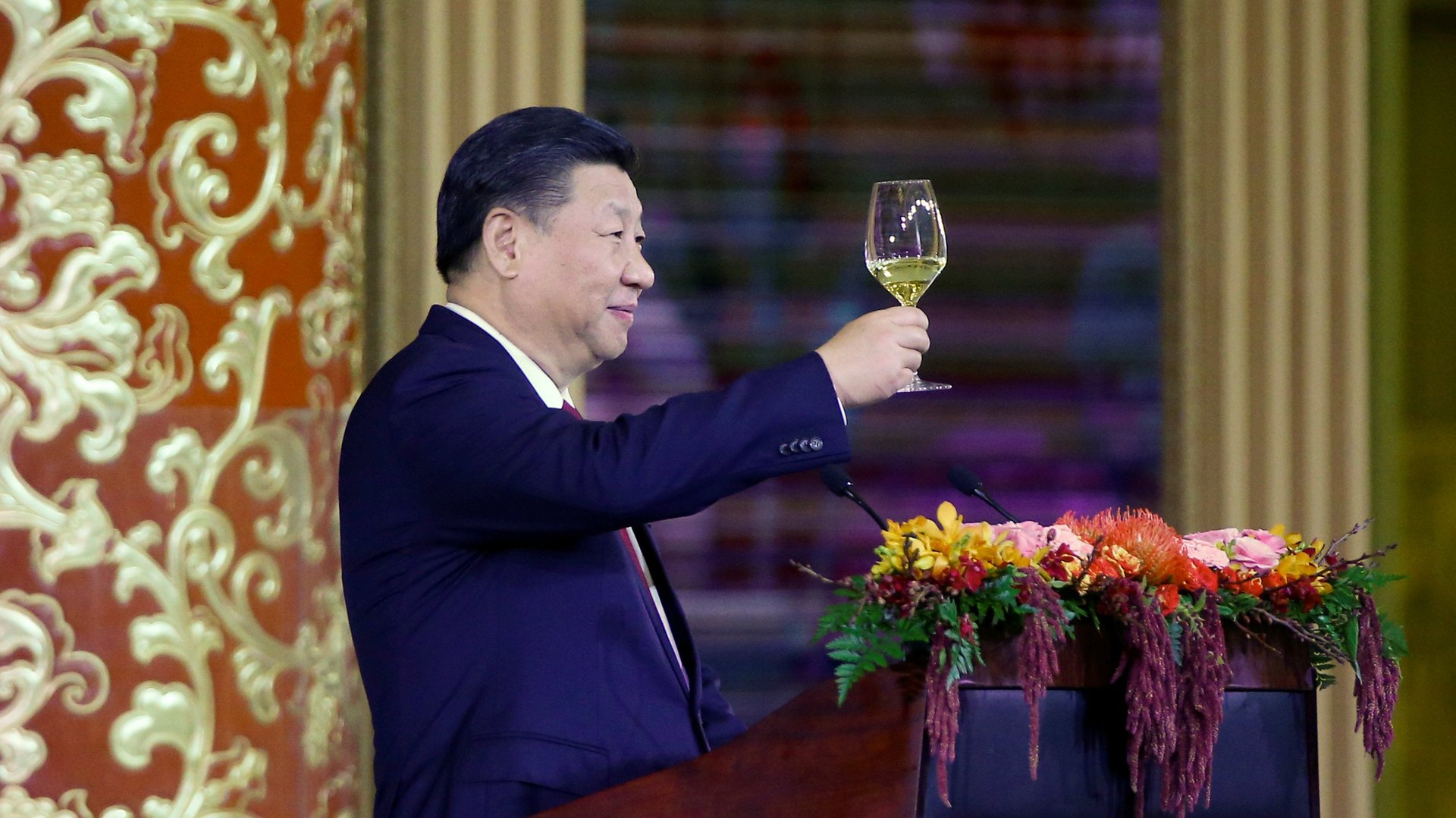
Late last year, China’s Xi Jinping said it was time for the nation to “take center stage in the world.” There are many ways for China to do this, including promoting globalization, boosting foreign aid, and developing advanced technologies. Another critical step in taking “center stage” is to be at the center of the global economy. To achieve this, China is, among other things, trying to internationalize its currency.

Things have gone from bad to worse for the US dollar. After recording its first annual decline in five years in 2017, an index of the US currency versus America’s largest trading partners has now dropped to its lowest level in three years.

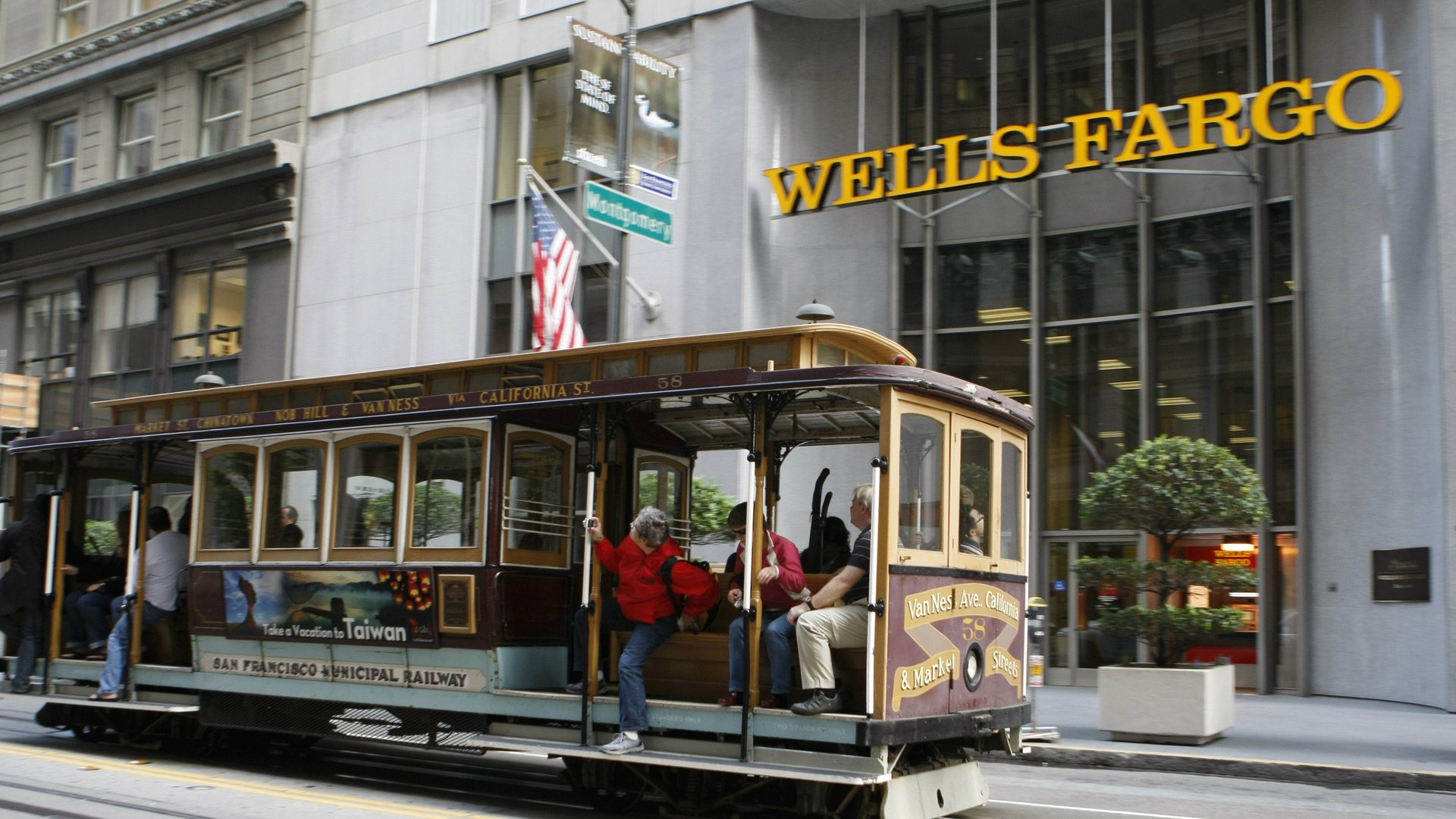
Wells Fargo’s legal troubles are far from over.

The World Bank’s assessment of the global economy starts off well. We’re in the midst of a “broad-based cyclical upturn,” which is expected to last several years. Annual global GDP growth is forecast to rise to 3.1% this year and stay at this level or just below until 2020.

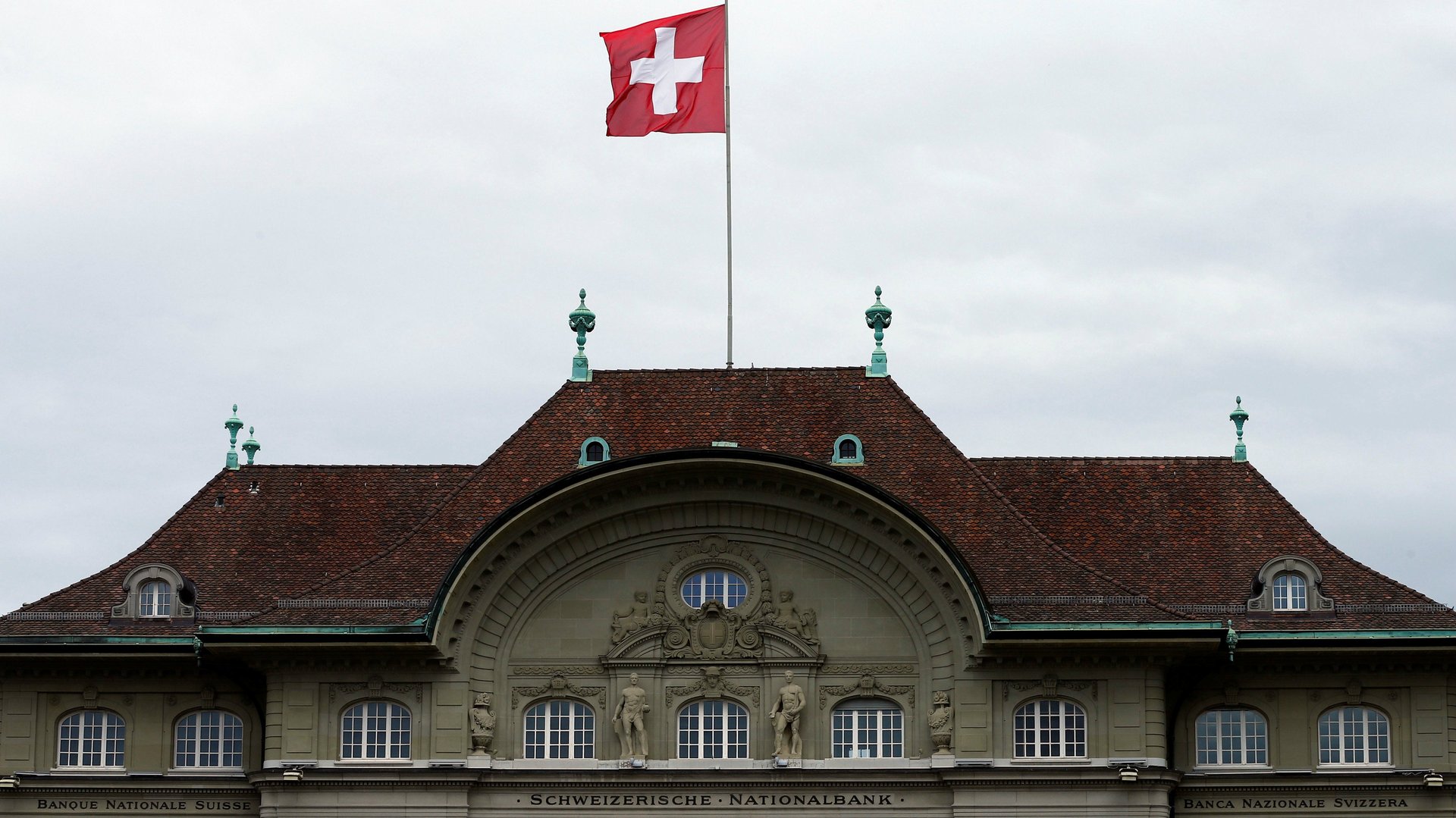
Watch your back Apple, the Swiss central bank is coming for your profit throne.

Last year was marked by stock markets, particularly in the US, setting one record high after another. A stronger global economy, better-than-expected company earnings, and the gradual removal of monetary stimulus combined to send stocks ever higher.

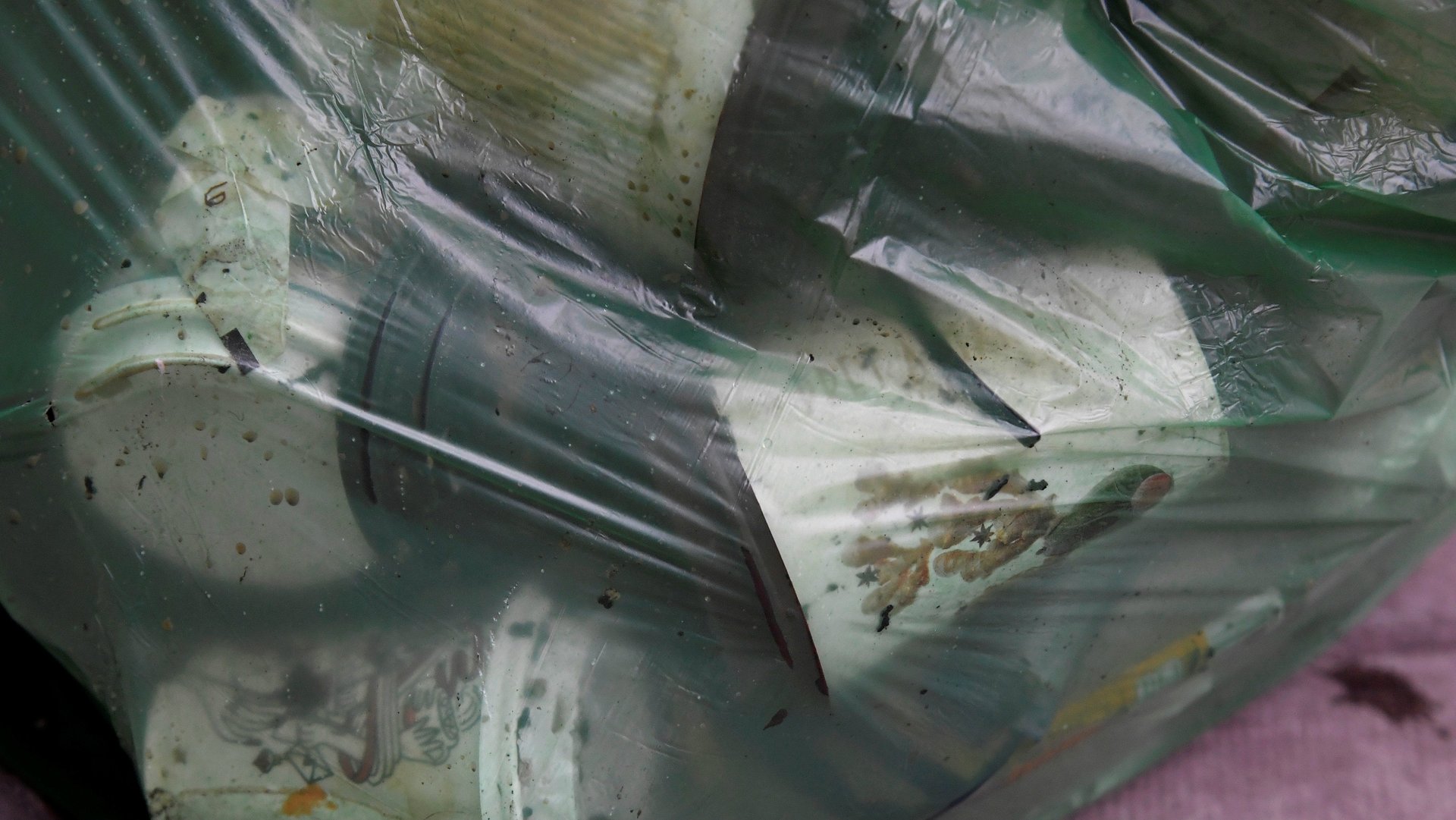
Since the start of the century, the number of coffee shops has risen four-fold in the UK, takeaway coffees have become more and more readily available in supermarkets and gas stations, and now an estimated 2.5 billion coffee cups are thrown away each year. While these cups are technically recyclable, just 0.25% are actually recycled.

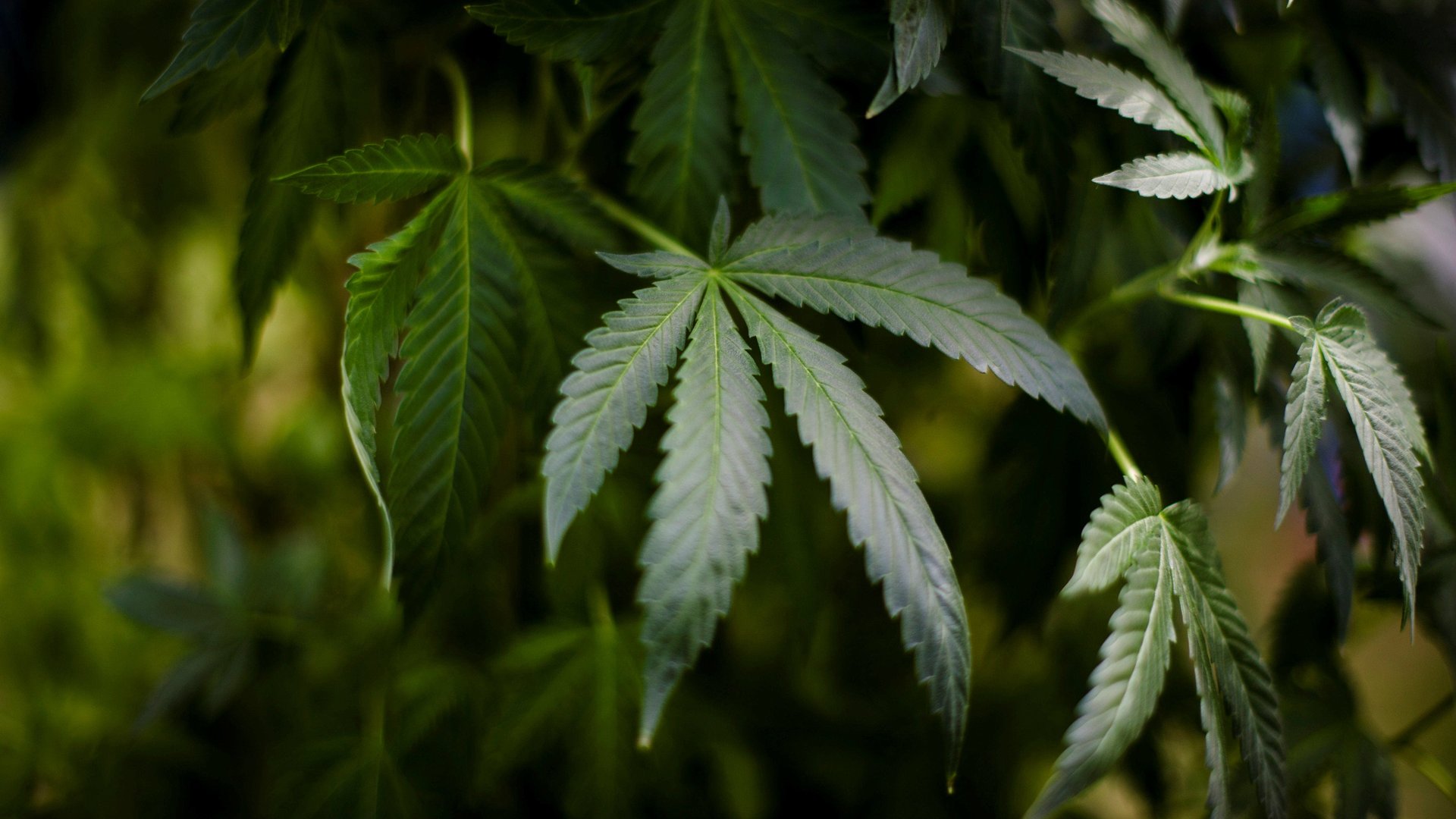
US attorney general Jeff Sessions aims to clamp down on recreational cannabis, causing a (seemingly brief) rout in marijuana-related stocks. A US exchange-traded fund for pot companies that had been gobbling up cash fell as much as 9% today (Jan. 4).