
Money & Markets
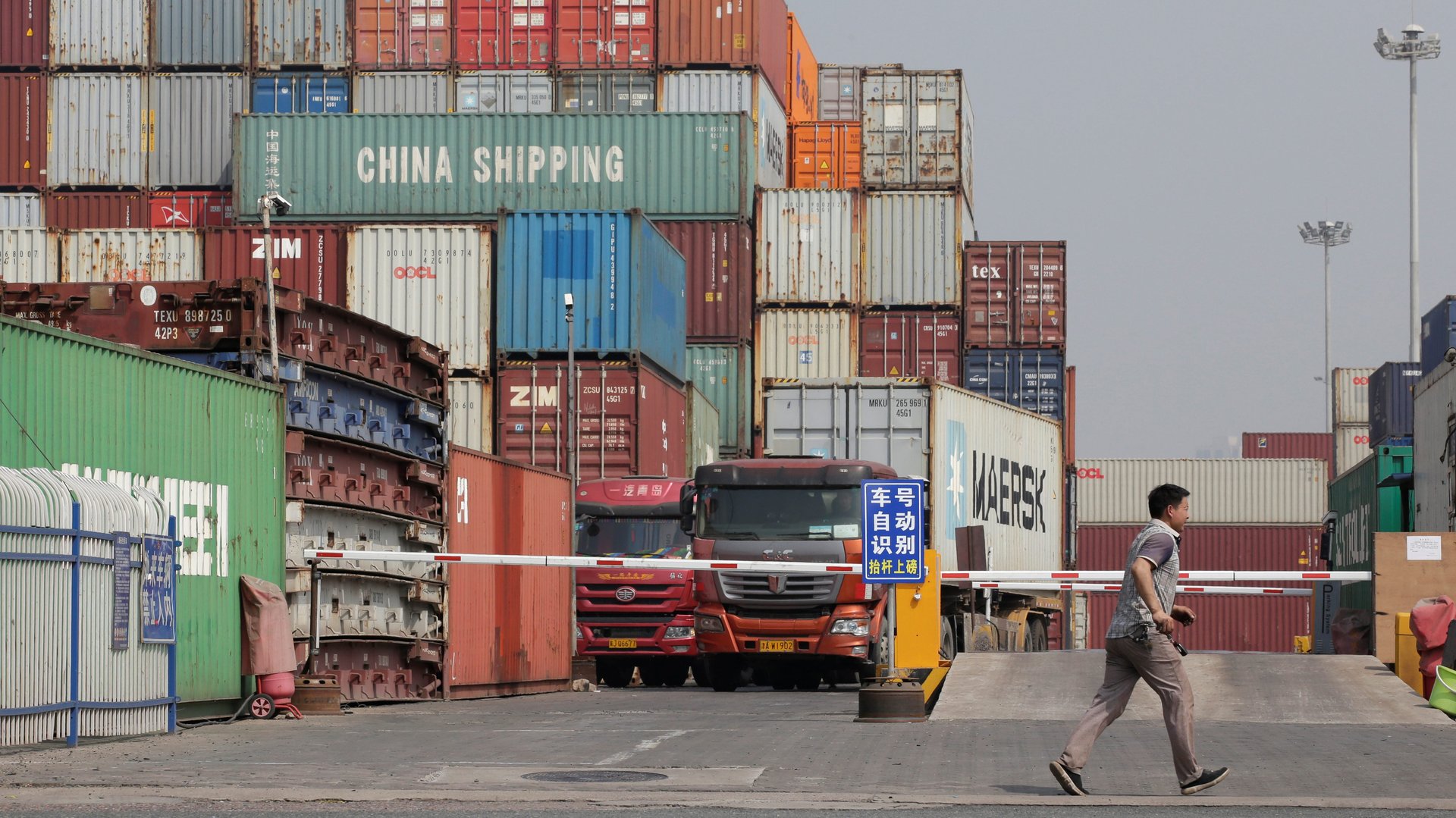
The US-China trade war is the biggest threat to the “fragile” global economy, the OECD says“Rather bleak.”
Updated July 21, 20222 min read
“Rather bleak.”
The S&P 500 index, one of the most recognizable stock indices in the world, just got a makeover in line with the latest trend in finance: ESG, or environmental, social, and governance, investing.

In March 2018, Victoria Bateman walked into the gala dinner at the annual conference of the Royal Economic Society in Brighton, the largest gathering of economists in the UK. Amid the formal business attire, Bateman stood out; she was completely naked, except for some jewelry fitting for a gala event. Across her chest she had written “RES,” the acronym used by the society, and across her stomach “PECT.”
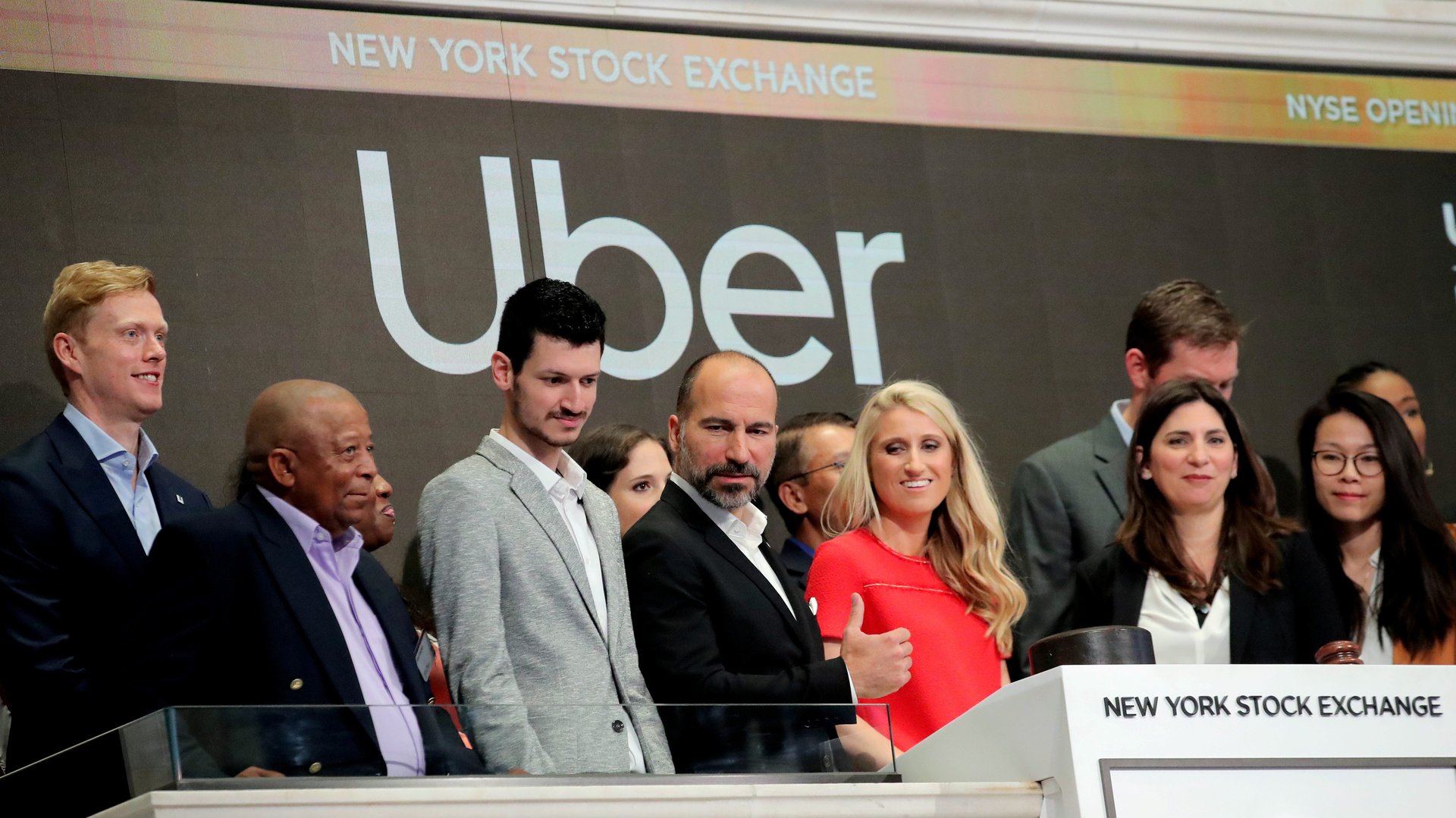
After all the hype, Uber picked a pretty bad day to go public.
After the UK economy recorded its worst performance for six years in 2018, things are looking up. For now.
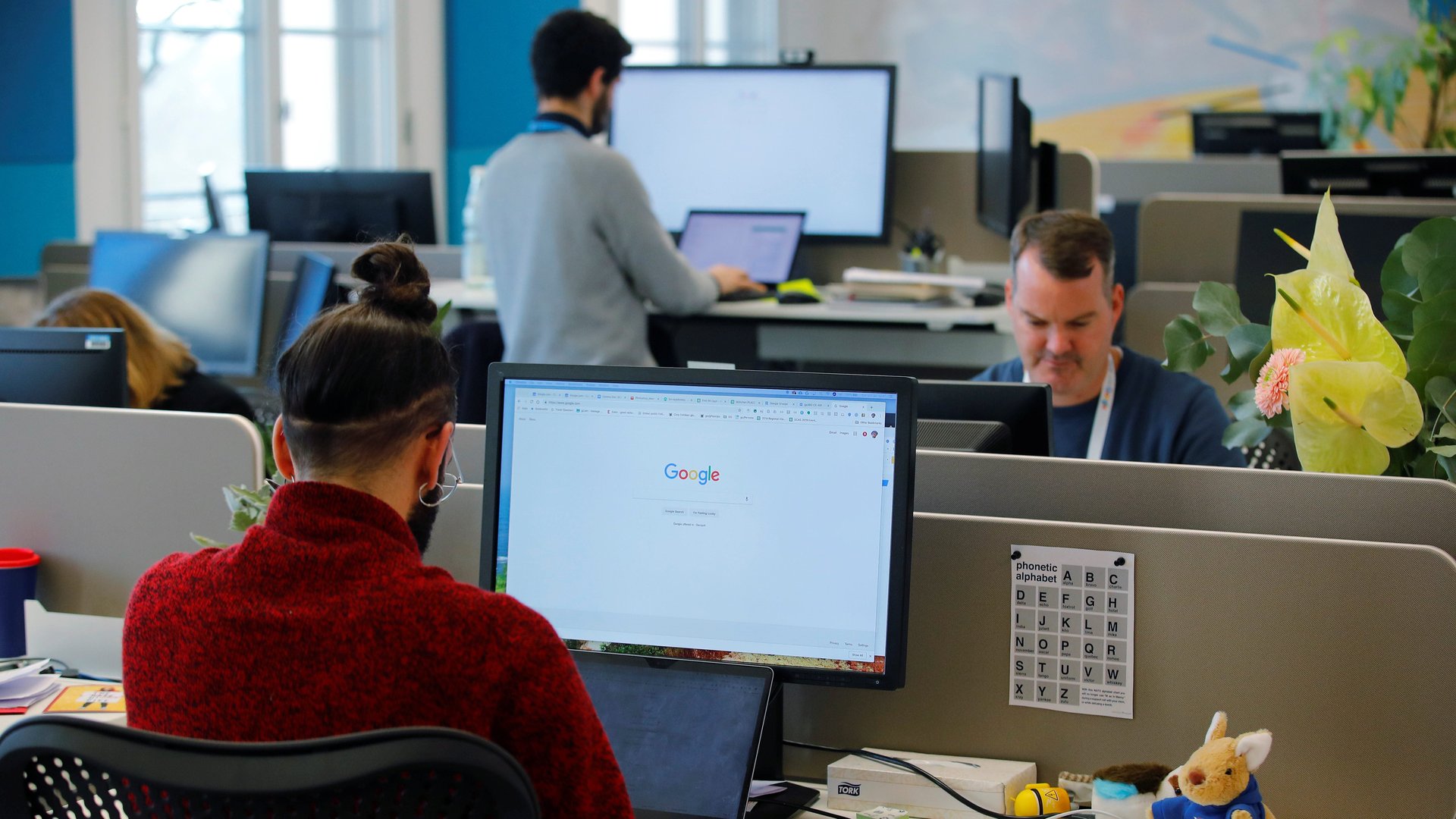
Three-quarters of Americans agree it is important for workplaces to promote racial and ethnic diversity, according to a study published by the Pew Research Center today.
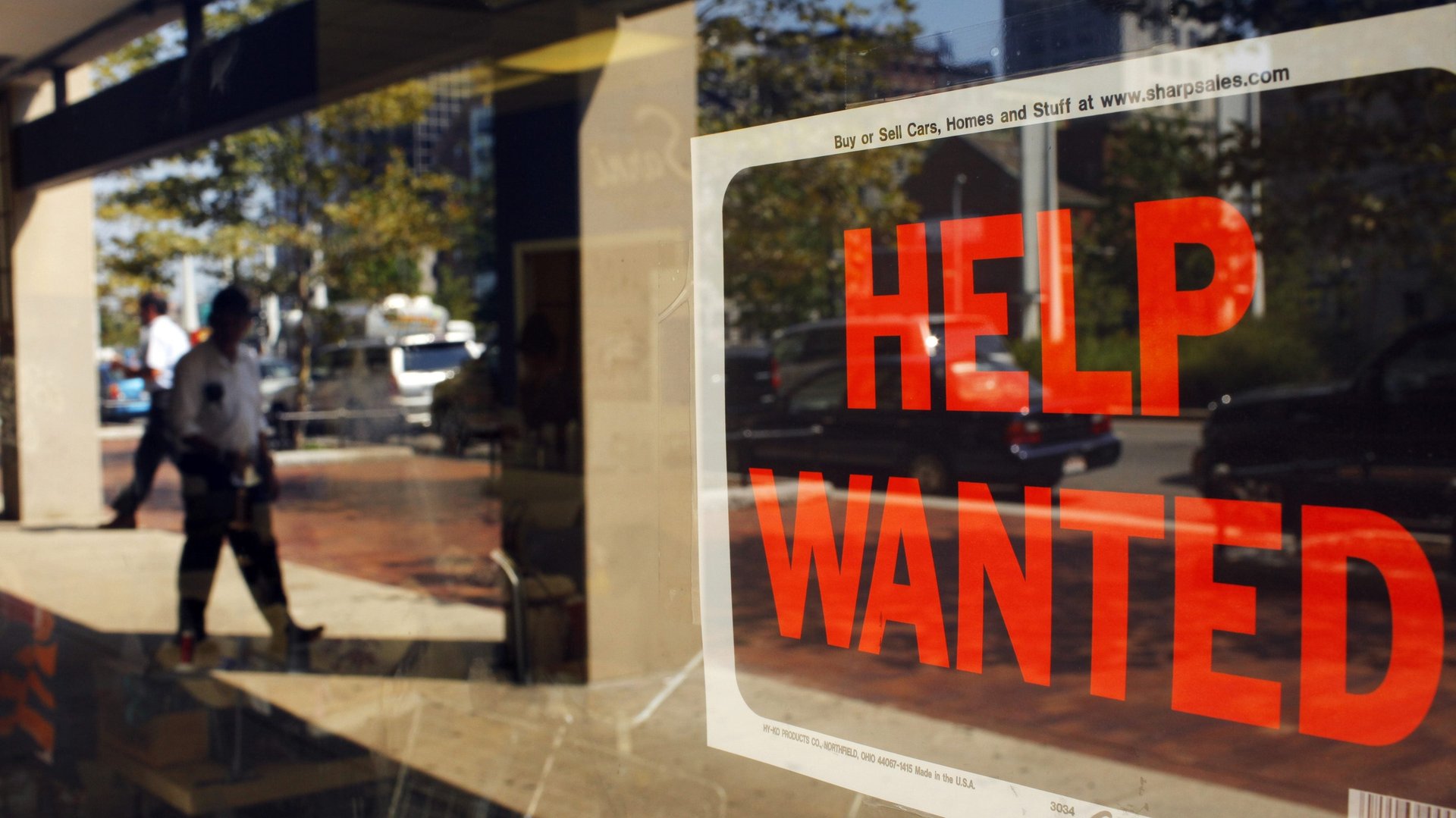
The US job market keeps on generating good news. The unemployment rate fell to 3.6% in April, the lowest since 1969, according to data published today.
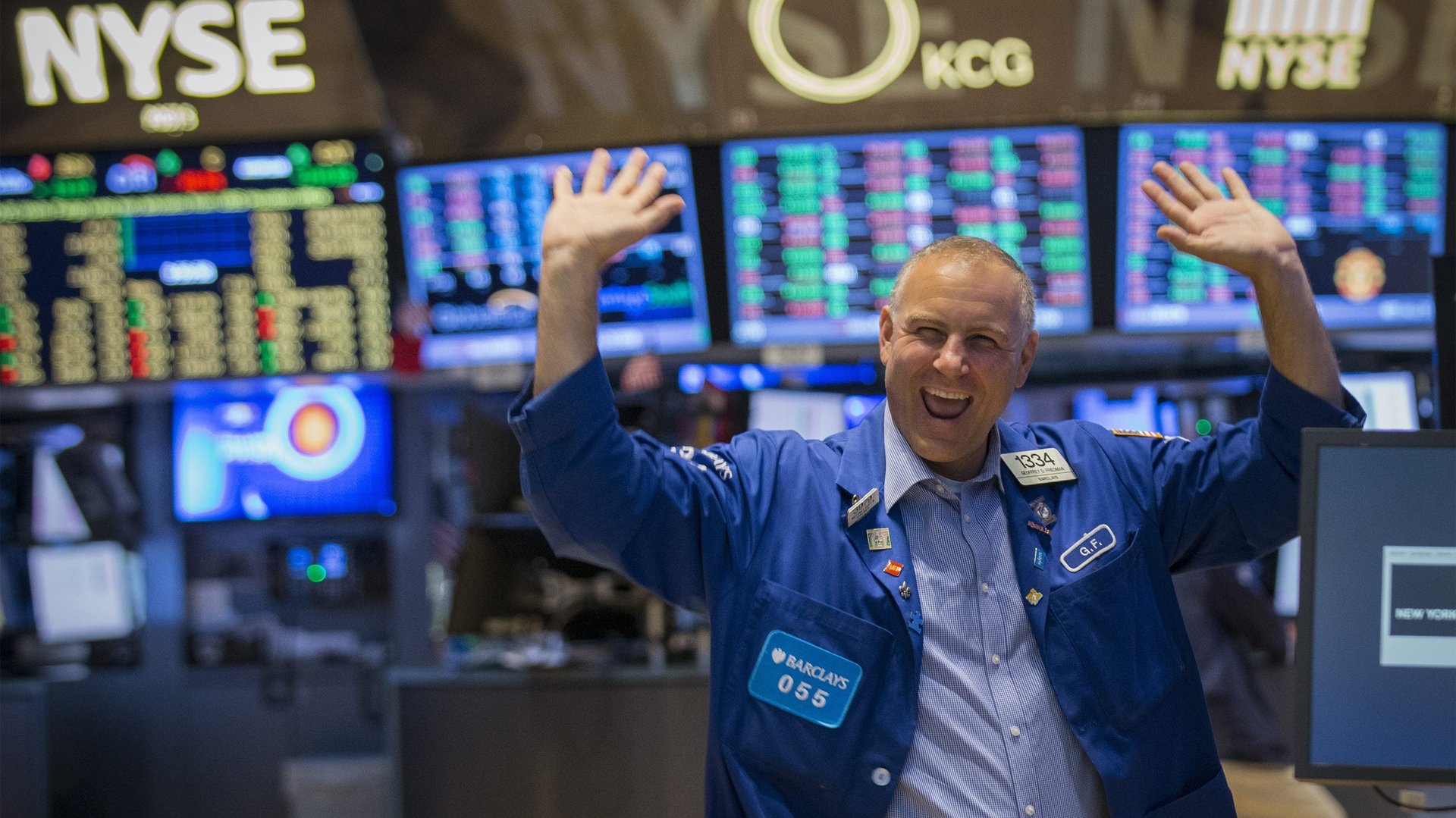
This is supposed to be a bad time for the global economy. The IMF forecasts a sychronized slowdown, with 70% of the world economy expected to record weaker GDP growth this year. Just a few weeks ago, bond markets were sending ominous signals that usually signal a recession is near.
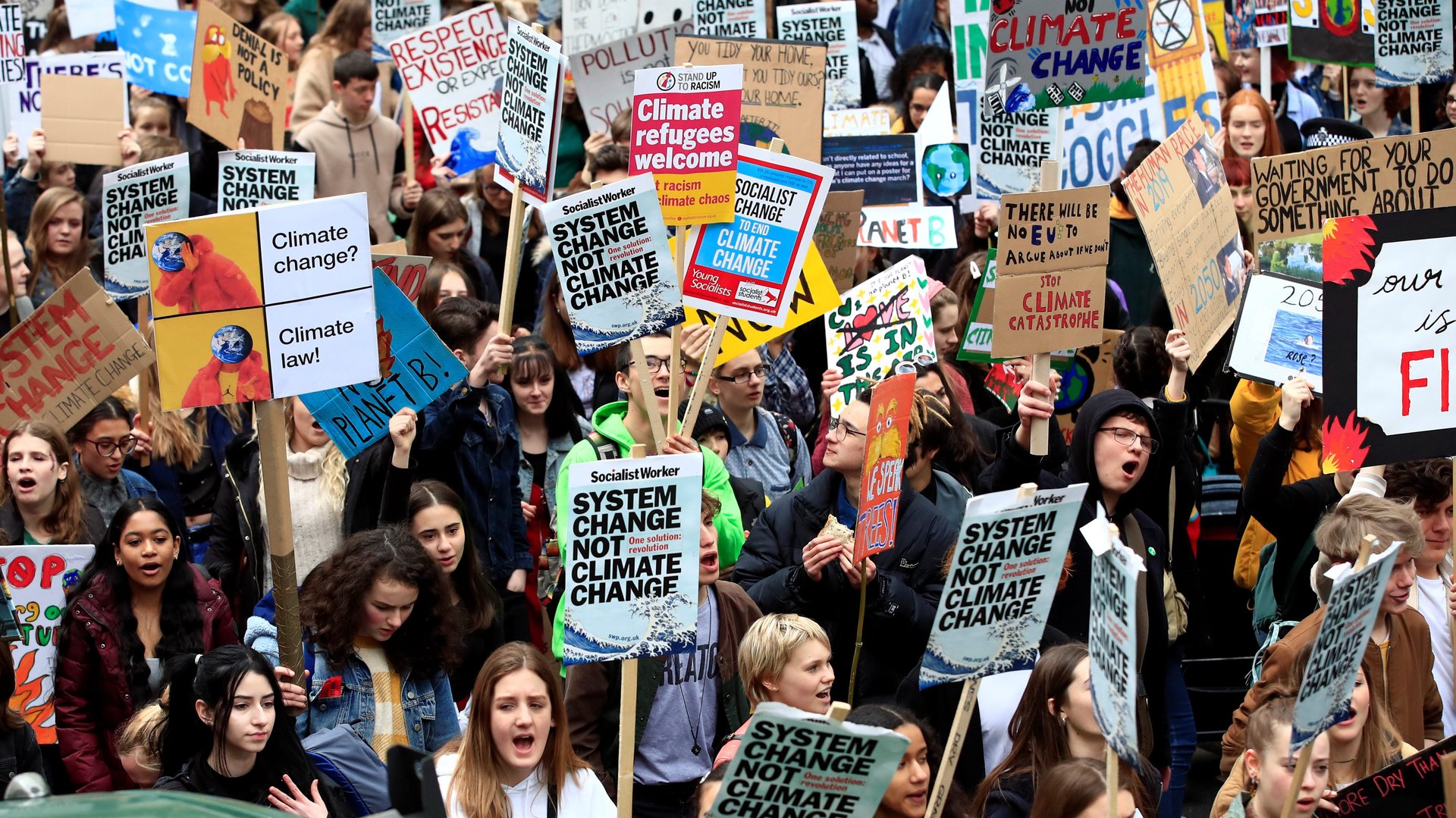
One of the major successes of the 21st century has been the reduction in global inequality. But the wealth gap between countries could have closed even further if not for climate change.
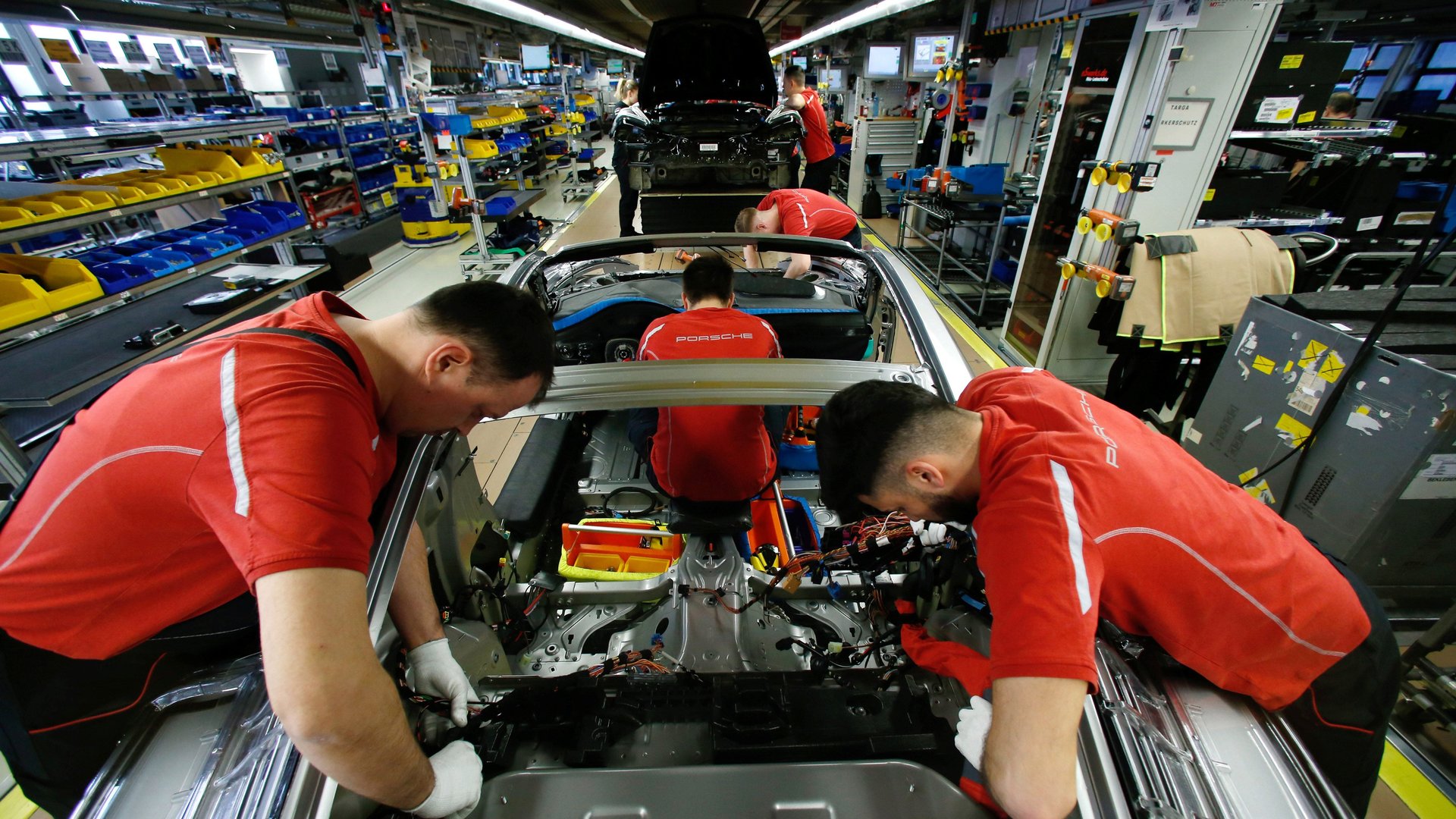
Germany’s economy contracted in the third quarter of 2018, and has been struggling to find its feet ever since.
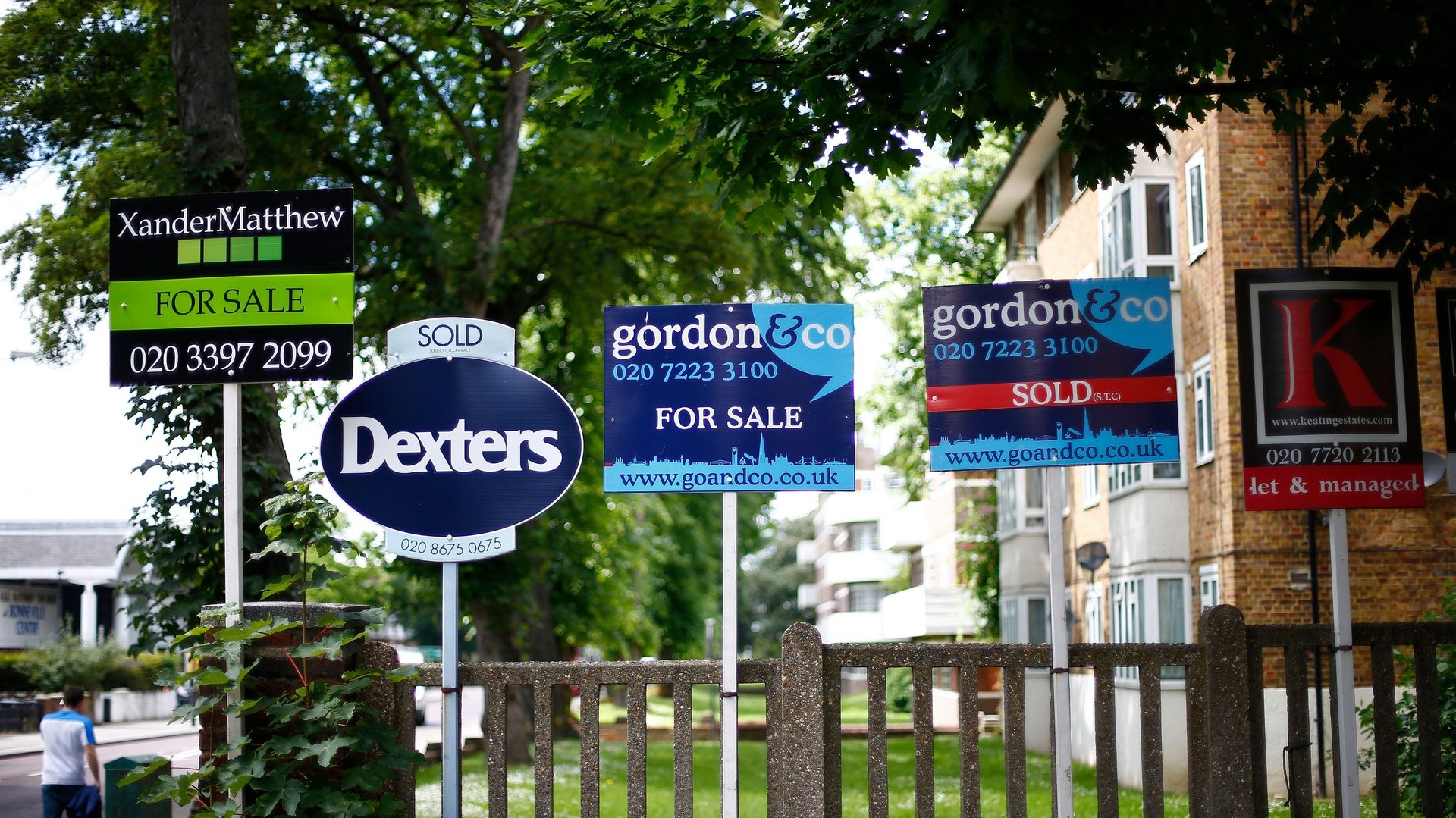
London property was once synonymous with runaway price growth and eye-watering unaffordability. The average house in the British capital is now £460,000 ($600,000), so it would be a stretch to say that property is affordable for the average Londoner. But price inflation has certainly reversed. Depending on whether you are a buyer or seller, this is something you can either thank or bemoan Brexit for.
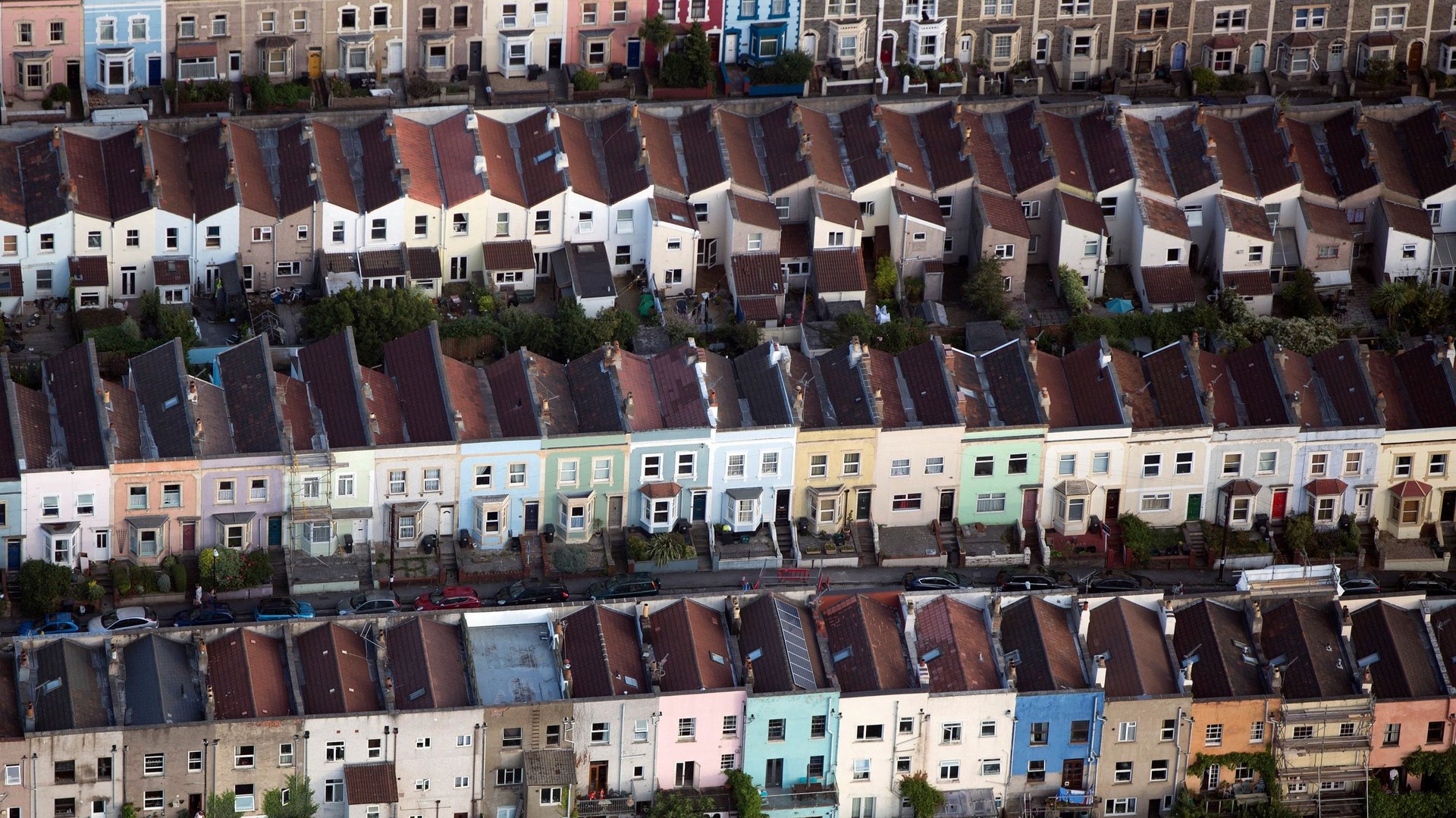
Across Western Europe and North America, the middle class is shrinking, according to a new report by the OECD. With each new generation, a smaller share of the population find themselves earning middle incomes.
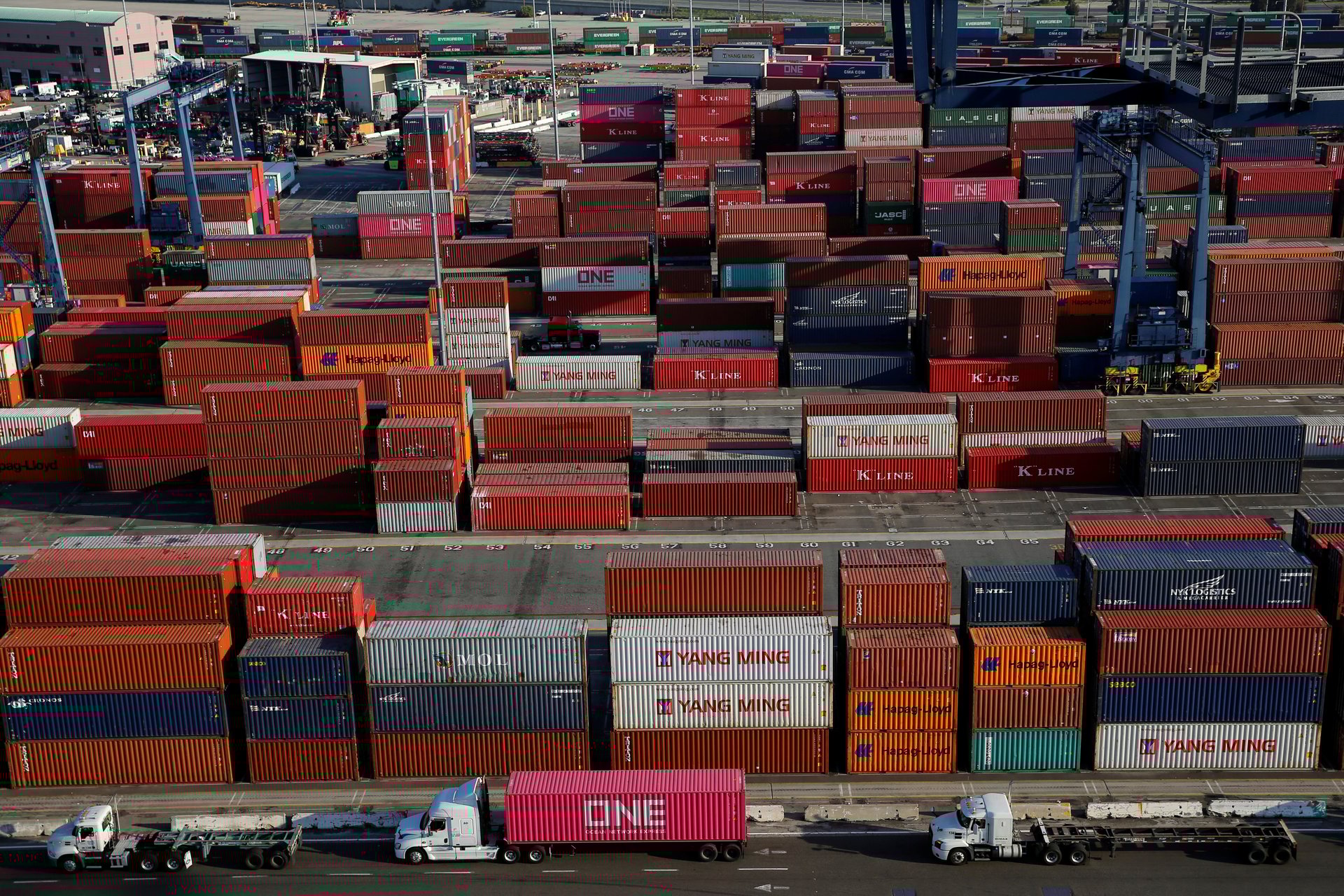
In all corners of the globe, warning signs are flashing about the state of the economy. The IMF recently downgraded its forecast for global economic growth for the fourth time in nine months. We are now in a “significantly weakened global expansion,” according to IMF chief economist Gita Gopinath.
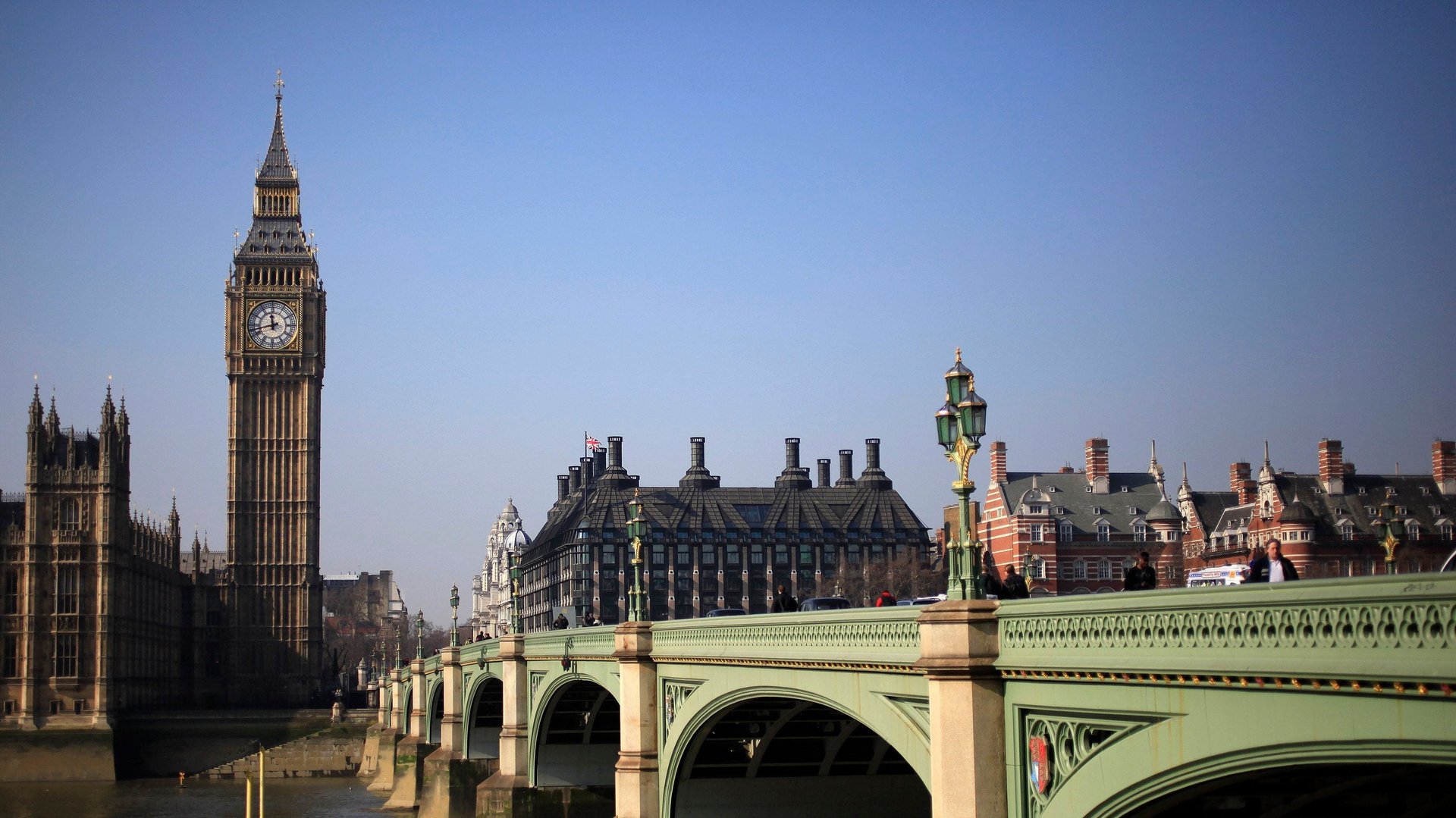
Brexit: When will it happen? How will it happen? Will it even ever happen? These seemingly unanswerable questions don’t need to be resolved to measure the impact that Brexit has had on the UK’s economy. (Or, rather, the idea of Brexit.) If the 2016 referendum to leave the European Union had gone the other way, the British economy would have been about 3% larger than it was at the end of 2018, according to S&P Global Ratings. The UK has forgone, on average, £6.6 billion ($8.7 billion) in economic activity in each of the 10 quarters since the vote.
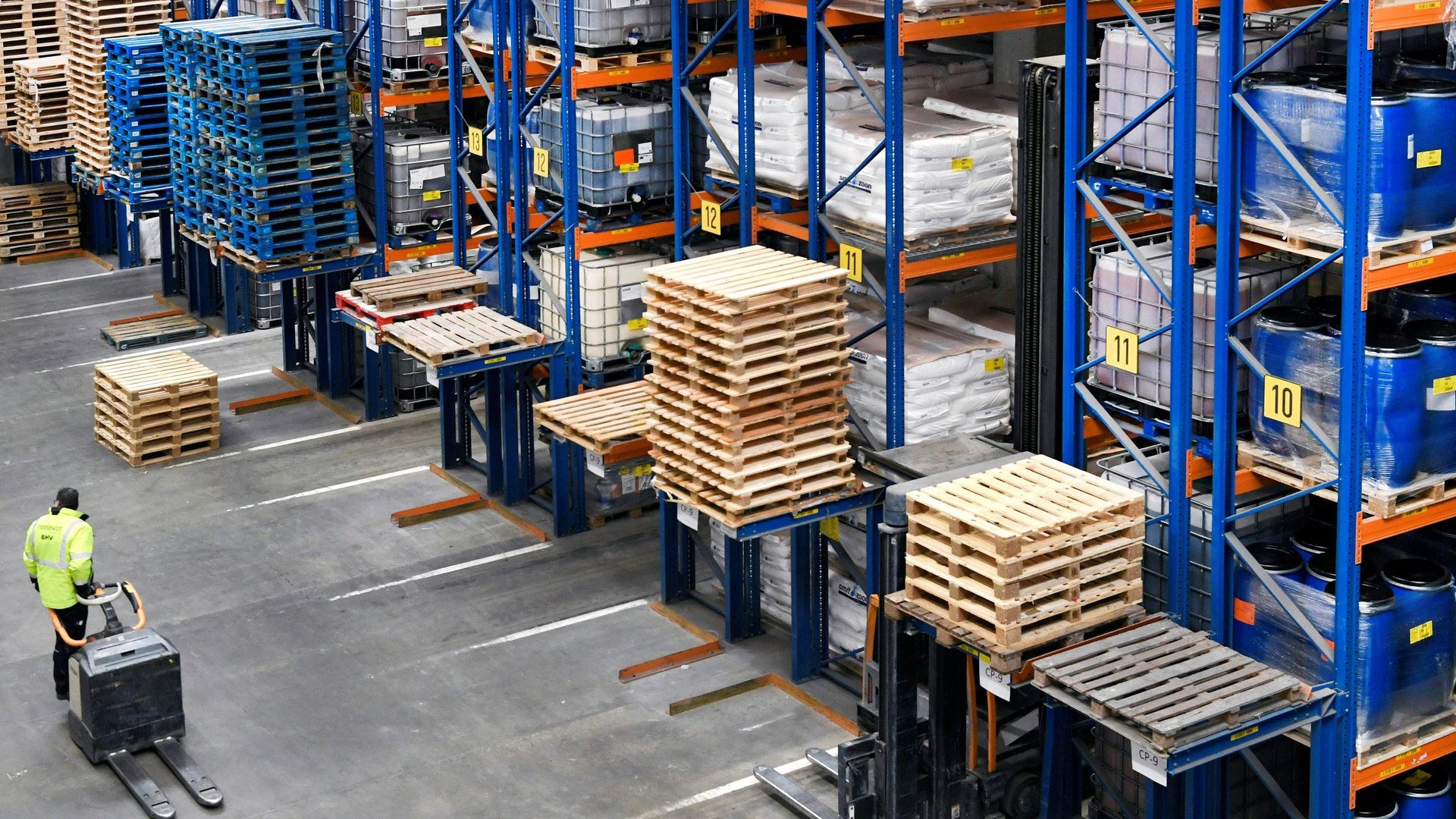
Brexit day may have been delayed by two weeks, but British factories are taking no chances with the risks to supply chains that would result from a messy divorce between the UK and European Union.

Twenty years ago today, the UK introduced a national minimum wage. From April 1, 1999, workers aged 22 and over would earn at least £3.60 ($4.71) per hour. It was estimated that the introduction of the rate would increase total UK labor costs by about £2.4 billion a year.
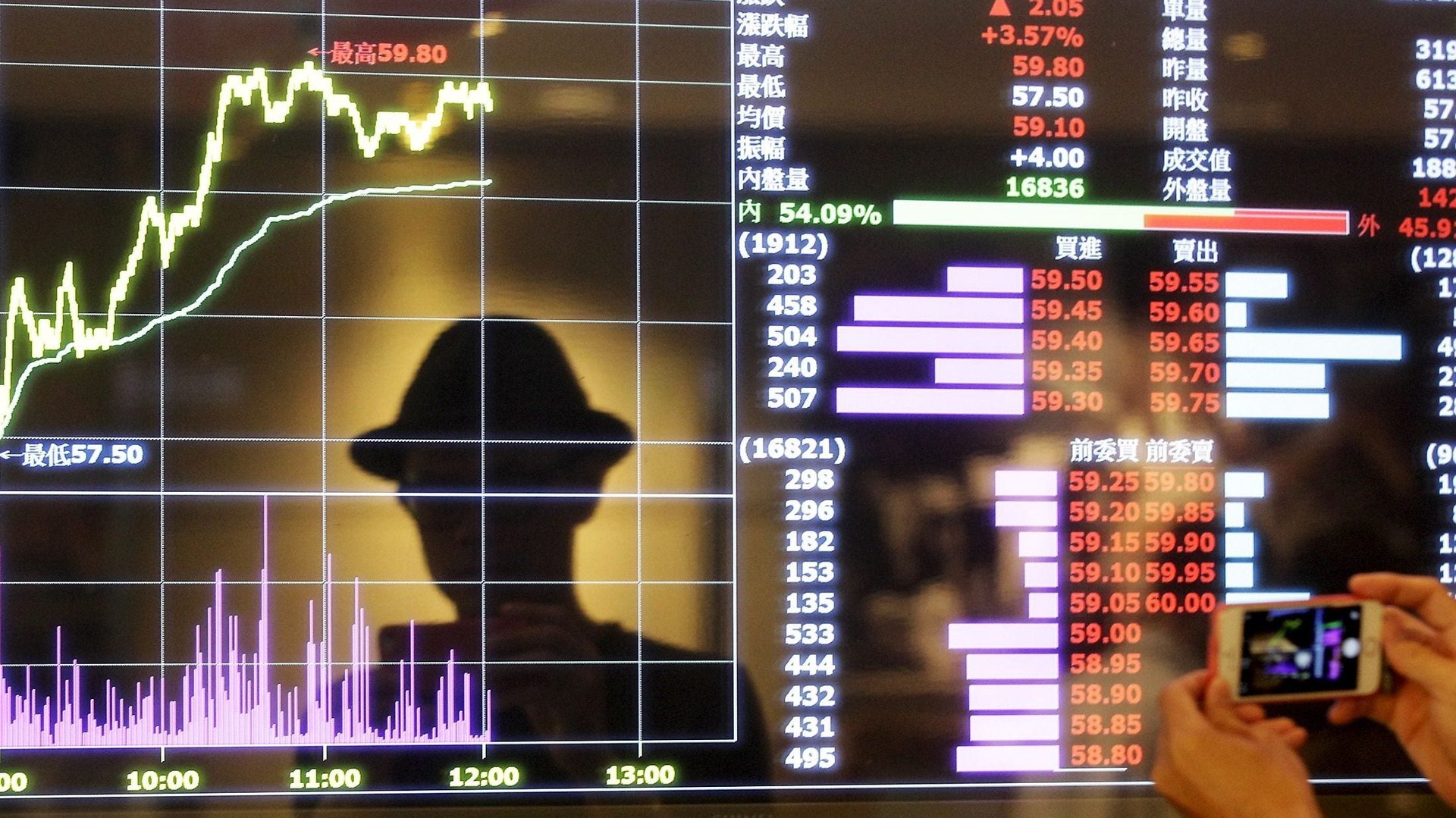
For decades, economists have tried to come up with better methods of measuring the economy than gross domestic product. But the dominance of GDP—a single figure, universally understood, and widely used for almost a century—has endured. This is despite its shortcomings gauging wellbeing and other factors that are important to a nation’s economic health. Now, though, some economists have created an ambitious new measure with the potential to challenge the preeminence of GDP.
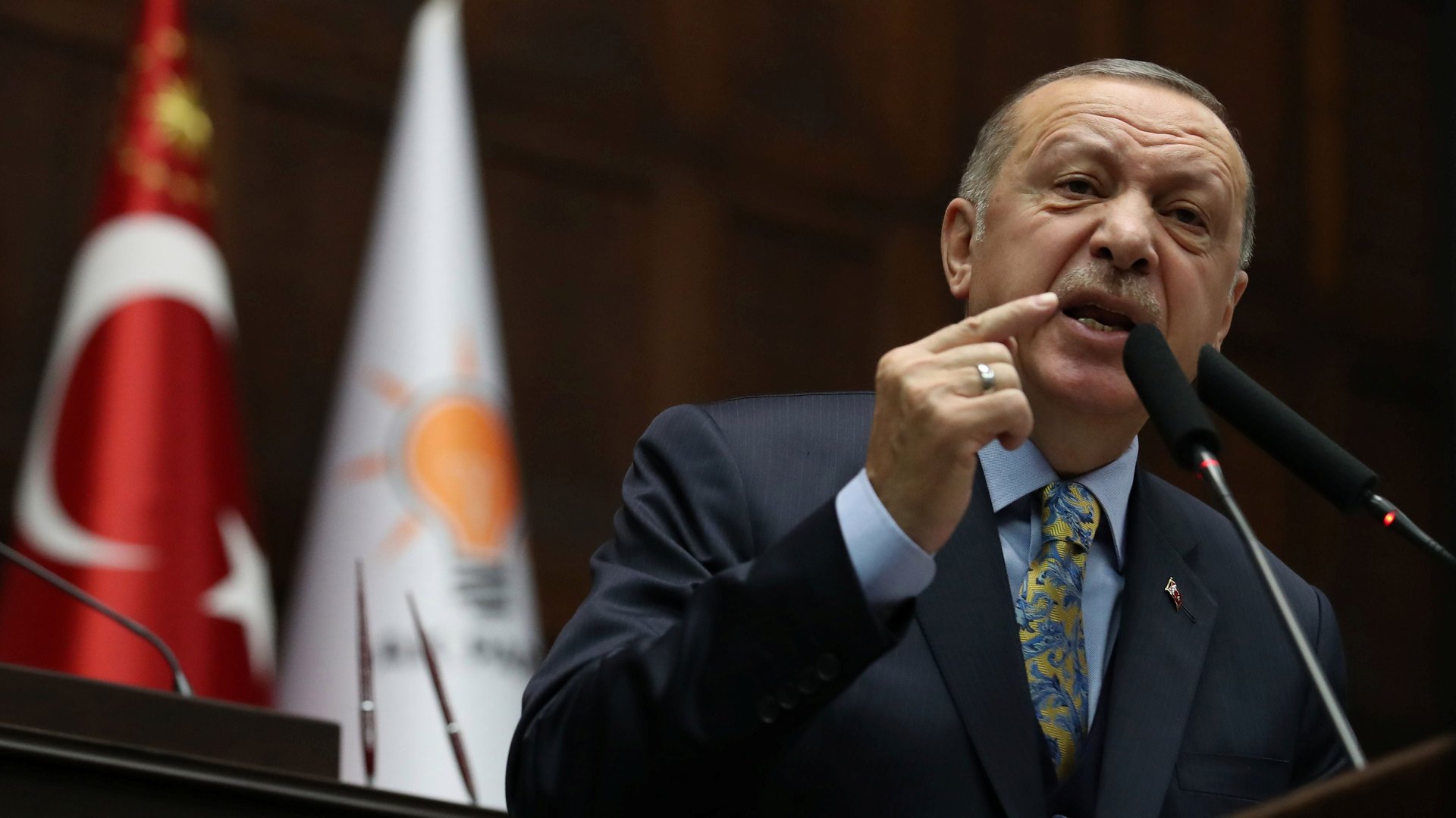
After a few months of relative calm, Turkish authorities are once again locked in a bitter battle with foreign-exchange traders. Ahead of local elections this weekend, Turkey’s government has been trying to prevent a damaging slide in the lira. One of its methods is to get Turkish banks to block foreign banks from selling the currency, essentially trapping them in trades, according to Bloomberg.
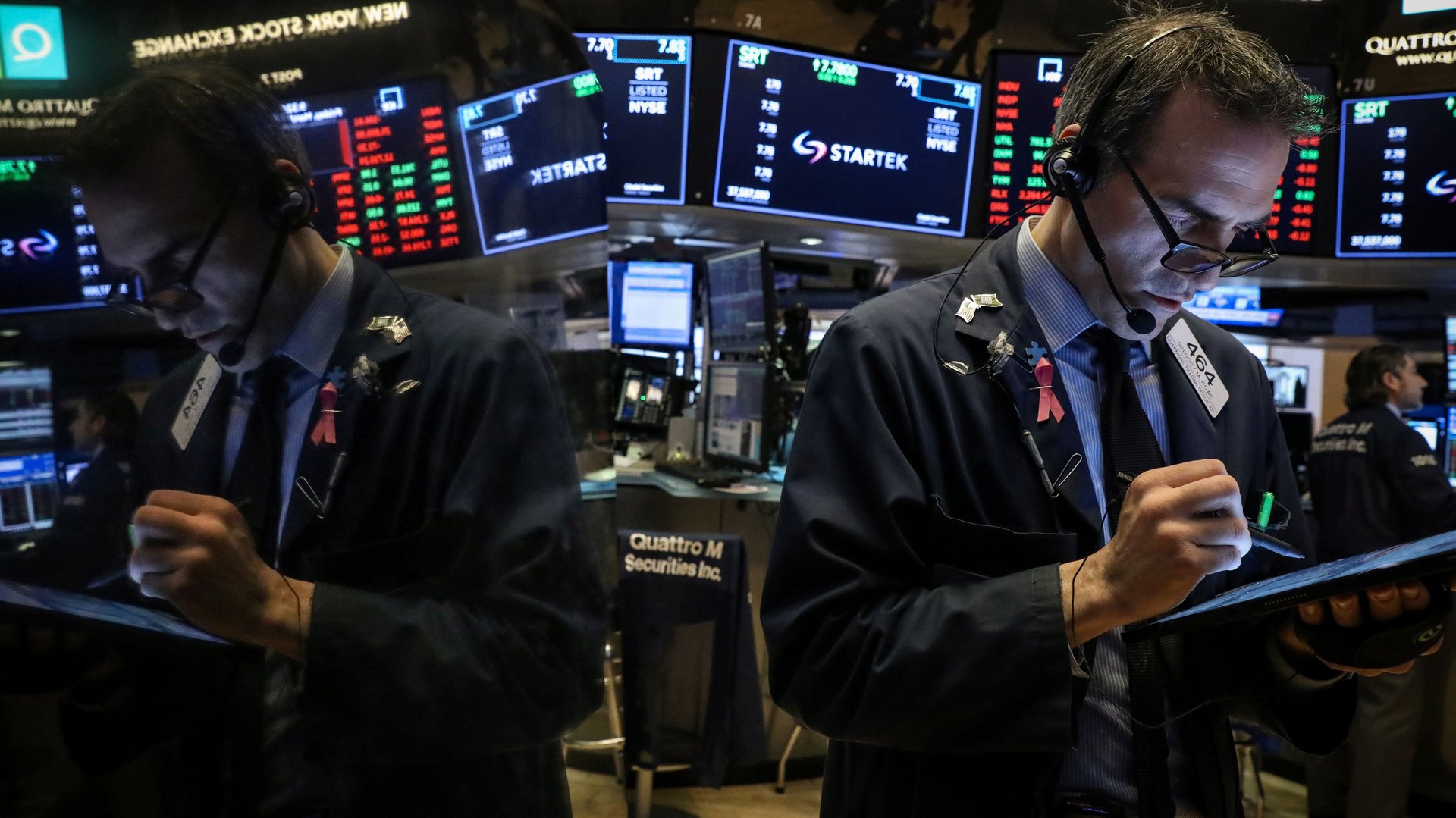
For the first time in two and a half years, the yield on benchmark German government bonds fell below zero.
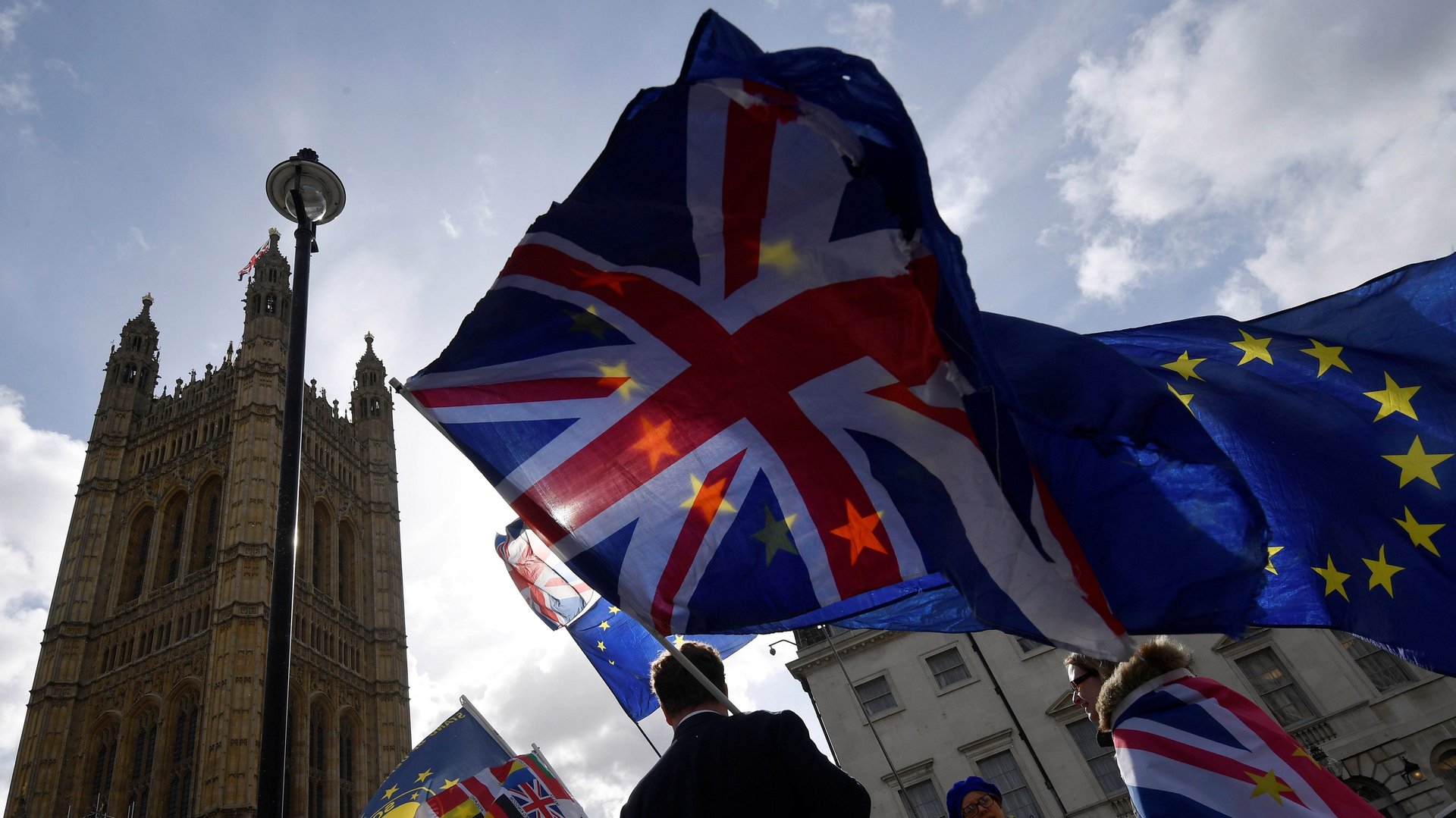
As the Speaker of the UK’s House of Parliament invokes precedent from 1604 to try and bring order to chaotic Brexit process, it is a reminder that Britain’s history of co-operation with Europe is as long as it is complicated.
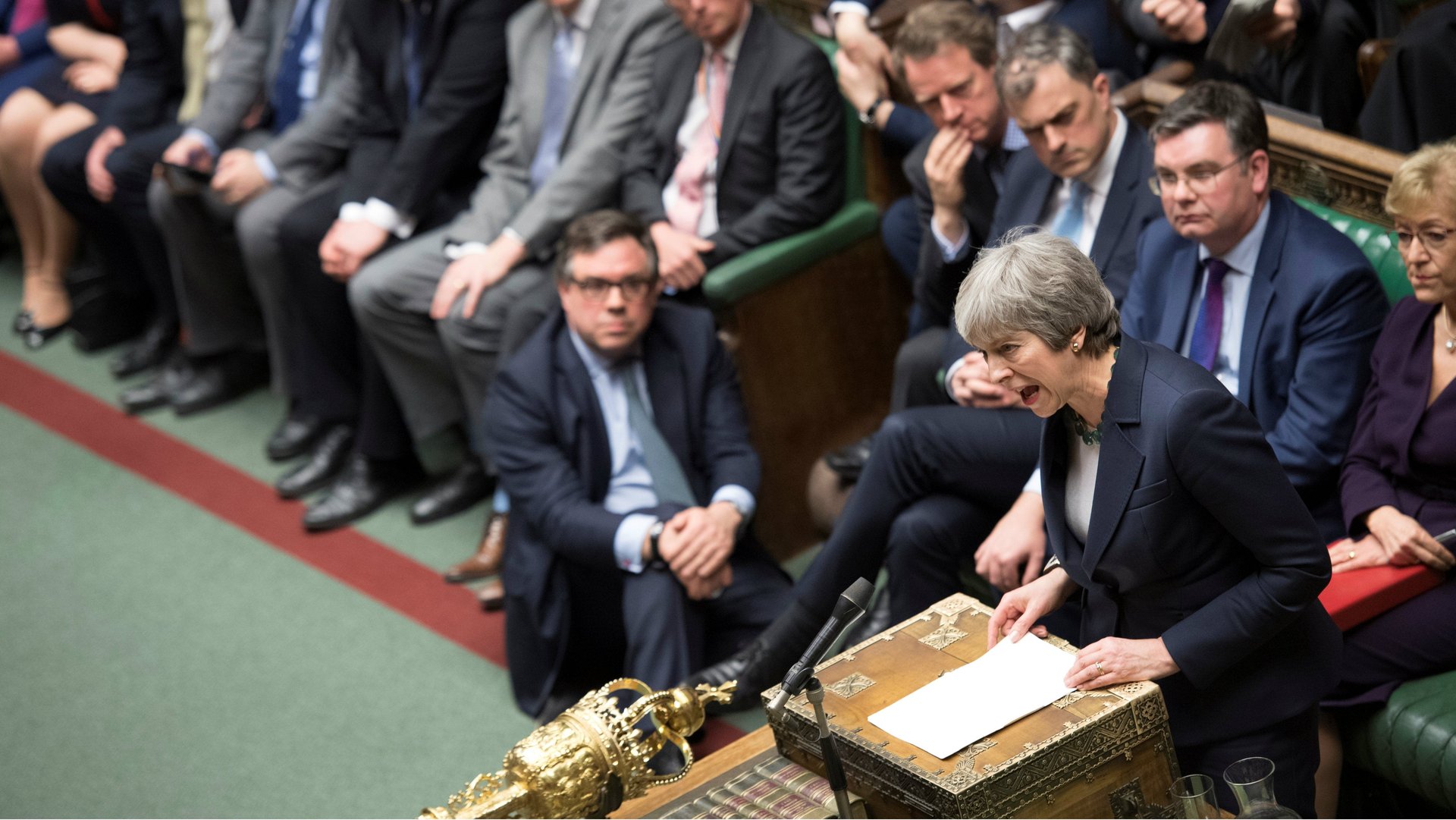
Exactly 1,000 days ago, the UK voted to leave the European Union. Today, less than 10 days to go until its scheduled departure, the terms of Brexit remain dangerously unclear.
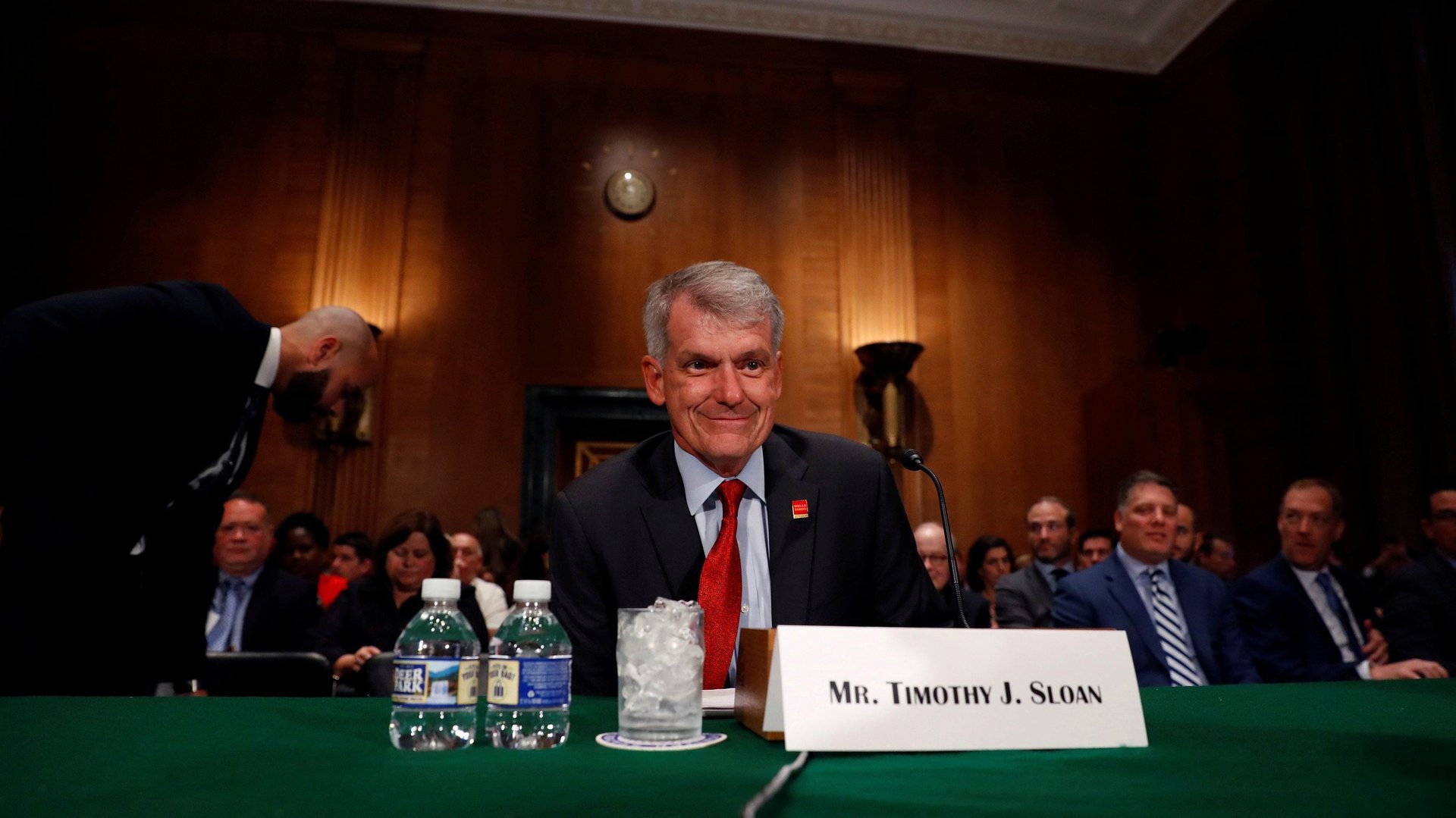
Oh, to have the deep pockets of a bank CEO.

As the UK plunges into political chaos, it has slashed its official forecasts for economic growth. This year, GDP will grow by 1.2%, down from an October forecast of 1.6%, according to the Office for Budget Responsibility (OBR).
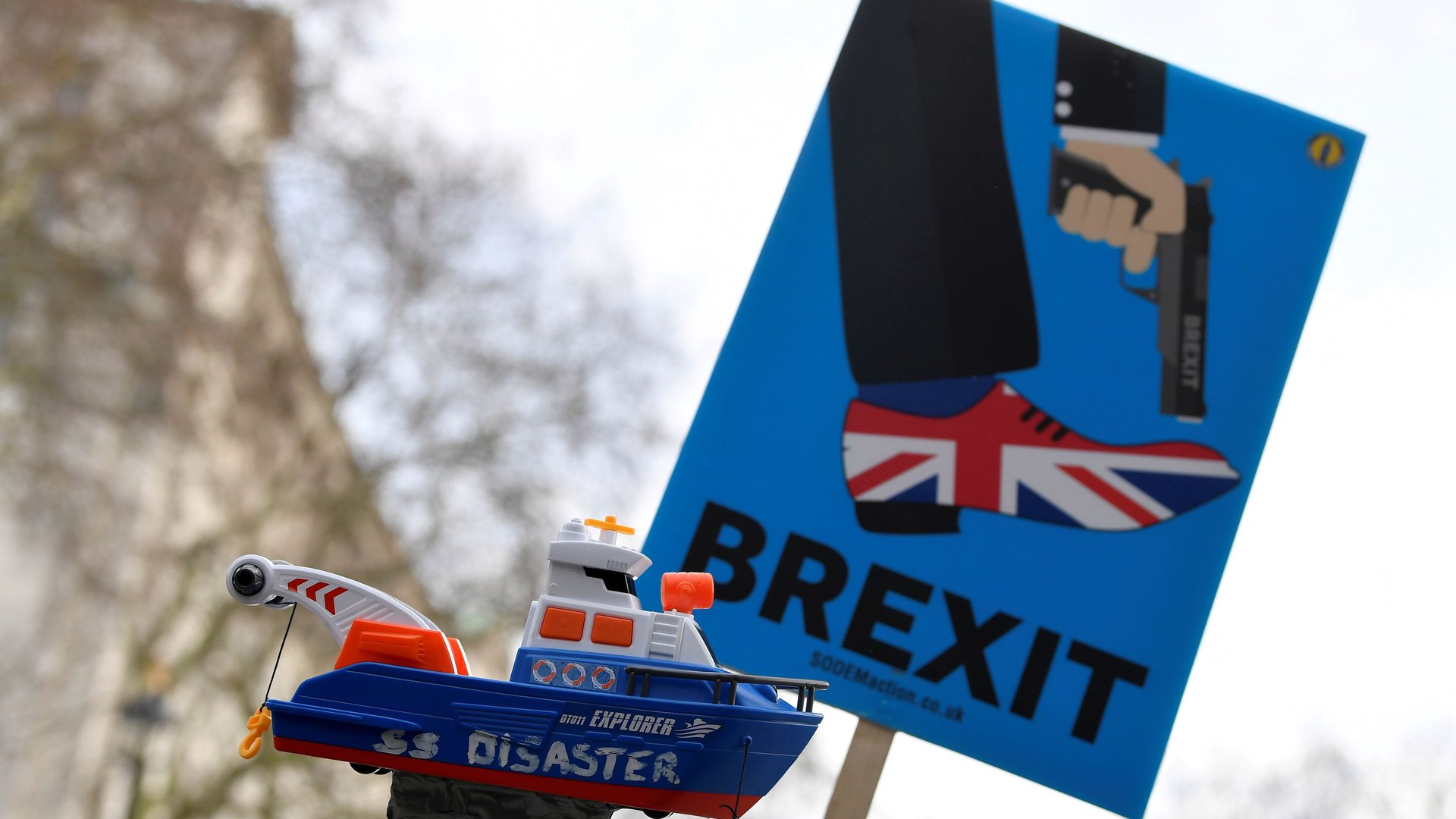
In just three weeks, the UK is scheduled to leave the EU, to which it has belonged for the past 46 years. At this late hour, no one knows what exactly will happen.