When international sanctions against Iran were lifted at the start of 2016, Europe was fast to revive economic relations with the country. This blossoming of trade and investment might soon be cut short.

When international sanctions against Iran were lifted at the start of 2016, Europe was fast to revive economic relations with the country. This blossoming of trade and investment might soon be cut short.

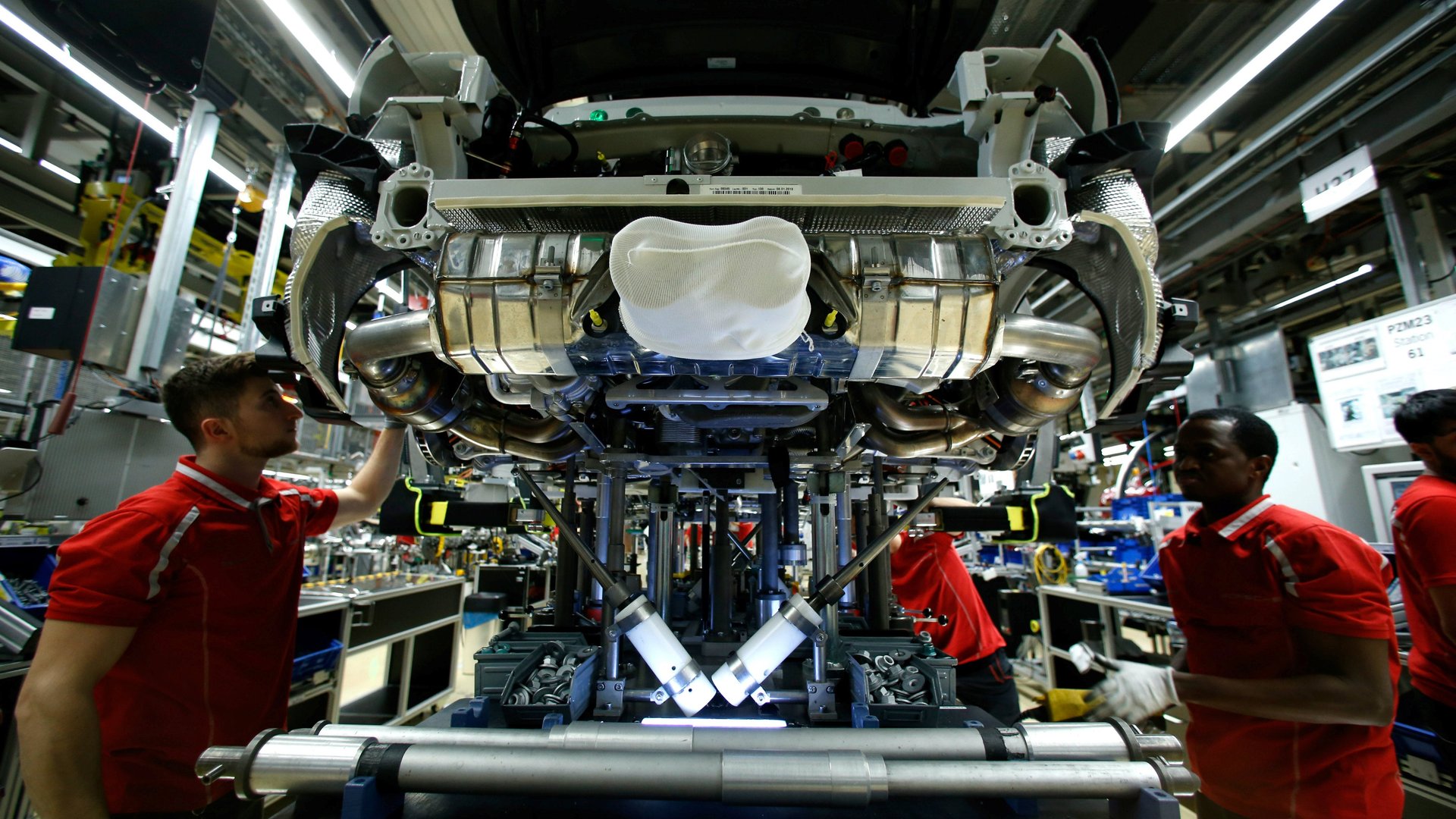
Last year, the euro zone was the world’s unexpected economic success story. The region experienced its strongest year of growth in a decade as trade increased, business confidence improved, and loose monetary policy worked its magic. But there are already signs that Europe has lost some of its spark.

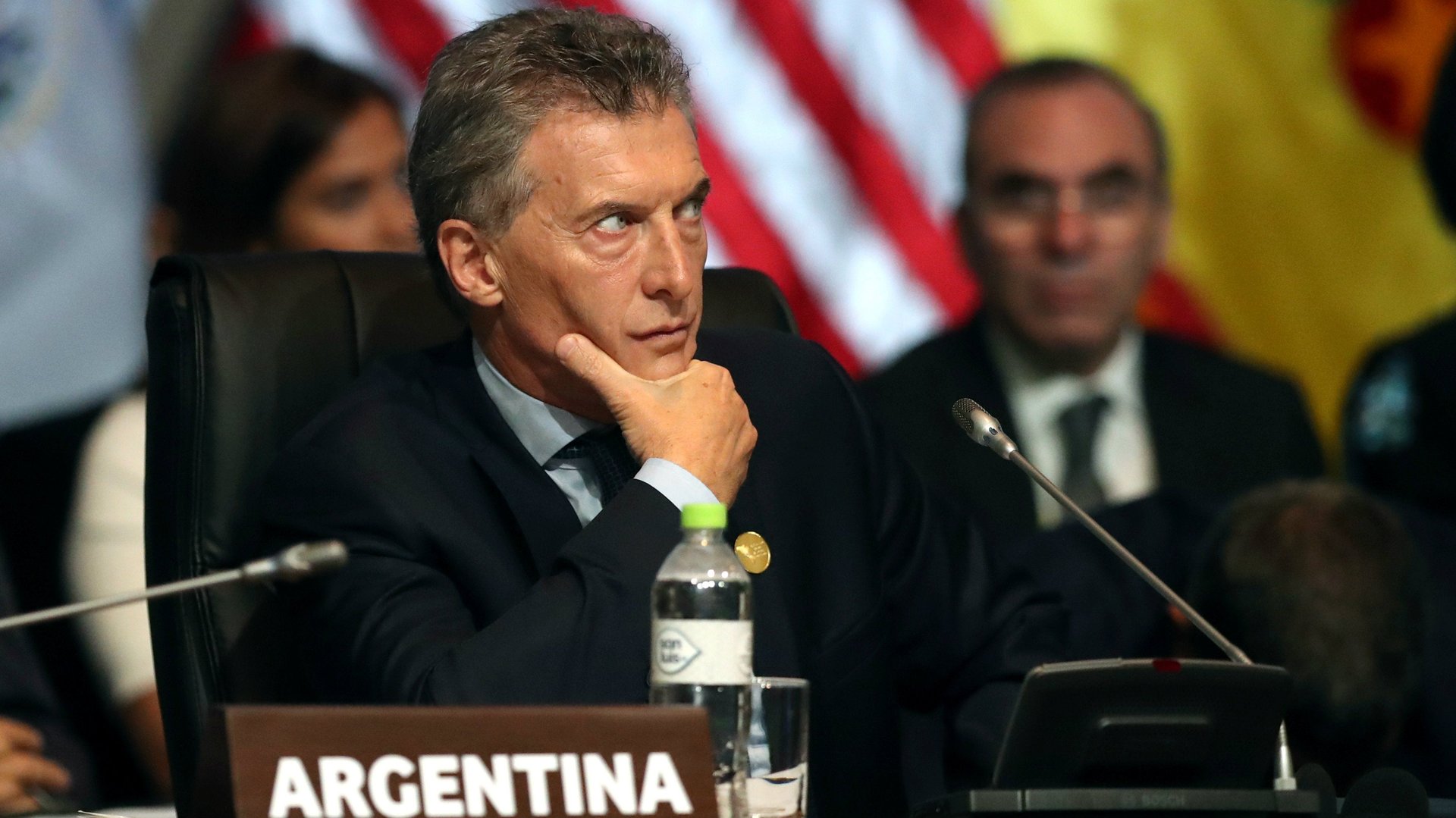
In financial markets, memories can be short. Last year, Argentina sold 100-year bonds, joining a select club of countries with the confidence to borrow for such an extended period. Yes, the same Argentina that has defaulted on its debt eight times in the past 200 years, including the largest sovereign default in history in 2001. Not long before investors decided it was a good idea to lend to the South American nation for 100 years, it was largely shut out of international capital markets.

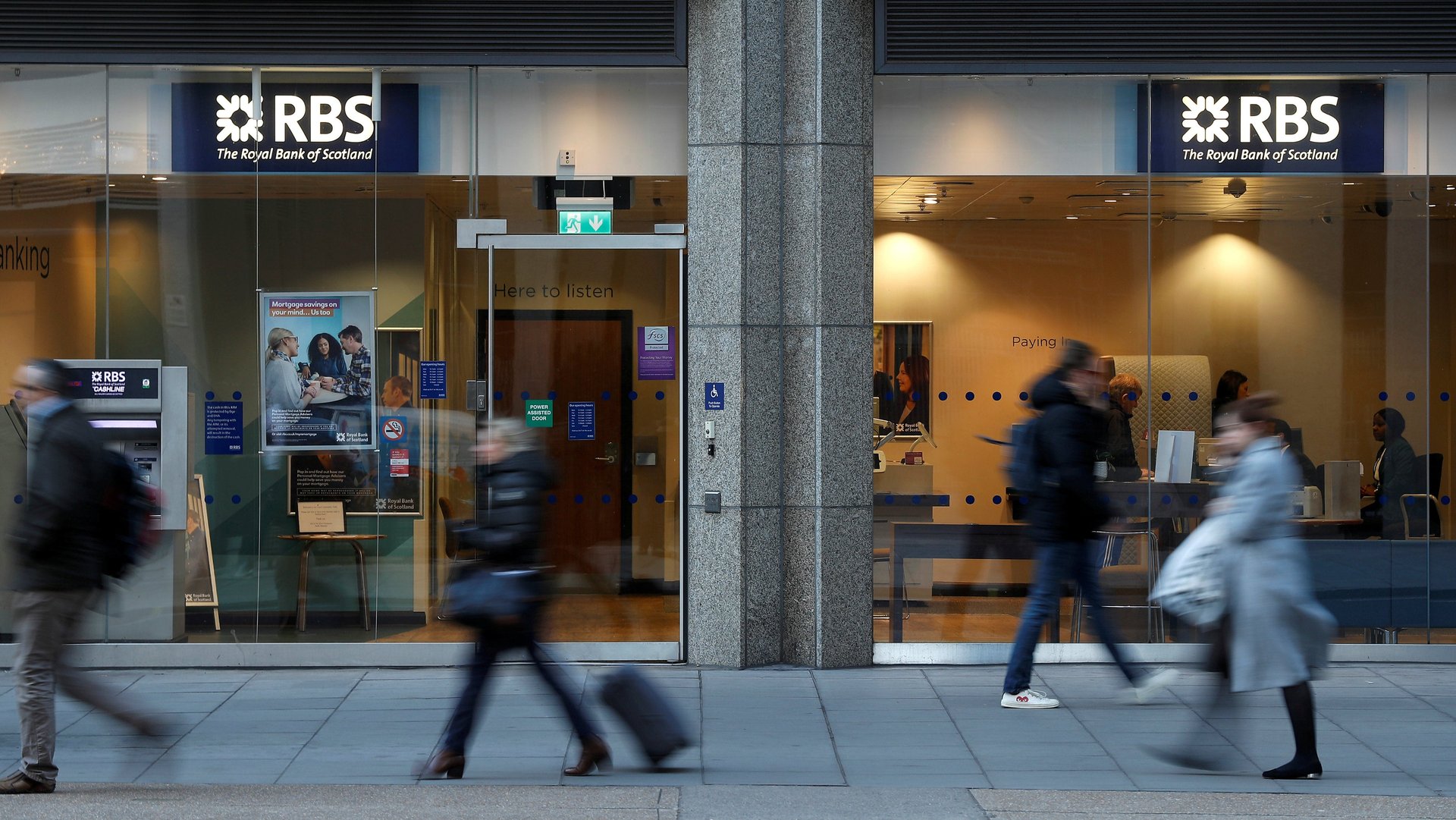
A heavy weight has finally been lifted off the shoulders of Royal Bank of Scotland CEO Ross McEwan. The British bank said today that it agreed to pay $4.9 billion to the US Justice Department to settle an investigation into RBS’s mis-selling of mortgage securities in the run-up to the global financial crisis.

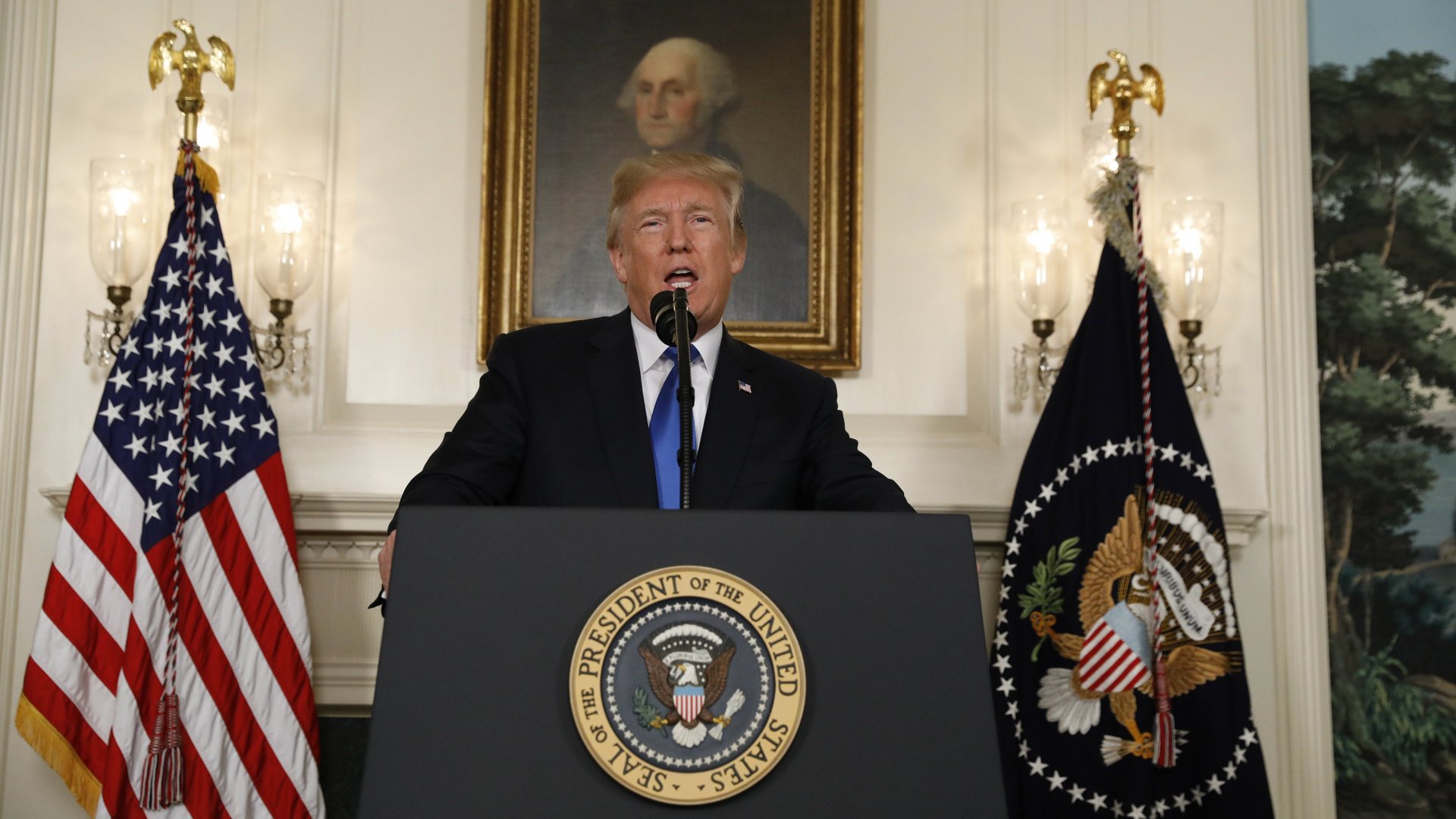
Donald Trump will soon announce whether the US will maintain, modify, or scrap the nuclear deal with Iran. The agreement, which eased decades of sanctions on Iran’s oil-exporting economy in exchange for curbs on the country’s nuclear program, was called the “worst deal ever” by the US president. Despite pleas from European allies to keep to the accord, it looks unlikely that Trump will stick with the status quo.

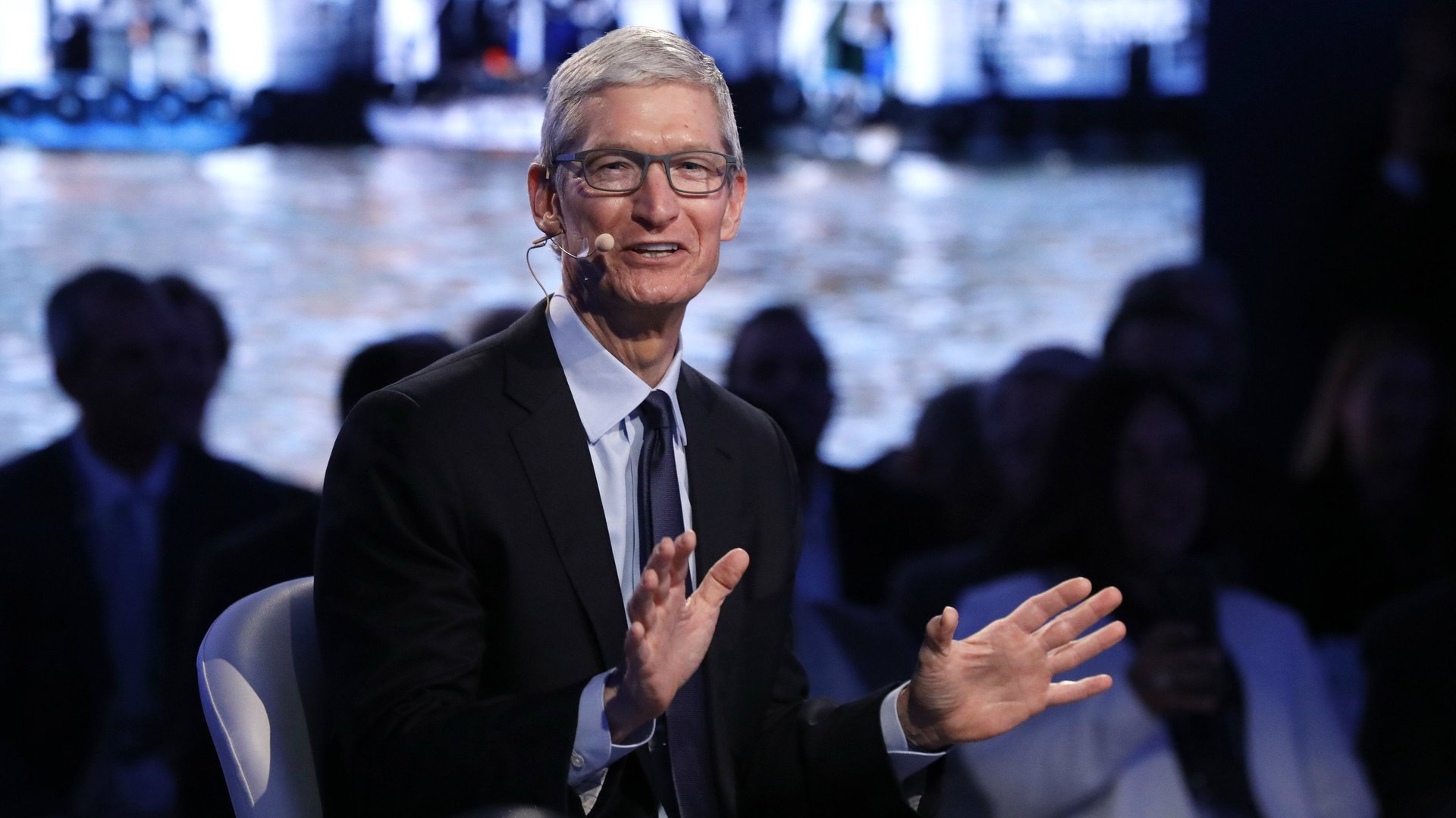
It pays to be an Apple shareholder. When the tech company reported its quarterly earnings yesterday, it announced plans to return another $100 billion—yes, $100 billion—to shareholders via buybacks, lavishing riches on top of an already generous history of stock repurchases.

It’s not your fault, you’re only human. But because you are a mere mortal, you’re bound to be making some, let’s say, suboptimal decisions. Humans have systematic biases—as psychologists have proven again and again—that can get in the way of the best intentions. This is particularly the case with money.

Norway’s massive sovereign wealth fund isn’t immune from the market volatility that has roiled investors around the world this year. The fund reported today that it lost 1.5% in the first three months of the year, its worst quarterly decline since the third quarter of 2015. It also broke a seven-quarter streak of positive returns.

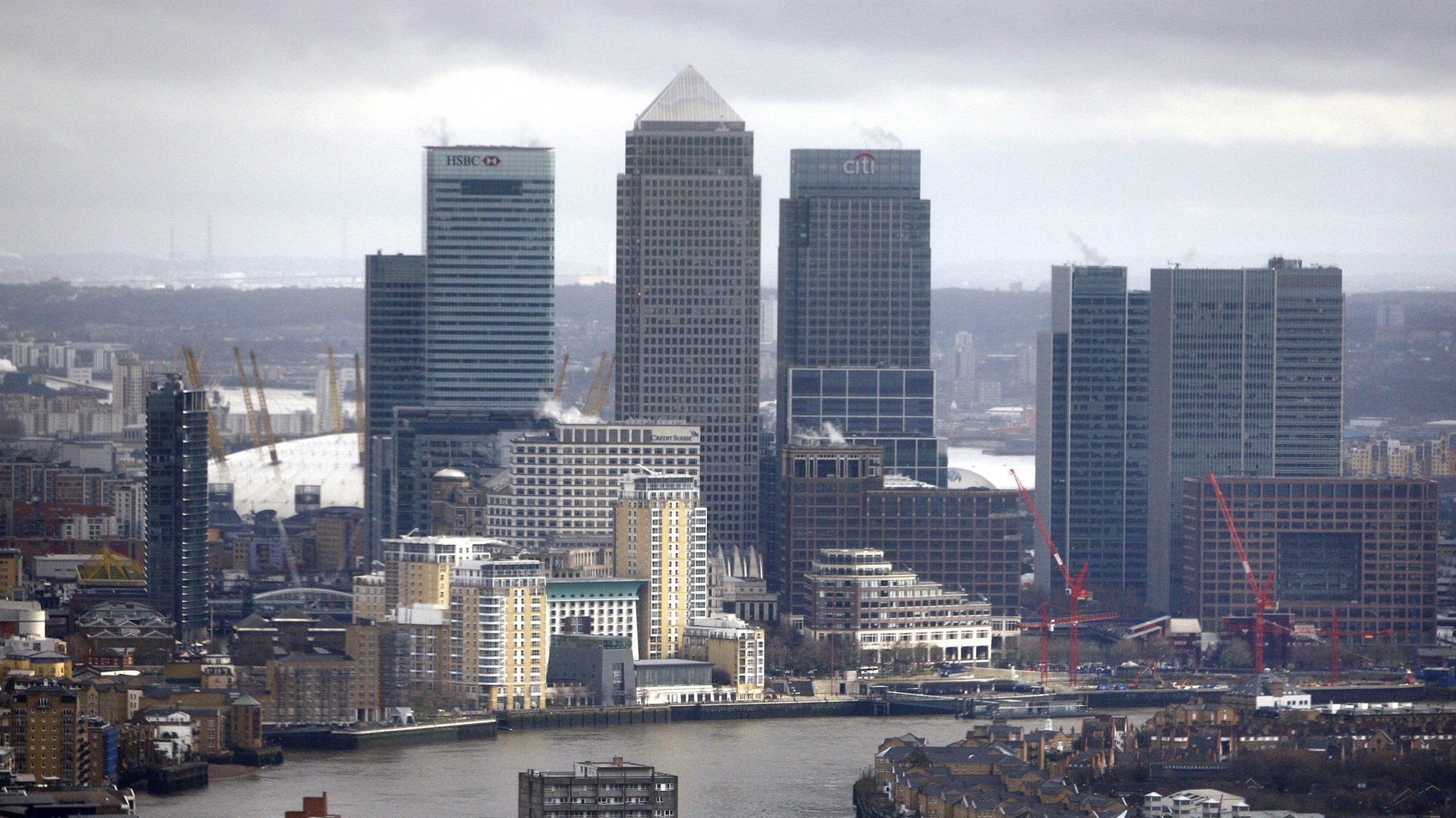
HSBC, Europe’s largest bank, said today (April 20) that it plans to extend its ban on financing new coal-power plants to even more countries, will prohibit the financing of new offshore oil and gas projects in the Arctic, and won’t support new greenfield oil-sands projects.

Whichever way you look at it, the wealth inequality gap between black and white Americans is staggering. It’s far worse than income inequality, and one of the reasons why racial inequality hasn’t improved in the US over the past 50 years, and in some ways has gotten even worse. In the US, the average black family has just one-tenth of the wealth of the average white household.

The good news is that mobile phones and the internet are bringing millions of people into the formal financial system, meaning they have bank accounts or a mobile money provider for the first time. This is important because financial inclusion is crucial in helping people save money for an emergency, get loans to start businesses, and escape poverty. The bad news, however, is that the financial-inclusion gap between men and women in developing economies hasn’t improved in the past six years.

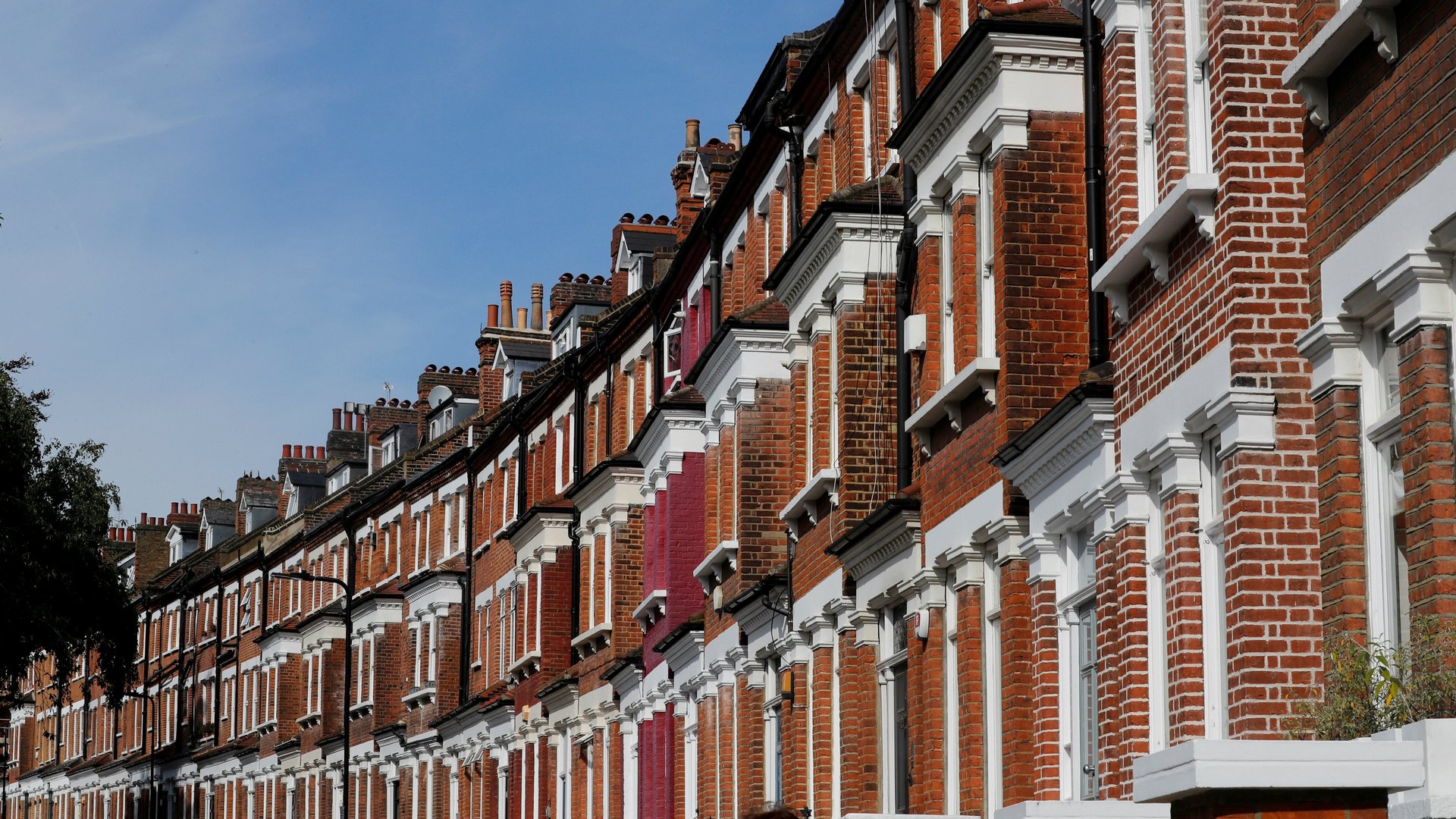
Since the middle of 2016, around the time of the Brexit referendum, the growth in London house prices has been in a steady slowdown. That slowdown has turned into an outright decline.

After 12 months, Brits are finally getting a pay raise. For the first time since January 2017, real wage growth—that is, pay adjusted for inflation—turned positive in February (the latest data available), rising by a modest 0.2% from a year earlier.

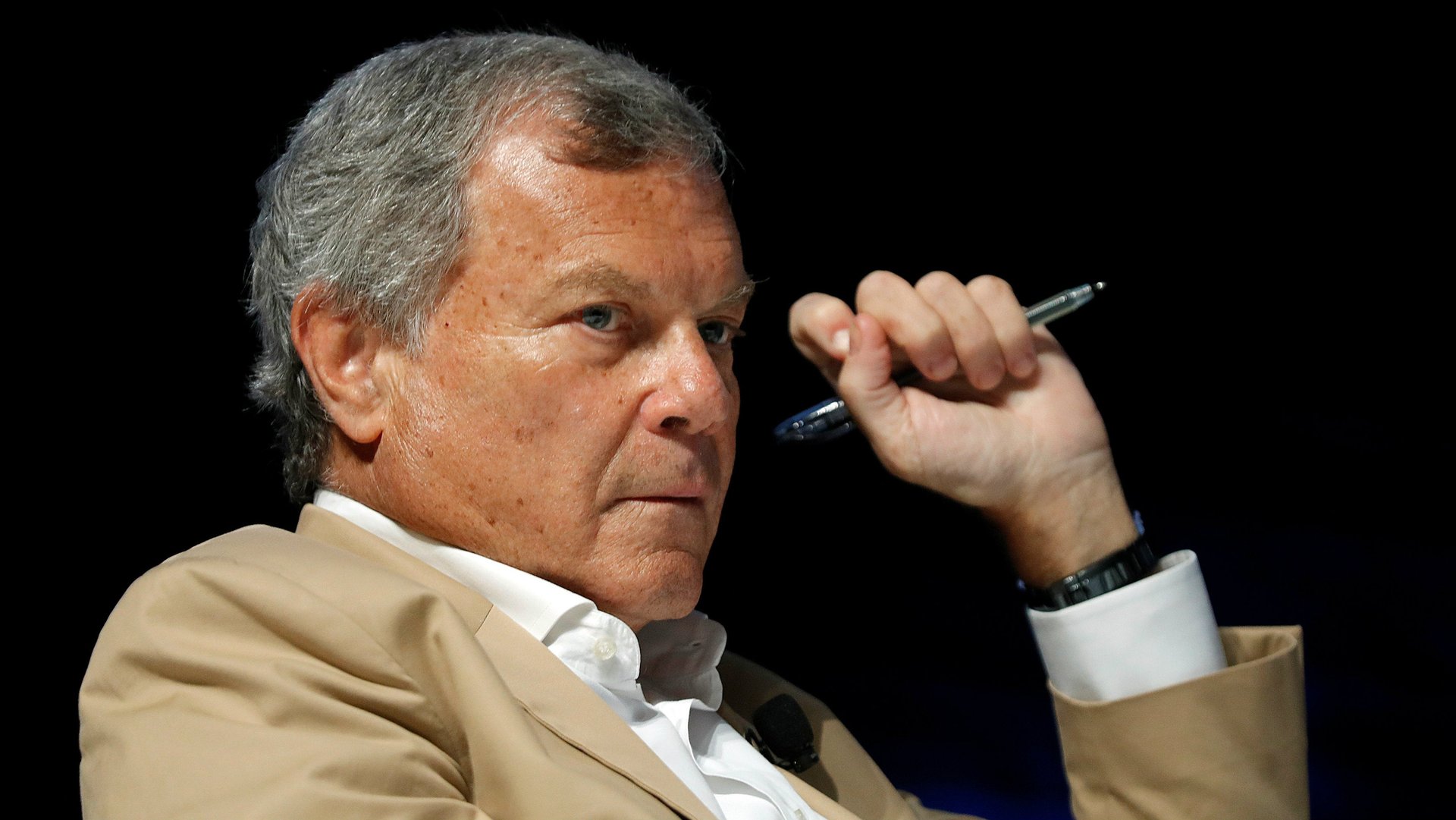
When a CEO leaves a company, it tends to boost their ego if the company’s share price falls as a result. Martin Sorrell, the founder of advertising behemoth WPP, resigned over the weekend and on Monday morning the group’s stock dropped by more than 5%, wiping out some £750 million ($1.1 billion) in market value.

There is a growing chorus of economists who say it’s time to stop using gross domestic product as the prevailing measure of growth and economic progress. Barclays, one of the world’s largest banks, just joined in.

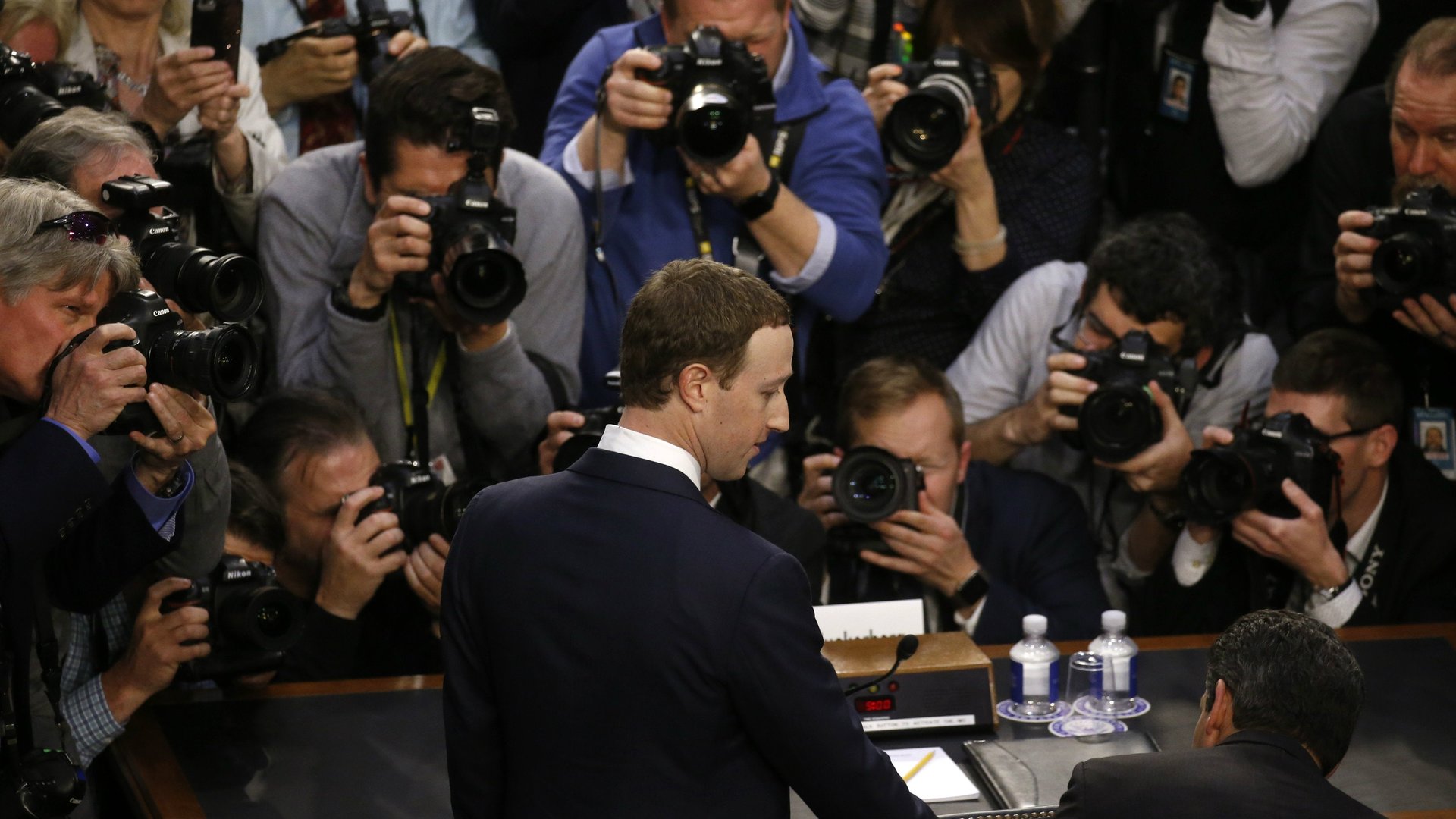
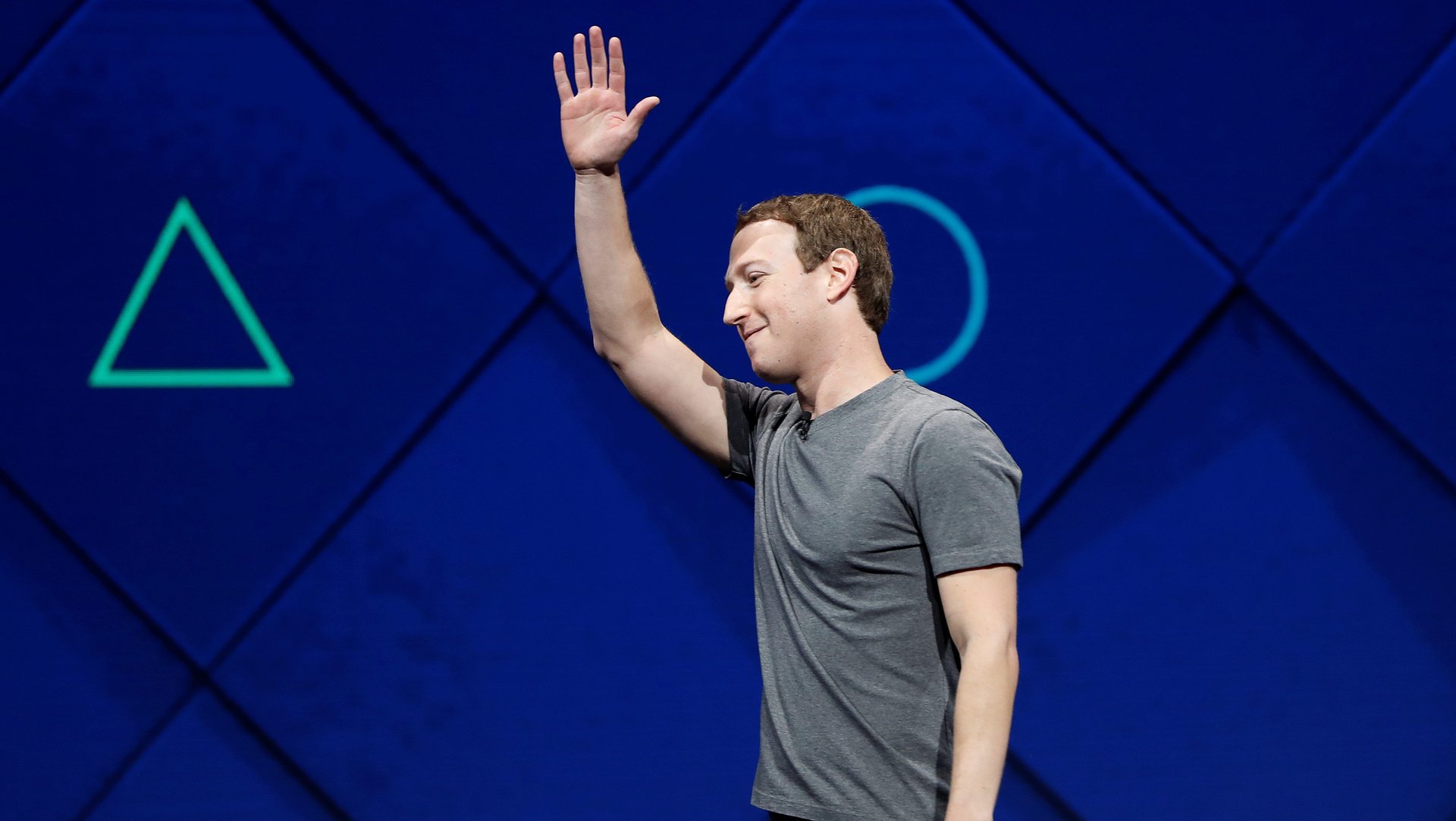
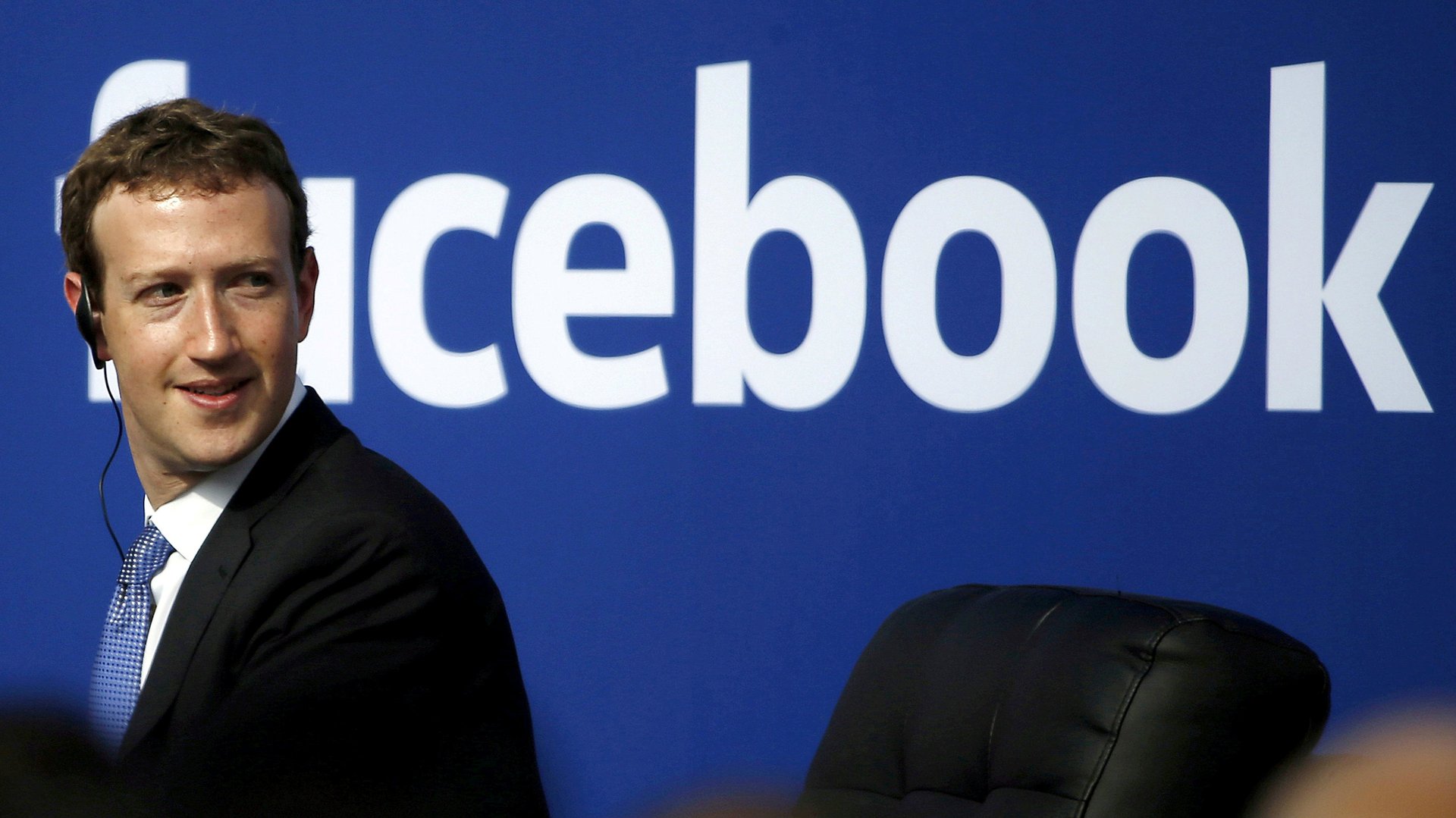
It turns out Mark Zuckerberg’s time in the Congressional hot seat was a good thing for Facebook, as far as the markets were concerned.

Mark Zuckerberg is $11 billion poorer than he was around this time last month.

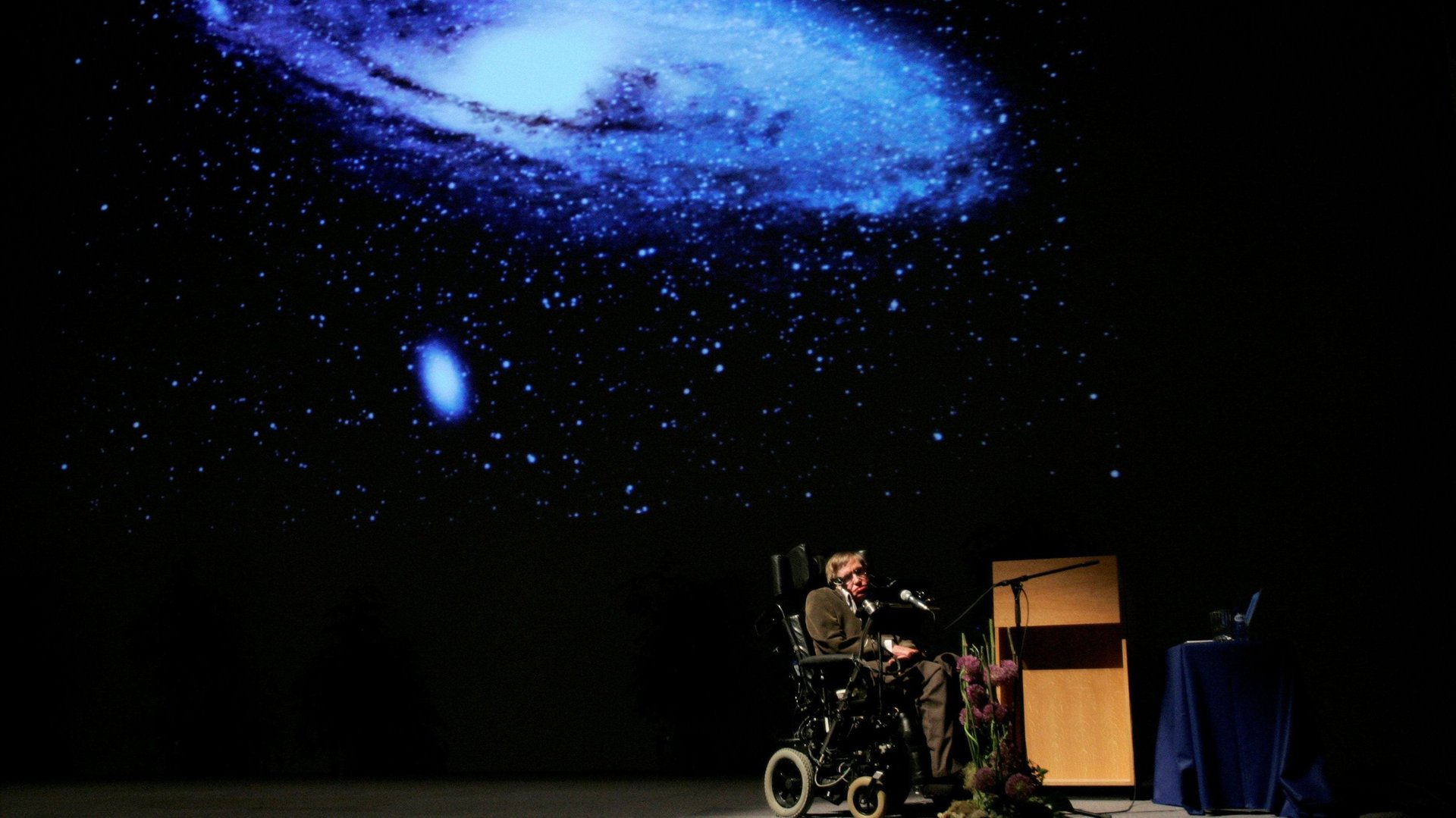
Hundreds of mourners gathered in Cambridge today (March 31) for the funeral of internationally-renowned British scientist Stephen Hawking, who died on March 14. The ceremony included a piece of music specially composed for the scientist, titled “Beyond the Night Sky.”

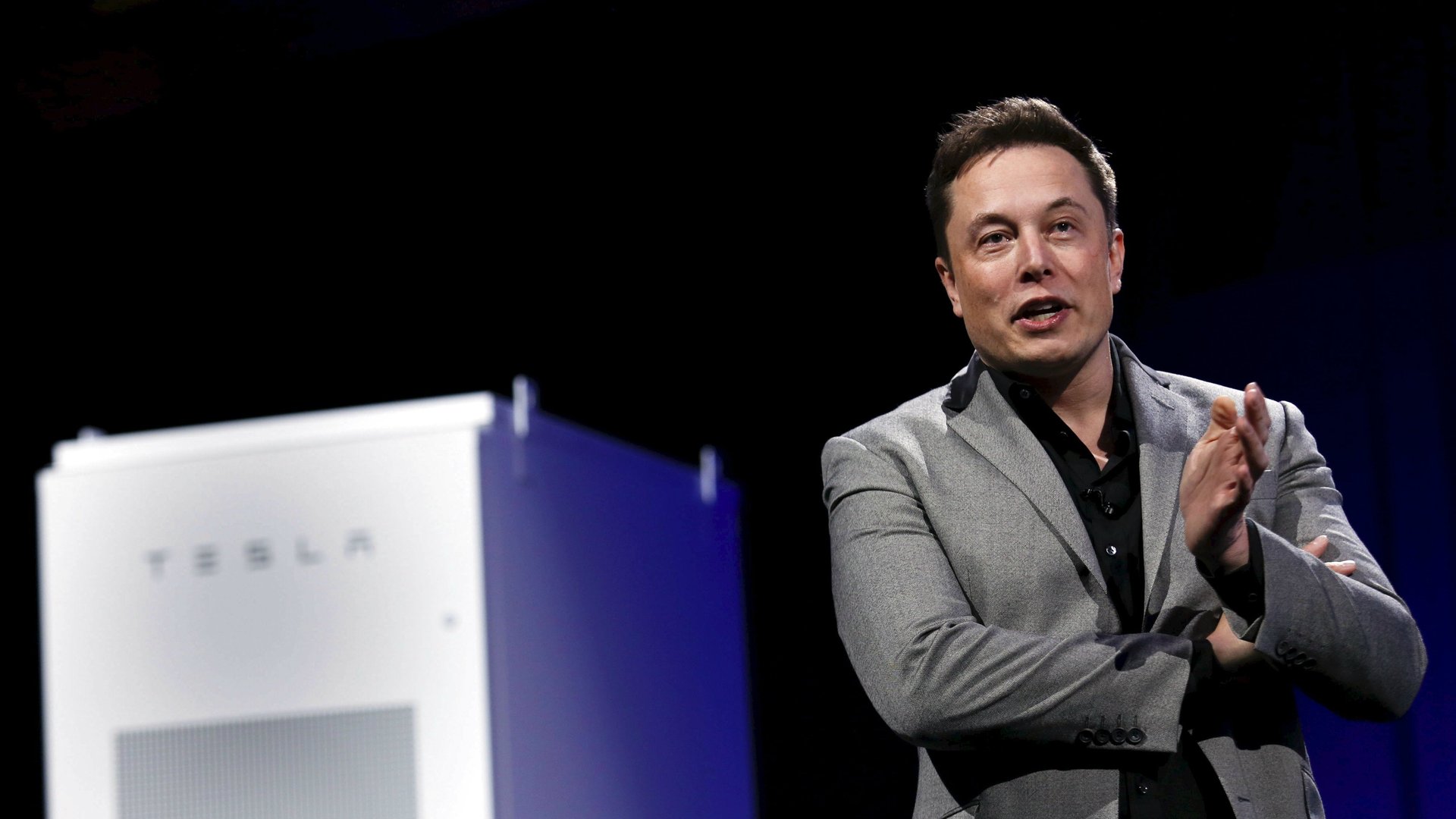
Bad news has come hard and fast at Tesla this week, further calling into question the hype around the electric car company.

2017 was the markets’ least volatile year in decades. They remained eerily calm through natural disasters, political instability, and even the possibility of a nuclear crisis. But the lower the Cboe volatility (VIX) index—which acts as the market’s “fear gauge”—fell, the more investors worried that a nasty correction was looming.

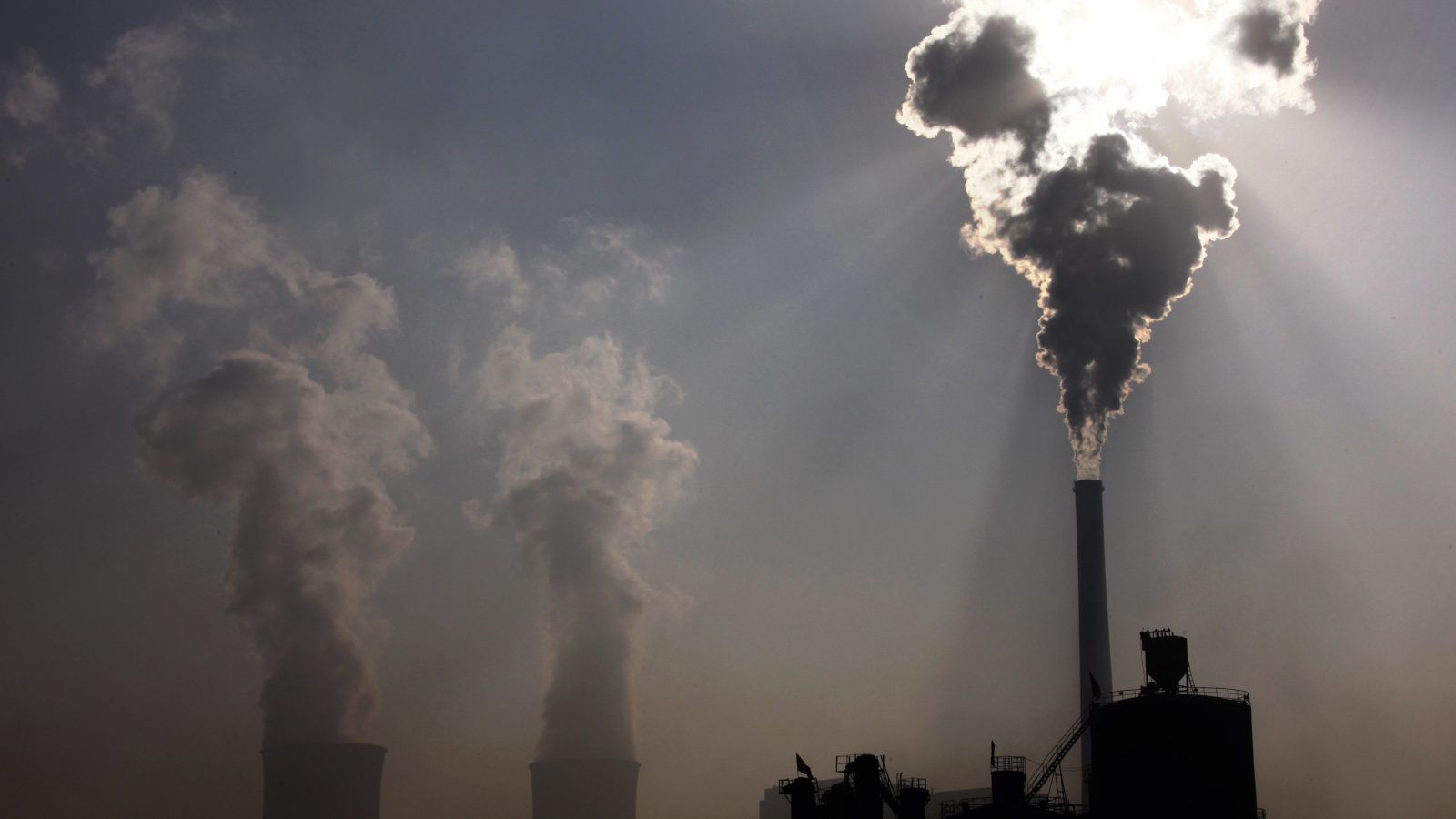
As the world struggles to keep to its commitment of stopping global temperatures from increasing more than 2°C above pre-industrial levels, there has been increasing scrutiny over the financial sector’s role in mitigating or worsening climate change.

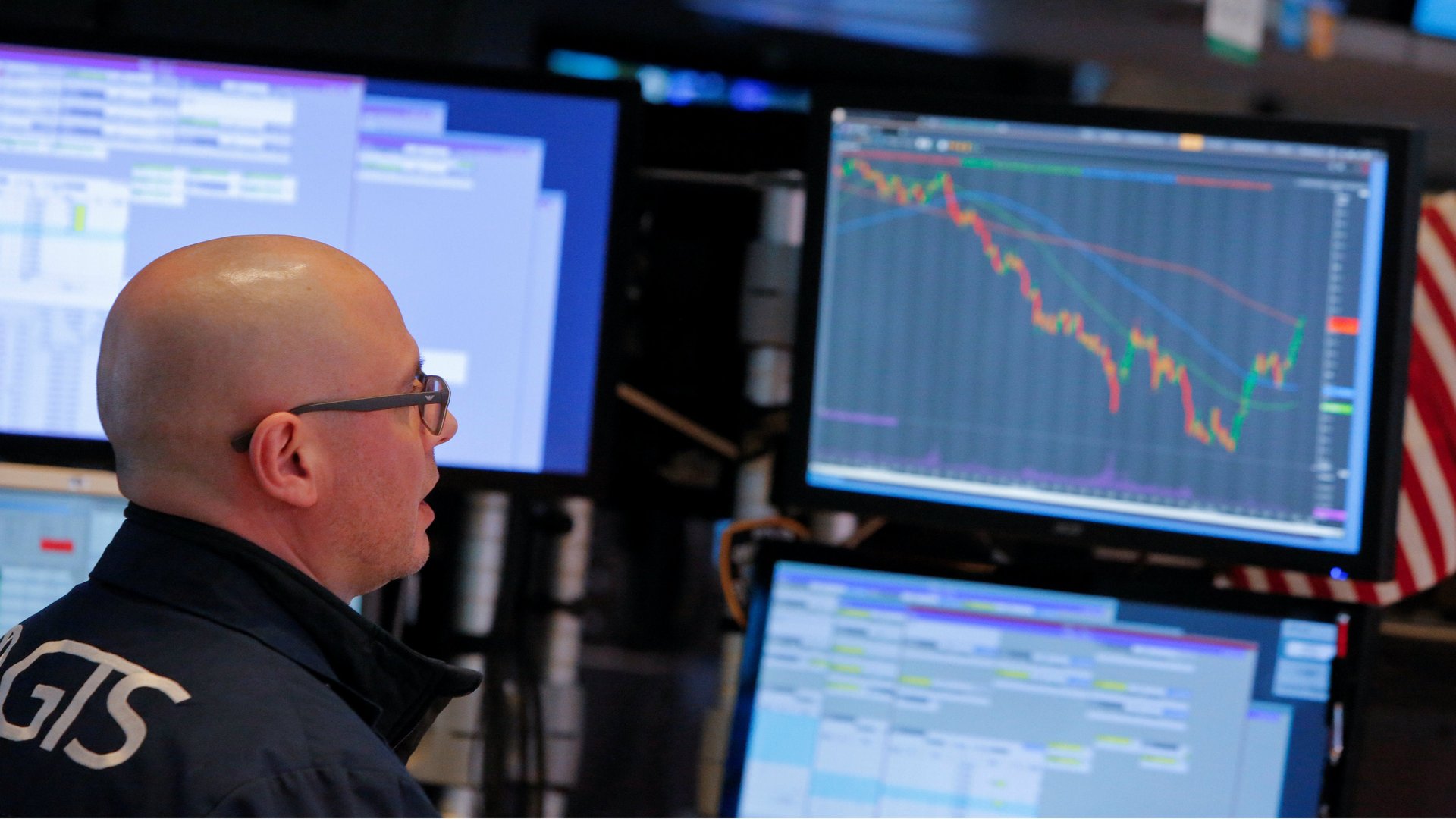
The data privacy scandal engulfing Facebook might have finally burst the bubble in what was one of the most expensive markets. US tech stocks had their worst day in years yesterday as investors concluded that the likelihood of more regulation for social media platforms and other tech companies would make them less valuable.

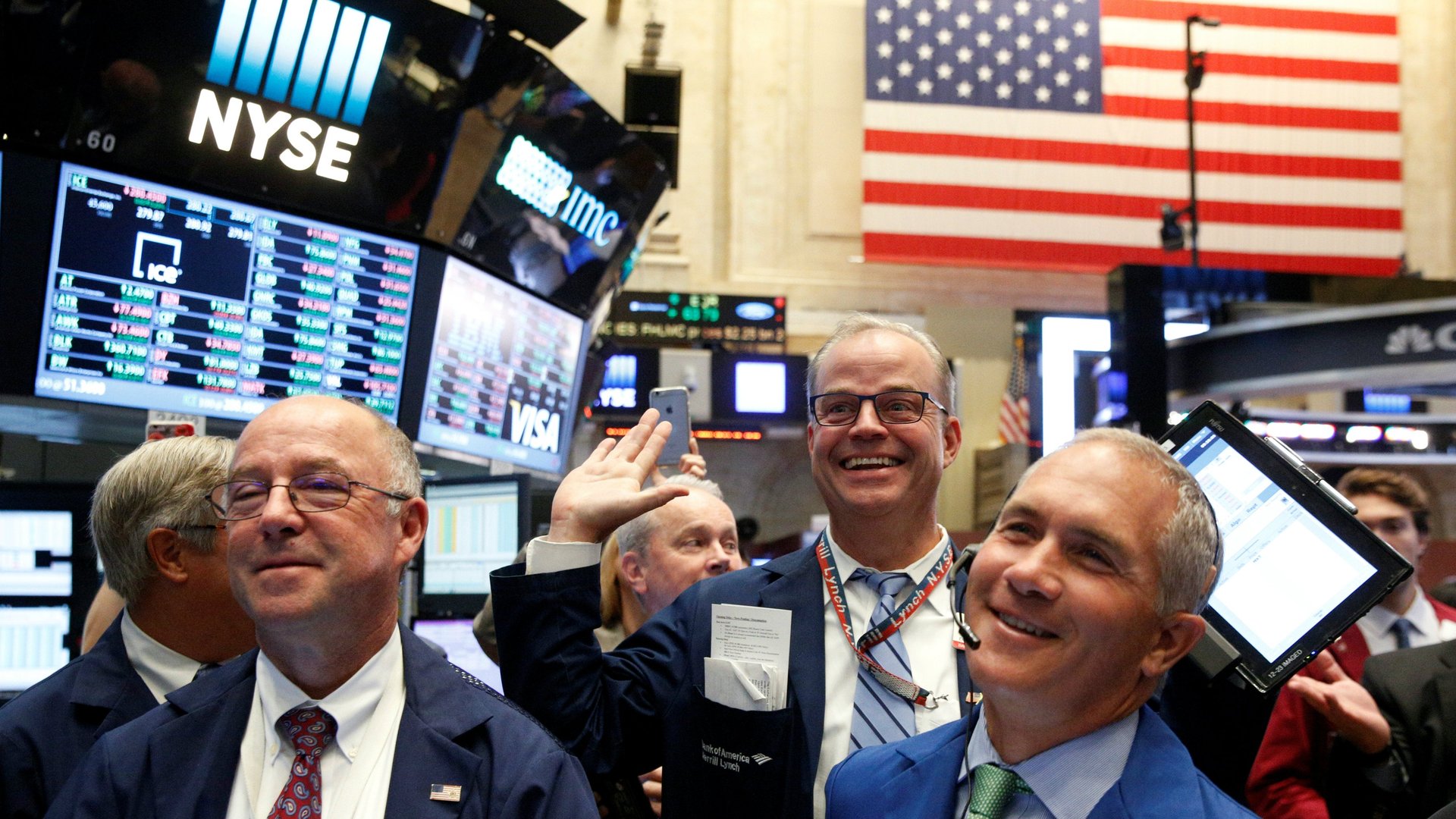
The hard times are over! That sound? Champagne corks hitting the ceiling on Wall Street. For the second year in a row, profits in the New York securities industry rose, and with them the average bonus paid to industry employees in the city climbed 17% in 2017.

At the end of 1999, the US Department of Commerce surveyed its work, and named gross domestic product (GDP) as “its achievement of the century.” Simon Kuznets, a pioneering economist who helped develop the calculations underlying GDP, won the Nobel prize in 1971. These accolades are warranted, since until GDP came about there wasn’t a good way to measure what we call the economy with a single number that was comparable over time and across countries.