At Quartz we’ve been compiling lists of some of the highlights of the year gone by. Here are some of them (and you can check back for new ones at qz.com/re/2012).

At Quartz we’ve been compiling lists of some of the highlights of the year gone by. Here are some of them (and you can check back for new ones at qz.com/re/2012).

Good morning, Quartz readers!

Good morning, Quartz readers!

Our state-of-the-art interactive dashboard monitoring the approach of the US “fiscal cliff” is now up. You can see a larger, more interactive version at hastheusgoneoffthefiscalcliff.com. This image from a webcam in the Quartz office is updated every five minutes, and all the headlines and quotes are clickable links. We’ll be counting down to the end of the year and keeping up with the state of negotiations, the promises and threats, and the wise and foolish things said by all and sundry.

Léo Apotheker, the Hewlett-Packard boss who oversaw the ill-fated $11 billion purchase of UK software firm Autonomy, took the job to replace Mark Hurd. Hurd had resigned in 2010 over a scandal involving his relationship with a female employee. (The company ultimately cleared him of sexual impropriety, but did find “violations of HP’s Standards of Business Conduct.”) He went on to be president of Oracle. It was there, according to Oracle’s CEO, Larry Ellison, that Hurd received a visit in April of 2011 from Autonomy’s then-CEO, Mike Lynch. In Ellison’s account:

Whether you’re on team Meg or team Mike, Hewlett-Packard’s purchase of Autonomy—a company that sells its ability to help business leaders use data to make better decisions—now looks like a decidedly bad decision.

Markets, as is their wont, have done little more than shrug at the rising death toll in the latest flare-up between Israel and Hamas. But Shlomi Cohen, a columnist at Globes, an Israeli business newspaper, has a little reminder of why they should pay a little more attention:

Good morning, Quartz readers!

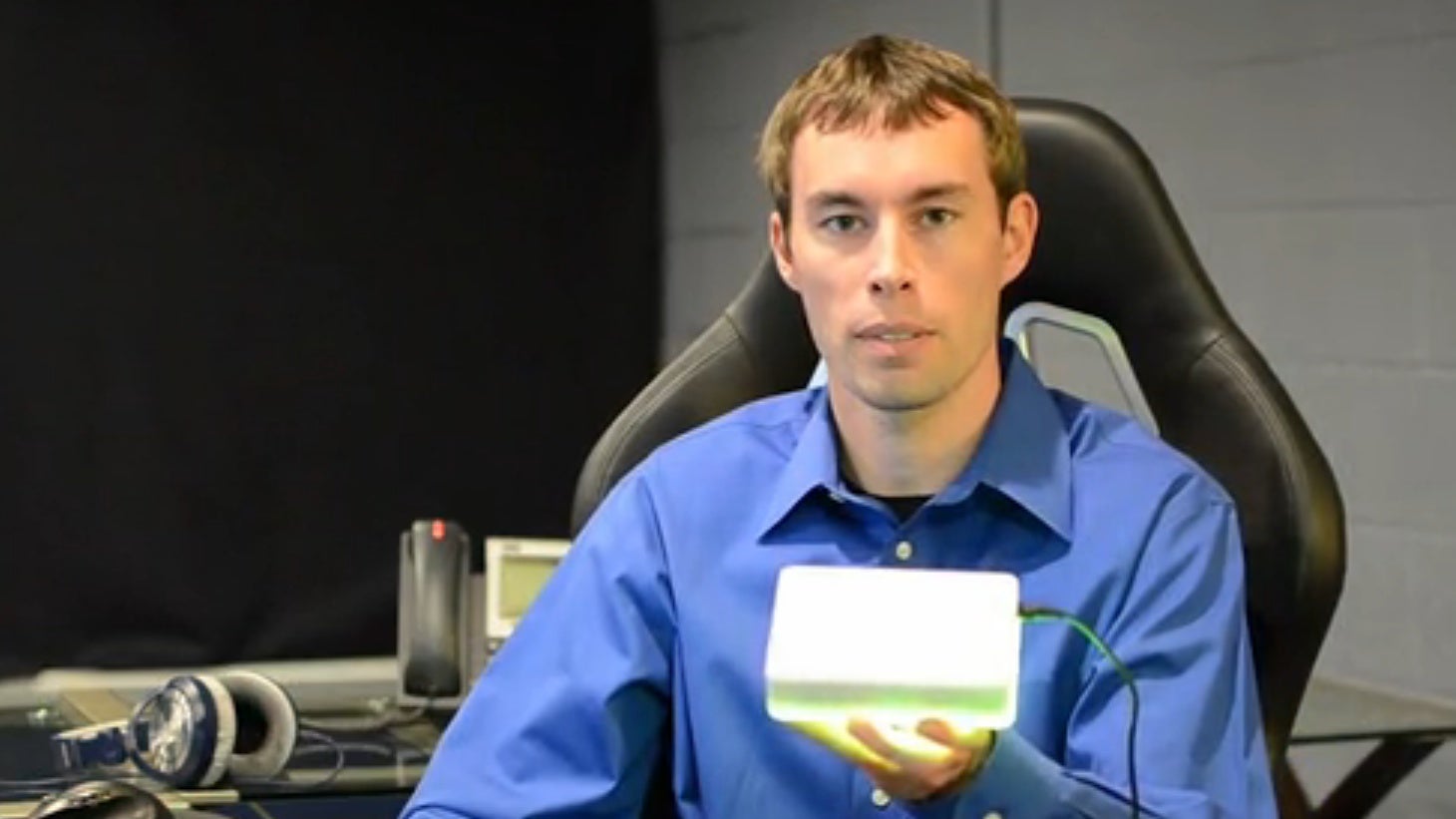
Imagine a $120 box that sits between your cable modem (the box that brings the internet into your house) and your wireless router (the thing that fills your house with wifi) and blocks every kind of ad that can be delivered over the internet. No more ads on your laptop, tablet or smartphone. No more ads on webpages, in music streams, in front of videos, or on mobile apps.

Good morning, Quartz readers!

The man once called Apple’s “CEO-in-waiting” and the “sorcerer’s apprentice” is on his way out the door.

Good morning, Quartz readers!

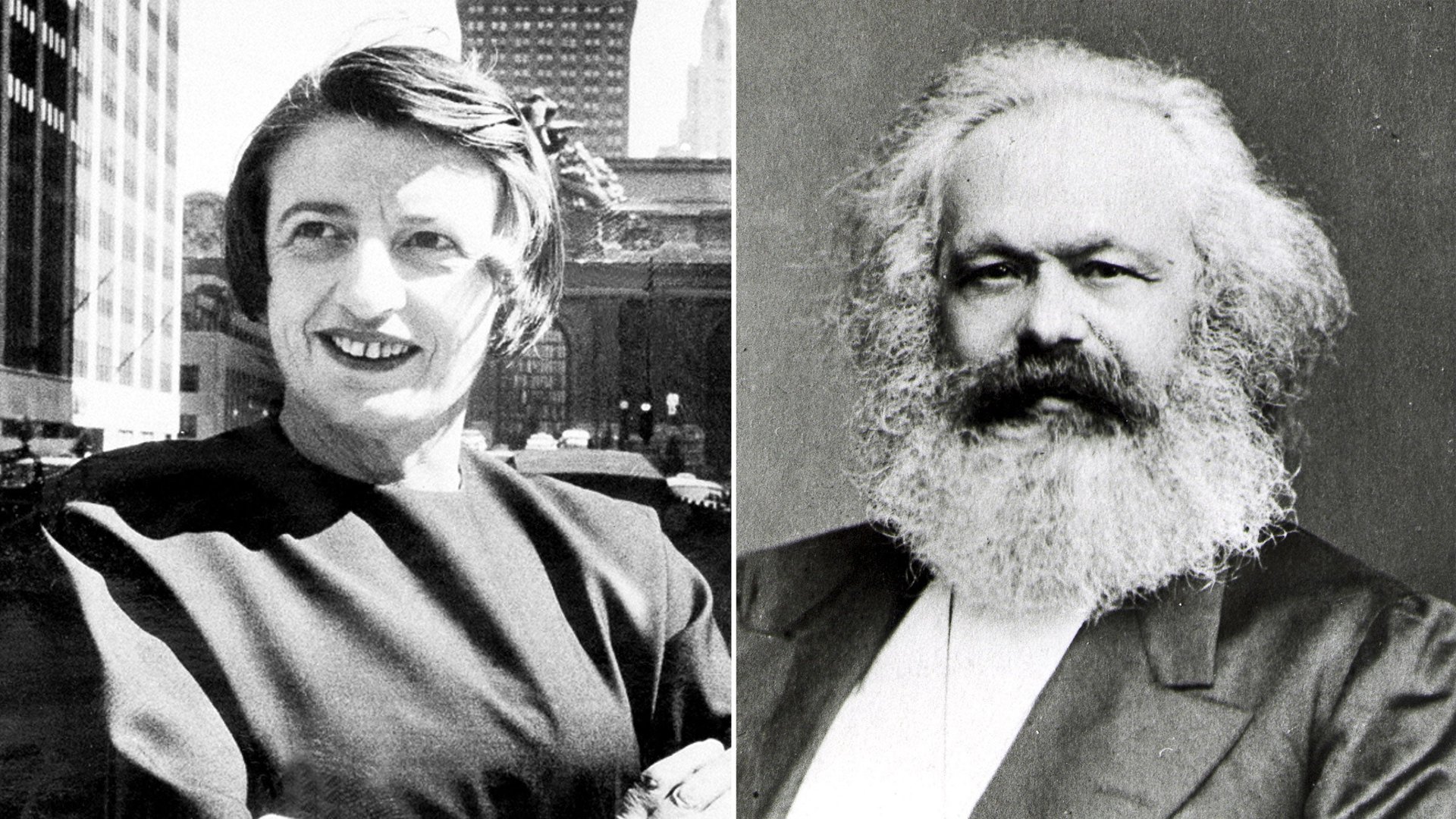
A report in The Economist on Ayn Rand’s growing popularity notes that the heroine of American libertarians has some big fan bases outside the US—most of all in Britain, Canada, Sweden, and India, where “Rand’s books outsell Karl Marx’s 16-fold.”

Good morning, Quartz readers!

Good morning, Quartz readers!

Good morning Quartz readers!

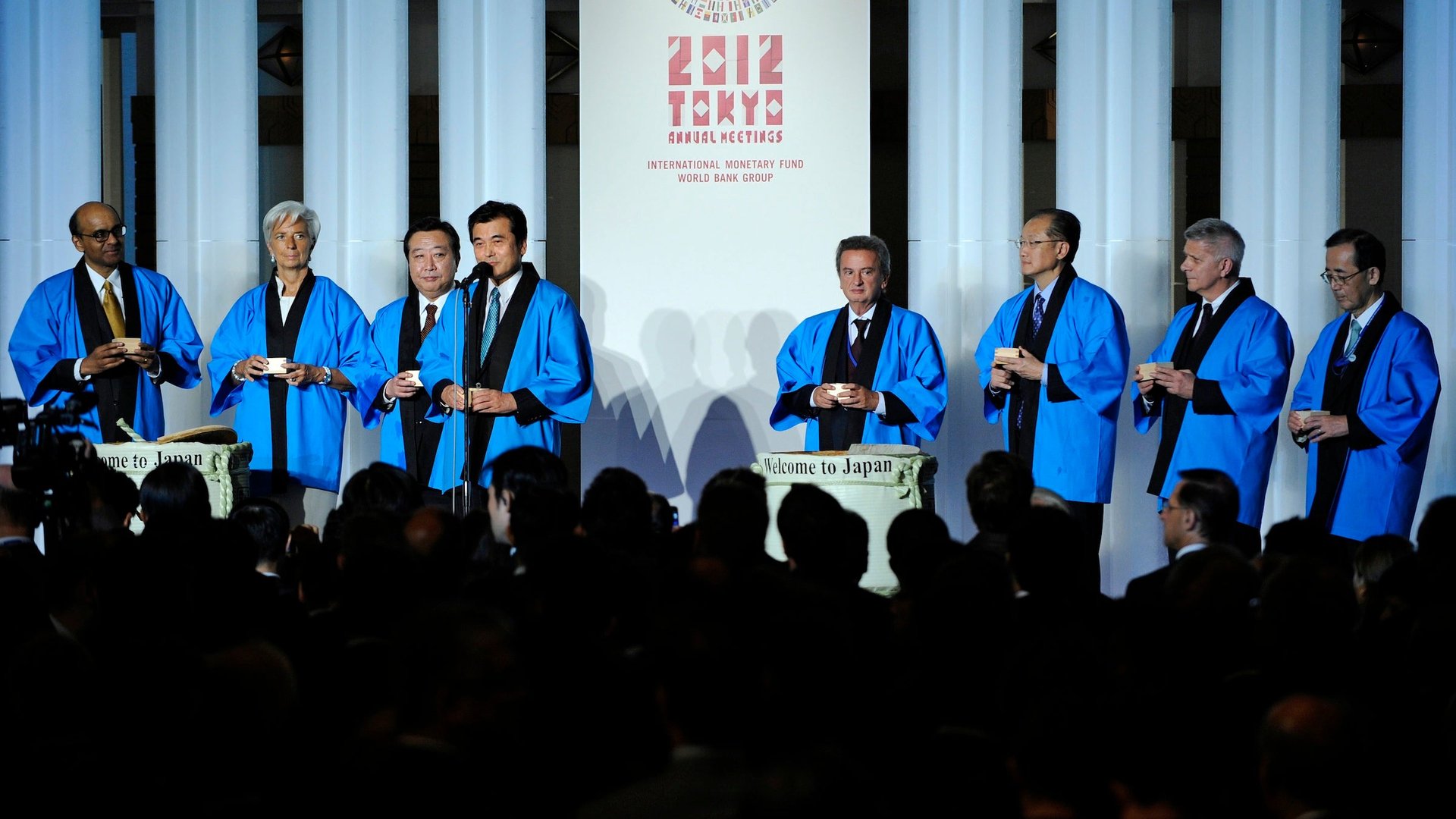
The IMF has wrapped up its meeting in Tokyo and issued its closing statement, couched in the usual cautious jargon. But it contains a good summary of where the world economy is at. Here is our translation of a few key sections.

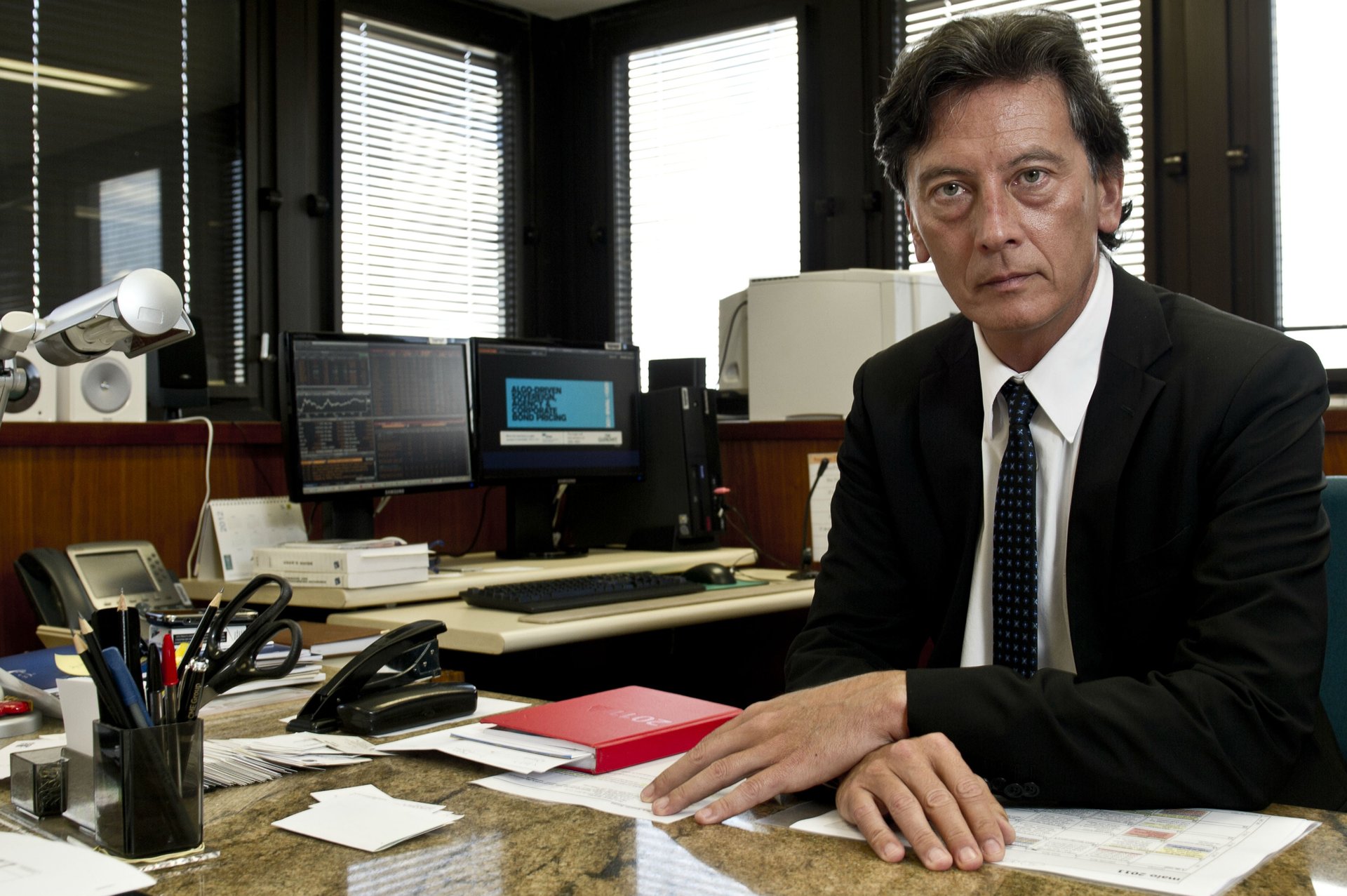
Over on our Ideas channel, former El Salvadorean finance minister Manuel Hinds argues that the Brazilian central bank’s decision this evening to trim its benchmark lending rate to its lowest level ever is a misguided attempt to correct the country’s sharp economic slowdown. However, it’s not only Brazil’s economy that has the bank worried.

A link from New York Times

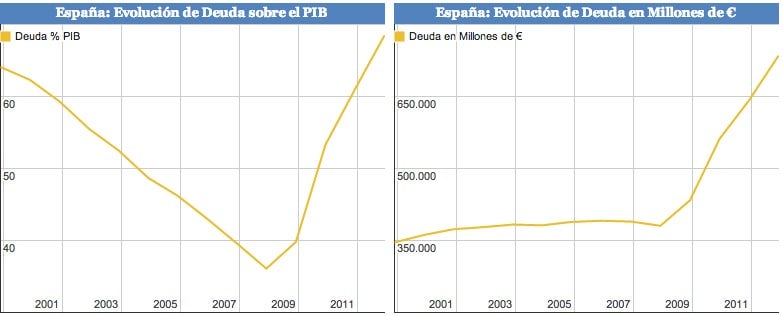
Spain’s austerity budget, revealed on Sept. 28, cuts spending by nearly 9%. But national debt will rise to a record 90.5% of GDP next year, the budget ministry said today, largely in order to finance aid to Spain’s troubled regions and its banks. The charts above, from the Spanish site datosmacro.com, show the path that debt has already taken since the 2008 crisis (the one on the left is debt-to-GDP, the one on the right is total debt in millions of euros); the new borrowing will push that even higher.

Chinese interest in American assets has been a touchy subject for a while, but today a new milestone was passed: for the first time in 22 years, an American president has invoked national security privileges to block a foreign commercial deal.