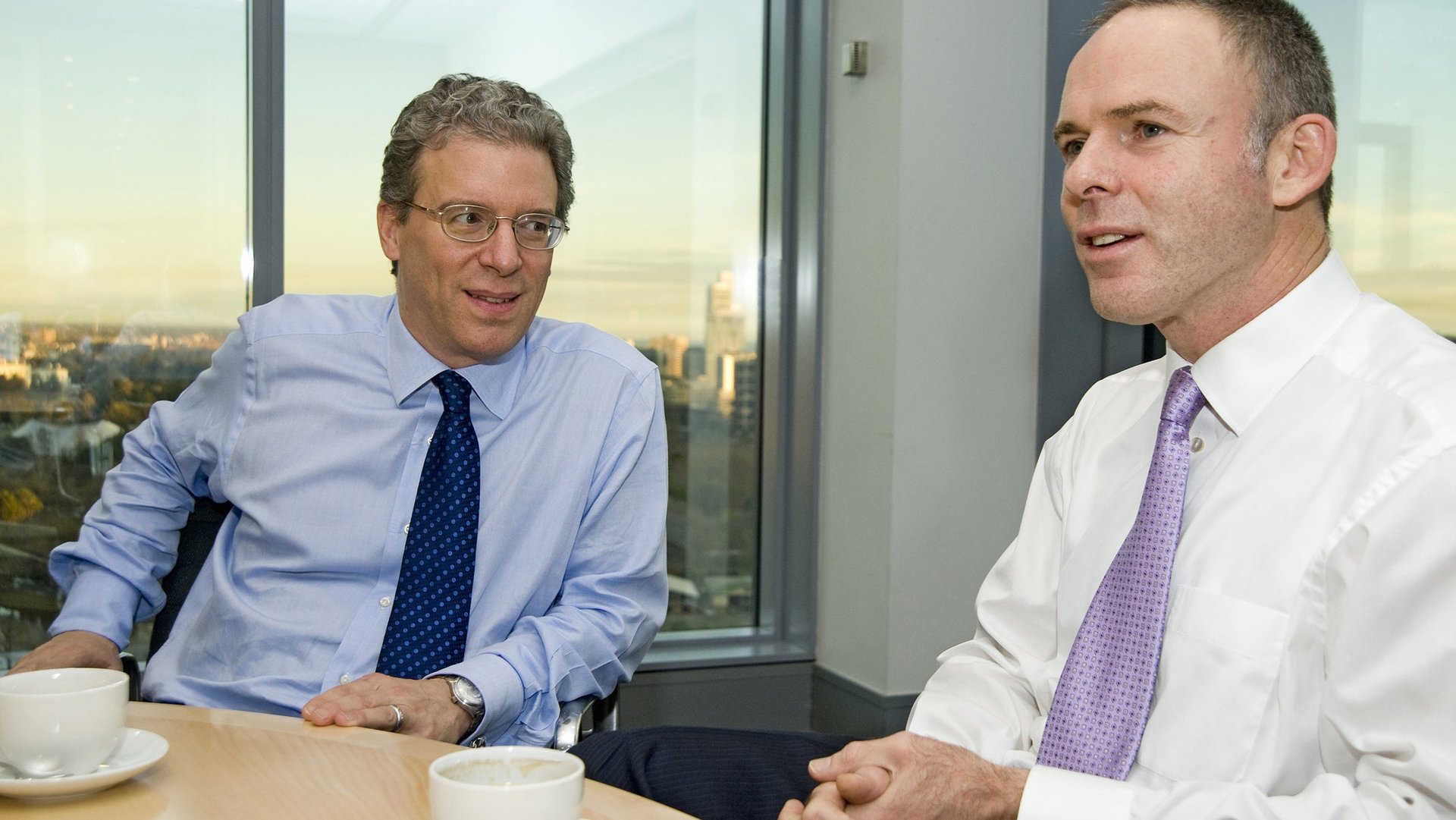
CEOs of mining companies should polish their resumes. BHP Billiton chief executive Marius Kloppers became the latest boss of a major mining company to lose his job, with the company announcing he will be replaced by Andrew Mackenzie later this year.

CEOs of mining companies should polish their resumes. BHP Billiton chief executive Marius Kloppers became the latest boss of a major mining company to lose his job, with the company announcing he will be replaced by Andrew Mackenzie later this year.

Dell’s earnings dropped more than 30% in the fourth quarter of 2012, taking ammunition away from shareholders who argue the company is worth more than what a proposed buyout of the company is offering. Dell also said it wouldn’t give future outlook for the next quarter or fiscal year because of the $24.4 billion deal to sell the company, which is facing opposition from large outside shareholders. The company also declined to discuss the deal during its earnings call.

This item has been updated.

The US media world was abuzz yesterday with the news that Time Warner was in talks to spin off and then sell the profitable People magazine and other publications to Meredith, the owner of Better Homes and Gardens and Ladies’ Home Journal. Somewhat puzzling was the notion that Time would keep its more troubled flagship publications like Time magazine and Fortune. Normally it’s the ailing part of a company that is sold off to protect the rest of the firm.

Dropbox has been holding meetings with banks about an initial public offering, possibly in the second half of this year, according to sources briefed on the talks.

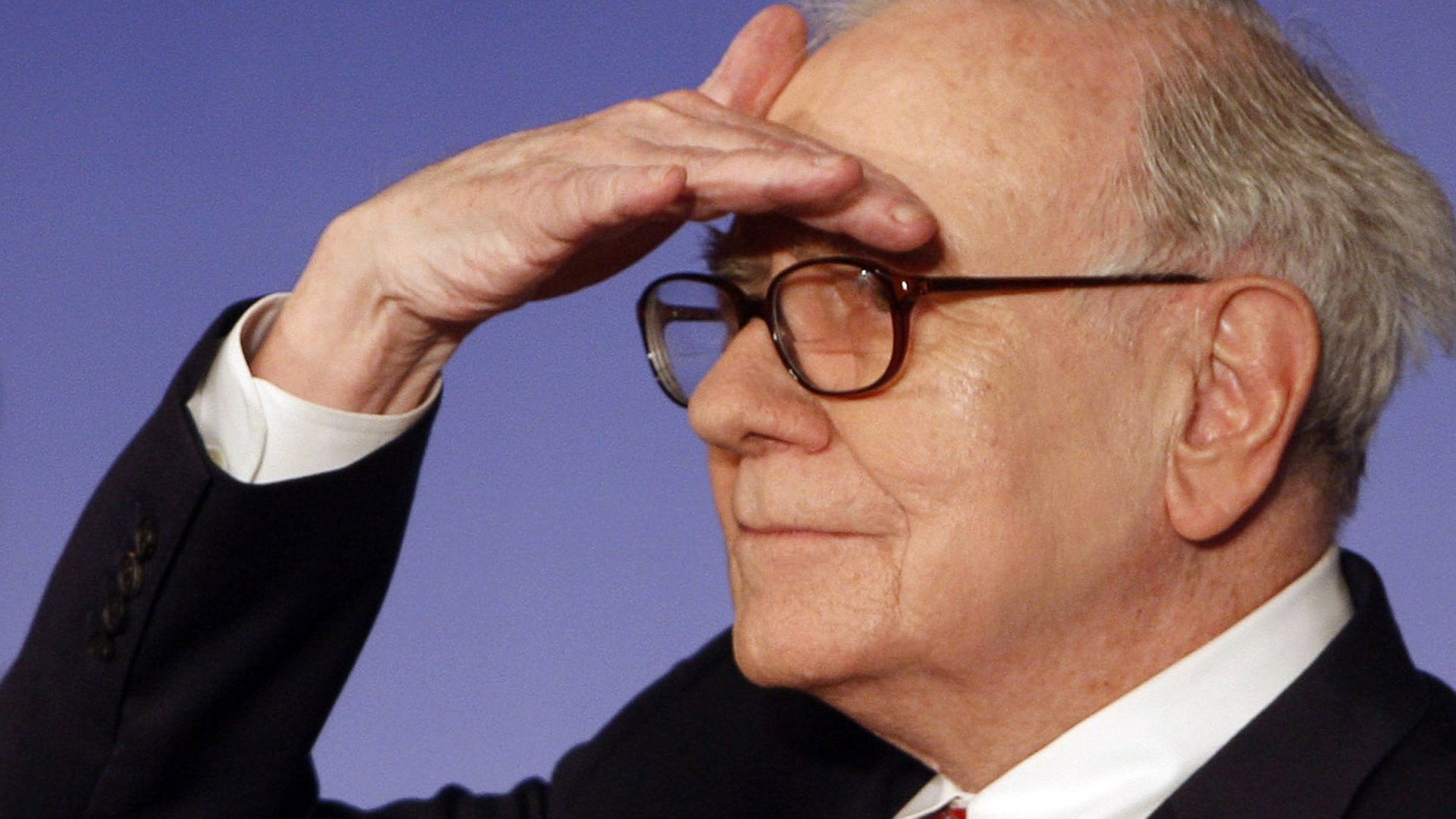
Warren Buffett has talked about his search for a big deal for several years and he finally found his mark today with the announcement of Berkshire Hathaway and 3G Capital’s $28 billion acquisition of Heinz announced this morning.

JC Penney, the American discount clothing retailer, seemed like it had all the ingredients needed for a turnaround. Activist investor Bill Ackman lit a fire under the company when he unveiled a 16% stake in the retailer in 2010. He brought in Apple stores retail master Ron Johnson, a hire that was praised by investors.

It may be that GE, like Apple, couldn’t find a decent-sized company to buy. So it’s using part of its windfall from the $18 billion sale of its stake in NBC Universal and related assets to accelerate and expand its share buyback program, to a whopping total of $35 billion.

Mutual fund manager T. Rowe Price took the unusual step today of publicizing its opposition to a $24.4 billion buyout of Dell, adding to the growing number of shareholders who stand against the deal.

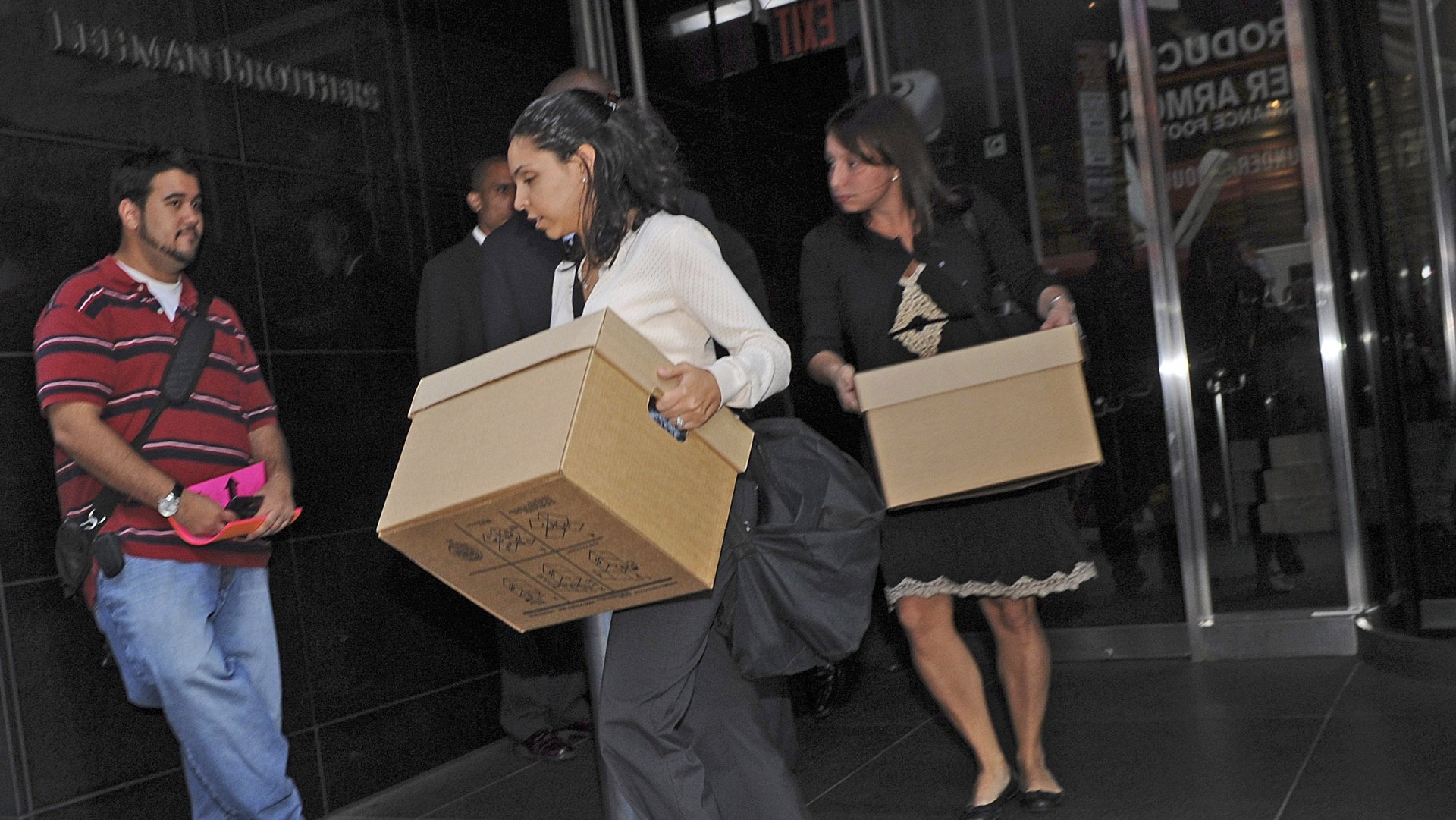
After the collapse of Lehman Brothers in 2008, many of its staff breathed a sigh of relief when they were bought by Barclays. Now Barclays said today that it is cutting 3,700 staffers and shrinking the investment bank, which had grown largely because of the Barclays’ purchase of Lehman. And some of the former Lehman employees at Barclays say they feel like they are back on a roller coaster ride of uncertainty.

One of the few things activist investors Carl Icahn and Bill Ackman agree on is not wanting to see US regulators change current rules on how soon shareholders have to alert the public about stock accumulated in a public company, which a powerful corporate law firm has proposed revising.

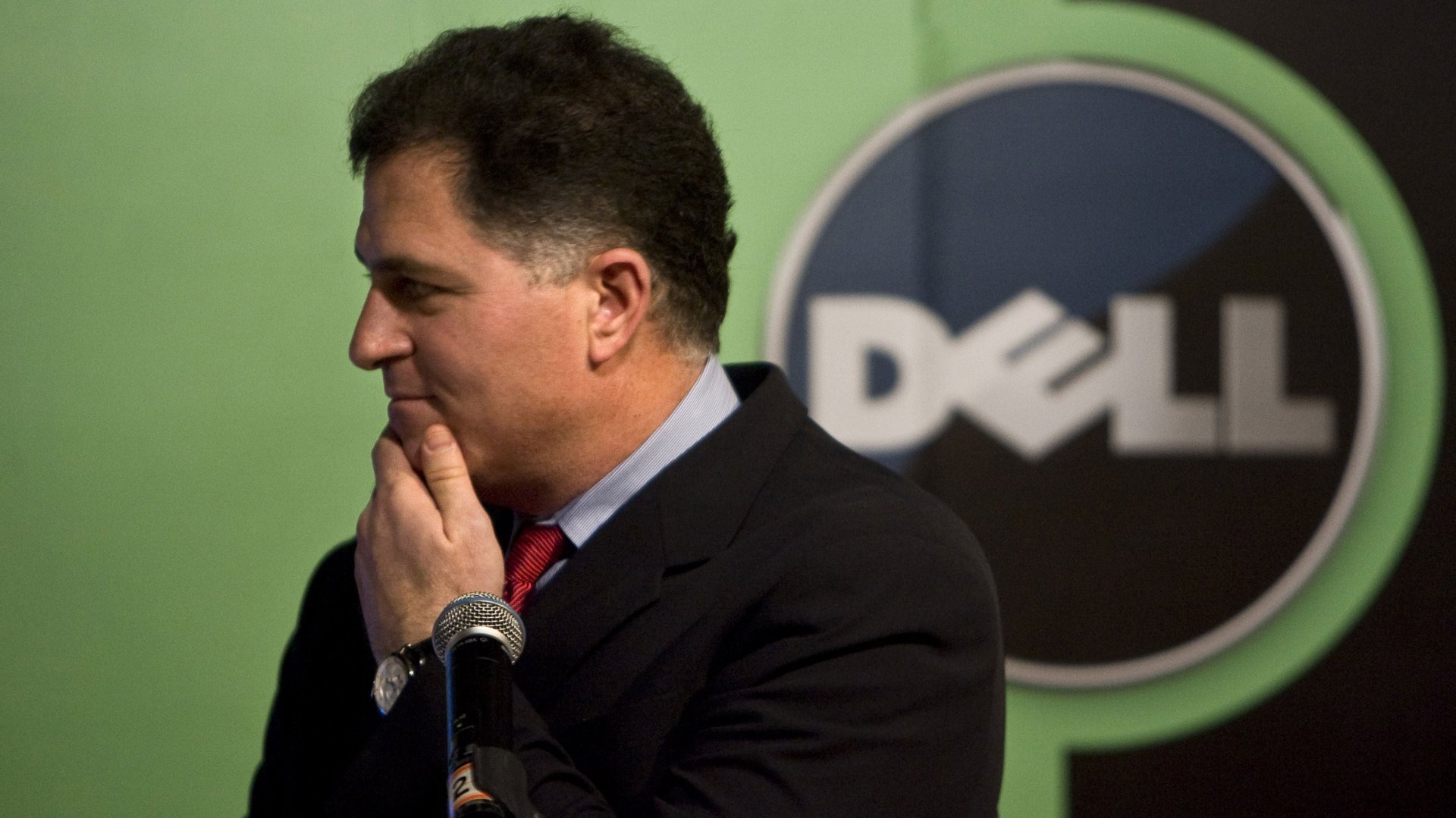
Dell’s largest outside shareholder, Southeastern Asset Management, sent a letter to the company’s board of directors today complaining that the $13.65 buyout offer for Dell is “woefully inadequate.” It’s the most serious sign that Michael Dell, the CEO and the company’s largest shareholder, and other buyers private equity firm Silver Lake and Microsoft may not be able to get their deal across the finish line, at least in its current form.

Apple investors have long complained about the iPhone maker hoarding gazillions of dollars in cash, but it was hard to find enough vulnerabilities to pressure Apple about it—until now.

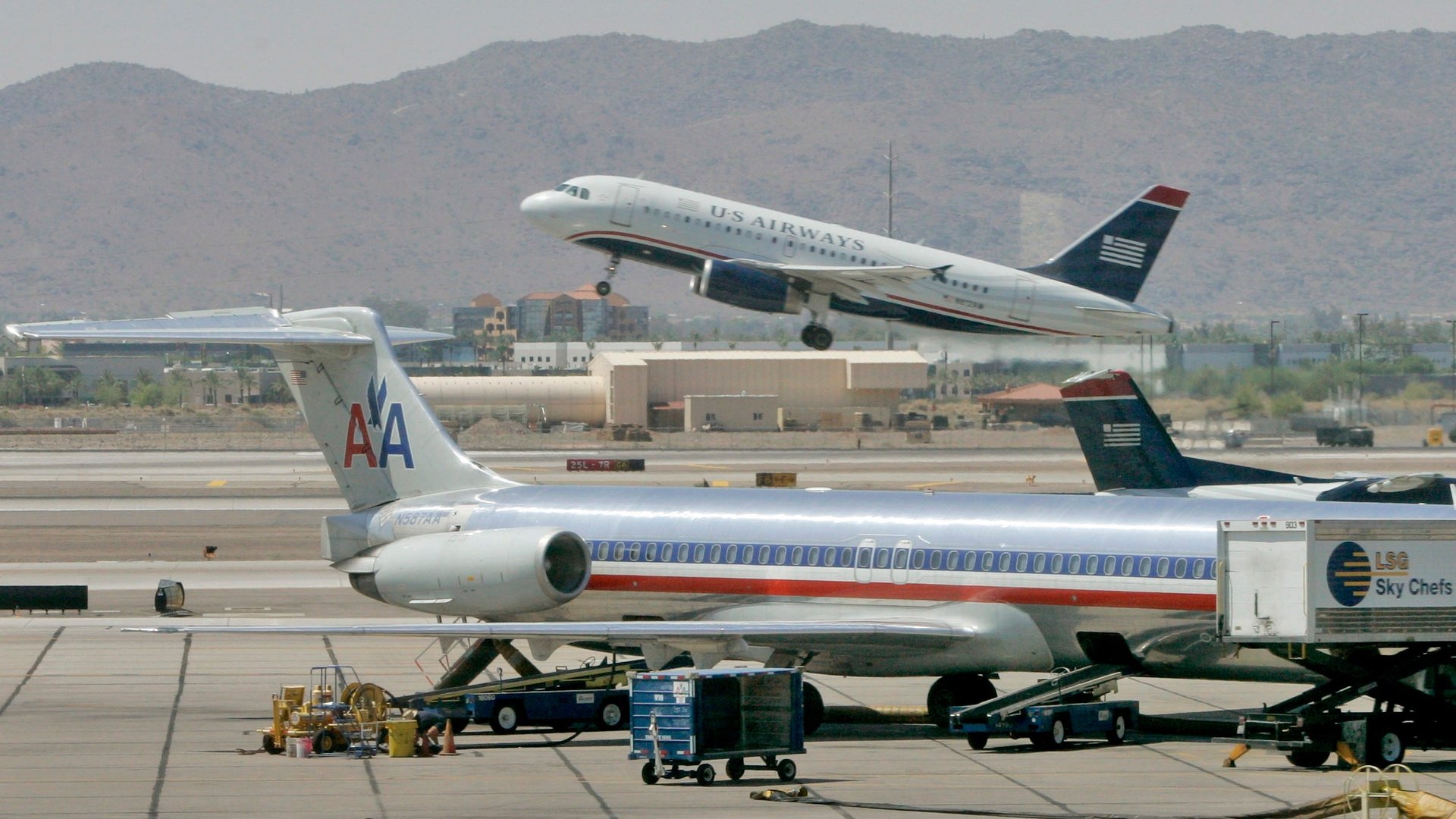
The proposed merger between US Airways and American Airlines is likely the last move toward consolidation of the major airlines in the US. Antitrust issues and limitations on foreign ownership will make it difficult to do any more big deals.

The merger reportedly close at hand (paywall) between American Airlines and US Airways would create the world’s biggest airline by number of passengers. But the new airline’s power will come not just from its sheer size, but from its dominance in a particular arena, the US East Coast.

Curiously missing from Silver Spring Networks’ latest SEC filing for its IPO is its former lead underwriter Morgan Stanley, which had the coveted “lead left” spot until earlier this year. It could be a sign that the bank’s tech franchise, which has been the envy of Wall Street but was criticized because of its role in the botched Facebook IPO, is not as illustrious as it used to be.

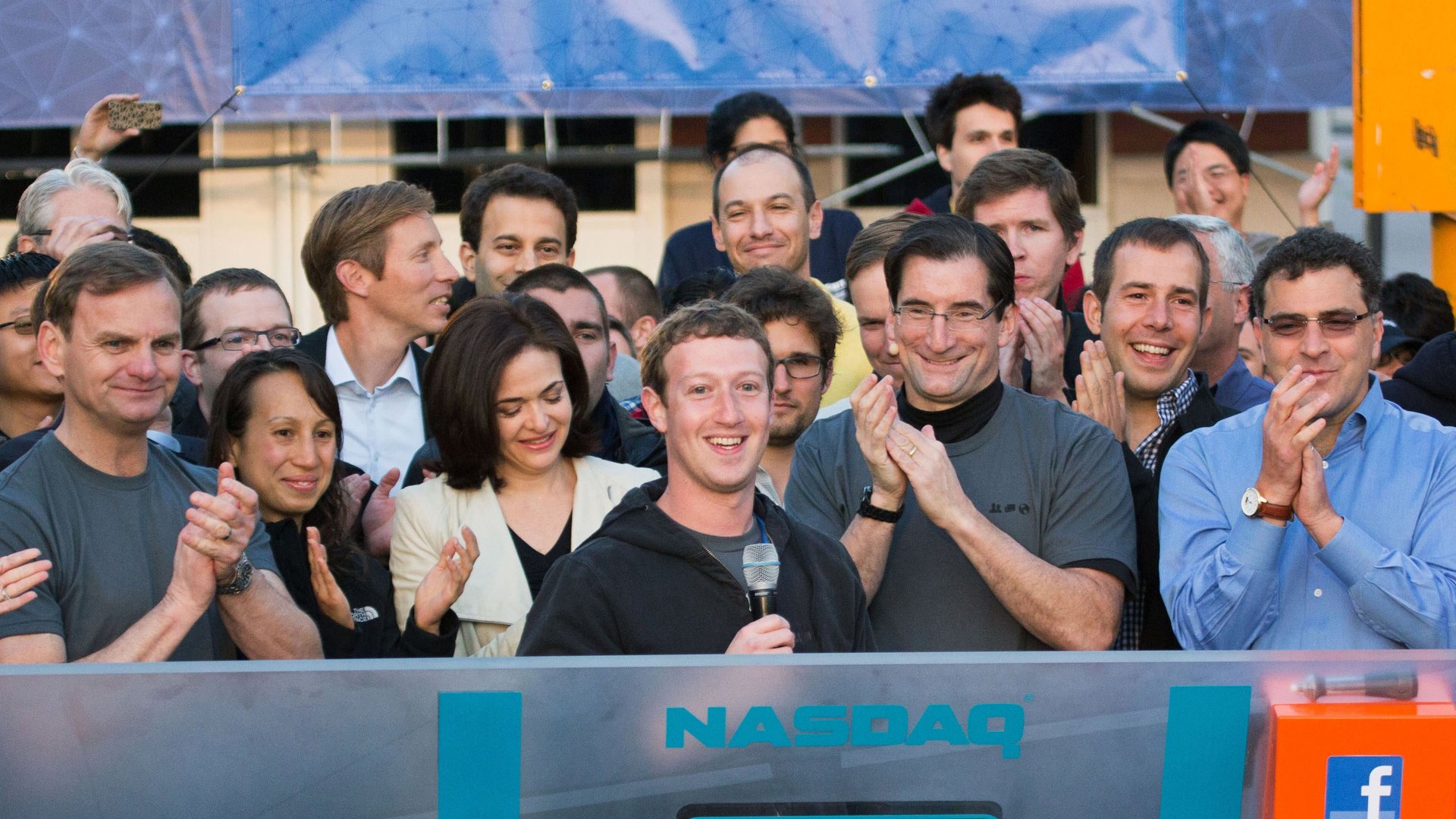
It looks like Nasdaq will have to pay up for the technical difficulties the exchange had during Facebook’s much anticipated IPO last year. But the blame for Facebook’s longer-term share performance lies more with Facebook and its lead underwriters than Nasdaq.

Hewlett-Packard’s quick smackdown of the $24.4 billion leveraged buyout of Dell announced today shouldn’t be surprising given the tech companies’ entangled history.

The Hewlett-Packard board is studying a break-up of the US tech company among several options the directors are considering to obtain maximum value for shareholders, people familiar with the matter said.

Dell’s share price opened at $13.36 today, meaning investors were not blown away by the $13.65 per share offer for the PC maker, so the company and its buyers may have to work harder to entice shareholders to approve the deal.

Many investment bankers are bracing for depressing news next week when they find out how much their bonuses have shrunk, while some are already deciding to leave because of dramatically reduced total pay.

The US Justice Department’s challenge of a deal between Belgium’s Anheuser-Busch InBev and Mexico’s Grupo Modelo is a sign that the government intends to remain tough on alleged anti-competitive behavior.

Michael Dell is trying to take back control of the company he founded—but he’d better be careful about how he does it. Dell, who is teaming up with private equity firm Silver Lake and Microsoft to take the eponymous PC maker private, is reportedly seeking a majority stake. He owns about 16% of the company now, and is willing to kick in at least $4 billion in equity as part of a deal that could be worth at least $22 billion.