
Business News
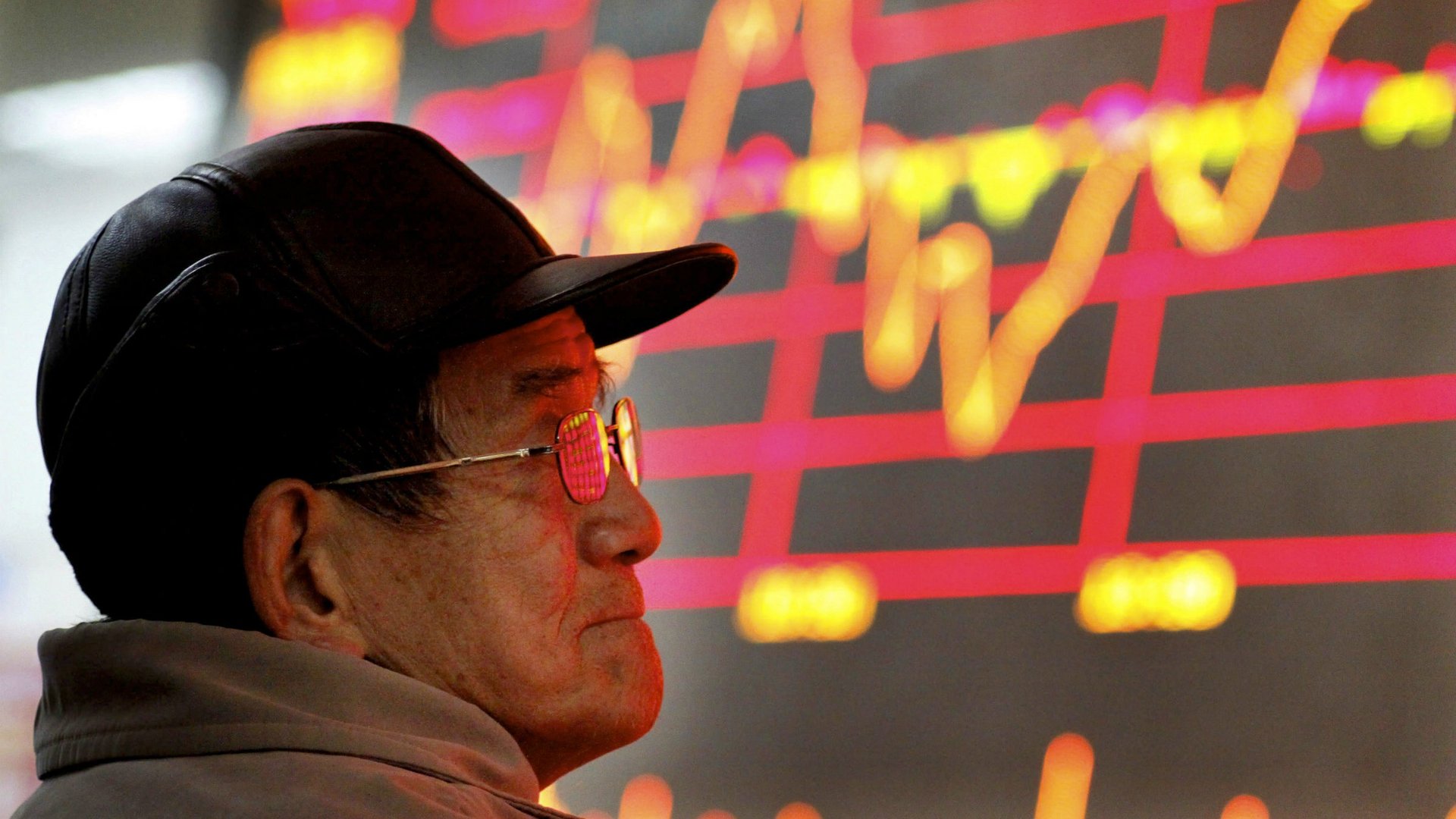
China’s central bank finally broke its silence; Shanghai equities went into routThis article has been corrected.
Updated July 21, 20222 min read
This article has been corrected.
Guo Yongxiang, chairman of the Federation of Literary and Art Circles in China’s Sichuan province, is the latest high-ranking official to face the Communist Party’s terrifying internal disciplinary system known as “shuanggui.” Party officials like Guo who are suspected of “disciplinary violations”—a euphemism for corruption—are held in extra-legal detention.

The complicated saga of the blind Chinese dissident Chen Guangcheng has taken another bizarre turn, with Reuters reporting that he was given an iPad and a smartphone that were secretly loaded with spyware to monitor his whereabouts and communications when he arrived at New York University last year.
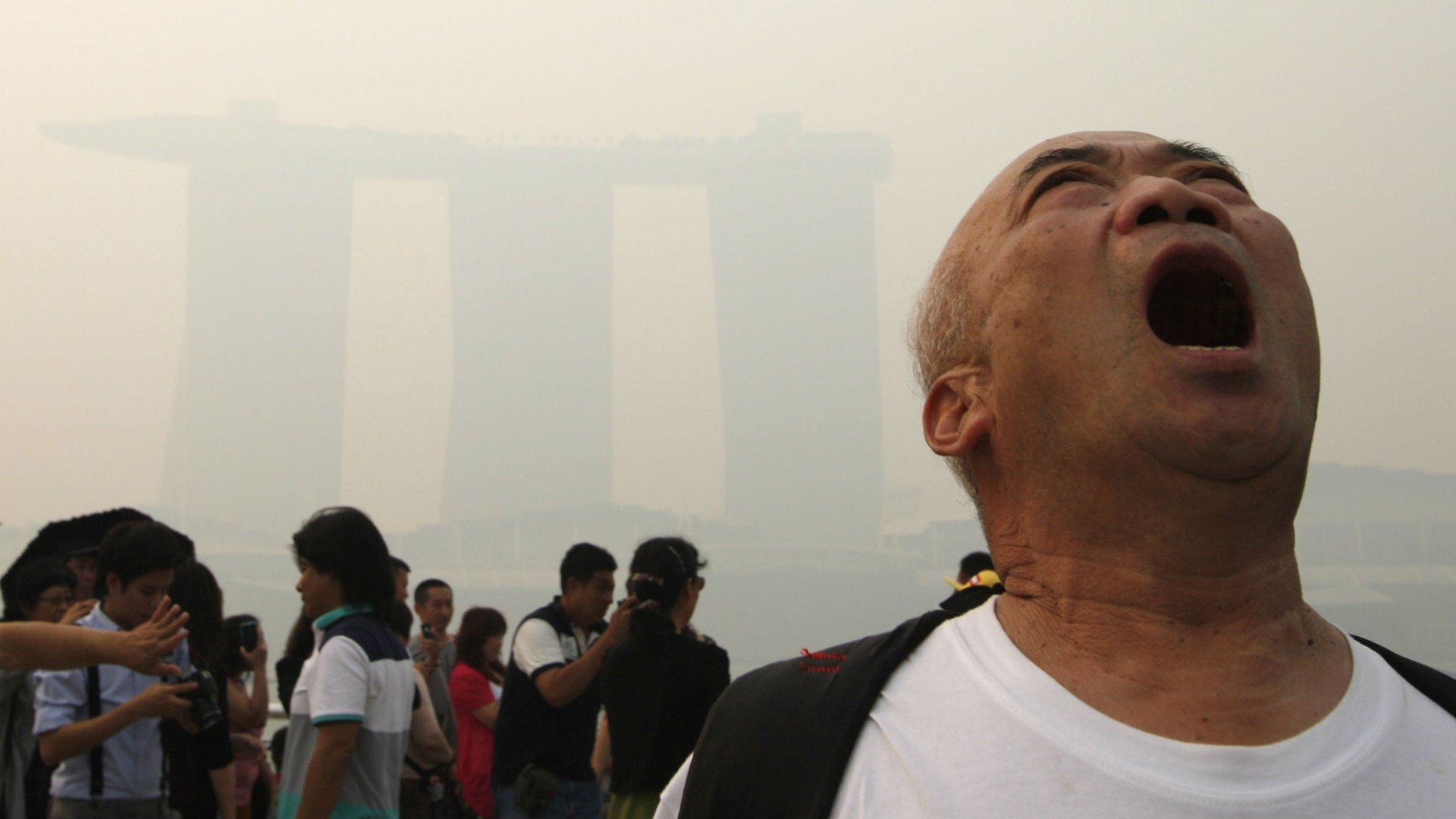
Pollution in Singapore reached “life threatening” levels on Friday, caused by crop fires on the Indonesian island of Sumatra. Singapore’s environment minister said on his Facebook page: “We need urgent definitive action by Indonesia to tackle the problem at source. Singaporeans have lost patience, and are understandably angry, distressed and concerned.”
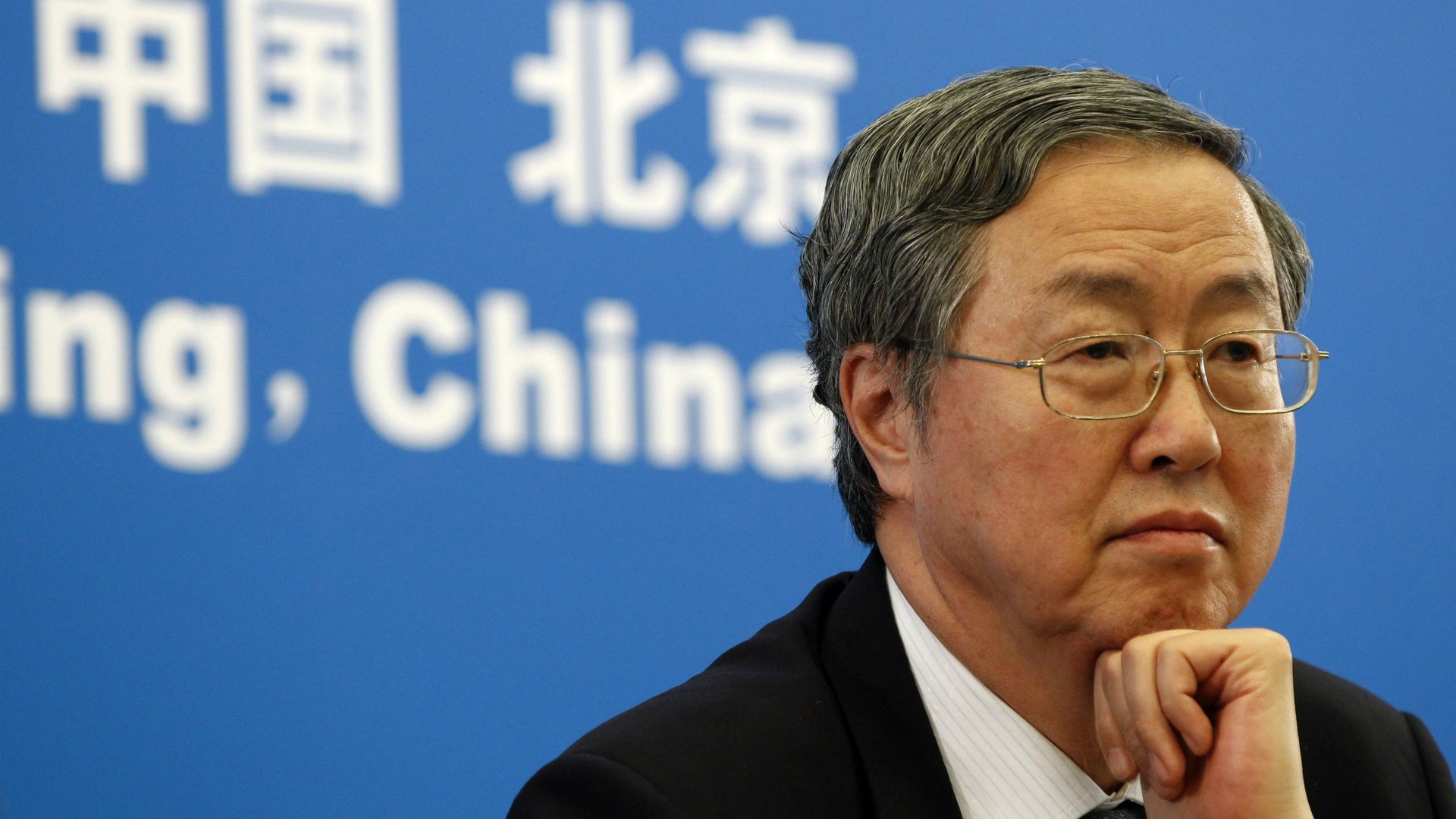
China has been cracking down on dodgy financial instruments this year by starving banks of cash. It’s a little like taking a bunch of heroin addicts and making them go cold turkey—the cure could kill them. And at first glance, it looks like the People’s Bank of China engineered a crisis that is dangerously similar to the one that precipitated global economic doom in 2008. But in this case, it might actually work.

Canadian astronaut Chris Hadfield won the hearts of YouTube addicts the world over with his antics in zero gravity. Sadly, Hadfield has moved out of the International Space Station and back to Canada (although not without a farewell song), so who better for the role of zero-gravity superstar than Major Wang Yaping of China?
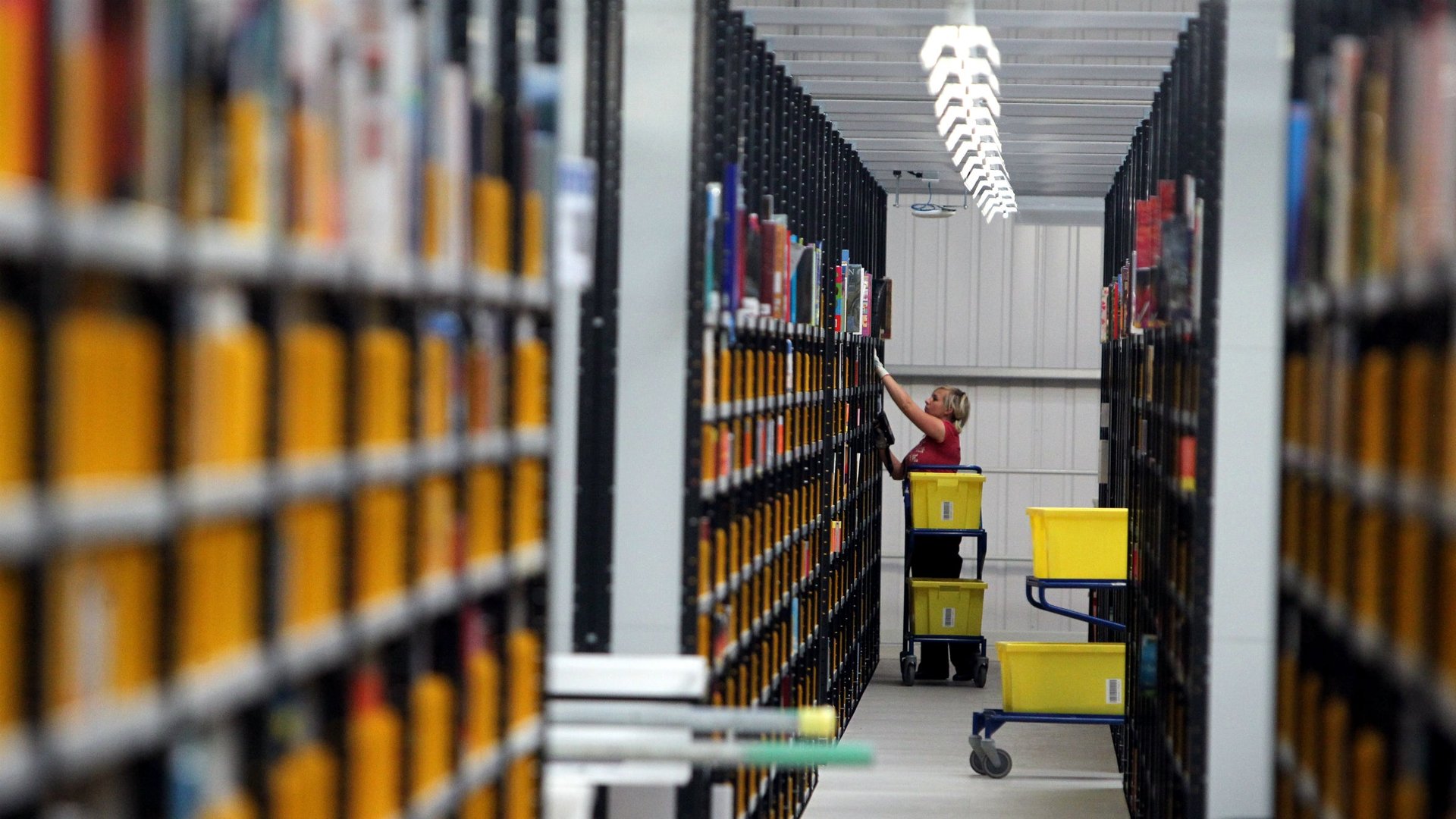
One-year old e-commerce company Lazada has persuaded investors to give it another $100 million to expand its online shopping service. Its parent company, Germany’s Rocket Internet, is determined to turn Lazada and its sister fashion site Zalora into Southeast Asia’s equivalent of Amazon.com. But the region’s shoppers make just 1% of their purchases online, according to the company. What makes Rocket think that it can turn that around?
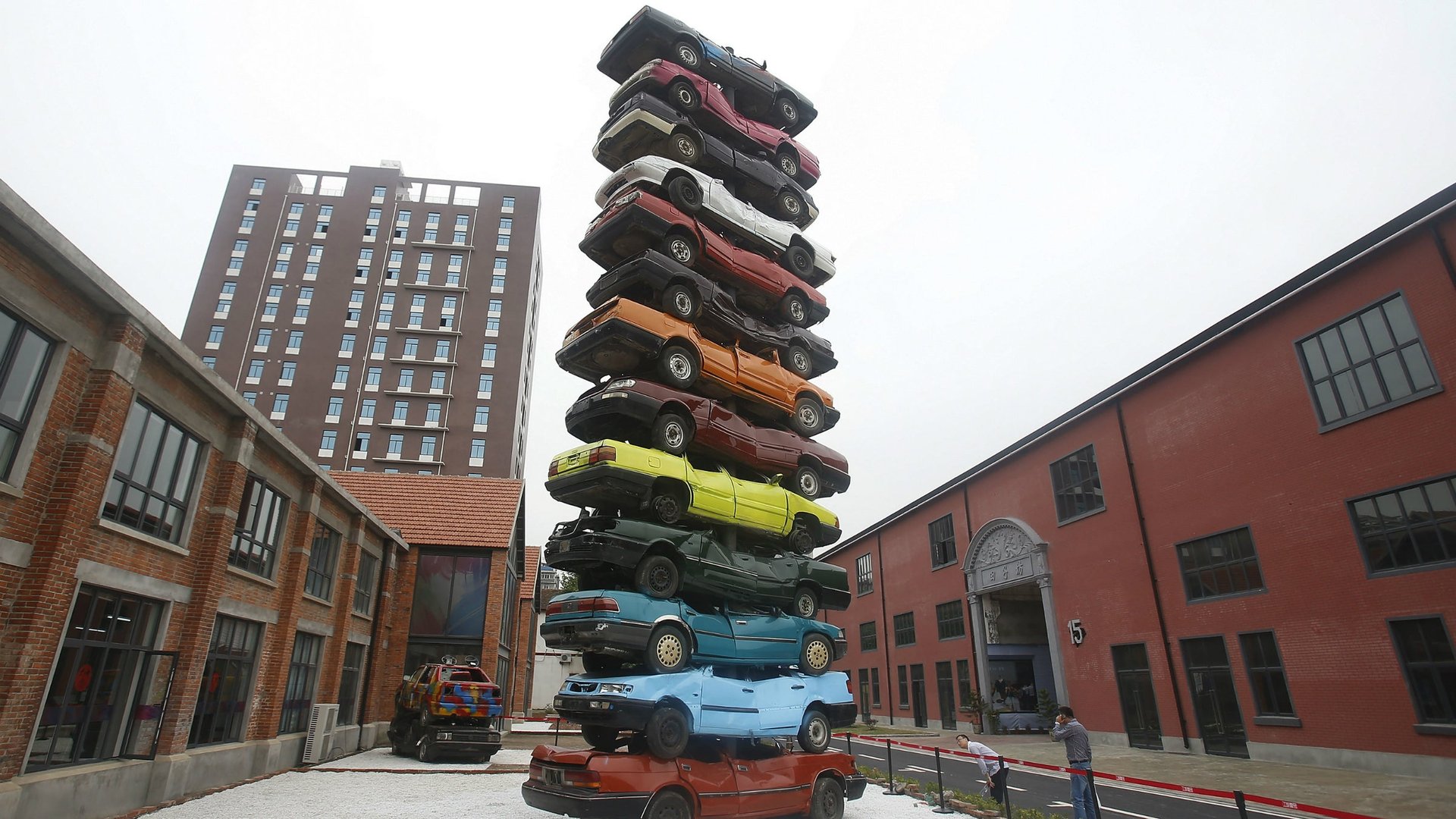
China’s manufacturing sector, its engine of growth, contracted for the second month running and weakened to its worst level for nine months, according to Thursday’s HSBC/Markit’s flash index (pdf), which fell to 48.3 in June from 49.2 the previous month. As PMI watchers know, a score below 50 indicates that manufacturing is shrinking, and the last six months tell a sorry tale of constantly eroded expectations.

At number three on China’s rich list, worth $8.6 billion, Wang Jianlin can get away with a few eccentricities, but one wonders what he plans to do with Western Europe’s tallest residential building and the company behind the yachts featured in James Bond movies. His company, Dalian Wanda Group, is parting with $1.6 billion to acquire the two assets.
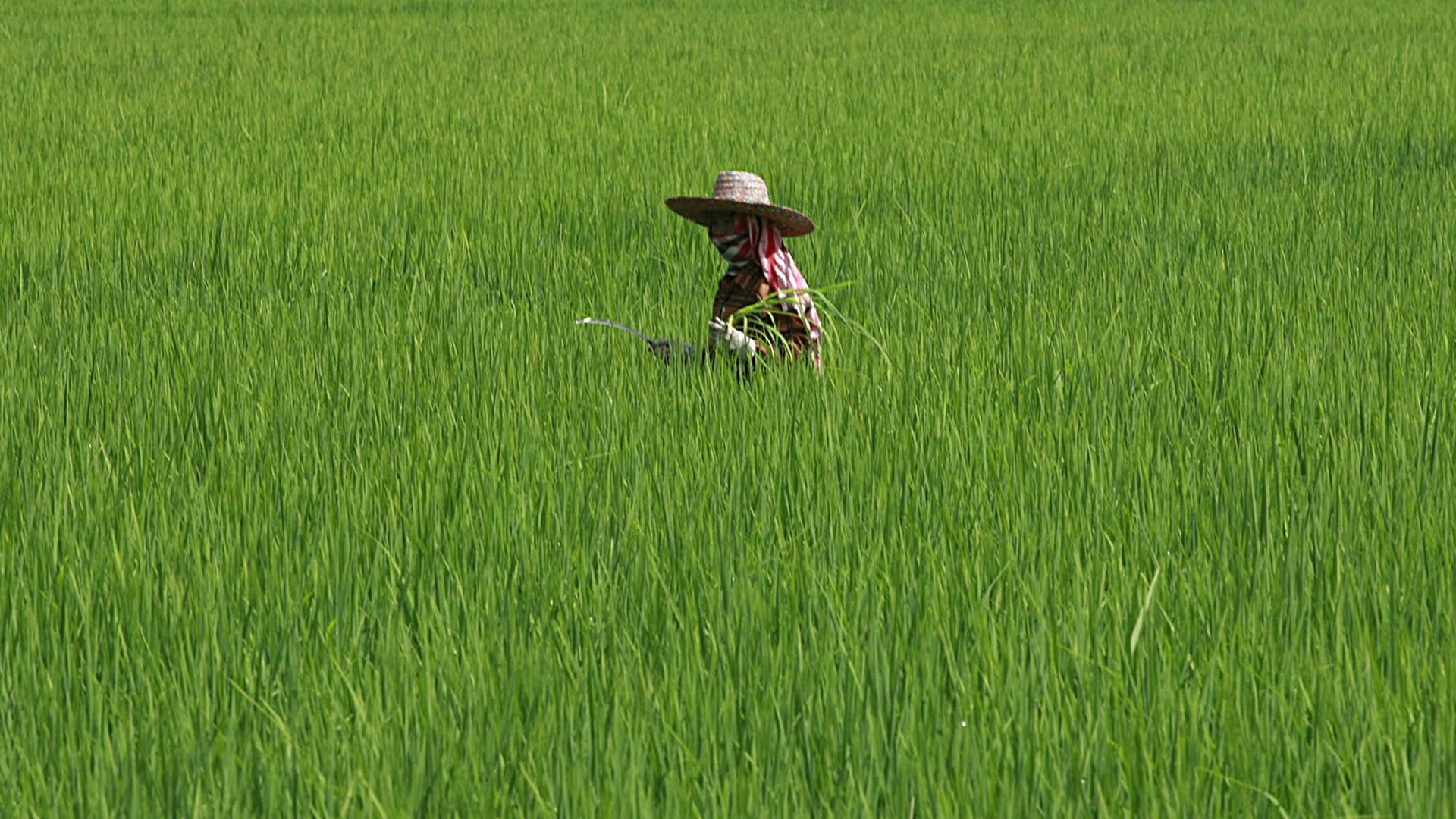
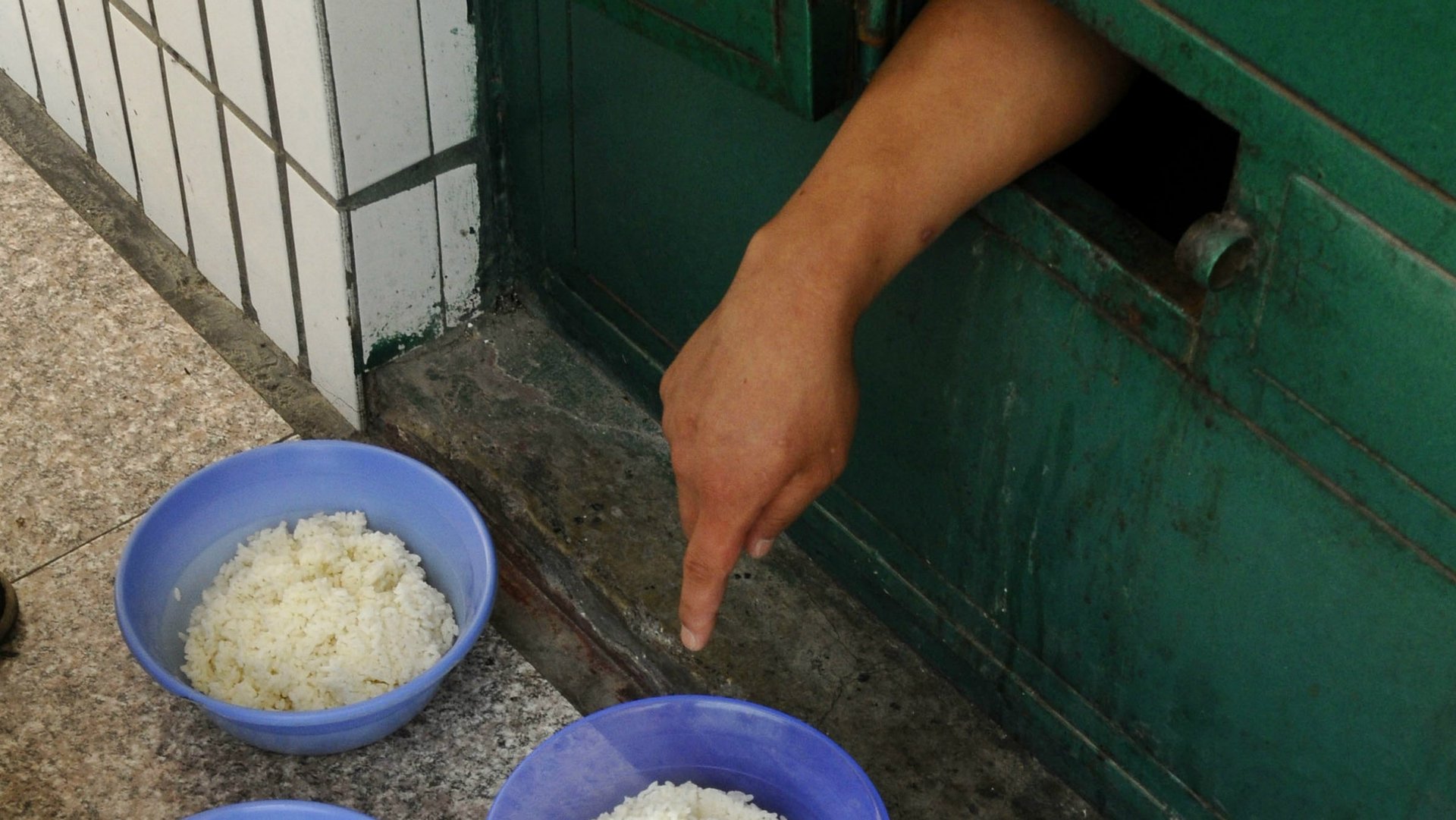
After years of stubbornly resisting widespread criticism over a populist rice subsidy policy, Thailand is finally showing signs that it might be willing to backtrack, but its reluctant retreat probably won’t be enough to reverse a dramatic plunge in its exports.
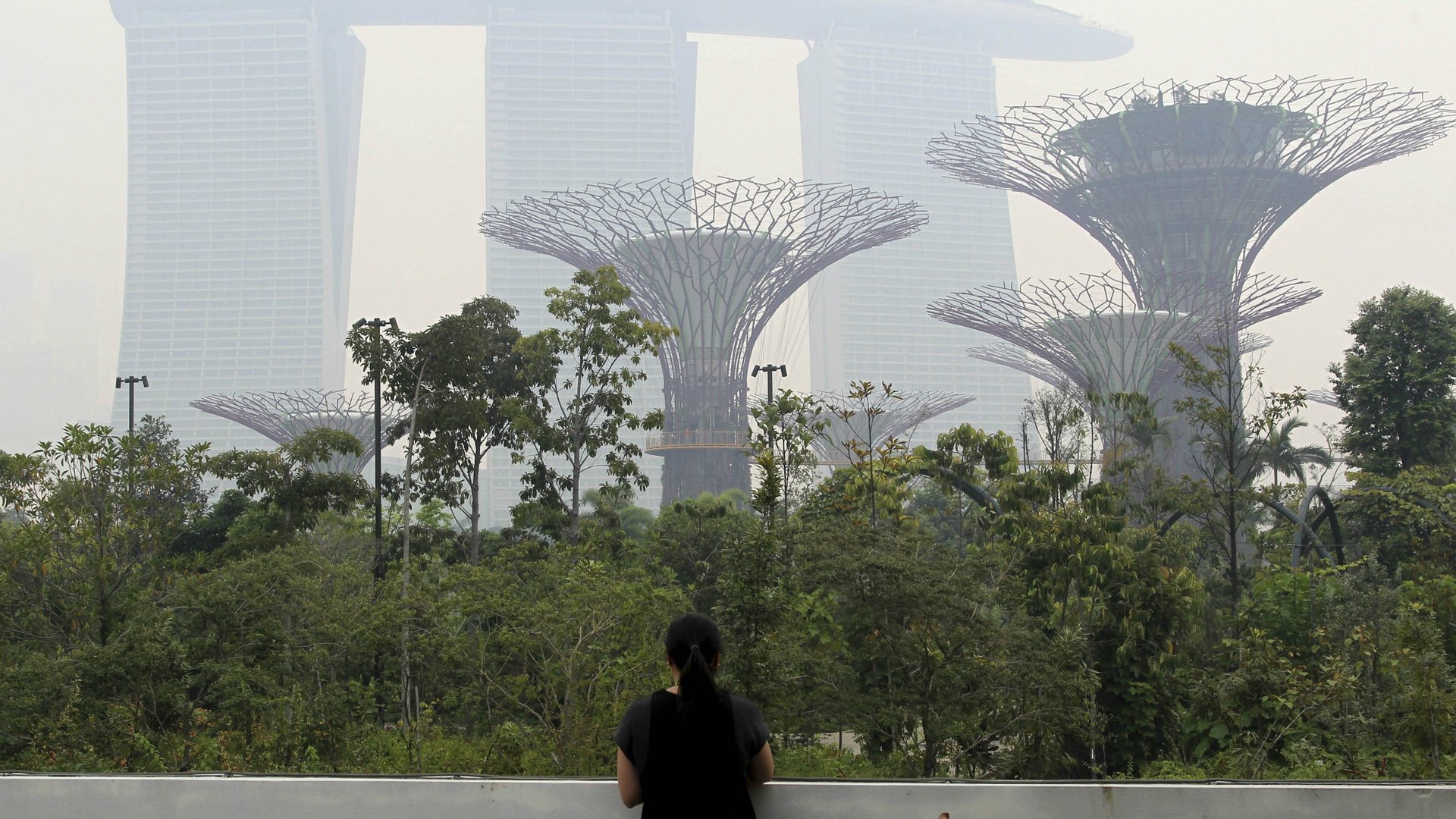
Air quality hit a 16-year low in Singapore this week, prompting residents to hide indoors with a stash of eye drops and face-masks. Malaysia is similarly affected, but the main cause lies to the southwest, on the Indonesian island of Sumatra, where farmers are stoking roaring blazes to clear their fields.

Monday’s civil unrest in Brazil had the slightest of sparks—a $0.09 rise in the price of a single bus fare in Sao Paulo. Officials justified the rise, pointing out that it was well below inflation, but it still triggered the biggest protests Brazil has seen in over 20 years—up to 200,000 people on the streets in 11 cities.
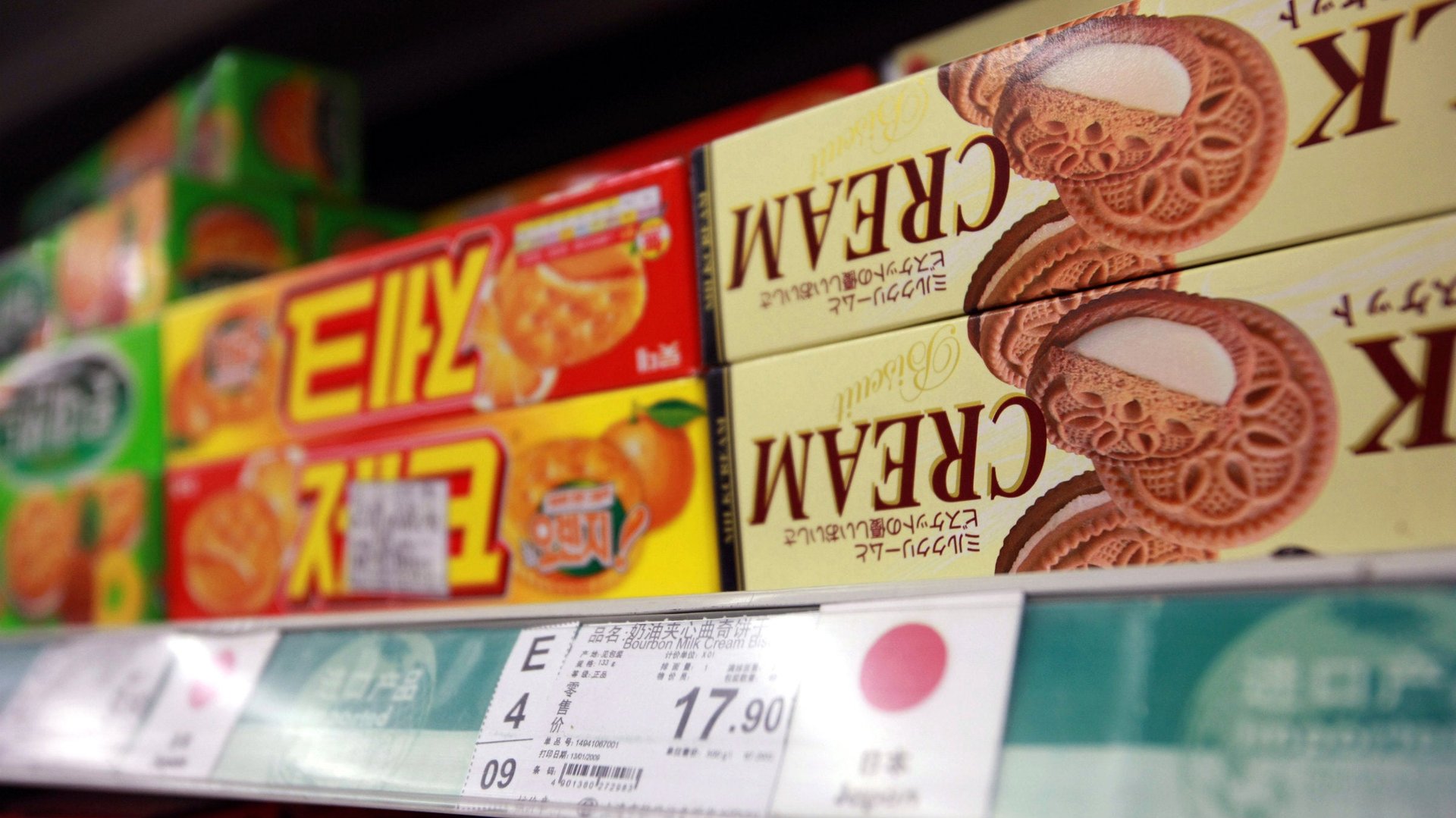
Campbell Soup Co., the maker of Pepperidge Farm cookies and crackers, has its eye on China’s lucrative baked goods industry with an acquisition of Denmark’s Kelsen Group. The Chinese market for cookies (known as biscuits in much of the world) is worth a staggering $24 billion, and is growing at 20% a year. Kelsen has a twenty-year headstart selling its Kjeldsens Danish butter cookies in China, and is growing even more quickly, with sales up an average of 28% in the last three years.
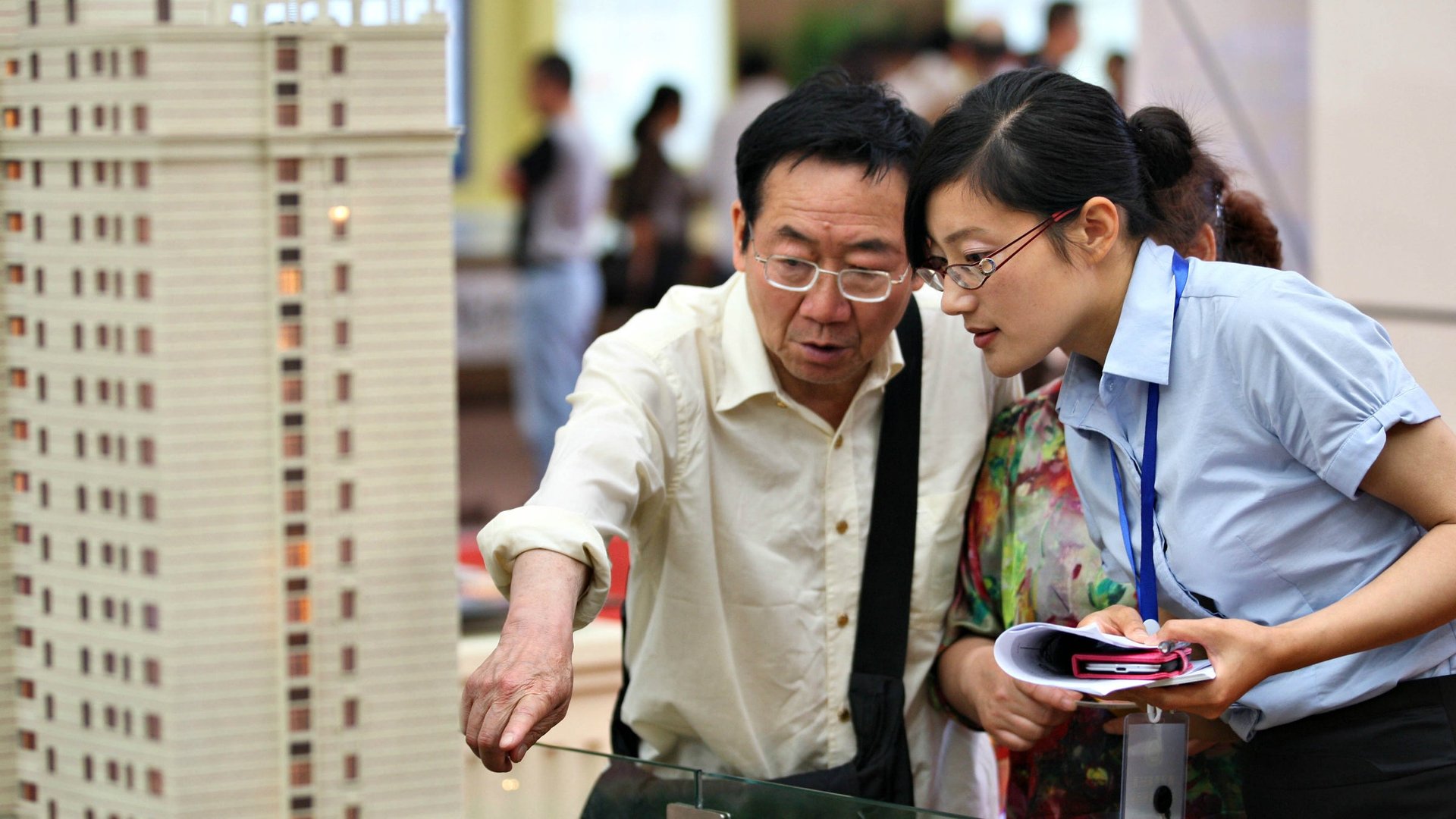
Average new home prices in 70 major Chinese cities rose 6 percent in May from a year earlier—a two year high, according to calculations by Reuters. In Beijing, prices rose a staggering 11.8% in a month—faster than at any point since January 2011 and way up on April’s increase. Bizarrely, a newly released Beijing police survey also showed that last year over a quarter of residential properties in the capital were vacant. What gives?
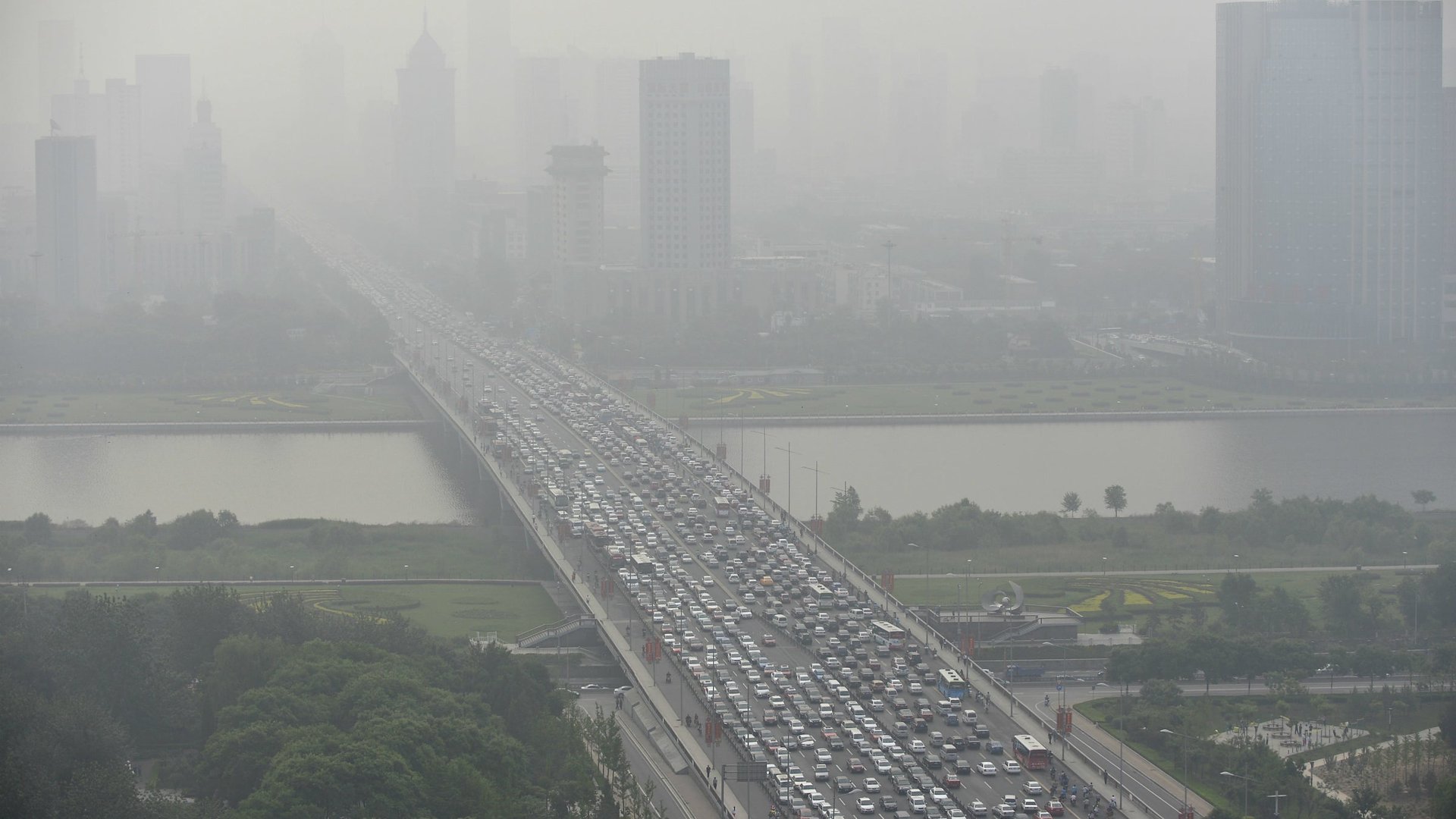
At the end of last week, China’s rulers approved 10 anti-pollution measures, which included an order that offending industries must cut harmful emissions by 30% before 2017. Deutsche Bank called it the “most aggressive” push from Beijing yet, but the scale of pollution in China is such that the target may barely cut through the haze.
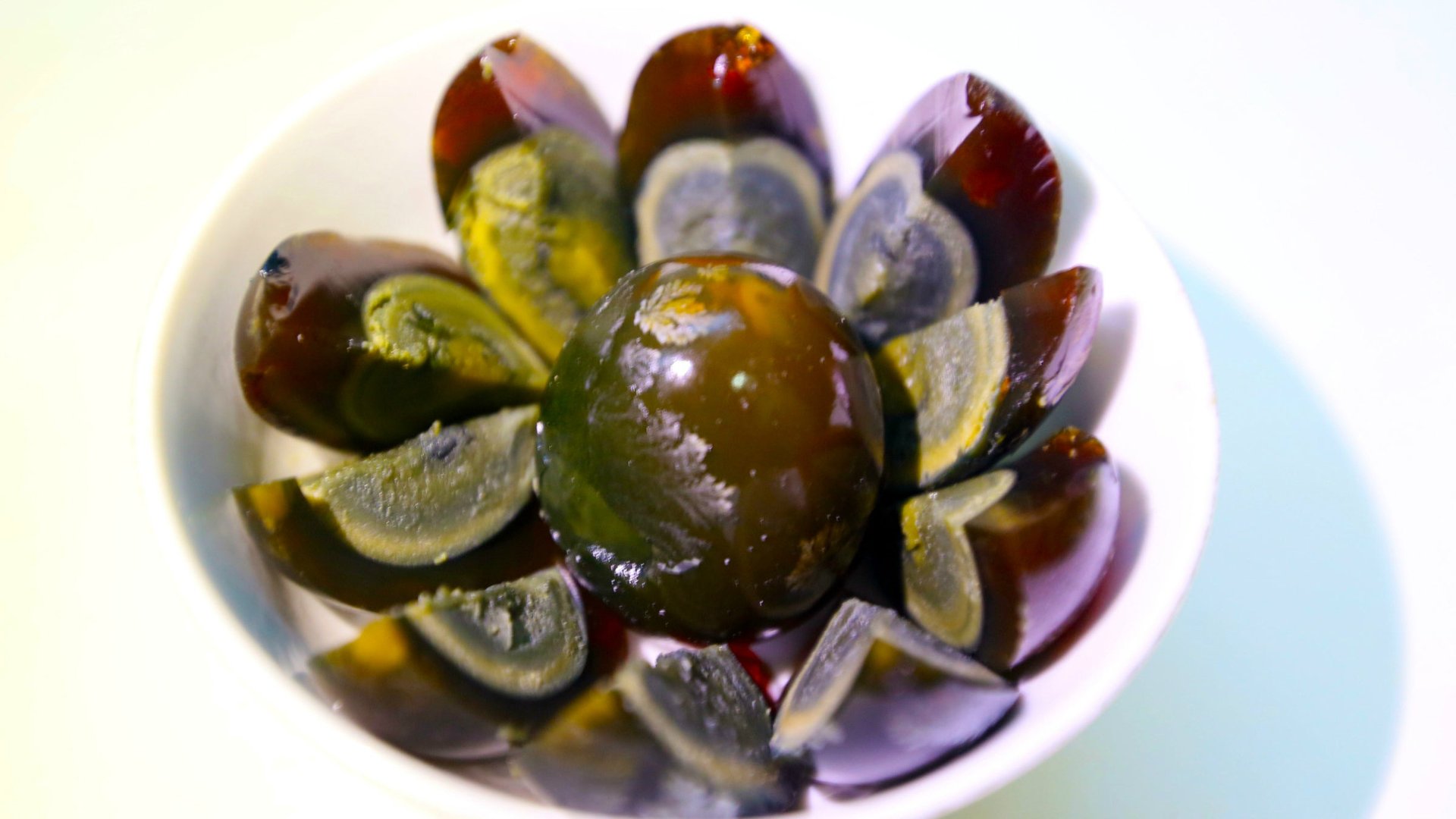
And you thought poisoned rice was bad. Chinese state media reported over the weekend that thirty companies producing preserved eggs in Nanchang county had been closed by authorities for using toxic copper sulphate rather than baking soda to speed up the maturing process.

Chinese dissident Chen Guangcheng claims that New York University booted him from a fellowship because of “unrelenting pressure” from China, where he spent many years under house arrest. NYU has denied that politics played any role in the blind law student’s departure, citing a 2012 agreement to shelter Chen for a year, and no more.
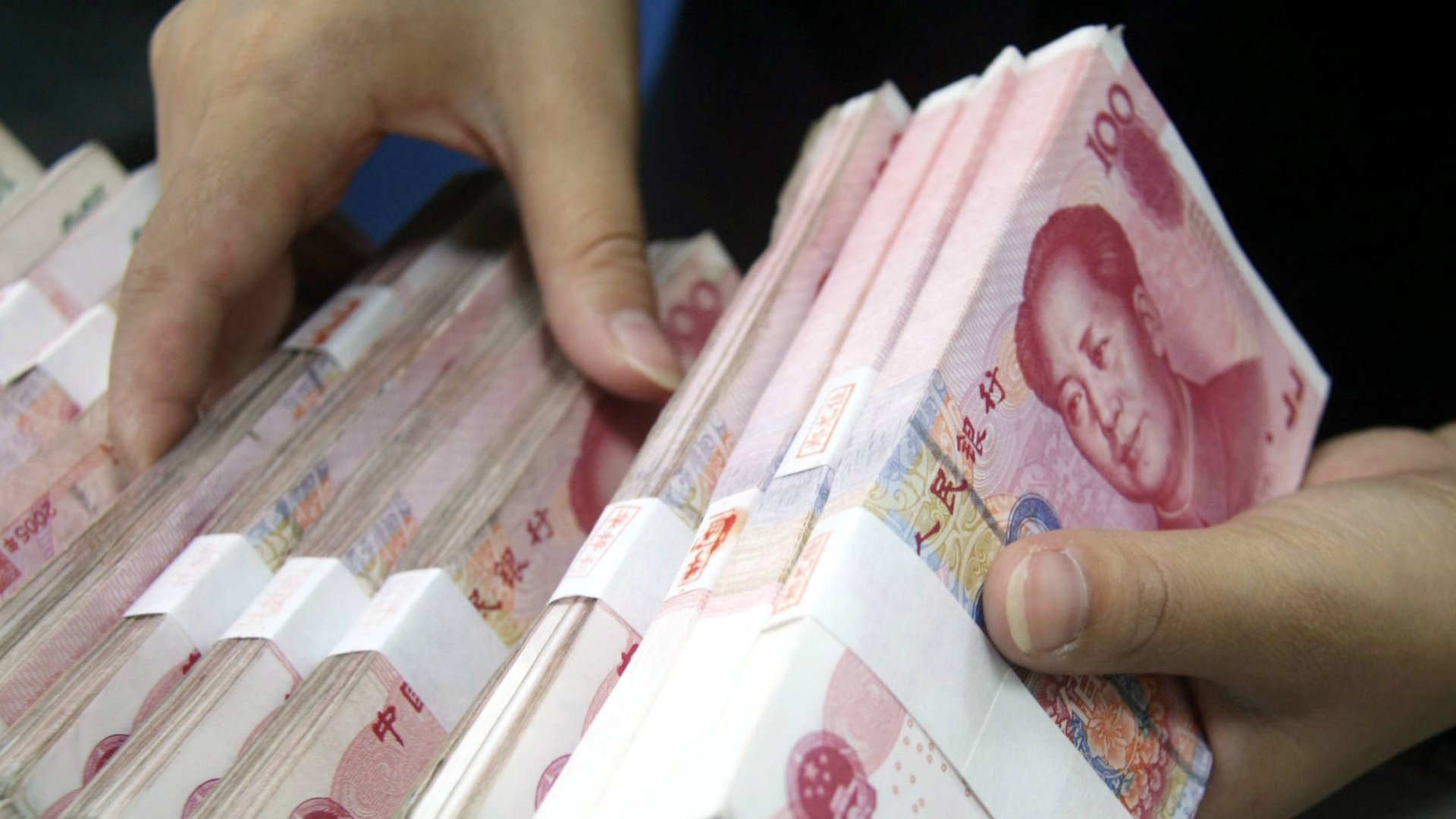
There seems to be a shortage of cash in China. When the finance ministry auctioned off debt today (June 14), it found buyers for less than two-thirds of it—the first time in 23 months that it has failed to sell it all. Is it time to worry?
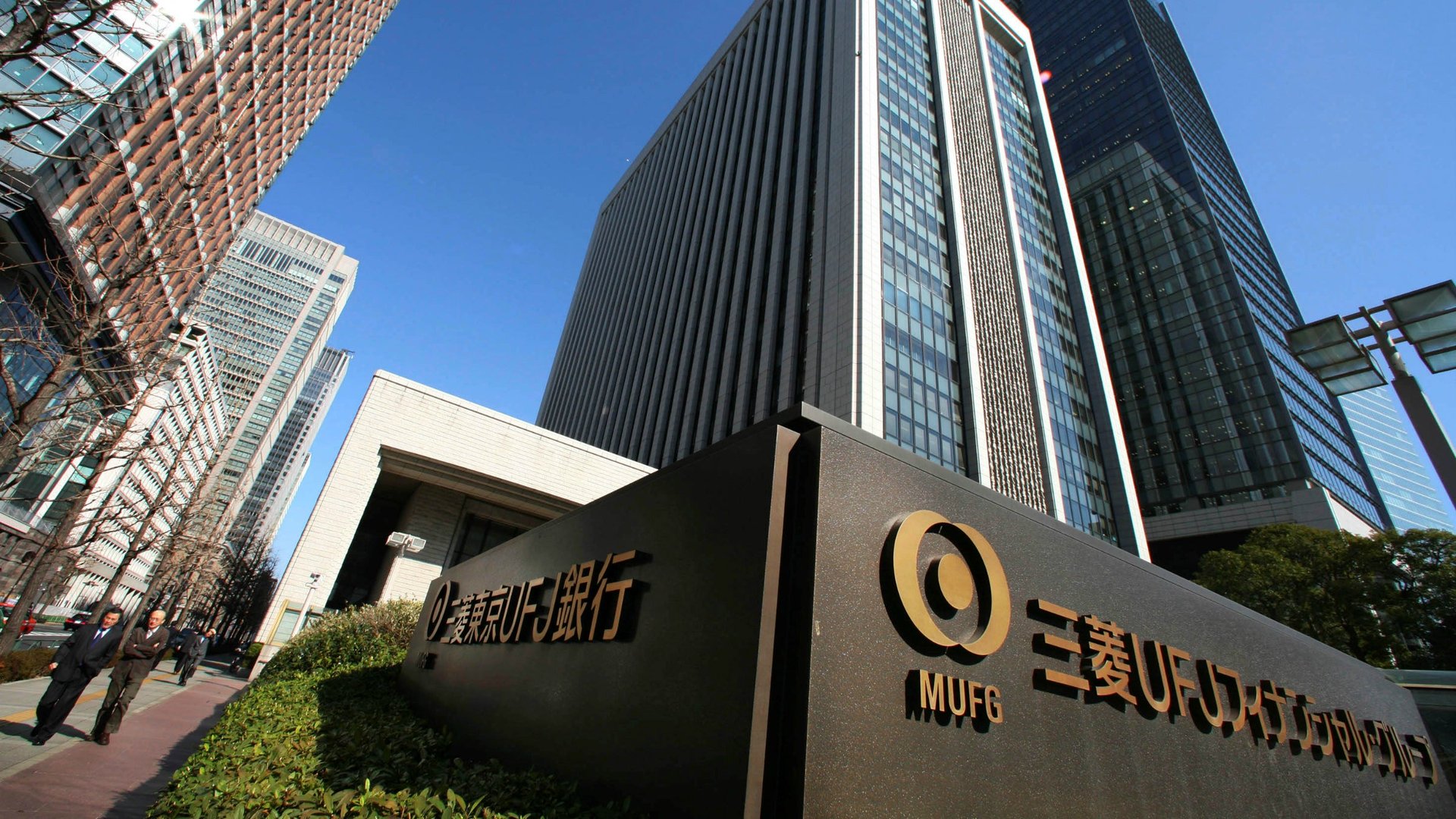
Mitsubishi UFJ has its eye on a controlling stake in Thailand’s Bank of Ayudhya, according to the Wall Street Journal—a deal that could value Thailand’s fifth-largest bank by assets at over $3 billion. But there’s a problem—Thailand has strict regulations for foreign ownership of financial institutions.

China, Vietnam, the Philippines, Japan and Taiwan are among the many countries fighting for fishing rights in the South and East China Seas—but at the rate fish stock is being killed by pollution and over-fishing, there won’t be much left for the victors anyway.
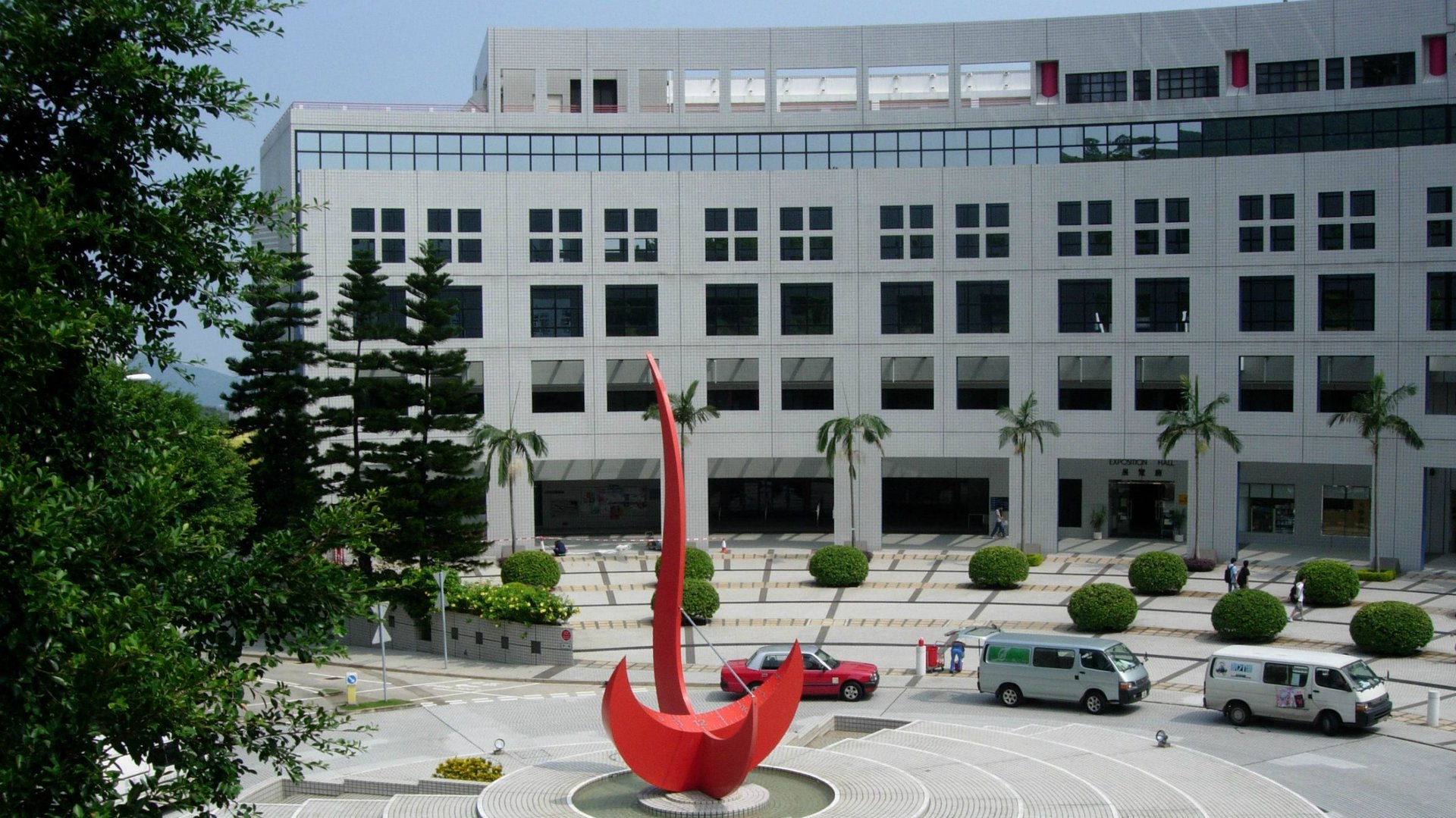
A rapidly developing economy can transform a nation in a generation or two, but establishing a world-class university system can take quite a bit longer. By the end of this decade, three out of every 10 college graduates will come from China. But the country hasn’t been able to build enough world-class educational facilities to meet domestic demand. The 2013 QS University Rankings for Asia, out this week are dominated by Hong Kong, Singapore, South Korea and Japan, with only two mainland Chinese universities cracking the top 20.

What to watch for today
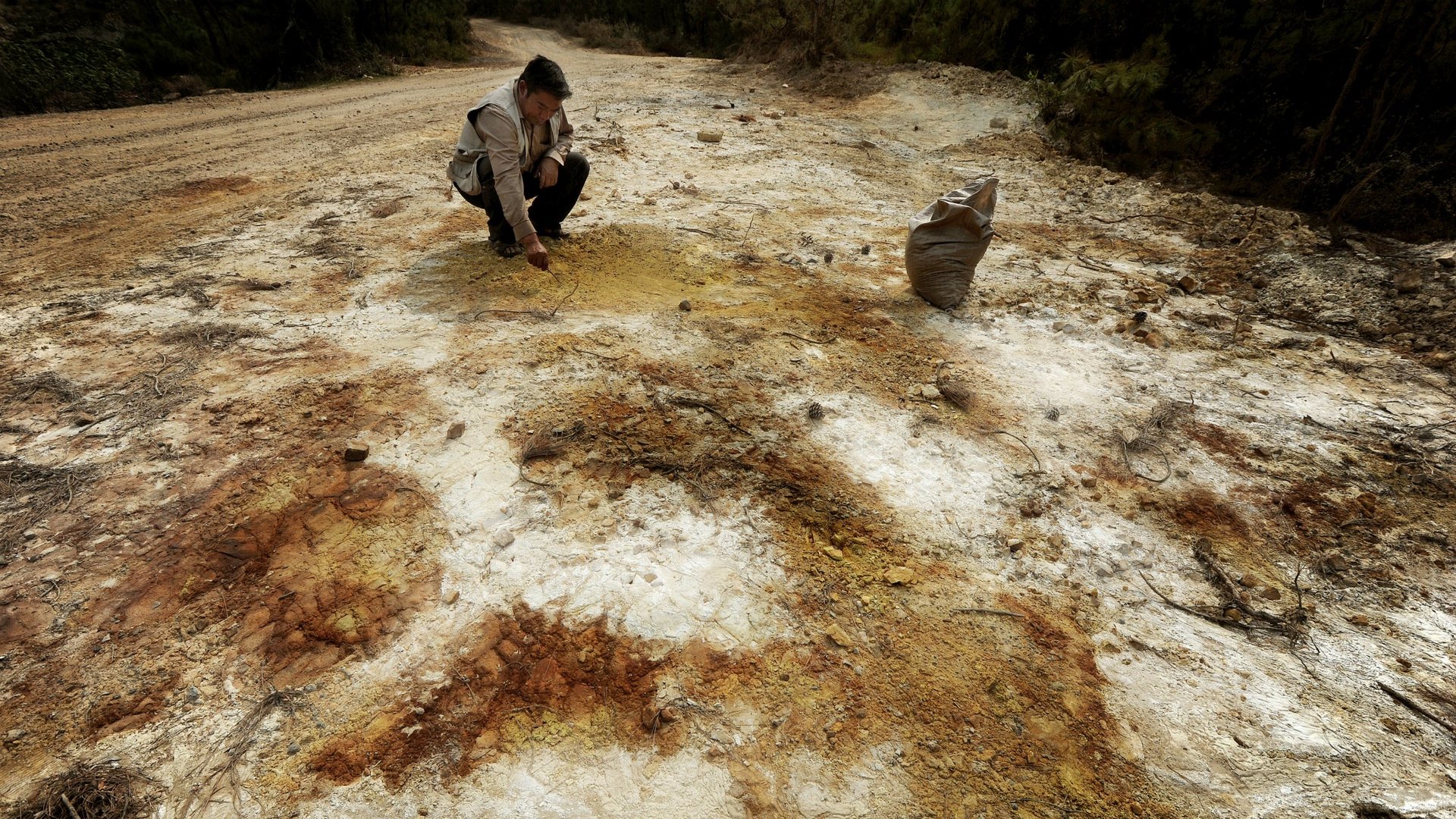
China is planning to conduct an in-depth nationwide soil pollution survey, government officials said on Wednesday evening, in an attempt to gauge just how contaminated its land has become. The announcement follows a recent scandal in which almost half the rice in Guangzhou was poisoned with cadmium.
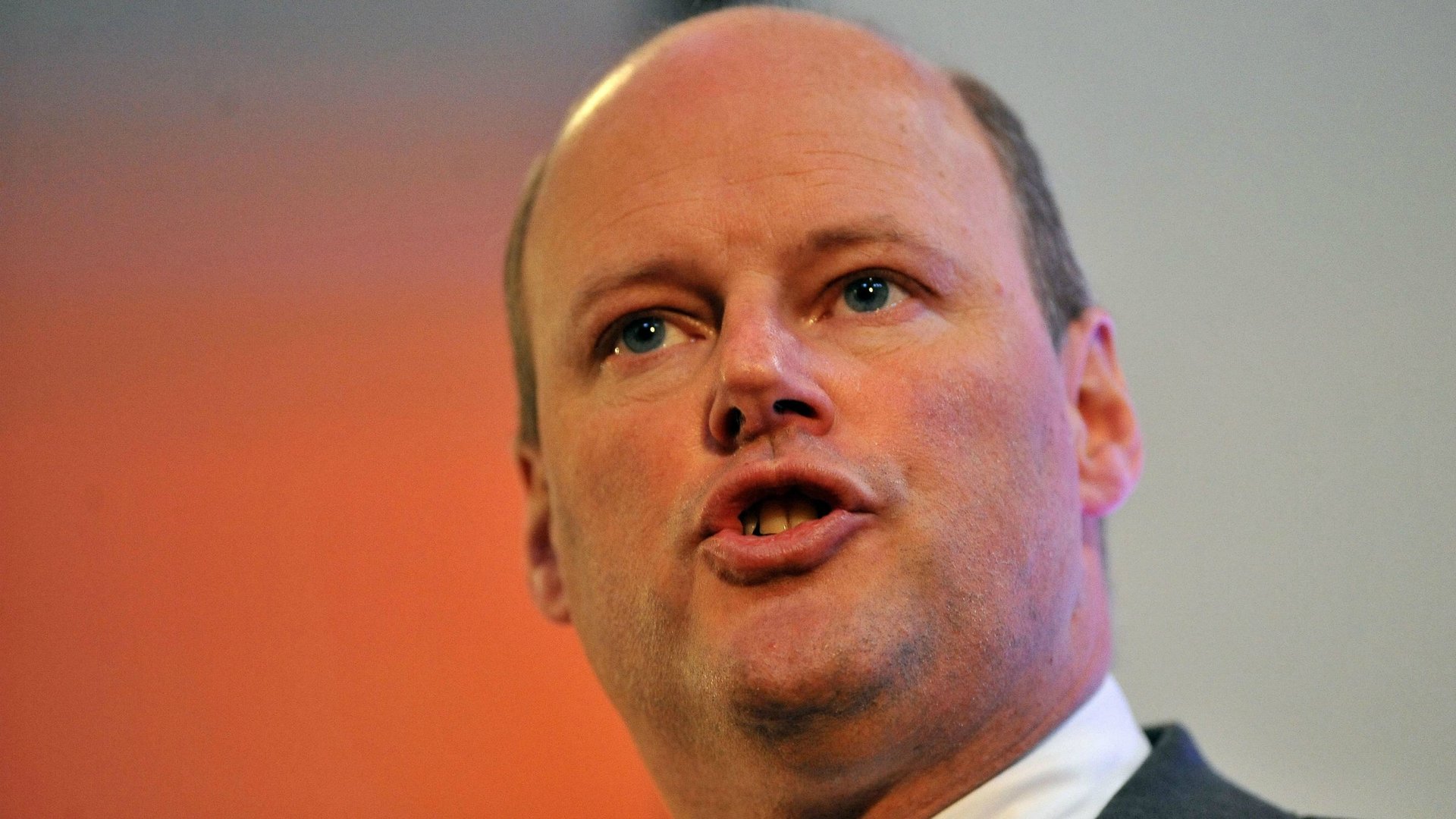
Royal Bank of Scotland CEO Stephen Hester has been unceremoniously nudged from his job at the helm of a bank that remains 82% owned by the British taxpayer. After RBS was rescued in 2008 in the biggest banking bailout in history, Hester was parachuted in with orders to turn it around.