Quarterly earnings conference calls are usually pretty dull. Analysts ask executives arcane questions about tax rates and working capital, and sometimes prod CEOs for “color” on how things look for the future.

Quarterly earnings conference calls are usually pretty dull. Analysts ask executives arcane questions about tax rates and working capital, and sometimes prod CEOs for “color” on how things look for the future.

What does it take to stop a mega rally in US stock markets in its tracks? The promise of a conspiracy against the US reaching the White House could do it. Just not for long.

“We’re teaching for the wrong century.”

If it seems like bitcoin is hitting new highs more frequently, it’s not just your imagination. The cryptocurrency is smashing through psychological barriers—that is, big round numbers—with increasing frequency.

* FOR IMMEDIATE RELEASE *

The blockchain hype is real, and it’s become the talk of C-suites around the world. Quarterly reports and conference calls that mention “blockchain” are running at an all-time high this earnings season. Behold:

Pummeled by the plunge in oil prices, the OPEC oil cartel agreed last year to cut production to drain the glut. It extended the agreement this year, and prices responded, jumping from a low in the mid-$40s per barrel to above $60 in recent weeks.

Does it seem like the Christmas shopping season starts earlier every year? It’s a common observation, with some justification.

Bitcoin’s price has risen by more than 600% this year, routinely setting new all-time highs along the way. But timing is everything: bitcoin has also dropped by double-digit percentages at times this year, in what some economists would consider a financial crisis if it happened to the value of a sovereign currency.

Think back to the mobile phone you had in 2010. It could access the internet, but it wasn’t such a great experience. On average, people only spent 20% of their time online on their phones back then, according to Zenith, a media agency.

Last year, we recommended several DIY Halloween costume ideas for you, the cosmopolitan, always-connected participant in the new global economy. These included: Brexiteer, Davos Man, Mark Zuckerberg, and Sexy Mark Zuckerberg.

Between 2008 and 2016, British banking group RBS lost nearly £60 billion ($78.5 billion), following an ill-advised expansion that led to near-collapse and, ultimately, nationalization.

PayPal was created during the last internet boom and is in the midst of a renewed surge in interest, with its shares rising by nearly 80% so far this year. The online payment company’s stock market value surpassed credit-card stalwart American Express this month, and is approaching venerable Wall Street banks like Goldman Sachs and Morgan Stanley. The company’s mobile payment growth is accelerating after a series of deals and industry partnerships, representing a growing challenge for financial firms with much longer histories.

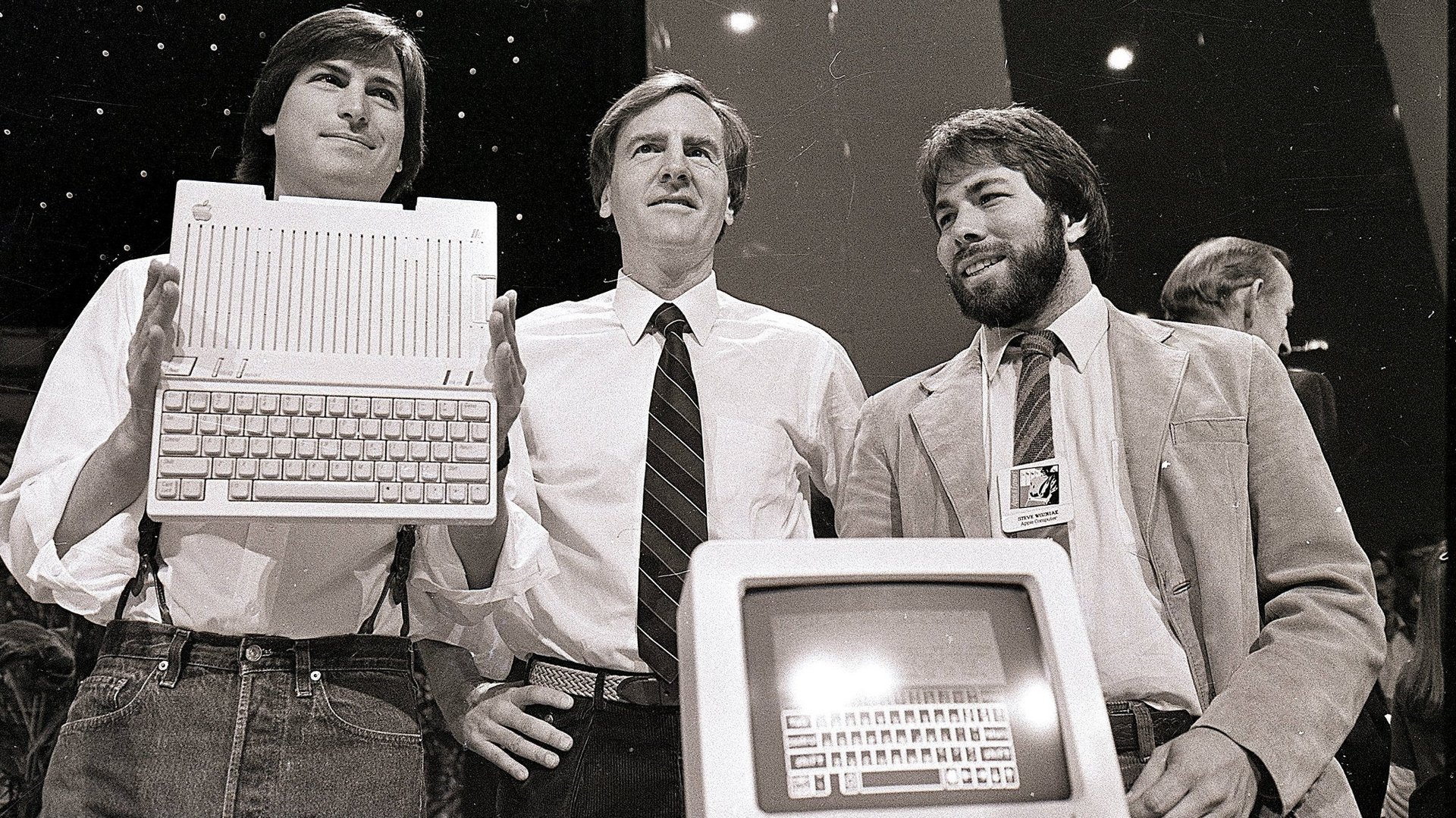
These days, Apple’s marketing campaigns play up the company’s appeal to cool, creative people. Things were different in the early days of the now dominant computer and device maker.

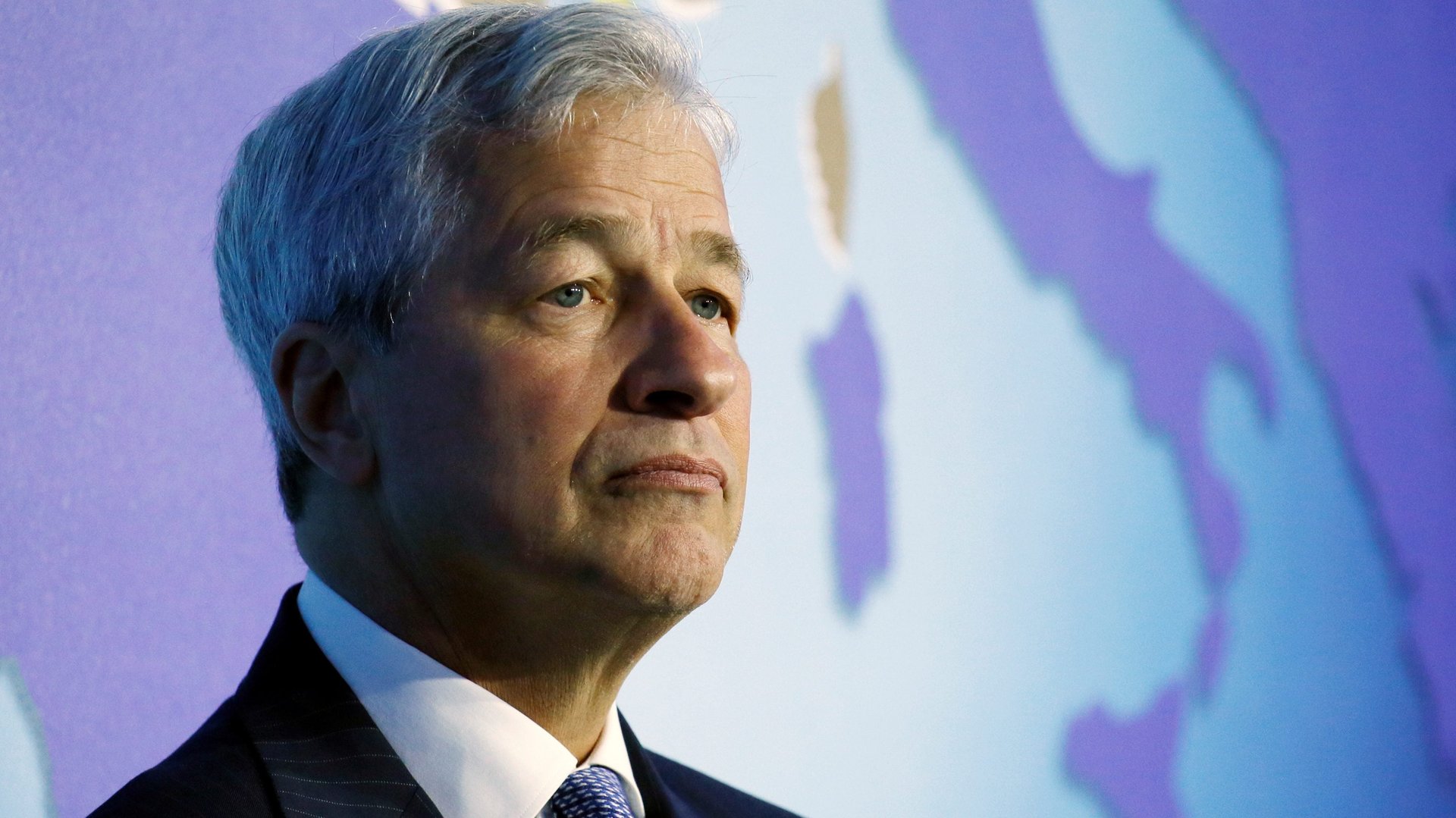
Jamie Dimon just can’t win with bitcoin. After a series of critical comments about the ever-appreciating cryptocurrency, yesterday JPMorgan’s chief executive pledged to stop talking about it. Bitcoin promptly set a new record price of $5,821 in intraday trading today, up some 11% after Dimon’s pronouncement.

Big banks have allies in Washington—namely, an administration packed with ex-bankers pledging to cut taxes, reduce regulations, and boost infrastructure spending. On top of that, the Federal Reserve’s plan to steadily raise interest rates is a boon for banks’ margins.

With each mass shooting in the United States, a pattern repeats itself: people die as a result of gun violence, and the share prices of gun manufacturers rise. Last night’s shooting in Las Vegas—now billed as the deadliest in US history—is no exception.

Two weeks, 143 million hacked accounts, and more than $4 billion in lost market value later, Equifax CEO Richard Smith is stepping down. “At this critical juncture, I believe it is in the best interests of the company to have new leadership to move the company forward,” Smith said in a statement.

Lego, the world-beating Danish toymaker, reported an unexpected drop in profit today, down 3% in the first half of 2017, to 3.4 billion Danish kroner ($543 million). The decline comes after full-year sales growth last year was the slowest in nearly 10 years, ending an outstanding run of double-digit increases. Revenue fell 5% in the first half.

From exploding phones to execs charged with embezzlement, it has been an eventful year for Samsung. Today, vice chairman Lee Jae-yong, heir apparent to the electronics giant, was sentenced to five years in prison for bribing the confidante of former South Korean president Park Geun-hye.

In 2017, more countries are recording GDP growth than in any year since 2007. According to forecasts of the 190-odd countries tracked by the IMF, 94% of the world’s economies will register positive annual growth this year, a shade under the 96% achieved in 2007.1

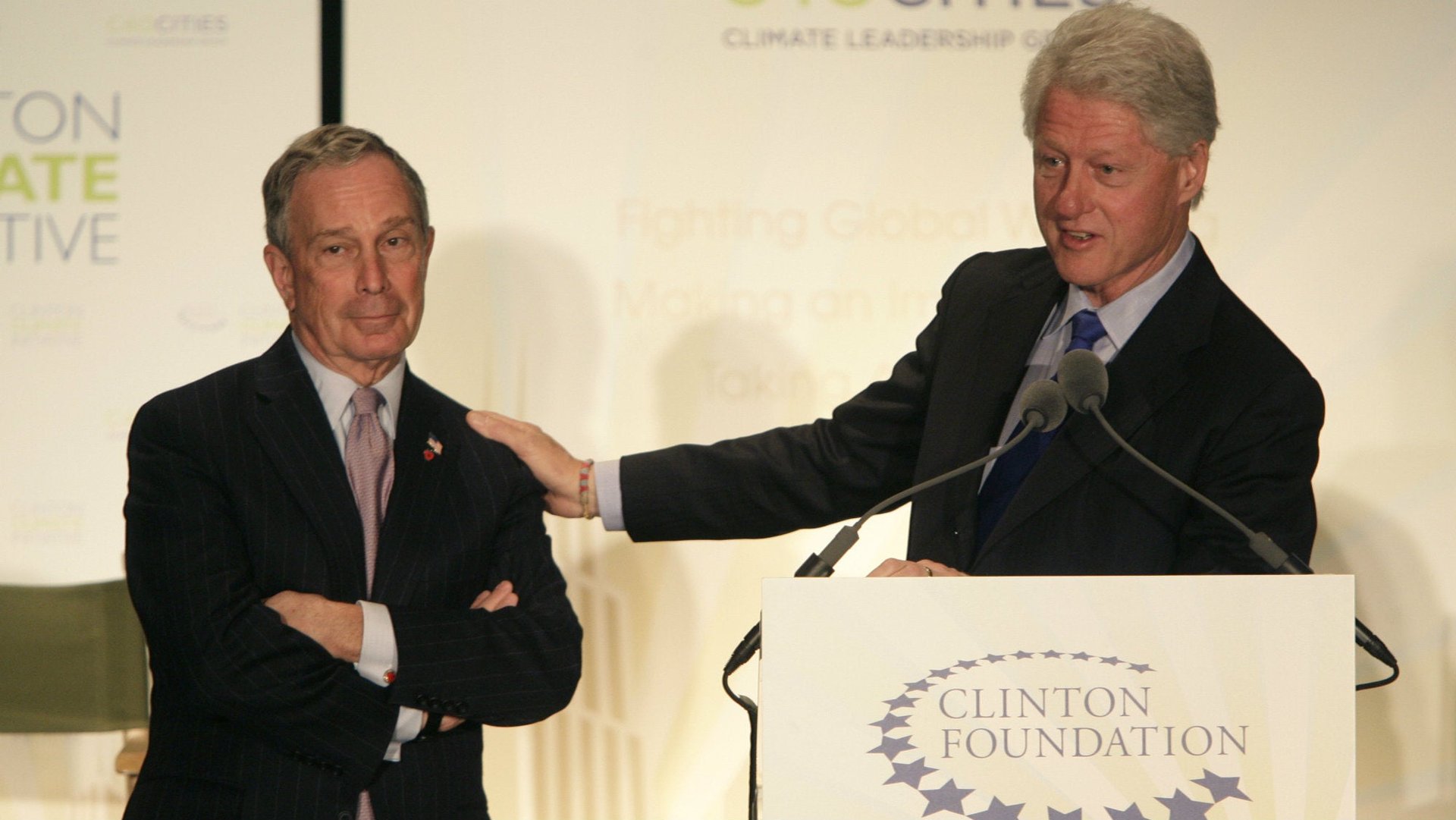
For 12 years, an enviable collection of world leaders and company bosses have convened in New York every September. Like other elite gatherings of powerful people—Davos, Bilderberg—the Clinton Global Initiative aimed to bring policymakers and CEOs together to address the most pressing issues of the day. Specifically, the forums meant to inspire investments and other commitments to promote the development of poor countries and underserved communities—“shared prosperity through the power of partnership,” as the Clinton Foundation puts it.

There are a fair few countries with a claim to being called “the sick man of Europe,” but Finland continues to make its case.

After another sharp decline today, following yet another batch of disappointing quarterly results, JCPenney’s stock has hit an all-time low. It fell below $4 a share for the first time today (Aug. 11).