Trading one’s privacy for the benefit of others isn’t an easy decision. Apple CEO Tim Cook just made such a swap, and the reverberations are beginning to be heard.

Trading one’s privacy for the benefit of others isn’t an easy decision. Apple CEO Tim Cook just made such a swap, and the reverberations are beginning to be heard.

Plummeting iPad sales rekindle fantasies of a hybrid device, a version that adopts PC attributes, something like a better execution of the Microsoft Surface Pro concept. Or not.

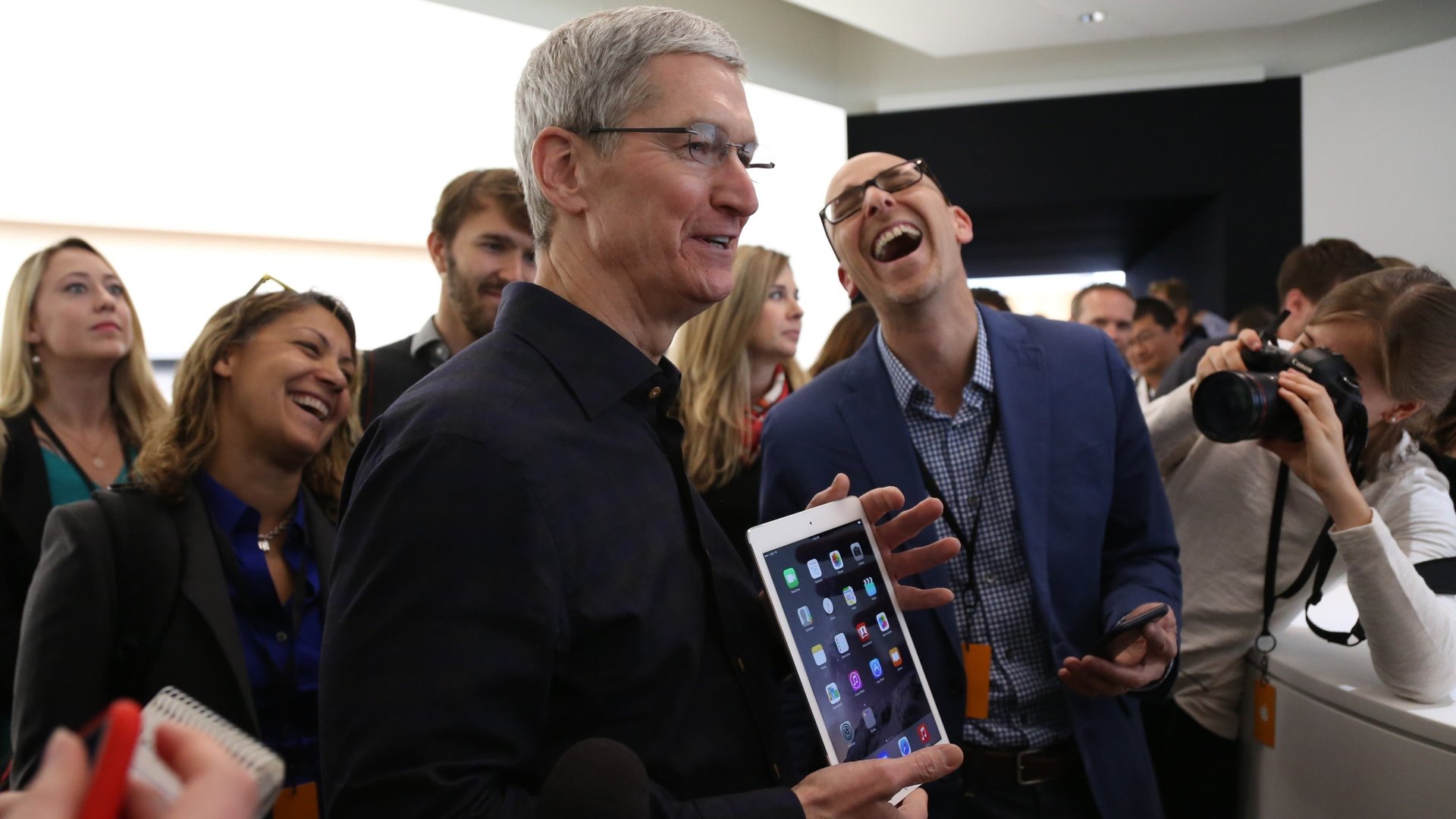
The new iPad Air 2 is more than a mere iteration—but the real revolution in the iPad line may be heralded by the introduction of the iPhone 6 Plus.

Finally! HP did what everyone but its CEO and board thought inevitable: It spun off the commoditized PC and printing businesses. This is an opportunity to look deeper into HP’s culture for roots of today’s probably unsolvable problems.

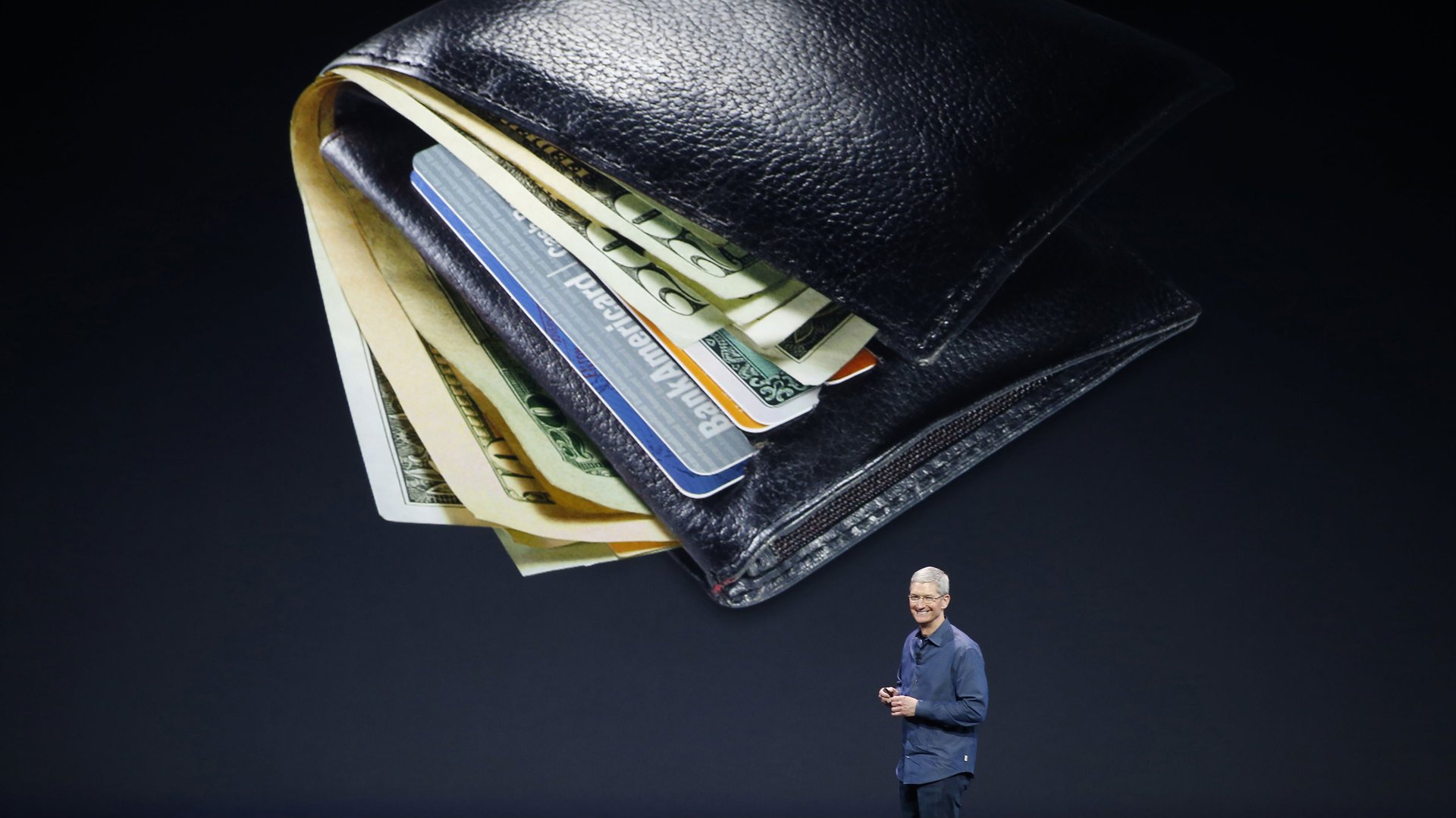
Apple Pay, not even launched yet, is already making waves. Apple’s payment system has caused eBay to move people and business units around.

The BlackBerry was the first truly modern smartphone, the king of Personal Information Management On The Go. But under its modern presentation lurked its most fatal flaw, a software engine that couldn’t be adapted to the Smartphone 2.0 era.

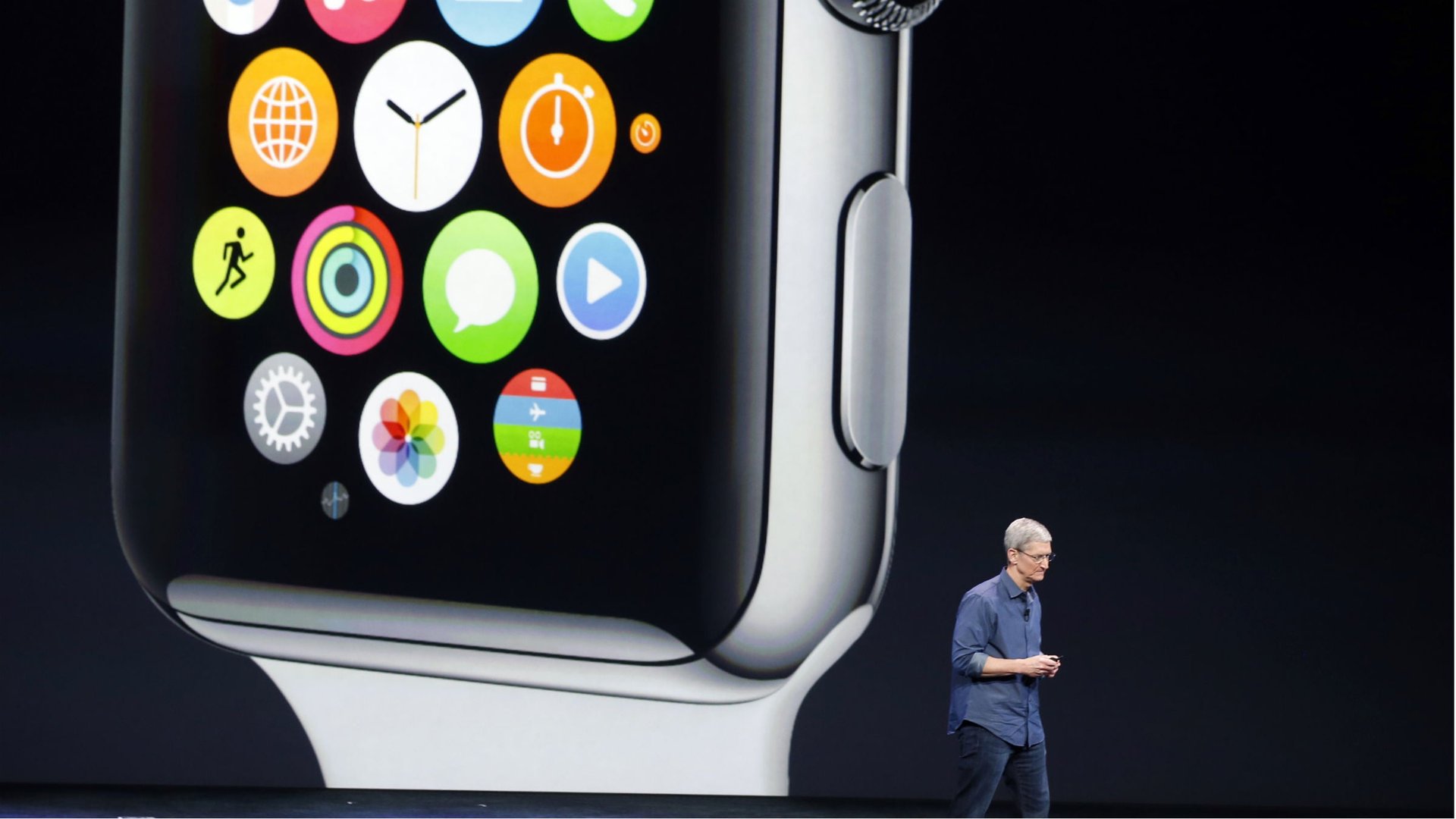
The Apple Watch isn’t just another iDevice, a wearables accessory to the Apple ecosystem. It’s a bold attempt to create a new kind of wrist-worn personal computer that looks like a smartwatch.

This week’s product launch should break the mold of Apple’s recent Fall announcements: More products than usual and a challenge to the status quo—in payment systems this time.

This week sits about midway between two anniversaries: Tim Cook assumed the Apple CEO mantel a little over three years ago—and Steve Jobs left this world—too soon—early October 2011. And, in a few days, Apple will announce new products, part of a portfolio that caused one of Cook’s lieutenants, Eddy Cue, to gush Apple had the “best product lineup in 25 years.” Uttered at last Spring’s Code Conference, Cue’s saeta was so unusual it briefly disoriented Walt Mossberg, a seasoned interviewer if there ever was one. After a brief pause, Walt slowly asked Apple’s exec to repeat. Cue obliged with a big “I Ate The Canary” smile—and raised expectations that will soon meet reality.

Strategic alliances and other grandly named partnerships never seem to live up to their florid marriage announcements. Apple and IBM are it—again—but this time, Apple is the larger, more prosperous company, and IBM is trying the bad old recipe of regaining growth by cutting down.

IPad sales are falling—but the sky is not. We’re merely dealing with a healthy case of expectations adjustment.

With one million titles and no human guides, the Apple App Store has become incomprehensible for mere mortals. A simple solution exists: curation by humans instead of algorithms. Here’s an open letter to Apple CEO Tim Cook making that case:

When Apple announced its 64-bit A7 processor, I dismissed the speculation that this could lead to a switch away from Intel chips for the Macintosh line for a homegrown “desktop-class” chip. I might have been wrong.

Satya Nadella’s latest message to the troops—and to the world—is disquieting. It lacks focus, specifics, and, if not soon sharpened, his words will worry employees, developers, customers, and even shareholders.