

Money & Markets
Match Group wants to create a monopoly in your heartInvestors in Match Group, the owner of Tinder, OkCupid, and many other dating sites, are in love.
Updated July 21, 20222 min read
Investors in Match Group, the owner of Tinder, OkCupid, and many other dating sites, are in love.
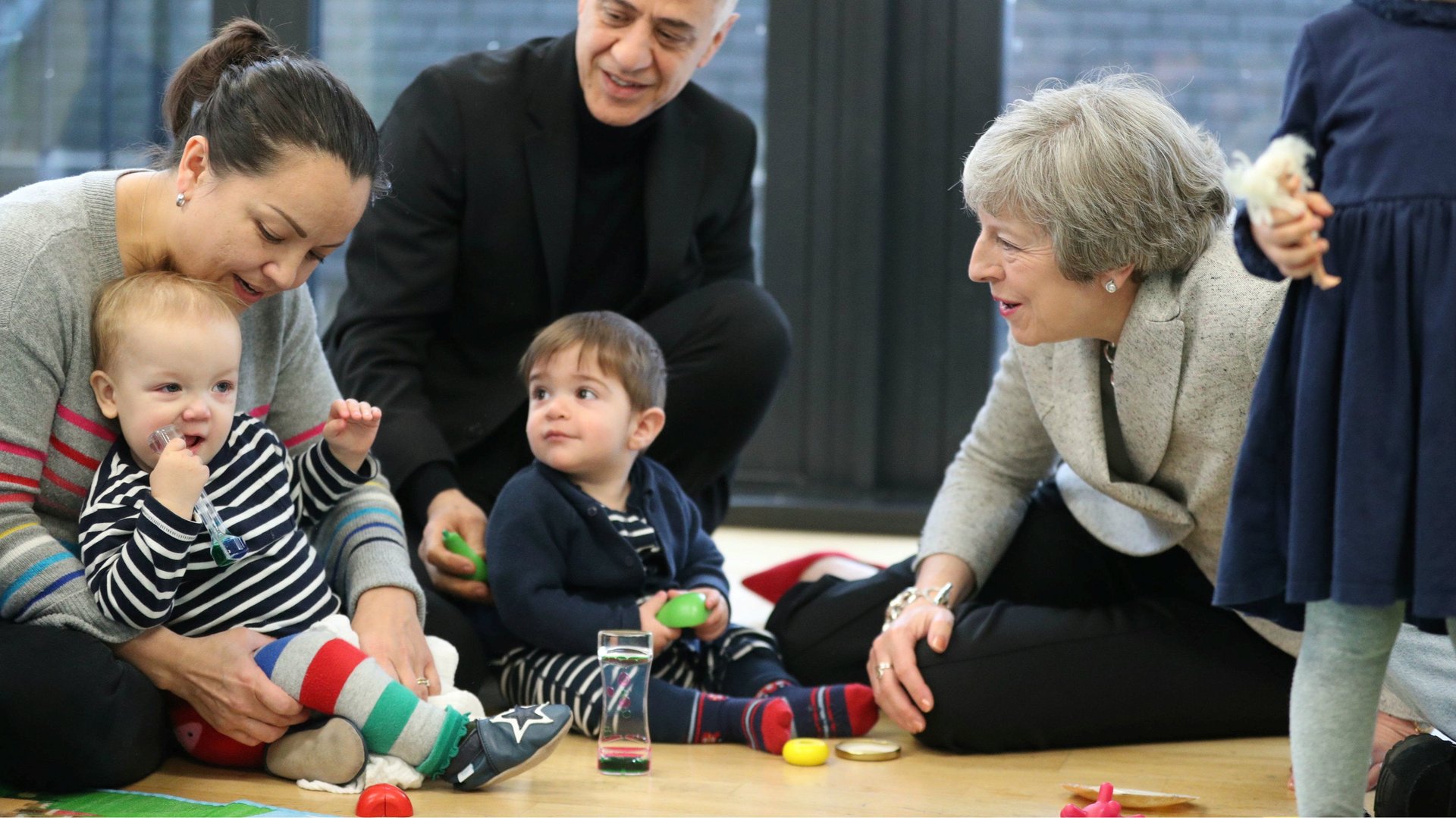
The UK parliament says the government has failed to develop a coherent policy to support children from birth to age four as a way to tackle the significant achievement gaps between the country’s rich and poor kids. In a report published today (Feb. 7), it calls on the government to fulfill its multiple unmet promises to invest more in the early years of life.

That Facebook let kids spend thousands of dollars on games without their parents’ permission is not altogether surprising. That the company referred to the practice as “friendly fraud,” encouraged developers to let it happen, chose not to introduce controls to stop it, and called high-spending children “whales”—a nickname commonly associated with big-money gamblers at a casino—is shocking, to say the least.

In 1999, on the cusp of a new millennium, MIT professor Mitchel Resnick was on a panel where everyone was asked to pick the most important invention of the last millennium. One person said the printing press, another said the steam engine, and another the computer. Resnick said kindergarten.

On Tuesday (Jan. 15), London mayor Sadiq Khan announced new measures to improve London’s air-quality monitoring network. The goal is to help identify where pollution is worst, what the sources of it are, and to develop targeted ways to reduce it.

It’s no secret that many parents struggle with talking to their kids about sex. But a new study from Britain suggests those awkward conversations may be key in helping kids navigate their first sexual experiences—and offers some useful guidance on how to do it.

If you’re a parent, you’ve probably despaired more than once at the sight of your kid indelibly glued to their smartphone. Philosophy professor Jordan Shapiro has a radical proposal: Don’t despair, rejoice. Better yet, join in.
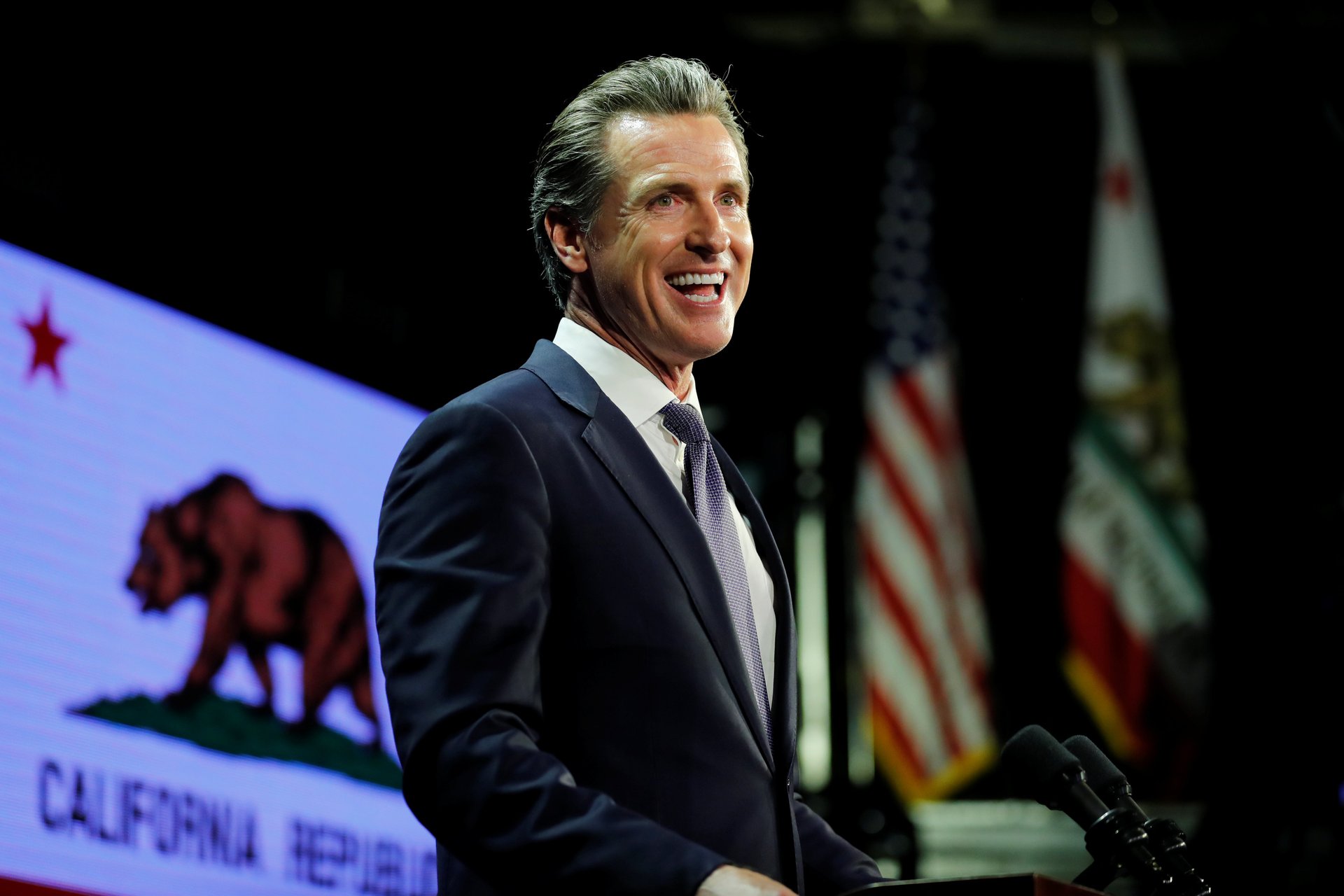
Gavin Newsom, 51, will be sworn in today (Jan. 7) as California’s newest governor—and his budget suggests that he plans to make families a priority.

There is little love for helicopter parenting these days. All that hovering and coddling of kids has been implicated in everything from rising levels of teen anxiety to the inability of college-age kids to do their laundry.

Giving kids books as presents always feels good. It might not elicit the joy that a new gadget might, but there is comfort to knowing that what you are giving is unambiguously good for them and not potentially addling their brains.

Julianna Goldman recently wrote a piece for the Atlantic in which she explained that she quit her job as a TV journalist because it was impossible to balance with being a mom. I can relate: I too quit a high-octane news job in part because I needed more “balance.”

Donald Trump makes no secret of his feelings for those he dislikes, including his own staff. Latest in his line of fire (at least at the time of writing) is Rex Tillerson, the former secretary of state, who the president called out on Twitter as both “dumb as a rock” and “lazy as hell.”

Facebook’s board of directors approved a plan this week to buy back an extra $9 billion of the company’s stock. This is on top of a $15 billion share repurchase program launched last year. This chart pretty much sums up the renewed push to prop up the company’s stock price:

British prime minister Theresa May is struggling to gain support for her plan to steer the UK out of the EU. Her deal has two parts: a 585-page divorce agreement and a 26-page statement of intent on future relations between Britain and the EU. It is seen by some as not enough of a clean break from the EU, and by others as pushing Britain too far away from its closest trading partners. In other words, it’s a hot political mess.

‘Tis the season… for violent protests, mass arrests, and the shuttering of stores, museums, and popular tourist destinations in Paris.

Critical thinking can feel in short supply these days. Politics is more polarized than ever, the president regularly dismisses his opposition as enemies, losers, or phonies, while critics of the president cannot bear the thought of ever entertaining support for his ideas or actions.

Like all children, Rohingya kids love to play. Specifically, they love physical play—making human chains, leaping like frogs, and jumping over and around each other in “Iching Biching,” a game that looks like a variation of Simon Says. They also love rhymes. On a recent Thursday morning at the world’s largest refugee camp near Cox’s Bazar, in southern Bangladesh, a 10-year-old boy named Eshak* led a group of about 50 children in a rendition of “We Shall Overcome.”

Parents want support. Too often, what they get is advice—on how to get a kid to sleep, or do their chores, or eat a brightly-colored vegetable. Rarely do adults with children get non-judgmental insight on how to manage their own lives and emotions, not to mention the responsibility of caring for another human for the rest of eternity.


Kids who start school at a younger age than their peers often have a tough time. When you’ve been on planet Earth for almost a year less than your fellow kindergartners, you’re bound to be less mature, more energetic, and less able to pay attention for long periods of time.

From the outside looking in, Barack and Michelle Obama appear to have a killer relationship. They seem to revel in each other’s company, challenge each other in healthy ways, and create protected space for their family—no small feat when their home for eight years was the White House. There’s romance, and substance. Dreamy.

The perils of giving kids too little time to play become more apparent by the day. Without play, they won’t develop critical self-regulation and executive function skills; they’ll be less creative and less adept at problem-solving; and they may eventually become more depressed and anxious. It’s become enough of an issue that the American Academy of Pediatrics recently recommended that doctors actually prescribe play in an effort to combat parents’ tendency to overschedule their progeny.

The US medical community and the National Rifle Association are facing off over gun violence.

People are living longer today. But how do we make sure those extra years are good ones?