Congressional Republicans in the US seem to have tax reform nearly in the bag. Now they’re already thinking about their next agenda item: sharp cuts to the social safety net.

Congressional Republicans in the US seem to have tax reform nearly in the bag. Now they’re already thinking about their next agenda item: sharp cuts to the social safety net.

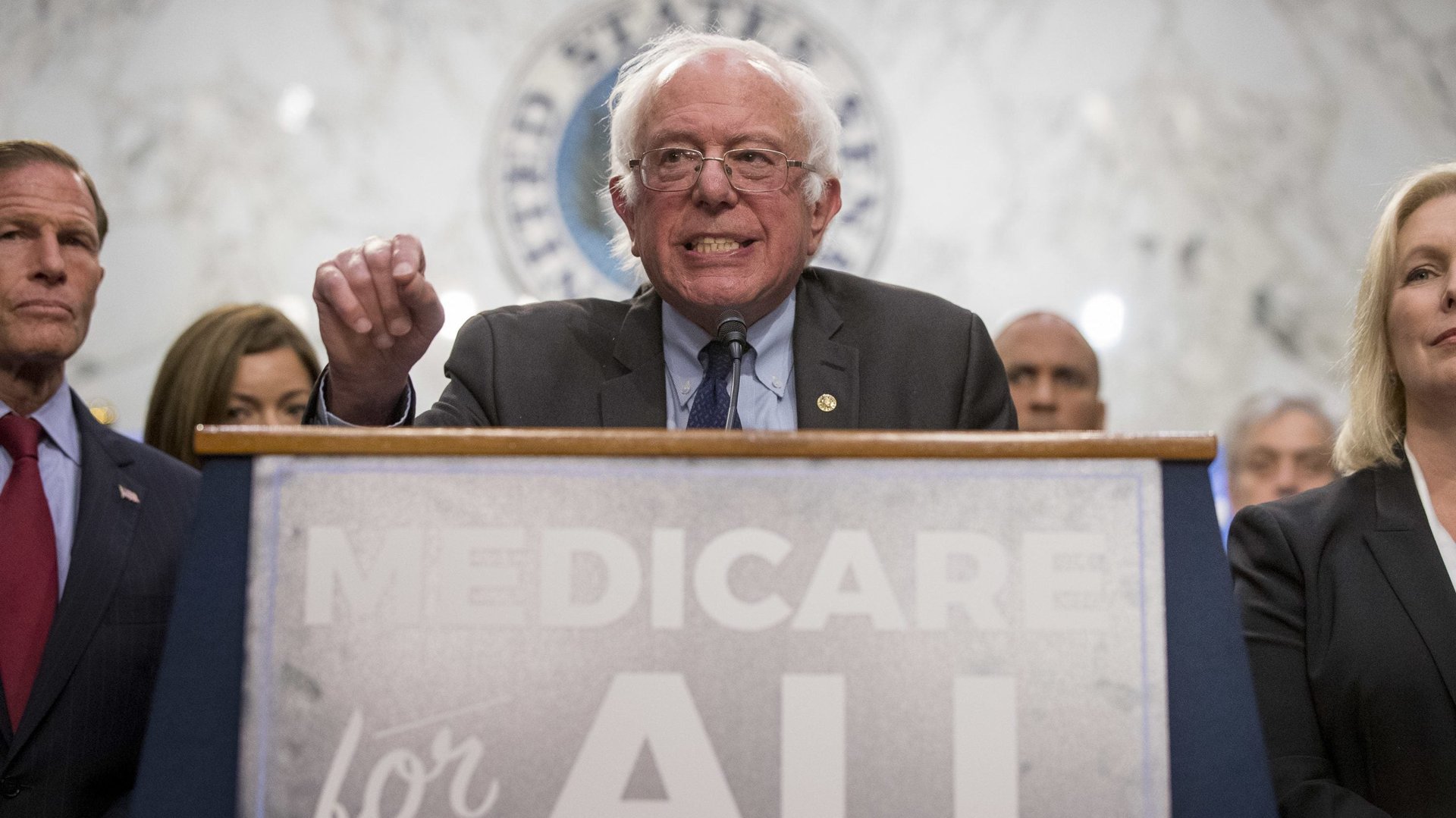
Senator Bernie Sanders introduced his Medicare for All Act of 2017 on Wednesday with the support of a slew of prominent Democratic senators. It’s a bold move: While progressives have long rallied around single-payer healthcare, many Americans tend to greet the prospect of health-care overhauls with trepidation. But Sanders thinks he has an answer to these fears.

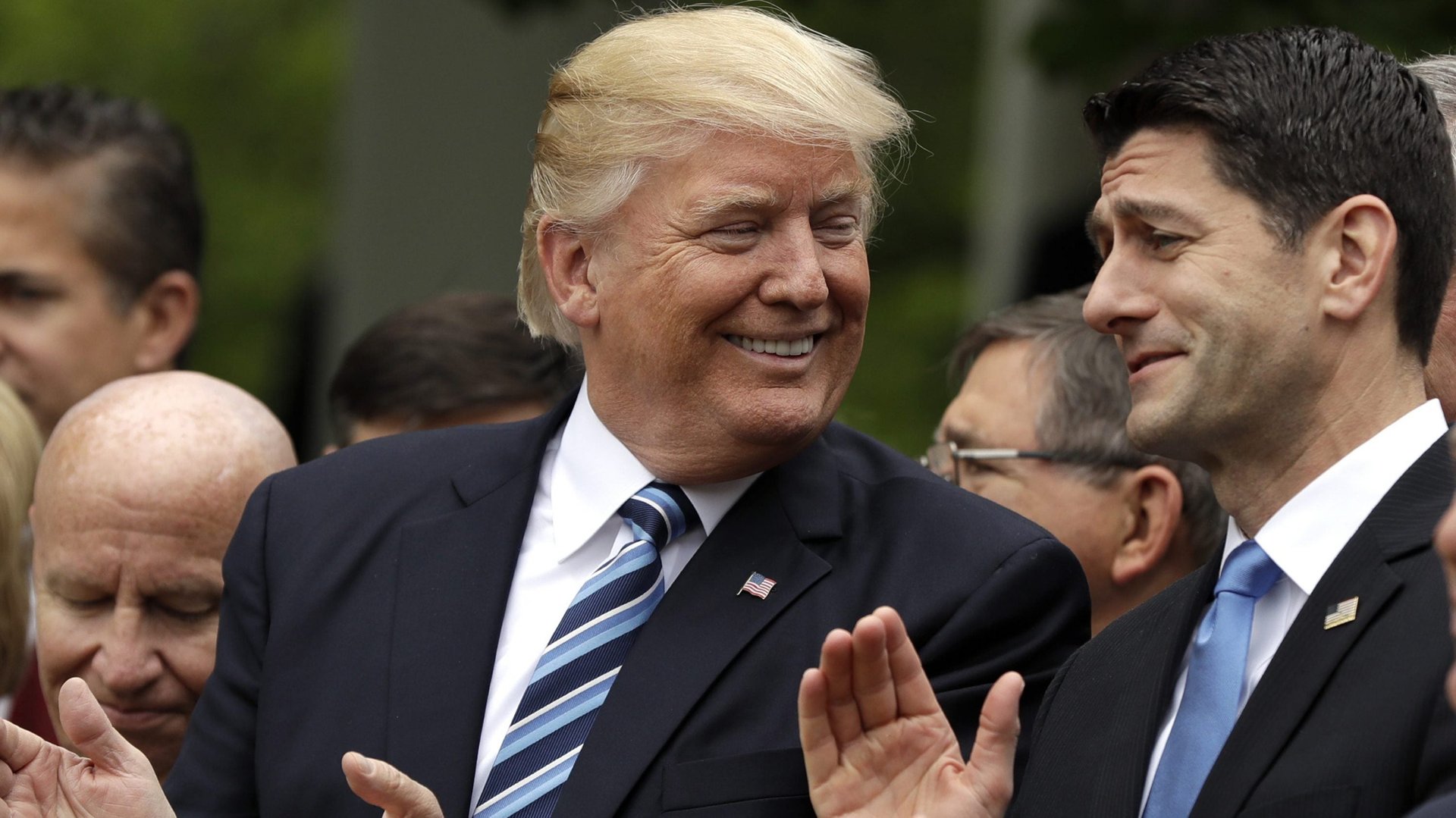
After the latest GOP Obamacare repeal bill went down in flames this week, US president Donald Trump latched onto a new scheme: Just let Obamacare collapse. “I’m not going to own it,” he said of Republicans’ efforts to repeal and replace the health-care law. “We’ll let Obamacare fail, and then the Democrats are going to come to us.”

This week, Republicans in the House of Representatives passed a health-care bill that will hurt millions of Americans. They accomplished this feat by wrangling votes from hesitant moderates. But vulnerable members of Congress may soon find that they have gambled with innocent people’s lives for what amounts to a suicide mission.

Republicans’ failed attempt to repeal and replace the Affordable Care Act in the US has exposed a wide gulf between the GOP’s critiques of the law and the “solutions” they are offering. GOP leaders from president Donald Trump to Senate majority leader Mitch McConnell have blasted Obamacare for imposing high costs on enrollees and for leaving too many Americans uninsured—and there is truth to these critiques. But the Republicans’ replacement bill did absolutely nothing to help on either front. Indeed, it actively made both coverage and cost significantly worse.

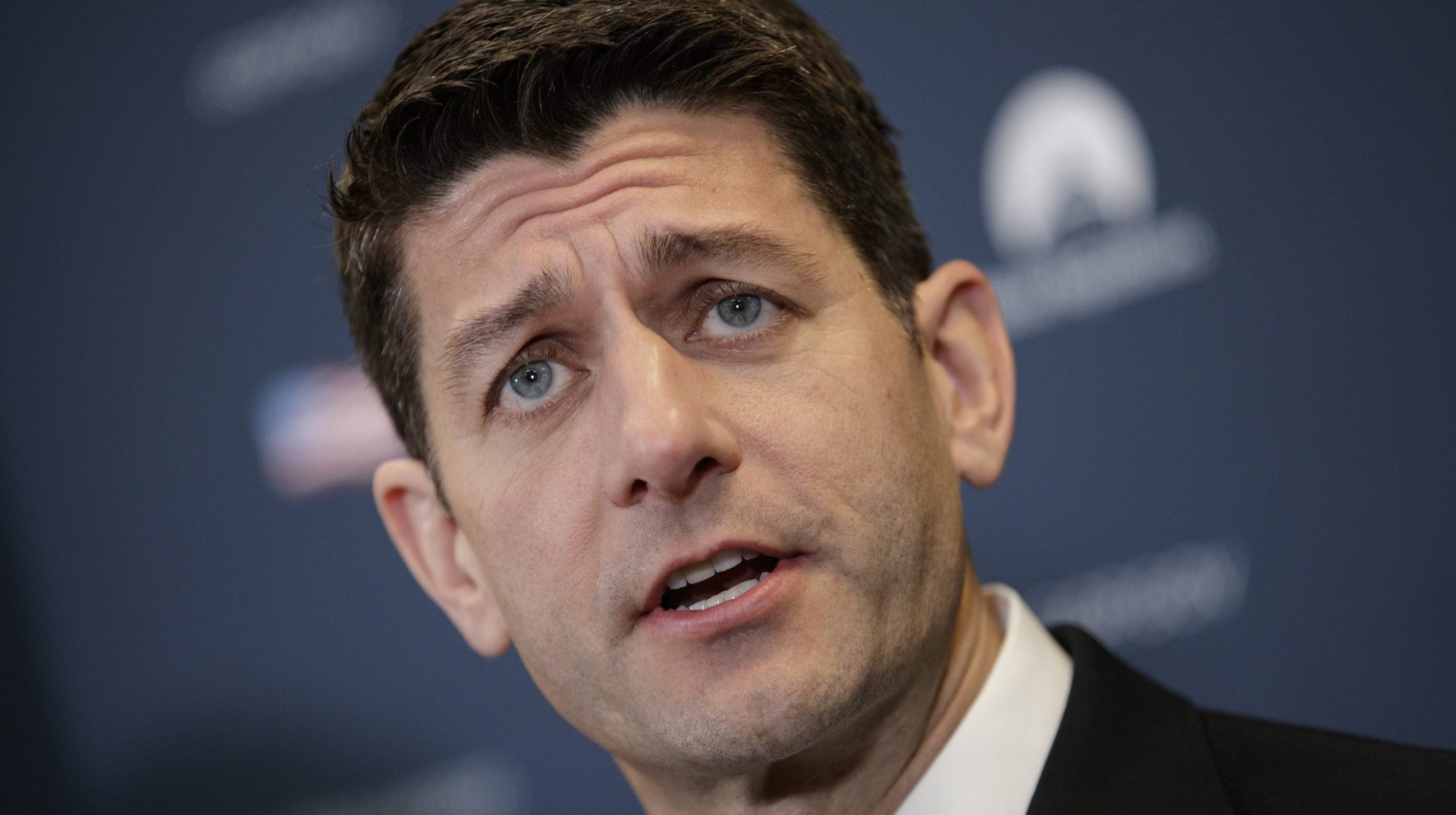
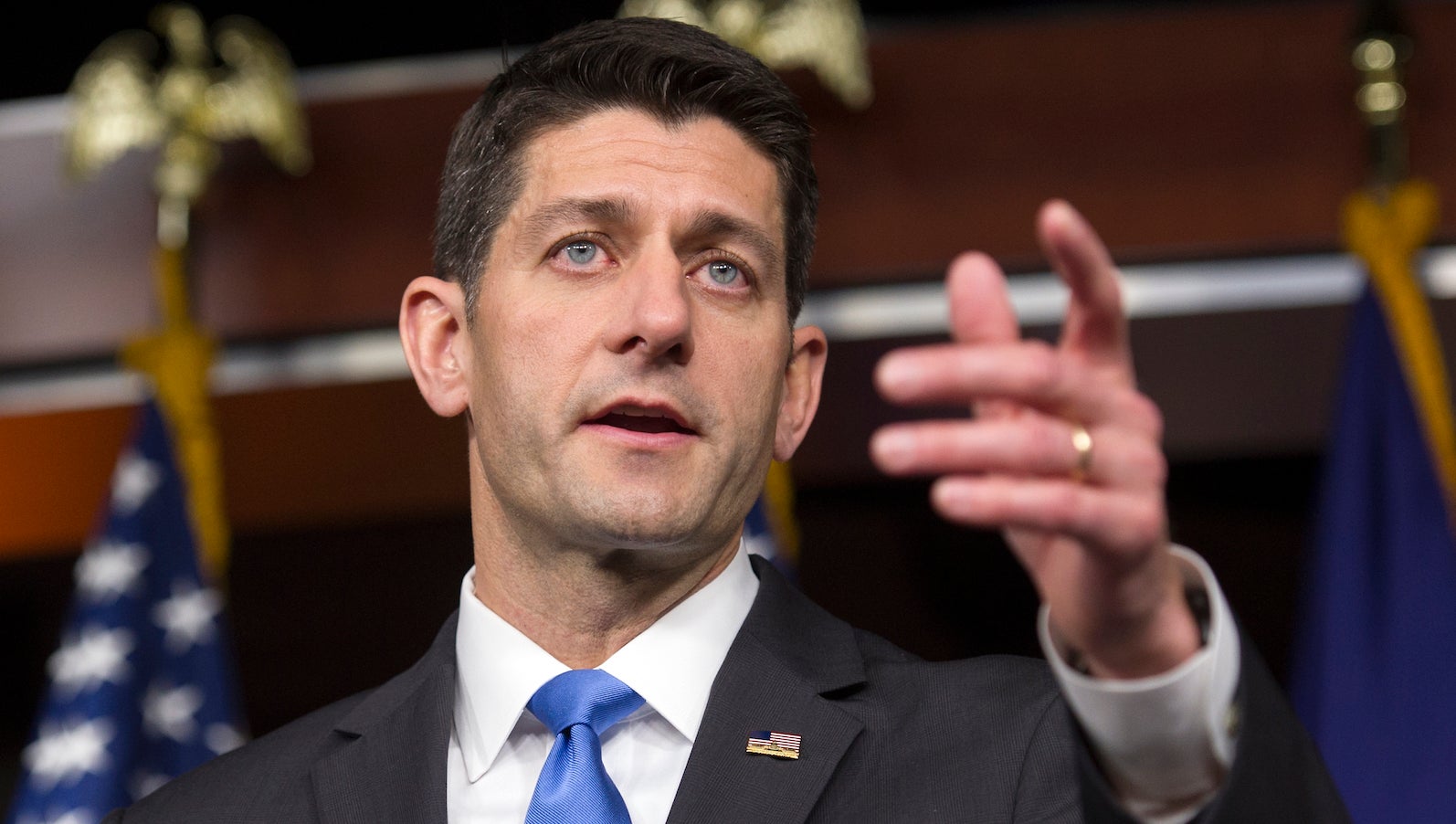
In February, House speaker Paul Ryan characterized the GOP’s efforts to scrap Obamacare as a “rescue mission” for a troubled system on the brink of collapse. But Republicans’ proposed American Health Care Act (AHCA), released this week, would repeal most of Obamacare and replace it with a much less generous plan tilted heavily toward the healthy and wealthy. If this is a rescue attempt, it’s the equivalent of showing up and kicking the people you want to help in the shins.

With Barack Obama in his final days in the Oval Office, congressional Republicans on Jan 11. set in motion the process to repeal his signature healthcare law. But in Obama’s farewell address earlier this week, he took a moment to call the GOP’s bluff. “[If] anyone can put together a plan that is demonstrably better than the improvements we’ve made to our health care system, that covers as many people at less cost,” the president pledged, “I will publicly support it.”

With Republicans in control of the White House and both houses of Congress, GOP leaders have much of the welfare state in their sights. Repealing Obamacare is among their top priorities.

The mainstream media is eager to normalize the presidency of Donald Trump. Among the latest evidence journalists have cited as reason for hope is Trump’s apparent willingness to save some parts of Obamacare. But don’t be fooled. Trump and congressional Republicans are still ready and willing to tear health insurance away from millions of Americans.

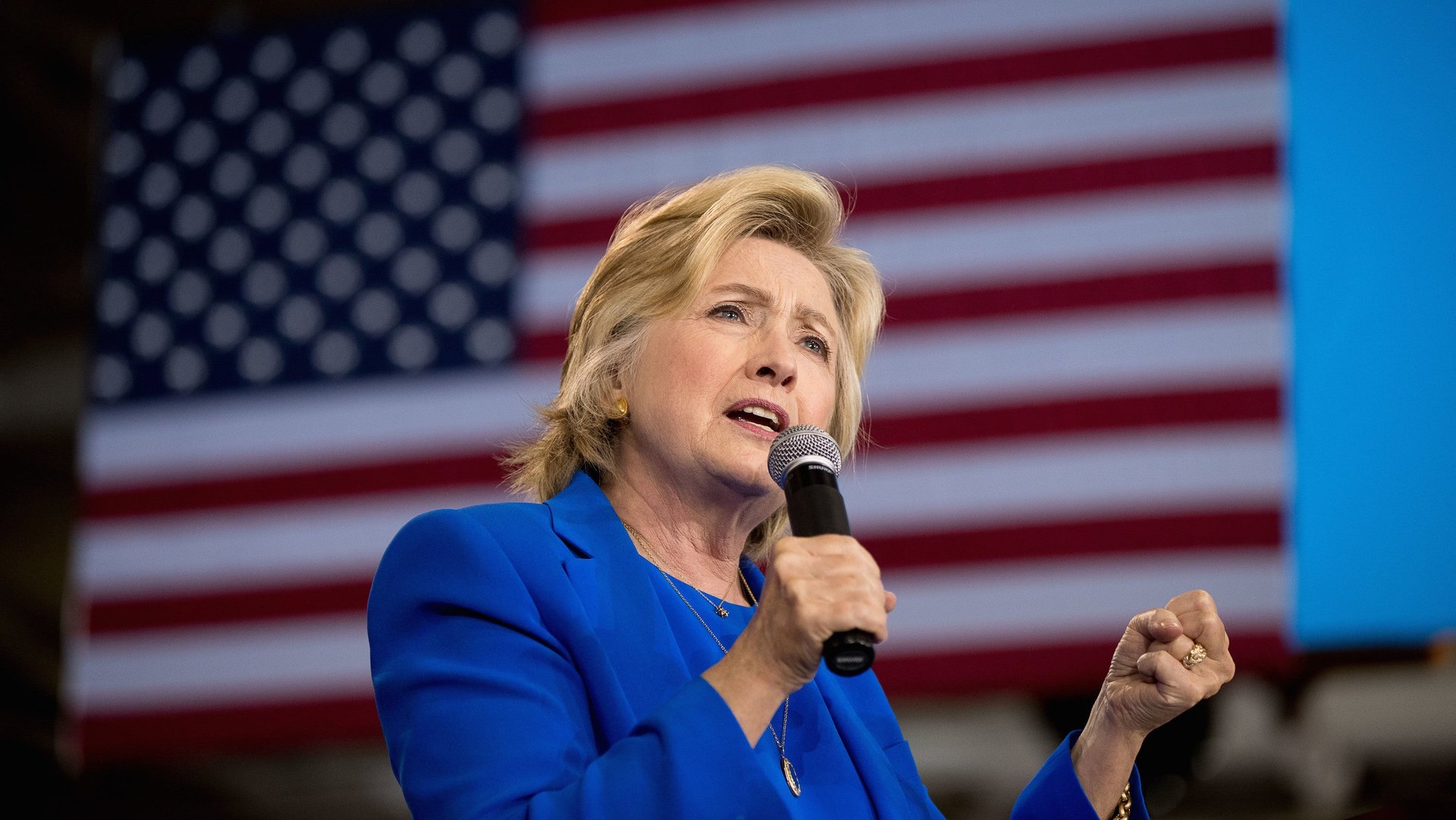
As Donald Trump’s presidential campaign unravels, Hillary Clinton’s electoral prospects are looking increasingly rosy. And she’s taking advantage of the momentum to stitch together the most ambitious anti-child poverty agenda since the Great Society of the 1960s.

A lot of people are scared by the prospect of a Donald Trump presidency. But the reality of a Trump White House, as envisioned by House speaker Paul Ryan, could be even more frightening than we realize.

Today, it’s rare for progressives and conservatives in the US to agree on much of anything. But the idea of a universal basic income (UBI) has historically resonated across the political spectrum. On the right, UBI has been endorsed by the likes of economist Milton Friedman, former president Richard Nixon, and libertarian pundit Charles Murray. On the left, Martin Luther King, Jr., former Democratic politician George McGovern, and the Green Party have all championed the idea of the government giving each citizen a certain amount of money on a regular basis—no strings attached.

By and large, women are not big fans of Donald Trump. Now the Republican US presidential candidate seems to have made a last-ditch effort to stem his losses among female voters with a pair of policy proposals aimed at helping working families. Unfortunately, his plans fall far short of what American families need.

Americans believe in the importance of a good day’s work. And so it’s understandable that the prospect of a universal basic income (UBI), in which the government would issue checks to cover the basic costs of living, rubs some people the wrong way. Writing in The Week in 2014, Pascal-Emmanuel Gobry envisions a UBI dystopia in which “millions of people” are “listing away in socially destructive idleness,” with “the consequences of this lost productivity reverberating throughout the society in lower growth and, probably, lower employment.”

In an era when upward economic mobility seems increasingly hard to achieve, the idea of instituting a universal basic income (UBI) is all the rage in policy circles around the globe. Of course, there are reasonable concerns about the practicalities: guaranteeing the income of every man, woman, and child would be expensive, and critics worry that such a program could discourage people from seeking work. So rather than dive right into a full UBI, it’s becoming increasingly clear that the best place to start is to provide a basic income for kids.