
Money & Markets
Behold Libra, the global cryptocurrency masterminded by FacebookFacebook has finally revealed plans for a cryptocurrency called Libra, one of the worst-kept secrets in the history of virtual money.
Updated July 21, 202212 min read
Facebook has finally revealed plans for a cryptocurrency called Libra, one of the worst-kept secrets in the history of virtual money.
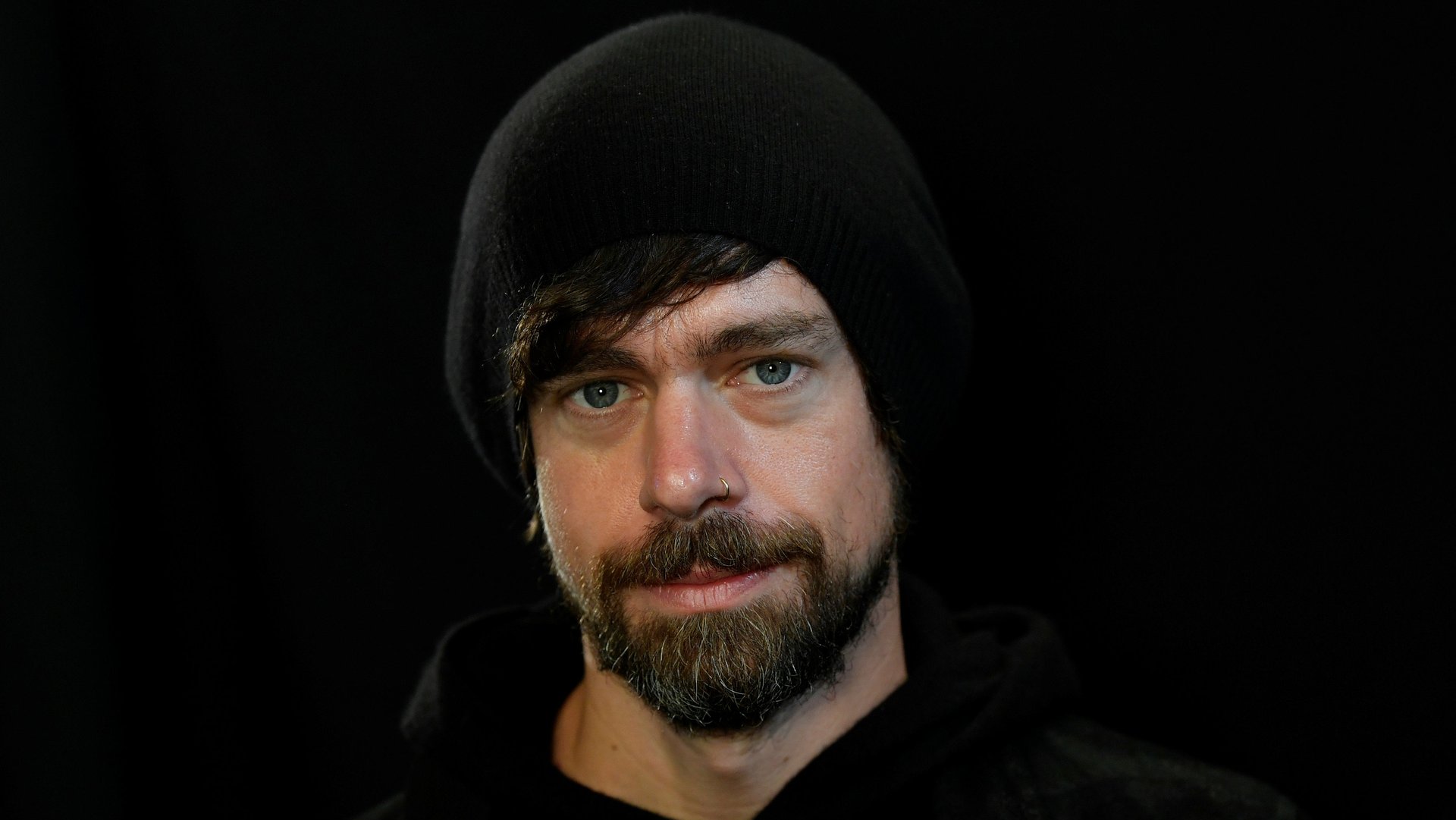
Jack Dorsey is best known for co-founding Twitter, the micro-posting website that now has around 330 million users around the world. In 2009, the computer programmer also co-founded Square, which was originally designed to help small businesses accept credit cards.
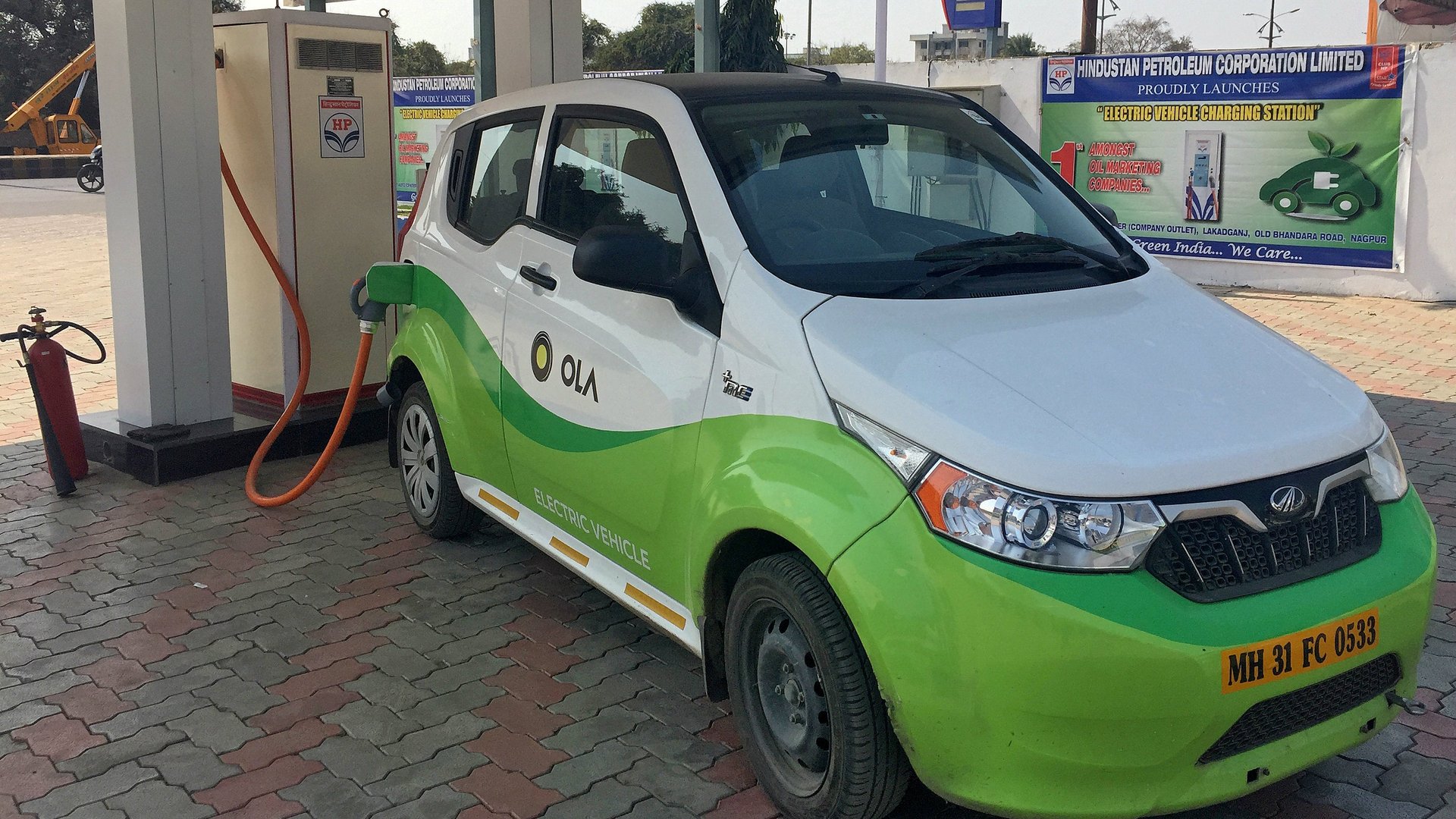
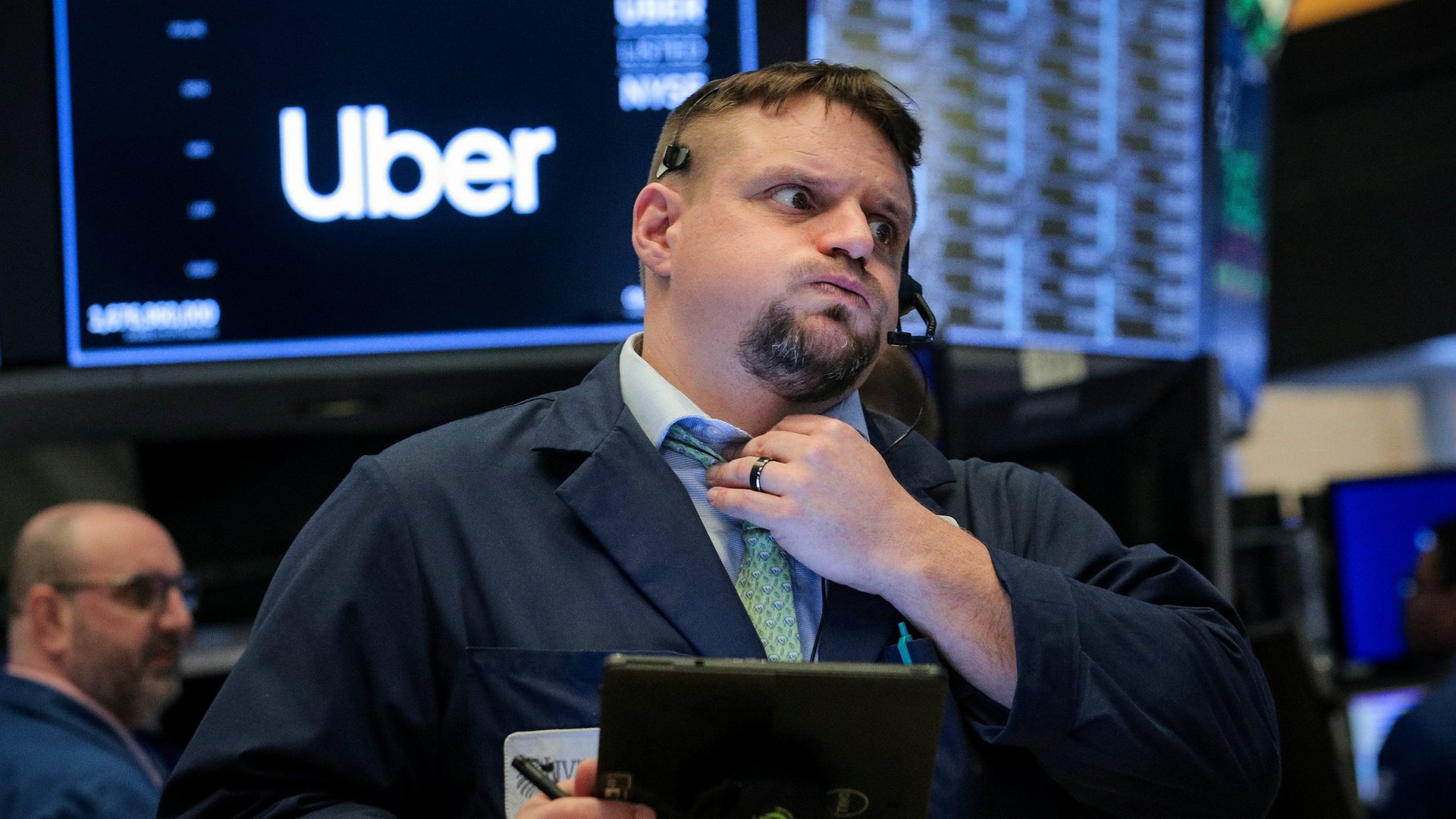
Uber, the cash burning ride-hailing service, is reportedly making a big push into financial technology. It’s a move that Asian mobility companies have been adopting since at least 2015.

For some three years or more, a group of banks has been working on a distributed-ledger system for settlement, researching the feasibility of using blockchain to replace traditional back-office operations. The project is behind schedule—a limited launch was reportedly expected to have taken place in early 2018—but even more financial institutions have joined the effort, which recently raised £50 million ($63 million).
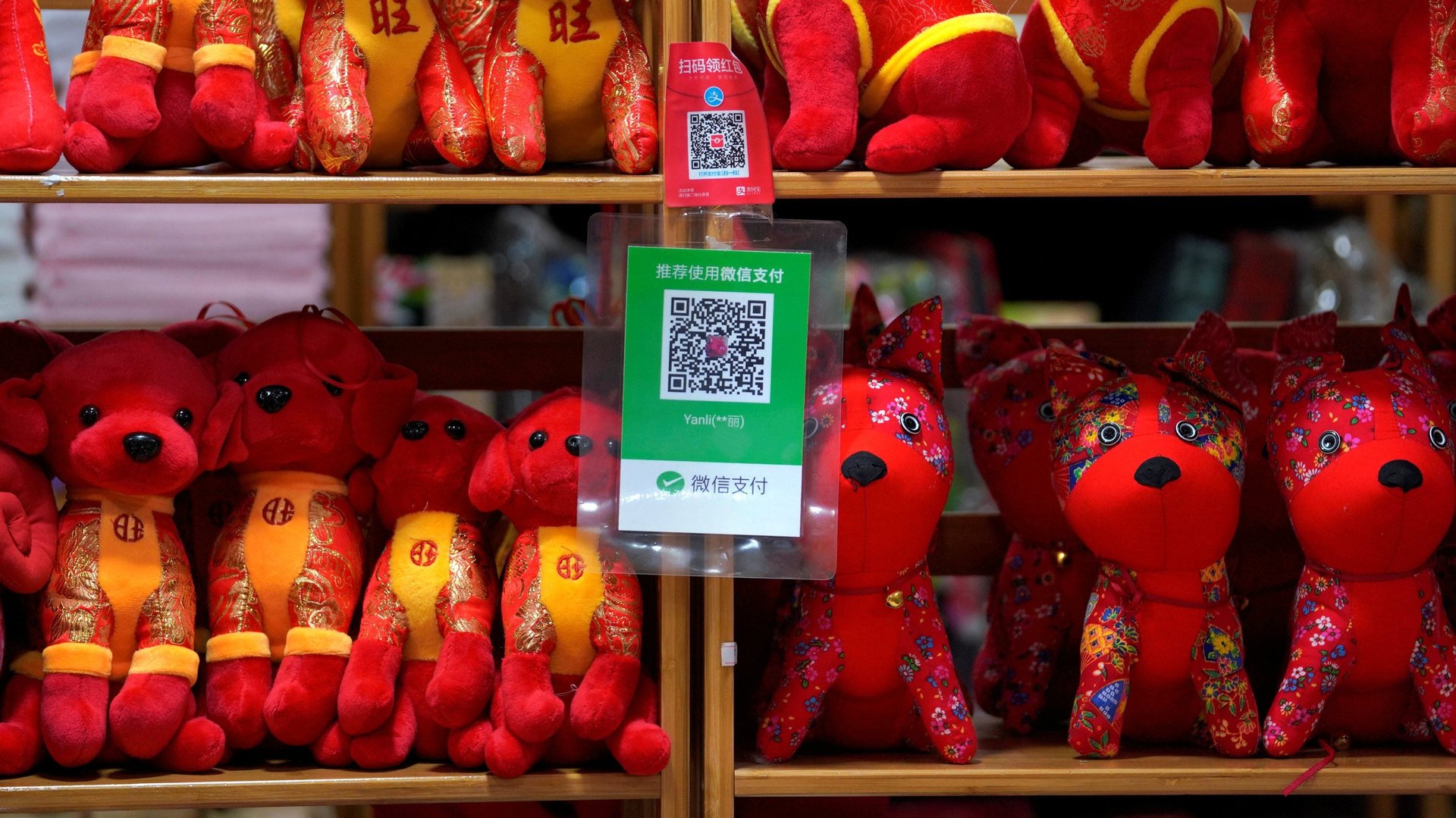
Mobile money is getting a boost in Europe: A new initiative plans to make six of the region’s smartphone wallets interoperable with each other, creating a total network of 5 million users in 10 European countries, from Finland to Portugal. The burgeoning system could potentially pose a challenge to the Visa and Mastercard card-payment duopoly.
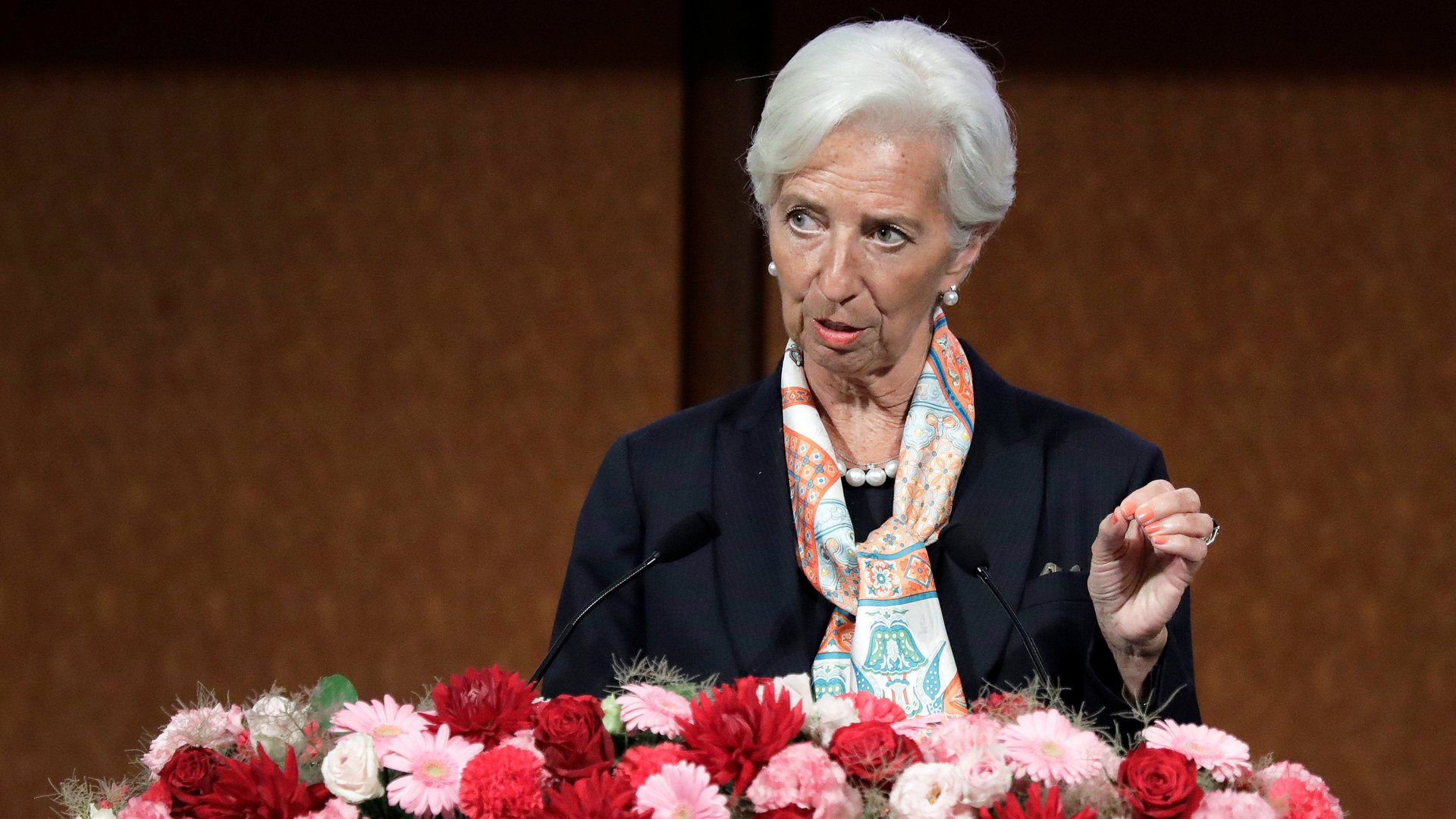
The International Monetary Fund thinks big technology companies are going to dig deeper into the financial sector—a shift that could modernize things like payments and loans for millions of people. But it also raises concerns about data privacy and the concentration of power among a small number of mega-corporations.
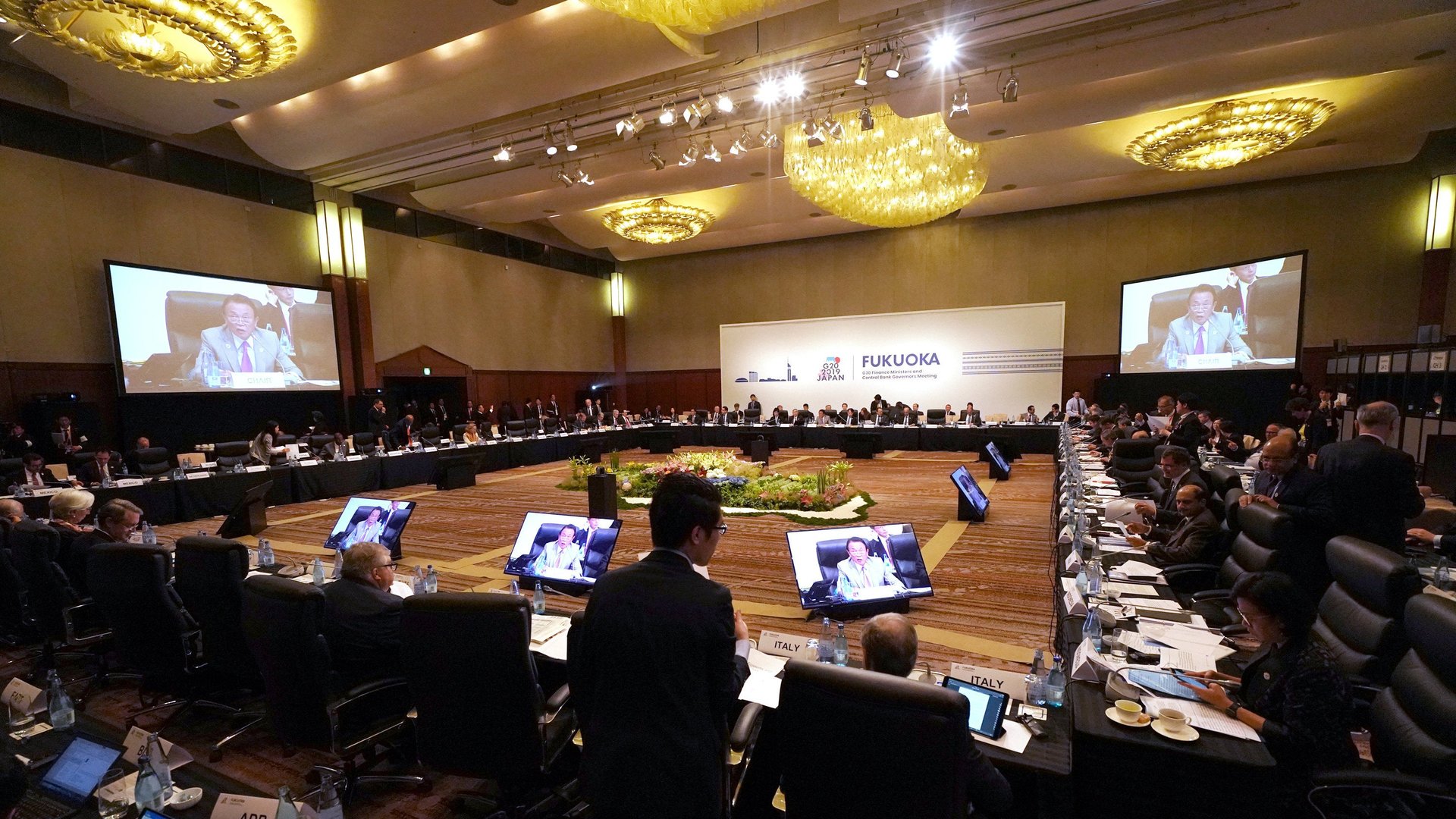
The world’s largest economies took a step toward effectively taxing tech giants like Facebook and Google, by compiling rules that would close loopholes used to avoid corporate taxes. Such a crackdown could make it harder for multinational tech firms to reduce their tax burden by booking profits in countries that have low tax rates, according to Reuters, citing a draft communique by G20 finance ministers, who are meeting in Japan.
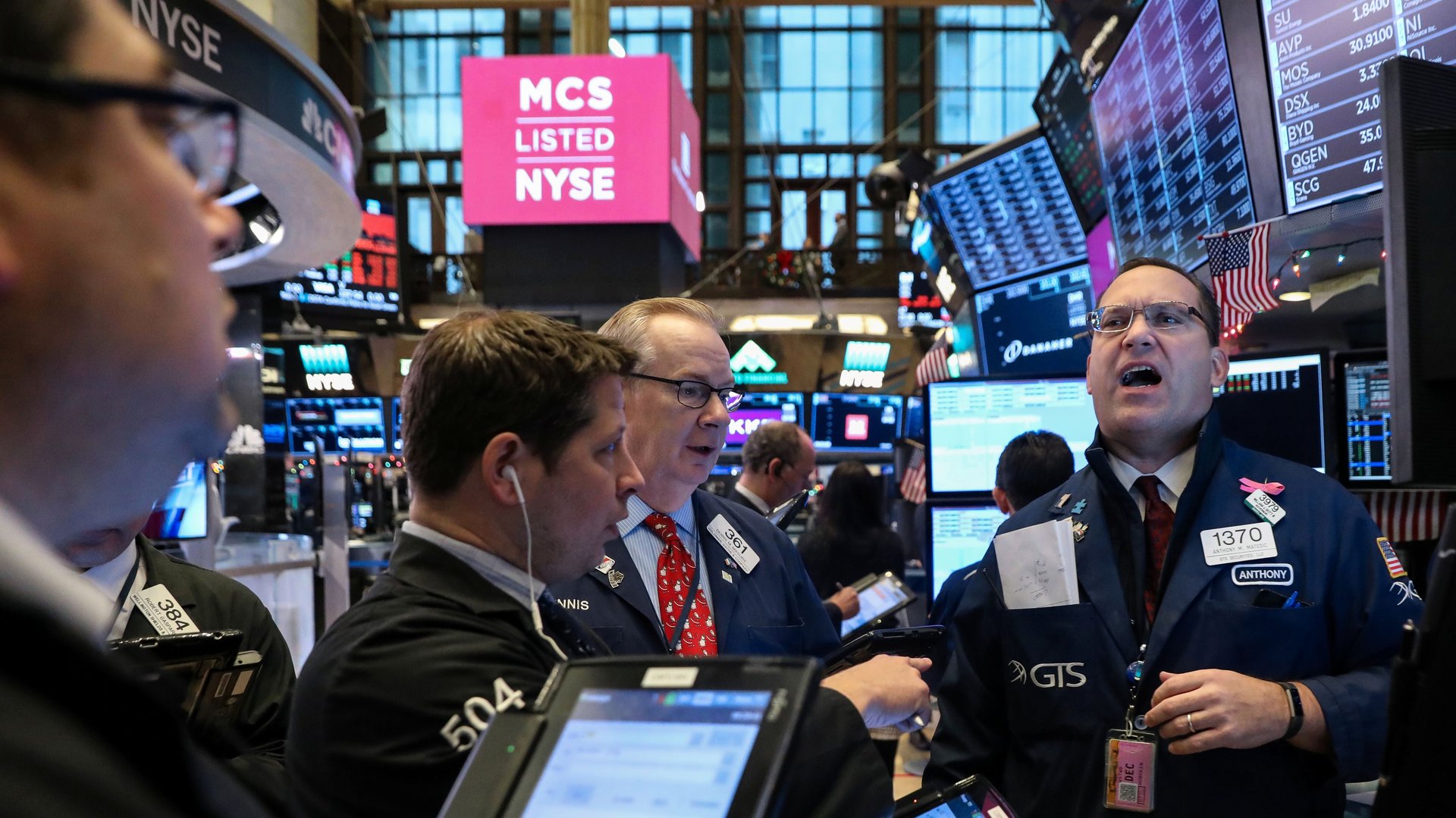
Investors are snapping up US government bonds, a sign they’re worried the economy is slowing and increasingly expect the central bank to take action to keep it from stalling.
The US crackdown on Huawei was bound to have unintended consequences. Some of them are starting to come to the surface.
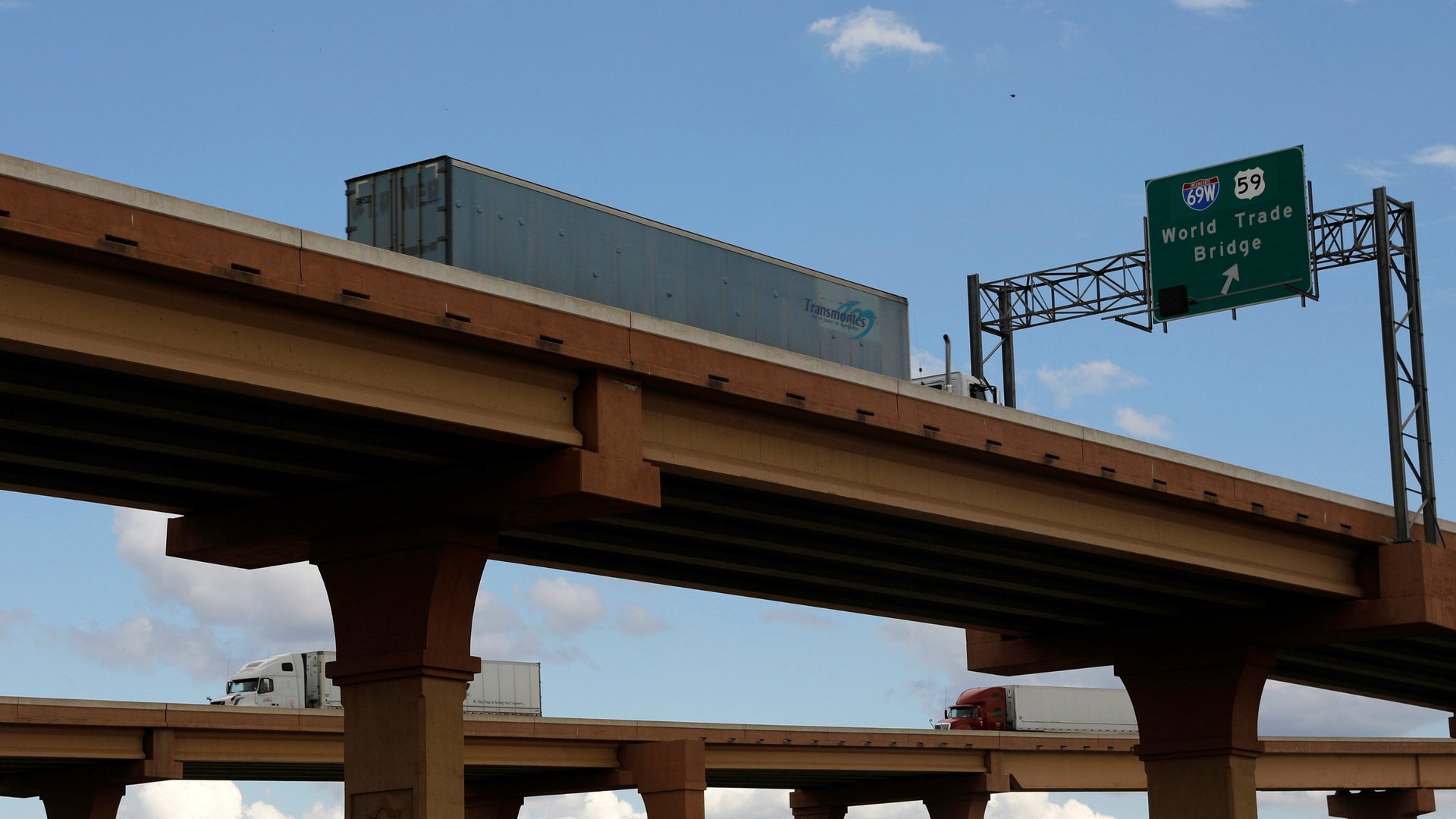
The US and Mexico have come to an agreement that defuses, for now, Donald Trump’s latest tariff bomb. Mexico says it will deploy its national guard, with a focus on its own southern border, to restrain migration. People who are seeking asylum via the US’s southern border will be returned to Mexico while the US accelerates its processing of those claims.

Financial technology startups are booming. How long will it last?

Facebook thinks making payments should be as easy as sending a photo. But rolling out that service for more than a billion users isn’t something the social network’s executives think it can do on its own.
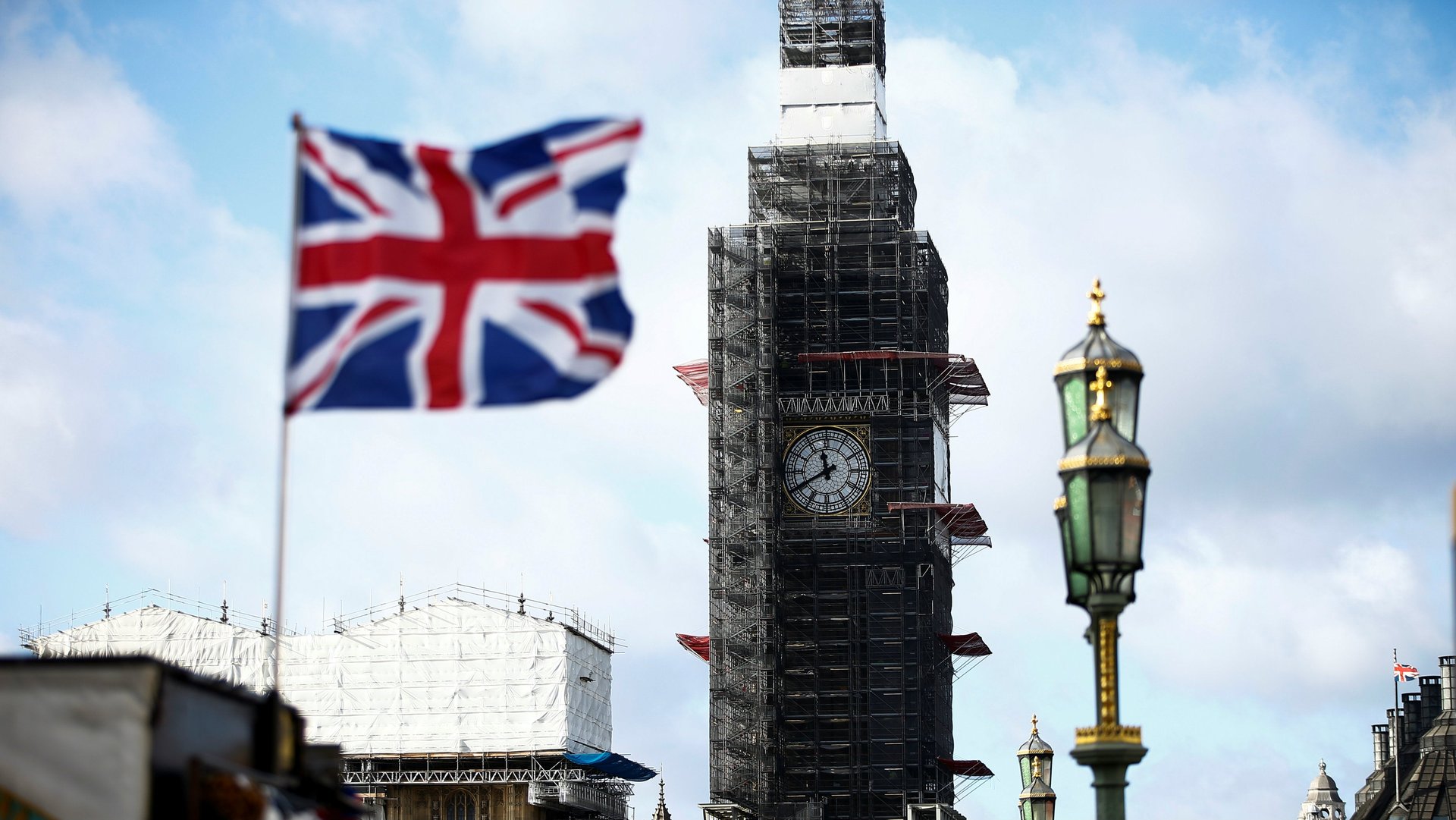
Goldman Sachs says it has usually offered the highest interest rates in Britain since its Marcus savings accounts launched in the country. This helped it attract about 2,000 accounts in the first hour it was available, and more than 250,000 since starting out in September.
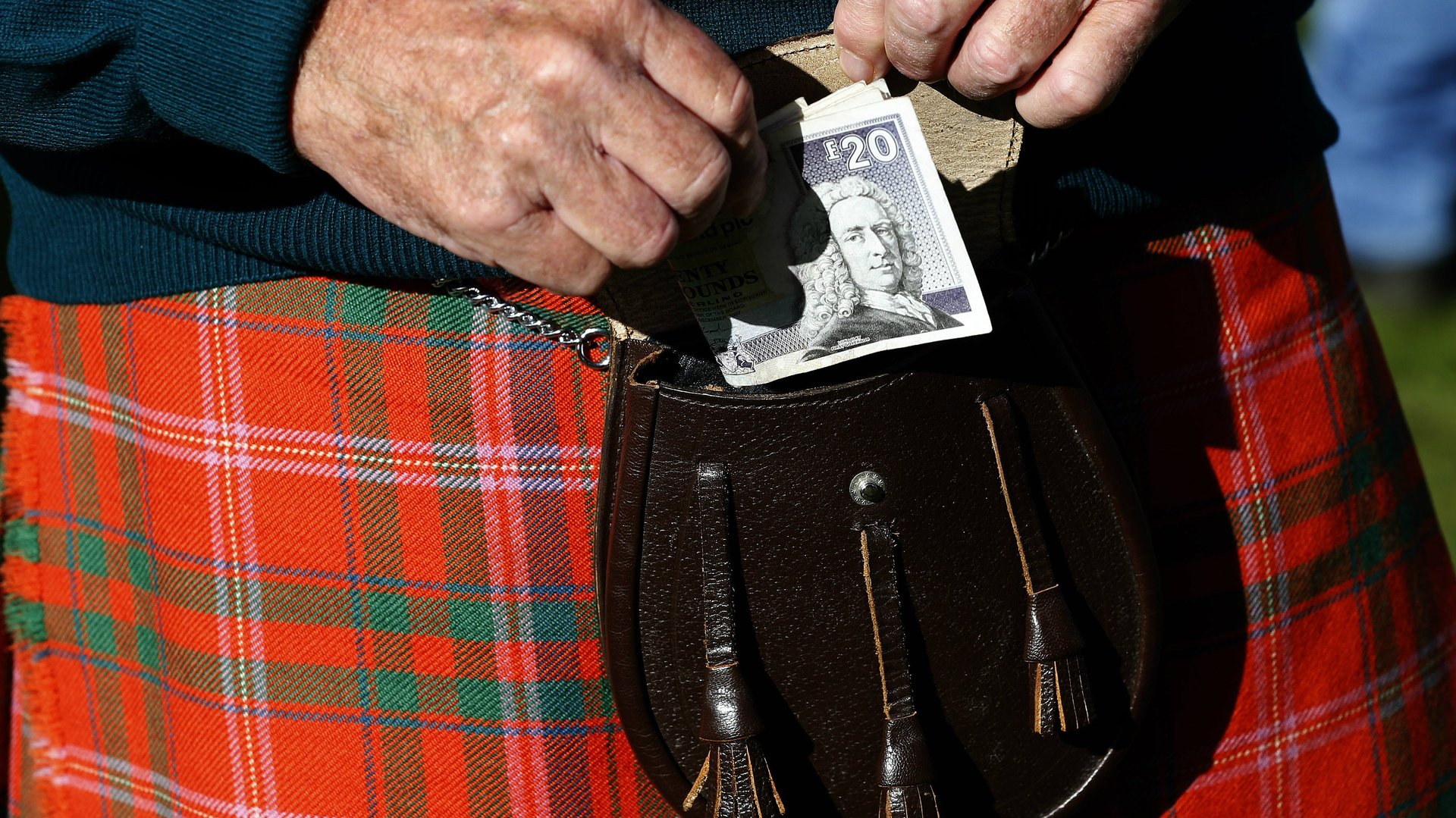
Castlebay in Scotland’s Outer Hebrides is exceptional in many ways. More than half of the population speaks Gaelic, the nearest airport features the world’s only cockleshell beach landing strip, and the 15th-century Kisimul Castle was sold to the state in 2001 for £1 a year and a bottle of whisky.
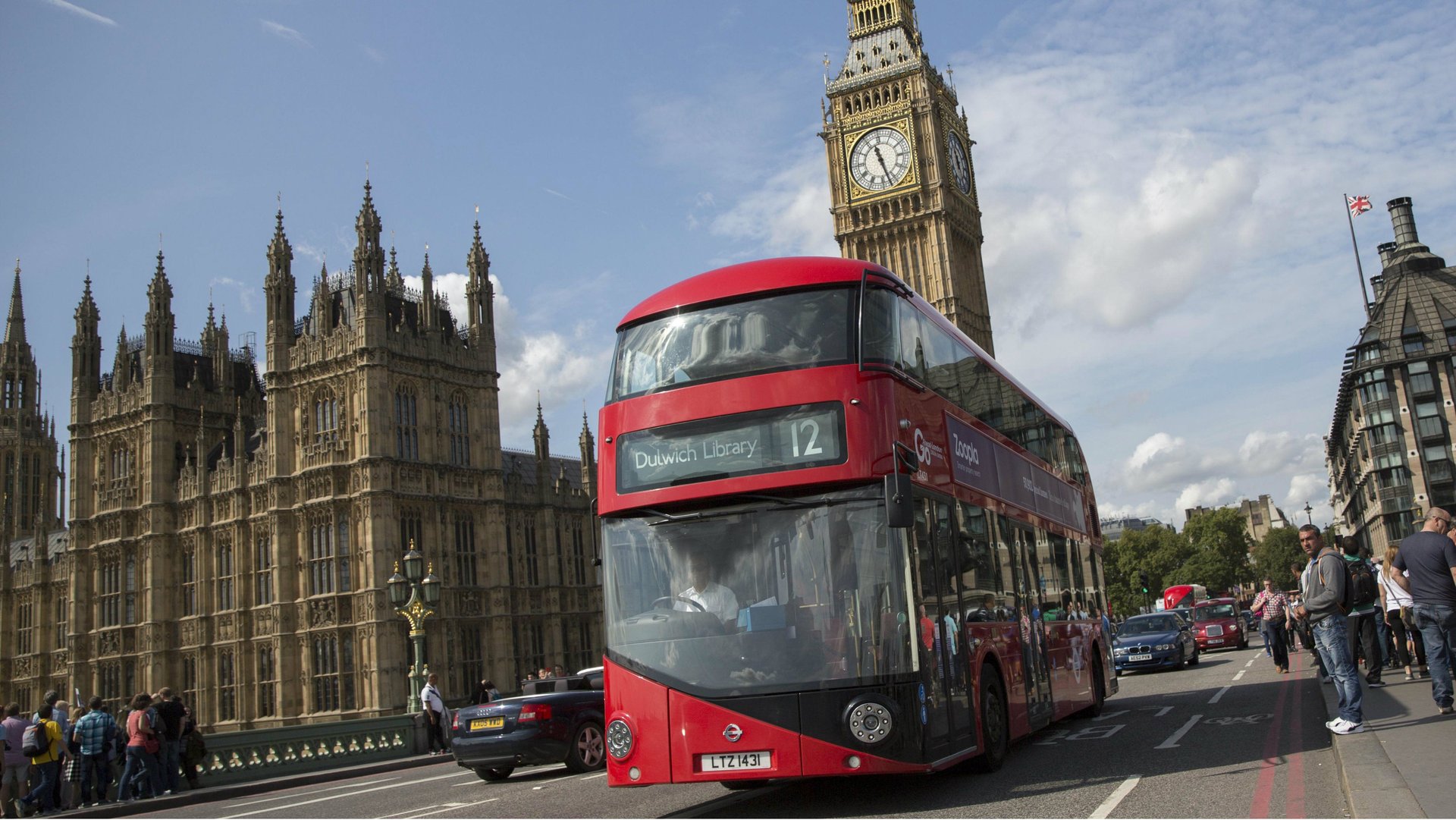
Plaid isn’t just a pattern used by Scottish clans that goes back 3,000 or so years. It’s also the name of a technology company that has been building data links between US banks and financial upstarts since 2012. Now the San Francisco-based company is rolling out its services in the UK, Europe’s hub for fintech startups.
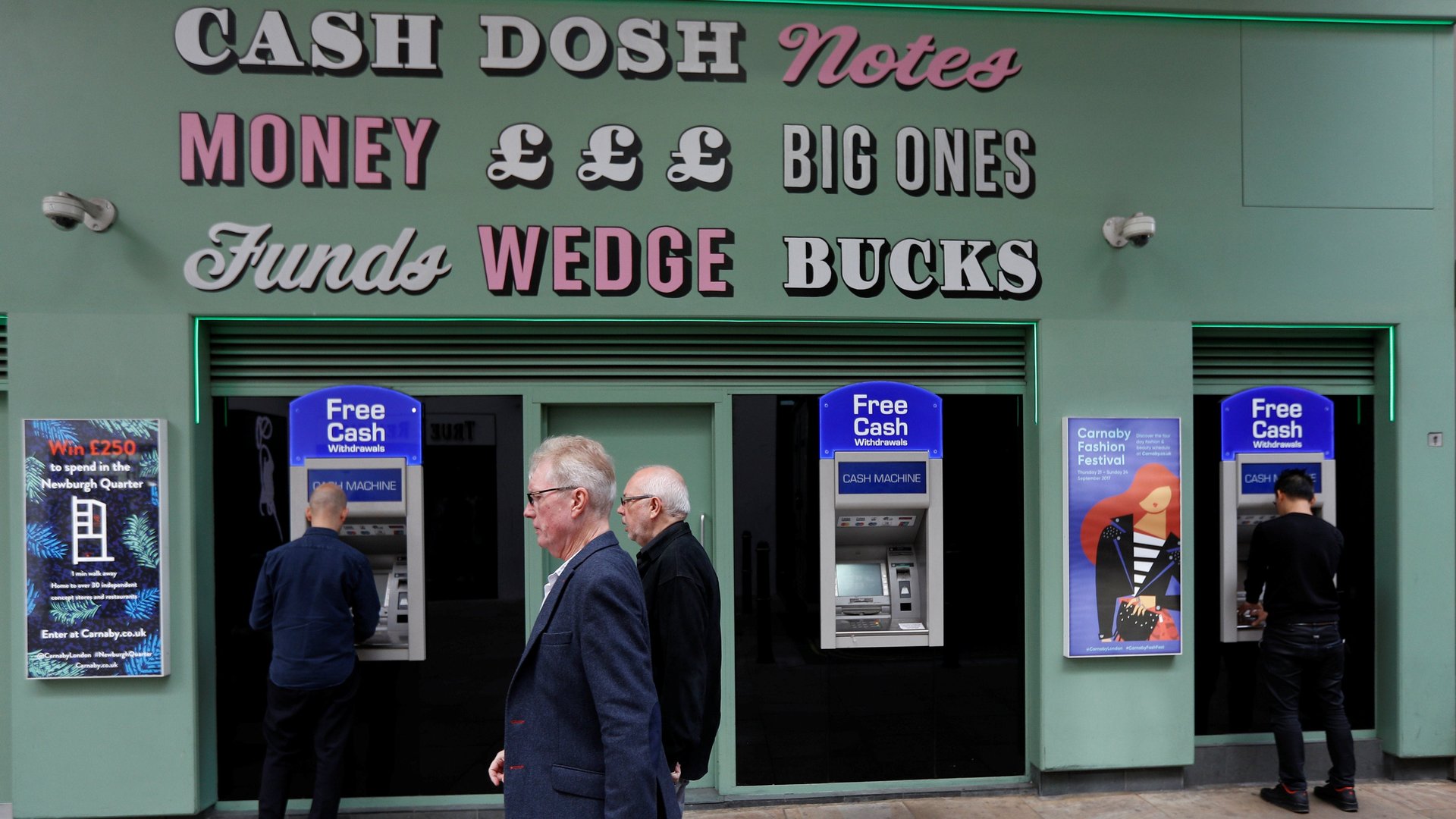
Money costs more when you’re poor. That’s often the case when transferring money abroad, getting a loan, or opening a bank account. In the UK, it can even extend to withdrawing cash from an ATM.

TransferWise is now tied for fifth place among Europe’s most valuable private companies. The money-transfer service announced in a statement today it raised another $292 million, valuing the company at $3.5 billion.
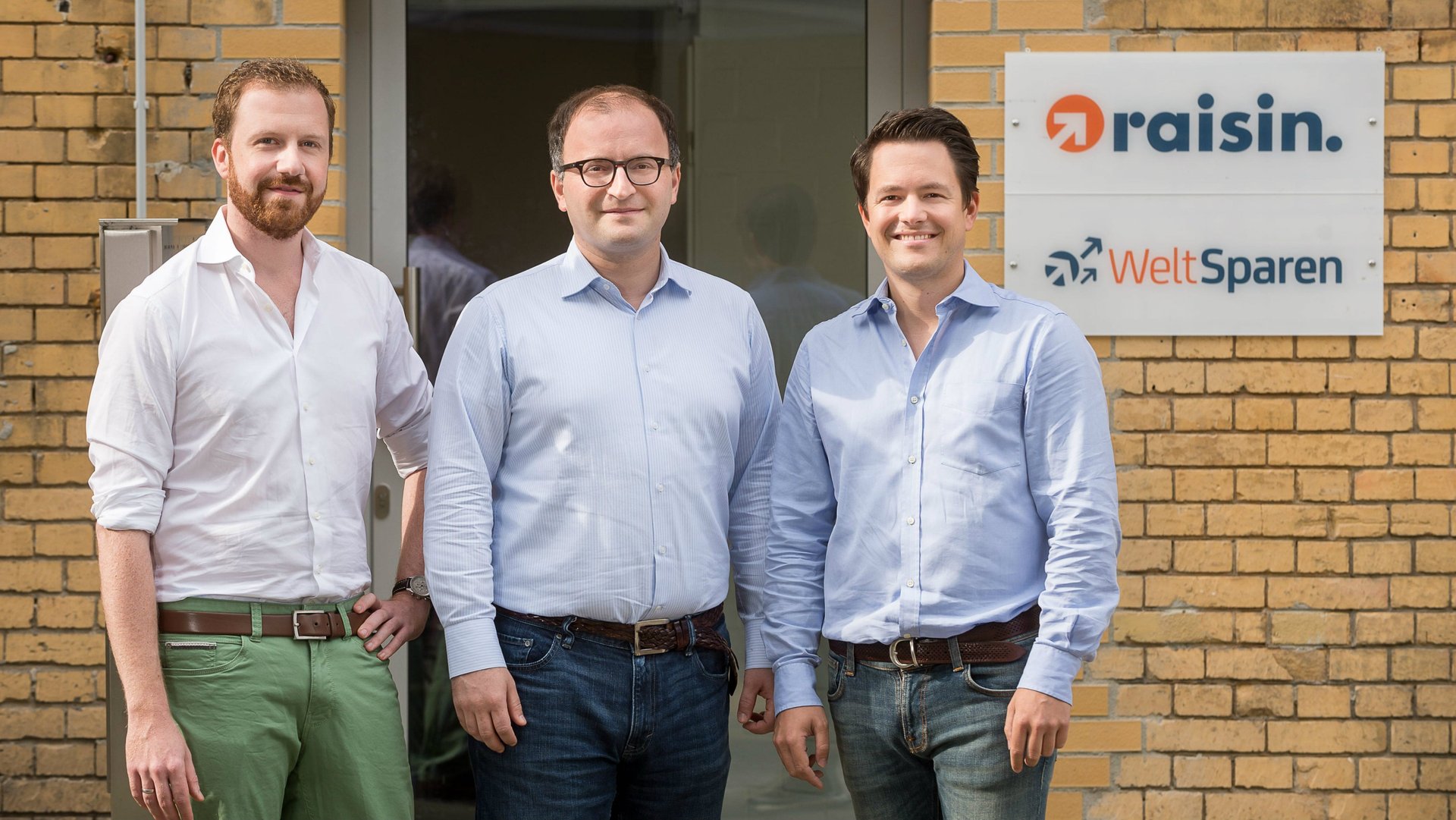
A German fintech started a service in 2013 that helps Europeans shuffle their money around the continent to the highest-yielding savings account. Now, the company plans to bring its technology to the US within the next six to 12 months, which could provide a boost to community banks by connecting them to a bigger pool of savers around the country.
It’s (almost) official: Passive funds have just about reached parity with actively managed ones in the US stock market. “This is a milestone that has been a long time coming,” Kevin McDevitt, a senior analyst at Morningstar said in a statement. “The trend toward low-cost fund investing has gained momentum.”
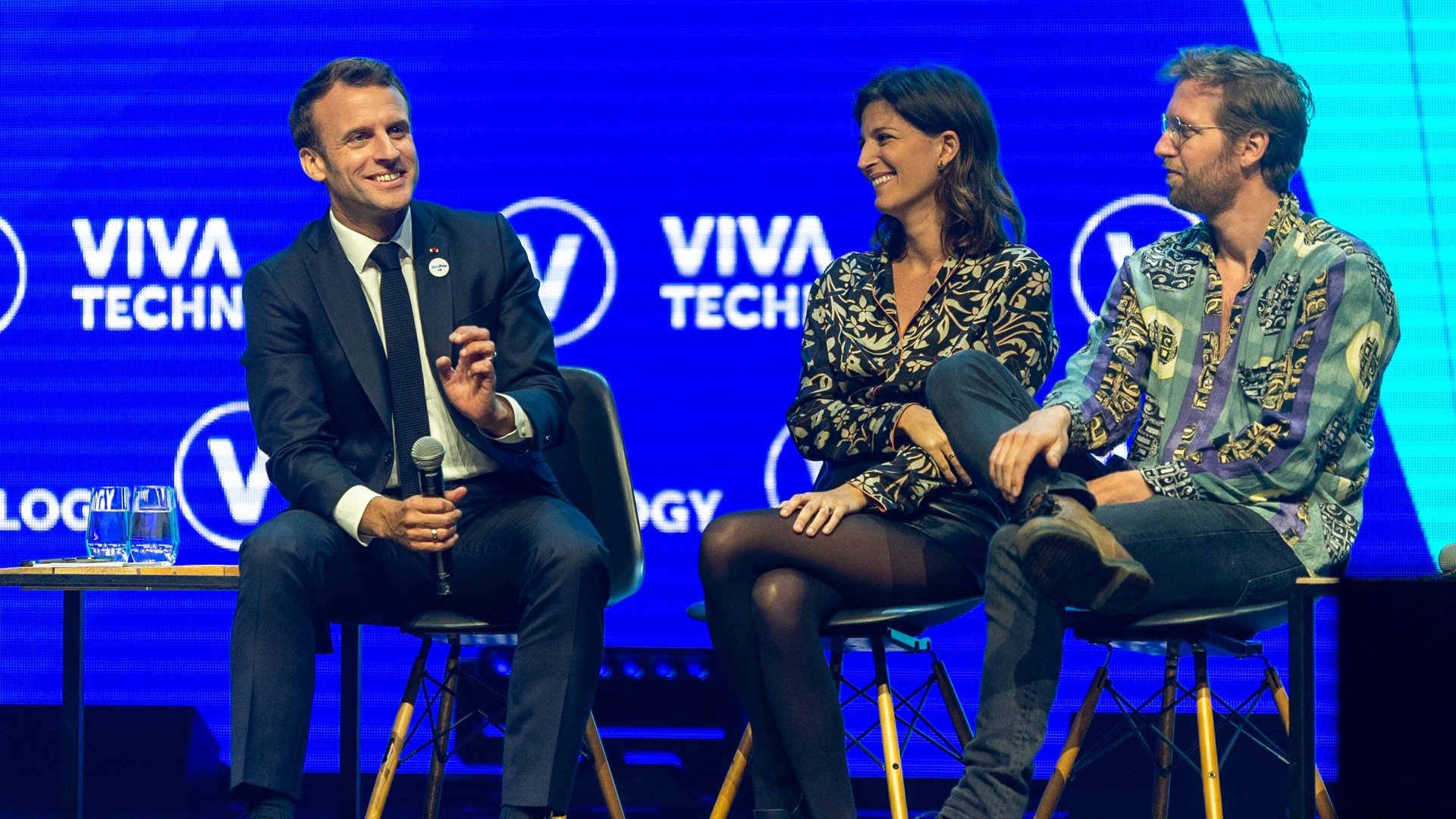
“France is maybe the best place to start a company,” said Jean-Rémi Kouchakji, co-founder of PayinTech, a Paris-based fintech firm that was among the 9,000 startups at the Viva Technology conference this year. Paradoxically, he said, it’s a difficult place for small- and medium-sized companies to thrive, a necessary step for building a corporate titan.

Should Facebook be broken up? Despite her reservations about the massive social network, the EU’s competition commissioner, one of the few people with the authority to pursue such an aggressive action, doesn’t think it’s the best way forward.
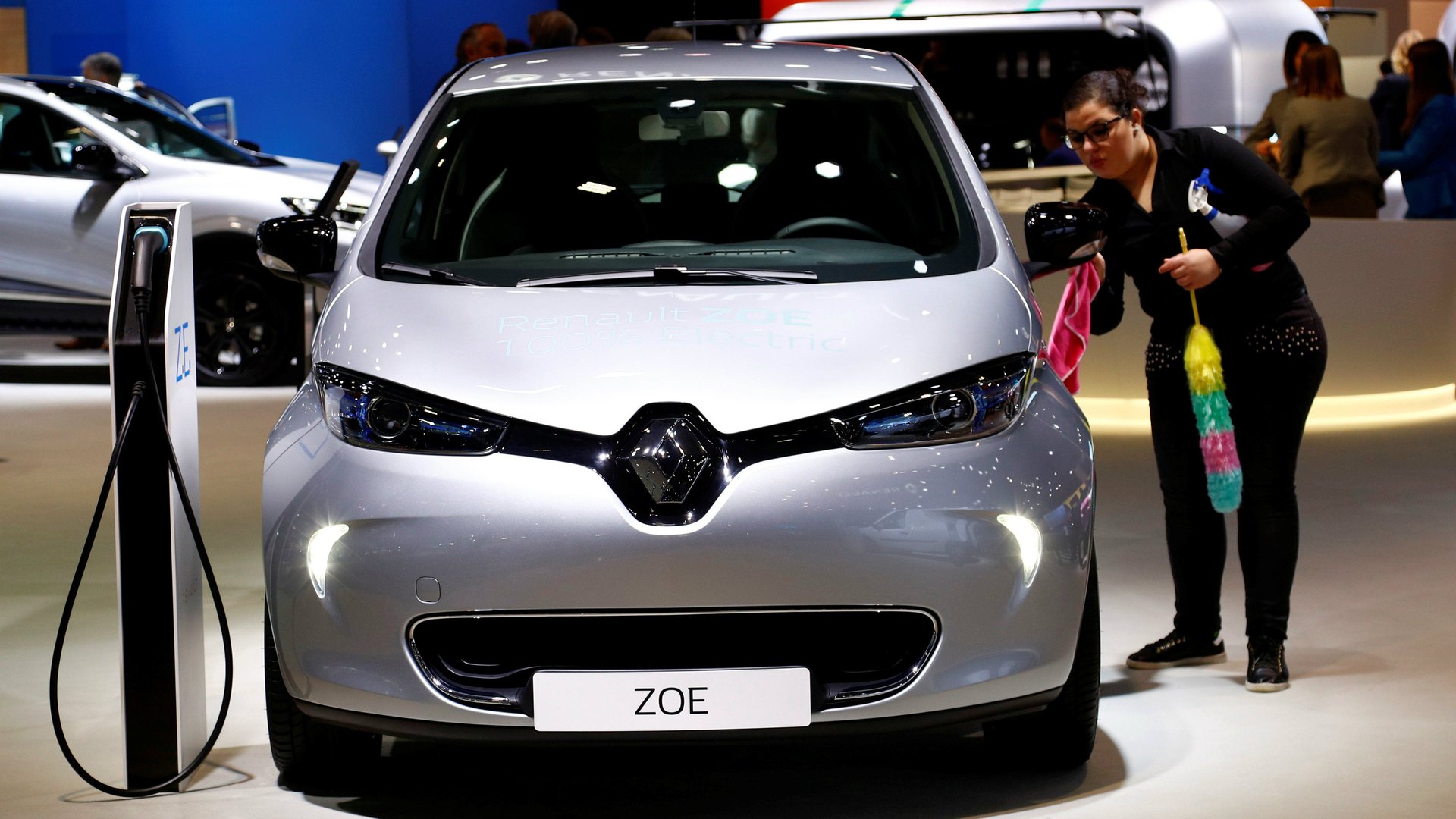
Vehicle emissions regulations are meant to promote clean air and reduce carbon dioxide in order to combat climate change. In Europe, aggressive new rules are also a direct response to a massive diesel-emissions scandal, accelerating the shift to electric vehicles, said Renault CEO Thierry Bolloré.
When someone offers you something for free, it’s a good idea to ask a few follow-up questions. When someone offers to pay you to use their service, it’s wise to ask even more, tougher questions.
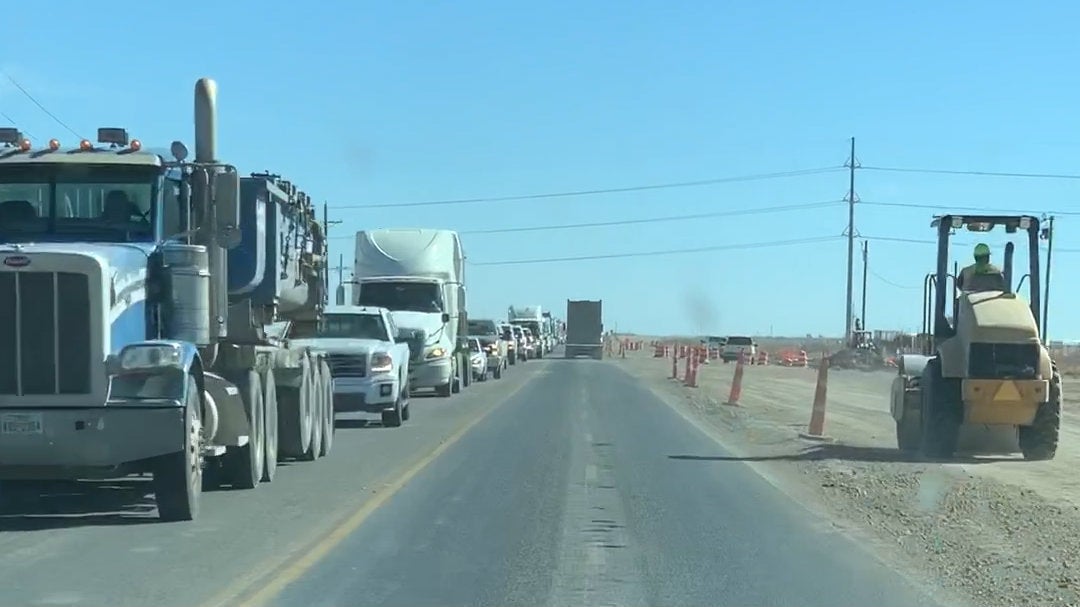
There’s so much money gushing out of West Texas these days that even a deadly highway doesn’t keep people away. The fracking boom is shredding a key stretch of asphalt that runs from Pecos—site of the world’s first rodeo—through a former ghost town and into New Mexico. But even as the carnage piles up, businesses are blossoming like cactus along US Highway 285.