America’s biggest banks are used by hundreds of millions of people. A digital startup bank is hoping to challenge these incumbents by scooping up the next generation of customers before the titans can get to them.

America’s biggest banks are used by hundreds of millions of people. A digital startup bank is hoping to challenge these incumbents by scooping up the next generation of customers before the titans can get to them.

On this Quartz membership conference call, finance editor Jason Karaian and reporter John Detrixhe discussed the future of banking, the subject of this week’s Quartz field guide.

In late 2015, Antony Jenkins said the banking industry was approaching its “Uber moment.” The former Barclays CEO predicted that major, established lenders could be forced to cut as much as half their workforces and bank branches in the coming decade. He said that a group of new banks would become well known brands.

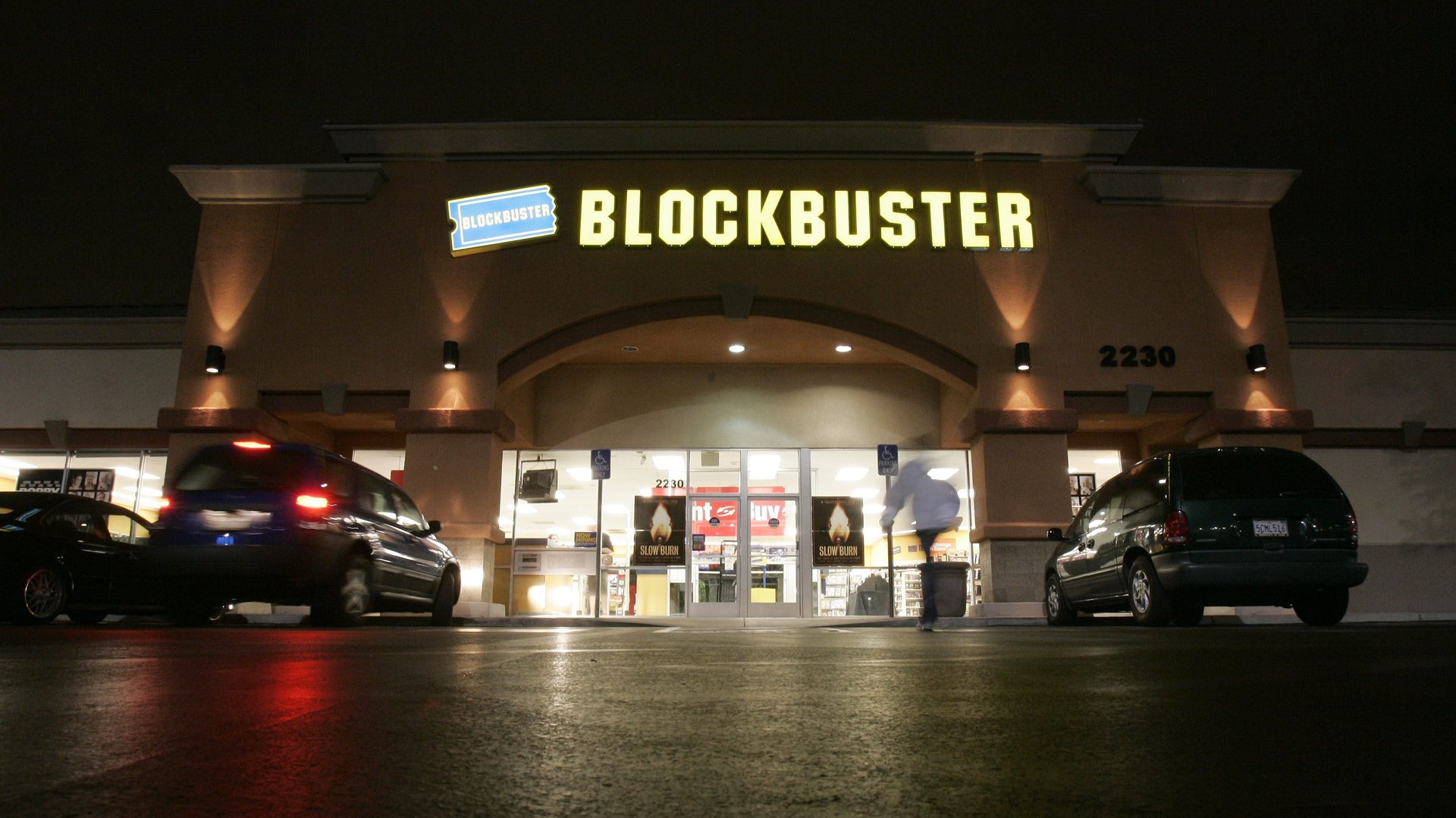
David Ellison, a portfolio manager who specializes in bank stocks, started his investing career 36 years ago, around the time that Blockbuster Video was founded. One of his biggest worries is that America’s lenders will go the way of the erstwhile movie rental company that failed to keep up with technology.

It’s been a decade since the global financial crisis and the truly big, global banks still standing are, for the most part, American. Europe’s lenders in particular are still struggling to find their feet, and it doesn’t help that US rivals are steadily encroaching on their turf.

How many big banks does the world really need?

PayPal launched its Xoom money transfer service in the UK and 31 other European markets last month. Is it a good deal for people sending money abroad? The answer, when comparing Xoom or any other transfer service, is “it depends.”

The UK has become something of a laboratory for newfangled digital banks, which are attracting thousands of new customers each day. But there are some big questions: Will bigger legacy banks eventually learn the fintech firms’ tricks? And will the so-called neobanks ever become profitable?

Sweden is at the vanguard of countries embracing digital payments, so much so that the Scandinavian country could go effectively cashless in less than four years. In 2018, however, the amount of banknotes and coins in circulation increased for the first time in more than a decade.

Massive data breaches like the hack at Capital One are here to stay. But there are ways for consumers, companies, and government officials to fight back.

Can anyone out-Bloomberg the Bloomberg?

Big Tech has a surprising ally in Elizabeth Warren, at least when it comes to digital payments. The US presidential candidate and three fellow democratic members of congress are proposing the Federal Reserve build a real-time payment system—something large tech companies have pushed for and big banks have tried to stop.

Visa is among the companies sizing up Nordic payment firm Nets for a potential acquisition, according to people familiar with the discussions. If consummated, a deal for the payment processor would add to the bonanza of mergers and acquisitions in the digital payments sector in recent months.

Even during the heady days of the epic bitcoin bubble in 2017, Long Island Iced Tea Corp.’s pivot to blockchain was a particularly brash ploy to latch onto the crypto hype. More than a year later, court records show that authorities are still digging into what they believe was a sophisticated insider trading operation designed to supercharge the stock’s rise.

Robot lenders are increasingly seen as the future of finance, especially when it comes to loans for smaller companies. Automated algorithmic systems can make credit decisions in an instant, and should be much less hassle for the borrower. But a key question about their widespread adoption is whether small businesses owners used to talking about money matters face-to-face with bankers will trust the digital replacement.

Quartz finance reporter John Detrixhe and global finance editor Jason Karaian take your questions on Deutsche Bank and the future of investment banking.

Savings accounts that offer generous interest rates are emerging as a key battleground for financial upstarts. US robo-advisor Betterment is the latest to offer consumers a higher rate than they can get from a typical bank.

Since the dawn of the internet, multinational tech companies have grown in power, size, and influence. But issuing their own currencies—as Facebook and its partners are proposing with their Libra coin—could be a step too far for government officials, who worry about the effect on their own sovereign money.

Goldman Sachs is investing in a startup that’s designed to help people get better rates on their savings. It couldn’t come at a better or worse time, depending on how you look at it.

Many have wondered whether Big Tech will some day find a way to disrupt the financial industry. Some US lawmakers want to stop this from ever happening.

How many investment banks is too many investment banks?

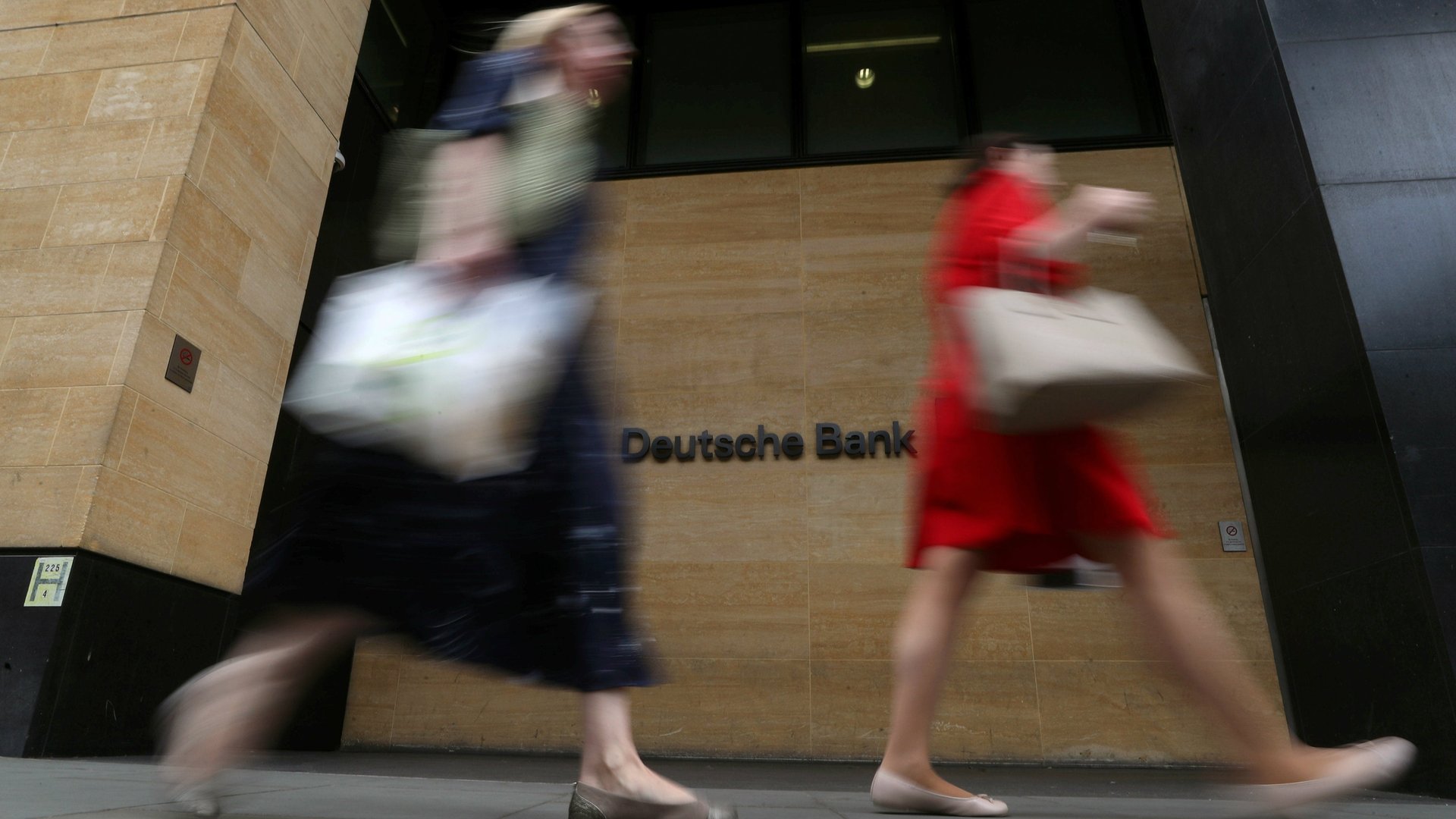
This week Deutsche Bank, Germany’s biggest bank, announced a major retreat from the US. Coincidently, a Berlin-based digital financial startup named N26 is launching there today, aiming to go head-to-head with America’s banking titans.

Banks have access to a treasure trove of data about their customers and their habits. What data they’re allowed to access, and what they do with it, is an increasingly pressing question as more payments go digital.

Deutsche Bank shares sank on the day after the 149-year-old bank announced its latest, and deepest, restructuring effort. The stock market reaction signals that investors are uncertain about a turnaround plan that will see the lender slash 18,000 jobs and retreat from operations around the world.