Stripe’s valuation has more than doubled from a year ago to $95 billion, putting the fintech into the upper echelons of the world’s most valuable payment companies.

Stripe’s valuation has more than doubled from a year ago to $95 billion, putting the fintech into the upper echelons of the world’s most valuable payment companies.

The US is becoming more of an outlier among countries with a gold-plated AAA credit rating. As its $28 trillion debt burden grows, will the rating companies continue to treat America as an exception?

Corporate executives are talking more than ever about “buy now pay later”—the slick digital lending that is a hit with Gen Z and millennial shoppers. The question is whether it will disrupt the $8 trillion credit card industry, and whether these loans will encourage a new generation to borrow more than they can afford.

With everything from bitcoin to IPOs so perky, many have asked whether a financial bubble is underway. The answer may very well be yes, but with a nuance: Some experts think there are a series of microbubbles gurgling up rather than a single immense boom.

Warren Buffett and Cathie Wood are polar opposites when it comes to investing. The former is a stock-picking legend with a history of skepticism of hyped-up technology concerns, while the latter seemingly can’t get enough of them.

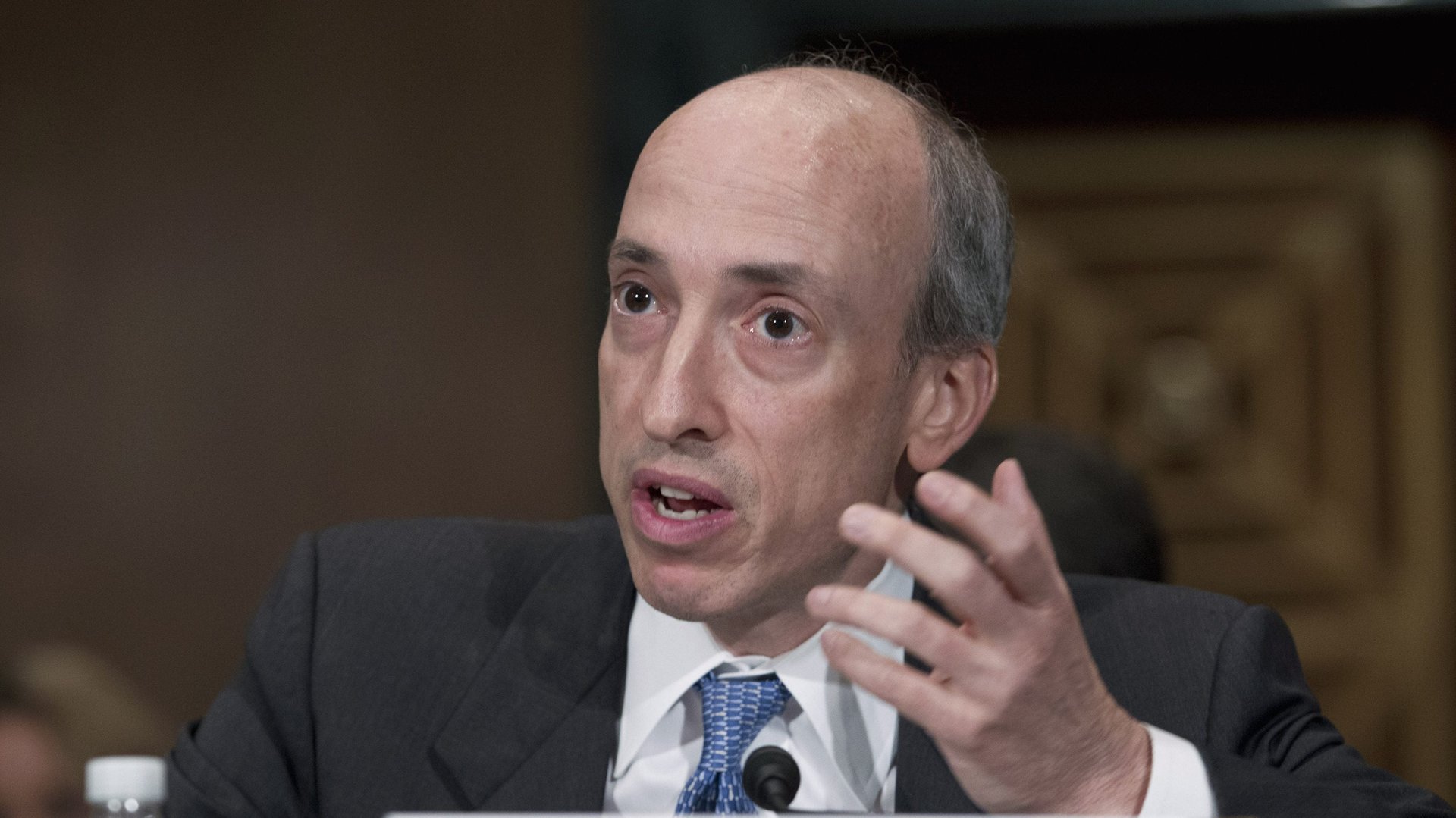
When Gary Gensler’s confirmation hearing takes place today, senators will scrutinize how president Biden’s pick to run the Securities and Exchange Commission would wrestle with the retail trading boom enabled by brokerages like Robinhood. If his book is any indication, Gensler would tell everyday investors that they shouldn’t try to beat the stock market.

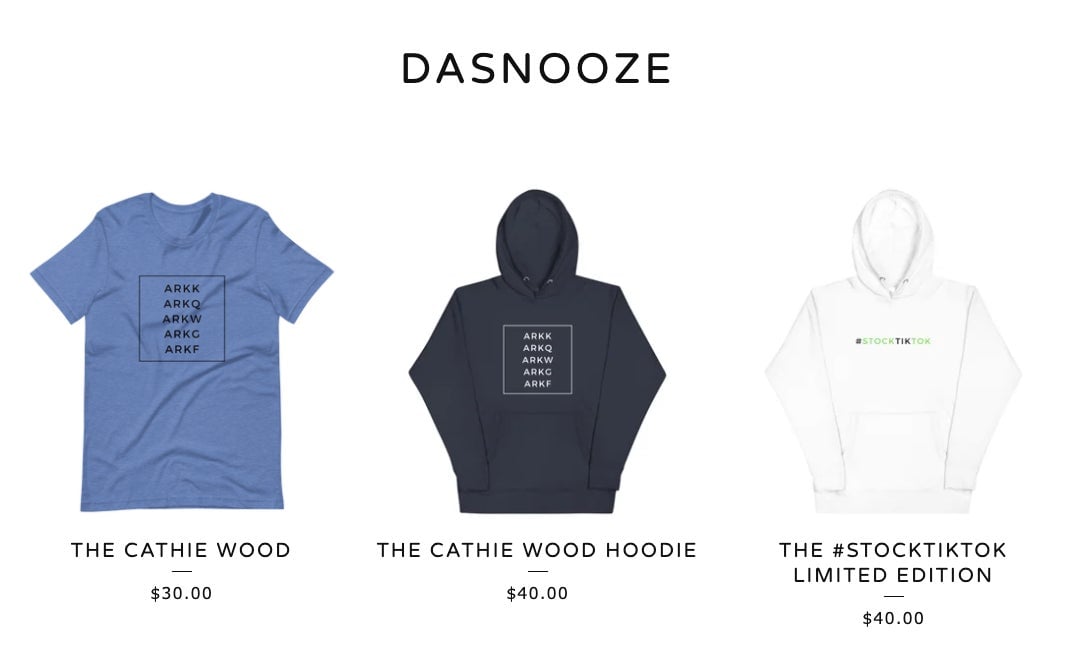
What do Tesla, Square, bitcoin, and Shopify have in common? Yes, they are all red hot and bubbly. But they have also been blessed by Cathie Wood, the star stock picker and bespectacled founder of ARK Investment Management. Wood’s “disruptive innovation” fund has posted a 140% gain over the past year, blowing away the 21% gain of the broader US stock market.

The $20 trillion Treasury bond market is getting jittery. The question is what is the Federal Reserve going to do about it?


Several prominent economists think inflation is a growing concern for the US economy. There are signs that investors in the $20 trillion US Treasury market agree with them.

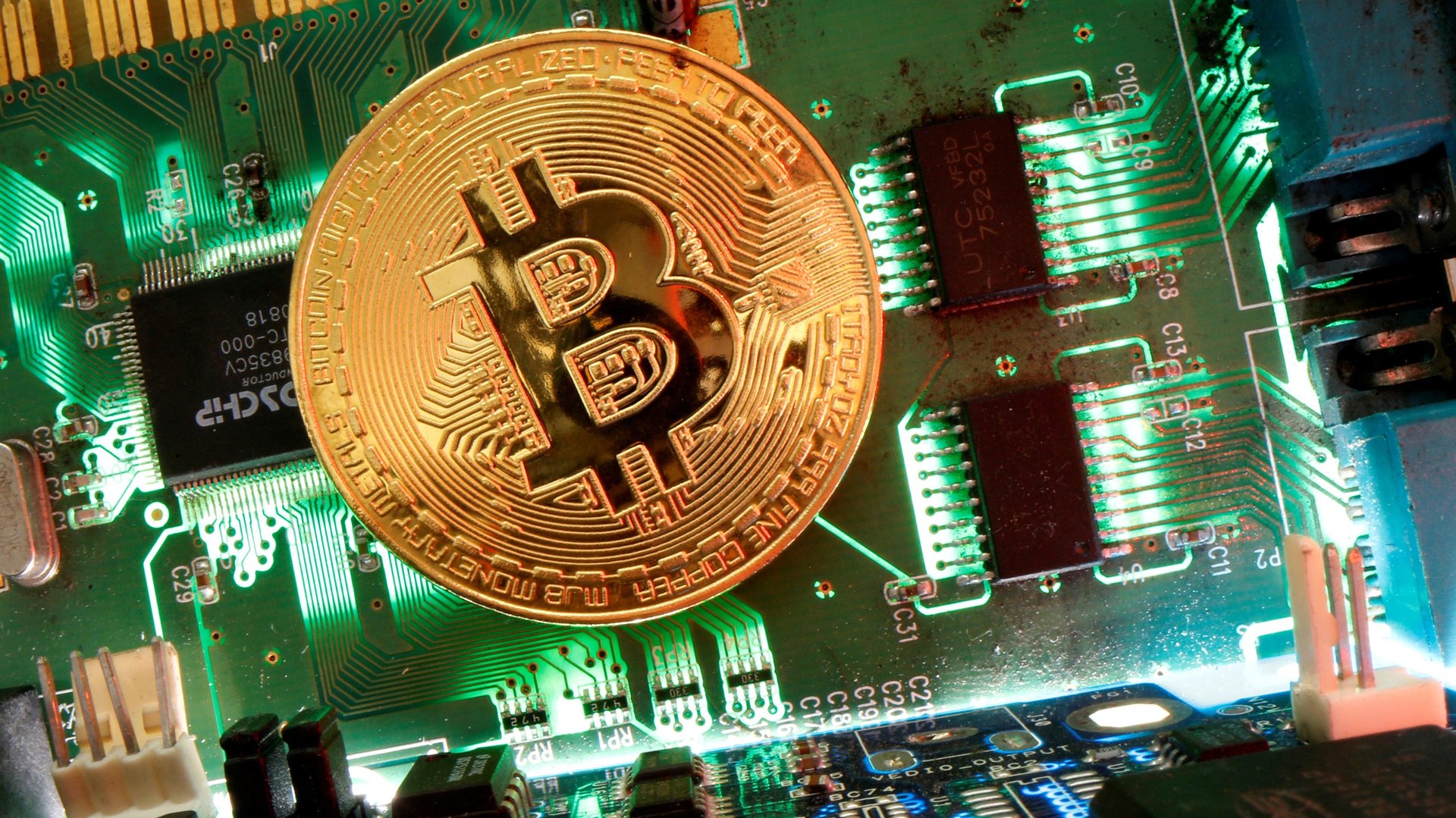
A question that has long bedeviled bitcoin observers is how to value it. Lately the answer to its worth has been whatever influential people like Elon Musk and star stock picker Cathie Wood say it is.

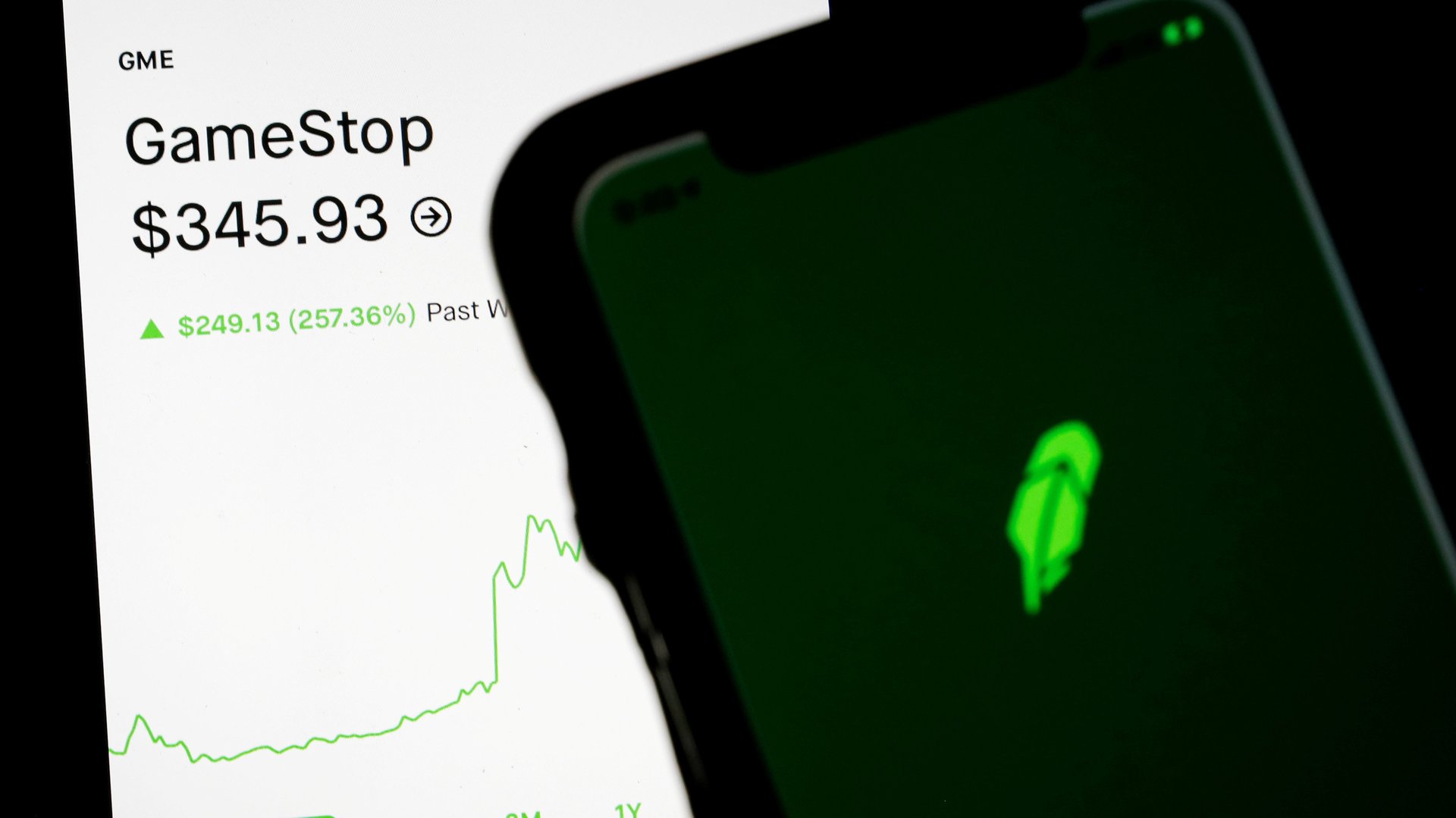
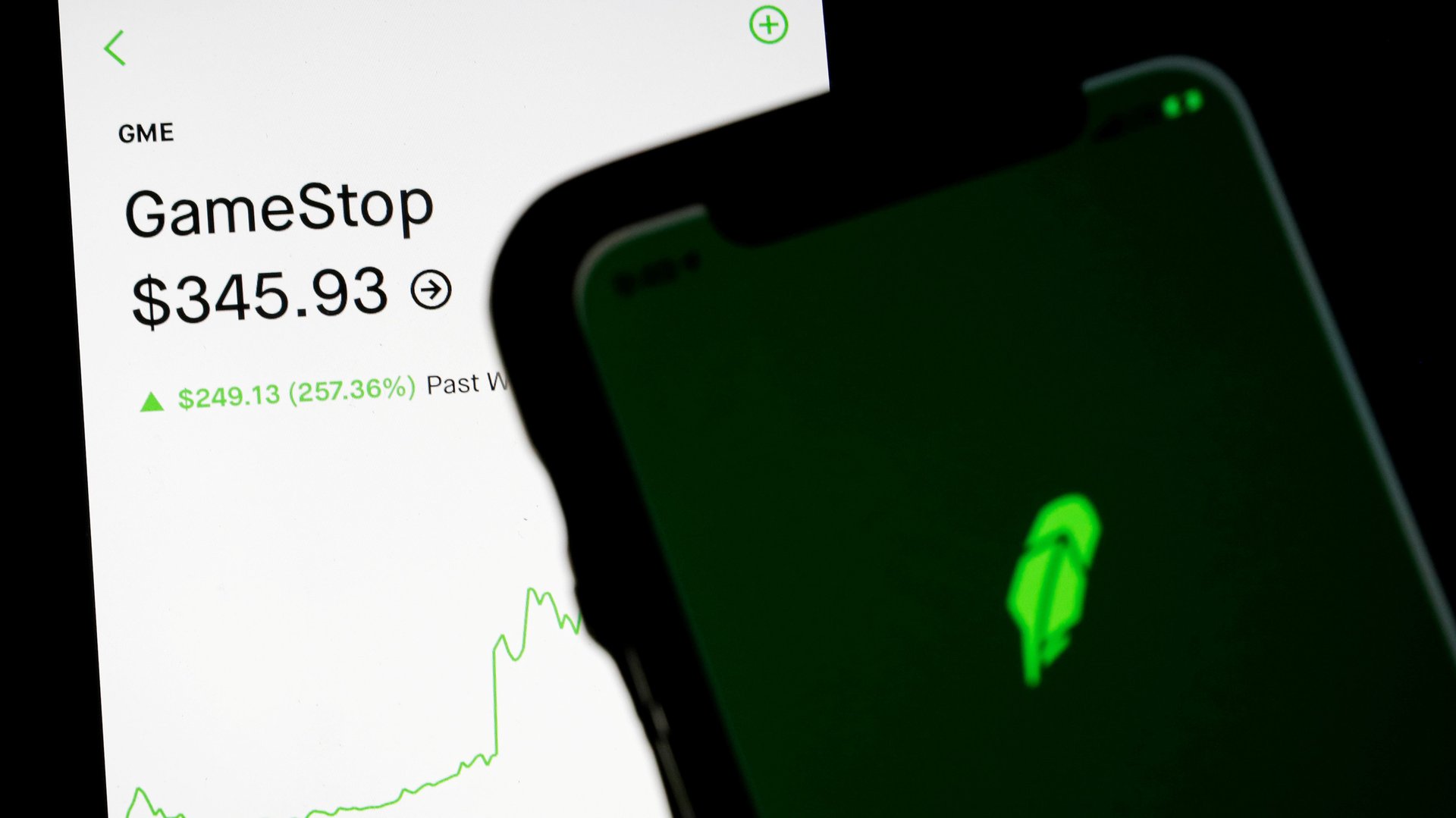
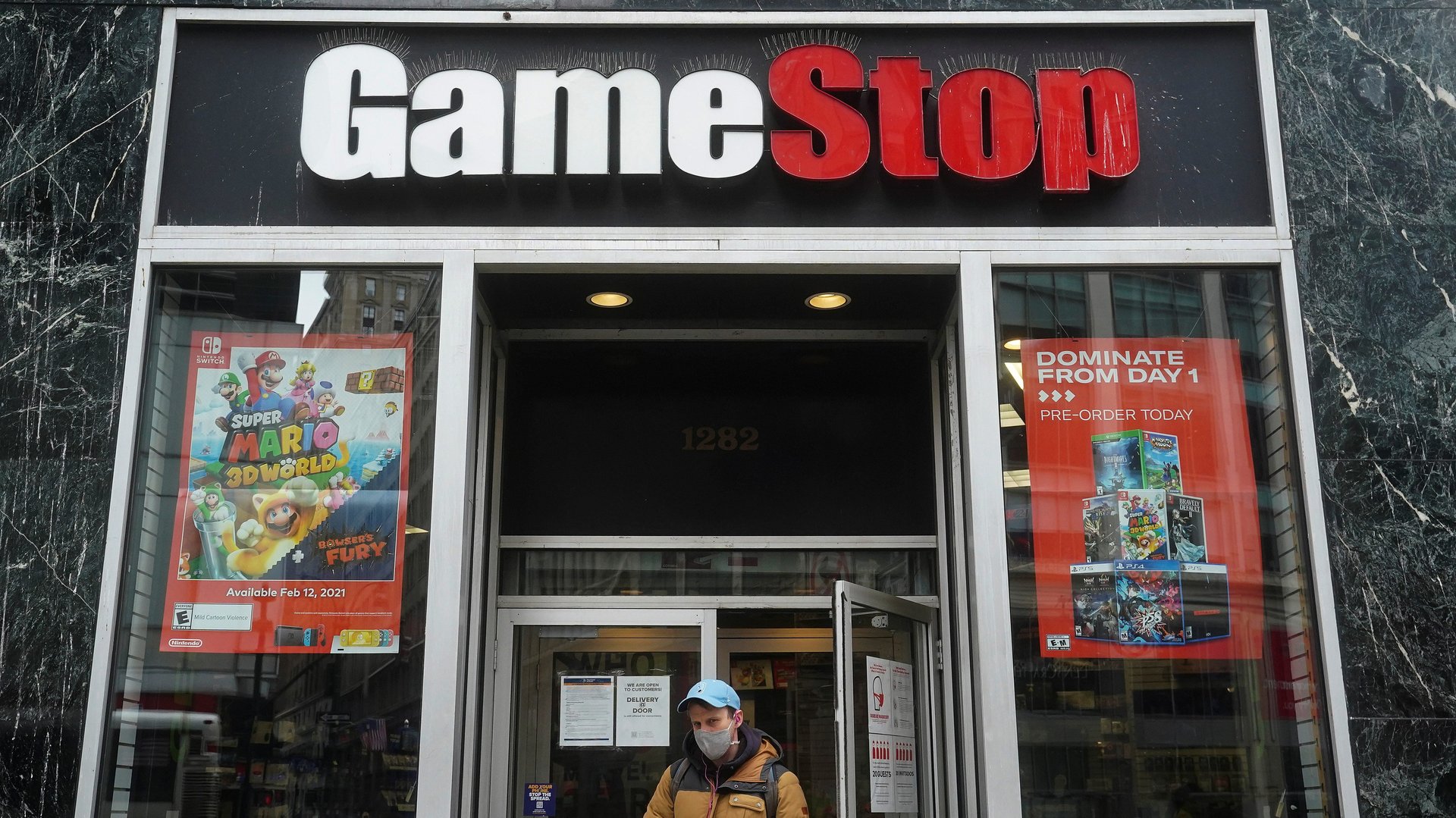
Congress is holding a hearing this week to discuss the GameStop saga, in which an army of retail investors conspired on Reddit’s WallStreetBets channel to take on hedge funds that were betting against the video game retailer. Some say the viral sensation was little more than stock market manipulation. Polls, however, suggest many Americans across the political spectrum were happy to see the little guy take on Wall Street.

When the GameStop saga started blowing up on Reiss Jeram’s phone, the 18-year-old actor was shocked by the video game seller’s skyrocketing share price. Then the Londoner was intrigued by what seemed to be an army of retail traders taking a principled stand against Wall Street.

Shares of Robinhood jumped 50% in January despite the GameStop controversy, as investors scramble to get a piece of the brokerage before a much anticipated IPO this year. The fintech’s growing valuation is another sign that investors think the trading app is bulletproof to everything from handwringing over its business model to technology outages and fines.

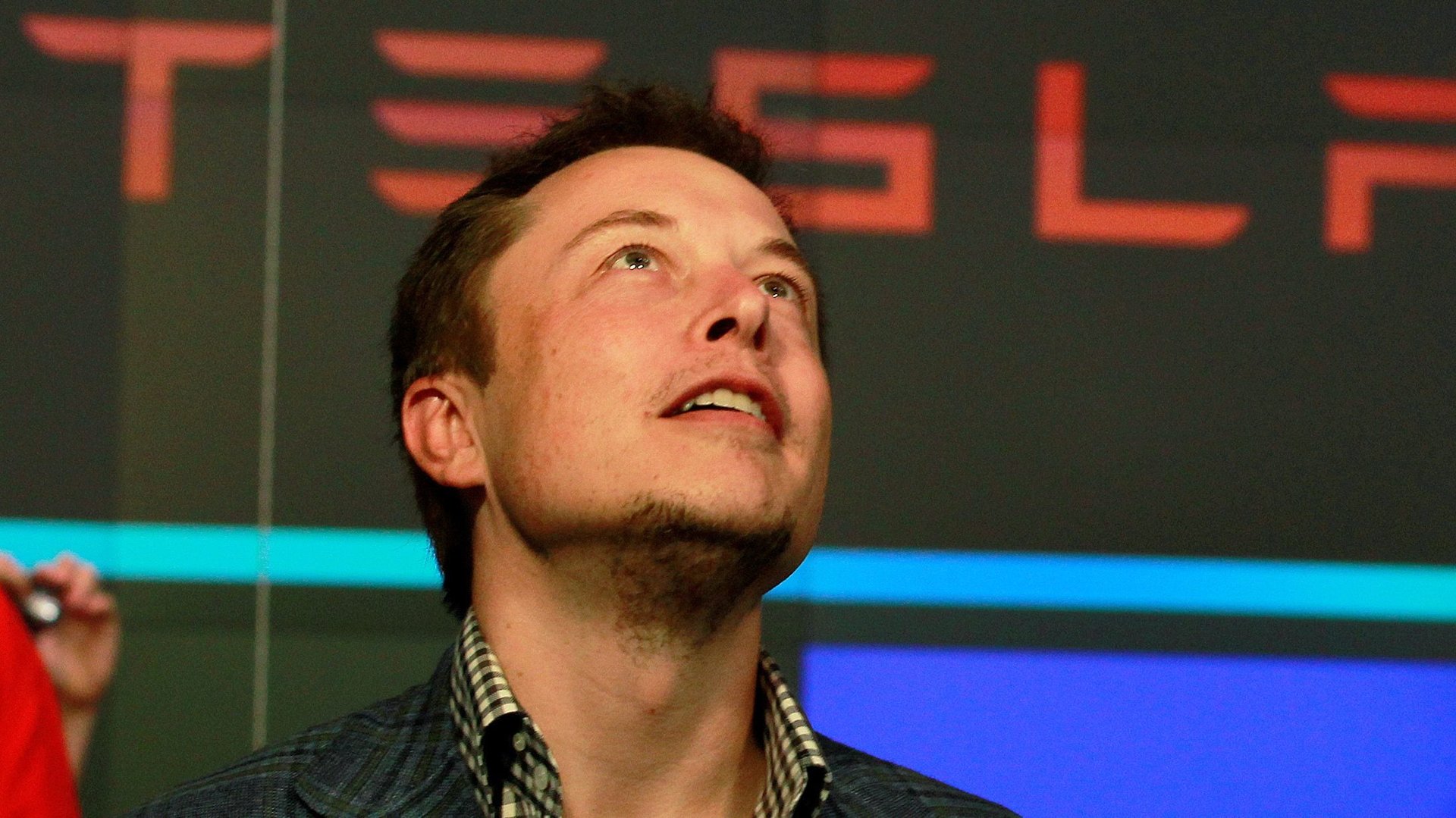
Bitcoin soared to a record high after Tesla said in a filing that it had invested $1.5 billion in the crypto asset. The $800 billion electric company also said it would start accepting bitcoin as a form of payment soon. In at least one way, Tesla and bitcoin seem made for each other: They are two of the most effervescent assets in the retail trading boom.

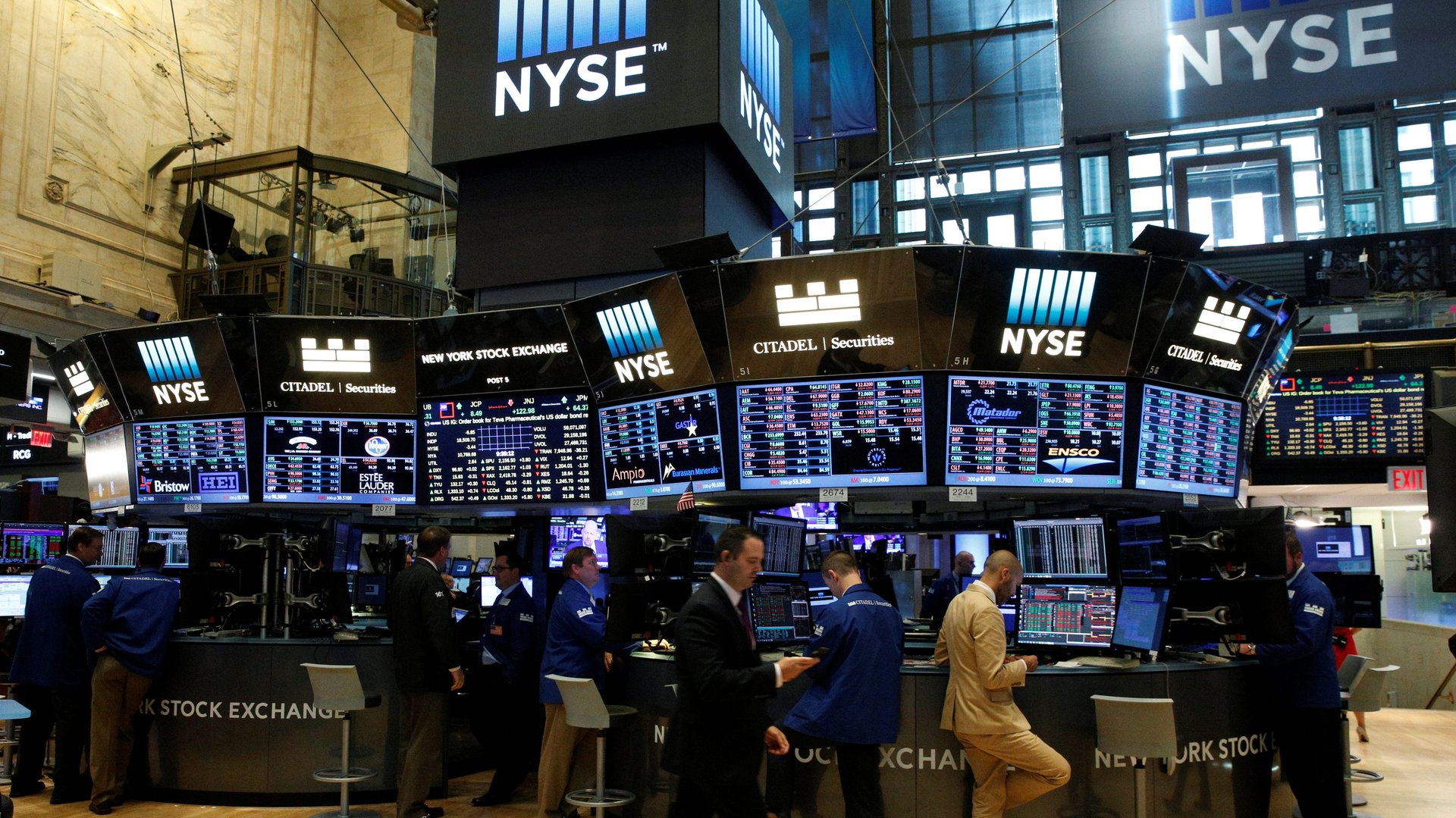
In the US stock market, many of the most important places for matching buyers and sellers are now large trading firms. Taken together, two of the mightiest—Citadel Securities and Virtu Financial—account for more of the overall equity market than the New York Stock Exchange.

Robinhood has long capitalized on the belief that the little guy gets screwed by Wall Street. Now that story has boomeranged on the eight-year-old brokerage.


Can stock trading be too easy?

As traders on Reddit’s WallStreetBets channel extol each other to send GameStop shares into the stratosphere, questions are growing about whether the rampage has crossed a line into stock manipulation.

It’s been a while since anyone new has broken into the pantheon of legendary investors like Berkshire Hathaway’s Warren Buffett and retired bond king Bill Gross.

The US is running up debt like never before, and one of the reasons Washington can get away with it is because interest rates are hovering around their lowest levels ever. This raises the question—should the Treasury lock in these rates for 50 years? How about a century?

Dr. Martens has come a long way from 1960, when the company’s now-famous boots started rolling out of a factory in a small English town. Its journey from provincial beginnings to global fashion symbol traces Britain’s history as it became a financial powerhouse. As the iconic boot company prepares to join the UK’s public market, it’s an open question whether the country’s financial sector can pull off a similar reinvention.

Few things have increased in price quite like a new pair of 1460 Dr. Martens: the eight hole, yellow-stitch boots cost £2 ($2.71) when they made their debut for the British factory worker in 1960. These days the company’s top-shelf “original silhouette” boot retails for £239—a whopping 120 times the cost of the company’s flagship model at the outset.