Tensions are rising between North Korea and Malaysia over the killing of Kim Jong-nam, the half-brother of North Korean leader Kim Jong-un.

Tensions are rising between North Korea and Malaysia over the killing of Kim Jong-nam, the half-brother of North Korean leader Kim Jong-un.

An app called Vertigo promises the seemingly impossible: Stream music from Spotify Premium or Apple Music to your friends for free, without getting sued by record labels. Each “live” sharing session between a Vertigo “host” and her listeners can also be accompanied by a stream of text messages and live video.

The internet’s new scourge is hugely damaging global attacks that harness armies of routers, cameras, and other connected gadgets—the so-called Internet of Things (IoT)—to direct floods of traffic that can take down swaths of the network.

The president of the Italian parliament’s lower house, Laura Boldrini, has published an open letter to Facebook founder and chief executive Mark Zuckerberg, taking him to task for failing to control hate speech and fake news on his platform. ”I strongly believe that fake news … is harmful for people and is often the antechamber of hate speech,” Boldrini wrote.

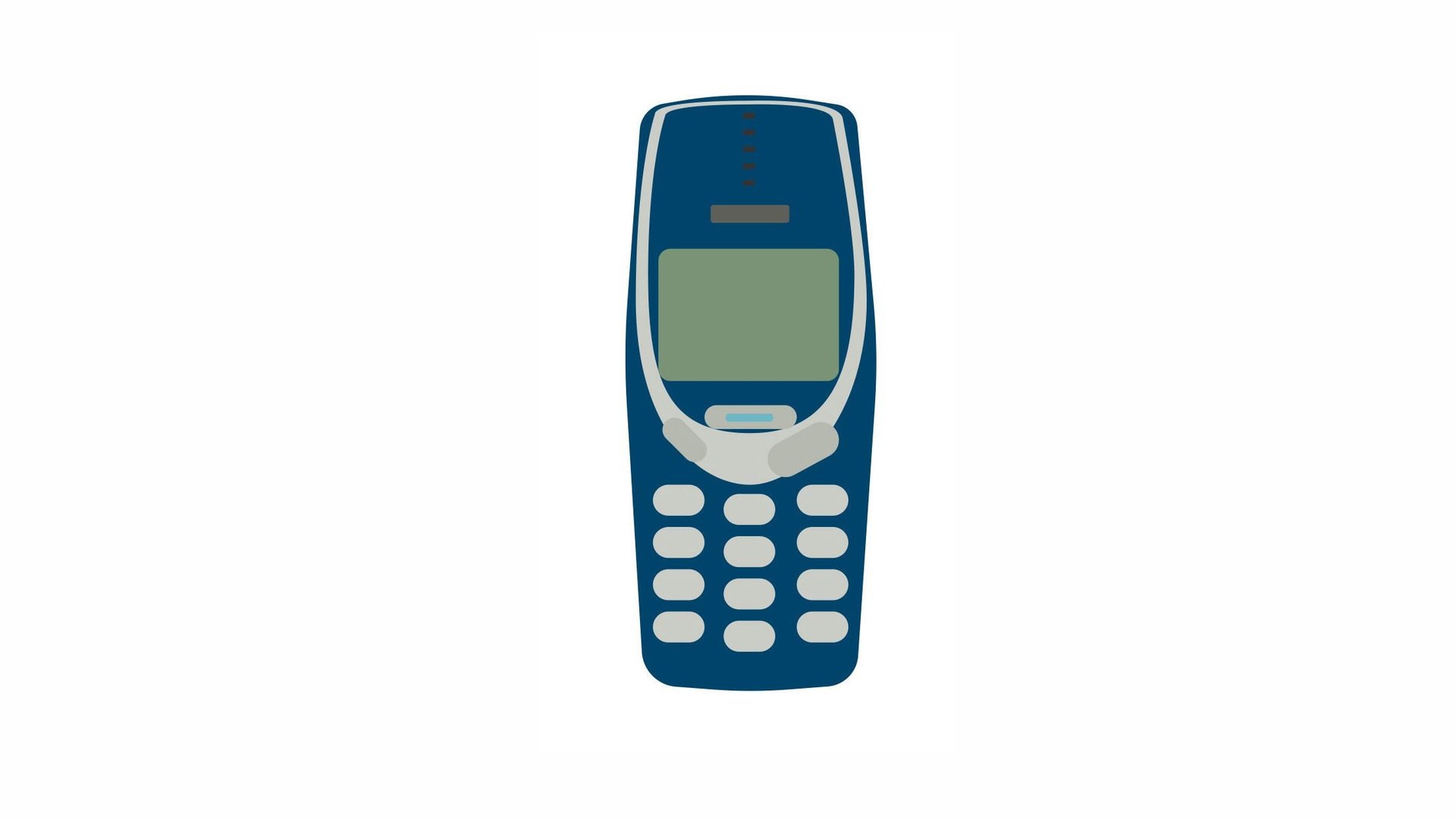
Its durability is legend. Its desirability indisputable. But the mobile phone business is a cutthroat one, and the rise of the smartphone finally killed off the iconic Nokia 3310.

Kim Jong-Nam, an older half-brother of North Korean leader Kim Jong-Un, was assassinated in Kuala Lumpur’s international airport today, South Korean media reported.

The UK was hit by 188 serious cyberattacks in the last three months, or two serious attacks a day, the director of a new cybersecurity center, Ciaran Martin, told the Sunday Times (paywall) two days ago. These attacks included attempts by Russian hackers, working for their government, to extract defense and foreign policy secrets from the government, Martin said.

Soundcloud, the streaming platform beloved by musicians, lost two top execs at an awkward time, as it seeks fresh funding just eight months after a mammoth cash infusion led by Twitter. Soundcloud’s chief operating officer Marc Strigel and finance director Markus Harder have left the company, the Financial Times reported (paywall). Soundcloud confirmed the departures.

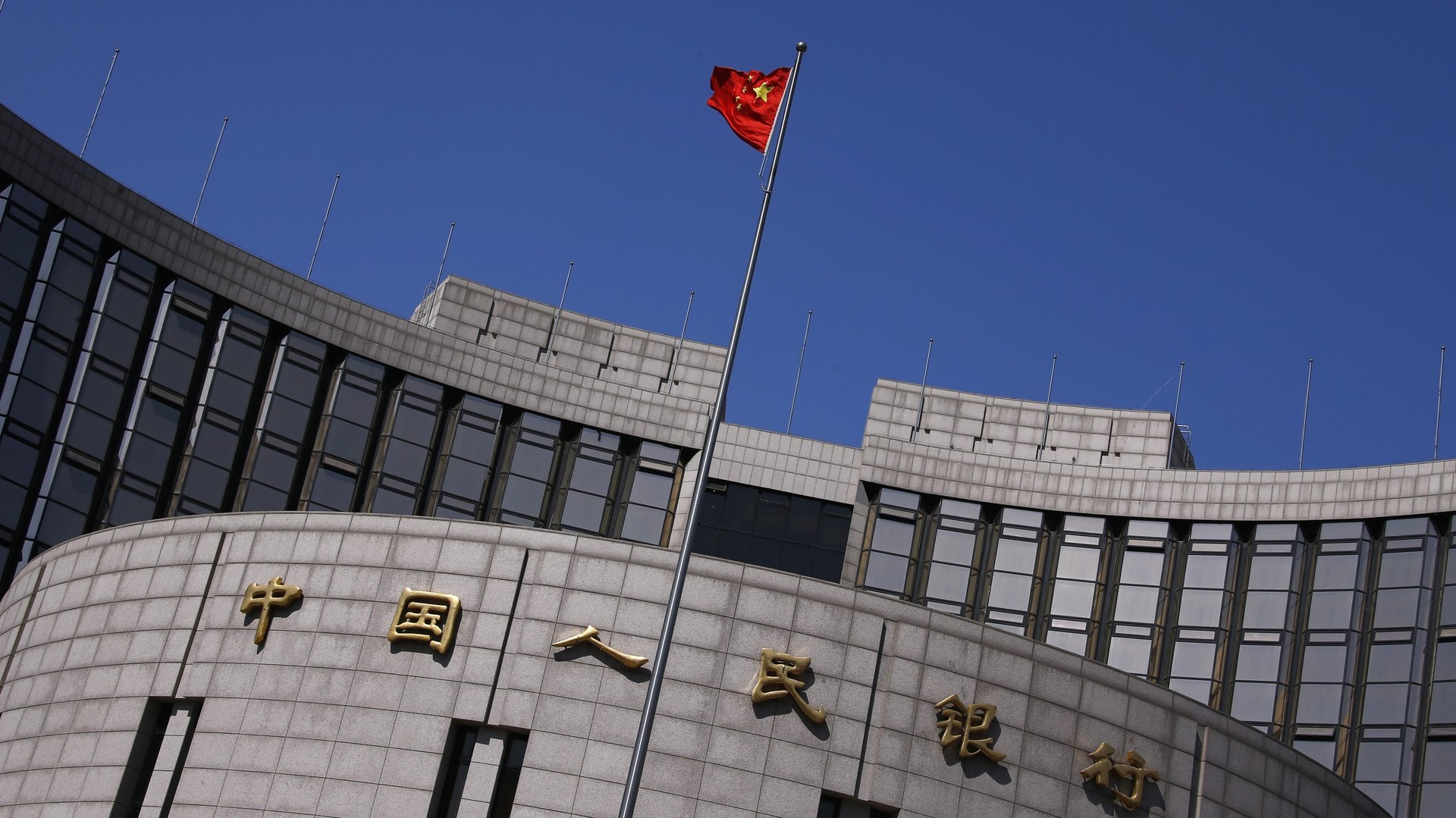
China used to dominate global bitcoin trading, but not anymore. After a series of interventions by the Chinese central bank and self-imposed restrictions by Chinese exchange operators, the share of the global bitcoin trade denominated in yuan has plummeted from over 95% to about 20%.

Tens of thousands of people are signing up for automated alerts on what is usually a dull affair: the intricate mechanics of government.

Since 2012, European websites have been littered with pop-up notifications warning users about cookies—files that allow a site to remember a reader’s activity there. Now there’s a proposal that could make those infernal pop-ups a thing of the past… if it can pass a gauntlet of sign-offs from telcos, online advertising networks, messaging services, and privacy advocates.

It’s not the economy, stupid. That’s the conclusion drawn from more than a decade of quantifying the biggest threats facing the world, as detailed in the World Economic Forum’s annual risk report.

Bucking the tech sector’s love of Ireland, Snapchat parent company Snap has selected London for international expansion.

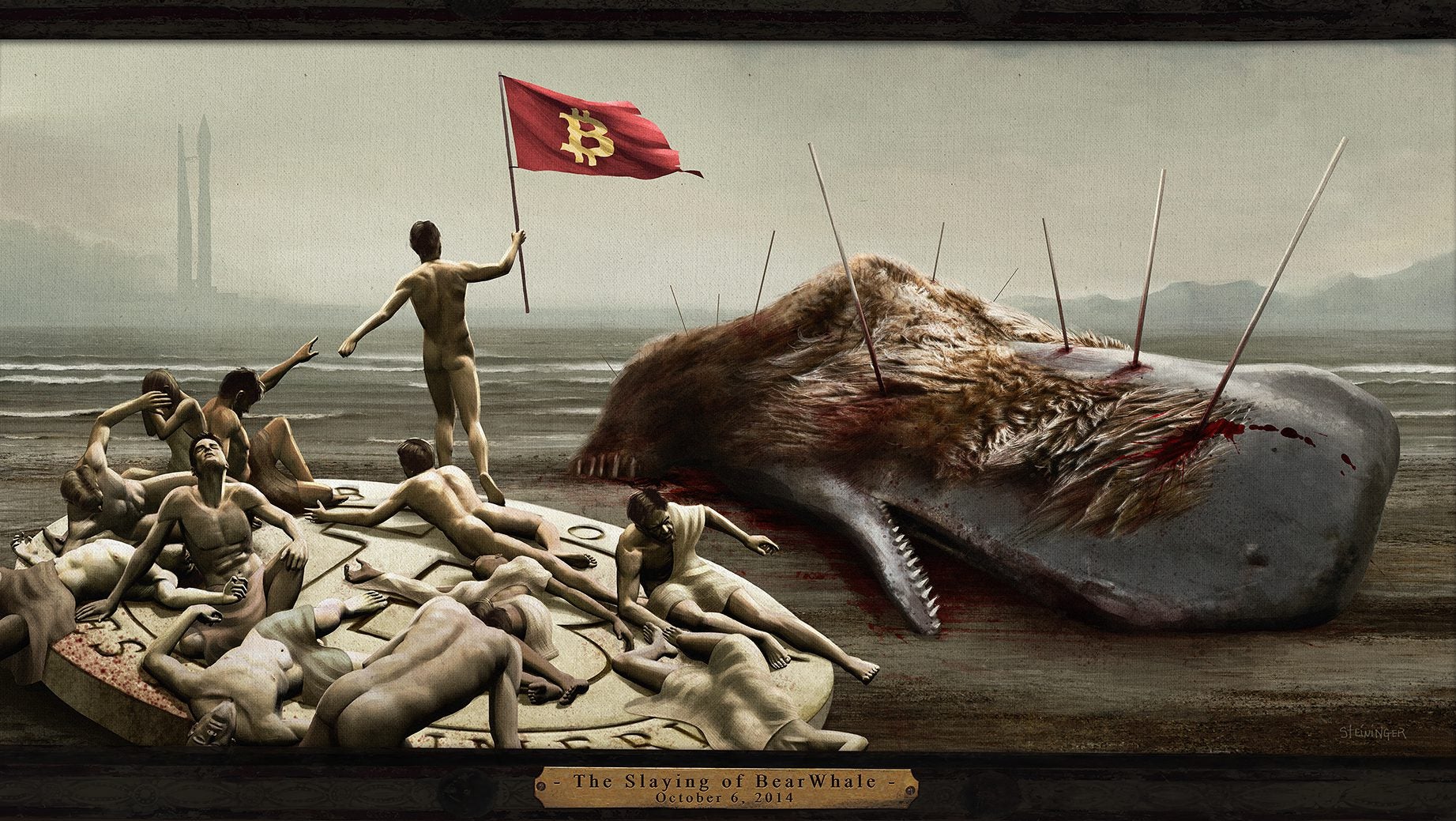
Bitcoin has been on a rollercoaster in the last few days. On Jan. 5 it came within a hair’s breadth of surpassing its all-time high; then it lost billions in market value on fears of a Chinese government clampdown.

A recent bull run for bitcoin has turned dramatically, with the price of the digital currency registering double-digit percentage drops on several days already in 2017.

When Steve Jobs stood on the stage 10 years ago today at the MacWorld Expo in San Francisco’s Moscone Center, he started out by saying he was launching three new devices: “An iPod, a phone, and an internet communicator.”

The Internet of Things ran amok last year, as security holes in “smart” devices exposed glaring problems with connected objects, like that time in October when hijacked security cameras and other electronics were used to take down parts of the internet. Now, the US government is putting the IoT world on notice with a lawsuit against Taiwanese router manufacturer D-Link alleging shoddy security practices.

Bitcoin is back to its volatile old self. The cryptocurrency’s price plunged more than 20% in three hours of trading today (Jan. 5), a dramatic correction that occurred within minutes of its nearly hitting an all-time high.

You can now use Alibaba to book a trip at sea—not on the latest cruise, but aboard a shipping container leaving China. Reuters reports that the e-commerce giant is selling spaces on Maersk container ships to business customers through its OneTouch service.

Nielsen’s latest US ranking of the most popular smartphone apps is out, and it’s not a pretty picture for those who value diversity in their digital lives. A third of the Top 10 apps belong to Facebook; half are Google’s, and Apple and Amazon pick up the remaining scraps with one apiece.

Bitcoin is within touching distance of its all-time high, having more than doubled its value for the year. Traders are now bullish about an extended rally that could see it surpass its $1,165 peak, achieved in November 2013. But if history does repeat itself, crypto traders would do well to remember how that rally turned into a crash—starting with the intervention of China’s government.

It’s déjà vu for bitcoin believers. Three years ago, in the dying months of 2013, the cryptocurrency took off on a historic bull run that would push its price to an all-time high of nearly $1,200. Bitcoin is approaching those highs again now, hitting $968 in trading today.

Super Mario Run has been a hit in terms of downloads since it was released Dec. 15, but it’s struggling to convince players to shell out the $9.99 required to complete the game. One criticism has been that the price is simply too dear for a freemium game. As a result, Nintendo’s stock price is tanking—down over 19% since Super Mario Run was launched (though it’s still well up on the year).

More than 40 million people have downloaded Super Mario Run, Nintendo’s first true iPhone game, but apparently most of them aren’t enjoying it enough to play beyond the game’s first three levels. Nintendo charges $9.99 to play the rest of the game, and players appear to have decided it’s not worth it.