This year will undoubtedly be remembered in South Korea as the year when its neighbor to the north—and sworn enemy—came in from the cold and made the first steps toward peace on the peninsula.

This year will undoubtedly be remembered in South Korea as the year when its neighbor to the north—and sworn enemy—came in from the cold and made the first steps toward peace on the peninsula.

The final soccer match between South Korea and Japan in the Asian Games which took place last Saturday (Sep.1) was more than just a sports victory for Tottenham Hotspur star Son Heung-min. His exemption from mandatory military service hinged on his team beating Japan.

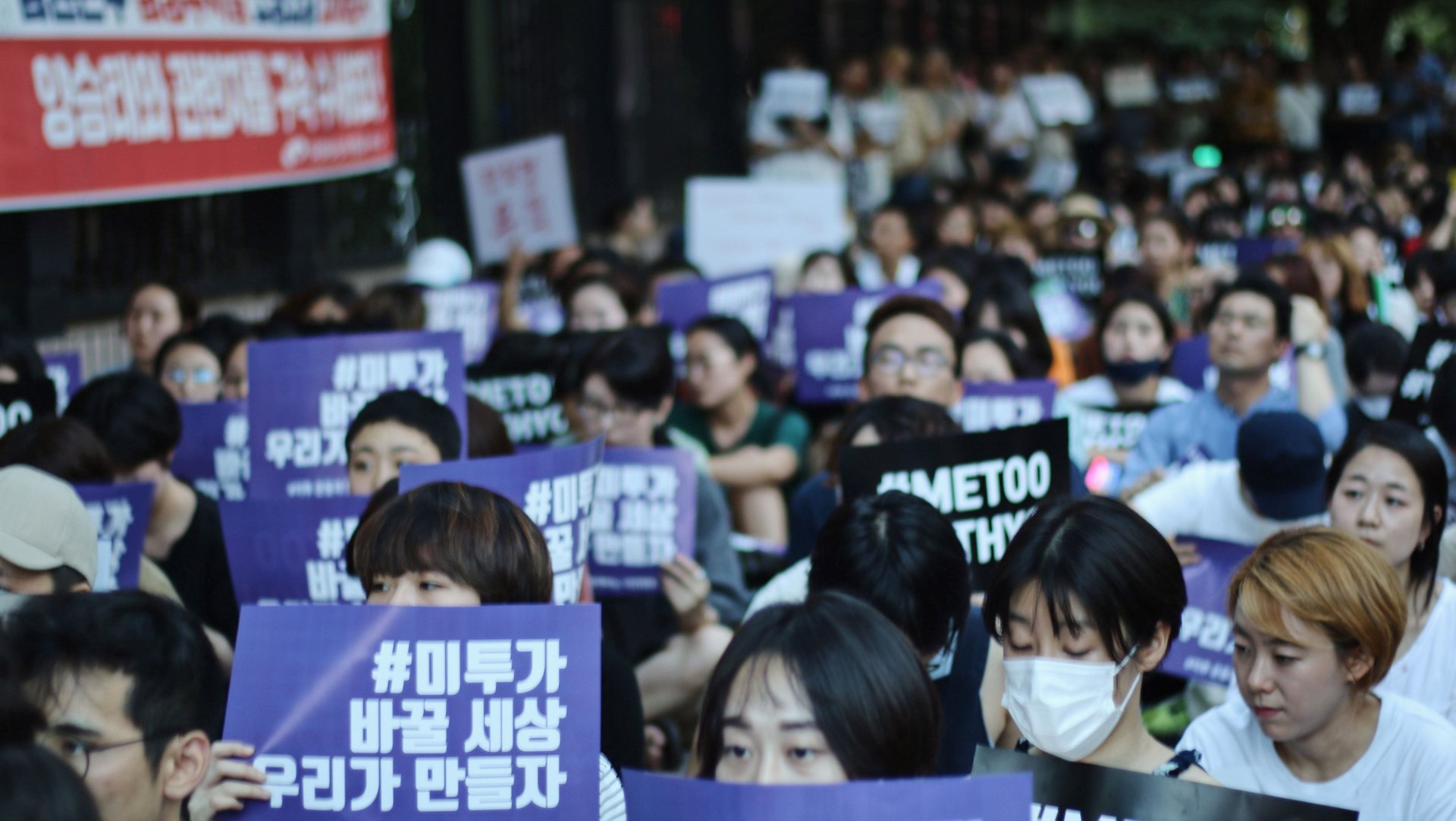
When a former presidential hopeful stepped down from his post after being accused of sexually assaulting his former secretary in March, it energized South Korea’s #MeToo movement, and many hoped a powerful figure would face justice for his actions. That wasn’t to be.

Women are speaking out and taking to the streets in ever greater numbers in South Korea to demand greater equality and protection across a host of issues. Few problems, however, are drawing the kinds of numbers and ire as the country’s long-running spy-camera problem.

A few weeks ago, I downloaded a South Korean app called “Soomgo,” a shortened Korean word for “Soomeun Gosoo,” which means “hidden master.” Soomgo, and its rival Kmong, are Thumbtack for South Korea—a marketplace for matching users with local service providers, such as designers, movers, and English tutors, for short-term jobs.

Imagine that you have just received a phone call from a hiring manager at your dream company. She wants to interview you in-person the following week. Upon hanging up the call, you will probably start to form a plan for how to prepare—which is a good thing, as extensive research has shown the importance of planning for goal achievement.