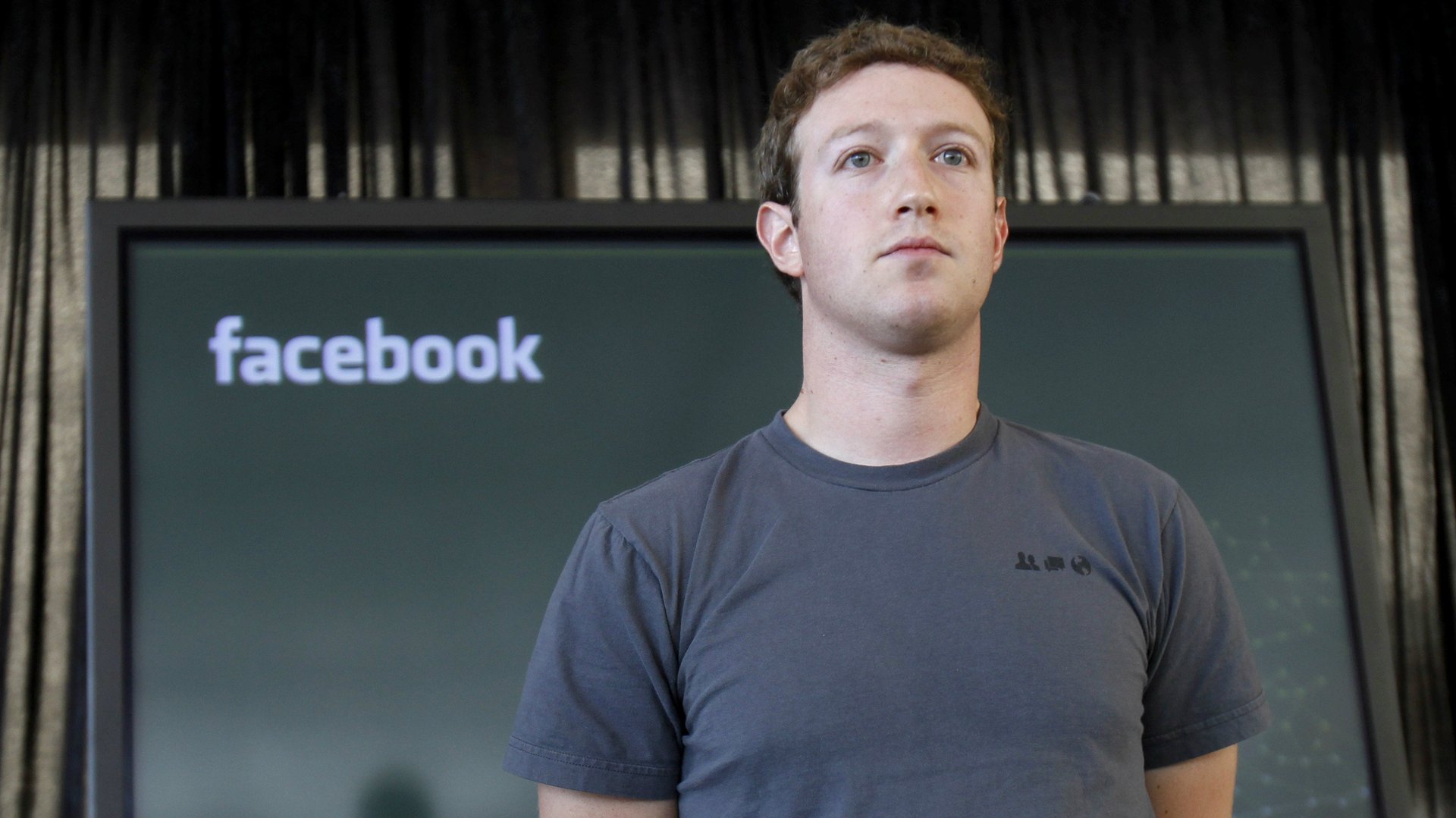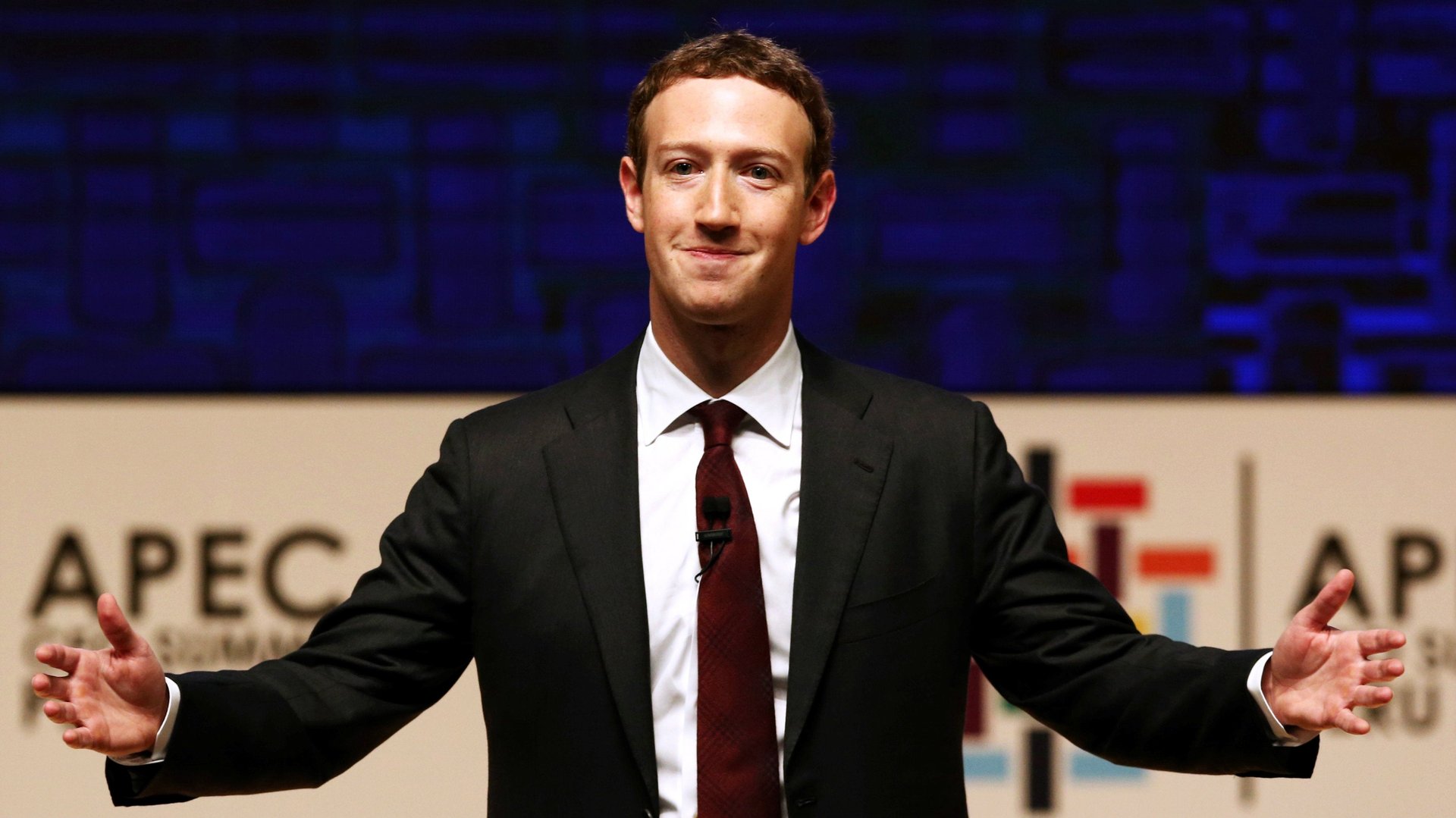
Facebook is serious enough about entering China that it is making efforts to meet the single most important criteria for it to get there: a robust commitment to censorship.

Facebook is serious enough about entering China that it is making efforts to meet the single most important criteria for it to get there: a robust commitment to censorship.

Your name and mobile phone number could be in the hands of a company you’ve never heard of—all thanks to a stranger you met at a party.

An incident involving Donald Trump’s Twitter feed and Ford Motor Co. painfully illustrates the difficulty of having a head of state who is meant to be taken seriously, but not literally.

Chinese iPhone owners are reporting that their iPhone 6 and 6s devices are abruptly shutting down, and Beijing wants to know why.

The world’s most powerful news provider has a fake news problem—and it doesn’t appear to know what to do about it.

Steve Bannon, US president-elect Donald J. Trump’s newly appointed chief strategist and senior counsel, is a former Goldman Sachs banker and investor in television shows, but it was his influence shaping Breitbart News that first got him involved in Trump’s campaign.

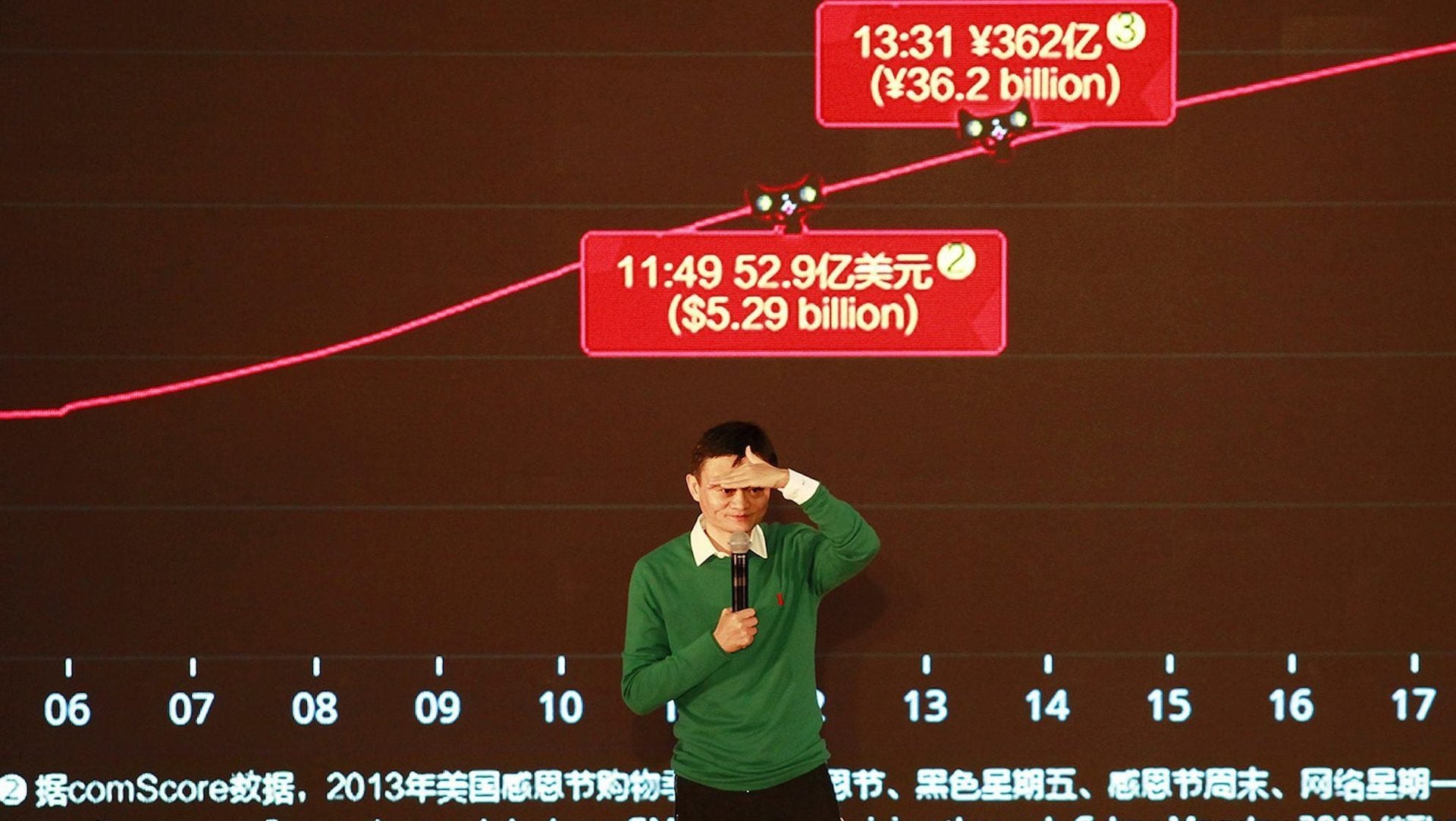
China’s biggest online shopping holiday, “Singles’ Day” (Nov. 11) is continuing its breakneck growth this year. Just two hours after it had kicked off, the total sales from Alibaba’s online platforms had already surpassed $7 billion, about half of last year’s total. As of 12:00 PM HKT, that figure hit $12 billion. At this pace, Alibaba could be on track to sell over $20 billion in merchandise today.

US president-elect Donald J. Trump spent a lot of time on the campaign trail promising to make China suffer for taking American jobs, complaining about China’s “currency manipulation,” and pledging to raise tariffs on Chinese goods. While economists have dismissed some of these ideas as far-fetched or misguided, they resonated with US voters where manufacturing jobs have been disappearing for decades.

Following a tumble yesterday as Donald J. Trump clinched the US presidency, Asia stocks are up.

Heads of state and world leaders have been congratulating Trump on his election victory, but with varying degrees of sincerity.

Beijing has a tried-and-true tactic for keeping foreign companies out of China—make its domestic laws so vague that they’re impossible to follow.

Updated at 04:40 am ET

Walk into any startup co-working space and you’ll likely see more men than women. Walk into this one though, and you won’t see any at all.

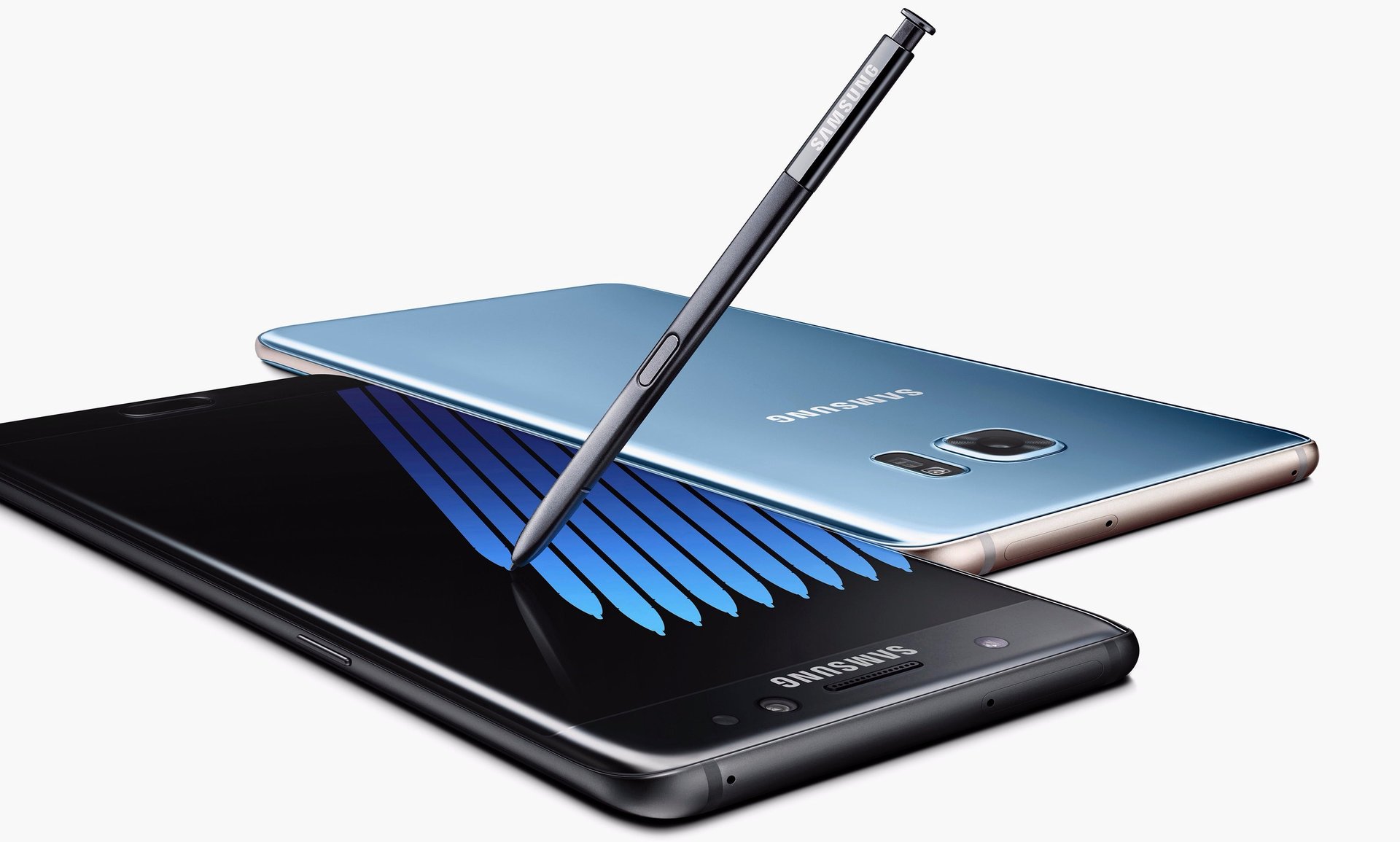
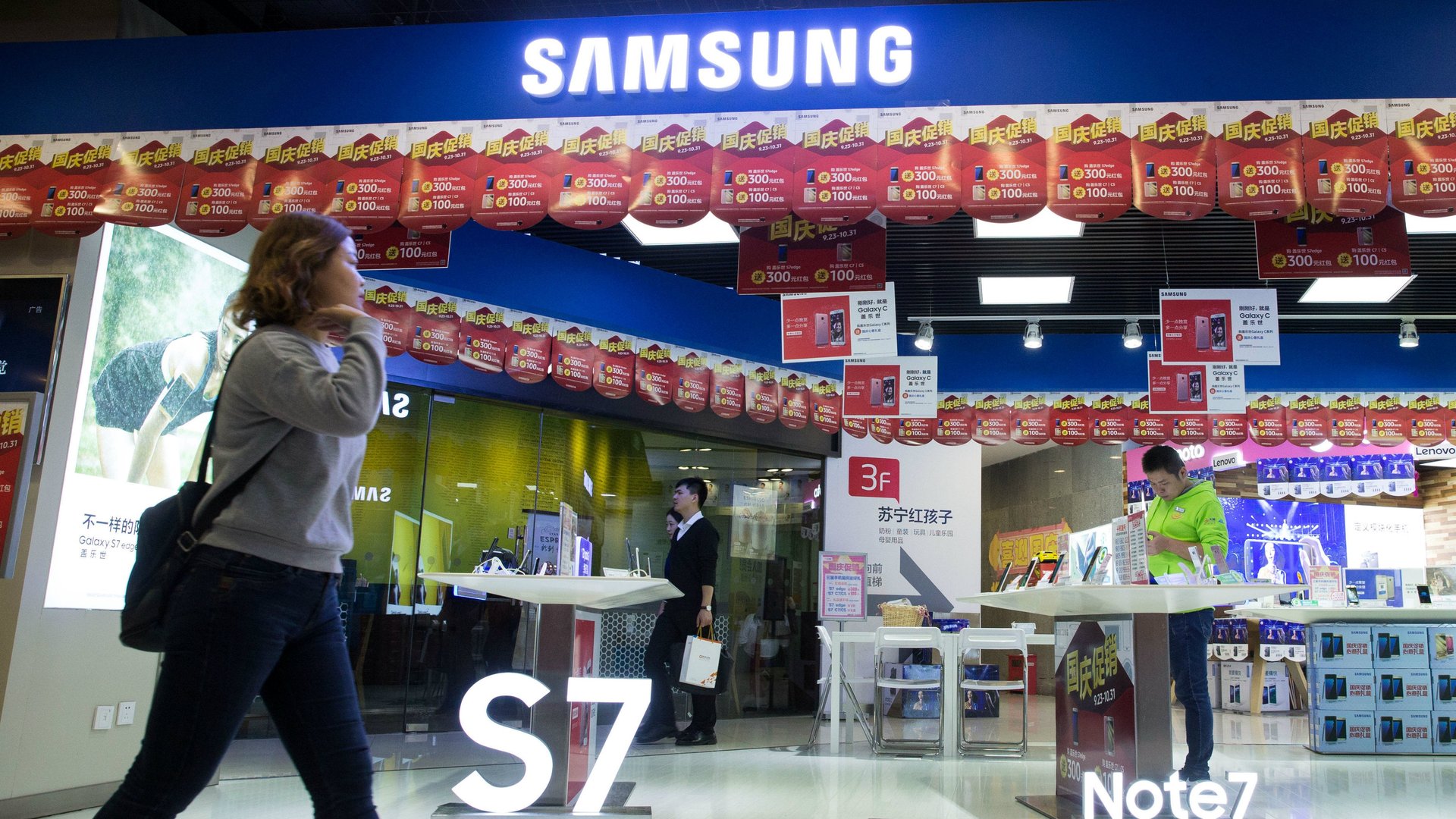
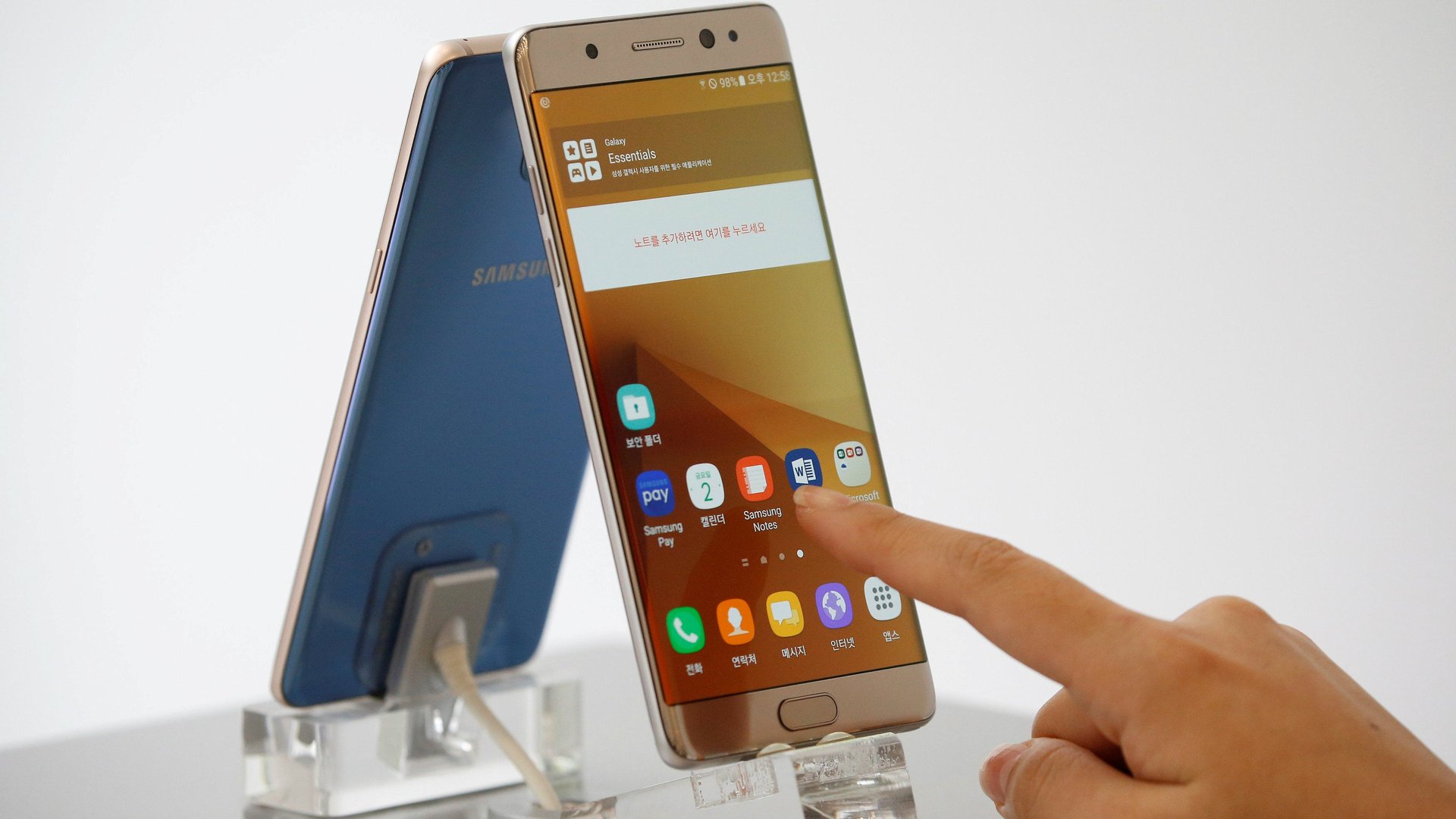
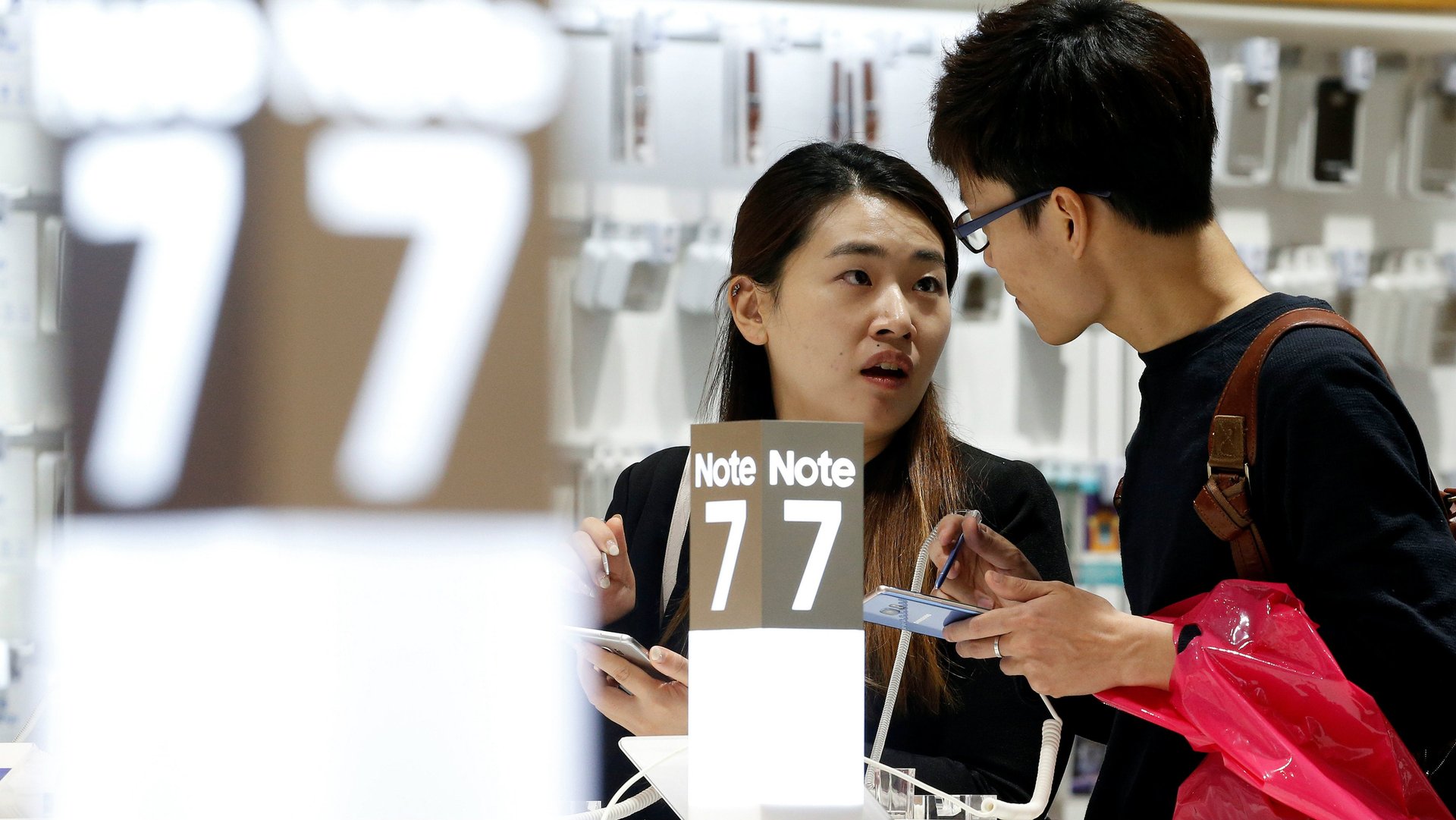
Samsung appears to be having a hard time winning back Chinese consumers that lost faith in it after the Galaxy Note 7 fiasco.

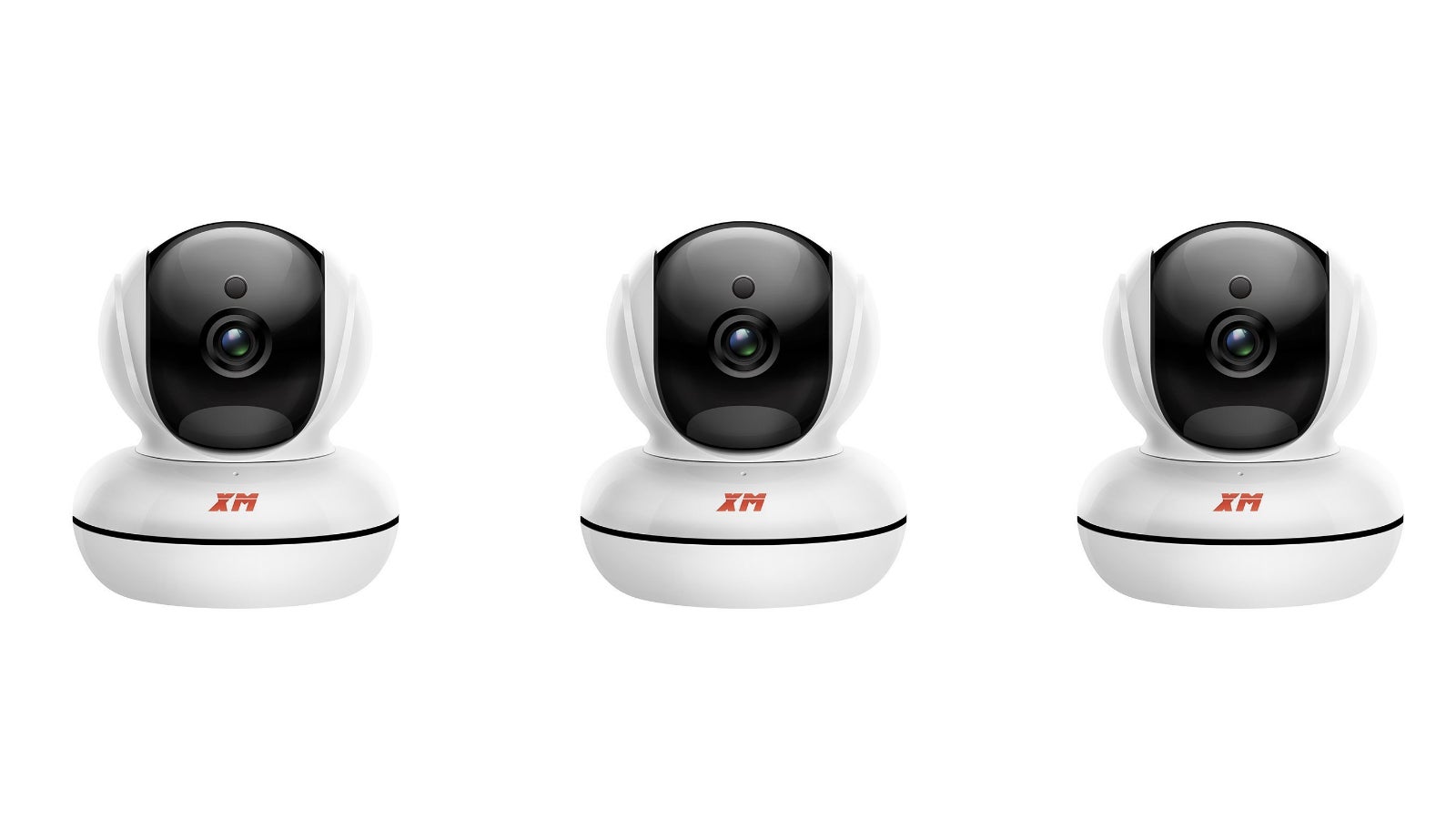
On Oct. 23, one of the largest coordinated cyber attacks in history took down several major internet sites in the United States and Europe.

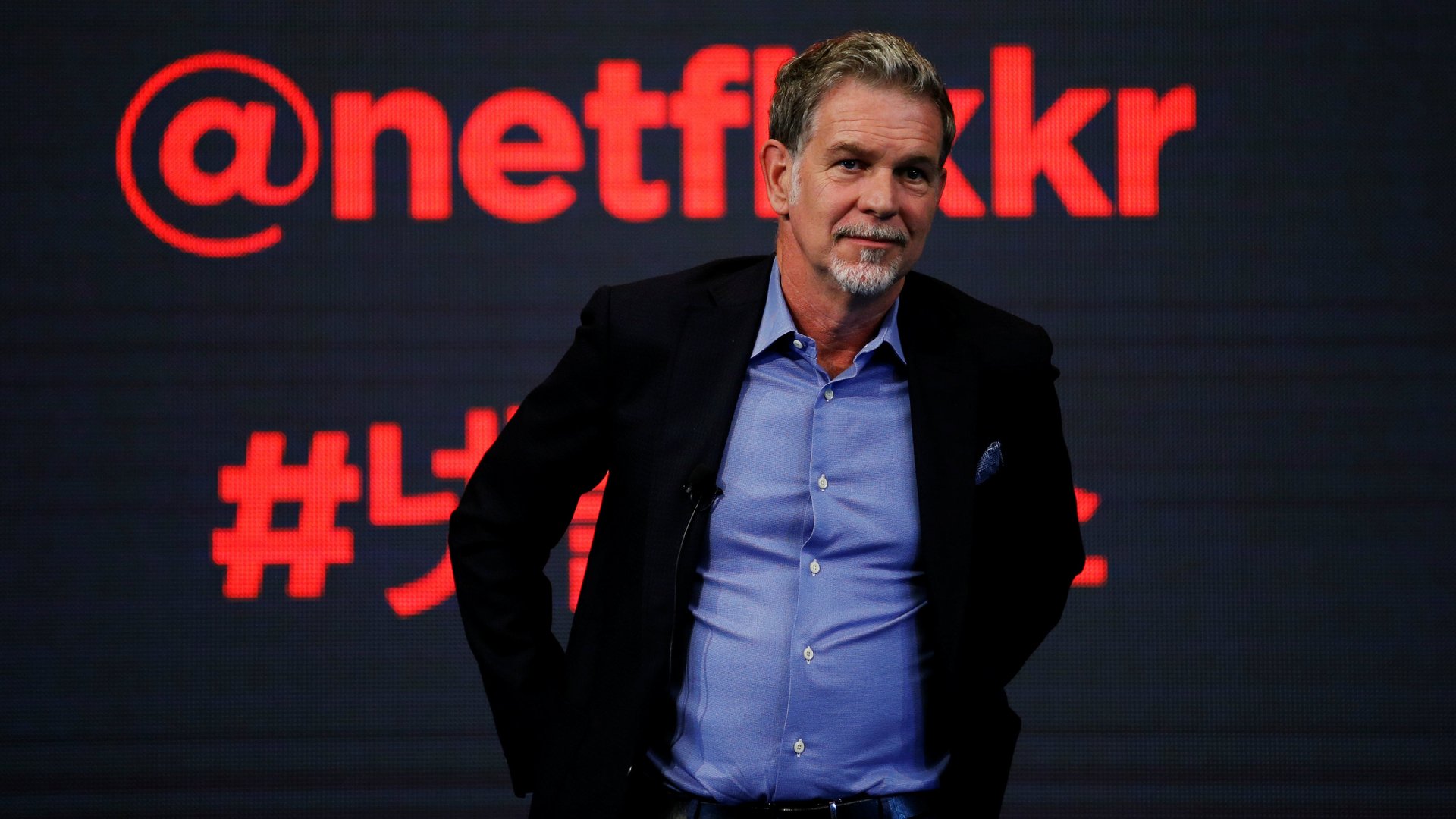
Netflix is saying zaijian to China, before it even got a foot in the door.

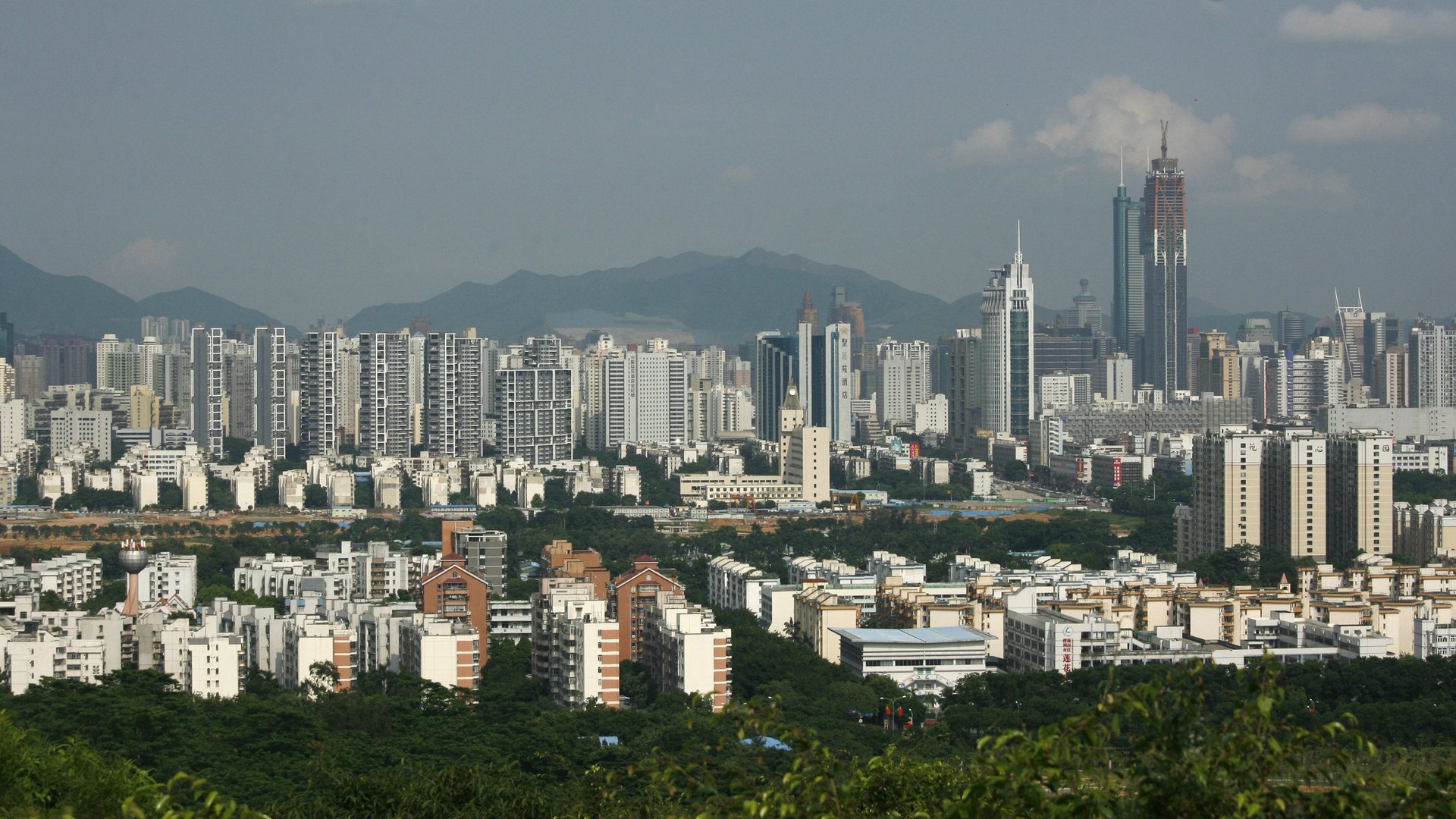
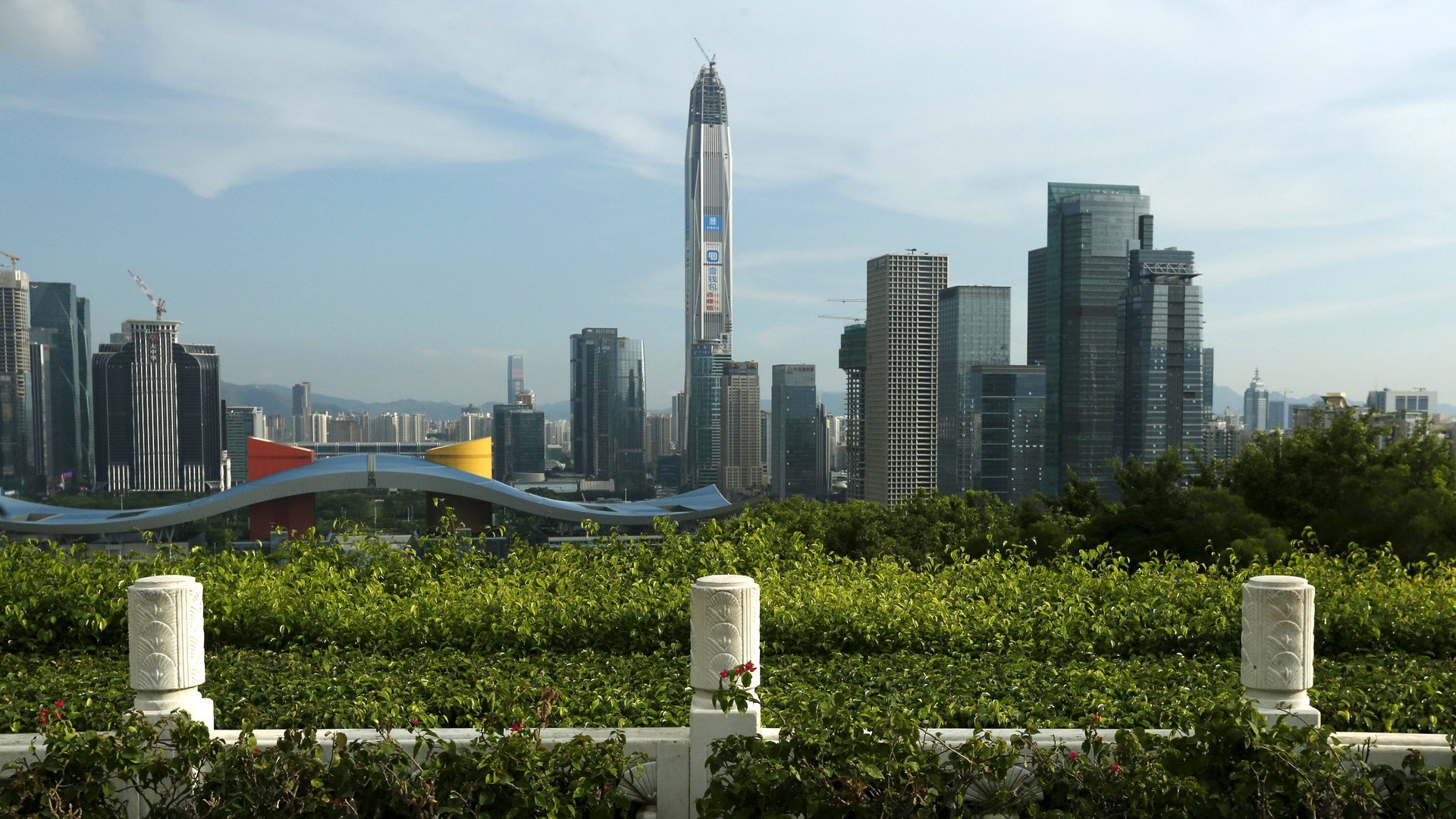
Shenzhen, China

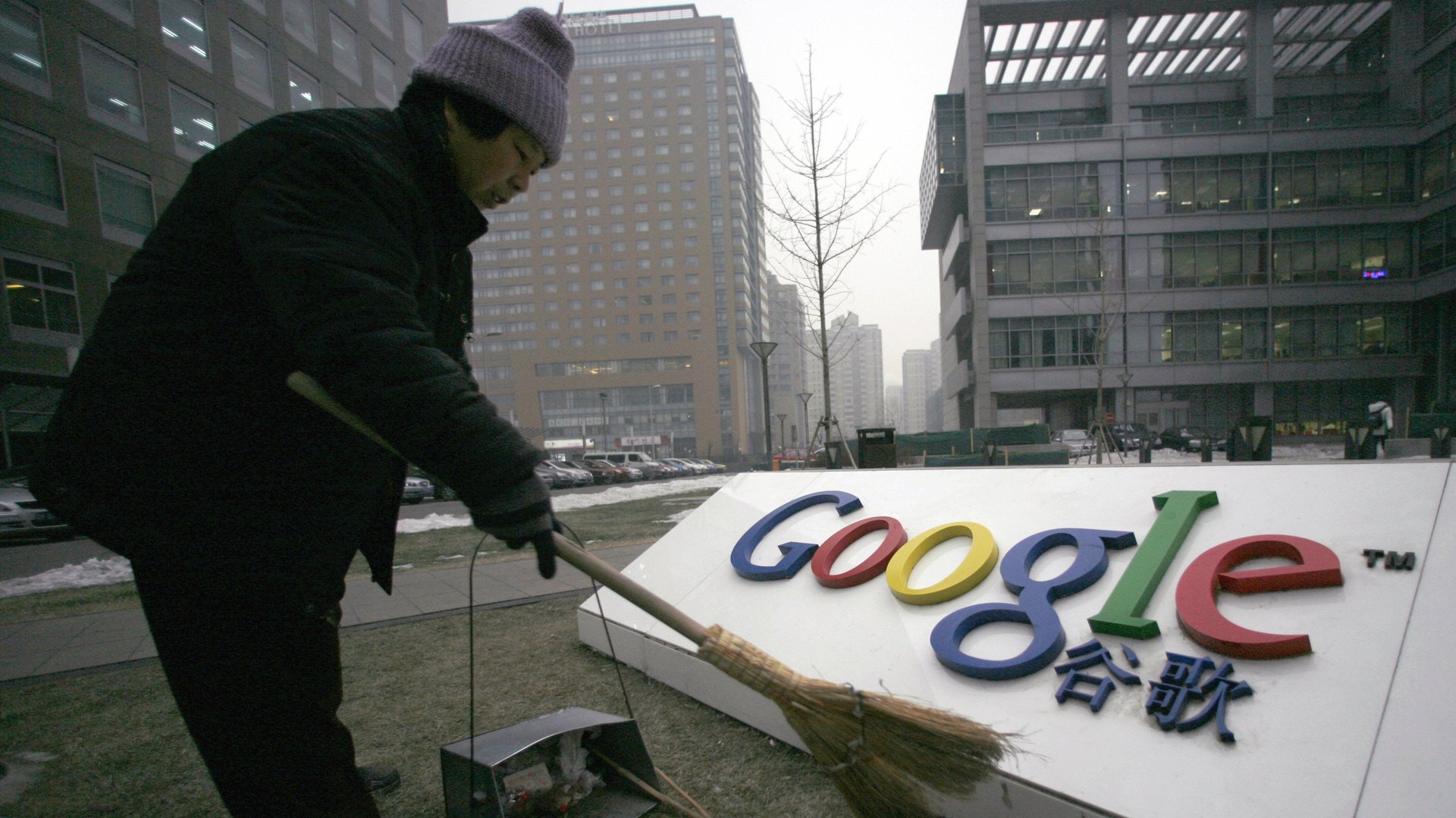
Will Facebook and Google come back to China? The Chinese government says they can, as long as they “respect China’s laws.”

Many questions still persist after Samsung officially ceased production of the Galaxy Note 7. What caused the devices to explode? Why has Samsung been so cagey about addressing the issue publicly? And how much is this whole fiasco going to cost them?

Some of China’s top tech firms will soon be welcoming a famous new neighbor.

In about one month, the Galaxy Note 7 has gone from an iPhone rival to a thing of the past.

China once looked like the one bright spot amidst Samsung’s botched rollout of the Galaxy Note 7. The Korean electronics giant did not at first include China in its worldwide recall of the phones after some of them started spontaneously combusting. It assured consumers that the Note 7s sold in China used a different battery and were safe.

Samsung’s launch of its latest flagship smartphone has now turned into a full-blown fiasco.

Samsung’s Galaxy Note 7 devices keep exploding, and the company is now taking drastic measures to reverse course.