Hedge funds have been trounced by the stock market in recent years. Now they are eyeing a new asset class that might provide the big returns their clients pay them to produce: bitcoin and cryptocurrencies.

Hedge funds have been trounced by the stock market in recent years. Now they are eyeing a new asset class that might provide the big returns their clients pay them to produce: bitcoin and cryptocurrencies.

The world’s biggest banks aren’t immune from cryptocurrency euphoria, with a range of projects underway to explore how traditional financial firms can benefit from the innovation. Swiss banking giant UBS and 10 other companies say that they plan to use the technical idea behind bitcoin—a distributed ledger called a blockchain—for their own digital currency (paywall). This could show the way for the world’s biggest central banks to do the same.

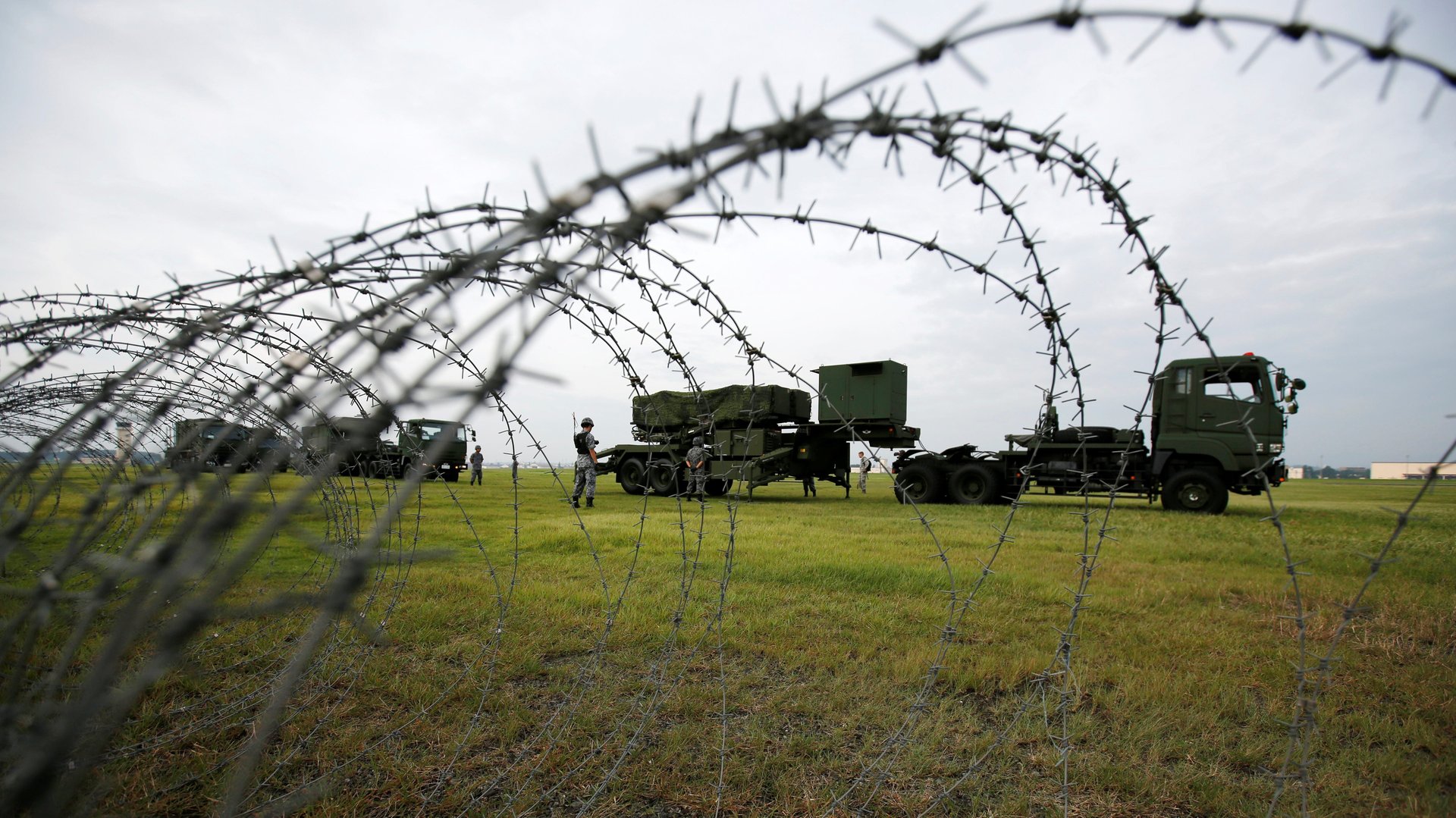
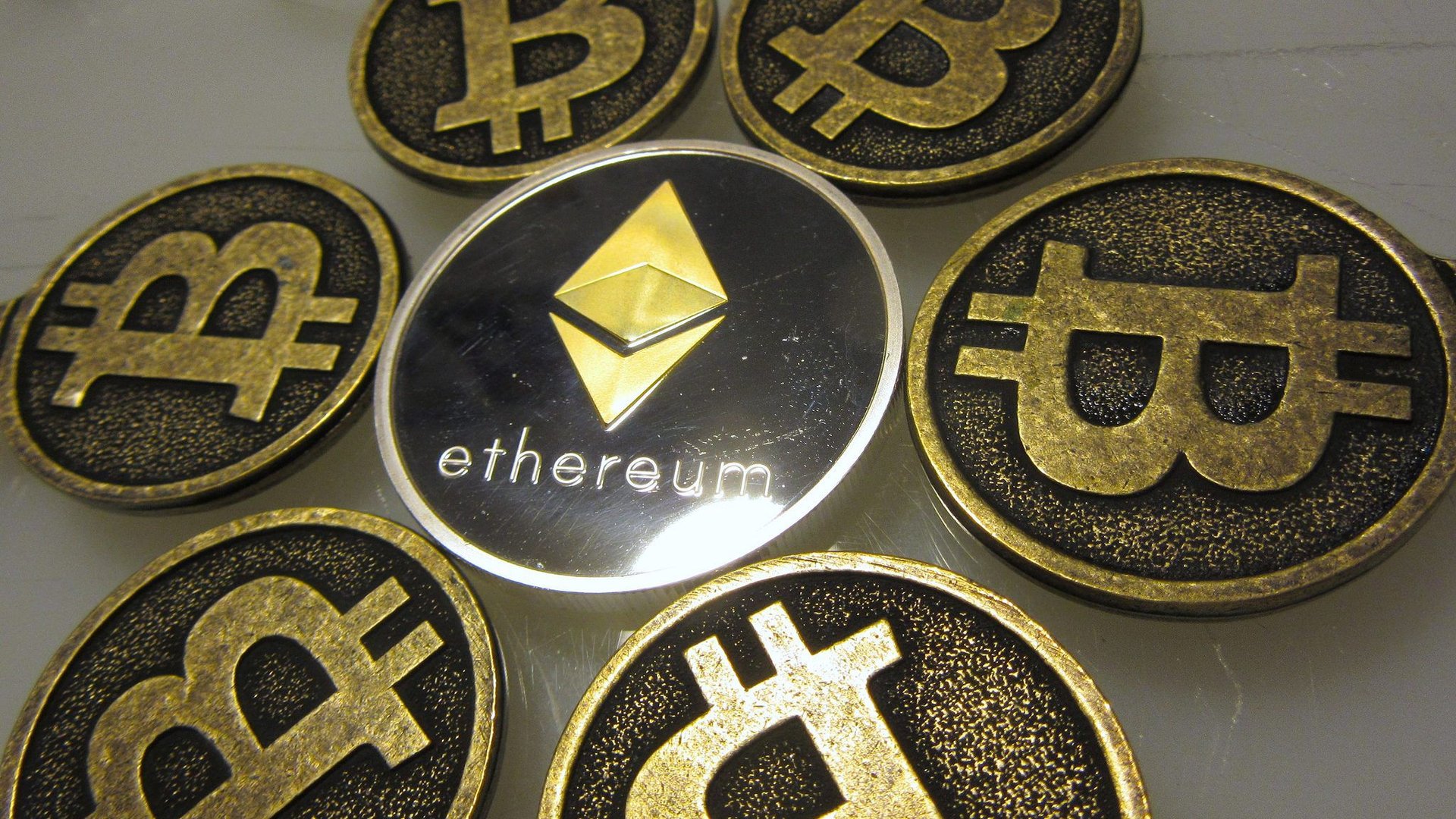
Bitcoin is living up to its growing reputation as a disaster hedge, setting a new record high of $4,703, even as global geopolitical tensions rose thanks to North Korea launch of a missile over Japan earlier today. Ethereum, the second most valuable cryptocurrency on the market, is trading close to its all-time high.

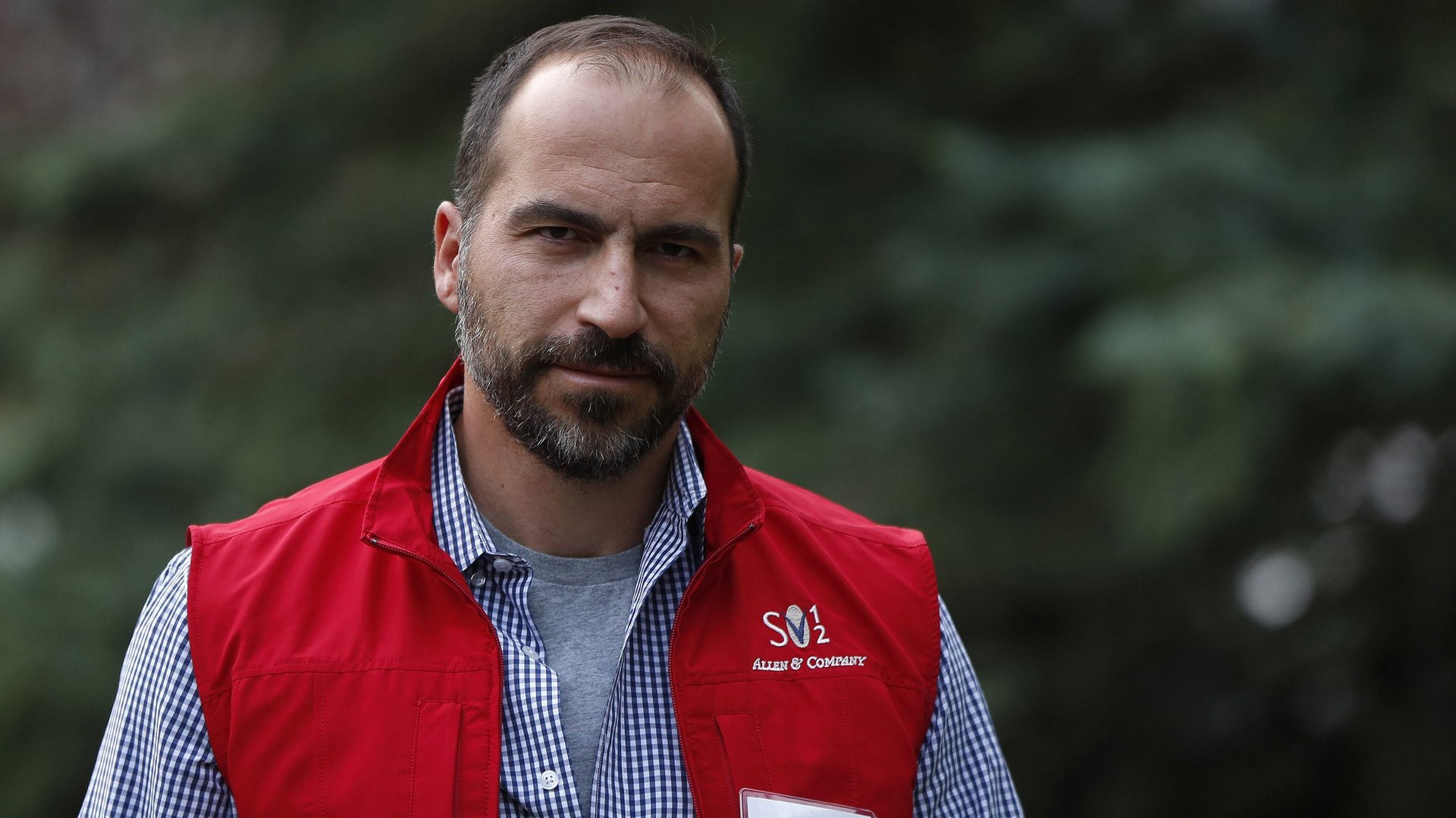
Dara Khosrowshahi, Uber’s new CEO, is lauded as an inspired choice because he turned around travel-bookings platform Expedia during his 12-year tenure. Expedia showed an adventurous streak on Khosrowshahi’s watch, becoming one of the first major merchants to accept bitcoin as a form of payment, back in 2014.

Two years ago, a Chinese chip-design expert named Micree Zhan was reading China’s seminal science-fiction novel, The Three-Body Problem, by Liu Cixin, while wrestling with how to create a new processor. He had already designed custom chips for the company he co-founded, Bitmain, that had made it into the world’s leading bitcoin miner, allowing it to dominate the new, hyper-competitive industry of unearthing bitcoins. Now he needed a chip that could launch Bitmain onto a new trajectory, one that would help it master a world-altering technology called deep learning, a branch of artificial intelligence.

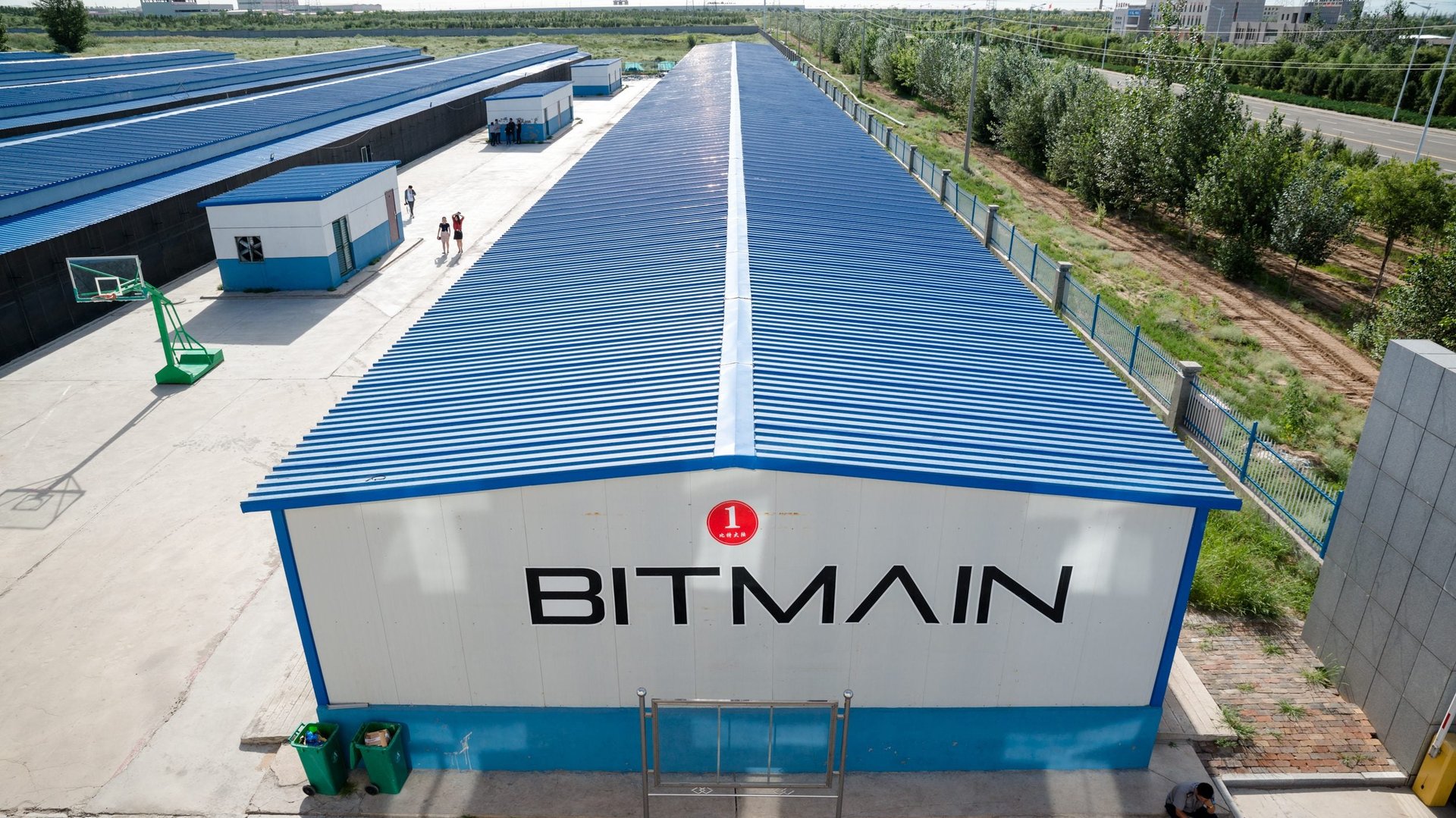
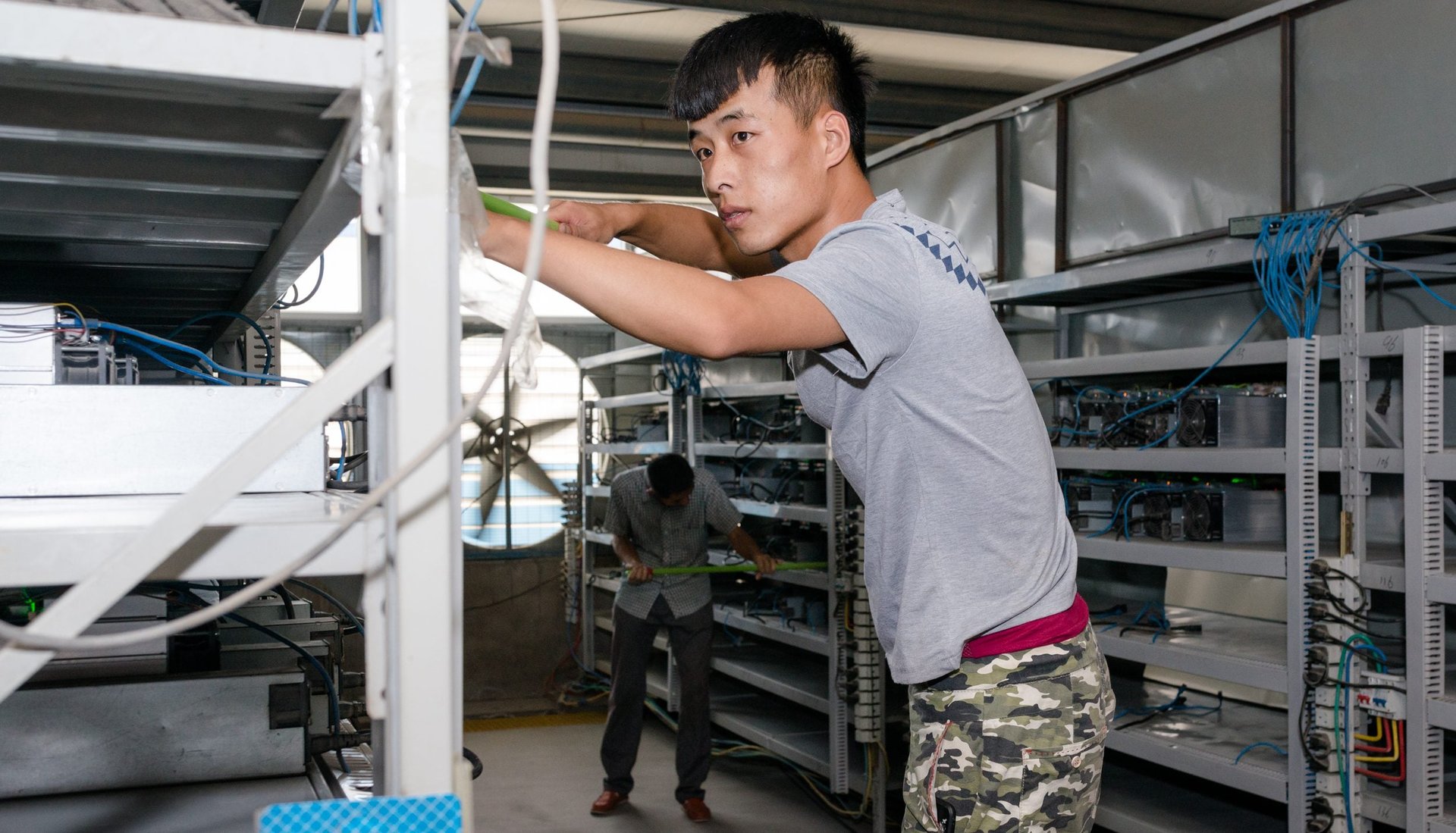
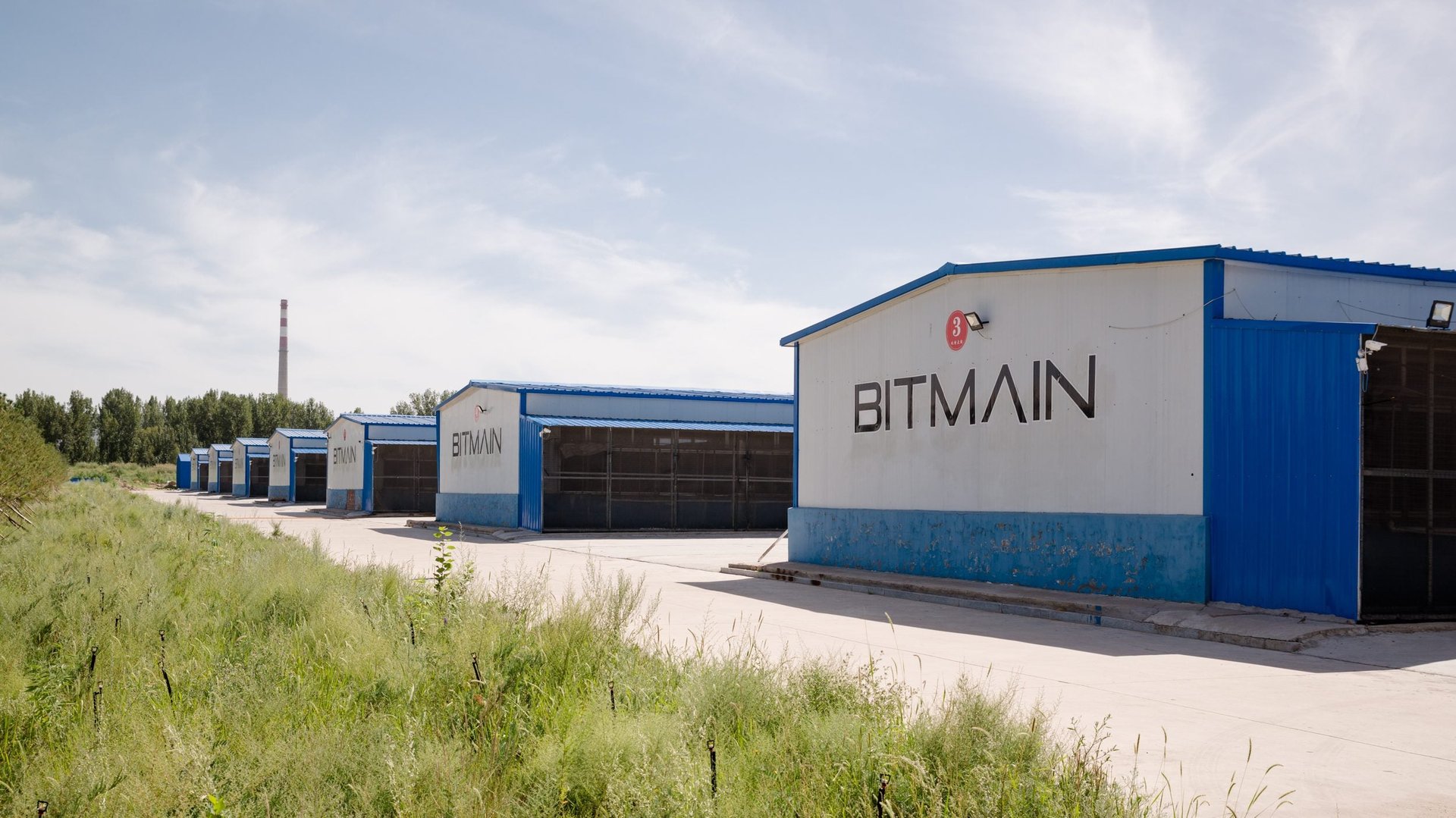
One of the world’s largest bitcoin mines is located in the SanShangLiang industrial park on the outskirts of the city of Ordos, in Inner Mongolia, an autonomous region that’s part of China. It’s 400 miles from China’s capital, Beijing, and 35 miles from the the city of Baotou. The mine is just off the highway, near the intersection of Latitutde 3rd Road and Longitude 3rd Road. It sits amidst abandoned, half-built factories—victims of an earlier coal mining boom that fizzled out, leaving Ordos and its outlying areas littered with the shells of unfinished buildings.

Last week, Quartz visited one of the world’s largest bitcoin mines, located in a decaying industrial park on the outskirts of the city of Ordos in Inner Mongolia. The mine is operated by Bitmain, one of the most influential companies in the $70 billion bitcoin economy. Bitmain operates seven warehouses mining bitcoin and one facility that mines litecoin, another fast-growing digital currency. It also contains a repair facility where workers fix the bitcoin machines.

Ordos, Inner Mongolia, China

Bitcoin’s skyrocketing price is showing no signs of slowing. It’s currently trading for over $4,100 a coin, having broken the $4,000 mark in the early hours of Aug. 13. It has traded for as high as $4,225, according to the CoinDesk Bitcoin Price Index. A prediction of $5,000 per bitcoin by years’ end, issued by Standpoint Research’s Ronnie Moas in July, now doesn’t seem so outlandish.

Bitcoin is either an enormous bubble or has a lot further to run. Financial forecasters are weighing in on the cryptocurrency, trying to divine where bitcoin’s price is headed, now that it sits at around $3,400, up from around $600 a year ago.


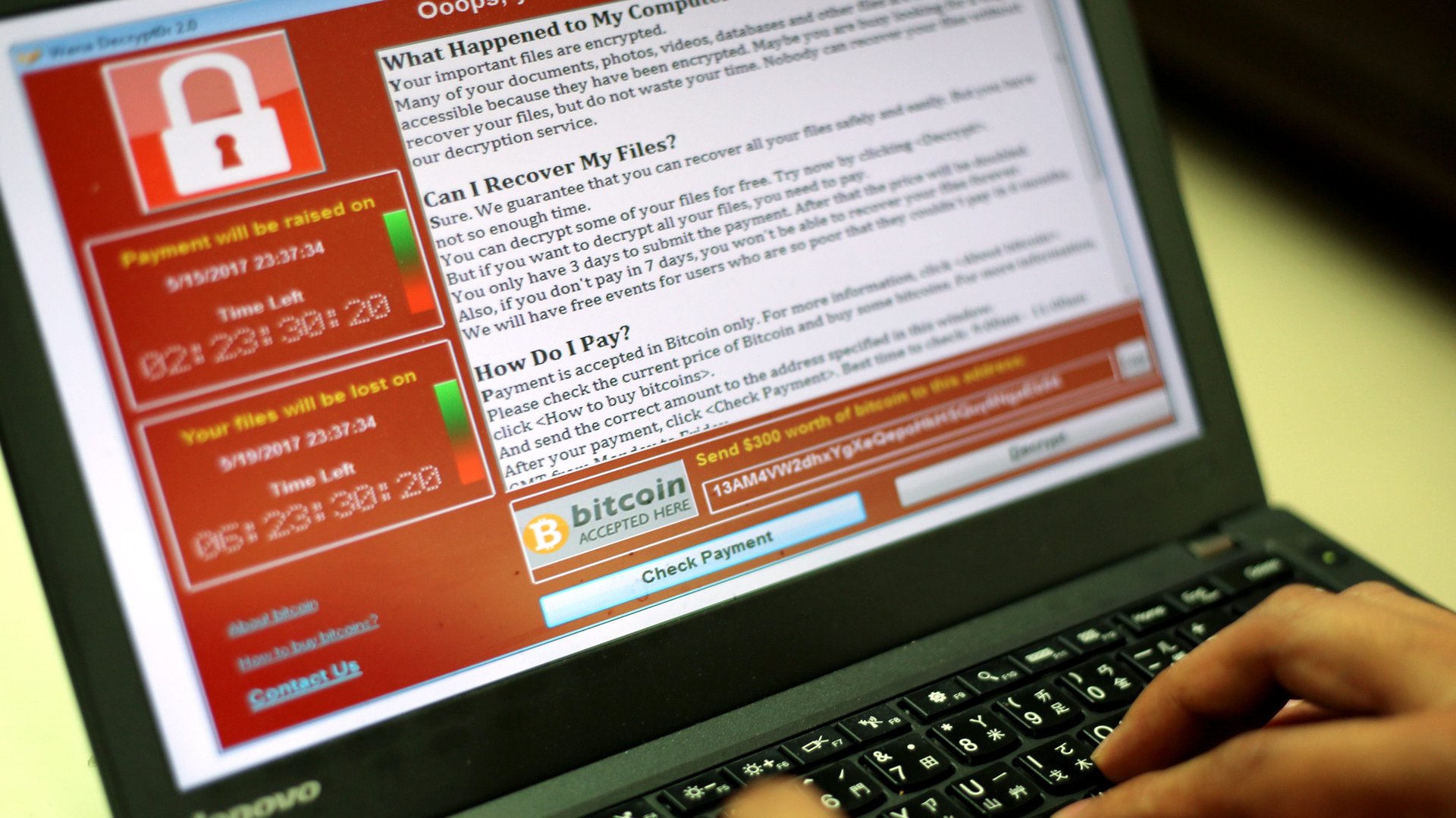
When the hackers behind the global ransomware attacks conducted with the WannaCry malware cashed out their ill-gotten gains yesterday, they got a nice bonus: an extra 20% or so on top of the $140,000 worth of bitcoin they had extorted.

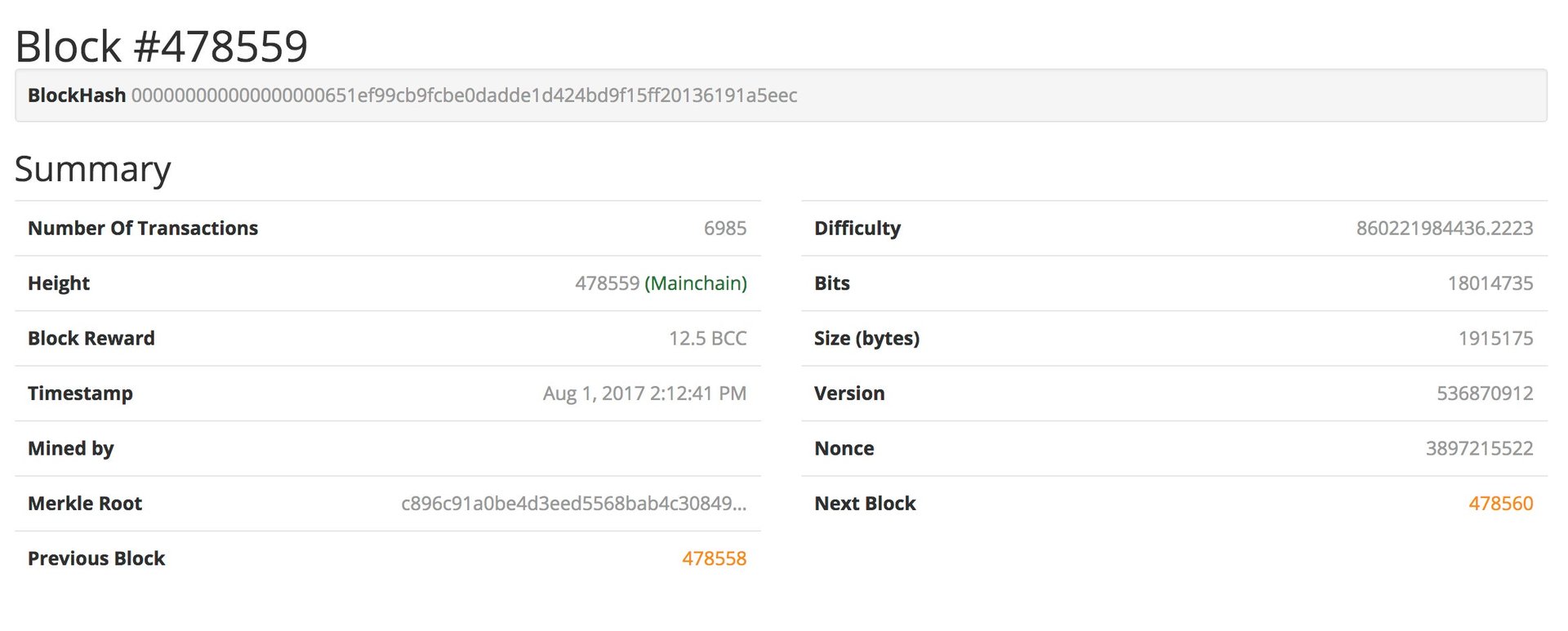
Yesterday bitcoin split into two cryptocurrencies: bitcoin and “bitcoin cash.” The new cryptocurrency is trading at around $600 per unit today, or about 20% of the value of a bitcoin. The market value of all bitcoin cash in circulation is $7.8 billion, to bitcoin’s $44.4 billion.

Bitcoin cash, the offshoot of cryptocurrency bitcoin that was created yesterday, is now worth $7.6 billion, according to data provider Coin Marketcap. That pegs the value of all the bitcoin cash in circulation at 17% of bitcoin’s total market value of $44.4 billion. This makes bitcoin cash the third most valuable cryptocurrency, behind bitcoin and ethereum. It trades under the BCH symbol on most exchanges, while bitcoin retains BTC.

Bitcoin has just undergone a contentious “hard fork” that cleaved it into two separate entities for the first time in the cryptocurrency’s nearly nine-year history. In addition to the first version of bitcoin, there is now a new cryptocurrency called “bitcoin cash” that offers an eight-fold increase in transaction capacity.

Bitcoin is in the middle of a contentious “hard fork” that could cleave the cryptocurrency in two for the first in its nearly nine-year-long history. The world could end up with bitcoin and a new cryptocurrency called “bitcoin cash” that promises to offer to an eight-fold increase in transaction capacity.

The arrest of a Russian man named Alexander Vinnik in Greece on Wednesday could disrupt the operations of one of the world’s largest bitcoin exchanges, which is also a top money laundering destination for online criminals. Vinnik’s arrest could also help solve the mystery behind the 650,000 missing bitcoin from the infamous Mt. Gox bitcoin exchange in 2014.

Advanced Micro Devices’ (AMD) share price jumped after it beat revenue estimates thanks to cryptocurrency miners snapping up the firm’s graphics cards. Shares rose 11% after the chip company announced earnings on July 25, but the firm’s stock is up 152% over the last 12 months, making it the fourth best performer on the S&P 500, CNBC reported.

The US Securities Exchange Commission (SEC) yesterday found that the “initial coin offering” last May that kickstarted the current cryptotoken gold-rush was subject to US securities laws. That means the token sale, for something called the Decentralized Autonomous Organization, was an unregistered securities offering, which is prohibited under US law.

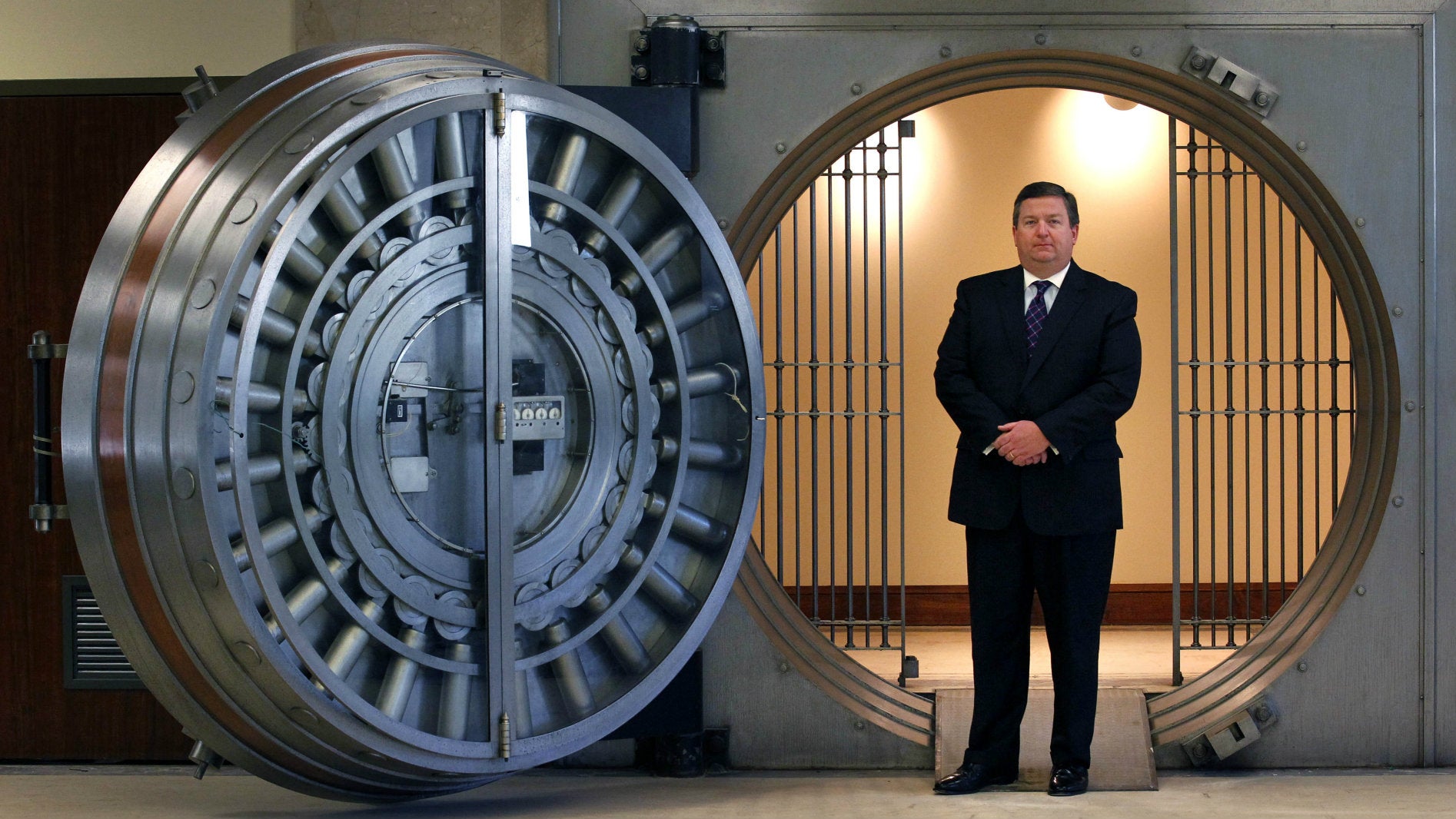
After hackers looted $30 million worth of ether last week, a company planning to raise money with cryptoassets is turning to an old-fashioned solution to safeguard the funds: a bank vault. It highlights the difficulty of keeping even the most sophisticated new technology safe and secure.

Just as the bitcoin world thought it was safe, a new threat to the cryptocurrency’s stability has emerged.

Singapore’s government rarely misses a chance to display its country’s world-beating credentials. Various rankings, some handily compiled by a government investment agency, show it’s the world’s easiest place to do business, it’s among the globe’s safest countries, and its people are some of the Earth’s healthiest.

Bitcoin has risen as much as 28% over the past 24 hours, driven by news that an imminent split in the cryptocurrency has been narrowly averted. The price of bitcoin nearly hit $3,000 late on July 20, within spitting distance of its all-time high, set last month.

The perils of a blockchain’s immutable transactions was brought home yesterday as some $30 million in ether was stolen due to a bug in the code of a well known ethereum wallet. It could have been worse: an additional $75 million was at risk because of the same coding fault, but a group of vigilante hackers rescued those funds and are promising to give them back to their owners.