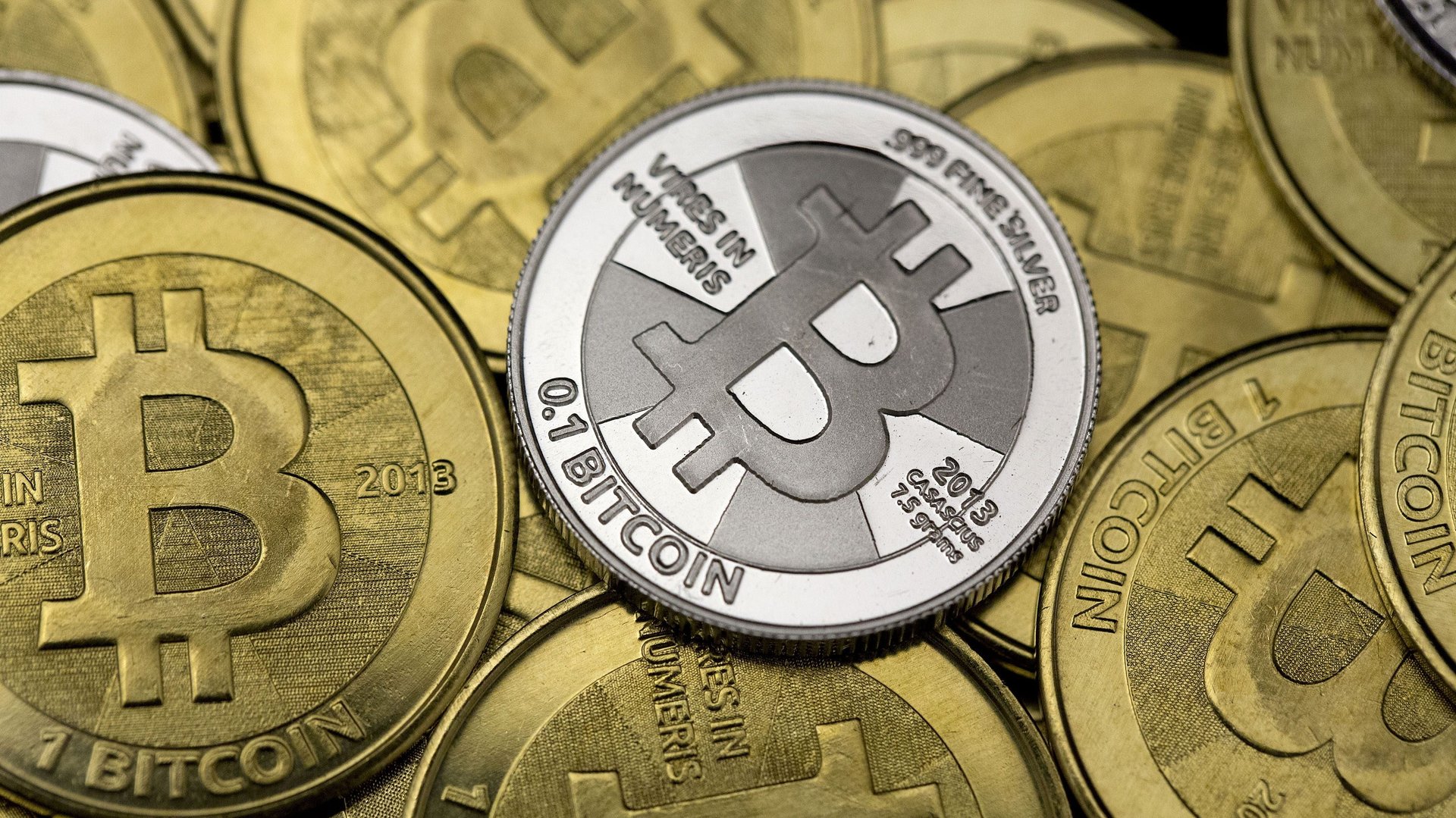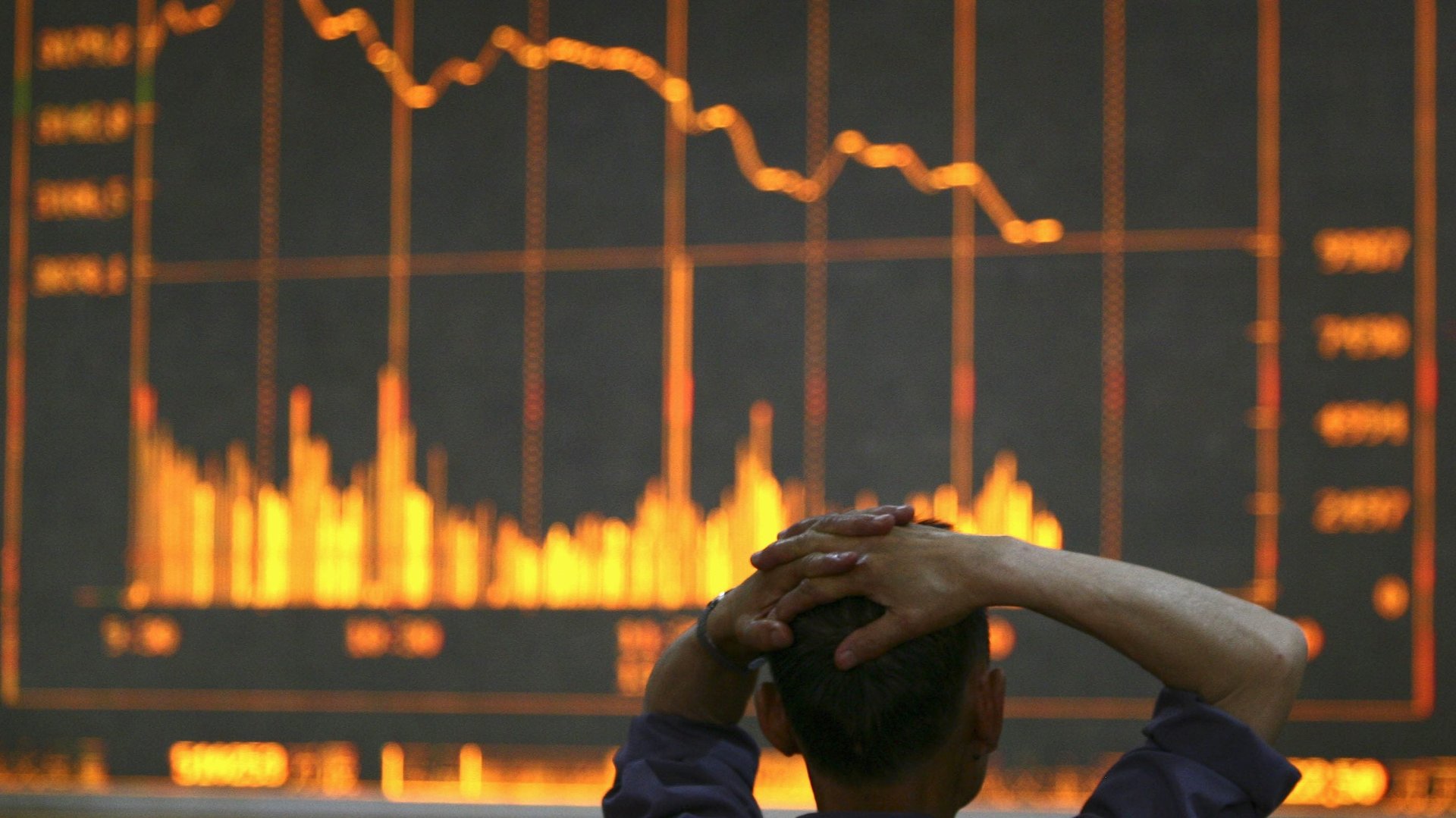
Cryptocurrency markets are crashing. Bitcoin’s price has fallen by about 20% in the last seven days, wiping out $7 billion of market value. But it’s doing better than other major cryptocurrencies like ether and ripple, which have lost 30% or more.

Cryptocurrency markets are crashing. Bitcoin’s price has fallen by about 20% in the last seven days, wiping out $7 billion of market value. But it’s doing better than other major cryptocurrencies like ether and ripple, which have lost 30% or more.

The scholarly environs of the New Media research lab at Stellenbosch University in South Africa gave rise to a diabolically clever plan to deal with video piracy in 2015: Lure pirates with bitcoin to find out the source of the contraband material.

A mysterious man photobombed US Federal Reserve chair Janet Yellen earlier this week, surreptitiously holding up a legal pad that read “Buy Bitcoin” from his seat a few rows behind the central bank chief as she testified to Congress.

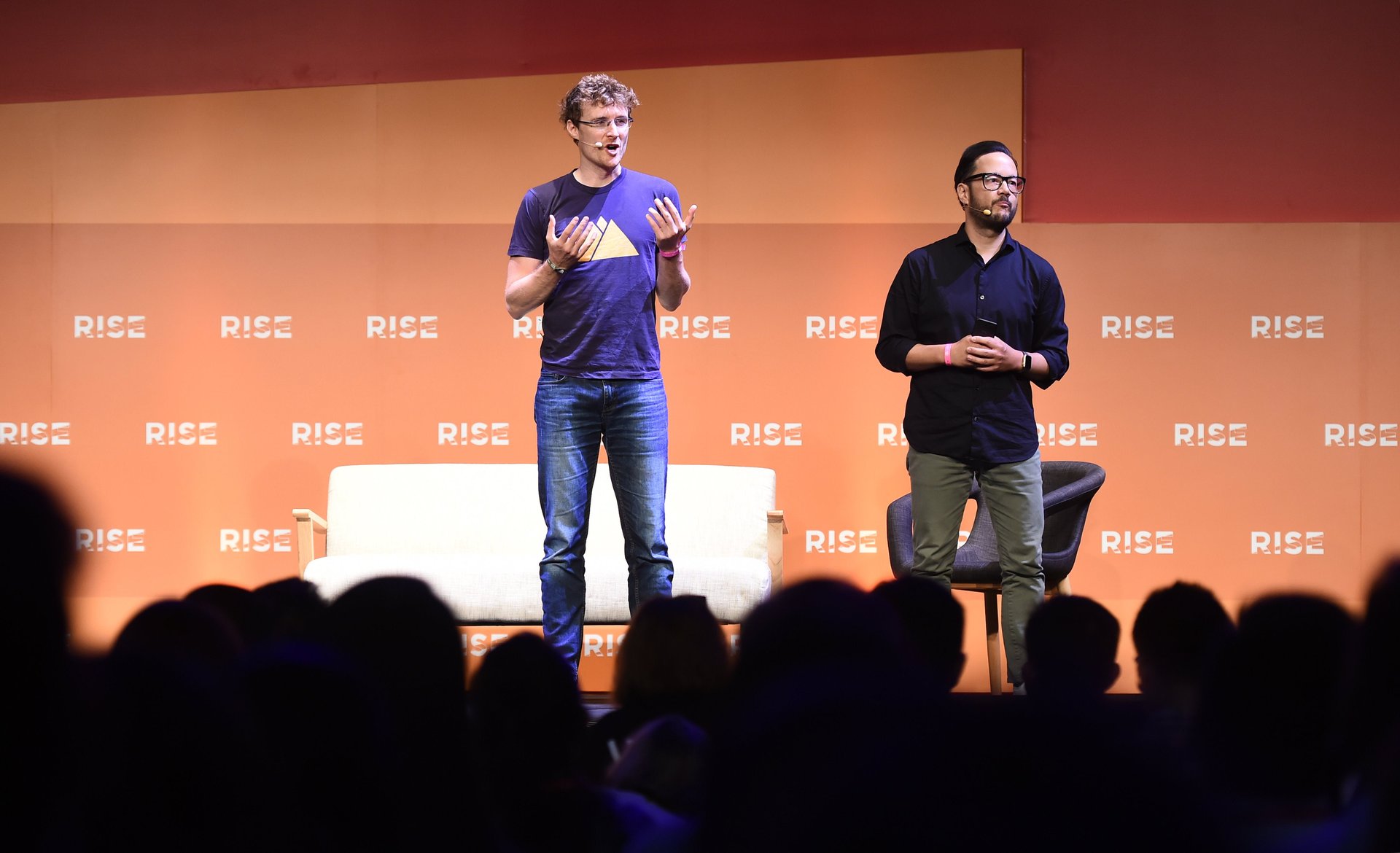
RISE is one of the biggest technology conferences in Asia. It’s organized by an Irish company called Ci Labs, which puts on large events around the world, including Web Summit in Lisbon, Portugal. Over 14,000 attendees are in Hong Kong to see hundreds of tech luminaries speak and startups exhibit until July 13. One of the things many attendees and speakers would have seen are these t-shirts:

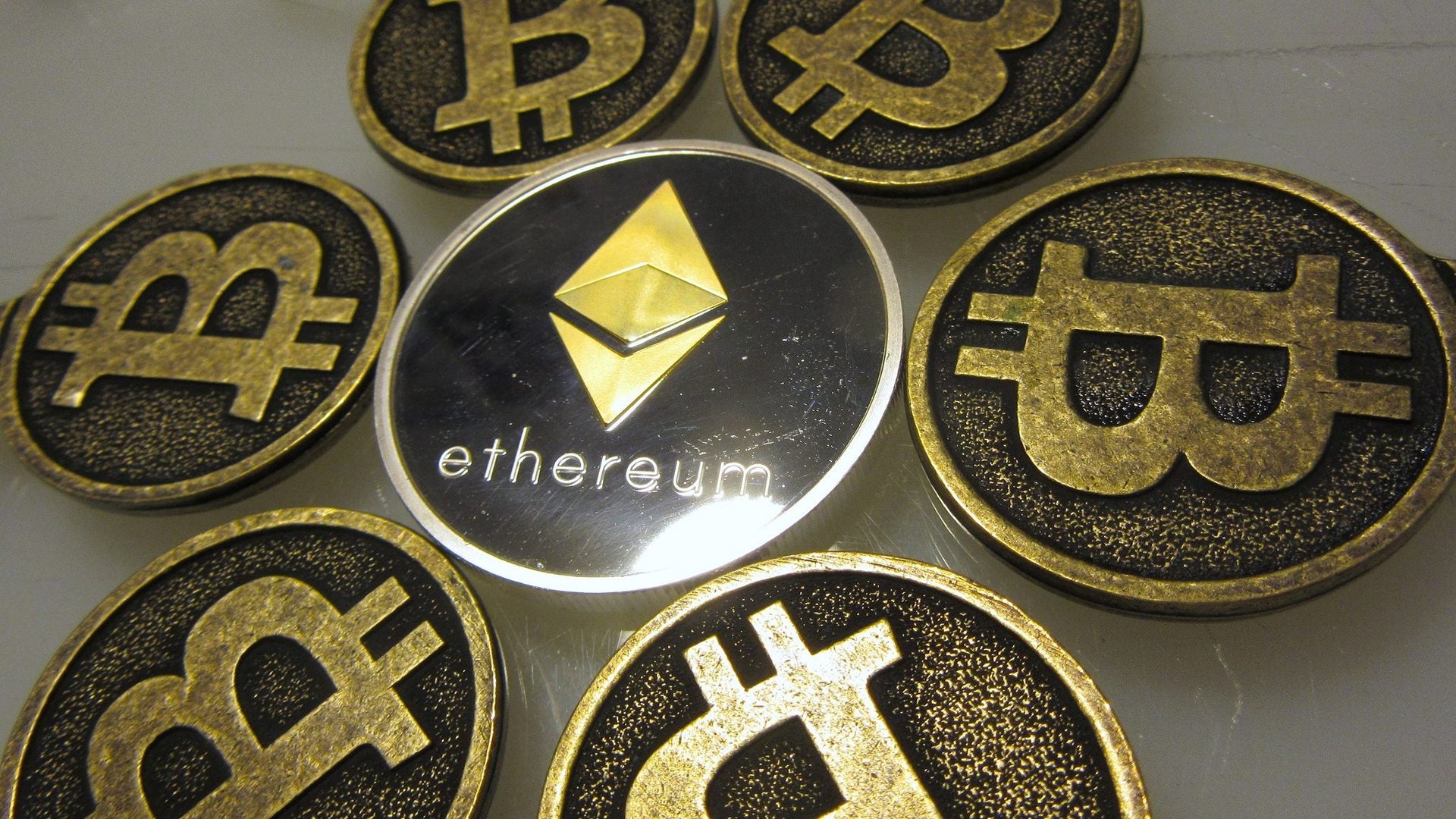
What goes up must come down. Ether, the cryptocurrency that’s part of the ethereum protocol, has fallen by 30% in the last seven days. It has fallen 17% in the last day of trading, from $240 to $200.

Hackers in Singapore are going legit: The government may soon require them to get a license.

A new survey finds that 33% of millennials have used Venmo, the payments app owned by PayPal that’s popular with the demographic, to buy illicit drugs.

Ah, those were the days, when you could steal a bit of a company’s server power and mine some valuable bitcoin all for yourself.

Few things are hotter in the financial services industry right now than blockchain. The technology is being tested in a variety of ways, going up against decades-old technology that’s ripe for replacement. But now that there are live blockchain-based systems in place, advocates need to prove that they’re better than the alternatives.

The initial coin offering (ICO) craze is getting ridiculous. The latest evidence: A cryptotoken called “Useless Ethereum Token” has raised over $40,000 in just under three days.

Southeast Asia’s richest families made their fortunes selling Indonesian clove cigarettes, introducing McDonald’s to Malaysia, and building one of Singapore’s biggest banks. Now they will add millions to their coffers through their holdings in Razer, a maker of high-precision mice, customizable keyboards, and powerful laptops, that has an imminent stock flotation in Hong Kong.

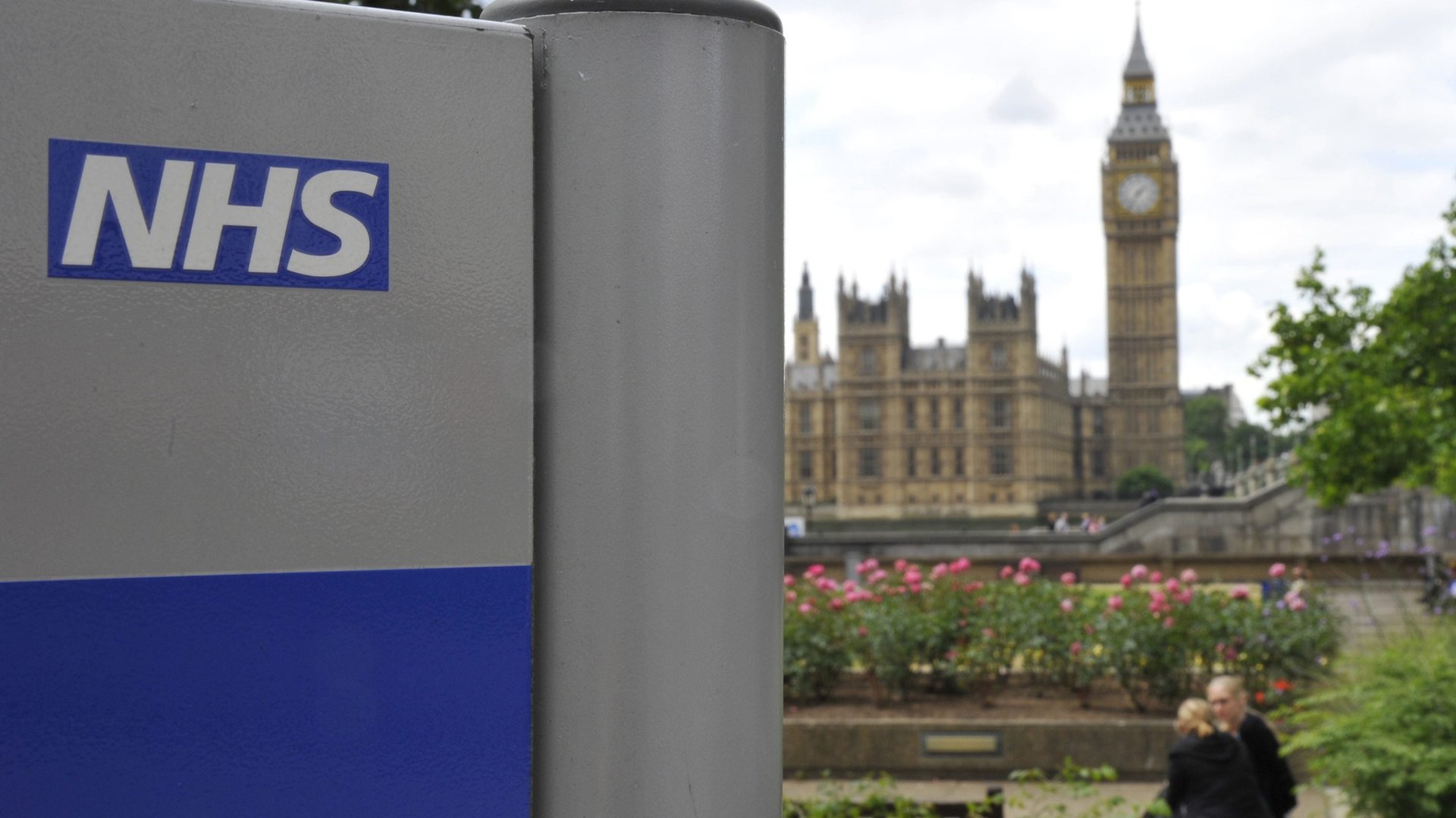
A second investigation into Google DeepMind’s handling of sensitive medical records from Britain’s National Health Service (NHS) seems likely to further muddy the ability of the Google unit to apply artificial intelligence techniques to health data. The report from an independent panel of reviewers appointed by DeepMind comes two days after the UK’s privacy regulator found that the firm handled the data of 1.6 million patients unlawfully.

Google’s cutting-edge artificial intelligence unit DeepMind was unlawfully given the health records of 1.6 million patients at London’s Royal Free hospital in 2015, the United Kingdom’s data protection authority has found.

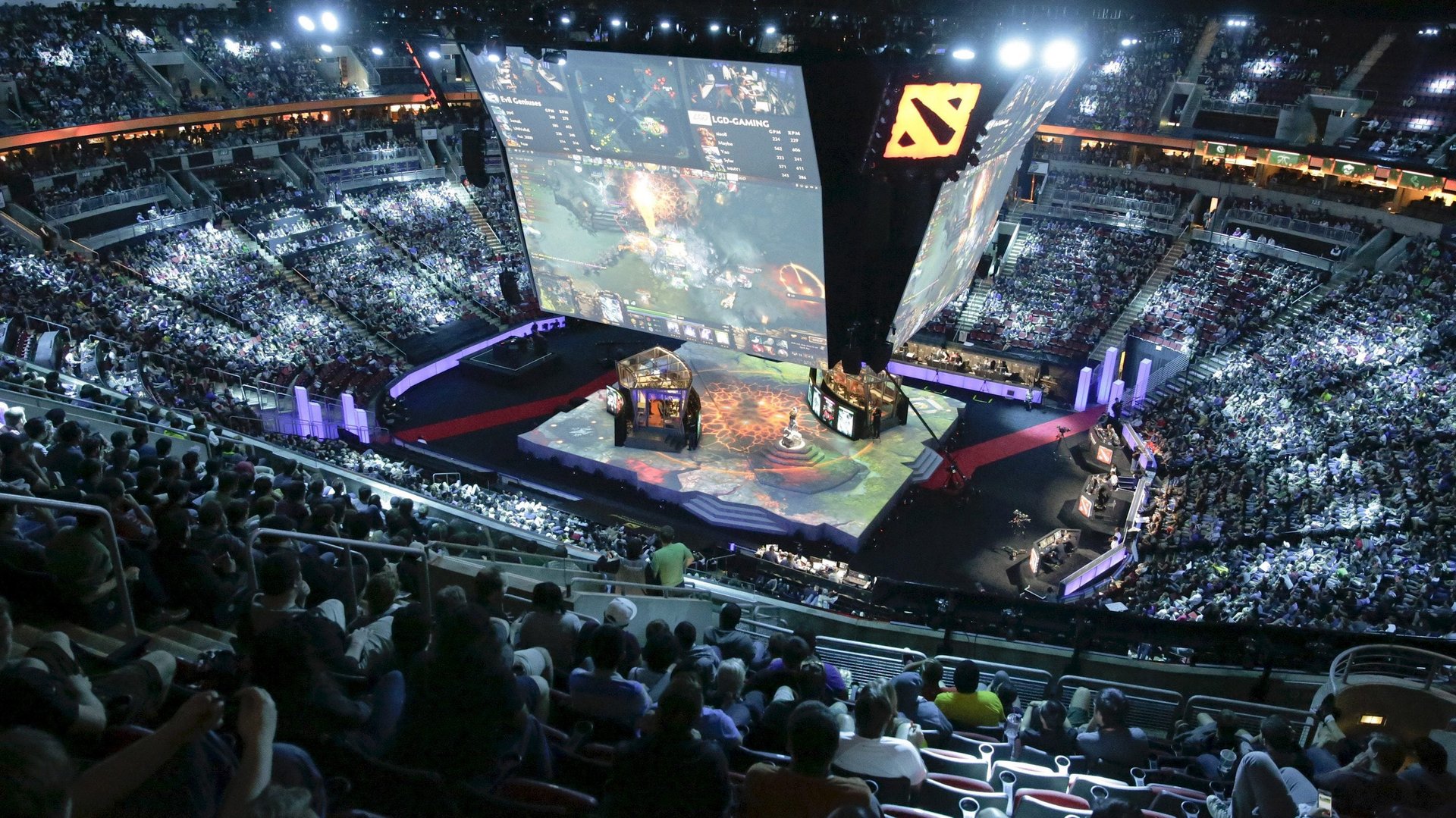
Nearly a third of the earth’s population is an active video-gamer, and that number will only grow, according to a study commissioned by Razer, the maker of high-end mice and other gaming accessories. The firm sells high-precision mice, headphones, powerful computers, and special keyboards aimed at the serious video gamer.

Fidelity Charitable, an independent non-profit established by mutual fund giant Fidelity Investments, says it received almost $9 million in bitcoin donations between January to June this year, what it called an “unprecedented” quantity since it began accepting the cryptocurrency in late 2015. Last year it reported over $7 million worth of bitcoin donations.

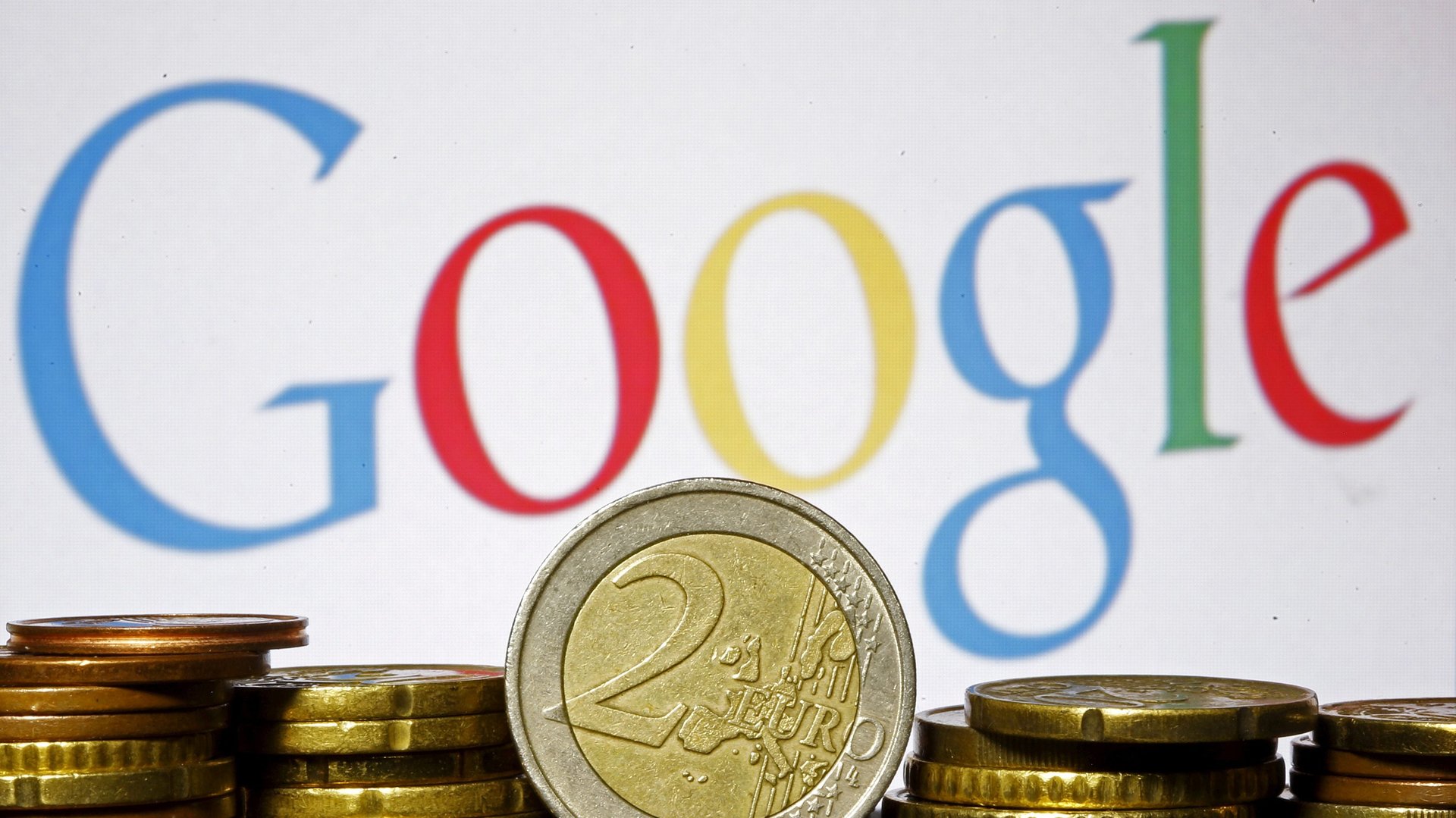
That record-breaking €2.42 billion ($2.7 billion) anti-trust fine against Google by the Europeans today? It’s just the beginning of the search giant’s troubles with anti-trust authorities.

Google was hit by a record-breaking fine for antitrust violations in Europe today. The European Commission will levy a €2.42 billion ($2.7 billion) penalty on the tech giant, far surpassing the €1.06 billion fine slapped on Intel in 2009, the previous record. Under EU law, a maximum fine of 10% of annual revenues can be levied for antitrust misdeeds; that would have translated to $9 billion, based on Google parent company Alphabet’s 2016 revenues, so it could have been even worse.

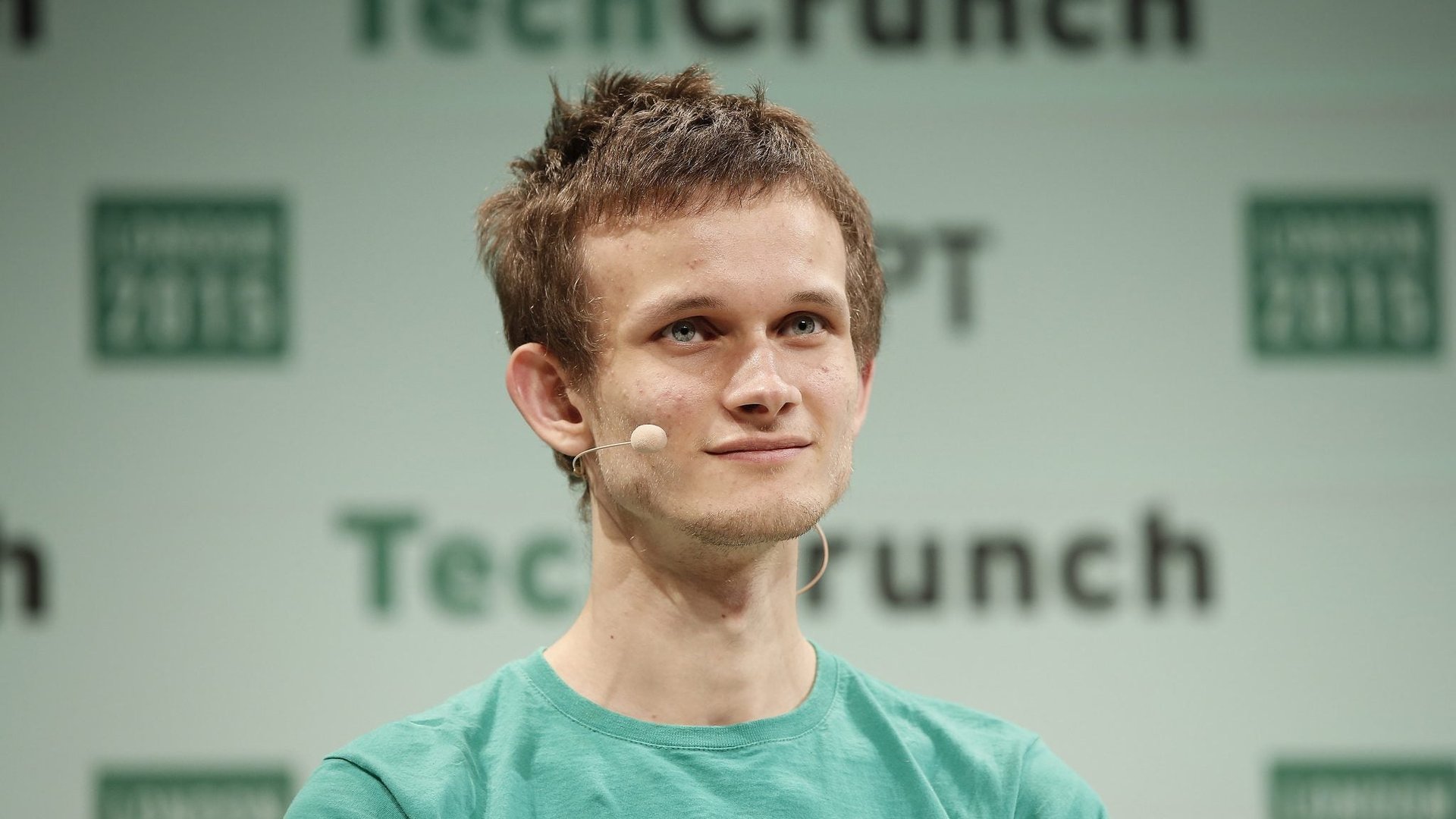
“Vitalik Buterin confirmed dead. Insiders unloading ETH” read the title of the post on 4Chan, the notorious online message board frequented by internet trolls. “Fatal car crash,” it went on. “Now we have our answer. He was the glue.”

This extract was first published in 2017 and has been excerpted with permission from PEN Hong Kong from the essay “My Journey as a Student Activist,” by Joshua Wong, part of the anthology Hong Kong 20/20: Reflections on a Borrowed Place, from Blacksmith Books.

What started as a quarrel among siblings has escalated into serious questions about the independence of Singapore’s most powerful institutions.

The British firm that supplied the designs for Apple’s graphics chips is up for sale, less than three months after the maker of the iPhone said it would no longer use those designs and would instead come up with its own. That announcement was made public by the firm, Imagination Technologies, on April 3.

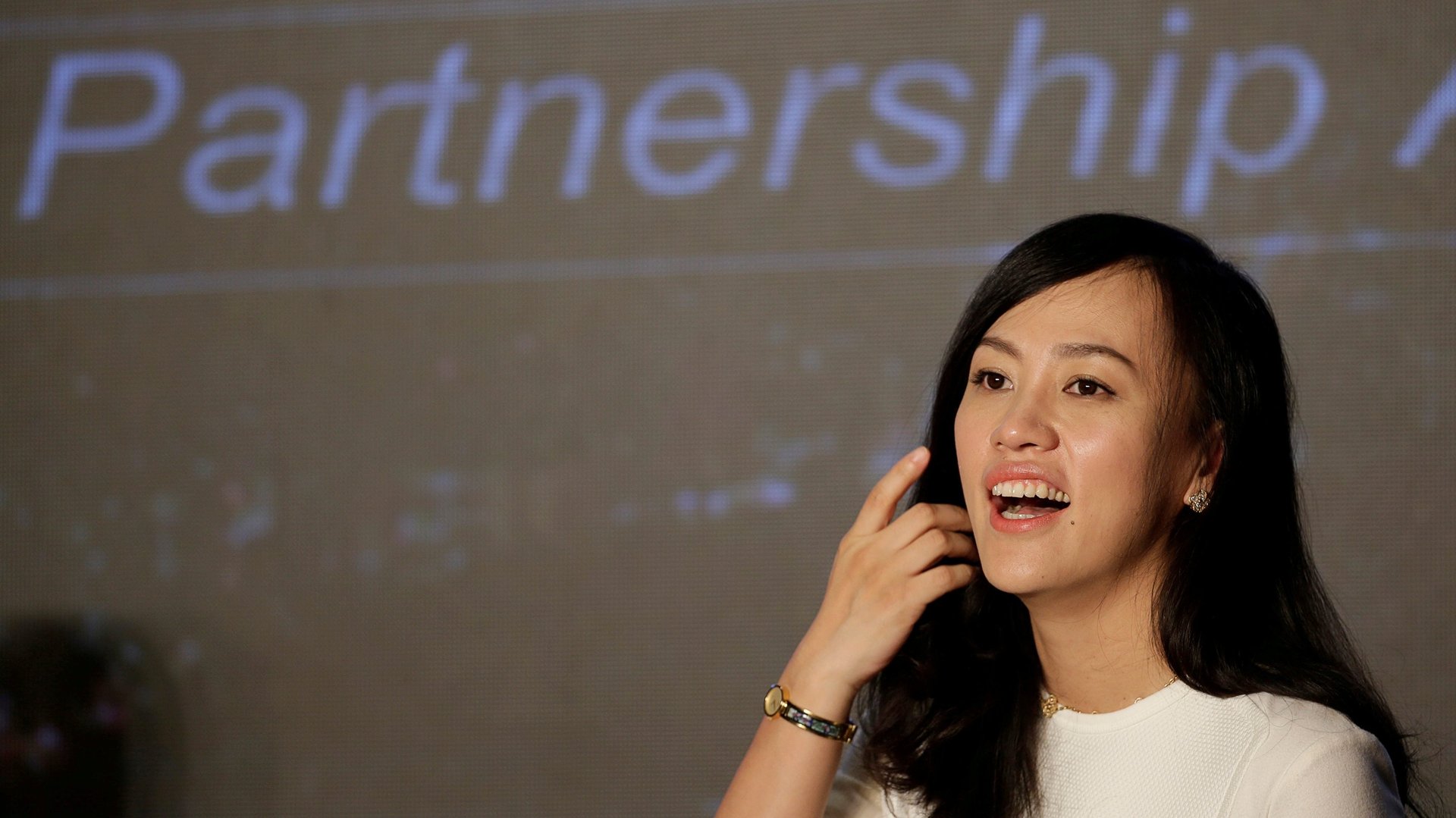
Jean Liu is president of Didi Chuxing, the ride-sharing behemoth that dominates China’s market. Her dealmaking acumen and collaborative approach to competition is also the antithesis of former Uber CEO Travis Kalanick’s aggressive, take-no-prisoners style of business.

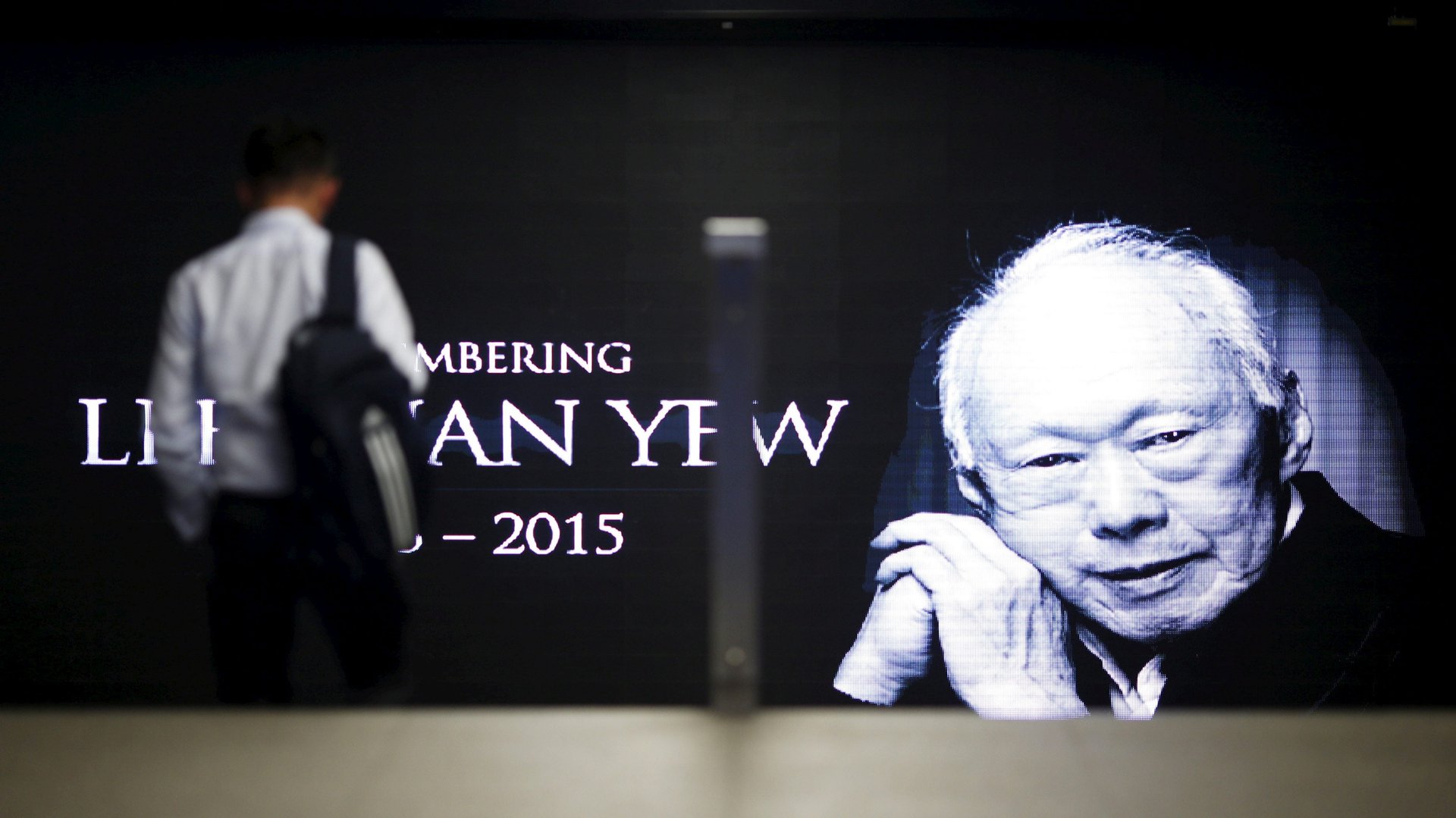
Singapore’s tightly-knit elite political circles have resorted to social media trolling, in a desperate search for a public space to vent. The two younger children of Singapore’s first prime minister, Lee Kuan Yew, have been trading blows with their elder brother, current prime minister Lee Hsien Loong, all weekend. The dispute is over the fate of the Lee patriarch’s bungalow, and whether it should be demolished in accordance with Lee Kuan Yew’s wishes, or preserved for historical value. Various cabinet ministers and Lee descendants have joined the fray. And it’s all happening on Facebook, thanks in part to Singapore’s tightly policed press.

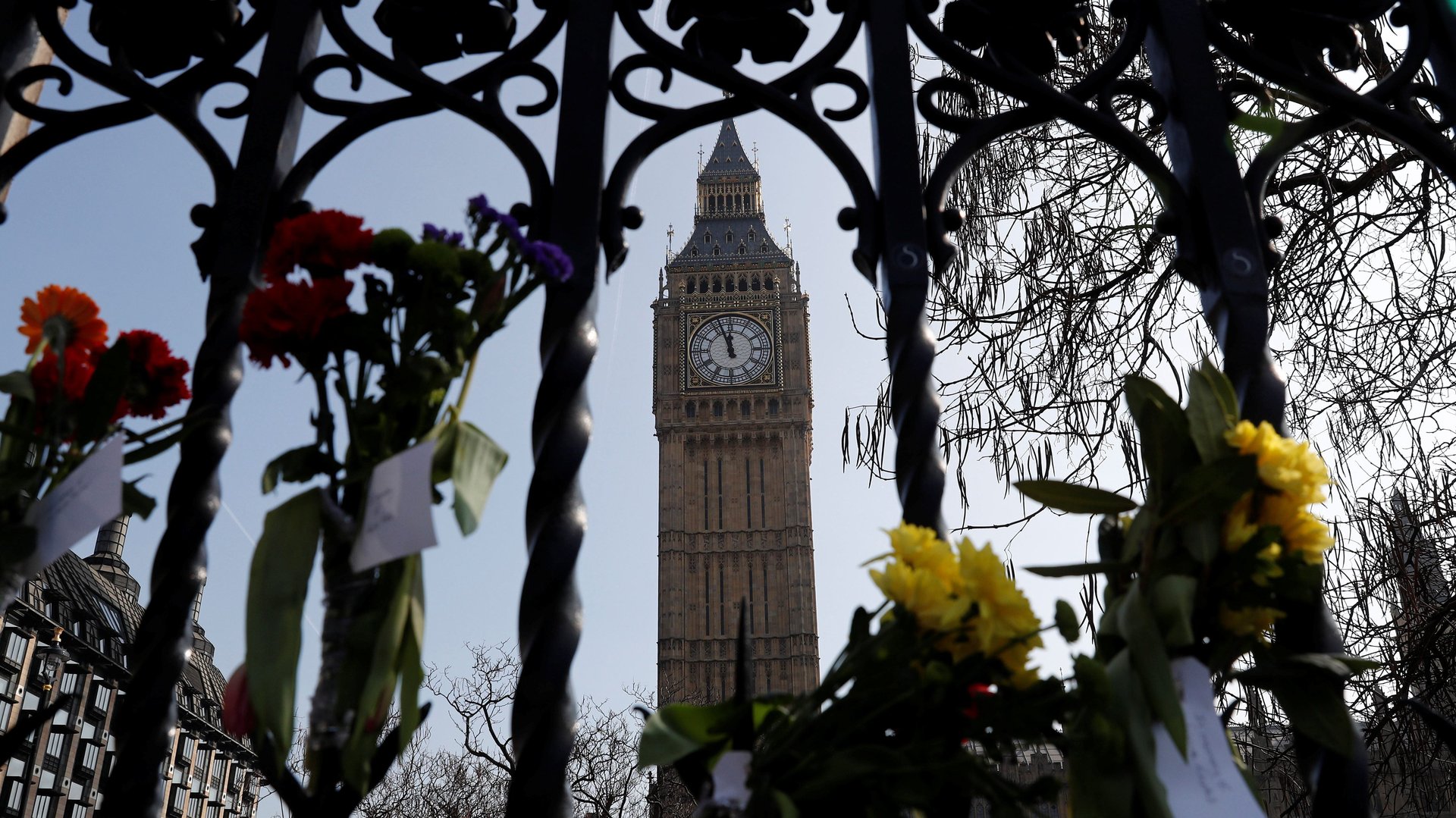
In March, in the wake of the Westminster terrorist attack that left four dead, the world’s biggest technology companies were summoned to a private meeting with Amber Rudd, the home secretary of the UK. Google, Facebook, Twitter, and Microsoft were given a scolding for not doing enough to limit the spread of terrorism content. Rudd also touched on encryption, having earlier singled out encrypted data on Facebook’s WhatsApp for giving terrorists a place to “hide.”