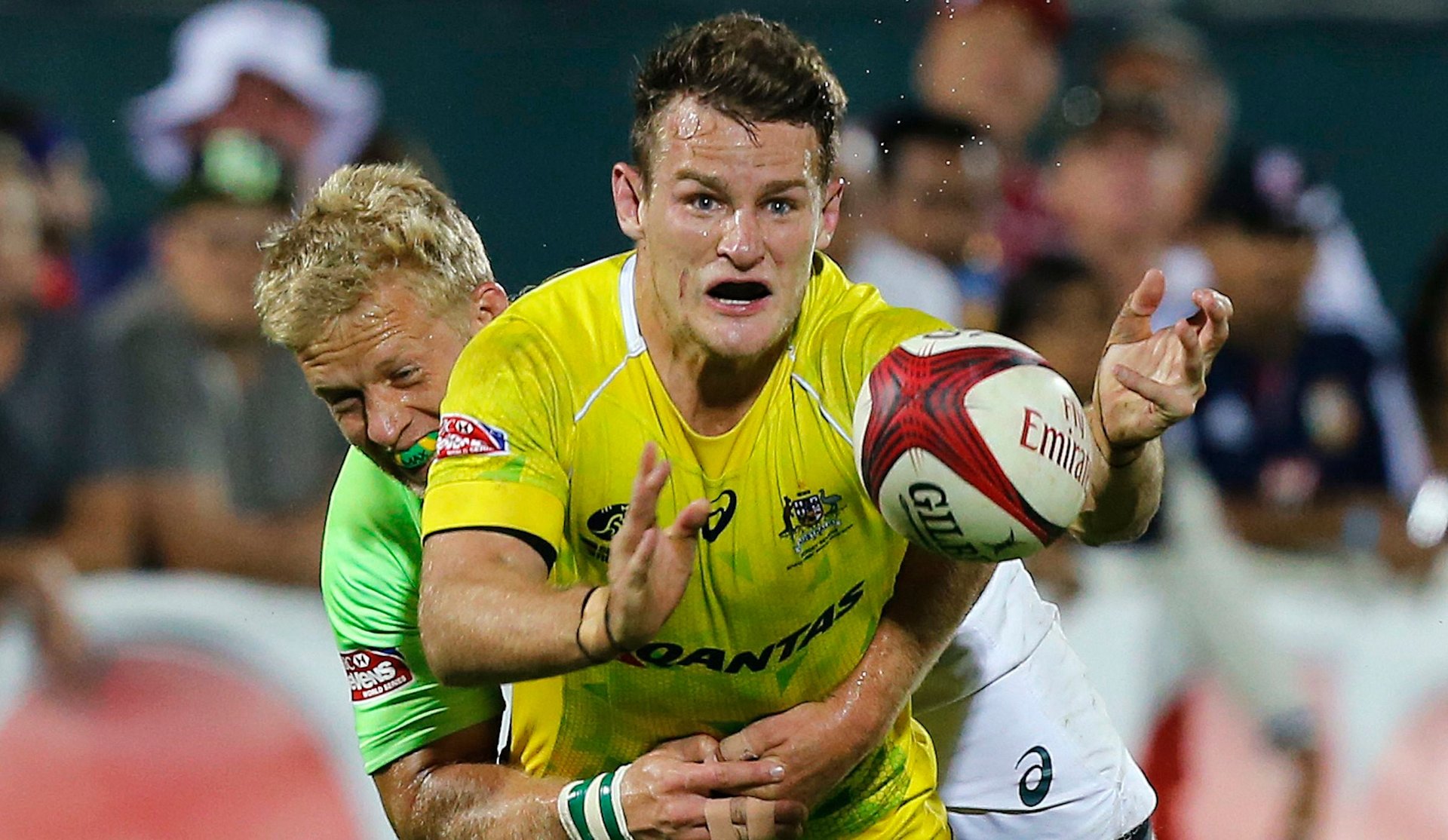
The New Zealand rugby player Dan Carter recently moved to a French team on a £1.3 million ($2 million) annual salary, making him rugby’s highest-paid player—a fact, he’s not shy to say, that motivated his move.

The New Zealand rugby player Dan Carter recently moved to a French team on a £1.3 million ($2 million) annual salary, making him rugby’s highest-paid player—a fact, he’s not shy to say, that motivated his move.

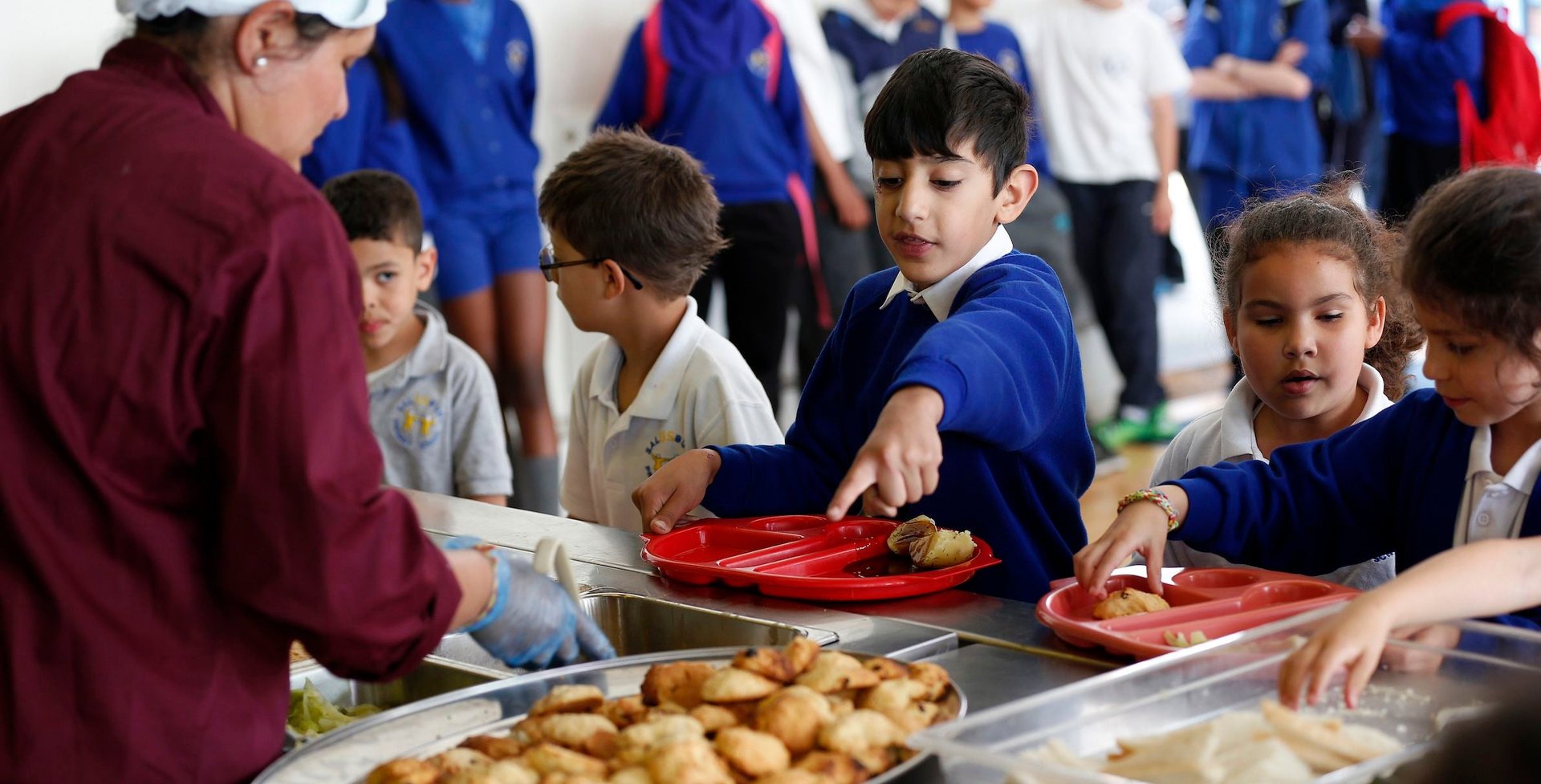
The consequences of a poor diet may have been laid bare by a new study published in Clinical Pediatrics (paywall), which suggests that children who eat regularly at McDonald’s, KFC, Pizza Hut, and the like don’t perform as well at school as their peers.

The chairwoman of Sony Pictures, whose hacked emails have entranced everyone from North Korea to George Clooney, has said who should take over from Daniel Craig as the ninth actor to play the character onscreen: “Idris should be the next bond.”

Christmas is about families coming together at the end of the year to put aside our differences and be thankful for what we have. But more importantly, Christmas is about gifts: what are we giving, what are we getting, and “Thanks for breaking a five, how quickly can I return this?”

Royal Dutch Shell, the Anglo-Dutch energy giant, is building the largest seafaring vessel ever made—a ship so large it has the volume of six of the world’s largest aircraft carriers and is just a tad shorter than the new One World Trade Center. The 488-meter (1,601-foot) Prelude is being made in South Korea by Samsung, and it is a monster.

Who owns the rights to the sound of “oh?”

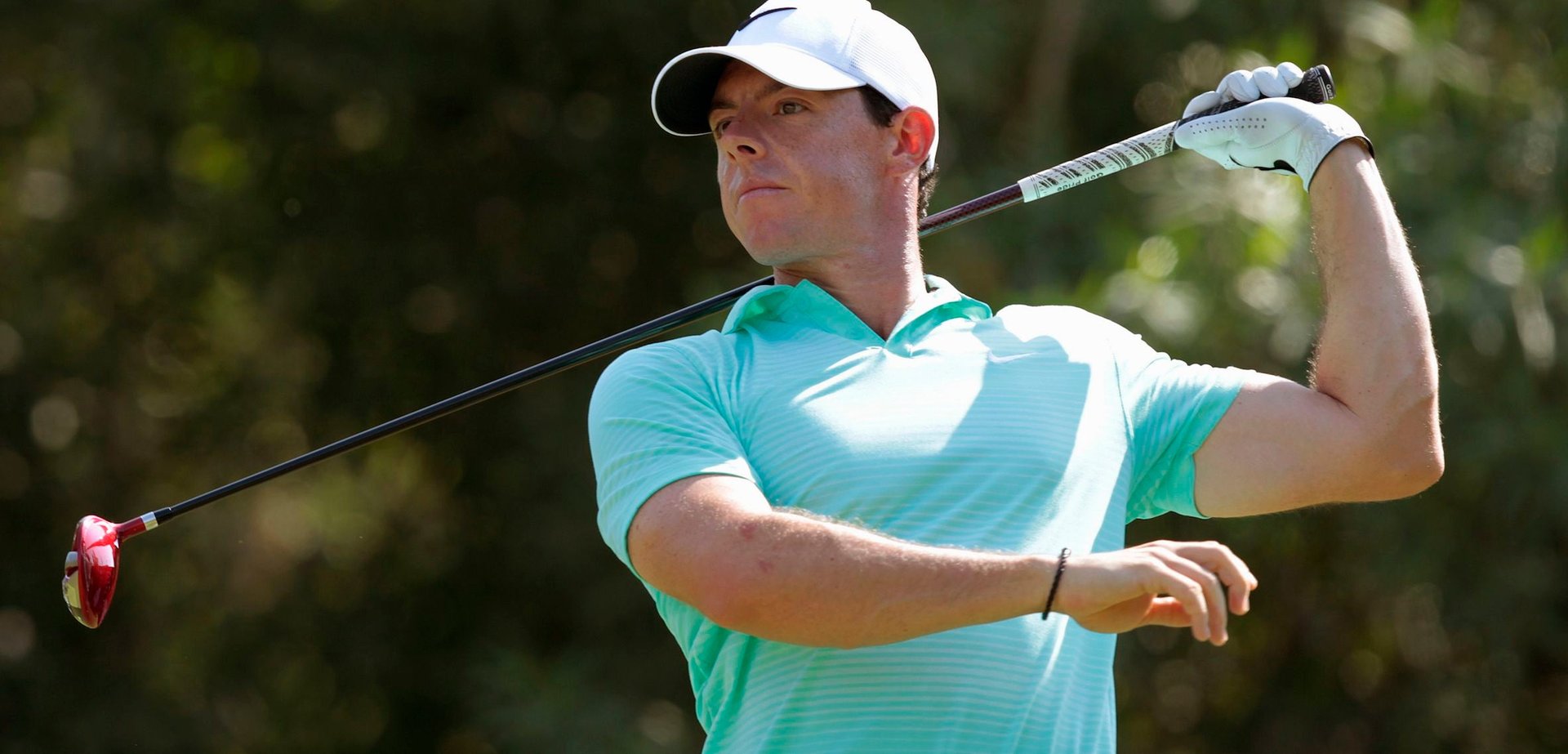
Golf is in crisis. The number of US golfers fell by almost a quarter to about 23 million players last year, from its peak in 2002—in 2013 alone, the game lost 1.1 million players. In England, the number of young people regularly playing the game almost halved between 2010 and 2013.

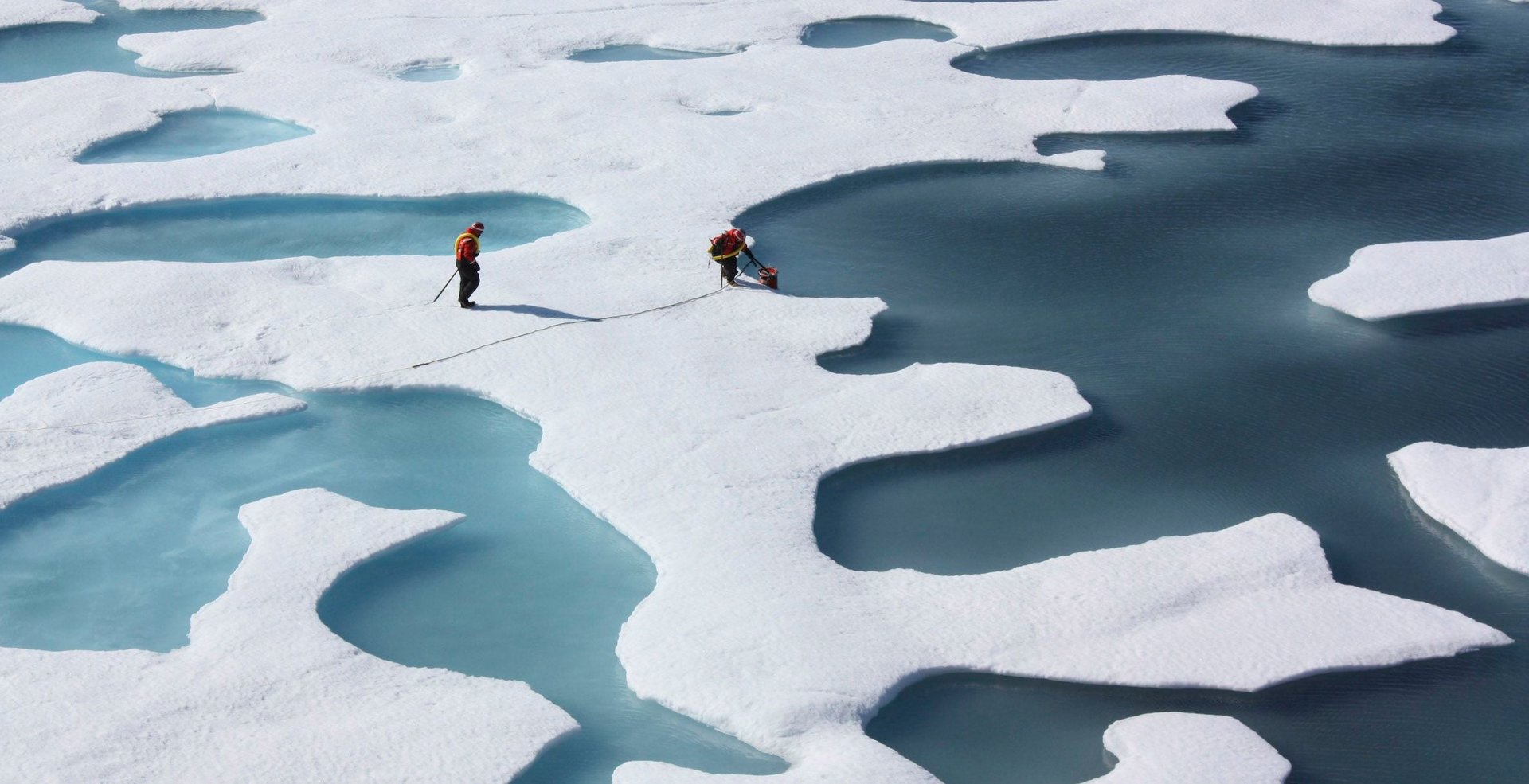
The race for ownership of the North Pole is hotting up.

What to watch for today

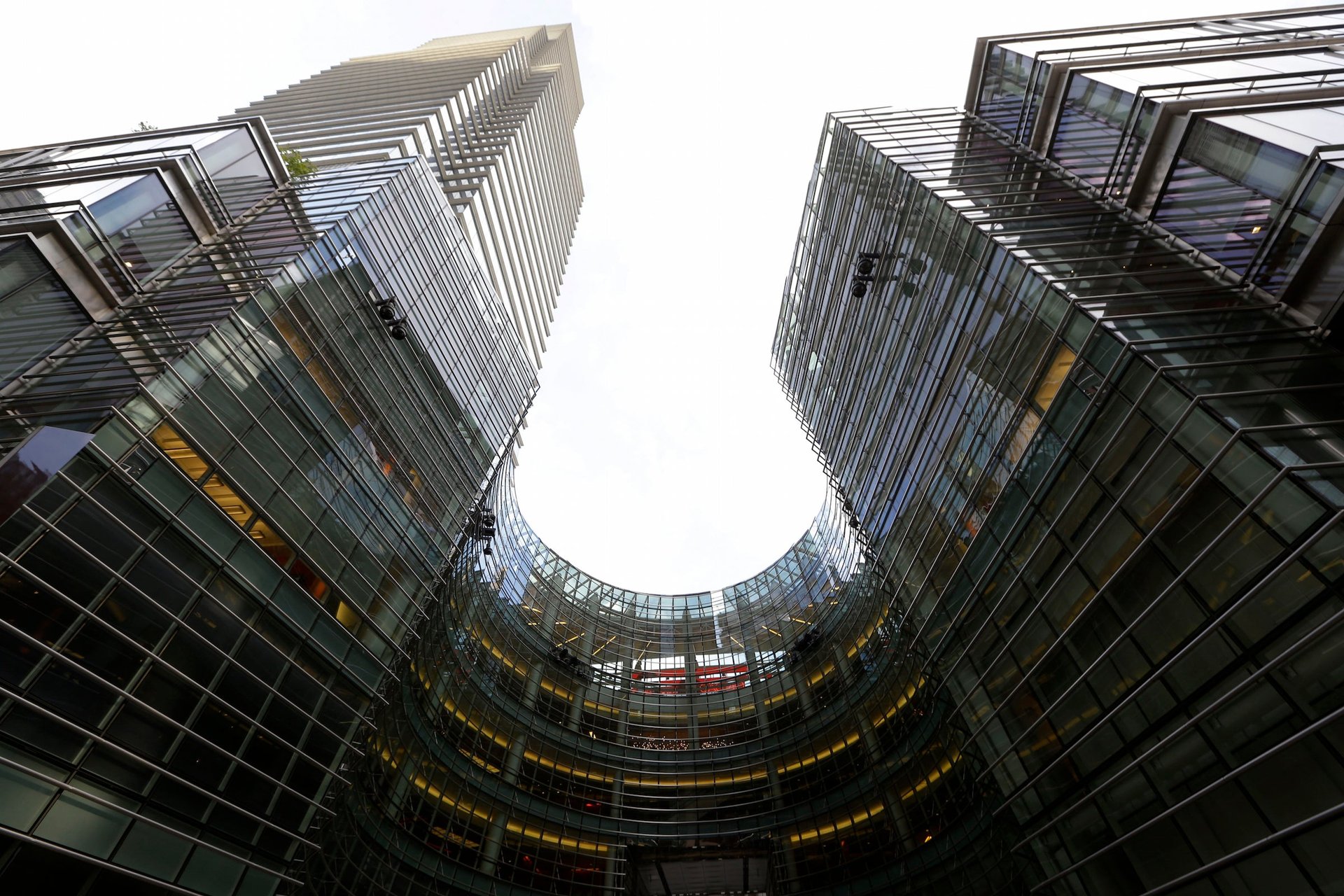
The media world was stunned when it was announced last week that John Micklethwait will leave his post as editor-in-chief of The Economist to take the same spot at Bloomberg.

China has apparently invented a new form of futuristic non-lethal weapon—which is pretty handy if some of its biggest cities are going to continue protesting against a lack of democracy.

This is a video of a robot made from Legos being controlled by the brain of a caenorhabditis elegans, a simple roundworm:

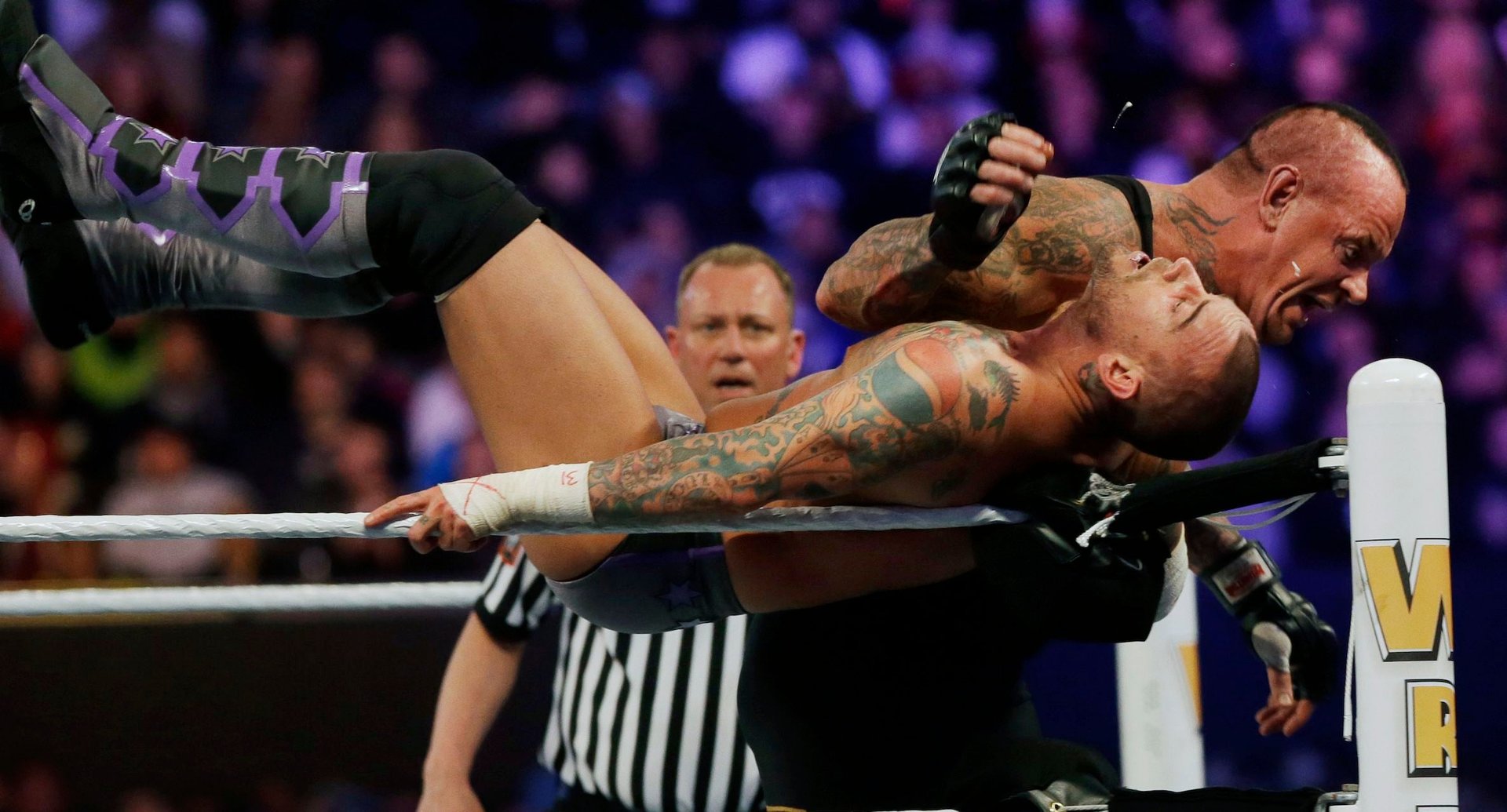
The Ultimate Fighting Championship has come a long way since it launched in 1993 as a fight club that pitted “black belts against sumo wrestlers and kickboxers against jujitsu masters” to see which fighting style prevailed. UFC is now the premier home of mixed martial arts, a melange of fighting techniques that lets pretty much anything but eye-gouging go.

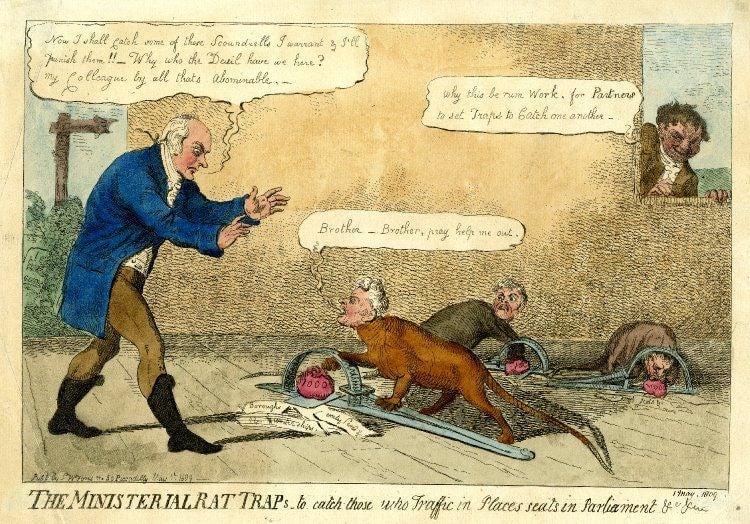
The Whigs were once the UK’s most powerful political group, establishing the principle of parliamentary rule and constitutional monarchy during the Glorious Revolution of 1688 and giving the nation its first, and longest-serving, prime minister. Established in 1678, the Whigs officially ceased to exist in 1868 as many of their members went on to form the Liberal Party (which later merged with others to form today’s Liberal Democrats).

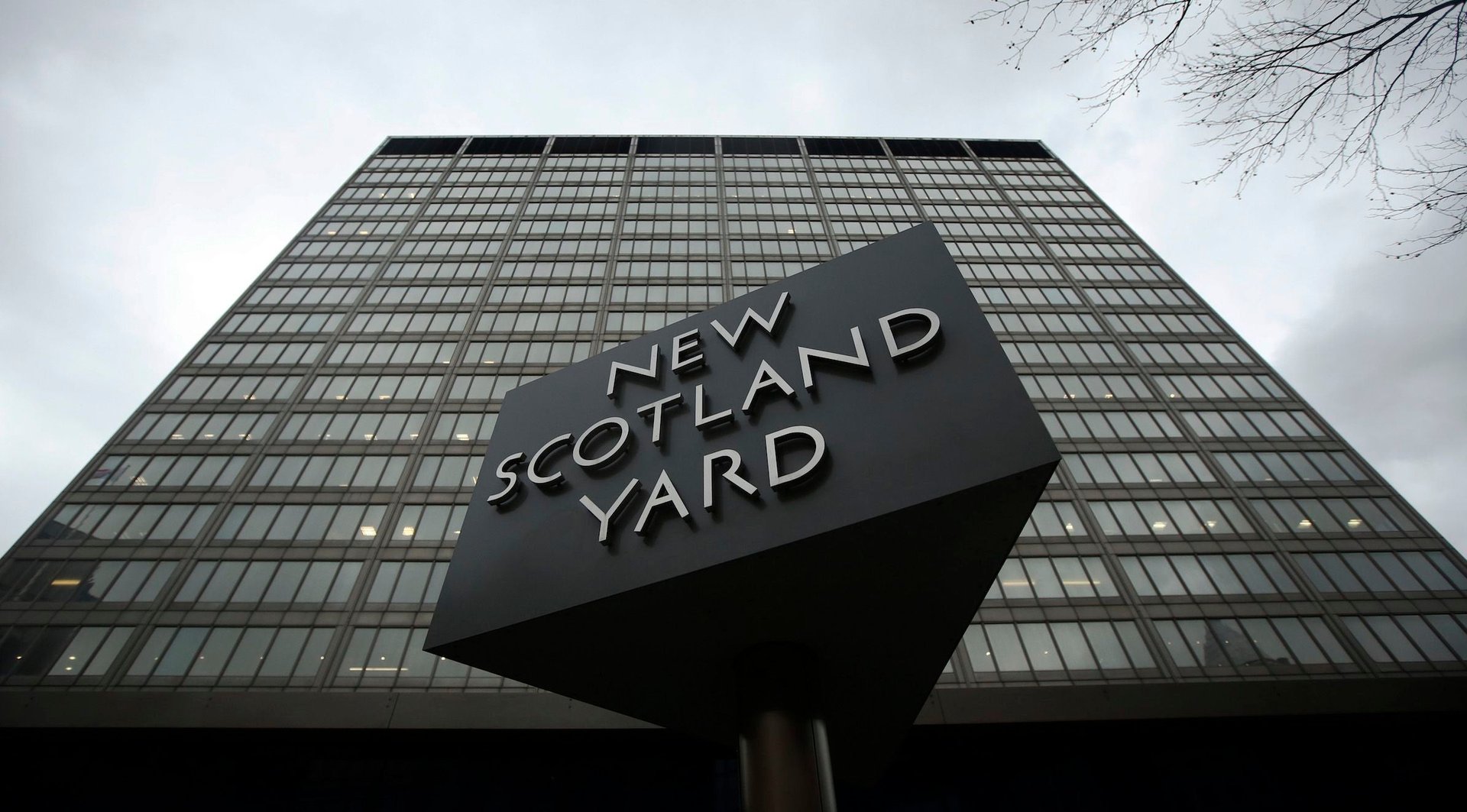
London property prices are soaring, especially in the center of the capital. The Metropolitan Police saw this for themselves when they put their iconic New Scotland Yard property in Westminster up for sale for around £250 million ($391 million)—and it sold for a whopping £370 million to Middle Eastern investors.

The numbers: British online retailer ASOS said that total sales rose to £246 million ($385 million) in the three months to Nov. 30; that’s up 8% from the same period last year. The company’s UK sales jumped by 24% while US revenue rose by 9%, which was enough to offset a 1% decline in the rest of Europe and 6% drop in the “rest of world” unit that covers countries like Australia, Russia, and China.

Nigel Mills was probably tired and trying not to fall asleep when he decided to have a game of Candy Crush Saga, as so many do. Unfortunately, the British MP did so at work—during a meeting of the Works and Pensions Committee, of which he is a member, in the House of Commons—and was caught doing so by The Sun (paywall).

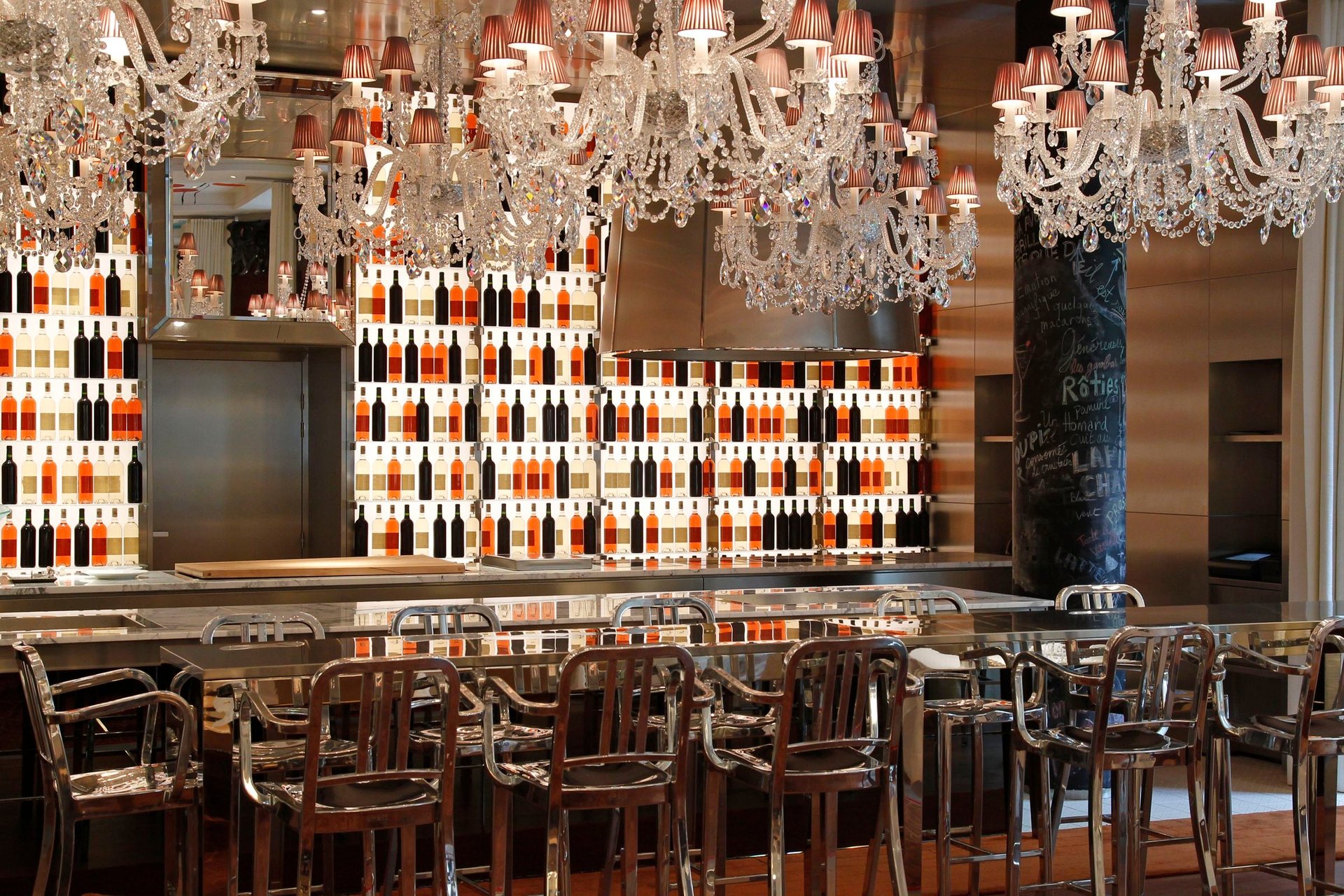
Le Grand, a magnificent hotel in Paris overlooking the Opera house, has been sold to Qatari-backed Constellation Hotels for €330 million ($405 million) by its American owner, InterContinental Hotels. Le Grand was inaugurated in 1862 by Eugenie, the wife of the last emperor of France, Napoleon III. The hotel’s new owners pledge to spend €60 million to renovate the building.

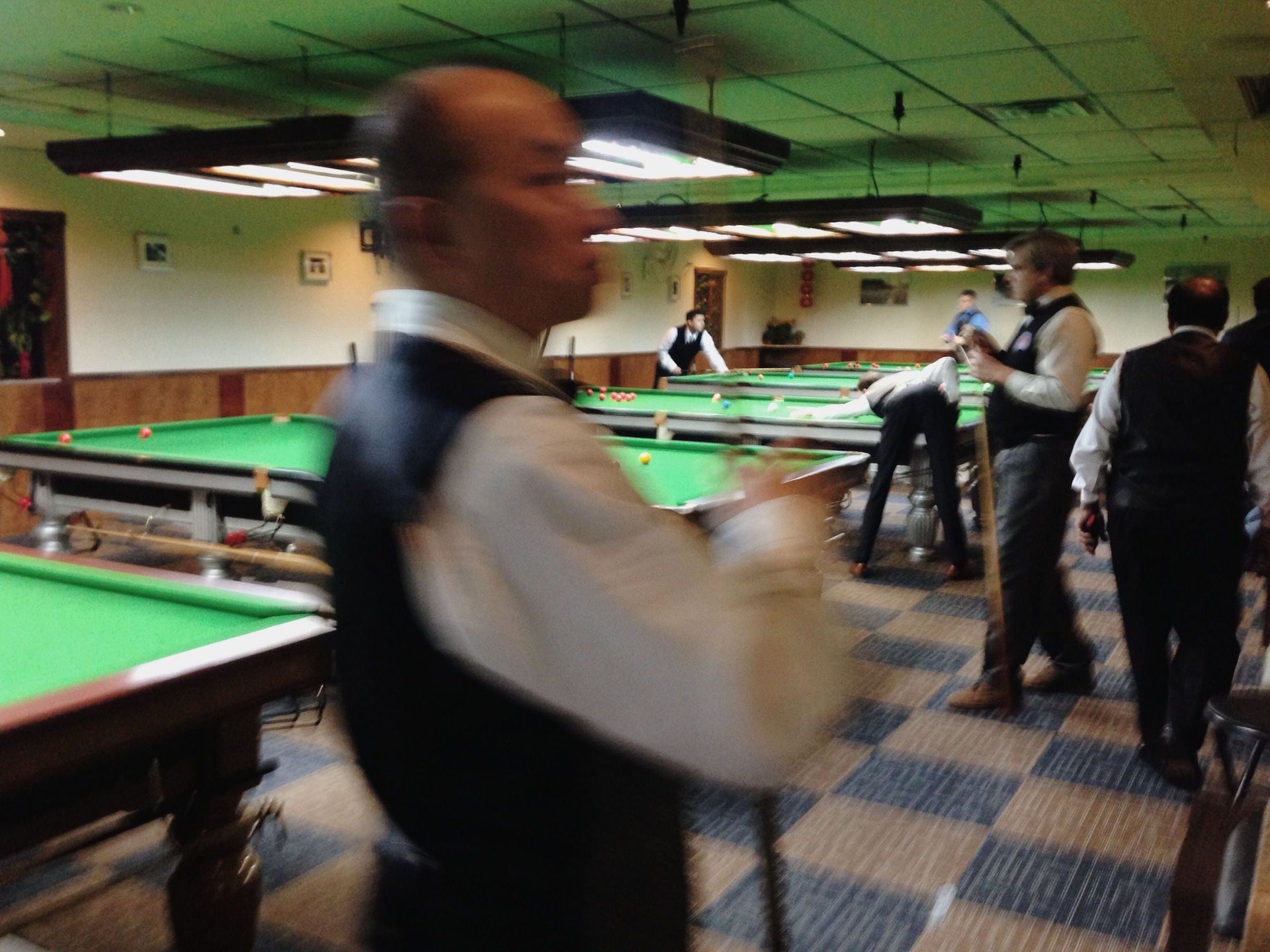
Today, two of the best snooker players in the world meet in York, England for the final of the UK Championship, the second-most prestigious event on the sport’s calendar. One of the finalists is Ronnie O’Sullivan, perhaps the most naturally-gifted player to practice the sport.

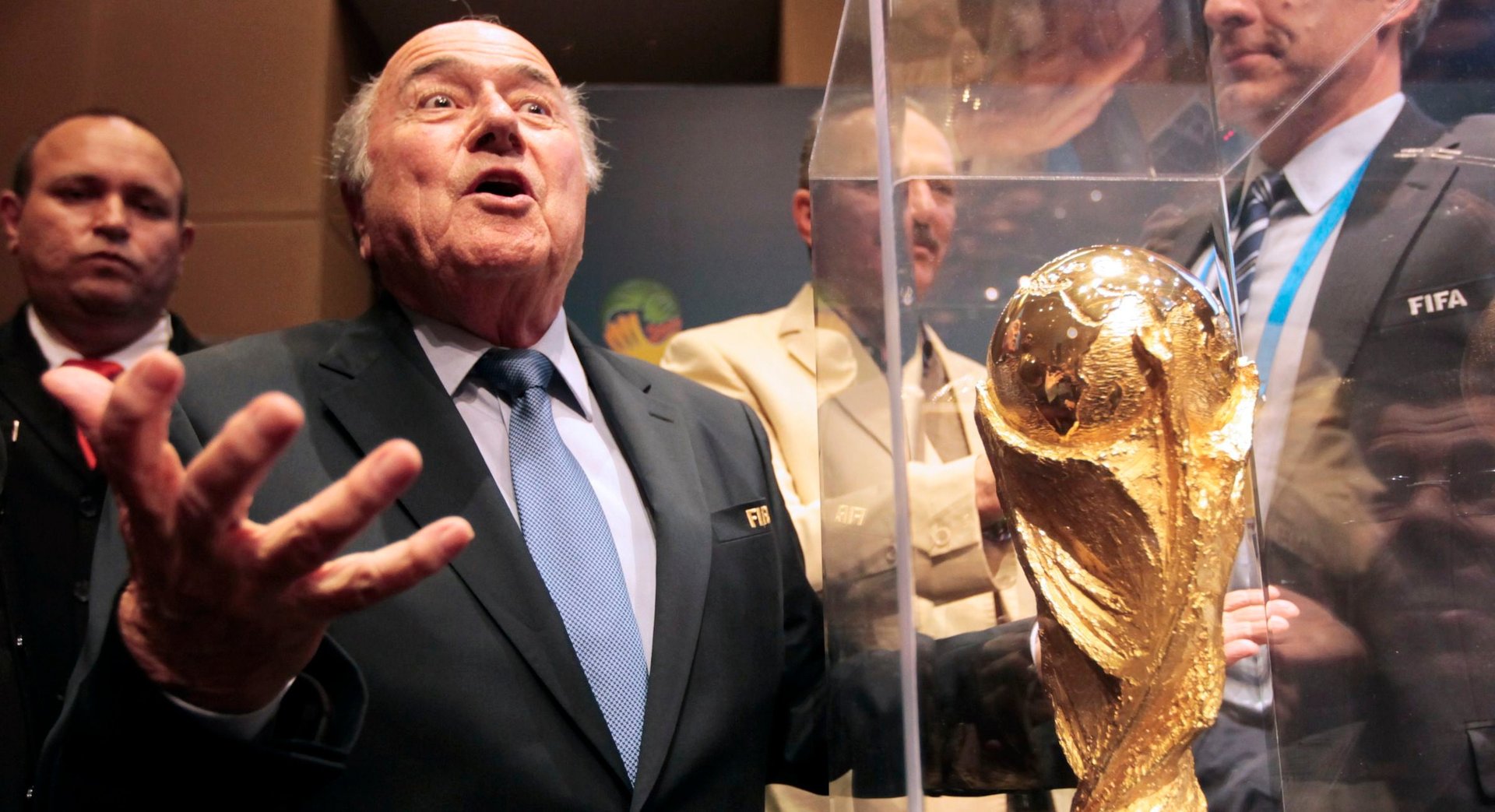
It’s fair to say that Sepp Blatter is not universally beloved. The head of FIFA, soccer’s governing body, has been in power since 1998 and ostracized vast swathes of the sport’s fans. His organization is buried in a never-ending corruption scandal over the decision to award the next two World Cups to Russia and Qatar.

When David Beckham arrived in Major League Soccer in 2007, he was the biggest star to play soccer in America since Pele and heralded an upswing in the profile of the sport. It was also assumed that Beckham would help attract others and boost the quality of US soccer.

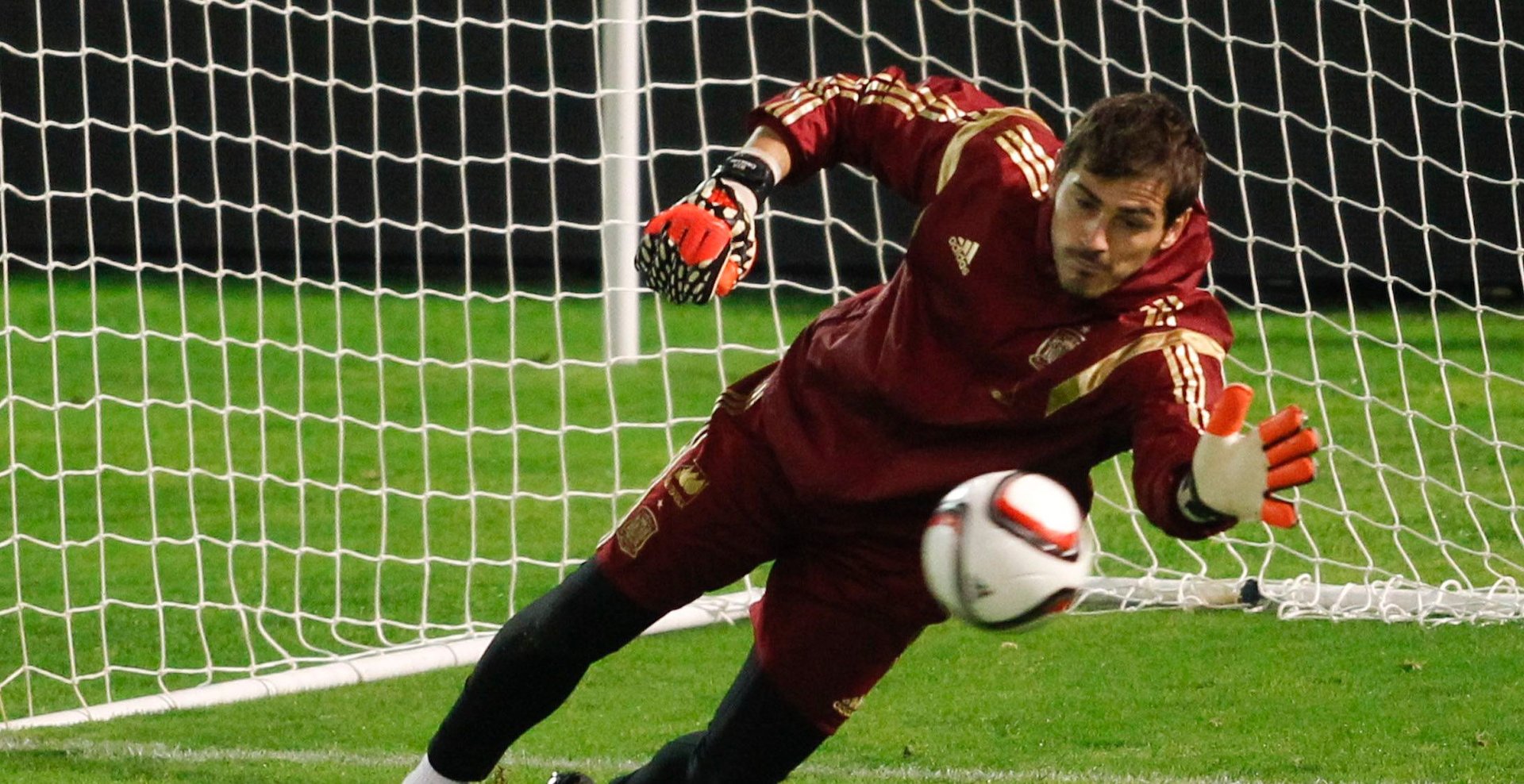
So Manuel Neuer made the three-man shortlist for FIFA’s Ballon d’Or award for the best player in the world along with favorites Cristiano Ronaldo and Lionel Messi. The German goalkeeper, off the back of winning the World Cup in the summer, is the first in his position to make the list of finalists in 12 years—and, realistically, doesn’t have much chance of winning.

In France, there’s a new word: GAFA. It’s an acronym, and it has become a shorthand term for some of the most powerful companies in the world—all American, all tech giants. GAFA stands for Google, Apple, Facebook, and Amazon.

On Sunday, Switzerland is voting on whether to cap the number of immigrants to just 0.2% of its total population of 8 million, which would restrict the number of people coming in to about 16,000 people a year. Whether it succeeds or fails, this latest plebiscite—named after the 40-year-old Ecopop movement that seeks to link protecting the environment with slowing population growth—is just latest Swiss effort to keep the outside world at bay.