Cuba has published a summary of a new constitution likely to be approved by the national assembly later this week, which will recognize a right to own private property.

Cuba has published a summary of a new constitution likely to be approved by the national assembly later this week, which will recognize a right to own private property.

We become accustomed to technology so quickly, it’s easy to forget that Amazon’s Alexa was a pioneer just six years ago.

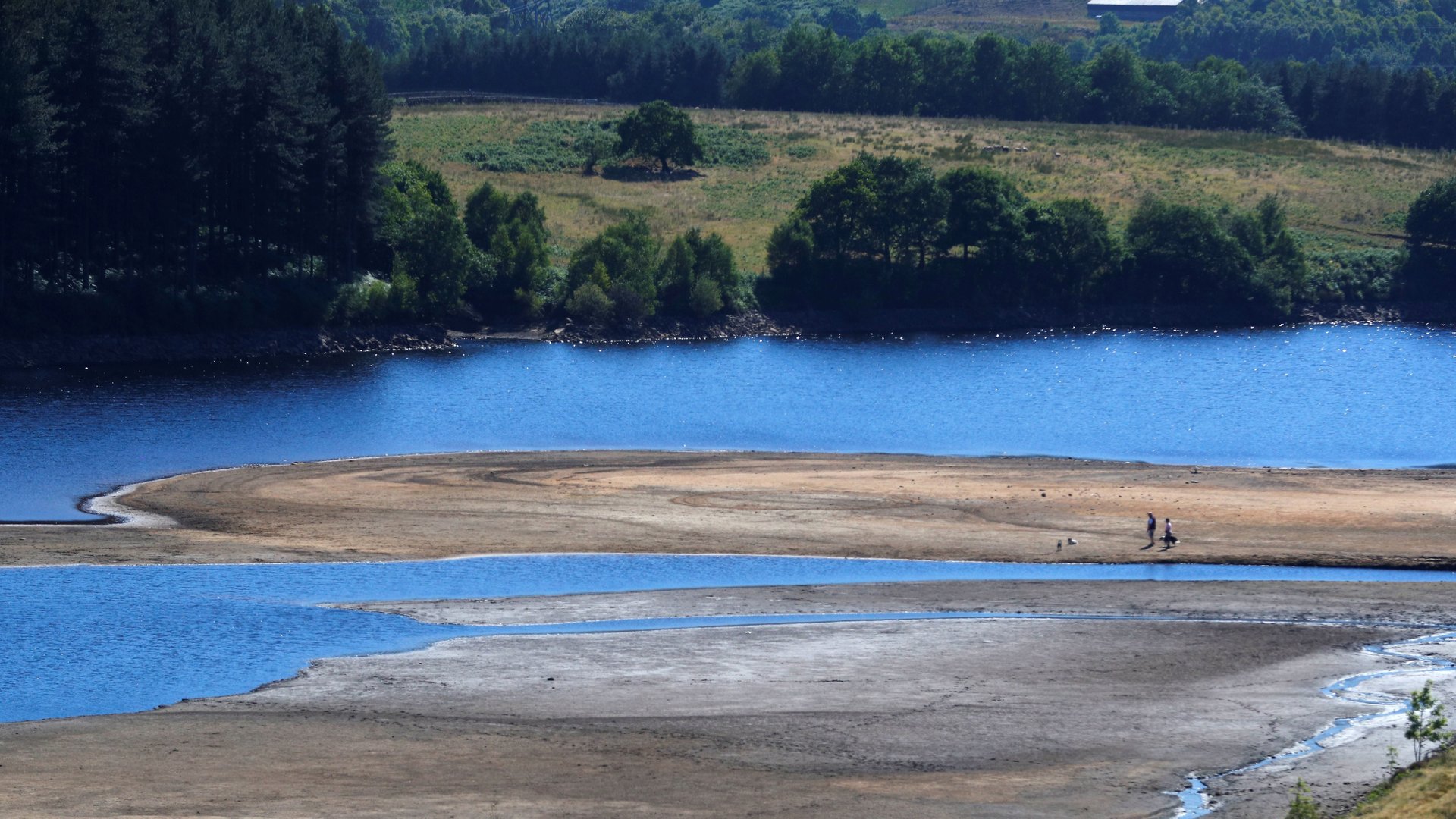
Following 2016 and 2017, 2018 is likely going to set another heat record in many parts of the world. Already, the first six months have set high-temperature records for the US, the National Oceanic and Atmospheric Administration (NOAA) reported yesterday (July 9).

Allen Wittman and Andrew Masters are two grown men who make a living selling bathroom humor.

Amidst hundreds of failures of drugs to treat Alzheimer’s disease, Biogen reported late Thursday (July 5) a rare positive result.

Today, Donald Trump tweeted that the scandal-ridden director of the Environmental Protection Agency (EPA), Scott Pruitt, had finally resigned. Deputy director Andrew Wheeler will take his place.

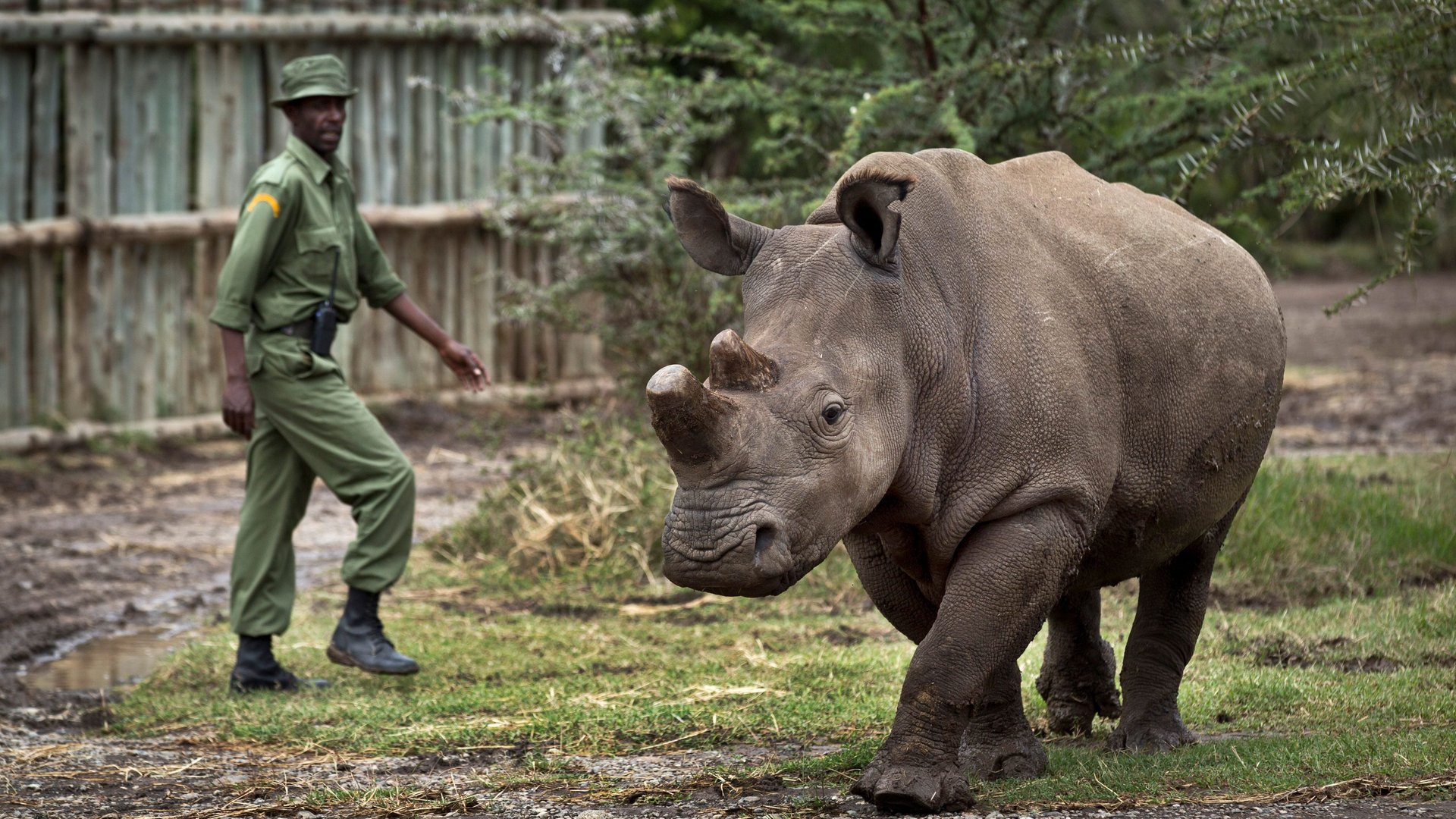
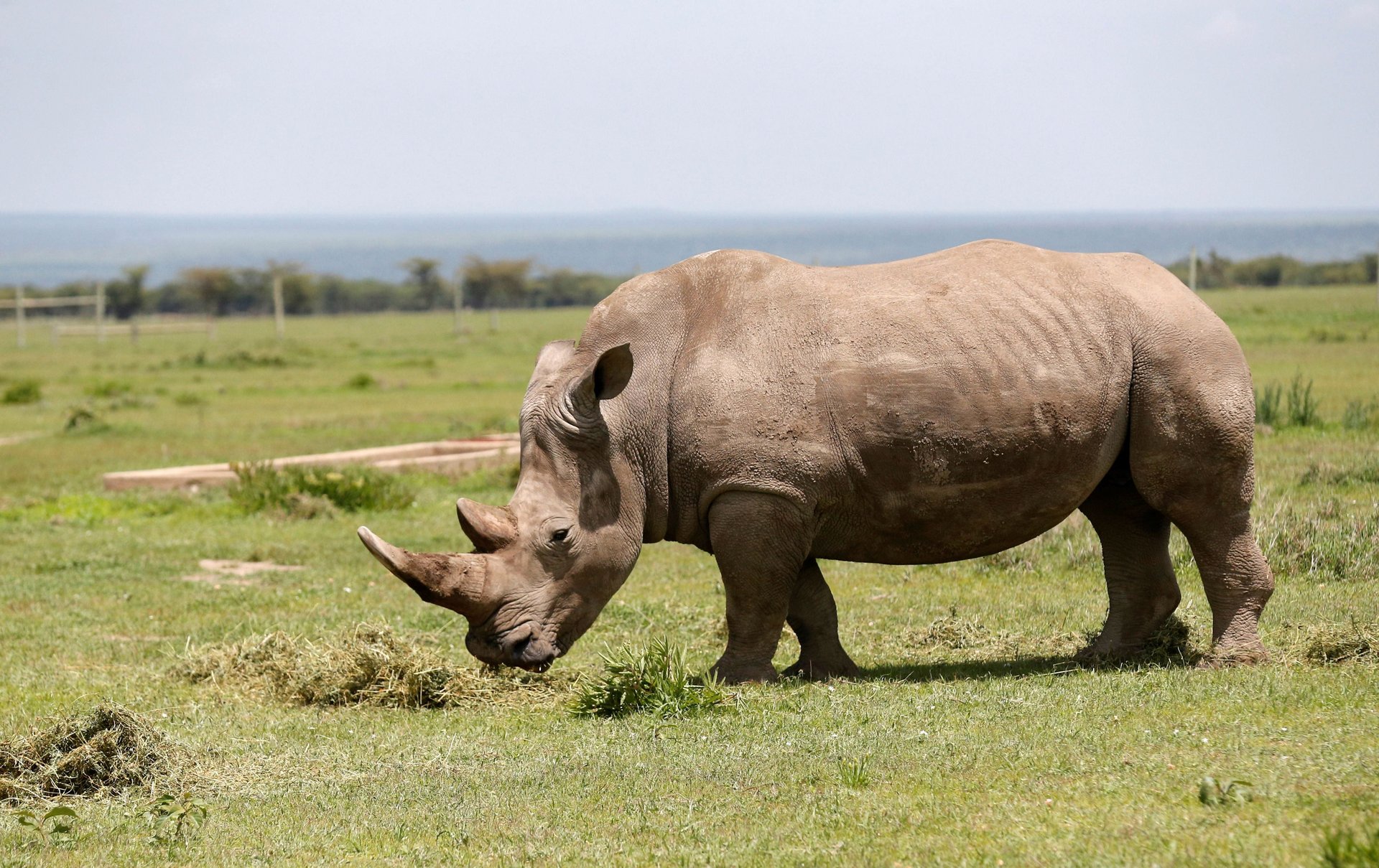
The northern white rhinoceros should have been untouchable, evolutionarily speaking. Reaching heights of over 6 feet (1.85 m) and weighing almost 8,000 pounds (3,600 kgs), these creatures are bigger than anything walking the other other than the elephants.

If you have a vagina, chances are your external reproductive genitals—which includes the clitoris and inner and outer labia—don’t look like anyone else’s. And that’s quite alright.

Pennies aren’t cheap.

The US Mint needs an upgrade.

Leprosy, also known as Hansen’s disease, is one of those illnesses we don’t hear about much anymore. Around 90% of the population (paywall) is actually immune to the skin and nerve-damaging bacterial infection, and leprosy is both curable with antibiotics and rarely fatal. Although the disease is still endemic in parts of the world, according to the World Health Organization, there were only about 216,000 reported cases last year. For perspective, the flu kills between 300,000 and 650,000 people every year, and infects hundreds of thousands more.

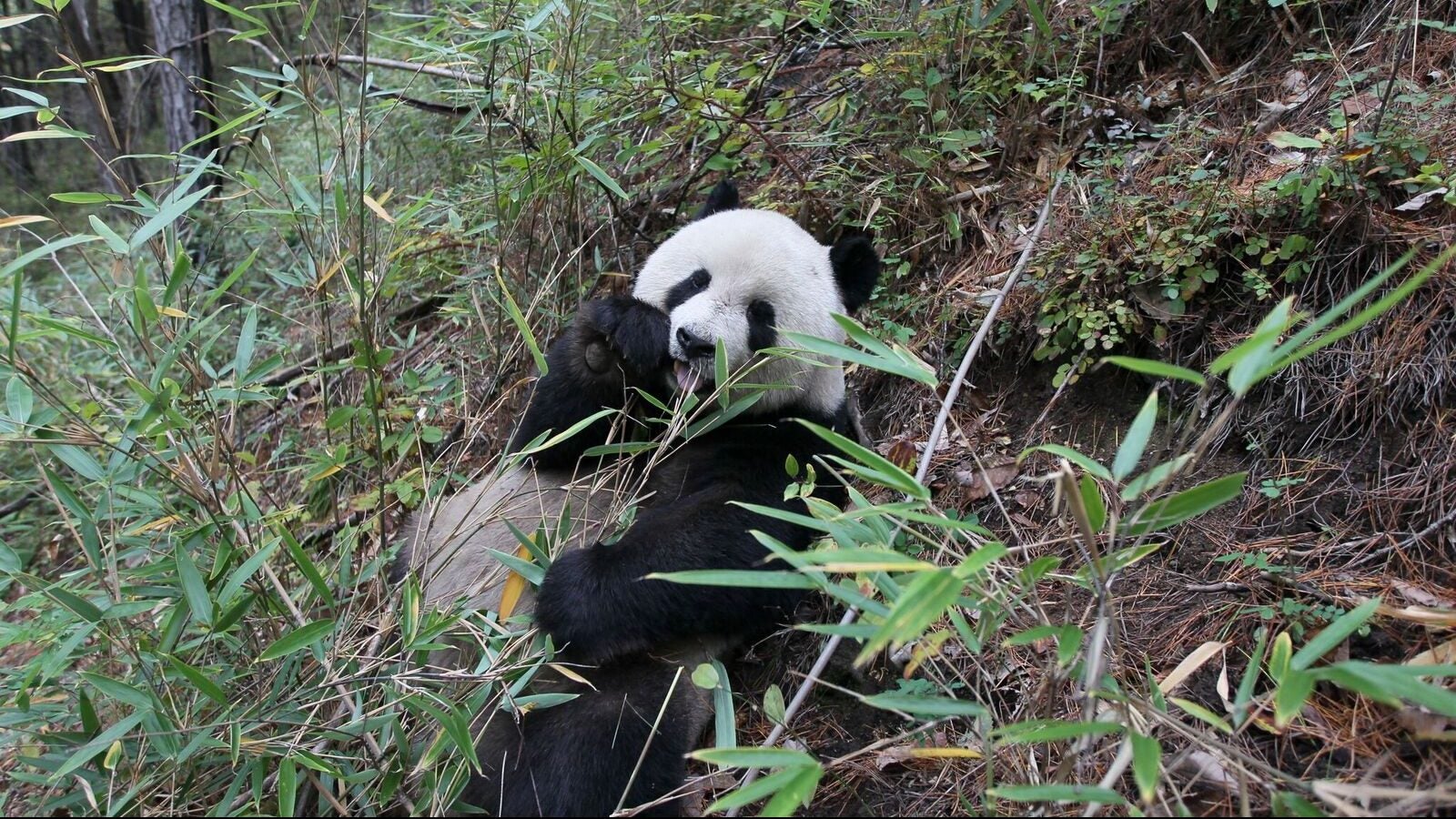
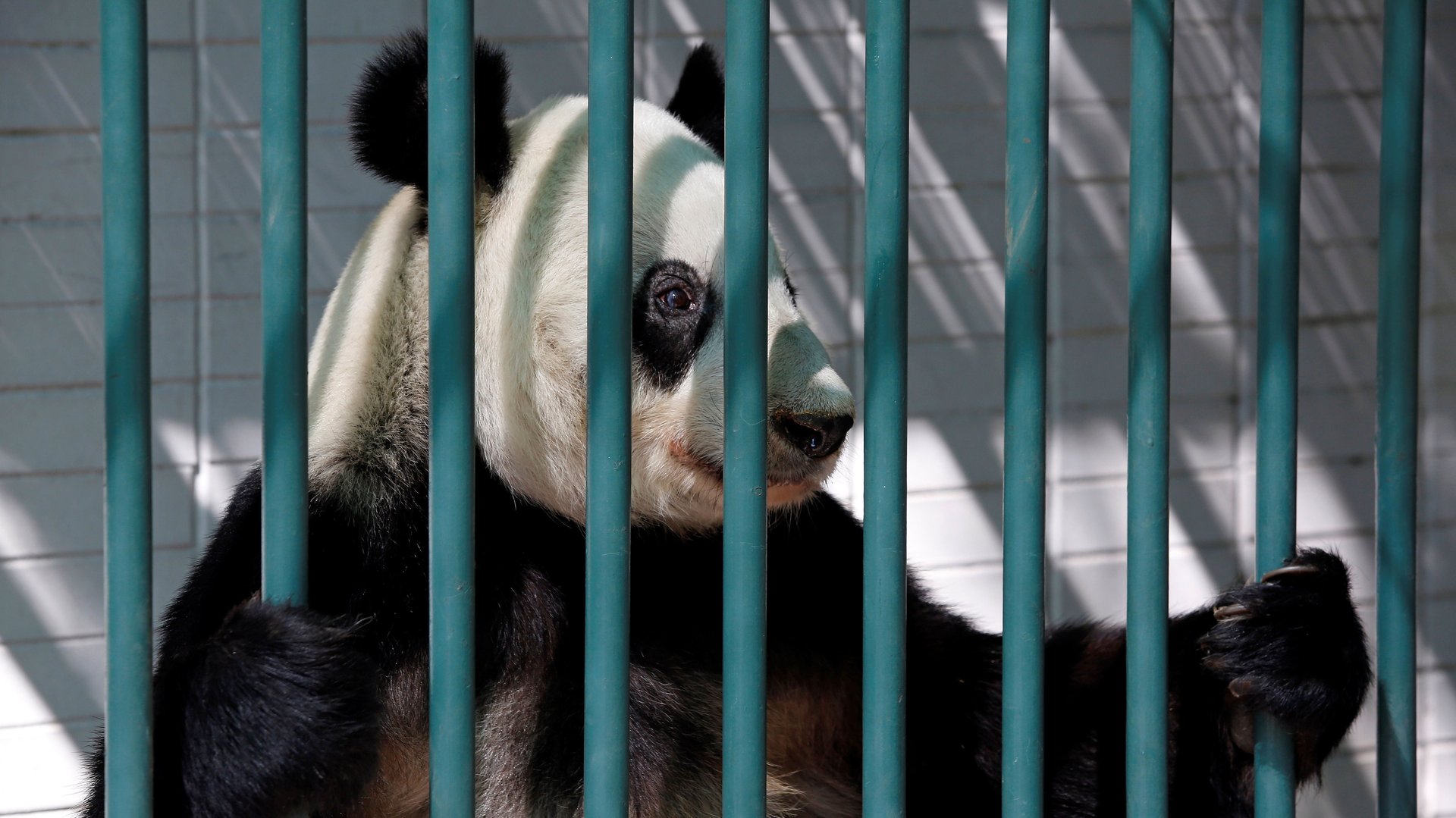
The ground on which pandas are tumbling about in China does far more for the environment than the bears themselves. A study published today (June 28), led by researchers at the Chinese Academy of Science, shows that conserving the giant panda’s natural habitat was worth roughly $2.6 billion in 2010—at least 10 times we paid to preserve the species that year.

We need to own up to the fact that we’ve become digital hoarders running out of room for our data.

On June 25, the US Food and Drug Administration (FDA) approved the first drug based on compounds found in marijuana. This decision comes despite the fact that the US Drug Enforcement Agency lists the plant itself as a schedule 1 drug—meaning it has no recognized uses with a high potential for abuse.

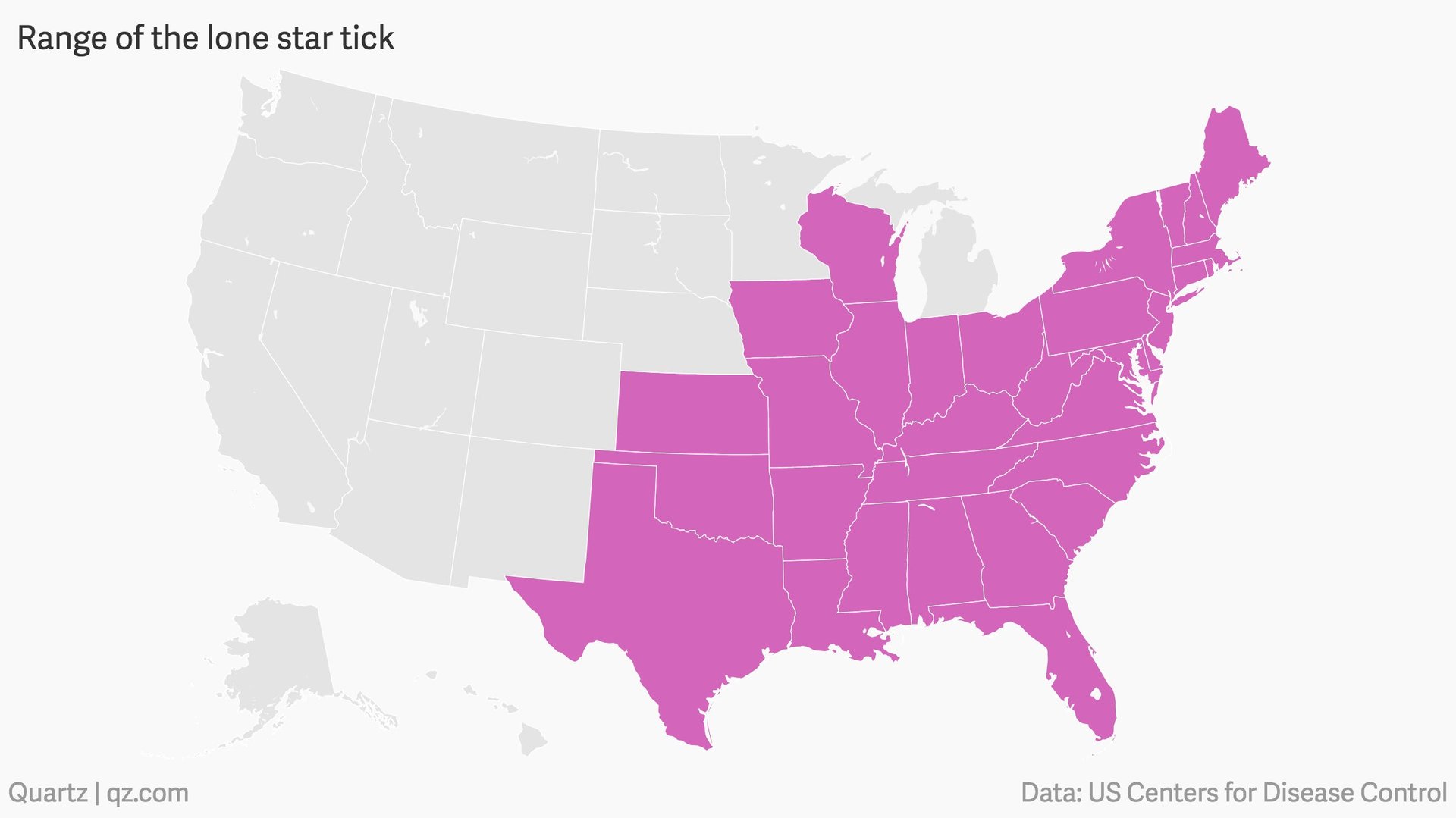
A rare allergy to red meat is becoming more common, thanks to the spread of Ambylomma americanum, conventionally known as the lone star tick.

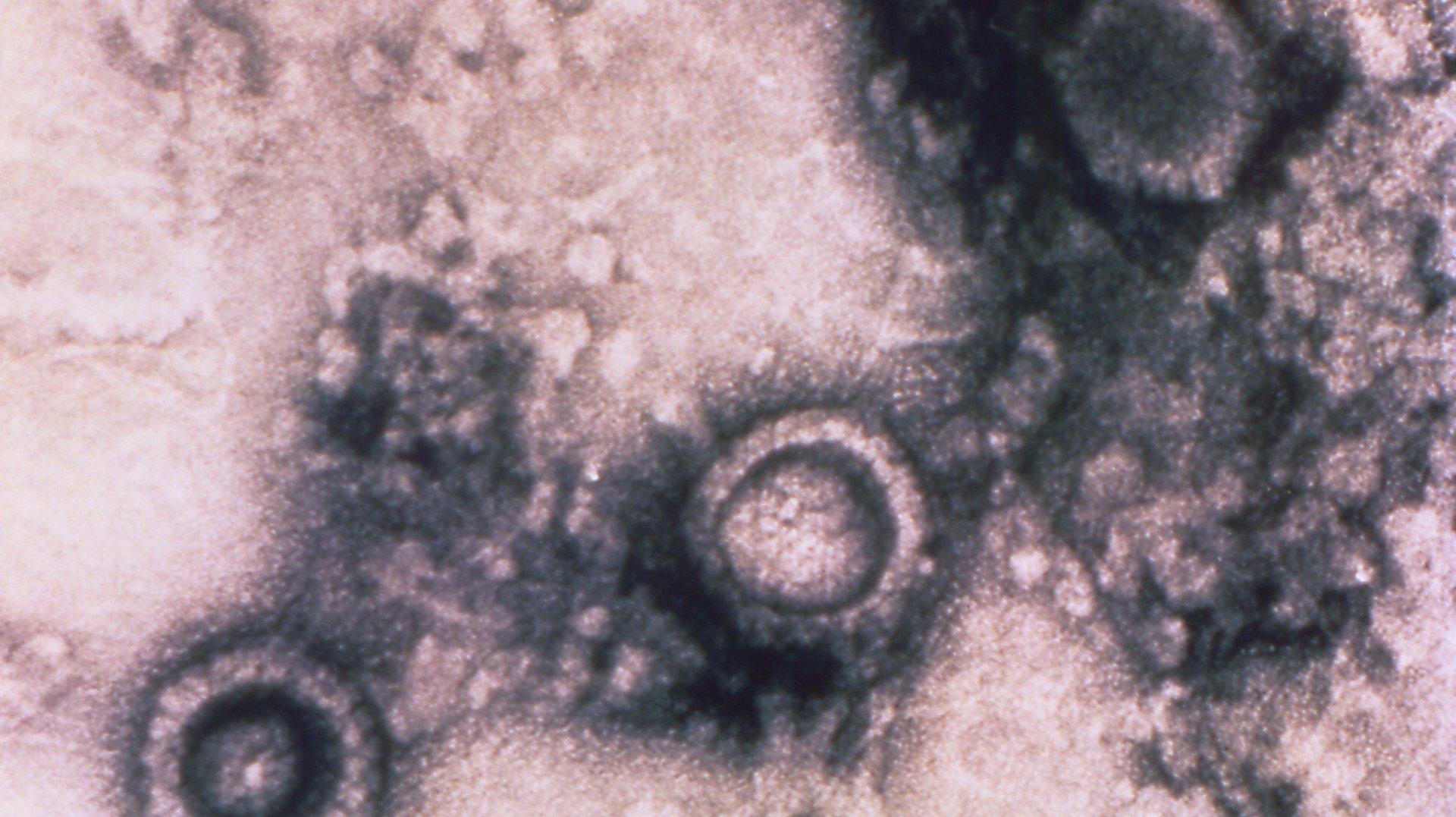
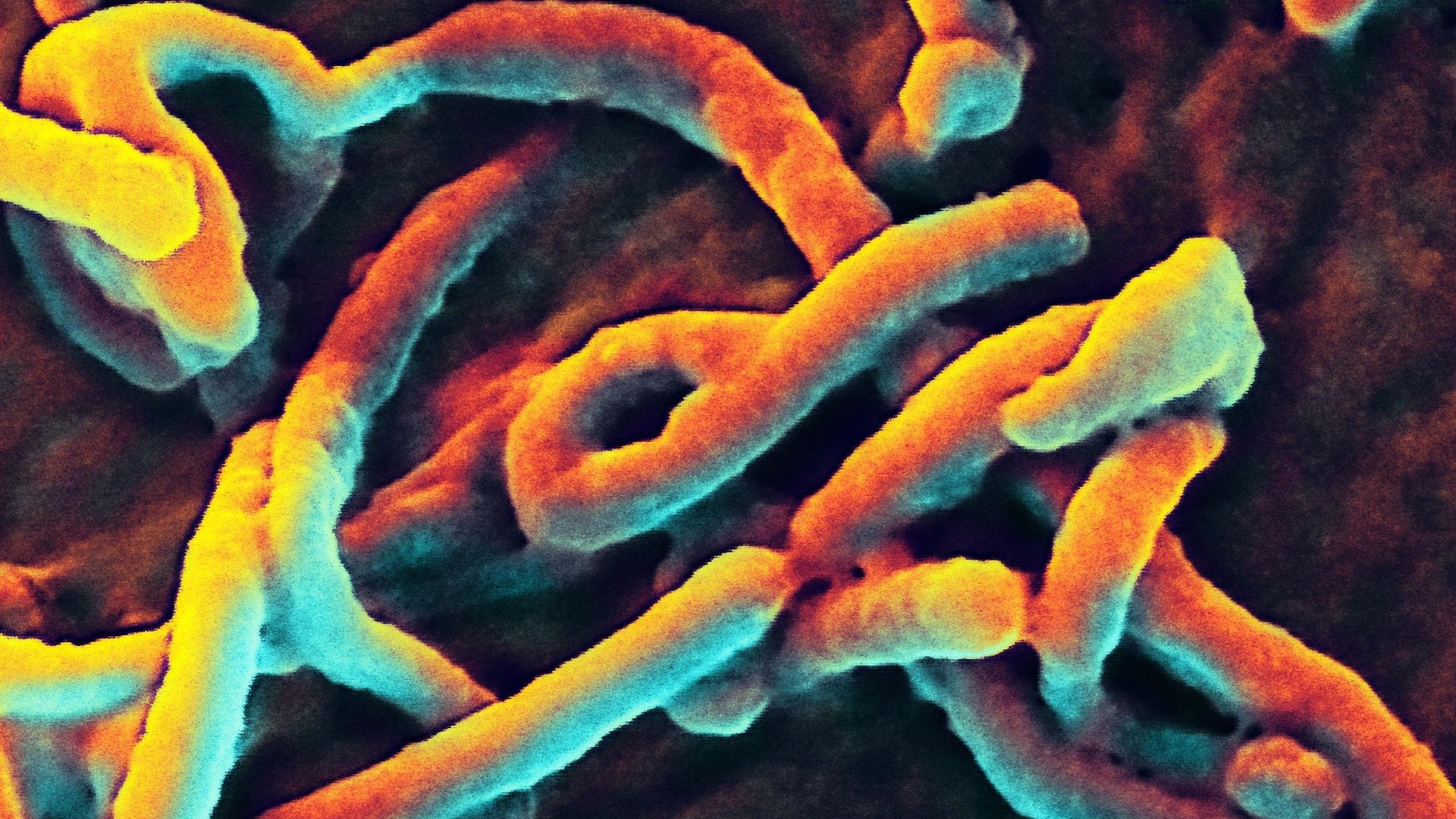
In a landmark study published June 21 in the journal Neuron, researchers connected two of the most ubiquitous viral infections to Alzheimer’s disease.

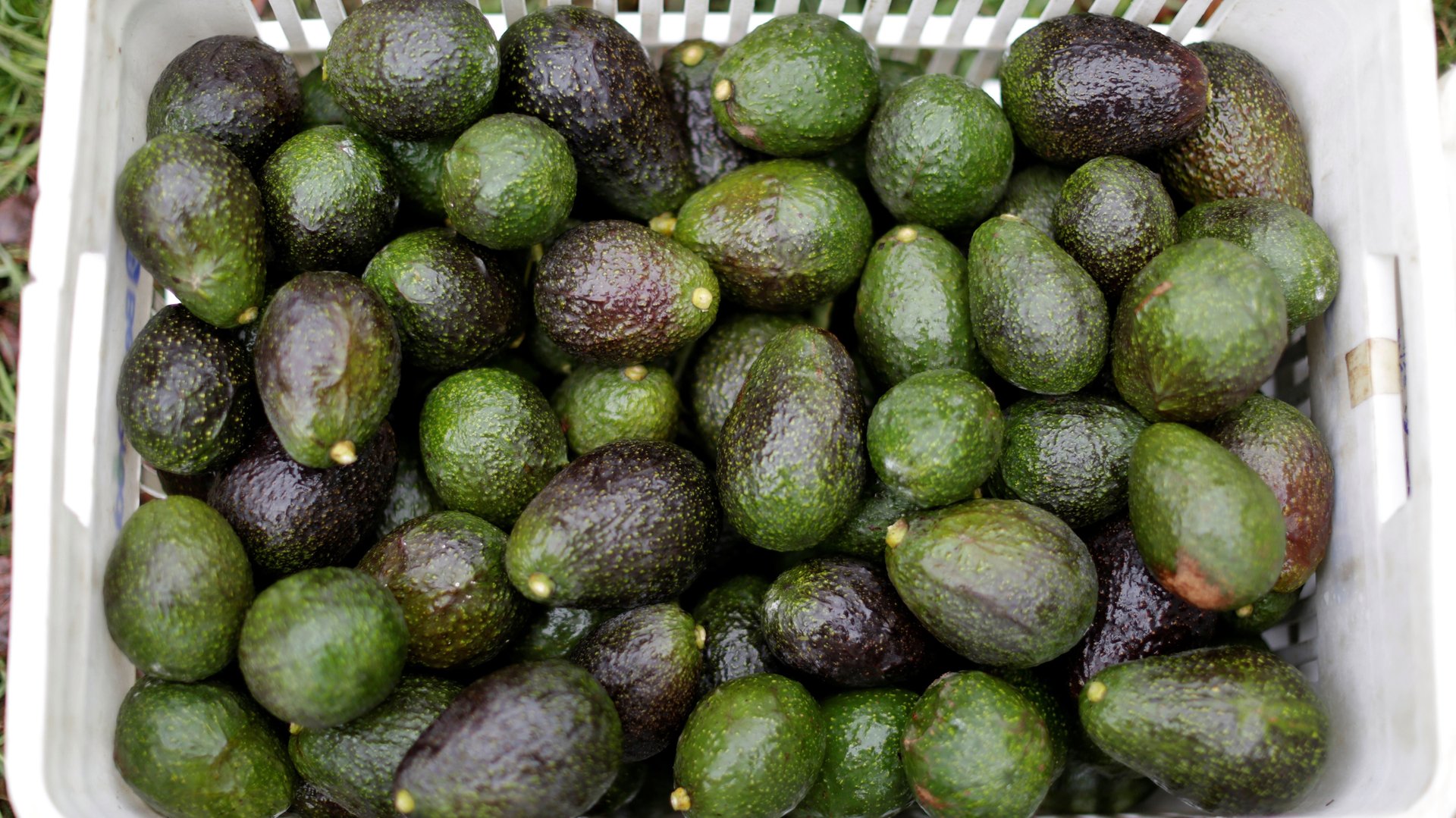
The only thing that could make avocados better is if they could just wait on your shelf—not turning brown—until you were ready to eat them.

Executives from Amazon, JPMorgan Chase, and Berkshire Hathaway have named doctor Atul Gawande the CEO of their joint healthcare company, a startup announced in January that’s intended to serve as an alternative medical system for the companies’ employees.

Biology runs on all sorts of different clocks. While humans tend to stick around into their 70s, 80s, and even 90s, other mammals don’t live nearly as long. Lifespan doesn’t seem to be correlated with size or location on the evolutionary tree. Rhinos, 20 to 30 times our size, typically last into their 40s; chimpanzees, our closest animal relation, usually don’t live past 50. There has never been a clear explanation for these discrepancies.

About 183,000 years ago, early humans shared the Earth with a lot of giant pandas. And not just the black-and-white, roly-poly creatures we know today, but another, previously unknown lineage of giant panda bears as well.

Washington, DC

Although patent laws vary country to country, in most, you can’t patent a specific type of animal. But you can patent parts of an animal—specifically bits of its genome. These patents grant the owner exclusive rights to use a gene (even a modified one) and/or ownership of a way of isolating and obtaining a gene. The patent-owner has those rights for 20 years before that knowledge becomes free for use by anyone.

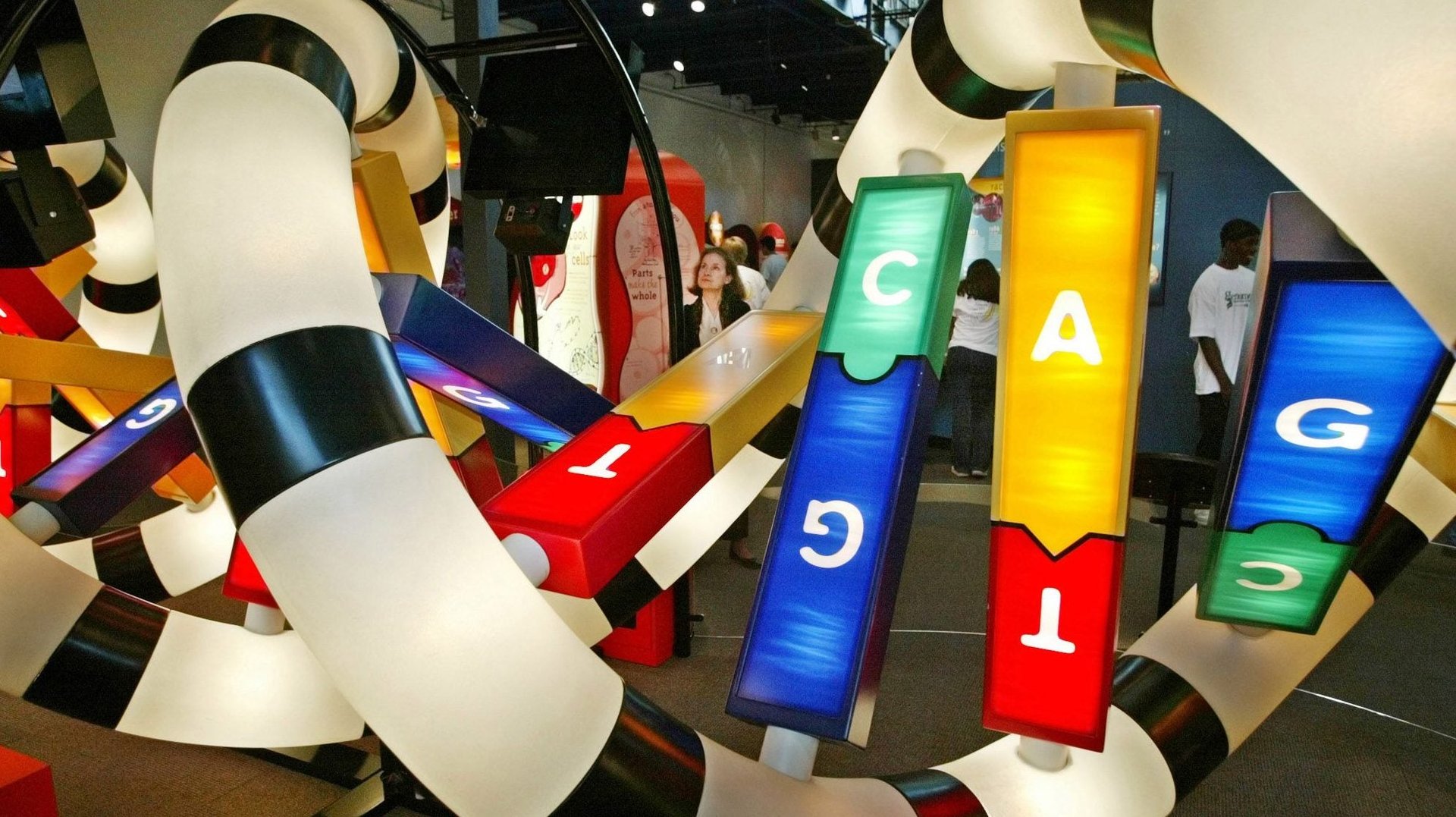
The biotech industry is obsessed with Crispr, the molecular gene-editing technology capable of snipping out undesired bits of genetic material and, sometimes, replacing it with preferred DNA. Theoretically, Crispr capabilities could make curing previously incurable genetic conditions like cystic fibrosis a possibility for the first time. But on Monday (June 11), two new studies published side by side in Nature Medicine dealt a blow to Crispr, suggesting that using the technology in human cells may lead to cancer.

Washington, DC