New year’s speeches by world leaders don’t typically contain much news, but taken together, they offer a helpful view of the global mindset as we turn the calendar. So here’s a look at the most notable ones for 2018.

New year’s speeches by world leaders don’t typically contain much news, but taken together, they offer a helpful view of the global mindset as we turn the calendar. So here’s a look at the most notable ones for 2018.

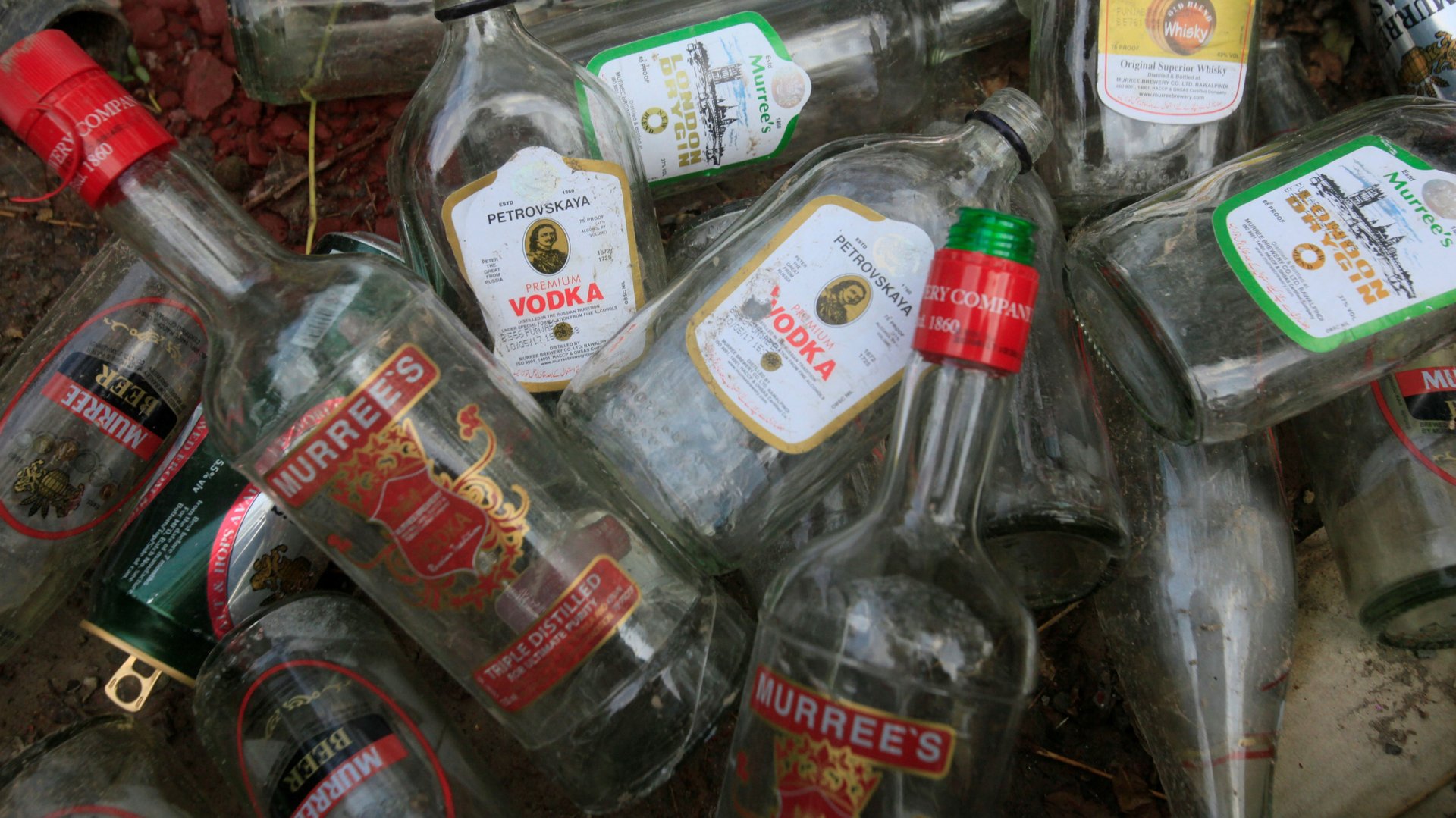
When it comes to nursing a hangover, you’re essentially on your own.

On Thursday (Dec. 28), thousands of Iranian citizens began protesting government corruption and a poor economy. Although the exact number of participants is unclear, the protests are the largest in Iran in recent history.

One of the most frustrating things about science is that it’s an incremental process. This, however, is a feature, and not a bug; in order to advance our understanding of ourselves and the world around us, we need to test and retest—and retest and retest—everything new thing we think we’ve discovered. That means it’s easy to miss scientific breakthroughs amid the churn of the daily news cycle, especially in the current political climate. So we’ve decided to look back at 2017, and highlight some of the advances made in various scientific fields that we feel were both underrated and are likely to have a major impact in 2018 and beyond. In no specific order:

When scientists announce they’ve made a breakthrough, they usually promise we’ll see the full effects of those discoveries—anything from a better understanding of how the universe works to a drug ready for use in patients—in about five years. As 2017 comes to a close, we decided to follow up on these promises and see which of the biggest scientific developments from 2012 have actually stayed relevant.

The US Food and Drug Administration just approved a new gene therapy that can treat an inherited disease.

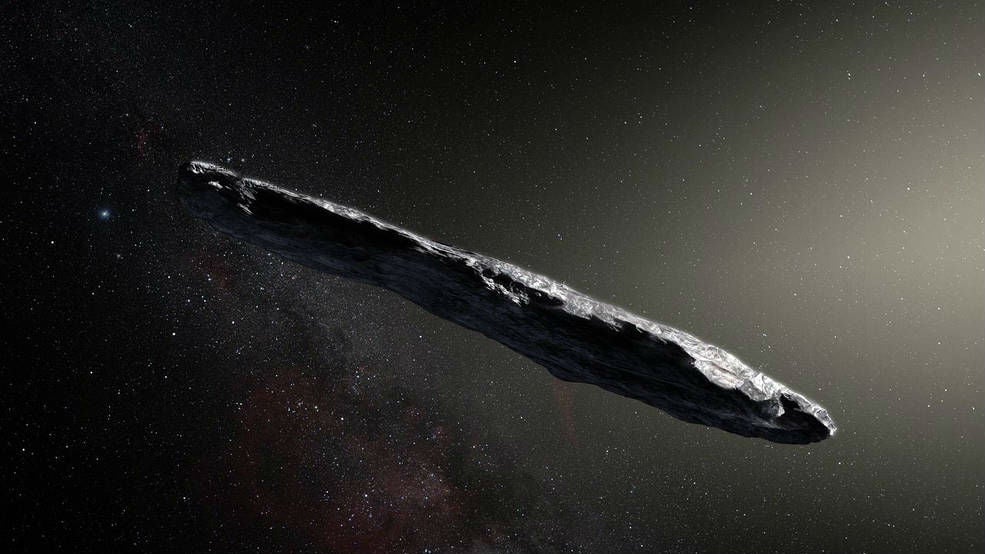
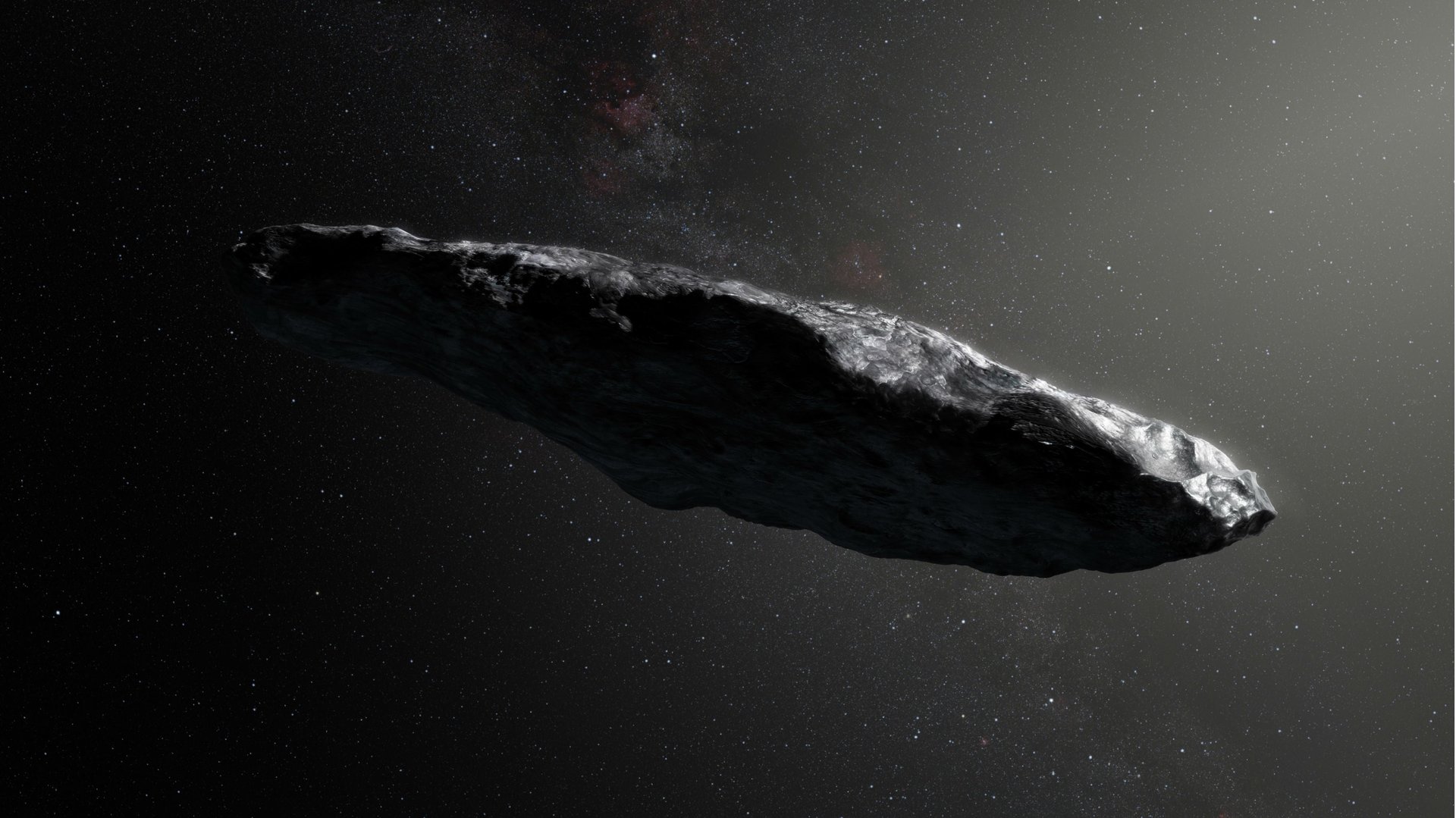
Ever since ‘Oumuamua zipped by our planet on Sept. 9, scientists have been trying to learn everything they can about the mysterious asteroid.

If that pink, cigar-shaped interstellar asteroid from November seemed fishy to you, you’re not alone. Scientists, too, have thought that the first object to visit us from another solar system seemed foreign enough to potentially harbor life.

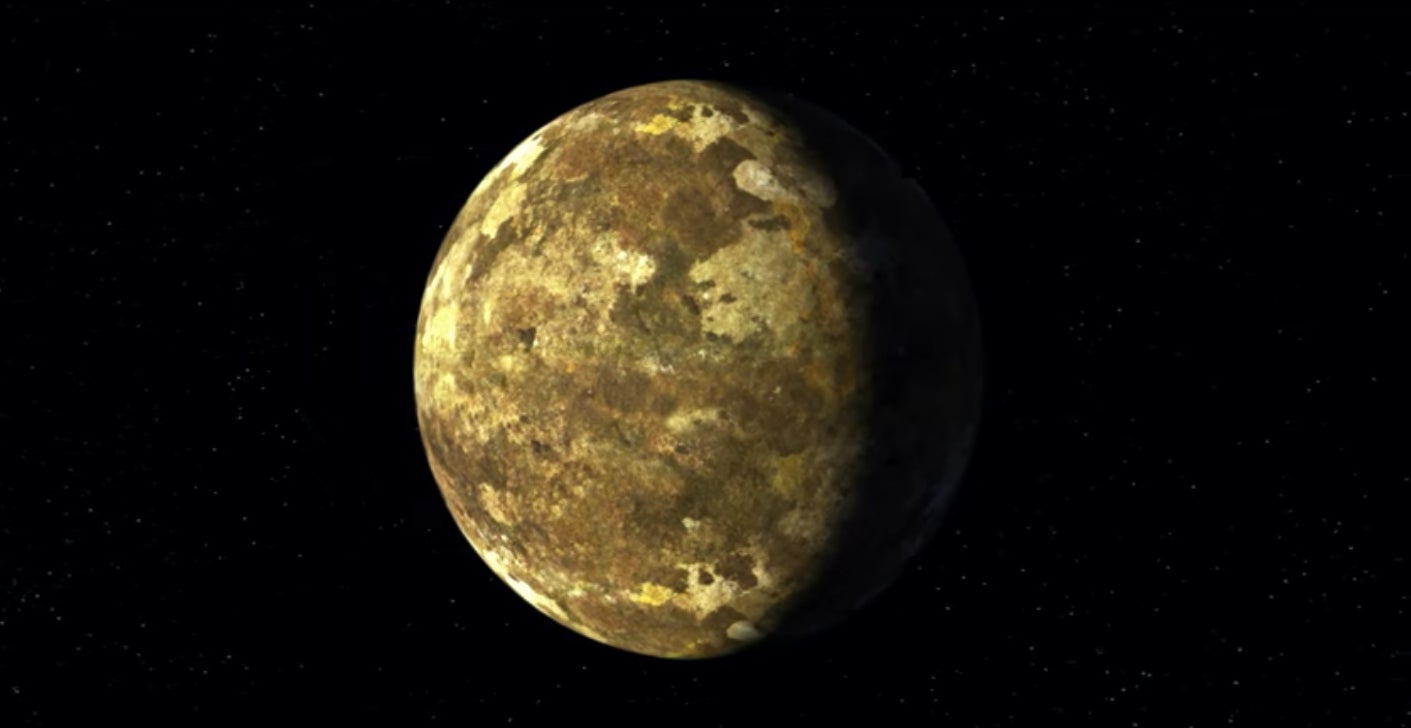
The Kepler Space Telescope is pretty good at finding exoplanets. Researchers have already used the NASA spacecraft to discover more than 3,000 different exoplanets—including several this year that could be home to life (or even us).

Although your “one glass of wine with dinner” probably isn’t filled to the rim, even a mildly generous pour today dwarfs those of previous generations. Wine glasses made in the past 20 years or so hold around 459 milliliters of liquid—more than 16 oz.

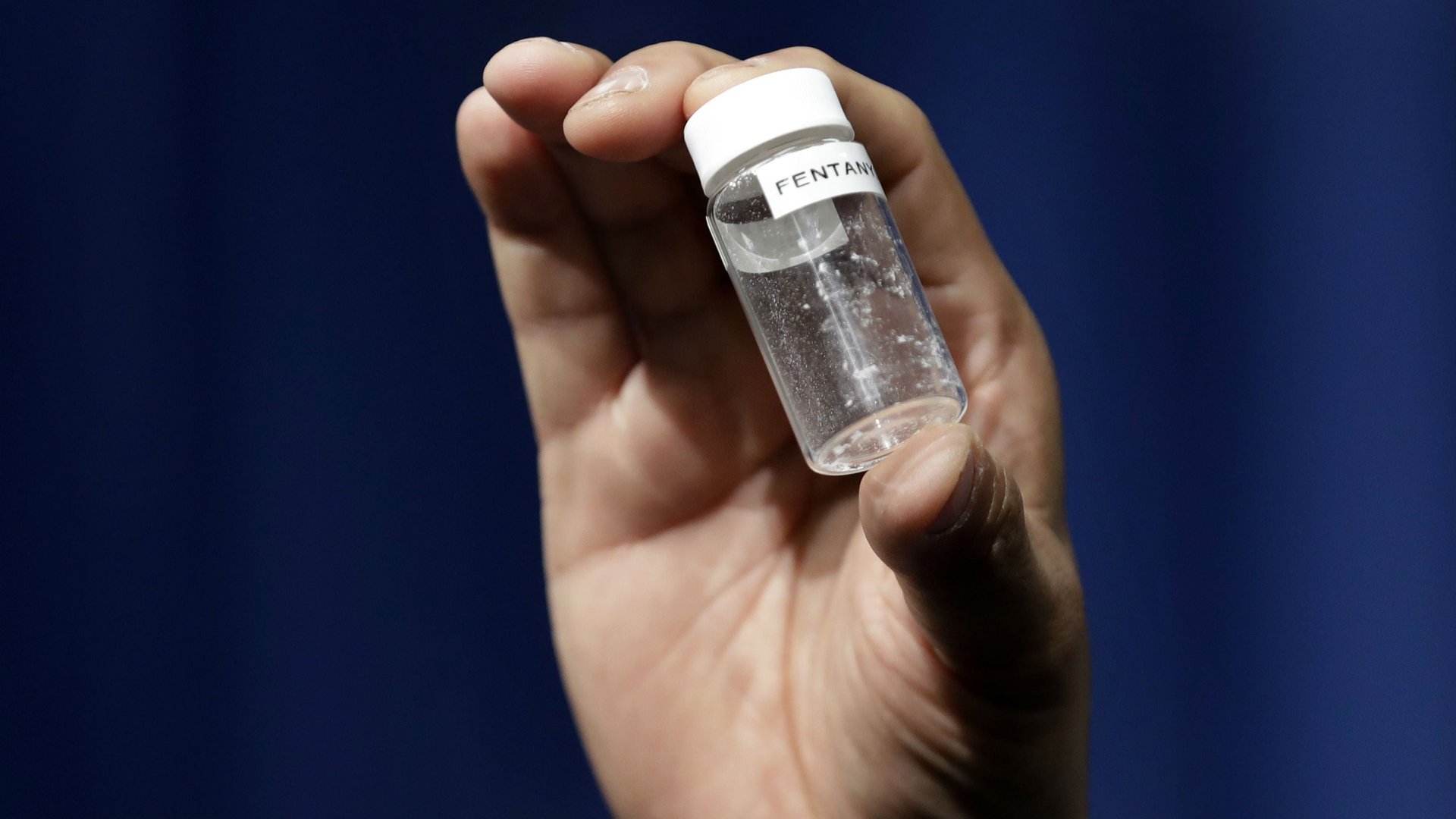
The family of drugs that have given local morgues more business than they can handle may have finally found a place in America on death row.

Huntington’s disease progressively robs you of your mental and physical faculties. Symptoms like depression and uncontrollable movements start between the ages of 30 and 40, and get progressively worse over the next 10 to 20 years. Although there are drugs to treat these symptoms, there’s no cure for the rare genetic disease, and it’s always fatal.

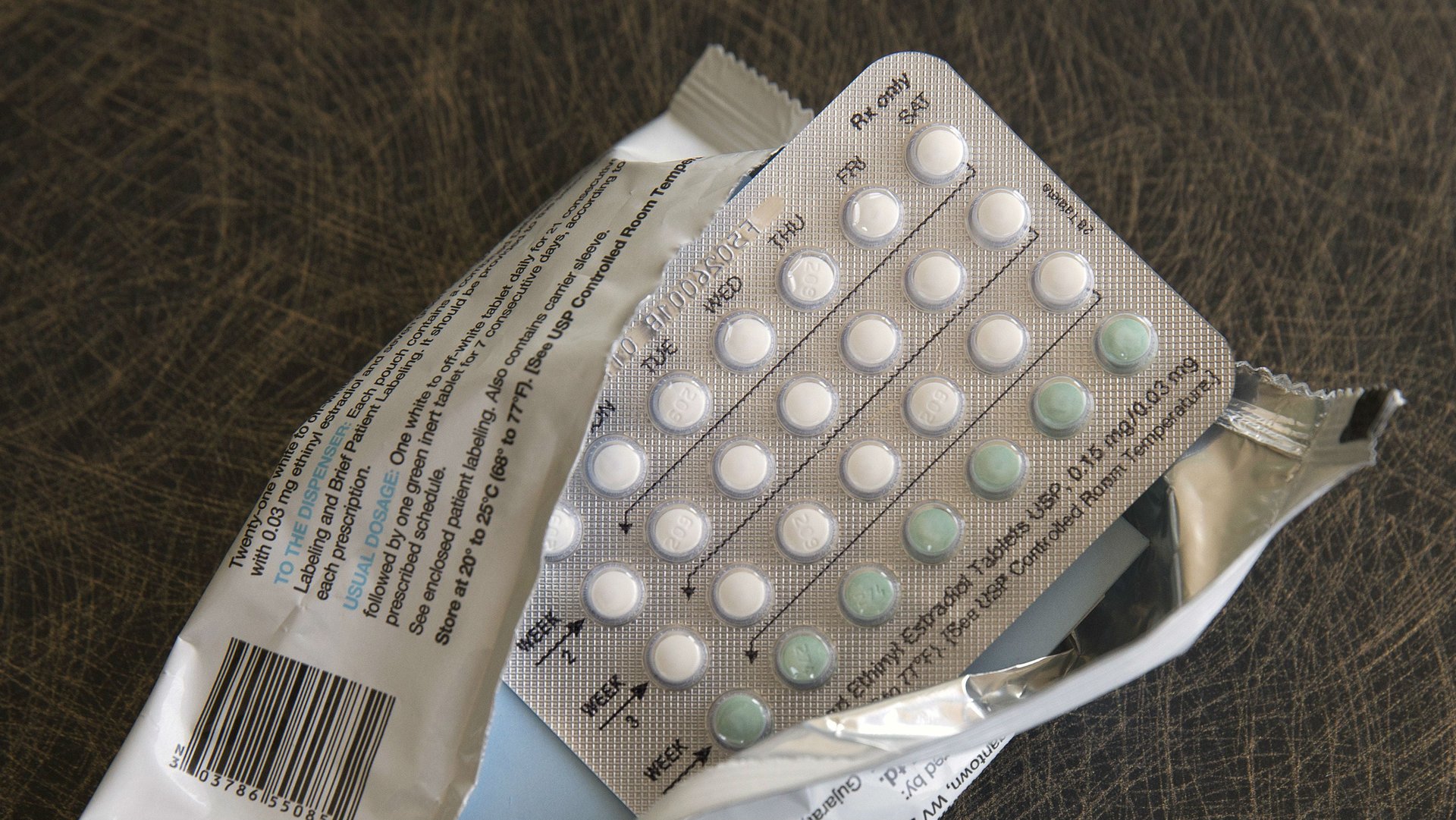
Millions of women worldwide have benefitted from hormonal birth control systems since “the pill”—the ubiquitous stand-in for daily contraceptive medication—was first released in 1960. Whether delivered by pill or implant, these medications have minimal immediate side effects, a more than 90% efficacy rate, and can help with severe period-associated cramping, making them life-changing for many women.

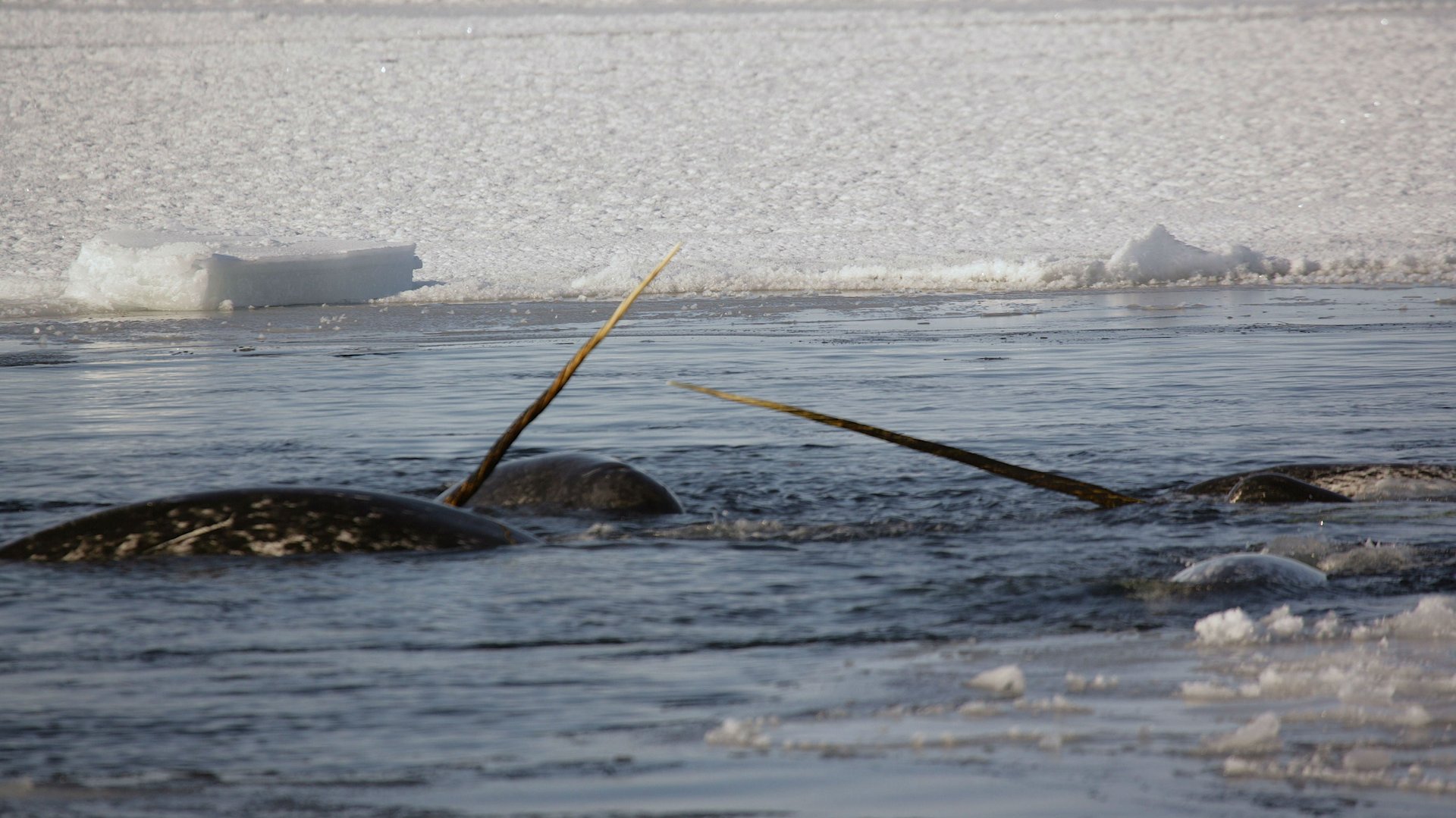
Narwhals are not cool under pressure. When stressed, they use up almost all of their energy in an instant by essentially stopping their hearts while thrashing as hard as they can to swim away. It’s one of the most panicked reactions to stress scientists have documented in the animal kingdom.

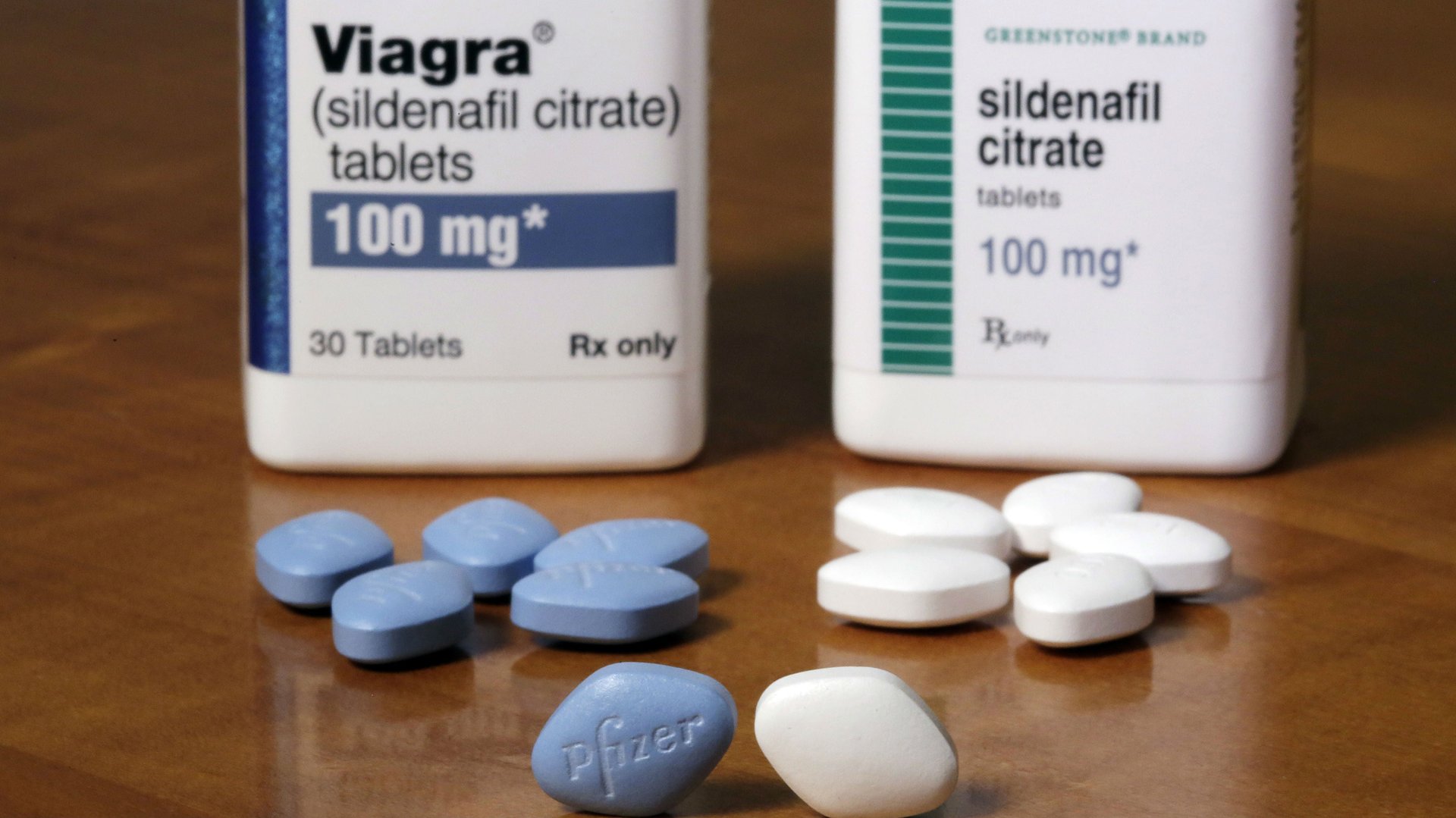
All good things must come to an end, including the exclusivity of Pfizer’s prized little blue pill.

Scientists have known for years that air pollution has expensive, harmful health consequences. In some parts of the world, like Beijing and Delhi, the smog is so bad it’s taking years off local life expectancies and limiting solar power.

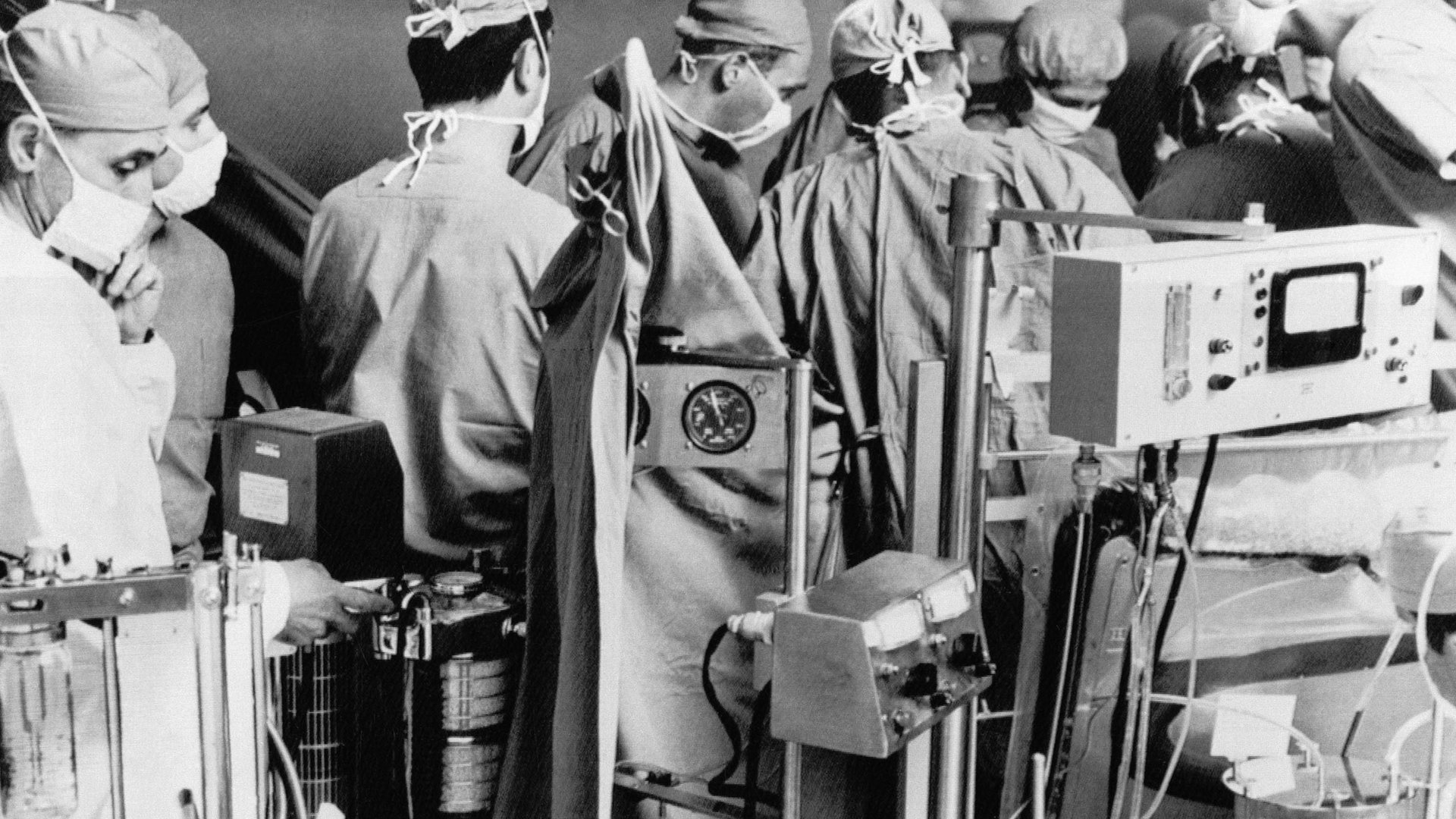
Fifty years ago today (Dec. 3), Denise Darvall, a South African woman in her mid-20s, died in a car crash. Her death was tragic, but had a silver lining: it catalyzed one of the most important medical breakthroughs in modern history.

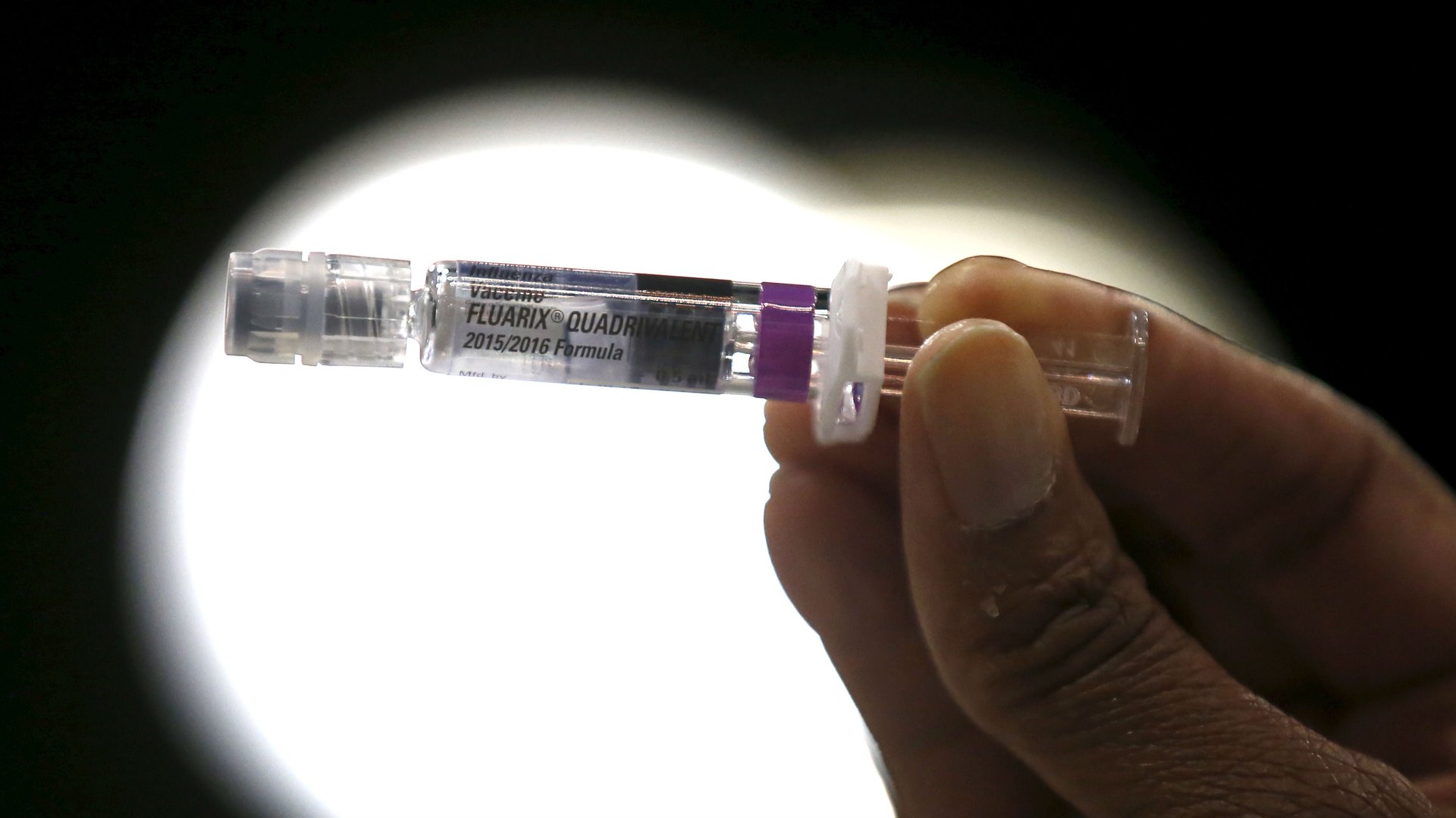
In addition to holidays and sweater weather, winter bring with it a less than welcome event: flu season. This year, experts are warning that flu season will be particularly nasty—in part, they believe, because of a less effective vaccine.

One of the best ways to prevent obesity as an adult is to reverse it during childhood.

Patients in the US are taking more control of their health, and don’t like it when their doctors get in their way.

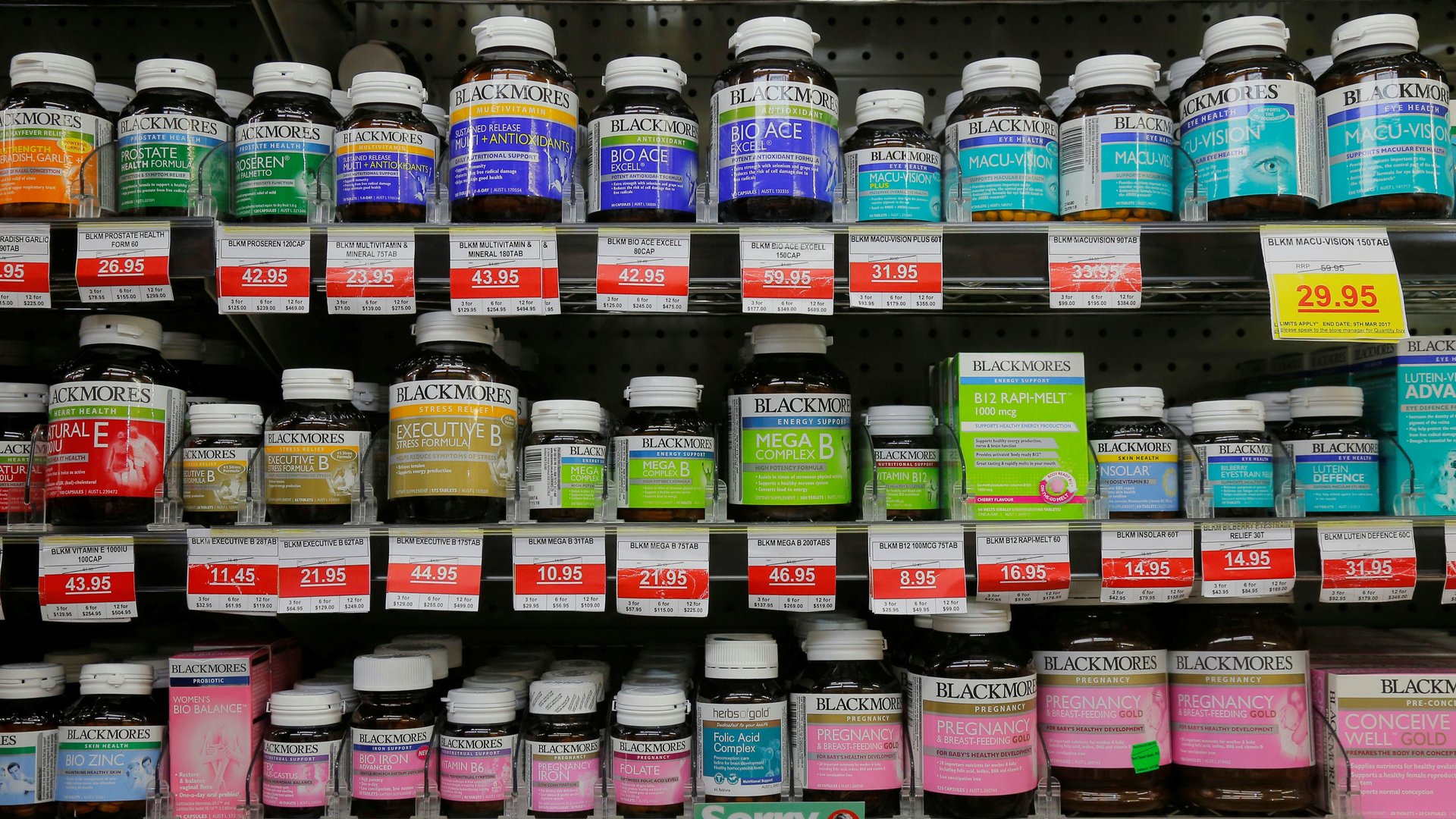
Any vitamin or supplement you take, even if it’s sold over the counter, is still an extra dose of chemicals in your body. These compounds range from benign to slightly beneficial. But there are cases when they can inadvertently cause harm—like screwing up your blood work.

If NASA, Space X, or any other organization wants to get people living on Mars, even briefly, in the next 15 years, they’re going to have to figure out how to grow plants there—Martian-style.

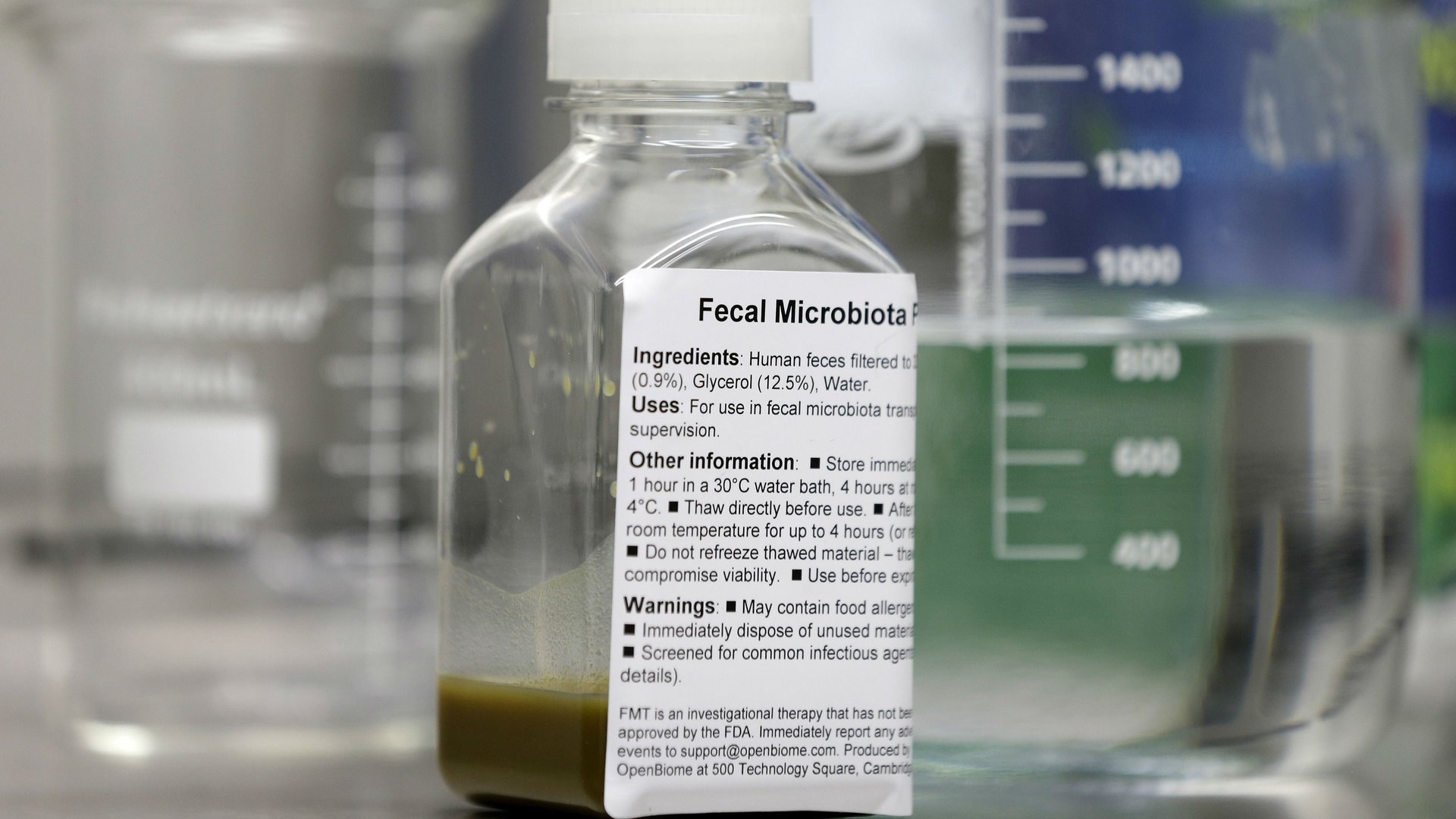
Fecal transplants are an increasingly useful treatment for a range of ailments—but getting one is not a pleasant process. Now new research into the treatment of Clostridium difficile suggests there may be a much easier way to replenish the beneficial bacteria of the gut that’s just as effective: fecal pills, which are simply swallowed.

When your home is billions of gallons of saltwater, you’ve got to get a little creative with your skin care regimes. Bowhead whales, for example, have incorporated giant, underwater boulders into their annual grooming.