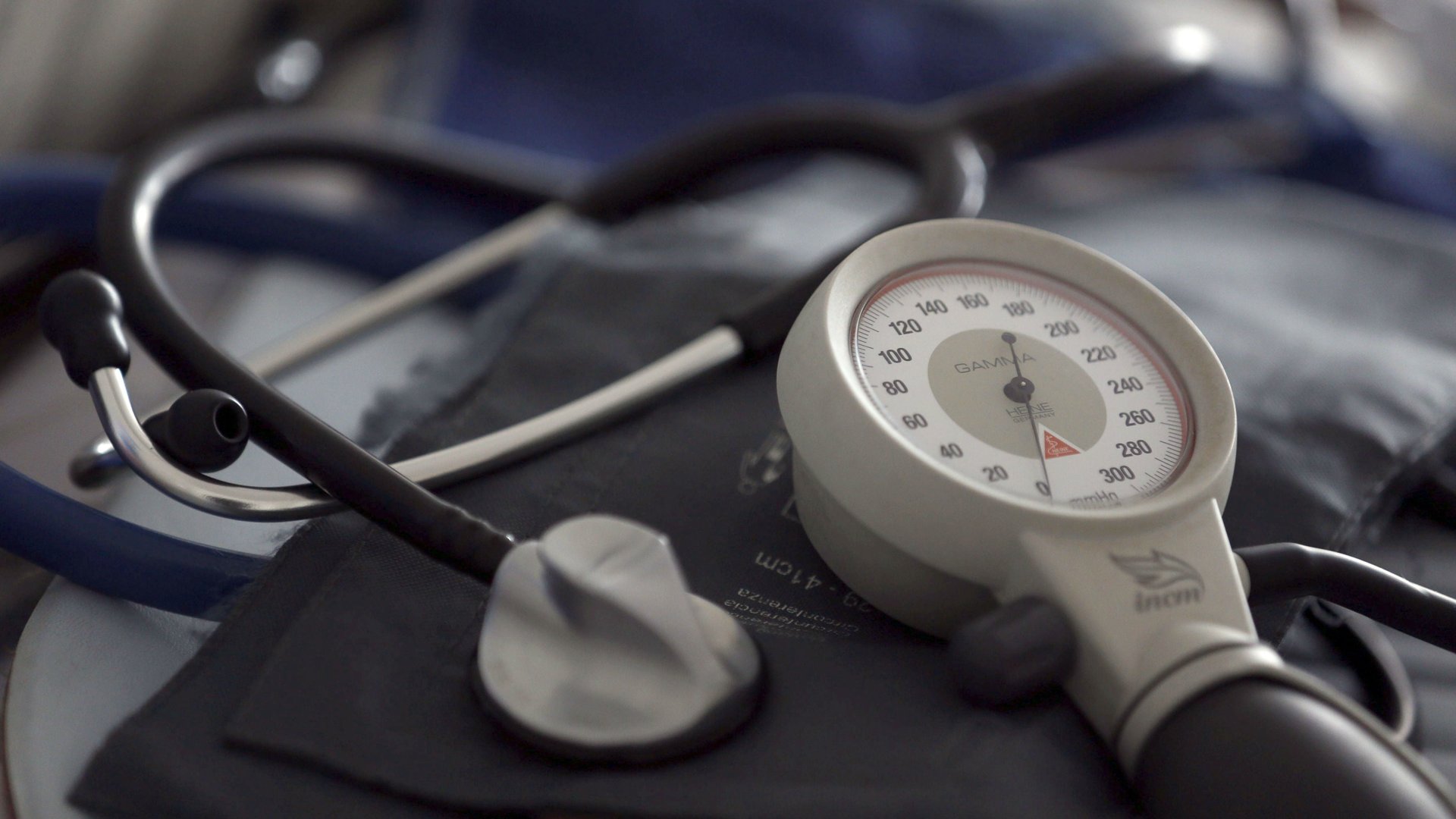
There are about half as many female doctors than male doctors in the US, and they tend to practice medicine a little differently.

There are about half as many female doctors than male doctors in the US, and they tend to practice medicine a little differently.

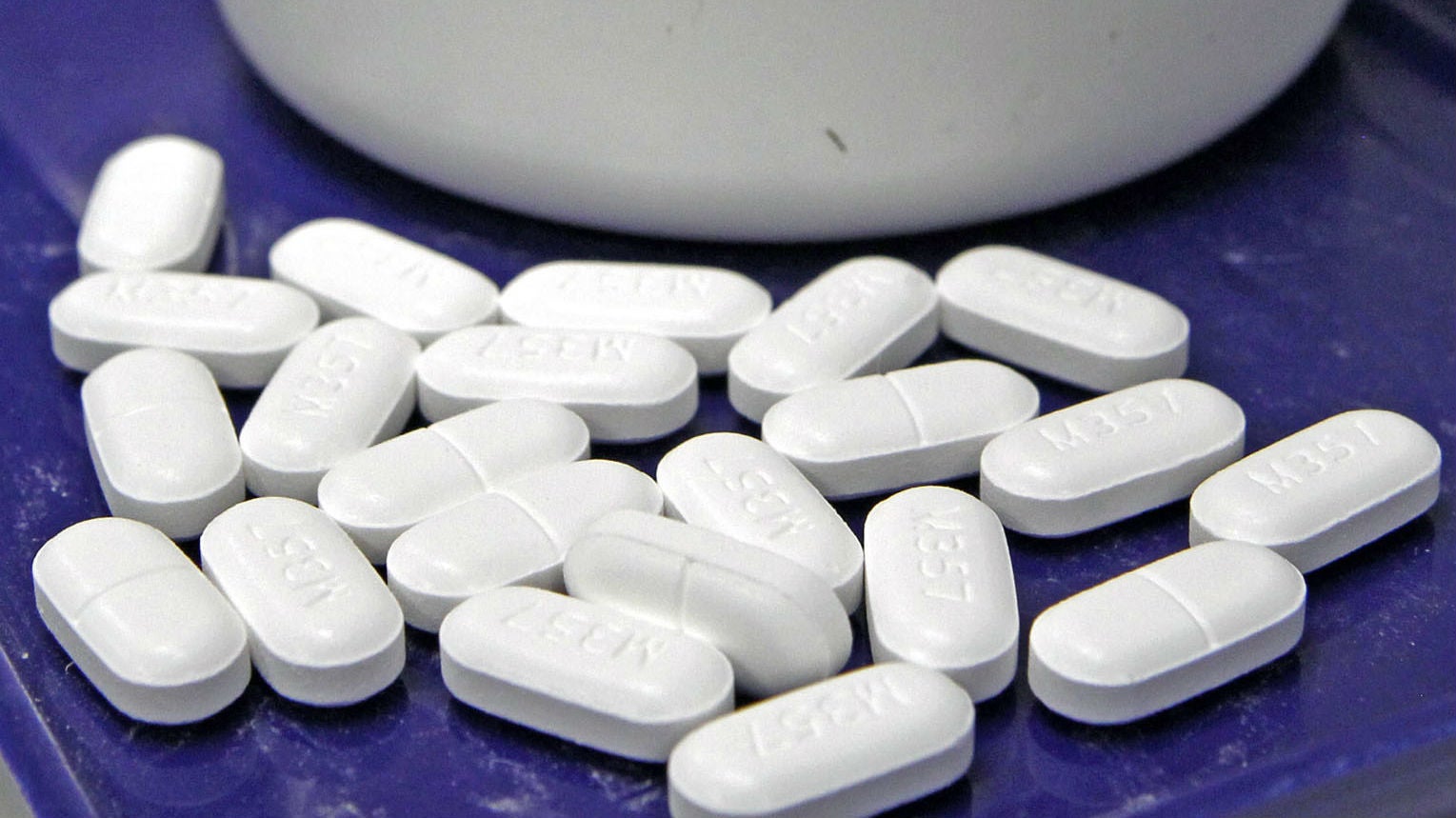
As the number of deaths attributed to overdoses on legal opioid painkillers have quadrupled since 1999 in the US, pharmaceutical distributors have been quietly stocking pharmacy shelves with these pills in areas where addiction is the highest.

Two minutes and 58 seconds. Just under the amount of time it takes to play your favorite song is all that separates the fastest men in the world from breaching the two-hour marathon.

Viruses face a catch-22: In order to achieve their one evolutionary goal, they have to jeopardize their only means of doing it.

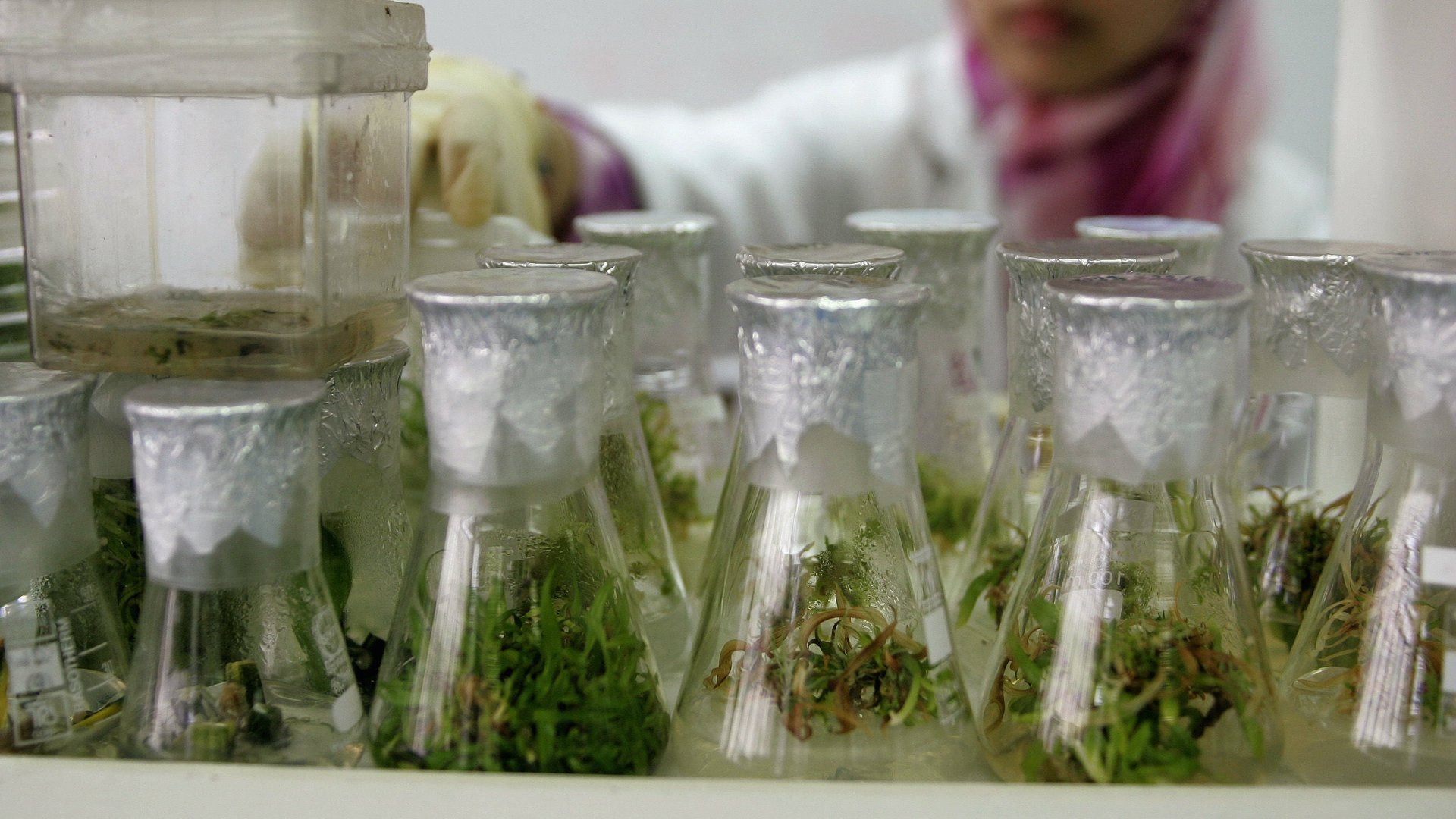
The ultimate goal of any conservation scientist is to make sure the planet maintains a healthy degree of biodiversity, or different types of life. That means keeping track not just of the number of animals, but also the number of species.

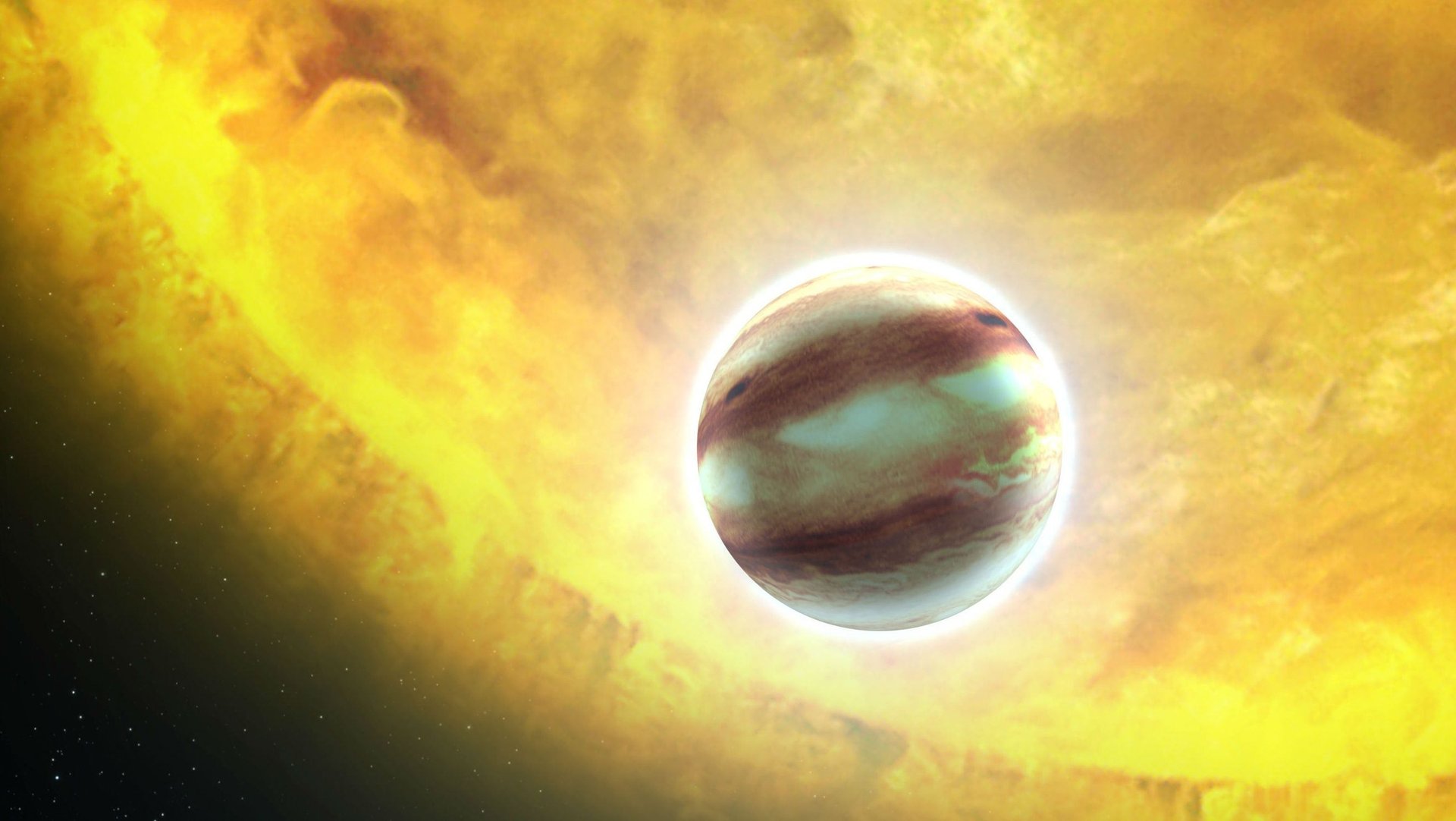
No matter how brutally hot the summers are wherever you live, they’ve got nothing on the staggering temperatures elsewhere in the Milky Way.

One of the best pieces of advice I got in graduate school was from journalist and entrepreneur Christie Nicholson, who taught a class on business entrepreneurship. Whenever you feel sad or upset or uncomfortable, she told me, lean into that feeling, and try to figure out what’s making you react that way—so you can work toward changing it.

As sophisticated as our brains are, they can be easily fooled.

The overwhelming science linking climate change to human activity was enough to convince world leaders to ratify the Paris Agreement earlier this year. Although the US is a party to this agreement, president-elect Donald Trump has threatened to pull out of it. And it’s going to be difficult to convince him otherwise when he’s surrounded by like-minded climate deniers. Even the US House Committee on Science, Space, and Technology doesn’t think climate change is a real threat.

Doctors tend to prioritize cancer patient’s physical health. But often, the sickest patients suffer mental health ailments, too—up to 40% (paywall) of cancer patients experience some sort of mood disorder while in the hospital. And so far, the evidence (paywall) suggests the drugs typically prescribed for depression can’t help in these circumstances.

Late on Nov. 30, the US House of Representatives voted in sweeping favor across both sides of the aisle (392-26) on a $6.8 billion medical research bill. It’s expected to pass in the Senate, and it has support from the Obama administration.

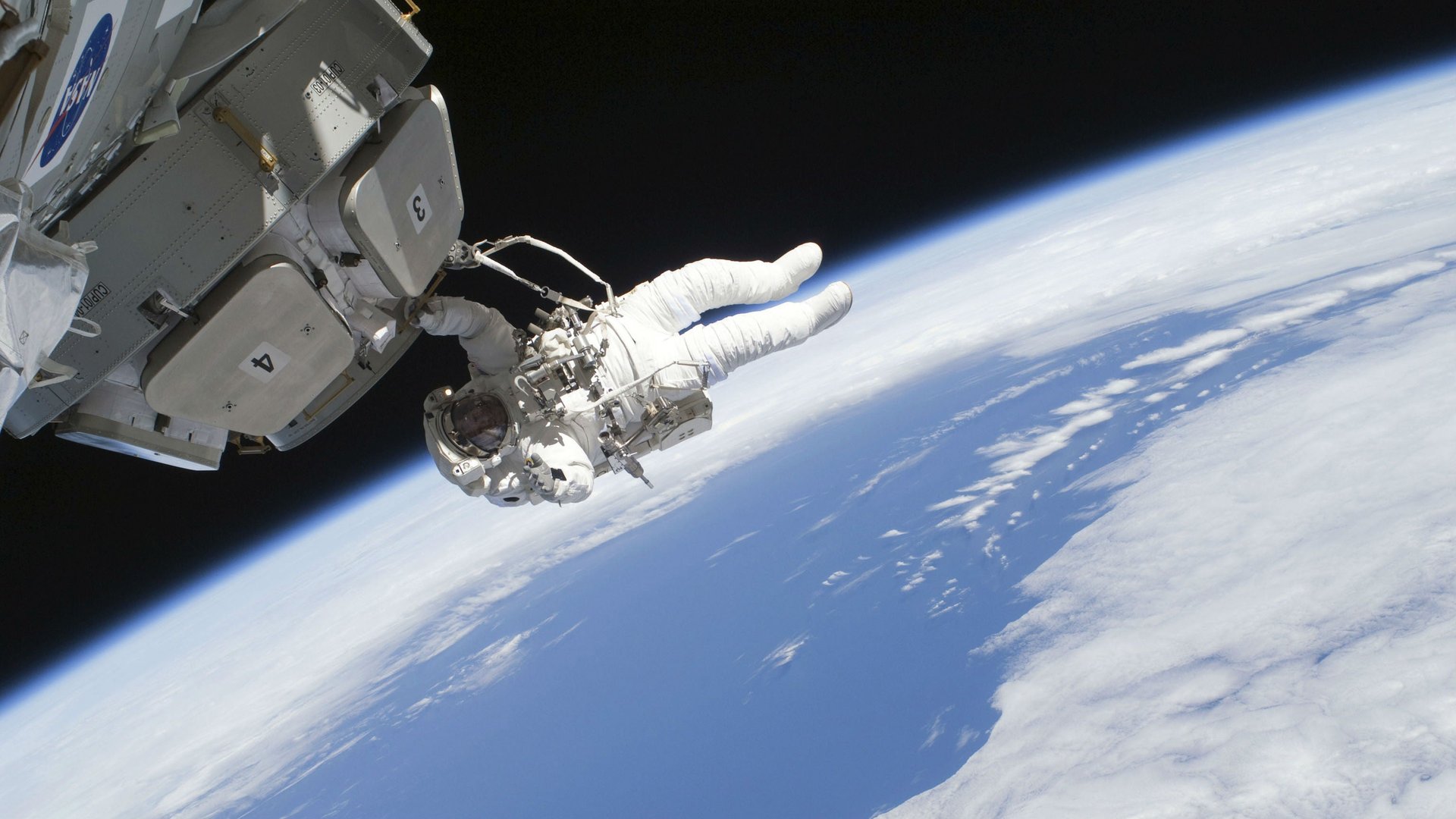
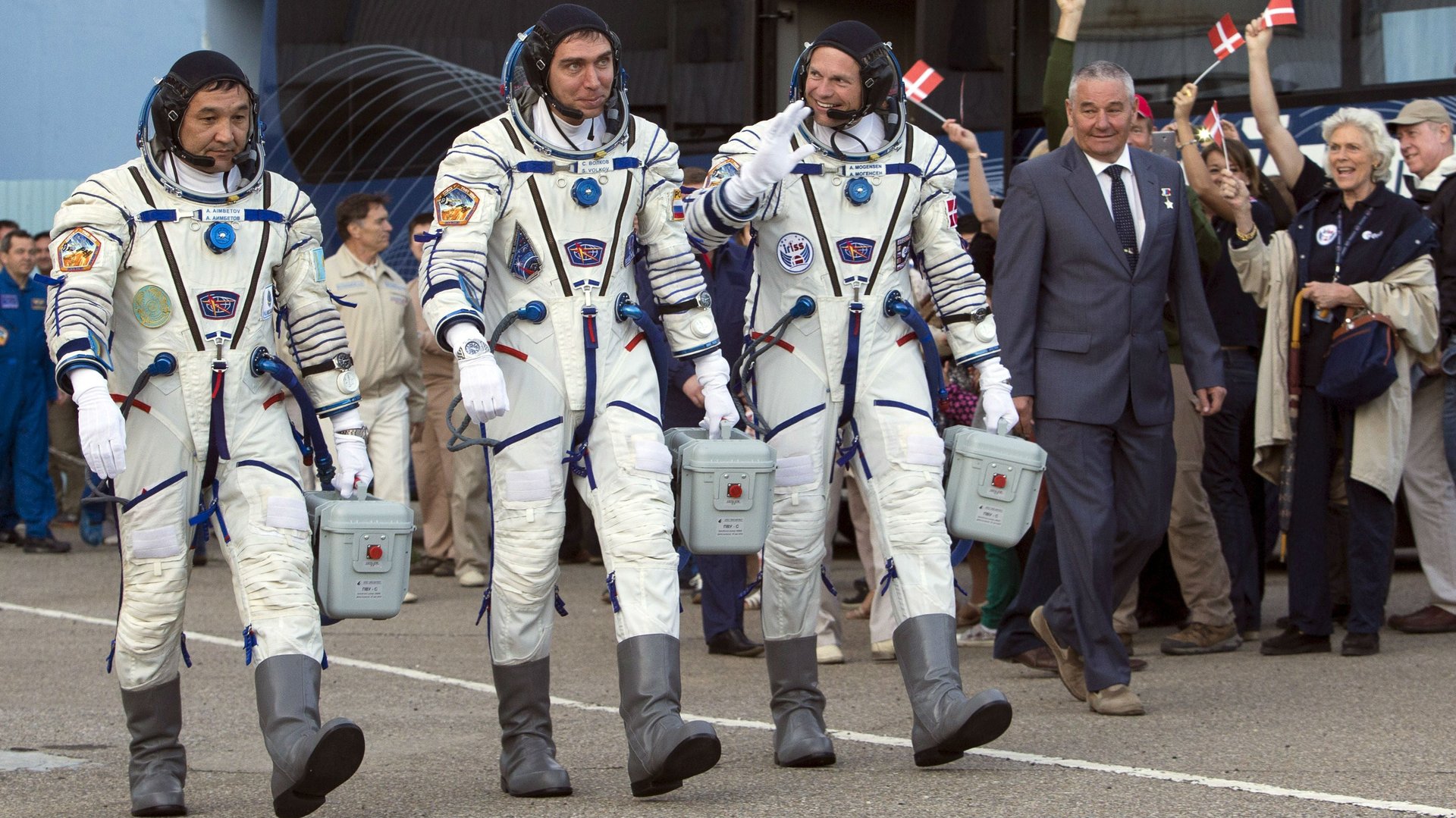
Space travel presents scientists with seemingly infinite challenges. Aside from the technological feat of getting astronauts off the planet, scientists have to figure out how to keep them healthy with no-gravity exercise, clean air, and nutrition once they’re up in space.

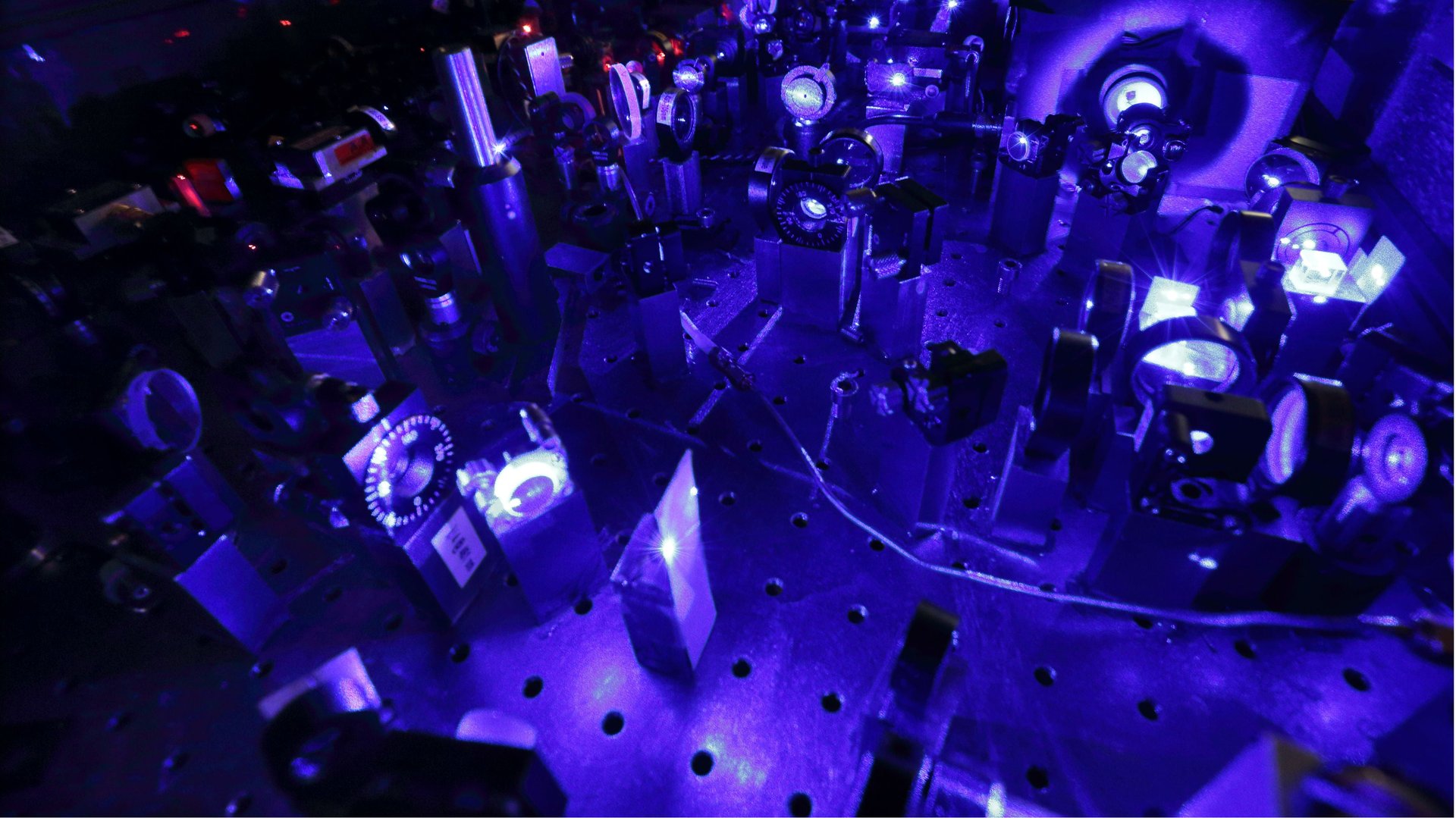
All scientists like precision and accuracy, but the ones at the US National Institute of Standards and Technology (NIST) are even more particular than most.

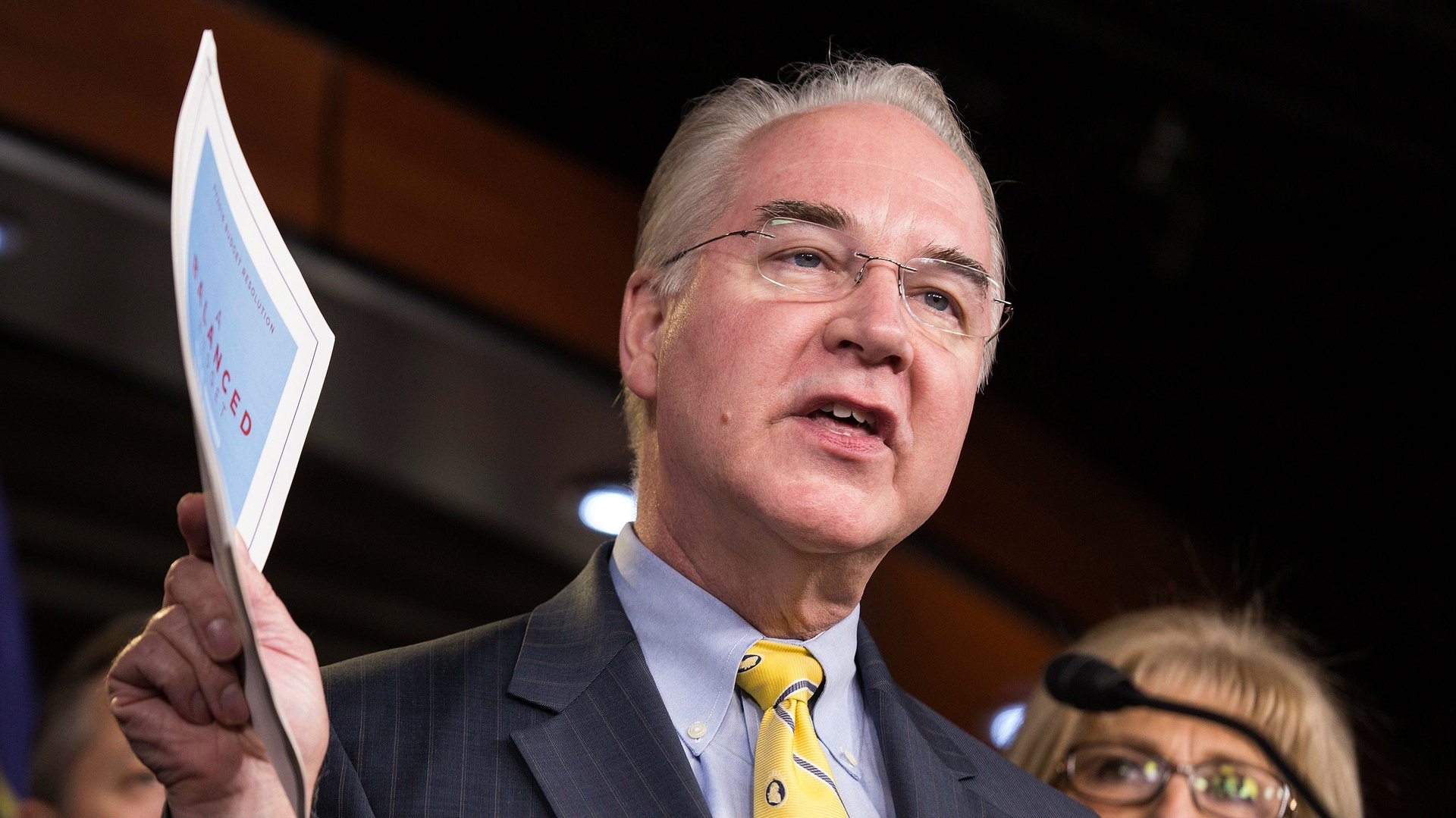
Early on Nov. 29, president-elect Donald Trump nominated Tom Price, an orthopedic surgeon and Republican representative from Georgia, to lead the Department Health and Human Services. Price is currently the chair of the House Budget Committee, and strongly supported Trump’s candidacy for president.

Since humans started traveling into space in the 1960s, physiologists have had one big question on their minds: What happens to the human body without gravity?

My 17-year-old brother thinks of Thanksgiving as a challenge. He’s 6’4, roughly 200 pounds, a competitive rower, and something of a human black hole for food. On Thanksgiving, he likes to see just how much he can eat, purely for bragging purposes. “It’s a game,” he says.

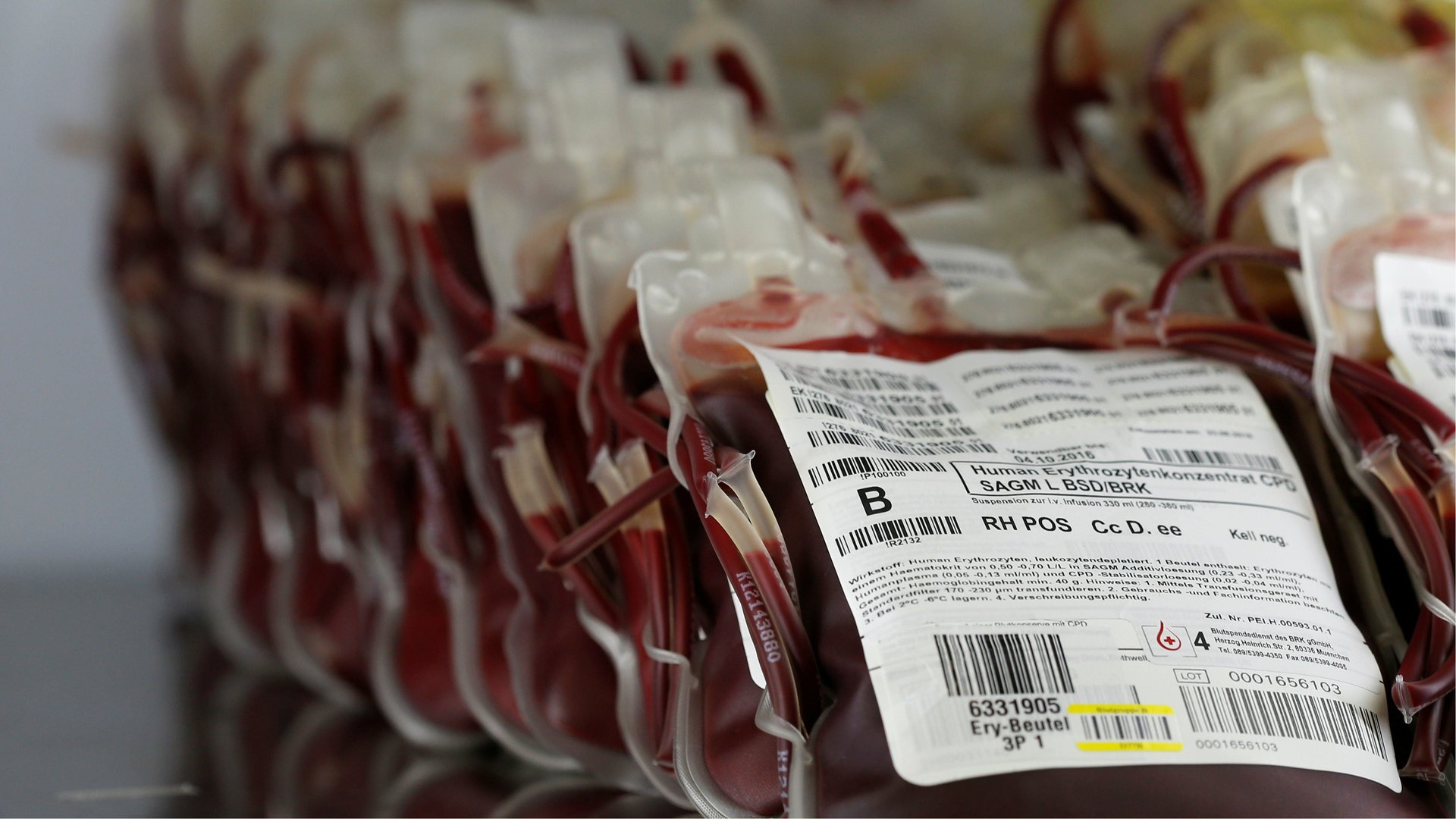
In recent years, some anti-aging researchers and enthusiasts (Silicon Valley investor Peter Thiel among them) have been intrigued by the hypothesis that blood from those younger than us hold the key to reversing mental and physical decline as we age.

The world is getting older. The population of those who are at least 65 years old is projected to increase to 1.6 billion people worldwide by 2050. In the US, 11.3% of the population was over 65 in 1980; in 2010, it was 13%, and by 2040, it is projected to be 20%.

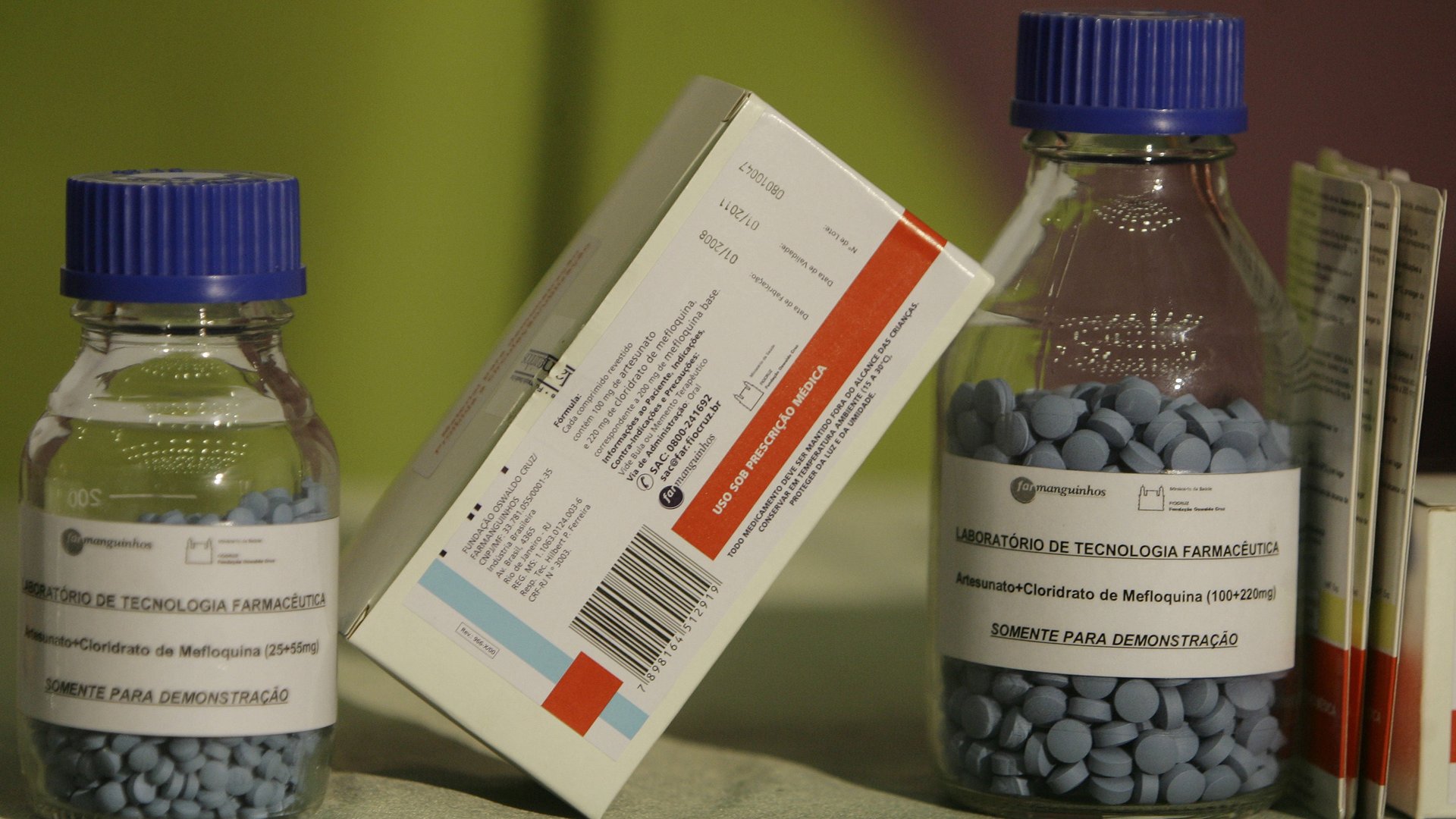
We have drugs that can cure malaria, and yet the disease still kills about 1 million (pdf) people each year.

The opioid epidemic in America has researchers on the hunt for new ways to treat pain.

With all that’s going on in the world, it’s easy to forget that we humans only occupy a tiny, tiny dot within the universe.

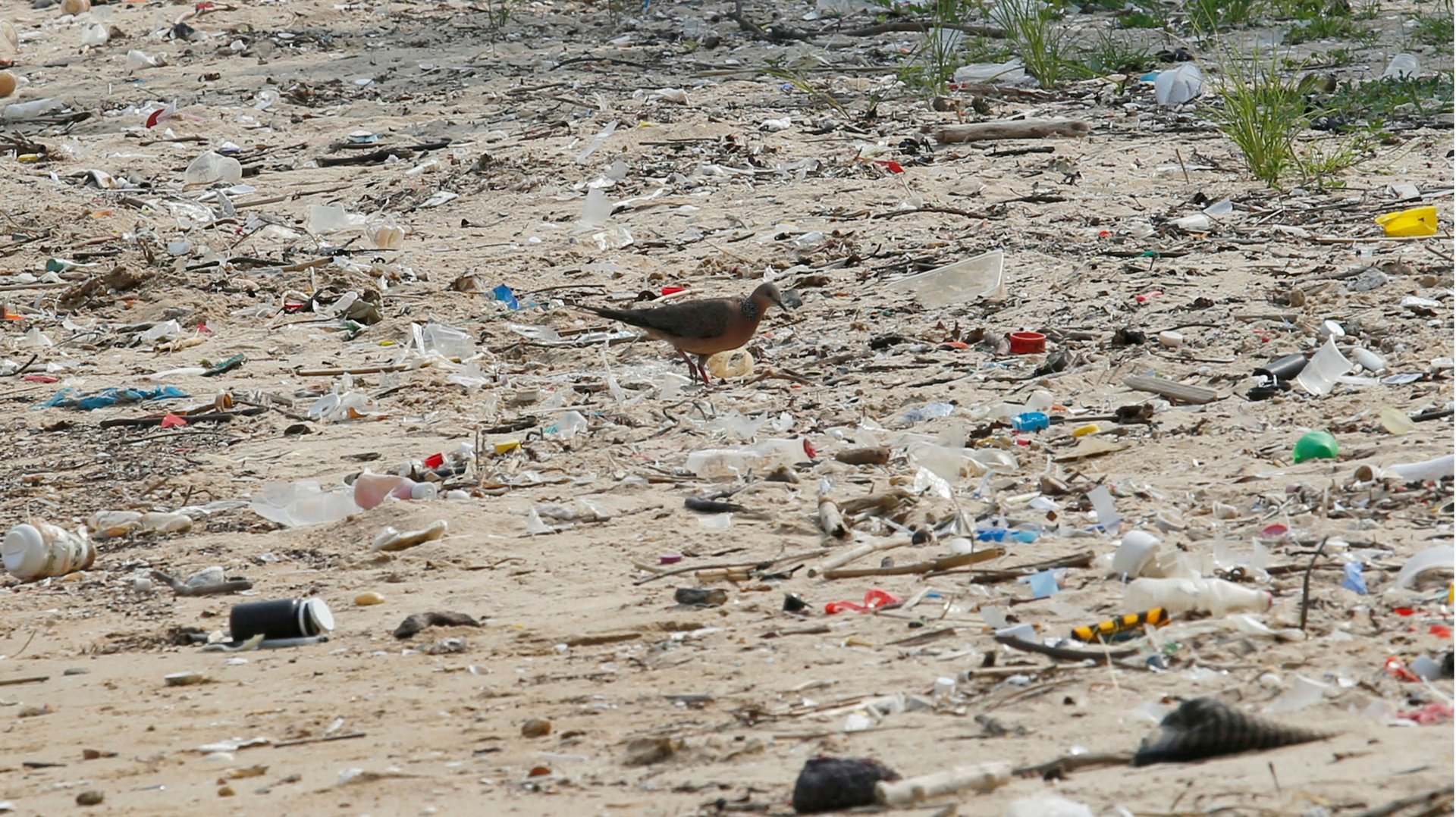
Seabirds like petrels and albatross don’t have the best diet.

A comprehensive list of things I worried about on Monday, Nov. 7, 2016:

Donald Trump’s health and science policy wasn’t particularly inspiring during his campaign. It’s vague, and tends to discount a lot of known scientific facts.