The head of Ukraine’s security service says that the mobile phones of Ukrainian lawmakers are under attack by equipment located in Russian-controlled Crimea. That’s not terribly surprising, but the limited scope of the attack is.

The head of Ukraine’s security service says that the mobile phones of Ukrainian lawmakers are under attack by equipment located in Russian-controlled Crimea. That’s not terribly surprising, but the limited scope of the attack is.

Note: This piece was originally published on Feb. 8, 2013. Today (Mar. 4, 2014) Singapore has just been named the world’s most expensive city, beating out Tokyo. Pretty much everything else we wrote 13 months ago remains true.

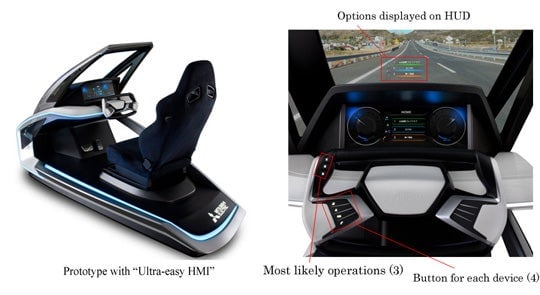
“Ultra-easy” is how Mitsubishi describes the prototype control system it is developing for cars. Taking a lead from data-driven software companies such as Google that use algorithms to predict what you might be searching for, Mitsubishi’s idea is to strip away unnecessary knobs and dials. Instead, it will replace them with a machine that can figure out which three functions the driver is mostly likely to need.

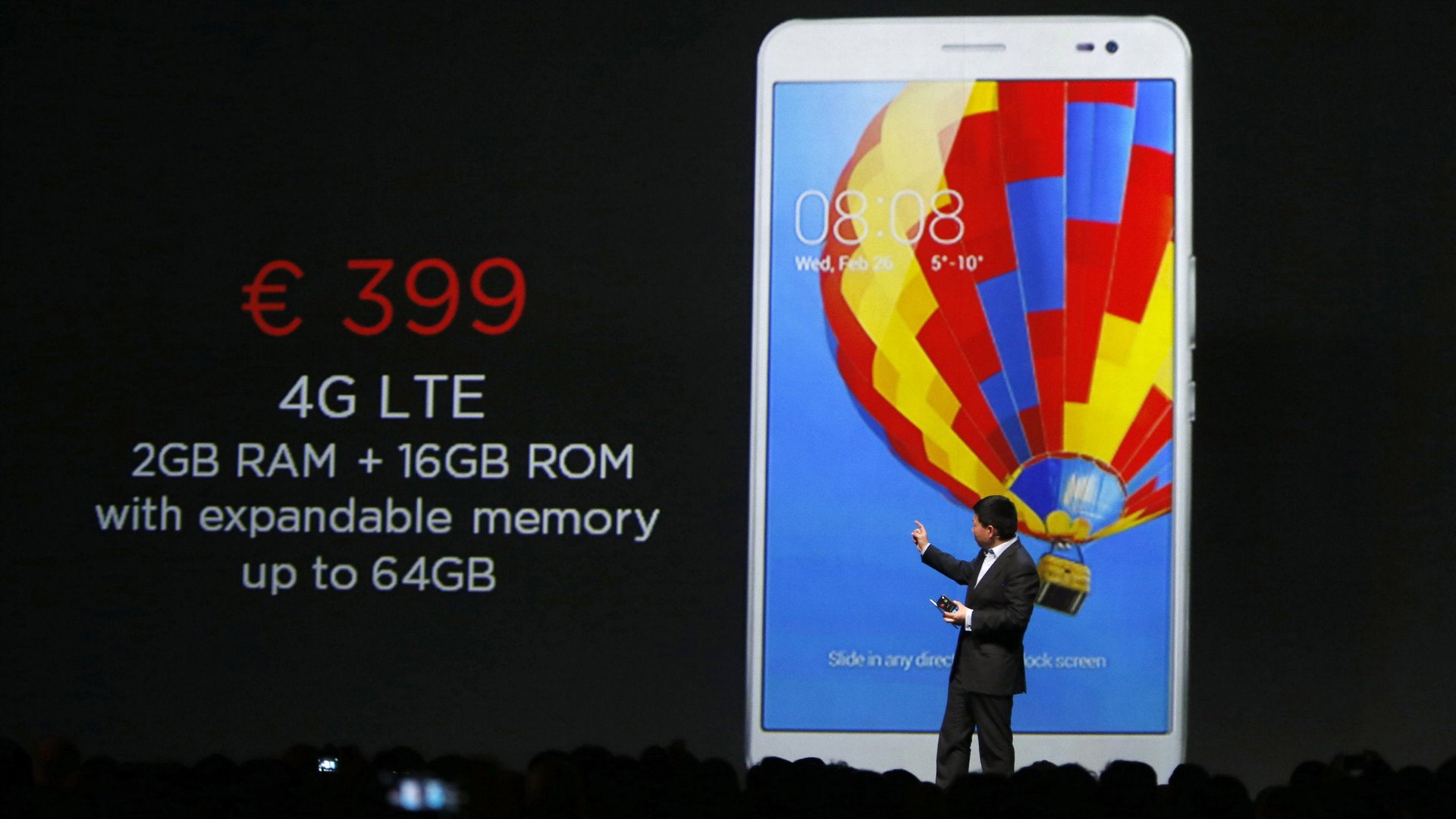
The unfortunately named “phablet,” a cross between a phone and tablet with a screen of 5 inches or more, may not be quite as popular as its proponents would have you believe. Last year, 42% of people in Europe’s five largest markets—Germany, Britain, France, Italy and Spain—ditched their oversized handset for a smaller one.

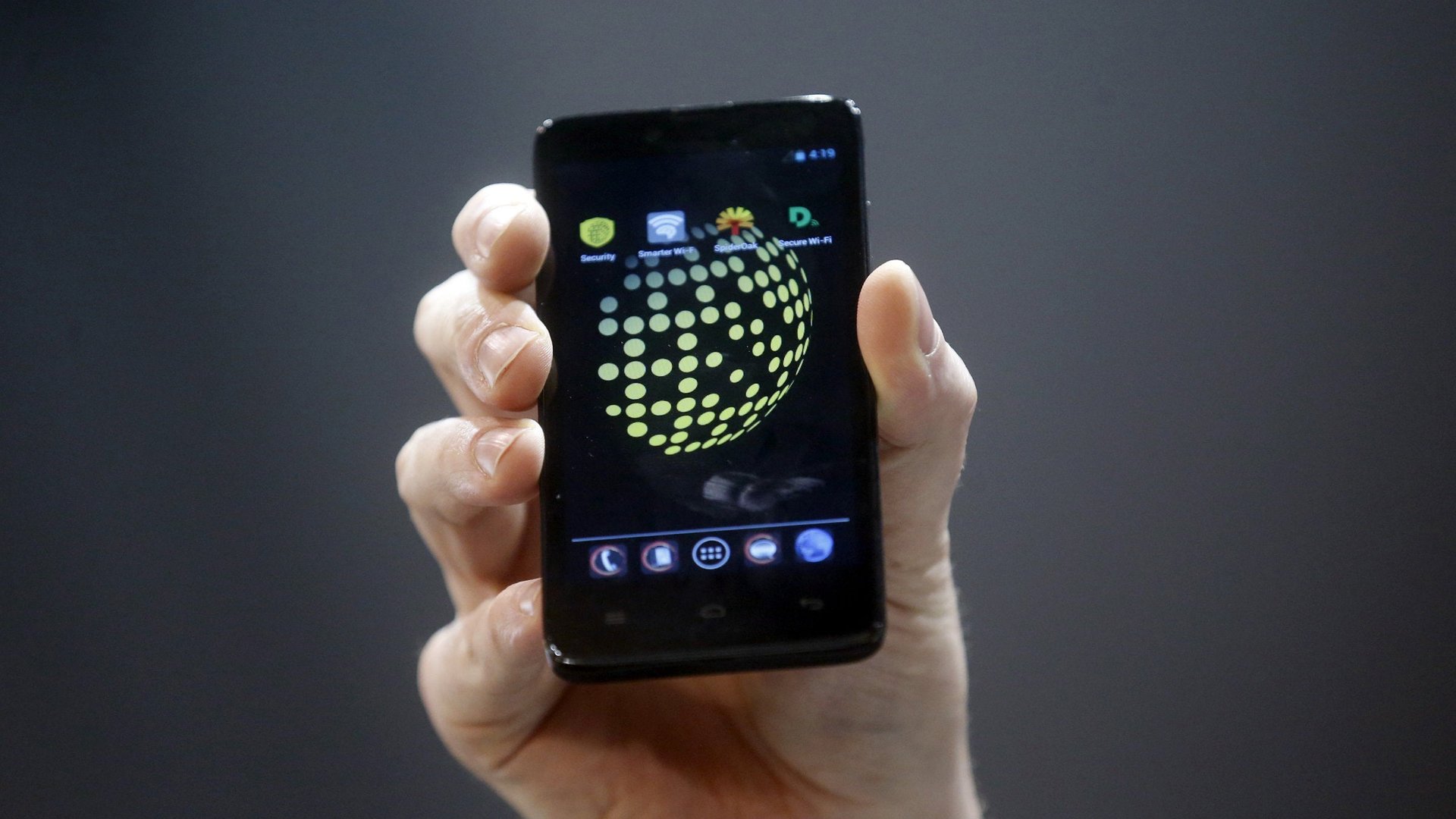
Messaging, cheap phones, and the tensions between the telecom industry and web companies have been the overriding themes at the Mobile World Congress (MWC), an annual telecom-industry gathering in Barcelona this week. But another current has been flowing underneath the surface: security and privacy. Also at the MWC this week, a company called SPG Technologies launched the Blackphone, which according to the press release is “the world’s first smartphone which places privacy and control directly in the hands of its users.”

For a first-world country, Britain’s mobile internet is surprisingly shoddy. Availability of 4G is patchy and nationwide coverage is still limited to one carrier. Unlike in the US, you have to pay extra to sign up to a plan that allows access to 4G networks. Outside of big cities you can forget about even 3G coverage (and usually the slower EDGE network too). Britain’s mobile network is, in short, not very mobile and not much of a network.

Eight American states are considering regulating the use of Google Glass. Google is lobbying at least three of them not to, reports Reuters. The states worry Glass will distract drivers and lead to crashes. The company thinks it is too soon to ban the use of Glass while driving.

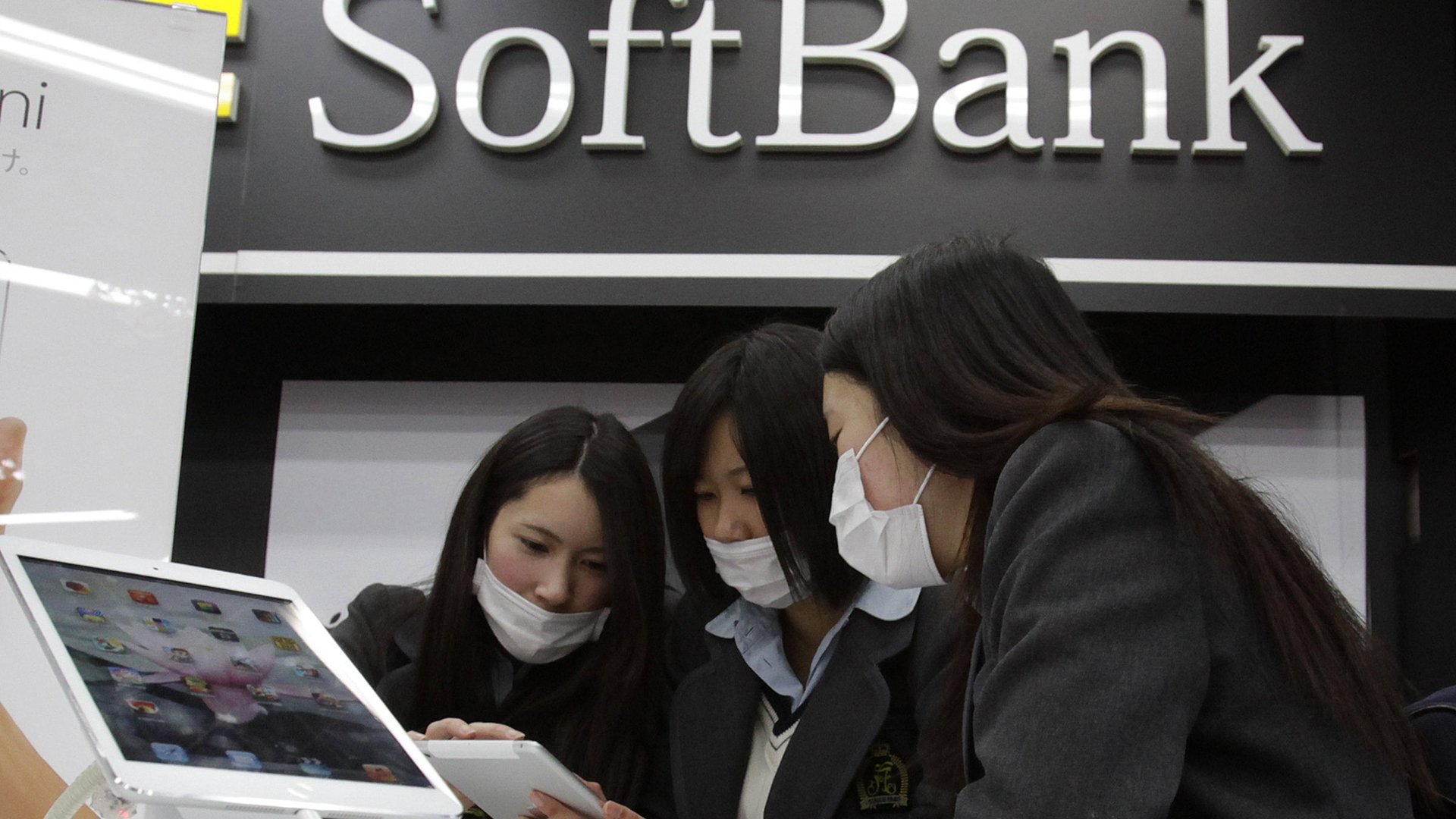
Japan’s SoftBank wants to buy some or all of Line, a wildly popular messaging app, Bloomberg reports. Line, which is based in Japan but is owned by South Korea’s Naver Corporation, has 360 million users worldwide, most of them in East Asia.

It’s day one of the Mobile World Congress, the big annual gathering of the mobile industry in Barcelona, and already the theme is clear: This is the year tech firms try to get the rest of the world online.

Is Edward Snowden a “noble crusader bravely risking his career and freedom in the pursuit of truth and transparency”? Or is he a “useful idiot”? Edward Lucas of the Economist comes down firmly on the side of idiocy. In his new e-book, The Snowden Operation, Lucas argues that Snowden’s revelations “should be seen not as a heroic campaign but as a reckless act that has jeopardized our safety and played into our enemies’ hands.” Moreover, he hypothesizes that the entire operation was orchestrated by Russian intelligence from the very beginning. (Disclosure: Lucas and I were colleagues at the Economist for a little over a year.)

Half the ads on the internet are never seen by anybody, according to ComScore, a web traffic measurement company. And of those ads that are seen, it’s not clear how many are seen by human beings. Last year, the London-based start-up Spider.io, which tracks ad fraud, revealed a network of 120,000 infected computers (paywall) that together “viewed” ads billions of times, meaning that advertisers were paying millions of dollars for fake views. Today, Google announced that it had acquired Spider.io for an undisclosed amount.

This is what Twitter looks like when two groups with different political views talk about the same thing:

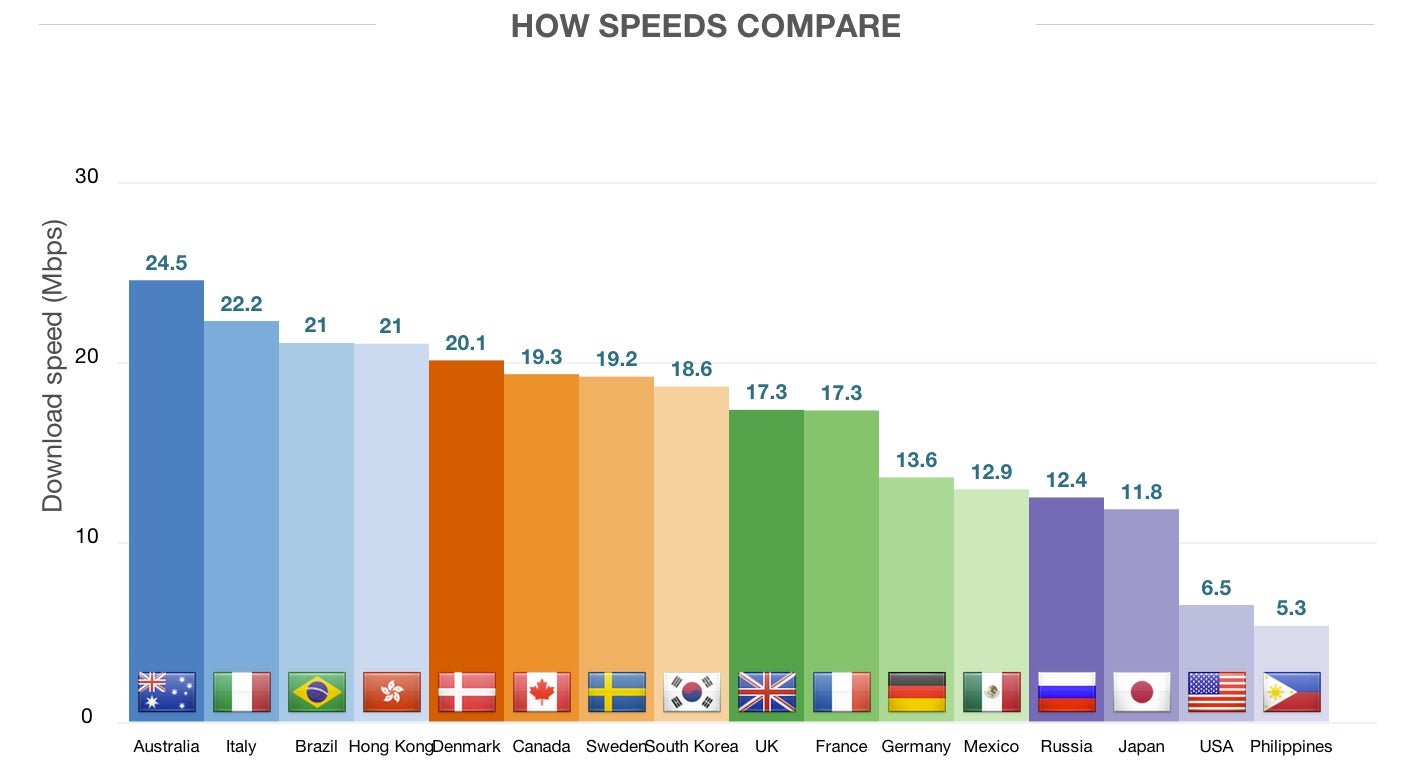
Mobile broadband speeds in the United States can’t keep pace with networks in other countries. In a study of 16 countries, the average US download speed in 2013, at 6.5 Mbps (Megabits per second), was faster only than the Philippines, and then just barely. Despite broad coverage and plenty of competition, when it comes to ”fourth generation long term evolution” (4G LTE)—the fastest version of the set of mobile internet standards broadly known as 4G—US speeds compare unfavorably with the rest of the world (see chart above).

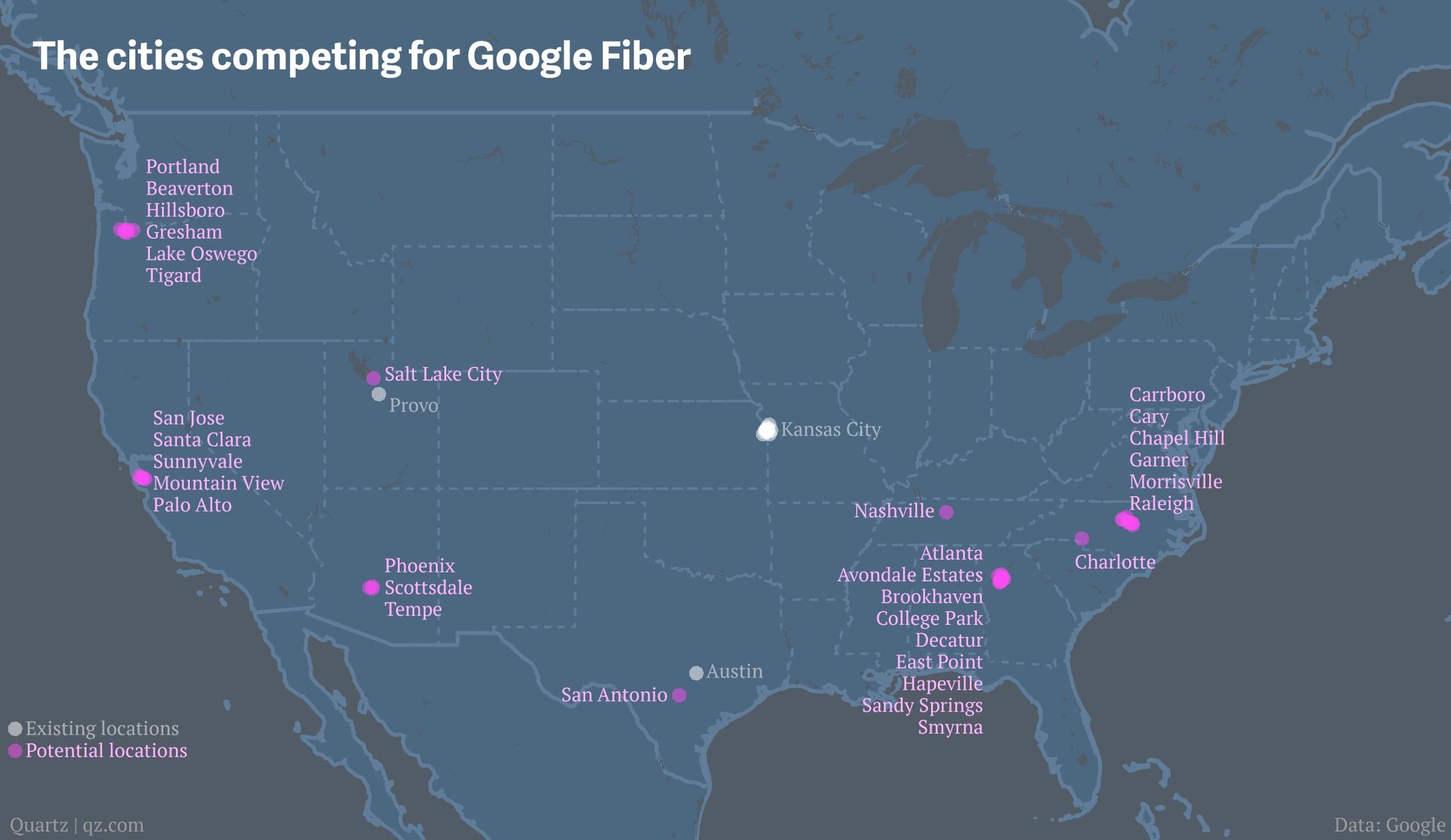
As if serving your search results, reading your email, providing you with your favorite videos, storing your documents, keeping your calendar, and helping you find your way with maps wasn’t enough, Google also wants to provide the pipes through which you get to all of its wonders. Behold Google Fiber, superfast internet that the web giant says is 100 times faster than normal broadband, at a fraction of the price (paywall) of its rivals.

Over the past few years, mobile operators have been reduced to dumb pipes ferrying data back and forth between customers and online behemoths such as Google and Facebook, which then reap the rewards of rich data from their users’ online activities. Now the mobile industry has had enough of standing idly by.

King.com, the company behind the wildly popular game Candy Crush Saga, today filed to list its shares on the New York Stock Exchange. That’s another blow for London, which has been touting itself as the new Silicon Valley. Indeed, even King’s IPO is claimed as a success, with a representative of Tech City, a government-funded body promoting the tech sector in London, calling it “positive news and testament to a world-beating package of policies that the government has introduced to help businesses scale and grow” in an interview with London’s Evening Standard.

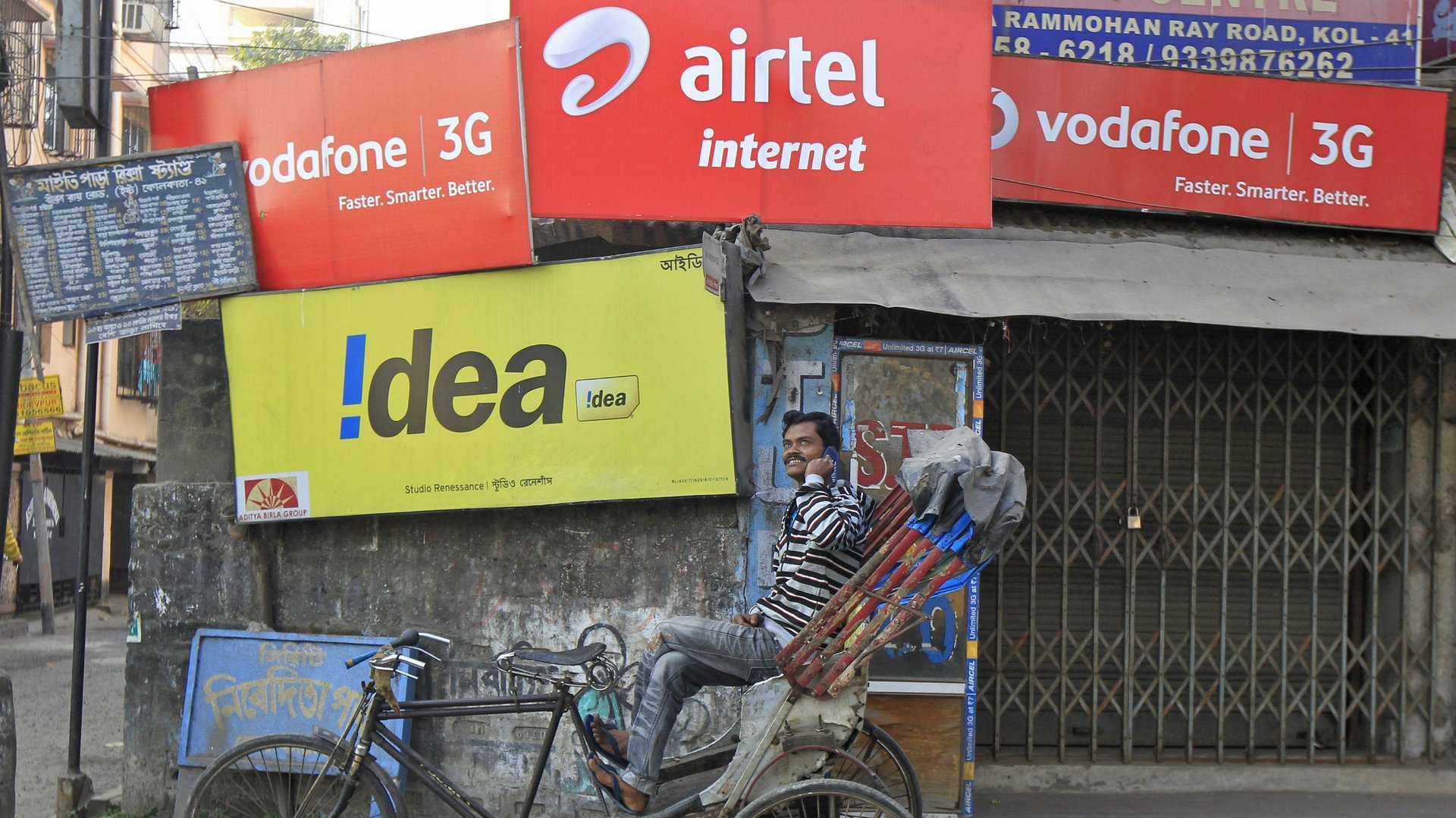
An acquisition announced this morning may be the first step to fixing the unholy mess that is the world’s second-biggest telecoms market. India’s largest (and the world’s fourth-largest) mobile operator, Airtel, has acquired its smallest, Loop Mobile, for Rs 7 billion ($112 million), including Rs 4 billion in debt.

It’s the rare app that feels truly innovative, anymore. But one worth paying attention to is Tonara, a sophisticated piece of software from an Israeli company of the same name.

The struggle between Facebook, Google and their users has led to an unexpected result, contends a new book on privacy: Every time social networks force openness on their users, people become much more guarded in what they share, leading internet giants to push for yet more openness. This is the argument made by three academic researchers, Antonio Casilli, Yasaman Sarabi, and Paola Tubaro, in their new book, “Against the hypothesis of the end of privacy.”

There are two things any app developers can do to improve their chances of scoring a hit: Make a mobile game. And give it away free. But building an original game is a lot of work and the app store is cluttered with games. So there is a third thing the developer can do—”flip” an existing app. Buy the source code for existing games, hire someone to give it a new look, cram it full of ads and, in the short term at least, profit. It’s not pretty. But it works.

Line, a messaging app from Japan with over 340 million users worldwide, this morning reported earnings of ¥12.2 billion ($120 million) for the fourth quarter of 2013, a jump of 550% over the previous year. (Line did not disclose how much of that it got to keep in profits.)

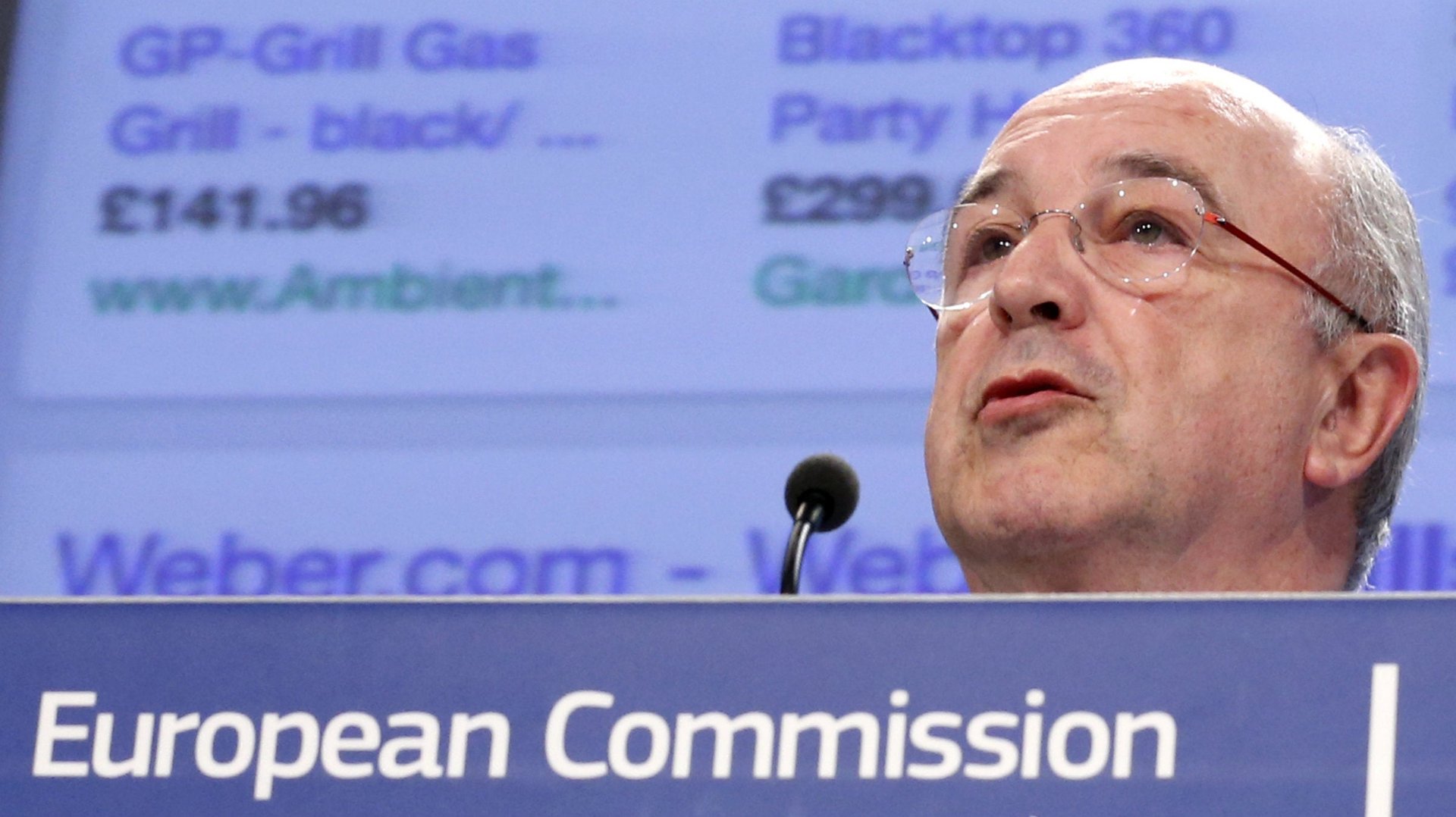
It’s finally over. After three years of back and forth, the European Commission announced an agreement with Google this morning that will govern the placement of competitors’ ads on Google’s search services. The Commission opened an investigation in Nov. 2010 after Google’s rivals claimed the search engine demoted their sites in search results.

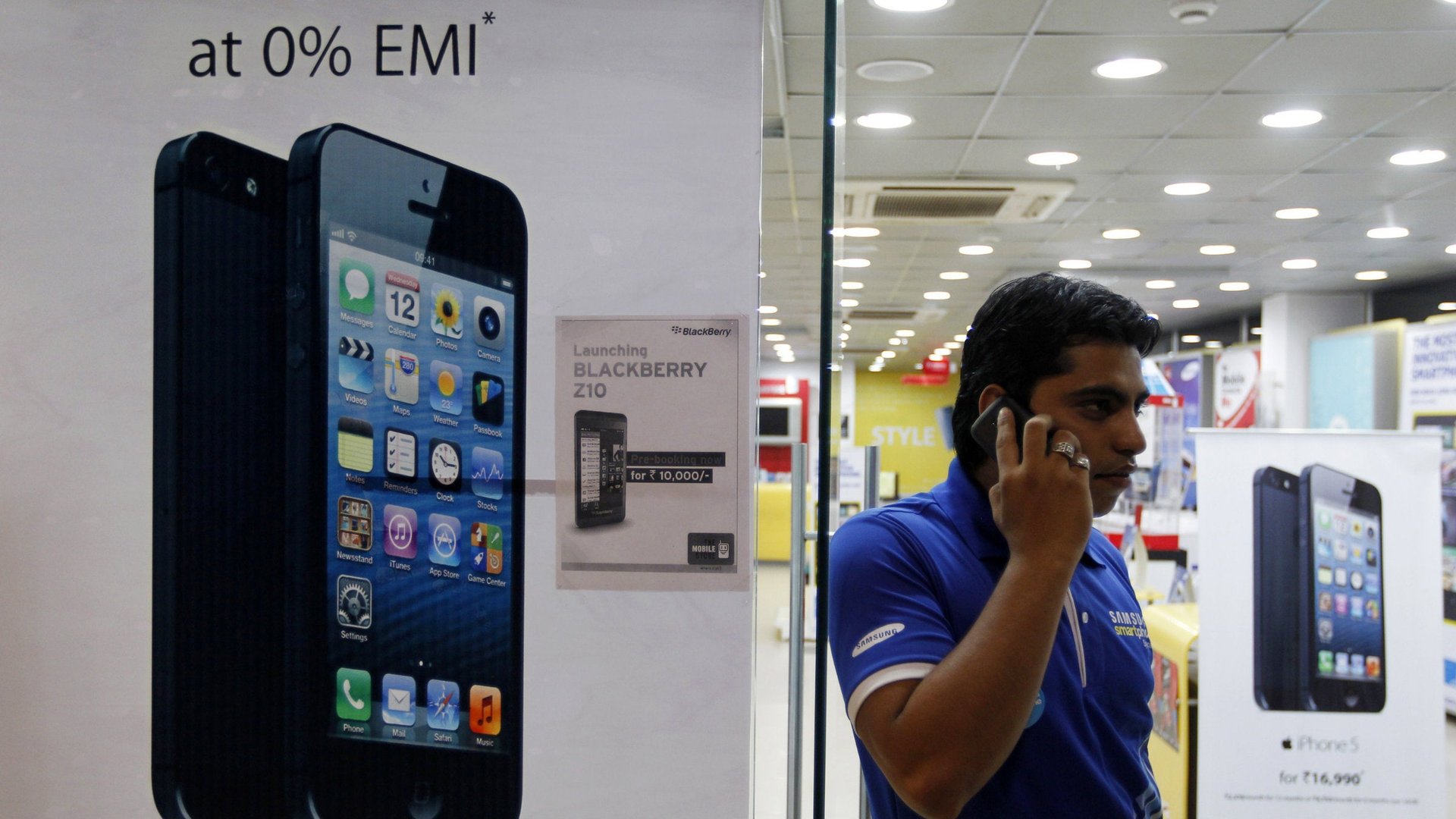
Would you pay $320 for a four-year-old smartphone? Apple seems to believe that aspiring consumers in emerging markets will. The company has reportedly restarted manufacturing the iPhone 4, which it discontinued with the launch of the iPhone 5s and 5c models late last year. So says the Economic Times, an Indian business newspaper, which cites “three senior executives with direct knowledge of the company’s plan.” Apple will sell the iPhone 4 only in India, Indonesia and Brazil, according to the report.

If you had typed calvinklein.clothing into your browser’s address bar last week, you would have reached an error page or a list of Google search results. Do it today, and your browser will redirect you to Calvin Klein’s official website, calvinklein.com. The new world wide web is upon us.