
Lifestyle
The most fleeting natural tourist attractions to enjoy before they’re goneThere is no more effective tourism slogan than “for a limited time only.”
Updated July 20, 20222 min read
There is no more effective tourism slogan than “for a limited time only.”
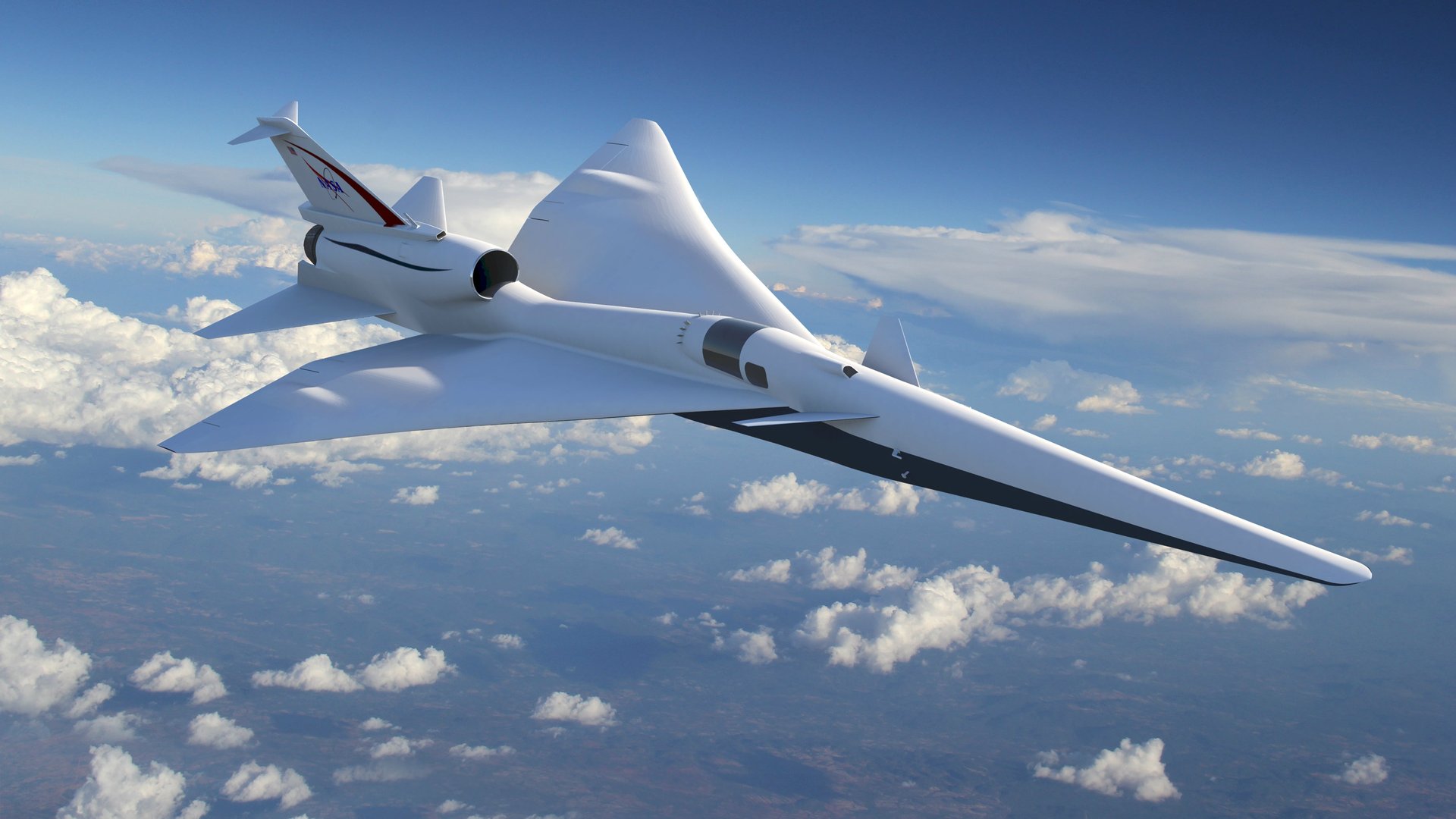
Given the current state of commercial air travel, any effort to get the flight over with more quickly could be considered noble.
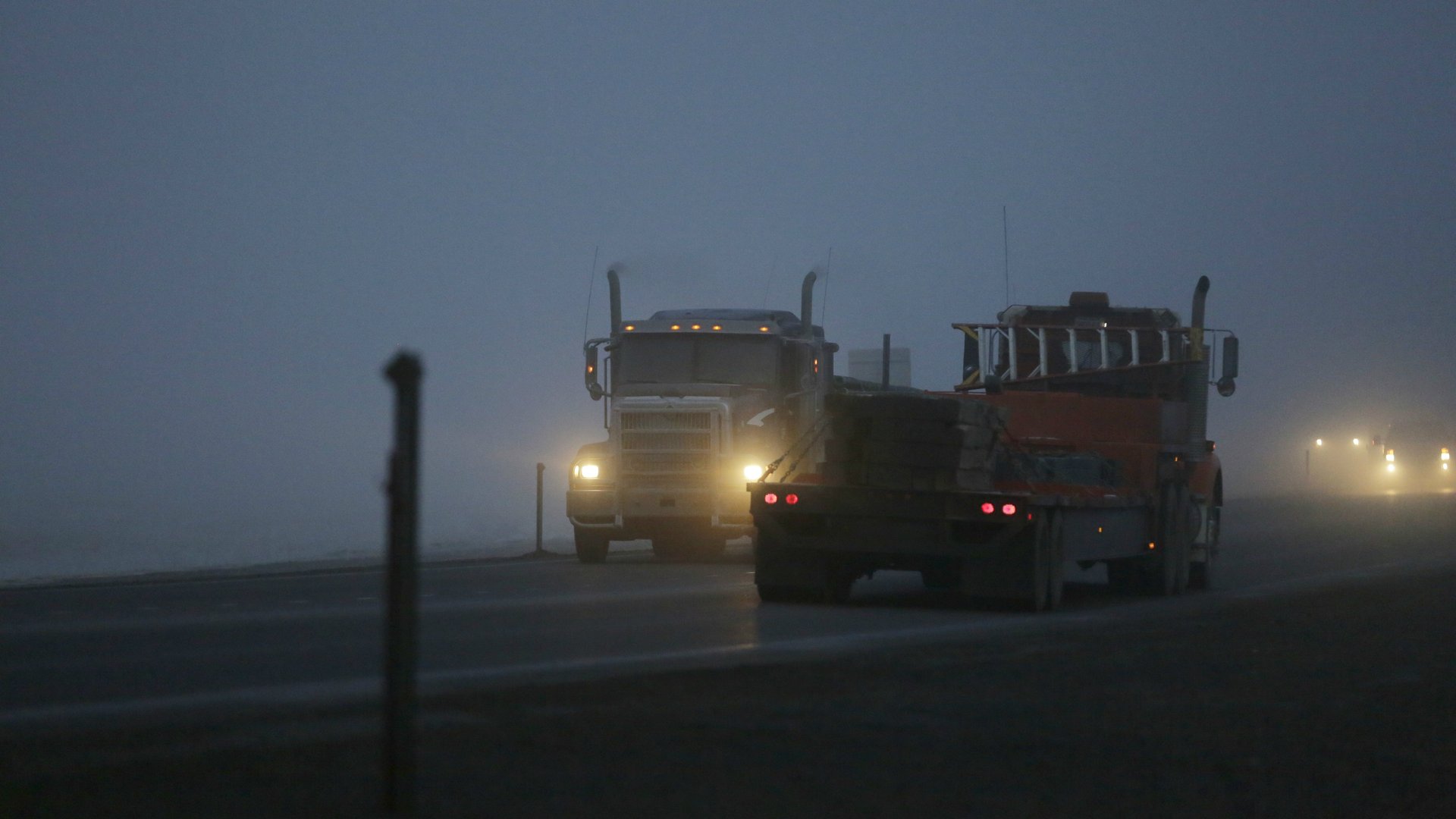
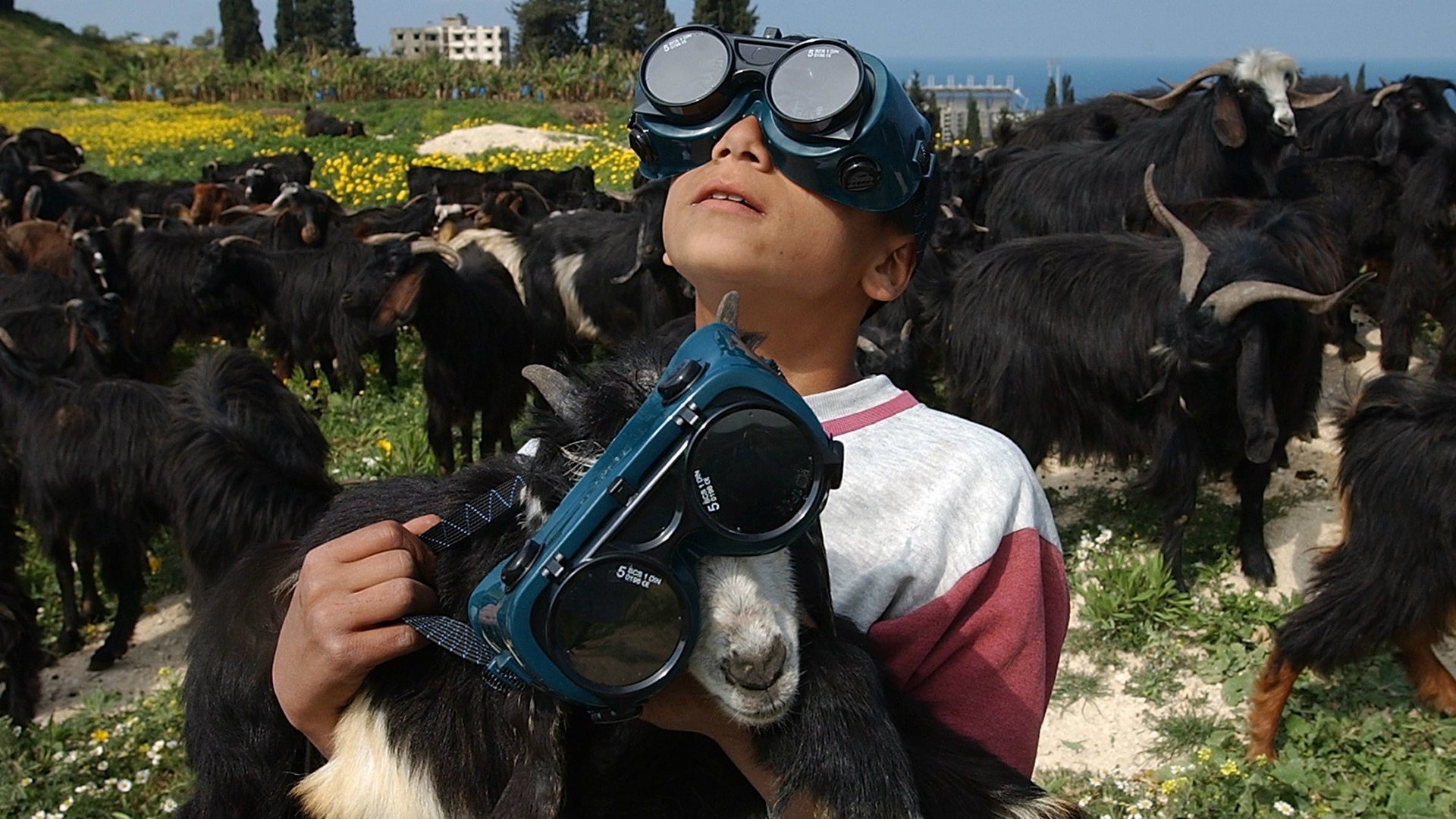
The US has solar-eclipse fever. One side effect: epic traffic jams.
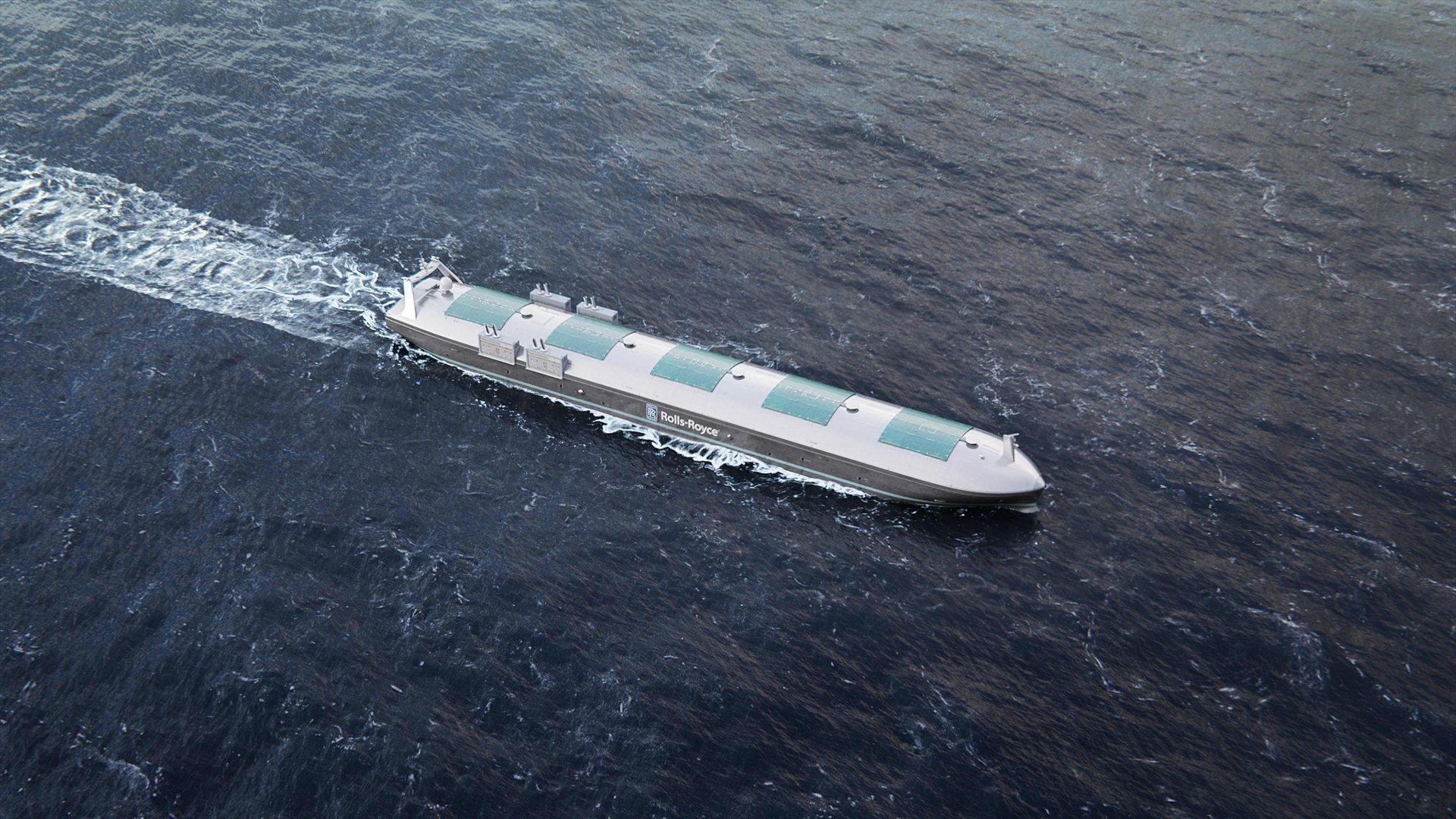
Driverless cars. Pilotless planes. What about crewless ships?
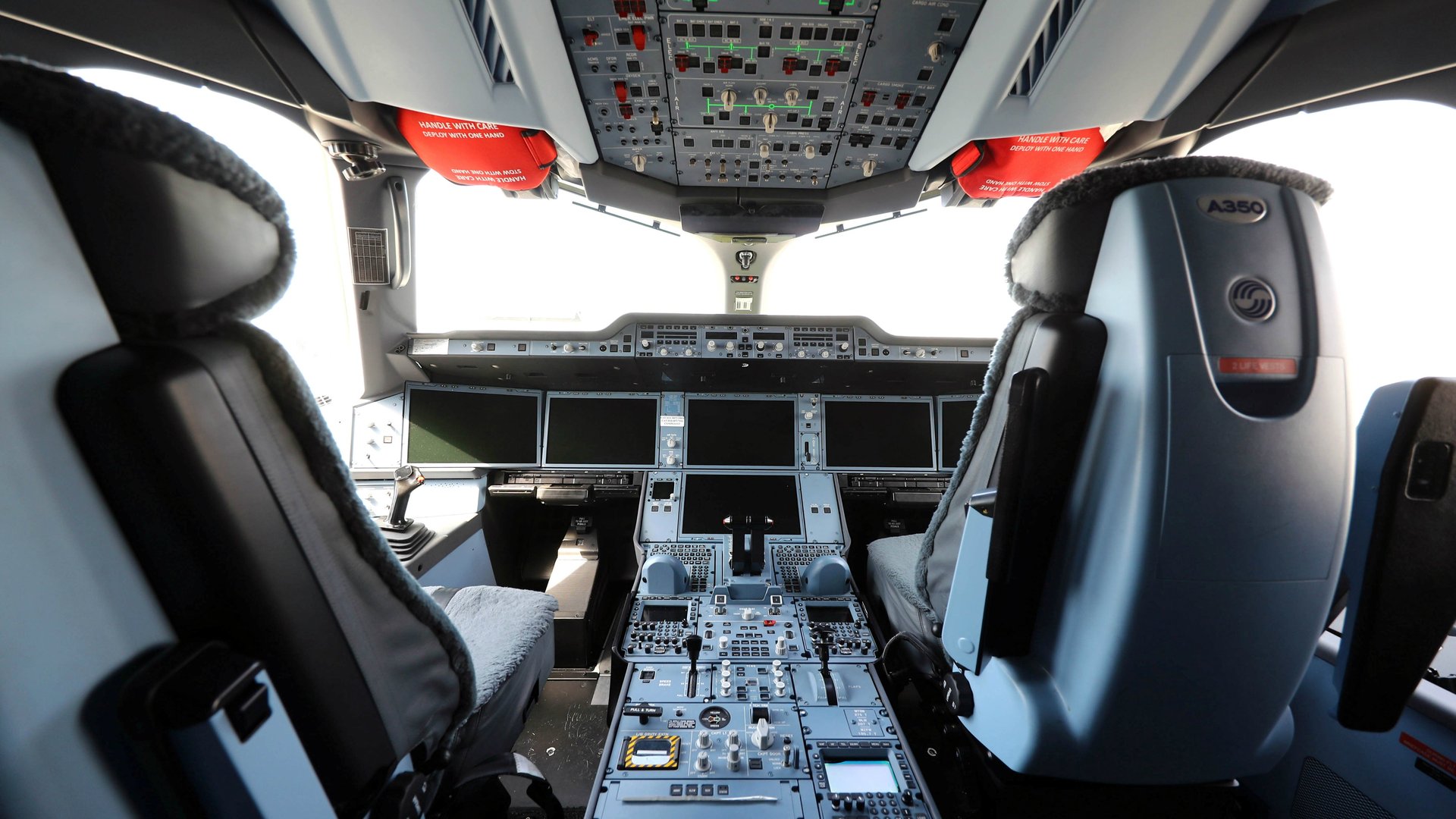
Airline passengers will give up leg room, overhead-bin space, and a healthy amount of dignity in exchange for a lower airfare. But many won’t give up human pilots.
Tesla owners adore their electric cars, perhaps even more than investors and journalists these days.
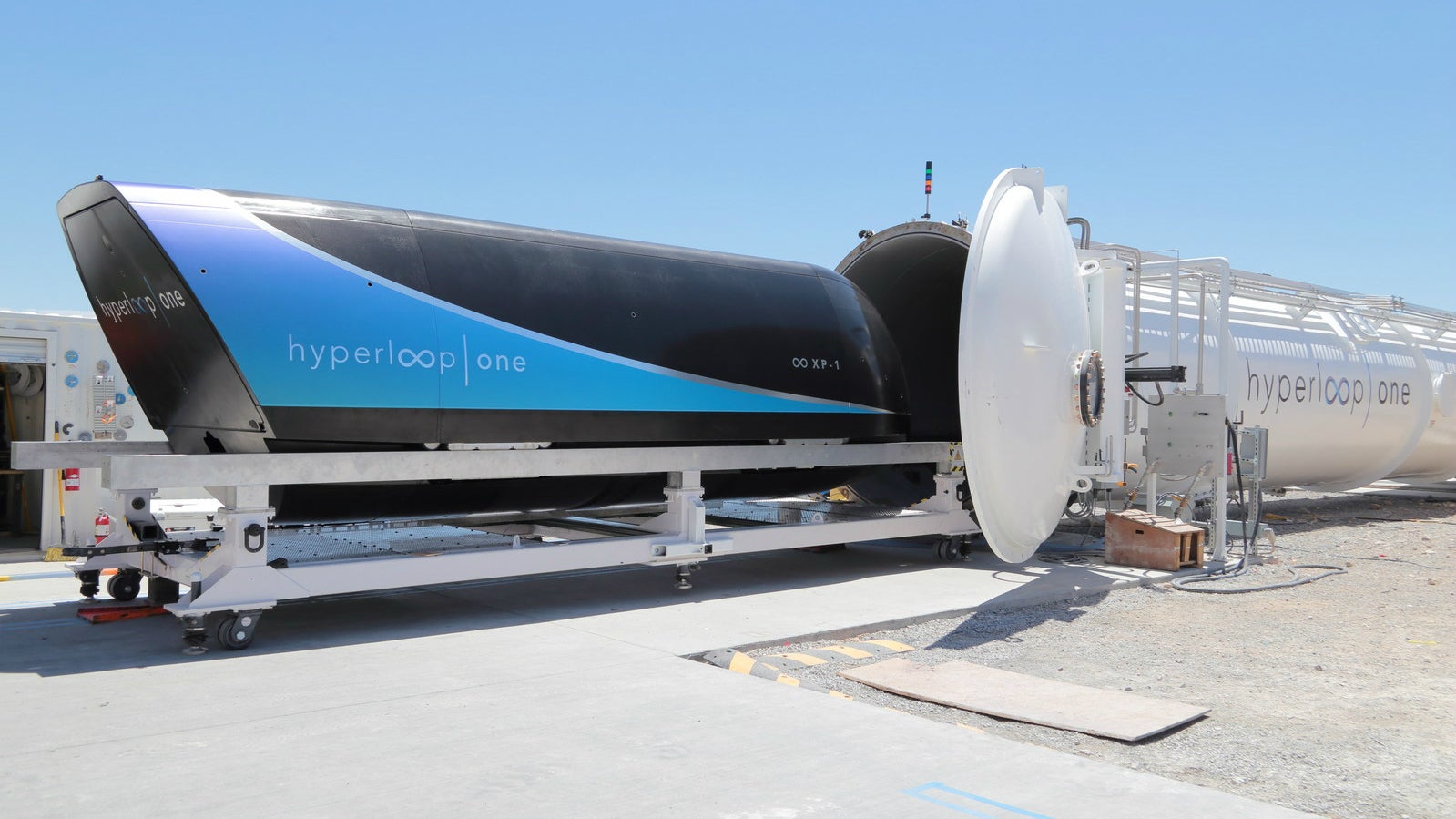
The future of high-speed transportation is fast approaching—at 192 miles per hour to be exact. Hyperloop One, the Los Angeles-based startup that’s developing Elon Musk’s brainchild, said Wednesday (Aug. 2) its passenger pod traveled farther and faster than ever before during a test late last month.
It’s little wonder why lawmakers would want to speed self-driving cars to market. About 90% of traffic accidents are caused by human error and a computer behind the wheel could all but eliminate the risks posed by human drivers: Distraction, drunkenness, speeding, or slow reaction times.

One side-effect of consumers’ shift to electric vehicles is that the world will need less oil. Now Royal Dutch Shell’s CEO is one of those consumers driving the change.
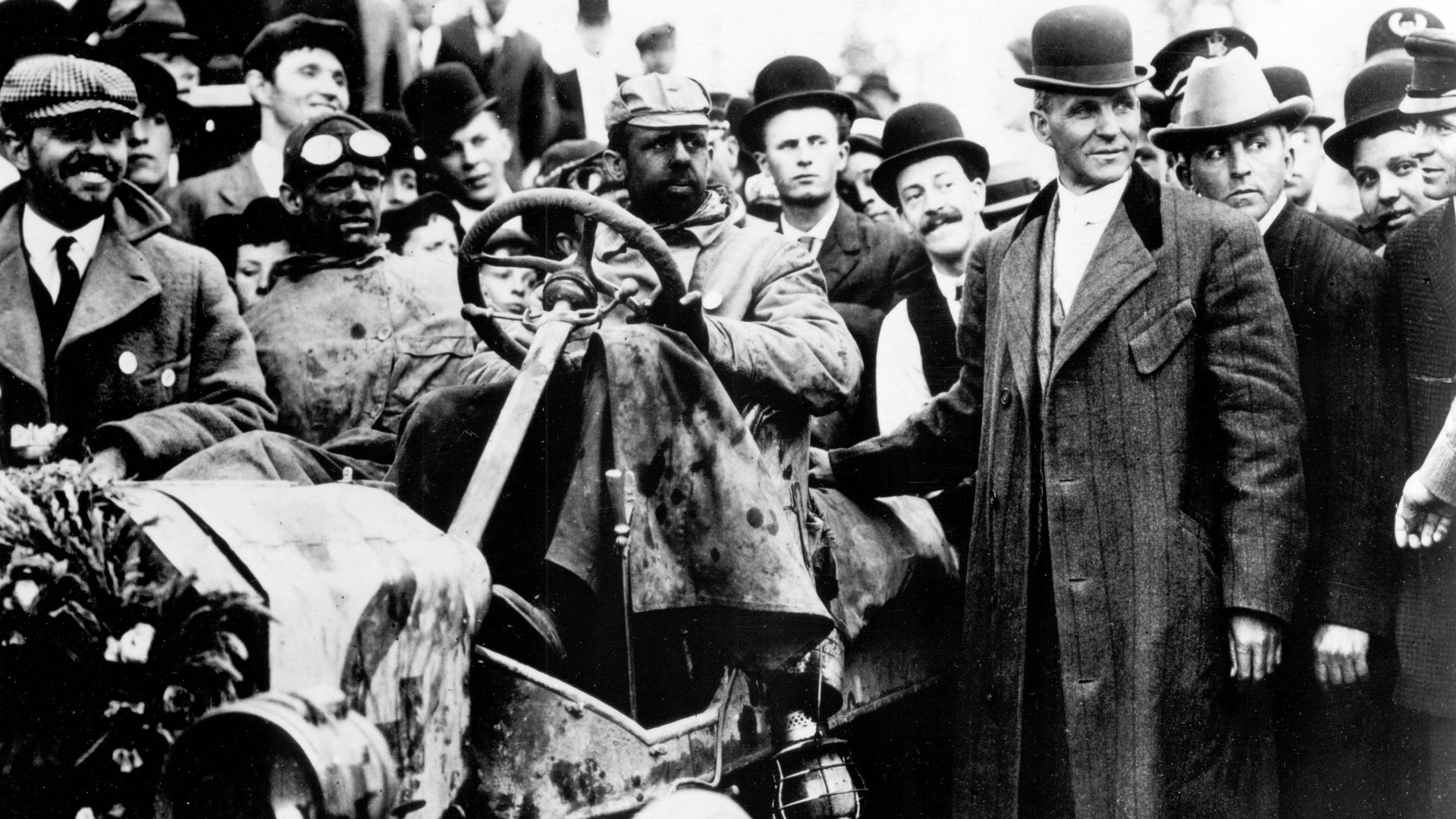
Elon Musk is introducing Tesla’s first mass-market electric car to the world like it will become a garage staple. Never one for subtlety, Musk staged an elaborate handover ceremony to the first 30 buyers of the Model 3 last night (July 28) in front of hundreds of people outside the company’s California factory. The event, of course, was streamed live.
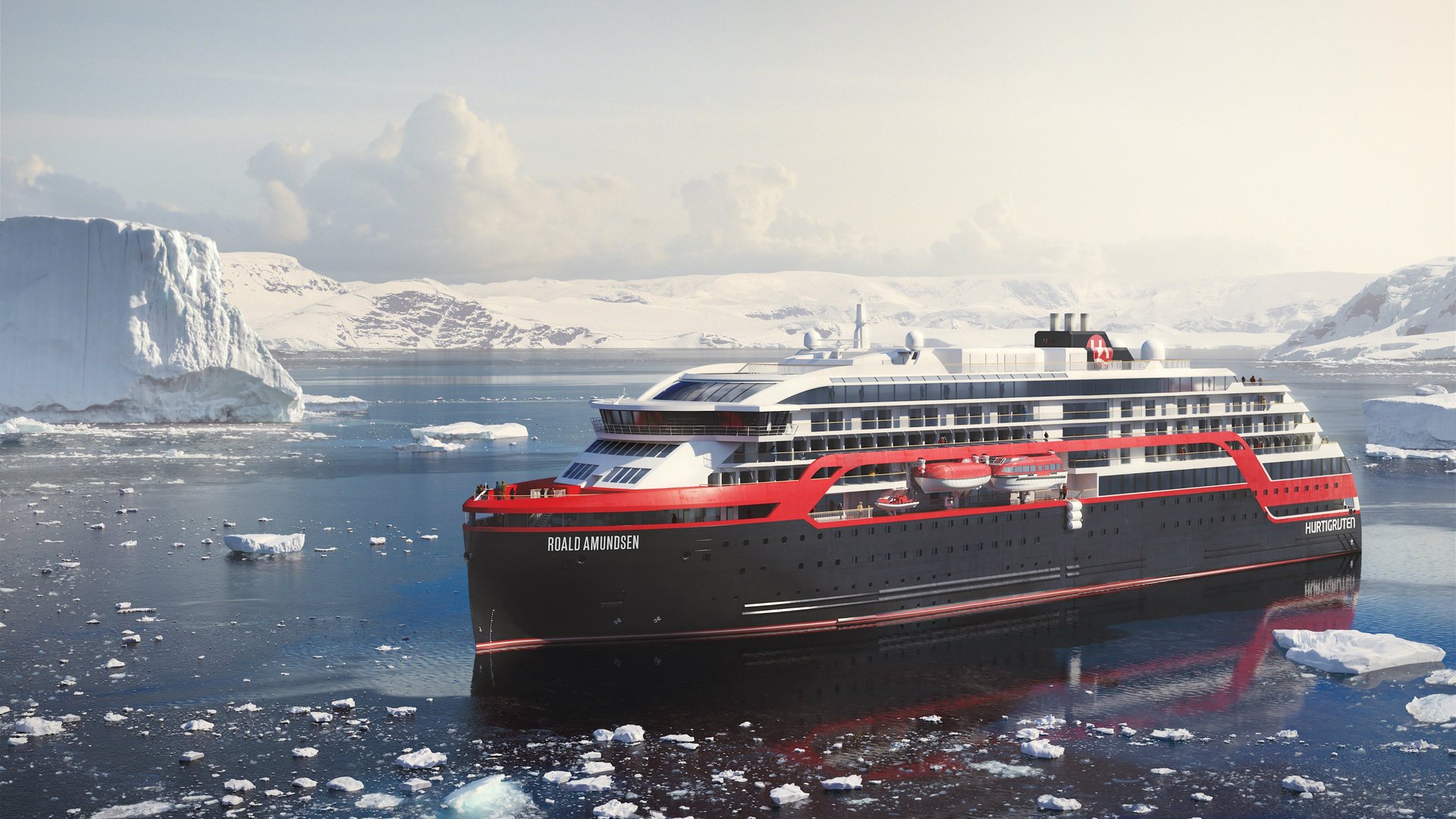
One of the most ancient forms of transportation is joining the 21st century.
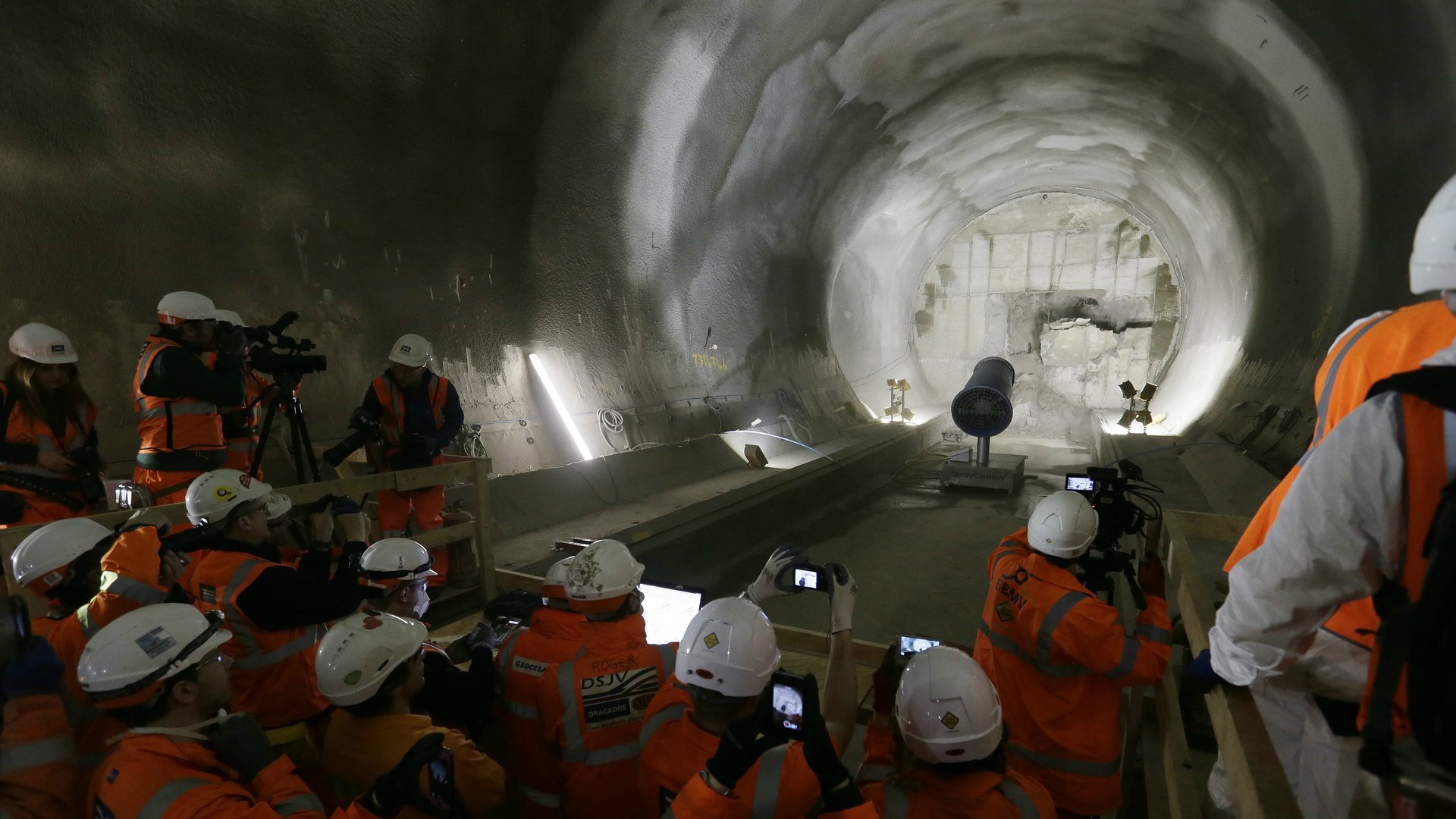
All jokes aside, Elon Musk’s latest futuristic vision sounds awesome: a more than 200-mile tunnel that would transport passengers between New York and Washington in 29 minutes, not even enough time to catch up on Game of Thrones.
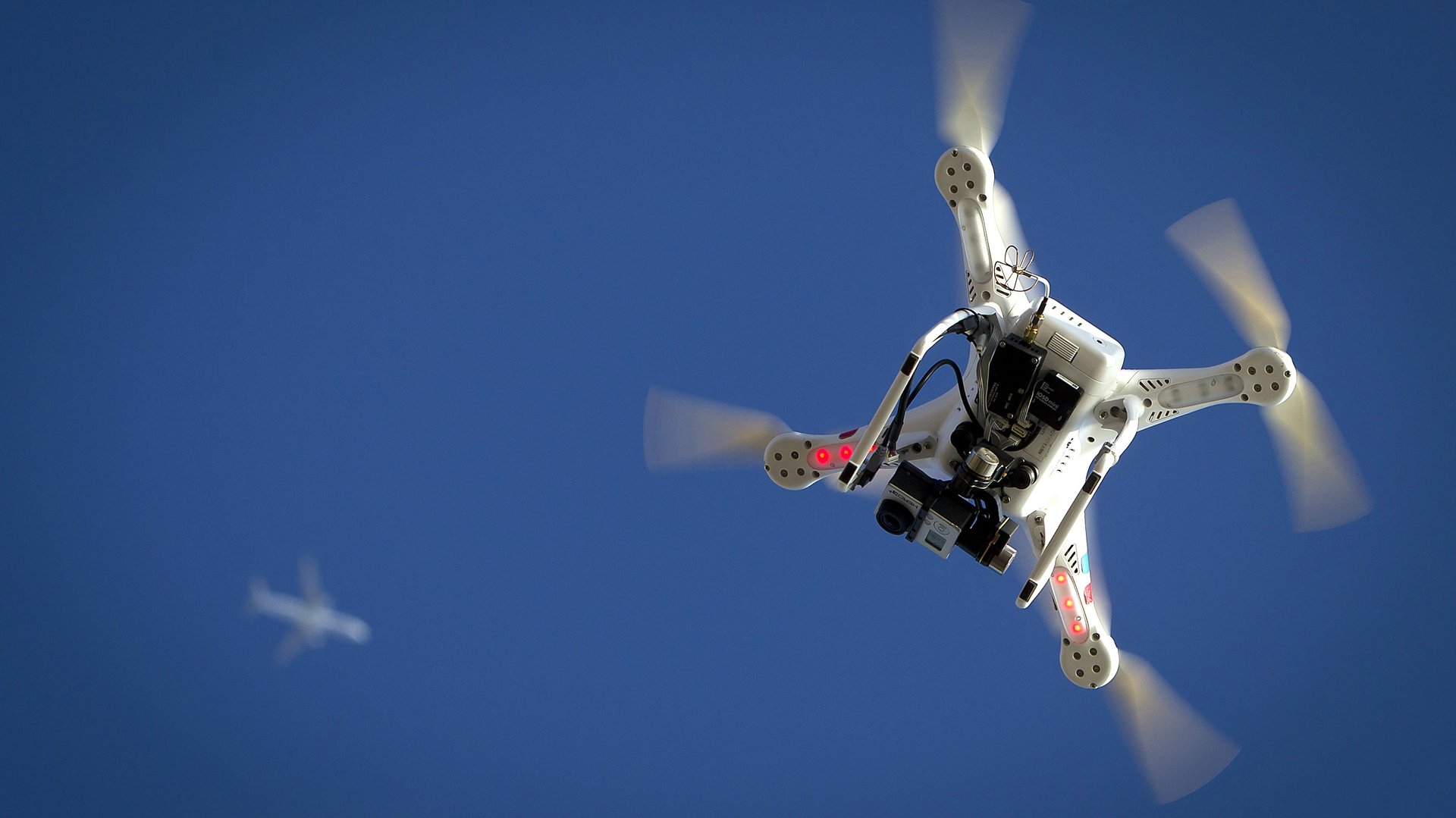
The delivery mode of the future sounds terrible.
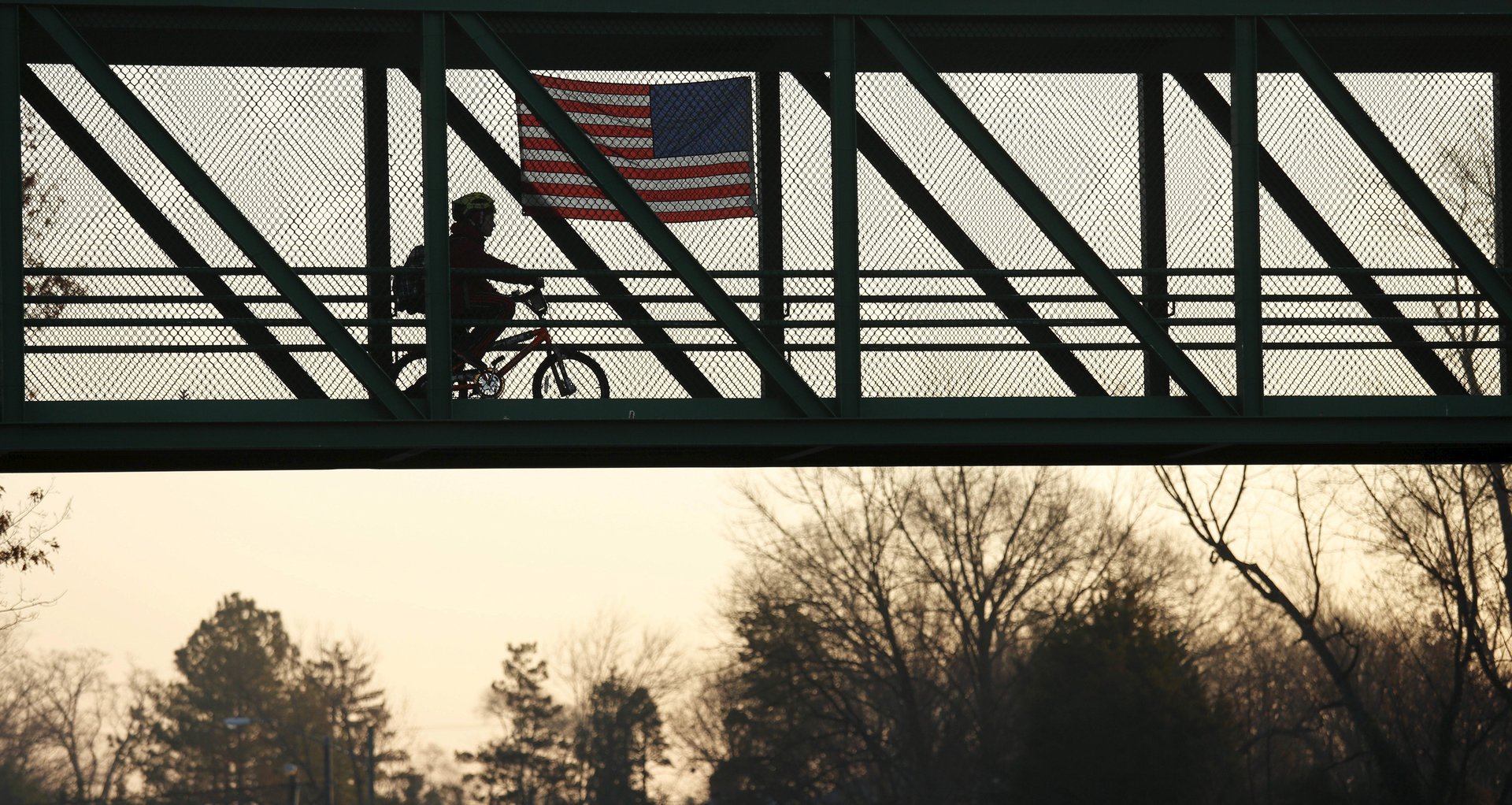
The most ambitious infrastructure project in the US won’t provide a smoother ride for the commerce carried out by trucks, trains or barges.
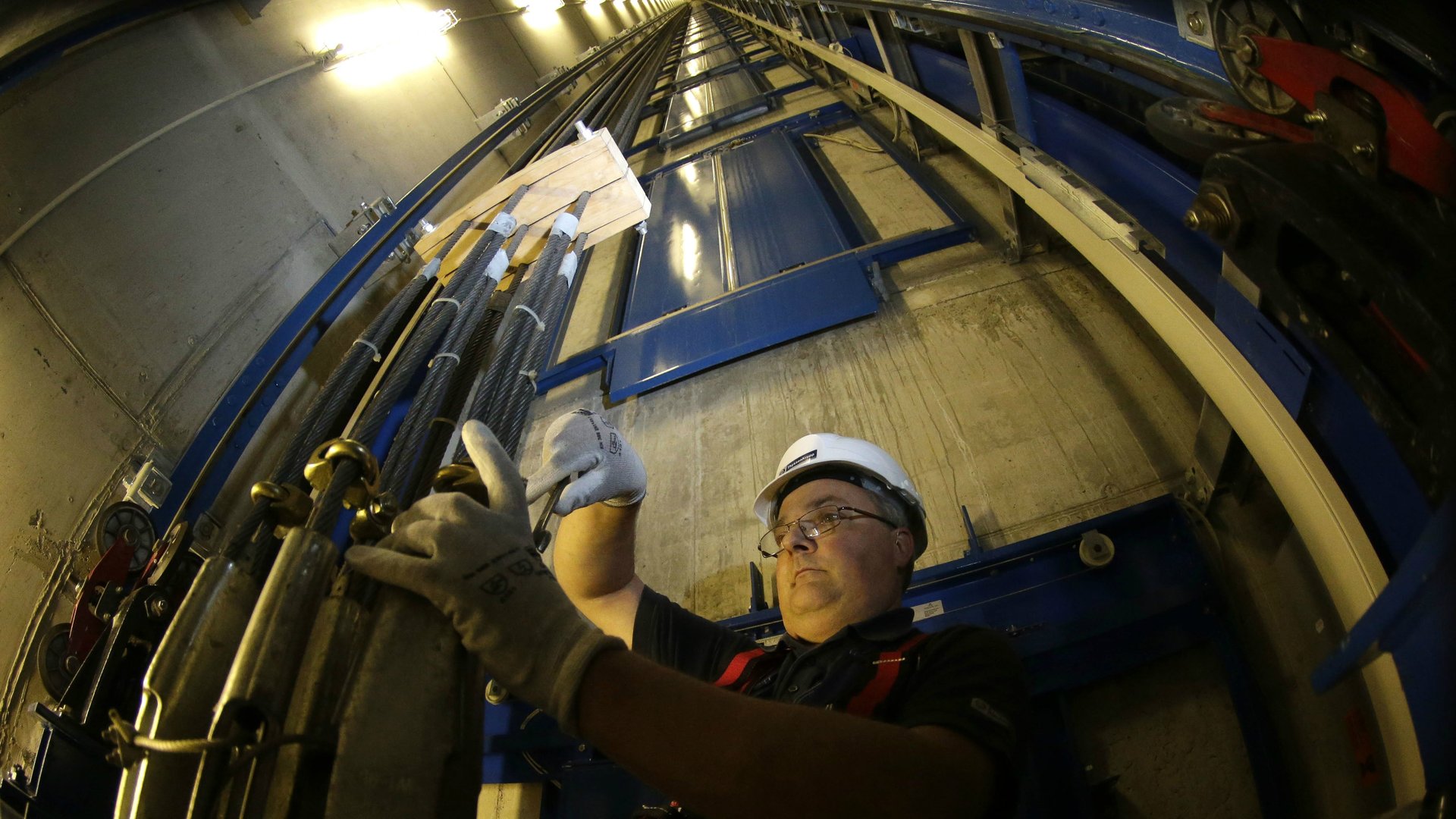
Automation may have made elevator operators obsolete, but things are looking up for those who install and repair elevators.
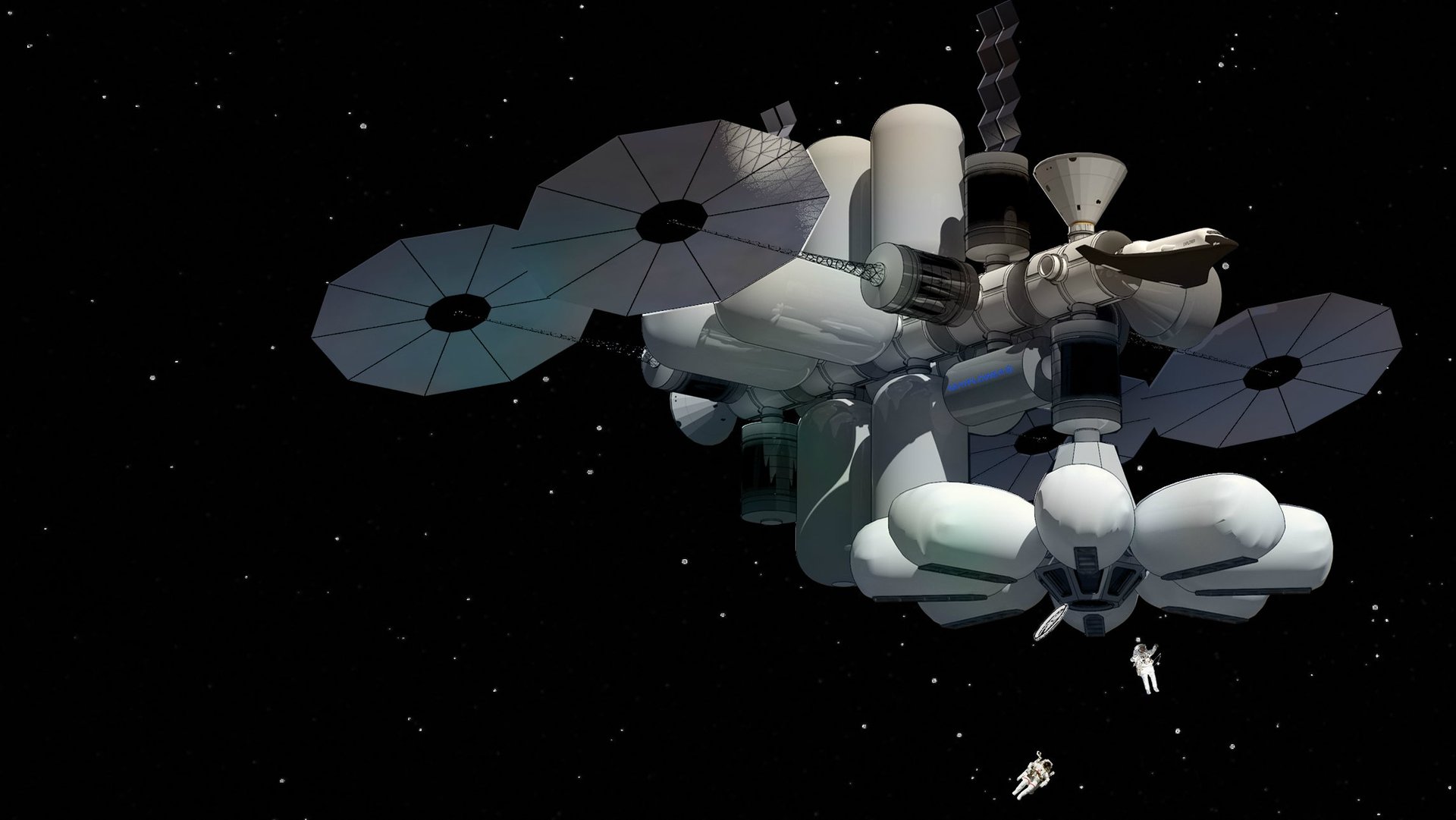
Much has been made about how (very, very rich) space tourists will travel to their off-the-beaten path destination, but where will they stay once they do? A luxury boutique hotel, of course.
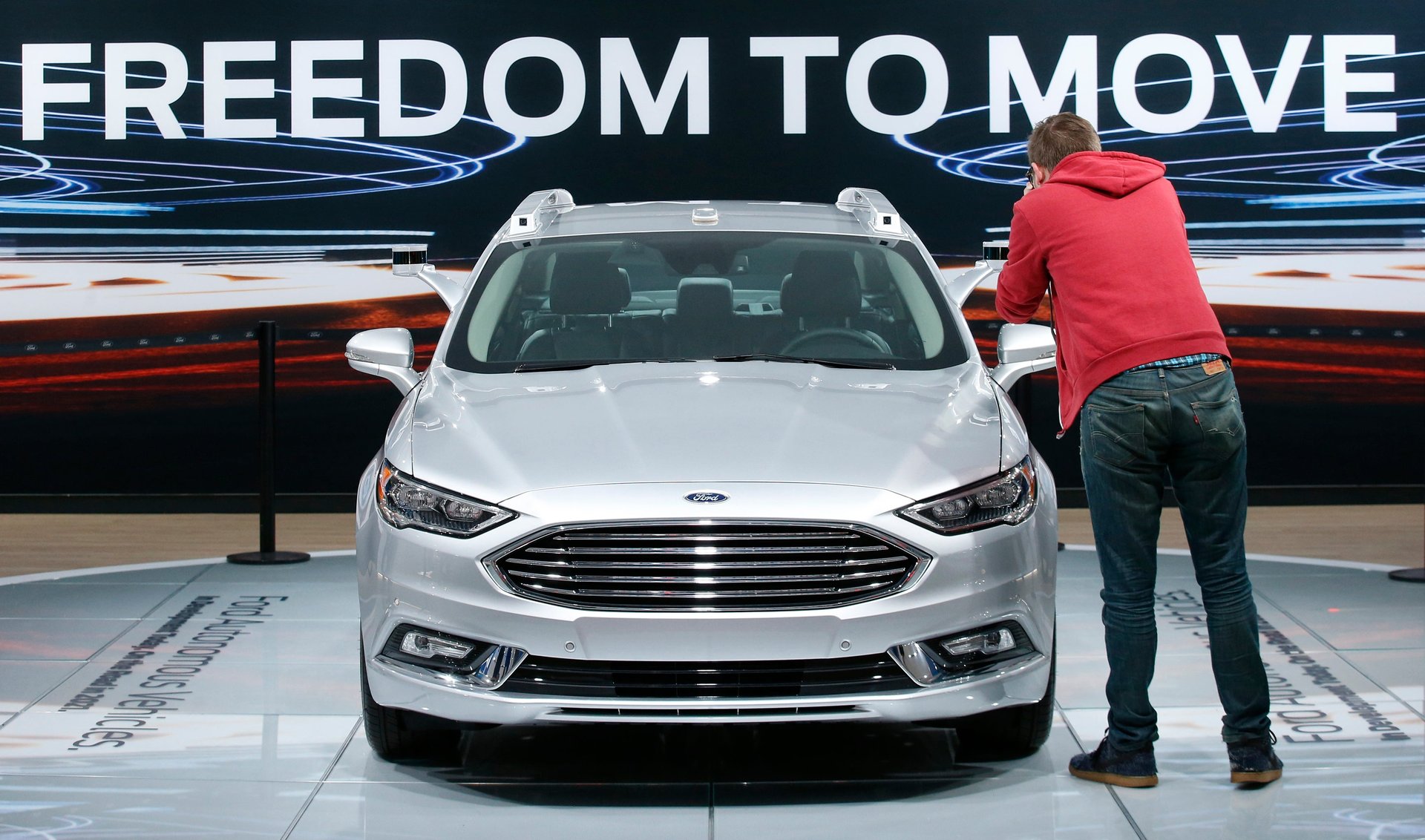
Hybrid cars are becoming the VCR/DVD-combo players of the automotive world.

Summer is for splurging—on vacations, on bottles of rosé, on August air-conditioning bills. But if you’ve got a few billion dollars lying around, you can also pick up the state-owned airline of the world’s second most populous country.
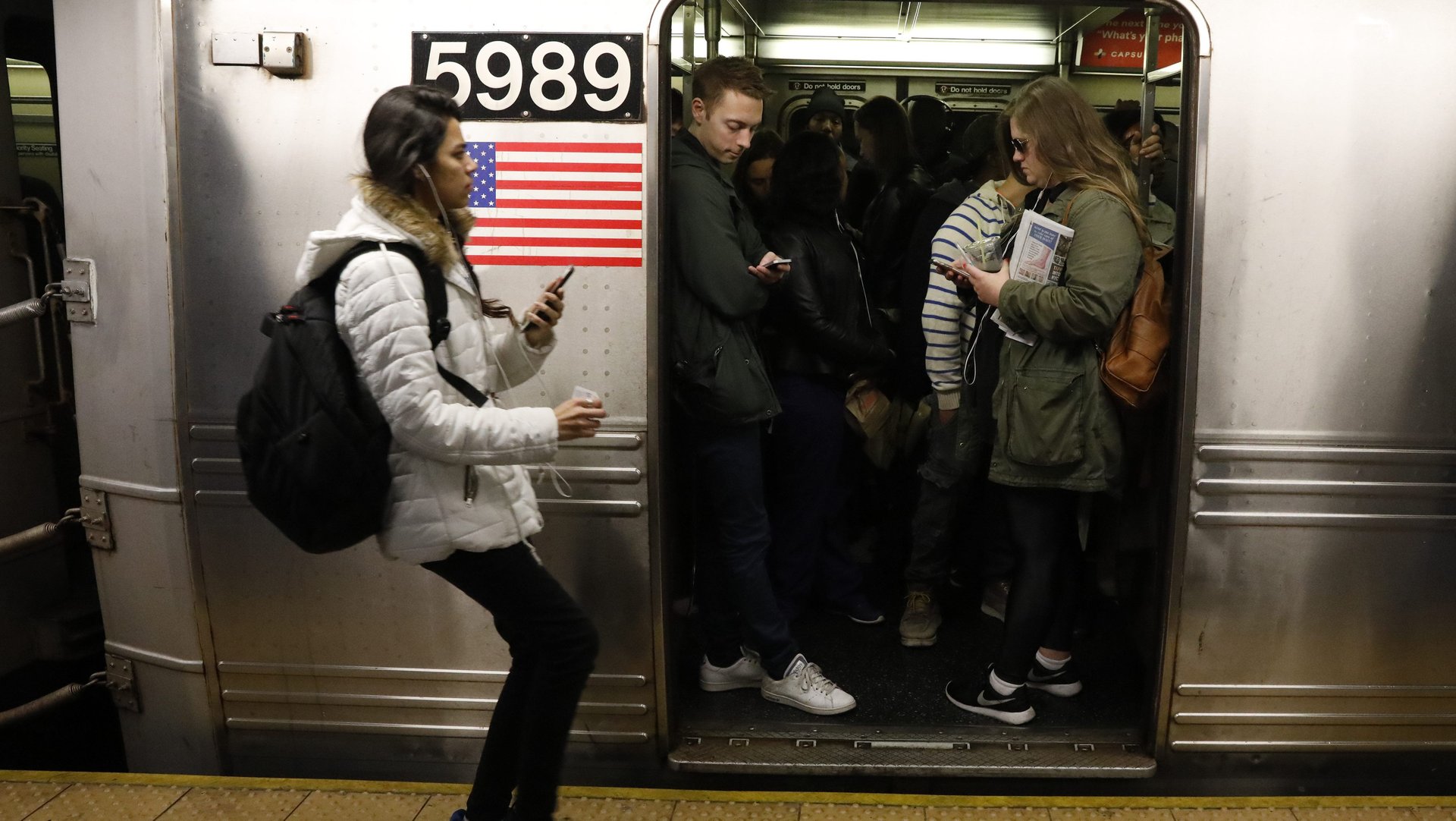
New Yorkers know this feeling: The subway finally rolls into the station, and the doors open to reveal an impenetrable tangle of limbs, hair, and backpacks. It’s too crowded to even board.
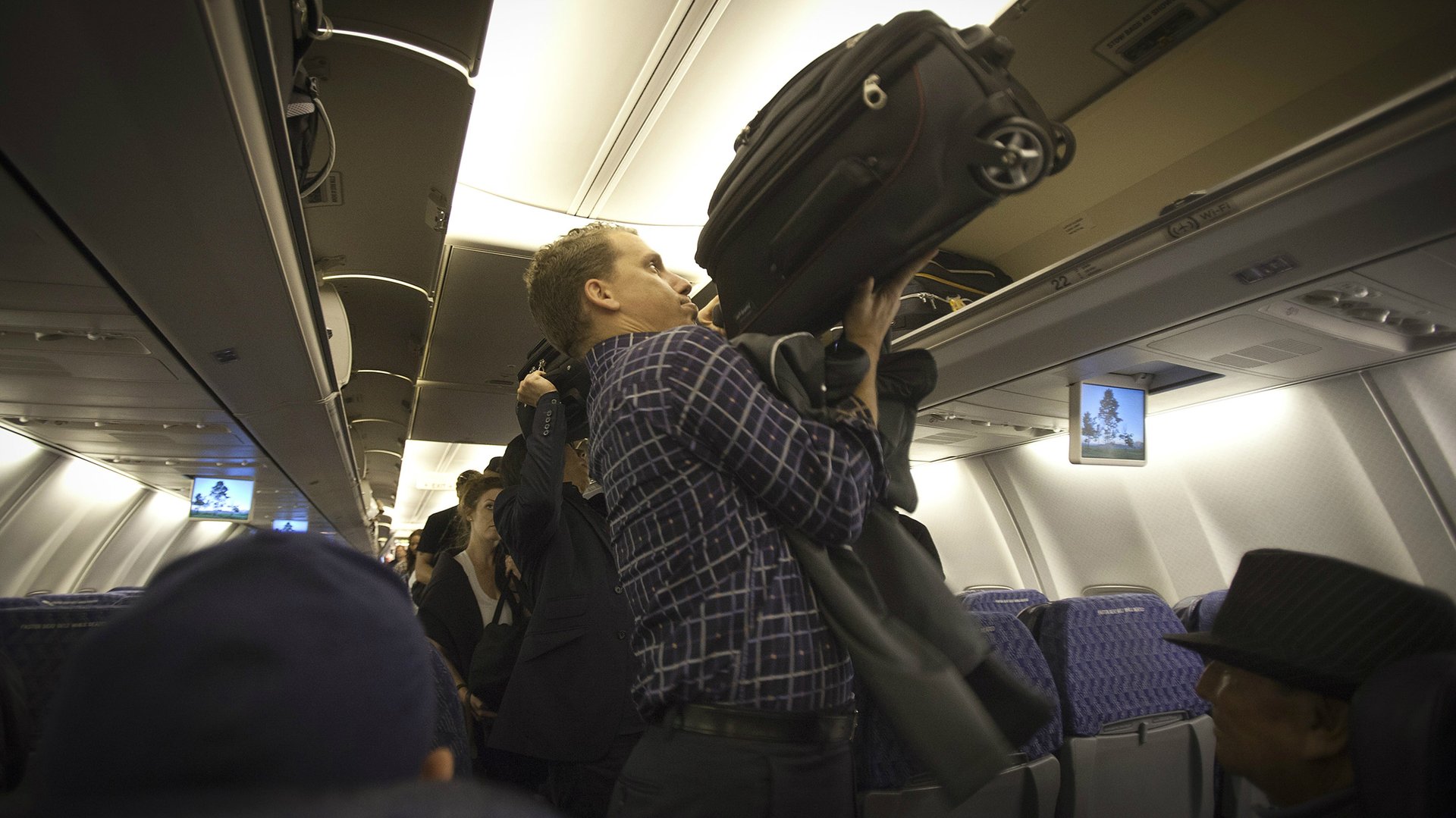
Along with “why is my flight cancelled?” and “what is that smell?” it is one of the greatest enigmas of modern air travel: Why can’t our fellow passengers place their bags in the overhead bin like normal humans?
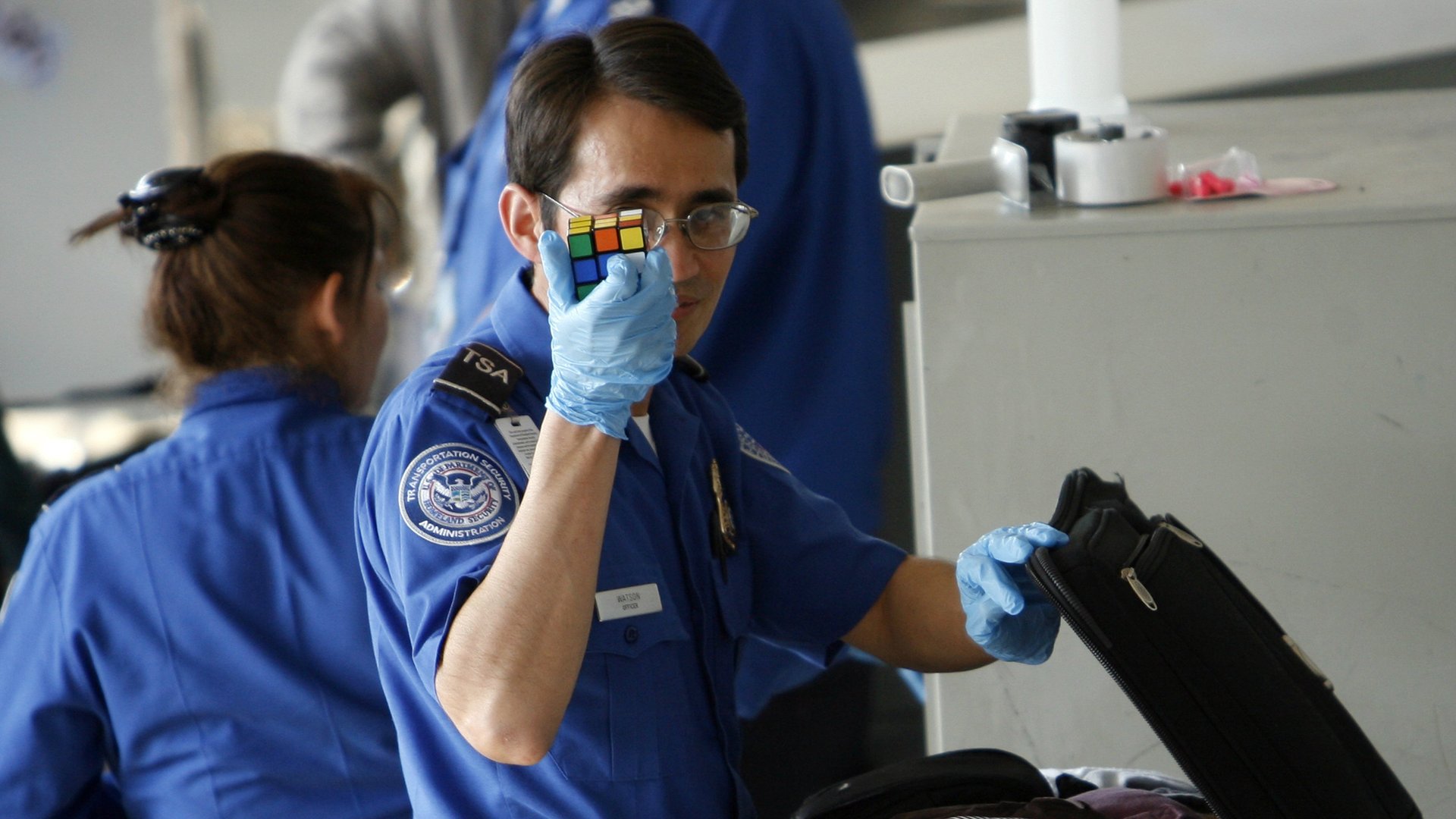
Let us all take a moment to thank the US government and commercial airlines—hear me out—for making this The Summer of Traveling Light.
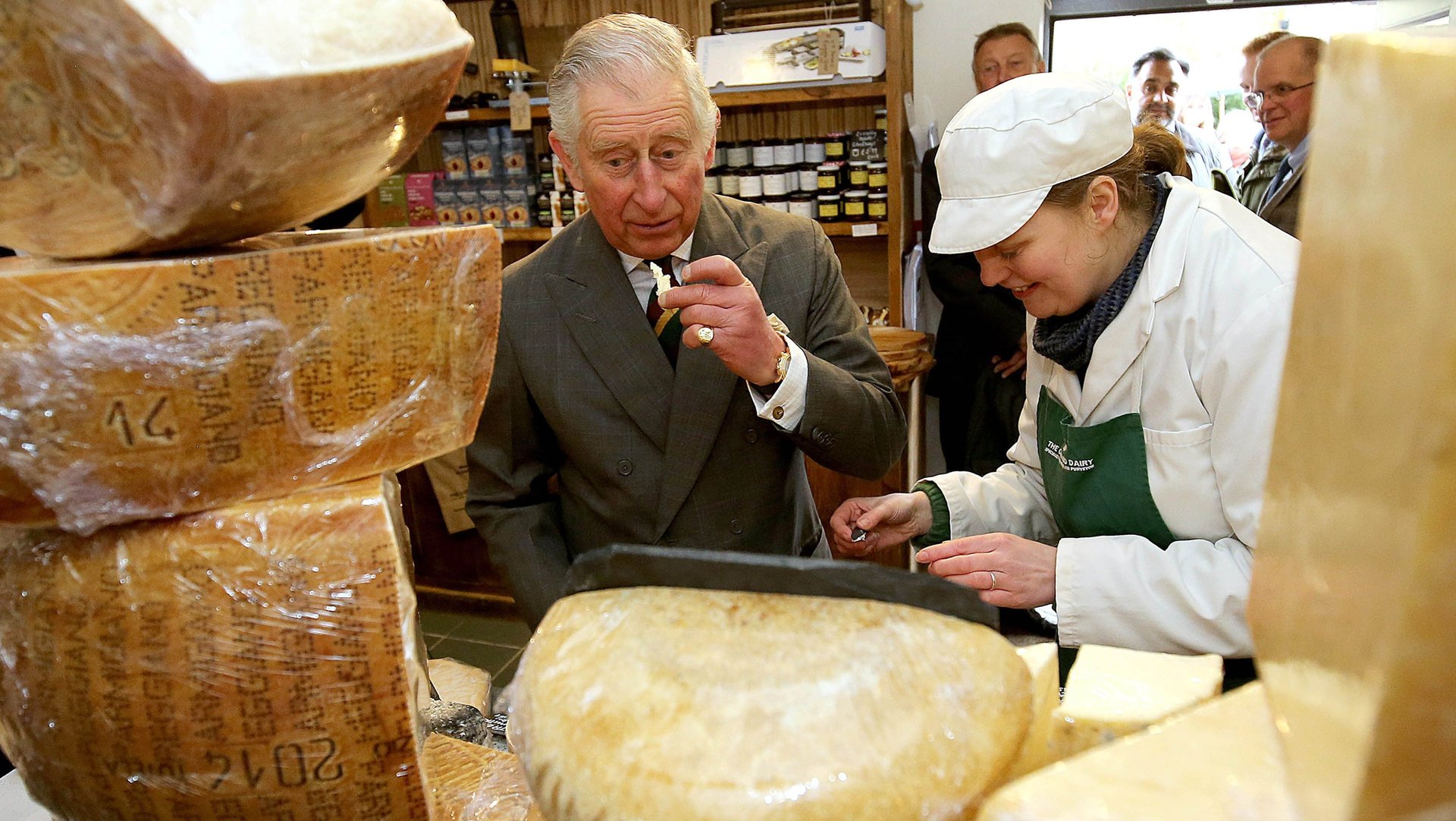
We’ve all been there. The Swiss chocolate. The handmade Italian pasta. The tequila in the bottle that looks straight out of an ancient apothecary.

Among all the complexities of modern travel, communicating in another language ranks low on the list. You can always hold up eight fingers to haggle over flea-market prices, or use Google Translate (among many such apps) to order the right thing at a restaurant. Plenty of travel bookings can be handled online and even newer technology—like earbuds that attempt to translate in real time—suggests that the days of studying French before visiting Paris will soon be behind us.
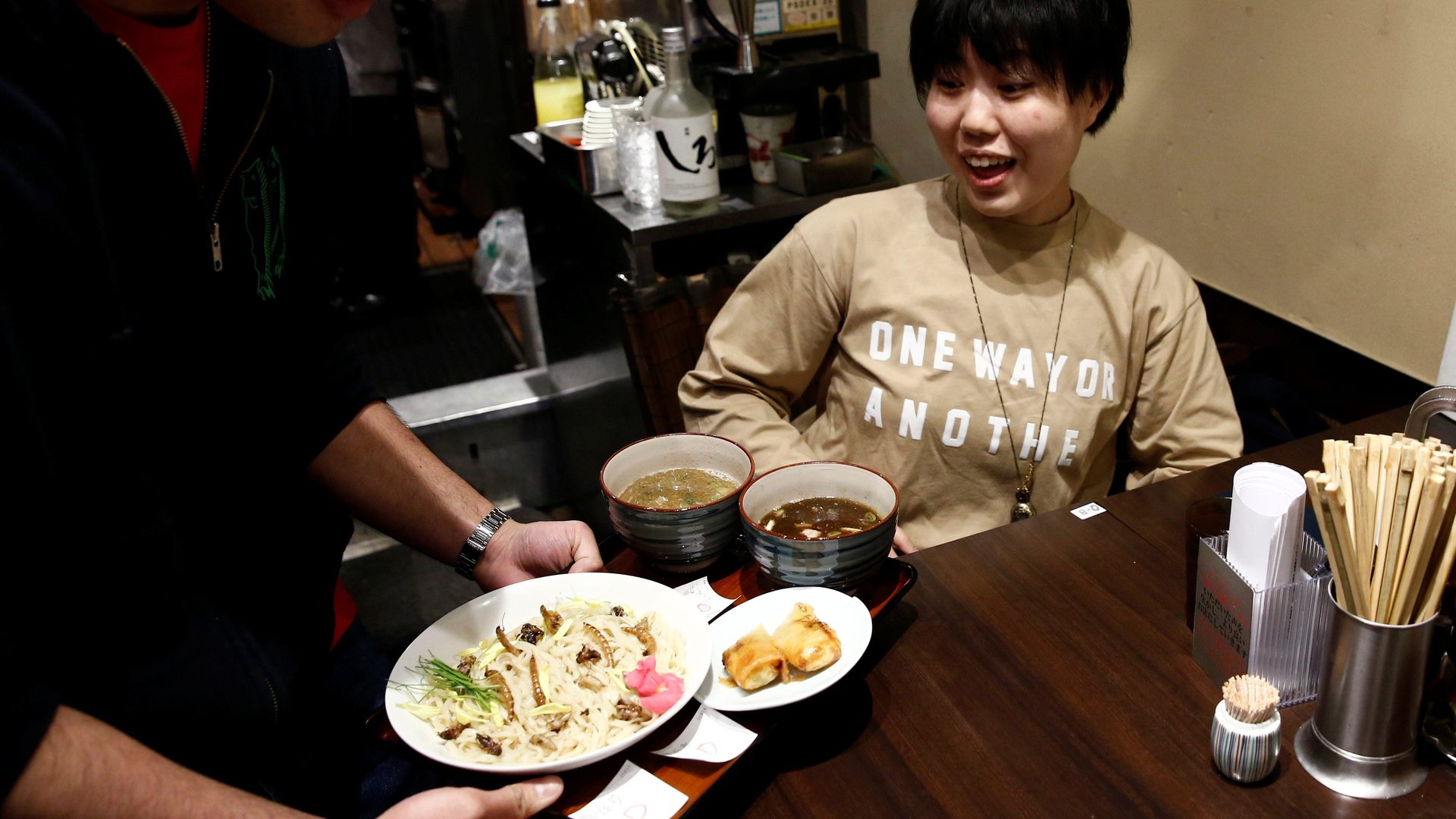
We’ve all been there: You tuck into your dinner at a nice restaurant and realize right away that something’s not right. Maybe you’re a vegetarian and notice a pancetta cube in your pasta. Maybe the dish is too spicy, or too cold, or too salty, or you forgot that Sichuan peppers numb your mouth. Perhaps you didn’t Google escamoles before ordering them.