
Business News
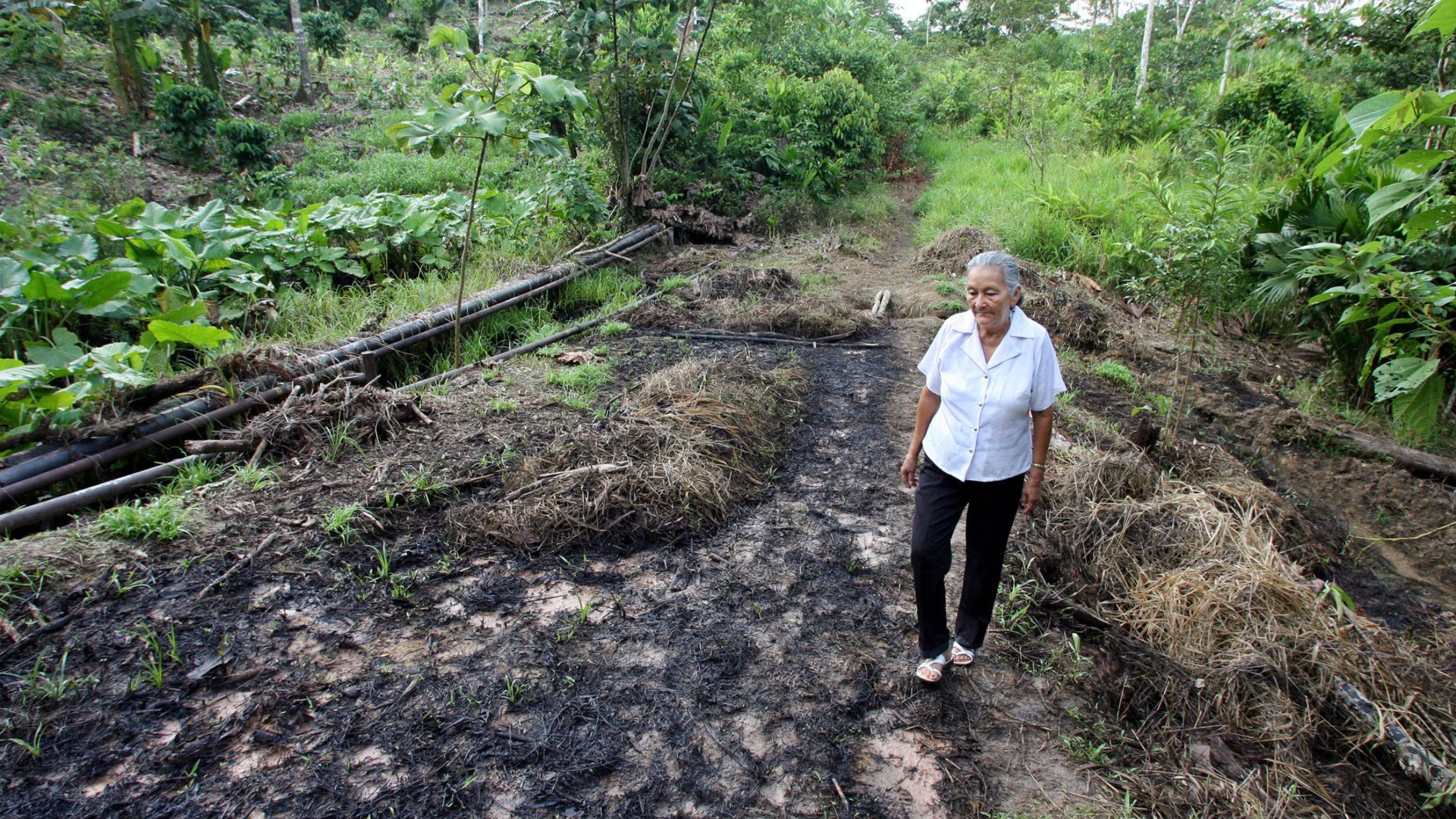
The Law of the Jungle in Chevron’s $19 billion pollution case in EcuadorThis post has been updated with a statement from Steven Donziger, the principal lawyer for the plaintiffs.
Updated July 21, 20224 min read
This post has been updated with a statement from Steven Donziger, the principal lawyer for the plaintiffs.
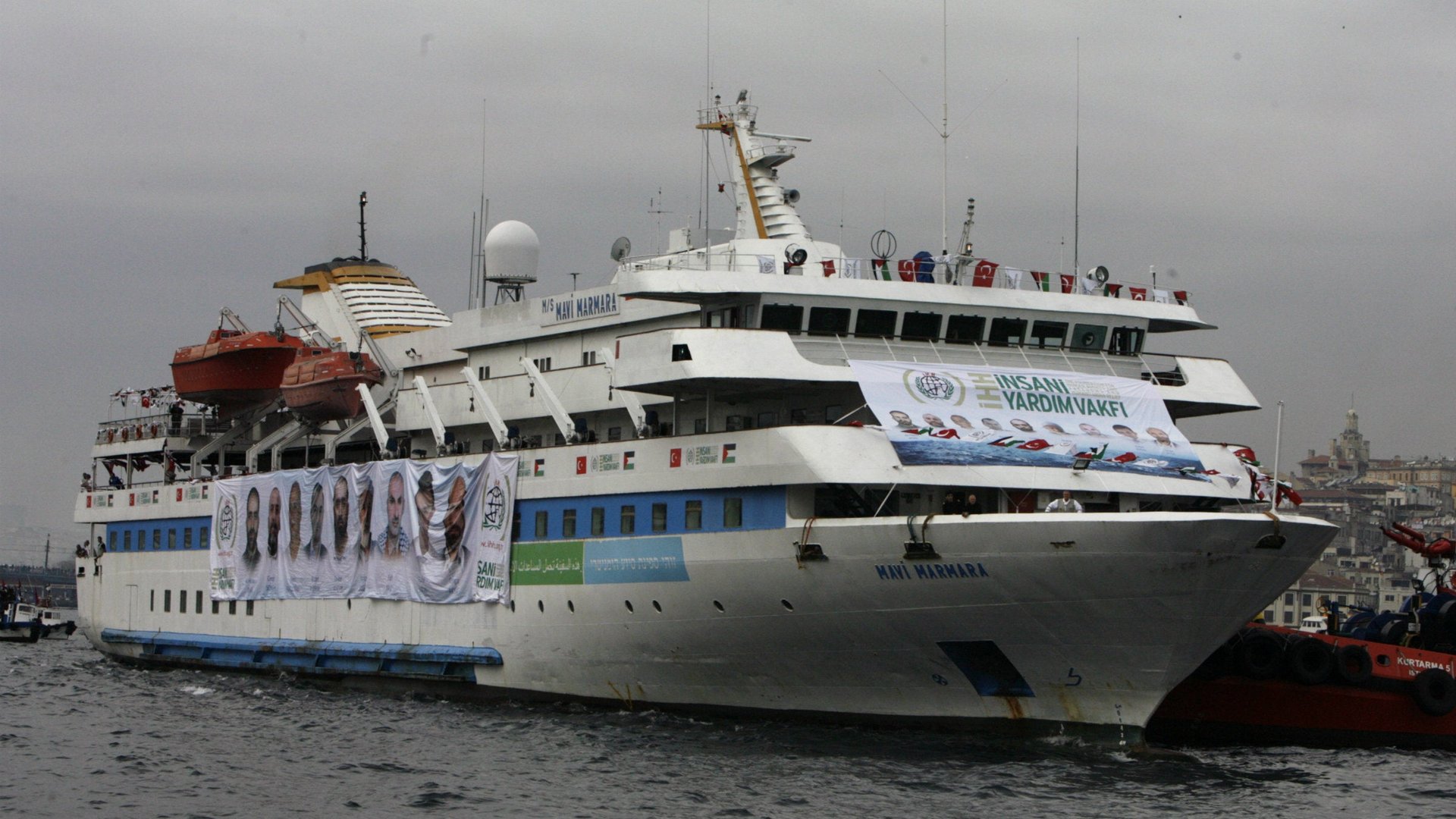
It’s taken nearly three years for Israel and Turkey to have a fruitful tete-a-tete over the Israeli commando raid on a Turkish flotilla bound for Gaza. In a move that could restore what was once the closest relationship between Israel and a Muslim country, the two countries signed a draft agreement to compensate Turkey for the deaths of nine protestors aboard the flotilla. The accord, if finalized in the capitals of both countries, could lead to the restoration of full diplomatic ties.

When you are standing in Brazil, you might as well be in Angola. The same goes with Ghana and French Guiana. At least, that’s the way that the most geologically savvy oil explorers look at the world: Because of how the continents have shifted over geological time, when you find oil in one place, you can often know with some certainty that you will also find it thousands of miles away in another spot.
If you wrote up a list of the world’s most vilified people and things, it currently would be topped by the Tsarnaev Brothers. Mohammed Soel Rana would probably be next, along with a few other Bangladeshi garment factory owners. But just a few years ago—in the middle-late 2000s—the list might have been led by Gazprom, the Russian gas giant that preferred to cut off service to Ukraine and the rest of Europe in the dead of winter rather than settle utility disputes the normal way.
In 1973, Americans awoke to a new world in which their daily economic lives were suddenly subject to the whims of a heretofore much-underestimated foreign oil cartel. Six years and a surge in gasoline prices later came a new blow–a little-understood uprising in faraway Iran that sent fuel prices up even further.
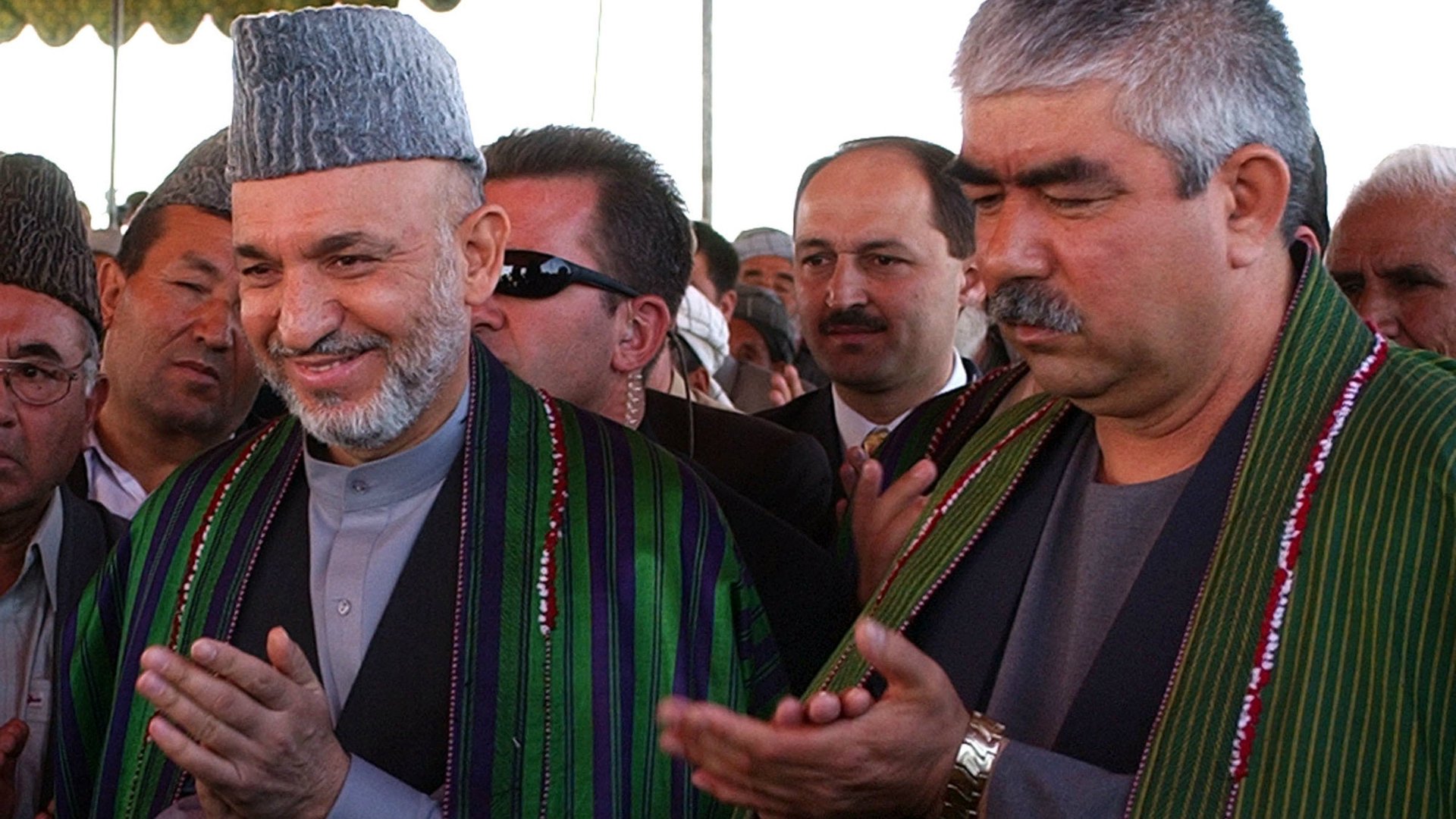
By 1992, Najibullah, the Moscow-installed president of Afghanistan, had lasted three years as leader despite the withdrawal of Soviet troops from the country. But then he ran out of cash to pay a stipend to an important warlord in the north of the country. The warlord, Abdul Rashid Dostum, responded by turning on Najibullah, forming an alliance with his enemies, and marching on Kabul. Najibullah was ousted by April.

If you were looking to invest in an exotic, booming commodities company in recent years, almost nothing could beat Eurasian Natural Resources Corporation (ENRC). The Kazakhstan mining firm has assets in the Democratic Republic of Congo and other African countries, as well as Brazil, Russia, China, and Kazakhstan itself. But after a good run since its 2007 IPO, ENRC appears to be unraveling. In the past two weeks several of its senior managers and directors have quit or been forced out, the company has been awash in allegations, and yesterday the UK’s Serious Fraud Office launched a criminal investigation into it for fraud, bribery and corruption.
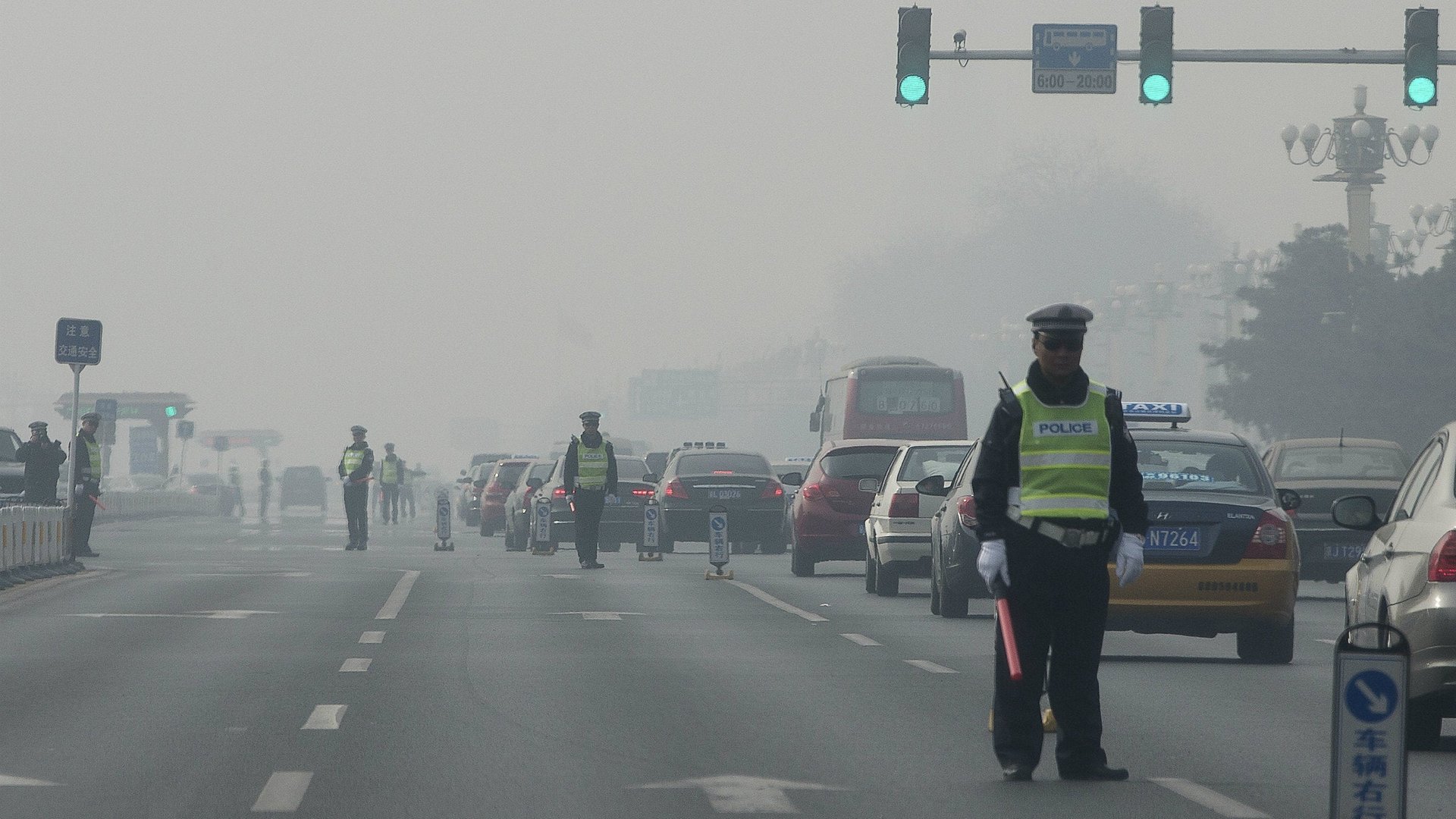
Elizabeth Muller, who runs a California-based climate change monitoring group called Berkeley Earth, is urging environmentalists to help China help itself by developing its shale gas resources. Because China accounts for much of the world’s future atmospheric increase in heat-trapping gases, Muller argues that it is in everyone’s interests to help wean the country off of coal. And one of the best bets for doing that is the controversial technique of hydraulic fracturing (better known as “fracking”), says Muller.
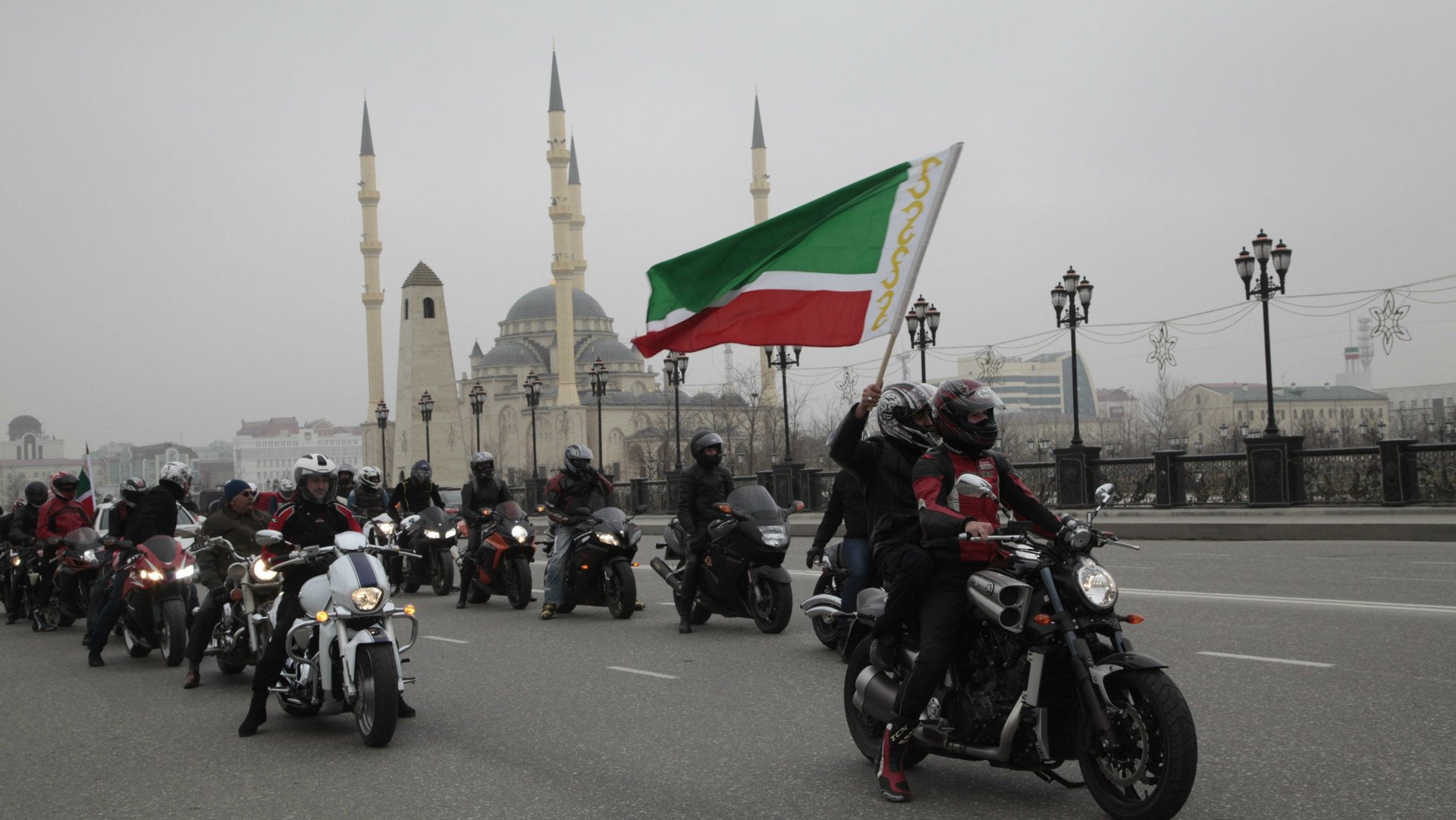
The bombing attack in Boston—if it was carried out by the Chechen brothers identified in this morning’s media—appears to be the first outside Russia by people from the North Caucasus region, whose key aspiration has been independence from Moscow. There is no indication, at least so far, that this bombing had any political motivation. But Chechen militants have been at the center of some of the most notorious terrorist attacks in Russia itself since the Soviet breakup.
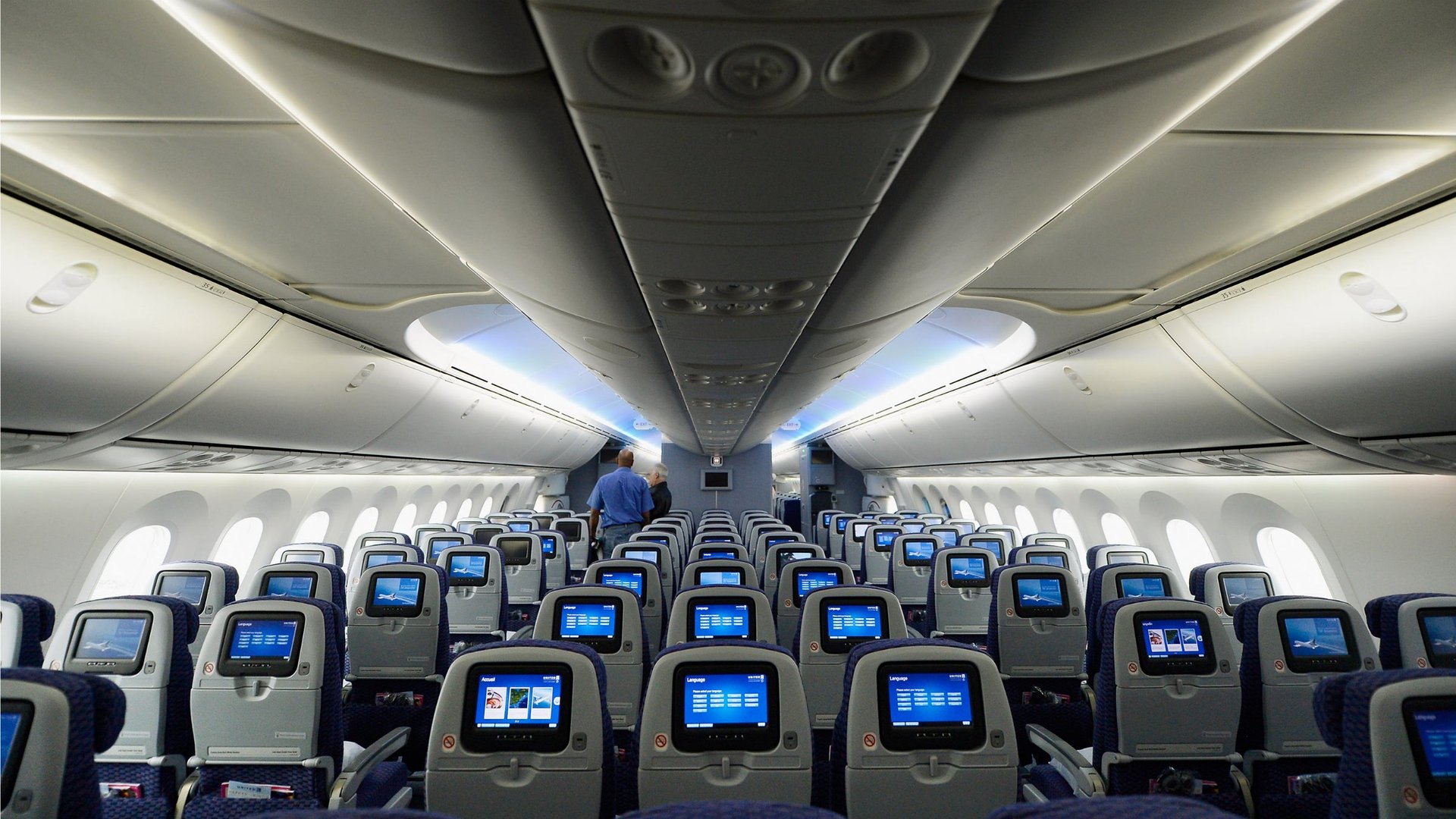
Update: The Federal Aviation Administration has approved Boeing’s proposed repair for lithium-ion batteries aboard its 787 Dreamliner, thus clearing it to fly. The jets have been grounded since January after fire and smoke erupted from its lithium-ion battery packs.
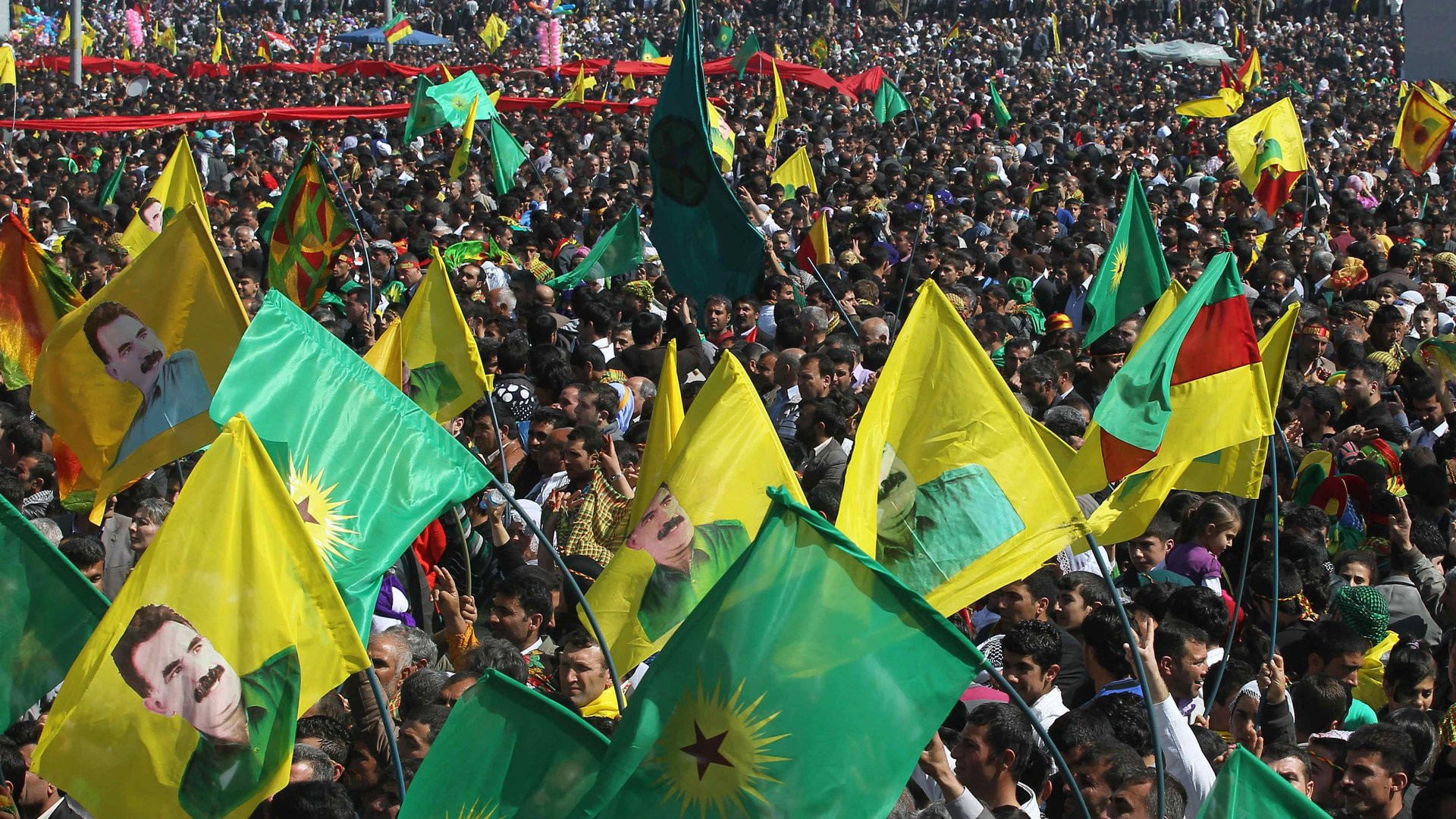
Turkey may have pushed ahead with a far-reaching oil deal with the Iraqi region of Kurdistan, an accord that could shake up the political and economic boundaries of the Middle East.
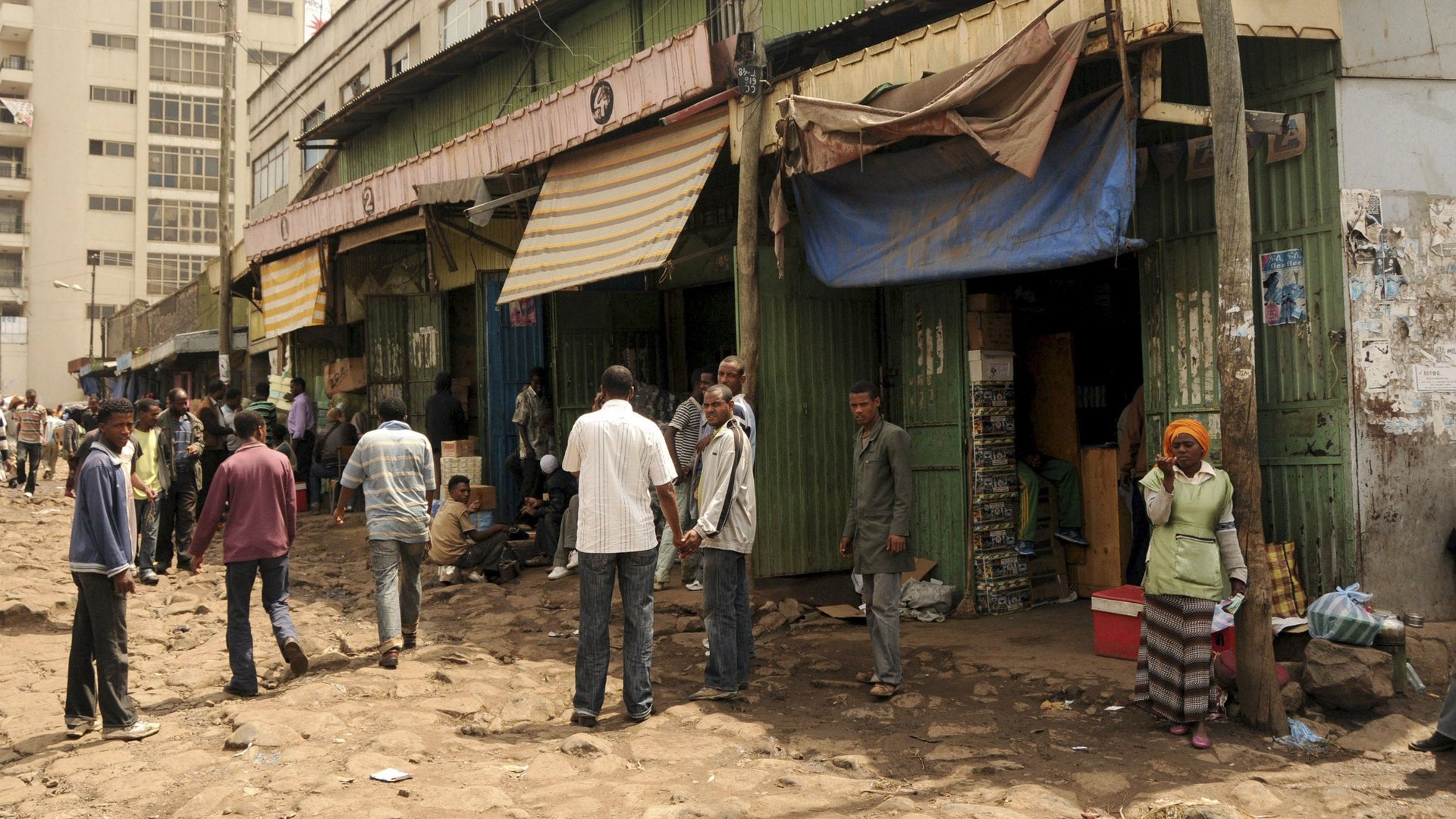
Tullow Oil, the UK company responsible for some of the biggest recent frontier petroleum discoveries in Africa and South America, may have broken open yet another new petro-state. It is Ethiopia, a long-troubled, largely agricultural nation that imports all its oil and gas.
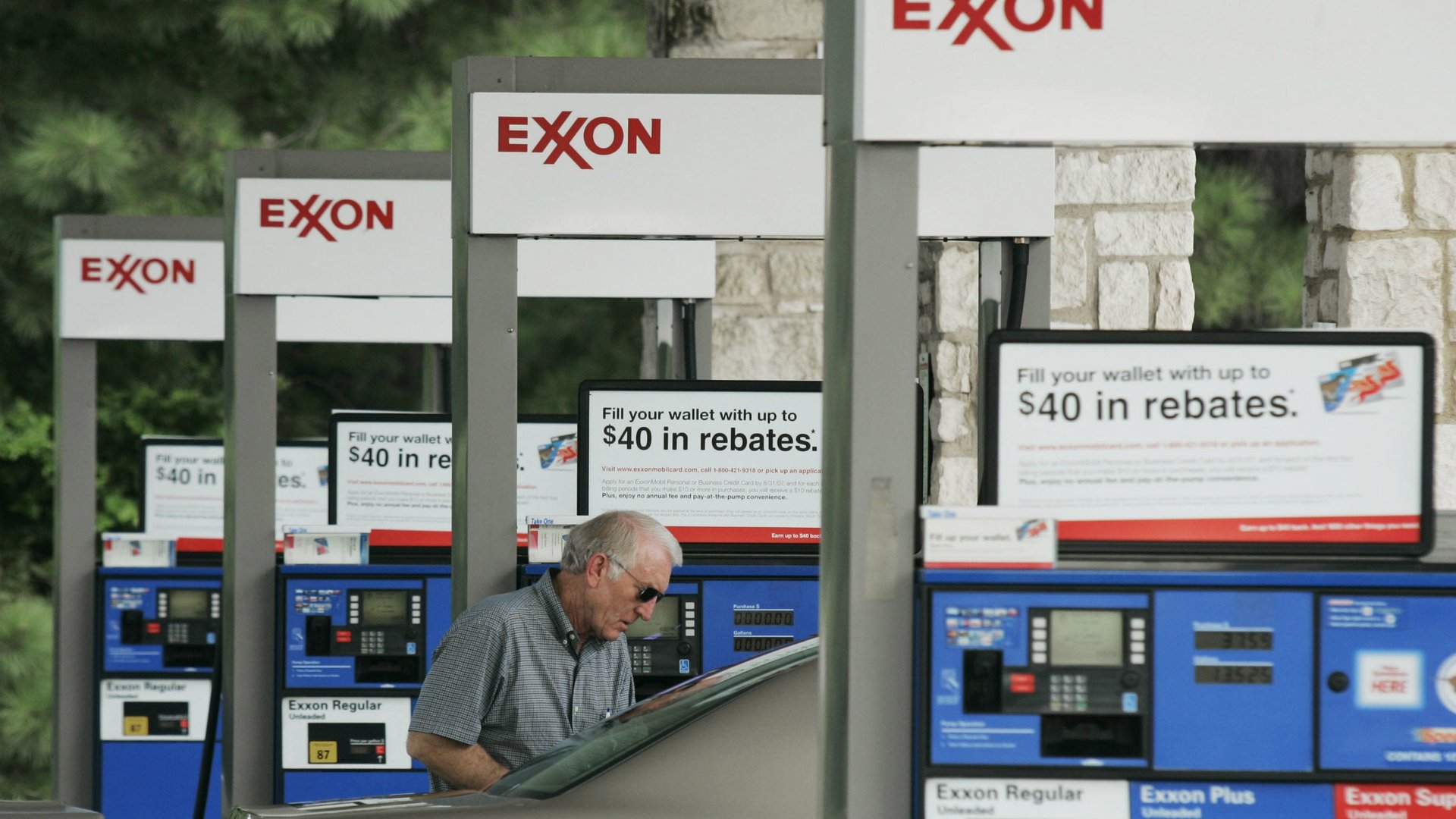
Here is a puzzle: ExxonMobil has sufficient proven oil and gas on its books to produce at current levels for 16 years. It has 55 years of supply in its total resource base, which is those proven reserves plus deposits to which it hasn’t yet committed the development dollars required before legally calling them “proven.”
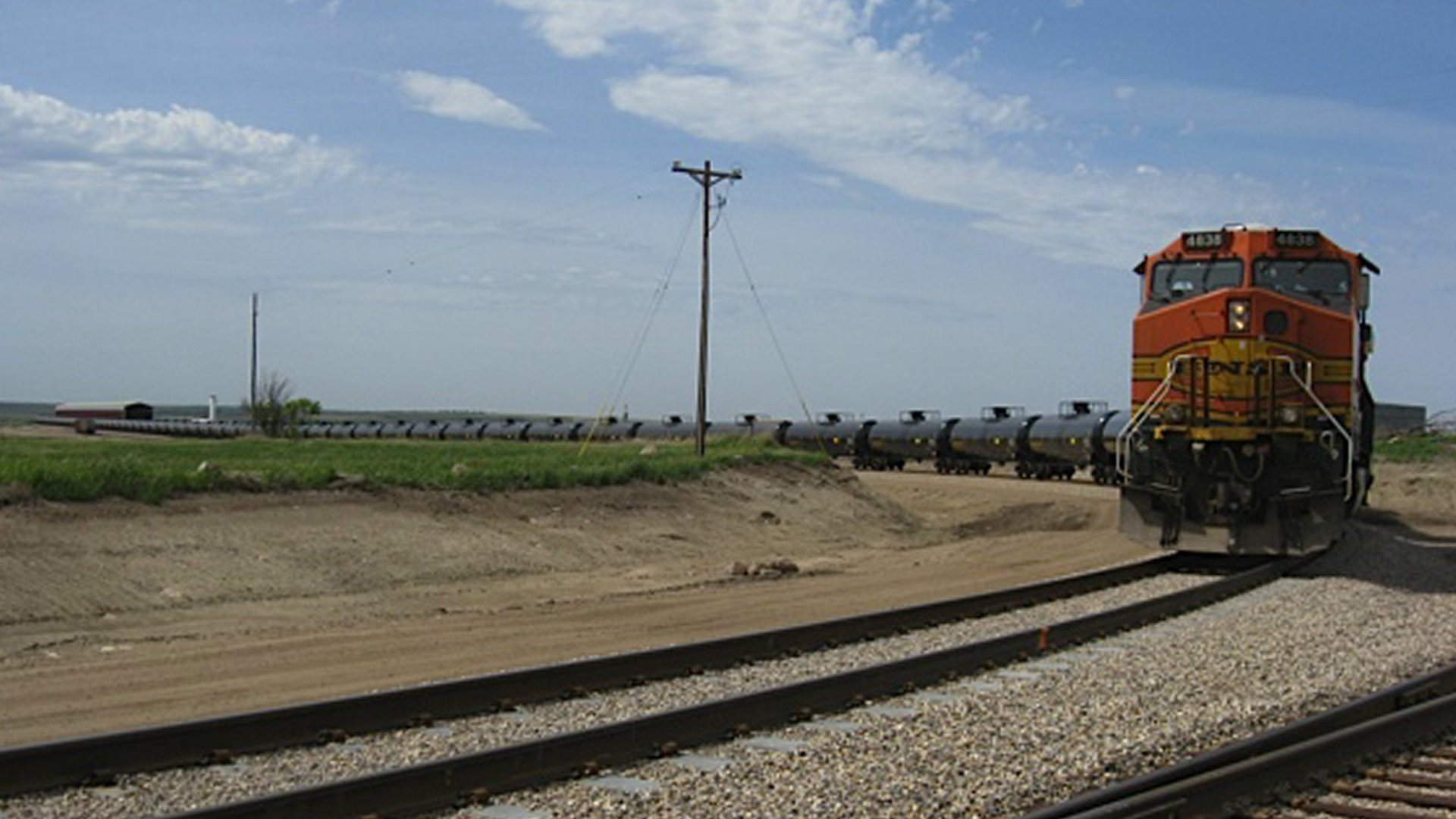
The new US oil boom that bulls think could bring the country to energy self-sufficiency is well-known. Less so is that, for many US producers, the boom has also been a crisis. If they are drilling in the hottest area of all, which is North Dakota’s Bakken Shale, their oil has often been left stranded, forcing a fire sale. In February 2012, Bakken producers had to offload their crude at a discount of $28 a barrel.

There is an accusation on Wall Street against Rex Tillerson, the CEO of ExxonMobil. It is that he has weighed down the crown jewel of Big Oil, until recently the world’s biggest oil producer, with two big, bad bets—on a natural-gas company in the US, and an oil field in Iraq—and thus sabotaged its share price. His predecessor, Lee Raymond, would never have made such lame-brained investments, it is suggested.
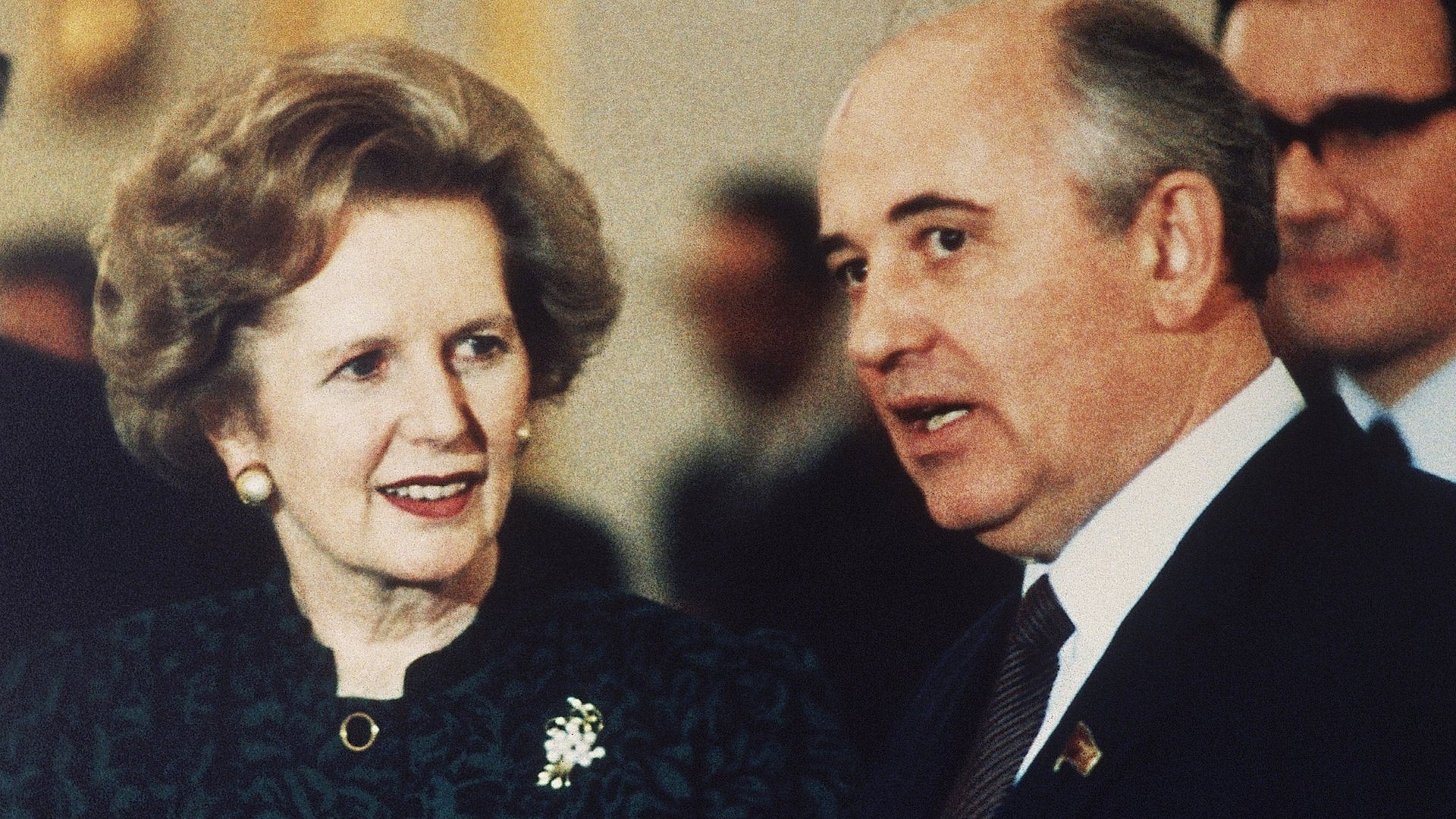
Margaret Thatcher, who died today at the age of 87, is famous for admonishing US President George HW Bush not to “go wobbly” on Iraq after it invaded Kuwait in 1990. She was widely thought (including by Colin Powell, the chairman of the Joint Chiefs of Staff) to have influenced Bush’s resolve. Bush suggested later that he had no intention of going wobbly absent Thatcher’s push—but the outcome was the Gulf War, and ultimately Saddam Hussein’s ouster a little over a decade later.
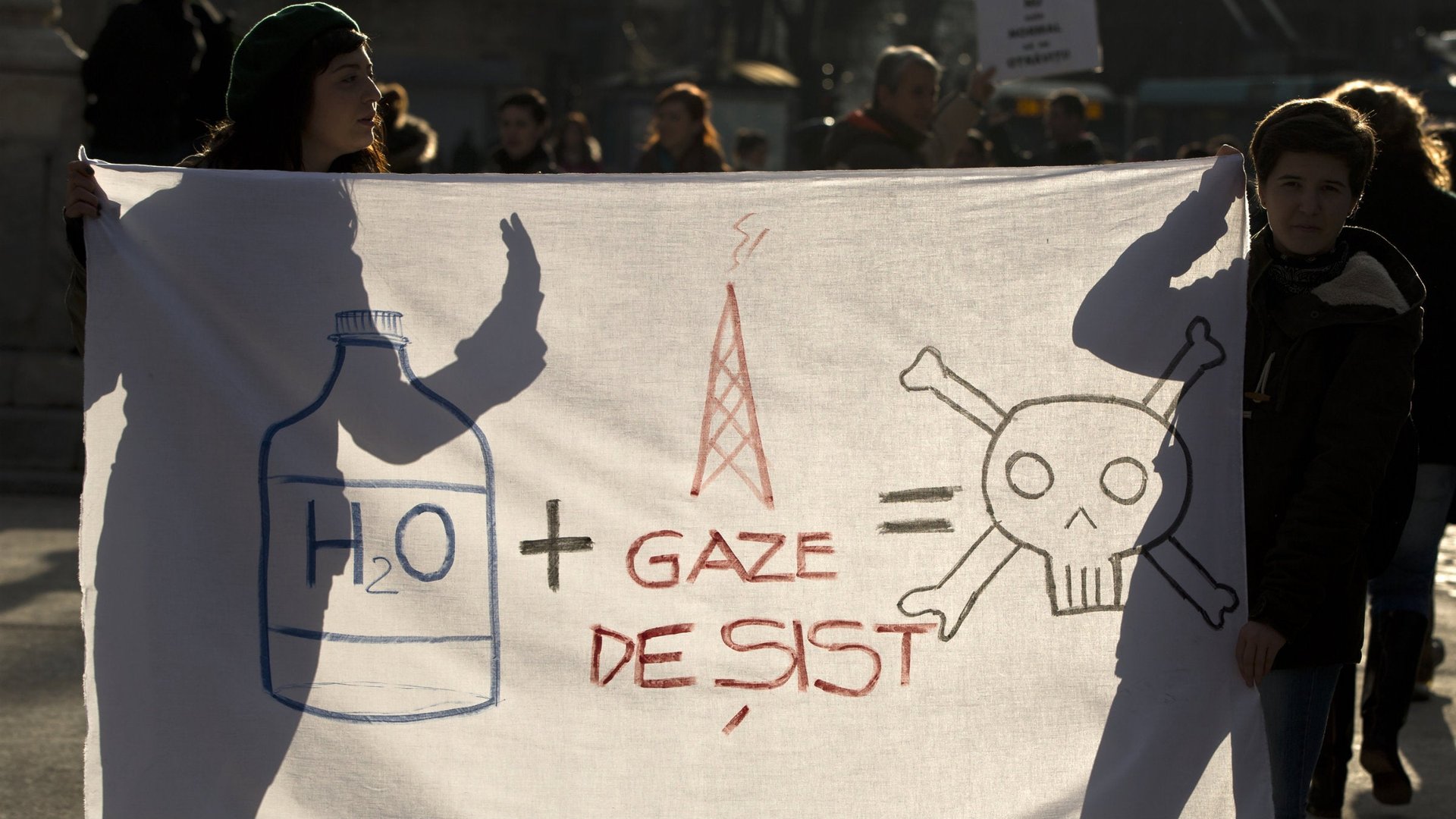
A US industry-environmental coalition says it has established a gold standard for safety and transparency in shale gas drilling, which has triggered public protests on both sides of the Atlantic. Bad actors will be shunned, the group suggests, when communities insist on its seal of approval before green lighting a drilling project. The coalition, comprised of top-tier players including Chevron, Shell, the Environmental Defense Fund and the Clean Air Task Force, has understood a basic calculus—the right to produce shale gas and oil is far more valuable than any perceived reward for sticking to your guns.
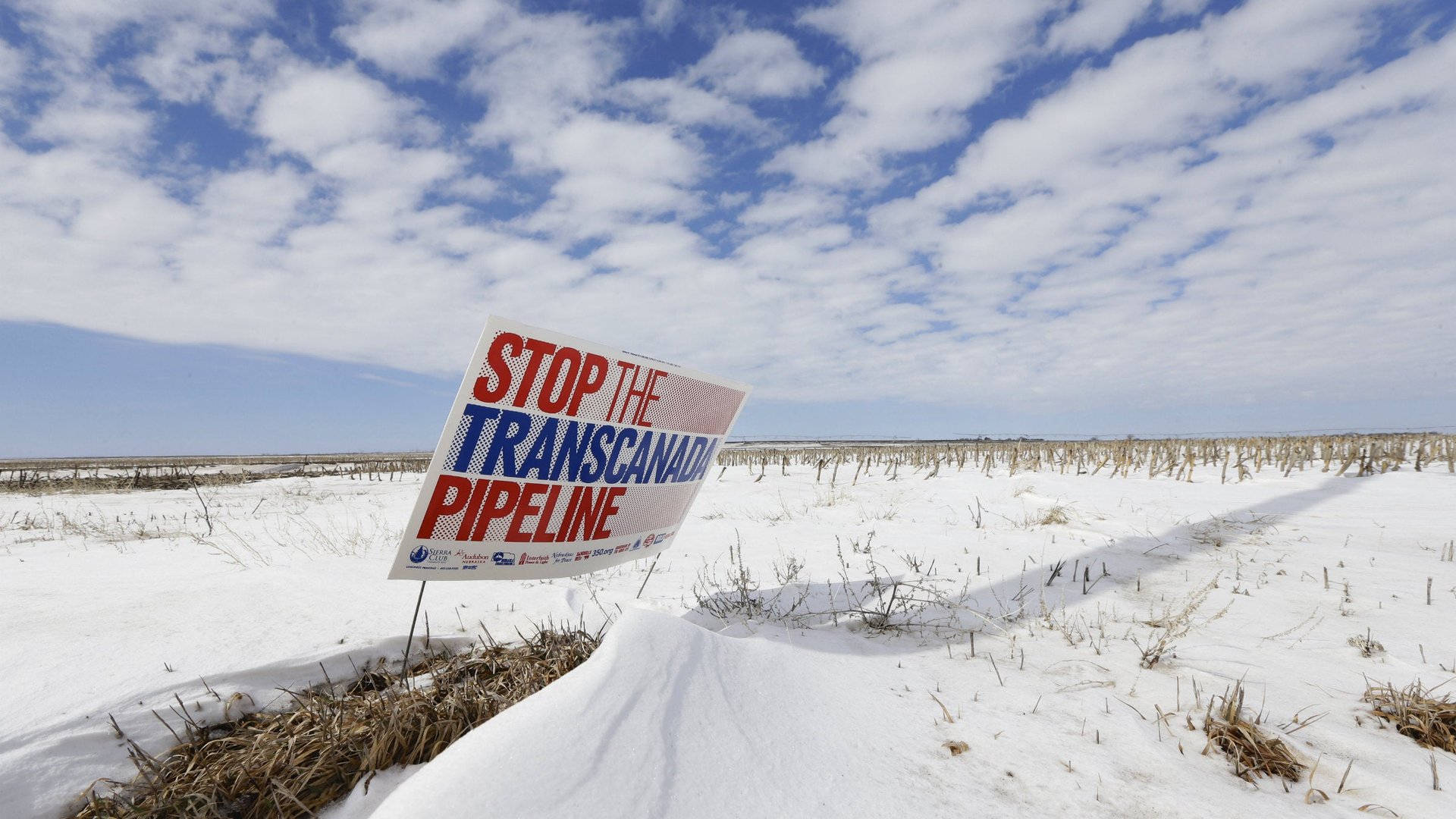
In China, Europe and the US, local groups are furious, respectively, over air pollution, shale drilling and oil pipelines. This makes it a dangerous time for oil companies and some governments: A riled public is often the greatest driver of big policy shifts.
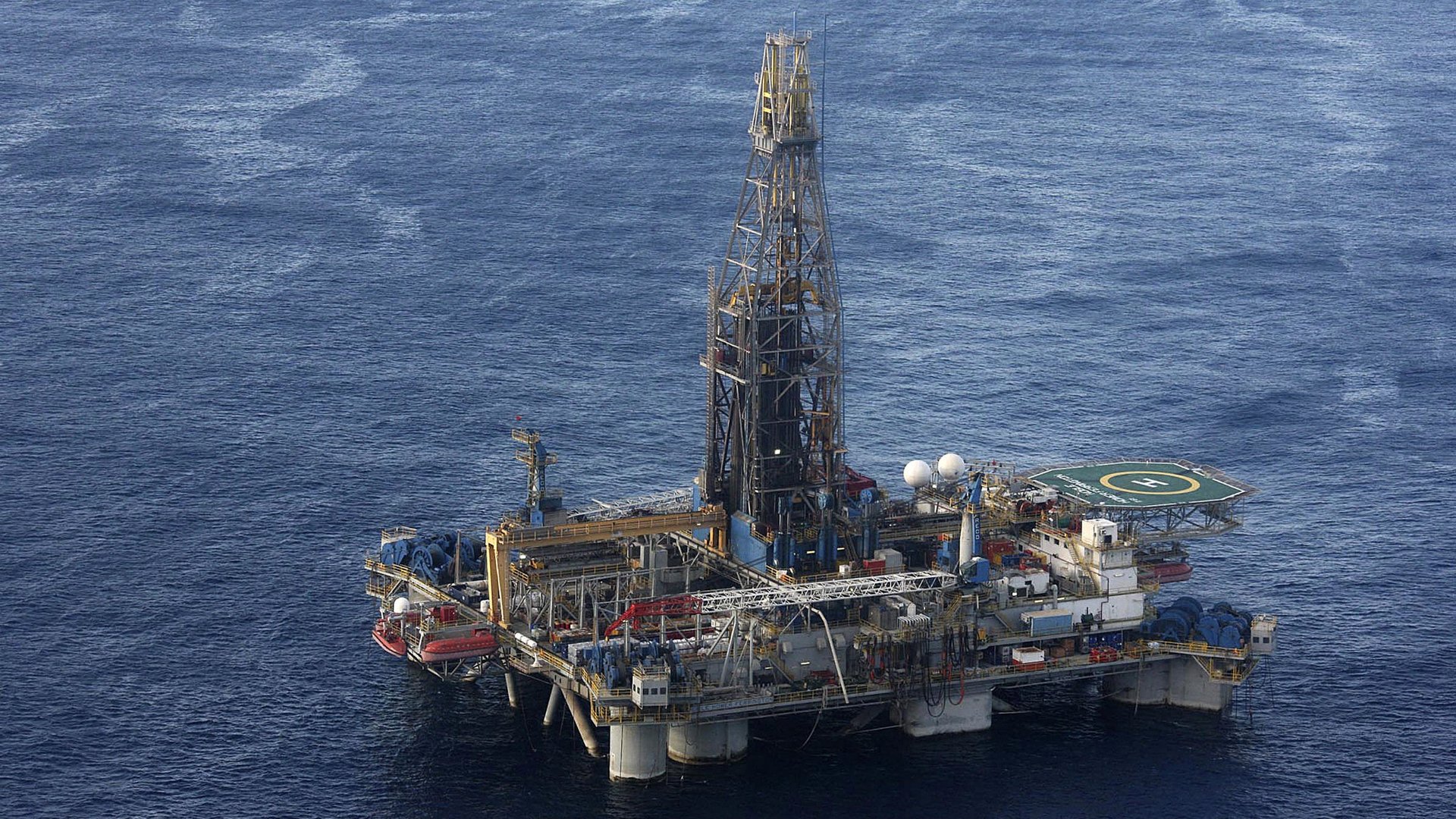
Israel has started its first flow of natural gas from the Eastern Mediterranean Sea, one of the most frenzied new hydrocarbon plays in the world. The players—including former hydrocarbon have-nots Cyprus and Lebanon—are invoking large numbers to describe the outsized economic impact of the gas. But there is still no solution to a big problem—how to get the gas to the global export market?
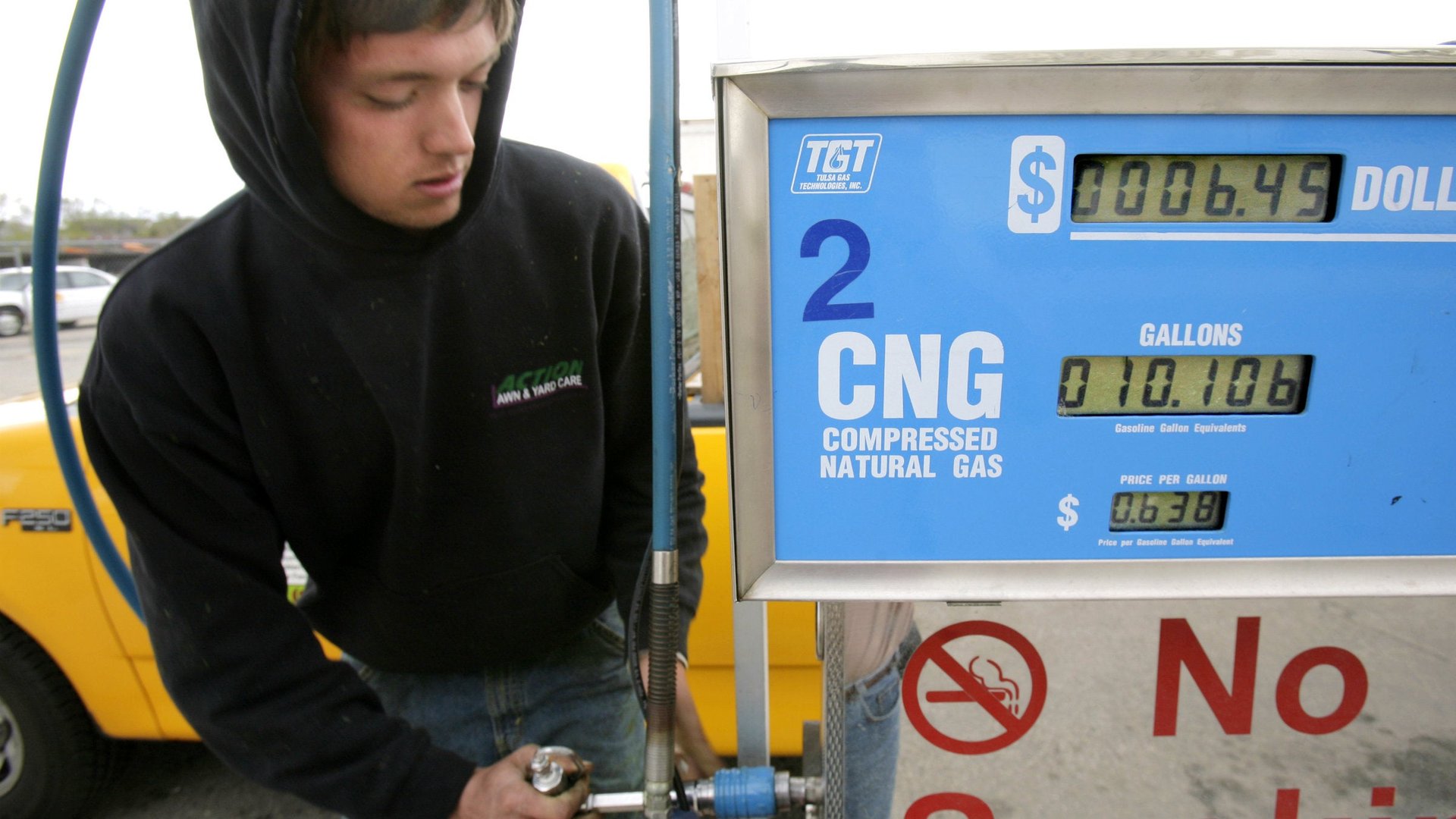
Ed Morse, Citigroup’s top energy economist, has taken a fresh swipe at companies and countries that rely on the global petroleum edifice. With a typically vivid title—“The End is Nigh”—Morse argues in a new report that permanent changes in the ways we produce and consume energy are hollowing out oil demand, with head-spinning ramifications.
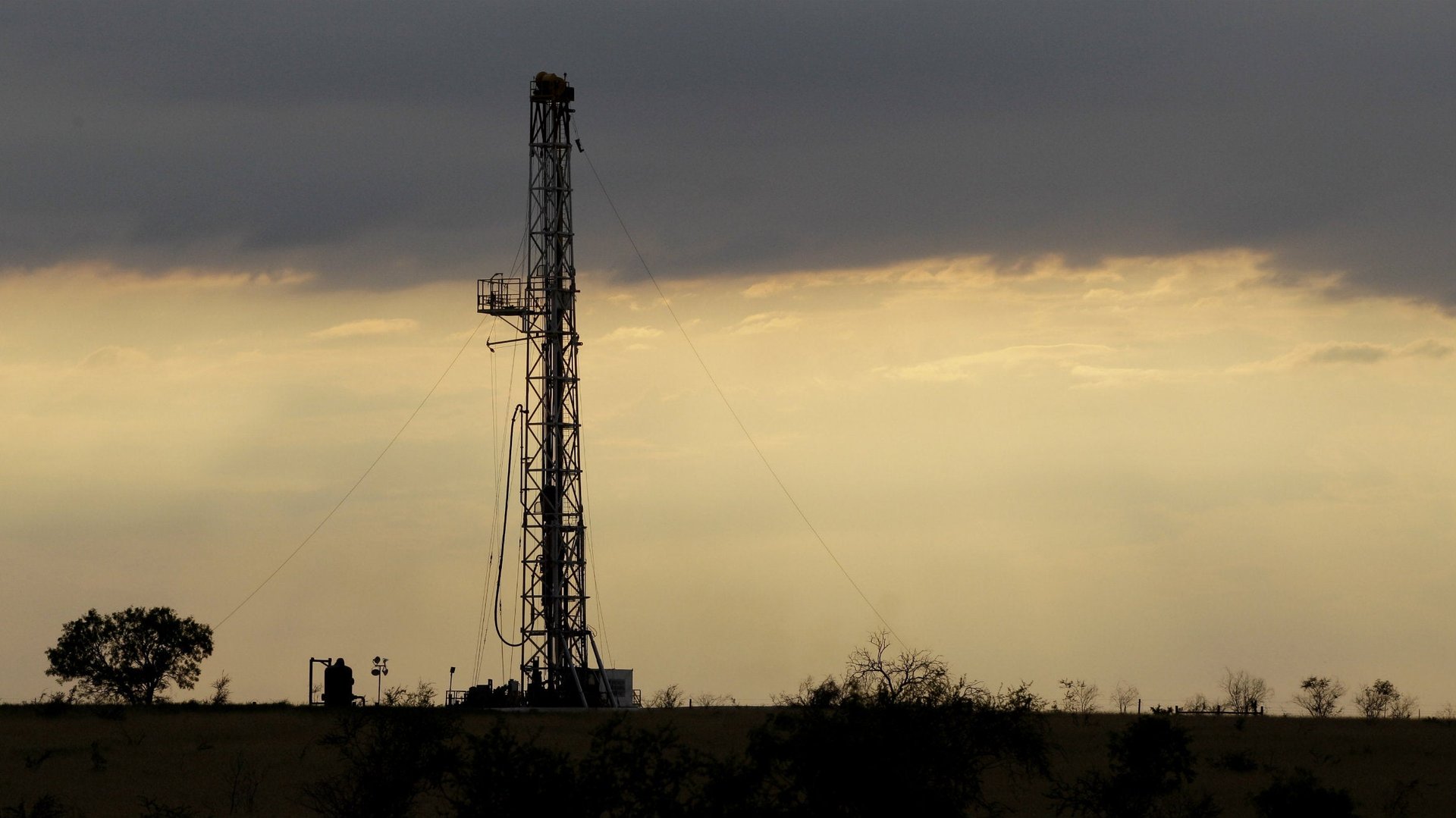
Rarely do the world’s energy-related companies–oil, gas, coal, chemicals–directly attack one another: The spoils are so large, and the dangers of blowback so pernicious, that no one wants to risk blowing the party for themselves. But the battle to monetize the US shale revolution is different. We are witnessing the opening act of what seems likely to be a bloody, drawn-out battle between Big Oil and Big Chemicals for control of the US natural gas supply.
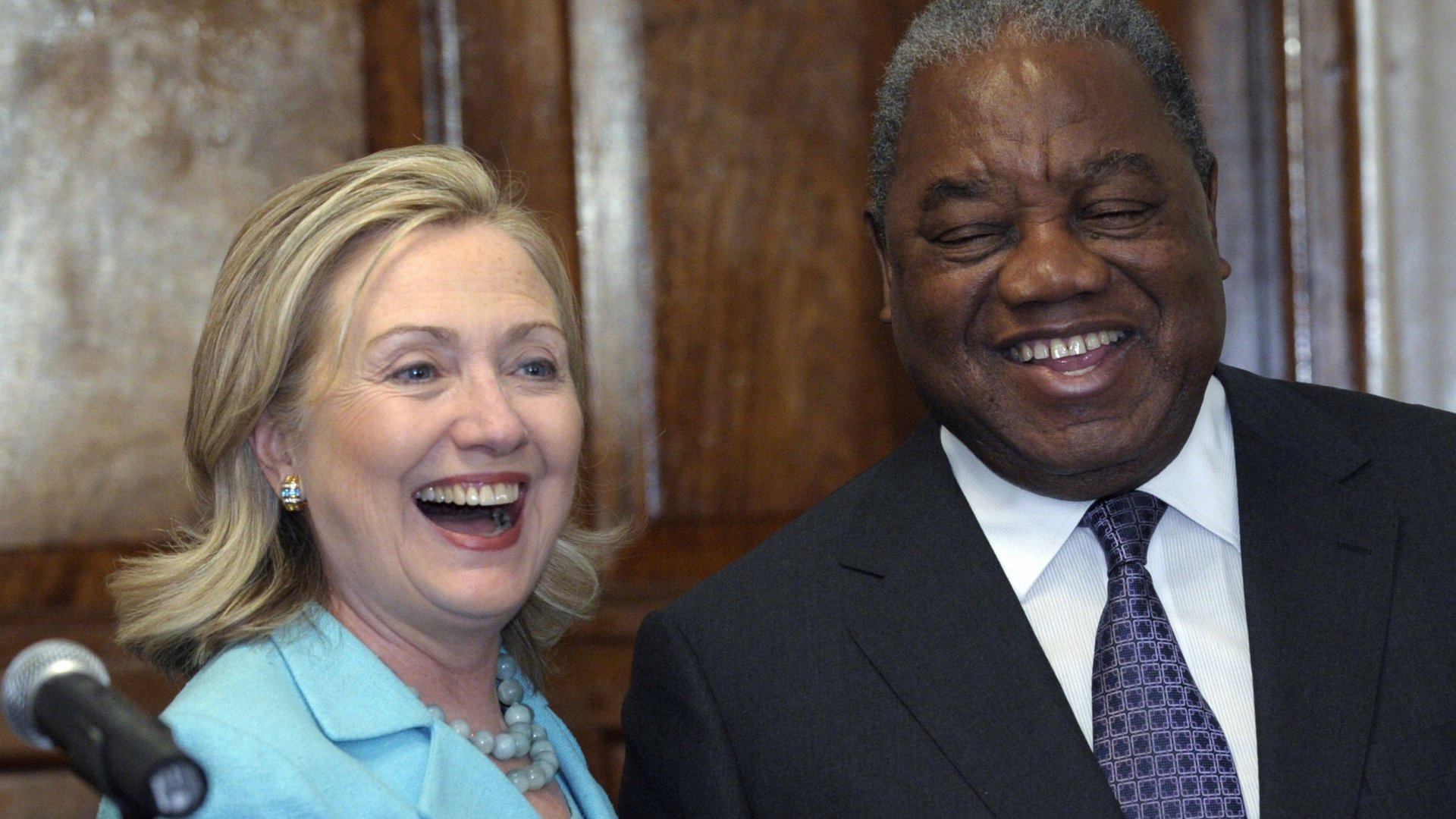
Zambia’s former president has been charged with channeling $11 million from a Nigerian oil deal into a family-controlled bank account. Today’s arrest of Rupiah Banda underscores both the continued atmosphere of extraction-led corruption in Africa, and the unusually treacherous lives of the continent’s leaders.
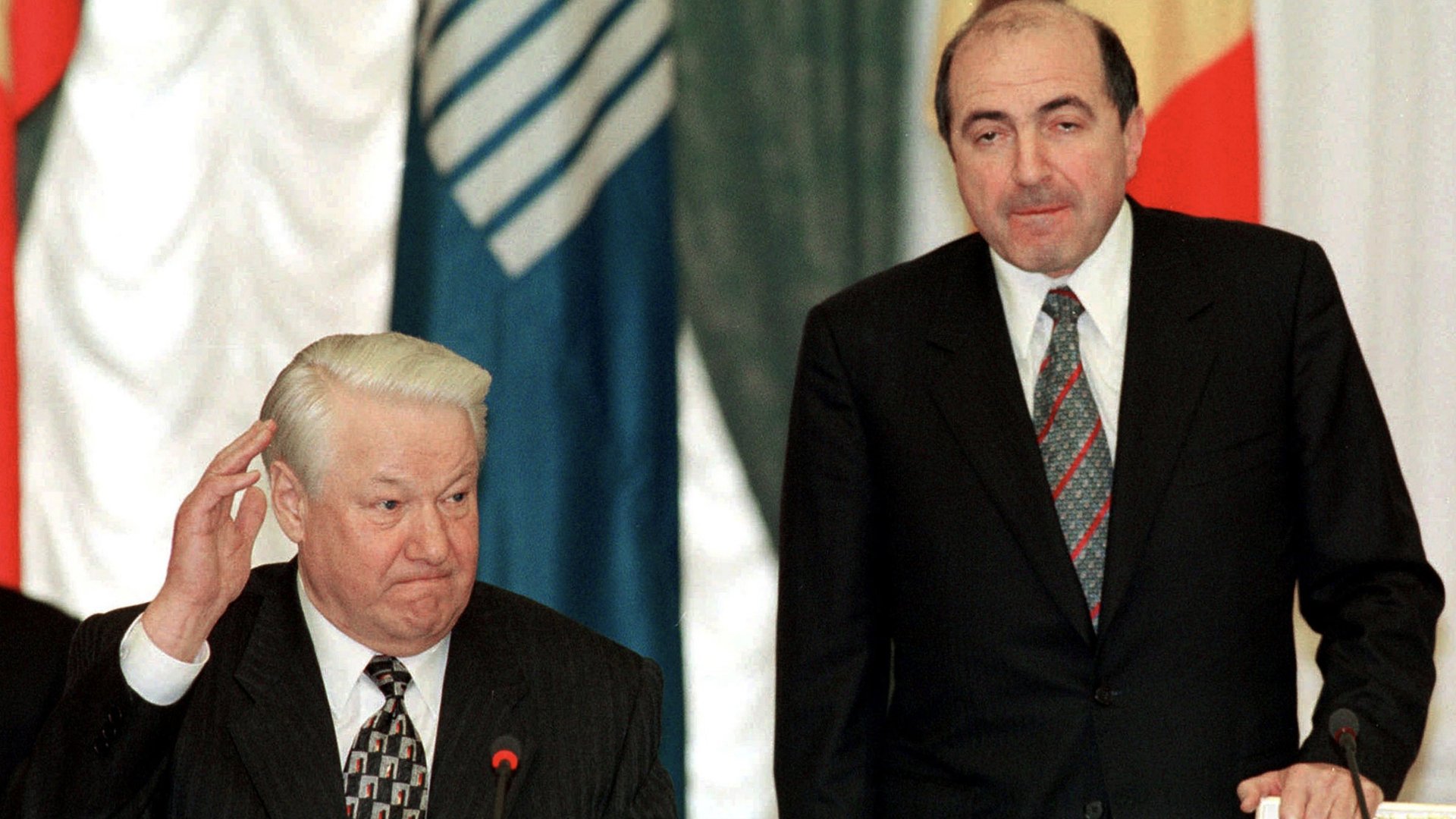
Boris Berezovsky, the self-made billionaire and archetypical Russian oligarch, has died at the age of 67 in London, where he had lived since falling out with the Putin-led Kremlin more than a decade ago.

In Turkey, imprisoned Kurdish rebel leader Abdullah Ocalan has roiled the Middle East playing field by ordering his fighters to disarm, and shift their attention to politics. Coupled with the oil-led autonomy movement in Iraqi Kurdistan, Ocalan’s blockbuster announcement threatens the integrity of three nations that lack Turkey’s political nimbleness—Iran, Iraq and Syria.