The deal TeliaSonera signed with Takilant was full of red flags. Offshore arrangements, unusual access to telecoms licenses, and the like. It’s hard to understand how TeliaSonera could have believed there weren’t huge graft risks lurking behind it.

The deal TeliaSonera signed with Takilant was full of red flags. Offshore arrangements, unusual access to telecoms licenses, and the like. It’s hard to understand how TeliaSonera could have believed there weren’t huge graft risks lurking behind it.

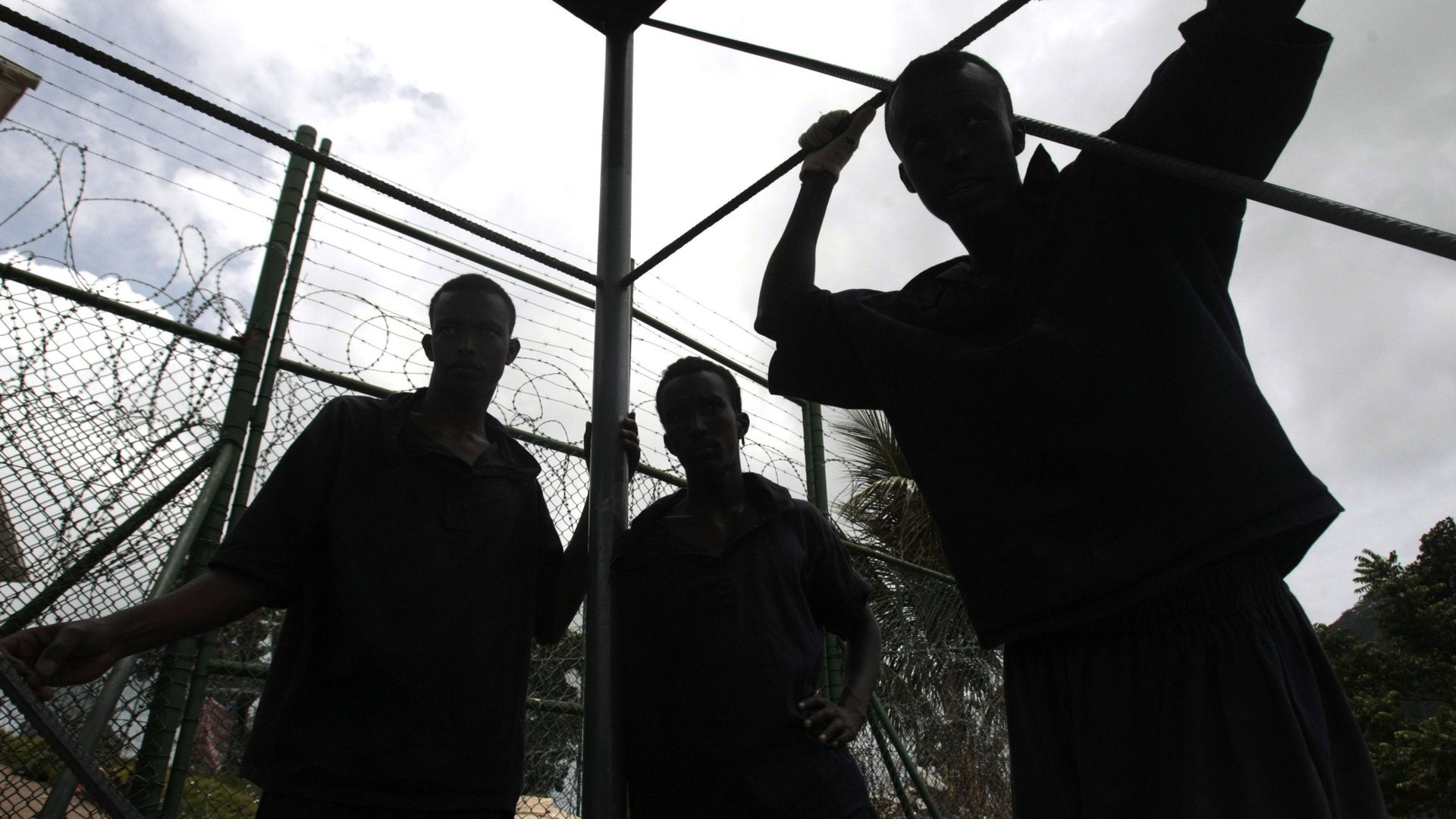
Toughened Indian Ocean security off of East Africa appears to have contributed to a shift in the business of piracy—from a focus on capturing and ransoming hostages, to stealing and selling oil. Less able to ply their accustomed waters, these new oil pirates have sprung up off the coast of West Africa, data show.

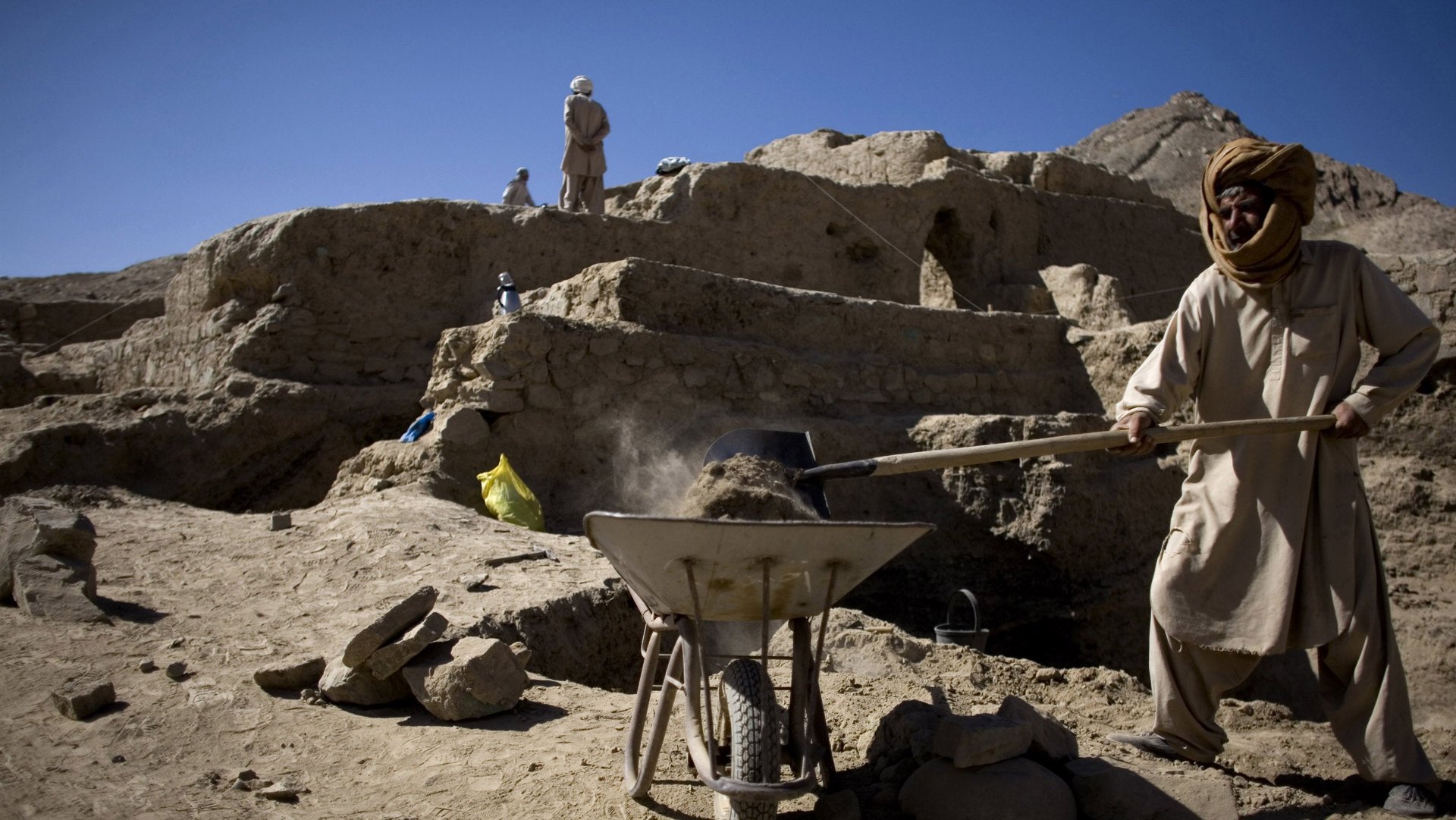
In a drive to ignite its economy after NATO troops pull out next year, Afghanistan is negotiating with a Persian Gulf-led consortium to drill for oil. They expect the deal to close by March, say people with knowledge of the talks.

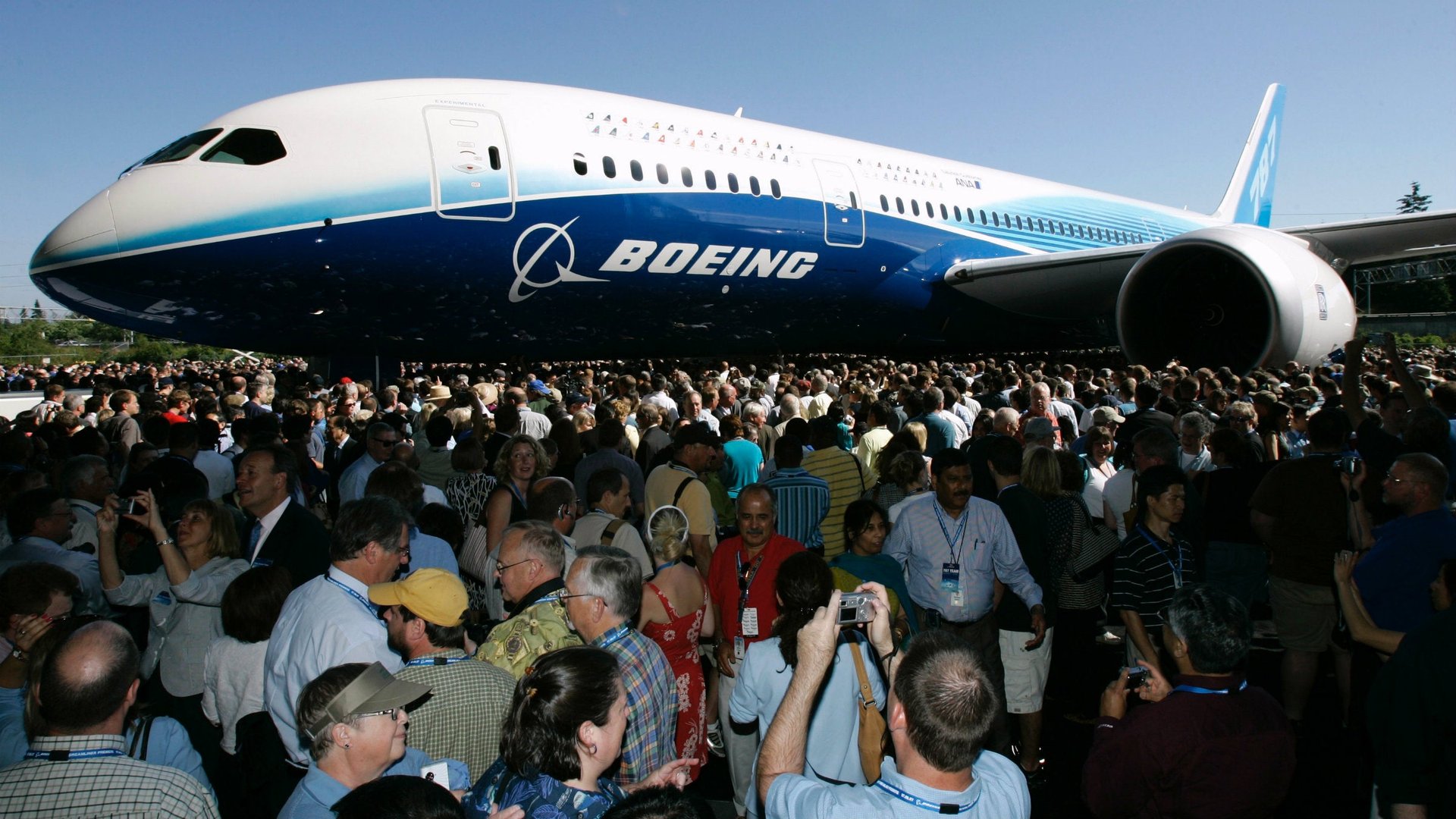
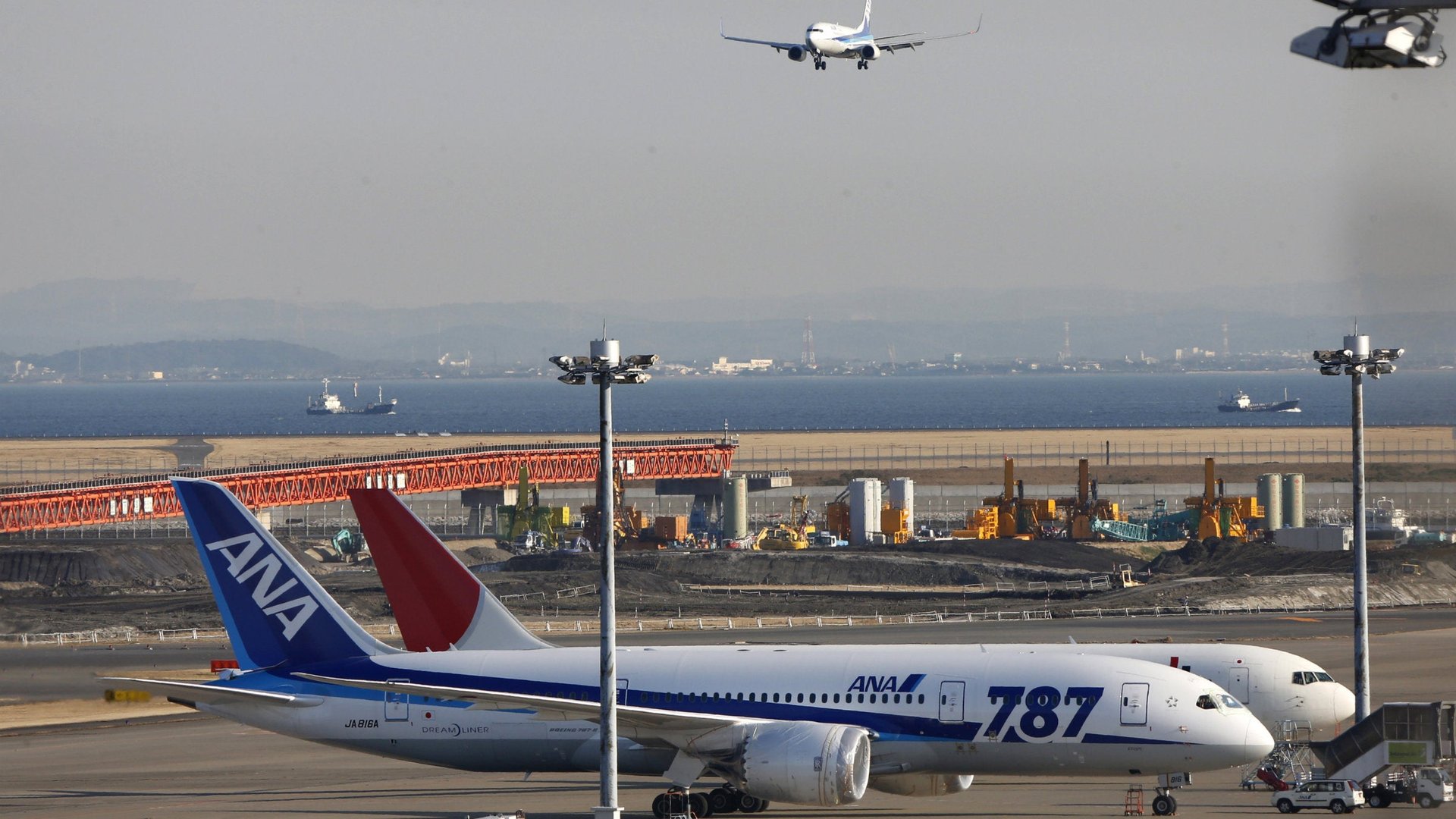
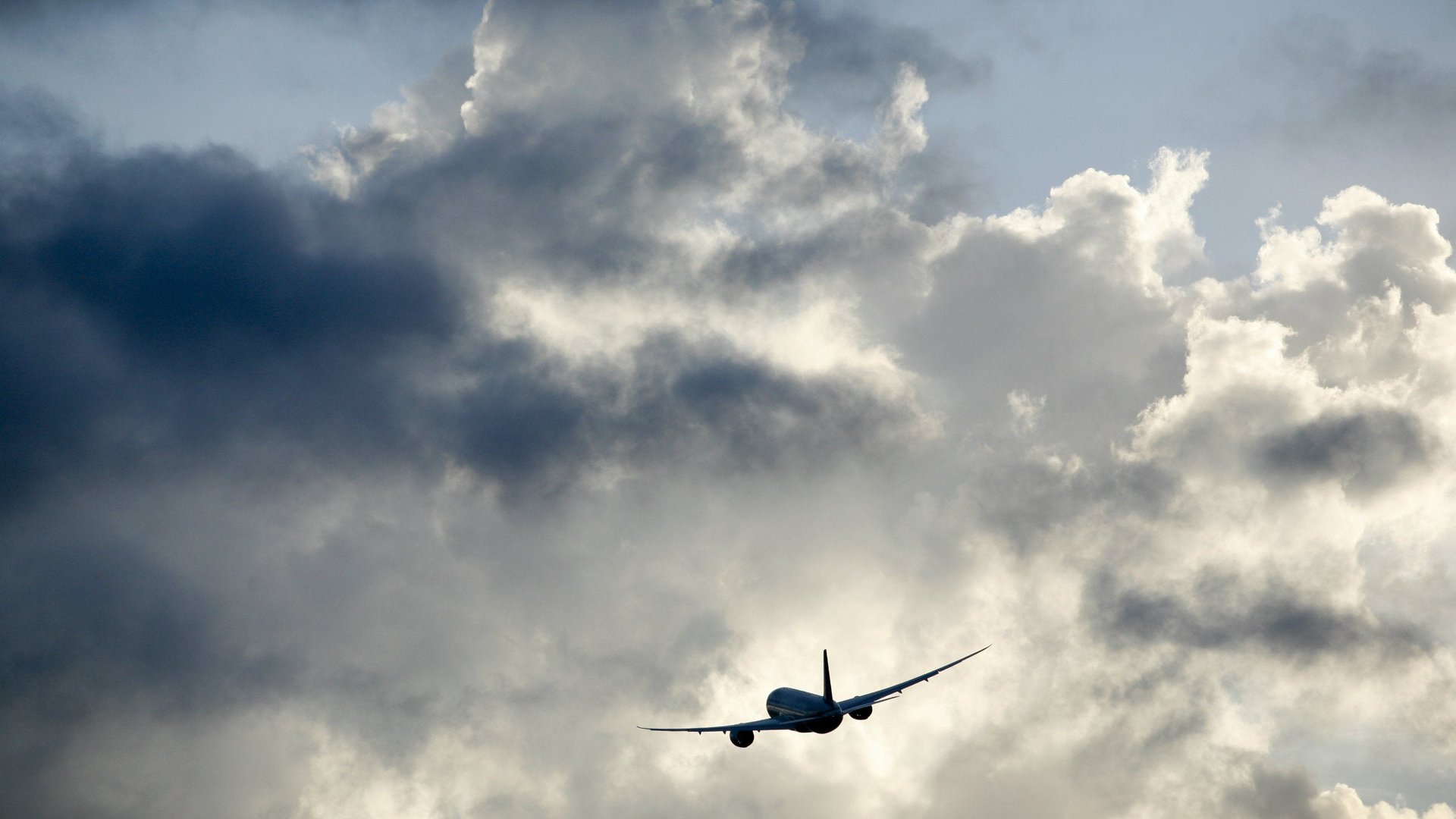
Boeing CEO Jim McNerney swatted away doubting questions about the 787 from Wall Street analysts and reporters today, but his confidence did not settle nagging uncertainties about the impact of the aircraft’s troubles on company finances.

Boeing delivered a strong earnings report and its share price rose ahead of what analysts expect to be a tough conference call this morning with CEO Jim McNerney, who must explain how he is dealing with questions about its flagship Dreamliner.

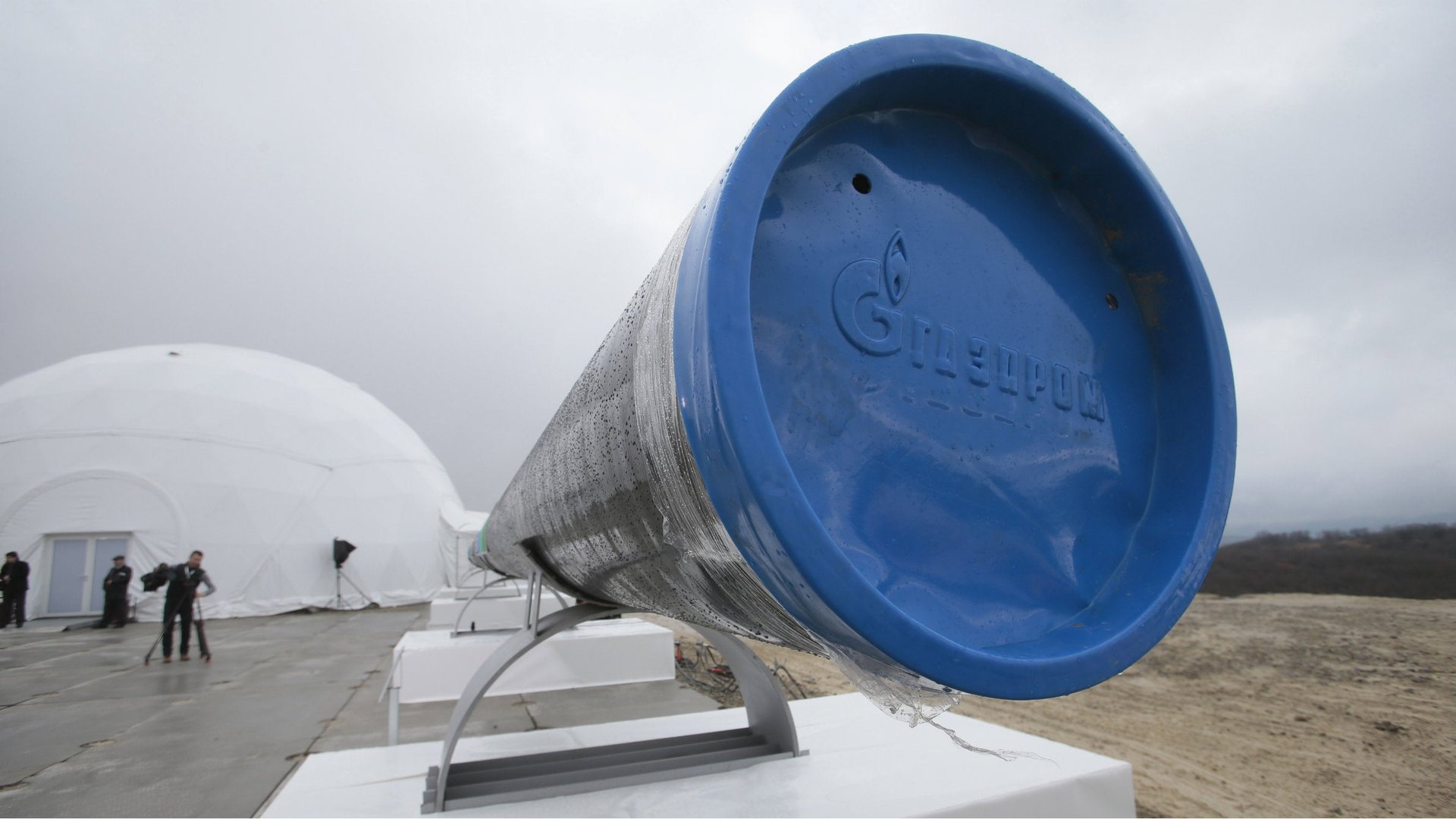
The International Monetary Fund arrived in Kiev today to discuss a Ukrainian budget crisis exacerbated by an unexpected $7 billion natural gas bill from Moscow, and revived talk of a gas war with Russia. Looming in the backdrop is the potential for increased Russian pain in the shale gas revolution.

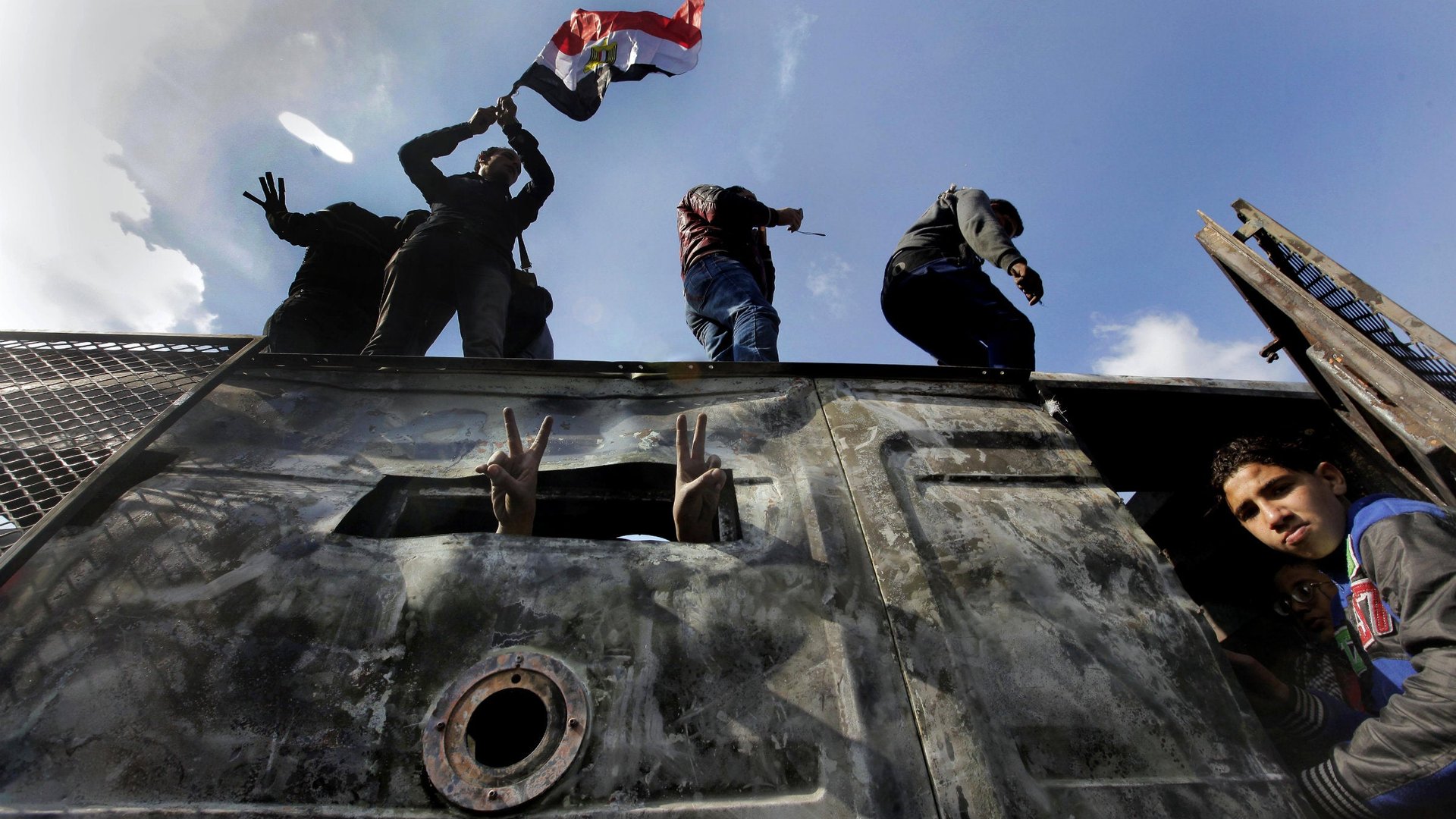
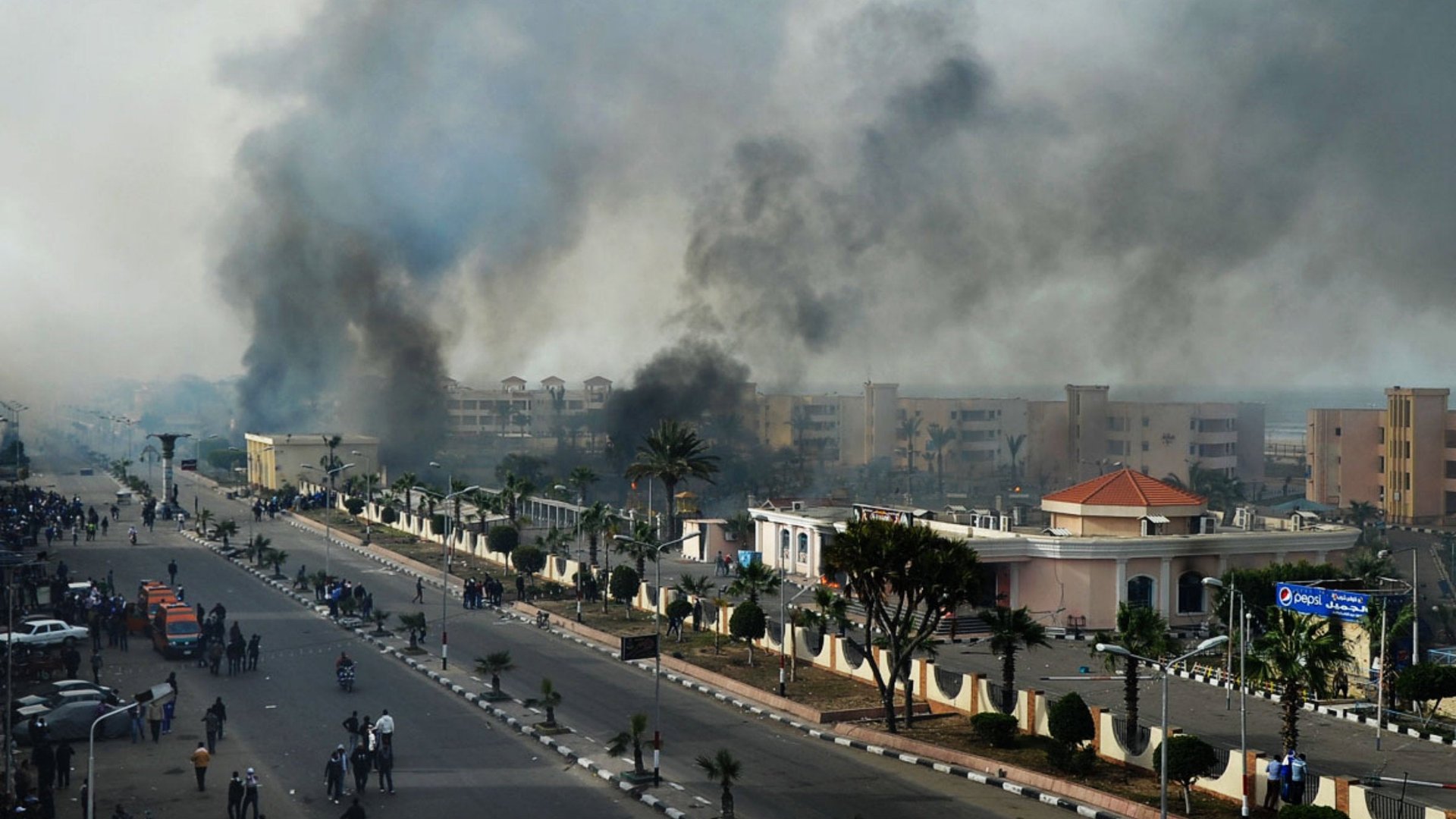
Two years after the protests that brought down President Hosni Mubarak, Egyptians have again seized control of their major cities, and the Army chief says the political crisis “could lead to the collapse of the state.”

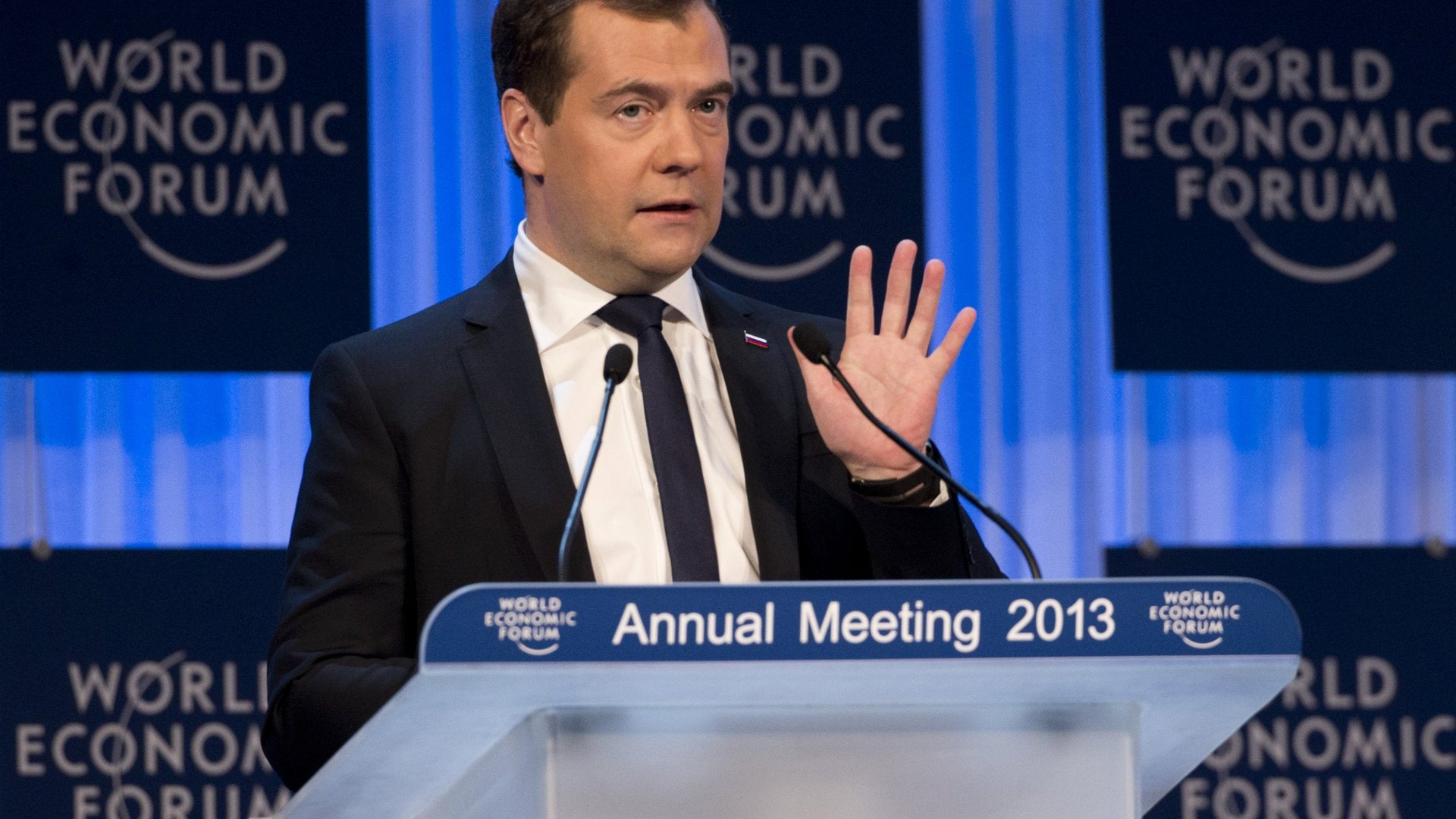
Russian Prime Minister Dmitry Medvedev appeared to physically threaten an American billionaire critic of his country in an off-the-record briefing with journalists, the billionaire says.

For more than a year, ExxonMobil has stood as the backbone of Kurdistan politics, validating its independence as a global petro-player. Now, BP has taken up the mantle for the opposing side, shoring up Baghdad in a tense standoff at the city of Kirkuk.

Turbulence roiled three countries of North Africa in a fifth day of deadly street violence in Egypt, the explosion of a pipeline in Algeria, and more fighting in Mali.

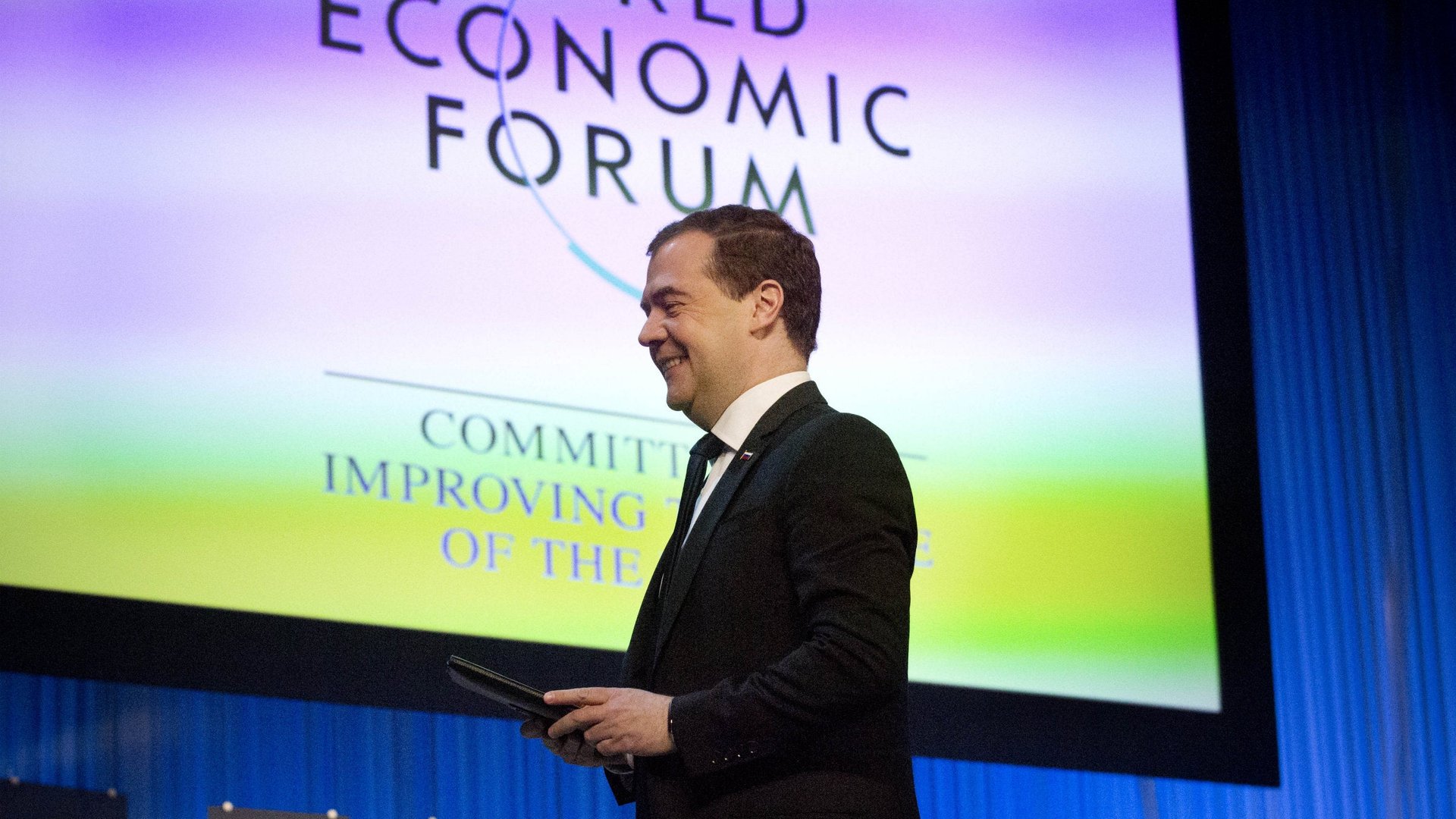
A Moscow court today postponed the posthumous fraud trial of a lawyer whom the West regards as a cause celebre, but a virtual trial of the case went on over the last few days in Davos, Switzerland. It pitted Russian Prime Minister Dmitry Medvedev against the nation’s critics.

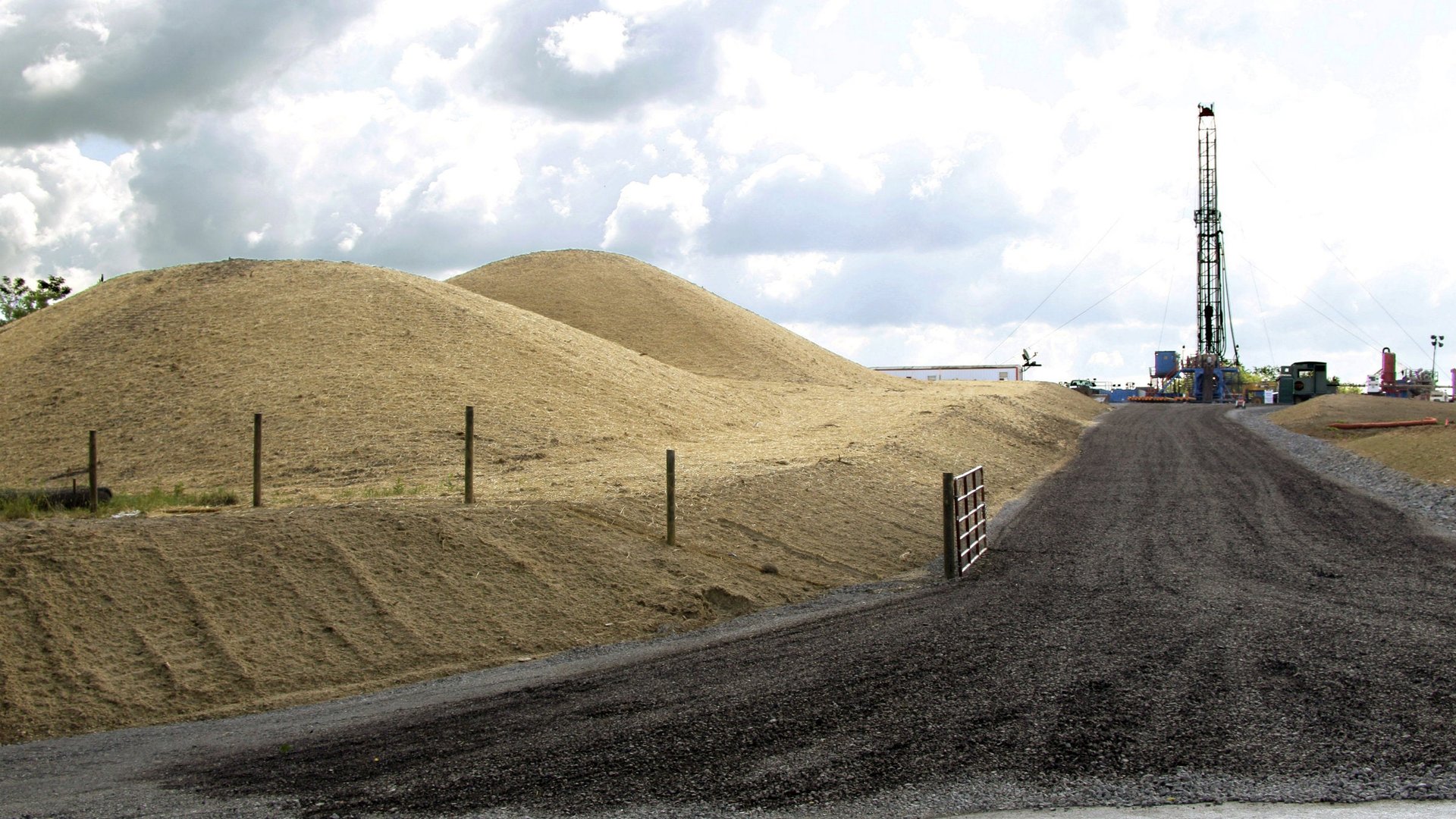
In Ukraine, Shell has signed a $10 billion deal to develop shale gas. And in Australia, the share price of a small Brisbane company called Linc Energy has surged since its announcement of a shale oil find of 3.5 billion recoverable barrels. So the days of Ukraine living under Russia’s thumb are numbered. And Australia is on the cusp of becoming the world’s next oil exporting nation. Right?

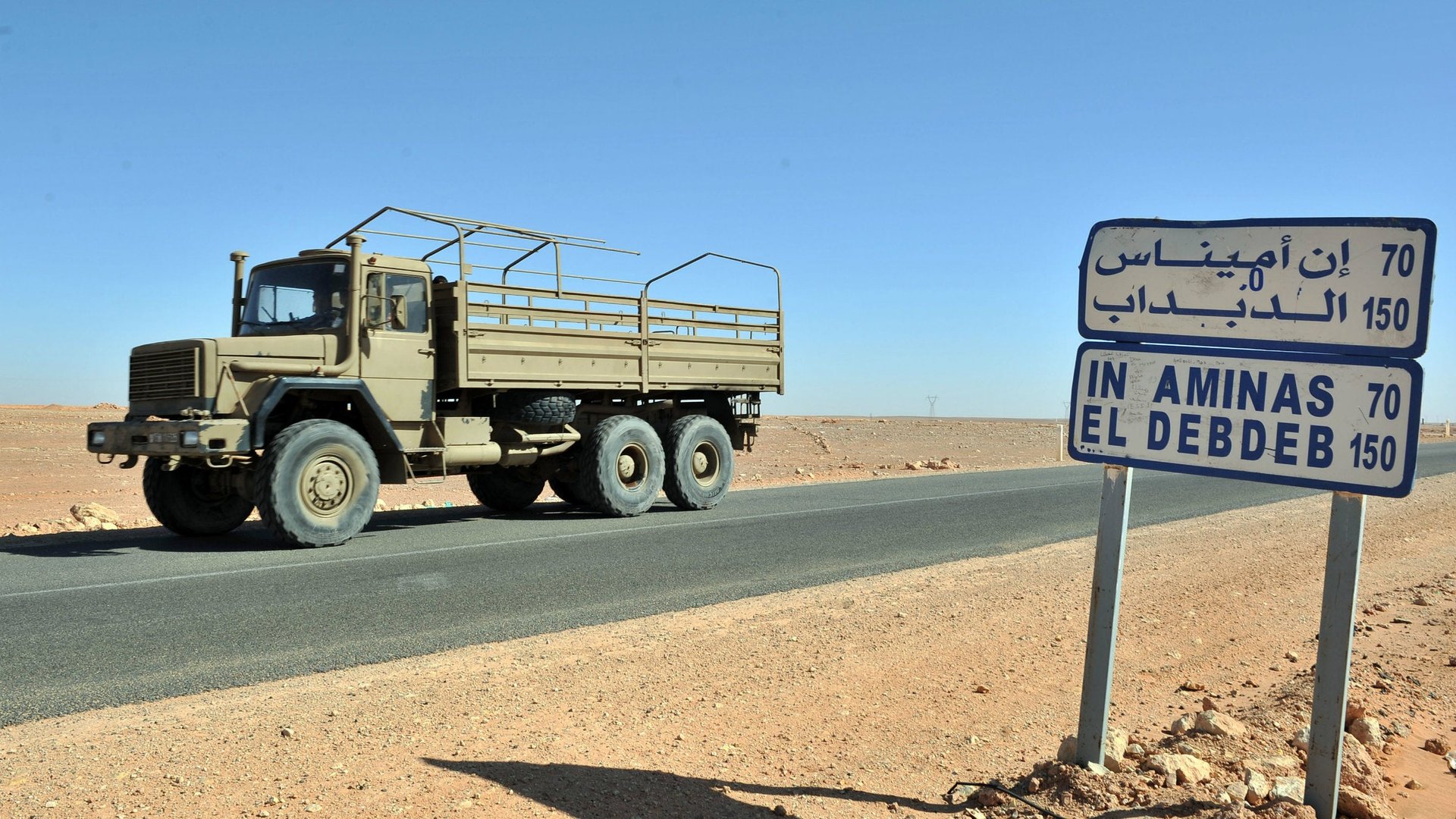
The bare details of the Jan. 16 assault on Algeria’s Ain Amenas natural gas field speak the loudest: Launched from neighboring Mali, the attack appears at this point to have been supplied from Libya, and carried out by fighters from Algeria, Egypt, Mali, Mauritania, Niger and Tunisia. All of these nations are substantial producers of fossil fuels or minerals at installations that are themselves potential targets of attack.

What to watch for today

A few months ago, ExxonMobil informed Iraq that, whether the government liked it or not, it intended to start drilling for oil in the autonomous region of Kurdistan. If by doing so it lost the right to produce oil in Iraq’s rich south, so be it. Now ExxonMobil may be in the midst of a deal allowing it to drill in both the north and south. If that happens, look for smoother politics in Iraq, and another step forward toward greater autonomy for the region’s Kurds.

What to watch for today

Boeing chose to use the most combustible of the standard lithium-ion chemistries on the market in its flagship 787 Dreamliner. The advanced aircraft is grounded around the world after a battery burst into flames.

Algerian forces face an exceedingly well-armed enemy in the militants who have taken hundreds of hostages in the Saharan Desert, experts say. Hostages who have escaped or been freed from the natural gas compound have described being strapped with explosives, and witnessing foreign hostages being executed.

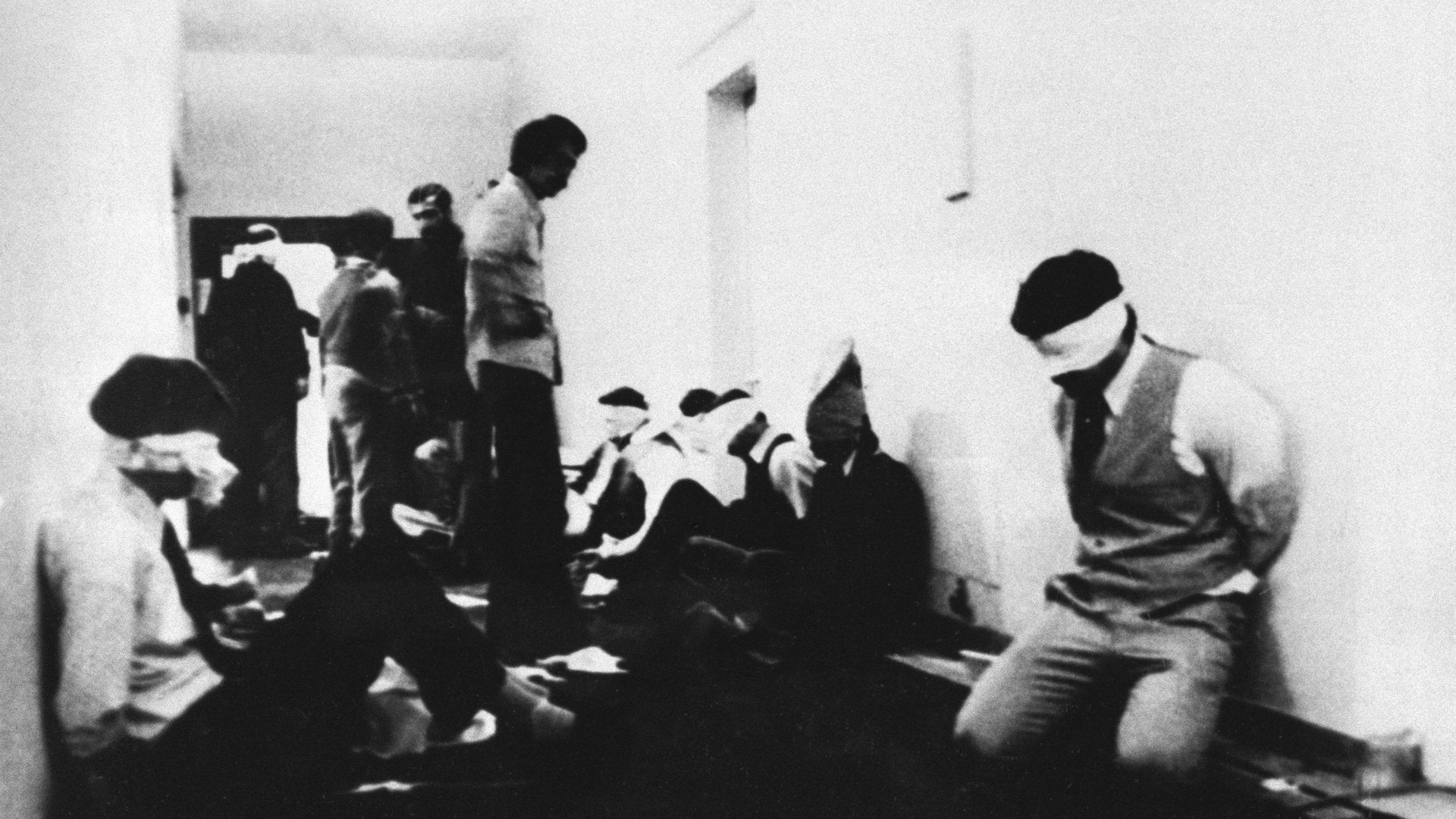
The history of rescue-missions-gone-wrong–Munich, Tehran, Nord-Ost, Beslan, and today in Algeria–demonstrates why they are one of the hardest operations that special teams carry out. The trouble is the moving parts, experts say–the layout and location of the place they are being held; the mood, experience, objective and weapons of the kidnappers; and the number, mood and condition of the hostages.

Many foreign hostages appear to have died and many escaped in the Algerian natural gas encampment where militants took them captive in revenge for a French assault on rebels in neighboring Mali. As of now, it appears that the militants may have been attempting to make a break for it with the hostages in vehicles. Algerian forces surrounding the encampment and flying overhead in helicopters appear to have fired on the vehicles.

Numerous NATO members and other nations have become entangled in the fighting in Mali, as militants today (Jan. 16) seized a natural gas field, killed a Briton and an Algerian, and took 41 foreigners hostage. Among the captives taken are Americans, Japanese, French, Austrian, Irish and British citizens. According to a report, they are tied up in a building at the field, which is situated in the Sahara Desert in Algeria, just north of Mali. Algerian troops are said to have surrounded the site.

During the fallout of BP’s 2010 Gulf of Mexico oil spill, some UK media and company executives suggested that Americans were singling out the firm for its foreign—specifically British—roots. Indeed, fully one-third of Britons in a poll at the time said that Obama, who once referred to the company as “British Petroleum”, had gone “anti-British.” If an American company had the same accident, it would not be so rudely handled, these Britons suggested.

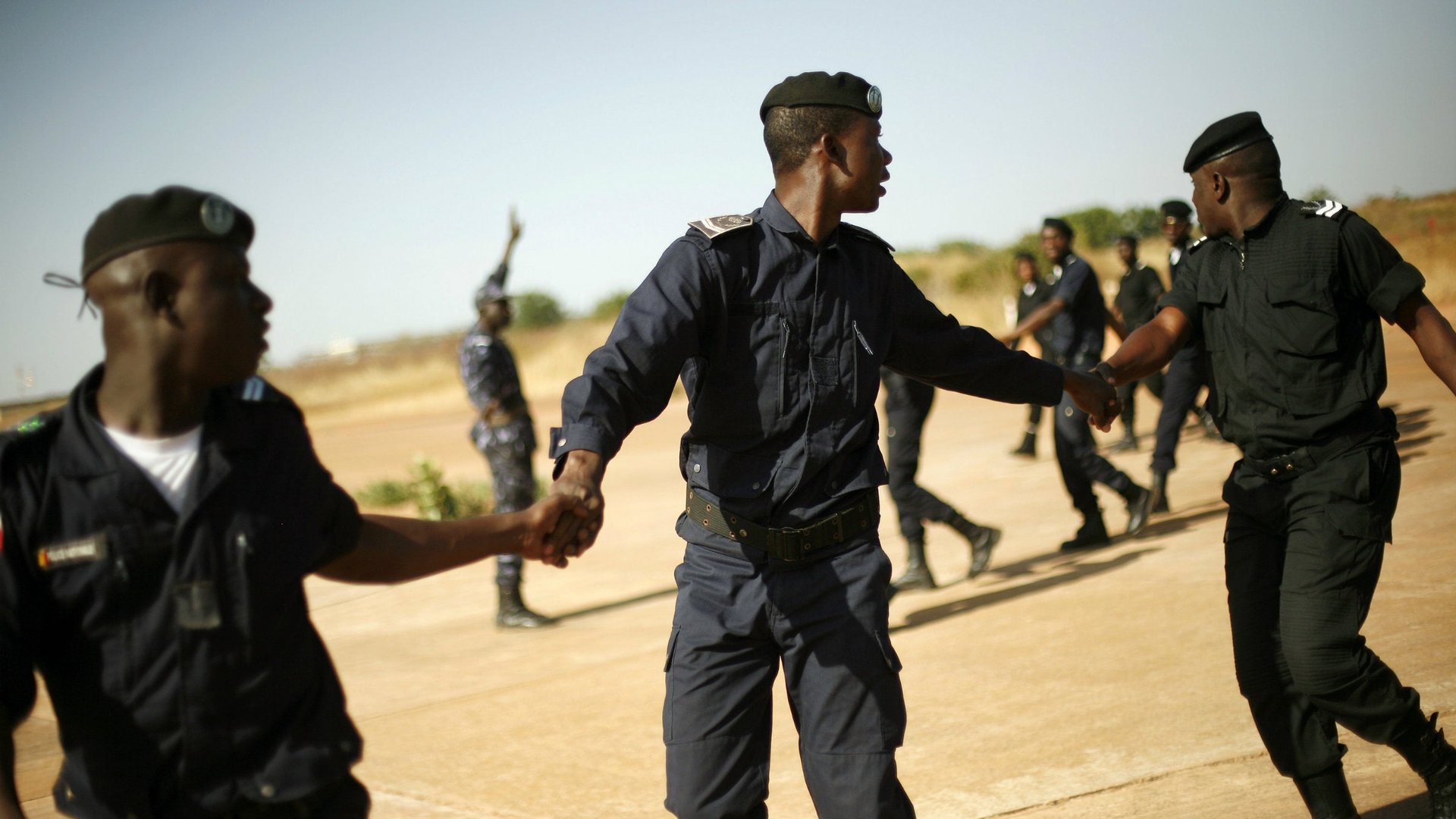
The French are extremely popular in the Malian capital of Bamako at the moment. A year ago—even just a few months ago—that was not the case. What has changed is the rise of Islamic militants who have seized the upper half of the northwest African country, where they began chopping off hands and raping women, and have now begun to march south against almost no resistance by the hapless Malian army. Interim President Dioncounda Traore pleaded for help from Paris, and French President Francois Hollande—fearing the rise of a dangerous new beachhead for al Qaeda—dispatched some 500 troops, jets and helicopters, which since arriving Jan. 11 have been met with unaccustomed open arms.

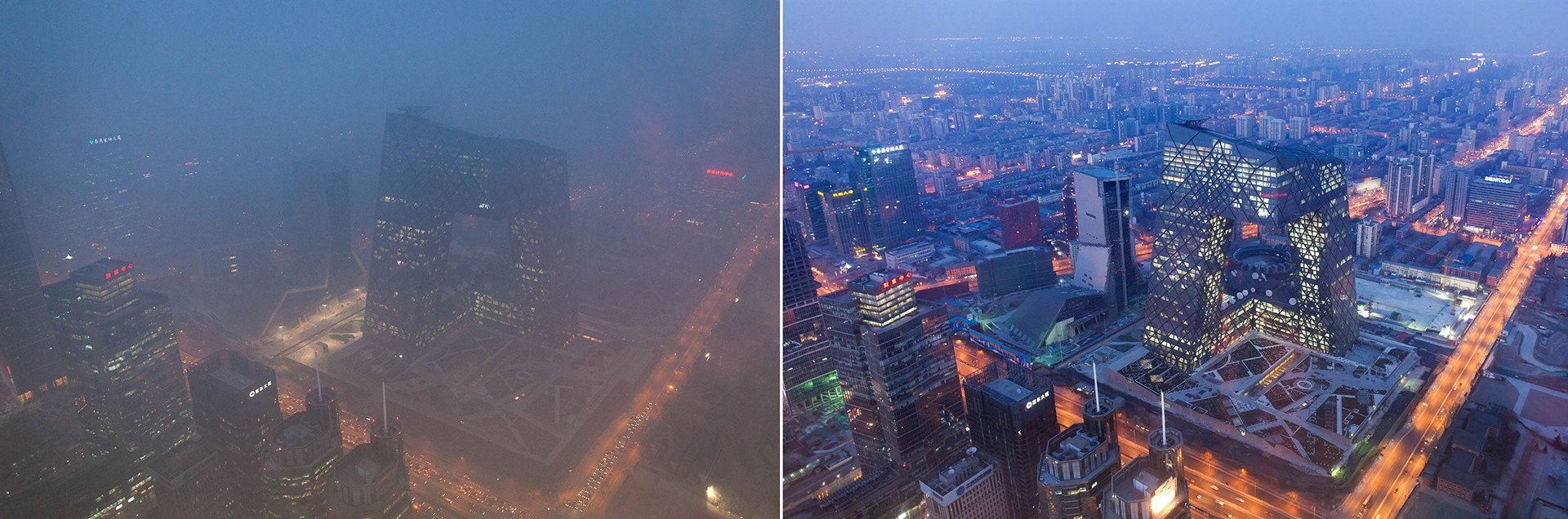
Beijing authorities are keeping children off the street, closing factories and attempting to curb traffic. The Chinese media are lashing out at unprecedented smog choking the city and the entire eastern part of the country. The pollution has been so thick that Chinese pollution meters can no longer measure that high.