Twitter knows whom you follow. But Twitter does not know why you follow them. So the company doing something fairly straightforward—and, for a tech company with reams of data bout its users, unlikely: It’s asking. Politely.

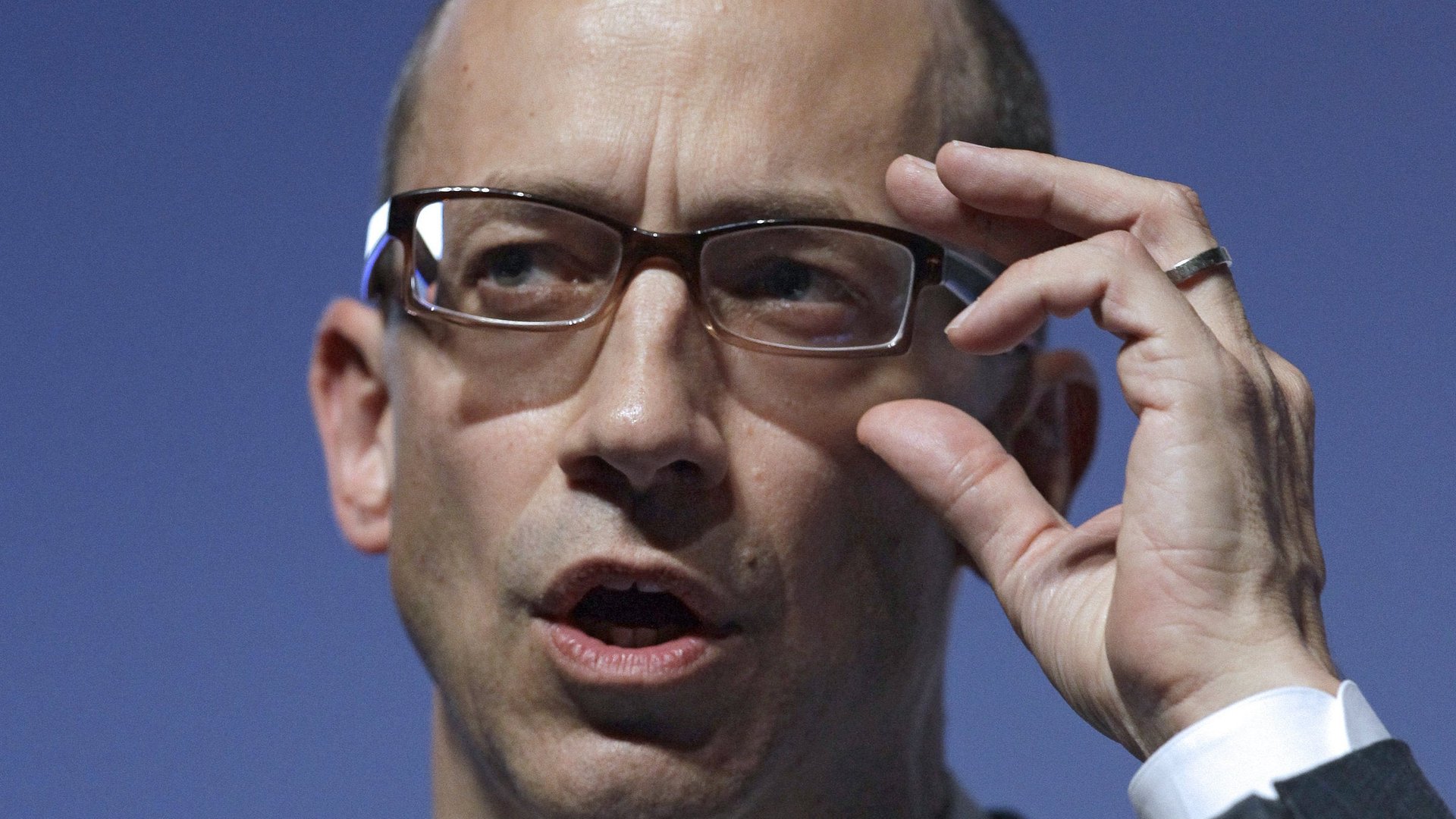
Twitter knows whom you follow. But Twitter does not know why you follow them. So the company doing something fairly straightforward—and, for a tech company with reams of data bout its users, unlikely: It’s asking. Politely.

The European Union isn’t particularly popular lately, with nearly a third of incoming members of European Parliament in the recent polls avowedly anti-EU. The Eurocrats in Brussels ride roughshod over national sentiment, interfere too much, and suck coffers dry, they argue (pdf). “Destroy the EU,” (paywall), they cry.

Some 12,000 black-cab drivers clogged the streets of central London yesterday, June 11, to protest the taxi-booking app Uber.

Telecom operators across the world complain that free messaging apps such as WhatsApp and internet-based calling services like Skype and Viber are eating into their margins. But what if those same services could help telcos grow their margins instead? That could very well be the case in India, reckons Morgan Stanley.

Alibaba announced this morning that it had acquired the final third of UCWeb, a browser in which it previously owned a two-third stake. Jack Ma, Alibaba’s CEO, did not reveal numbers, but said that the deal was worth more than the $1.9 billion Baidu spent last year on 91 Wireless, a smartphone app distribution platform. According to Ma, it is “biggest merger in the history of China’s Internet,”

Less than an hour after it was posted, this tweet had been retweeted by over 36,000 people.

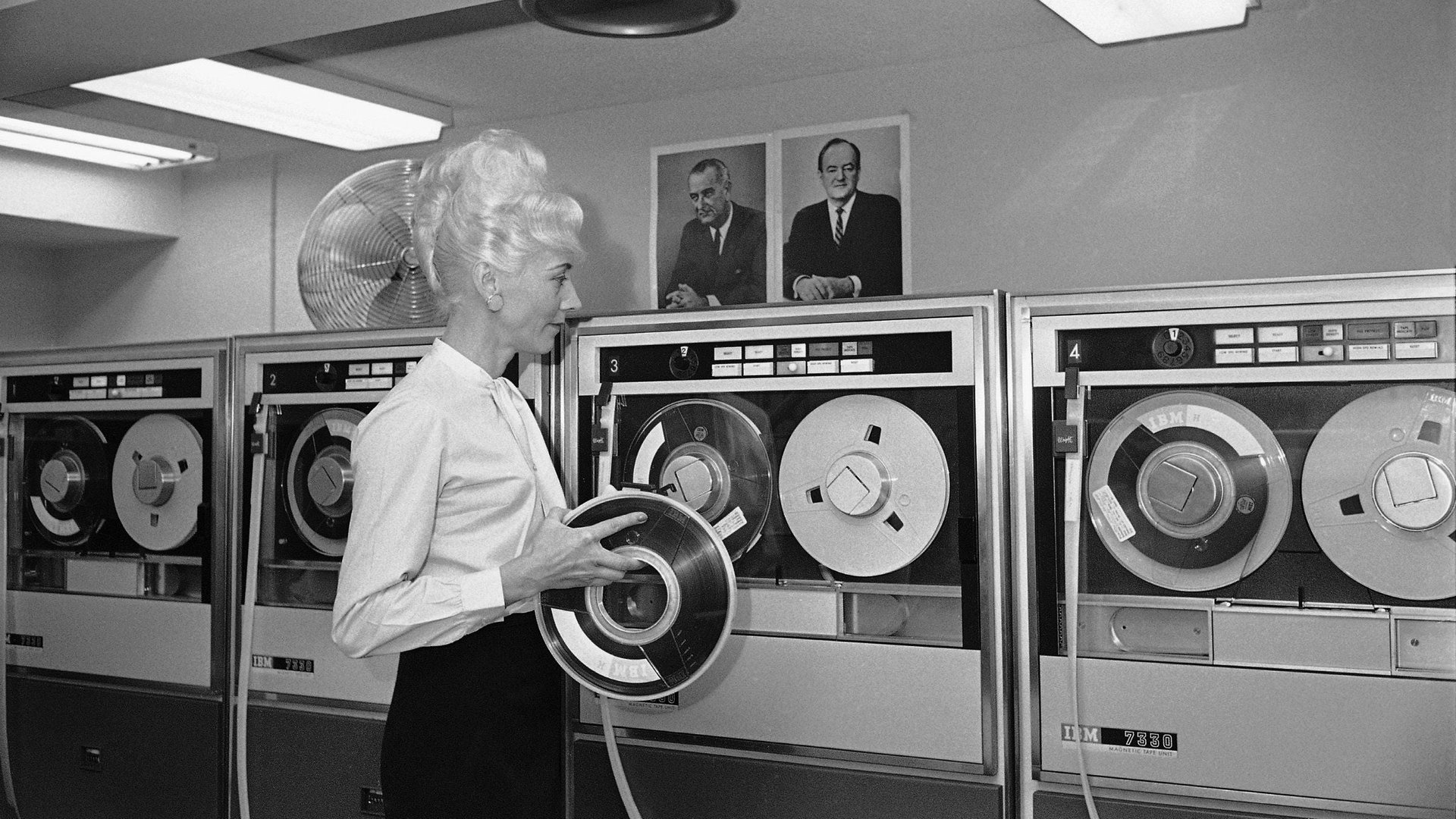
For five decades, computing has followed one inexorable trend: that processors will double in power every 18 months. Ever since the Intel co-founder Gordon Moore first articulated this thought in a 1965 paper (pdf), pointing out that the number of transistors on every chip was multiplying, it has become a self-fulfilling prophecy, with chip-fabricators racing to make processors ever smaller, faster, and cheaper.

This item has been corrected.

This post has been corrected.

More than half of all new mobile phone subscriptions sold in the first quarter of this year came from Asia, according to the Ericsson Mobility Report (pdf), a biannual study of how the world uses mobile phones. Asians bought 70 million of the 120 million new subscriptions.

The idea of using a mobile phone to actually talk to people already seems quaint to many young people. According to data presented in Ericsson’s latest Mobility Report (pdf), a biannual study of how the world uses phones, mobile phones will be used less and less for calls, and more for video.

Even the most fanatical devotee of motor racing has never had a chance to influence a race quite like this.

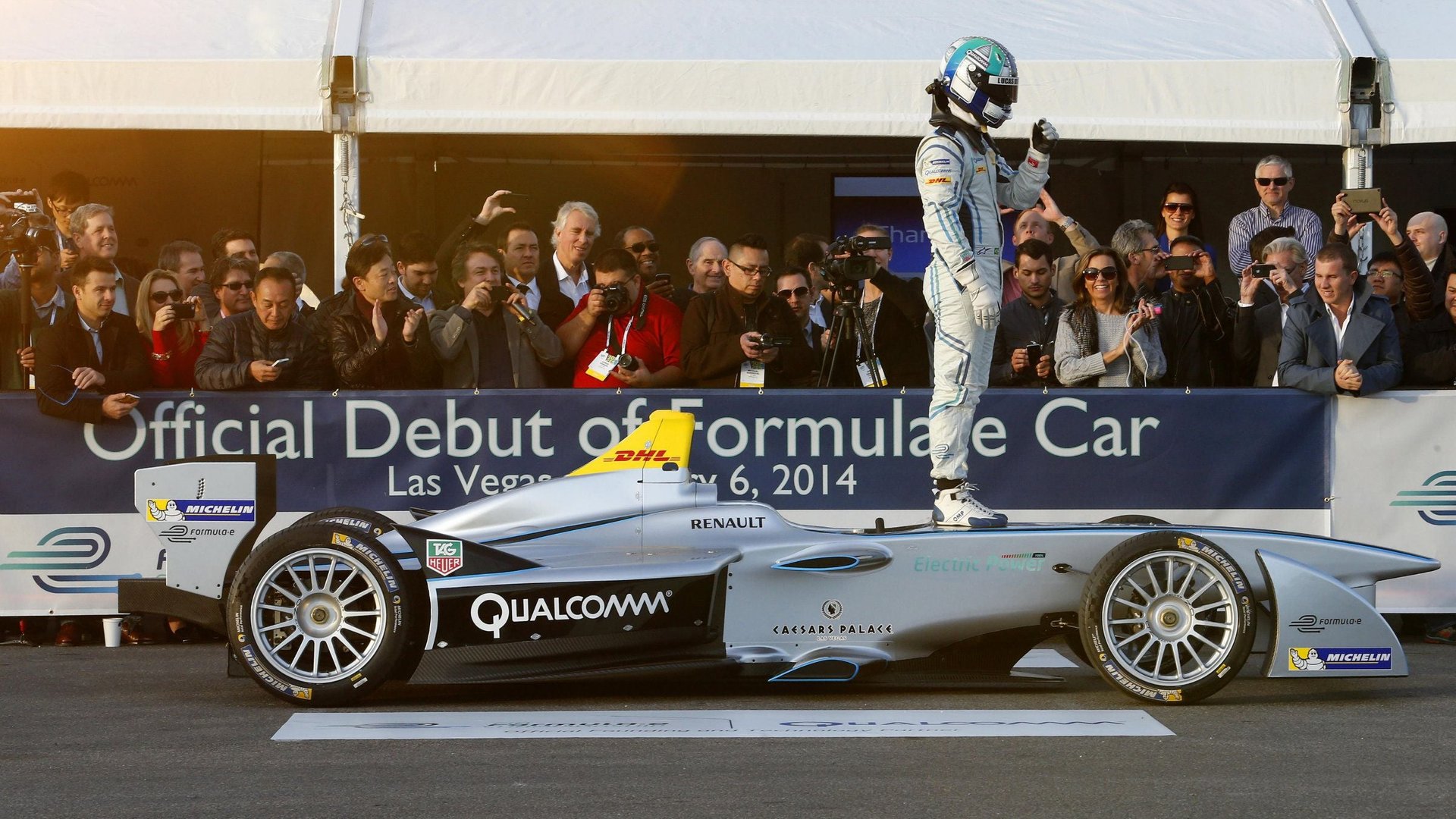
The streets of London are not made for speed. Indeed, they are barely made for cars. Yet on June 27 next year, the British capital will host the closing fixture of Formula E, a motor-racing championship unlike any other: The vehicles zipping through London’s ancient streets will all be electric. And they will have got there after racing the streets of Beijing, Buenos Aires, Berlin, Miami, and five other world cities. The first test runs (on a more conventional racing circuit, Donington Park) start in Britain next month.

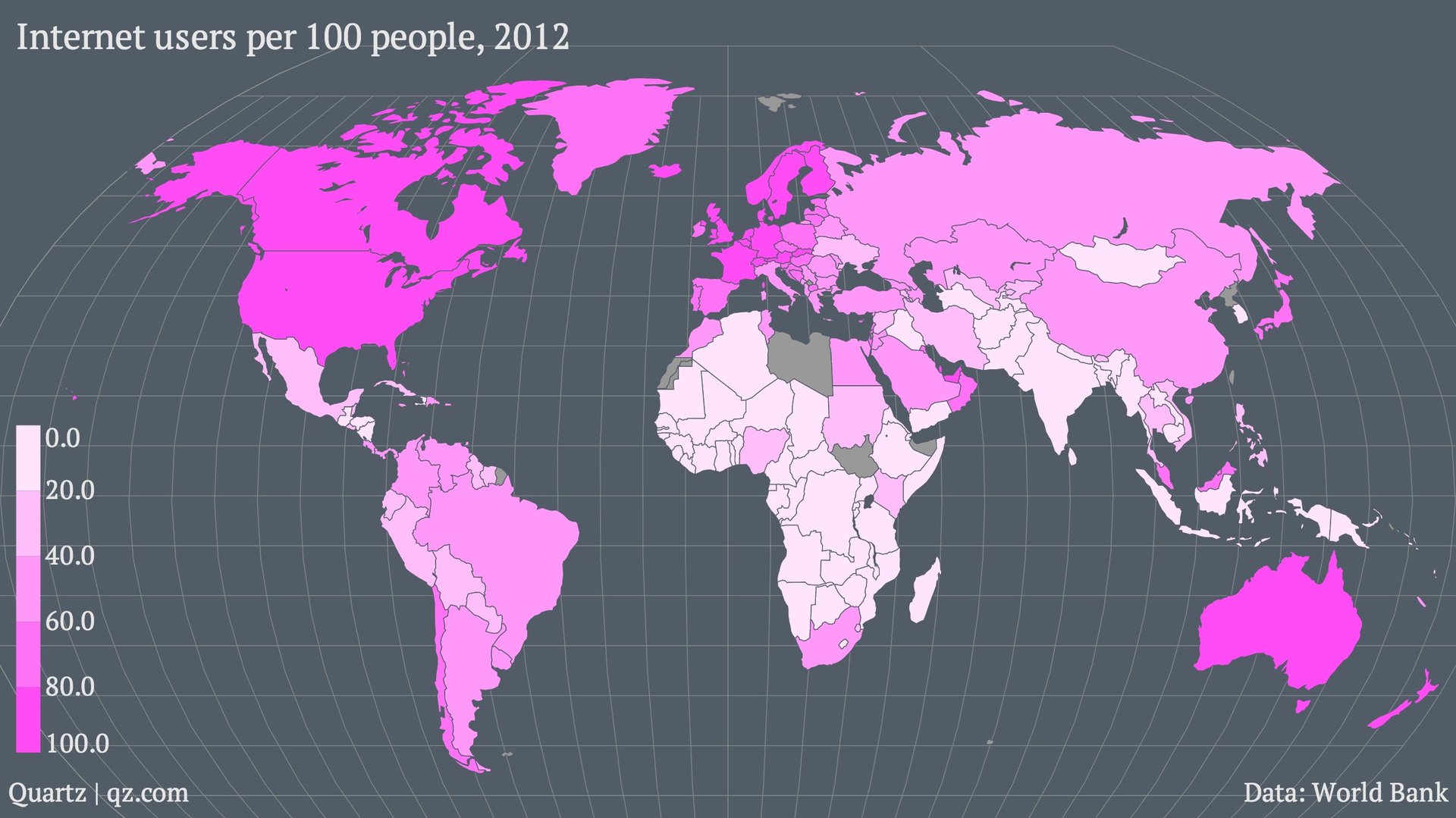
Google will spend between $1 billion and $3 billion to put 180 satellites in orbit, from where the company can beam the internet down to unconnected parts of the world, the Wall Street Journal reported this morning. That’s in addition to Google’s other high-tech internet missionaries: balloons floating high in the sky and drones circling overhead. Facebook also has lofty ambitions.

It doesn’t take a lot for Google to make headlines, but its prototype of the self-driving car, unveiled this week, surely earned them. To some the pod-like vehicle looks more like a koala, but others saw the future of, well, everything: It could replace public transport, enhance privacy, even alter the English language; it will “change the world,” “change everything” and “transform our lives.”

Net neutrality is a sore subject in the United States. Proponents argue that allowing big companies to pay for faster data transfers to their customers would disadvantage start-up business that cannot afford such payments. They also say consumers could be forced to pay more for access to data-hungry services such as Netflix. Opponents of net neutrality say that those who use the most bandwidth should also be the ones paying the most for it. After all, the tubes that ferry data around the world are not public utilities—they are private business concerns.

As anybody who has ever had a computer virus or hard drive crash knows, the best defense for online attacks is a good back-up. Or lots and lots of back-ups, stashed in several different locations.

You probably assume Google and Facebook know everything about you. You may not have heard of a group of companies who possibly know even more. They’re called data brokers, and their business is collecting and selling personal data—typically without your knowledge or consent—that are used to verify identity, help marketers, detect fraud and help perform detailed “people searches.”

In the US, at least, the “internet of things“ is not the future any more, but the present.

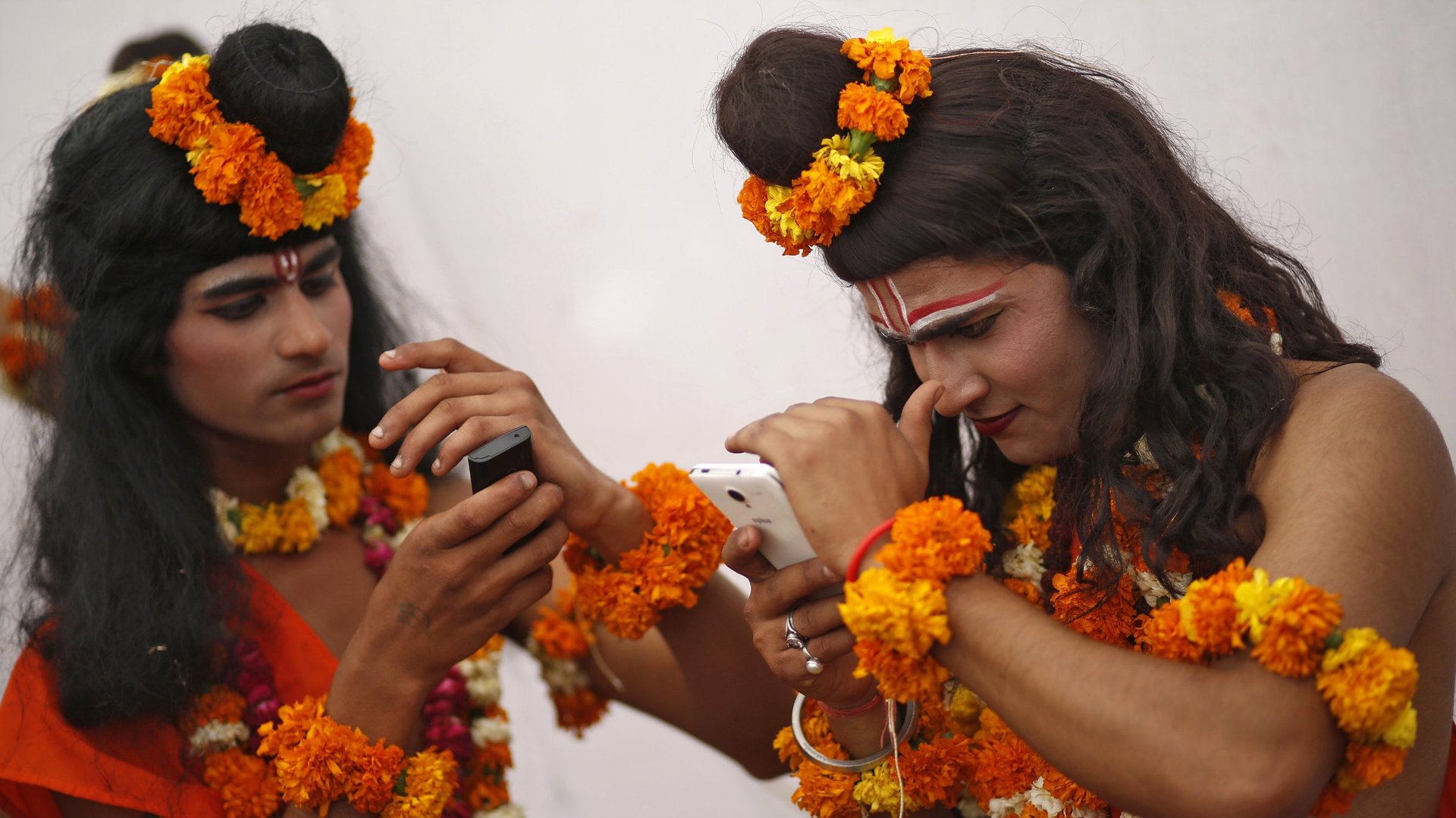
An iPhone 5c with 16 gigabytes of storage retails for Rs 41,900 ($712) in India, before various discounts. That’s $110 more than it would cost, after taxes, at an Apple Store in New York. Little surprise then that the streets of India are not filled with young men and women toting colorful, plasticky iPhones. Instead it is Android devices that dominate.

This post has been updated with comment from Rightside.

When American high school students—and foreign students keen on studying in the US—survey their choice of universities, they can consult one of any number of rankings and listings. Or they can trudge through the websites of dozens on colleges to make up their own minds. Either way, it’s a bit of a chore.

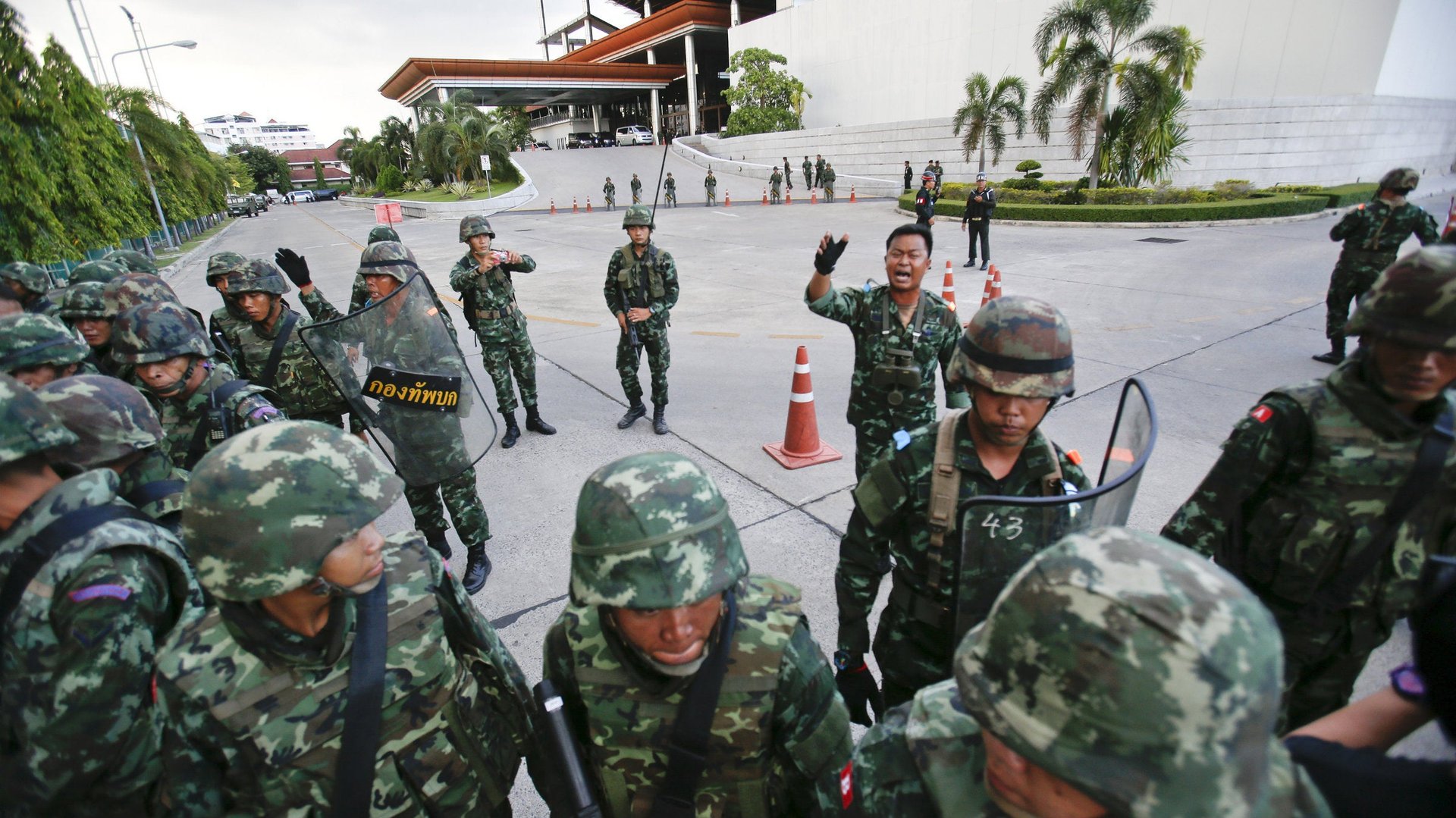
As Thailand goes from “it’s not a coup” to “of course it’s a coup,” Thai newspapers are struggling under the load of web users trying to figure out what’s going on. Though it’s worth trying the The Nation or the Bangkok Post, readers may have better luck with this brief list of options for following the news as it breaks.

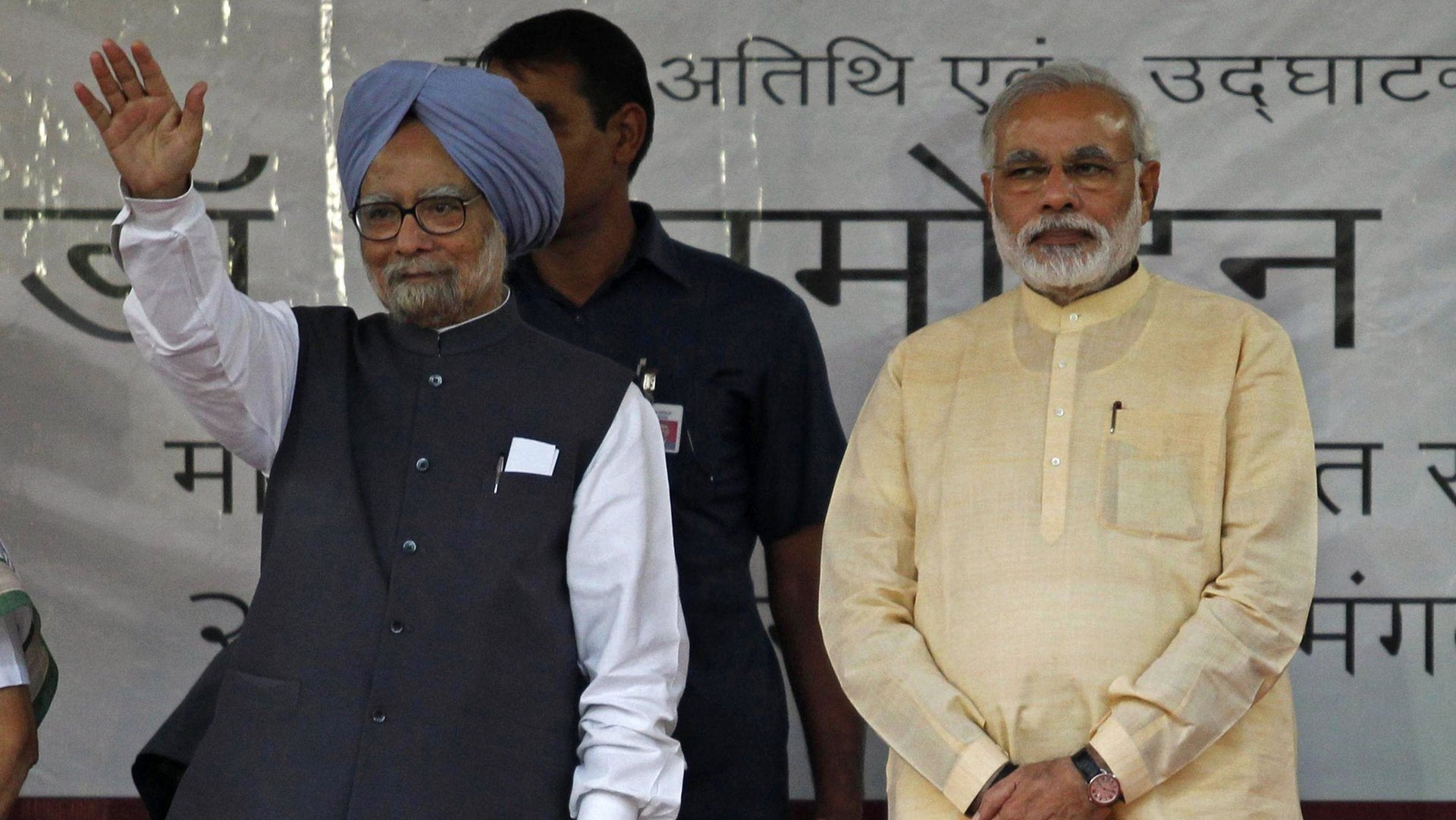
Since January 2012, Dr Manmohan Singh, the outgoing prime minister of India, has regaled the 1.24 million followers of the prime minister’s official account on Twitter with blurry photographs, links to turgid Press Information Bureau releases, and festive tidings. No more.